As the new Primary Vice Principal Pastoral, I have spent the first few weeks doing what many people in a new role do, watching. Not so much in the form of formal observations or learning walks but just watching, particularly out of my very well-placed office window. One thing I have found myself particularly drawn to is transition time.
On paper, transitions are simply the moments between lessons. They involve the practical task of moving hundreds of children from one place to another, which is quite the organisational challenge in a school our size. As such, they are not usually the moments we choose to showcase. Nothing particularly remarkable is supposed to be happening, and yet I would argue that transitions tell us a great deal about a school’s culture.
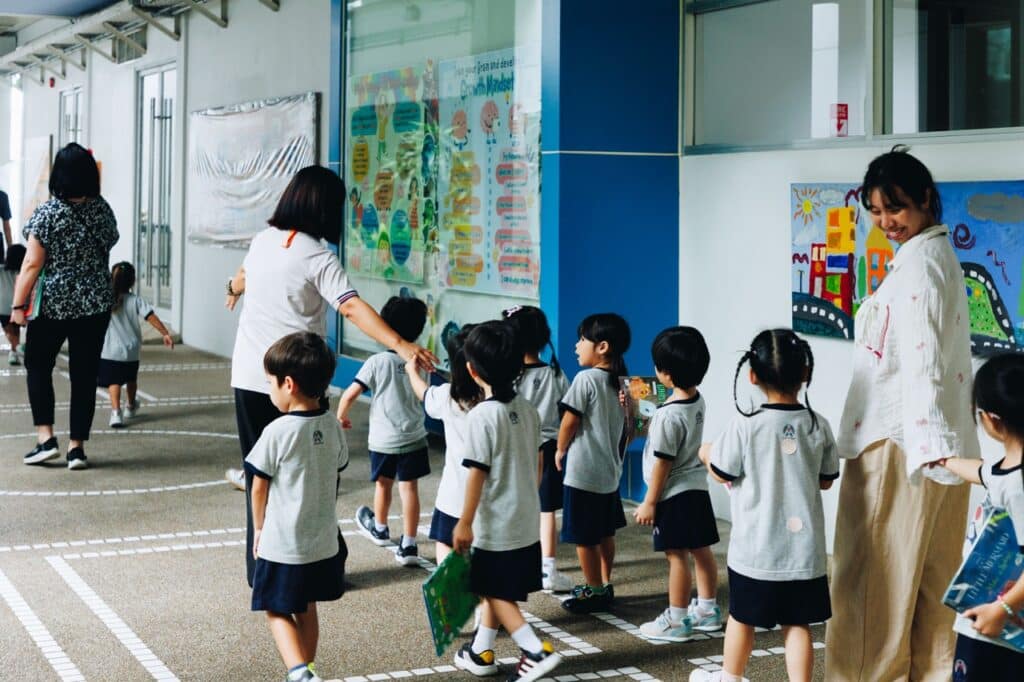
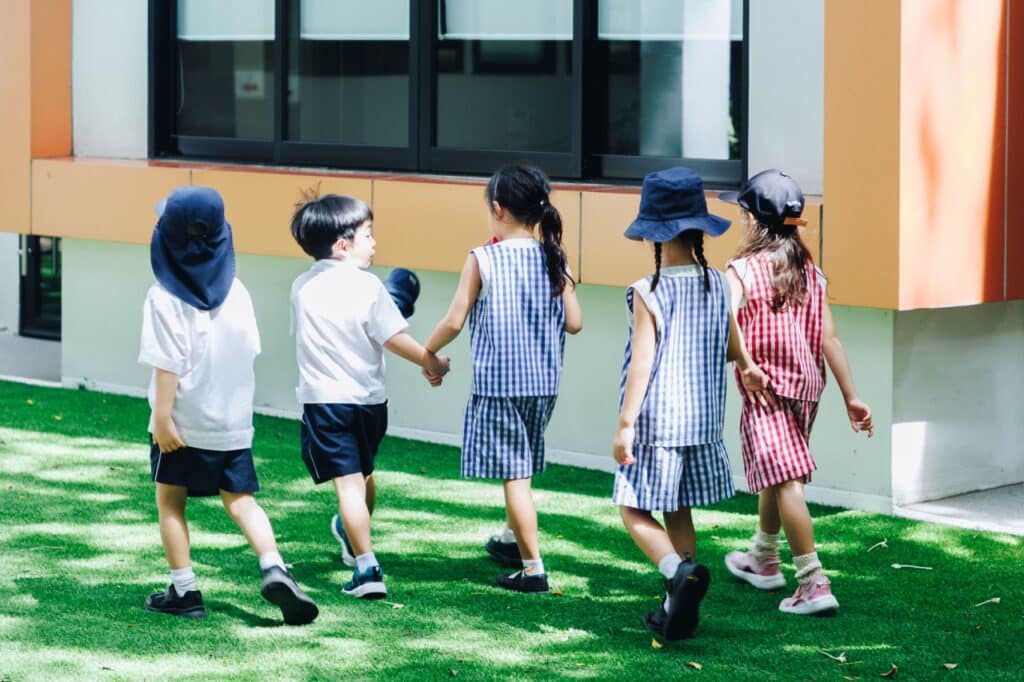
That is why transitions are one of our school development priorities in Primary this year. Our site is vast and open and we want children to enjoy the freedom of moving around it. We also want them to stay safe and to arrive at their lessons on time, ready to be curious and kind. To balance the two, we have restructured transitions so that adults now move with the children around the school. That consistent adult presence is helping to give every child a safe, calm and structured school day.
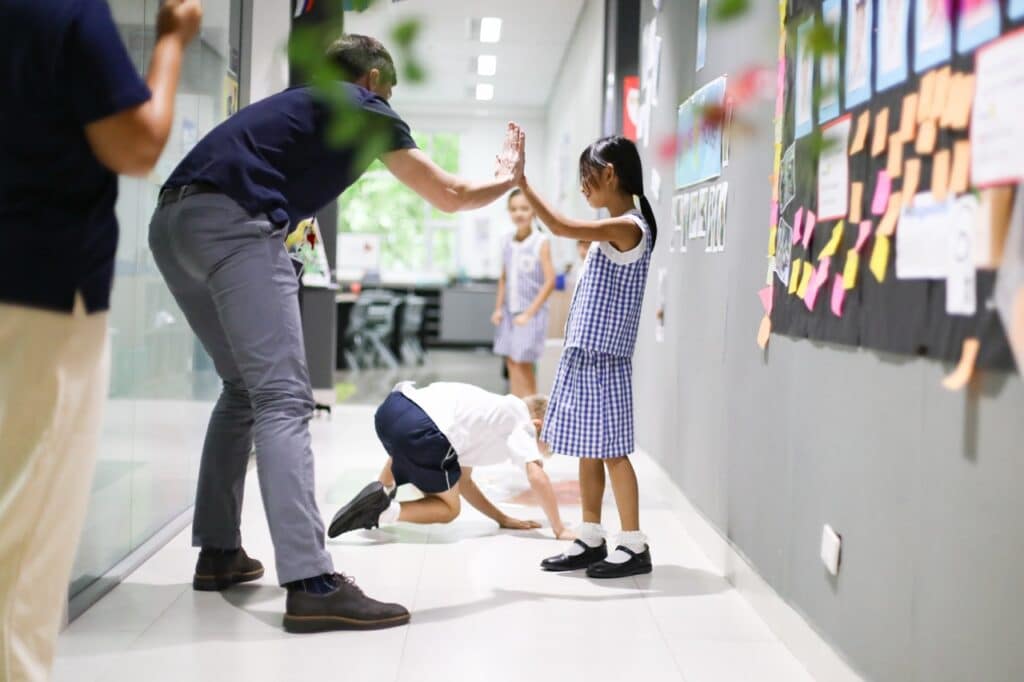
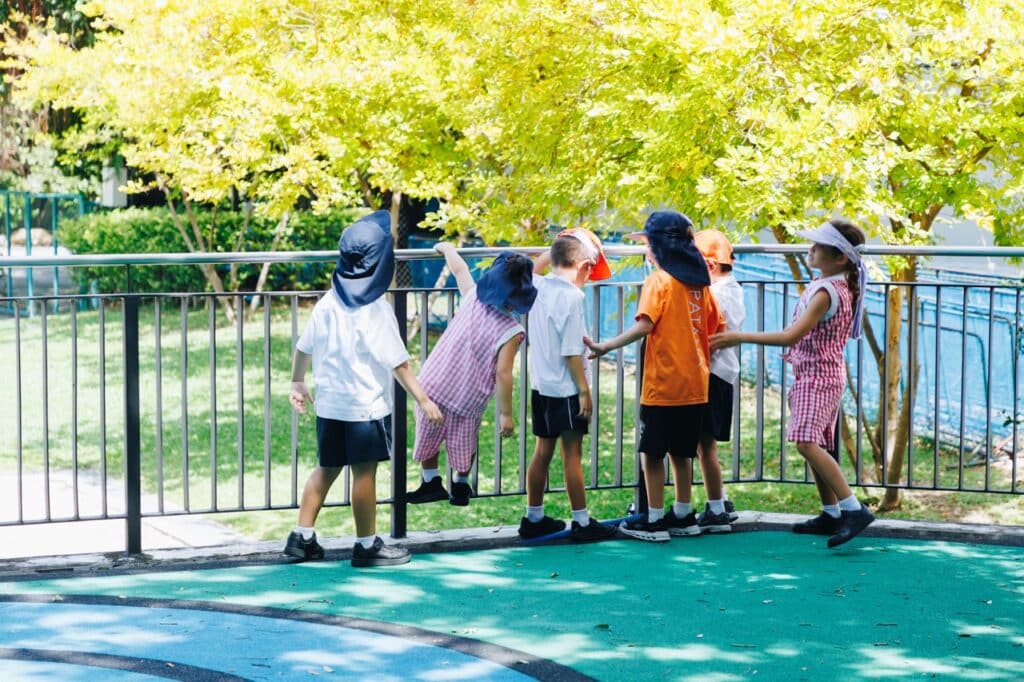
As children move around our Primary School, there is a wonderful sense of life. Friends walk side by side and conversations carry on. Children greet adults by name as they pass and line leaders stride confidently in front, taking their responsibilities seriously. Others kindly help classmates to catch up with the line. Some days we even hear a chant start up somewhere, gathering momentum before it disappears around a corner.
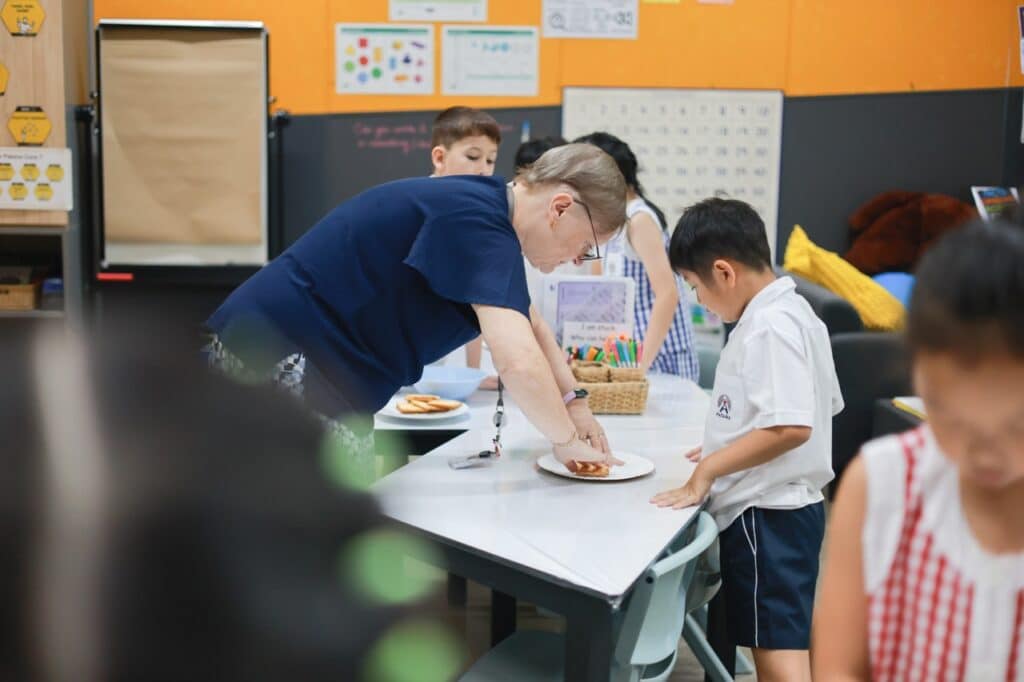
At the same time, something equally important is happening amongst the adults. Colleagues greet each other as they pass and a teacher stops to check in with a child. These are small things, easily overlooked on their own, but together they help a school feel like a community.
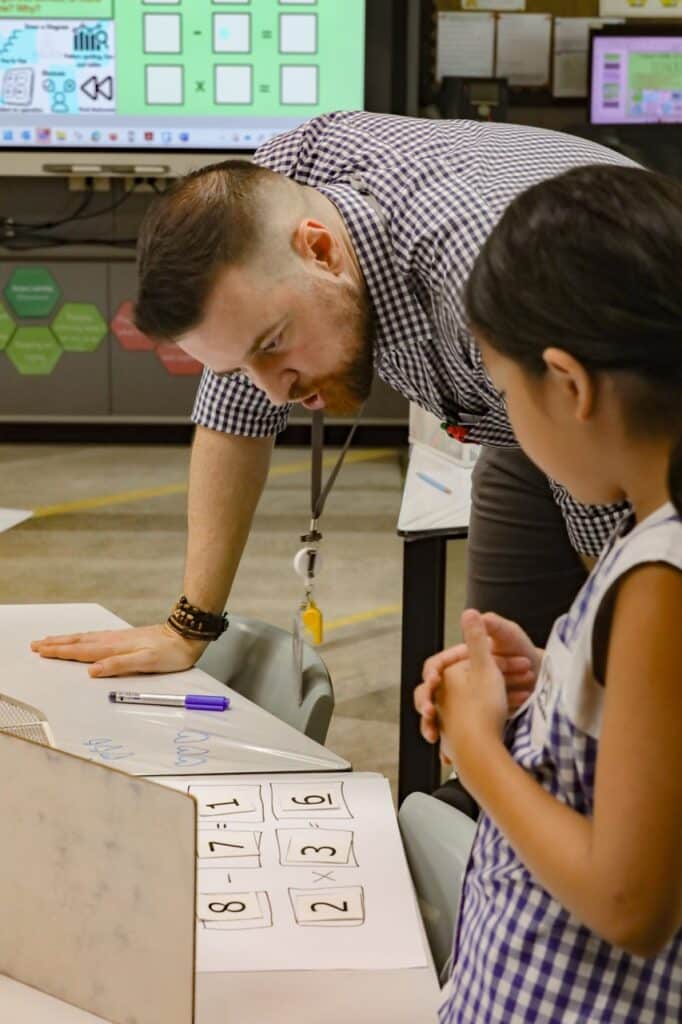
As educators, we spend a great deal of time talking about belonging. It has become something of an educational buzzword, yet it cannot be neatly delivered through an assembly or a well-being lesson. A sense of belonging is built through everyday experiences: an adult remembering a child’s name, someone noticing when they are struggling, an invitation to join a game or the chance to see their own identity and experiences reflected in those around them. Above all, it grows when children feel genuinely seen and listened to.
Perhaps this matters now more than ever. Children are growing up in a world that offers endless opportunities for connection, yet many young people still experience loneliness and a sense of not quite fitting in. Schools cannot solve every challenge children face, but they can offer a place where children feel a strong sense of purpose and achievement and are met with respect and kindness.
For me, that sits at the heart of pastoral care. The most important responsibility any school has is keeping children safe, both physically and emotionally. But safety is not simply about protection. It is about creating the conditions that allow children to flourish.
When children know they are supported, when they trust the adults around them and when they feel they belong, they are far more likely to step forward into challenge rather than retreat from it. Which brings us back to transitions. The more I watch those moments, the more I realise they are about much more than moving between lessons. In many ways, they mirror the journey we want every child to experience during their time at school: moving gradually from uncertainty to confidence, from needing support to offering it and from simply attending school to feeling that they are genuinely part of it.
Our work on transitions has been a success and has brought more benefits than we could have imagined. Next, we are turning to a different kind of transition: the handover at the end of the year. We want to look carefully at how children move from one class and teacher to the next, including how information is shared and passed on, so that they have a similar experience year on year, whichever teacher they meet. We also want to strengthen the move from Year 6 to Year 7, where our children take a much bigger leap into the Secondary School. If the way children move around our site says so much about our culture, the way we hand them on from one year to the next matters just as much.