
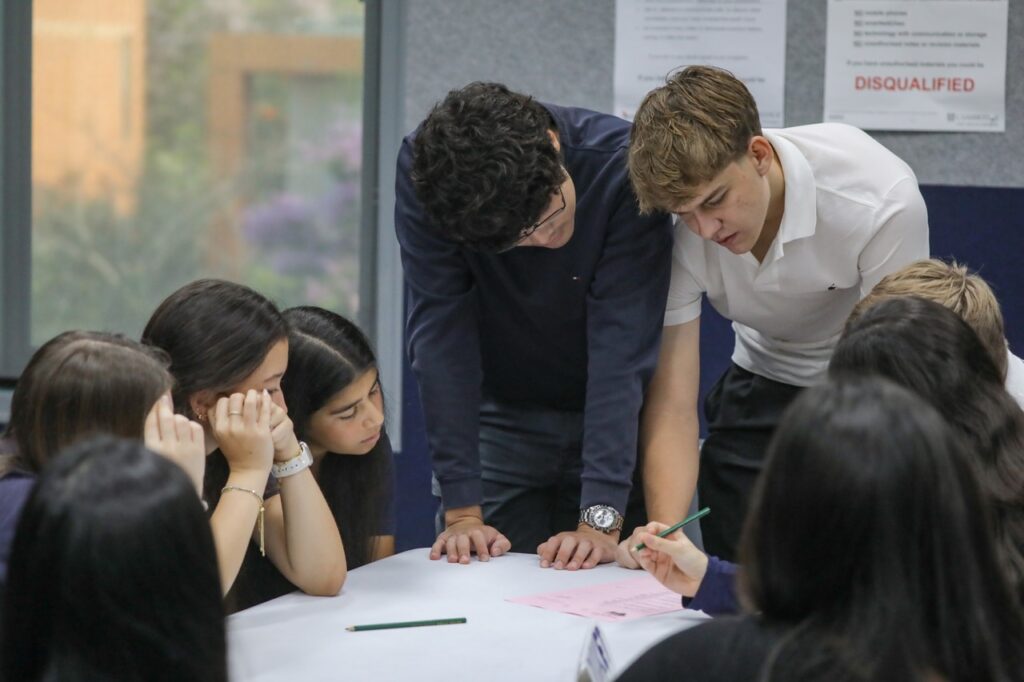
Some of the best collaborators I can think of are The Beatles.
Not because they always agreed; far from it. But because they brought together different personalities, perspectives and creative instincts to create something greater than any one individual could likely have produced alone.
Even after they broke up, the music remained brilliant. Songs like “Maybe I’m Amazed” and “Imagine” are still among my favourites. Yet overall, they were often at their best together; even when there was tension, disagreement and creative conflict.
Anyone who has watched The Beatles: Get Back will probably recognise this. The documentary offers a fascinating insight into how collaboration really works. At times it feels uncomfortable and messy. There are moments of frustration, difference in vision and cognitive conflict. Yet through that process, they produced extraordinary work together. It turns out even world-class collaborators occasionally got frustrated with one another; reassuring news for the rest of us.
John Lennon once said, “A dream you dream alone is only a dream. A dream you dream together is reality.”
That idea has always stayed with me.
I’ve often reflected on collaboration in my own life and leadership. Some people you naturally connect with. Conversation flows easily, ideas build quickly and there is an immediate sense of trust and energy.
But as I’ve grown older, I’ve realised that some of the most important collaboration skills emerge elsewhere; in learning how to work effectively with people we do not naturally click with straight away.
That requires curiosity. It requires listening carefully. It requires trying to understand what motivates people, what they value and what helps them feel heard.
Perhaps that is one of the great challenges of teamwork and leadership today; not simply surrounding ourselves with people who think like we do, but learning how to navigate difference respectfully and productively together.
In schools, we speak frequently about collaboration as an important skill for the future. Yet we do not always explicitly teach students what effective collaboration actually looks like in practice.
Collaboration is far more than simply sitting in groups or dividing tasks evenly. Effective collaboration involves listening actively, adapting ideas, inviting different perspectives into discussions, challenging respectfully and building collective ownership around a shared goal.
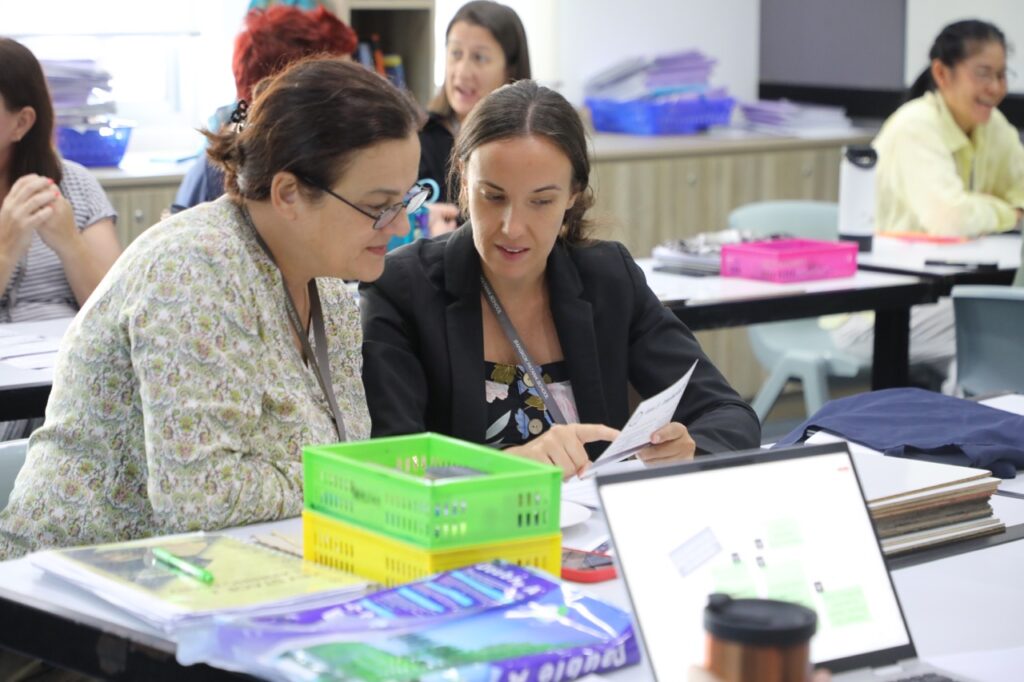
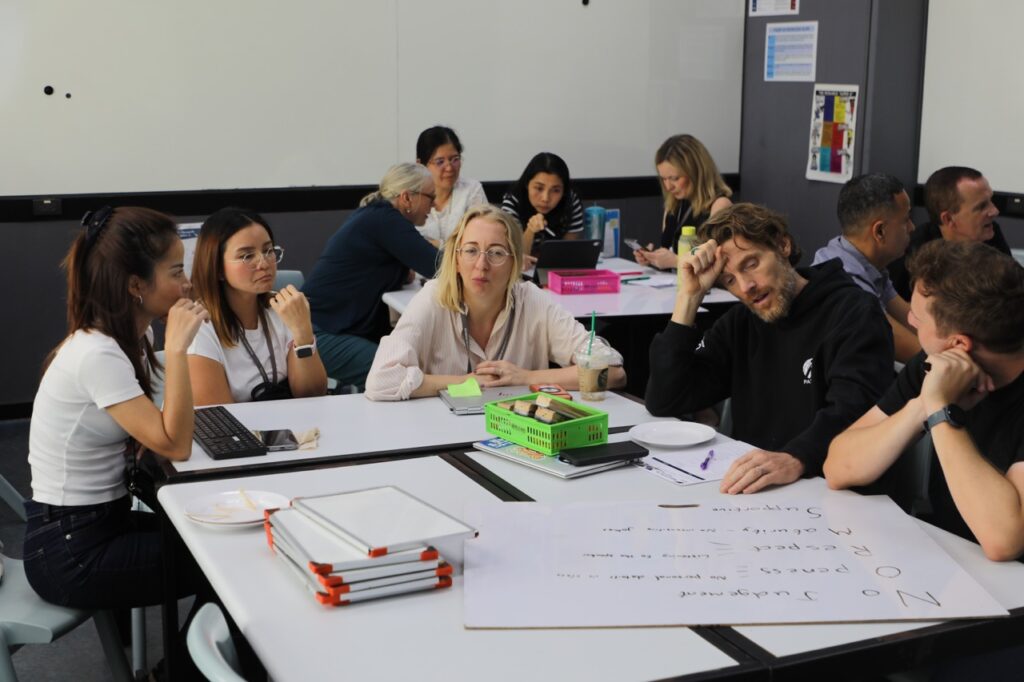
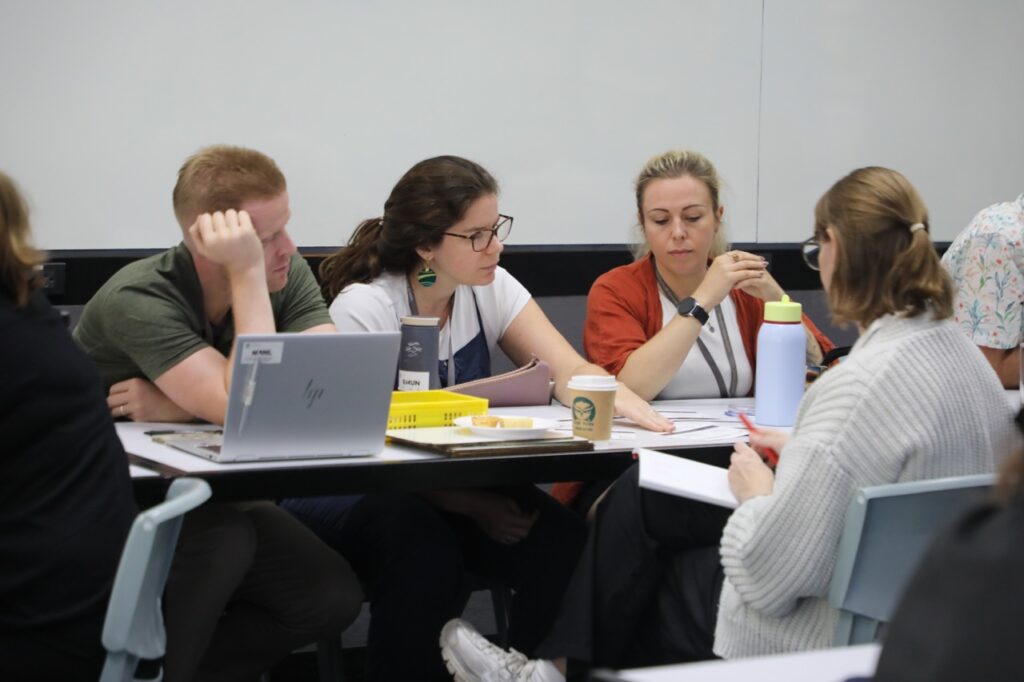
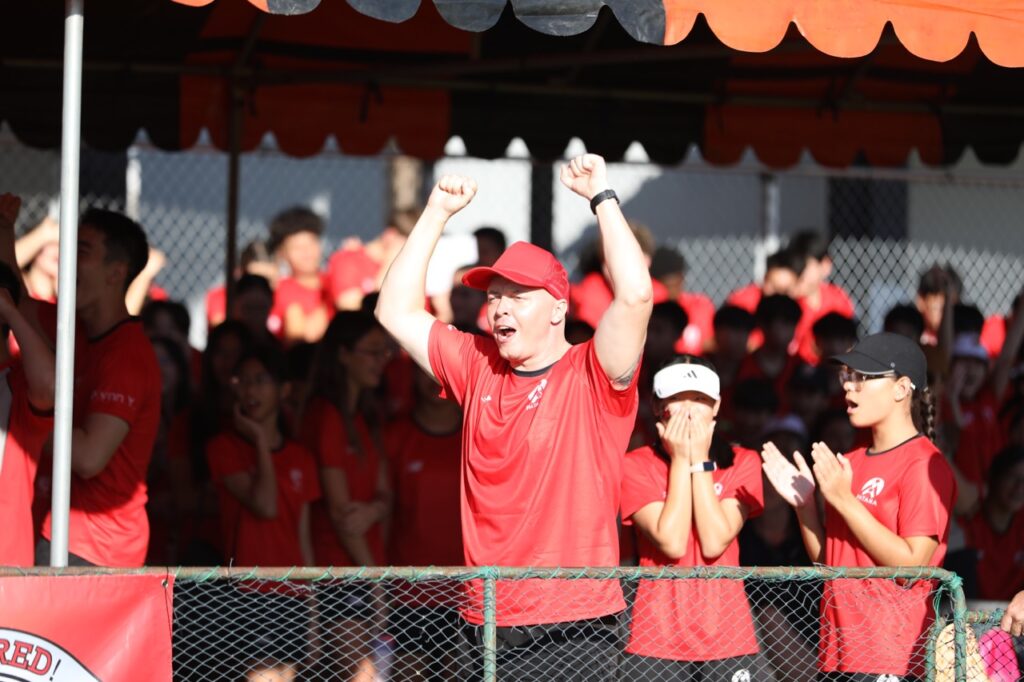
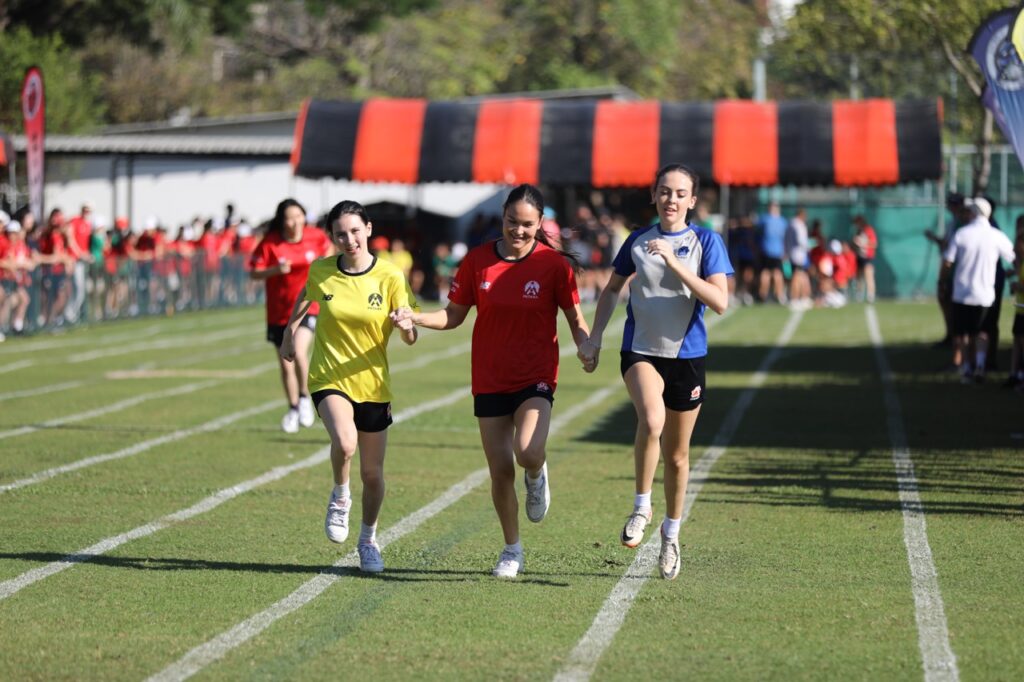
At Bangkok Patana, we see collaboration developing across many aspects of school life every day. We see it in classrooms, productions, sports teams, trips and leadership opportunities; spaces where students learn how to communicate, compromise, support one another and solve problems together.
Some of the strongest examples of collaboration are often quieter moments too; students encouraging one another during rehearsals, helping peers through challenges on trips or building confidence together during group projects.
Importantly, we also see collaboration when things become difficult.
Some of the most meaningful growth happens when students learn how to navigate disagreement, frustration or uncertainty together. Collaboration is not always loud; sometimes it is seen most clearly in careful listening, encouragement and helping others feel included.
These are deeply human skills.
Research increasingly suggests that these competencies matter enormously for the future. The World Economic Forum continues to identify collaboration, communication and problem-solving among the most important future workplace skills. Similarly, Google’s Project Aristotle found that the highest-performing teams were not necessarily those with the most talented individuals, but those where people felt psychologically safe, listened to and valued.
As artificial intelligence continues to evolve, these human competencies may become even more important.
Knowledge remains critically important. But increasingly, so does the ability to work with and through others.
Maybe great collaboration has never really been about avoiding difference or disagreement. Perhaps it has always been about listening carefully, staying curious and learning how to create something meaningful together despite them.
As parents, educators and learners, perhaps an important question for all of us is this:
How do we continue helping young people develop not only as successful individuals, but also as thoughtful collaborators who can thrive with and through others?
