
As teachers, we all know that engagement is one of those magical words that makes lesson plans sparkle. We want our students to be engaged – wide-eyed, hands up, bursting with ideas and enthusiasm! But as any teacher of multilingual learners will tell you, engagement does not always look like that. Sometimes it’s quiet. Sometimes it’s whispered. And sometimes, it’s in another language entirely.
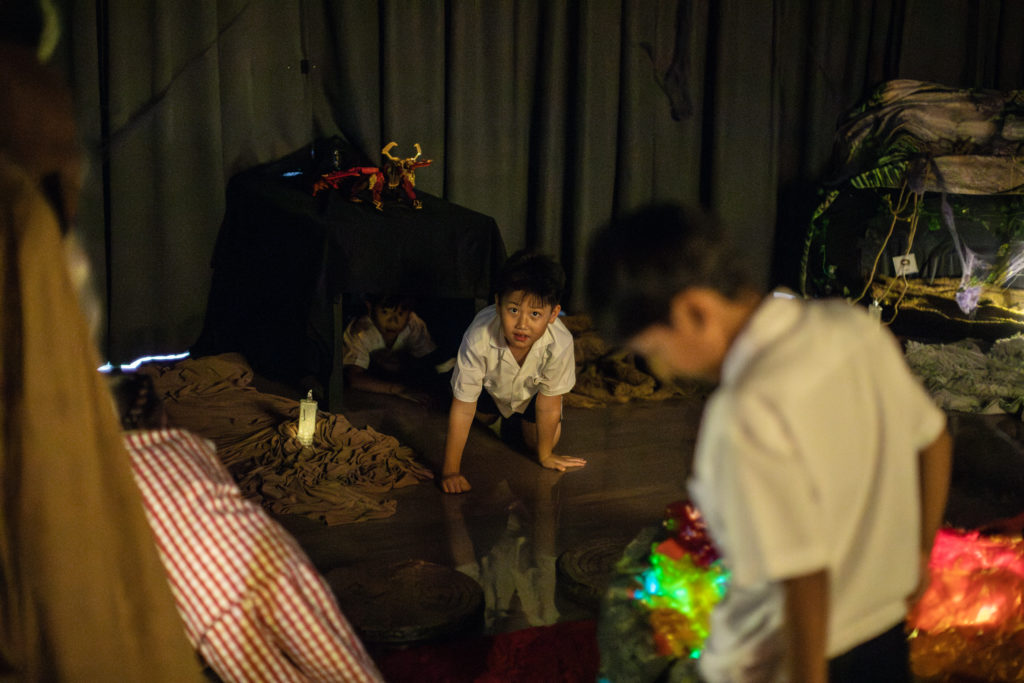
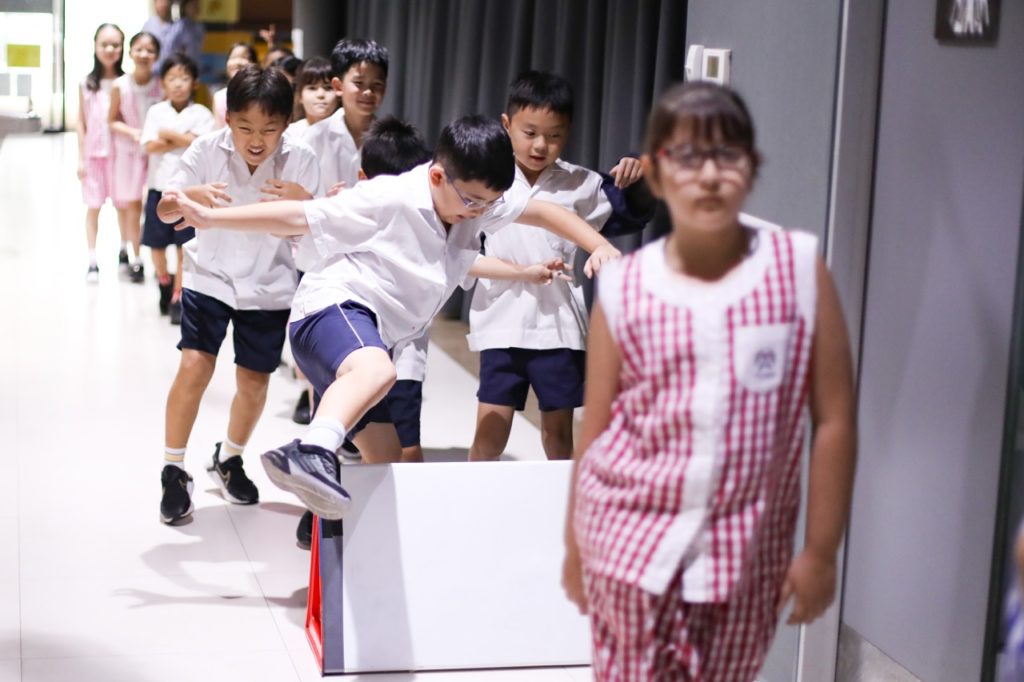
In Year 3, we have started a wonderfully dramatic adventure – quite literally. The unit is based around drama, and it begins with the children setting off on a make-believe journey full of obstacles to overcome together. Amongst many hurdles, there is a “raging river of lava” to cross, a “snow-capped mountain” to climb over, and a “glass forest” (do not worry Ms Battram, we took all the health and safety precautions). You can imagine the noise level – but beneath all that chaos is some serious collaboration and problem – solving.


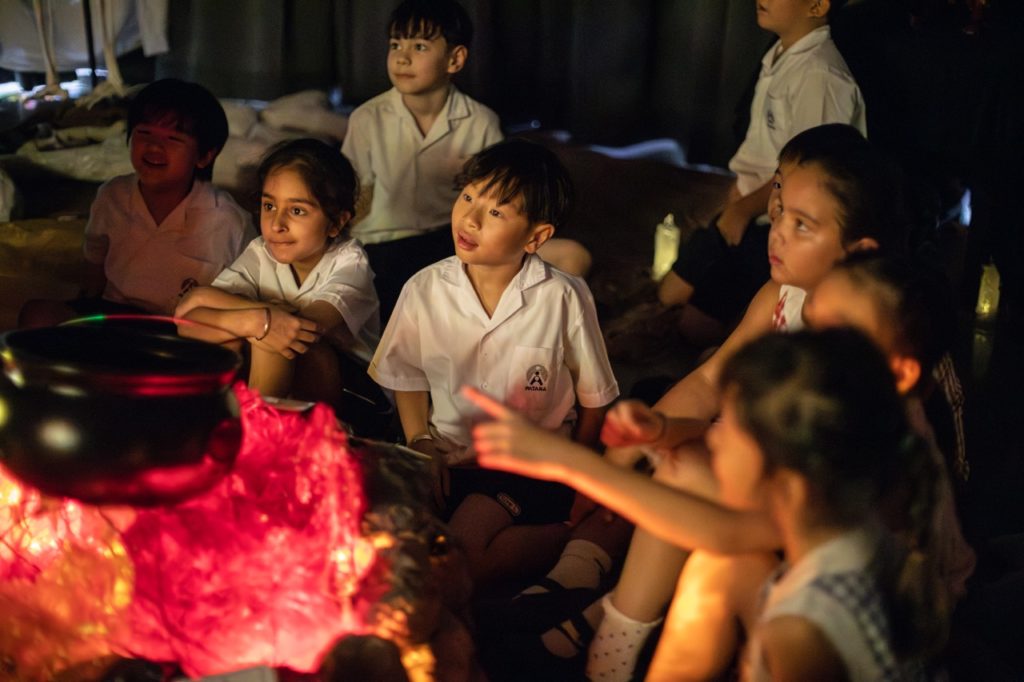
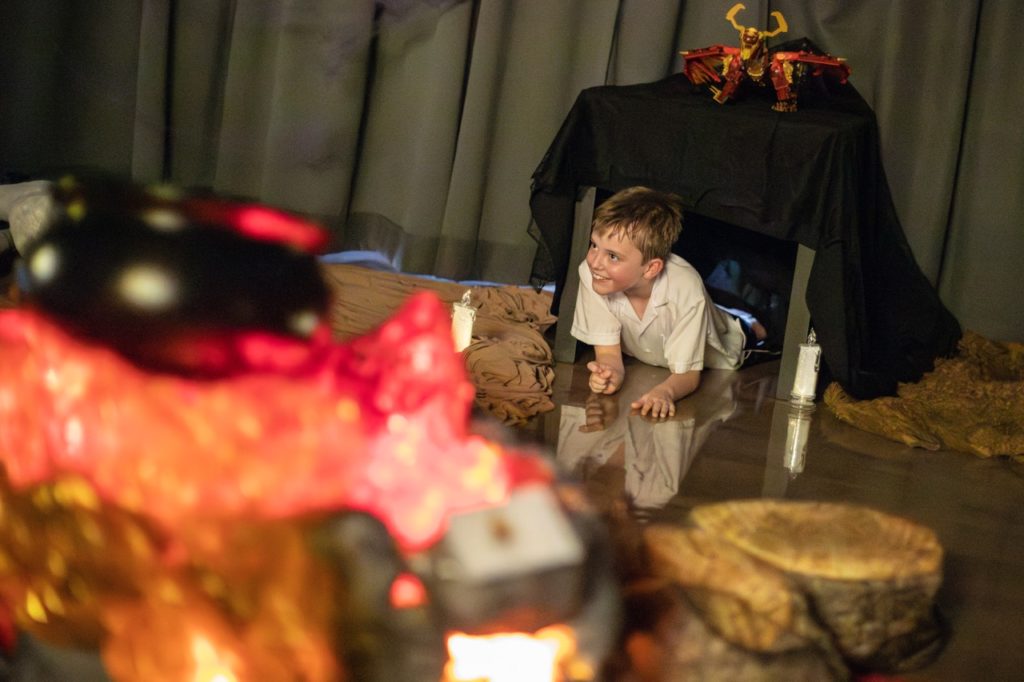
Eventually, our brave explorers reach a cave where they meet Rivers, a mysterious, cave-dwelling character who encourages them to ask questions and wander about their new surroundings. And just like Rivers, our students are learning that being inquisitive is at the heart of real learning.
Now, if you peeked into one of these lessons, you might notice that not every child is acting centre stage or shouting out ideas. Some are deep in thought, listening intently to others, or quietly helping a partner find the right word. This is participation too. Listening is a hugely underrated form of engagement – and often the moment when understanding clicks into place.



And then there is translanguaging – our superpower for inclusion! Encouraging children to use their home languages alongside English helps them access meaning, share ideas more confidently and, quite honestly, shine. You will often see pairs whispering in their home language, checking understanding, and then coming back to the group ready to contribute.
What’s lovely about all this is that it broadens our view of what engagement looks like. It’s not just about who speaks the most or waves their hand the highest. Engagement can be found in the child quietly rehearsing an answer before saying it aloud. It’s in the one who translates a classmate’s idea so everyone can understand. It’s in the thoughtful listener who adds a brilliant question at just the right moment.
As teachers of language, we know that participation is about voice – in every sense of the word. It’s about making sure every learner, no matter their language proficiency, has a way to express curiosity, contribute ideas and feel part of the learning adventure.
So, next time you see a group of Year 3s jumping over invisible obstacles and arguing (politely) about how to cross an imaginary river, rest assured – they are not just playing. They are collaborating, listening, translating, questioning and thinking. And that, in all its joyful, multilingual, slightly noisy glory, is engagement at it’s best.