By Luke Jones, Vice Principal, Curriculum and Assessment, Secondary School
Not long ago, a student asked me a question that stopped me mid-conversation: “What kinds of skills will really matter when we’re adults; when so much of what people do now might be done by AI?”
It was such a sharp, curious question; and one I’m sure we’ve all been reflecting on for a while now. It reminded me how quickly the world is shifting, and how naturally young people are already thinking about their future selves. As someone fascinated by the crossroads of technology, learning and leadership, I often find myself wondering: what will truly matter for our students; not just in the classroom today, but in the world they’ll shape tomorrow?
In my last article, I wrote about the importance of being adaptive; learning to flex, adjust and grow when the ground beneath us moves. But how might we take that same adaptability and apply it to the way we prepare young people for a future we can’t yet see? With AI and automation racing ahead, what does ‘being prepared’ even mean anymore?
As Steven Bartlett puts it:
“The most convincing sign that someone will achieve new results in the future is new behaviour in the present.”
It’s a thought that feels spot-on for education. How might our current behaviours; the way we teach, lead, and learn together, shape how our young people approach an unpredictable future? Perhaps it’s less about preparing them for a single destination, and more about helping them build the mindset and confidence to navigate whatever comes next.
By 2035, the skills that might truly set people apart could look something like this:
1. Emotional Intelligence – Understanding others, reading the room, and staying calm under pressure; timeless human strengths. A 2023 meta-analysis found consistent links between emotional intelligence, effective leadership and team performance (PMC).
2. Adaptability and Learning Agility – Staying curious, being willing to unlearn and start again and knowing that flexibility is the new security. McKinsey’s global ‘DELTA’ framework identifies adaptability, coping with uncertainty and curiosity as among the 56 skills most closely tied to future employment and wellbeing (McKinsey & Co.).
3. Creativity and Innovation – Machines can calculate, but they can’t imagine. Yet even this may change; AI can now create, but human creativity; the capacity to make meaning, connect ideas, and surprise; remains uniquely powerful. The World Economic Forum continues to rank creativity among the most sought-after skills in its Future of Jobs Report 2025 (WEF).
4. Ethical Judgement and Compassion – As technology advances faster than our policies, kindness and conscience will matter more than ever. Still, what counts as ‘ethical’ will be contested and culturally shaped; meaning our students will need both principle and perspective.
5. Collaboration Across Cultures – The challenges we face are global. Listening, learning and working together across difference will define leadership, though true collaboration requires humility and equity, not just connection.
6. Resilience and Wellbeing – Thriving in a fast-paced world takes balance and self-awareness; knowing when to push forward and when to pause. But resilience isn’t just an individual trait; it also depends on the environments and systems we build to support one another.
Recent studies suggest that, rather than replacing human capability, AI often amplifies the demand for these human-centred skills; especially teamwork, creativity and ethical reasoning (Mäkelä & Stephany, 2024).
As leaders and educators, our role is to keep asking these questions; and to help our students find their own answers in the process. At Bangkok Patana, we continue to ask ourselves these questions and seek the answers through the curriculum we design, the learning we see and the outcomes we seek for our students. By modelling adaptability, compassion and creativity, we help them build the human strengths to thrive in whatever future awaits.
How do we get students to pick up a book in a world of screens? In a world dominated by […]
Air Quality Policy
Many of us enjoyed the cool winds that over the past few weeks. An unfortunate downside to the advent of cooler weather in Thailand is the increasing levels of air pollution as we move into January, with AQI and PM2.5 levels fluctuating significantly.
We can expect more stringent guidelines from the government, especially given the sweeping vote in passing the Clean Air Bill recently in the Thai House of representatives. The Bill moves to the senate and once enacted, it will represent Thailand’s first comprehensive legal framework dedicated to combating air pollution, strengthening accountability, and safeguarding public health.
Every year at Bangkok Patana School, our Air Quality Policy is reviewed using national government sources and accredited international organisations. Student health and well-being is at the heart of the policy. The Air Quality Index (AQI) is displayed on the Firefly Dashboard, with a link to the Air Quality policy.
At Bangkok Patana, there are outdoor air quality monitoring units in three locations on campus. The readings from these units are combined with the readings from the Pollution Control Department’s monitors at Big C Bangna and BTS Bangna, to provide an hourly average. This is the average displayed on the Firefly Dashboard.
We have indoor air quality monitoring units in all buildings on campus. We watch these readings to ensure good air quality in the buildings throughout the school day. If the readings are not satisfactory, our health and safety team investigate to see what may be causing the change in air quality level, and work to solve the problem quickly. (In most cases, it is due to doors being left open!)
Please do familiarise yourself with our air quality policy, which details clearly how our teachers will proceed based on the readings.
Image courtesy of: https://www.waynedenner.com/chatgpt-atlas-browser-access-hidden-security-risks/ The latest AI tool from OpenAI, the ChatGPT Atlas browser, offers powerful features, including the ability […]
Behind the Bookshelves
What book do you recommend and why?
Life 3.0 by Max Tegmark. The book explores how artificial intelligence could shape the future of life on Earth and beyond, presenting a range of possible scenarios from utopian to catastrophic. It encourages us to think critically about the choices we face as AI becomes increasingly powerful.
What podcast do you recommend we listen to and why?
The Rest is Classified podcast dives into the real world of espionage, hosted by former CIA and MI6 agents. Gripping stories—this podcast gives a truthful insight to the hidden world of spying and espionage.
Where do you work/teach?
I’m Simon Griffiths, Key Stage 3 Curriculum Innovation Leader and Secondary Design Technology Teacher
Image courtesy of: https://www.waynedenner.com/chatgpt-atlas-browser-access-hidden-security-risks/ The latest AI tool from OpenAI, the ChatGPT Atlas browser, offers powerful features, including the ability […]
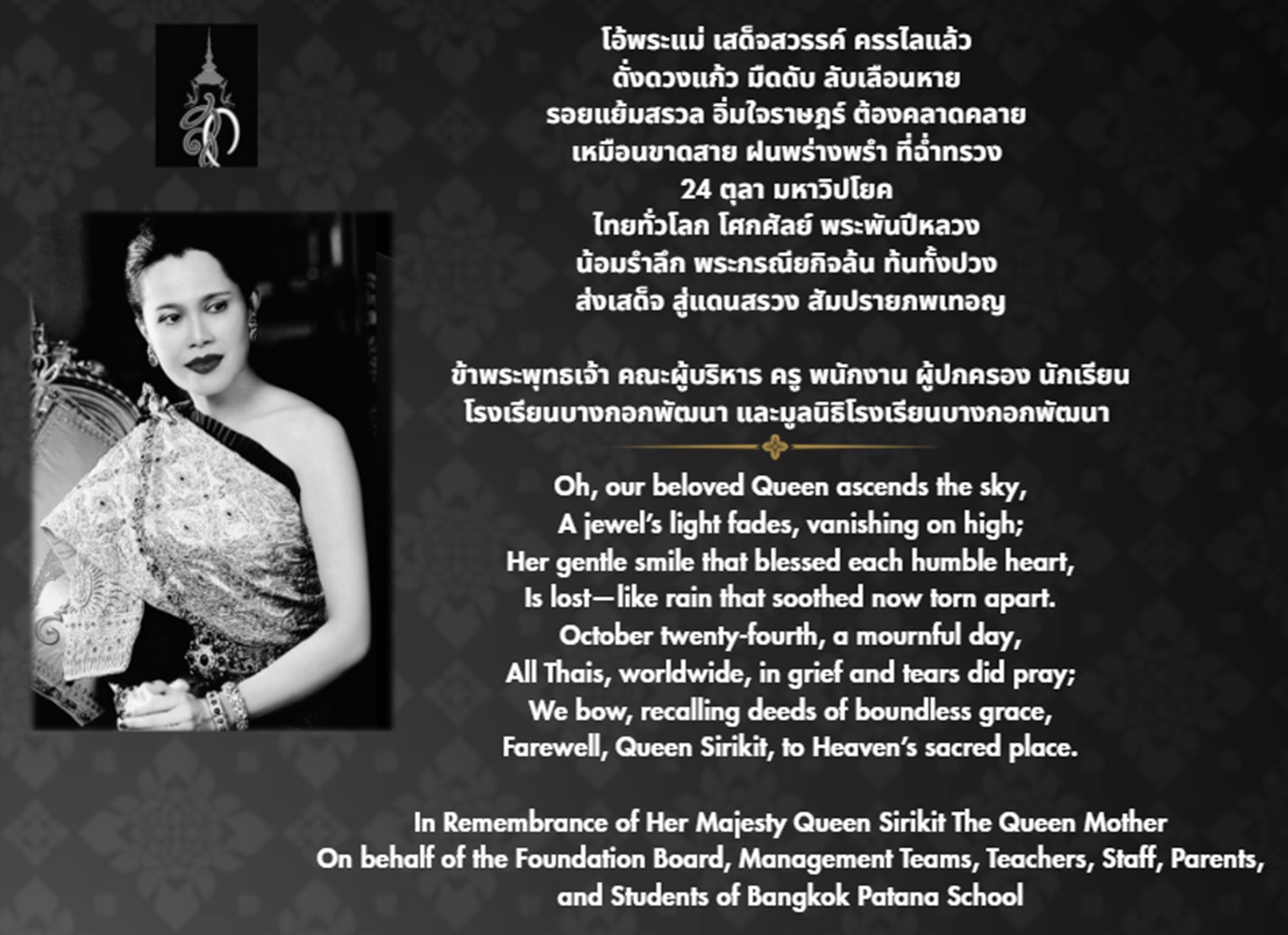
As we remember HM Queen Sirikit, The Queen Mother, we would like to share with you a poem written by […]
Diversity Digest: Internationalism and International Schools
Diversity Digest is a weekly reflection written by staff from different areas of our school
There are more than 200 million international migrants worldwide, meaning if they were a country, it would be the 5th largest nation on Earth.
The United Nations has 193 member countries, but the world has over 7,000 languages and more than 10,000 distinct cultures.
The first “International School” opened in Geneva in 1924, founded to bring together the children of diplomats and League of Nations officials — nearly 100 years ago!
There are now over 14,000 international schools globally, educating more than 6 million students from every corner of the world. 58% are located in Asia.
In many international schools, the average student body represents 50 or more nationalities — more than most Olympic villages!
The internet has no borders: over 60% of the world’s population is online, and international schools are among the most connected learning communities anywhere.
Multilingual brains are more flexible and creative; studies show that switching languages strengthens problem-solving and empathy.
A common “international accent” really exists — it’s called “Globish”, a simplified form of English used by millions of people from different backgrounds to communicate clearly across cultures.
Here in Thailand there are over 200 International Schools. Many are located in the hubs of Bangkok, Chiang Mai and Phuket. The sector has been driven by both the expatriate community and Thai national families seeking an international-style education.
Image courtesy of: https://www.waynedenner.com/chatgpt-atlas-browser-access-hidden-security-risks/ The latest AI tool from OpenAI, the ChatGPT Atlas browser, offers powerful features, including the ability […]
A provisional school calendar is now available on the footer of our website or you can access it here. The […]
Patana Page-Turners
This month’s theme is ‘Magic!‘. Interview with student Kataleeya Collier, 11N
What is one of your fondest or most favourite reading memories?
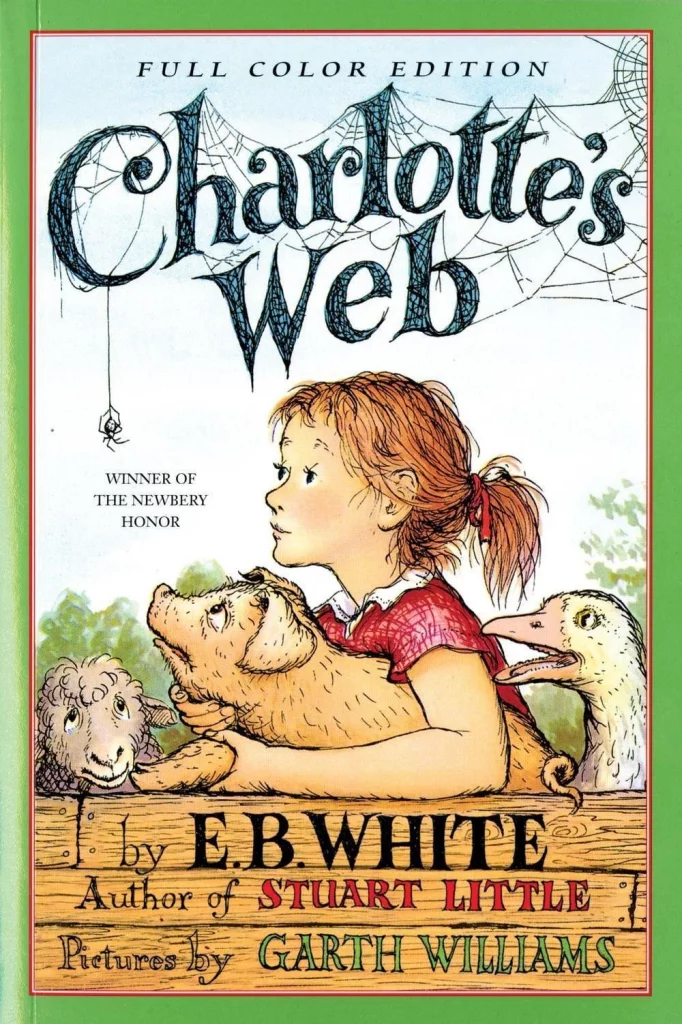
Some of my fondest reading memories are from when I was younger and I would obsessively read the same books over and over again, such as Charlotte’s Web and Roald Dahl’s books. I have strong sentimental memories attached to Roald Dahl books as my family would listen to the audiobooks during car journeys and it was a way for us to bond as we would often have conversations about what our favourite characters were or what parts of the book we had enjoyed the most so far. My parents really encouraged my love of reading when I was younger and were always willing to help cultivate and develop my passion through buying me books they thought I’d enjoy even when I didn’t ask for them, or taking me to the public library to borrow some books.
Which fictional character would most like/least like to meet in real life and why?
One character I would like to meet would be Rudy from The Book Thief. He was an incredibly endearing character and I felt charmed by his enthusiasm and loyalty towards his friends even when standing up for them could put himself in danger. I feel as though having a conversation would him would be funny and lighthearted, but at the same time you would definitely be able to tell he has a large amount of passion within him and those are the kind of people I enjoy talking to the most.
What are your favourite magical reads? Do you have any book recommendations for this theme?
If Cats Disappeared from the World by Genki Kawamura is one of the most magical books I have ever read. The plot is about a man who is diagnosed with terminal brain cancer which will kill him shortly. However, when he gets home the devil appears and makes an offer where in exchange for one extra day of life the narrator has to make one thing disappear from the world. I don’t often shed tears when reading books but I felt incredibly moved by some parts of this book, particularly the chapter where he reconnects with his ex-girlfriend and they watch a movie together while reminiscing about the past. Or when he reflects on his relationship with his parents through his cat Cabbage. It’s a very bittersweet book and despite its fantastical premise it still feels genuinely real and down to earth. You can really suspend your disbelief and believe that something like this could truly happen.
Another magical read for me happened recently when for the English Literature course in IGCSE I had to read A Streetcar Named Desire by Tennessee Williams. I feel that for most people the books and plays you have to read for school can feel dull and boring but when it comes to ‘Streetcar’ I simply cannot imagine someone disliking this play. The language is gorgeous, especially during Blanche’s monologues. Additionally, I adored William’s use of stage directions and music to set the mood of a scene. There was never a dull moment and I feel incredibly grateful that the IGCSE curriculum introduced me to this play as well as providing a space to discuss and analyse it, making me love it even more than words can describe.
Stephen Fry’s series of books on Greek mythology are some of my favourite adaptations. What makes them stand out compared to other adaptations of Greek myths is how he doesn’t just retell the myths for the sake of retelling myths, instead he uses the stories of Ancient Greece to explore the relationship between humans and gods and how it’s evolved over time, especially how we have become more independent from the influence of religion as time passes. I truly believe these books would be enjoyable regardless of your knowledge of Greek mythology.
Foundation Stage and Key Stage 1 Recommendations:
Iris McCarthy, 1V
Iris loves the series Magic Animal Friends by Daisy Meadows. The books follow Ava, Jess and Lily as they go on numerous adventures to the Friendship Forest. Unfortunately, a bad witch named Grizelda often casts terrible spells on the animals in the Friendship Forest. It is up to Lily, Jess and Ava to solve the problems and save the day. They use kindness, bravery and teamwork to defeat Grizelda.
Iris particularly enjoys reading about Ava because she is a cat who can speak. She also loves reading about magical spells and witches.
Sophia McCarthy, 1W
Sophia enjoys reading The Fairytale Hairdresser series by Abie Longstaff and Lauren Beard. The stories follow Kittie Lacey – the best hairdresser in the land. In ‘The Fairytale Hairdresser and the Little Mermaid’ Kittie helps her friend, a mermaid named Coral. Coral has had her voice stolen by a witch and Kittie helps Coral to find a magical potion to get her voice back. Sophia particularly enjoys the part when Coral sings on the beach and she wishes she could hear her sing in real-life.
Key Stage 2 Recommendations:
Yee Kiu (Evie) 6B
The Keeper of the Lost Citites by Shannon Messenger
Keeper of the Lost Cities is a thrilling book, with near-to-death experiences, passing your mid-term test that determines many things, and lots more! While reading, you will feel immersed in the magical pages. Comparable to Harry Potter, you follow Sophie Foster, a prodigy, while her hidden story is revealed in a clever storyline! This series is for Harry Potter fans or people who are looking for a series to dive into. Basically, if you like people who can read minds, turn invisible or go through walls like some sort of creepy ghost- then this is for YOU!
Zhunhao (Nealson) Li 6B
The Kane Chronicles by Rick Riordan
I recommend this book because it’s from an author called Rick Riordan and I read all of the other books by this author. I chose this series because it’s about magic. Many of the other books also include magic but this series focuses mainly on it with many characters who wield magic as weapons to defend the Egyptian House of Life against ancient monsters and gods of Egypt.
The main story is about the siblings Carter and Sadie Kane where his dad blows up the Rosetta stone in a museum releasing 5 powerful gods. Then they meet Amos and travel via Duat to the 21st house in the house of life.
There are three books and they each describe an aspect of an Egyptian god and in the last book they beat the serpent of chaos Apophis.
Key Stage 3 Recommendations
Jonah Ebrahim, 9M
I’d like to recommend His Dark Materials by Philip Pullman. It’s a brilliant fantasy series set in a world where everyone has a daemon – an animal that represents their soul. The story follows Lyra as she uncovers a huge mystery involving magic, science, and other worlds. To start, try “Northern Lights.” I loved how the book mixes adventure with deep ideas about friendship and bravery, and it really makes you think, while still feeling magical. It’s still one of my favorite series.
I’d also like to recommend Inkheart by Cornelia Funke. It’s about a girl named Meggie whose dad can bring book characters to life just by reading aloud, but sometimes, the wrong ones escape! I really enjoyed it because it’s full of imagination, adventure, and the magic of stories themselves. It makes you want to dive into every book and see what might come to life next.
Ashley Chi, 9U
I recommend Storm Runner by Rick Riordan. It’s about a boy named Zane who discovers that a volcano near his home is a prison for an ancient Mayan god, leading him on a magical adventure to save the world. I recommend this book because it has a similar storyline to Percy Jackson; it’s exciting, fun, and adventurous; and it fits perfectly with the magical theme.
Key stage 4 and Senior Studies Reccomendations
Stuti Jain, 11T
Bhagavad Gita
The Bhagavad Gita is a section of the sixth book of the Mahabharata a very important Sanskrit tale in Hindu culture and tradition, this story talks about the lengthy struggle and war between 2 families the Kauravas and the Pandavas. This section of the story tells us about Arjuna and his guide Krishna, which teaches him that life’s true battle is within. It’s between good and evil, courage and fear and doubt and duty. Krishna teaches him that doing the right thing with honesty and diligence is real goodness. In my opinion, I like the Gita because the story isn’t just about war, it’s about life and how everyone faces moments where we all face some sort of challenge, but it teaches us that even if we don’t see instant results or change, you stay honest and true to your beliefs and work hard. It reminds me how good wins when we overcome our inner fears.
Image courtesy of: https://www.waynedenner.com/chatgpt-atlas-browser-access-hidden-security-risks/ The latest AI tool from OpenAI, the ChatGPT Atlas browser, offers powerful features, including the ability […]
Not long ago, a student asked me a question that stopped me mid-conversation: “What kinds of skills will really matter when […]
Transport Corner
Ensuring a Safe and Smooth Residential Trip
The Transport Department is fully prepared to support the upcoming residential trips, maintaining the highest standards of safety and reliability. Below are the key measures we have put in place to ensure every journey runs safely and smoothly:
🚌 Full Vehicle Inspection
All coaches and vans have undergone comprehensive safety inspections to confirm they are in excellent condition and ready for travel. This year, all coaches used for residential trips are single-decker for enhanced safety and comfort. On the morning of departure, the Transport Team will perform a final round of vehicle inspections.
👨✈️ Driver Training
All drivers have completed training on safe and responsible driving procedures and student safeguarding during travel. In addition, a spare driver will be assigned for each trip to provide immediate backup in case of any unforeseen circumstances. All drivers undergo alcohol testing before each journey, ensuring every trip begins safely and responsibly.
🗺️ Route Inspection
All travel routes have been thoroughly inspected and reviewed. For the Year 4 residential trip, alternative routes have been planned to avoid sections of Rama 2 Road, reducing exposure to high-traffic or construction areas and ensuring a smoother, safer journey.
🚔 Highway Police Coordination
The Transport Team has shared detailed travel routes with the Highway Police and requested their support along the journey to ensure added safety and prompt assistance in case of any emergency.
📘 Evacuation Training for Teachers and Staff Accompanying Trips
All participating teachers have completed the mandatory Transport Safety and Emergency Evacuation video training. The Transport Team will conduct a bus safety demonstration, including how to use emergency exits, to ensure that the teacher representatives feel more confident while travelling with the students. Your children’s safety and comfort are our top priority — we are confident and ready for a safe, smooth, and enjoyable trip ahead!
Image courtesy of: https://www.waynedenner.com/chatgpt-atlas-browser-access-hidden-security-risks/ The latest AI tool from OpenAI, the ChatGPT Atlas browser, offers powerful features, including the ability […]
Many of us enjoyed the cool winds that over the past few weeks. An unfortunate downside to the advent of […]
More than Words – Listening, Role-playing and Translanguaging in Action
By Karolina Cartwright, Assistant Leader of Primary EAL
As teachers, we all know that engagement is one of those magical words that makes lesson plans sparkle. We want our students to be engaged – wide-eyed, hands up, bursting with ideas and enthusiasm! But as any teacher of multilingual learners will tell you, engagement does not always look like that. Sometimes it’s quiet. Sometimes it’s whispered. And sometimes, it’s in another language entirely.
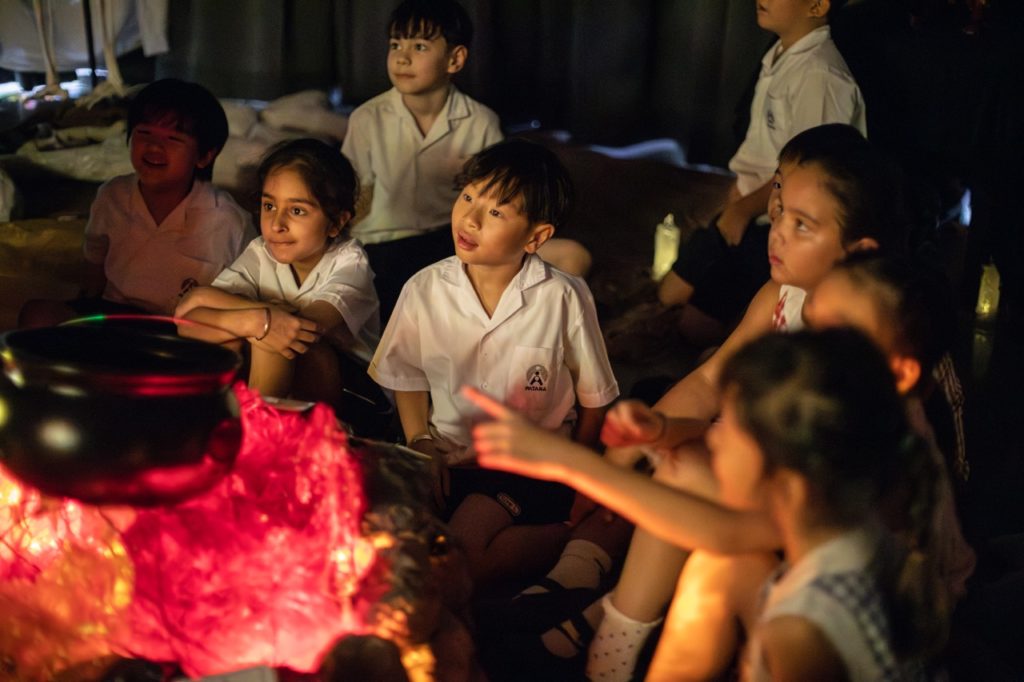
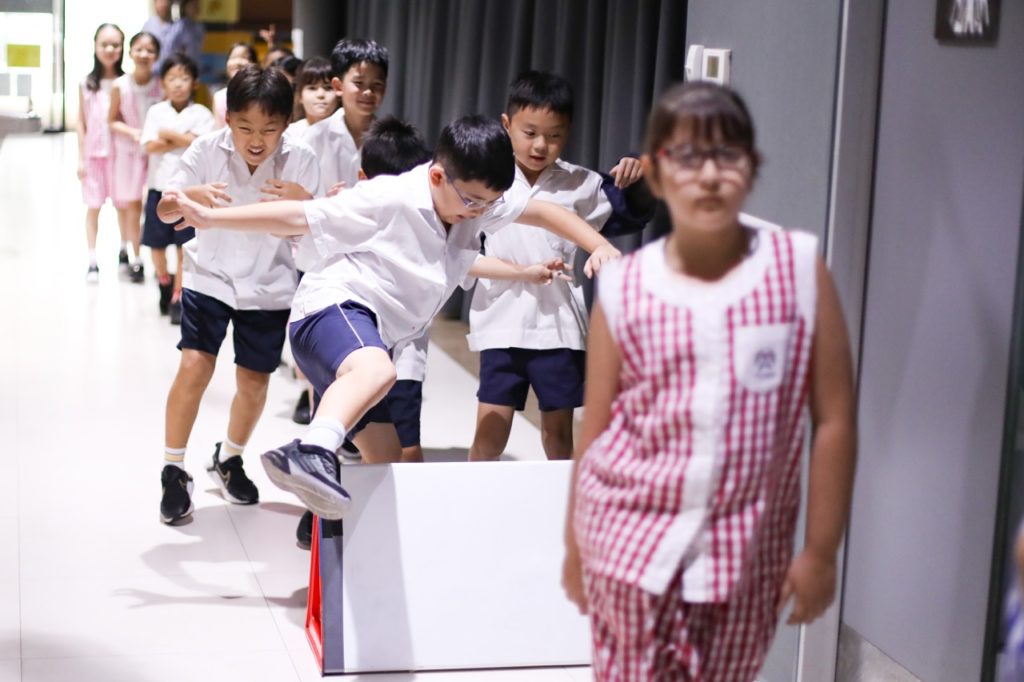
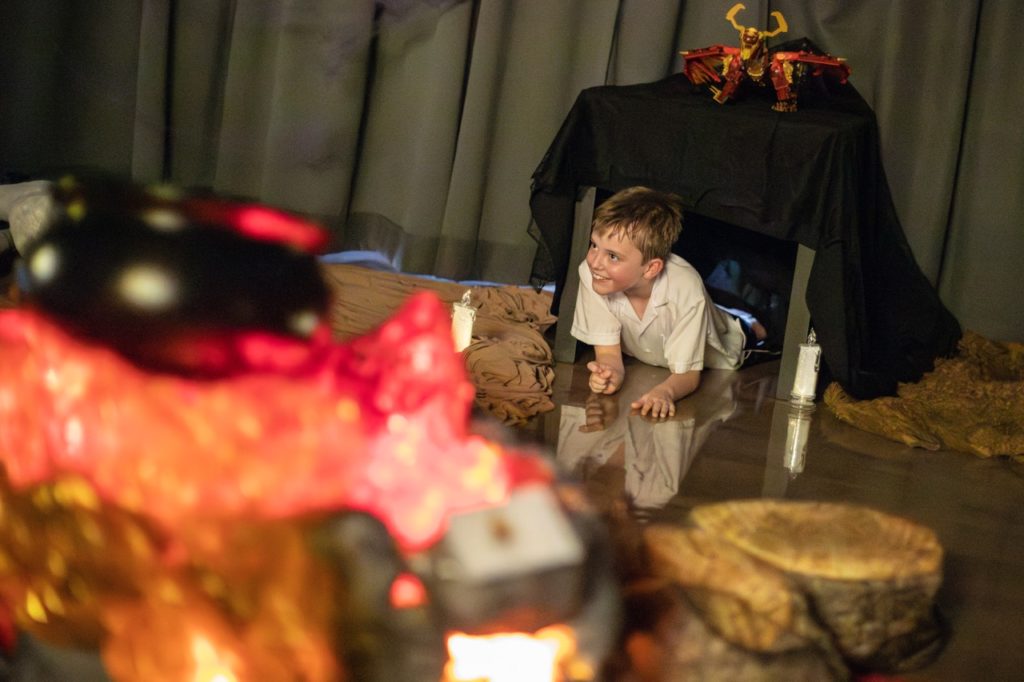
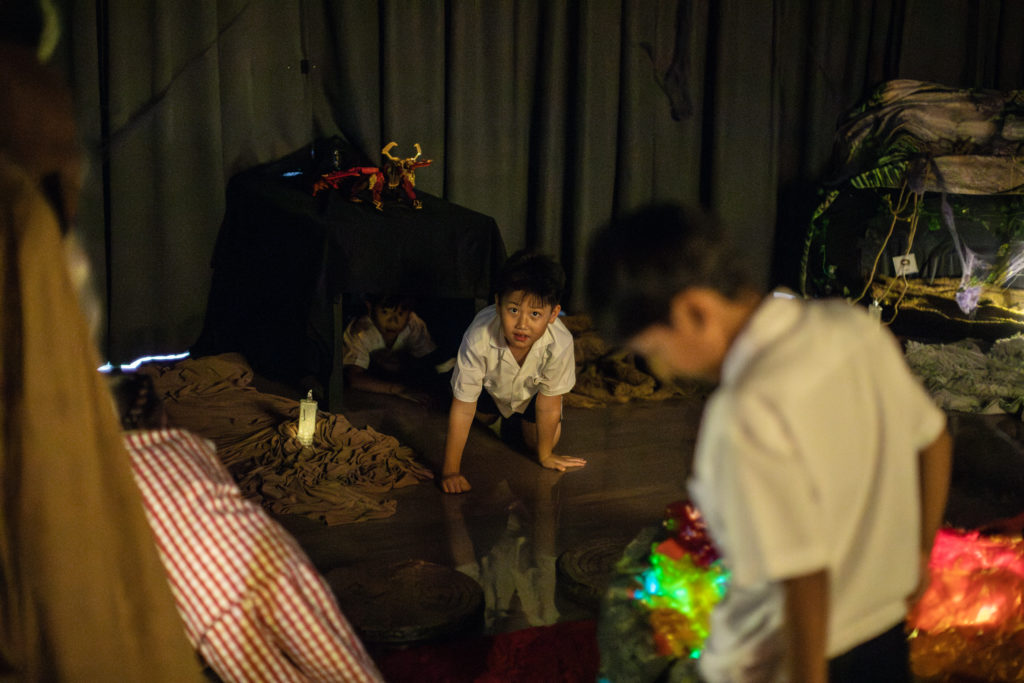
In Year 3, we have started a wonderfully dramatic adventure – quite literally. The unit is based around drama, and it begins with the children setting off on a make-believe journey full of obstacles to overcome together. Amongst many hurdles, there is a “raging river of lava” to cross, a “snow-capped mountain” to climb over, and a “glass forest” (do not worry Ms Battram, we took all the health and safety precautions). You can imagine the noise level – but beneath all that chaos is some serious collaboration and problem – solving.
Eventually, our brave explorers reach a cave where they meet Rivers, a mysterious, cave-dwelling character who encourages them to ask questions and wander about their new surroundings. And just like Rivers, our students are learning that being inquisitive is at the heart of real learning.
Now, if you peeked into one of these lessons, you might notice that not every child is acting centre stage or shouting out ideas. Some are deep in thought, listening intently to others, or quietly helping a partner find the right word. This is participation too. Listening is a hugely underrated form of engagement – and often the moment when understanding clicks into place.
And then there is translanguaging – our superpower for inclusion! Encouraging children to use their home languages alongside English helps them access meaning, share ideas more confidently and, quite honestly, shine. You will often see pairs whispering in their home language, checking understanding, and then coming back to the group ready to contribute.
What’s lovely about all this is that it broadens our view of what engagement looks like. It’s not just about who speaks the most or waves their hand the highest. Engagement can be found in the child quietly rehearsing an answer before saying it aloud. It’s in the one who translates a classmate’s idea so everyone can understand. It’s in the thoughtful listener who adds a brilliant question at just the right moment.
As teachers of language, we know that participation is about voice – in every sense of the word. It’s about making sure every learner, no matter their language proficiency, has a way to express curiosity, contribute ideas and feel part of the learning adventure.
So, next time you see a group of Year 3s jumping over invisible obstacles and arguing (politely) about how to cross an imaginary river, rest assured – they are not just playing. They are collaborating, listening, translating, questioning and thinking. And that, in all its joyful, multilingual, slightly noisy glory, is engagement at it’s best.
Image courtesy of: https://www.waynedenner.com/chatgpt-atlas-browser-access-hidden-security-risks/ The latest AI tool from OpenAI, the ChatGPT Atlas browser, offers powerful features, including the ability […]
What book do you recommend and why? Life 3.0 by Max Tegmark. The book explores how artificial intelligence could […]
Reimagining Reading: Year 8 Brings Books to Life with the Bookface Challenge
By Purnima Ghogar Ruanglertbutr, Secondary English Teacher
How do we get students to pick up a book in a world of screens?
In a world dominated by instant online entertainment, many of us wonder: how do we inspire young people to pick up a book, try it out and fall in love with reading? Implementing the Bookface Challenge with Year 8 proved that all it takes is a little creativity – and a well-placed book cover.
What is the Bookface Challenge?
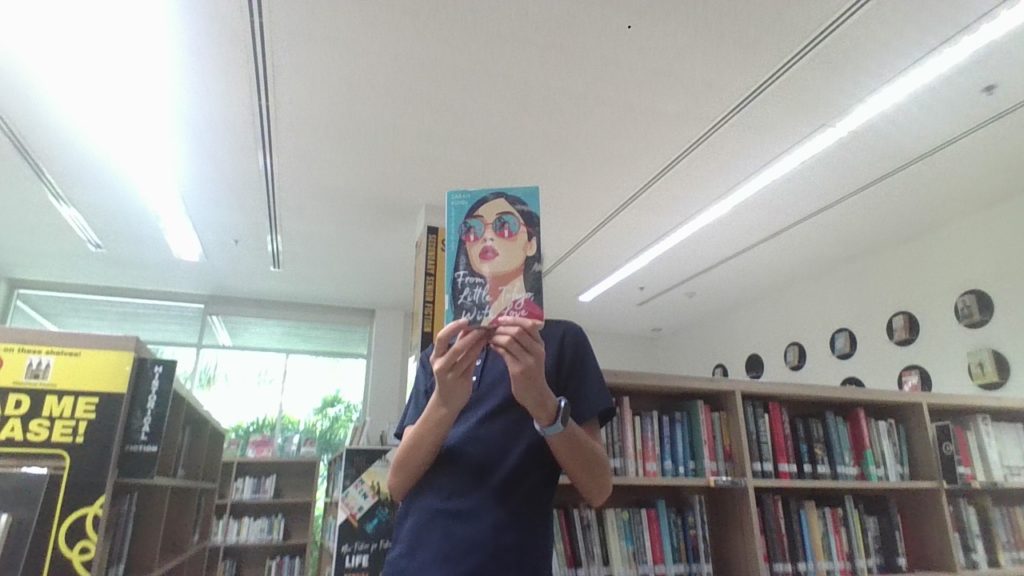
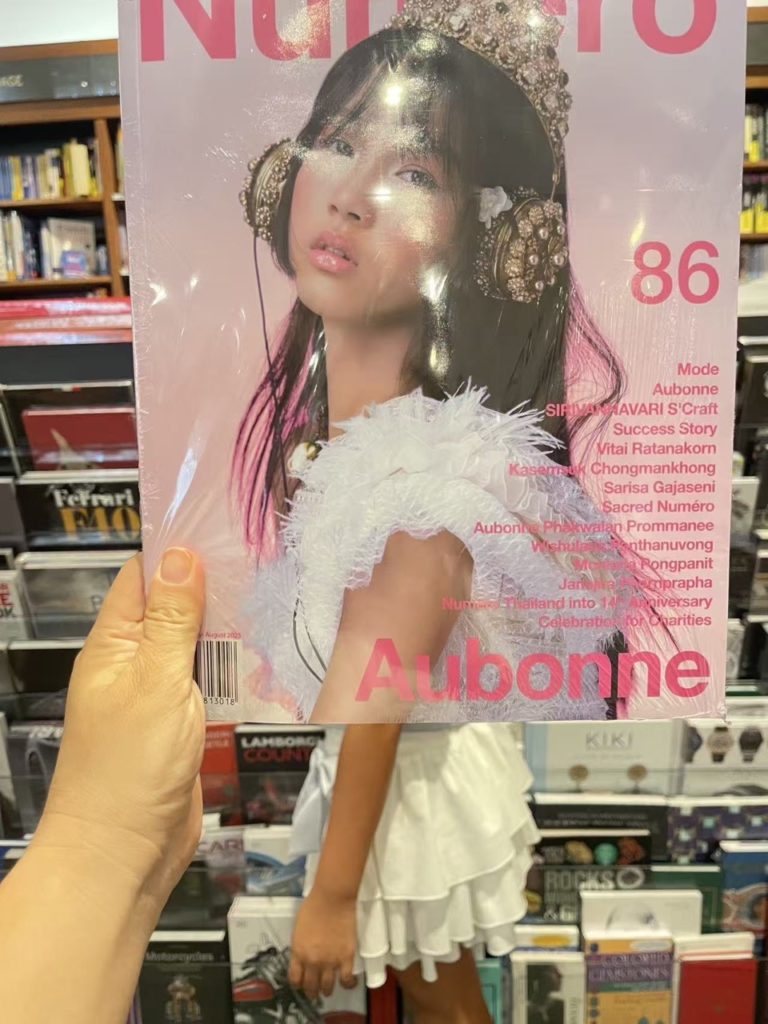
A bookface is a creative visual illusion in which a book cover is lined up with a person’s face, body or background so that the two blend together. The result is clever, eye-catching and often a little theatrical. What began as a small library trend has now become a global celebration of reading through photography, as you can see in the examples below which students used as inspiration:
What I love about this project is that it brings books to life in a fresh, exciting way. It makes reading interactive. It gets students moving, imagining, and engaging — and most importantly, it motivates them to pick up and borrow books. The energy in the library was brilliant; students couldn’t wait to try it out!
Student Instructions: Directions and What to Include
Students were introduced to the idea that we are part of the story and were encouraged to find a book with a cover that could be used creatively to tell a story. They were asked to use the book cover to create their own “bookface” by posing with it, aligning their body, facial expression, costume, props, and setting with the image on the cover. To complete the task, students needed to browse the school library and borrow a book, stage a creative Bookface photograph, blend the book cover with reality using creative choices such as angle, expression, and composition, use props, backgrounds, or costumes to enhance the illusion, ensure the title and author were clearly visible, and submit their final photo for celebration.
Success Criteria
Students were guided by clear success criteria to help them plan and evaluate their work:
Is the cover of a book shown in your photo?
Are you present in the photo?
How well are you lined up to match your book cover?
Extra credit: Did you use costumes, props, or creative backgrounds?
Why This Challenge Matters
In September, we celebrated International Literacy Day, and in October, the United States observes National Book Month, both highlighting the importance of reading and literacy. Here at Bangkok Patana, we aim to bring that same excitement to our students and explore innovative ways to make their encounters with books engaging. The Bookface Challenge encouraged students to:
Explore new book genres, authors, topics, and interests
Develop visual storytelling skills
Work collaboratively and think creatively
See reading as fun, expressive and social
Examples from 8S
8S threw themselves into the challenge with humour, imagination and clever creative choices, and the results were outstanding.
Image courtesy of: https://www.waynedenner.com/chatgpt-atlas-browser-access-hidden-security-risks/ The latest AI tool from OpenAI, the ChatGPT Atlas browser, offers powerful features, including the ability […]
The latest AI tool from OpenAI, the ChatGPT Atlas browser, offers powerful features, including the ability to browse the internet and interact with websites on your behalf. However, this convenience comes with serious safety risks, especially for families.
Unlike standard AI tools, Atlas can access websites where you’re already logged in, see personal information, and even click buttons or make purchases. This opens the door to “prompt injection” attacks, where hidden instructions on websites could trick the AI into performing harmful actions—like forwarding emails or leaking passwords—without your knowledge.
Security experts warn that current safeguards are not yet strong enough. Even simple hidden text or images can bypass protections, putting your data at risk.
What can parents do?
Avoid using the Atlas browser with saved passwords or logged-in accounts.
This also extends to the Perplexity browser – read more here.
Turn off autofill and password storage.
Keep Atlas away from email, banking and social media.
Treat it as an experimental tool—not a trusted assistant.
All of our students have been warned already about this.
While AI continues to evolve, families are advised to stay cautious and informed.
This month’s theme is ‘Magic!‘. Interview with student Kataleeya Collier, 11N What is one of your fondest or most favourite […]
A Poem for HM Queen Sirikit
As we remember HM Queen Sirikit, The Queen Mother, we would like to share with you a poem written by the father of one of our teachers. The poem is composed by Khun Prakaisuk Vajrapana
Oh, our beloved Queen ascends the sky, A jewel’s light fades, vanishing on high; Her gentle smile that blessed each humble heart, Is lost—like rain that soothed now torn apart. October twenty-fourth, a mournful day, All Thais, worldwide, in grief and tears did pray; We bow, recalling deeds of boundless grace, Farewell, Queen Sirikit, to Heaven’s sacred place.
Ensuring a Safe and Smooth Residential Trip The Transport Department is fully prepared to support the upcoming residential trips, maintaining […]
Provisional 2026/27 Calendar
A provisional school calendar is now available on the footer of our website or you can access it here. The calendar will be official once it has been approved by the Foundation Board at their meeting in early December.