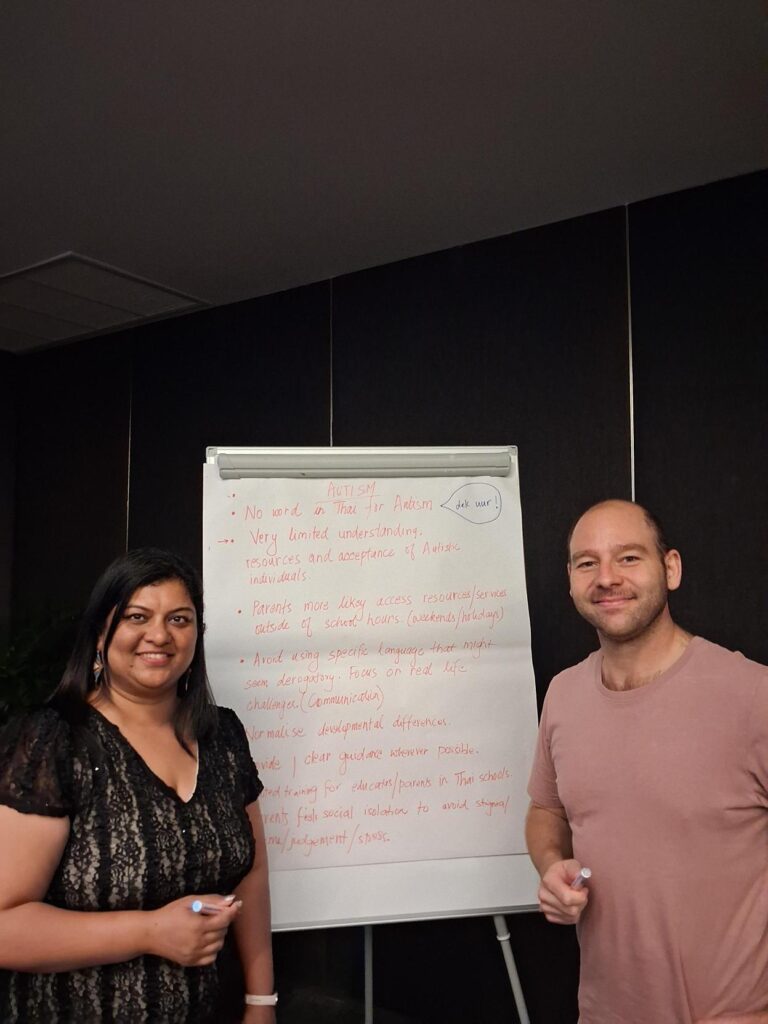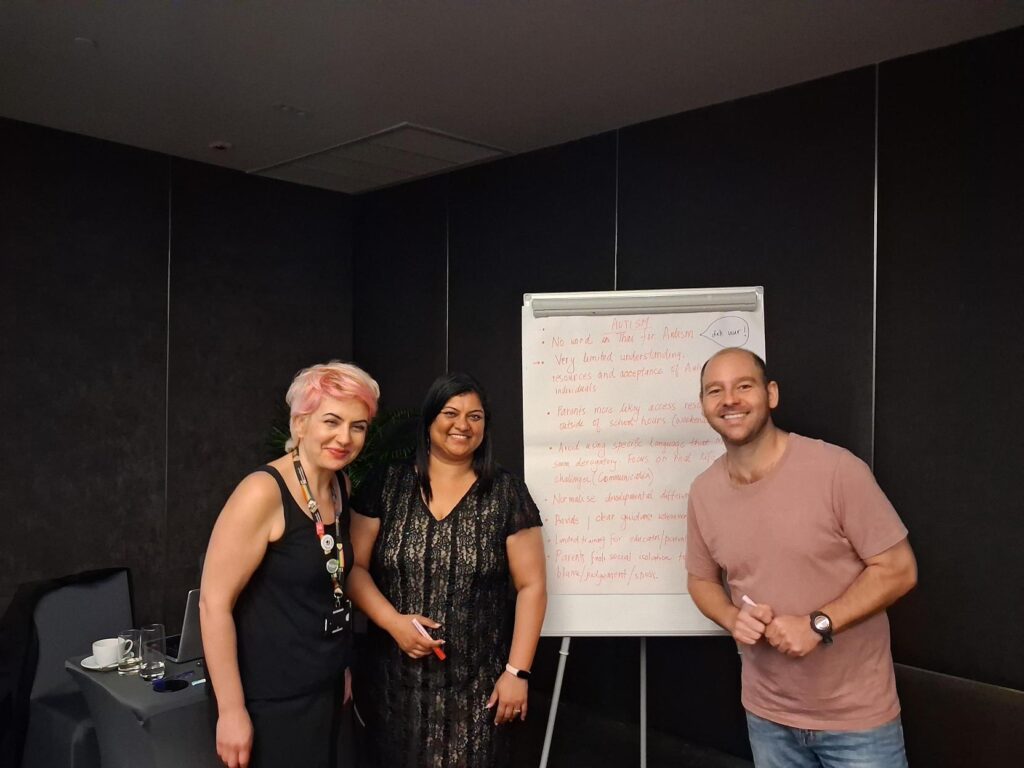
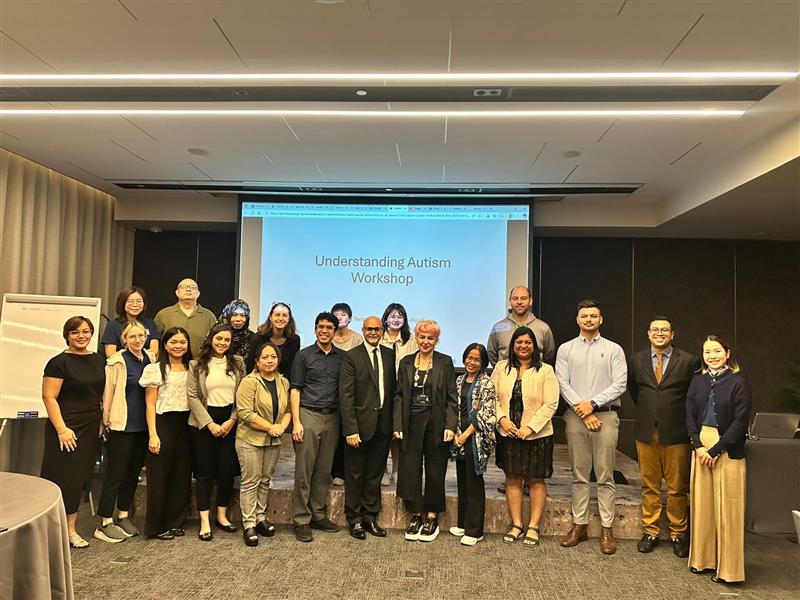
As part of our ongoing commitment to inclusion at Bangkok Patana school, I had the privilege of attending a one-day focussed workshop on Autism Awareness along with my colleague Shaun Pletschke. The session was led by Dr Tereza Aidonopoulou (Associate Professor in Inclusive Education, University of Northampton), who has over two decades of experience and expertise in inclusion, neurodivergence and intersectionality. The session was attended by mainstream educators, SEN teachers and Heads of Learning support departments from leading international schools in Bangkok.
Autism is not an illness but a different way of experiencing and engaging with the world. Individuals on the spectrum may perceive information, communicate, and respond to their surroundings differently. These differences often come with unique strengths – such as exceptional focus, creativity, honesty, attention to detail and innovative problem-solving. At the same time, students with Autism may face challenges in social communication, sensory regulation and adapting to changes.
The session was eye-opening, insightful and deeply relevant to the values we uphold at our school. Dr Tereza created a deeply insightful, interactive, and respectful space for learning, sharing and reflection . Throughout the day, professionals indulged in rich discussions, case scenarios and engaging activities -including quizzes and group dialogues. We explored concrete practical strategies , and how these adaptations, adjustments and considerations in inclusive education can make a huge impact in participation and engagement in a neurodivergent individual’s learning journey.
One of the most powerful messages from the workshop was that inclusion is not a strategy, it is a mindset. Our discussions focused on a strength-based approach, providing support and strategies tailored according to the individual needs of the students. We discussed various ways to support neurodivergent individuals – like flexible teaching methods, alternate adaptive assessment methods, sensory-friendly spaces and use of assistive technology to enhance learning experience and engagement.
The main takeaway from the session was the crucial role of empathy, and collaboration between educators, students and families to make a real difference. When we listen, communicate openly and build on each child’s strengths, we foster a sense of belonging that enriches our whole community.
As a Learning Support instructor, I am inspired to continue advocating for approaches that honour the individuality of each learner. Together – teachers, students and parents – we can nurture a community where differences are embraced, strengths are recognised and every young person feels a sense of belonging.