Personalised Learning Journeys at Bangkok Patana School

By Andrew Roff, Assistant Principal, IB Coordinator

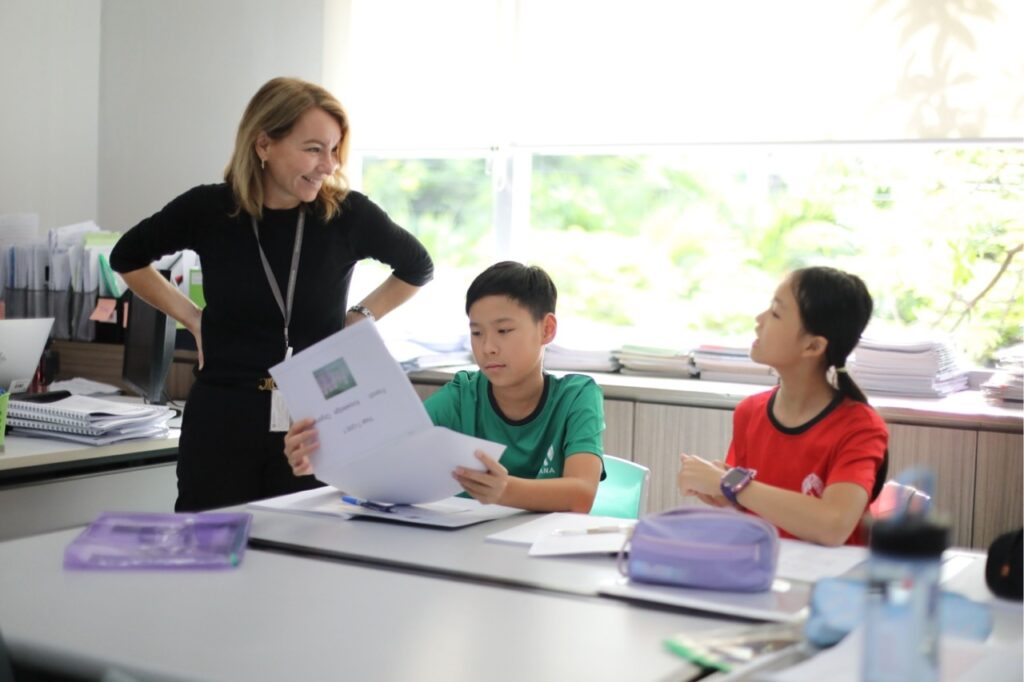
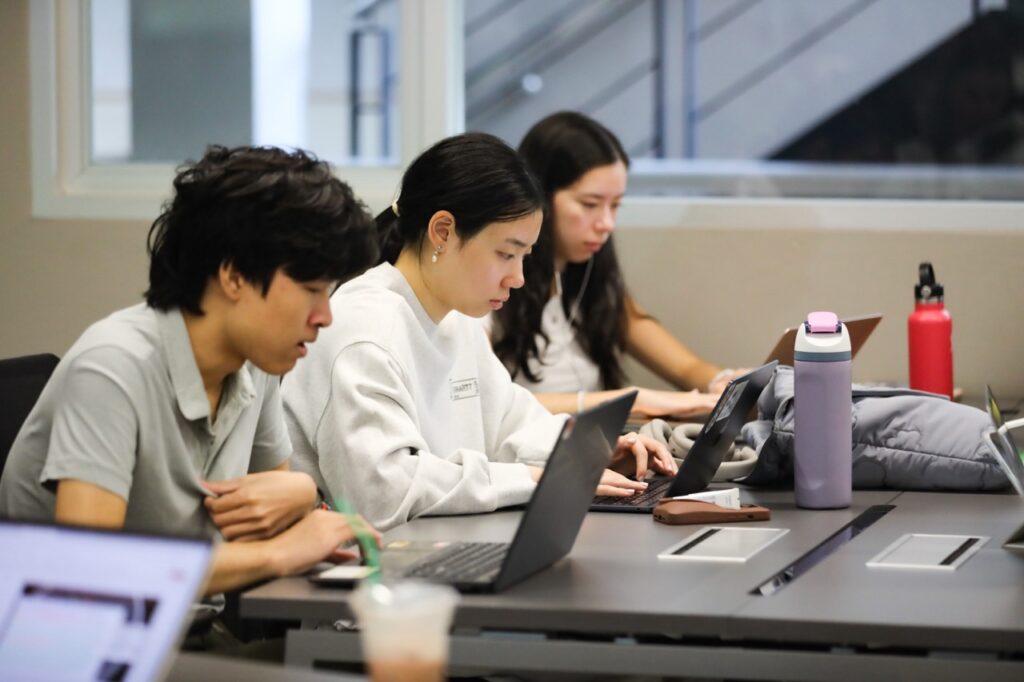
At Bangkok Patana School, we believe that every child learns best when teaching reflects who they are, what they enjoy and how they learn most effectively. This is at the heart of our approach to personalised learning. By adapting lessons to meet individual needs, strengths and interests, we ensure that every student feels challenged, motivated and supported throughout their time at school.

As a large and diverse school, Bangkok Patana offers a wide range of opportunities and learning pathways as students move through the Secondary School. This breadth allows students to explore new subjects, develop important skills and begin shaping an educational journey that is right for them – recognising that students arrive with different experiences, goals and aspirations.

Personalised learning, therefore, acts as a guiding principle across the school. We regularly review our approaches, looking for ways to help students make informed choices while maintaining high expectations for all. Open communication with families, expert guidance from teachers and targeted support at key transition points all play an important role in helping students feel confident as they move forward.

Primary to Secondary Language Pathways

As we begin working with our Year 6 families to support the transition into Secondary School, a key focus is ensuring continuity and opportunity in language learning. By helping families understand the range of language pathways available, we aim to support strong progress and prepare students for a global, interconnected world.

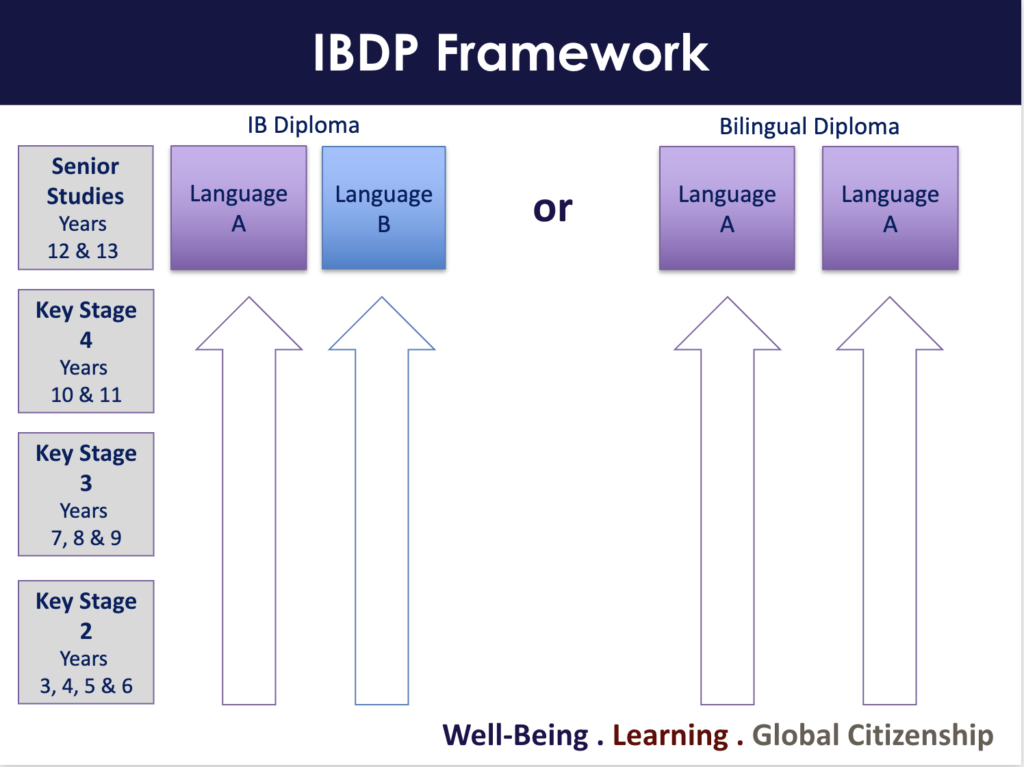
Last week, our Head of World Languages, Celine Courenq, led an information session for Year 6 parents. This session explained how language learning develops through Secondary School and introduced the IB pathways, including Language A (Home Language) and Language B (Language Acquisition). Real‑life case studies were shared to show how language pathways can be tailored to suit students’ backgrounds, needs and future goals, helping families make well‑informed choices.
Year 7 to 9 Global Impact Projects

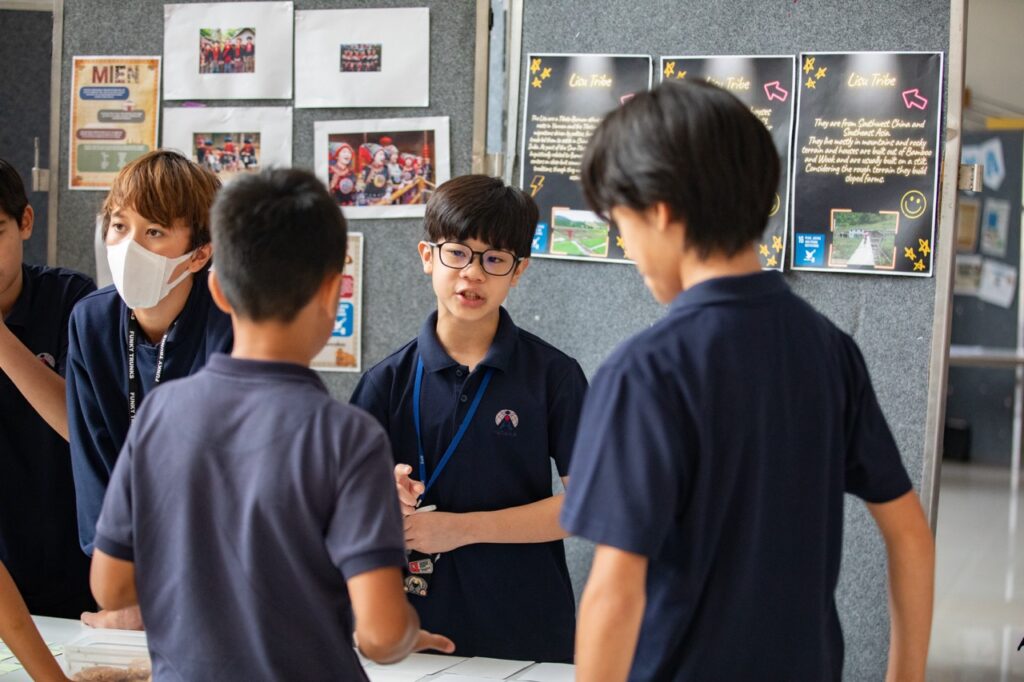
Personalised learning continues through our Year 7 to 9 Global Impact Projects. These projects give students meaningful opportunities to take ownership of their learning by working on open‑ended, real‑world challenges. Students are encouraged to explore topics that interest them and to apply knowledge from different subjects in creative and practical ways.

Because students can choose how they approach these projects and how they present their learning, differentiation happens naturally. The projects are linked to the United Nations Sustainable Development Goals, helping students see the relevance of their learning and encouraging them to view themselves as active contributors to their communities and the wider world.
Informed Choices: Year 9 (I)GCSE Options

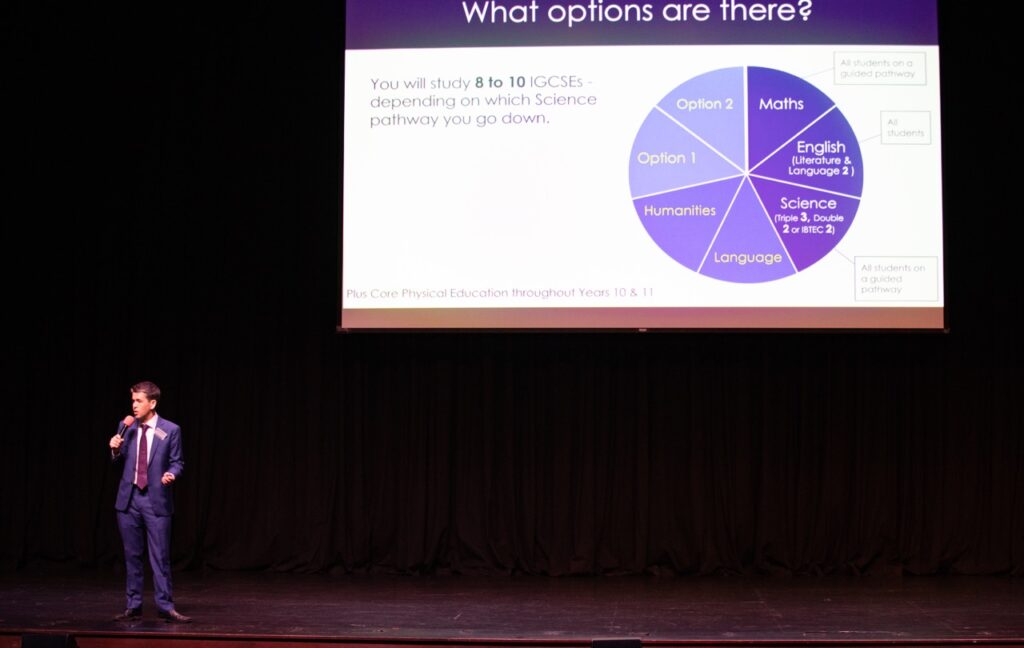
Next week, Year 9 students will be choosing which (I)GCSE subjects they would like to take in Years 10 and 11. There are some totally new subjects, such as Business Studies and Economics, which don’t have lessons in Key Stage 3. There are also other subjects, such as Music and PE, which will be familiar but take a more academic approach when studied for (I)GCSE.

To help our students make these decisions, our current Year 10 students led a series of peer-to-peer presentations to explain what it is like to take each of the options subjects. Additionally, Mr Dale, Curriculum Leader for Business Studies and Economics, offered taster lessons for students who were interested in experiencing these subjects.

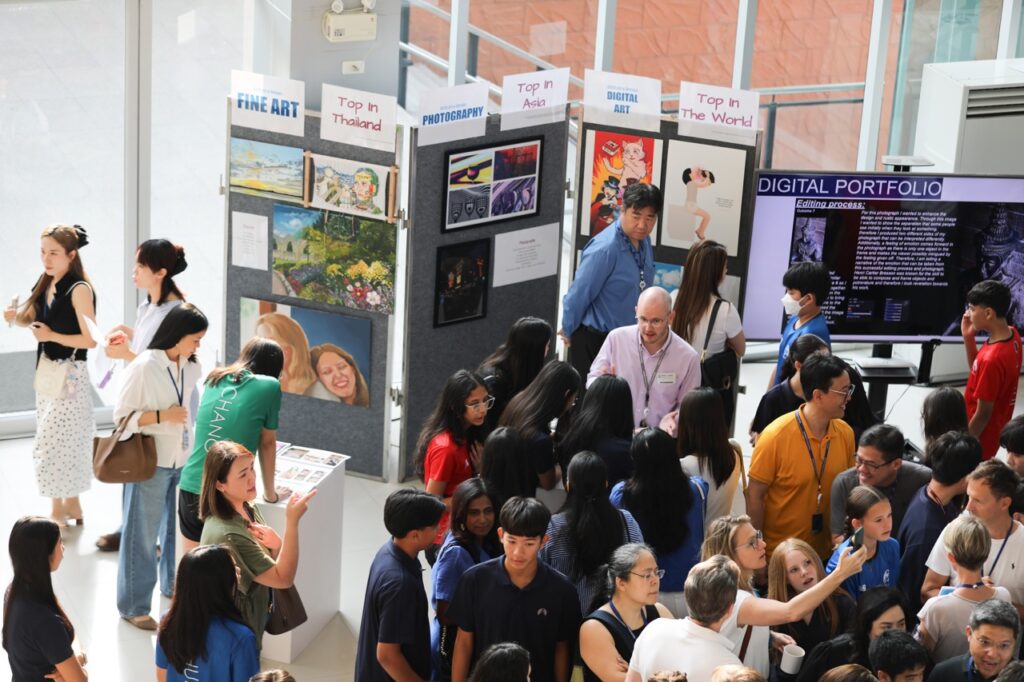
Today, Friday January 30th, we invited all Year 9 students and their parents to the Key Stage 4 Subject Fair. Here, our Subject Leaders presented information about their respective subjects and were available answer questions.
Senior Studies. Shaping the Final Stage

As students move from Year 11 into Year 12, they enter the final stage of their learning journey at Bangkok Patana School. By this point they have developed a clearer understanding of their interests and strengths. Our Senior Studies programme is designed to reflect this growing self‑awareness, offering pathways that support both breadth and specialisation while remaining challenging and meaningful.

For many years, the IB Diploma Programme has formed the foundation of our Senior Studies provision. It is a highly regarded and academically rigorous programme that offers a strong balance between breadth and depth. Students study six subjects across different knowledge areas; taking three of these subjects at Higher Level to prepare for university‑level study. At this stage, our guidance to students is clear and reassuring: choose subjects you enjoy and feel confident in. This approach keeps future options open and is particularly valuable in a rapidly changing world, where many young people are still discovering where their interests may lead.

Alongside the IB Diploma, we also recognise that some students reach the age of 16 with a clear passion and a strong desire to specialise further. For these students, we offer the IB Career‑related Programme (IBCP). This pathway shares the same internationally minded philosophy as the Diploma but allows students to focus more deeply on a specific field. Students take two IB Diploma subjects alongside an International BTEC in their chosen specialism. We are currently in our second year of delivering the IBCP, with our first group of Art and Design students due to graduate this June and already receiving exciting university offers from well-regarded institutions around the world. At present, students can specialise in Art and Design or Business, with a new Sport specialism planned from August 2026.
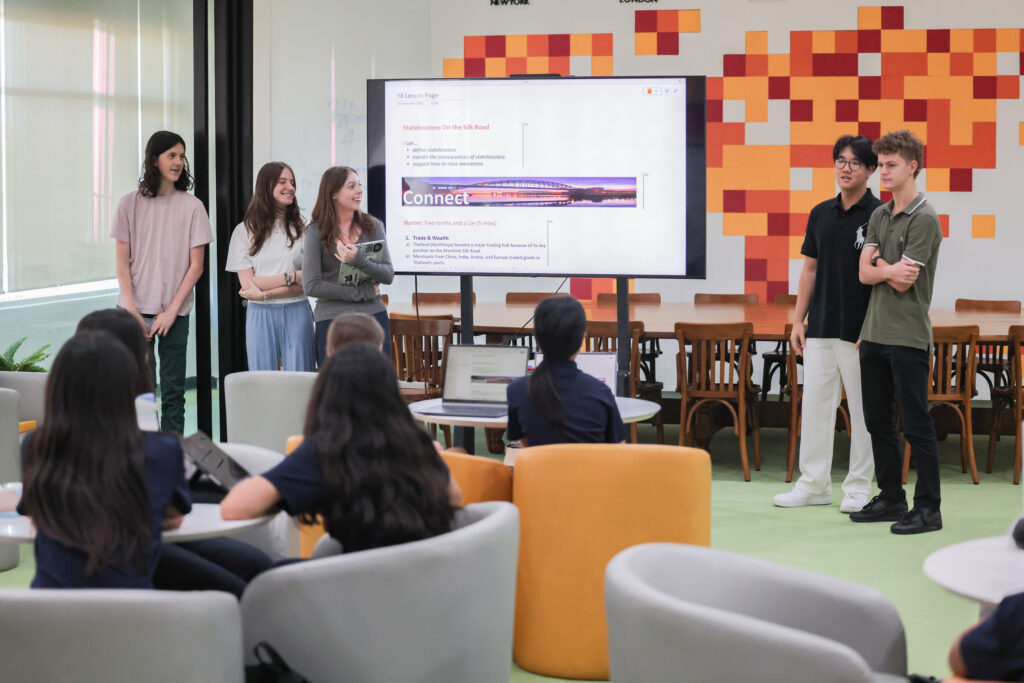
As students complete their trial examinations this week (well done to our Year 11 and Year 13 students!) Their attention now turns towards both final examinations in May and June and the pathways beyond school. We look forward to supporting them through this important period of decision‑making. This week, our Year 13 students will share their experiences of IB options with Year 11, followed by guidance from Subject and Faculty Leaders at the Year 11 Options Morning on Friday 6 February, to which parents are warmly invited. Throughout this process, our Careers and University Guidance Team, along with teaching staff across the school, are available to provide advice and reassurance, ensuring that every student is supported in making thoughtful, confident and well‑informed choices.

Share This Article

In this Issue

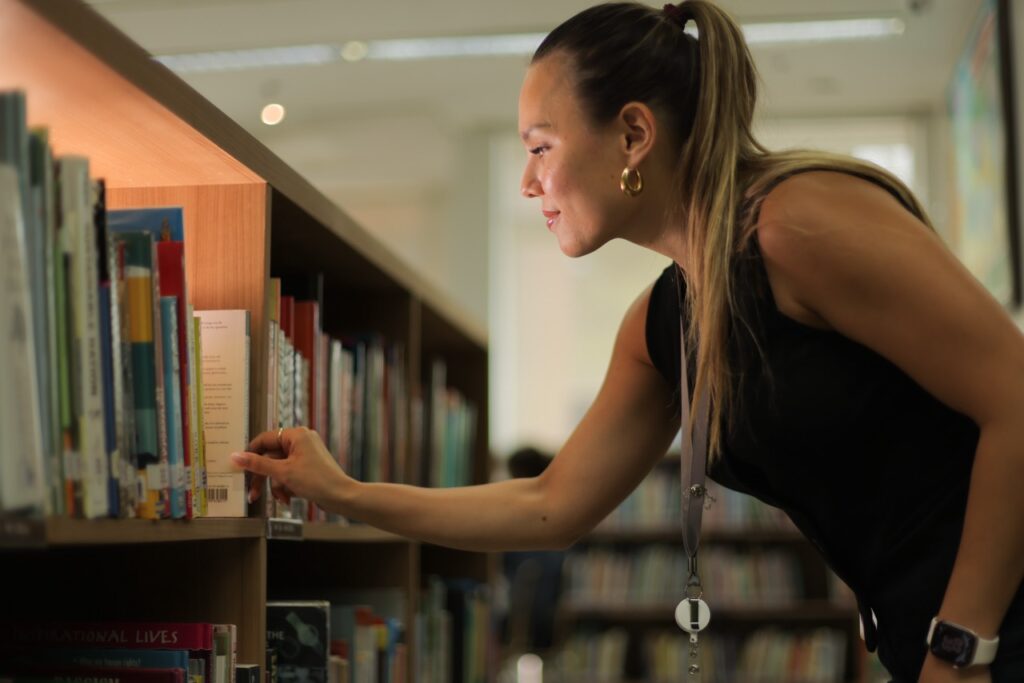
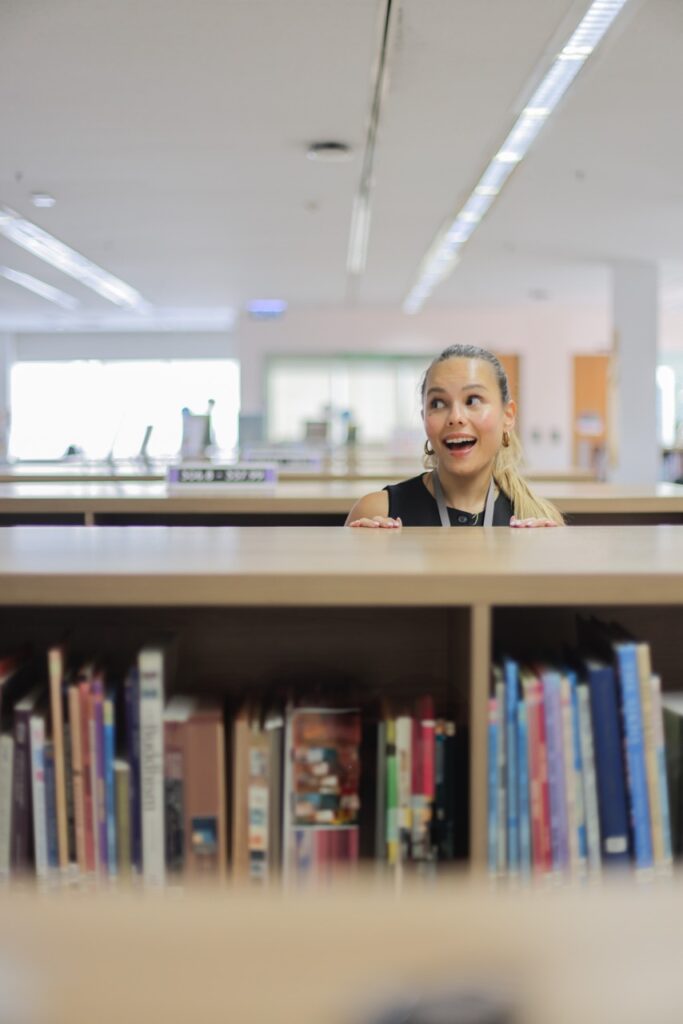
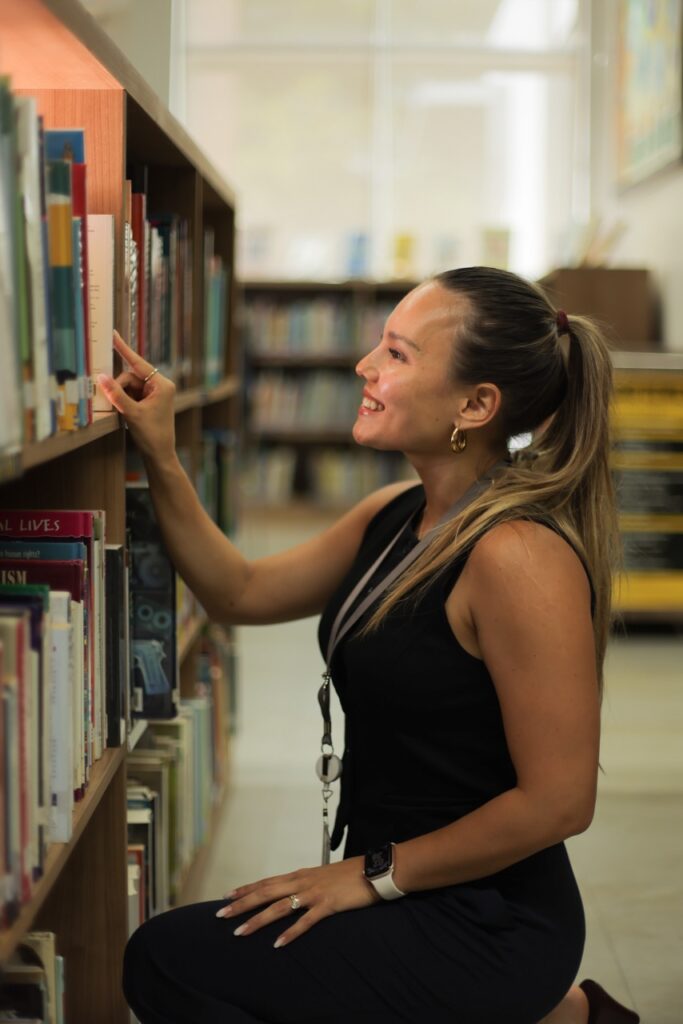
Behind the Bookshelves

What book do you recommend and why?  

‘Good Girls: a story and study of anorexia, because it gives an honest look at what might be going on in someone’s mind when they are struggling with the illness. It also helps give a better understanding of the ripple effects and the immense challenge the individual and their families experience.


What podcast do you recommend we listen to and why?

BBC World of Secrets, an investigative podcast that uncovers stories from around the world. Always interesting and gives insight to social issues in different cultures/ fields.

Where do you work/teach? 

I’m Ms Steph Telado, Secondary Counsellor

Share This Article

In this Issue

Diversity Digest: Holocaust Memorial Day

Rachel Preston and Dan Hatfield from the Primary School

Diversity Digest is a weekly reflection written by staff from different areas of our school

Holocaust Memorial Day on 27th January invites us to pause and reflect on one of history’s darkest chapters; and on the lessons it continues to teach us. This year’s theme, Bridging Generations, reminds us that memory is not static. It is passed on, interpreted and lived through the choices we make today.

Why do we teach history? Because history shapes identity, belonging and the values that underpin peaceful societies. When we understand how events unfolded and how prejudice escalated into persecution, we equip young people to recognize warning signs and challenge injustice in their own time. Teaching history is not only about facts; it is about fostering empathy and critical thinking so that students can ask: Whose voices are heard? Whose stories are missing? How do we ensure truth is preserved across generations?

Sadly, hatred does not only belong to the past. It resurfaces when ignorance and intolerance go unchecked. Holocaust Memorial Day calls us to confront this reality, not with fear, but with resolve to build societies grounded in dignity and respect.

Share This Article

In this Issue

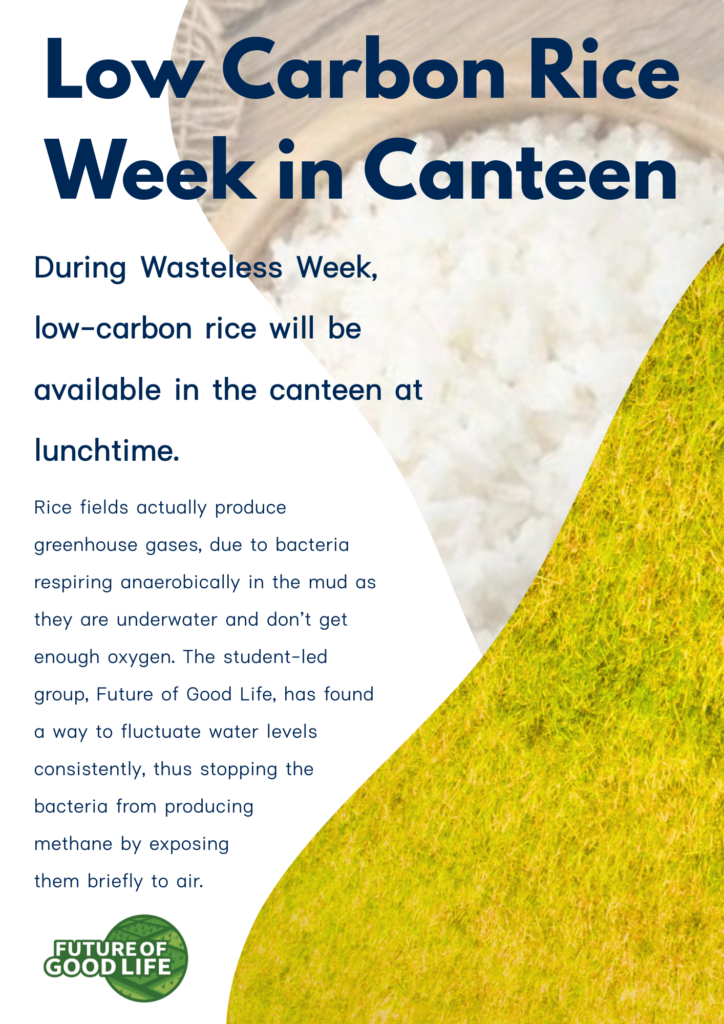
Foodie Fun

Share This Article

In this Issue

Celebrating Staff Expertise

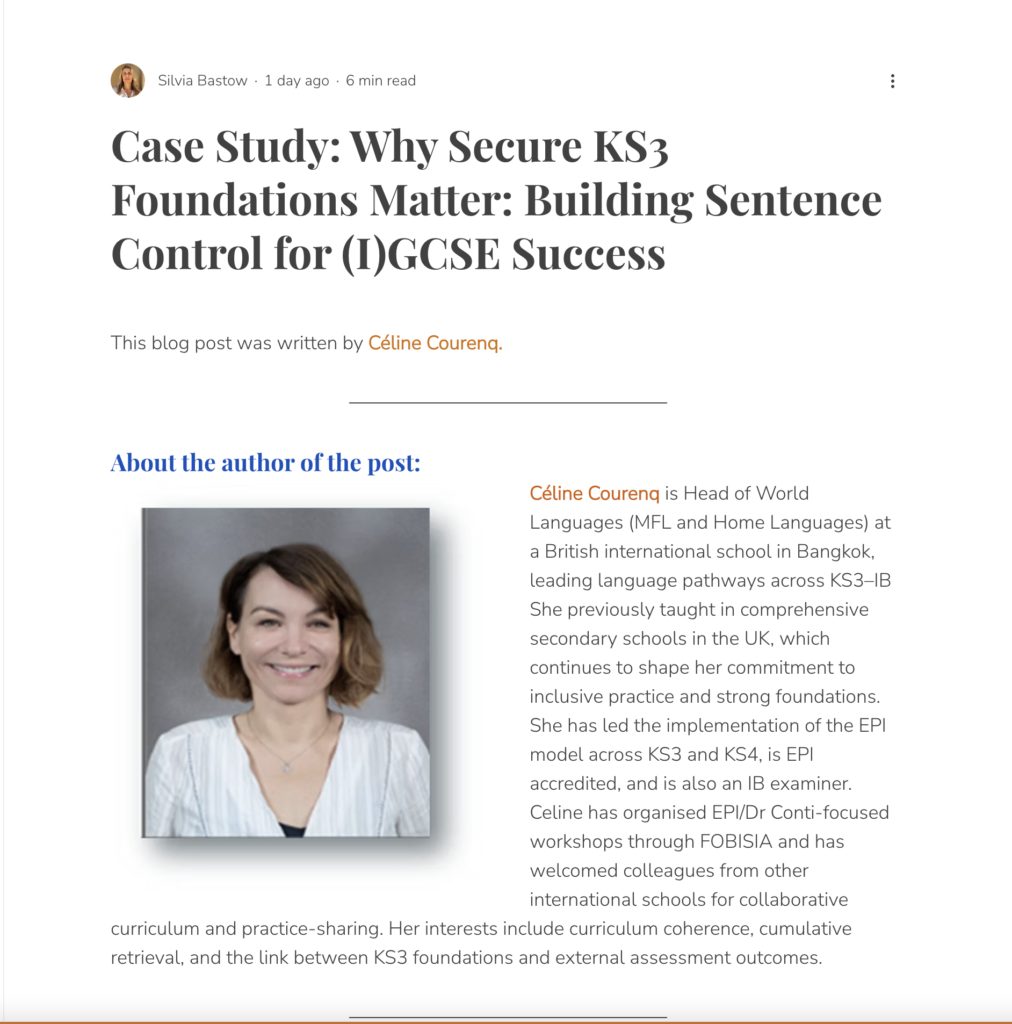
Our Staff often publish their research and knowledge in external publications. Celine Courenq, Head of World Languages recently published an article on how learning in Year 7, 8 and 9 can make good foundations for IGCSE success.

Read here: https://www.fraubastowmfl.co.uk/post/case-study-why-secure-ks3-foundations-matter-building-sentence-control-for-i-gcse-success

Share This Article

In this Issue

Destination Kaeng Krachan!

Coke Smith, Curriculum Leader, Environmental Science

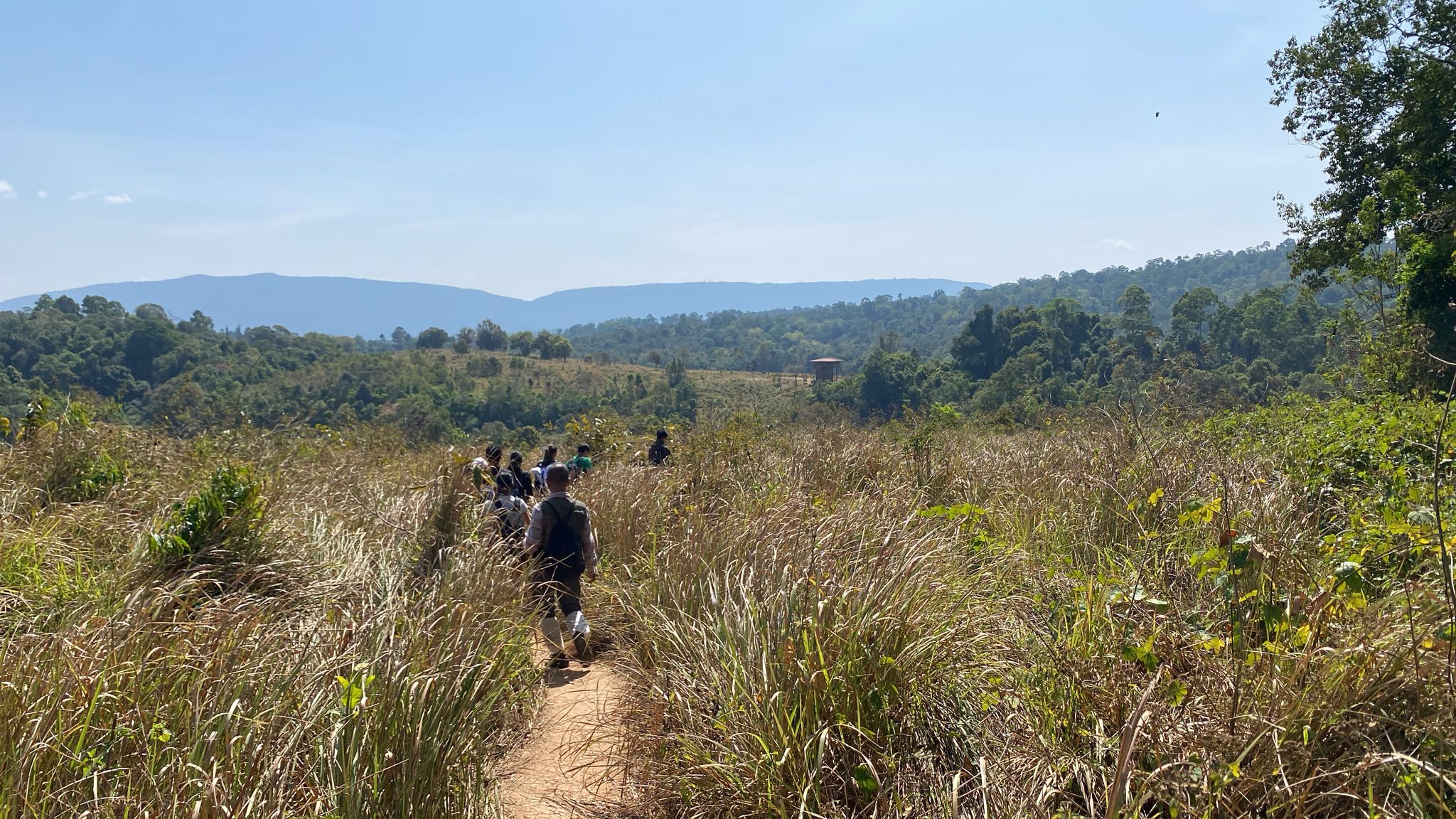
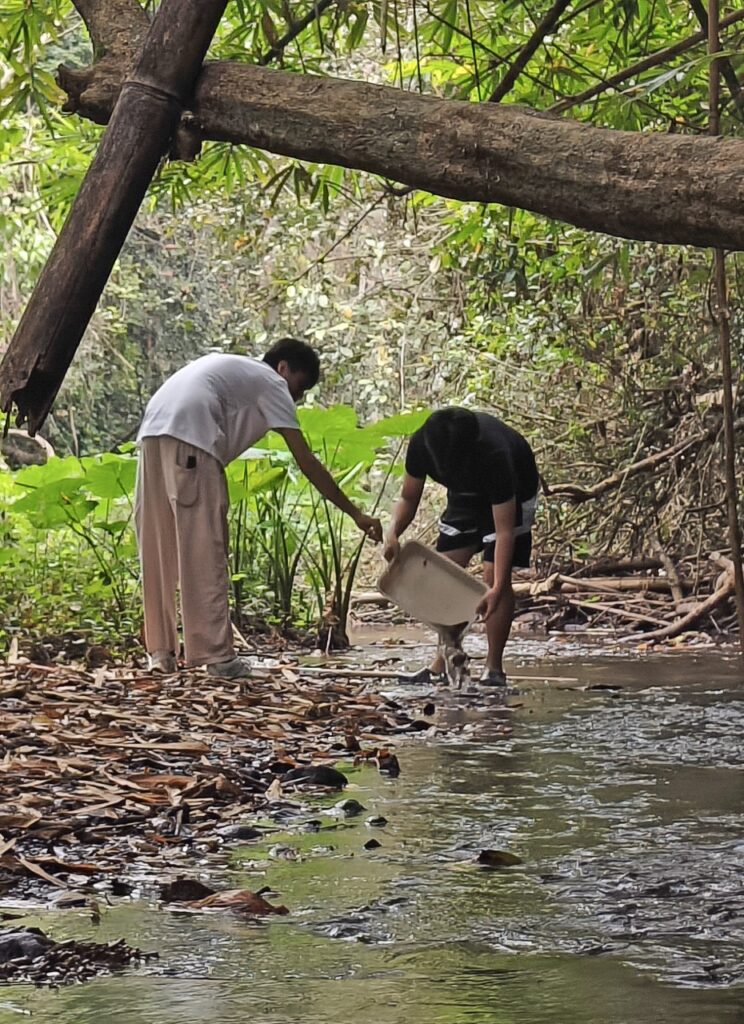
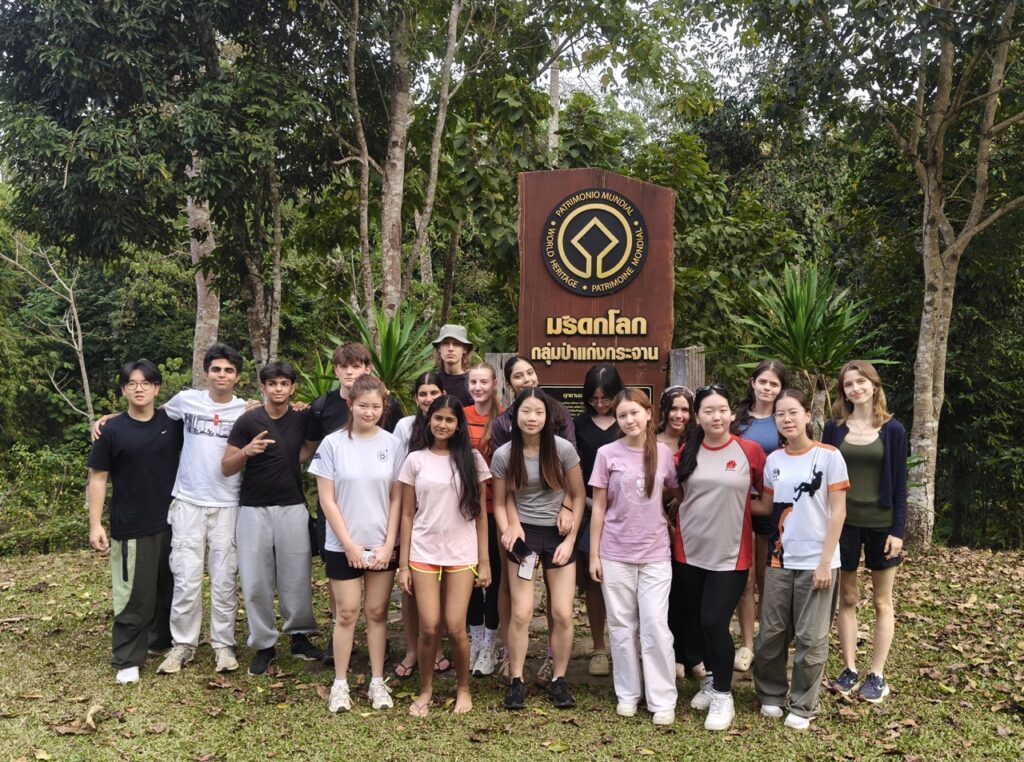
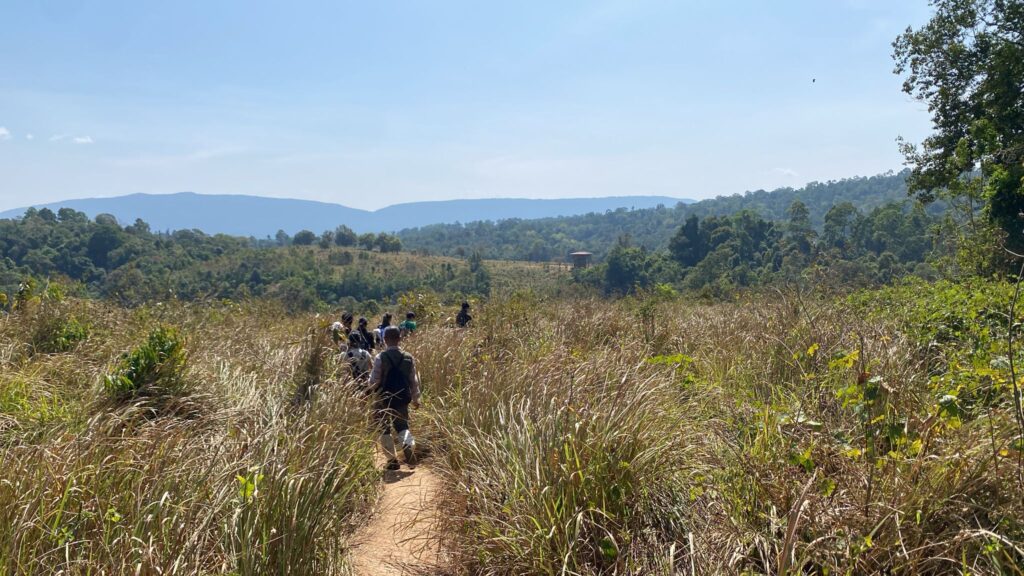
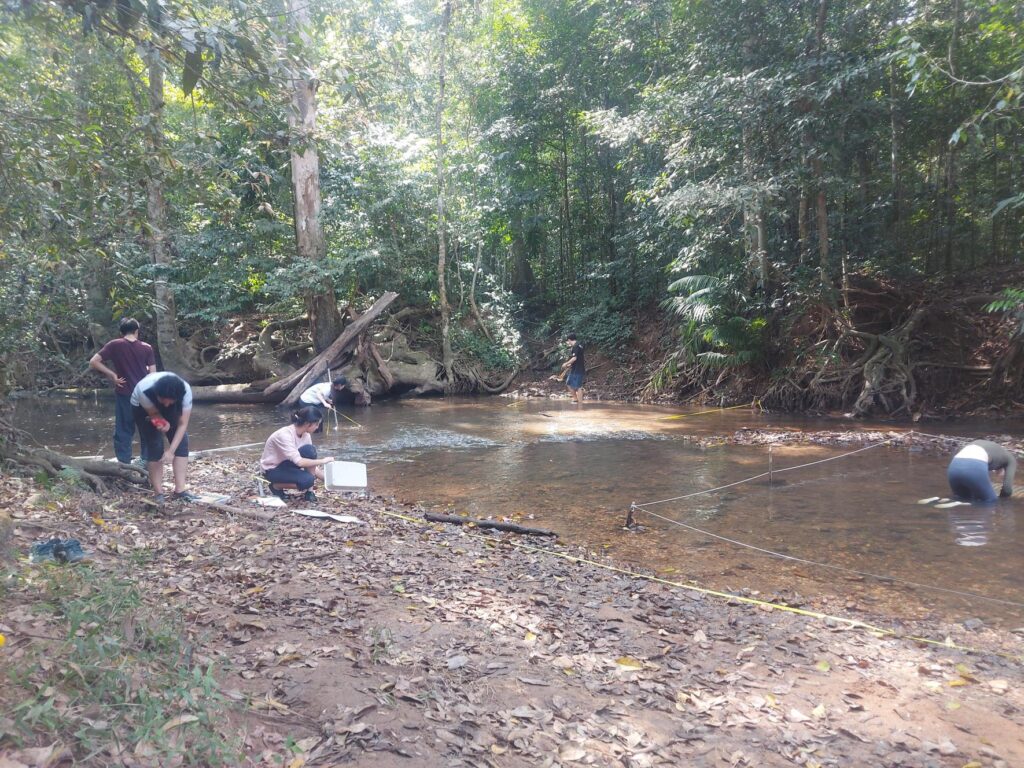
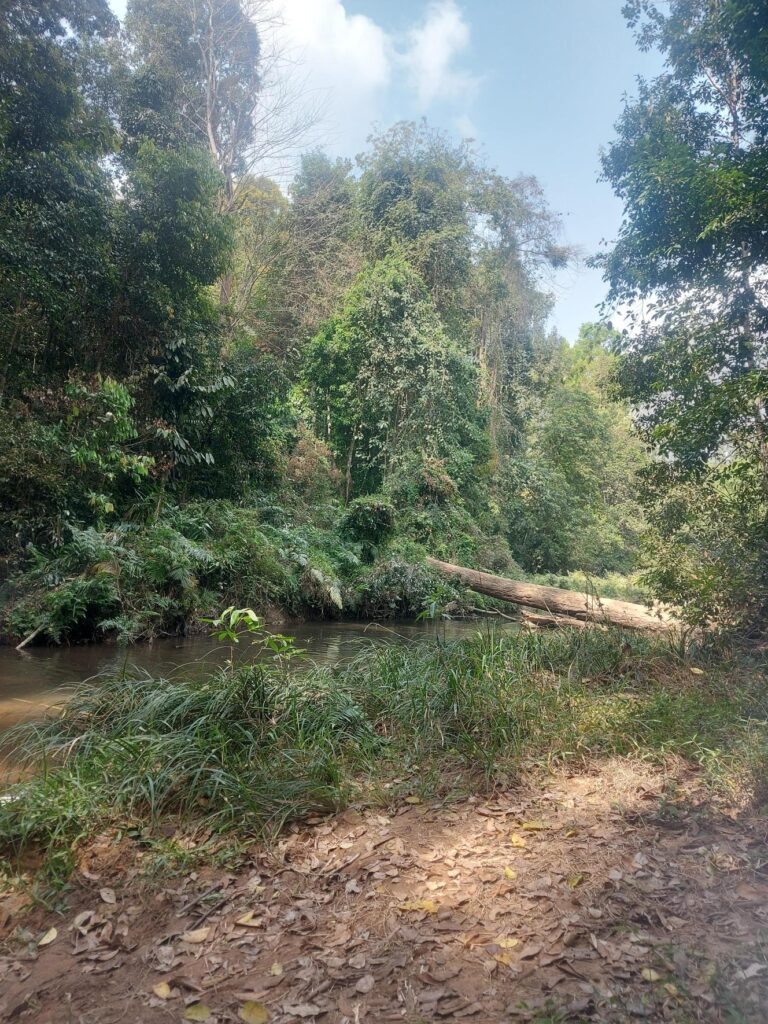
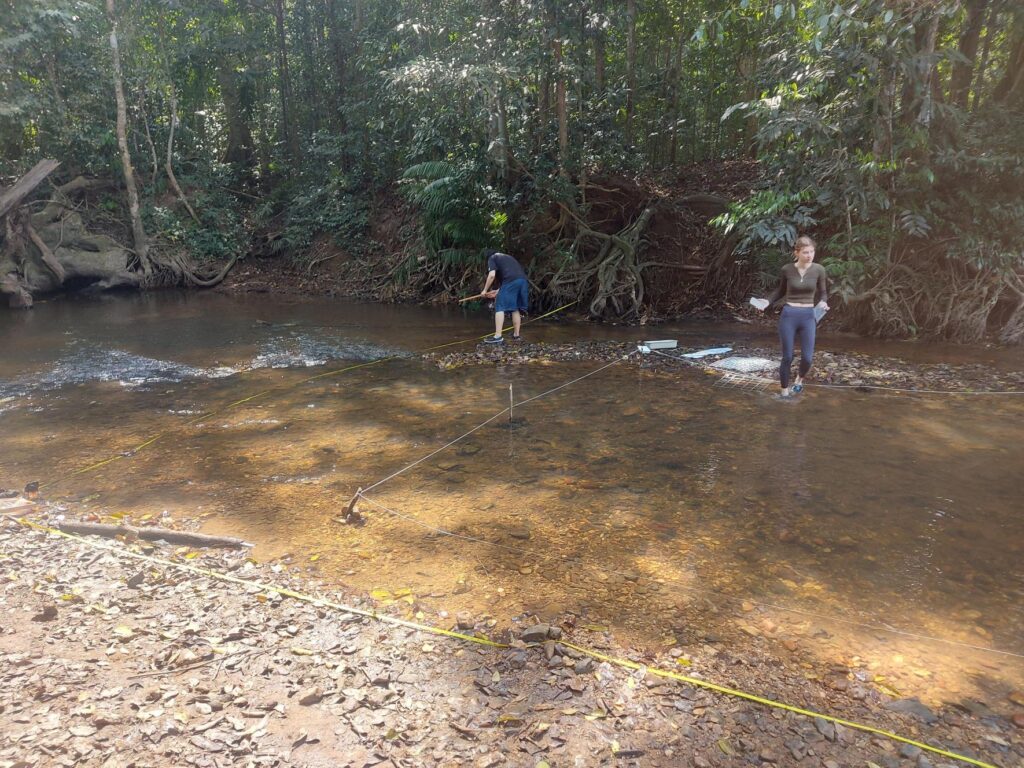
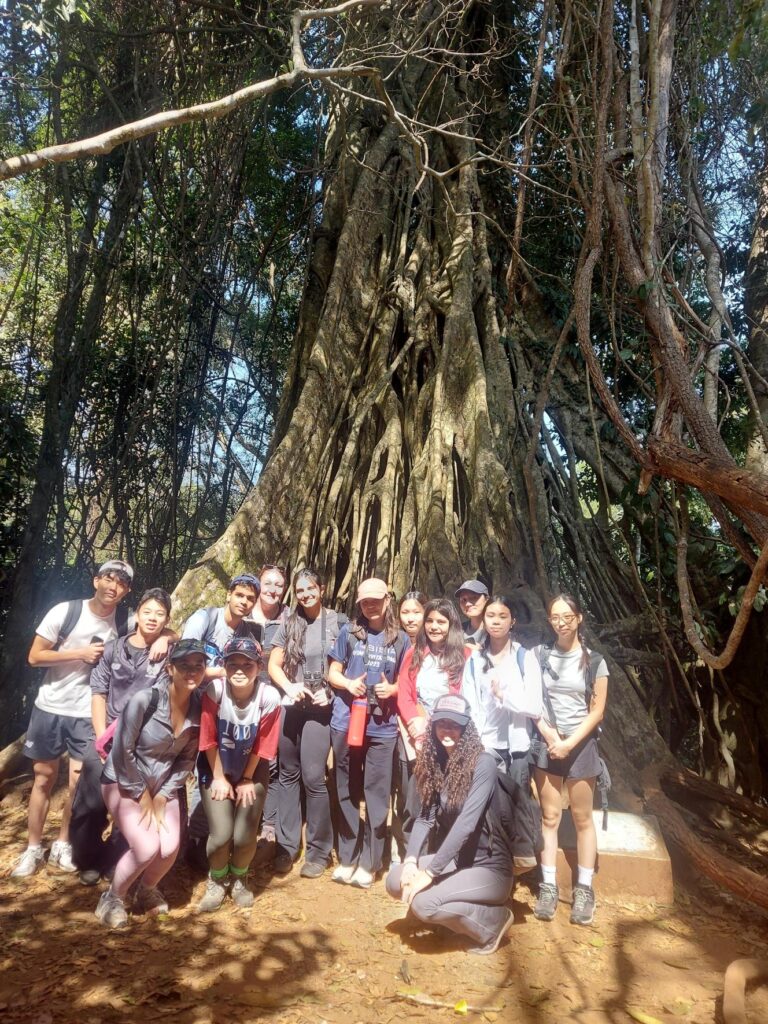
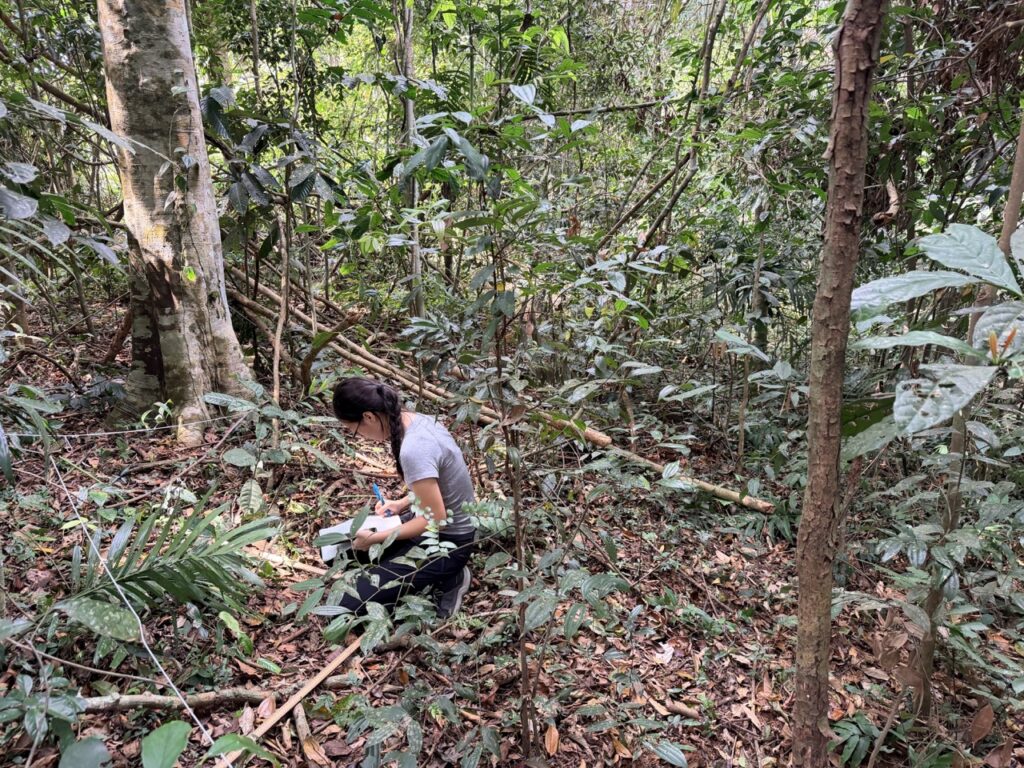
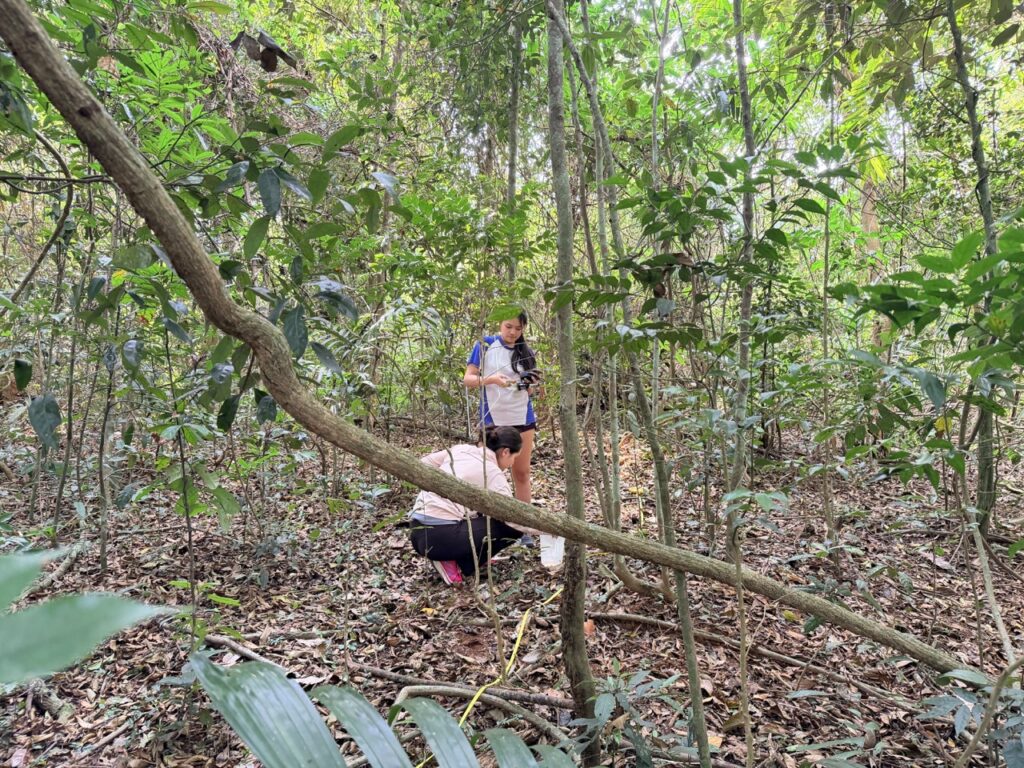
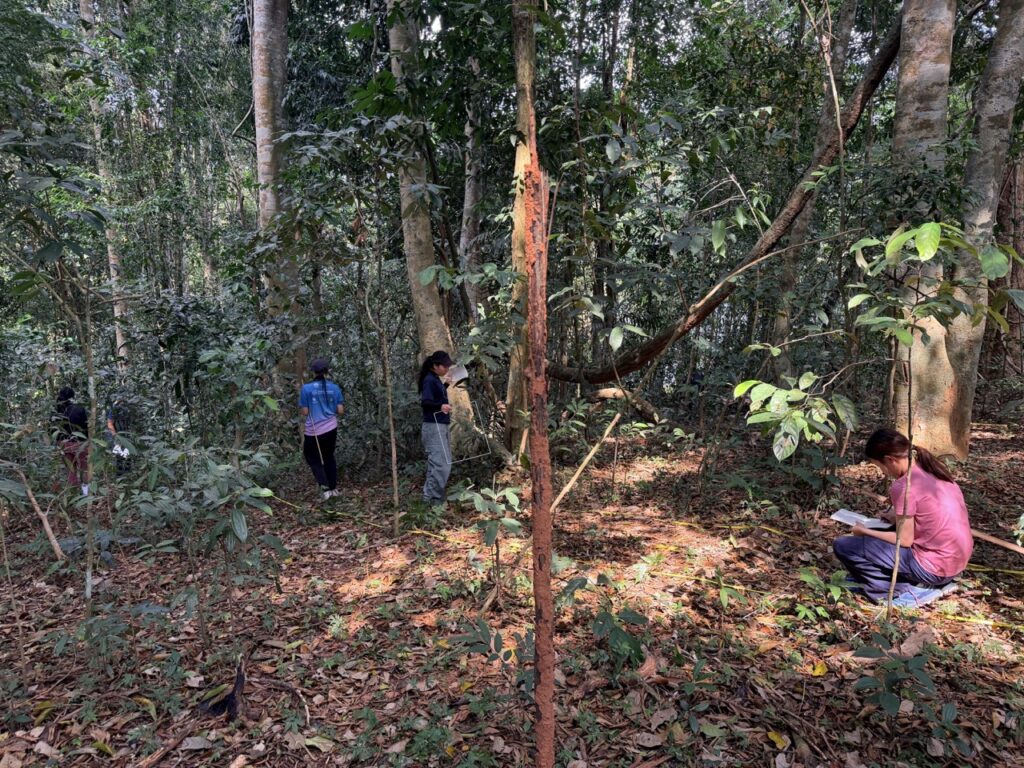
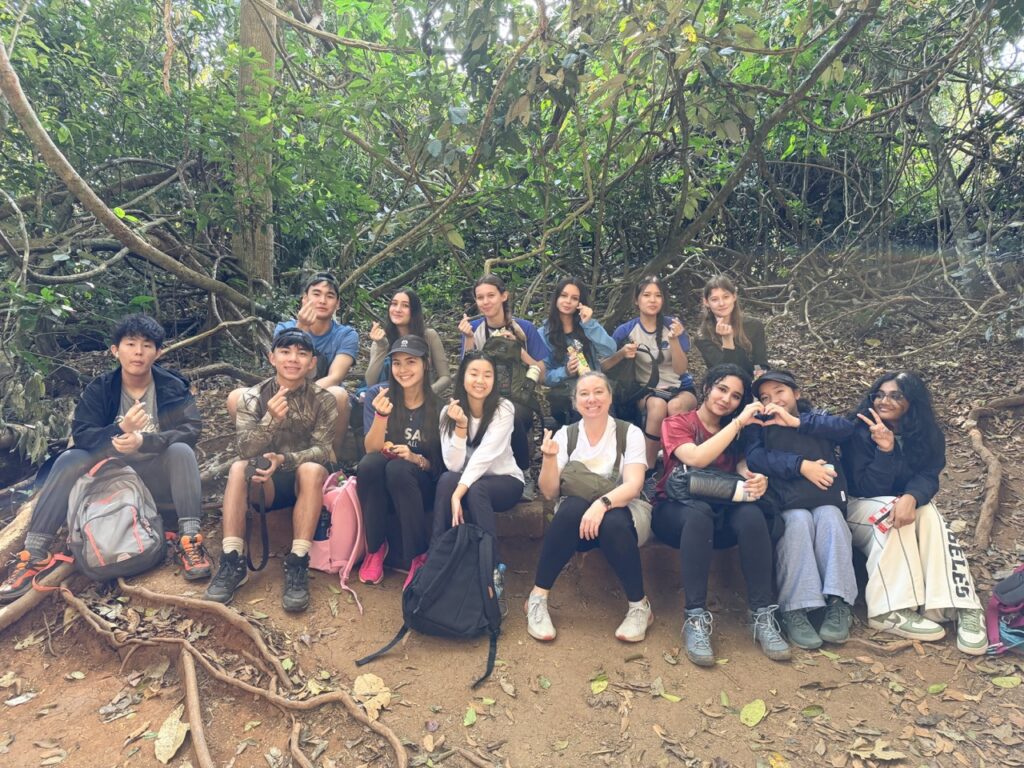
Year 12 Environmental Systems & Societies (ESS) students were at it again!  From 19th through 23rd January, they were in the wilds of Kaeng Krachan National Park investigating many aspects of the subtropic forest it protects.

This expedition is part of the ESS curriculum where students need to put in at least thirty hours of field investigation time.  Our students are very fortunate in that they have such amazing biodiversity hotspots as Kaeng Krachan with in a few hours easy drive to use as their outdoor laboratory.

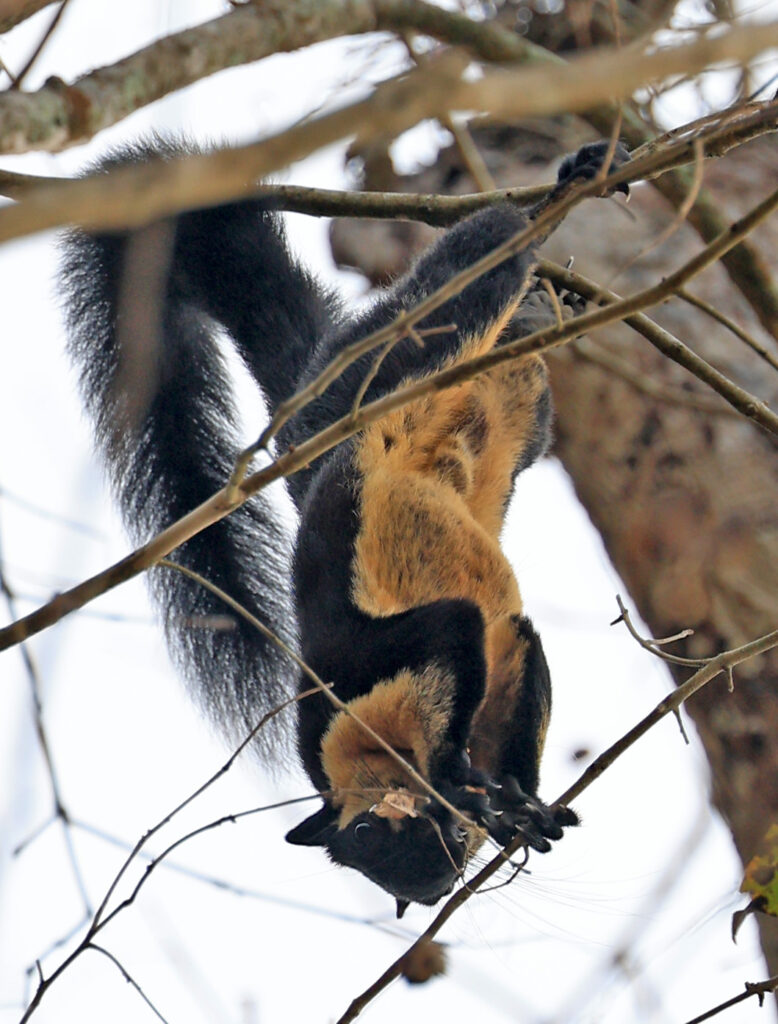
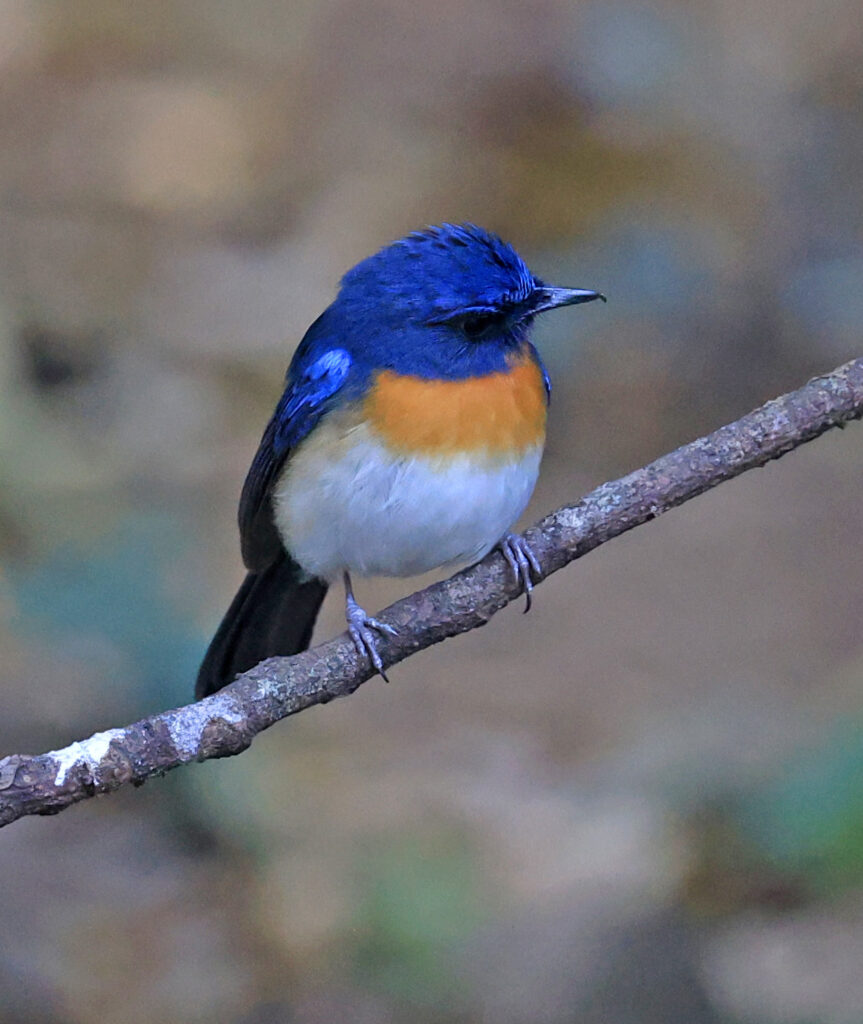
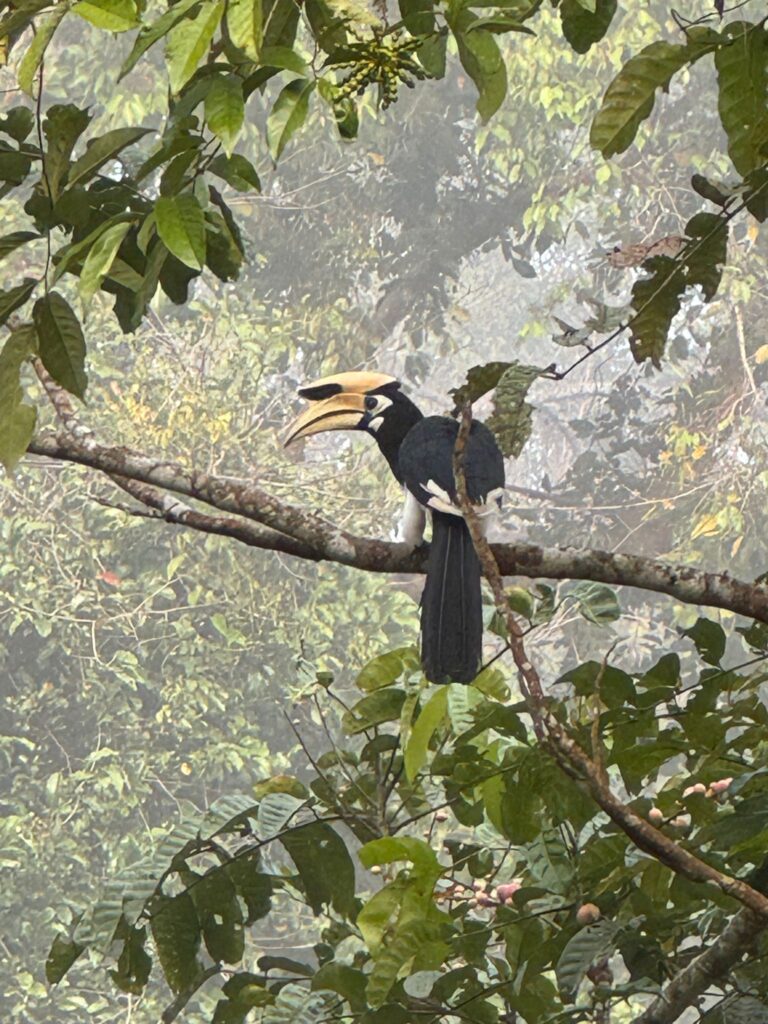
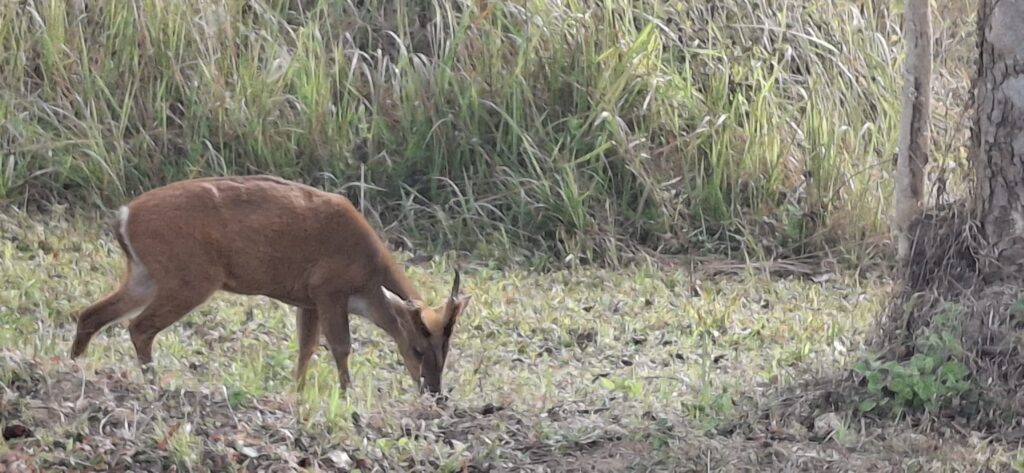
Students spent the first two days of the 4.5 day expedition learning about the subtropical dry forest that dominates much of the Kaeng Krachan system.  They learned about the plants and were very fortunate to have seen many of the native species that call the region home.  Species such as spectacled langurs, Malayan giant squirrels, white-handed gibbons and critically endangered Robinson’s Langurs were some of the mammals that introduced themselves to our students. Countless birds and invertebrates were also present.

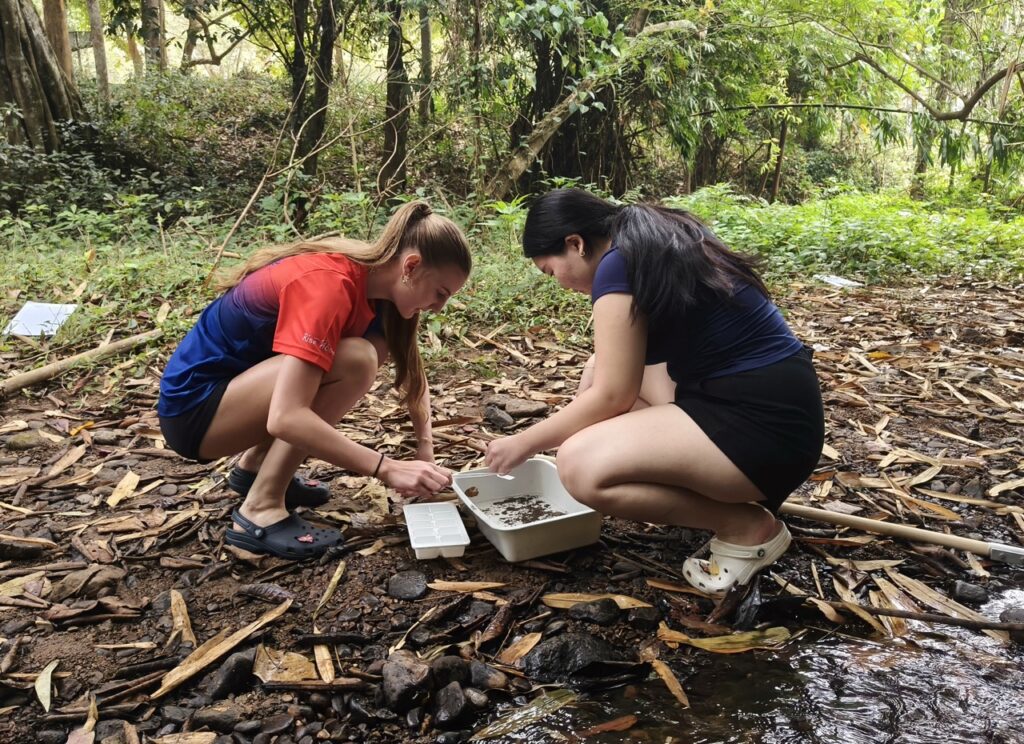
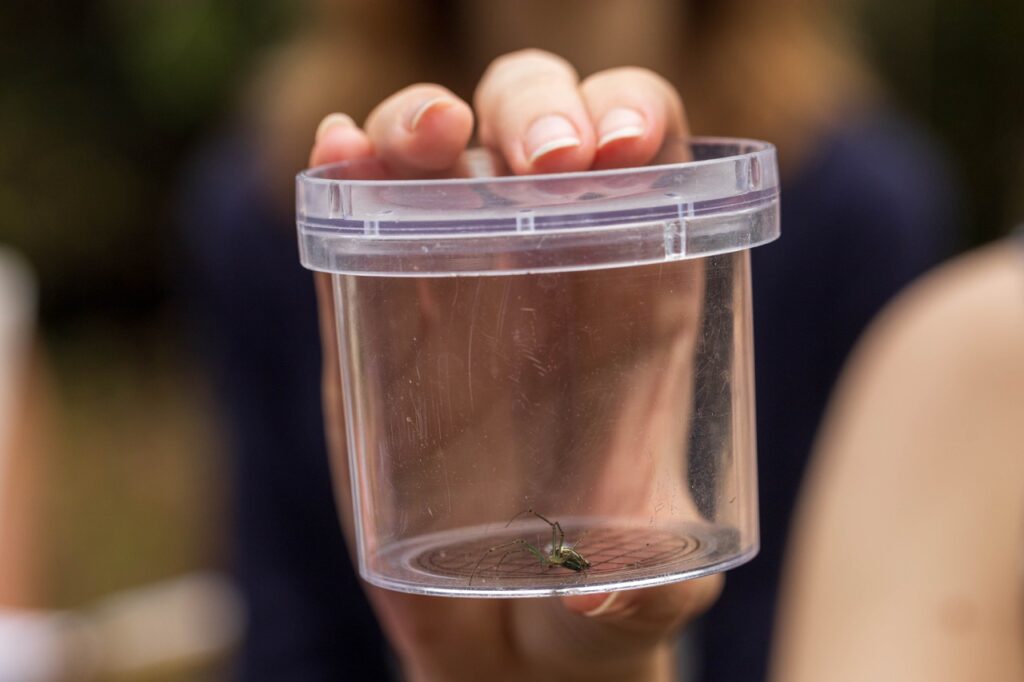
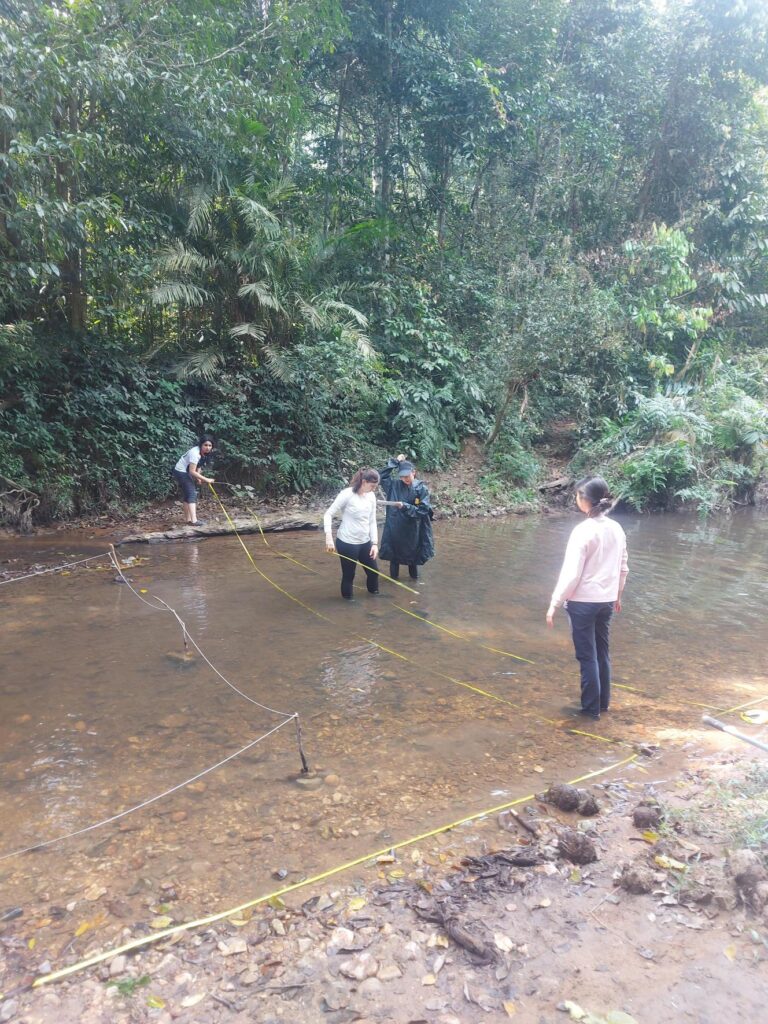
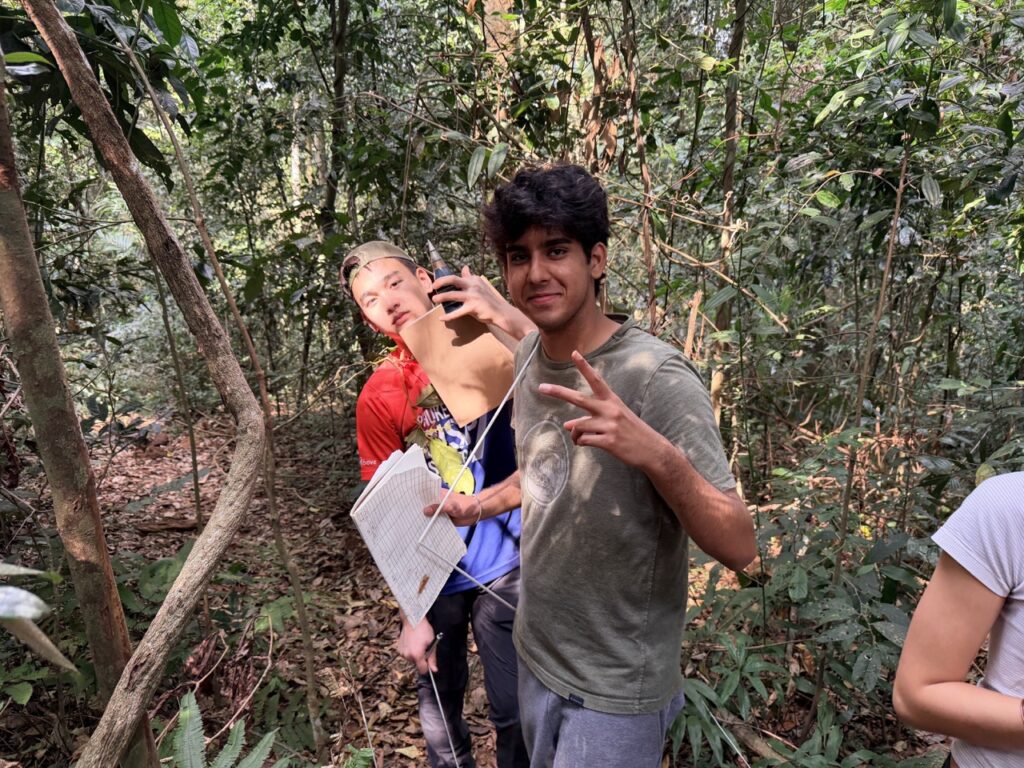
Students learned how to measure many aspects of the biotic and abiotic components of the ecosystem as well.  Using the impressive tools Bangkok Patana School has in our field ecology arsenal, students measured such factors as dissolved oxygen, turbidity, pH, electrical conductivity and dissolved solids and many more.  Students used dichotomous keys to identify the invertebrates they encountered in the streams and grasslands.

Being in such a natural area, away from the concrete jungle, in fresh air with a low pollution index, the students were energised.  After two solid days of learning and practice, they designed and carried out a field investigation of their own.  The research questions were very interesting ranging from determining the impact of canopy density to ground dwelling invertebrate biodiversity to stream invertebrate abundance correlation to stream characteristics such as riffles and pond zones. 

The data they collected during these studies will be processed and presented in a mock-internal assessment paper to be submitted in the coming weeks.  As a 20-year ESS field instructor, I can say the caliber of our students here is impressive.  Such enthusiasm and energy all directed at environmental issues and sustainability, is reassuring to say the last. 

Here are some quotes from our students:

“I slipped at least five times trying to catch fish, 10/10 trip, would go again.” – Jasmine Myatt

“This ESS trip was an unforgettable and educational experience that allowed us to deepen our understanding of the environment through hands on work, while also seeing how passionate our teachers are about the subject making me appreciate what I’m learning even more.” – Rosie Clapp

“Being out in the field in the ESS trip showed how delicate nature is.” – Sophia Hilgert

“I really enjoyed the ESS trip, not only for the nature that we saw but also because I talked to and became friends with people I didn’t think I would be friends with.” – Anaiya Molhatra

“Thank you Mr. Smith for allowing us to have some time to see Gibbons and many different animals. It was also a good time to get some data for our Mock IA. Thank you for also giving me opportunities to take some nice photos of Gibbons and learning more about them.” – Miyu Suda

“I felt like I was in my element, as we got to be part of the wildlife around us and I had a really fun time working with nature, especially in the river and interacting with all of the different animals.” – Penelope Dever

“The trip made me appreciate the nature more and made me appreciate the insects and bugs more.” – Esther Kim

“It was such a fun experience getting to know the different plants and animals. The best part was definitely catching the terrestrial invertebrates at the national park!” – Maple Dhiranusornkit

Share This Article

In this Issue

IB Biology Students at Khao Yai

Corrie Wales, Science and Biology Teacher

The Year 12 IB Biology students recently visited Khao Yai National Park for a field trip that combined academic challenge with memorable experiences. The trip provided students with the opportunity to apply their classroom learning directly to natural environments while developing essential ecological fieldwork skills.

During the visit, students carried out fieldwork across three contrasting ecosystems: grassland, freshwater, and forest. They learned how to use a range of ecological sampling techniques to measure both biotic and abiotic factors. A key focus of the trip was supporting students with their IB Biology Internal Assessments (IAs). Working closely with their teachers and specialist staff, students refined their research questions before spending a full day collecting primary data in the field. It had the intended effect as reflected by student Raichah de Sousa-Hunen, “The Biology trip was a great experience as it enabled us to apply what we had learnt in the classroom to real life.

Following the fieldwork, students took part in workshops focused on data processing and statistical analysis, with several students beginning their IA write-ups during these sessions. Janya Phlaphongphanich highlighted the impact of working outside the classroom, saying, Physically being in the environment and working in the field helped me understand my findings more and connect to my research.”

In addition to IA-focused work, students enjoyed a guided nature walk through the park, applying key IB Biology concepts such as succession, feeding relationships and niche theory. One of the highlights of the trip was an evening visit to a bat cave, where students watched an estimated two million bats emerge at sunset — an unforgettable spectacle! Aya Haviv-Buck described this as “a really memorable experience that brought our learning to life.”

Overall, the trip was both academically enriching and highly engaging, offering valuable learning experiences beyond the classroom.

Share This Article

In this Issue

Physics in Motion: Learning Through Experience at Dream World Bangkok

Sorawit (Al) Limvatanayingyong 12B, Campbell Park 12L, Sira (KK) Anuras 12B, Jinansh Jain 12H

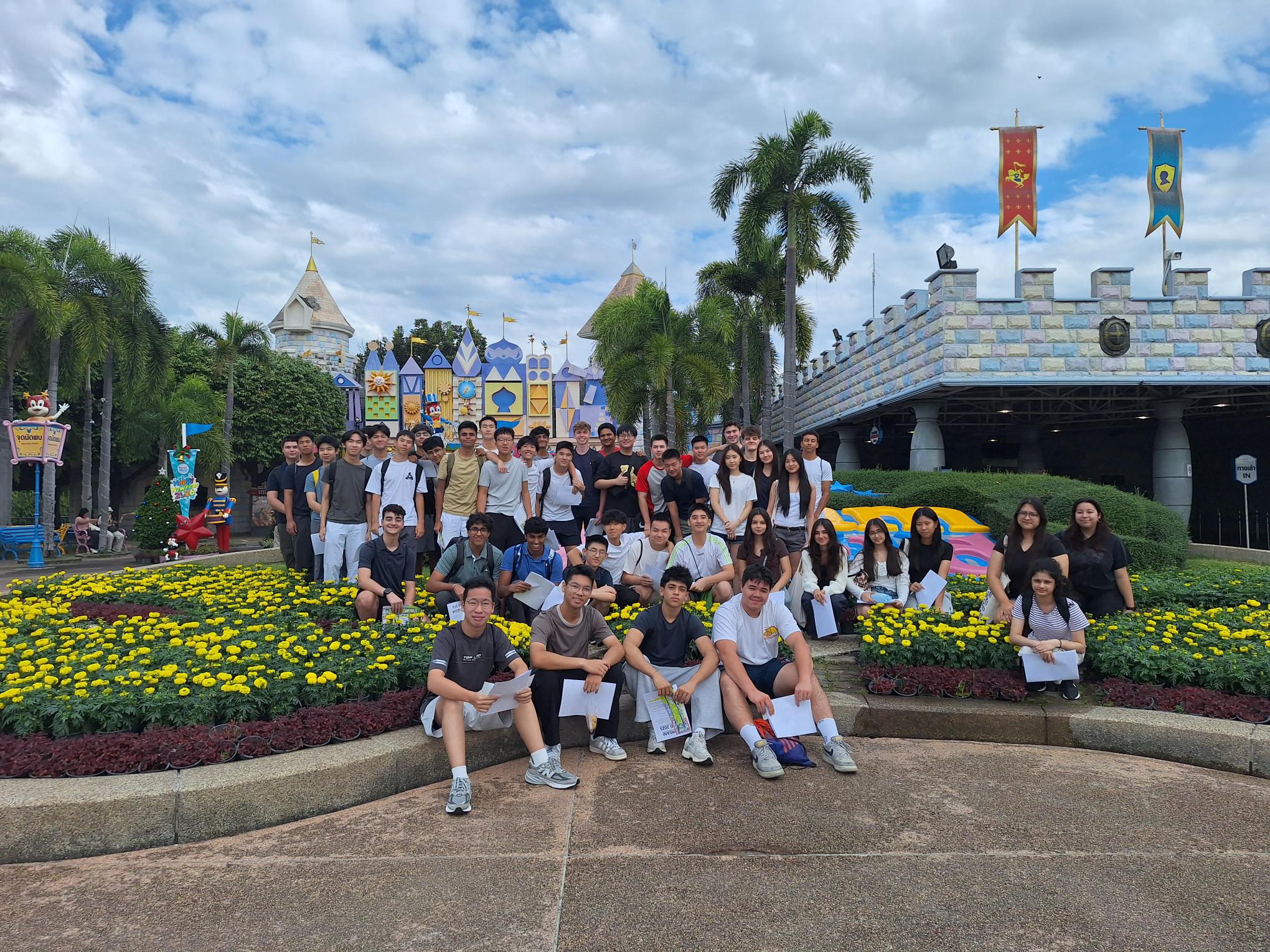
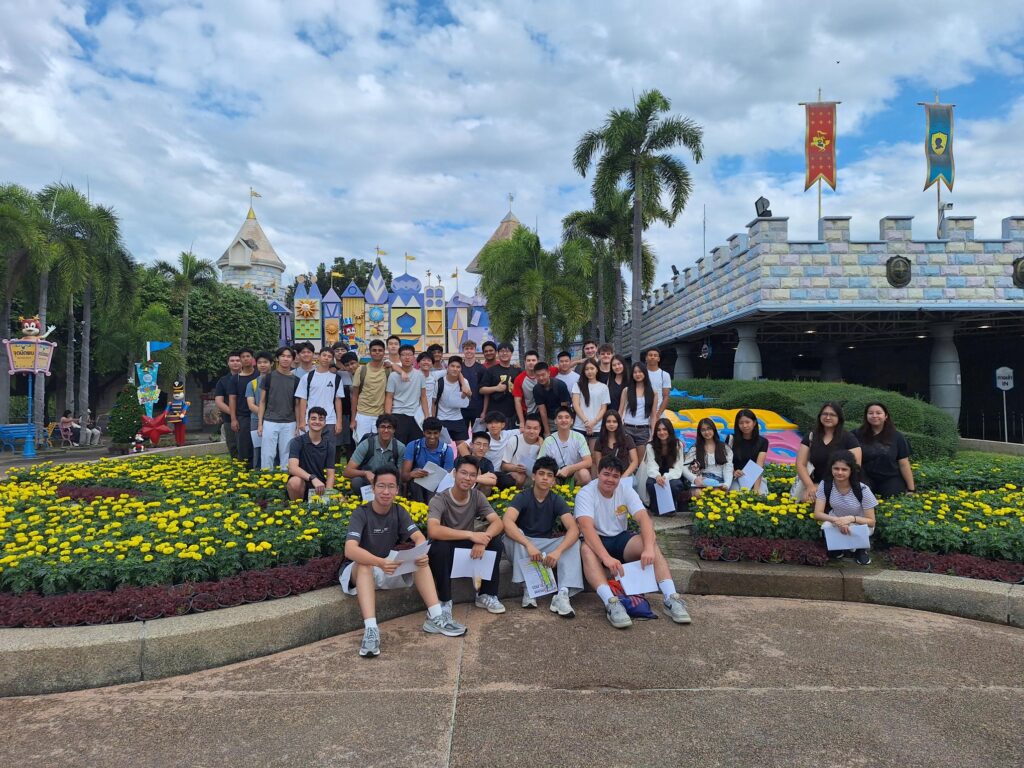
As IB Physics Year 12 students, we recently had the opportunity to take part in a Physics field trip to Dream World Bangkok with 44 other Physics students during the final week of last term. The trip gave us a chance to step outside the classroom, enjoy ourselves and have fun together, while still learning meaningful physics along the way. It was a refreshing reminder that learning does not always have to take place behind a desk, and that understanding can sometimes come from experience just as much as from textbooks.

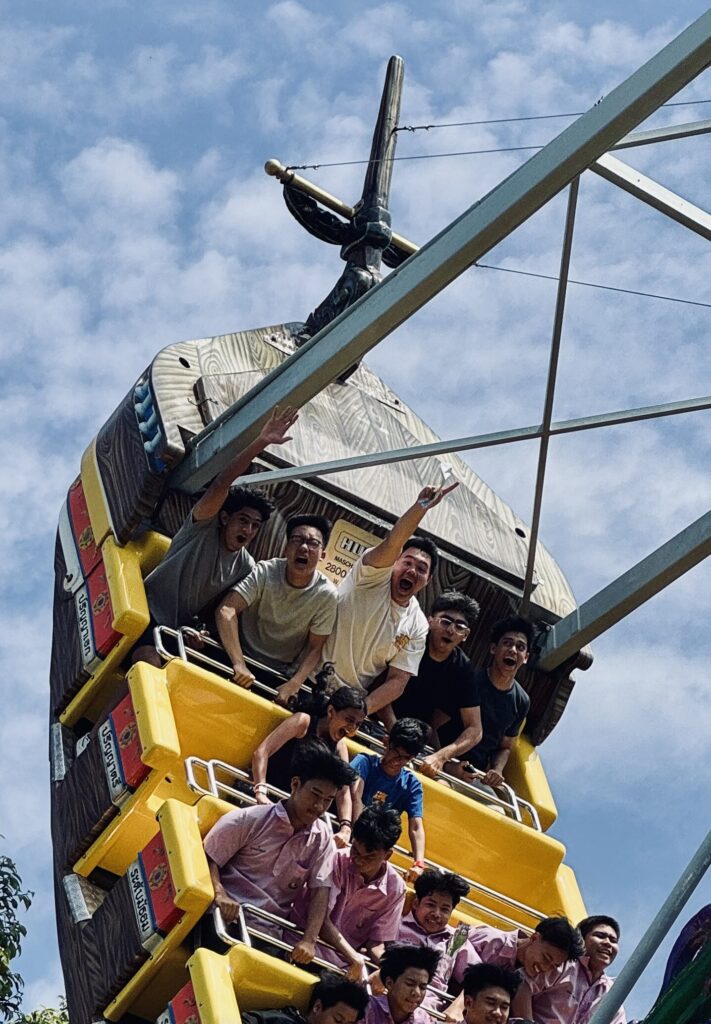
The main focus of the trip was to explore centripetal acceleration and g-forces, topics we had already studied in class. While we were familiar with the equations and definitions, feeling these forces firsthand made a noticeable difference. Being on the rides allowed us to connect what we had learned theoretically to what we could physically experience, making the concepts feel more real and easier to understand.

Two rides stood out in particular: the Viking and the Speedy Mouse roller coaster. The Viking ride helped us visualise circular motion in a very clear way. As the ship swung back and forth, we could feel changes in acceleration and apparent weight, which helped us better understand how g-forces act on the body. These sensations made abstract ideas like changing velocity and direction feel far less distant. The Speedy Mouse roller coaster offered a different perspective, with its sharp turns and quick changes in direction highlighting the effects of centripetal force. Experiencing these forces in motion made the relationship between speed, radius, and acceleration much clearer. To support our observations, we used the Phyphox application on our phones to collect real-time data from the rides, allowing us to measure acceleration and relate the values directly to the forces we were experiencing. This helped bridge the gap between what we felt physically and what we had previously analysed mathematically.

Throughout the trip, we talked with one another about what we were feeling on each ride and how it linked back to the physics concepts we had learned. Discussions about normal force, apparent weight, and acceleration felt more natural when we could relate them to our own experiences. This helped reinforce the idea that physics is not just about solving problems on paper, but about understanding the forces that shape everyday experiences.


Just as importantly, the trip allowed us to spend time together as a group. Learning alongside friends in a relaxed and enjoyable environment made the experience even more memorable. It showed us that physics is not only about numbers and calculations, but also about curiosity, exploration, and enjoying the process of learning.
Overall, the Physics trip to Dream World was an experience we will genuinely remember. Using tools like the Phyphox app made the learning feel more hands-on and meaningful, as we were not just experiencing the rides but actively collecting and thinking about real data ourselves. Seeing physics come to life through both sensation and measurement helped us realise that the subject is more than equations and exam questions. Sharing the experience with friends made it even more enjoyable, and it reminded us that some of the best learning happens when curiosity, technology, and fun come together. Thank you to the administrative and academic staff who made this trip happen.

Share This Article

In this Issue

Tech Tips #315: Snapchat’s New Parental Insights: What Parents Really Need to Know (and How to Use Them)

Brian Taylor, Vice Principal, Technology for Learning

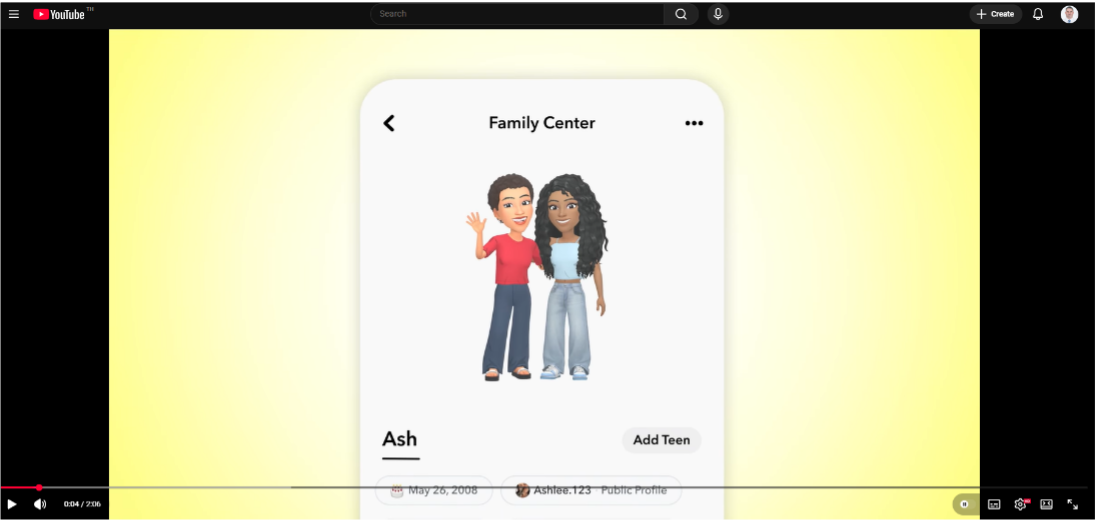
Image courtesy of New Family Center Features: Helping Parents Understand Better Their Teen’s Snapchat Experience – YouTube

Snapchat has introduced updates to its Family Centre, giving parents greater visibility into how their children use the app while still protecting young people’s privacy. These changes are designed to support healthy digital habits and strengthen conversations at home about online safety.

What’s New?

Families can now access a clearer breakdown of a child’s daily screen time on Snapchat over the past week. Rather than showing just total minutes, the Family Centre separates activity into key areas such as messaging friends, creating or sending Snaps, exploring Snap Map, or watching Spotlight and Stories. This helps parents understand not only how much time is spent on the platform, but what that time involves.

Snapchat has also added “trust signals” to help parents understand who their child is connecting with. When a young person adds a new friend, parents can see whether that contact appears in their phone, whether they share mutual friends, or whether they belong to the same school or community. These cues offer reassurance without revealing private messages.

Importantly, parents still cannot read their child’s Snaps or chats. Snapchat’s approach is to support safety and awareness rather than surveillance. This aligns with best practice in digital wellbeing, helping young people maintain autonomy while ensuring adults stay informed.

Tools to Support Families

Snapchat has added guidance resources, including a walkthrough video and a digital safety guide called The Keys. These can help parents and children learn together how to use the Family Centre effectively.

Why It Matters

For families, these tools work best when used to start open conversations. Asking curious, non‑judgemental questions about screen time, new contacts, and online experiences helps young people feel supported rather than monitored. Technology can provide insight, but ongoing dialogue builds trust, confidence, and safer online habits.

Have a great weekend.

Share This Article

In this Issue

Understanding Autism: Building an Inclusive Community Together

Aakriti Sultania, Learning Support (Secondary)

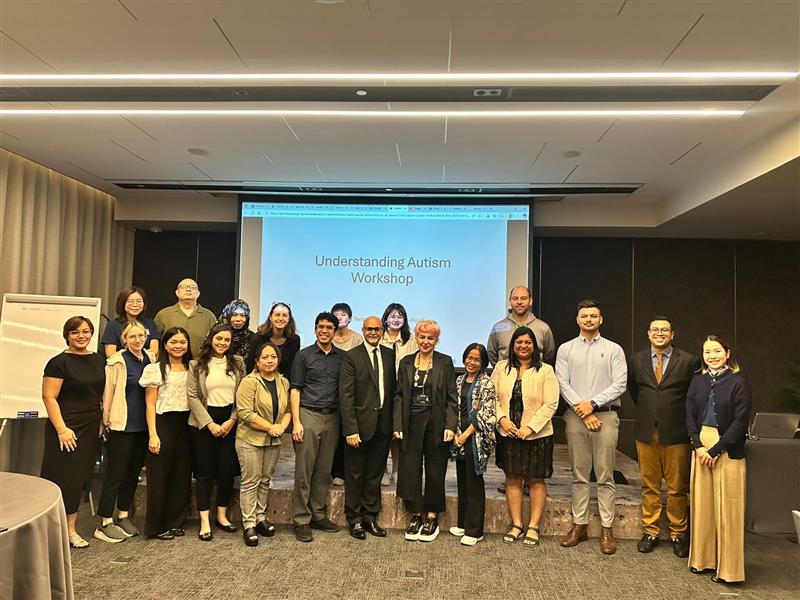
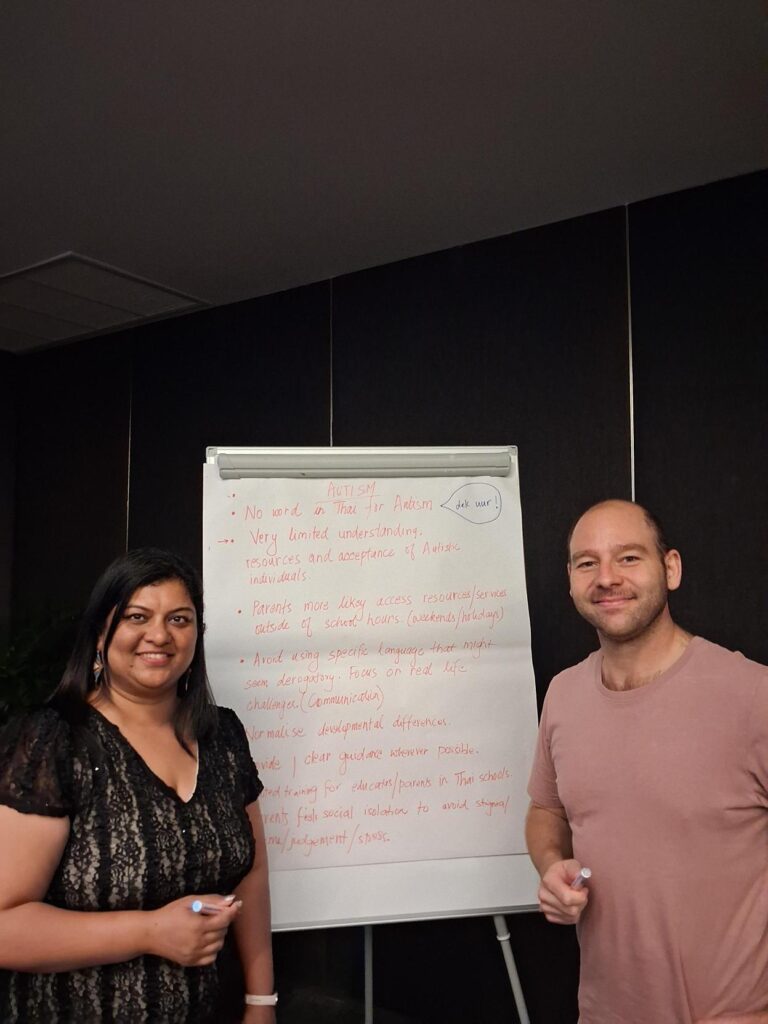
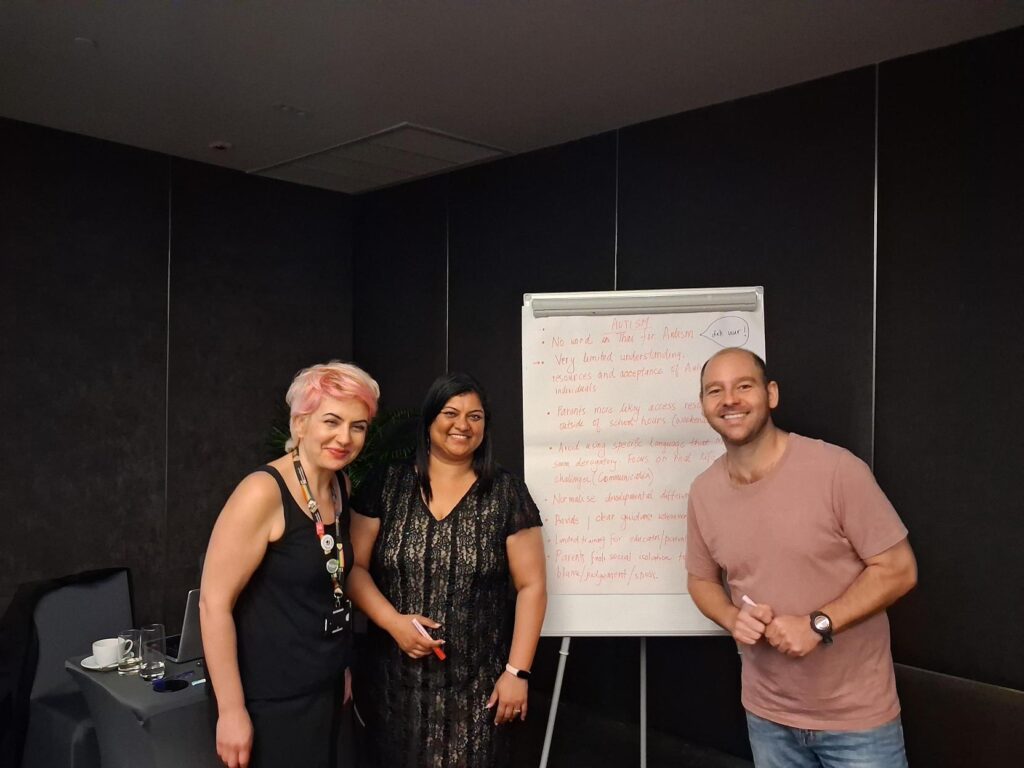
As part of our ongoing commitment to inclusion at Bangkok Patana school, I had the privilege of attending a one-day focussed workshop on Autism Awareness along with my colleague Shaun Pletschke. The session was led by Dr Tereza Aidonopoulou (Associate Professor in Inclusive Education, University of Northampton), who has over two decades of experience and expertise in inclusion, neurodivergence and intersectionality. The session was attended by mainstream educators, SEN teachers and Heads of Learning support departments from leading international schools in Bangkok. 

Autism is not an illness but a different way of experiencing and engaging with the world. Individuals on the spectrum may perceive information, communicate, and respond to their surroundings differently. These differences often come with unique strengths – such as exceptional focus, creativity, honesty, attention to detail and innovative problem-solving. At the same time, students with Autism may face challenges in social communication, sensory regulation and adapting to changes.

The session was eye-opening, insightful and deeply relevant to the values we uphold at our school. Dr Tereza created a deeply insightful, interactive, and respectful space for learning, sharing and reflection .  Throughout the day, professionals indulged in rich discussions, case scenarios and engaging activities -including quizzes and group dialogues. We explored concrete practical strategies , and how these adaptations, adjustments and considerations in inclusive education can make a huge impact in participation and engagement in a neurodivergent individual’s learning journey. 

One of the most powerful messages from the workshop was that inclusion is not a strategy, it is a mindset. Our discussions focused on a strength-based approach, providing support and strategies tailored according to the individual needs of the students. We discussed various ways to support neurodivergent individuals – like flexible teaching methods, alternate adaptive assessment methods, sensory-friendly spaces and use of assistive technology to enhance learning experience and engagement.

The main takeaway from the session was the crucial role of empathy, and collaboration between educators, students and families to make a real difference. When we listen, communicate openly and build on each child’s strengths, we foster a sense of belonging that enriches our whole community. 

As a Learning Support instructor, I am inspired to continue advocating for approaches that honour the individuality of each learner. Together – teachers, students and parents – we can nurture a community where differences are embraced, strengths are recognised and every young person feels a sense of belonging.

Share This Article

In this Issue

Join the Second Languages Olympiad representing Bangkok Patana!

Mariela Bianciotti Sennecke, Leader of Primary World Languages, KS2 Spanish Teacher

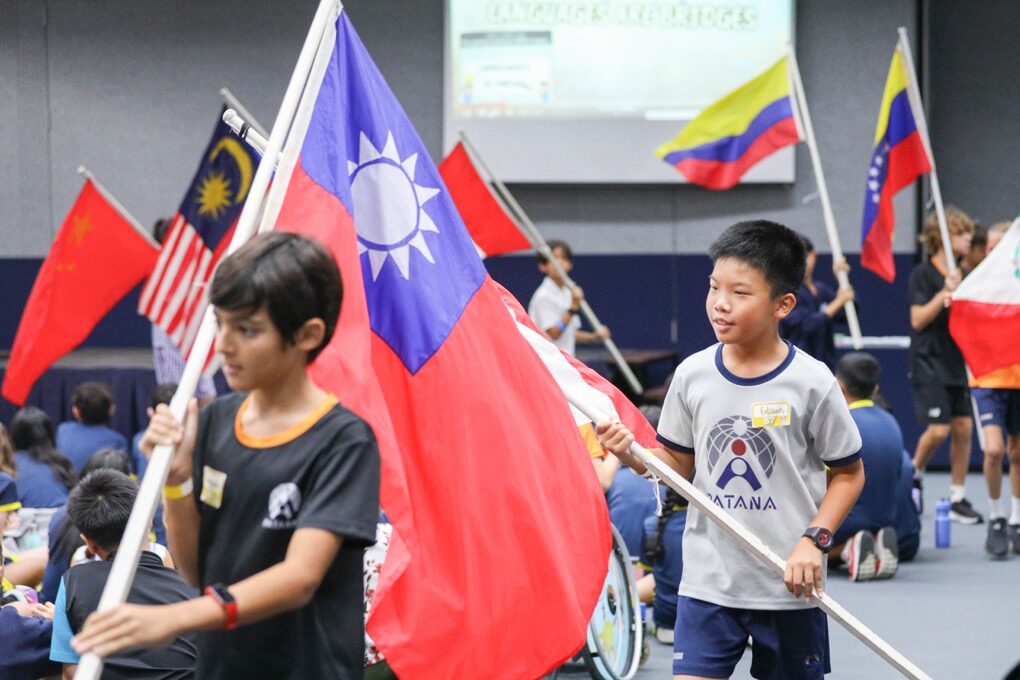
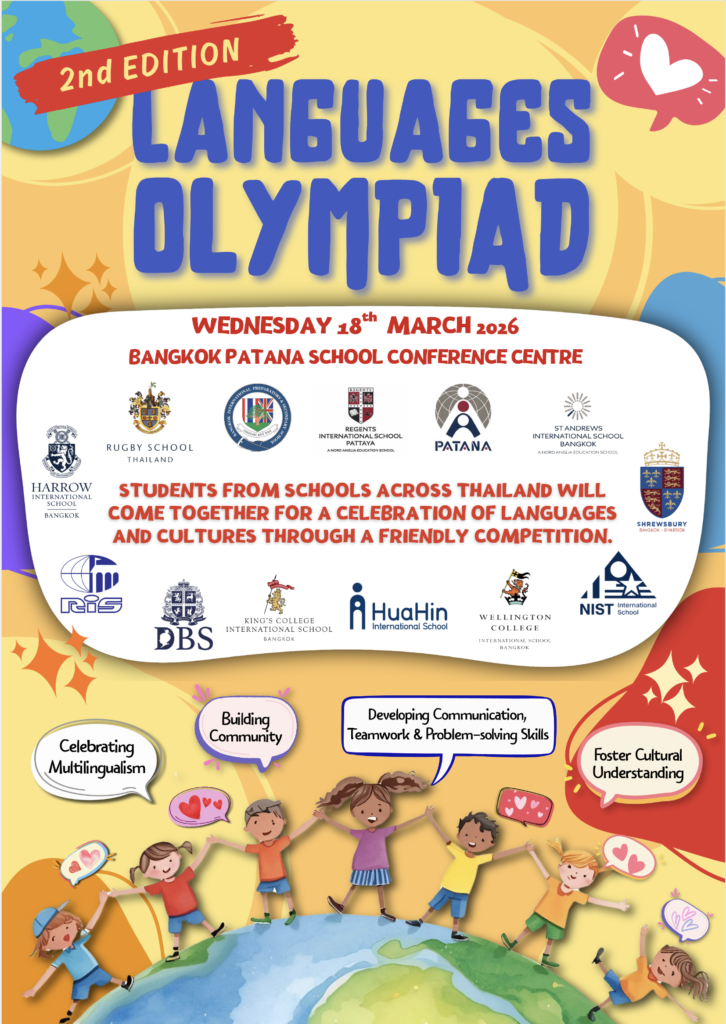
We are excited to invite you to participate in the Second Languages Olympiad in Bangkok on Wednesday, 18th March 2026! This event will take place at Bangkok Patana and will celebrate multilingualism and enhance your language skills through fun activities with students from various schools.


To join, please write a short letter to your MFL teacher explaining why you want to participate and what you will bring to your team. We’d love to hear examples of your enthusiasm for language learning and any past collaborations you’ve enjoyed! Deadline for submitting your letter is February 4th.

Remember, good candidates are not necessarily the most advanced in language proficiency but should demonstrate values such as Respect, Collaboration, Inclusivity, Integrity, Curiosity, Risk-taking, Perseverance, and Global Awareness, along with critical thinking skills.

We can only accept 2 students per language in each year group, so if interest exceeds this, we’ll draw names.

Date: Wednesday 18th March, 2026

Venue: Bangkok Patana School – Conference Centre.

Languages participating: FRENCH / MANDARIN / SPANISH / JAPANESE

Year 5-8 students learning these languages in MFL

13 INTERNATIONAL SCHOOLS IN BANGKOK, HUA HIN AND PATTAYA participating.

Share This Article

In this Issue

PTG Updates

Share This Article

In this Issue

Community Events

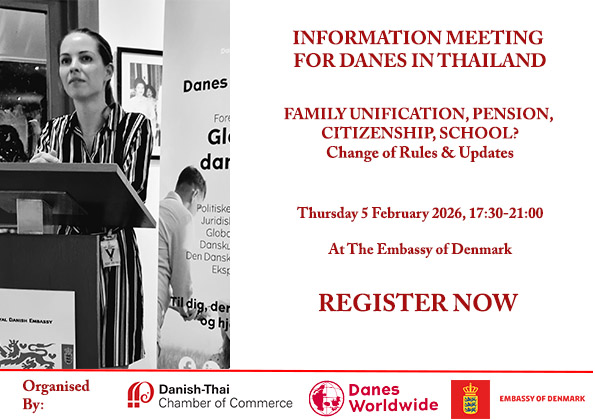
FAMILY UNIFICATION, PENSION, CITIZENSHIP, SCHOOL &
More Change of Rules & Updates

The Danes WorldWide, the Embassy of Denmark and the Danish-Thai Chamber of would like to invite all Danes (and spouses) living in Thailand to an information meeting where we will give you an update on new rules and issues, which affect most Danes residing in Thailand. Among the topics on the agenda are the following:

  • Updates and the options for returning home to Denmark with a foreign spouse? (the rules for family reunification / familiesammenføring).
  • Retention of citizenship for Danish children born abroad (the 22-year-old rule).
  • Danish national pension (folkepension), and NemKonto.
  • Keeping your Danish Driving License and alternative solutions in Thailand.
  • Admission to Danish schools and university.

Among the speakers will be Ambassador Danny Annan, Secretary-General Michael Bach Petersen as well as Lisbeth Kjaergaard, leading law counselor from Danes Worldwide.

DATE: 5 February 2026.
TIME: 1730 (registration starts) and the meeting will start sharp 1800 and close 2100.
VENUE: The Embassy of Denmark, Sathorn Soi 1, (10 Soi Attakarn Prasit), South Sathorn Road,10120 Bangkok
ADMISSION FEE: 350 THB per person. This fee includes snacks drinks.


Share This Article

In this Issue

Patana Participates

Thailand VEX Robotics Nationals

By Lucinda Chen, Parent

Edward Tantanpakul, 11N, and his team have been crowned Champions of the 2026 Thailand Nationals VEX V5 Robotics competition. They achieved a remarkable result, securing Thailand’s first-ever triple‑crown in the high school division. Edward will travel to Missouri, USA, from 14th – 26th April to compete in the World Championship, representing Thailand in the high‑school division after doing so in middle school last year. 

Congratulations Edward.

Share This Article

In this Issue

Upcoming Events

Share This Article

In this Issue

Updates to the Patana PE Kit Reflect Parent Feedback 

In response to feedback from families, we have updated the PE kit. The changes are aimed at improving comfort, durability and clarity around branding.

After several months of discussions with the school’s PE and sports kit suppliers, two notable changes have been confirmed:

  1. The New Balance logo will no longer appear on the PE kit, simplifying the look and distinguishing it more clearly from competitive sports team uniforms. Sports kits, however, will continue to feature the logo as part of their official athletic identity.
  2. Upgraded fabric: The PE shorts now feature an upgraded, stretchier fabric for greater comfort and ease of movement during lessons. The PE shirts have also been enhanced to better resist snags, addressing wear‑and‑tear concerns raised by parents.

The updated PE kit will be phased into the school shop gradually, appearing as existing stock sells through.

Share This Article

In this Issue

© 2025 Bangkok Patana School

Issue: 18
Volume: 28
Bangkok Patana School
Privacy Overview

This website uses cookies so that we can provide you with the best user experience possible. Cookie information is stored in your browser and performs functions such as recognising you when you return to our website and helping our team to understand which sections of the website you find most interesting and useful.