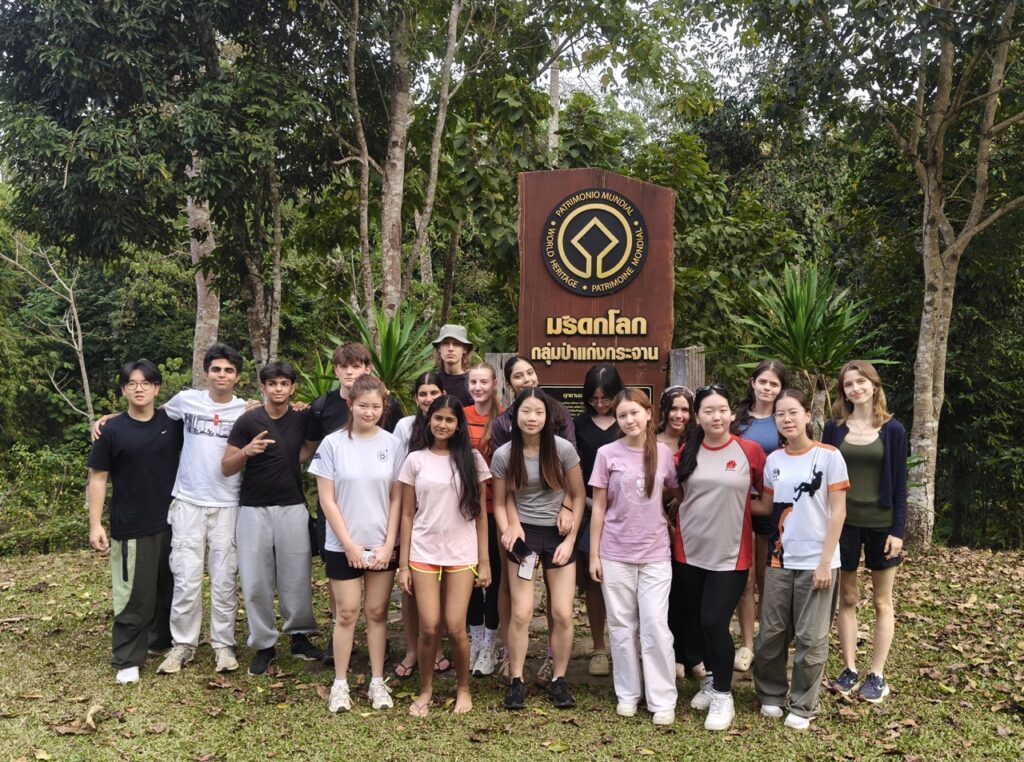
Year 12 Environmental Systems & Societies (ESS) students were at it again! From 19th through 23rd January, they were in the wilds of Kaeng Krachan National Park investigating many aspects of the subtropic forest it protects.
This expedition is part of the ESS curriculum where students need to put in at least thirty hours of field investigation time. Our students are very fortunate in that they have such amazing biodiversity hotspots as Kaeng Krachan with in a few hours easy drive to use as their outdoor laboratory.
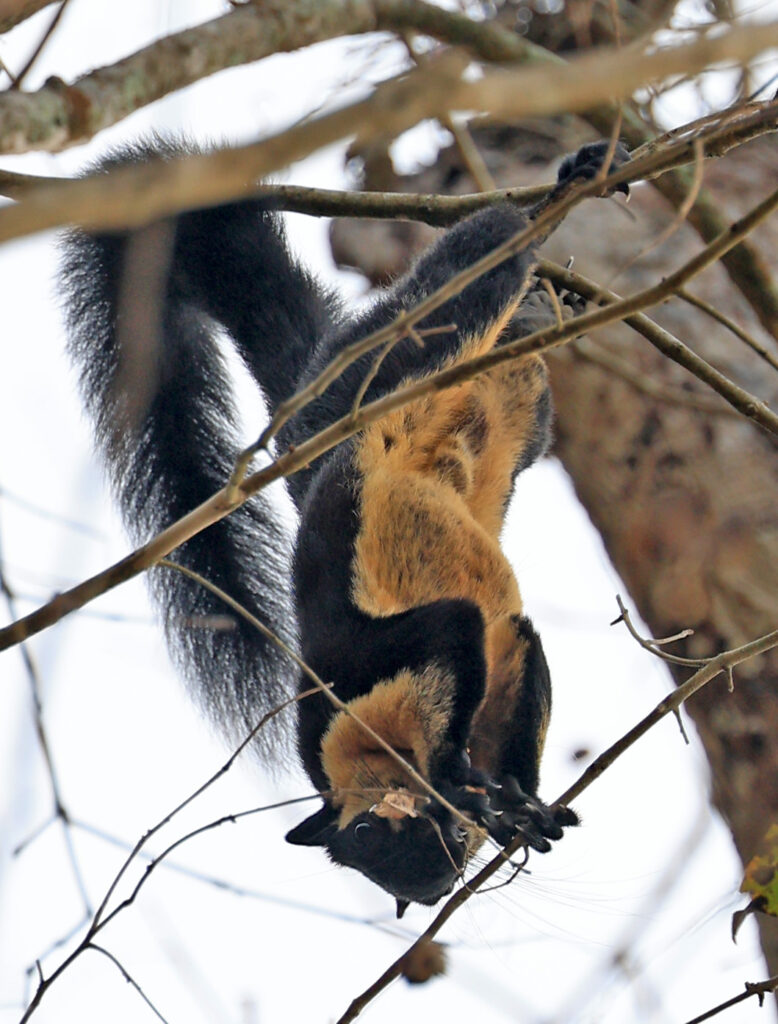
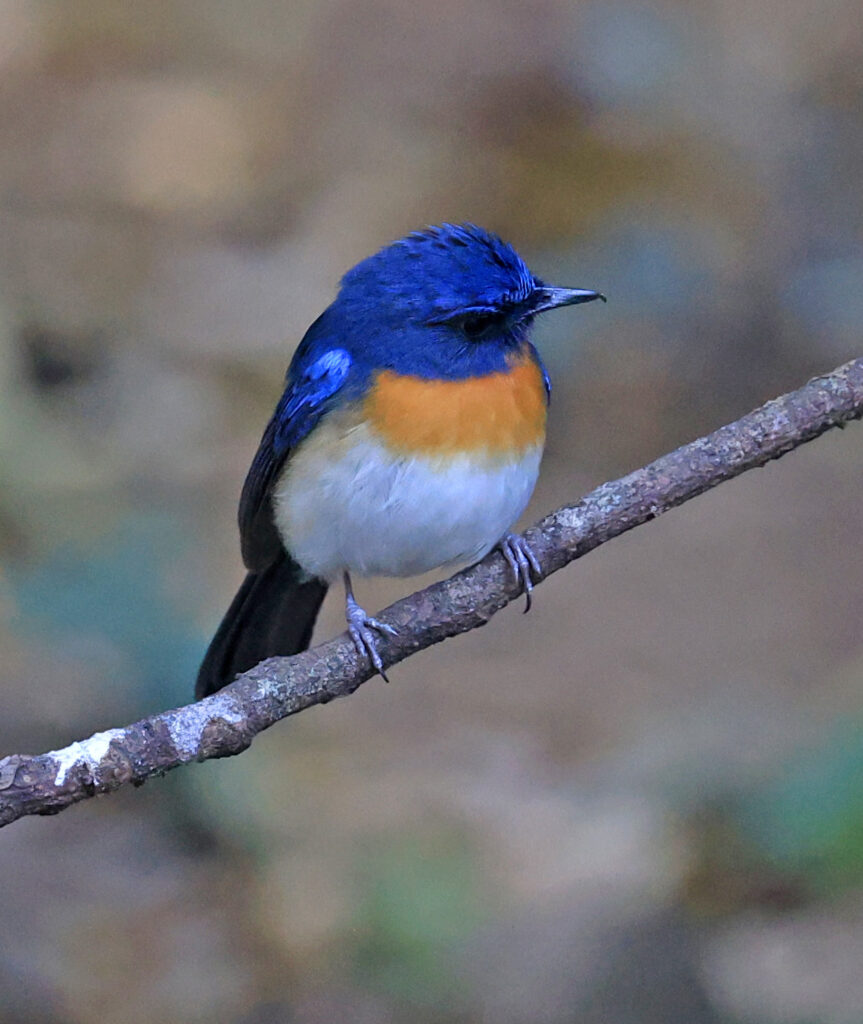
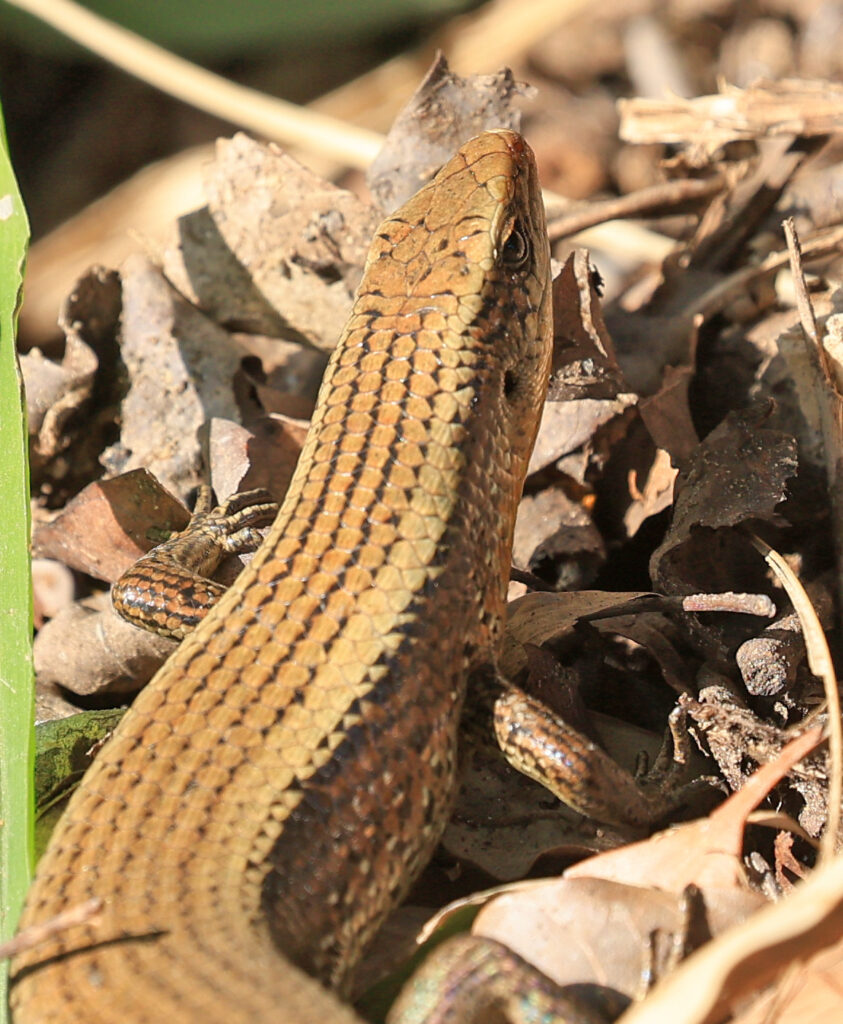
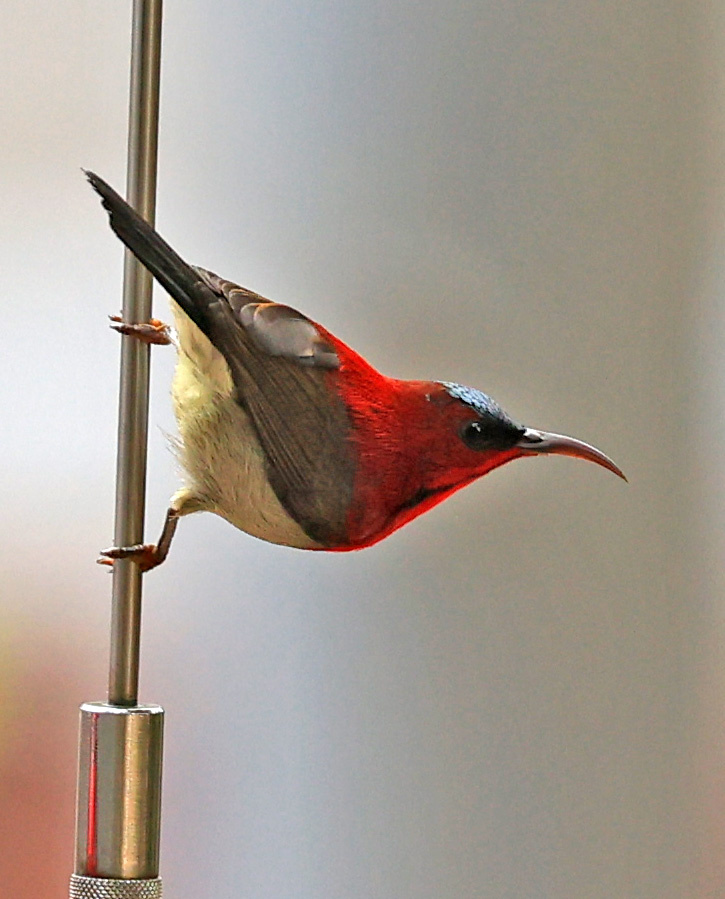
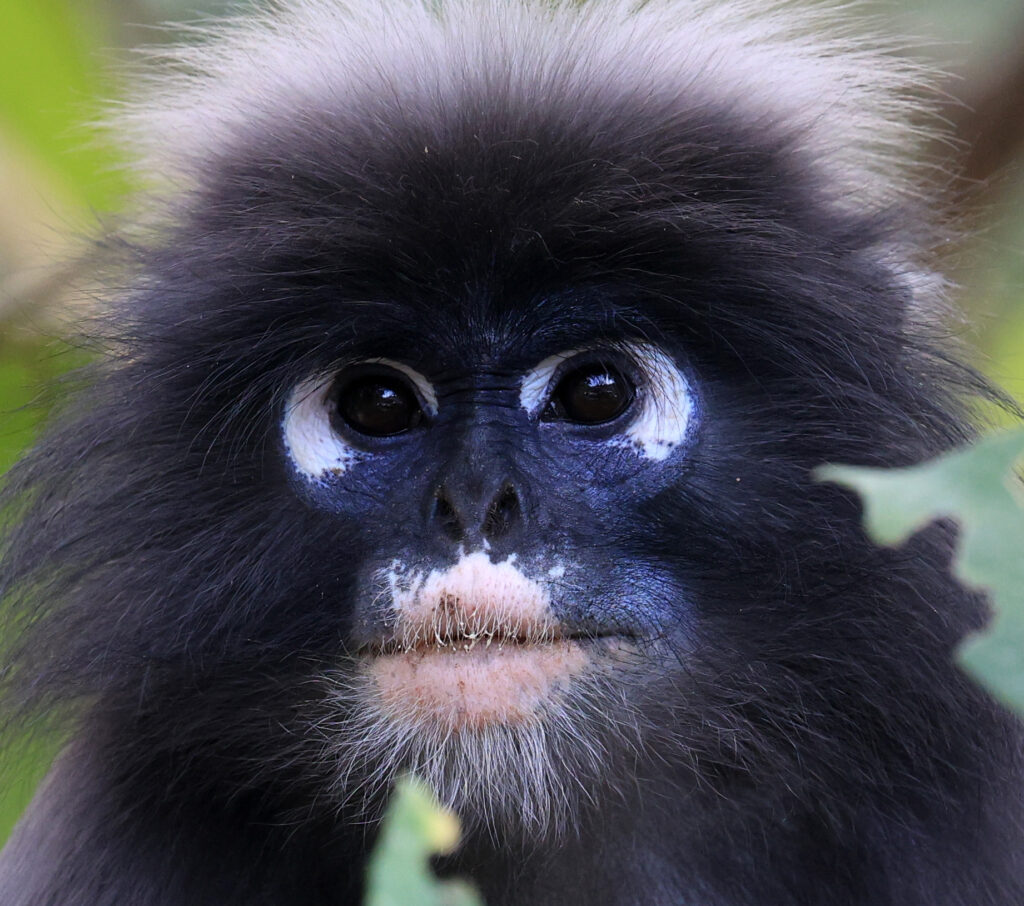
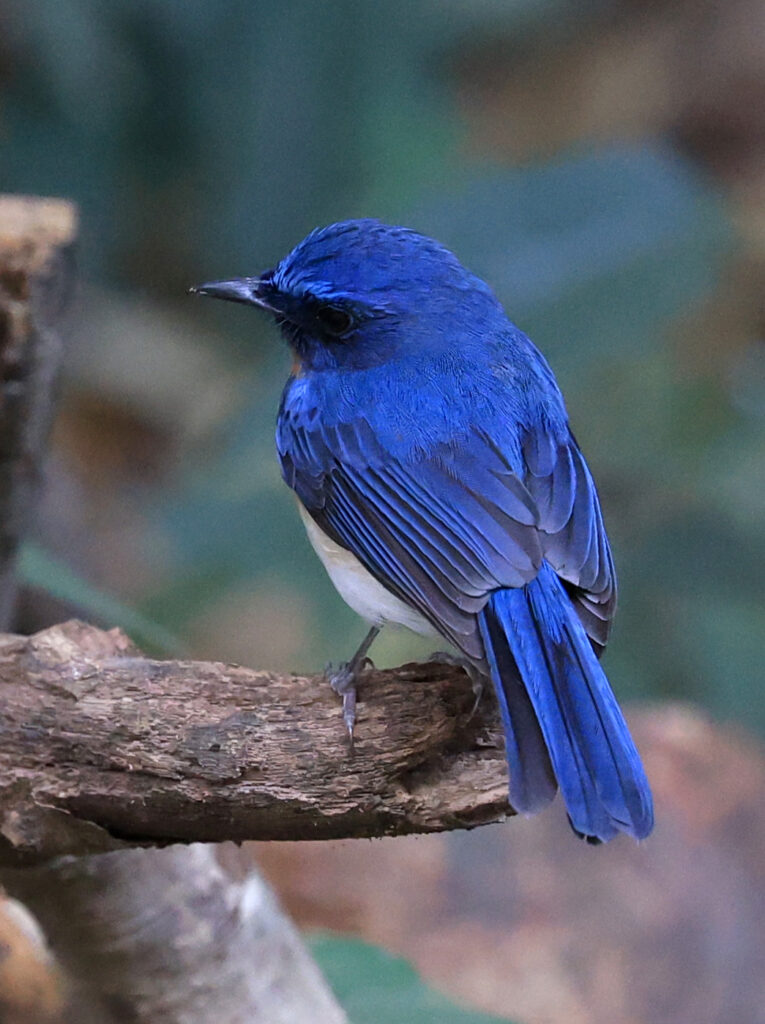
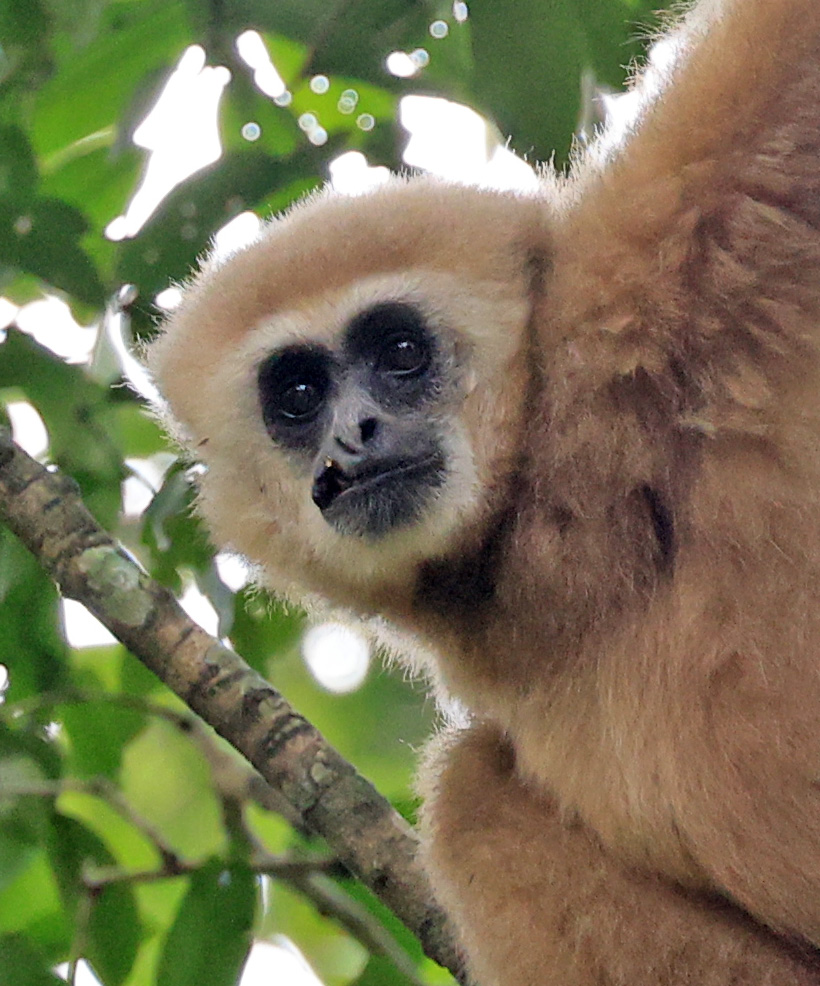
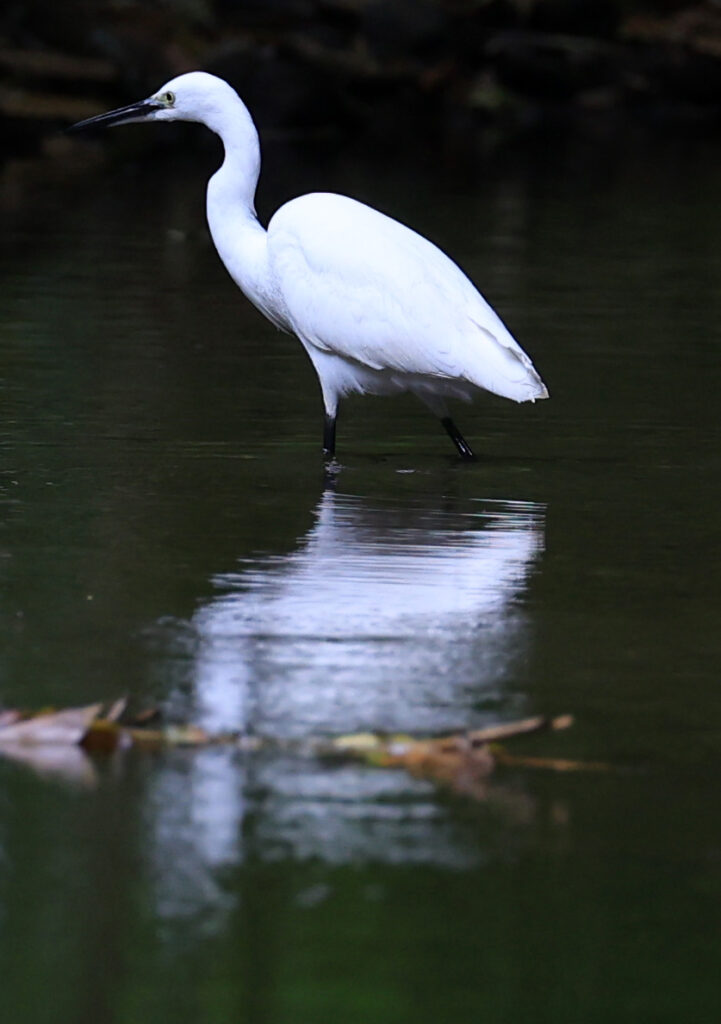
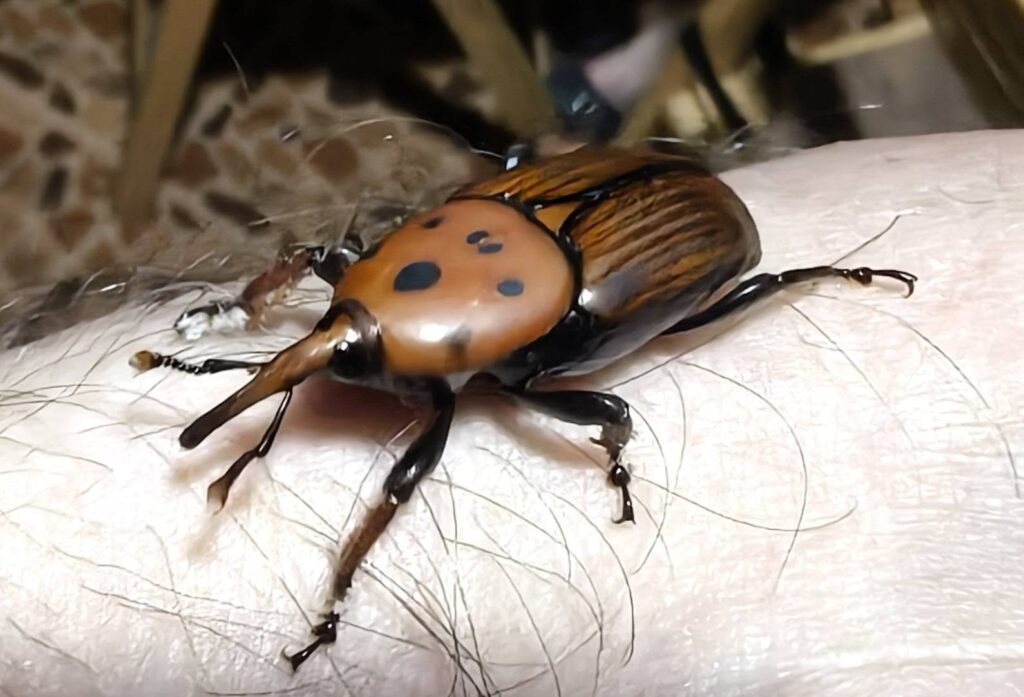
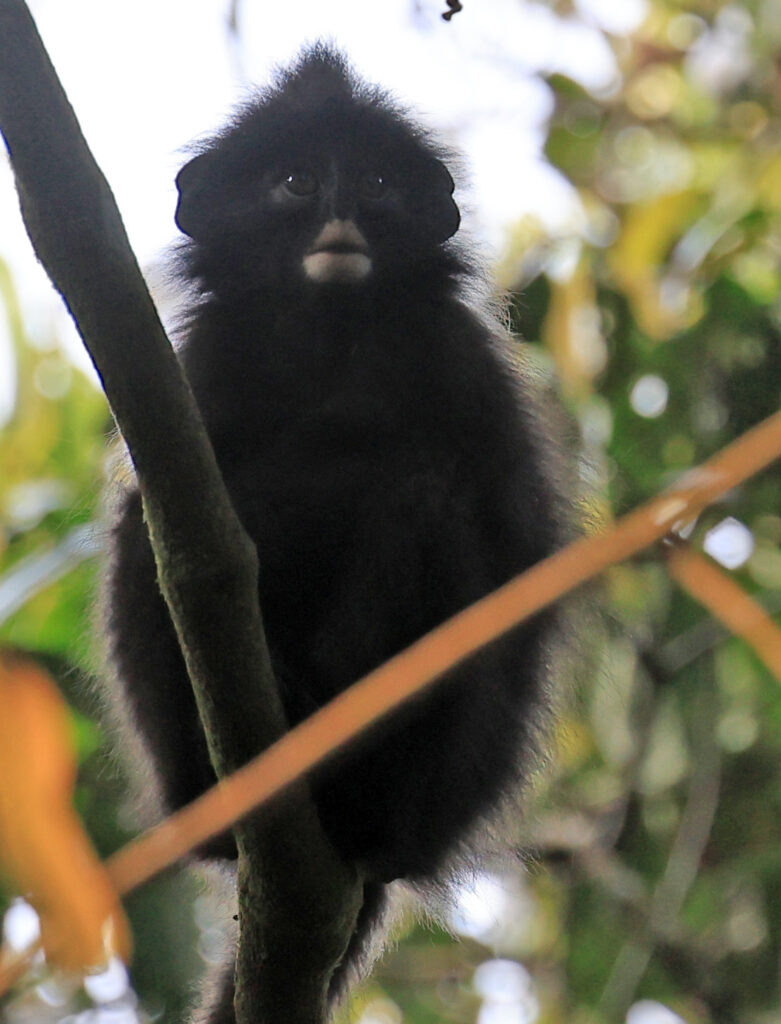
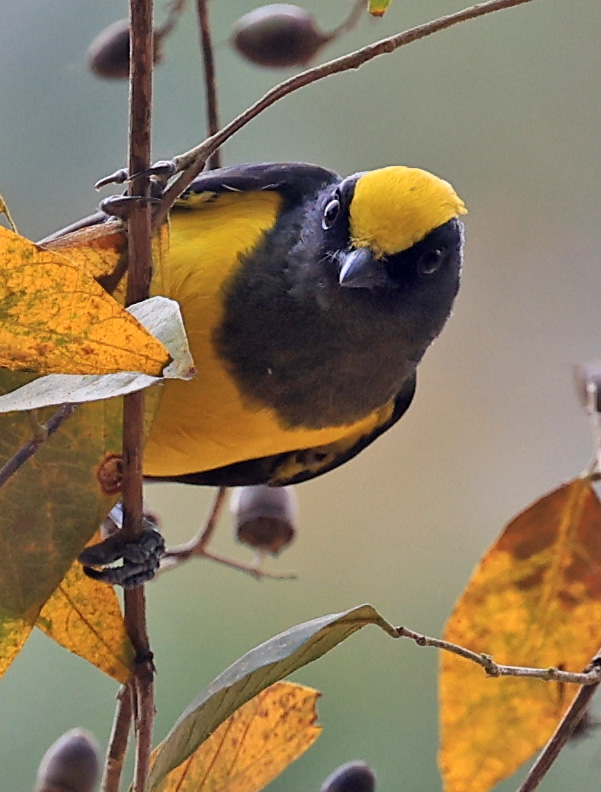
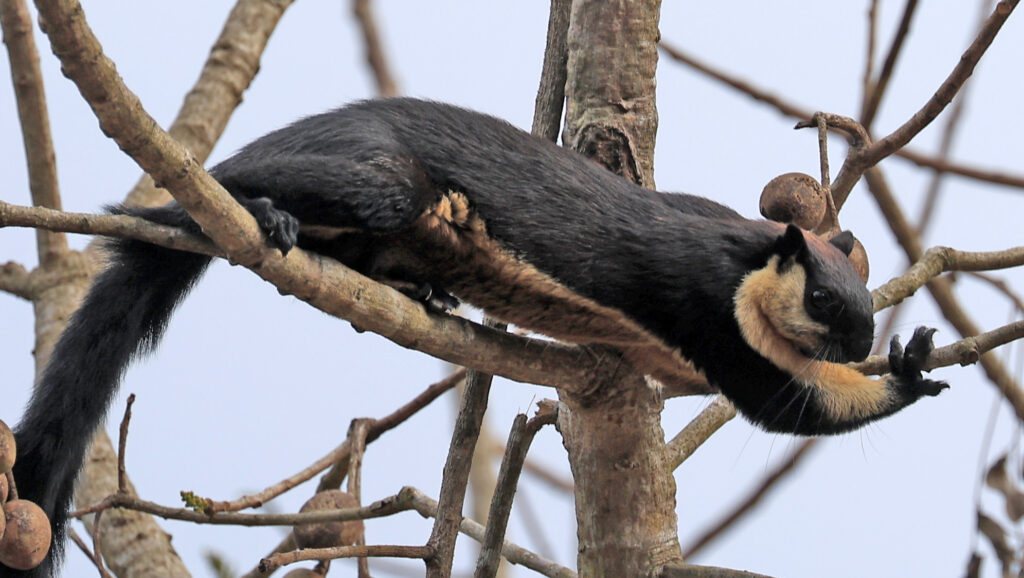
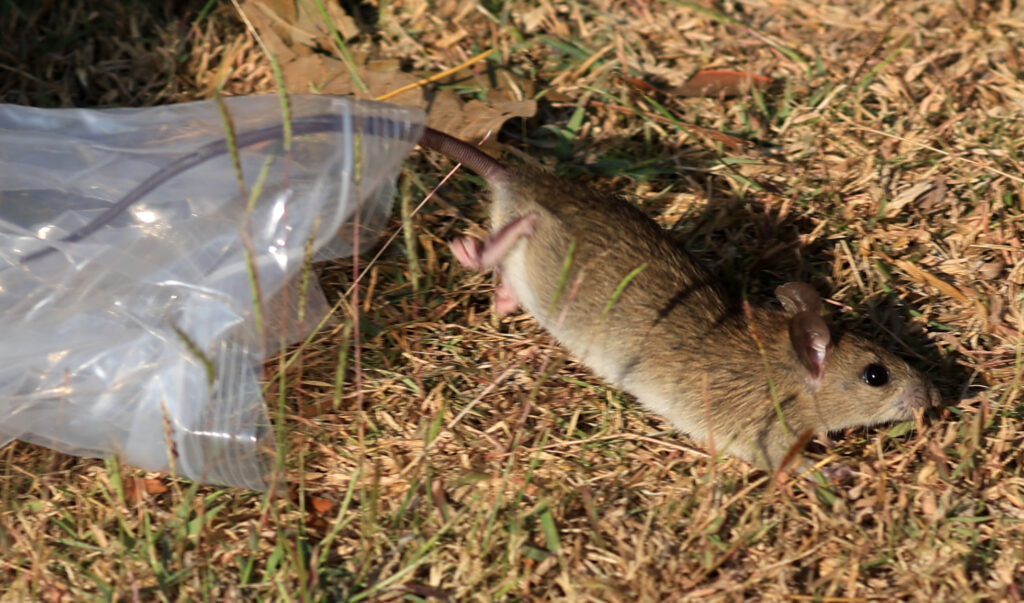
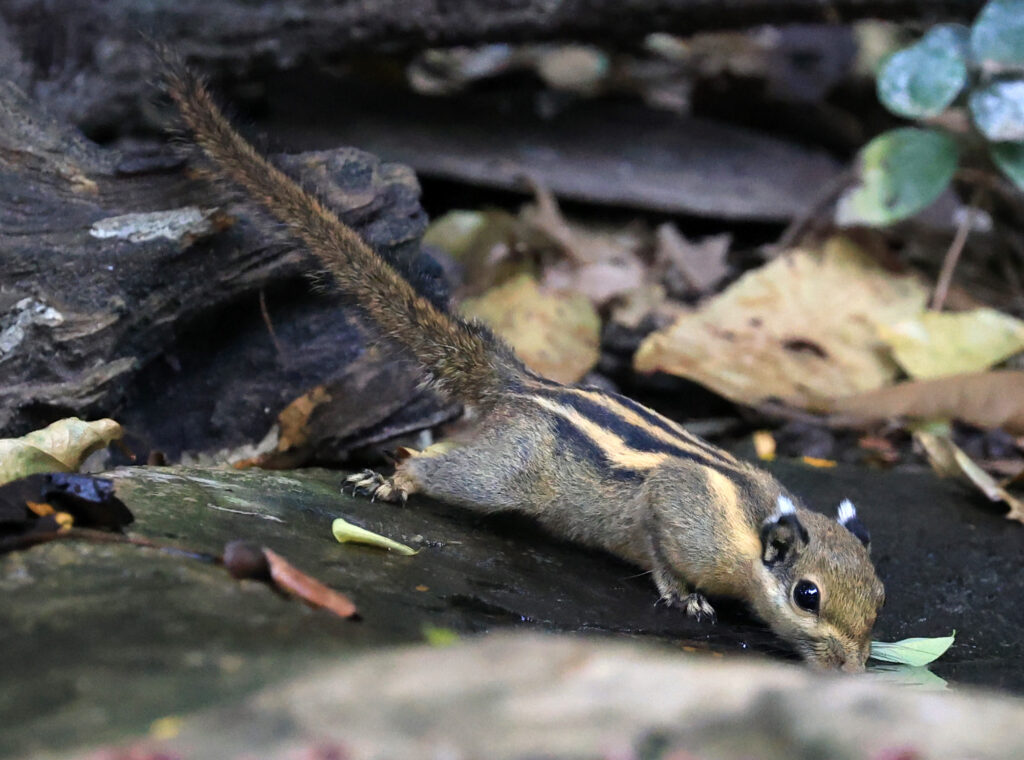
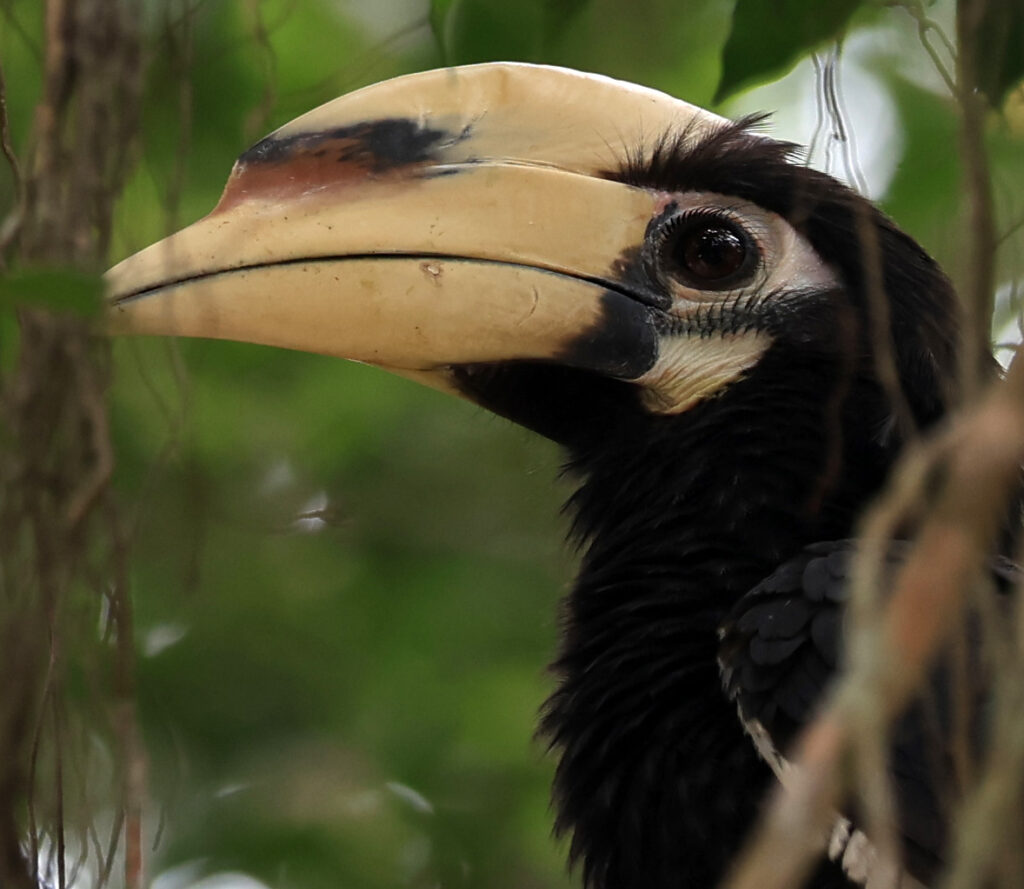
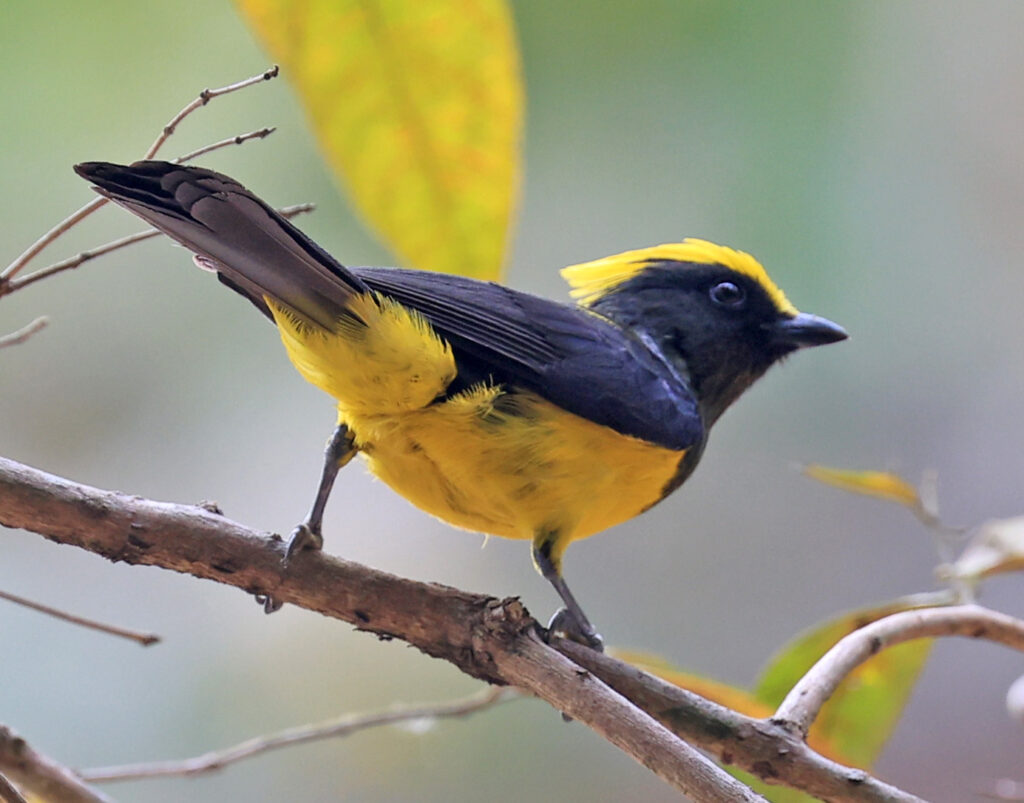
Students spent the first two days of the 4.5 day expedition learning about the subtropical dry forest that dominates much of the Kaeng Krachan system. They learned about the plants and were very fortunate to have seen many of the native species that call the region home. Species such as spectacled langurs, Malayan giant squirrels, white-handed gibbons and critically endangered Robinson’s Langurs were some of the mammals that introduced themselves to our students. Countless birds and invertebrates were also present.
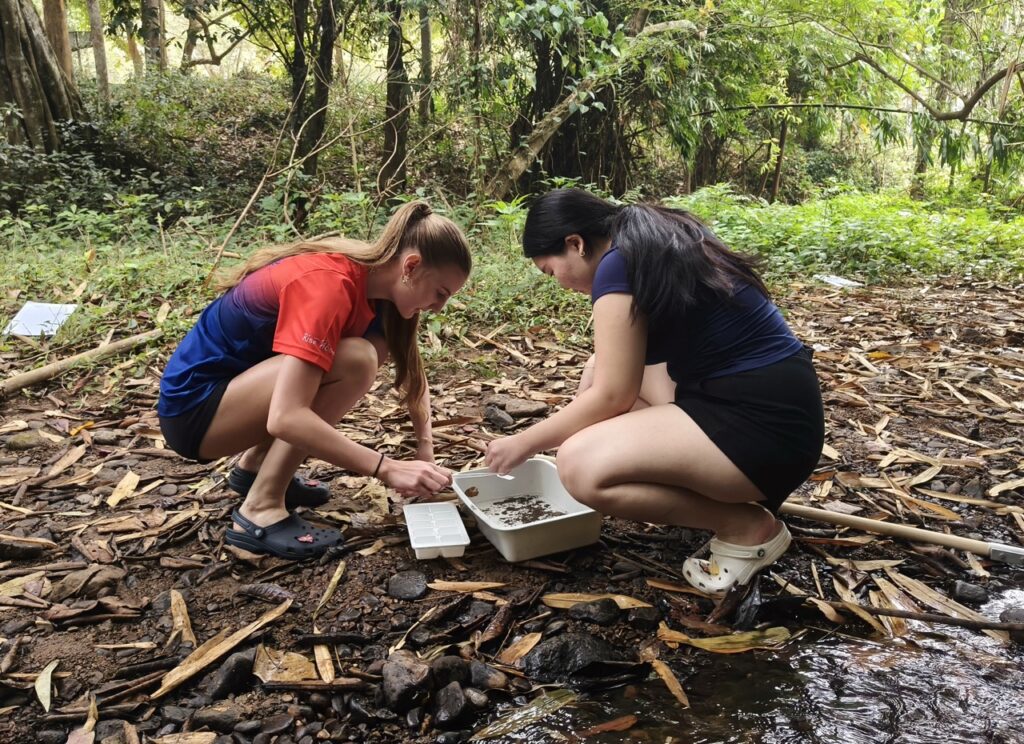
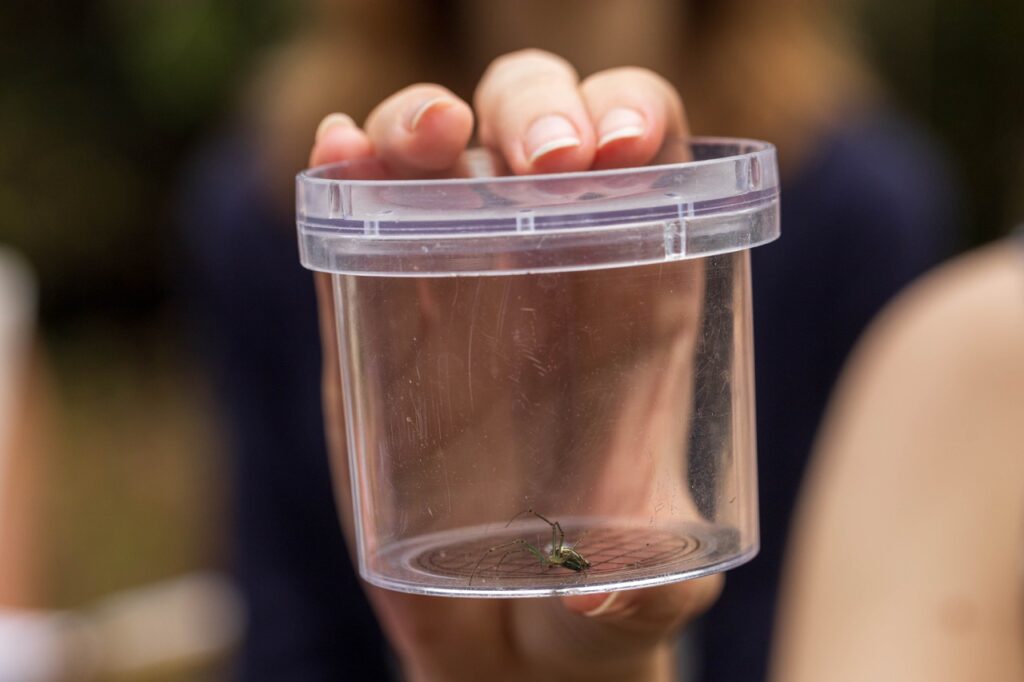
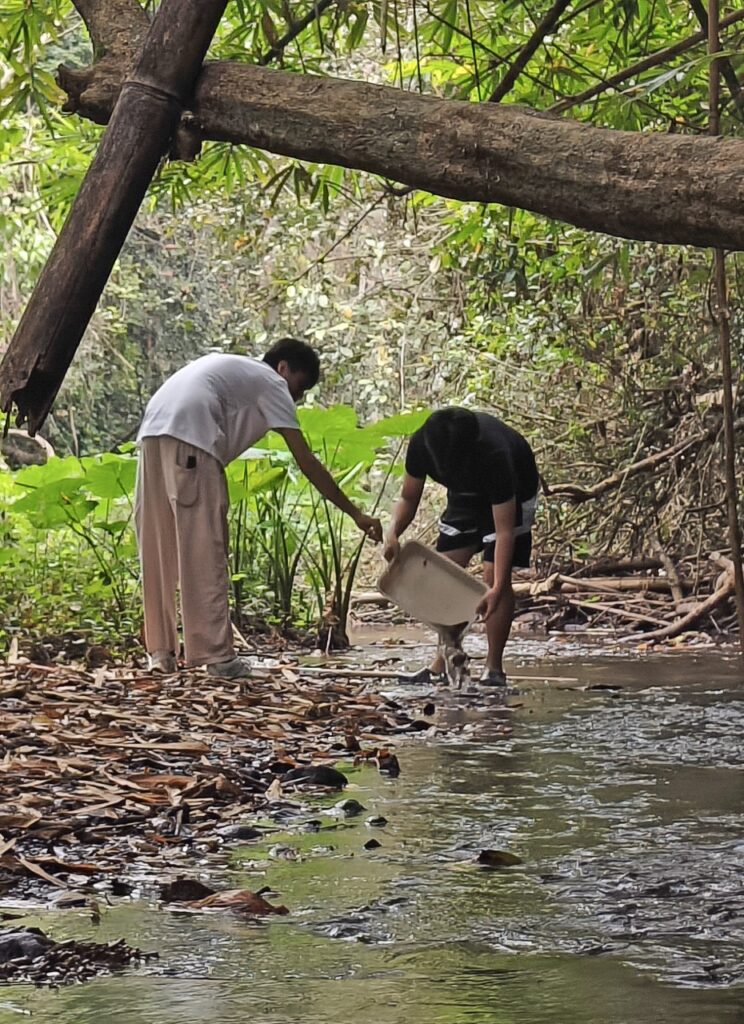
Students learned how to measure many aspects of the biotic and abiotic components of the ecosystem as well. Using the impressive tools Bangkok Patana School has in our field ecology arsenal, students measured such factors as dissolved oxygen, turbidity, pH, electrical conductivity and dissolved solids and many more. Students used dichotomous keys to identify the invertebrates they encountered in the streams and grasslands.
Being in such a natural area, away from the concrete jungle, in fresh air with a low pollution index, the students were energised. After two solid days of learning and practice, they designed and carried out a field investigation of their own. The research questions were very interesting ranging from determining the impact of canopy density to ground dwelling invertebrate biodiversity to stream invertebrate abundance correlation to stream characteristics such as riffles and pond zones.
The data they collected during these studies will be processed and presented in a mock-internal assessment paper to be submitted in the coming weeks. As a 20-year ESS field instructor, I can say the caliber of our students here is impressive. Such enthusiasm and energy all directed at environmental issues and sustainability, is reassuring to say the last.
Here are some quotes from our students:
“I slipped at least five times trying to catch fish, 10/10 trip, would go again.” – Jasmine Myatt
“This ESS trip was an unforgettable and educational experience that allowed us to deepen our understanding of the environment through hands on work, while also seeing how passionate our teachers are about the subject making me appreciate what I’m learning even more.” – Rosie Clapp
“Being out in the field in the ESS trip showed how delicate nature is.” – Sophia Hilgert
“I really enjoyed the ESS trip, not only for the nature that we saw but also because I talked to and became friends with people I didn’t think I would be friends with.” – Anaiya Molhatra
“Thank you Mr. Smith for allowing us to have some time to see Gibbons and many different animals. It was also a good time to get some data for our Mock IA. Thank you for also giving me opportunities to take some nice photos of Gibbons and learning more about them.” – Miyu Suda
“I felt like I was in my element, as we got to be part of the wildlife around us and I had a really fun time working with nature, especially in the river and interacting with all of the different animals.” – Penelope Dever
“The trip made me appreciate the nature more and made me appreciate the insects and bugs more.” – Esther Kim
“It was such a fun experience getting to know the different plants and animals. The best part was definitely catching the terrestrial invertebrates at the national park!” – Maple Dhiranusornkit