
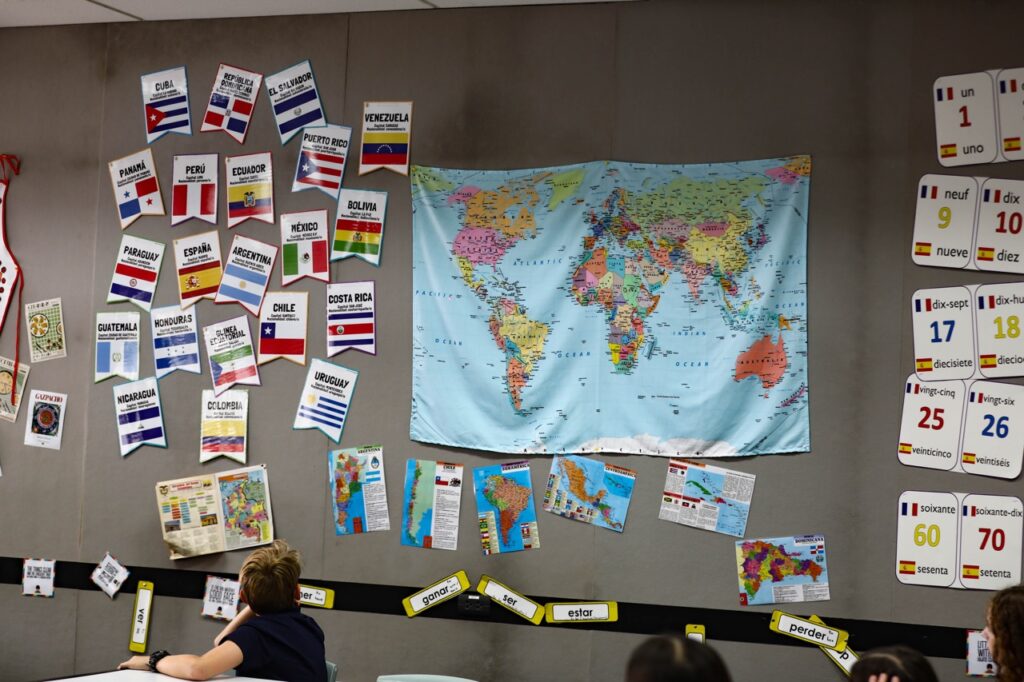
International Mother Language Day, celebrated every year on the 21st of February, is a global event established by UNESCO in 1999 to promote linguistic diversity and the preservation of native languages. There are around 7000 languages spoken around the world and many are at risk of disappearing. It commemorates the sacrifice of students in Bangladesh during the Bengali Language Movement, who fought for the recognition of their mother tongue, Bangla. The day highlights the importance of using and protecting mother languages, as they play a vital role in maintaining cultural identity and heritage, while also encouraging multilingual education around the world.
One’s mother tongue is very important because it is the first language we learn from our family and it helps us express our thoughts, feelings and ideas clearly. It plays a major role in education, as students understand lessons better and gain confidence when they learn in their own language. It also helps in preserving culture, traditions and values, keeping us connected to our roots. According to UNESCO, learning in one’s mother tongue improves learning ability and participation in school.
Furthermore, we think that language shapes thought in a free and unlimited way. Languages have different words to express emotions that other languages do not have. For example, in Sanskrit: “वसुधैव कुटुम्बकम्” (Vasudhaiva Kutumbakam) meaning that “the world is one family”. It highlights the interconnectedness of all people and living beings on Earth, urging compassion, unity and global harmony. Additionally, it explores the connection to agriculture and giving back to the ones that nourish us, as part of the “family” of life. Another example in Chinese, is the word “人情味” (rénqíngwèi), which describes a sense of human warmth, kindness and emotional connection in relationships, a feeling that cannot be fully expressed in a single English word.
To celebrate International Mother Language Day, the MFL department organised a reflective classroom activity where we explored the role of language in different parts of our lives. Using a diagram, we thought about the “language of our brain,” “heart” and “roots,” and discussed which languages we use for thinking, expressing emotions and connecting with our cultural background. We also considered how and when we use different languages in daily communication and how much we rely on our first language. This activity helped us understand that language is not just about speaking, but is deeply connected to our identity, emotions and sense of belonging.
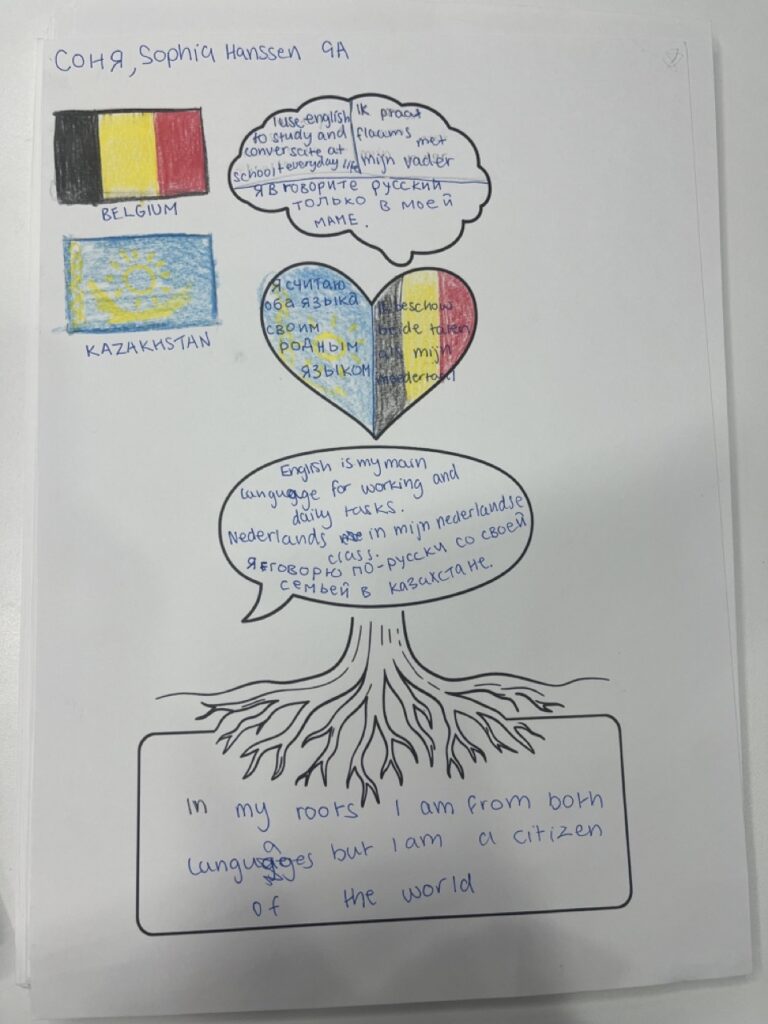
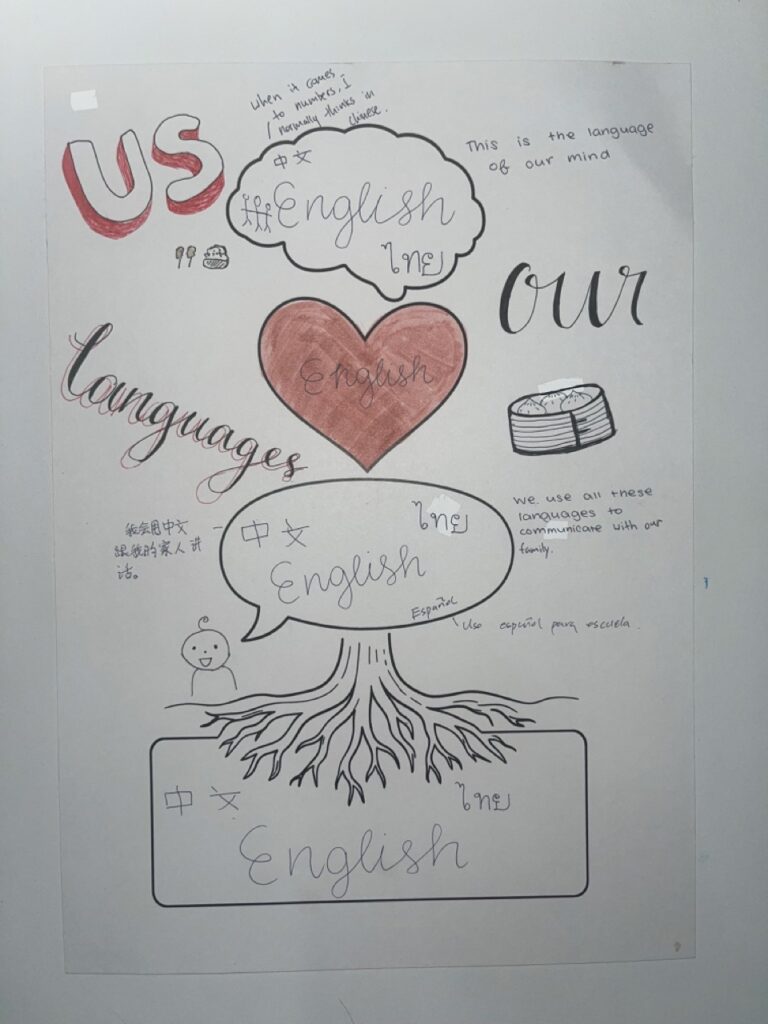
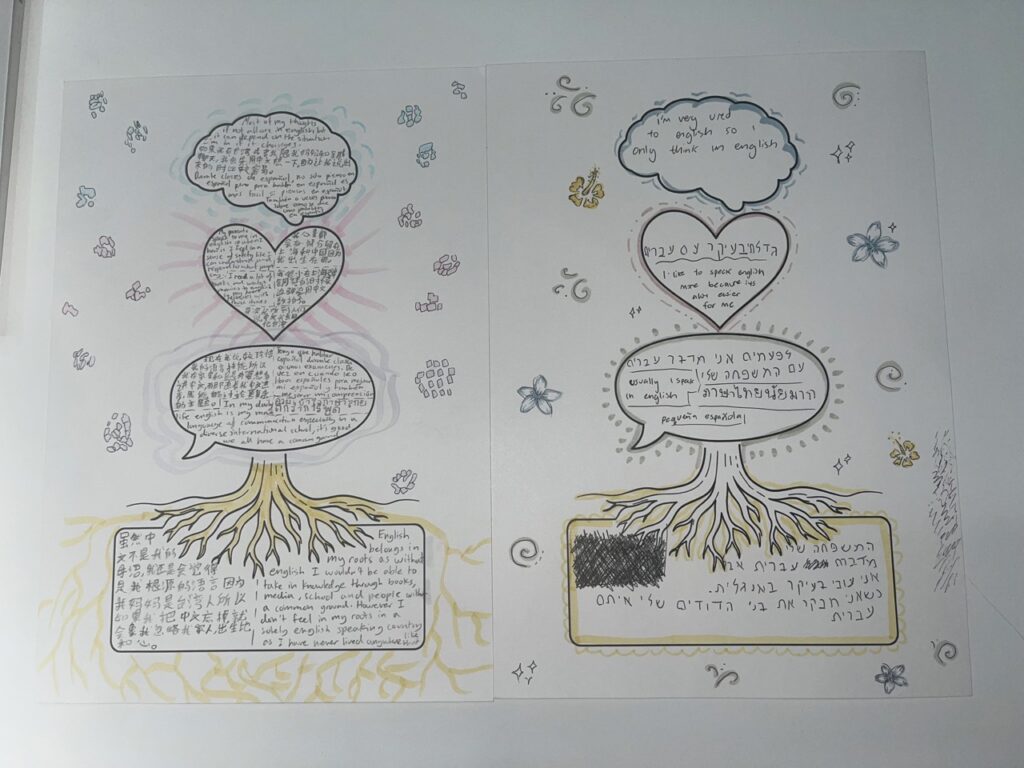
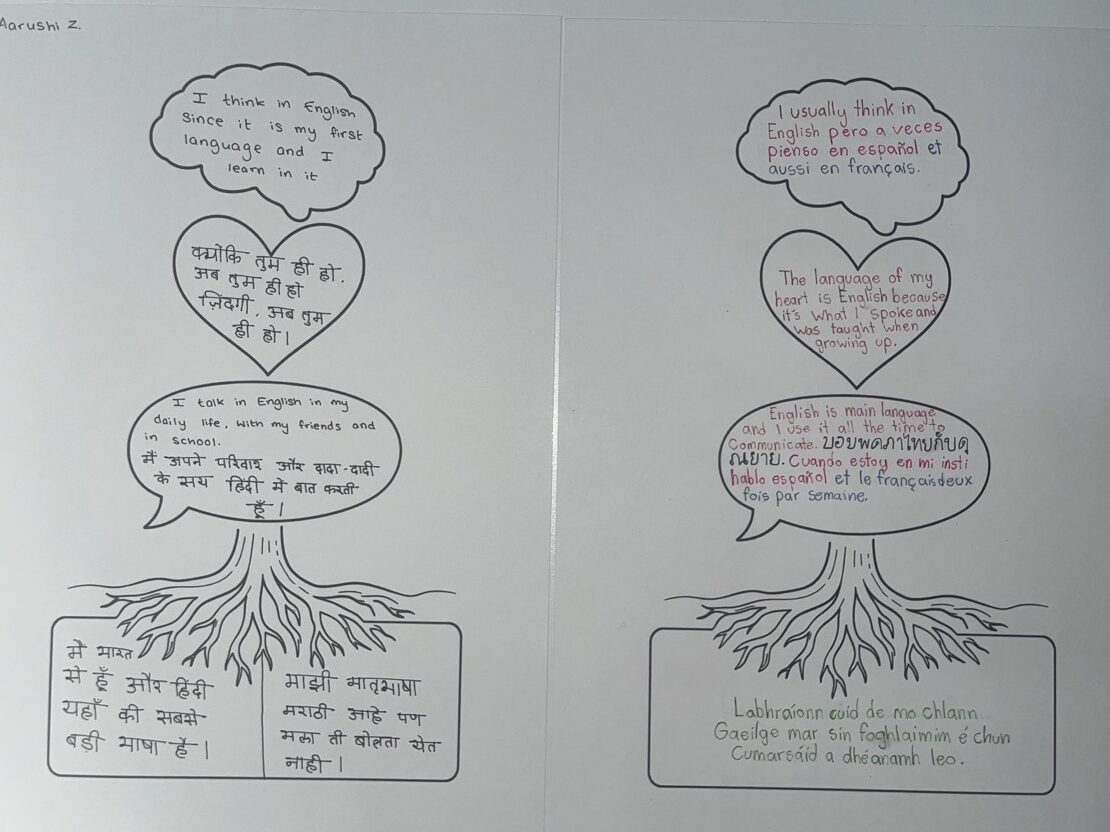
In conclusion, the languages we speak have a powerful influence on how we think, communicate and connect with the world. They shape our perspectives, guide our expression and reflect our cultural identity. Being aware of how, when and how much we use each language helps us better understand ourselves and others. Our first language, especially, holds deep emotional and cultural significance, as it is the foundation of our early learning and personal experiences. Ultimately, language is more than just a means of communication—it is a key part of our identity and the way we understand the world around us.