
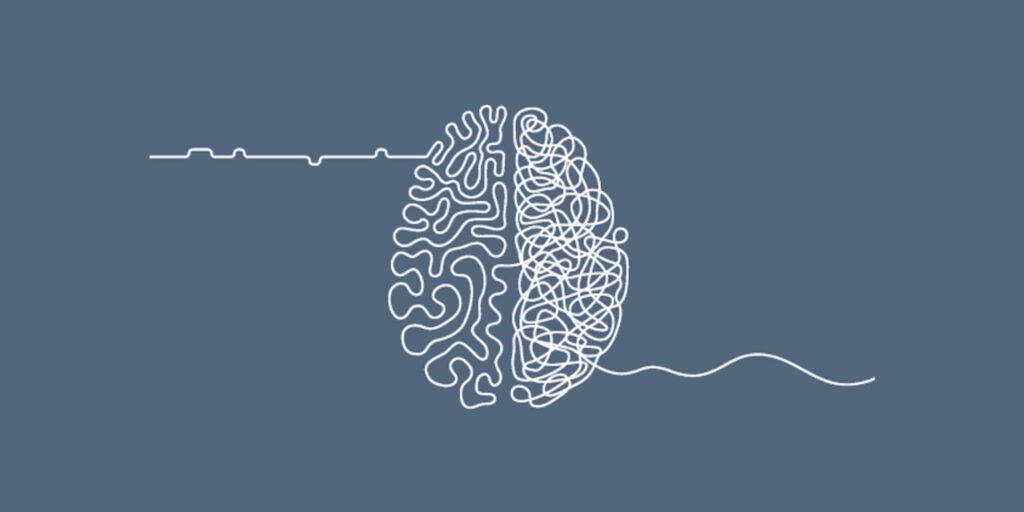
As part of the Senior team Insight, we interviewed teachers from different departments to explore how psychology shapes the way they teach. We interviewed teachers from Sports, Languages, Science and Humanities. Even though each teacher shared a different perspective, they all highlighted the importance of understanding their students. These conversations showed that psychology is more than a subject but it plays an important role in the way we think, learn and interact every day.
One of the teachers we interviewed was Mr Owen who teaches Sports Science. He explained how he applies the Inverted U Theory, also known as the Yerkes-Dodson Law in both his teaching and everyday life. The theory suggests that performance improves as stress increases but only to an optimal point. Beyond that, performance begins to decline. He uses this idea to stay calm in stressful situations because students are often influenced by the emotions of the people around them. As he explained, “Students can always tell when you’re stressed.”
Mr Wood from the Languages department had a more personal perspective. After his youngest daughter was diagnosed with high functioning autism, psychology became an important part of understanding and supporting her. His approach reflects Carl Rogers’ Person-Centred Theory, which focuses on empathy and recognising that every individual has different needs. This has also influenced the way he teaches. He believes every student brings different experiences into the classroom so he tries to “personalise [his] approach to each student.”
Ms Lashkari from the Science department explained how she uses John Hattie’s Visible Learning approach in her chemistry lessons. She regularly uses mini whiteboards so she can give immediate feedback to check students’ understanding throughout the lesson. She also draws on Dylan Wiliam’s ideas about formative assessment by using feedback to identify misconceptions before moving on. She adapts her teaching as students learn rather than waiting until the end of the lesson.
Additionally, Ms Hobday described how the Cognitive Load Theory influences her geography lessons. She acknowledges that students can only process a limited amount of new information at a time so instead of continuing when students become overwhelmed, she pauses the lesson to give them time to consolidate their understanding. As she said, “We’ve done enough for today.”
Although each teacher applied psychology in different ways, they all shared the same goal of helping students learn. It showed that psychology is integrated across every department, including Sports Science, Languages, Science and Humanities. These interviews also showed that psychology is not limited to one classroom or one subject and is part of the way we teach, learn and understand the people around us.