28th August 2026

Where Our Students Go, and Why It Matters 

By Matt Seddon, Secondary Principal

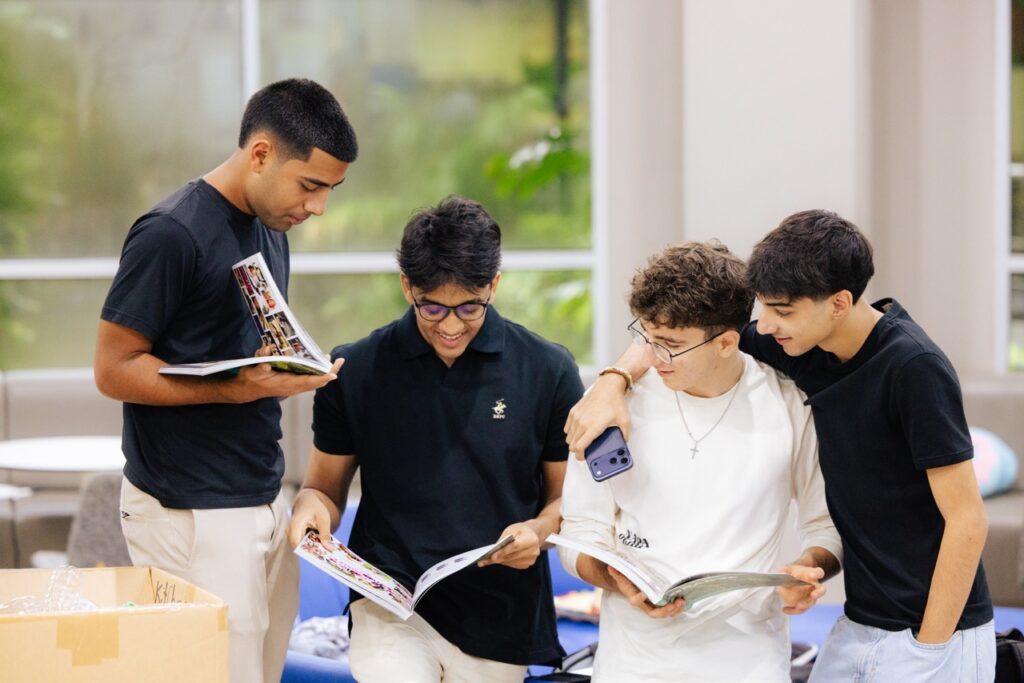
I am delighted to share and celebrate the university destinations and achievements of our Graduating Class of 2026. 

The Numbers, First 

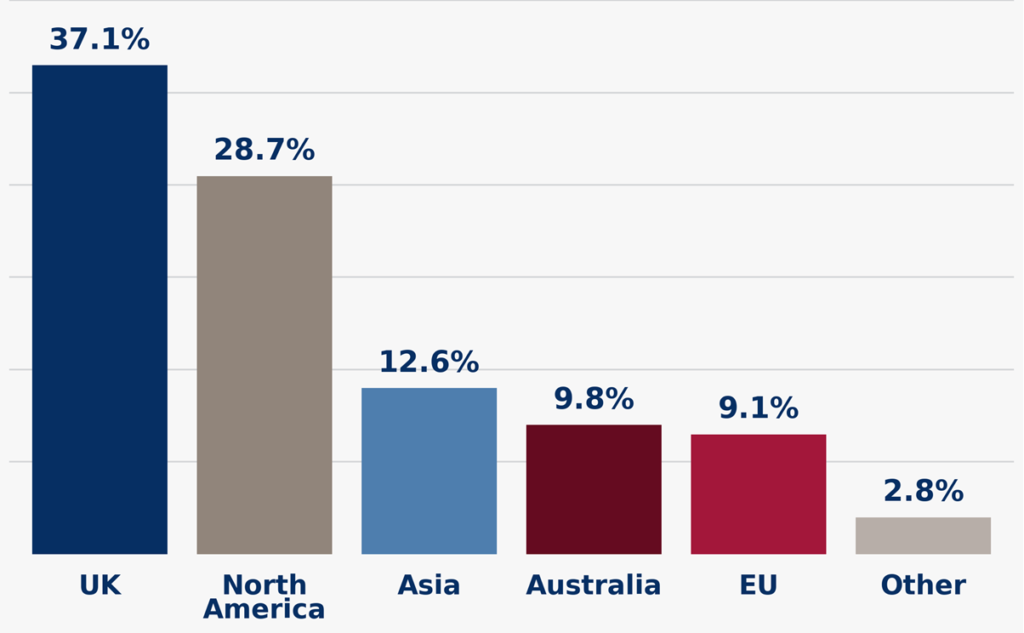
Grad’26 received 657 university offers across 19 countries. Of those, 358 came from institutions ranked in the Global Top 100 (by QS, Times Higher Education, and US News & World Report). Our Russell Group offers, the benchmark for the UK’s most prestigious research universities, rose from 120 to 228 in a single year. Eighty-seven percent of students received an offer from their first or second choice institution. 

The spread of destinations has also widened considerably. One of the most interesting aspects of university destinations is how they evolve from year to year, often reflecting wider global trends and external factors that influence where students choose to study. This year, we have seen a slight shift from the United States, with the United Kingdom becoming the most popular destination. Canada offers nearly doubled year on year, with students gaining places at the University of Toronto, McGill,and the University of British Columbia, all ranked in the global top 50. The United States remains a popular destination, with 187 offers, including places at UC Berkeley (ranked 6th in the world), Brown University, Northwestern, and Johns Hopkins. Across the Atlantic, UCL offers rose from 5 to 27, while students received eight offers from Imperial College London this year. 

Twenty-five percent of our cohort applied to three or more countries, with one student applying to six. A Patana education opens up a world of opportunity for our students, and that breadth of ambition reflects exactly what we hope to inspire. 
Excellence at the Highest level 

Among this cohort are stories that genuinely stop you in your tracks. 

One of our students has secured a place to read Mathematics and Computer Science at the University of Oxford. Over the years leading up to that offer, they competed in over 50 mathematics competition rounds across more than 30 events, earned a Duke of Edinburgh Gold Award, and founded two social impact initiatives, both of which received the International Baccalaureate’s Global Youth Action Fund’s top grant of US$3,000. By the time their application was submitted, they had spent years building the life of someone who belongs there. 

Another student achieved a perfect IB score of 45 points, the maximum possible, and is heading to the National University of Singapore. One student received an offer from Johns Hopkins to study Biophysics. Another will read at the London School of Economics. Two students will take up places at Imperial College London to study Molecular Bioengineering, one of them with 41 IB points. 

And then there is the student heading to the Joint International Psychology Programme, a dual degree between Chulalongkorn University and the University of Queensland, spending two years in Thailand and two in Australia. Having served as Well-being Ambassador since Year 11, with a future goal of becoming a clinical psychologist, their destination grew naturally from years of purpose-driven choices, each one quietly pointing in the same direction. 

The Full Picture: Breadth is a Strength 

Some of the most exciting destinations in this cohort are the ones that reflect exactly who a student is and where they want their life to go, and they are every bit as impressive as any league table placement. 

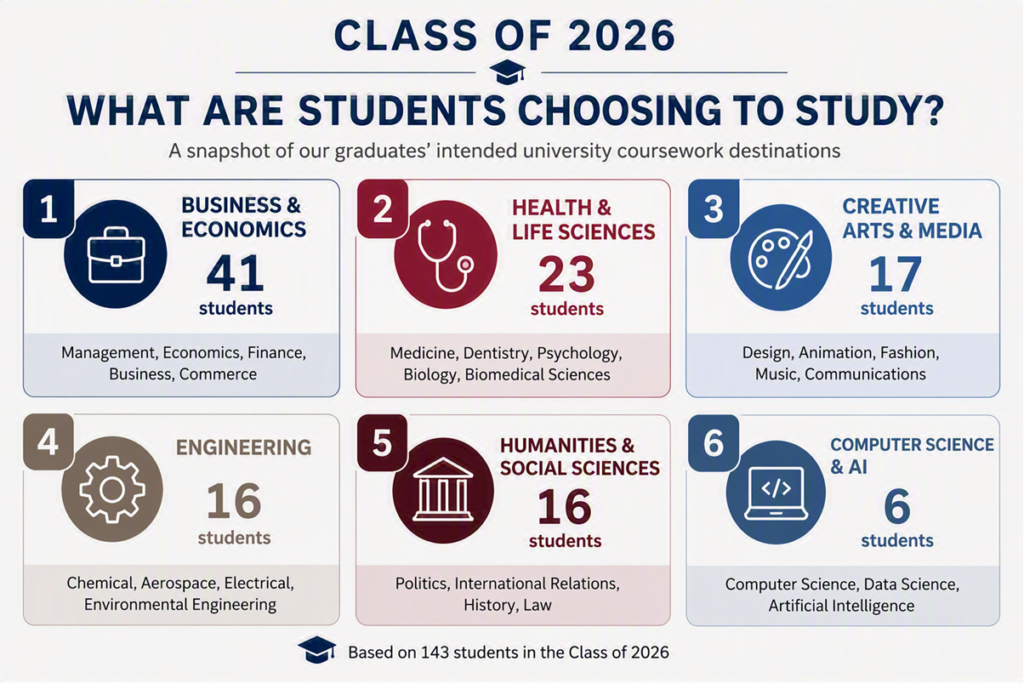
A student is heading to the Royal Melbourne Institute of Technology to complete a Bachelor of Flying. Another will study International Disaster Management and Humanitarian Response at the University of Manchester, a course that speaks volumes about their sense of purpose. One student chose Oceanography and Biology at the University of Washington, Seattle. Another is reading Motorsports Engineering at Purdue, a competitive race car driver and self-taught photographer whose application told a story no one else could tell. A student beginning Medicine at Siriraj Hospital, Mahidol University, will walk the wards of one of Southeast Asia’s finest institutions. Another will study Criminology at Liverpool, another Global and Interdisciplinary Studies at Hosei University in Japan, and another still Music Composition at the Royal Conservatoire of Scotland. 

The best university is always the right university, for that student, for that subject, for that future. Our job is to help them find that match, and our team does this exceptionally well. 
Our IBCP students 

All of our IB Career-related Programme students received strong offers this cycle. They are heading into fields as varied as animation, fashion, acting, the creative arts, and primary teaching. Some are entering highly competitive arts institutions, one with a significant scholarship and one stepping into the classroom with a full Qualified Teacher Status degree. 

The IBCP was designed for students with clear creative or vocational ambitions, and this cohort has shown exactly what the programme can achieve. Each of these young people followed their pathway with purpose and conviction, and the destinations they have earned speak for themselves. 
How We Get There 

University preparation at Bangkok Patana begins long before the Year 13 application window opens. 

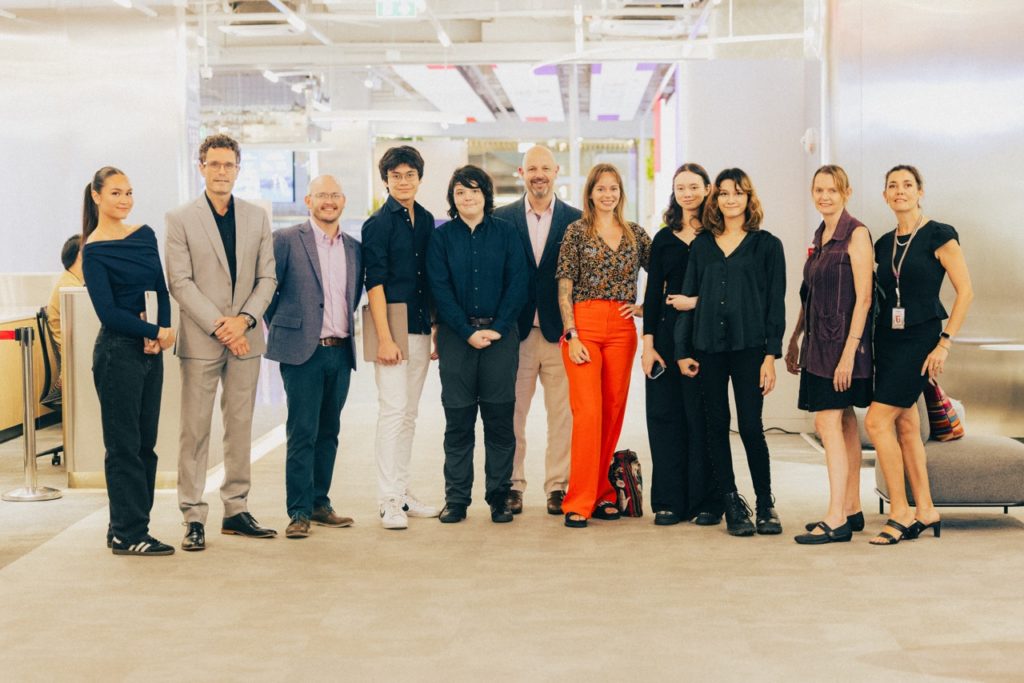
In Year 7, our well-being curriculum asks students to think about who they want to be and how they want to feel, planting the roots of self-awareness that will shape every future decision. By Year 10, students are completing a ten-week Global Citizenship programme, engaging with career exploration, and meeting professionals through our Careers Day. This year, 37 professionals joined us to work directly with students. From Year 10, each student is introduced to their dedicated university counsellor, and that relationship deepens year by year as students explore, question and refine their direction. 

For students with particularly ambitious aspirations, we offer additional pathways of support. Our Cambridge and Oxford Preparation Programme (COPP) provides targeted guidance for students considering applications to the UK’s most selective universities. Aspiring medics benefit from a dedicated programme that supports them through the particular demands of medicine applications. We also offer an ECA focused on preparation for Ivy League and other highly selective universities, helping students understand what these institutions are looking for and how to present the strongest possible application. 

Universities from around the world value our IB students and the qualities they bring to their campuses. More than 350 university representatives visit Bangkok Patana each year, giving students and families direct access to institutions across a wide range of countries and pathways. This Sunday, we are hosting Dartmouth, Duke, Northwestern and Vanderbilt university at school and parents are warmly invited to join us. Our annual University Fair will follow on Wednesday 16th September, bringing together universities from around the world here at Patana. 

Our co-curricular life plays an equally important role. Model United Nations, the World Scholar’s Cup, Duke of Edinburgh, student-led social enterprises, sport, music, drama, CAS, leadership and our extensive range of ECAs and Community Engagement Teams, allow students to discover interests, build confidence and develop character. These experiences shape applications and, more importantly, help our students discover who they are. 

In a society increasingly shaped by artificial intelligence, distinctly human qualities matter more than ever. Agency, creativity, empathy, ethical judgement, teamwork, resilience and the ability to communicate and collaborate effectively are crucial to students’ future success. These are the qualities that universities seek, and they are developed every day through life beyond the classroom at Patana. Admissions tutors at the world’s leading universities want to see the person behind the grades. Our students have that in abundance. 

Every family also has access to expert, comprehensive guidance throughout the process, from personal statements to interview preparation, scholarship applications to destination research. This is built into what we offer, and it is here for every student who walks through our gate. 

A Message for Our Whole Community 

If you are a parent of a child in Foundation Stage or Year 7, I hope this gives you great confidence in the journey ahead. If your child is approaching Year 10, I hope you and your family engage with the process that has now begun. And if you are navigating Year 12 or 13 right now, I hope these destinations, and the stories behind them, remind you of what is possible. 

What makes these outcomes particularly special is that they represent many different definitions of success. Many students are heading to globally renowned universities. Others are pursuing highly specialised programmes that align perfectly with their talents, interests and ambitions. What unites them is the confidence to choose a pathway that is right for them and the determination to pursue it with purpose. 

The Patana story does not end as our students graduate. In many ways, that is where it really begins. 
Share This Article

In this Issue

Diversity Digest: Belonging

Sarah Dibley, Year 2 Leader

Diversity Digest is a weekly reflection written by staff from different areas of our school

260 new students. One community.

This year, 260 new students and their families have joined the Bangkok Patana community.

A great deal of care goes into transitions at Patana, helping students feel welcomed, safe and supported as they settle into new routines, friendships and environments. But successful transition is about more than simply arriving. It is also about developing a genuine sense of belonging.

In an international school, students may be adapting to a new country, language, curriculum, culture or friendship group — sometimes several at once. Others may already know the school well, but still find it harder to feel fully part of the community.

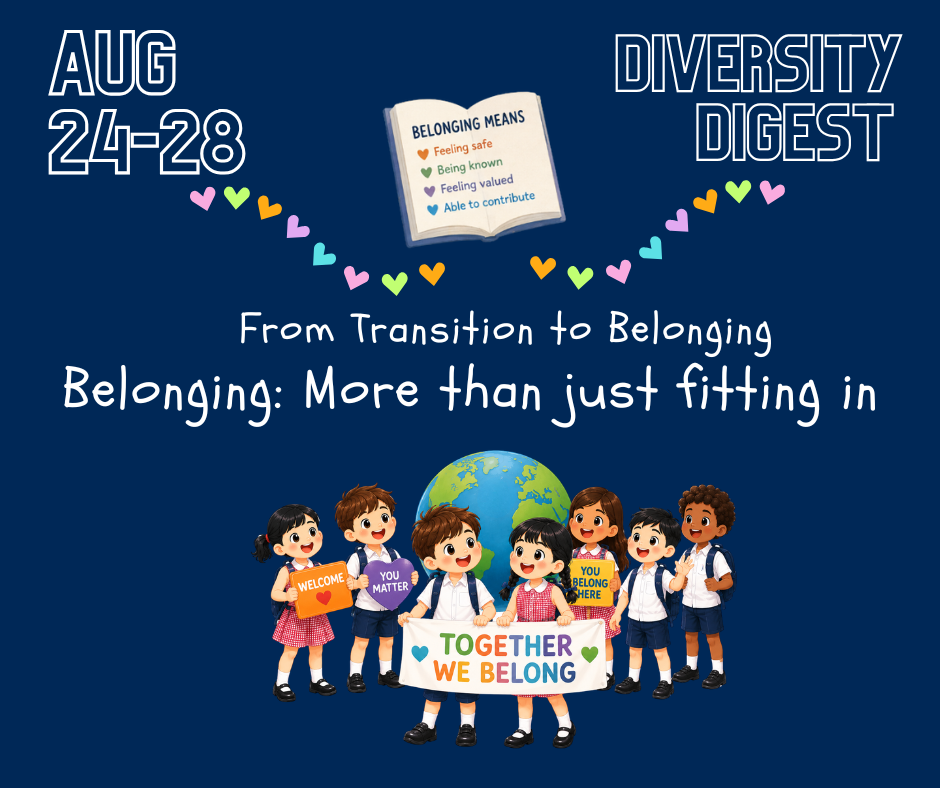
Belonging means feeling safe, known, valued and able to contribute.

That may be supported through seemingly small actions: pronouncing a student’s name correctly, noticing who remains on the edge of a group, creating different ways to participate, or checking in again once the initial transition period has passed.

Our community is richly diverse. Inclusion is not only about who is represented within it, but whether every student feels recognised, valued and that they truly belong.

Belonging is not simply being welcomed into a community. It is feeling that the community is partly yours.

Share This Article

In this Issue

Psychology Is Closer Than We Think 

Praopat (Prao) Ruengcharungpong, Year 13

As part of the Senior team Insight, we interviewed teachers from different departments to explore how psychology shapes the way they teach. We interviewed teachers from Sports, Languages, Science and Humanities. Even though each teacher shared a different perspective, they all highlighted the importance of understanding their students. These conversations showed that psychology is more than a subject but it plays an important role in the way we think, learn and interact every day. 

One of the teachers we interviewed was Mr Owen who teaches Sports Science. He explained how he applies the Inverted U Theory, also known as the Yerkes-Dodson Law in both his teaching and everyday life. The theory suggests that performance improves as stress increases but only to an optimal point. Beyond that, performance begins to decline. He uses this idea to stay calm in stressful situations because students are often influenced by the emotions of the people around them. As he explained, “Students can always tell when you’re stressed.” 

Mr Wood from the Languages department had a more personal perspective. After his youngest daughter was diagnosed with high functioning autism, psychology became an important part of understanding and supporting her. His approach reflects Carl Rogers’ Person-Centred Theory, which focuses on empathy and recognising that every individual has different needs. This has also influenced the way he teaches. He believes every student brings different experiences into the classroom so he tries to “personalise [his] approach to each student.” 

Ms Lashkari from the Science department explained how she uses John Hattie’s Visible Learning approach in her chemistry lessons. She regularly uses mini whiteboards so she can give immediate feedback to check students’ understanding throughout the lesson. She also draws on Dylan Wiliam’s ideas about formative assessment by using feedback to identify misconceptions before moving on. She adapts her teaching as students learn rather than waiting until the end of the lesson. 

Additionally, Ms Hobday described how the Cognitive Load Theory influences her geography lessons. She acknowledges that students can only process a limited amount of new information at a time so instead of continuing when students become overwhelmed, she pauses the lesson to give them time to consolidate their understanding. As she said, “We’ve done enough for today.” 

Although each teacher applied psychology in different ways, they all shared the same goal of helping students learn. It showed that psychology is integrated across every department, including Sports Science, Languages, Science and Humanities. These interviews also showed that psychology is not limited to one classroom or one subject and is part of the way we teach, learn and understand the people around us. 

Share This Article

In this Issue

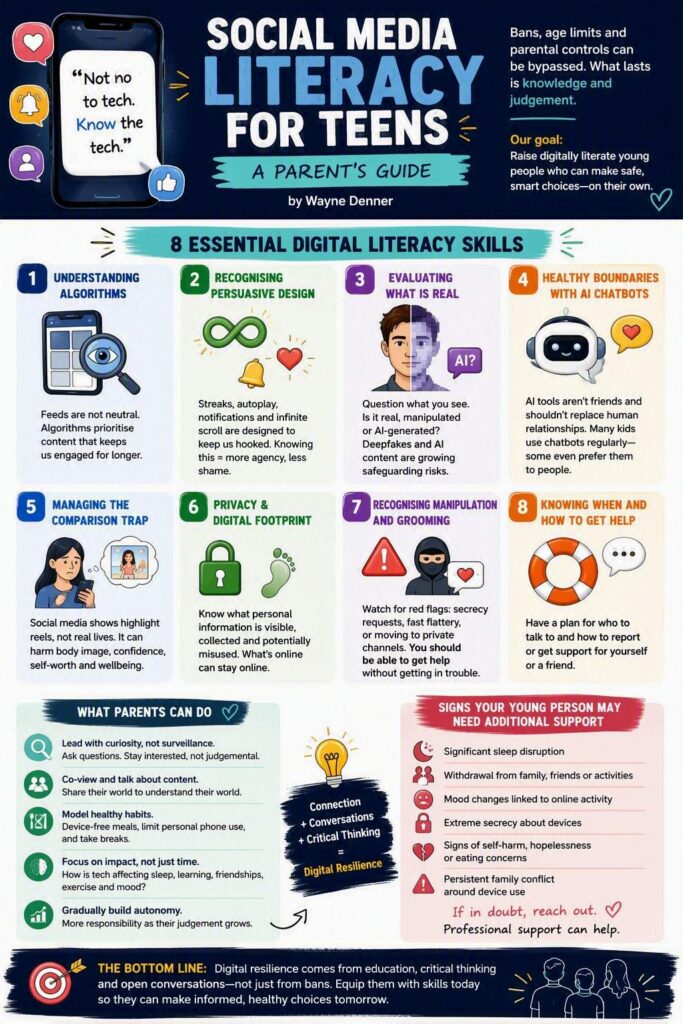
Tech Tips #331: Social Media Literacy for Teens

By Brian Taylor, Vice Principal, Technology for Learning

Share This Article

In this Issue

Words for the World We Want: Young Poets’ Voices for Global Change 

By Purnima Ghogar Ruanglertbutr, Secondary English Teacher | Spoken Word Poetry Showcase ECA Facilitator 

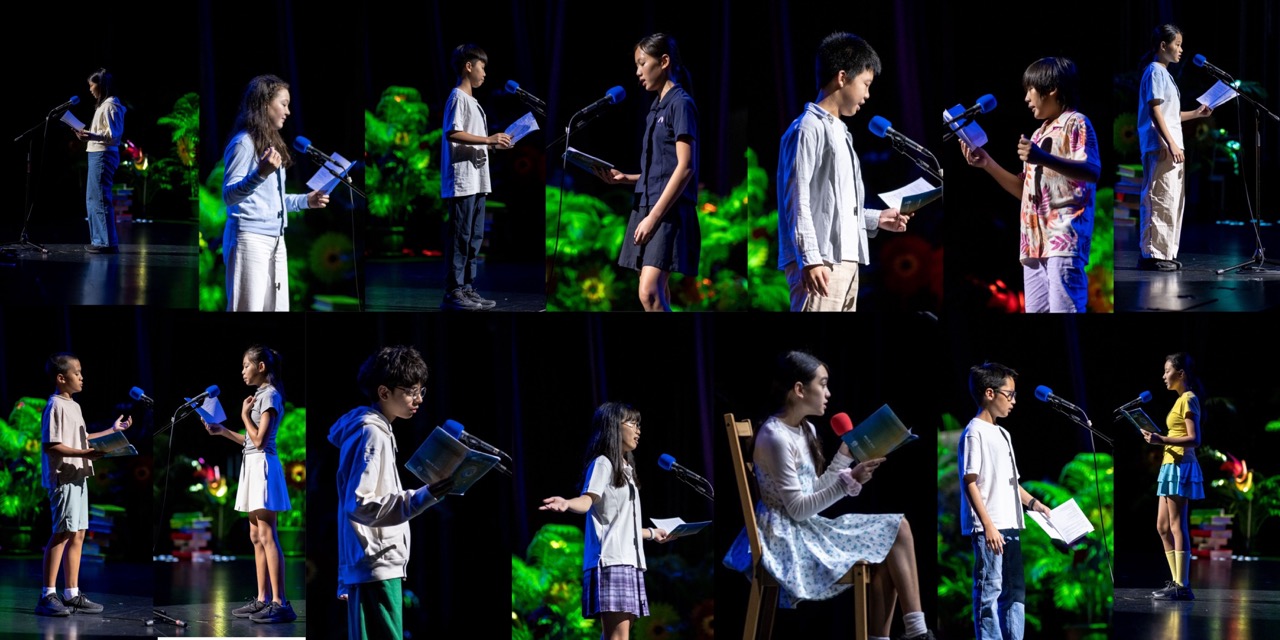
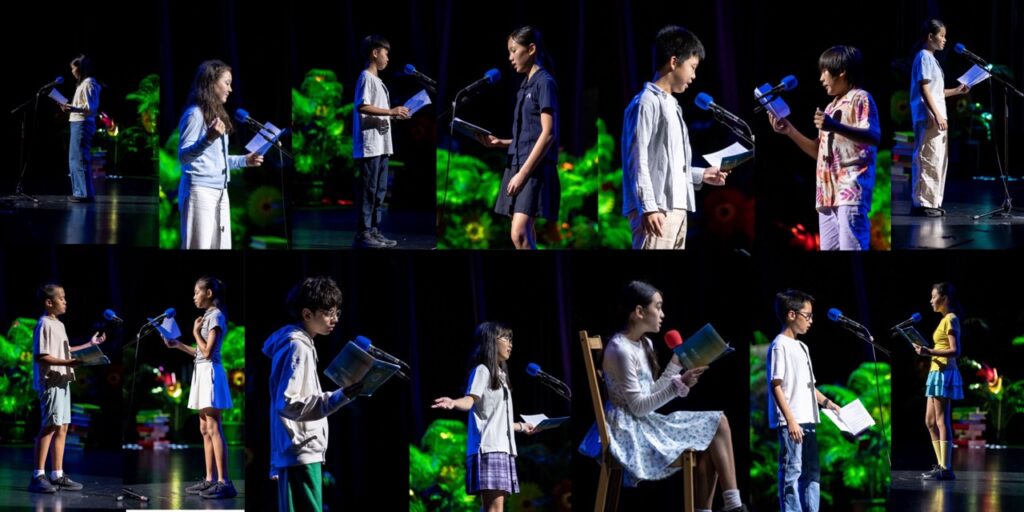
 Words have the power to turn awareness of global issues into action and voices into change. In the final week of Term 3, Year 7 and Year 9 students participating in the Spoken Word Poetry Showcase ECA took to the stage to perform their original poetry to a supportive audience of Year 7 students, parents and teachers, who left feeling inspired by the students’ powerful visions for the future. 

The 2026 theme, ‘Write Now: The World We Want’, invited students to imagine a future that is fairer, kinder and more sustainable. At the heart of the Showcase was the question: What kind of world do we want, and what must we do now to create it? 

Imagining a Better Future 

Students began by exploring what a better world might look like, sharing ideas around People, Planet, Peace and Justice, Happiness and Health, and Creativity and Education. They then selected a United Nations Sustainable Development Goal (SDG) that connected with an issue they cared about and researched the challenges, people and possible solutions connected to it. 

Working collaboratively, students also created the collective list poem ‘Write Now: The World We Want,’ combining their strongest lines; this poem opened the showcase and celebrated the impact of collective voice. 

Finding Their Voices 

Students experimented with different poetic forms, including free verse, odes, limericks, cinquains, diamantes, shape poems and anaphoric poetry. They explored how poetic choices, language and structure can communicate ideas and inspire audiences. 

They also learned that writing a powerful poem is only one part of spoken word, studying poets and activists and exploring techniques such as intonation, pace, purposeful pauses, articulation, gesture, facial expression, eye contact and stage presence. Through regular rehearsal, they built the confidence to transform their written words into compelling live performances. 

Poetry Art Exhibition 

Each student also designed a poetry art print, carefully selecting imagery, typography, colour and layout to complement the message and mood of their poem. Displayed at the showcase, these artworks demonstrated how students could communicate their ideas through both words and visual creativity. 

Learning Through Mentors 

Former 2024 Poetry Showcase ECA participants in Year 9 Alpha and Khongkwan returned as mentors. Having experienced the programme themselves, they worked alongside me to support Year 7 students with their writing and performance development while strengthening their own coaching and leadership skills. 

From Young Writers to Published Authors 

The showcase was the culmination of a year-long journey that saw students grow as writers, performers and globally minded young people. Their original poems have been compiled into the 2026 anthology, Write Now: The World We Want, which is also published as an e-book and archived in the National Library of Thailand. 

As the facilitator and a spoken word poet, I am proud of the dedication, courage, empathy and creativity shown by this year’s students. This programme aims to empower young people to confidently communicate their visions for change and contribute to conversations about the future. Thank you to everyone who supported our young poets and made it an inspiring celebration of voices. 

Watch, Read and Explore 

You can experience students’ work by watching the full production via the YouTube video and exploring the 2026 Poetry Showcase Anthology E-Book.

Share This Article

In this Issue

Do You Love to Write?

Would you like to play an exciting role in the Patana 70th Anniversary Celebrations? This is your chance to work with an Internationally award-winning poet to collaborate on a celebratory legacy poem. 

If you are interested in being selected for this opportunity, please submit a piece of your creative writing to Miss Marshall (roma@patana.ac.th) by 16th September.

This is your chance to create something special!

Share This Article

In this Issue

School Communications – Receiving Emails

Add Bangkok Patana School Emails to Your Gmail Safe Senders List

Dear Parents,

To ensure you receive important communications from Bangkok Patana School, we recommend adding our email domain to your Gmail safe senders list.

How to whitelist Bangkok Patana School emails in Gmail

1.      Open Gmail and click Settings () → See all settings

2.      Select Filters and Blocked Addresses

3.      Click Create a new filter

4.      In the From field, enter: @patana.ac.th

5.      Click Create filter

6.      Tick Never send it to Spam

7.      Click Create filter again to save

This will help ensure emails from Bangkok Patana School and our associated systems are delivered directly to your inbox.

If you are expecting an email from the school and cannot find it, please also check your Spam/Junk folder.

Thank you for your cooperation.

IT Department
Bangkok Patana School

Share This Article

In this Issue

Upcoming Events


Share This Article

In this Issue

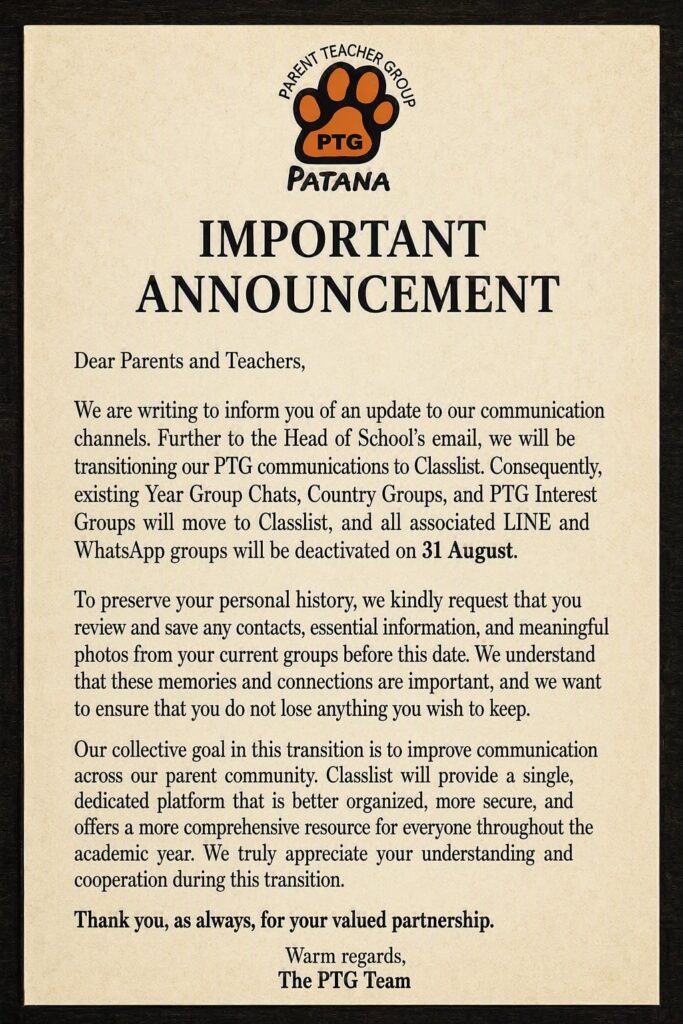
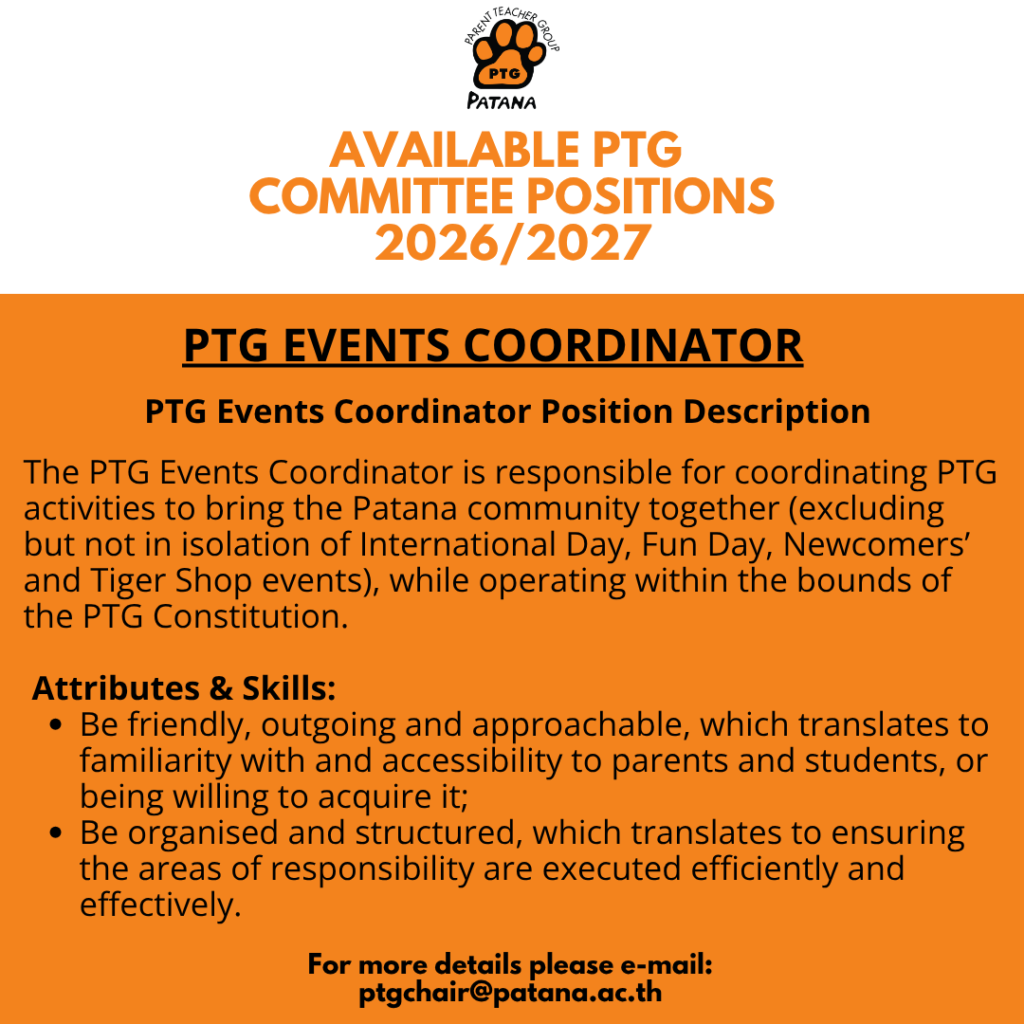
PTG Updates

Share This Article

In this Issue

Patana Participates

Achievements from Our Community

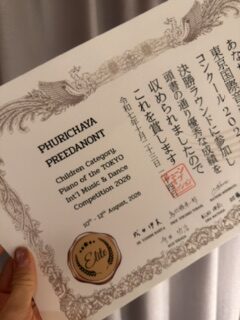
Chloe’s Achievement at the Tokyo International Music and Dance Competition 2026

Chloe (2K) competed in the Final Round of the “Tokyo International Music & Dance Competition 2026” on 10th August 2026 where she performed “Minuet in C”, a Grade 1 ABRSM piece, with confidence and focus. Her hard work was rewarded with an impressive “Elite Award”, scoring 96–98 out of 100.

Congratulations, Chloe, on this wonderful achievement in Tokyo!


Share This Article

In this Issue

© 2025 Bangkok Patana School

Issue: 2
Volume: 29
Bangkok Patana School
Privacy Overview

This website uses cookies so that we can provide you with the best user experience possible. Cookie information is stored in your browser and performs functions such as recognising you when you return to our website and helping our team to understand which sections of the website you find most interesting and useful.