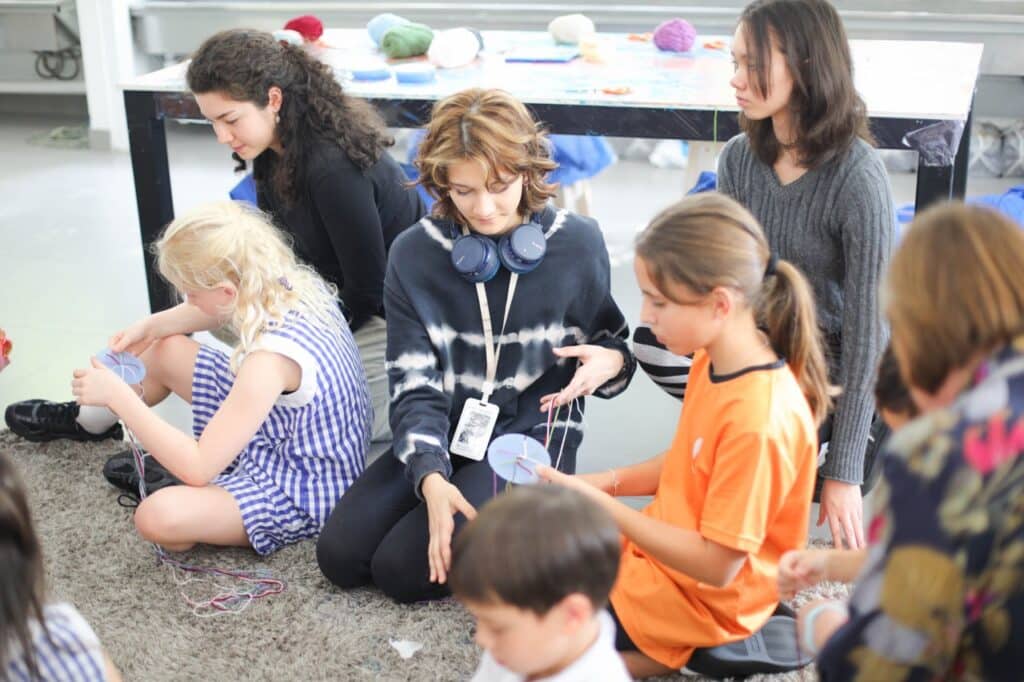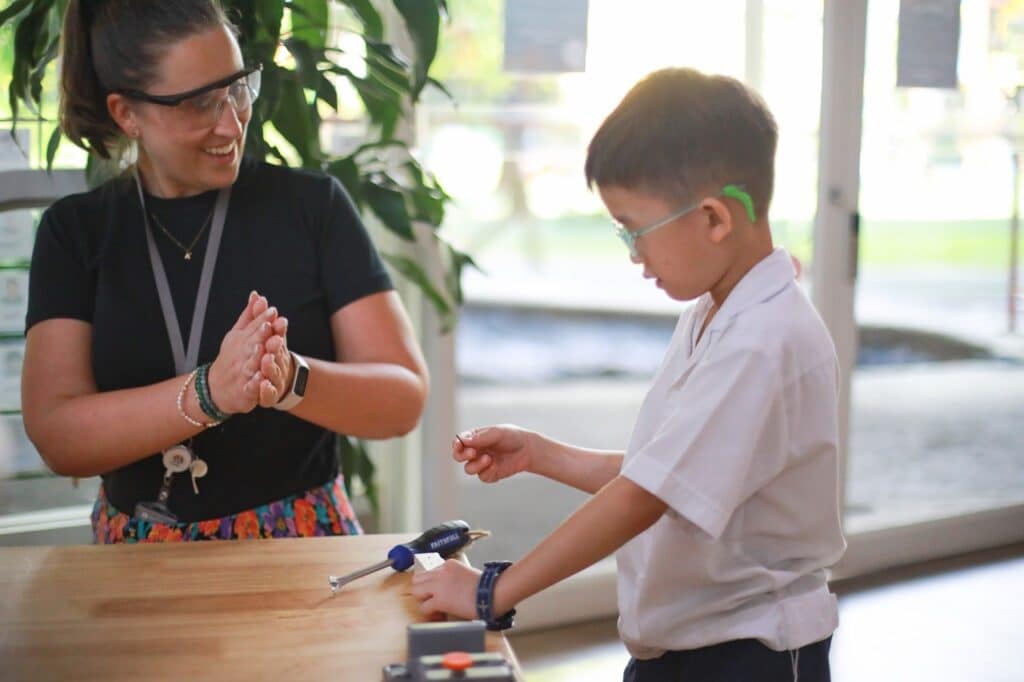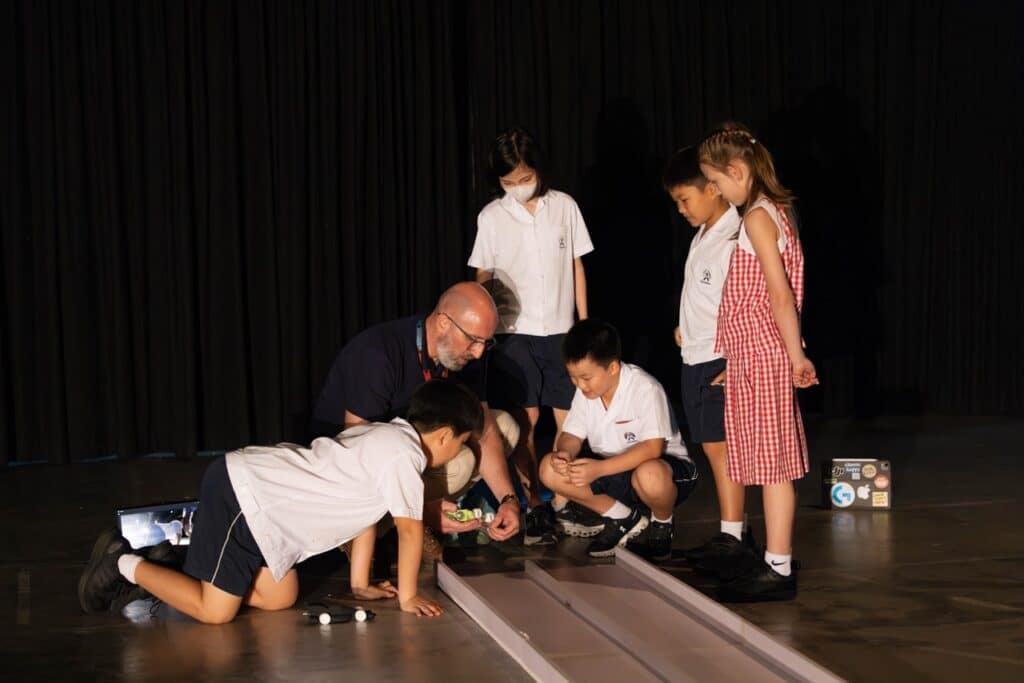

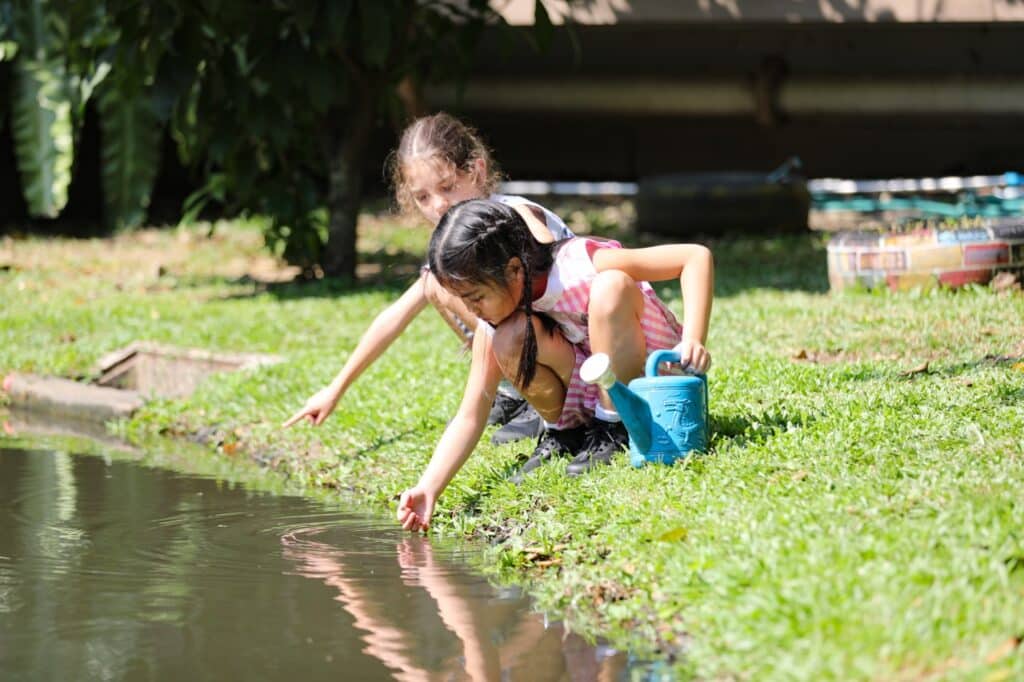
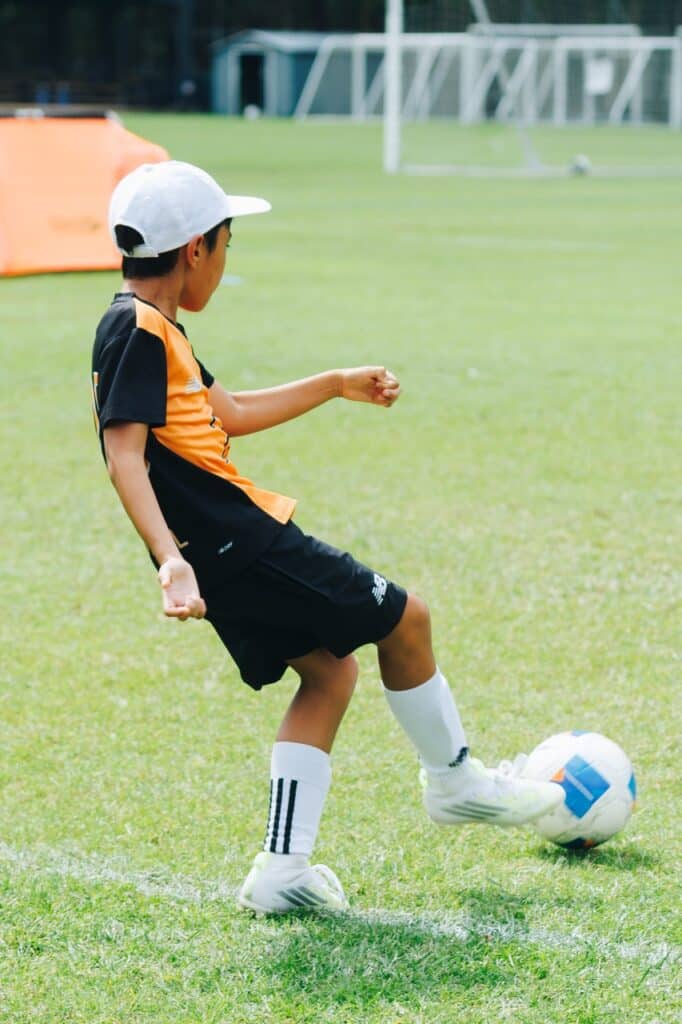
At 2.30pm each afternoon, Bangkok Patana does not become quieter. If anything, the school comes alive in a different way. Across the campus, students move into sport, Music, Dance, Drama, Art, MUN, Robotics and hundreds of other activities that make up life beyond the classroom.
With more than 350 ECA opportunities available during Block A and almost 1,900 students currently participating in at least one ECA each week, it would be easy to focus on the scale of what we offer. However, the number that interests me far more is the individual student who finds something they genuinely look forward to each week.
As students get older, particularly as they enter examination years, their lives inevitably become busier. Of course, many of our younger students will already recognise the challenge of finding that balance! Academic expectations increase and decisions about how to use a finite amount of time become more important. We rightly encourage students to work hard, develop good study habits and fulfil their academic potential.
When pressure increases, however, there can be an understandable temptation to create more time for study by removing other commitments. Sometimes that may be the right decision, but it is worth considering what then may be lost.
Time away from academic study can also support learning and well-being. A recent evidence review by the Youth Sport Trust suggests a positive association between physical activity and academic performance. It also highlighted links with concentration, cognitive health and well-being, while noting that organised sport and after school activities are associated with higher levels of attainment. This does not mean that joining an activity automatically leads to better grades. Rather, it challenges a simple assumption that more time spent studying will always produce better learning.
There is a wider point too.
A Year 11 student preparing for (I)GCSE examinations is not only an examination candidate. They are also a musician, athlete, artist, performer, coder, debater or teammate. These interests, relationships and communities can be important parts of how young people view themselves.
When one part of life feels difficult, there can be value in having another space where you feel confident, connected or simply yourself. Academic results do not then become the only measure of whether a week has been successful. A student might achieve something they have been working towards, contribute to a team, create something they are proud of, help someone else or simply spend an hour doing something they enjoy. And importantly, you do not have to be exceptional at something for it to matter.
We understandably celebrate achievement at Bangkok Patana, whether academic results, performances, competitions, awards or the many other accomplishments of our students. But not every worthwhile experience needs a measurable outcome.
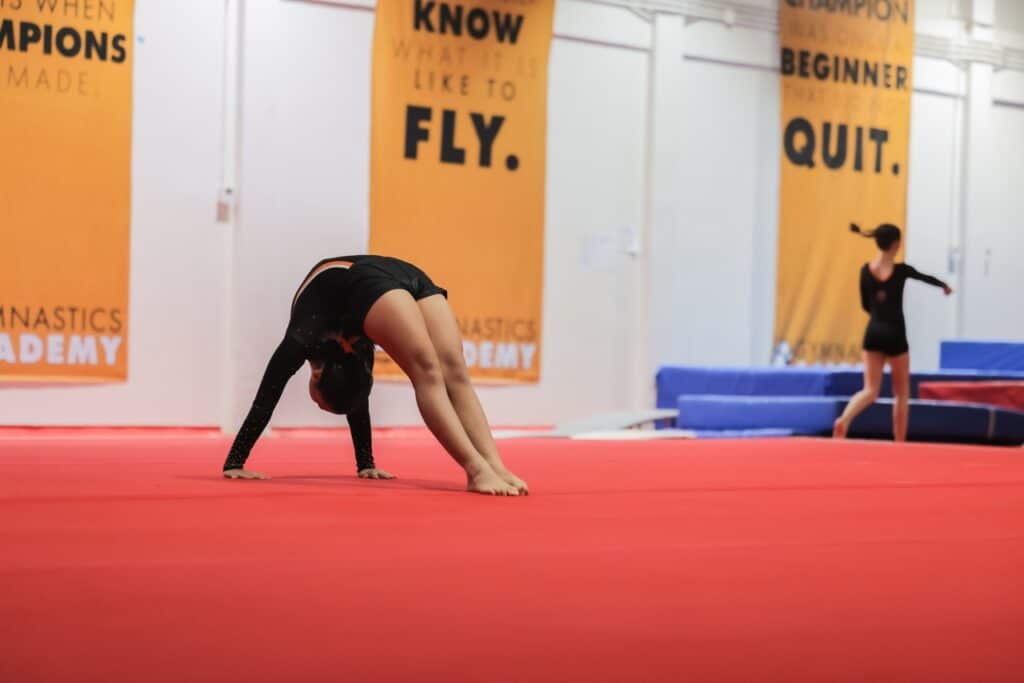
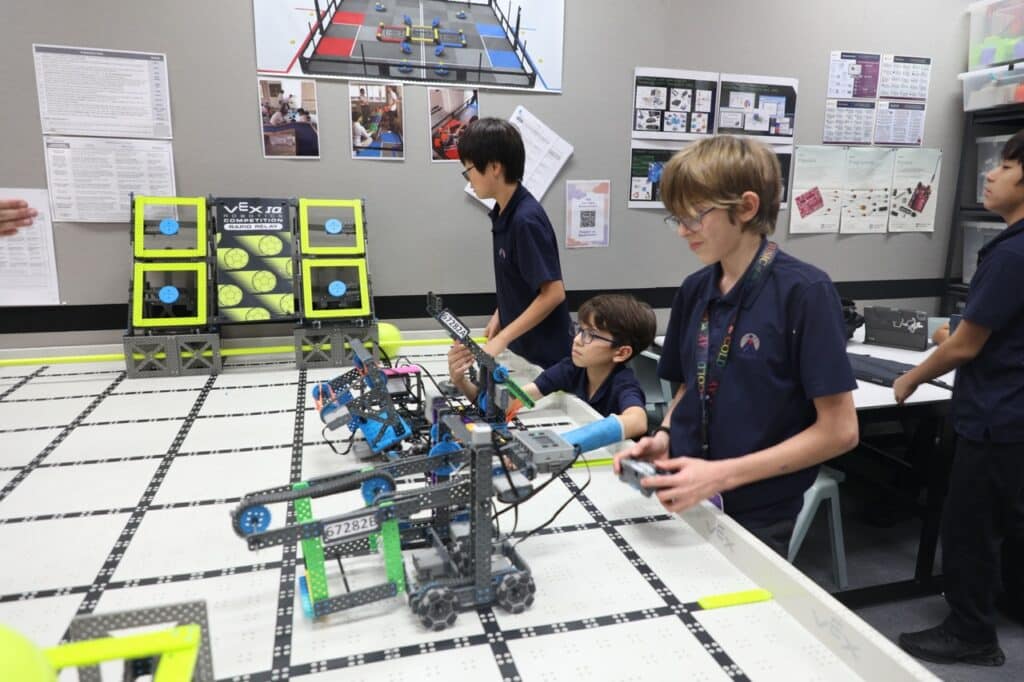
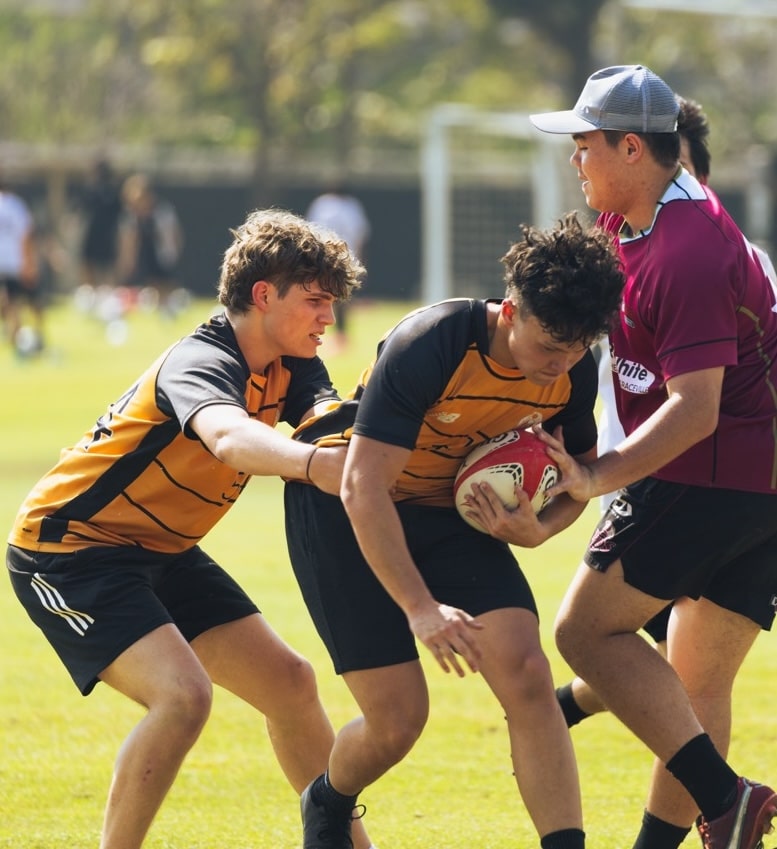
Sometimes, simply ‘I love doing this’ is enough.
There is real value in belonging too. Shared interests bring students together across classes, friendship groups and year groups, creating smaller communities within our wider school. For some students, an activity they attend each week could be a place where they feel most comfortable and most themselves.
None of this is an argument for students to do more. In a school offering such an extraordinary breadth of opportunity, we should be careful not to confuse being busy with thriving. As students get older, commitments will change. Sometimes an activity will need to reduce or stop. Learning to prioritise, manage competing demands and recognise when we are overstretched is important. Rest and unstructured time matter too.
There is no single right balance. For one student, maintaining an activity during a demanding academic period may provide an important source of enjoyment and connection. For another, stepping back may be exactly the right decision. The aim is not to fill every available afternoon. It is to make thoughtful choices about what deserves a place within your individual schedule.
At Patana, the success of our ECA programme should therefore not simply be measured by the number of activities we offer or how many students participate. The real value is found in the experiences behind those numbers: a new friendship, growing confidence, a discovered interest, a sense of belonging or simply finding something that feels like yours.
So, as we approach conversations about Block B ECA sign-up, perhaps one of the questions we should continue to ask our young people is:
What matters to you and what do you still want to make time for?
Making space for what matters is not about taking ambition less seriously. It is about helping young people find a balance that allows them to thrive both within the classroom and beyond it.