Finding a Balance

By Alice Curwood, Cross Campus Vice Principal; Extra-Curricular Activities and Sports

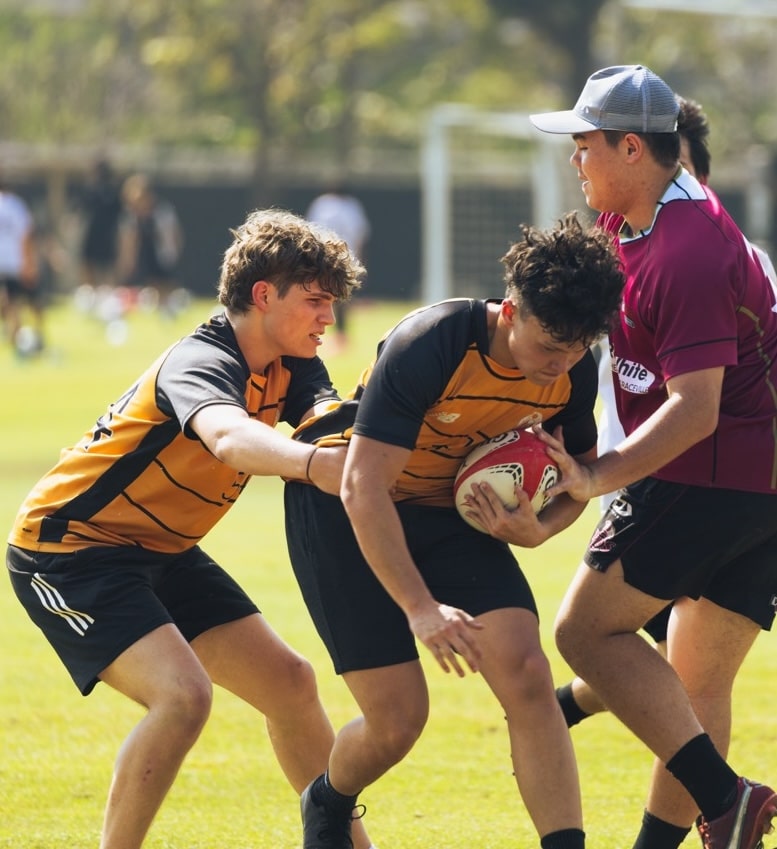
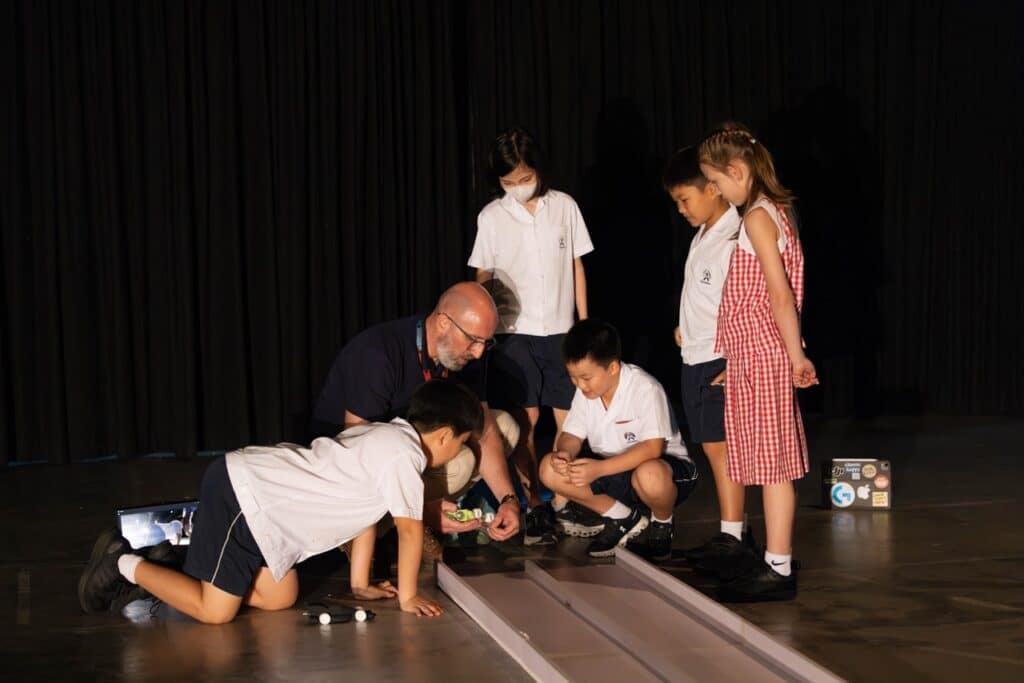
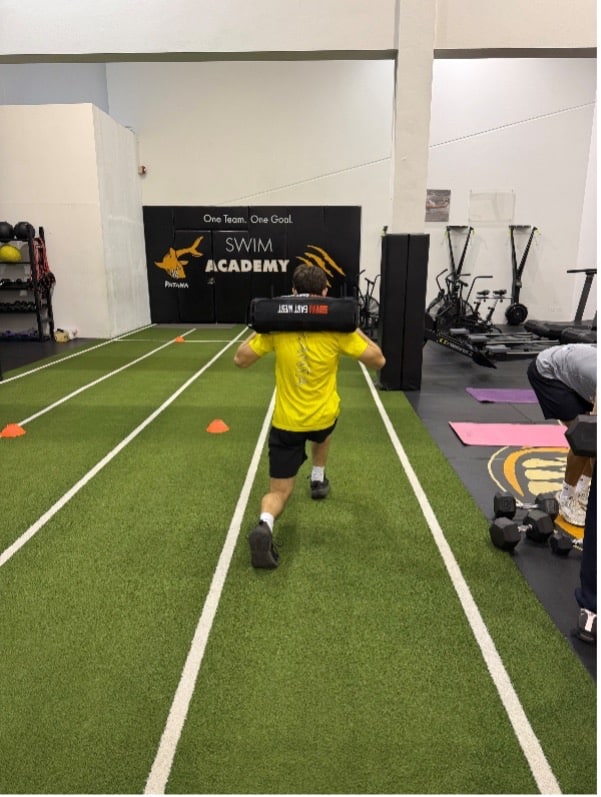
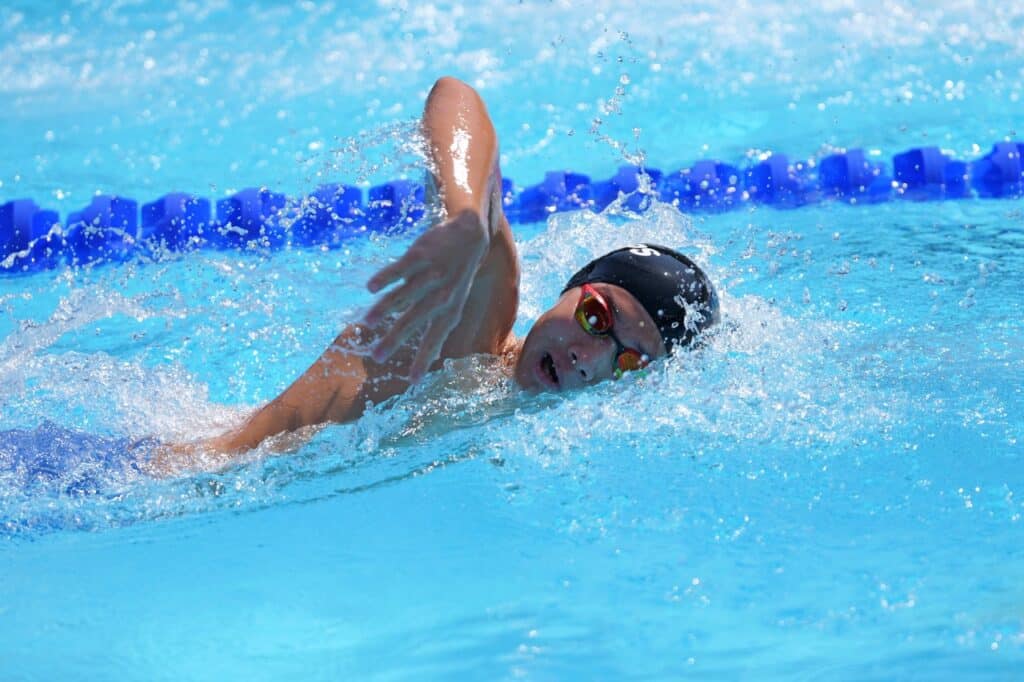
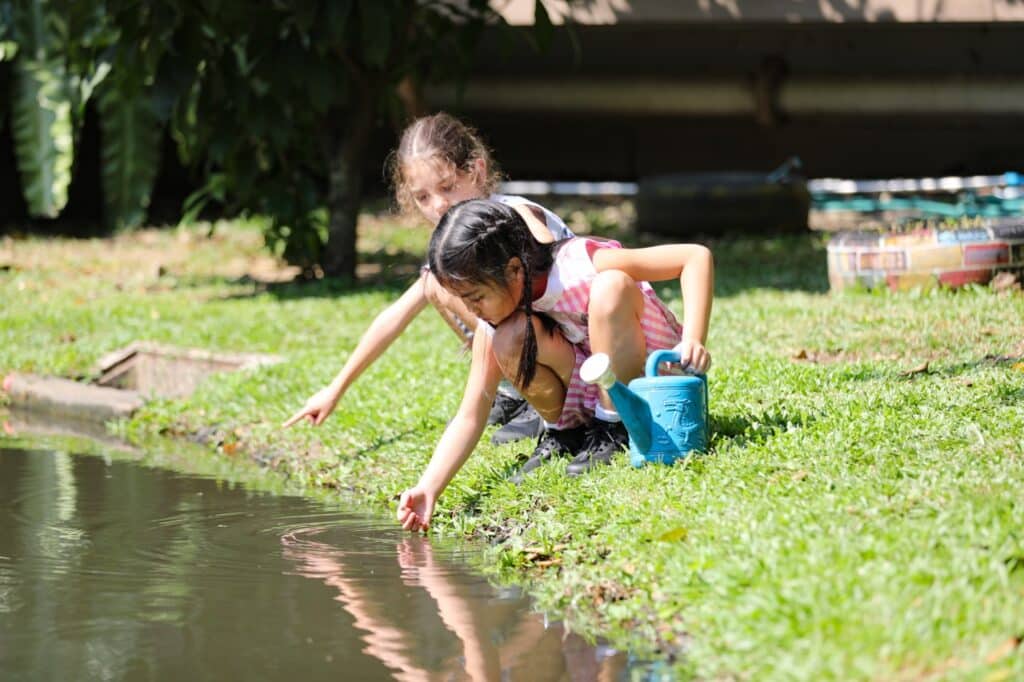
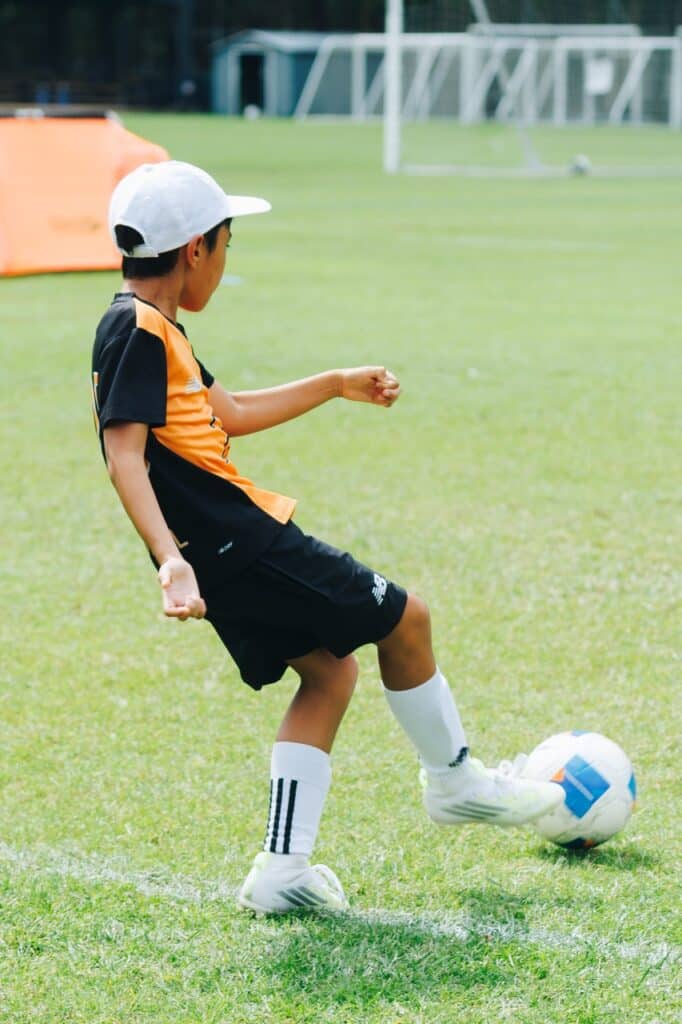
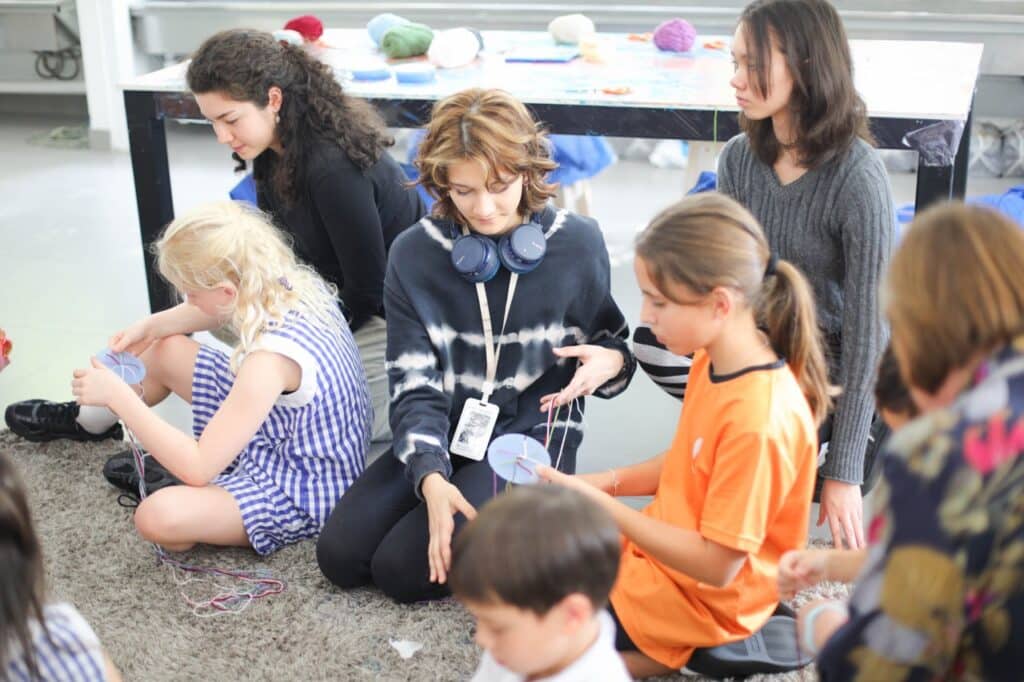
At 2.30pm each afternoon, Bangkok Patana does not become quieter. If anything, the school comes alive in a different way. Across the campus, students move into sport, Music, Dance, Drama, Art, MUN, Robotics and hundreds of other activities that make up life beyond the classroom.

With more than 350 ECA opportunities available during Block A and almost 1,900 students currently participating in at least one ECA each week, it would be easy to focus on the scale of what we offer. However, the number that interests me far more is the individual student who finds something they genuinely look forward to each week.

As students get older, particularly as they enter examination years, their lives inevitably become busier.  Of course, many of our younger students will already recognise the challenge of finding that balance! Academic expectations increase and decisions about how to use a finite amount of time become more important. We rightly encourage students to work hard, develop good study habits and fulfil their academic potential.

When pressure increases, however, there can be an understandable temptation to create more time for study by removing other commitments. Sometimes that may be the right decision, but it is worth considering what then may be lost.

Time away from academic study can also support learning and well-being. A recent evidence review by the Youth Sport Trust suggests a positive association between physical activity and academic performance. It also highlighted links with concentration, cognitive health and well-being, while noting that organised sport and after school activities are associated with higher levels of attainment. This does not mean that joining an activity automatically leads to better grades. Rather, it challenges a simple assumption that more time spent studying will always produce better learning.

There is a wider point too.

A Year 11 student preparing for (I)GCSE examinations is not only an examination candidate. They are also a musician, athlete, artist, performer, coder, debater or teammate. These interests, relationships and communities can be important parts of how young people view themselves.

When one part of life feels difficult, there can be value in having another space where you feel confident, connected or simply yourself. Academic results do not then become the only measure of whether a week has been successful. A student might achieve something they have been working towards, contribute to a team, create something they are proud of, help someone else or simply spend an hour doing something they enjoy. And importantly, you do not have to be exceptional at something for it to matter.

We understandably celebrate achievement at Bangkok Patana, whether academic results, performances, competitions, awards or the many other accomplishments of our students. But not every worthwhile experience needs a measurable outcome.
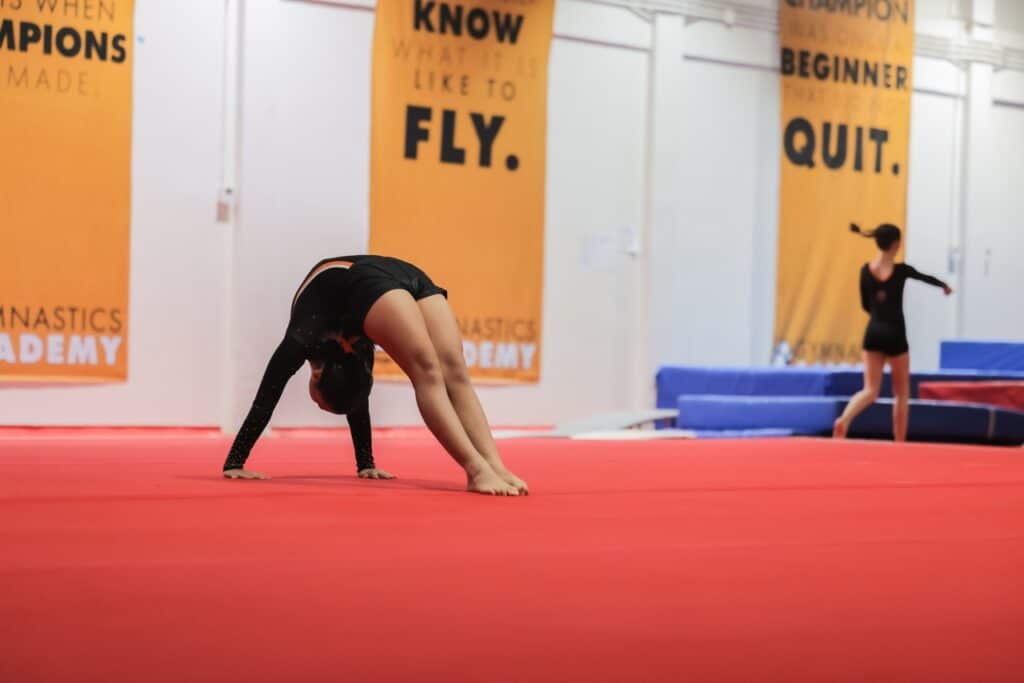
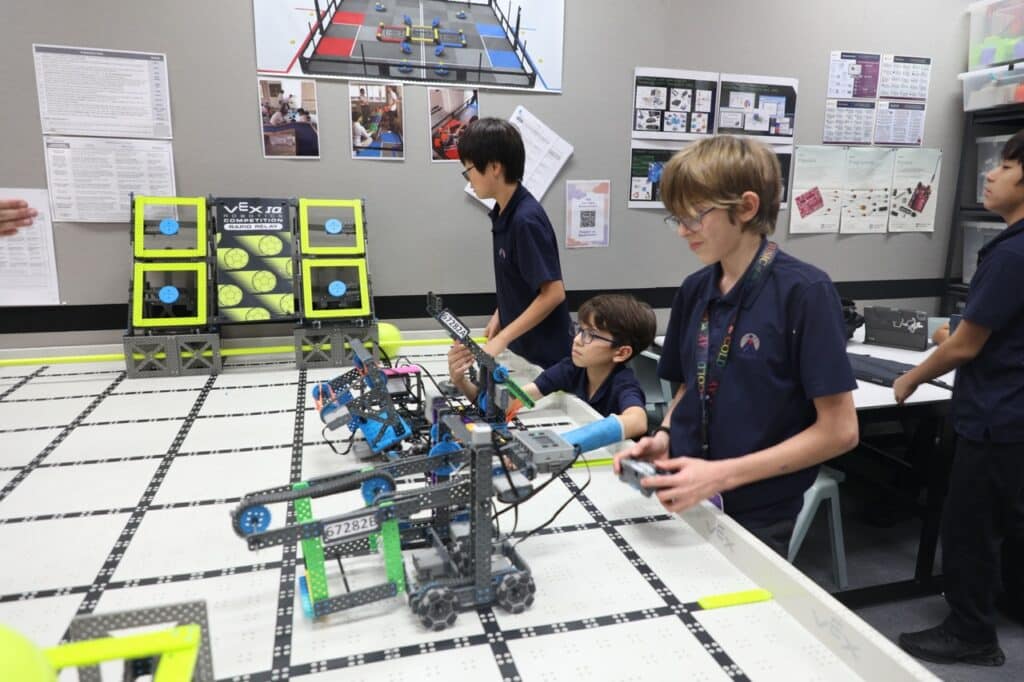
Sometimes, simply ‘I love doing this’ is enough.

There is real value in belonging too. Shared interests bring students together across classes, friendship groups and year groups, creating smaller communities within our wider school. For some students, an activity they attend each week could be a place where they feel most comfortable and most themselves.

None of this is an argument for students to do more. In a school offering such an extraordinary breadth of opportunity, we should be careful not to confuse being busy with thriving. As students get older, commitments will change. Sometimes an activity will need to reduce or stop. Learning to prioritise, manage competing demands and recognise when we are overstretched is important. Rest and unstructured time matter too.

There is no single right balance. For one student, maintaining an activity during a demanding academic period may provide an important source of enjoyment and connection. For another, stepping back may be exactly the right decision. The aim is not to fill every available afternoon. It is to make thoughtful choices about what deserves a place within your individual schedule.

At Patana, the success of our ECA programme should therefore not simply be measured by the number of activities we offer or how many students participate. The real value is found in the experiences behind those numbers: a new friendship, growing confidence, a discovered interest, a sense of belonging or simply finding something that feels like yours.

So, as we approach conversations about Block B ECA sign-up, perhaps one of the questions we should continue to ask our young people is:

What matters to you and what do you still want to make time for?

Making space for what matters is not about taking ambition less seriously. It is about helping young people find a balance that allows them to thrive both within the classroom and beyond it.
Share This Article

In this Issue

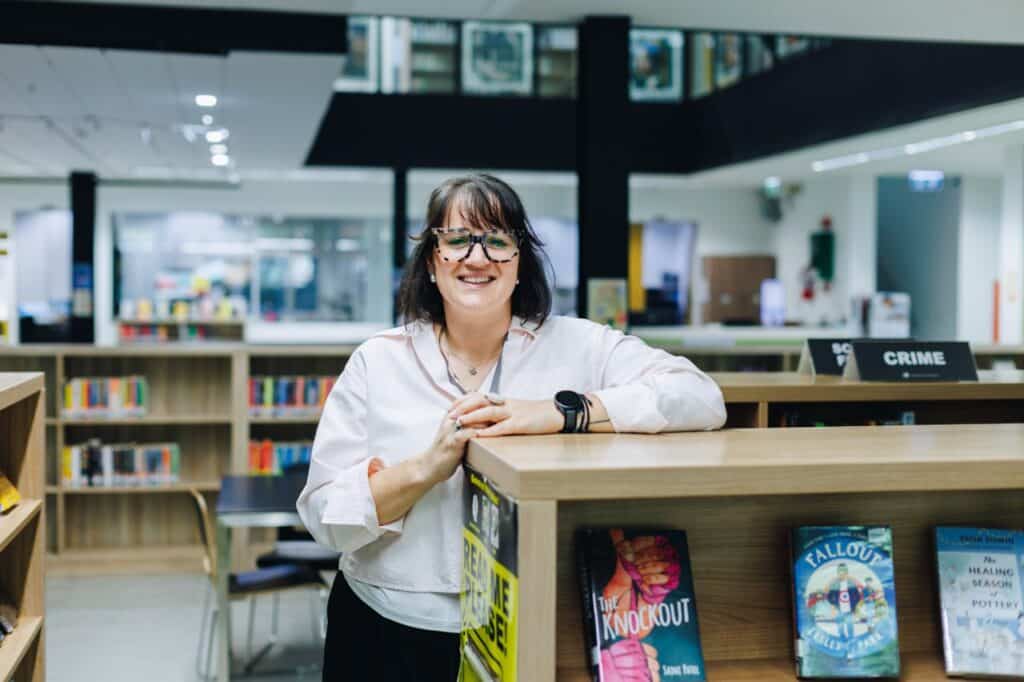
Behind the Bookshelves

What book do you recommend and why?  

Dan Brown – Secret of Secrets
This is a great delve into understanding the human conscience with some of the main characters interested in noetic science (study of interconnected reality and inner wisdom of humans). As always a great crime thriller and page turner.


What podcast do you recommend we listen to and why?

The Trial – Podcast exploring different criminal cases and trials around the world.

Where do you work/teach? 

I’m Ms Miss McGregor, Biology Teacher

Share This Article

In this Issue

DanceFest 2026: A Day of Discovery, Learning and Dance 

By Sarah Dullaghan, Cross Campus Head Dance Coach

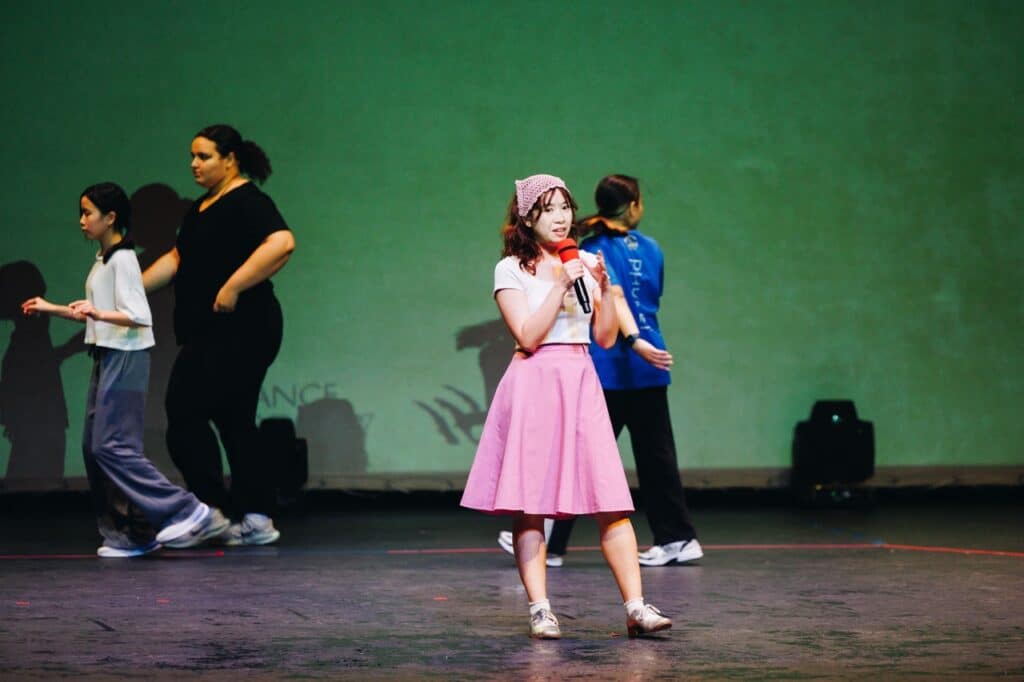
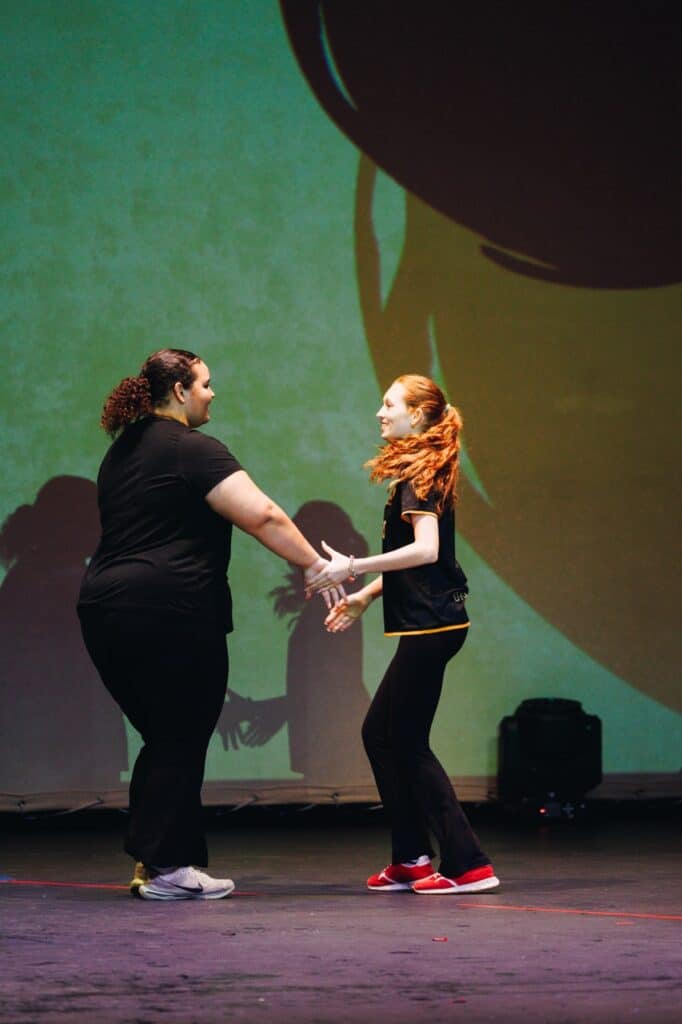
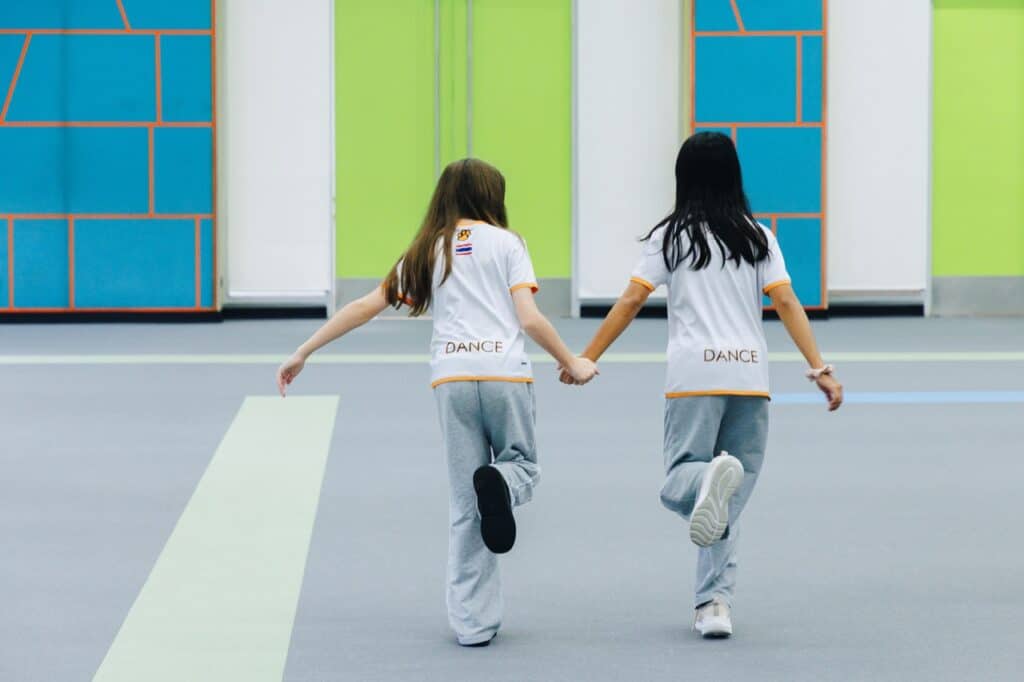
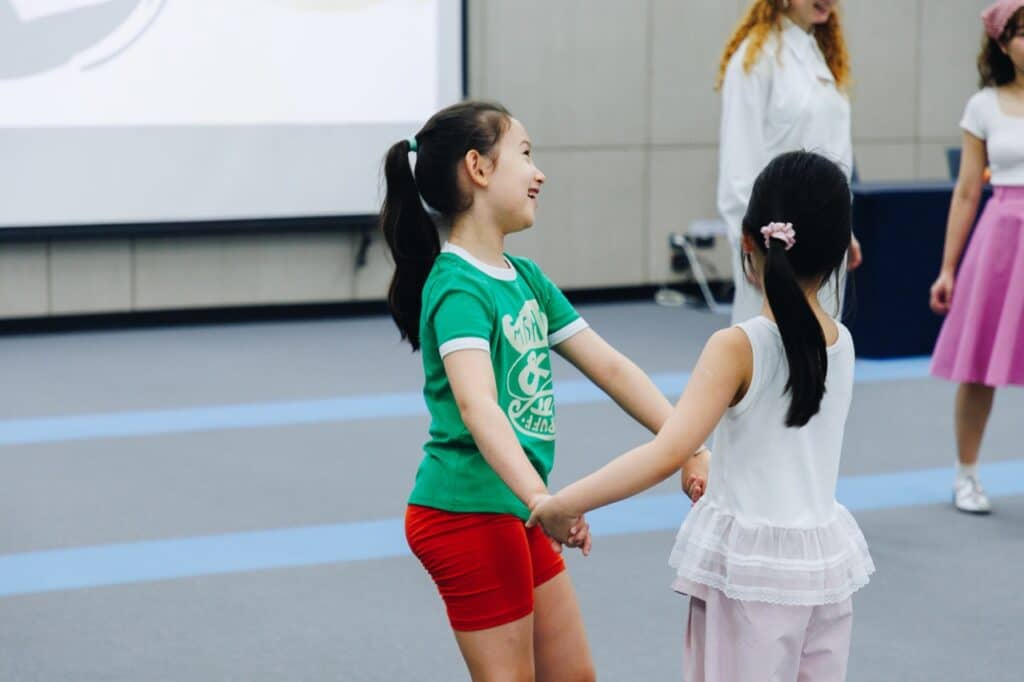
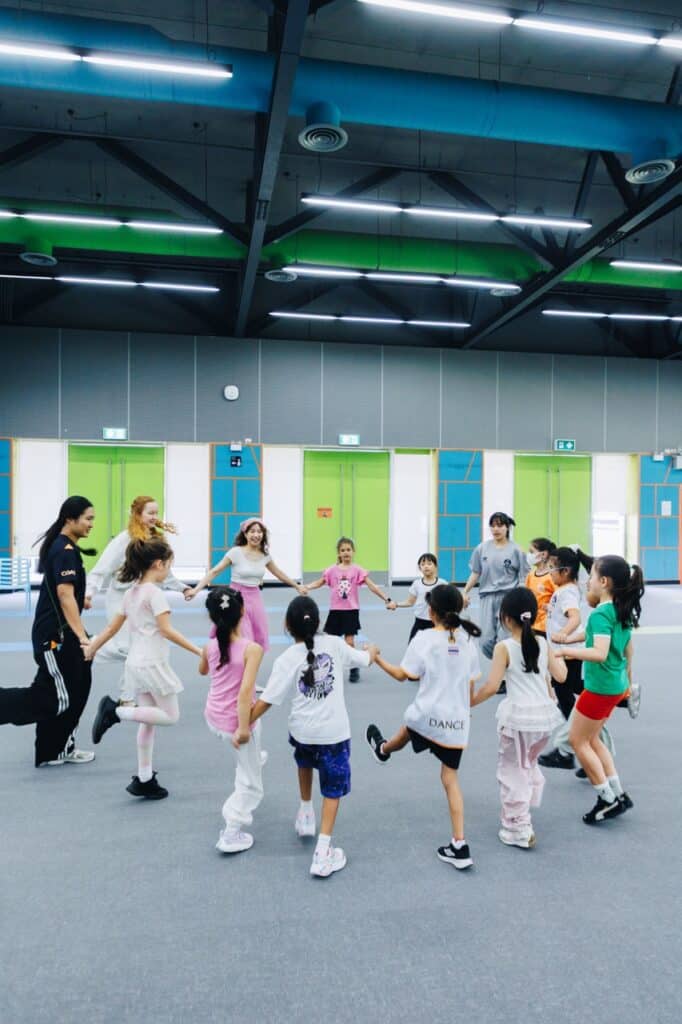
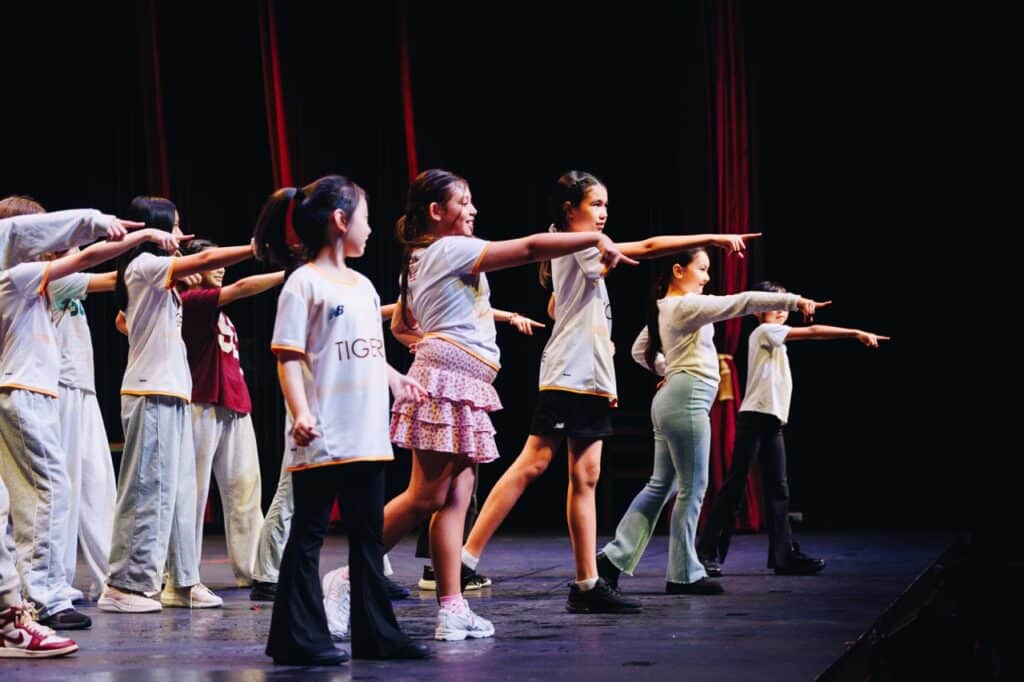
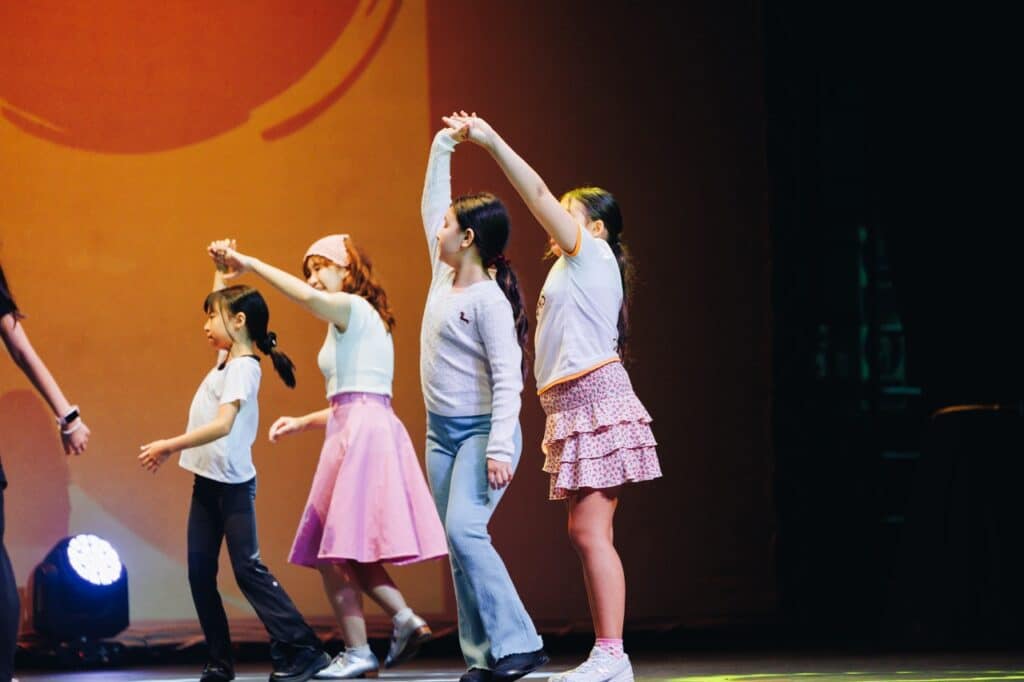
On Saturday 12th September, DanceFest 2026 brought together students from Year 1 through to Year 12 for a vibrant day of dance, learning and discovery. Welcoming students from across the school and from a wide range of ages and abilities, DanceFest once again marked the exciting start of our Dance Academy year. 

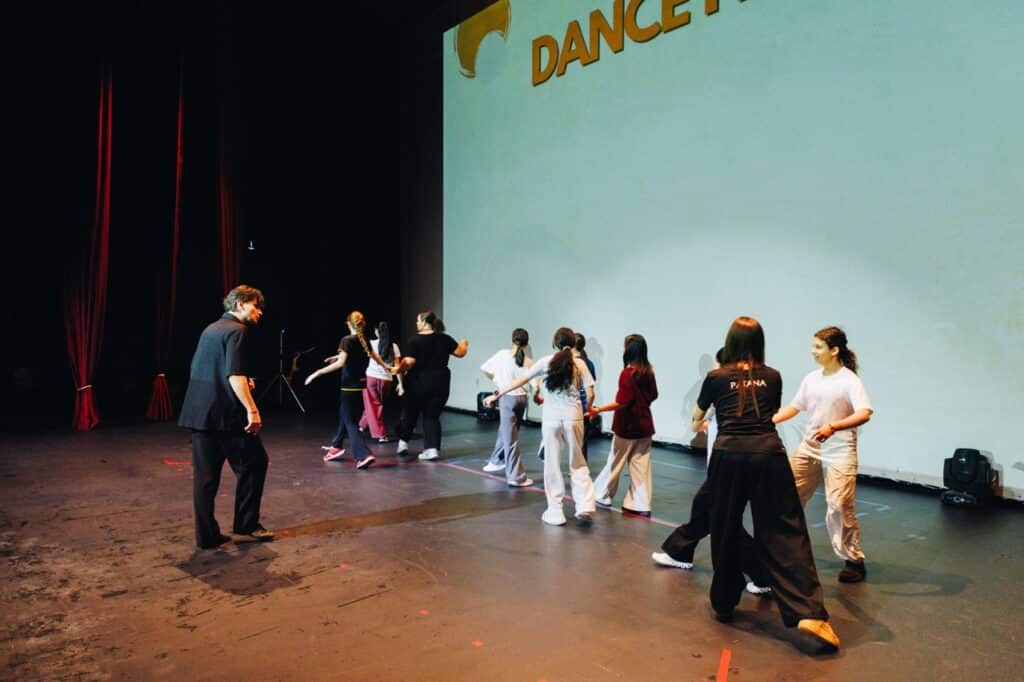
Throughout the day, students danced all day experiencing three professional dance workshops, each introducing them to a different style, vocabulary and way of moving. 

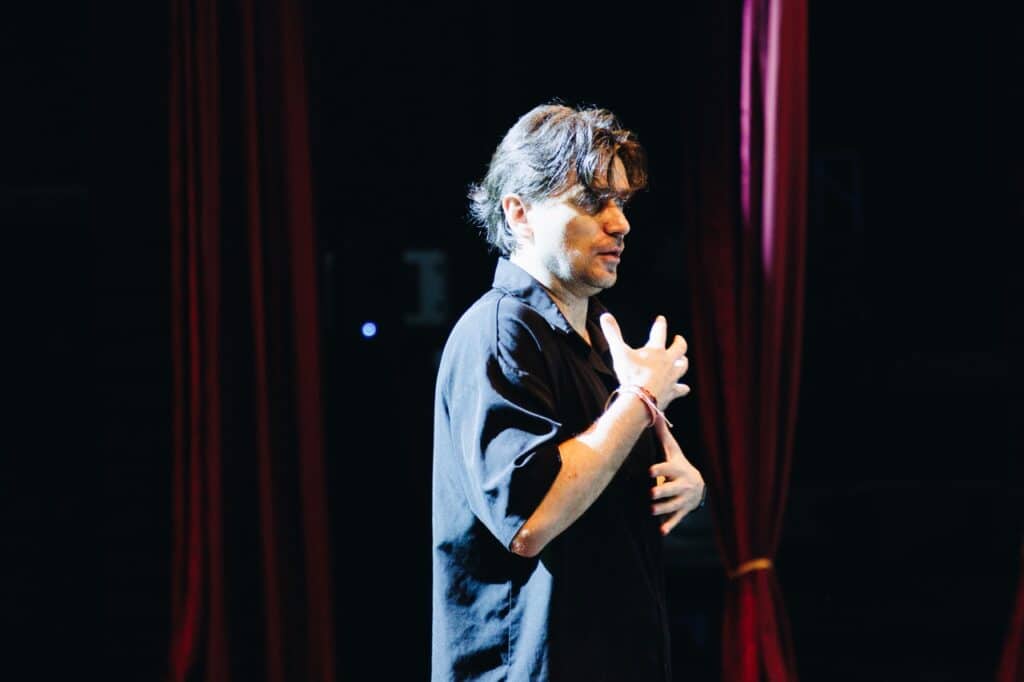
Guest artist, Dmitri, brought Latin flair to the studio, introducing students to intricate rhythms, fast footwork and energetic partner work. Students explored steps and routines from his Latin vocabulary, including choreography to the iconic Sway, rising to the challenge of learning complex sequences in a remarkably short time. 

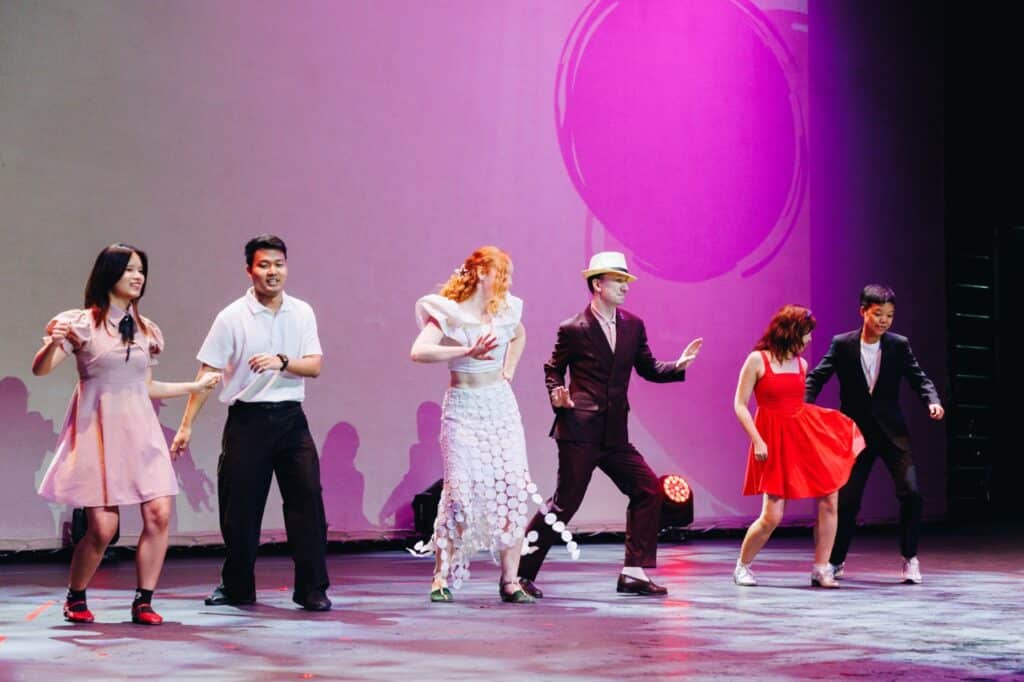
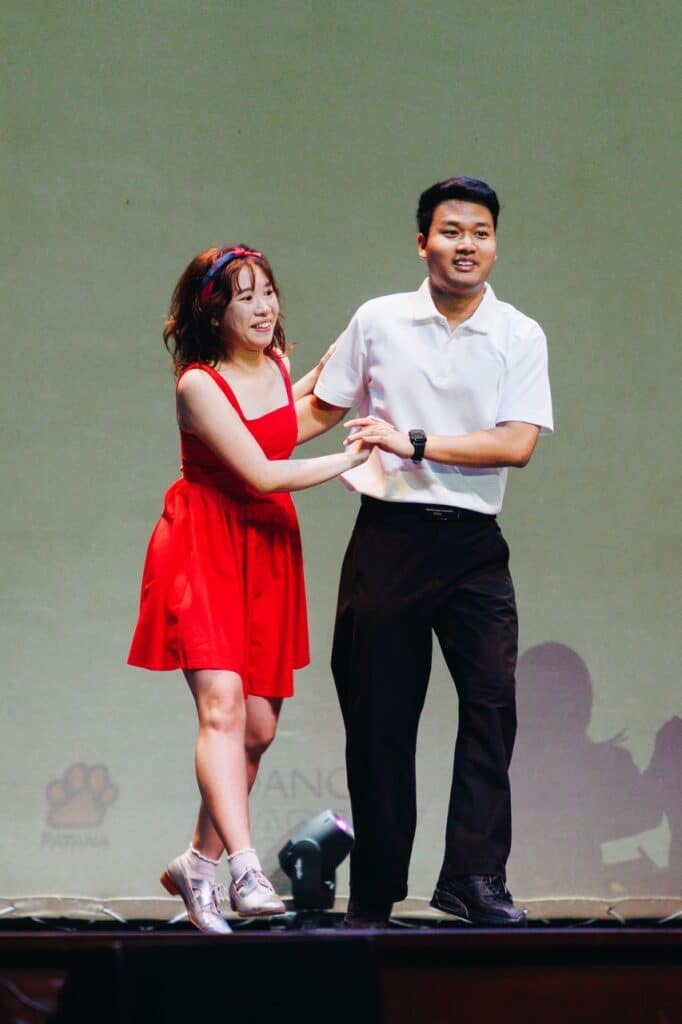
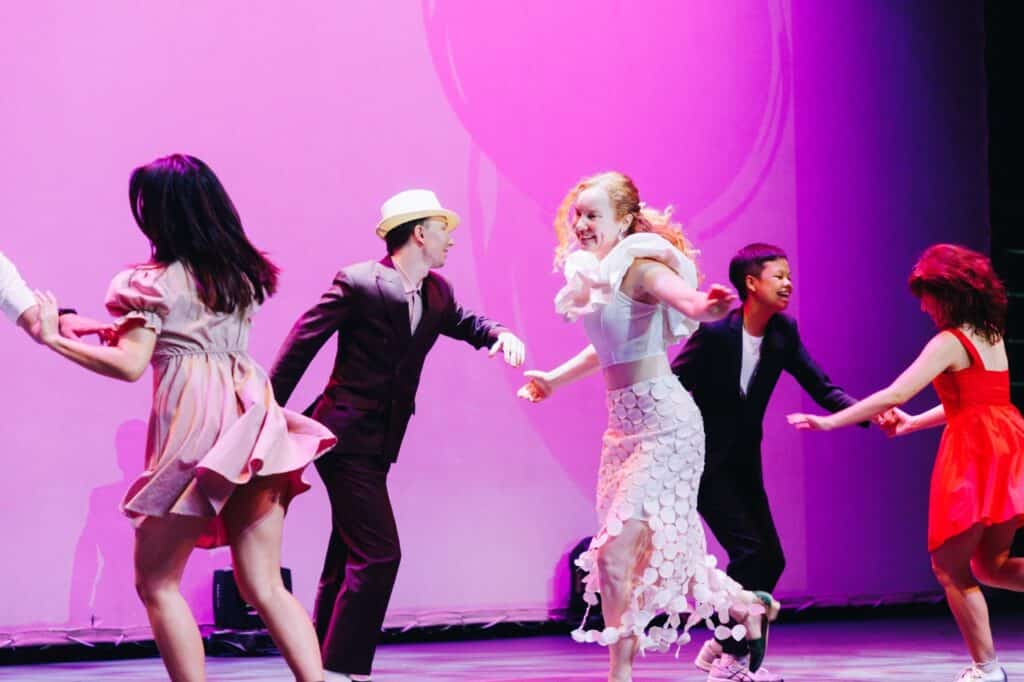
Dasha and her assistant, Beebee, introduced our dancers to something completely new: swing dancing. With plenty of partner work, intricate footwork and a great deal of energy and fun, students discovered the joy of social dancing. 

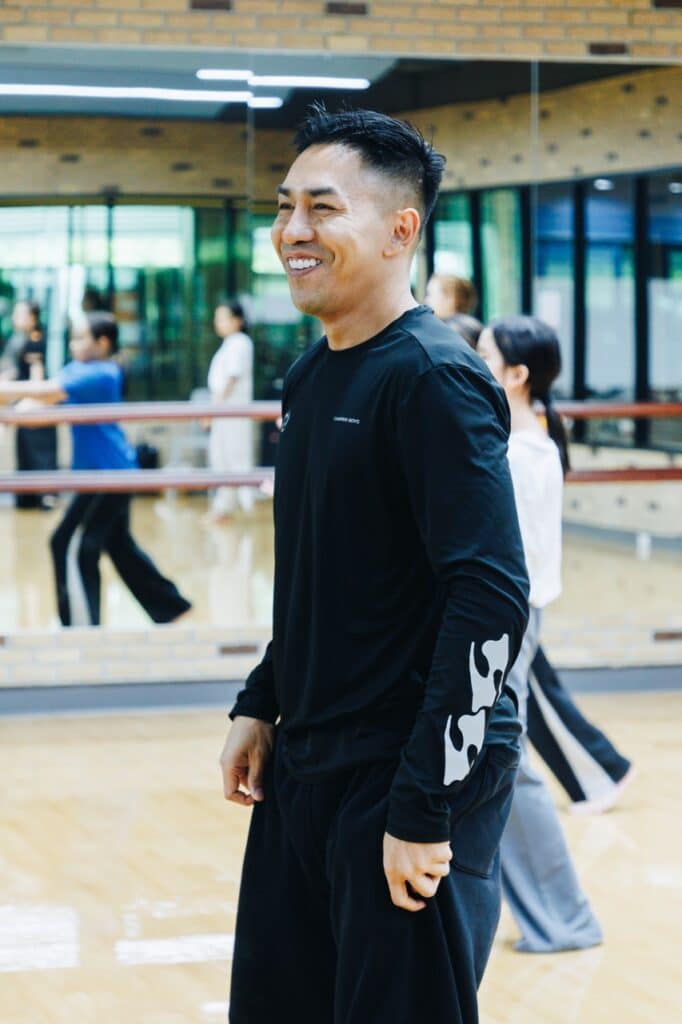
Many dancers were particularly captivated by Khun Arm, a Thai Jazz and Contemporary dancer, recently returned from dancing in Disneyland Hong Kong, who introduced students to expressive movement and abstract ideas. For some of our Year 1 students, even saying the word “contemporary” was a challenge – yet they were soon performing beautifully, demonstrating a genuine understanding of the ideas and qualities within the choreography. 

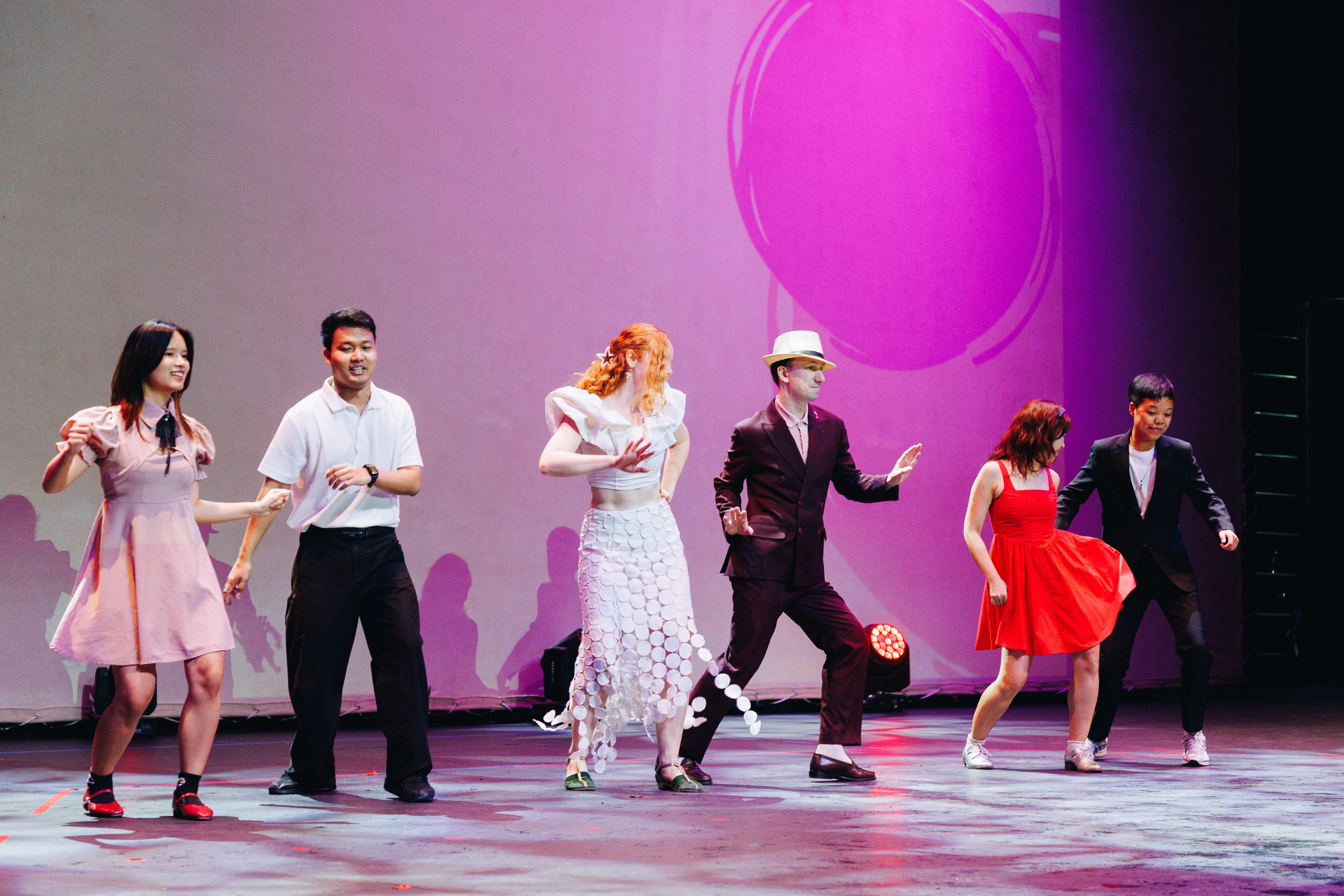
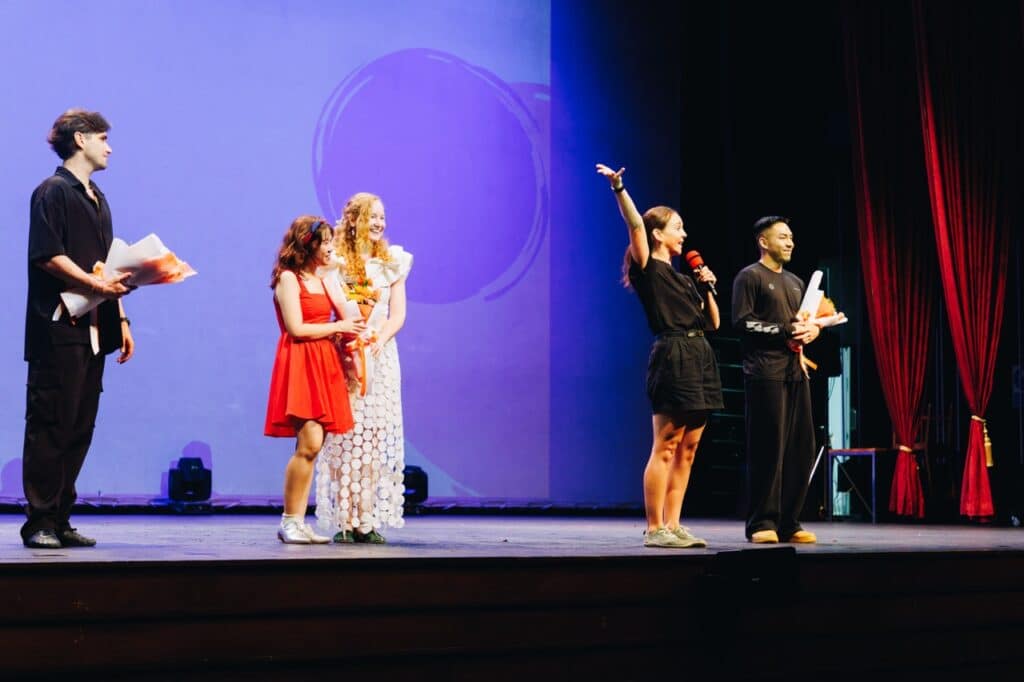
The day culminated in an end-of-day showcase, where DanceFest is deliberately about much more than a polished final performance. Our audience had the opportunity to see the real process of putting a dance on stage: last-minute rehearsal, blocking and spacing, choreography being recapped, and guest artists working alongside students to refine more challenging sections before the final run with music and lights. It was a wonderful celebration of how much can be achieved in just three workshops. 

We were also delighted to welcome professional dancers from Bangkok Swing, who joined Dasha and Beebee on stage in full costume for a special ten-minute swing dance performance. With a gorgeous soundtrack, humour, energy and plenty of smiles, the dancers demonstrated the joy of social dancing and the magic that comes from interacting with others through movement. It was a wonderful opportunity for our students to see professional dancers enjoying their craft so wholeheartedly, while providing inspiration for the next generation to continue dancing – and perhaps even pursue dance professionally in the future. 

DanceFest is something we look forward to every year. By inviting artists with international careers and introducing dance styles that may be unfamiliar or less commonly offered at school, we aim to broaden our students’ understanding of the incredible variety that dance has to offer. 

We are already looking forward to welcoming new artists – and new students – to DanceFest 2027! 

Share This Article

In this Issue

Patana’s First Vege Fest!

By Cindy Adair, Cross Campus Principal

What if a simple choice at lunchtime could help both your health and the planet?

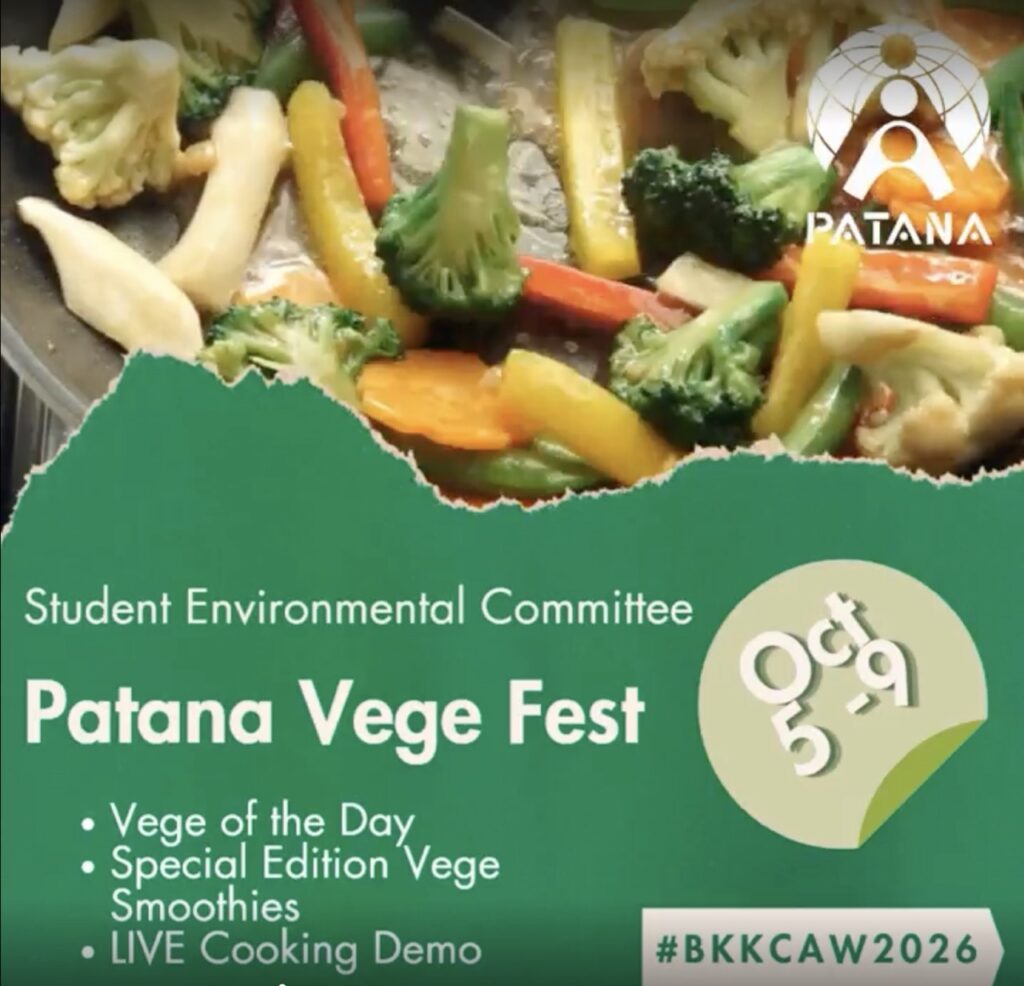
From 5th –9th October, the Student Environmental Committee (SEC) is proud to launch the very first Patana Vege Fest, a week-long celebration of vegetables, sustainability and healthy living. Timed to coincide with Bangkok Climate Action Week 2026, the festival aims to inspire our community to explore the environmental and health benefits of eating more plant-based foods. 

Did you know that the food we eat has a significant impact on the environment? Producing vegetables generally requires fewer natural resources and creates fewer greenhouse gas emissions than many animal-based foods. By making small changes to our diets, such as enjoying a few more vegetable-rich meals each week, we can reduce our environmental footprint while supporting our own well-being.

Throughout the week, students and staff can look forward to a range of exciting activities organised by the SEC. Each day will feature a special Vegetable of the Day, shining a spotlight on ingredients commonly found in Thai cuisine and encouraging everyone to discover something new. The canteen and snack bars will also be joining the celebration, with opportunities to try delicious plant-based options and special vegetable-focused treats.

One highlight of the week will be a live cooking demonstration, where community members can learn how simple, flavourful vegetable dishes can be prepared and enjoyed. Students and staff can also sample a special edition Carrot Crusher Smoothie, created especially for the festival, and explore displays that help explain the connection between food choices and climate action. 

Vege Fest is not about asking everyone to become vegetarian. Instead, it is about encouraging curiosity, informed choices and a greater appreciation for the incredible variety of foods that plants provide. Whether you try a new vegetable, choose a meat-free meal, or simply learn something new about sustainable food systems, every small action can make a difference.

The SEC has spent months planning this event and hopes it will become a regular feature of the Patana calendar. We invite students, staff and families to get involved, celebrate healthy eating and discover how our everyday choices can contribute to a more sustainable future.

So, mark your calendars and join us for Patana’s first-ever Vege Fest. Together, let’s eat well, learn well and make a positive impact on our planet.  Thank you to our wonderful catering team for all your support

Share This Article

In this Issue

Rainy Season: Keeping Our Community Safe Together

By Kiera (Nurse Joe) Augsorntip, Medical Service Manager

Here is some information and tips from our school nurses to keep healthy and prevent infection.

Cover your nose and mouth with a tissue or your elbow when coughing or sneezing.


Wash hands often with soap and water for at least 20 seconds.

Avoid close contact with people who are sick and crowded, poorly ventilated places.

Stay Home if you are unwell. Rest and prevent spreading illness to others.


Watch for fever, cough, sore throat, runny nose, body aches, unusual tiredness or breathing difficulty.


HFMD REMINDER
Hand, Foot and Mouth Disease spreads easily. Practise good hand hygiene and keep hands clean.

DENGUE REMINDER
Prevent mosquito bites and remove stagnant water. Use repellent and wear long sleeves when needed.

Communicable Diseases

If your child is diagnosed with a communicable disease, please inform the school and send a medical certificate to nurse@patana.ac.th.

Stay Home: Keep children at home when unwell.
Face Masks: Students/Staff showing respiratory symptoms may be offered a face mask to help protect themselves and others.
Nursing: Students who become unwell at school may be referred to the Nurse Room for assessment and appropriate care.
Infection Prevention: The Nurses follow communicable disease notification and infection prevention procedures.
Parent Contact: Parents will be contacted if their child is not well enough to remain at school.

Respiratory Diseases

Influenza and Pneumonia
Sudden fever, cough, headache and body aches. Seek care for breathing difficulty.

RSV

Runny nose, cough, fever or wheeze. Young children may develop breathing difficulty.

Covid-19
Fever, cough, sore throat, runny nose or fatigue. Symptoms may overlap.

Contact Diseases
Spread through water, soil, surfaces and shared items.

Leptospirosis
Urine-contaminated floodwater or wet soil can infect cuts, softened skin or mucosa.

Melioidosis
Bacteria in soil or water can enter through broken skin, inhalation or ingestion.

Hand, Foot and Mouth Disease
Fever, painful mouth sores, often on the soft palate, and blisters on hands and feet.

Aedes Mosquito Diseases
To avoid these diseases, prevent mosquito bites and remove standing water.
Dengue: High fever, severe headache, body aches, nausea or rash.
Chikungunya: Sudden fever with severe joint pain. Swelling or rash may occur.
Zika: Often mild with fever, rash, red eyes or joint pain. Seek advice during pregnancy.

Health Hazards
Take extra care during storms and floods.

Venomous Snakebites
Avoid wet, overgrown areas. Seek emergency care after a suspected bite.

Lightning
Go indoors. Avoid open spaces, tall trees and plugged-in appliances.

Poisonous Mushrooms
Never eat unknown wild mushrooms. Seek urgent care if symptoms occur.

Share This Article

In this Issue

Tech Tips #334: iOS 27 Parental Controls: New Tools for Families

By Brian Taylor, Vice Principal, Technology for Learning

Apple has introduced a range of new parental control features in iOS 27 designed to help families manage children’s online experiences more effectively. According to online safety educator Wayne Denner, these updates put parental controls back in the spotlight and give parents more practical ways to support safe and balanced device use. 

One of the most notable additions is Ask to Browse, which allows parents to approve new websites before their child can access them in Safari. Parents can also set daily time allowances across categories such as games, entertainment and social media, with age-based recommendations available as a starting point. 

The update introduces greater flexibility through pause and extend controls, making it easier to temporarily pause device use during family time or grant a little extra screen time without changing existing settings. Parents can also enable contact approval, requiring permission before children connect with new contacts through Messages, FaceTime or Phone. 

Apple has strengthened its Communication Safety features, expanding protection beyond nudity to include violent and graphic content shared through images, videos and even live FaceTime calls. Device setup has also been simplified, allowing parents to start with a limited selection of essential apps and gradually introduce additional apps as appropriate. 

To take advantage of these features, all devices in a Family Sharing group must be updated to the latest software, and children should be using an appropriately configured Child Account. 

While these tools provide valuable support, they are not a substitute for ongoing conversations about online life. The most effective approach combines technology with regular discussion, helping children develop the skills, judgement and resilience they need to navigate the digital world safely. As with all parental controls, these features work best when families explore and understand them together. 

See you at the Fun Run!

Have a great weekend.

Brian Taylor

Vice Principal, Technology for Learning

Share This Article

In this Issue

Patana Page-Turners


‘We thought we would celebrate the start of another new school year by asking for recommendations on the theme of ‘New Challenges.’

Interview with parent, Harvey Greener:

What is one of your fondest reading memories?

One memory stands out – I was reading The Lord of the Rings while travelling through Jasper National Park in Canada. For almost four days, the rain poured continuously. I was trapped in a campervan, surrounded by some of the most spectacular wilderness in the world. There was something ironic about reading The Two Towers –all the adventure and endurance while looking out at forests, mountains and dramatic landscapes that I just didn’t want to go out into whilst it was raining. The combination of the weather, the setting and the story created one of those rare moments where a book and real life seem to blend together. Even now, whenever I think of The Lord of the Rings, I associate it with a rainy campervan and the vicarious excitement of going nowhere, reading for days on end instead.

Which fictional character would you most like, or least like, to meet in real life, and why?

Without hesitation, the fictional character I would least like to meet is Dracula. He’s a fascinating creation, but he is also deeply unsettling. It would obviously be intriguing to come face to face with such an iconic figure, and he has been totally glamourised through literature and history, but I suspect the reality would be far less enjoyable. Some characters are best appreciated from the safety of a book – he’s definitely not on my dinner party guest list.

What does the concept of “new challenges” mean to you? Do you have a book recommendation connected to this theme?

I love climbing so for me, new challenges are about striving to reach the top of something, metaphorically speaking, as well as literally, and doing the very best I can along the way. Success is not always about achieving the top itself; often it is about the determination, resilience and often the clumsiness that happen during the climb. In work, sport or life more generally, I find challenges motivating because they push us beyond what we believe we are capable of.

A book that captures this idea brilliantly is Into the Void by Joe Simpson which recounts Simpson’s extraordinary struggle for survival after a mountaineering accident in the Peruvian Andes. When faced with horrendous circumstances, he demonstrates almost inhuman perseverance and mental strength. It is a haunting story about confronting adversity and refusing to give up, qualities that I believe lie at the heart of every worthwhile challenge. This book reminds me that we often discover our greatest strengths when we face the seemingly impossible.


George, Year 1

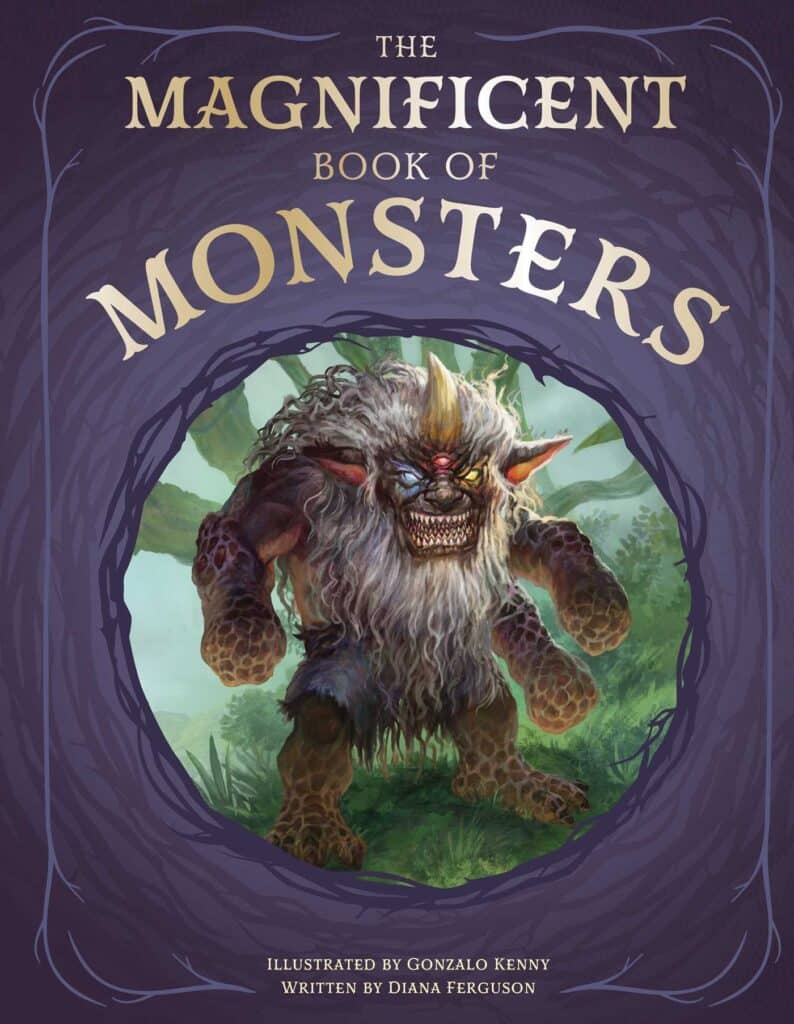
The Magnificent Book of Monsters by Diana Ferguson

George has been going above and beyond simply reading The Marvellous Book of Monsters, using it as inspiration to create an extraordinary creature anthology of his very own! He has been working exceptionally hard to write and illustrate a field guide to monsters from across the world, all imagined entirely by him. Here, we can see the terrifying Headmasher Broazer, a human-devouring monster found in Iran. With an astonishing 2,000 legs, it can reach incredible speeds—and when it runs, it apparently sounds just like an electric guitar! George’s work is truly awe-inspiring, imaginative and wonderfully original, and we cannot wait to see the finished field guide, complete with even more spectacularly unique monsters. What an incredible example of where reading can take your imagination! 

Darin, 6W

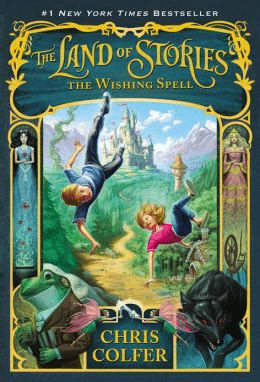
The Land of Stories – The Wishing Spell, by Chris Colfer

I recommend this book because you get to read about the characters that you have read since you were a child. For example Cinderella, Sleeping Beauty and so on. Instead, these stories are jumbled up together to make a whole new fantastic experience. I like this book very much because it’s about collecting things and facing challenges throughout a magical adventure.


Pravasthie, 8A

Six Crimson Cranes by Elizabeth Lim

Six Crimson Cranes is about Princess Shiori, who is cursed by her stepmother and must find a way to save her six brothers, who have been turned into cranes. Along the way, she discovers her own courage and learns to take responsibility for her choices. It fits the theme “New Beginnings” because Shiori leaves behind her sheltered life as a princess and begins a new journey where she discovers who she truly is.

Josh, 8A

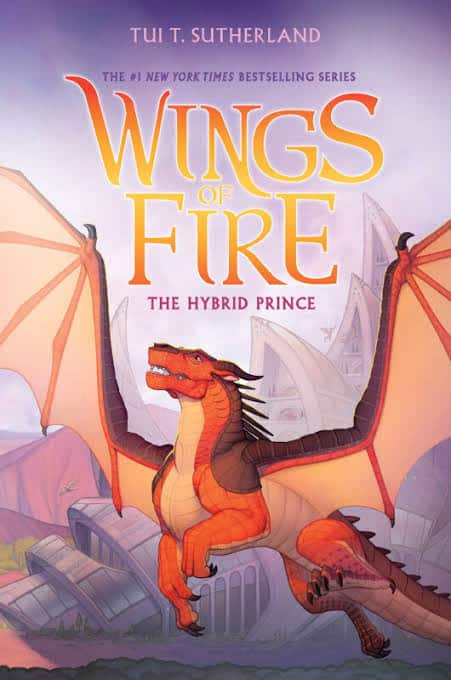
Wings of Fire, The Dragonet Prophecy by Tui T. Sutherland

5 Dragonets, all from different tribes, are taken from birth to dwell in a cave. They are part of a prophecy to end the great war between the three Sandwing princesses. After 15 years in the cave, the Dragonets grow determined to escape and that they do. Now they have all the land to explore, with no idea if they will be able to end the war. Will they be able to stop millions from dying?  Could they be able to choose which Sandwing becomes queen and end it all? The Dragonets can’t possibly know if they will succeed but for now, they have this whole new world to explore.

Sasha Azubel, 11P

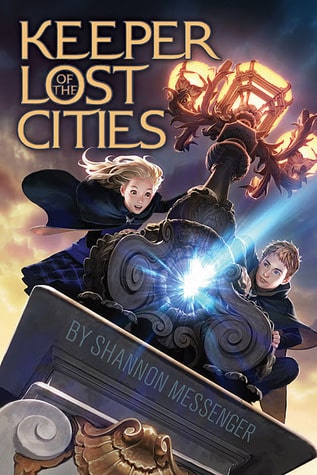
Keeper of the Lost Cities by Shannon Messenger

Keeper of the Lost Cities is a great book that explores new challenges by highlighting Sophie’s journey in the Elvin world and the prejudices that come with her being raised in the human world along with being the elusive Black Swan’s ‘Moonlark’.

Thynith Pich, 11P

If Cats Disappeared from the World by Genki Kawamura

It doesn’t focus on new challenges in a traditional sense like chasing new goals or physical challenges but its more of a internal and psychological hurdle. It reframes the idea of challenge into accepting his reality, as the protagonist is diagnosed with terminal brain cancer. He enters a Faustian bargain with a devil doppelganger named Aloha, offering an extra day of life for every item he chooses to permanently erase from existence. As he sacrifices items, like phones, movies and clocks, one by one he reflects on how each loss alters his identity, relationships and memories. To delve into his daily life with things that define his routine becomes a blind transition, forcing him to confront regret, letting go and forgiveness, huge “challenges” for humans. Adapting to these deep emotional losses is the true heart of this book, it represents the ultimate challenge for human resilience.


Share This Article

In this Issue

The Patana Pod

By Carly Peart, Cross Campus Vice Principal, Professional Learning

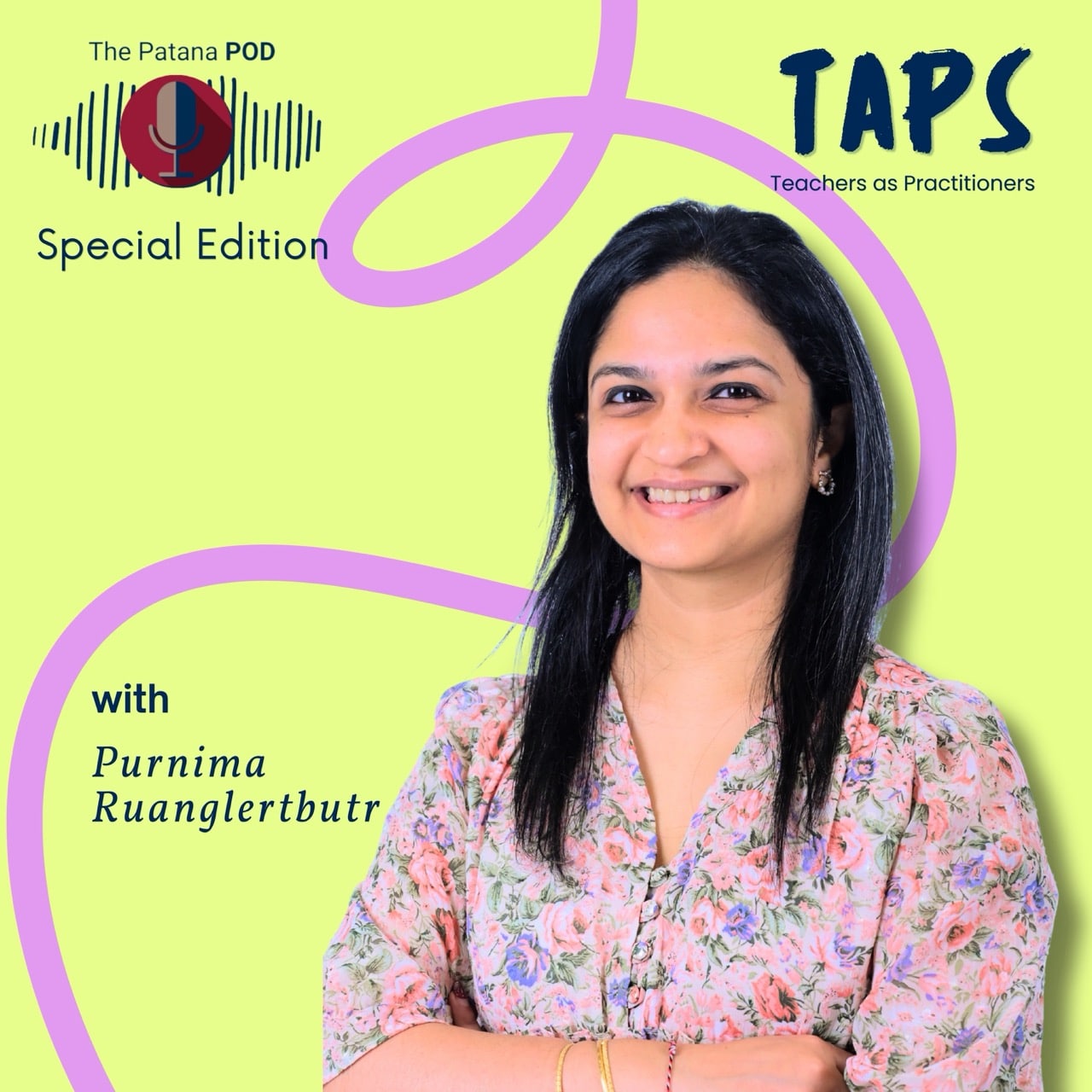
In this first episode of our TAPS special series, we meet Purnima Runglertbutr, the creative force behind Teachers as Practitioners (TAPS), a community initiative that celebrates creativity, artistry and professional identity through practice.

Launching its second edition this year, TAPS will culminate in a launch event and exhibition at Bangkok Patana School in May 2027. Throughout this special series, we’ll be speaking with members of the TAPS community, from organisers and collaborators to the practising artists themselves, exploring their creative journeys, inspirations and experiences.

Purnima shares her own artistic background, the vision behind TAPS, and how the initiative is creating opportunities for members of our community to engage with and showcase their creative practice. She also explains how staff and community members can get involved in this year’s programme.

Join us for an inspiring conversation about creativity, connection and the power of making.

Share This Article

In this Issue

When Sports Science Hurts: Understanding Fatigue and Recovery

By Oliver Blundell, Head of Faculty, Physical Education

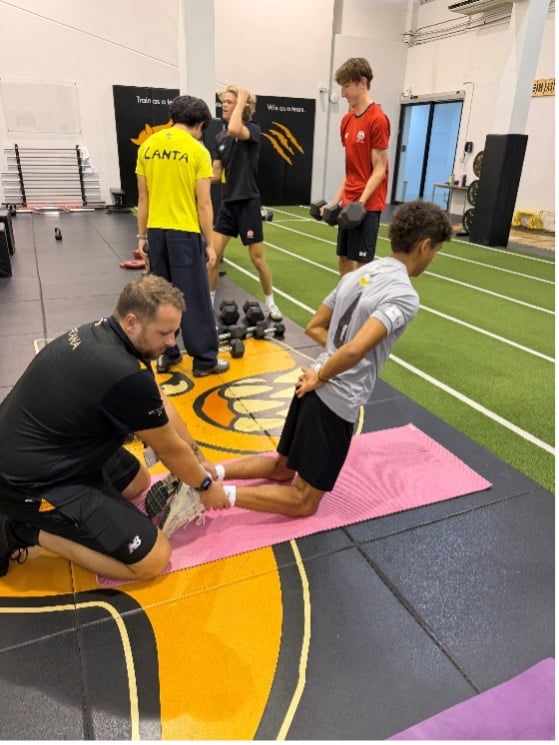
Our Year 13 Higher Level Sports, Exercise and Health Science students took part in a practical investigation exploring one of the most important questions in sport:

How does the body recover from exercise?

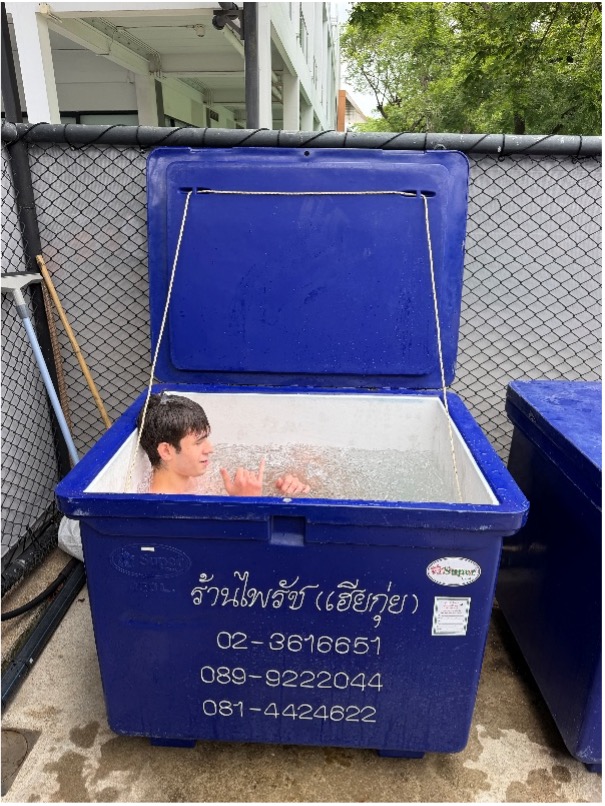
As part of our study of fatigue and recovery, students completed an eccentric (lengthening) muscle circuit, designed to place significant load on the muscles through controlled lengthening contractions. After the session, many students volunteered for cold-water immersion, better known as an ice bath, before tracking how their bodies responded over the following days. The practical forms part of our investigation into fatigue and recovery in the IB Sports, Exercise and Health Science course.

What happened next surprised many students.

“The ice baths didn’t work!”

Over the next 24-48 hours, a common message emerged:

“I had an ice bath and I’m still sore.”

For many students, this seemed like obvious evidence that the intervention had failed.

However, one of the key lessons from Sports Science is that the first explanation is not always the correct one. In Science, observations and conclusions are not the same thing.

In reality, recovery is much more complicated. This means that recovery is not simply a yes-or-no state. Instead, recovery depends on what is being measured and what activity the athlete needs to perform next.

More than ice baths: what really helps recovery?

While ice baths tend to attract attention because they are dramatic, recovery is influenced by a much wider range of factors.

Sleep

Research consistently shows that sleep quality affects both recovery and performance. Athletes often require more sleep during periods of heavy training than general population recommendations suggest.

Good sleep hygiene includes:

  • Maintaining a regular sleep schedule
  • Reducing screen use before bed
  • Creating a cool, dark sleeping environment
  • Allowing adequate recovery time during busy school weeks

For many students, improving sleep habits will likely have a bigger impact than any recovery gadget or trend.

Nutrition

Recovery begins with providing the body with the resources it needs to repair and adapt.

Carbohydrates support the restoration of energy stores, while protein helps support repair and remodelling following exercise. Water and electrolytes also play important roles depending on the training conditions and the amount of fluid lost during exercise.

Training load

Recovery is heavily influenced by the amount of stress placed on the body.

One of the most important principles of training is balancing overload with recovery. Insufficient recovery can contribute to non-functional overreaching and overtraining.

In other words:

Recovery is not something that happens after training.

Recovery is part of training.

Perhaps the most valuable learning outcome from the practical was not whether ice baths reduced soreness. Instead, students learned how scientists think.

They learned to question assumptions. They learned that correlation does not necessarily mean causation. They learned that human performance is influenced by many interacting variables.

Share This Article

In this Issue

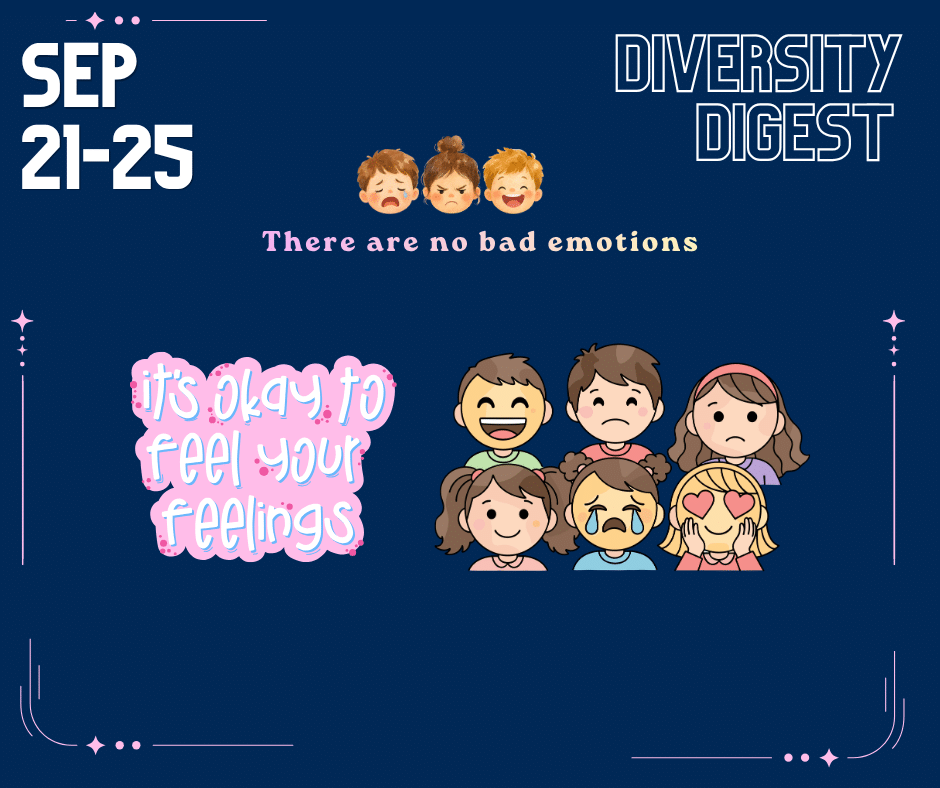
Diversity Digest: There are no bad emotions

By Claire Dale, Head of Year 7

Diversity Digest is a weekly reflection written by staff from different areas of our school

We often encourage young people to deal with difficult emotions when they surface. To calm down, think positively or move on. But what can feel less comfortable is encouraging them to stay with that emotion and feel it for what it is.

Lili Reinhart speaks about living with anxiety and depression and now allowing herself to experience difficult emotions rather than judging or pushing them away. Her message is simple: an emotion can be uncomfortable without being bad. Anger, sadness, anxiety, frustration and disappointment all have something to tell us. Learning to notice, name and accept our emotions can be a powerful form of grounding.

This is applicable to all ages and something we can practise ourselves day to day. Instead of saying to ourselves ‘I shouldn’t feel like this’ of ‘I wish I didn’t feel like this’ we can be kinder to ourselves by thinking ‘It’s understandable that I feel this way.’

When a student is struggling emotionally, our instinct can be to immediately try to fix the feeling. Sometimes, however, the most supportive thing we can offer is the permission to feel it. We can also acknowledge the emotion without necessarily accepting the behaviour that comes with it:

‘All emotions are welcome; all behaviours are not.’

This simple distinction can help us stay calm, validate what they are feeling and create space for them to find a more appropriate way to respond. We can validate the feelings whilst still holding the boundary.

Navigate to timestamp: Start: 28:03 – End: 29:58

Share This Article

In this Issue

World Scholar’s Cup 2026

By Ethan Choi, Nichamon Kim and Ying Ying Han, Year 10

The spotlight is blinding. The applause is deafening. In your hands, a massive golden trophy gleams under the lights while you and your team stand on stage, realizing what you have just accomplished: out of more than 1000 scholars from around the world, you are the champions, the best of the best.

And this isn’t just a simple-minded fantasy. This could very well be your reality if you join Patana’s World Scholar’s Cup programme.

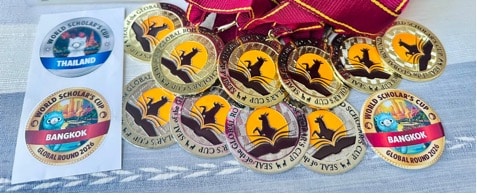
The World Scholar’s Cup is an international academic competition built around, four major events: Team Debate, where teams work together to argue a given motion; Collabowriting, where each team is given four sets of prompts to base their creative pieces on, and members have to decide together who writes which one; the Scholar’s Challenge, a 120-question-long multiple-choice test spanning the arts to the sciences; and Team Bowl, a fast-paced live quiz where teams answer together under a strict time limit. Our school has sent students to WSC for years now, and every year a large number sign up to take part. This year at the recent Global Round, the whole senior division qualified for the Tournament of Champions, and everyone came away with strings of medals, and one of us even earned a trophy for writing.

The World Scholar’s Cup encourages every team to be diligent in their studying of the extension curriculum, as well as refining their public speaking and learning to befriend people from different communities. To our surprise, we had the opportunity to socialise with students from other countries and schools at the Siam Amazing Park, with exceedingly kind tour guides. We all made plenty of friendships that day, even in seemingly competitive spaces such as the debate room. Lastly, the WSC host, Daniel, gave a moving speech on how we, as a society, should not let race be an insult – instead, race is an international celebration of identity and culture. That day, we realised one important lesson. Life wasn’t about the goal, but the progress we made – which reflects nicely on the 2026 WSC curriculum: Are We There Yet?

Collaboration shows up everywhere at WSC, sometimes in ways you don’t expect. In collabo-writing, four prompts have to be split between teammates, and you don’t always get the one you wanted, because someone else might want it too. If we all argue about it, we just waste time we don’t have, so it’s become really important to learn how to compromise fast and get on with writing. Debate leans on collaboration just as much, because if you don’t actually collaborate beforehand, you end up contradicting each other mid-round, and the whole thing falls apart because it looks uncoordinated instead of like one team. But Scholar’s Challenge is probably where it matters most, because when it comes down to picking one answer as a team, you might get it wrong, but you get through it by deciding together and moving on, not by turning around and blaming whoever’s idea it was.

In this competition, we learned an essential set of skills, cultivating our independence, confidence and understanding of the world as a whole. Initially, many would assume debate was personal, difficult and defensive. However, our experiences illustrated how this wasn’t the case at all. We were met with friendly opponents and mature, intellectual responses, which helped us boost our esteem in public speaking and affirming our positions/views. After each round, every participant is encouraged to express feedback to the opposing group. I found that this helped exceptionally, as we aren’t always aware of our own flaws.

As students, we aren’t usually obliged to interact with people we are unaccustomed with. WSC, however, pushes us out of our comfort zone and makes us do exactly that. This requires not only confidence, but also resilience and courage. For many, approaching unfamiliar people and having to collaborate with them can be intimidating, especially when they are already dealing with the immense pressure and intensity of the competition. As Mr O’Shea puts it: “For some students, it takes an awful lot of social energy for the whole competition and so requires courage and resilience in meeting new people and collaborating with them.” His understanding of these experiences comes from his own experience supporting students through Patana’s WSC ECA programme, an effort recently recognised through his achievement of Coach of the Year during the Bangkok Global Round early this September! Please send Mr O’Shea your congratulations if you see him in school!

 At its very core, WSC is a holistic competition built around values that stay with students far beyond school. We are taught not only to think critically and apply what we learn, but also to communicate with confidence, collaborate with others, and have the resilience to step outside of our comfort zones. These skills are valuable far beyond the competition itself, whether we are working with classmates, meeting new people, or facing challenges in the future. WSC may be a competition, but its greatest impact is not measured by the medals we bring home (though Patana did bring home a lot!). It is measured by the people we become along the way: more open-minded, more confident, and more willing to take on challenges together, whether it be with friends or classmates. In the end, perhaps the most important thing WSC teaches us is that the journey matters just as much as the destination.

Share This Article

In this Issue

Year 5 Explores Marine Life with Global Reef

By Stephanie Fell, Class Teacher, 5F

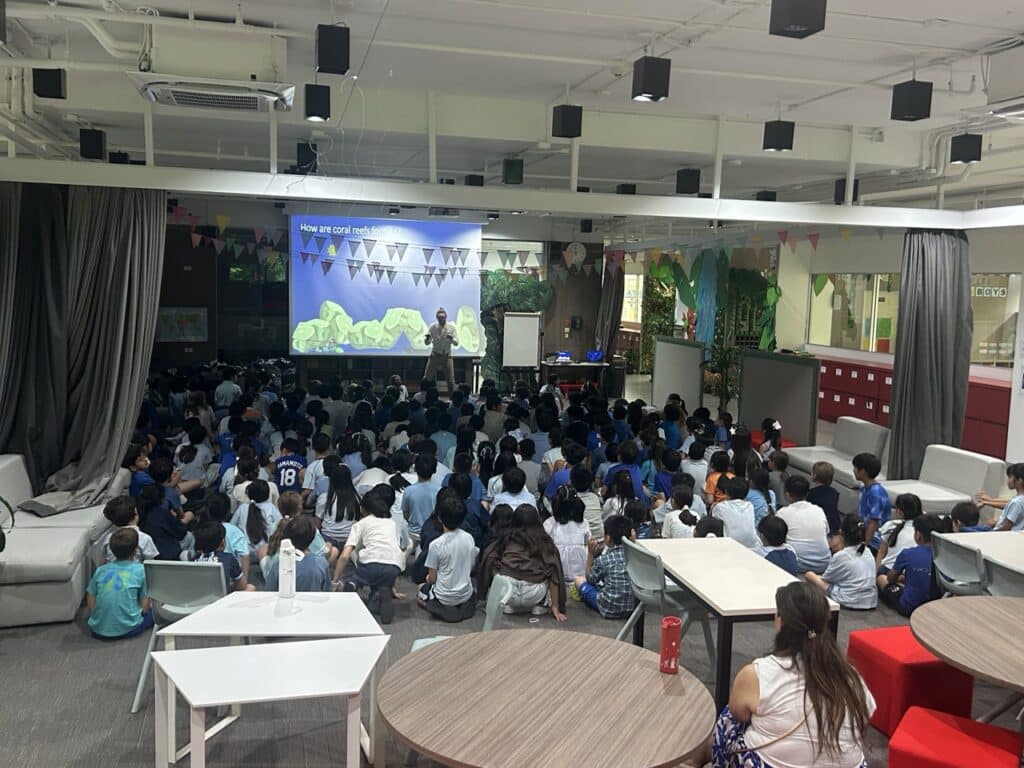
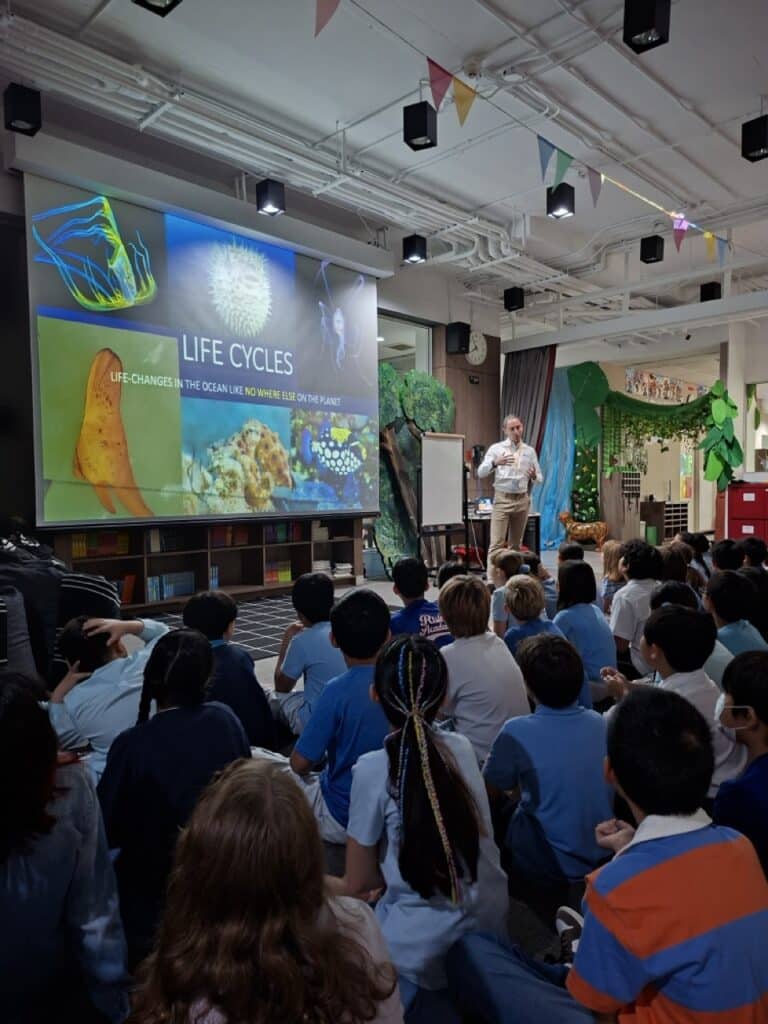
Year 5 recently enjoyed a fascinating visit from Piers Baillie, Founder and Director of Global Reef, who led two exciting sessions all about marine life and the incredible ways sea creatures grow and adapt throughout their lives.

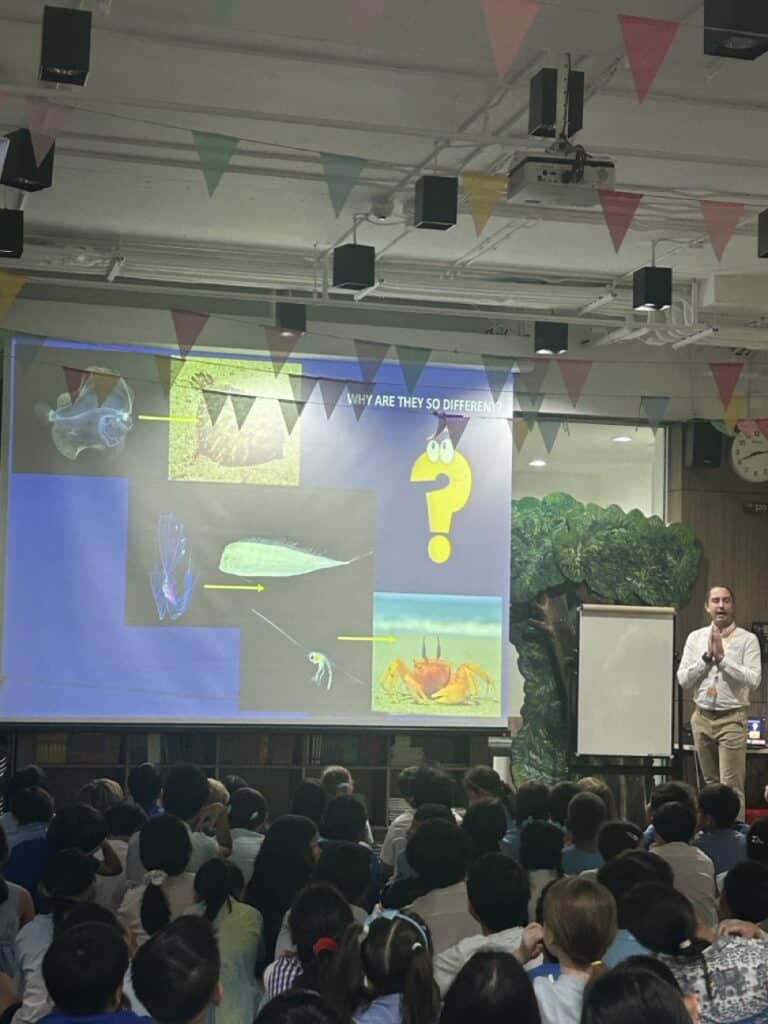
During the first session, students learned about life cycles and discovered that marine animals often develop in very different ways from mammals. While many mammals look quite similar throughout their lives, marine animals can undergo dramatic changes as they grow from larvae into adults. Piers explained that these changes are important because animals need to adapt to survive in different environments and at different stages of their lives.

One of the most interesting examples was the batfish life cycle. The children were amazed to learn that young batfish can look completely different from adult batfish. Juvenile batfish often use their leaf like appearance to help them avoid predators, while adults develop features that help them thrive in coral reef habitats. This helped pupils understand how adaptation plays a vital role in the survival of marine species.

The session encouraged children to think carefully about why animals change as they grow and how these changes help them meet their basic needs. Through discussions, photographs and real-world examples, Year 5 gained a deeper understanding of the complexity of life beneath the ocean’s surface.

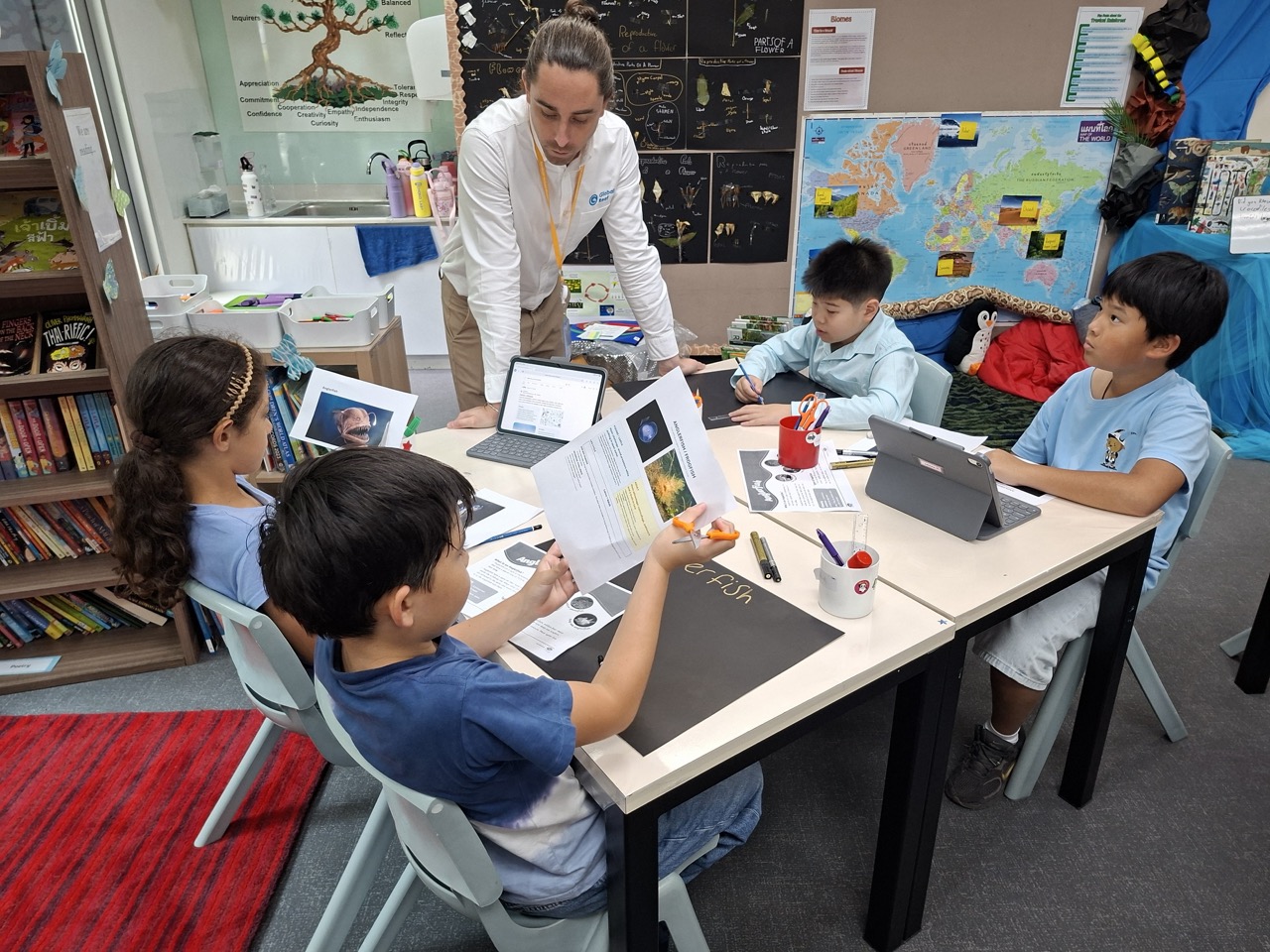
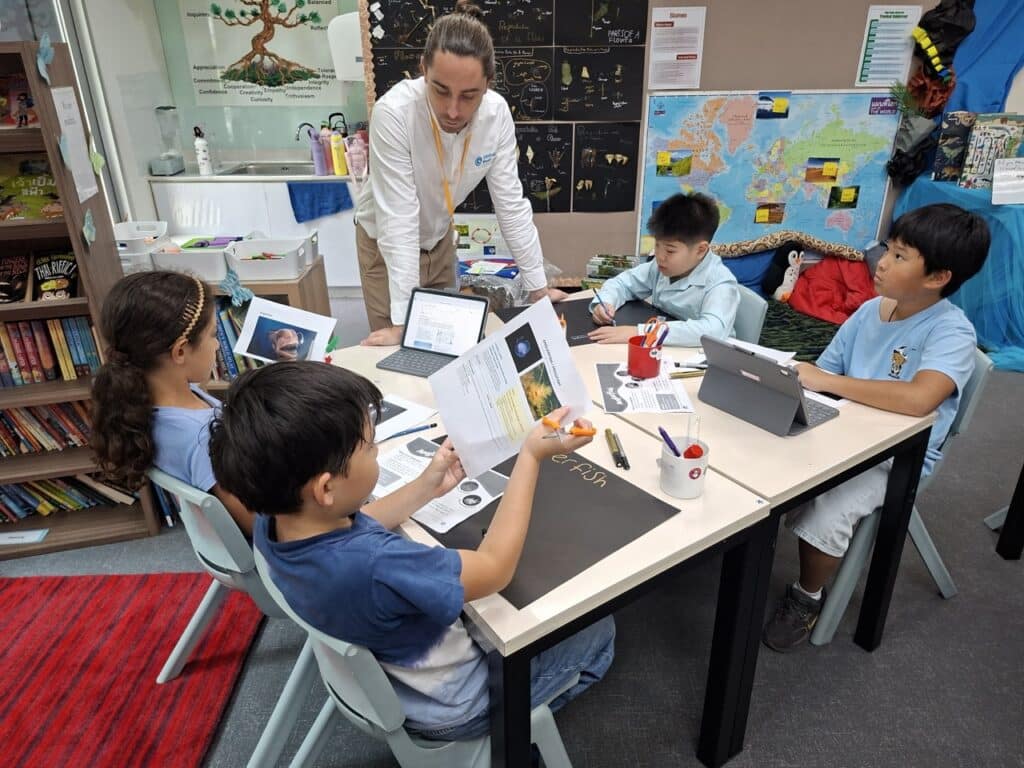
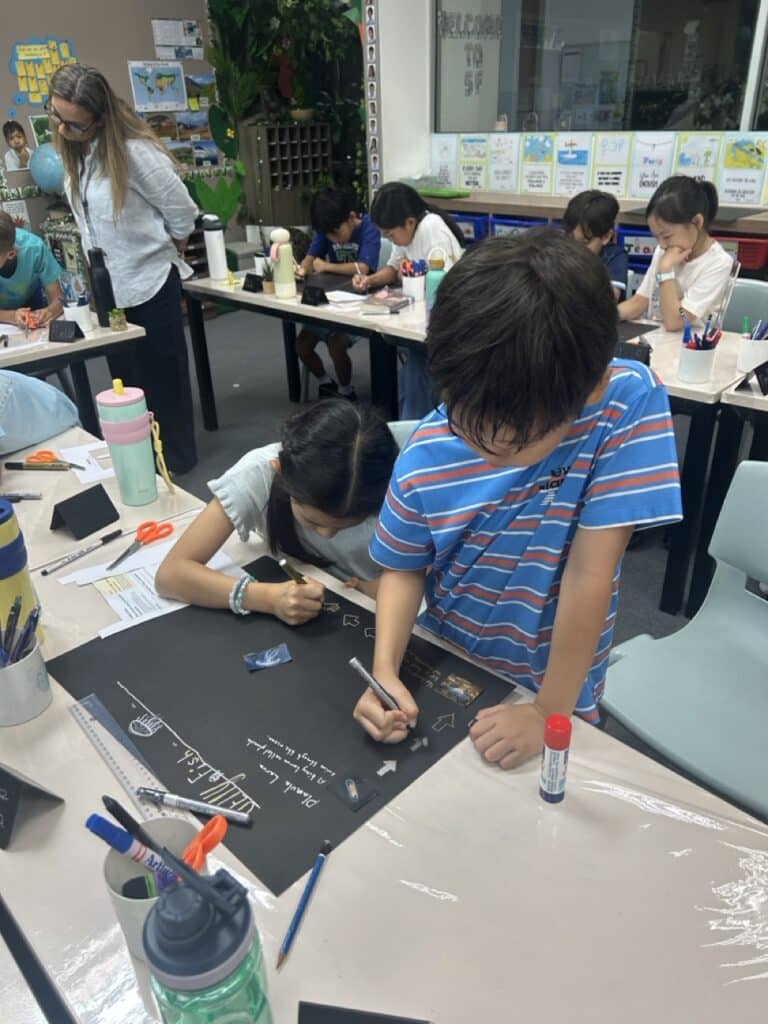
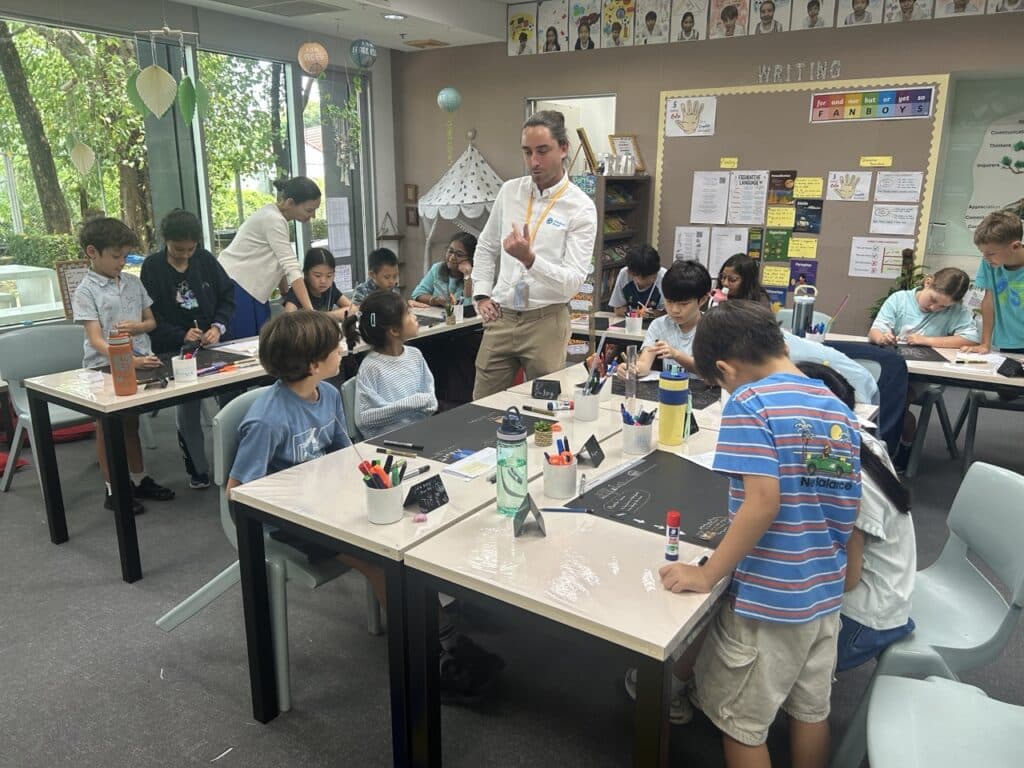
In the second session, the children became marine biologists themselves. Guided by Piers, they worked in pairs to research the life cycle of a marine animal of their choice. The children investigated different stages of development, including the larval, juvenile and adult phases, and explored how each stage was adapted to suit the animal’s environment.

The classroom quickly became a hive of activity as pupils researched fascinating creatures such as sea turtles, clownfish, jellyfish and barnacles. They discovered how young animals often face different challenges from adults and learned about the special adaptations that help them survive. For example, some larvae drift with ocean currents, while adults may become powerful swimmers or skilled hunters.

Using their findings, each pair created an informative poster that explained their chosen animal’s life cycle. The posters included labelled diagrams, key facts and explanations of how the animals were adapted to their habitats. The children worked collaboratively, sharing ideas and presenting information clearly and creatively.

The visit was a fantastic opportunity for Year 5 to develop their scientific knowledge, research skills and teamwork. It brought classroom learning to life and encouraged students to think about the diversity and wonder of marine ecosystems.

Year 5 would like to thank Piers Baillie and Global Reef for providing such engaging and inspiring sessions. The children thoroughly enjoyed learning about marine life and left with a greater appreciation of the remarkable adaptations and life cycles found in our oceans.

Share This Article

In this Issue

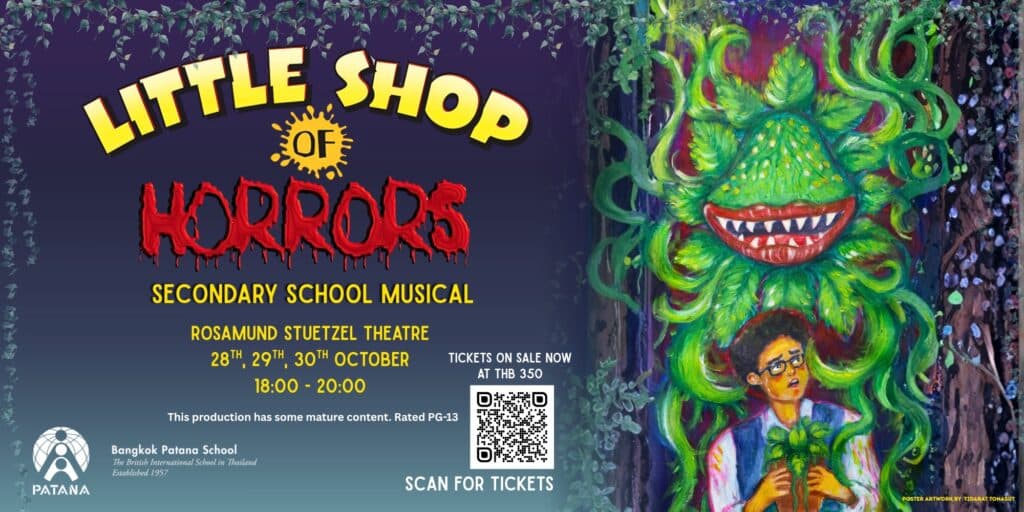
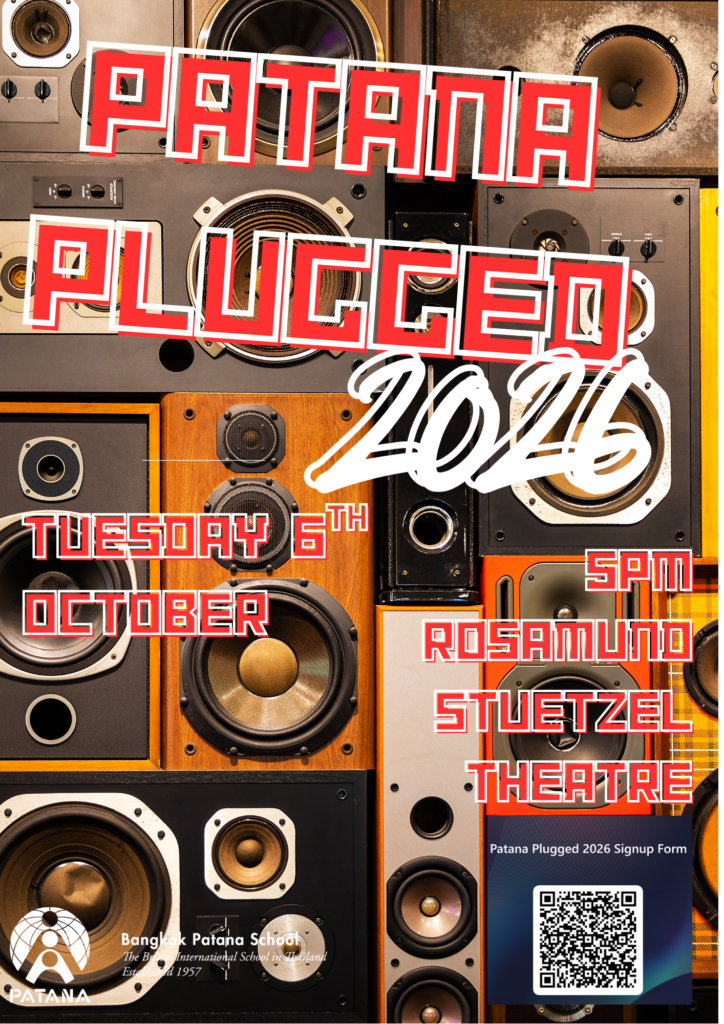
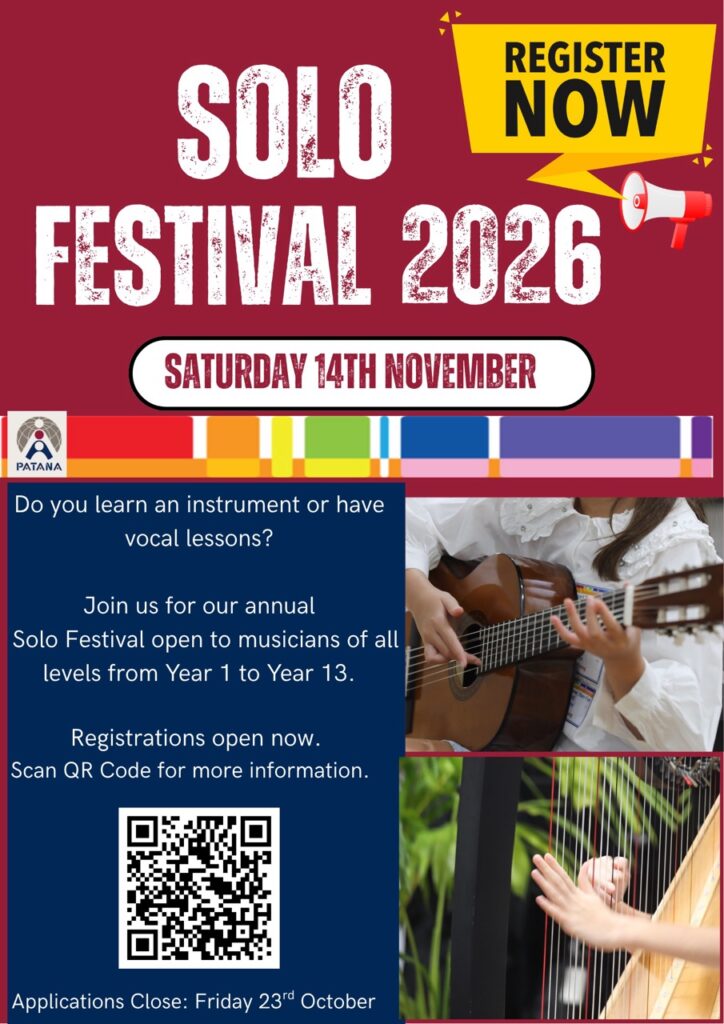
Upcoming Events: Secondary School Musical, Patana Plugged, Solo Festival, Tiger Spirit Day…


Share This Article

In this Issue

PTG Updates

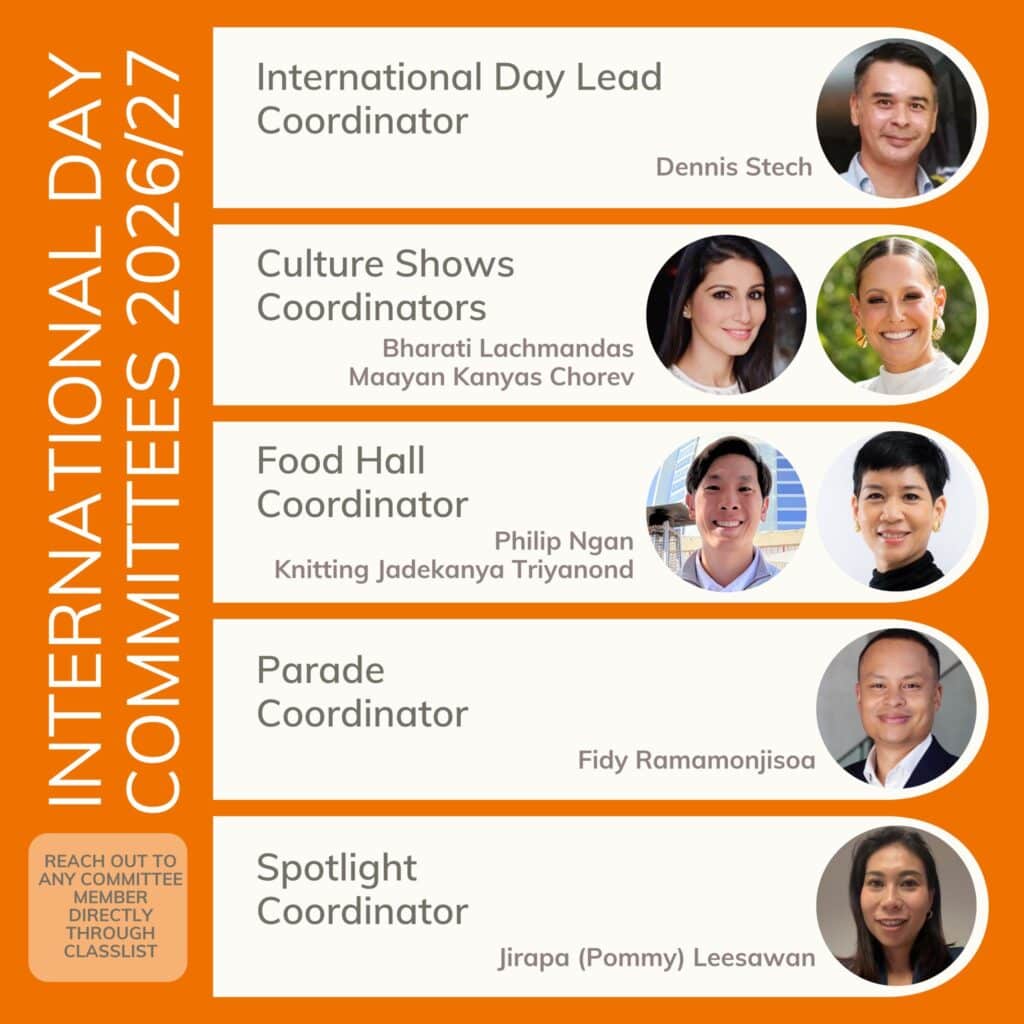
International Day Call for Performers

Interested in showcasing your culture at the International Day?

Contact Maayan Chorev on Classlist

Share This Article

In this Issue

Community Events


Share This Article

In this Issue

© 2025 Bangkok Patana School

Issue: 5
Volume: 29
Bangkok Patana School
Privacy Overview

This website uses cookies so that we can provide you with the best user experience possible. Cookie information is stored in your browser and performs functions such as recognising you when you return to our website and helping our team to understand which sections of the website you find most interesting and useful.