Boys, Masculinity and Well-Being

By Grant Robertson Assistant Principal: Student Welfare and Secondary DSL

Raising boys today is both a privilege and a challenge. At Bangkok Patana, we are proud to offer a world of opportunities, while also recognising that the world beyond can bring more heat than light and more noise than reason. Voices online tell boys how to act, friends influence how they think and feel, and society sends mixed messages about who they should be and how they should behave. In the midst of all this, boys are trying to work out what kind of young men they want to become.

Adults are Role Models

This is where you as parents and us as educators matter most. Despite what is commonly thought, influencers, algorithms and online trends are secondary influences. Boys first look to the adults in their real lives for guidance. They pay attention to how we speak, how we argue, how we handle stress and how we treat people. They learn from our presence far more than from our advice. Crucially, they care deeply about what we think, even when they pretend not to.

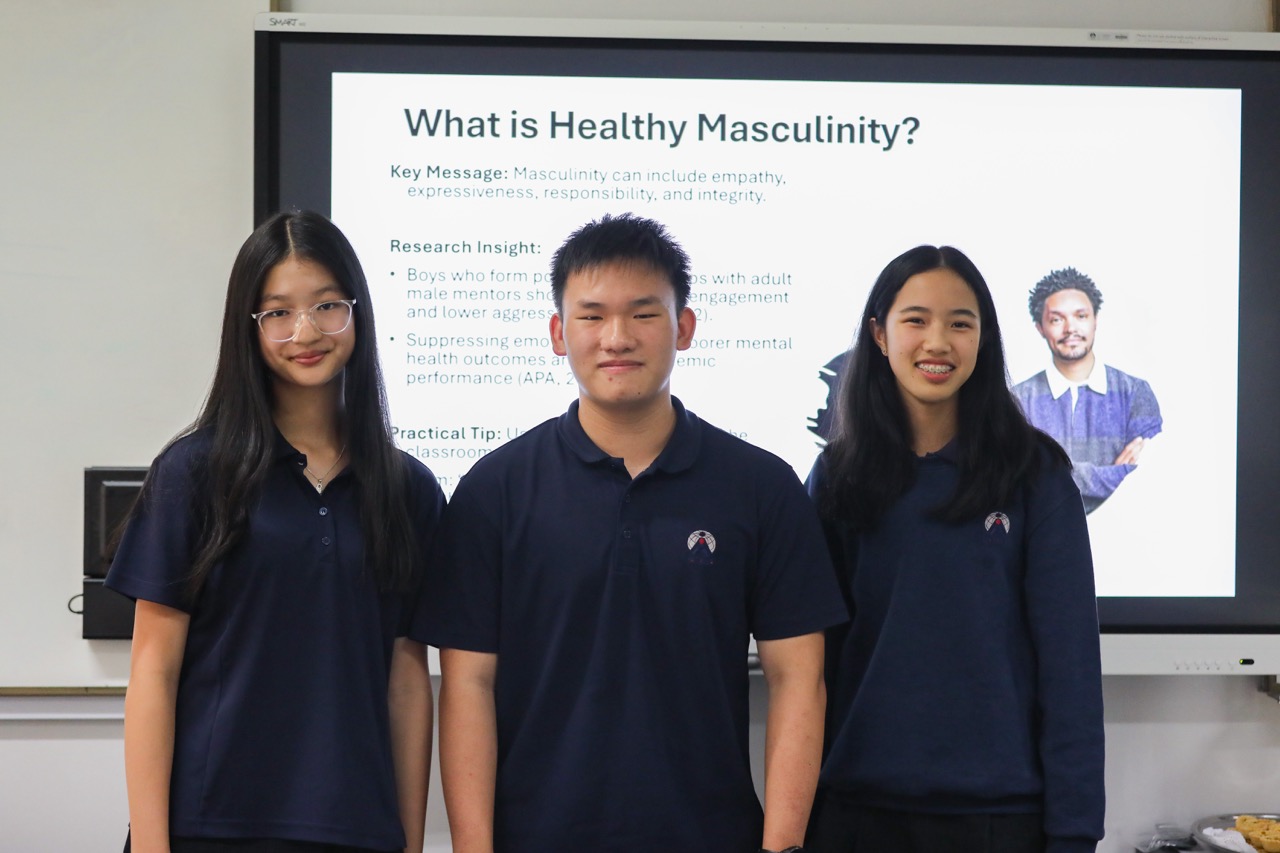
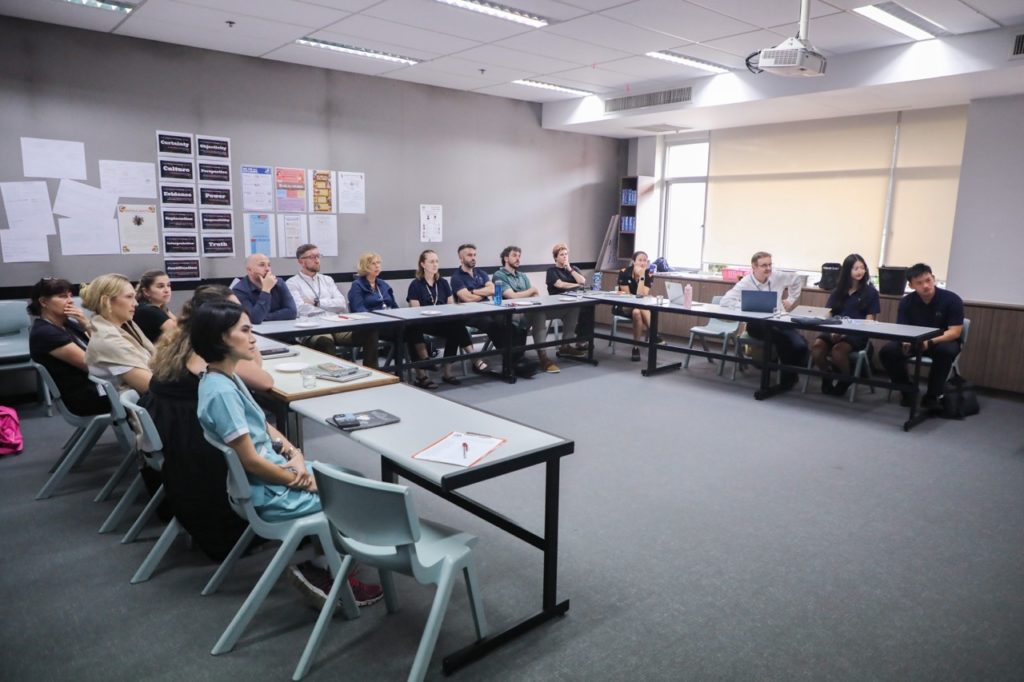
This term, three of our Year 10 students, Jiraj (Budh) Tanavongchinda, Narida (Nia) Ekaraphanich and Maneeyada (Leeya) Leelahan, spoke to staff about how their peers understand masculinity. Their message was simple and powerful: all forms of masculinity can be celebrated when they do not cause harm or exclude others. They encouraged us to support boys in exploring who they are becoming, without telling them that they must be tough or emotionless or rigidly stoic to count as real men. Their insight reminded us that boys, like their female peers, are watching, listening and learning from the messages we send.

We often hear the phrase ‘toxic masculinity’. Although it was originally intended to describe harmful behaviours such as domination, emotional suppression or misogyny, many boys hear it as criticism of masculinity itself. That is why many educators now prefer to talk about harmful or aggressive behaviours rather than using broad labels like toxic masculinity. This helps us stay focused on the actions that cause harm, not on masculinity itself.

Research strongly supports this more balanced approach. Sociologist Raewyn Connell’s work on multiple masculinities shows that boys flourish when they can explore a wide range of identities rather than conforming to one model. A boy who is athletic and competitive should feel proud of that. A boy who is sensitive, artistic or introspective should feel equally proud. These qualities are not in opposition and it is limiting to frame them that way. In reality, many boys draw from several of these strengths at once. When we give boys permission to be themselves, they grow in confidence and compassion.

Cultural examples can help boys see this clearly. Muay Thai is often viewed as a traditional masculine pursuit because it values strength, physical skill and discipline. Yet Muay Thai also teaches humility, respect, emotional control and dignity in both victory and defeat. Boys who train in Muay Thai often learn to regulate frustration, focus their minds and treat opponents with honour. It shows that conventional masculinity can express powerful positive qualities.

We must also recognise the influence of the online world. Research from the Centre for Countering Digital Hate and from the Institute for Strategic Dialogue shows that boys as young as eleven are exposed to influencers within the so-called manosphere. These individuals often promote aggressive and restrictive ideas about what it means to be a man. While most boys do not adopt these views fully, repeated exposure can start to shape what they believe is normal or expected.
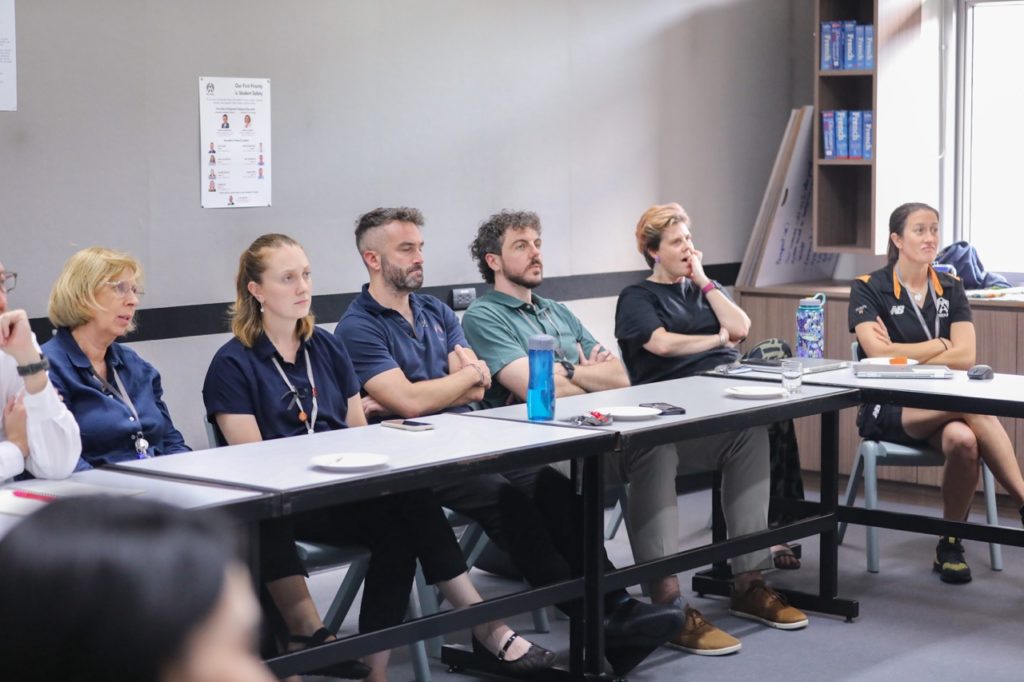
This is why your influence remains far more powerful than anything online. Anonymous student surveys still show that the most important role models in young people’s lives are their parents, by a very large margin. This pattern is mirrored in findings from The Children’s Society, whose work on trusted adults can be found at https://www.childrenssociety.org.uk. Parents are still the people children listen to the most. The same is often true in adulthood. Many of us continue to care, even quietly, about the opinions and approval of our own parents. The next most influential role models are the teachers they respect, which aligns with survey findings from Teacher Tapp at https://teachertapp.co.uk, followed closely by peers. Real-life human relationships still matter more than digital ones.

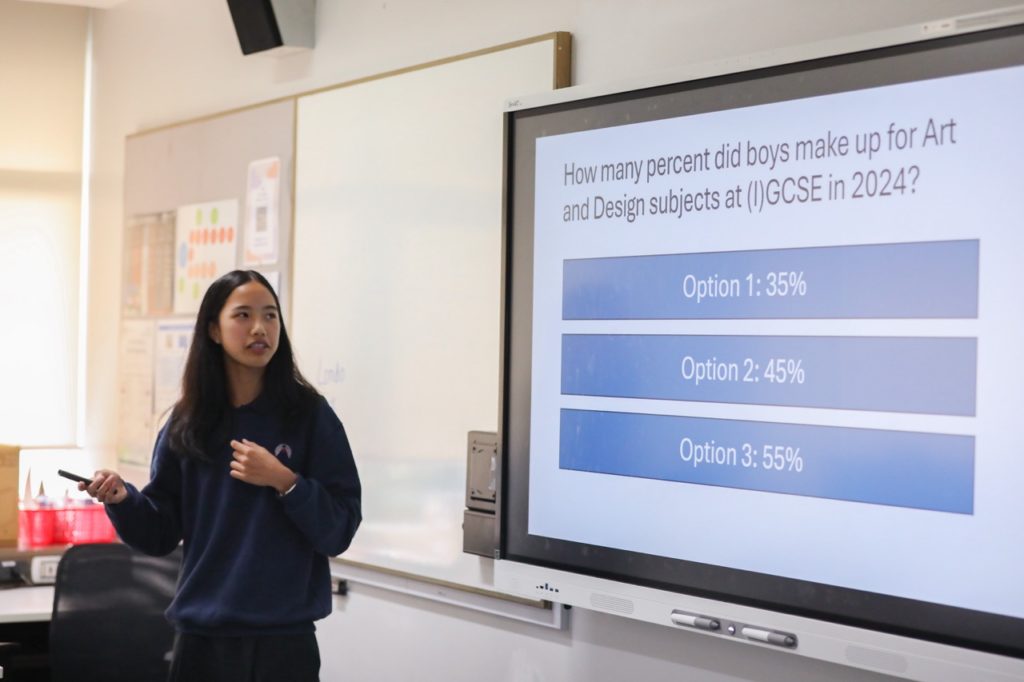
The message this gives us is deeply encouraging. Your presence counts. The way you show up in your son’s life matters more than any influencer with millions of followers. Boys care deeply about your views, even when they appear indifferent. They listen, even when it does not seem that way. The most transformative thing you can do is to listen, truly listen, with interest and without judgement.

Harvard University’s Making Caring Common Project, which you can explore at https://mcc.gse.harvard.edu, has found that boys who feel heard by the adults in their lives show greater resilience, form deeper friendships and cope better with stress. When boys have the language to talk about emotions, they manage frustration more effectively and express themselves with confidence.

At home, the small everyday actions make the biggest difference. Talk to your son about what brings him joy and what challenges him. Ask him about his friendships. Acknowledge his emotions even when they are complicated. Celebrate the individual version of masculinity he is discovering. Show him that strength and kindness belong together.

At school, we will continue doing the same. We will ensure that boys feel safe and valued. We will challenge harmful stereotypes and support boys in developing empathy, curiosity and emotional literacy. We will continue listening to student voices like those of Budh, Nia and Leeya because they tell us honestly what matters to their generation.

Raising great young men is shared work between home and school. It grows through the conversations we have, the examples we set and the relationships we build.

This week we also recognised International Men’s Day, which fell on Wednesday. Thank you to Cindy Adair, Carly Peart and Gemma Price for their thoughtful work in marking this occasion across campus. It was an opportunity to celebrate the positive impact that men and boys have in our community, to notice the men around us who may need encouragement or connection, and to appreciate the huge contribution that our male teachers make in the lives of their students. Our thanks as well to everyone taking part in Movember activities. For those interested in exploring issues affecting young men and boys in schools, the website shared by Gemma is an excellent resource: https://www.danielprincipe.com.au/.

In doing so, we help our boys become men who are confident in who they are, respectful of others and ready to contribute positively to the world they will shape.
Share This Article

In this Issue

A Green International Memorial

Mallika (Molly) Moo-Ming, 11C

This year’s International day has been even more green than previous years! The SEC is proud to announce that this year’s International Day food stalls all improved in their sustainability and eco-friendliness. We would like to highlight the improvement in the commitment to reducing plastic waste and minimising the amount of imported ingredients in cooking. Great job!

Similarly to last year, we are judging the stalls with these criteria:

  1. Quantity of plastic used
  2. Reusable containers for transport
  3. Locally sourced ingredients in cooking
  4. Extra measures taken to be sustainable (e.g. reusing decorations or adapting food to be using local ingredient)
  5. Vegan or vegetarian friendly dishes are

Our student-led team went behind the curtains and determined the success of all these countries’ stalls. So, without further ado, the SEC would like to commend these stalls for rating exemplary in 3 or more of the judge’s criteria:

  • China
  • Germany
  • Indonesia 
  • India
  • Israel 
  • Malaysia 

And finally, the SEC congratulates these four stalls for getting the highest score in rating:

  • Indonesia 
  • India
  • Israel 
  • Malaysia 

… a special shoutout to Malaysia for creating a beautiful upcycled plastic bottle sculpture of the Petronas Towers, using bottles they have been collecting throughout the year! An impressive dedication from them consistently every year!

Although this year’s International Day was nearly cancelled, the sustainability was not toned down in the slightest! We recommend simply cutting down the use of plastic cutlery for parents in stalls, as that was the most prevalent issue noticed. 

Great job to all parents!

Share This Article

In this Issue

Celebrating Our CIS Pre-Engagement Visit

Cindy Adair, Cross Campus Principal

Last week, Bangkok Patana School proudly welcomed Wendy Parry, our CIS School Support and Evaluation Officer, and Damien Hehir, an experienced Peer Evaluator, for a three-day CIS Pre-Engagement Visit, the first step in the refreshed CIS International Accreditation protocol. Their visit marks the beginning of an exciting new chapter in our ongoing journey of school improvement and community-wide learning.

Throughout their time with us, Wendy and Damien immersed themselves fully in the daily rhythm of Patana life. They joined Guided Learning and Well-being Walk & Talks, observing how our students think, create, question, collaborate and care for one another. They also undertook independent learning walks, offering them a natural, unfiltered window into our classrooms, playgrounds, specialist areas, and shared spaces.

A highlight of the visit were the many Community Conversations that brought together voices from every corner of the school. Wendy and Damien met with Primary and Secondary students, teachers, parents, business staff and board members, each offering their own perspective on what it means to be part of the Patana community. Students proudly toured them around campus, staff shared their professional journeys, and parents described their hopes for their children’s learning and wellbeing. These conversations helped build a rich picture of school life; one that places belonging, wellbeing, and high-quality learning at the heart of the Bangkok Patana experience.

External accreditation continues to play a crucial role in strengthening the global recognition of a Patana education. CIS accreditation is widely trusted by universities and international schools as a mark of quality, ensuring our systems, safeguarding, and academic programmes meet the highest international standards. For families, it provides additional assurance during admissions, and for our graduates, it reinforces the credibility of their learning environment when applying to competitive universities around the world.

Wendy and Damien spoke highly of our students’ confidence, the clear alignment between our values and everyday practice, and the warmth and professionalism they felt across all areas of the school. We are deeply proud of how our community engaged in this important milestone.

This was a truly celebratory moment for our school, thank you to every student, parent, teacher, and staff member who contributed so openly and generously. Together, we look forward to the next stage of our CIS journey.

Share This Article

In this Issue

Community Engagement at Bangkok Patana: PMCG

Filipa (Filipa Silva) Da Palma Soares De Oliveira e Silva, Year 13

Dive Trip 2025

Recently, 20 of our Bangkok Patana students came together for our yearly dive trip; an exciting mix of education and water adventure. There were four groups: Marci, EMP, Open Water for Year 6 and Fun Dives. The Year 6 Open Water students finished their first actual dives and underwater assessments in the natural habitat , Marci and EMP worked on marine projects and conservation activities through observing transect species activities and helped pick up forgotten trash/nets on coral grounds. Additionally, the Fun Dive group practiced their navigation, buoyancy and fish identification while exploring deeper sites.

The trip was a memorable and significant experience for the entire team because everyone gained confidence in the ocean, learnt more about marine ecosystems and helped one another both in and out of the water. A Year 13 student summed up best by saying: “Being in species natural habitats, it felt good to be able to give back by cleaning and picking up discarded items in their ecosystem. This experience motivated me to get back into the ocean soon and hopefully make a similar meaningful impact.”

Artificial Reef HACKATHON Competition 2025:

 Our team created a modular artificial reef structure during the Thai Ocean Academy Hackathon, drawing inspiration from the hexagonal patterns found in coral skeletons. By offering negative space, textured surfaces and a sizable area for coral recruitment, we hoped to create a unit that is simple to assemble underwater, adaptable to various environments and capable of supporting marine life. We created an 80cm diamond-hexagon shape with rounded edges through shape experimentation. The shapes can be stacked or arranged in various ways. The design satisfies important requirements for real-world deployment, production viability with SCG technology, habitat value and functionality. All things considered, our project combines biology, engineering and sustainability to build a reef structure that is useful, ecologically friendly and modelled after the ocean. Through this experience, we were able to compete with Thai university students with a panel of highly impressive judges, obtaining the 3rd place award overall.

Share This Article

In this Issue

RorDor at Bangkok Patana

By Pinkarn Vajrapana – Head of Thai Programme

The Reserve Officers’ Training Corps (ROTC) programme, commonly known as ‘RorDor’ at Bangok Patana comprises 85 Thai students in Years 1–3 (Y11–Y13) this academic year. The three-year programme runs on Saturdays for 10 weeks during Term 1 and includes mandatory field training at Khao Chon Gai Camp, Kanchanaburi in February.

In addition to the regular military training, the programme also includes RorDor community service activities, which promote social responsibility. This year, our students joined three main projects:

1. Royal Volunteer Project – Flood Relief
On 17th October 2025, Year 12–13 RorDor students assisted in preparing Thai Red Cross relief packages at the Infantry Department 11 Royal Guard, for distribution to flood victims in Ayutthaya.

2. Huai Khwang Canal Cleaning Project
On 23rd October 2025, Year 12 RorDor students helped clean the canal and nearby walkways. They also supported the public relations team by taking photos for the Reserve Officers’ Training Corps Centre’s Facebook page (FB: ศูนย์การนักศึกษาวิชาทหาร).

3. RorDor Chit Asa Project at Sanam Luang and Grand Palace
During 3rd –16th November 2025, Year 11-12 RorDor students assisted the public, including foreign visitors, at the waiting area at Sanam Luang. They helped distribute food and drinks and facilitated the flow of visitors who came to pay their respects to of the late Her Majesty Queen Sirikit, the Queen Mother, at the Dusit Maha Prasat Throne Hall in the Grand Palace.

Share This Article

In this Issue

University and Careers

Share This Article

In this Issue

Year 7 Students Sculpt for Sustainability

By Simon Griffiths, Key Stage 3 Curriculum Innovation Leader

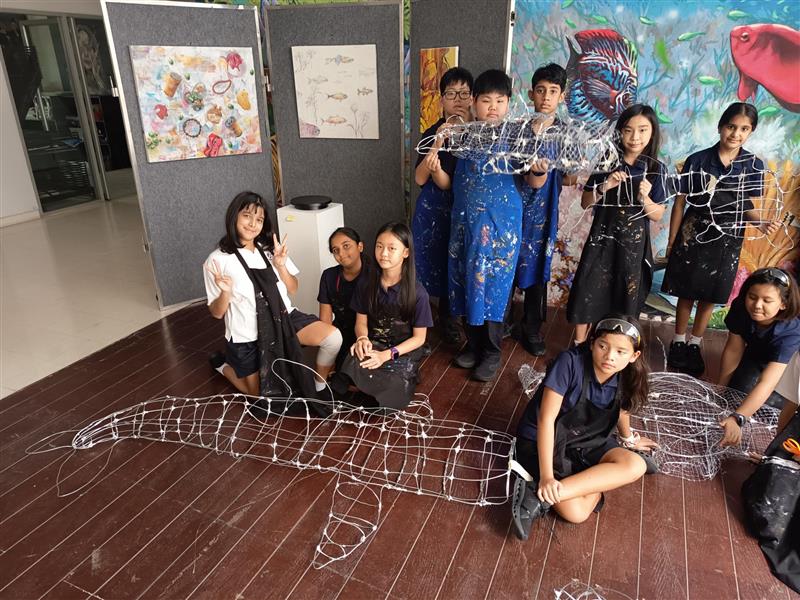
Bangkok Patana School’s Year 7 students have combined creativity with science and action in an inspiring initiative that bridges classroom learning with real-world impact. As part of the Global Impact Projects linked to SDG #14: Life Below Water, students have integrated Art and Science lessons with their experiences from the Year 7 Residential Trip.

During the term, students explored the effects of plastic pollution on marine ecosystems. They studied ocean health in Science and learned design principles in Art before heading outdoors for a hands-on beach clean-up during their residential experience. Seeing the problem firsthand deepened their understanding and strengthened their resolve to make a difference. 

The outcome? A series of striking wire sculptures inspired by sea creatures, each doubling as a recycling station for discarded beach plastics. These pieces are now proudly displayed around the school and beyond—a selection is featured at She Sails Café and Beach Club in Rayong, extending the project’s impact into the local community and sparking conversations about sustainability with beachfront businesses.

Through this project, students developed critical thinking, collaboration, and problem-solving skills while learning that creativity can drive meaningful change. They became ambassadors for sustainability—raising awareness, sparking conversations, and proving that small actions can have a big impact.

Bangkok Patana celebrates these young innovators for turning knowledge into action and art into advocacy.

Share This Article

In this Issue

Behind the Bookshelves

What book do you recommend and why?  

Island of Sea Women by Lisa See. The book tells the fascinating story of haenyeo divers living on Jeju Island in Korea and how their lives have changed over time. It found it really enjoyable and learnt a lot.


What podcast do you recommend we listen to and why?

Geography is Everything. The podcast discusses a very wide range of entertaining topics and links them to geography. It is fun and educational.

Where do you work/teach? 

I’m Mrs Conroy in Secondary School

Share This Article

In this Issue

Diversity Digest: International Men’s Day

Diversity Digest is a weekly reflection written by staff from different areas of our school

Each year, International Men’s Day recognises the positive contributions that men and boys make to their families, workplaces and communities. The 2025 theme, ‘Celebrating Men and Boys,’ reminds us that while there are many challenges facing men today, from well-being and identity to connection and purpose, there is also much to celebrate and learn from.

At Bangkok Patana, we see this as an opportunity to reflect on how we can better support men’s mental health, encourage open conversations and challenge limiting stereotypes of what it means to “be a man.”

Research continues to show that men are less likely to seek support when they’re struggling, often because traditional well-being spaces feel uncomfortable or inauthentic. Connection for many men happens more naturally through activity, humour and camaraderie rather than through formal discussion. As a community, this invites us to think creatively about how we engage and how we might build spaces where men can connect in ways that feel genuine and accessible.

Share This Article

In this Issue

Foodie Fun

Share This Article

In this Issue

Super SEASAC!

By Tiger Sports Council

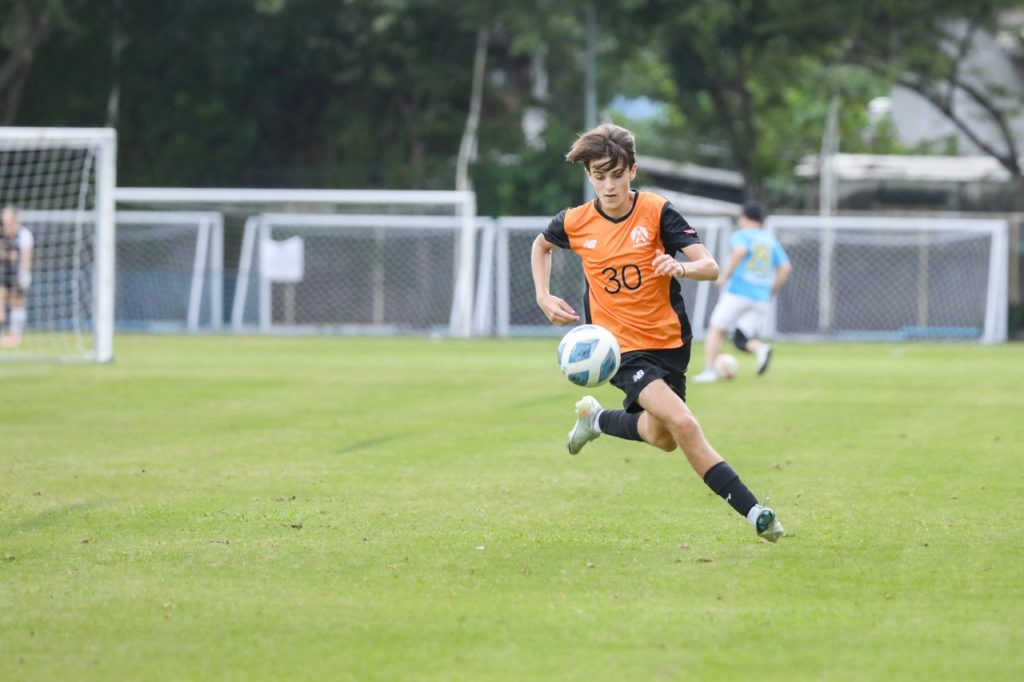
Recently our Varsity Tiger and Football Teams competed at SEASAC representing the Tigers whilst showcasing grit, resilience and teamwork out on the field and court. To celebrate their amazing experiences here is a reflection from our captains: 

Rintaro – Boys’ Volleyball
April – Girls’ Volleyball
Lara – Girls’ Football
Guichai – Boys’ Football

  1. What was your personal highlight of the season?

“My personal highlight of the season was during the semi-finals. I hadn’t performed my best in the previous game, and as Captain, I knew I needed to step up. In the semi-final match, I managed to refocus, channel my energy into the game and lead our team to a strong performance. It was a proud moment where I truly felt the impact of determination and teamwork.” – Rintaro

“My personal highlight of this season was when we were losing 2–11 in the third set, but somehow, we flipped the game and won 19–17. It felt unreal. Every point we scored, we screamed, jumped, and hugged like it was the last time we’d ever get to do it! Looking back at the game videos now, I can see how much heart everyone poured into every single play. When most people are in a situation where they’re down by 9 points, they would’ve given up. But we didn’t. We kept pushing, motivating one another to do our best because our team’s chemistry was unstoppable.

Being at the game, I was admiring Mila’s, Inging’s and Yaya’s spikes, Helen’s and Aime’s beautiful sets, and Anya’s beautiful serves. Seeing the freshmen — Sophie, Hudson, Porjai, Maya, and Anna — light up with pure joy in their first varsity season made me even happier. It became such a core part of my memory. It reminded me of my first year joining the Varsity team, when I used to celebrate every point alongside the seniors. Back then, I looked up to them with so much admiration. Now, being in their shoes, I finally understand what that meant.

Also, alongside the court, the parents were cheering for us so loudly. They never gave up on us, even when we were losing by so much. Their voices echoed through the gym, lifting us up when we were tired and doubting ourselves. They believed in us when we were down, and somehow, that belief gave us the strength to keep going. Knowing they were there, always supporting, always cheering, made everything feel even more special.

Not to mention Coach Cindy and Coach Snook, who were always there for us. Always guiding, encouraging, and pushing us to be better every single game. Their words kept us grounded when the pressure got heavy.

The game itself wasn’t the highlight of the season. It was the spirit, the energy, the unspoken bond that tied us all together on and outside of that court. It was the moment I realized how lucky and grateful I am to have been part of something truly so special.” – April

“My personal highlight was definitely making a SEASAC vlog for my new and upcoming YouTube channel. I enjoyed editing and keeping memory of all the highs and lows of SEASAC. The video is enjoyable to look back on and I’d highly recommend watching it and subscribing. Shoutout to Chanya for editing!” – Lara

“As a collective going through the season ‘undefeated’, adopting a new team play style in response to last year’s tactical errors. Personally, shushing the away end after a last minute goal.” – Guichai

 2. What was your proudest moment as a team?

“My proudest moment as a team was when we beat our rival school at SEASAC. For the three years I have been in Varsity, Bangkok Patana has never been able to beat this school. Finally this year, we beat them 2-1. Considering how many new members joined our team this year, I was impressed seeing our group dynamic and energy increase.” – Rintaro

“Proudest moment? Probably how far we’ve come. We went from thinking wins were rare to reaching a point where losing became rare. Watching how much we’ve grown together, all the sweat and tears, both as players and as friends, makes me feel so proud of what we’ve built. Even though our final result for SEASAC wasn’t what we expected, everyone did their best — and that’s the only thing that truly matters.

Even though this is Inging’s, Helen’s and my last year (four years on Varsity Volleyball), we know for a fact that our team will only continue to grow stronger, because every single person always encourages one another and pushes themselves to be their best.” – April

“My proudest moment of the season was winning the playoff during SEASAC, it was such a great game especially within the way we had come together after a tough loss in the semi-final, we truly played as a team. We were all super calm on the ball and supported one another leading to a 4-0 win!” – Lara

“Playing for each other like family. Whether winning or losing, against better or less dominant teams, we stepped on the pitch full of hunger, always backing one another.” – Guichai

 3. What would you say to current U12 and U14 athletes aspiring to play Varsity level in the future?

“It is very important to maintain dedication towards the sport that you are currently playing, as well as being consistent with your effort. Besides the actual physical aspect, it is also important to have a good relationship with your teammates and coaches.” – Rintaro

“First, keep pushing yourself and always give your best. Every practice and every match is preparing you for the next level, so focus on improving and learning, not just winning. At the same time, have fun! Enjoy the game and don’t pressure yourself too much, because mistakes are part of growing. Support your teammates, encourage one another, and build a team culture where everyone can push themselves and feel confident. Since for me Varsity level isn’t just about skill, it’s more about teamwork, how we encourage one another to do our best. Lastly just believe in yourself, stay committed and give your all!” – April

“Continue training hard and be accepting of days where you might not play as well, this is super normal and happens to everyone. But one thing even more important, is to maintain a high level of sportsmanship and ensure that you play fair against other teams and also treat your teammates with respect and understanding.” – Lara

“Work hard, put on some muscle and don’t be scared. We were once in your position and we would’ve never gotten here without pushing ourselves to playing up age groups or putting ourselves under pressure. Be you, play like you, show us what you can do. Of course, you will make mistakes but don’t be scared of it nor let it define you. So give it a go. You’ll never know if you never try.” – Guichai

4. What’s your top tip for tournament play at SEASAC level? 

“Do not be overly confident and be humble when playing because other teams are always improving and the results at the end may surprise you. Another tip would be that for long 3 day tournaments like SEASAC, always be prepared. Any player can get injured and create a new situation that as a team you may not be prepared for. It is really important to be prepared and of course, never lose hope.” – Rintaro

“First, just be confident in yourself! Believe in your abilities, trust your training, and don’t let nerves take over. But remember, volleyball is all about teamwork. You might be able to spike, set, or serve amazingly, but if there’s no teamwork, you can’t really play at your best. Supporting each other, communicating, and trusting your teammates is what wins games! And my TOP TOP TIP is to MAKE FRIENDS with people from different schools. Having been to almost 10 SEASAC tournaments, I realised that the best part isn’t just the games or the medals — it’s the connections you make. You’ll meet athletes from across Thailand and beyond, cheer for each other, share experiences, and build friendships that last far longer than the tournament. Trust me, it’s the best thing ever! They’ll come cheer for you during your matches, and those moments of camaraderie are truly unforgettable.” – April

“I think when playing in tournaments such as SEASAC, it’s very easy to get carried away by what other teams are doing and how to strategically play them. Therefore, I’d say to remain focused on your own team and stay focused on the things you can control, because ultimately to win a tournament you have to beat everyone. So stay focused on yourselves and your own performance as a team!” – Lara

“Recovery is key. Three days of intense games takes a toll on your body, so foam roll, stretch, eat properly and take care of your body. Other than that give it everything because you got only limited time to bring home a SEASAC title. I’ve been in this squad for four years and it flew by in an instant, so cherish every single one like every year is your last. Mark your legacy at Bangkok Patana.” – Guichai

Share This Article

In this Issue

The Patana Pod

By Carly Peart, Vice Principal, Professional Learning

In this month’s episode of the Patana Pod, we sit down with Mihaela Marcovici, one of our fantastic Secondary Art Teachers and Learning & Teaching Advisors.

With her warm outlook on life, vibrant creativity and thoughtful approach to balancing work, passion and wellbeing, Mihaela shares the journey that brought her to Bangkok Patana and the experiences that continue to shape her as an artist and educator. She reflects on what inspires her in the Art classroom, how she nurtures creativity in others and the principles that guide her both professionally and personally.

Mihaela also lets us in on what she loves most about being part of our community and why the blend of people, purpose and possibility at Bangkok Patana feels so special to her.

Share This Article

In this Issue

(I)GCSE Languages

By Celine Courenq, Head of Faculty, World Languages

If your child in Year 9, 10 or 11 studies a language outside of school, either a Home Language or a Foreign Language, and would like to consider taking an (I)GCSE exam in that language this academic year, do contact Celine Courenq, Head of Faculty World Languages  (ceco@patana.ac.th) before 12th December.

In your email,  please include:

– the full name of your child
-his/her tutor group
-the language they wish to be entered for
– the syllabus code of the exam (for example” Cambridge IGCSE Chinese – Second Language (0523)”)

Share This Article

In this Issue

Tech Tips #310: What We All Need to Know About Short Form Videos (YouTube Shorts, TikTok, Reels etc)

Brian Taylor, Vice Principal, Technology for Learning

I normally title these tips ‘What Parents Need to Know’. Alas, I feel as though all of us need to know about this one. I find myself easily drawn into watching YouTube Shorts and wonder where the time has gone. Can you imagine how challenging it is for our children to ‘escape’?

Why Short Videos Appeal to Young Minds

Short-form videos (SFVs) like TikTok, Instagram Reels, and YouTube Shorts are designed to capture attention. Younger brains are especially receptive. At this stage of development, children’s brains are wired for exploration and rapid learning. Each quick, surprising clip triggers a strong dopamine response, the chemical linked to pleasure and motivation. These videos also provide instant feedback and constant novelty, which matches how young learners thrive. Multisensory input: bright visuals, catchy sounds, and emotional cues packed into seconds, making the format even more engaging. Add in unpredictable twists and trends, and the brain’s sensitivity to surprise, keeps children (and us) swiping for more.

What the Research Says

SFVs are now a major part of young people’s lives. A recent review of 71 studies involving nearly 100,000 participants found that heavy SFV use is linked to poorer attention and self-control, and weaker memory skills. These patterns may make it harder for children to focus on reading, problem-solving, and sustained learning tasks.

Mental health is also affected. Frequent SFV use is associated with higher stress and anxiety, and lower overall well-being. Sleep quality can suffer when children watch videos late at night, and feelings of loneliness may increase if online interactions replace real-world connections. Interestingly, body image and self-esteem were not consistently affected, but the type of content matters. Positive or educational videos may have different impacts than appearance-focused trends. Read the full paper here APA PsycNet.


Next Steps for Parents

  • Set boundaries: Encourage screen-time limits and breaks, especially before bedtime.
  • Talk openly: Discuss what your child watches and why. Help them reflect on how it makes them feel.
  • Promote balance: Suggest offline activities like sports, reading, playing a musical instrument, non-screen hobbies, long-format co-viewing.
  • Model healthy habits: Show mindful use of social media in your own routines.
  • Use tools: Explore parental controls and app settings for time reminders.

Let’s all take the control of our time back away from the algorithms!

Share This Article

In this Issue

Board Sub-Committee Induction

By Kulvadee Siribhadra, Director of the Foundation Board Office

Earlier this week, the Foundation Board’s Sub-Committee Members participated in a half-day induction programme. The sessions covered How the Board Operates, the Personal Data Protection Act (PDPA), and Safeguarding and Child Protection. It was a highly productive morning that equipped members with essential knowledge to support effective and responsible committee work.

Our heartfelt thanks go to all the parents who generously contribute their time, experience and expertise. Your dedication plays a vital role in shaping the school today and into the long future.

We are currently inviting parents with experience in the human resources related field to submit their CVs. If you are interested in offering your support, please contact Khun Dee at board@patana.ac.th.

Share This Article

In this Issue

The Building Patana Fund

The Building Patana Fund drives the ongoing development of Bangkok Patana School, ensuring it remains a benchmark for international education. Donations offer unique naming opportunities across campus. Click here for the full brochure.

Leave a lasting legacy, contact Khun Dee at buildingpatana@patana.ac.th or call +66 (0) 2785 2498.

Share This Article

In this Issue

PTG Updates

Share This Article

In this Issue

Community Events

The Ploenchit Fair is on our campus tomorrow! Join in the Fun!


Share This Article

In this Issue

School Announcements and Upcoming Events

External Competitions on a School Day

At Bangkok Patana, we have many students who excel in their external hobbies and interests.

When they practice hard and demonstrate resilience and perseverance, they may be selected for competition. If you have a child who is invited to compete, whether locally and internationally, we will support your child’s endeavours. However, we do ask that parents give the class teacher/tutor sufficient notice of their absence from school.

Many of our lessons require group collaboration and this will help teachers to plan accordingly.

– Carol Battram, Vice Principal, Primary School


GET YOUR TICKETS!

‘Lord of the Flies’ performed by our Senior drama students on 2nd, 3rd and 4th December. Tickets are available to purchase at 200 THB per seat. Click here – https://bpsnet5.patana.ac.th/BPSTickets/Booking/Public


Share This Article

In this Issue

© 2025 Bangkok Patana School

Issue: 12
Volume: 28
Bangkok Patana School
Privacy Overview

This website uses cookies so that we can provide you with the best user experience possible. Cookie information is stored in your browser and performs functions such as recognising you when you return to our website and helping our team to understand which sections of the website you find most interesting and useful.