Strength and Stability Fact File:
Screen Time and Back Health
Research suggests that each additional hour of daily screen time is associated with an increased likelihood of low back pain in children (PubMed, 2023).
Posture Concerns
Children spending extended periods seated, particularly with devices, are more likely to experience postural strain and muscular discomfort.
Injury Risk
Weak core muscles and reduced postural control can increase the likelihood of preventable sports injuries.
Decline in Natural Play
More indoor, screen-based lifestyles mean fewer opportunities for climbing, balancing, hanging and developing natural bodyweight strength.
Single-Sport Participation
More children than ever are specialising in one sport from a young age. Repeated movement patterns without broader physical development can create imbalances and increase overuse injuries.
Performance Impact
Poor stability reduces balance, coordination and movement efficiency, directly affecting sports performance.
Long-Term Health
Sedentary habits are linked to weaker bones, musculoskeletal strain and reduced physical confidence.
Children today are growing up in a very different physical environment to previous generations. Where earlier generations developed strength naturally through climbing trees, rough and tumble play and time outdoors, many children now spend prolonged periods sedentary or indoors.
At the same time, organised sport has become more structured and specialised. While this can be hugely positive, children benefit most when sport specific skills are supported by broad movement foundations.
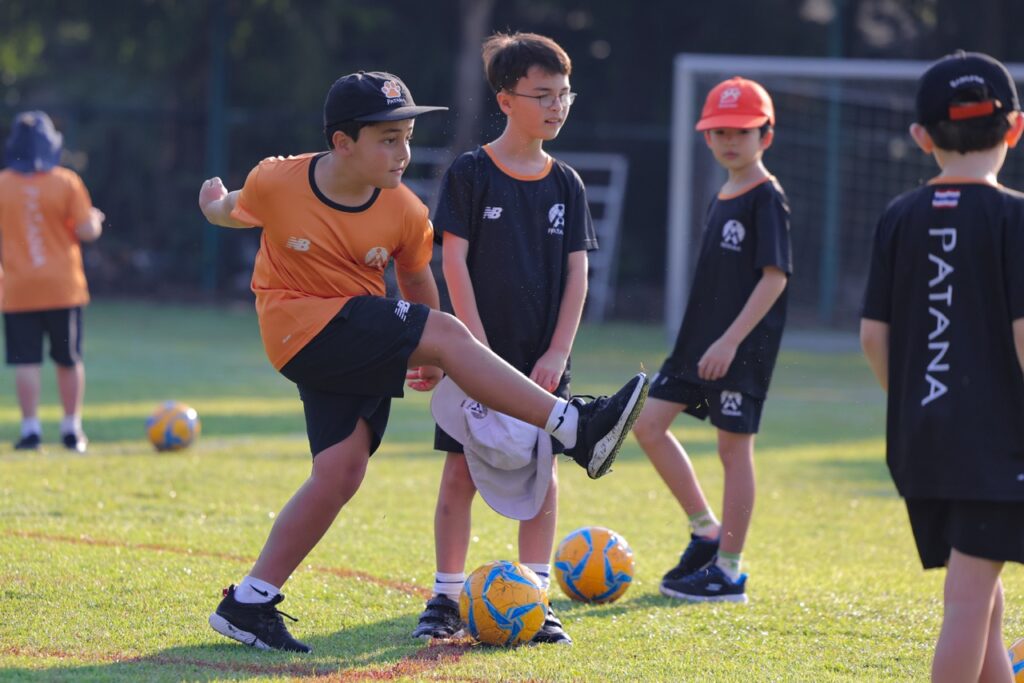
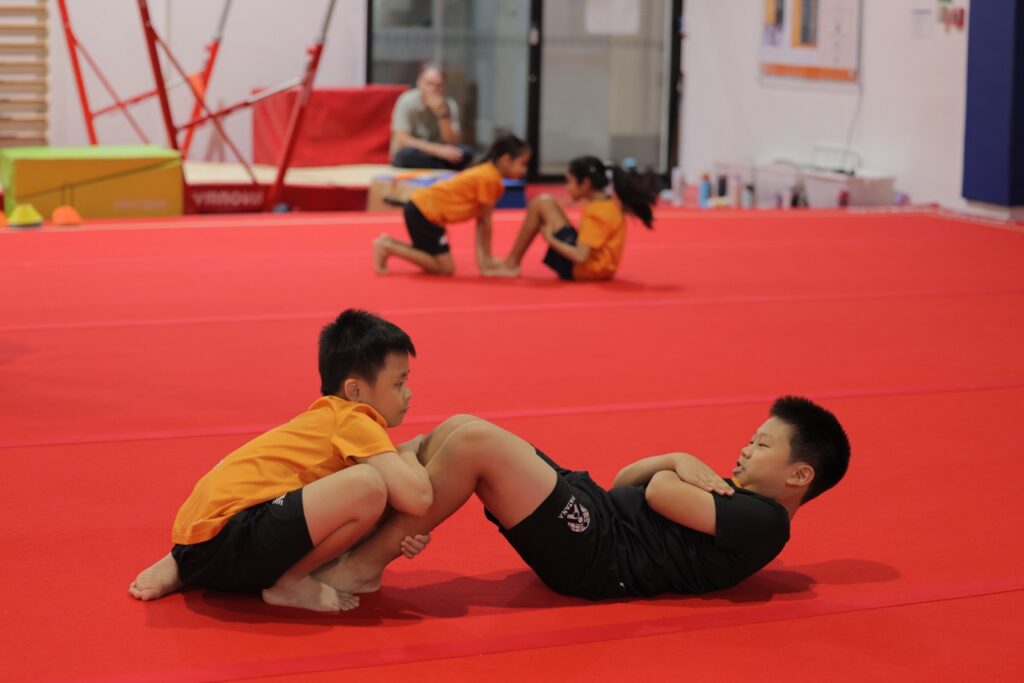
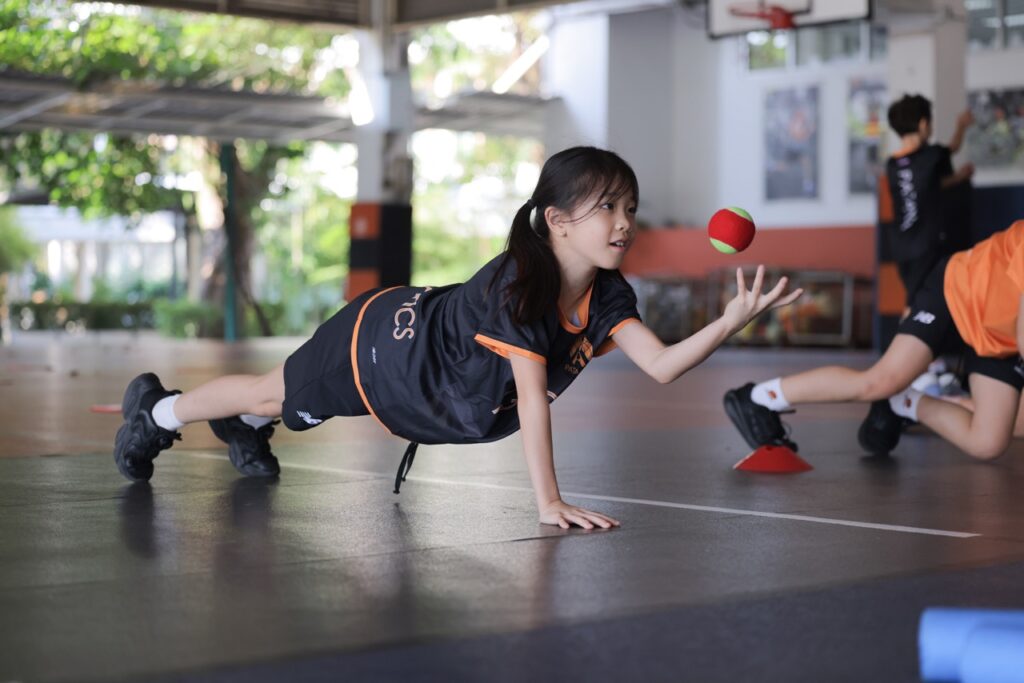
Primary school years are a particularly important window for physical development. During this time, children are highly responsive to activities that build bone density, joint stability, core strength, balance and coordination.
Activities such as jumping, landing, climbing, bracing and working against gravity. These are especially important because they stimulate bone growth and strengthen the muscles that protect joints. The prementioned movement activities are some of the key drivers of healthy bone development in childhood, helping children build strong skeletal foundations that support them not only in sport, but throughout life.
Without these foundations, children may still be active, but they are potentially more vulnerable to fatigue, inefficiency of movement and preventable injury over time.
Bangkok Patana‘s Response
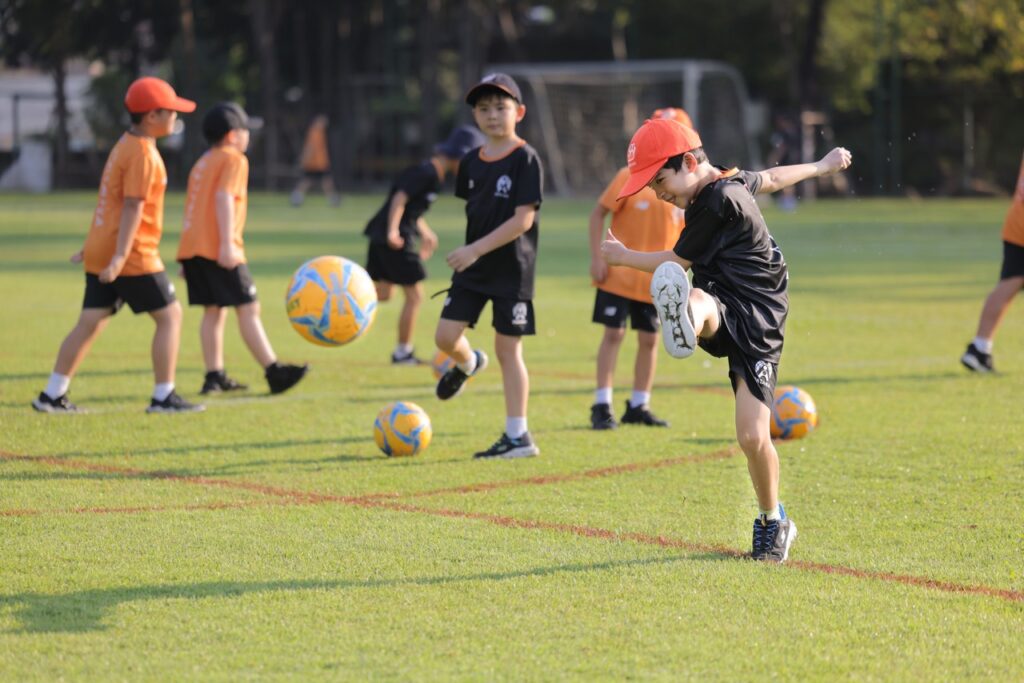
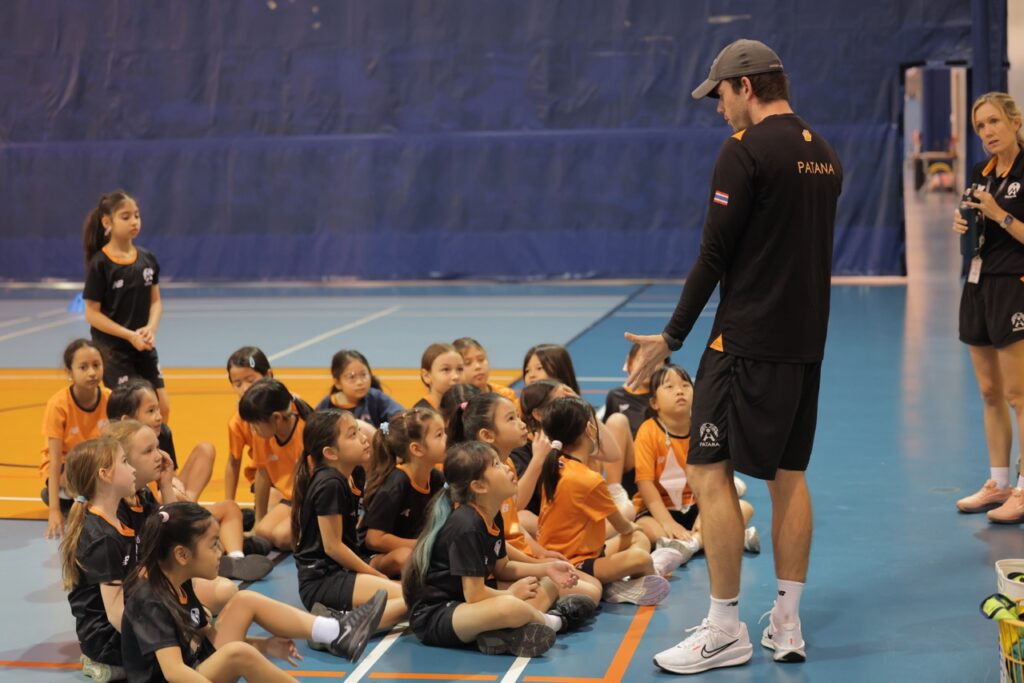
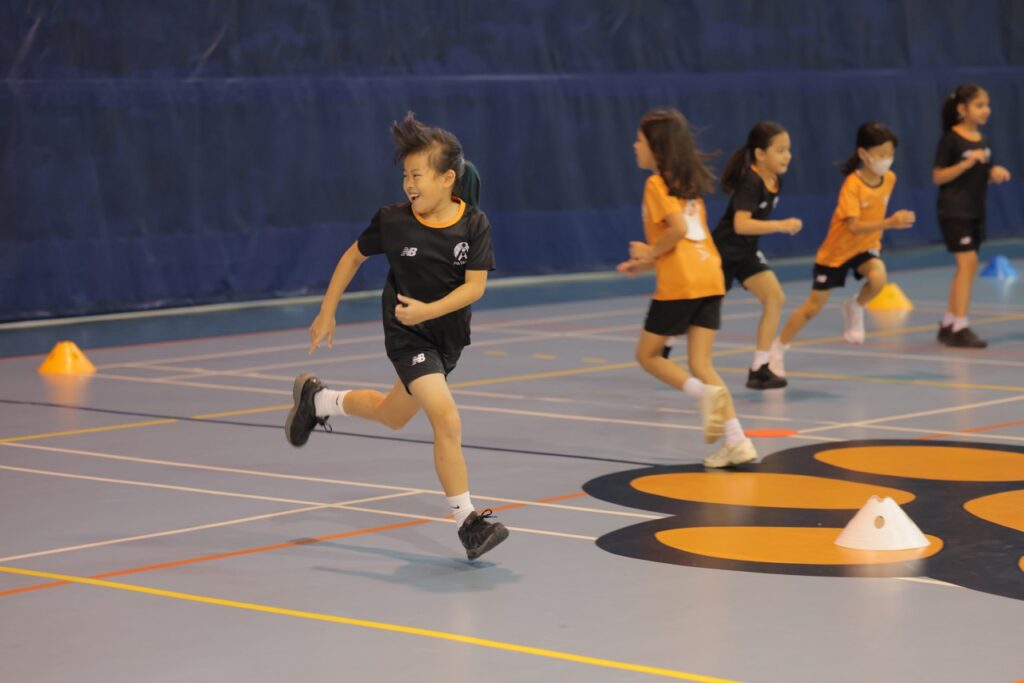
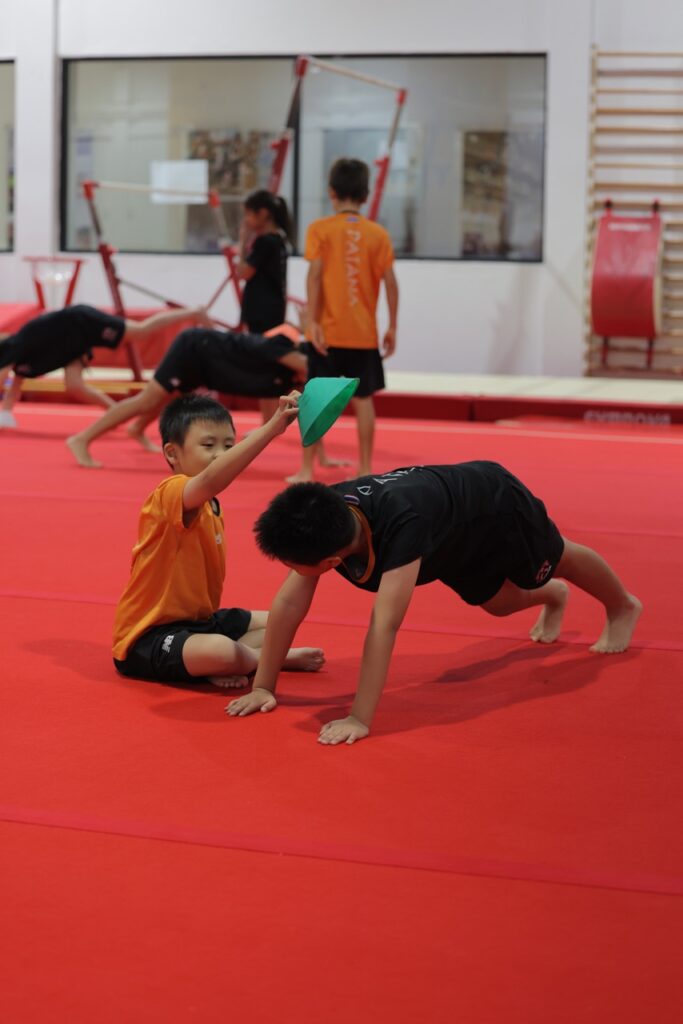
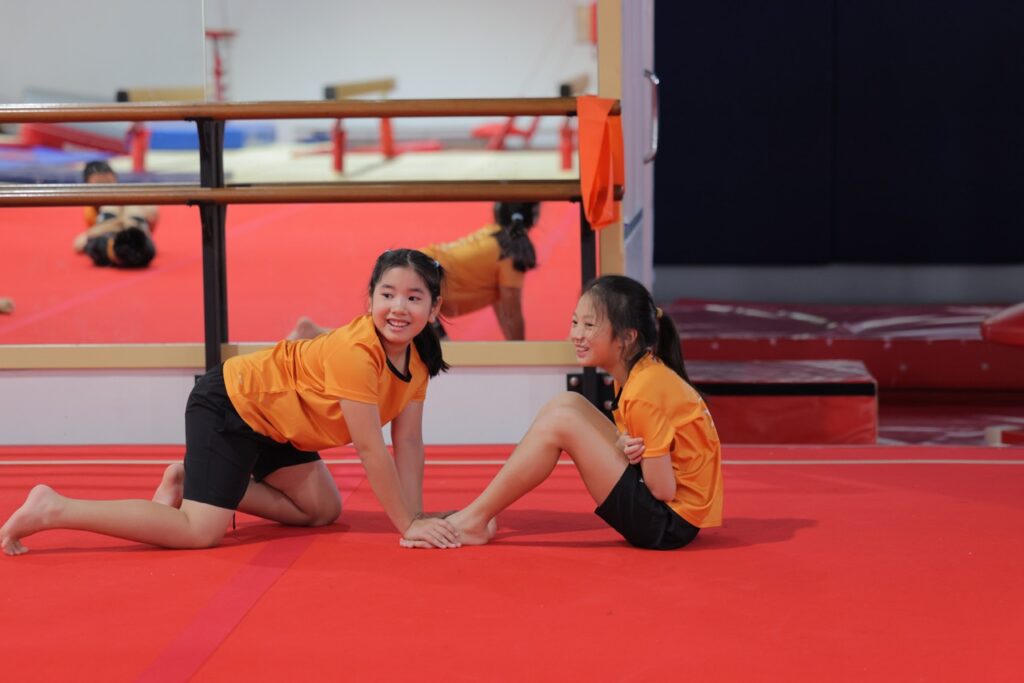
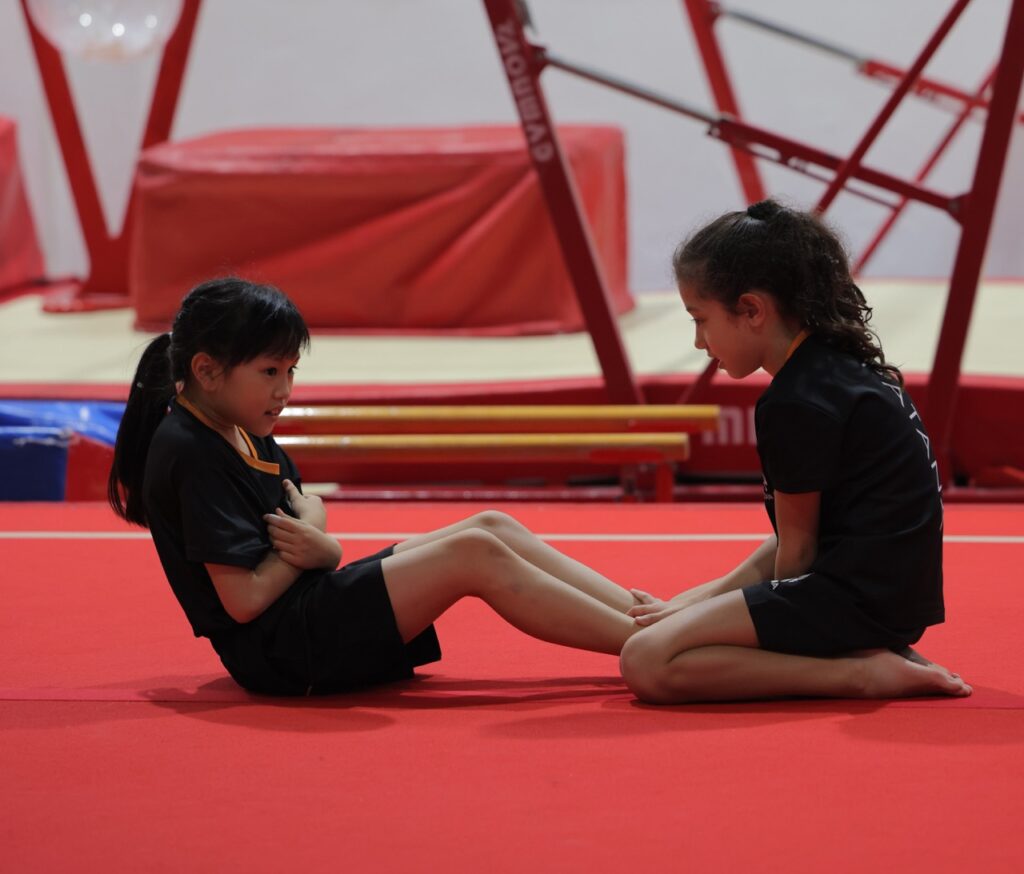
We believe strength and stability are not an “add-on” to Physical Education, they are part of building confident, capable movers. From Years 3–6, students take part in a dedicated six week Strength and Conditioning unit within their PE curriculum. During this block, they explicitly learn how to:
- Jump and land safely
- Accelerate and decelerate with control
- Twist and rotate efficiently
- Change direction safely
- Stabilise through the core and major joints
- Safely experience impact and load-bearing activities
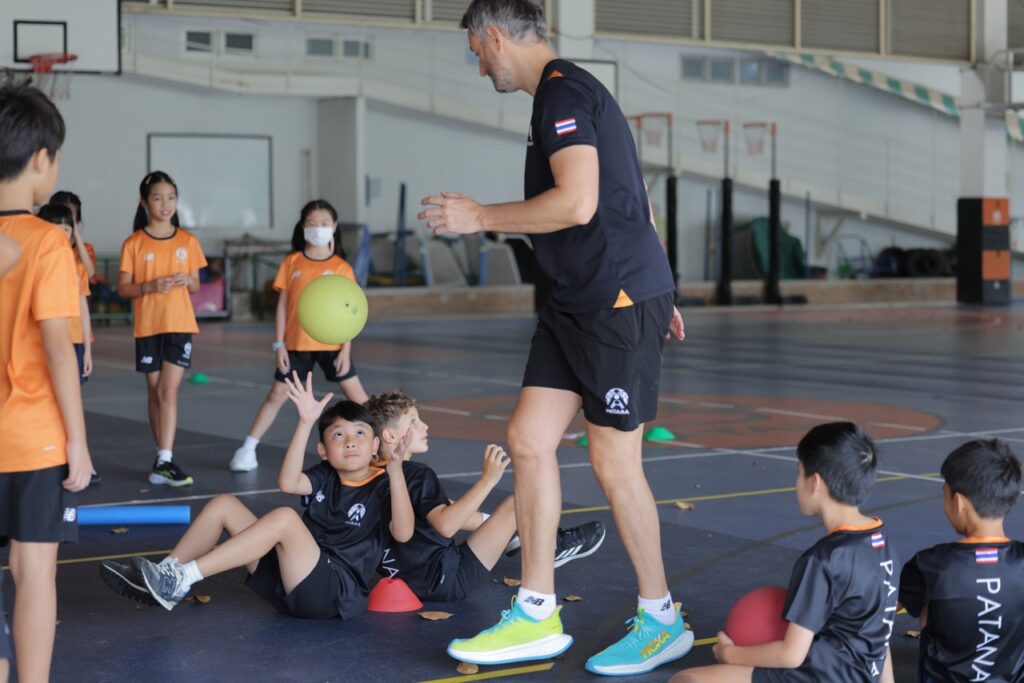
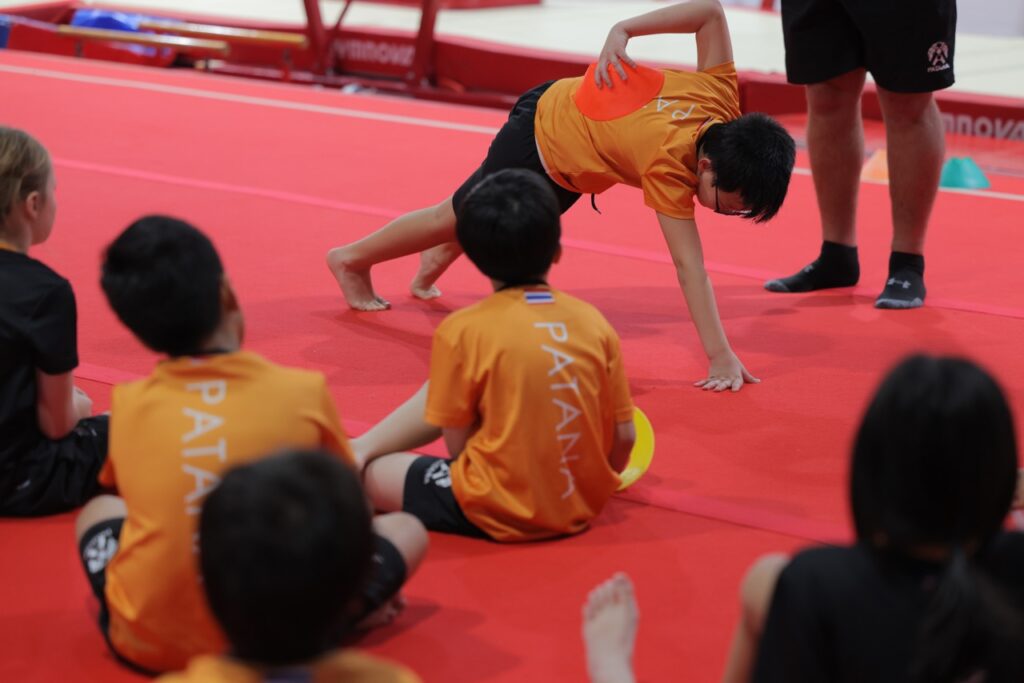
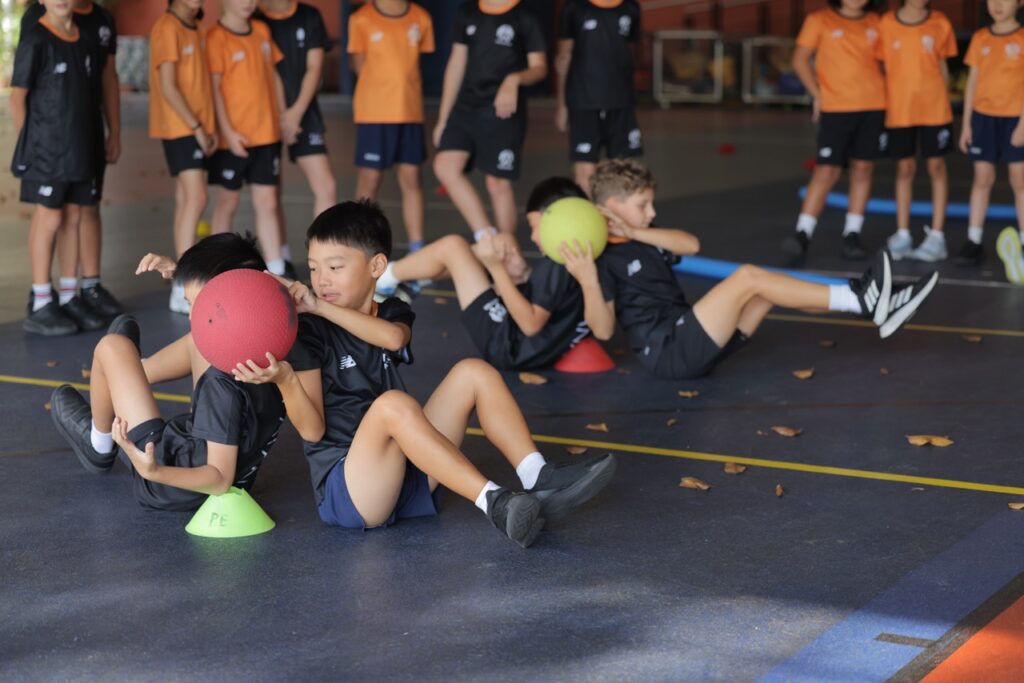
These skills are taught progressively and revisited regularly, allowing students to develop strong, transferable movement patterns that support:
- Everyday play
- School sport and ECAs
- Competitive fixtures
- Long-term athletic development
- Lifelong physical confidence
Importantly, this is not heavy weightlifting. It is age appropriate, bodyweight-based training focused on technique, coordination and control.
Our goal is to develop movement literacy — giving children the confidence, competence and understanding to move well in many different environments. A well-rounded physical programme ensures that children develop balanced strength and stability foundations to support whichever activities they choose to pursue.
Supporting Development at Home
Families can make a meaningful difference by encouraging:
- Climbing, hanging and balancing
- Skipping, hopping and jumping games
- Varied physical activities rather than only one sport
- Regular breaks from prolonged sitting
- Unstructured outdoor play
These simple opportunities help build strong bodies and confident movers.
Our Strength and Stability programme reflects our commitment to supporting the whole child. By deliberately teaching children how to control and stabilise their bodies, we are investing not only in sport performance, but in long term health, resilience and confidence.
If you would like to learn more about our Strength and Stability programme in Primary PE, we will be hosting a Parent Workshop on 5th May, please see more details in upcoming issues of Patana News.