Learning in the Age of AI: What History Can Teach Us About Preparing Future-Ready Students

By Brian Taylor, Vice Principal Technology for Learning

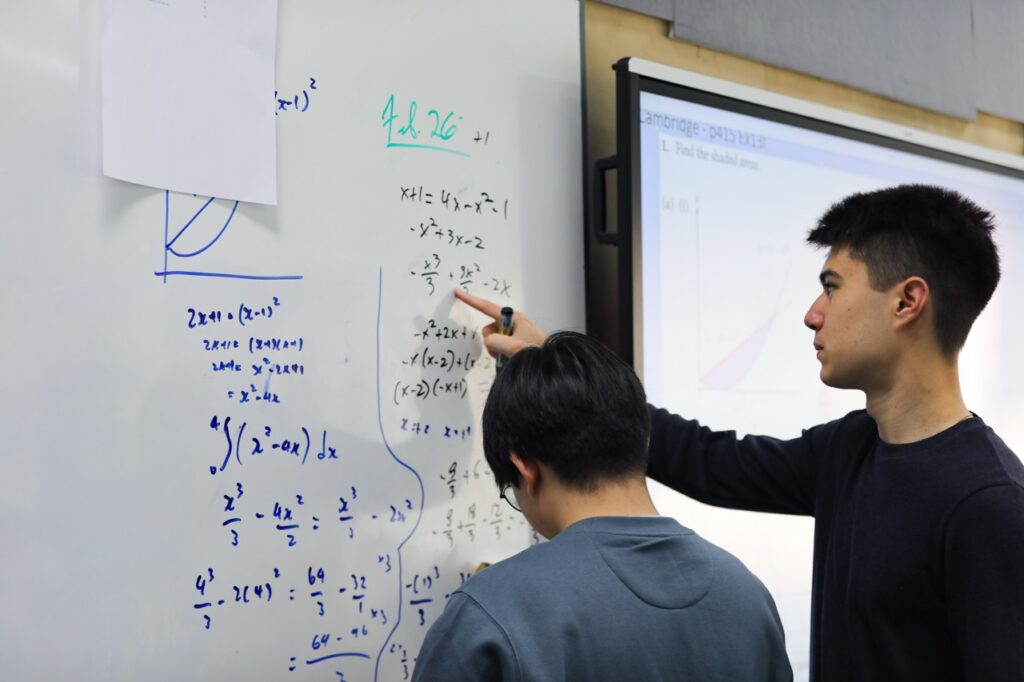
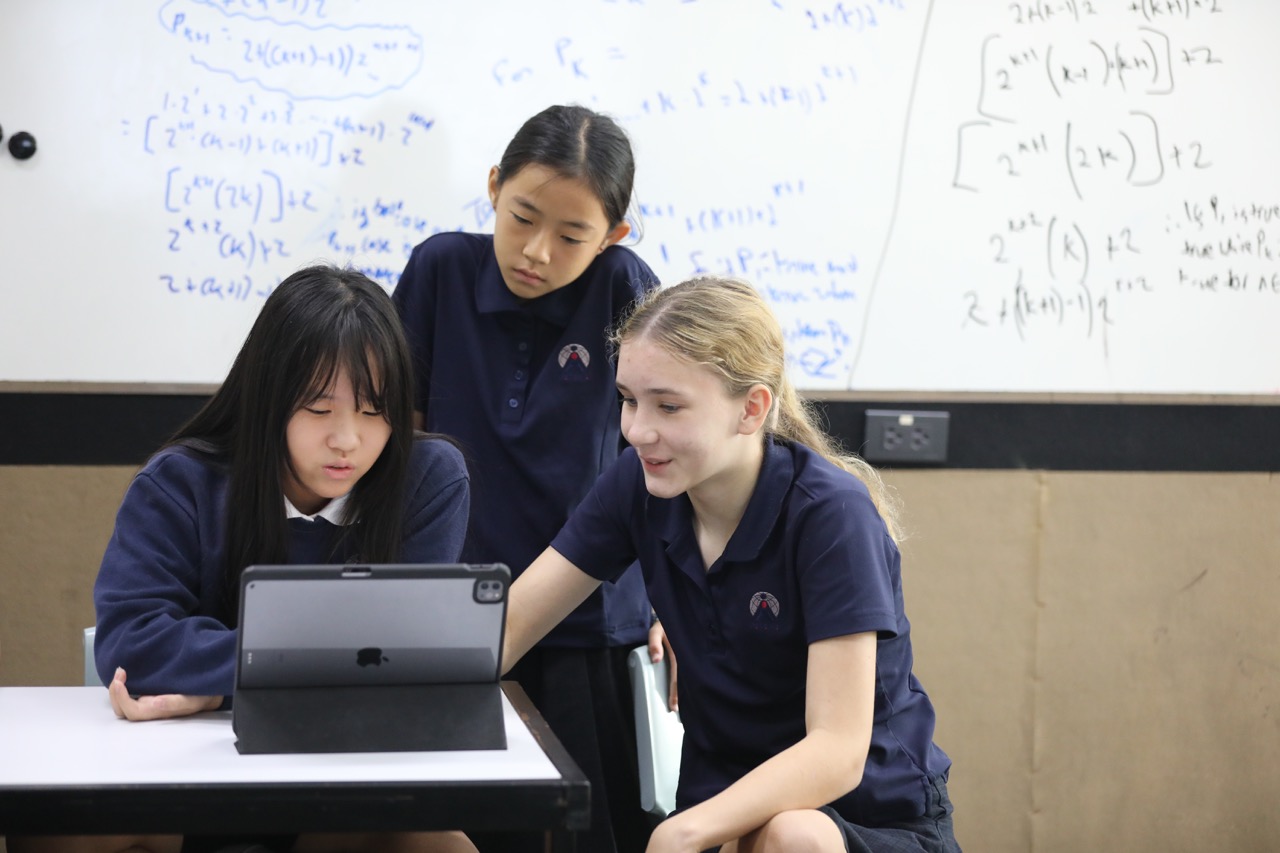
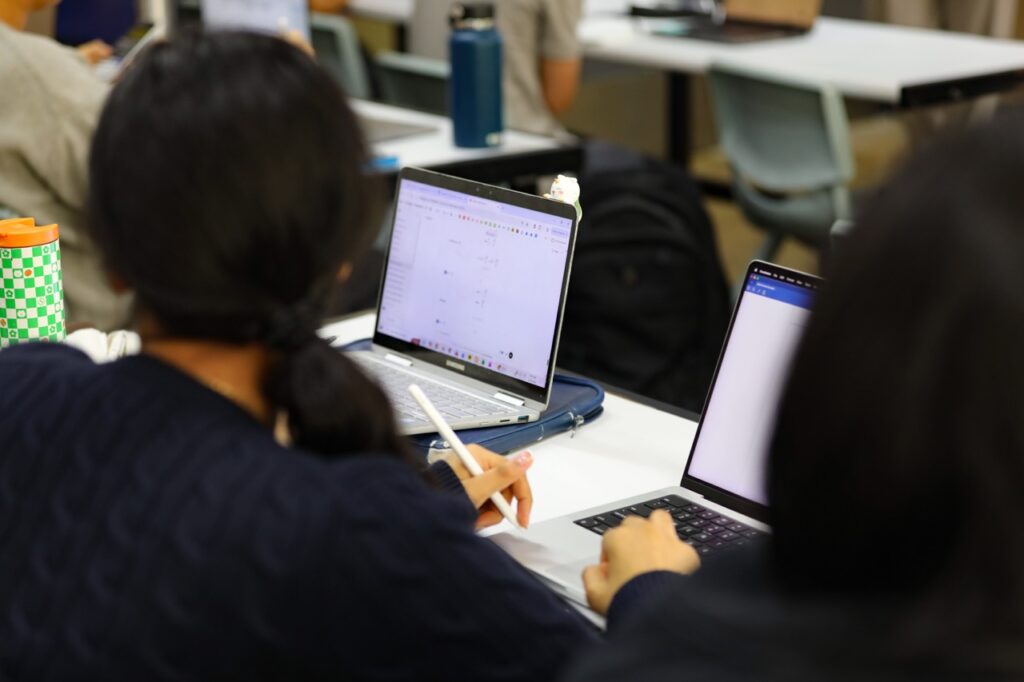
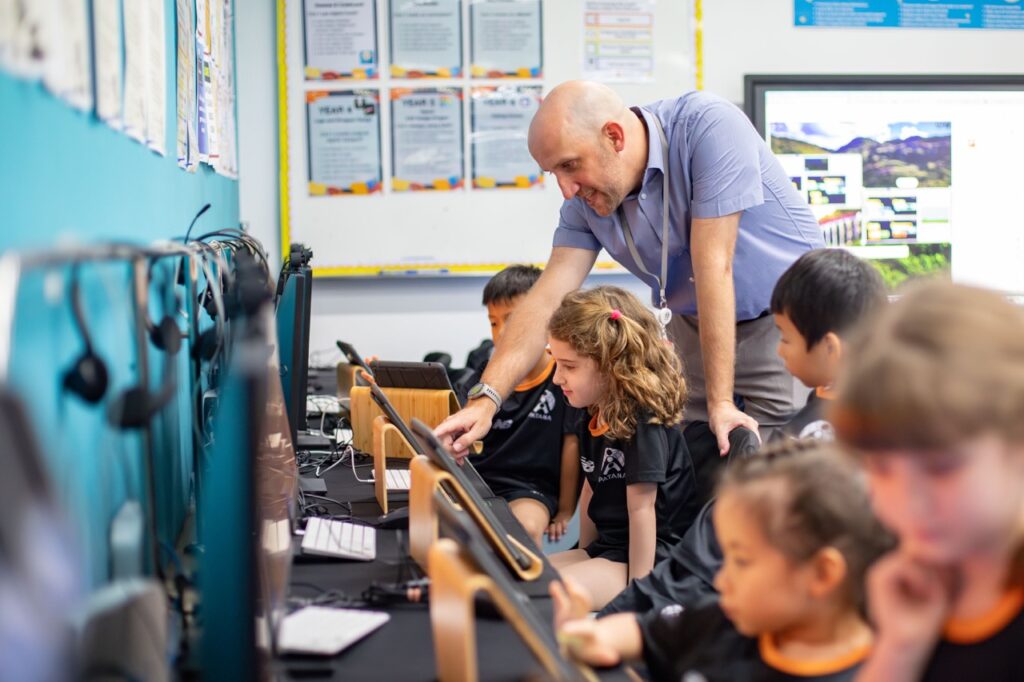
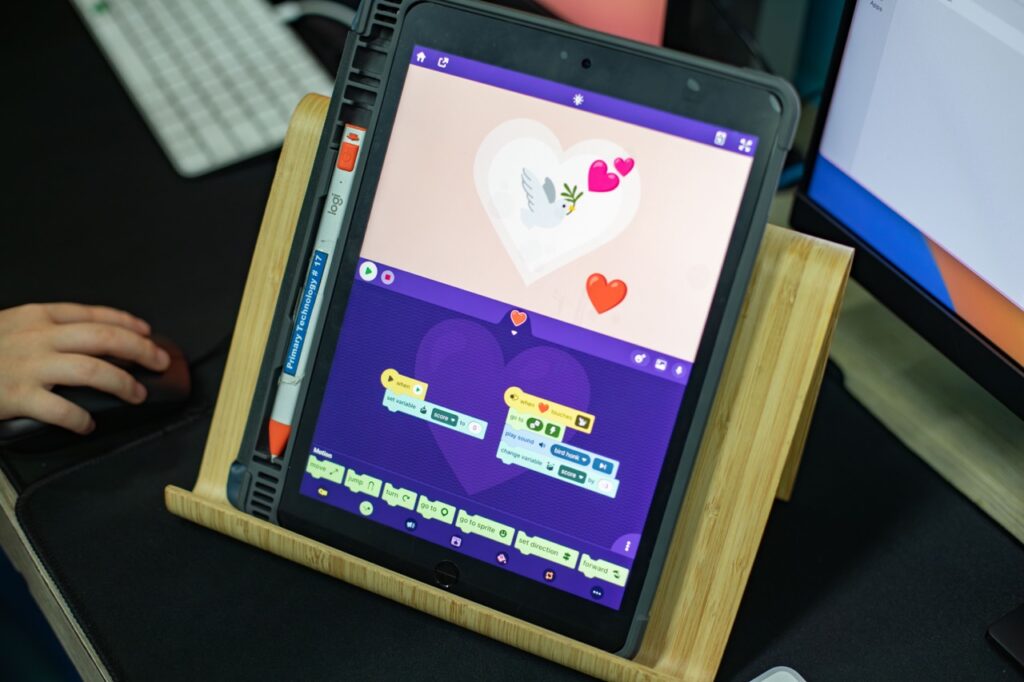
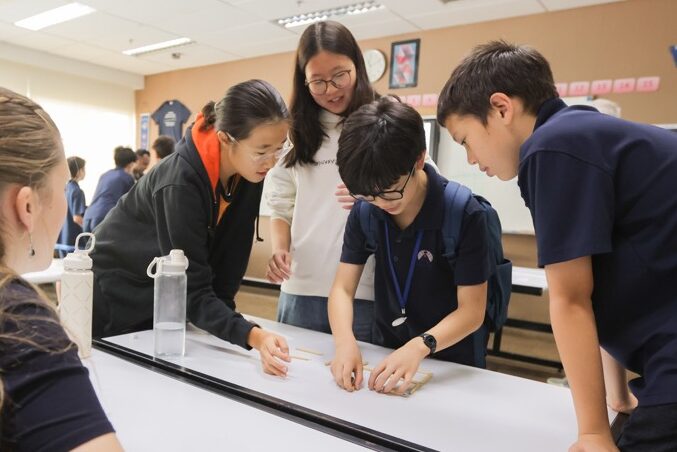
students working on computers

When pocket calculators first appeared in homes in the 1970s, schools almost universally banned them. A professor warned in The New York Times: “What will they do when the battery runs out?” Fears that calculators would destroy children’s ability to think mathematically were widespread and deeply felt. Those fears proved wrong. A meta-analysis of 79 research reports later found that using calculators alongside instruction improved students’ paper-and-pencil skills and problem-solving at most year levels. The key was not banning the tool, but sequencing its introduction: foundational skills first, then technology to extend learning.

This pattern, alarm > adaptation > integration stretches back centuries. Socrates warned that writing would “create forgetfulness in the learners’ souls”. In 1565, Conrad Gessner called the flood of printed books “confusing and harmful” to the mind. In the 1930s, The Gramophone fretted that radio was “disturbing the balance” of children’s “excitable minds”. Television earned the label “boob tube” in the 1950s, blamed for shortened attention spans. And by 2008, Nicholas Carr asked in The Atlantic whether Google was “making us stupid”.

Each time, the worst predictions proved overstated, though not entirely baseless. Heavy television viewing does correlate with reduced concentration. Habitual GPS use demonstrably weakens spatial memory. The consistent finding is that how a technology is integrated matters more than the technology itself.

Today, artificial intelligence is taking its turn. A BBC Future article published in April 2026 warned that reliance on AI chatbots may be eroding critical thinking and memory, describing a “stupidogenic” environment where frictionless AI makes it easy to become intellectually passive. For educators and families, the question is not whether this sounds familiar, but whether AI is genuinely different from what came before.

What Makes AI Different

In important respects, it is. Earlier technologies offloaded specific tasks: calculators handled arithmetic; search engines handled factual recall. Generative AI can draft essays, write code, plan projects and produce analysis across virtually any domain simultaneously. As Sean Barnes observes, previous technologies reproduced human knowledge, but generative AI “can generate its own content, and that is something new”. The speed of adoption is also unprecedented: ChatGPT reached an estimated ten per cent of the world’s adult population by mid-2025, compressing the adaptation window that earlier technologies afforded.

Yet the underlying mechanism, cognitive offloading, is the same one Socrates identified millennia ago. When people expect reasoning to be available externally, they invest less effort in processing it themselves. What changes with AI is the breadth and depth of what can be offloaded.

Rethinking “University Readiness”

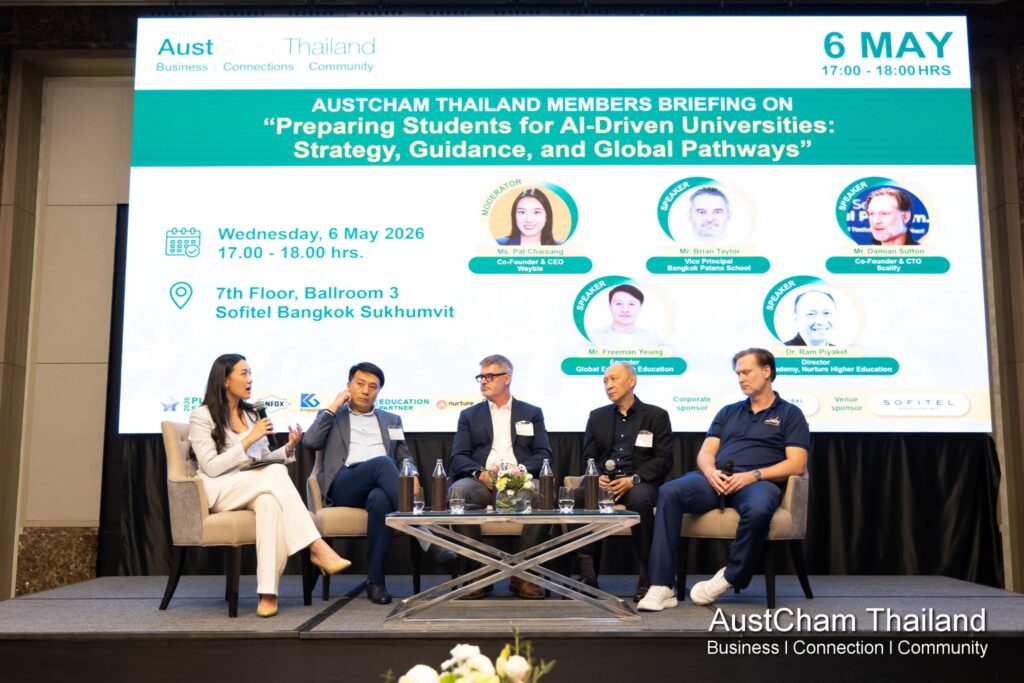
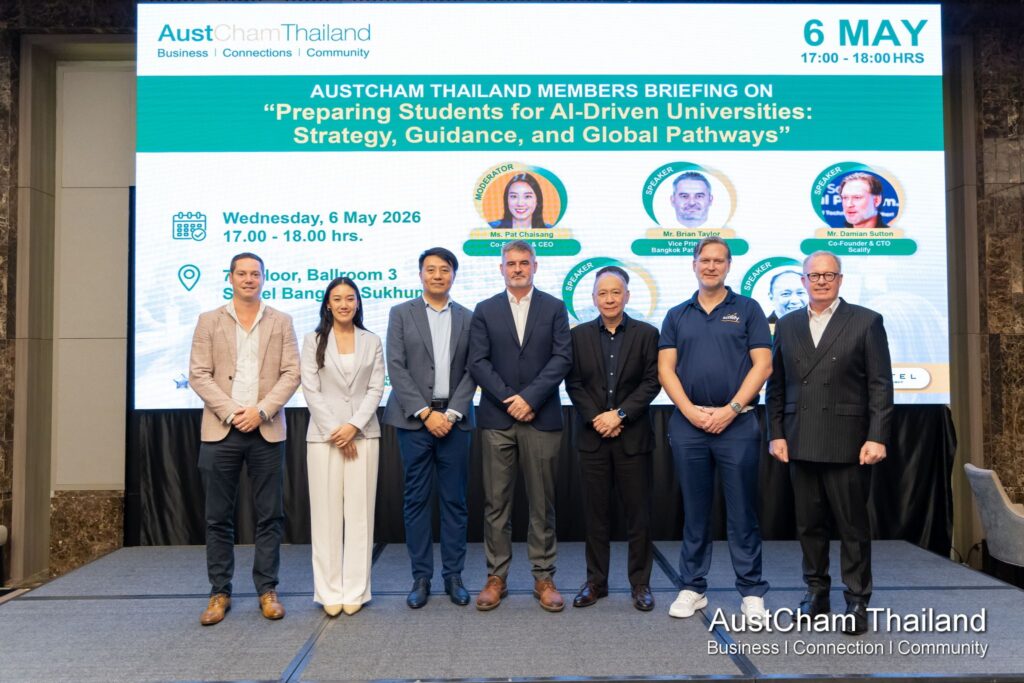
These questions are not only surfacing in research, they are also shaping live conversations across the education sector. I was recently invited to join a panel as a guest speaker at the Australian-Thai Chamber of Commerce event in Bangkok, where we discussed the theme “Preparing Students for AI-Driven Universities: Strategy, Guidance, and Global Pathways.” The discussion reinforced just how quickly AI is reshaping expectations of university readiness for schools, students, and families alike. Because AI can supply factual knowledge on demand, the premium moves to what it cannot replicate: epistemic judgement, learning dispositions such as curiosity and fortitude, and the capacity to reason ethically. At Bangkok Patana, our mission to develop global citizens who shape their world through independence, empathy, creativity and critical thinking speaks directly to this shift. These are not soft add-ons; they are becoming the core of readiness.
Where Parental Concerns Outpace Evidence

Parental anxiety is understandable, but some common assumptions deserve gentle correction.

“AI will eliminate whole careers.” A more global picture comes from the Digital Education Council Global AI Student Survey 2024, which gathered 3,839 responses across 16 countries and found that students are already navigating AI as a normal part of university life, while also expressing concern about over-reliance, unclear institutional guidance, and the need for stronger AI literacy. Rather than pointing to the disappearance of whole professions, this suggests a more nuanced challenge: universities and schools must help young people combine subject expertise with judgement, adaptability and responsible use of AI. History suggests the same pattern we have seen before: new technologies tend to reshape tasks, expectations and ways of working more than they erase entire careers.

“Technical skills matter most.” The same global survey points in a broader direction. Students reported that while AI is becoming embedded in tasks such as writing, research and coding, what they still need most from universities is clearer guidance, ethical framing and the judgement to use these tools well. Strong preparation, then, is not just about technical fluency. It is about combining digital capability with disciplinary understanding, adaptability, communication and the interpersonal skills that AI cannot easily reproduce.
A Thailand Lens

For families in Thailand, AI introduces new questions about local versus international university pathways. A former Google AI executive recently challenged traditional assumptions publicly in Thailand, noting that medical training spans six years before internships begin, a period during which AI can fundamentally reshape professional practice. Rather than abandoning such programmes, the executive advocated strategic pivots toward specialised concentrations that complement AI, emphasising uniquely human competencies including emotional intelligence and relationship-building. When evaluating any university, families should ask whether it develops adaptability, industry partnerships and human competencies alongside subject expertise. In an AI-rich world, the quality of the learning experience may matter more than the institutional brand.

How We Are Supporting Students and Families

Our vision of students growing to their full potential as independent learners in a caring British international community guides our response:

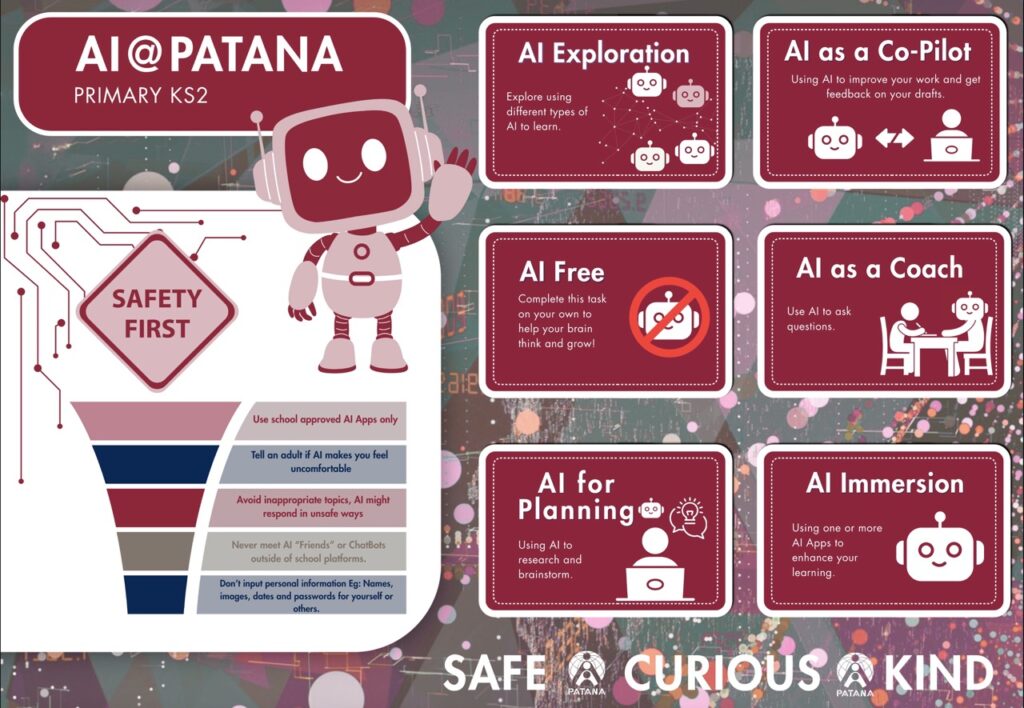
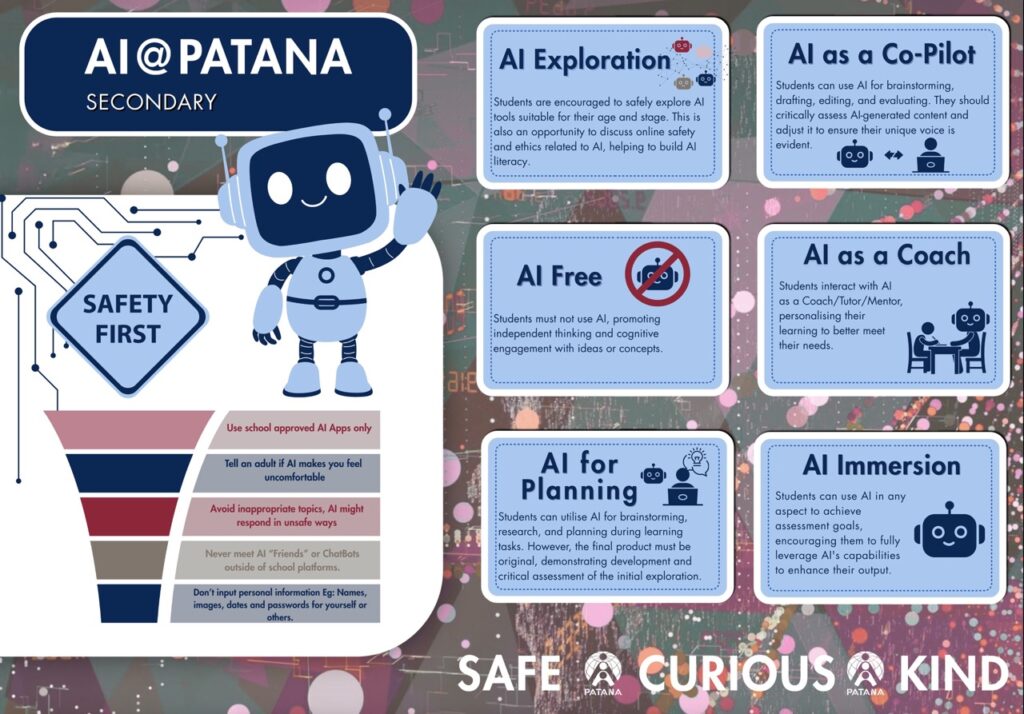
Partnering with parents. We are committed to sharing how AI is used in learning, why certain approaches are chosen, and how families can support balanced engagement with technology at home via our PTG Tech Talks and Primary Workshops.

Preserving productive challenge. Some learning tasks are deliberately completed without AI, ensuring students develop resilience and foundational thinking, just as calculators were introduced only after core arithmetic was secured.

Teaching responsible AI use. Students learn to treat AI as a thinking partner to be questioned, not a shortcut to be trusted uncritically, reflecting our values of being critical, reflective thinkers who are ethical and informed.

Guiding iterative exploration. Rather than treating university choice as a single high-stakes decision, our counselling approach encourages ongoing reflection on strengths, interests and emerging fields.
Looking Forward

History’s clearest lesson is that outcomes depend on how educators and communities choose to integrate a technology, not on the technology alone. The calculator became an indispensable learning tool because education found the right balance between foundational practice and tool-assisted exploration. AI requires the same deliberate approach, at greater speed and across a wider range of cognitive skills.

A future-ready student in 2031, the graduation year of my youngest child, is a self-directed, adaptable learner who pairs distinctively human strengths: critical discernment, ethical judgement, creativity and emotional intelligence, with fluent, responsible use of AI, continuously growing in ways that machines cannot. At Bangkok Patana, that is the kind of global citizen we are proud to nurture.

Share This Article

In this Issue

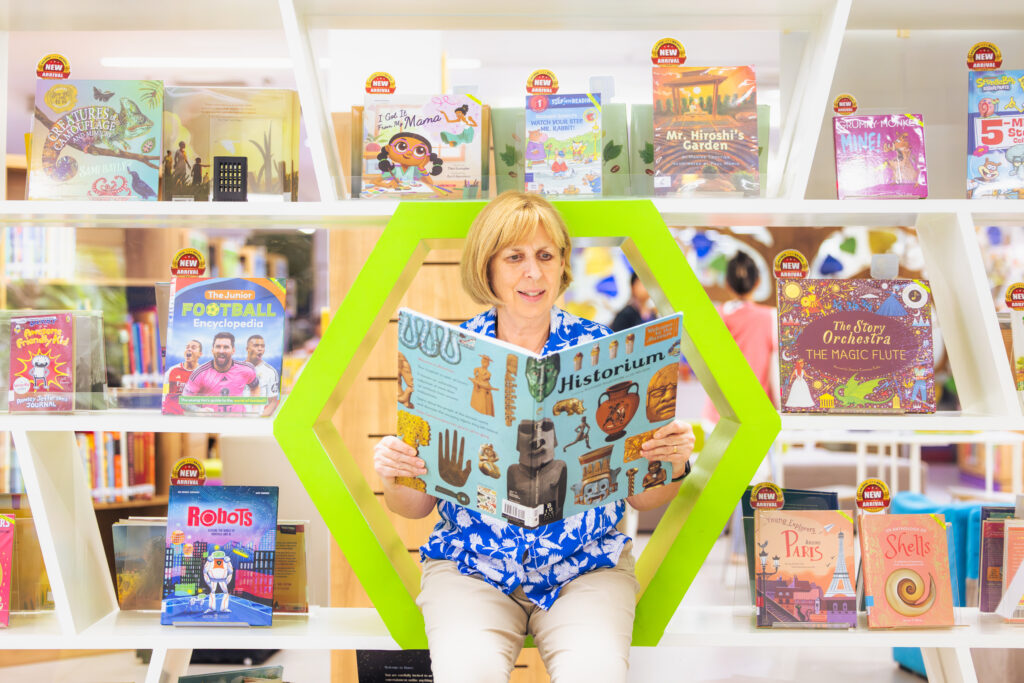
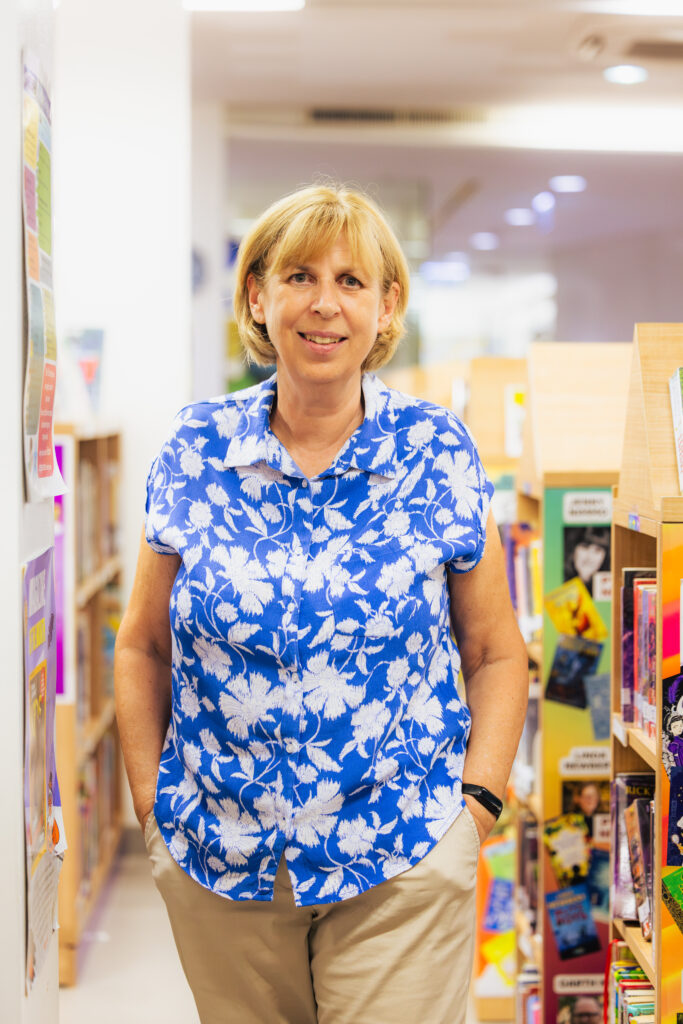
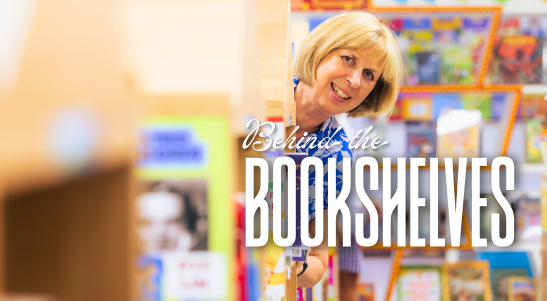
Behind the Bookshelves

What book do you recommend and why?  

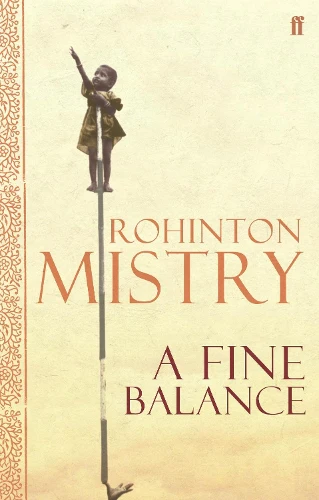
Rohinton Mistry’s A Fine Balance is a powerful, Dickensian novel set in 1970s India during the Emergency, where poverty, corruption and political upheaval shape daily life. Four very different characters—a widow, two tailors and a student—find their lives brought together in a small Bombay apartment, forming a fragile community of both refuge and struggle. The novel captures the harsh realities of injustice while celebrating human resilience.
 

What podcast do you recommend and why? 

Kermode and Mayo’s The Take – Great film reviews and conversations around movie and non-movie related content by Mark Kermode and Simon Mayo.

Where do you work/teach? 

I am Lorraine Illing in Year 4 SFL teacher.

Share This Article

In this Issue

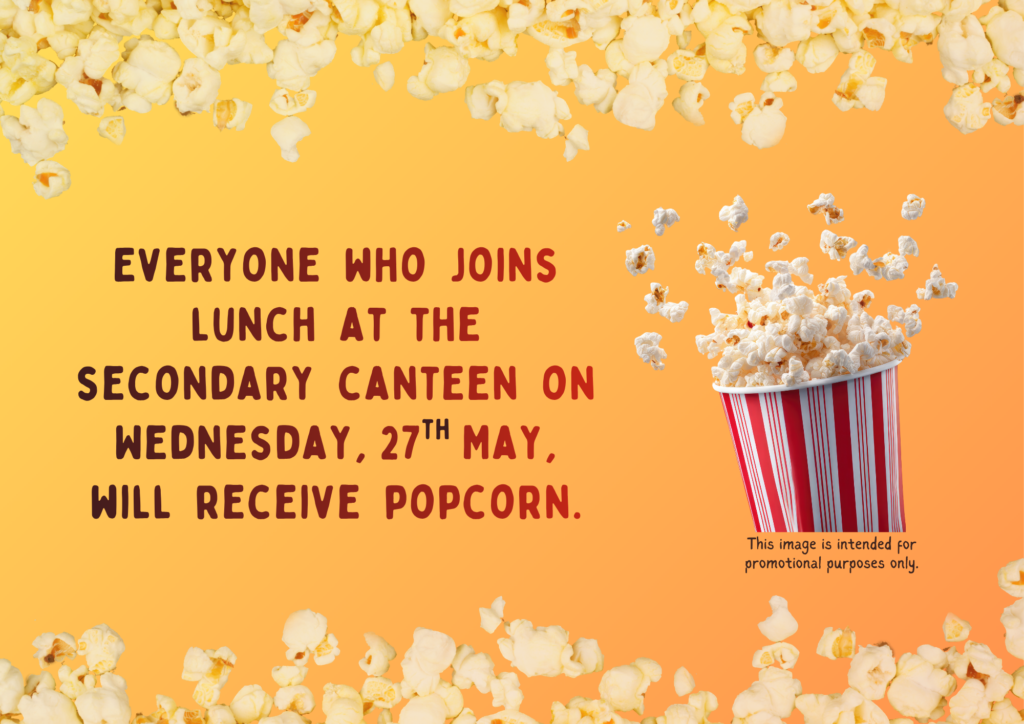
Foodie Fun

Share This Article

In this Issue

Secondary School Canteen Renovations

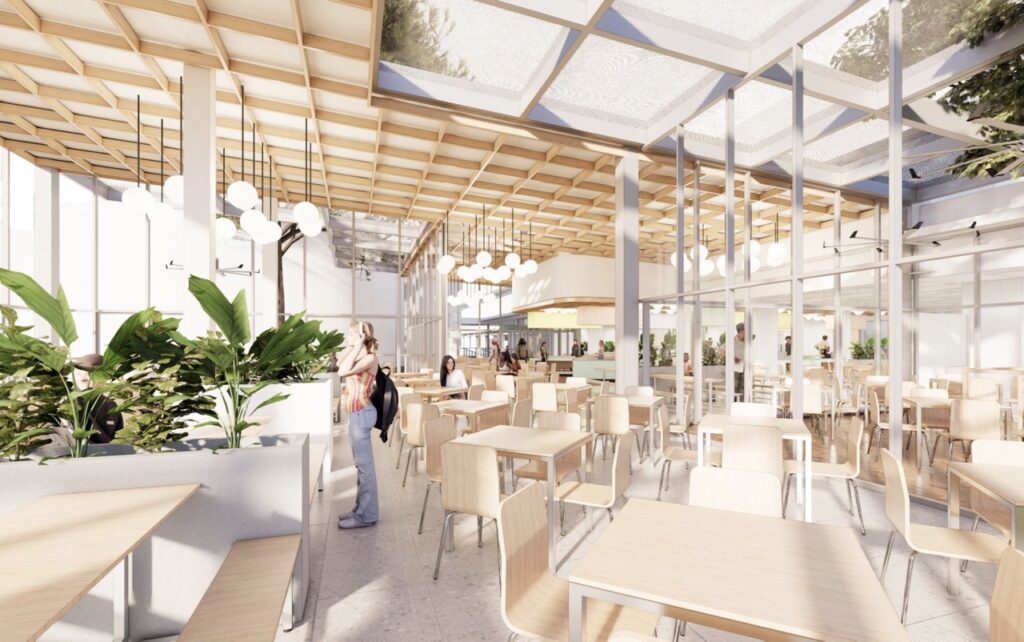
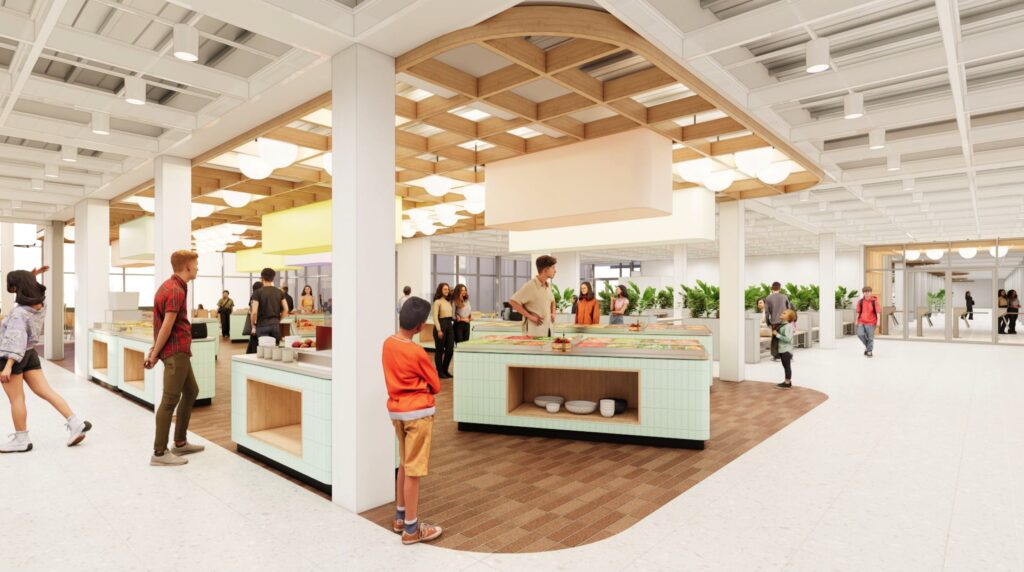
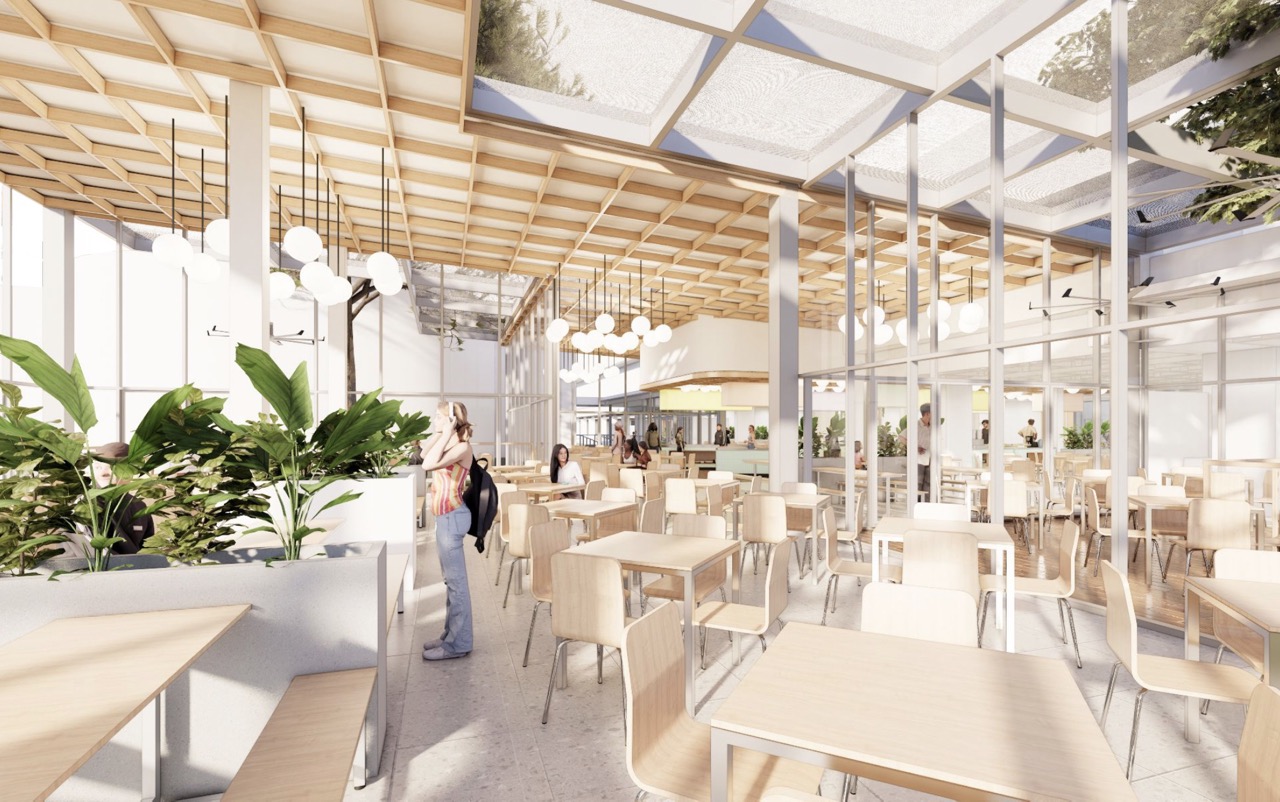
Bangkok Patana School will be undertaking a major renovation and improvement project for the Secondary School Canteen. This development is part of the school’s ongoing commitment to enhancing the quality, safety and overall dining experience for students, staff, and visitors.

To better reflect the purpose of these spaces, from the start of the next academic year, the Primary and Secondary School canteens will be referred to as Dining Halls.

The existing open-air Secondary canteen facility will be upgraded to a fully air-conditioned dining environment. In addition to improving comfort for users, the renovation is designed to strengthen hygiene and environmental standards within the canteen area. The enclosed and air-conditioned setting will help reduce exposure to external pollution and minimise the presence of birds and other animals within food service areas, supporting a cleaner and healthier environment for the school community.

As this is a large-scale project involving substantial construction and infrastructure improvements, we will need to begin before the end of this academic year. To facilitate the initial stage of the renovation, temporary arrangements will be introduced during the final two weeks of term.

Please find the details as follows:

  • The Secondary School Canteen will close for renovation from 15th June 2026 onwards.
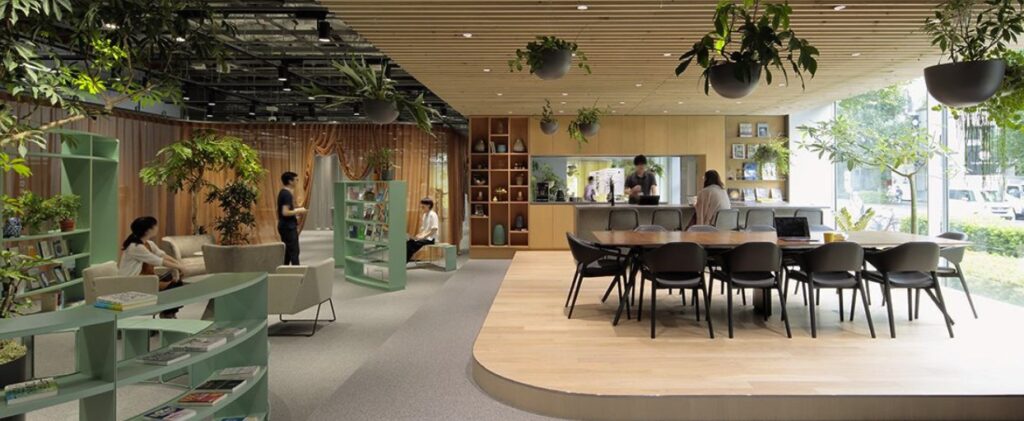
  • During the final two weeks of term, buffet lunch services will be temporarily relocated to the Student Lounge area.
  • Food service operations, meal availability and payment procedures will continue as normal to minimise disruption for students and staff.
  • The Secondary Snack Bar, Noodle Bar and Smoothie Bar will continue operating as usual throughout this period.
  • Appropriate signage, seating arrangements and service management will be in place to support the temporary relocation.

We understand that this temporary relocation may cause some inconvenience, and we appreciate the patience, understanding and cooperation of our school community during this renovation.

These enhancements mark a positive step forward to creating a more comfortable, hygienic, and enjoyable dining experience. Further updates regarding the renovation timeline and reopening arrangements will be communicated in due course.

Share This Article

In this Issue

Transport Corner

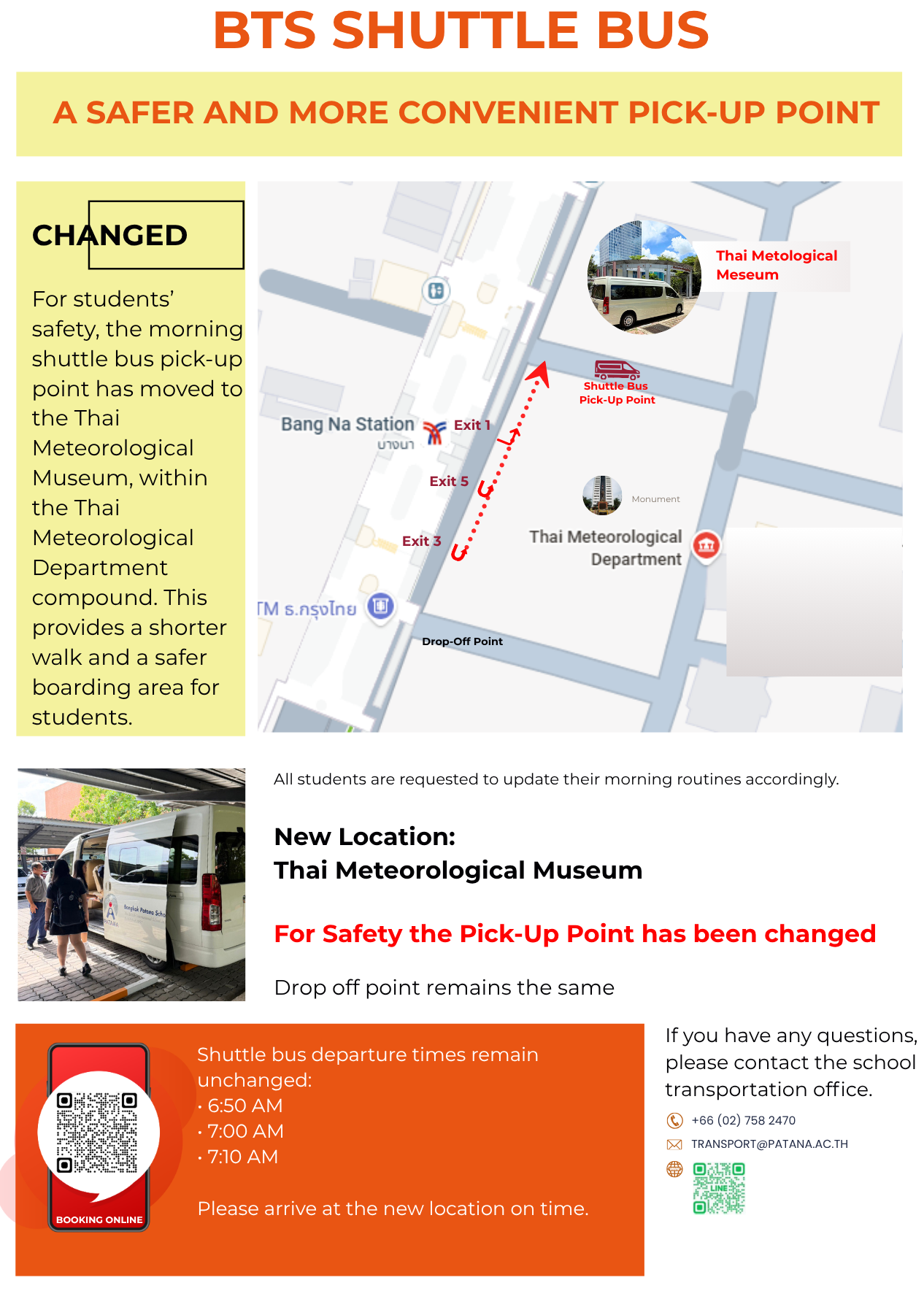
Shuttle Bus Update

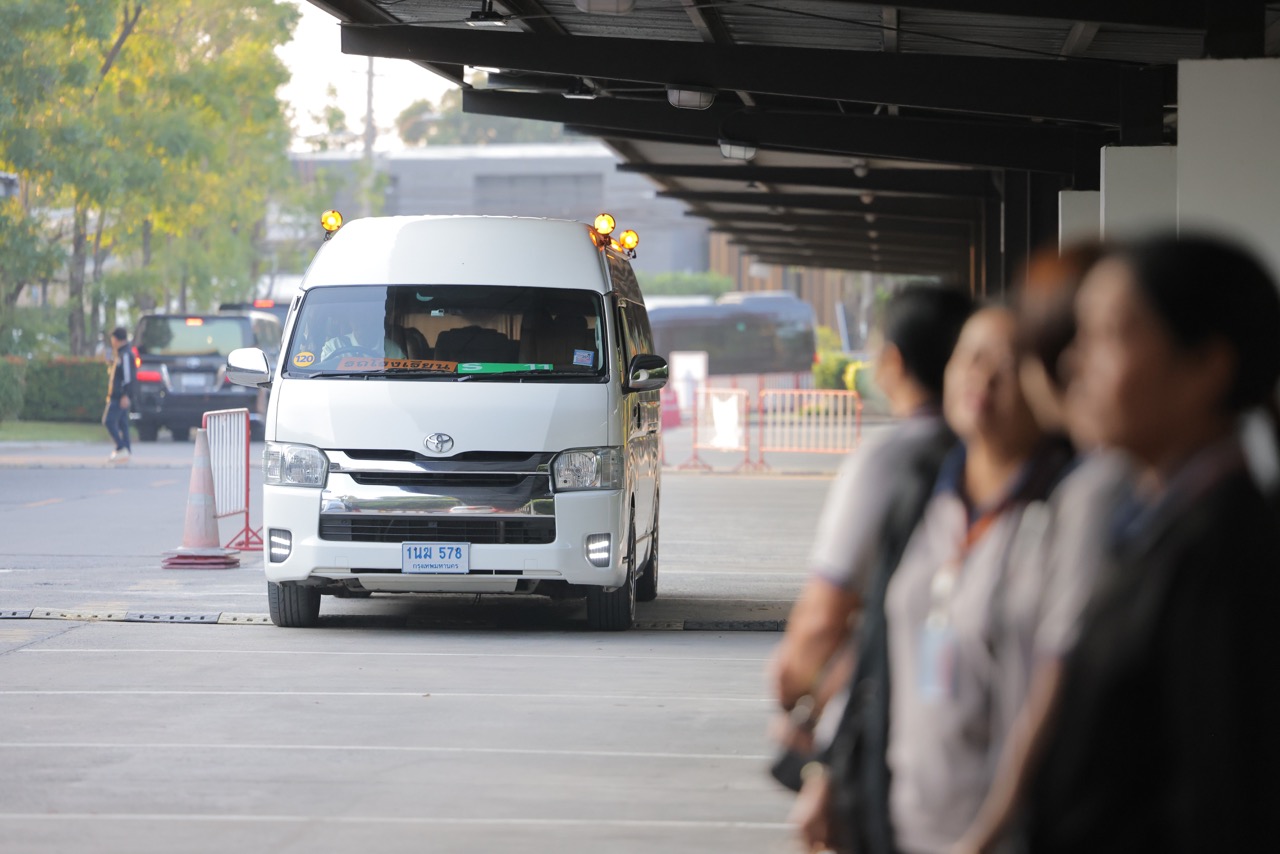
For students’ safety, the morning shuttle bus pick-up point has moved to
the Thai Meteorological Museum, within the Thai Meteorological Department compound. This provides a shorter walk and a safer boarding area for students.

If you have any questions, please contact the school transporation office @transport@patana.ac.th

Share This Article

In this Issue

Beyond the Notes

By Wanpiya Kittikunsiri, Piano Teacher, Instrumental Music Department

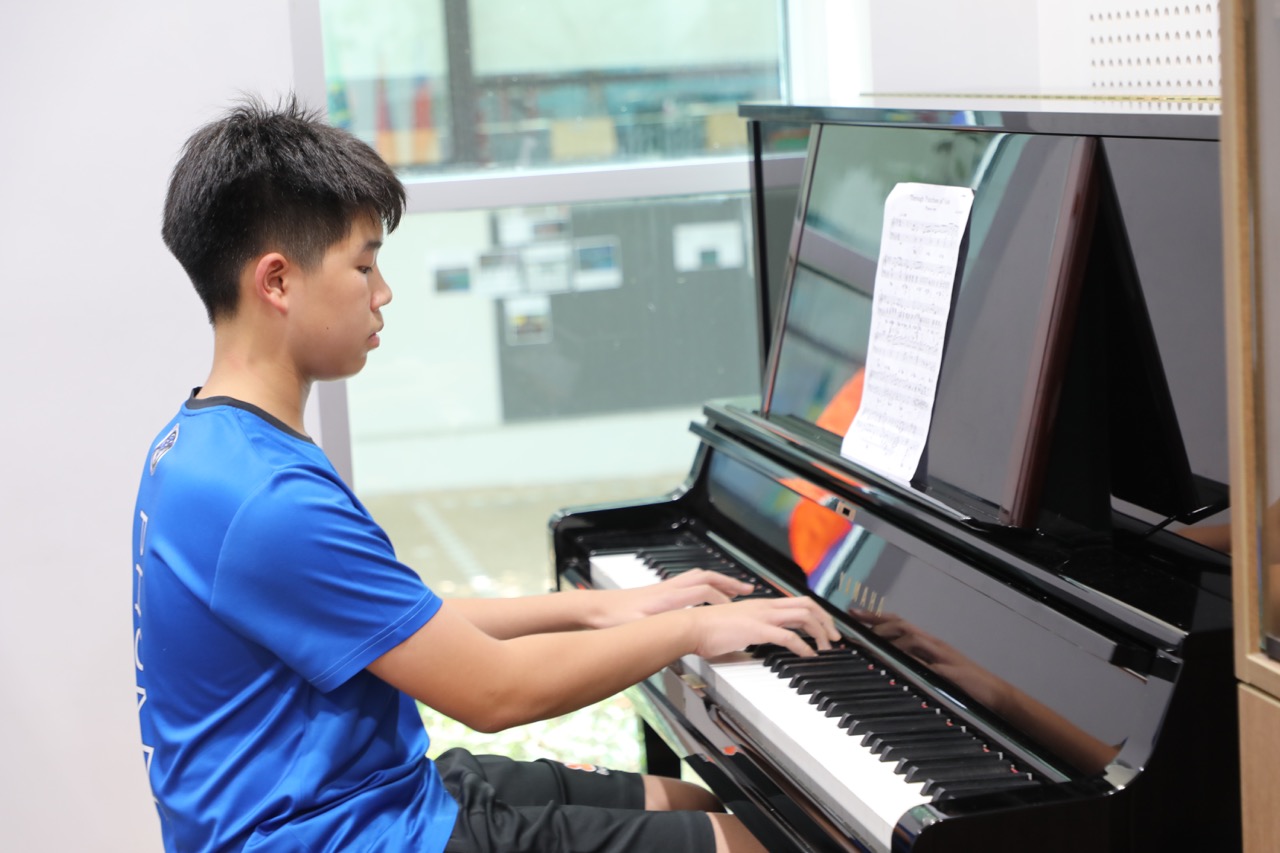
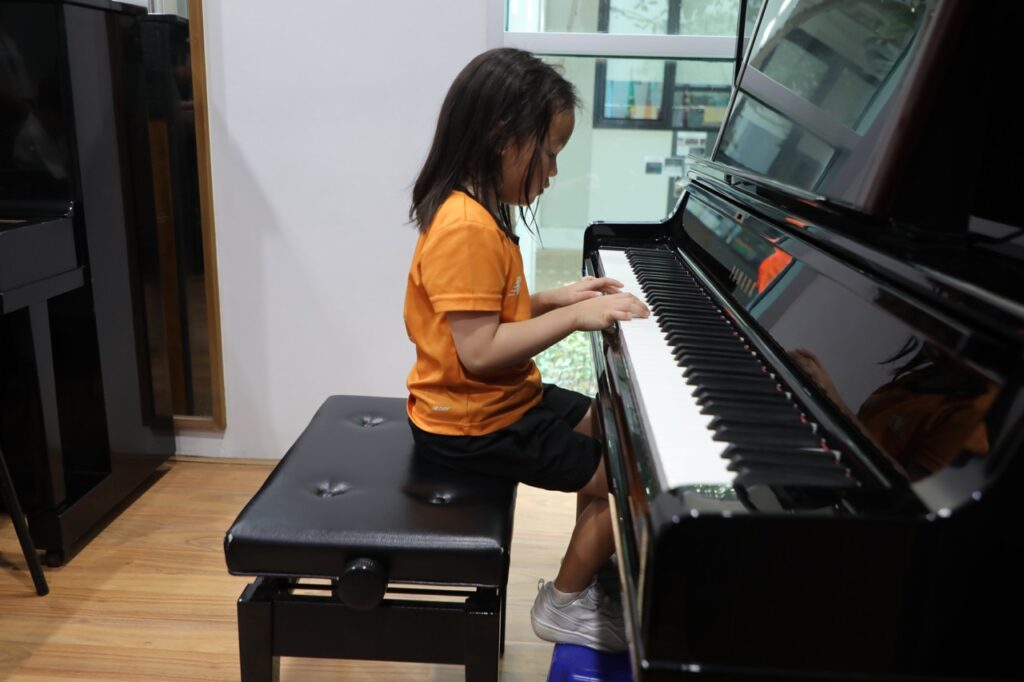
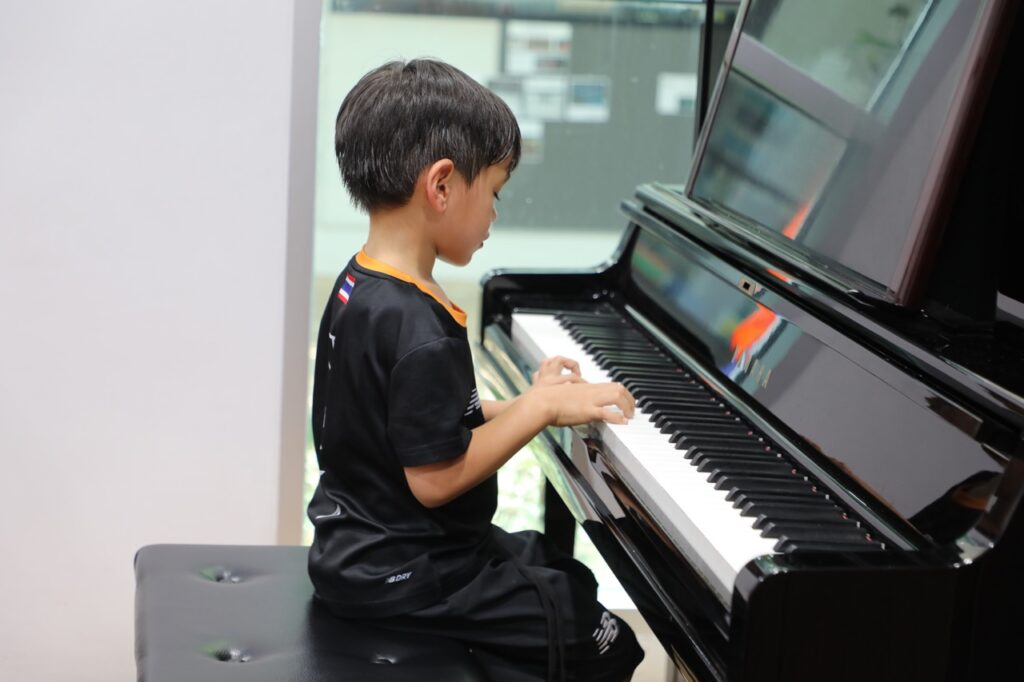
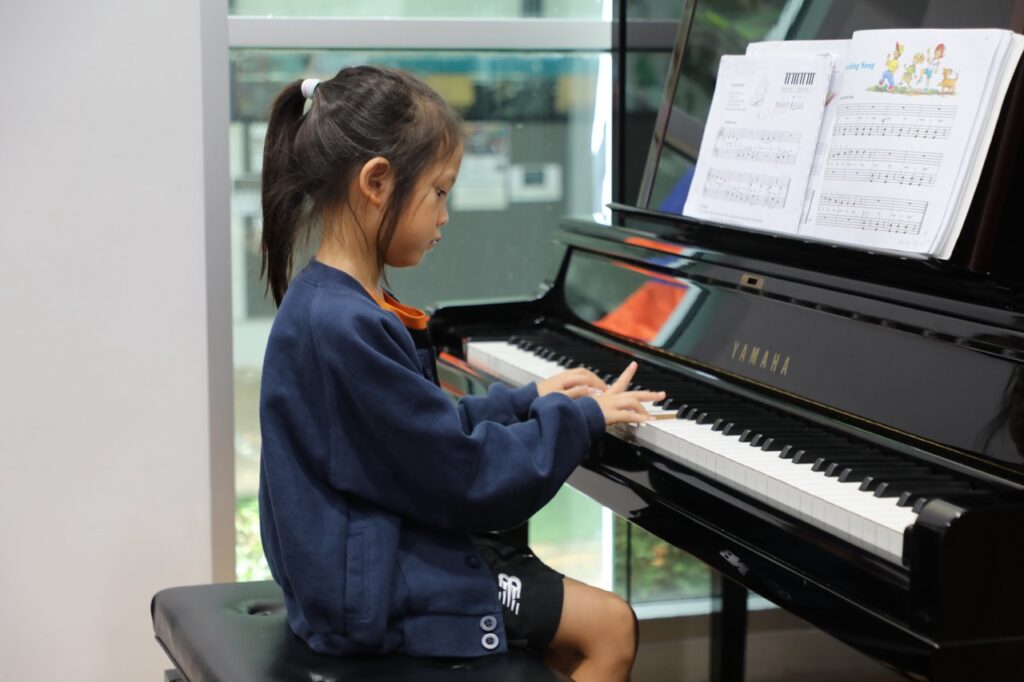
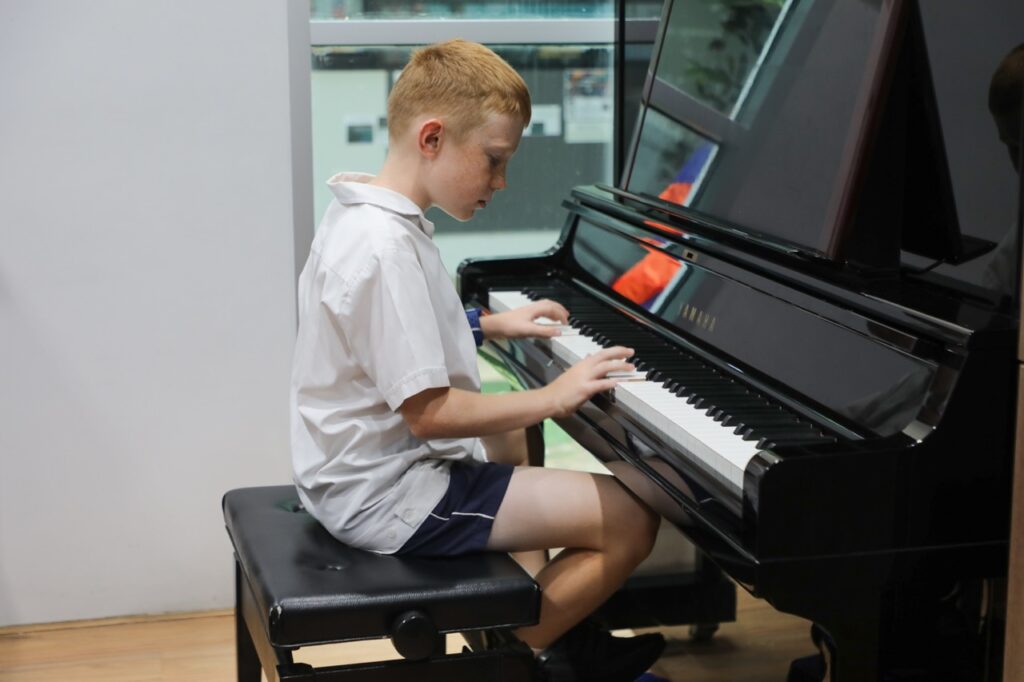
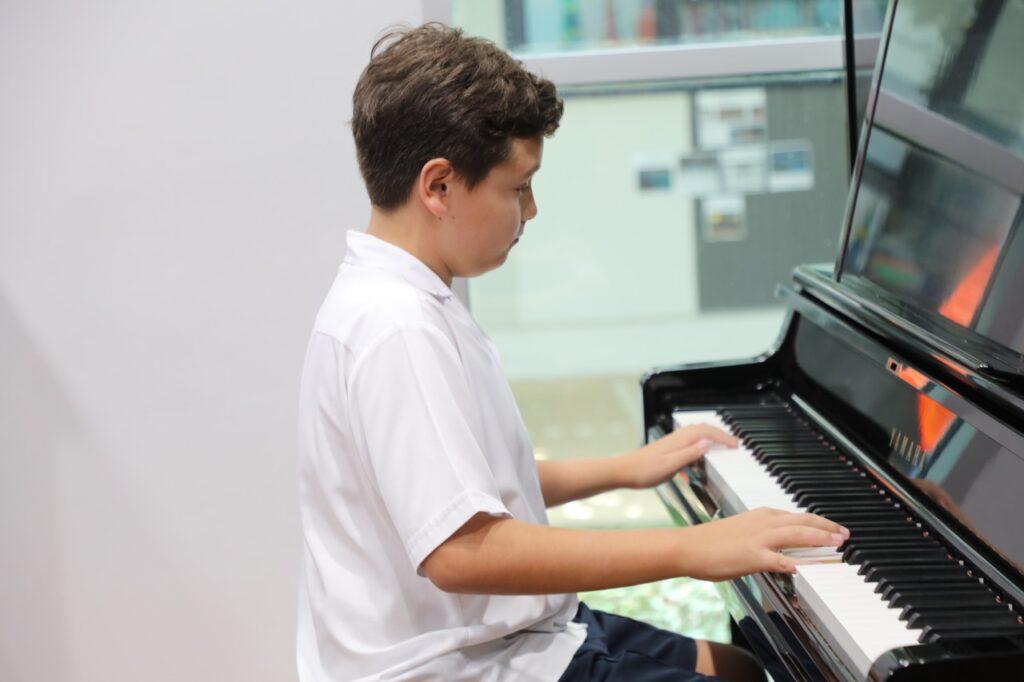
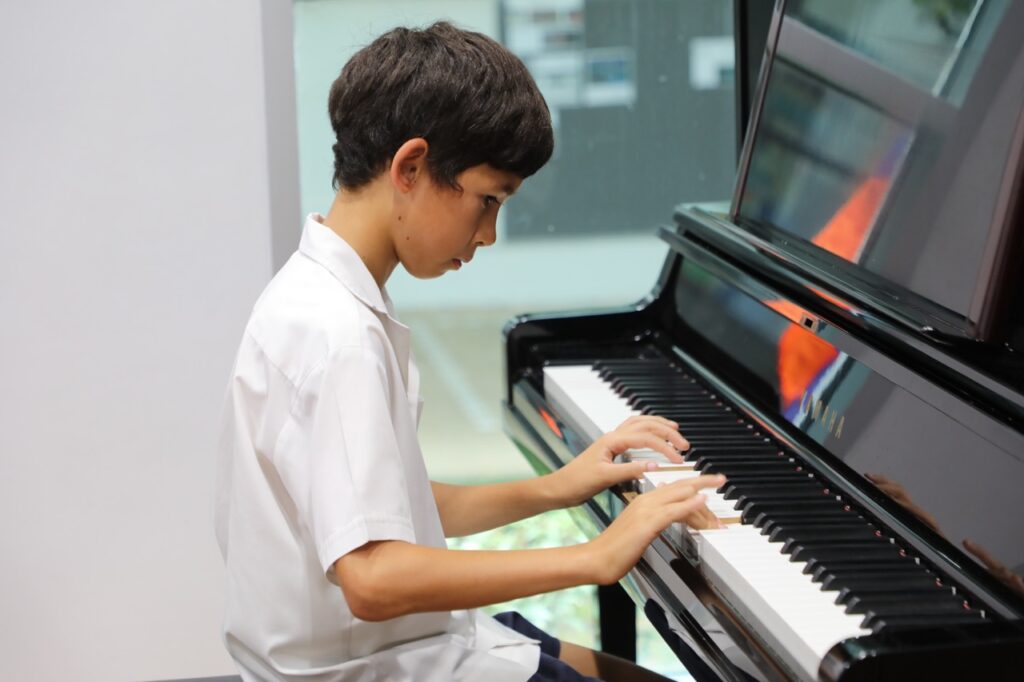
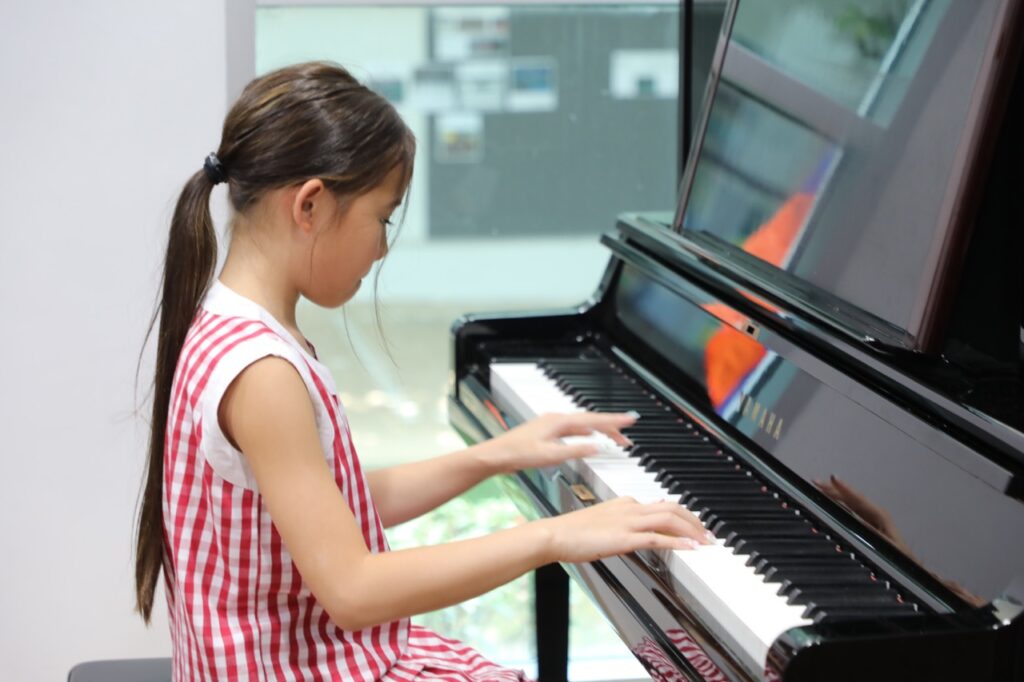
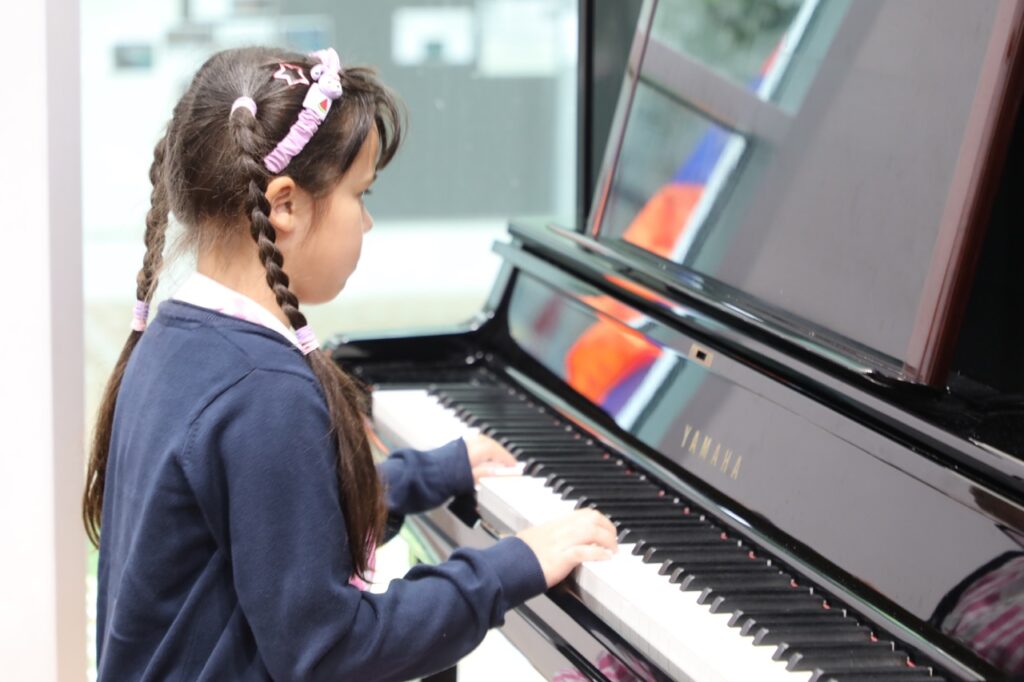
Piano Gathering is one of the performance events within the Instrumental Music Department, providing students with the opportunity to share their music in a warm and supportive environment. Whether performing on stage for the first time or returning with more experience, students are encouraged to develop confidence, musical expression, and enjoyment through performance.

Piano lessons extend beyond reading notes and playing the correct keys. Throughout their learning journey, students gradually develop focus, listening skills, patience, and confidence through consistent practice and musical collaboration.

In lessons, students may practise with backing tracks and ensemble-style activities to strengthen rhythm, listening, and overall musical awareness in an engaging and creative way. Teachers may also perform alongside students in four-hands activities, helping them experience the enjoyment of making music together while developing concentration and consistency in performance.

The event was led by our Piano Teachers, Samart Rukpanya, Kittipong Pinkong and Krit Kosoltrakul.

If your son or daughter is interested in music lessons at Patana, please contact Khun Sak at Pech@patana.ac.th for more information.

Share This Article

In this Issue

Inspired by Kati: A Lesson in Happiness and Creativity

By Yada (Emily) Roeksiriphong, 10N

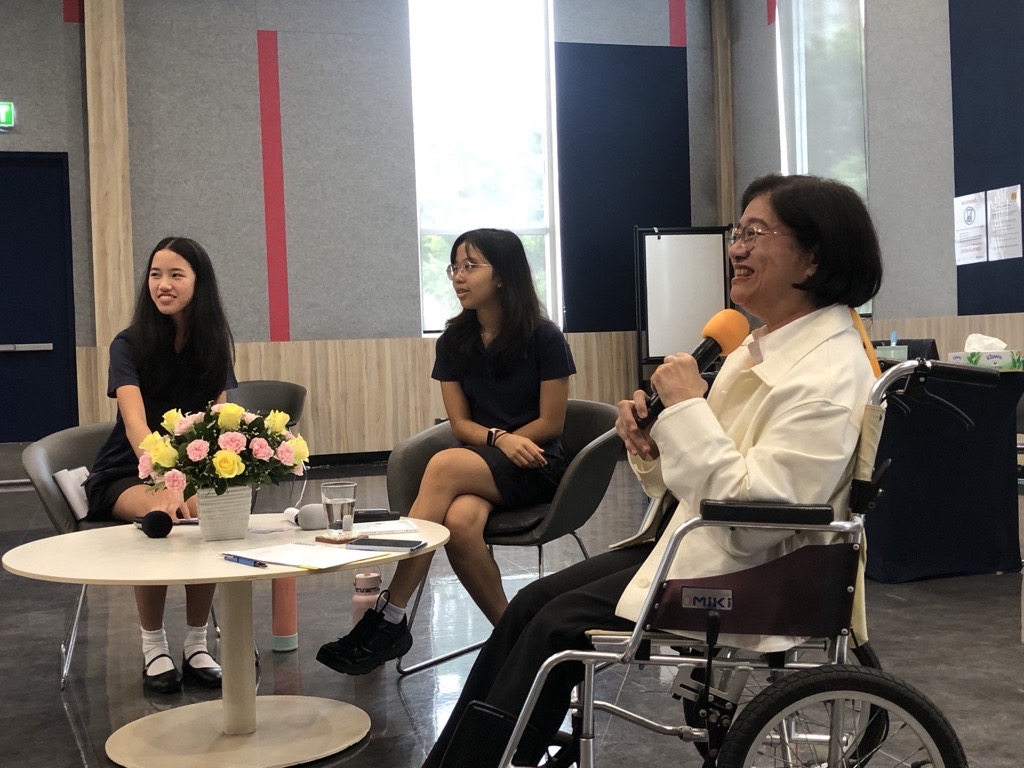
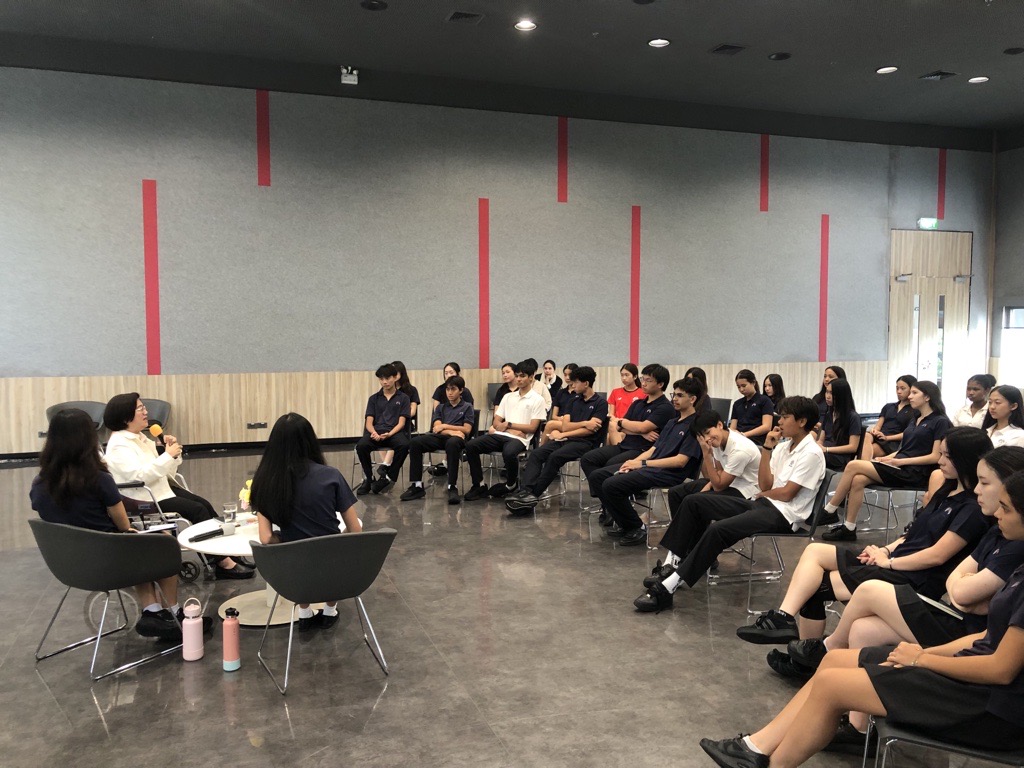
Upon reading “The Happiness of Kati”  by Khun Ngampan Vejjajiva in class, the book taught me that happiness is different for everyone and can be found in simple moments around us. Even though the main character, Kati (กะทิ), lost her parents, she was still able to live happily with her grandparents and appreciate the love and warmth around her. This made me realise that happiness does not always come from having everything, but from accepting life and valuing the people who care about us. I also felt inspired when we met the author, who was a guest speaker at school on 14th May 2026. She shared her motivations, ideas and writing process; this encouraged me to be more creative and confident in expressing my own thoughts and stories.

Share This Article

In this Issue

Making Everyone Think

By Laura Burke, Lead Practitioner

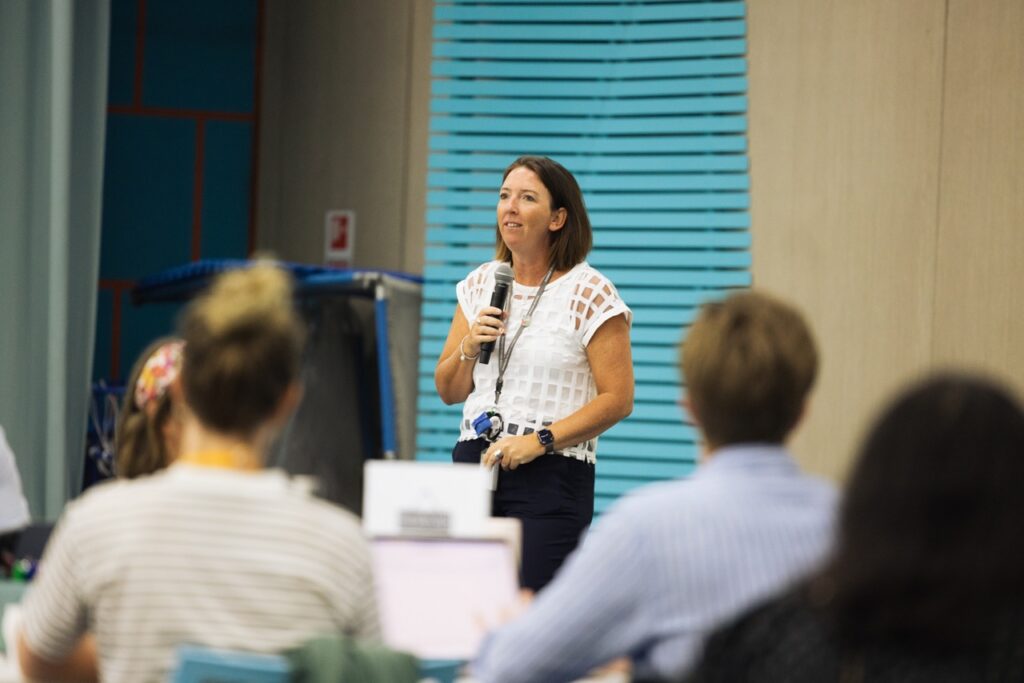
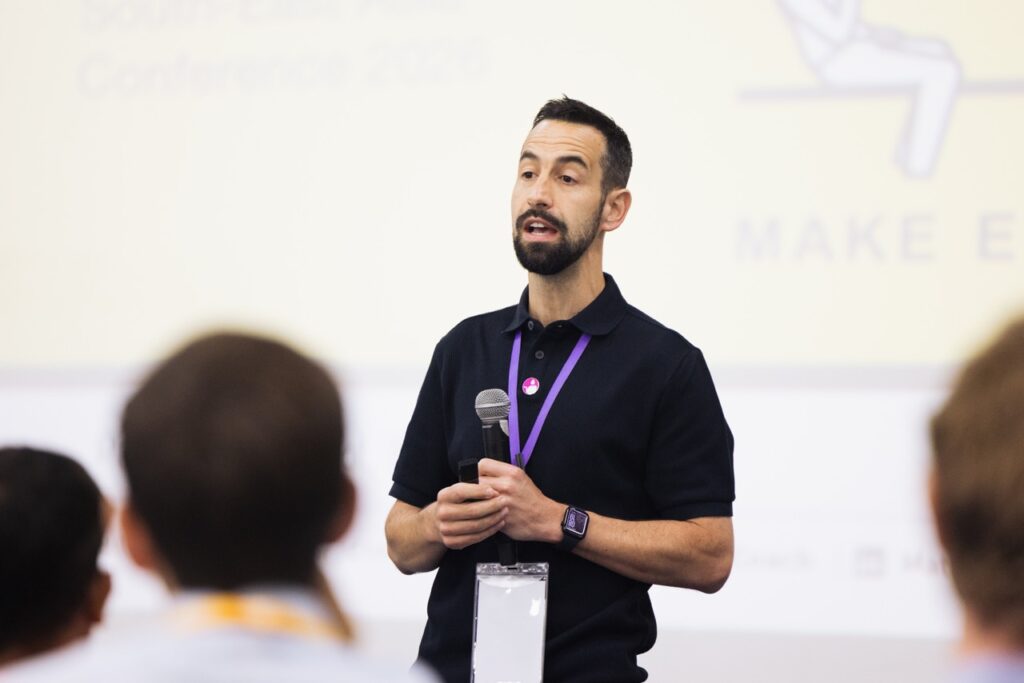
Two weeks ago, I had the privilege of attending the South East Asia WalkThrus Annual Conference with Matt Stone, and it proved to be one of the most inspiring professional learning experiences I have had recently. The conference theme, Making Everyone Think, set the tone for a day grounded in the science of learning and practical classroom application.

The morning sessions focused on how we can design learning that truly makes children think hard. We explored ideas around human cognition, schema development, and mental models, and examined the crucial difference between simply knowing something and being able to apply it. These discussions challenged us to reflect on how our classroom practices either support or limit deep thinking.

In the afternoon, attention shifted to the role of leaders in creating the conditions for teachers to think hard as well. We looked closely at the power of short feedback loops and how they can accelerate improvement for both pupils and staff. We also examined how to plan effective CPL sessions that are rooted in evidence from cognitive science rather than habit or tradition.

Overall, it was a rich, thought-provoking day that left me with practical strategies and renewed enthusiasm for improving teaching and learning across our school.

Share This Article

In this Issue

Community Engagement at Bangkok Patana: CanCure

By Tanna Chou, Year 12

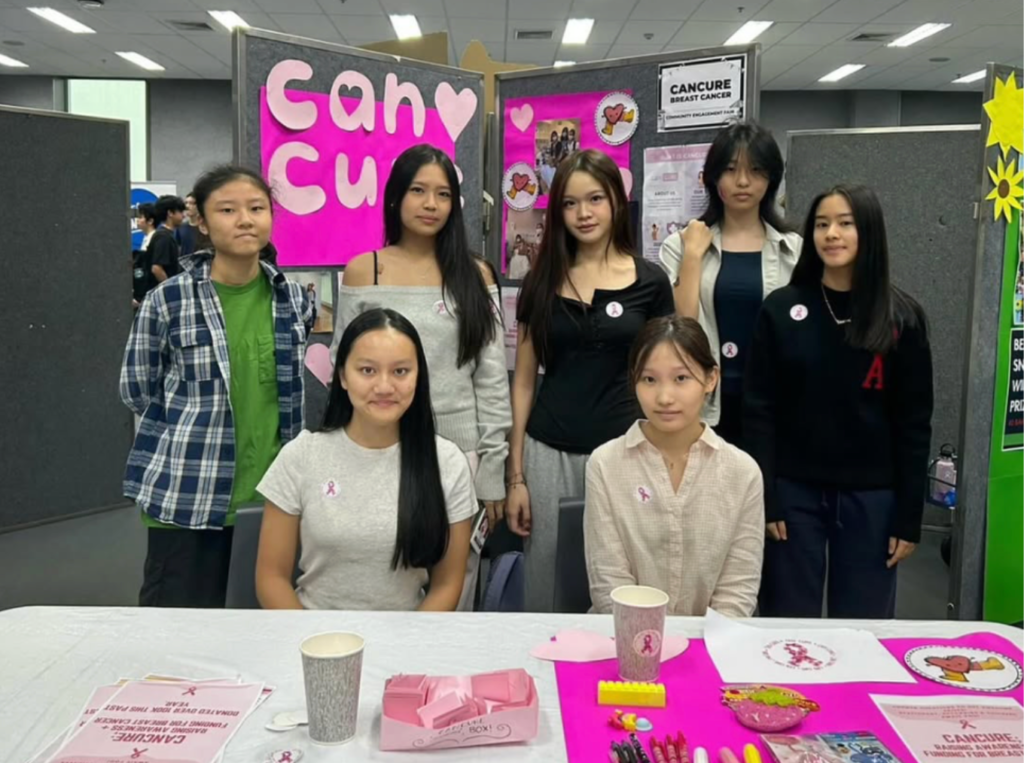
CanCure is a student-led CAS club with the goal of funding basic checkups for breast cancer and reducing the stigma around breast cancer through educating our community on its causes, risks, and prevention. Breast cancer affects more than 300,000 people worldwide each year, making it a prevalent problem throughout the world. Despite its frequency, however, there is a lot of stigma and misinformation around it, which Cancure aims to address.

Additionally, we aim to help fund basic checkups at the Queen Sirikit for Breast Cancer Foundation, a foundation dedicated to the diagnosis, treatment, and research of breast cancer in Thailand, which provides care to all women regardless of their financial status. Funds are raised through annual events and sales throughout the school year. This year, we raised over 50,000 baht through our Pink Day, hosted yearly in October, and sales during Community Engagement Week.

Cancure meets weekly to plan events and discuss and create digital posts. These posts are consistently published on our Social Media (@bps_cancure on Instagram), aimed to educate the school community on the disease surrounded by stigma; on the background, warning signs, prevention, and treatments in Thailand.

Overall, Cancure has had an incredibly successful year, with more funds raised than the last. Moving forward, we plan to raise even more funds to help those in need and to get more members for the club to help this cause. Additionally, we hope to plan a hospital visit to the Queen Sirikit Centre for Breast Cancer, to further support the patients and raise awareness for breast Cancer.

Share This Article

In this Issue

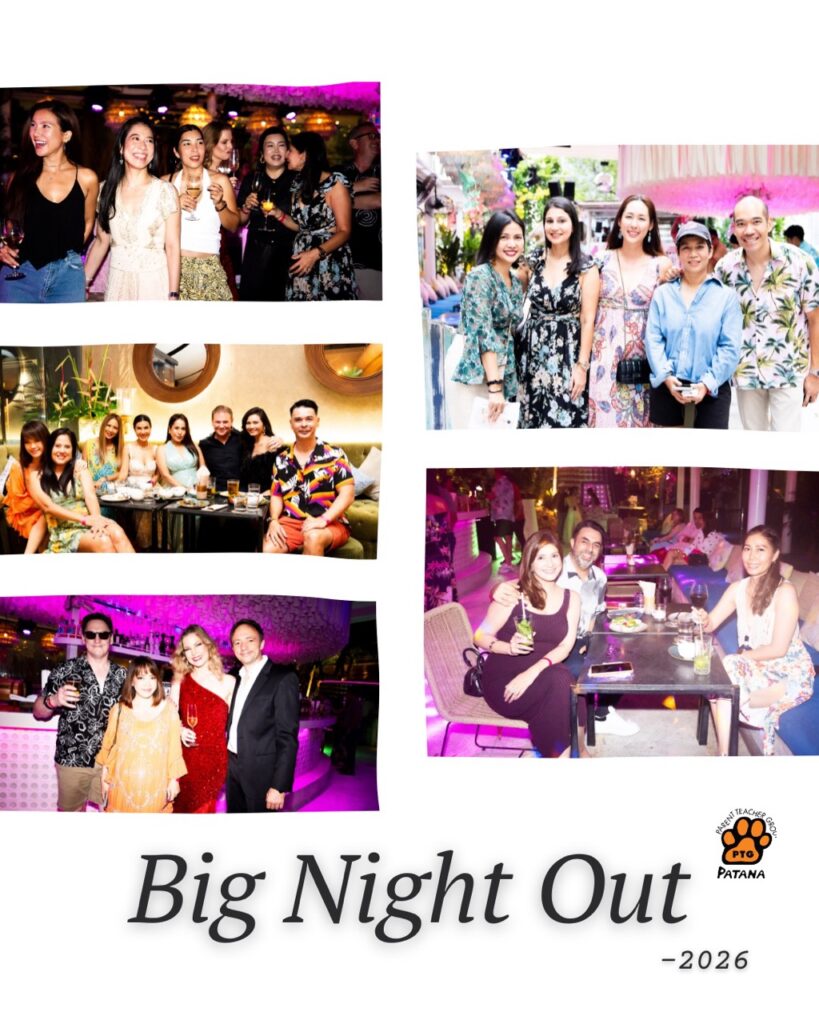
PTG Updates

Share This Article

In this Issue

School Announcements and Upcoming Events

Important: Certificate of Enrolment and Visa Documentation Requests for Summer Break

If you require documentation from the school to support visa applications or extensions over the Summer break, please request this as soon as possible.  To do so, kindly complete the online request form via the Parents’ Gateway: Document Request from Admissions

Please note that we require at least three (3) working days to process these requests. The final date to request certified letters or documentation for visa extensions is Friday 19th June 2026.  

Kindly be aware that no requests can be processed between 29th June 2026 – 2nd August 2026.  The Admissions Office will be open to support new requests starting from 3rd August 2026.  

Best regards, 

Admissions Team


Share This Article

In this Issue

© 2025 Bangkok Patana School

Issue: 29
Volume: 28
Bangkok Patana School
Privacy Overview

This website uses cookies so that we can provide you with the best user experience possible. Cookie information is stored in your browser and performs functions such as recognising you when you return to our website and helping our team to understand which sections of the website you find most interesting and useful.