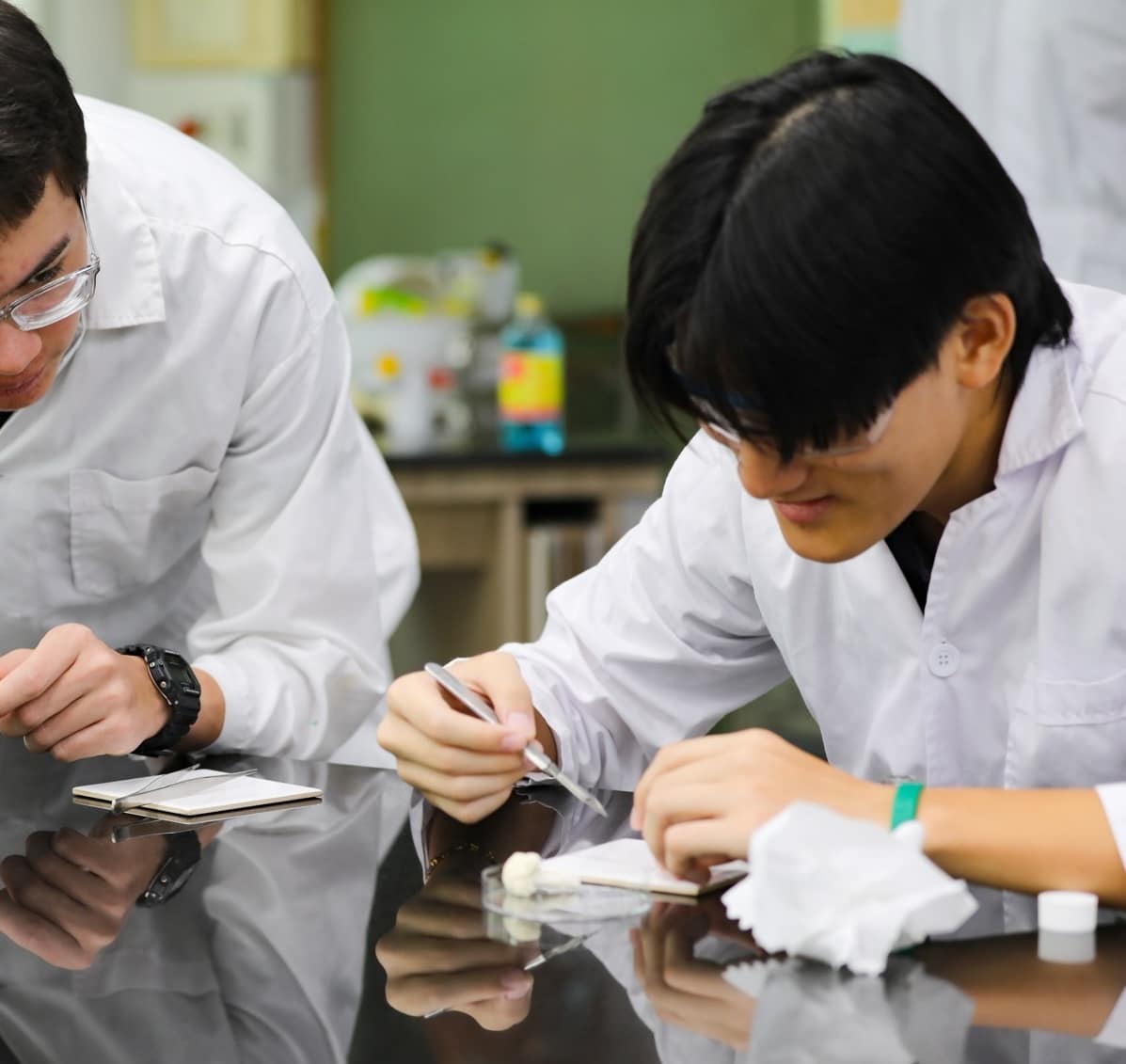
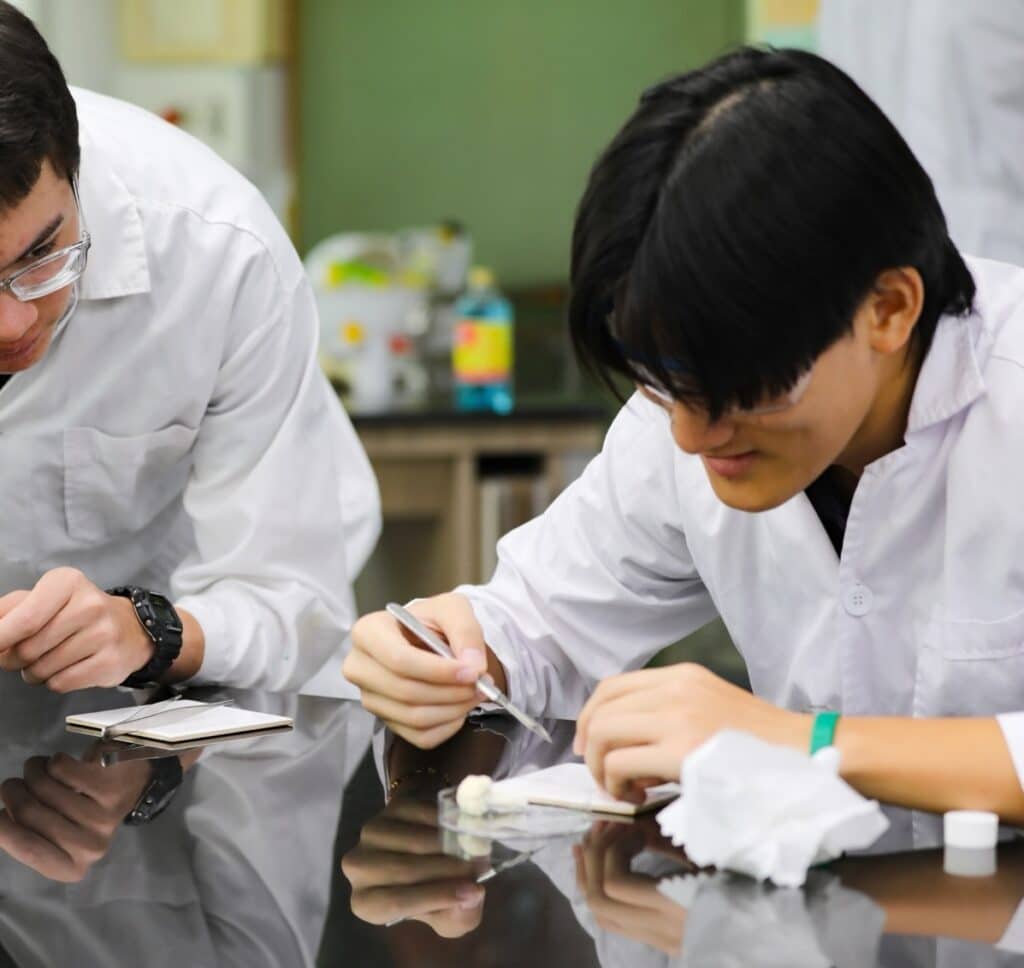
A student draws a classmate into a discussion, finds the confidence to share an idea or tries a different approach when something hasn’t worked. These are small moments that teachers and parents value. They reveal important growth, but how well do we capture it alongside academic achievement?
That question is guiding our work with the University of Melbourne. In 2025, Bangkok Patana joined New Metrics for International Schools (NMIS), developed by the University in partnership with the Council of International Schools. Together, we are exploring how to recognise and assess students’ collaboration, communication and ownership of their learning.
During our staff professional learning day last May, we asked colleagues to imagine an exhibition of human competencies in a museum in 2036: which qualities would be timeless, which would be emerging, and what would deserve a place? What struck me was how closely their responses echoed the language developed through the University’s research. The framework connected naturally with qualities we already recognise and value in our students.
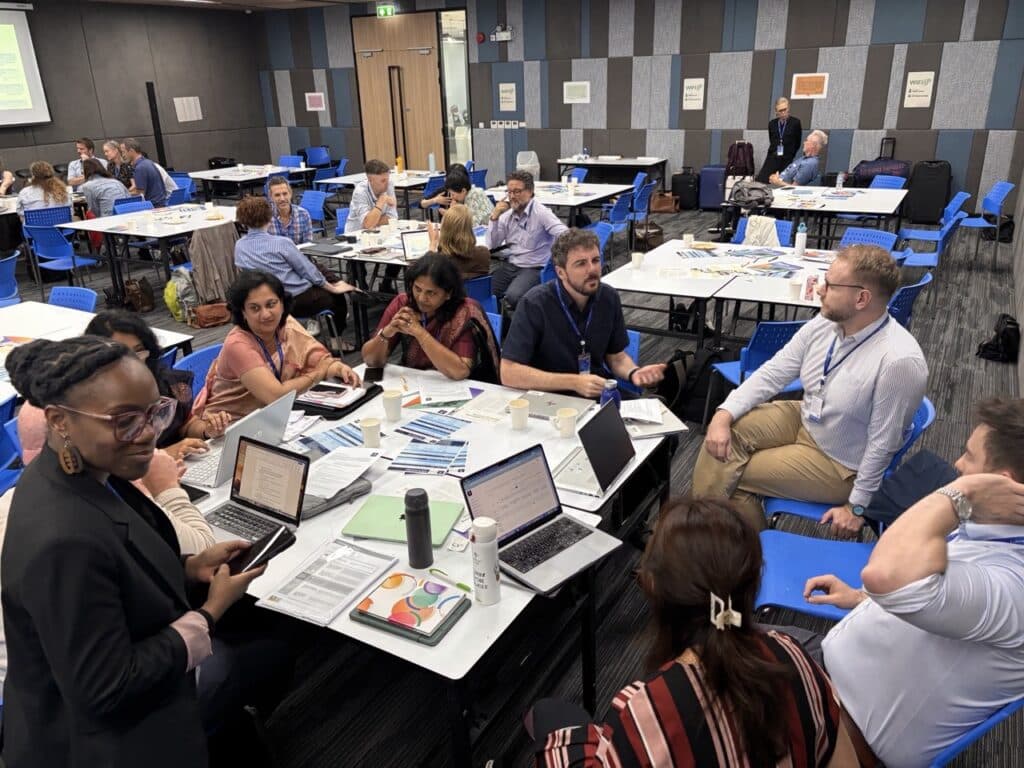
More recently, the NMIS seminar in Bangkok and a subsequent visit by fellow educators to Bangkok Patana helped us take these conversations further. Learning alongside other schools is helping us consider how this research can support everyday teaching and give families a fuller picture of their child’s development.


We are now exploring this in practice through a pilot involving two Year 6 classes and two Year 7 classes. Our focus is on three competencies: Collaboration, Communication and Agency in Learning. Agency in Learning describes how students take increasing responsibility for their progress: using reasoning, acting with courage, reflecting on their experiences, managing uncertainty and demonstrating drive.
For these students, the pilot will take place within familiar lessons and activities, with no additional tests, extra lessons or new subjects. Teachers will record observations using Ruby, the University of Melbourne’s assessment platform. In Year 6, they will draw on classroom lessons, PE and residential visits, potentially including a specialist subject later in the year. In Year 7, the focus will be on Well-being, Global Impact Projects and PE lessons, alongside residential visits.
Parents across Secondary may also have noticed changes to the language in our reports. This introduces the human competencies within the University’s Melbourne Metrics framework language and gives teachers and students a shared way to discuss learning. The full NMIS assessment pilot, however, involves only the four participating classes and is separate from the Human Competency judgements in Secondary reports and the Characteristics of Effective Learners in Primary.
The pilot will help us answer some practical questions. With each student assessed by at least two teachers and Ruby bringing their judgements together, how consistent a picture emerges across different lessons and activities? How can we use this information to help students develop these competencies and share meaningful feedback with parents?
As a feasibility study, this is an opportunity to test, reflect and learn before deciding what comes next. Our partnership with the University and other participating schools will help us judge what works well and what needs further thought.
Academic achievement remains central to our work. Alongside it, we want students to become thoughtful collaborators, effective communicators and increasingly independent learners. By recognising this growth more clearly, we hope to help students understand their progress and families see more of the learning that happens each day.
We look forward to sharing what we learn as the pilot develops.