Looking at Things Differently 

By Sarah McCormack, Primary Principal

The start of a new academic year always brings with it a sense of possibility. Classrooms feel fresh, students arrive with energy and anticipation, and as educators we have a rare chance to pause and think again about how we approach our work. These first few weeks are a reminder of the value of looking at things differently. 

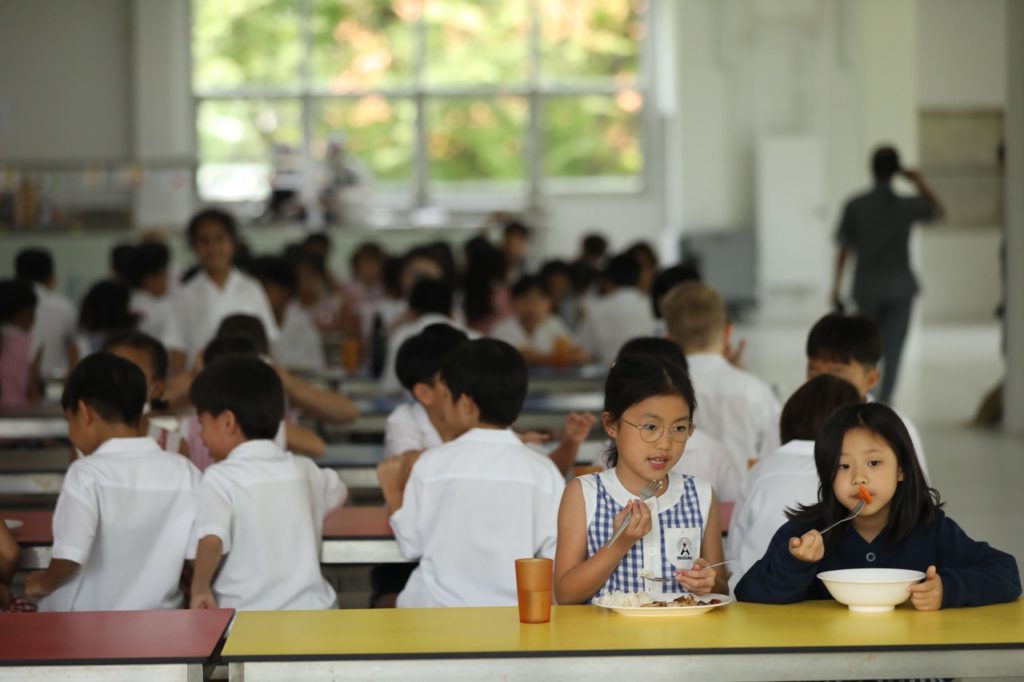
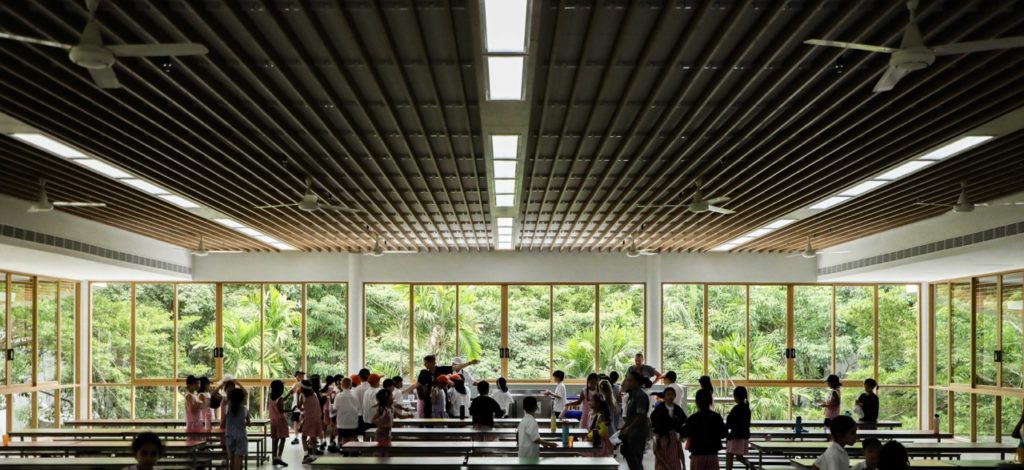
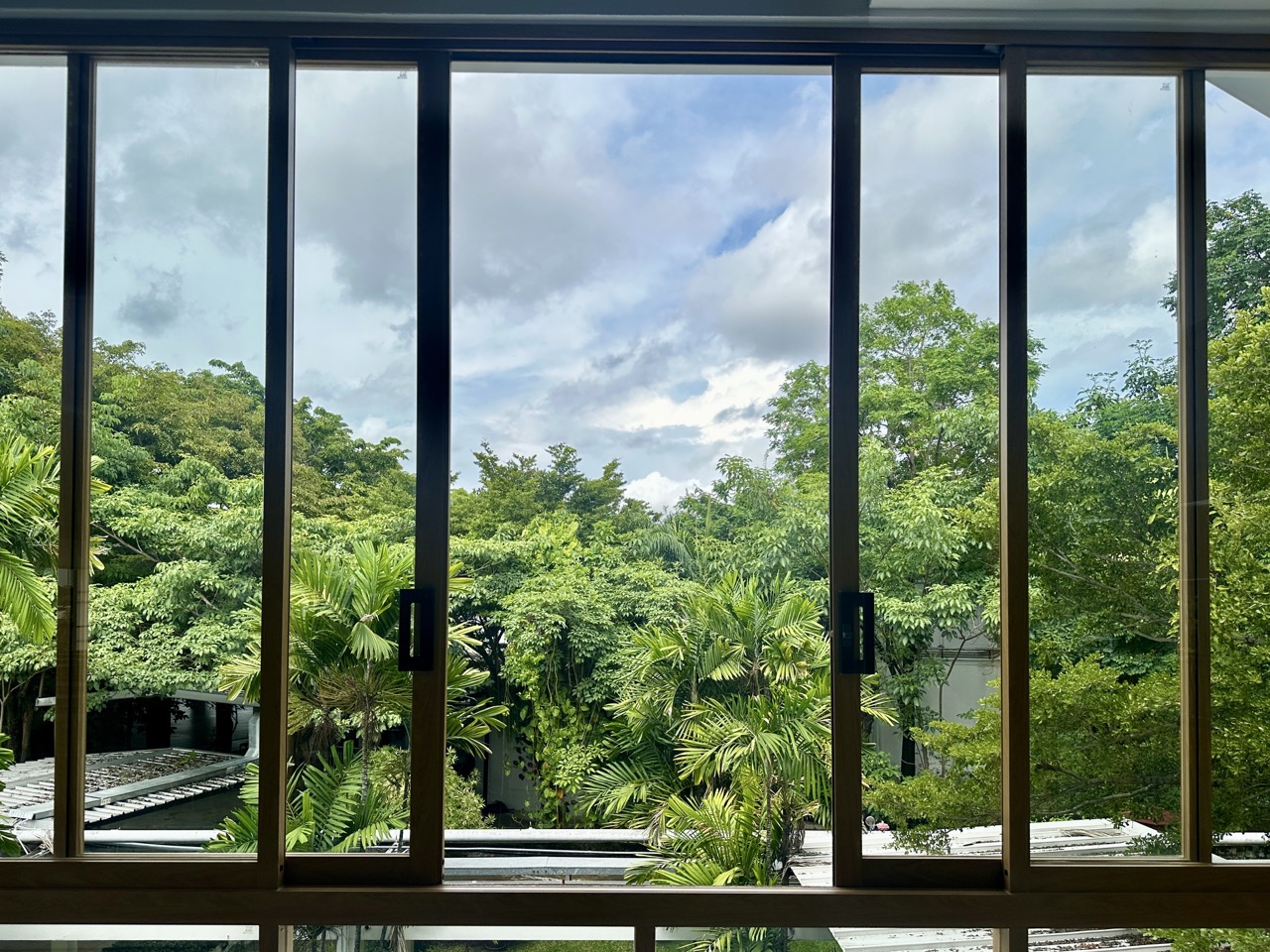
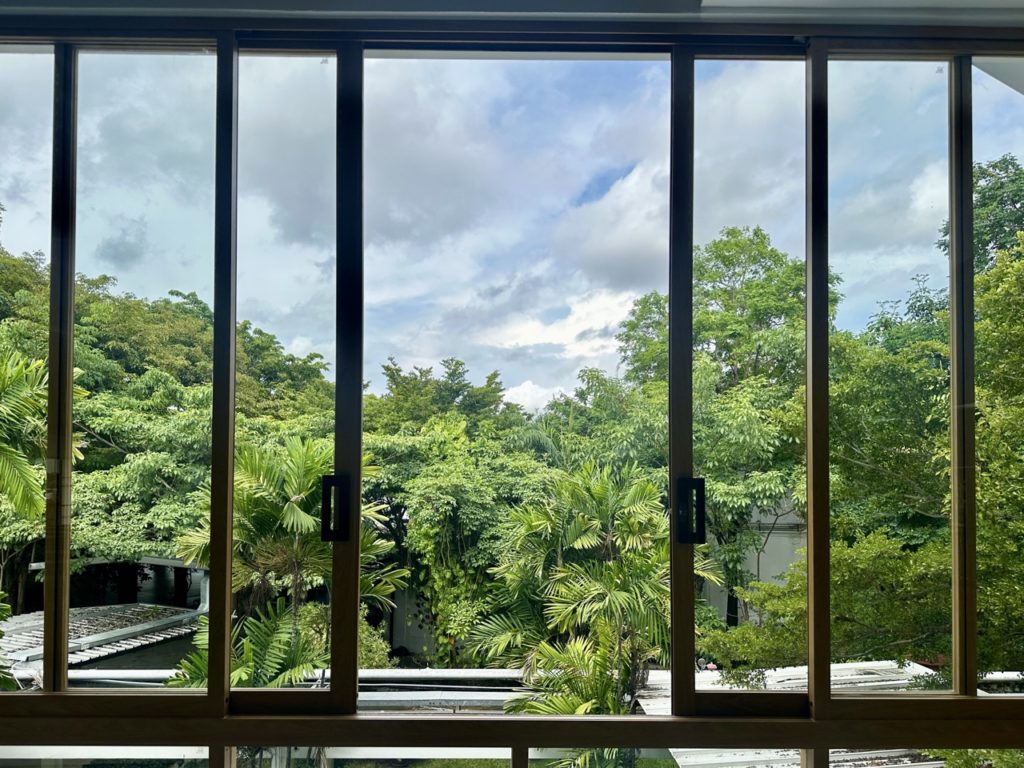
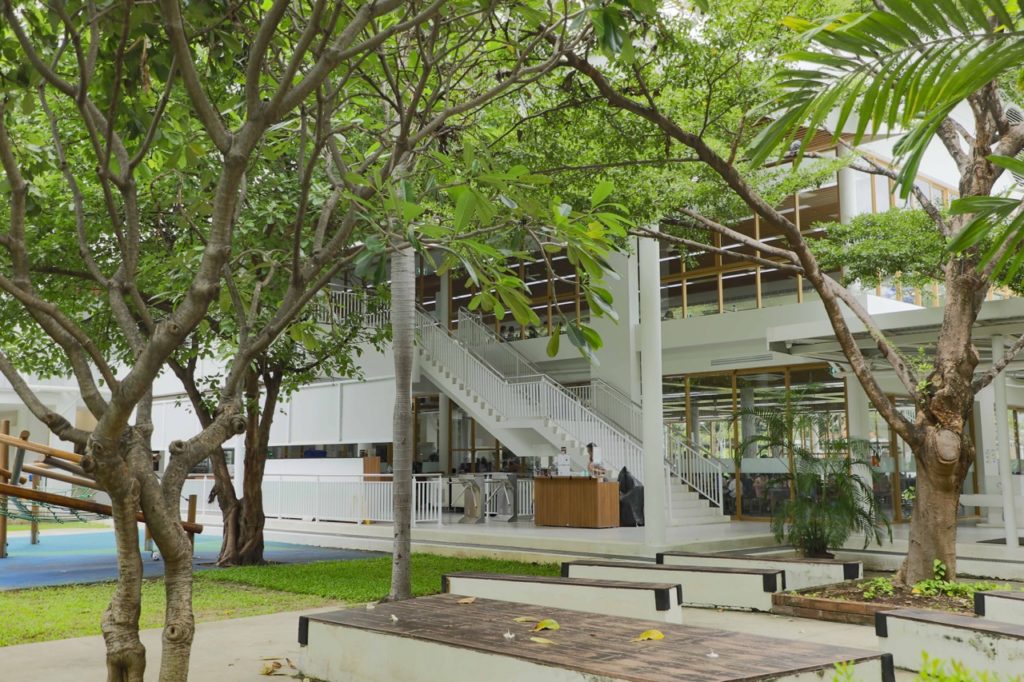
One example of this is our newly redesigned canteen. It has always been a beautiful Thai-style wooden structure, but over the summer it was given a thoughtful refresh. Floor-to-ceiling timber-framed doors, air-conditioning and filters now make the space cleaner and more practical. But for me, the most striking change is how the windows frame the outside world. Trees, light and movement beyond the glass are drawn into the room, turning the canteen into a calm, connected space at the heart of the school. It is still the same canteen, but now seen in a new way — and that is exactly what we want for learning. 
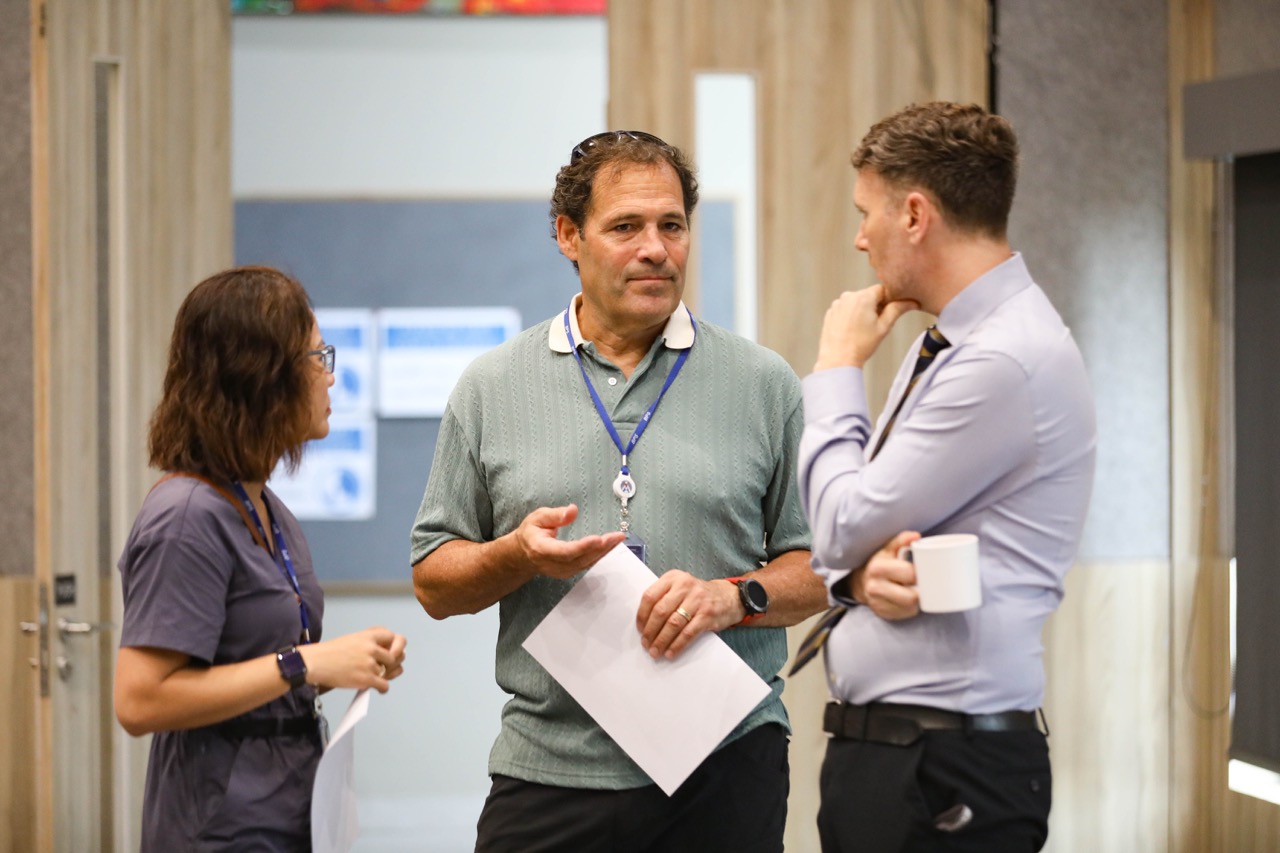
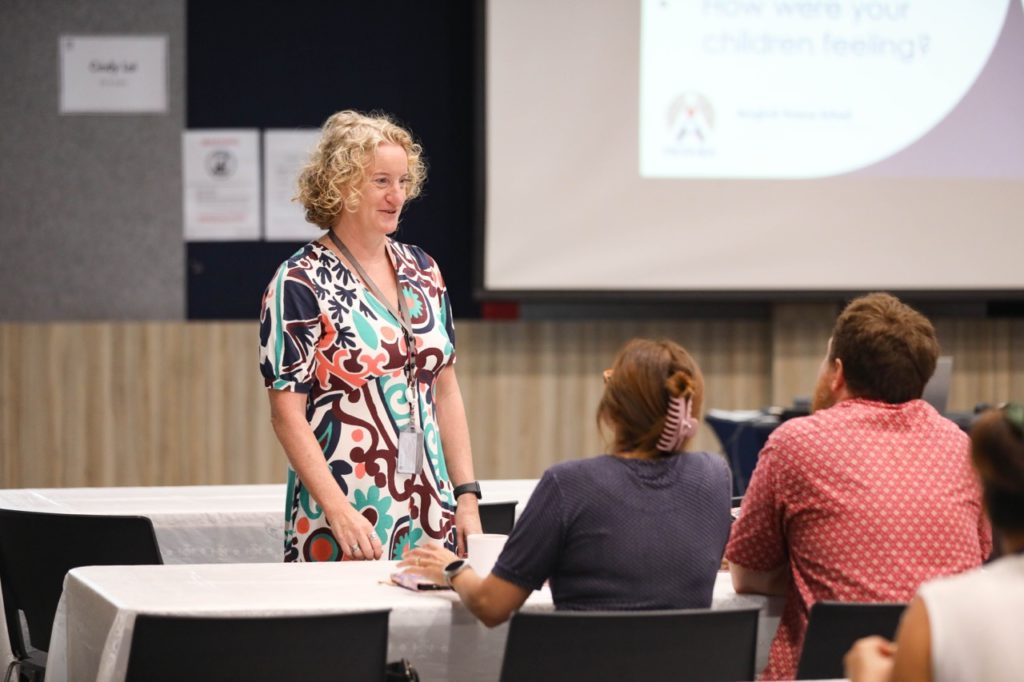
This idea carried through into our first Primary staff meeting, where we welcomed guest author and senior leader Morgan Whitfield. Together, we explored the Ensuring Participation strand of our new, bespoke Teaching and Learning framework. Through the lens of adaptive teaching, we considered how familiar practices can be refreshed by asking different questions: How do we spark curiosity and wonder? How do we adapt what we do so that every child can participate fully? 

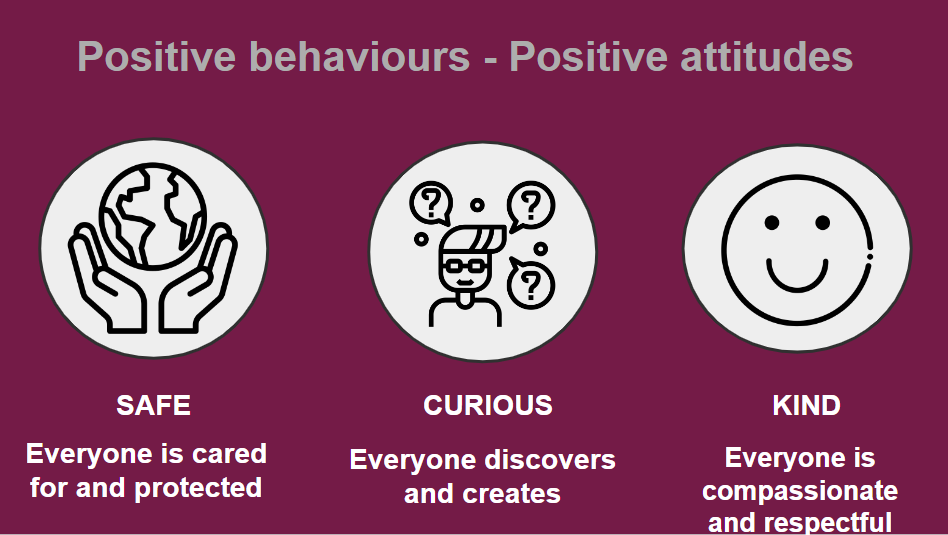
Curiosity is something we talk about often in the Primary School. It shapes our teaching, keeps our curriculum relevant and responsive, and drives us to keep improving what we offer. We have also written it into our Positive Behaviour Expectations, because we see curiosity not only as a skill but as an attitude. We want our children to ask thoughtful questions, to try new things and to notice connections that deepen their understanding. 
As we begin the year, my hope is that we all keep this in mind. Whether in our classrooms, our shared spaces, or in the small choices we make each day, looking at things differently opens up new possibilities. It reminds us that even the most familiar places and practices can be transformed into something richer and more inspiring. 

Share This Article

In this Issue

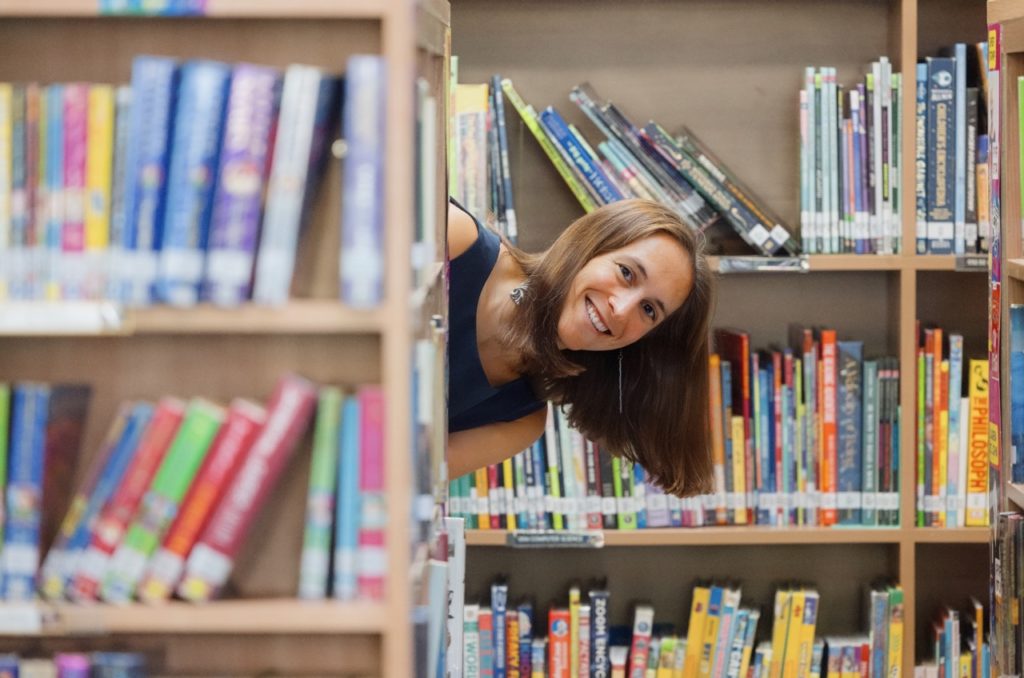
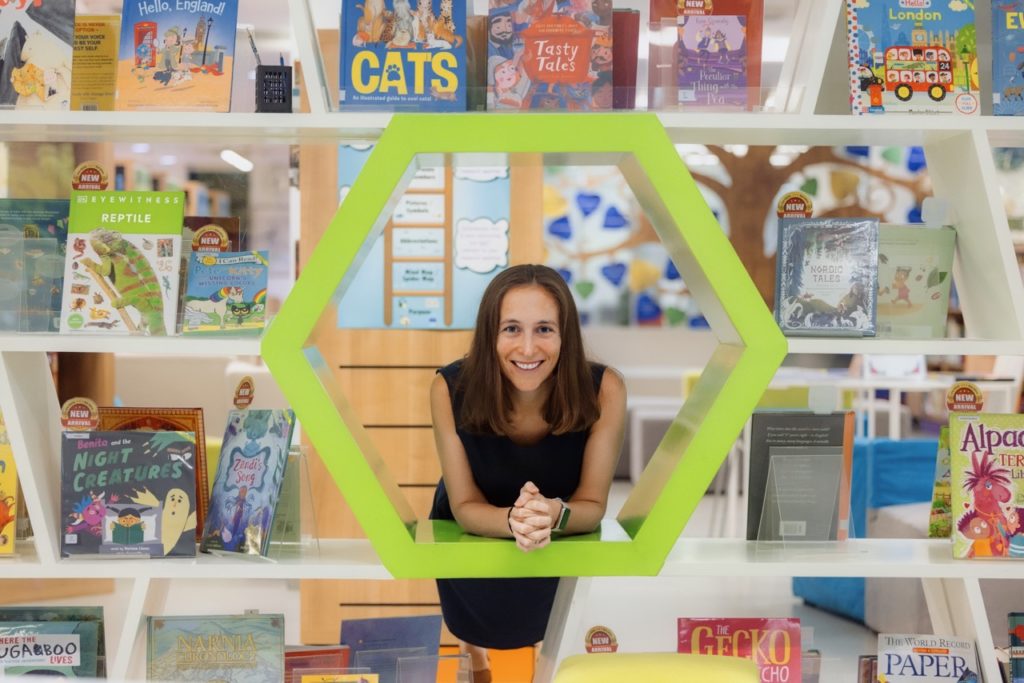
Behind the Bookshelves

What book do you recommend and why?  

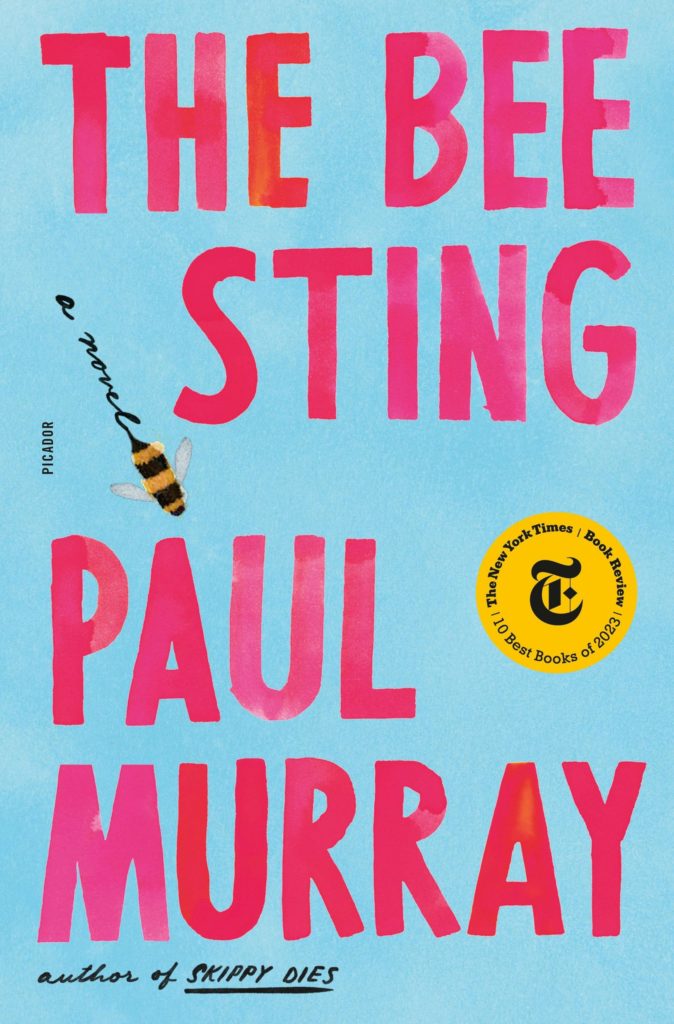
The Bee Sting, by Paul Murray – I usually start the school year by reading a few Booker shortlists, and this one was shortlisted for the 2023 prize. Bittersweet, comic and at times heartbreakingly tragic, this novel follows the story of all the members in one Irish family, spanning several generations and demonstrating how history repeats itself. 

What podcast do you recommend we listen to and why?

Dan Snow’s History Hit. If you’ve ever tried to listen to ‘In Our Time’ and felt intellectually inadequate, this is the history podcast for you. Dan interviews a range of historians and contemporary political commentators, drawing parallels and links across history. His nuanced layman’s approach makes it accessible, while the depth covered is substantial and at times, utterly gripping. 

Where do you work/teach? 

I’m Ms Rachel, Vice Principal for Learning and Curriculum in Primary School

Share This Article

In this Issue

Coming Back to School Invigorated!

By Coke Smith, Curriculum Leader, Environmental Science


It has been more than a full week back to learning at Bangkok Patana School. This will be my tenth year at this institution and I must say, the vibe of the place over the last several days has been awesome. Children are excited to be here and the staff are very upbeat as well.  

There was an old joke about teaching back home that I often heard: “What are the three best reasons to become a teacher?” Answer: “June, July and August!”  While I do understand why that is funny, I absolutely disagree. For me, and I believe for my colleagues, the best thing about being a teacher is TEACHING! Being with young minds who are eager to learn and become well educated adults to make their mark in the world. Nothing is better than being in a classroom full of young people and watching them learn with amazement.

That being said, there is something to the summer break that is vital to teaching and being a student. Those days off timetable are so important. I think most would agree that the academic year here is full on; nonstop learning combined with many extra-curricular activities that fill most if not all of the days of the year.  When is there time to decompress?

The summer break, as well as most of our other breaks, are necessary for this decompression. It is so important to have this time to be with family and friends, put the books and notes aside for a bit, and relax and enjoy other passions. I love hearing from my kids what passions they pursued while on their breaks. And I love it even more when they come in to class on day one and ask me, “Mr Smith, what amazing animals did you photograph over the summer?”

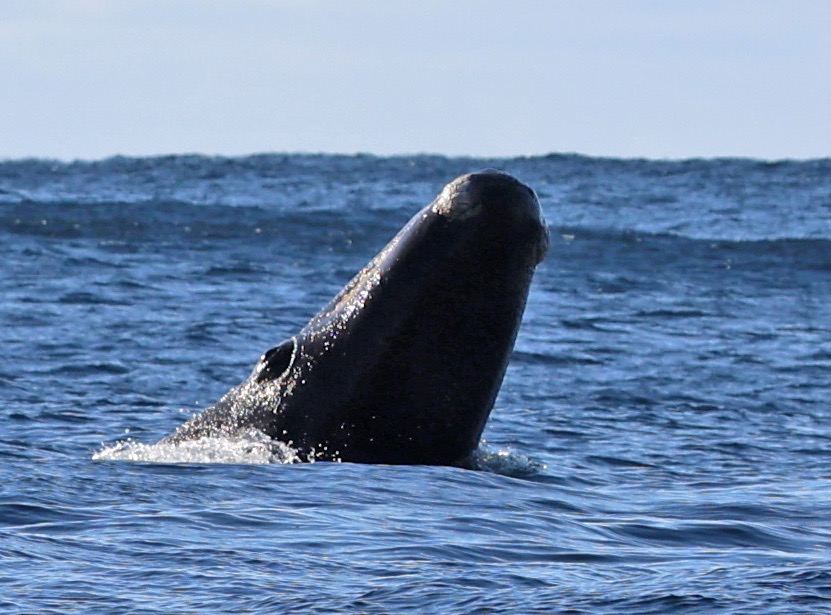
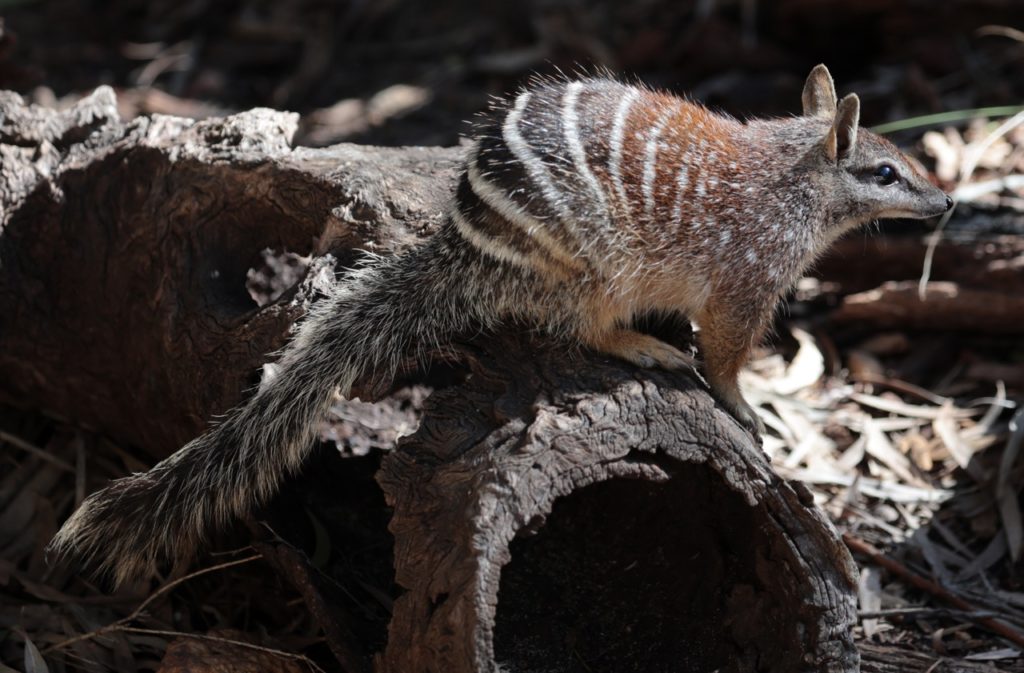
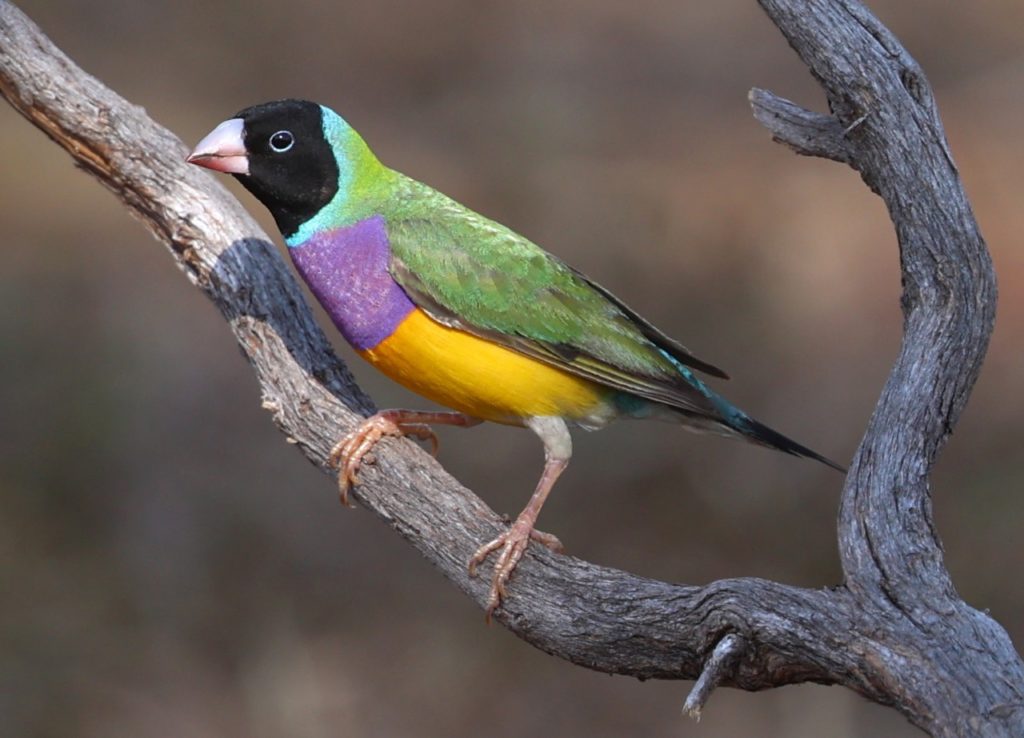
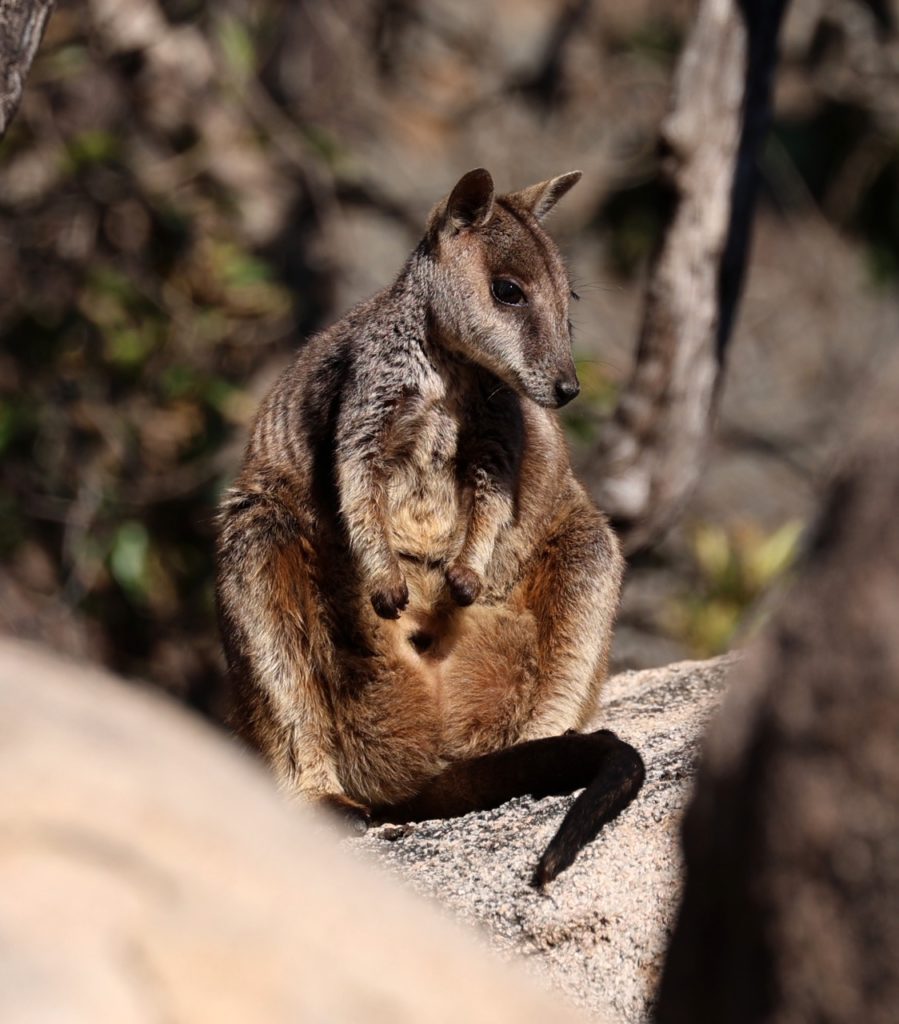
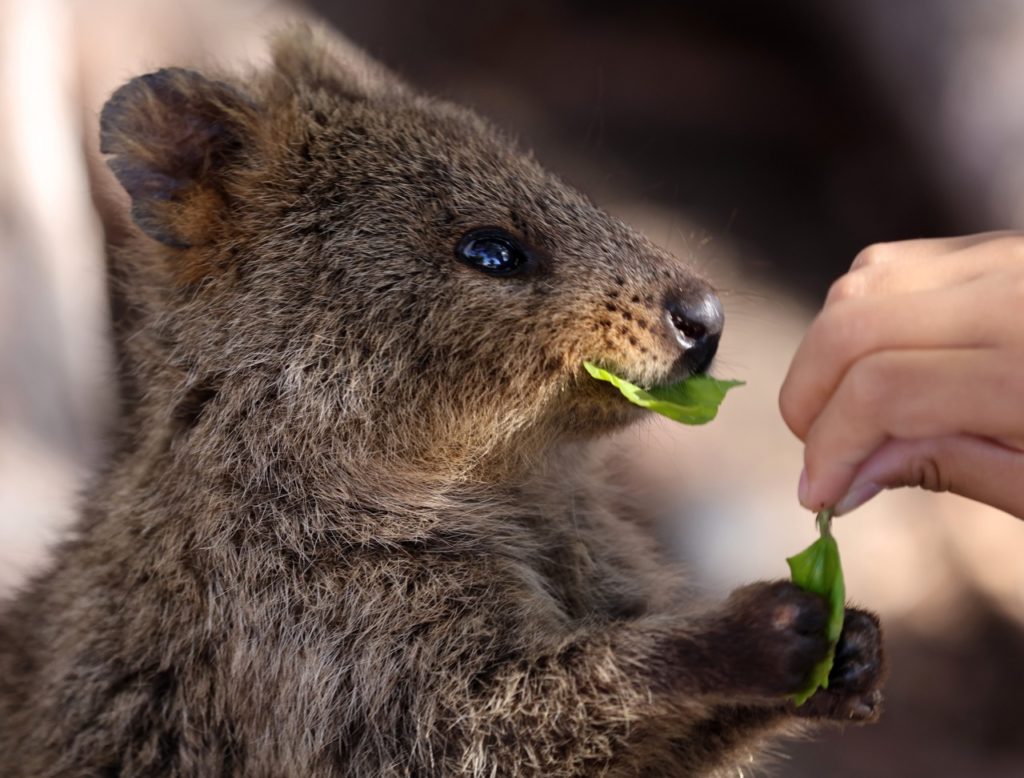
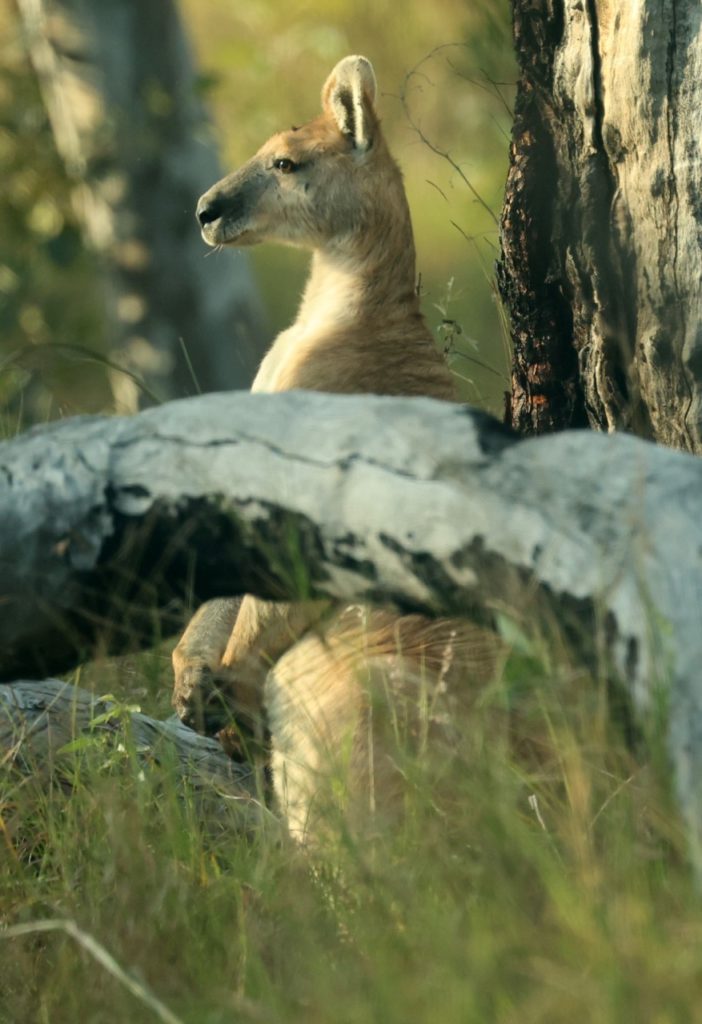
Well, my summer this year was packed with one of the most epic wildlife expeditions I’ve done in a long time, and I’ve done a lot of expeditions!  I spent my time in Australia focusing on documenting as much wildlife in the main hotspots of the continent as possible.  While my trip was non-stop trekking, driving, waiting in the dark for that special sighting, tracking animals in remote locations and sometimes eating and sleeping, I came back as refreshed and ready to get back to work as ever.  I’ve been sharing my images with students and creating new curriculum with them and the kids have loved it.  Now I’d like to share some with you, the Bangkok Patana Community.  Enjoy!

Share This Article

In this Issue

Welcoming New Families to Secondary School

By Matt Seddon, Secondary Principal

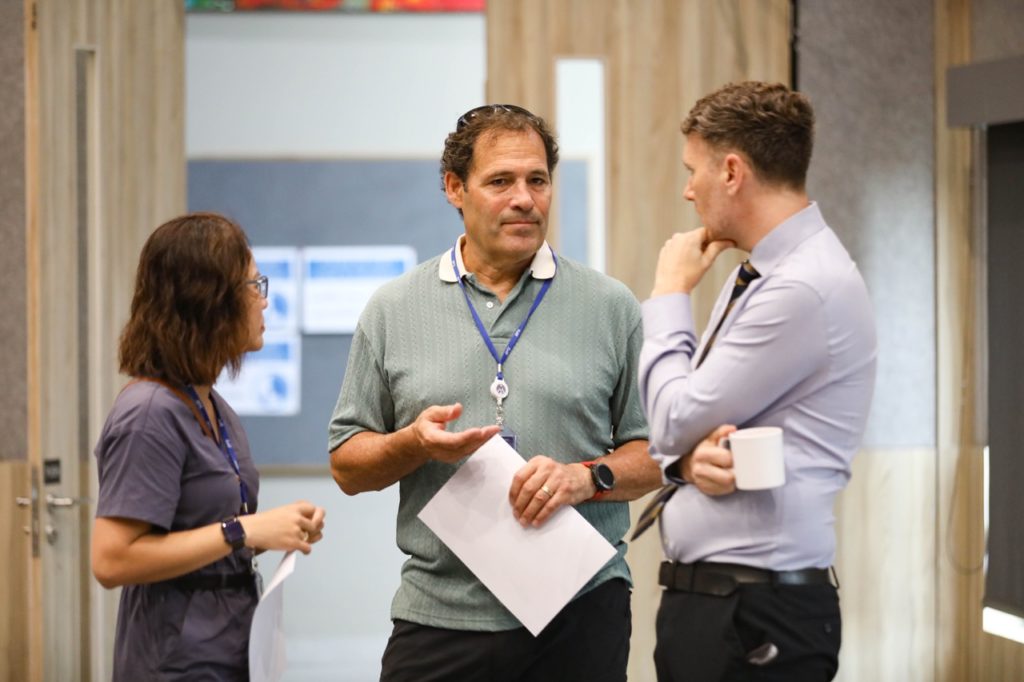
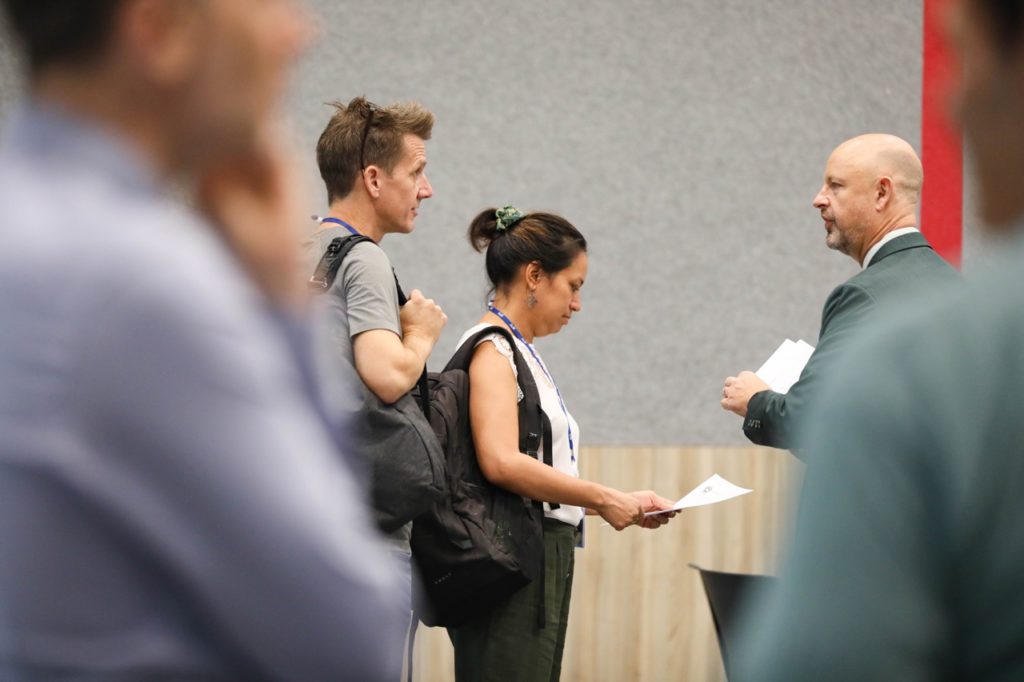
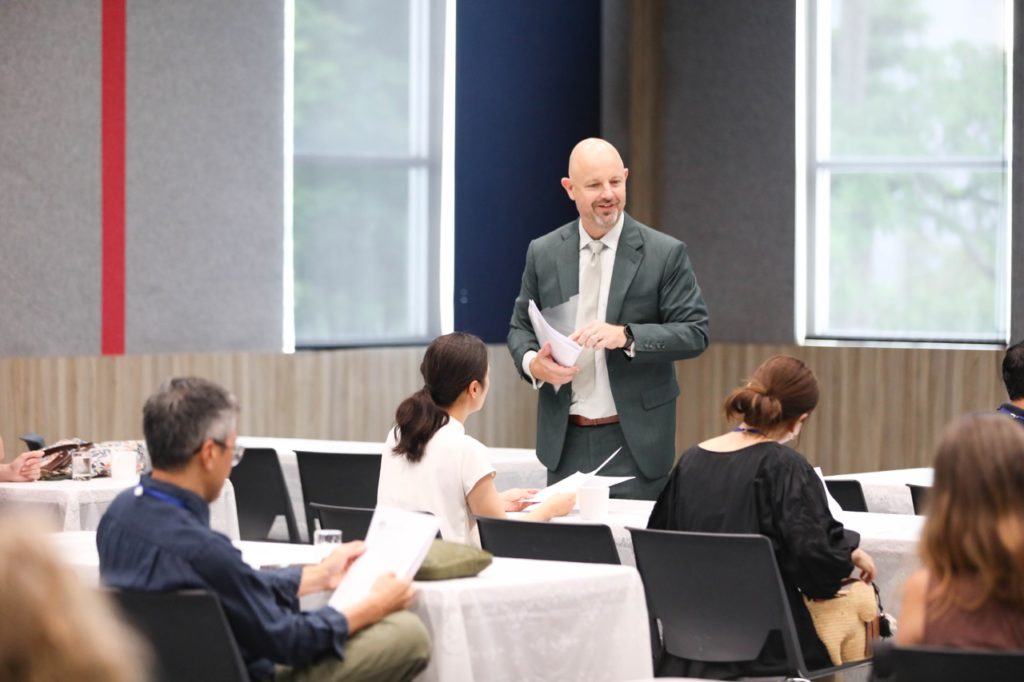
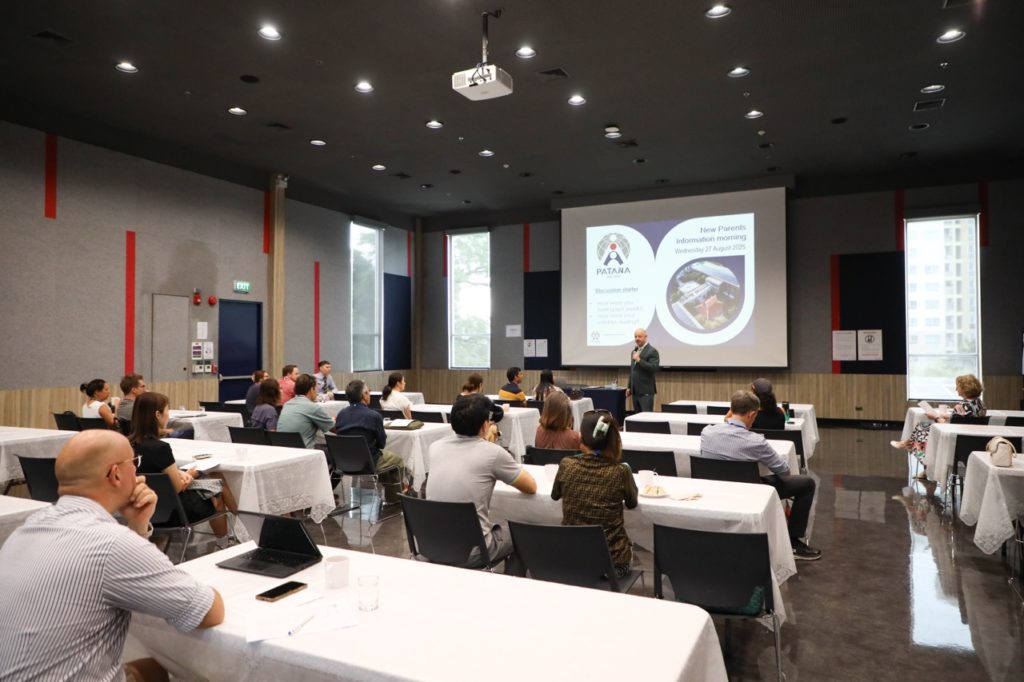
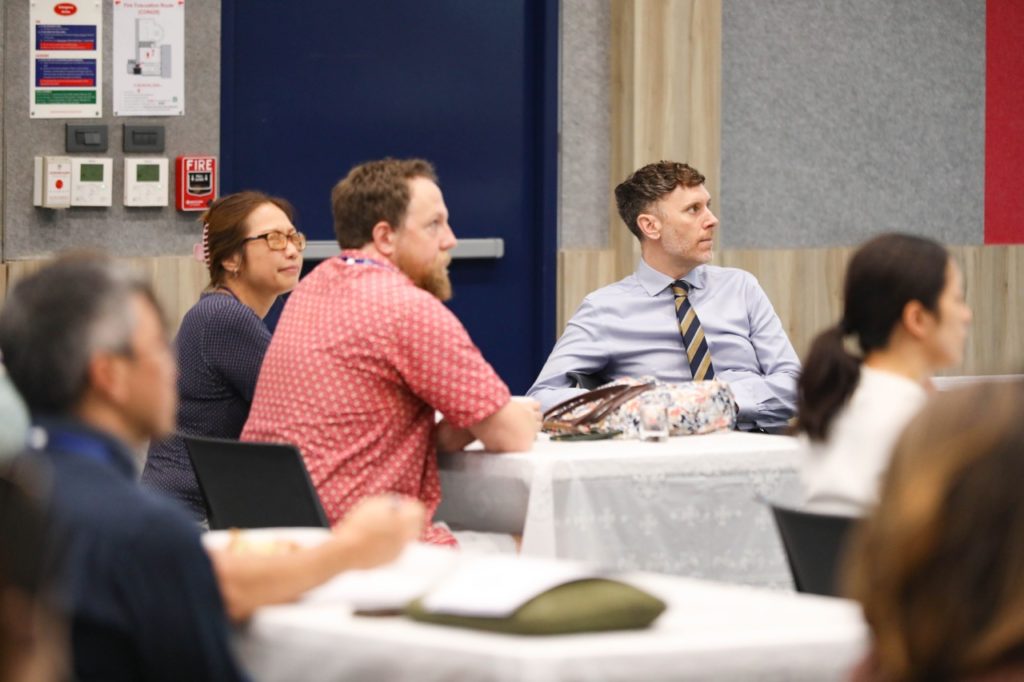
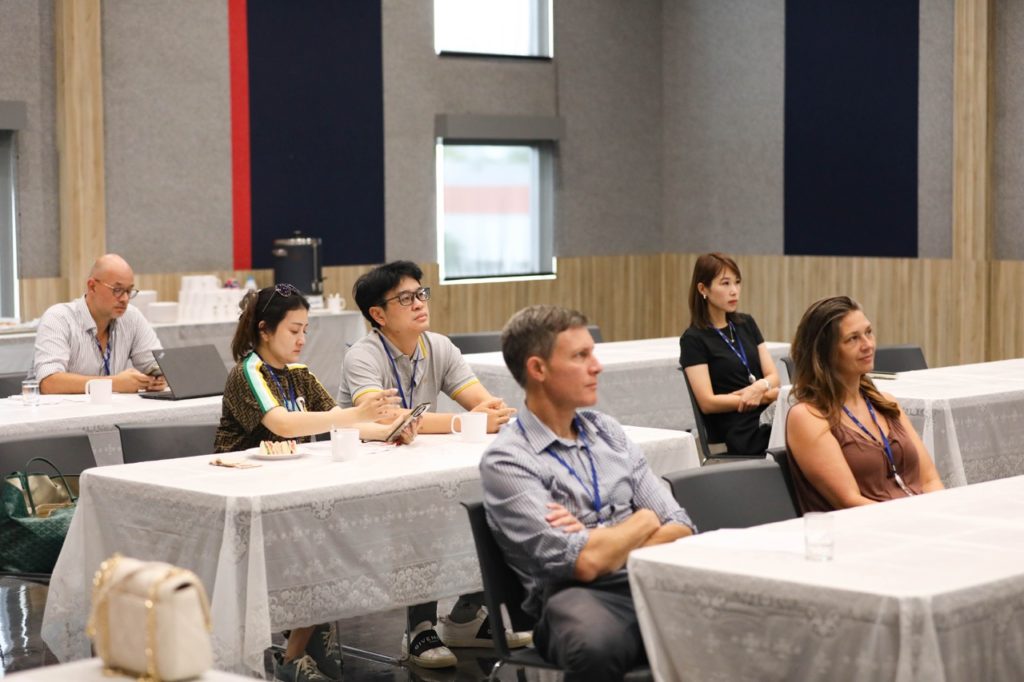
On Wednesday 27th August, along with the Vice Principals, Luke Jones and Lorna Conroy, we welcomed all new Secondary School parents to an informative morning session designed to introduce some of the key aspects of life at Bangkok Patana School.

I couldn’t welcome our new families without sharing a sentiment that truly reflects how we feel: “We hope you enjoy belonging to the Patana community as much as we do.” It’s more than just a welcome, it’s an invitation to be part of something special. I then introduced our Secondary theme for the year: ‘Language Matters‘, a commitment to simplifying our communication and ensuring clarity through the words that we use. This theme was woven throughout the morning’s presentations, reinforcing the school’s commitment to making information accessible and meaningful for families.

Lorna Conroy, Vice Principal Student Welfare, led a comprehensive overview of the school’s pastoral systems, highlighting the important roles of Heads of Year, Tutors, Support Tutors and the wider well-being team. She emphasised the school’s holistic approach to student wellbeing, learning and global citizenship, supported by a robust safeguarding framework and a dedicated counselling team.

Luke Jones, Vice Principal Curriculum and Assessment, then introduced the curriculum and assessment structures across Key Stages 3, 4 and 5. Parents were guided through an overview of our subject offerings, assessment practices and reporting timelines, and the integration of UN Sustainable Development Goals into the KS3 curriculum through Global Citizenship Impact Projects.

The school extends its thanks to all families who attended and looks forward to a successful year ahead.

Share This Article

In this Issue

Tech Tips #302

Brian Taylor, Vice Principal, Technology for Learning

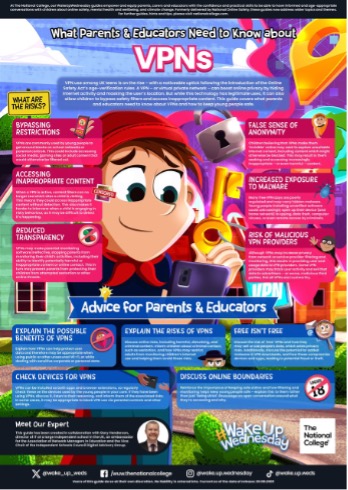
Parents’ Guide to VPNs

With more young people turning to VPNs to mask their online activity, it’s vital that parents and educators understand both the benefits and the risks. While VPNs can improve privacy on public Wi-Fi, they can also be misused by young people to sidestep safety filters and access harmful or age-inappropriate content. This week’s guide explains the dangers of untrustworthy providers, malware threats, and the false sense of security that VPNs may give children. It also shares top tips – from checking devices to having open conversations – so adults can guide safe and responsible online behaviour.

Share This Article

In this Issue

World Mathematics Championship Finals

By Xiang Jie Lim, 13Y

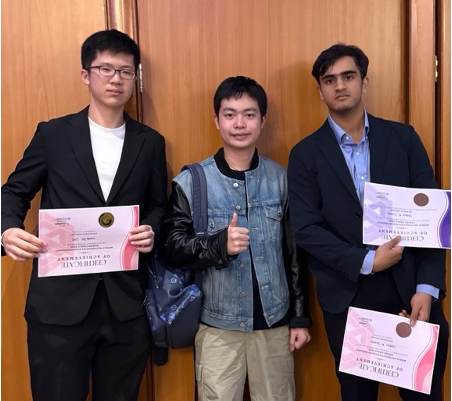
The World Mathematics Championships (WMC) senior finals 2025 was hosted in Imperial College London from 27th July to 3rd August, succeeding the WMC regional qualifiers hosted in schools across different countries, including Bangkok Patana School. Contrary to the single day qualifiers, the finals spanned across five full days of mathematics – bringing back many rounds from qualifiers and introducing new rounds breaking the expectations and boundaries of what ‘Competition Mathematics’ is about. One particular round lasted four days, where participants were grouped in randomised teams, tasked to make a fairground game and provide all the calculations of the game’s probability chances. Such week-long projects could lead to sleepless nights filled with mathematics, testing time management skills on top of the already gruelling problem solving and meticulous application of maths.

Some rounds challenged pure rigour and logic, one of which tested participants with university level proofs that were marked not only by accuracy, but also by clarity and logical order. Others required explaining how a set of written commands could be used to produce every word in the dictionary. As a result of the various unconventional rounds, students who found success were often ones who were the most creative and adaptable, not just skilled in pure maths.

As a participant myself, despite finding success in one or two rounds, I felt extremely challenged for the majority of the others, often times staring at questions with no ideas on how to begin. The competition also required my creativity, public speaking and presentation skills. These enabled me to think in many unorthodox ways to try and solve questions, leading to a comprehensive upgrade to my mathematics skill as a whole.

“Although I ran into challenges and moments of doubt along the way, I greatly appreciated the opportunity to engage deeply with two teammates I had never met before. We designed models that supported mathematical concepts, necessitating knowledge of software, hardware, mathematical foundations and the modelling process. Above all, I learned the importance of effective communication.  At times, we had to compromise on sections of the project due to limitations, but each disagreement pushed us to refine our ideas and ultimately produce a more comprehensive result. I am thankful for the experience, the new connections I made, and the chance to grow, not just as an individual, but as part of a team.”Vachivarich (Turbo) Phantratanamongkol, 13Y

“WMC was 14 hours a day, five days a week, and it felt like my head was thrust into a whole new ocean of mathematics. One moment, I was being forced to derive the very axioms of probability (with zero prior knowledge). The next, I was designing a calculator that fully integrated an offline large language model. It took everything I thought I knew about math and threw it straight out the window; if my mathematical knowledge before was like a neat stack of pages, WMC scattered them all into the air. But honestly, the highlight wasn’t the math or even seeing the same numbers from new perspectives—it was the people. The mentors, my fellow competitors and the bonds I was lucky enough to form, learn from and enjoy. WMC was a wild ride, and it redefined not just what I thought I knew about math, but what I thought I knew about learning itself.” – Dhruv Jindal 13T

Share This Article

In this Issue

The Phantom is One of Us!

Hope you enjoyed this morning’s assembly with our very own Patana alum Harry Mills as The Phantom. Read Harry’s Leap from Bangkok Patana to the World Stage here.

Share This Article

In this Issue

PTG Updates

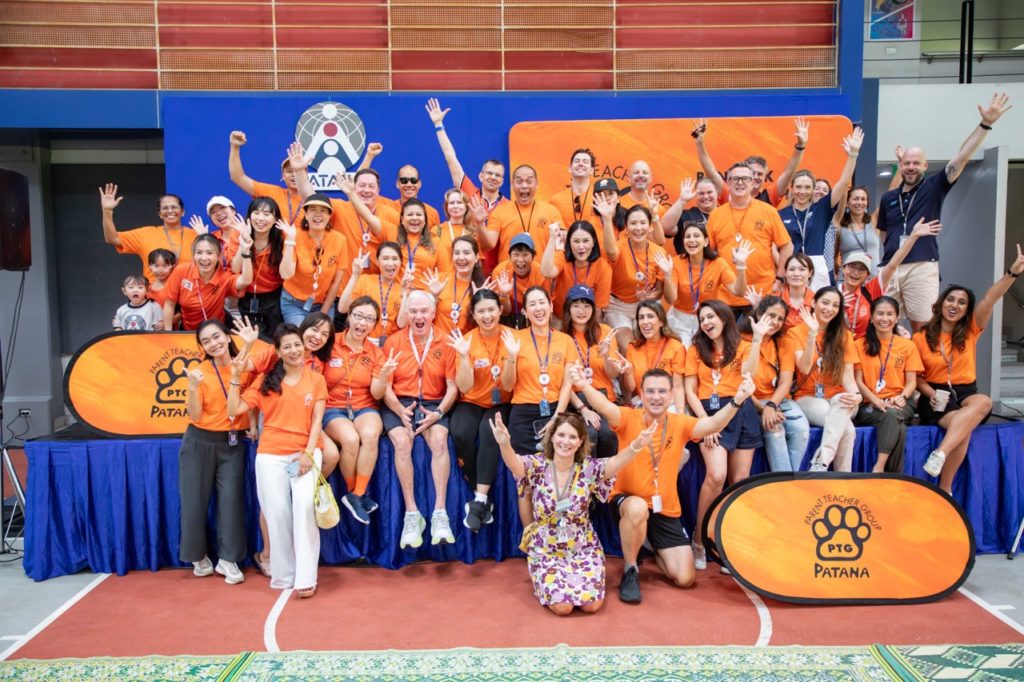
A huge shoutout to all new families who attended the PTG Picnic! We hope you made some new friends and we look forward to seeing you at our next events!

Key PTG Events 2025/26

Mark your calendars, grab your sun hats, dancing shoes and trivia brains, it’s going to be a very busy year!

International Day30th October 2025

The day the world comes to campus. Expect flag parades, delicious food from every corner of the globe, music, dancing, and national pride on full display.

PTG Big Night Out (BNO)8th November 2025

Our annual social evening for parents and staff. Prepare for mingling, laughter, and pretending we don’t have to be up early. Parents and staff, this one’s for you. (No lanyards, just cocktails.)

Fun Day14th March 2026

The greatest of them all. A family friendly event for the whole community filled with rides, games, food stalls, a shopping street, stage performances, and activities for all ages. Think chaotic wrapped in pure joy. Fantastic fun for the whole family.

Quiz NightTerm 3 (Date TBC)

Sharpen your pencils and your wit and test yourself against Patana’s finest brains. Bring your A-team and battle it out for glory.

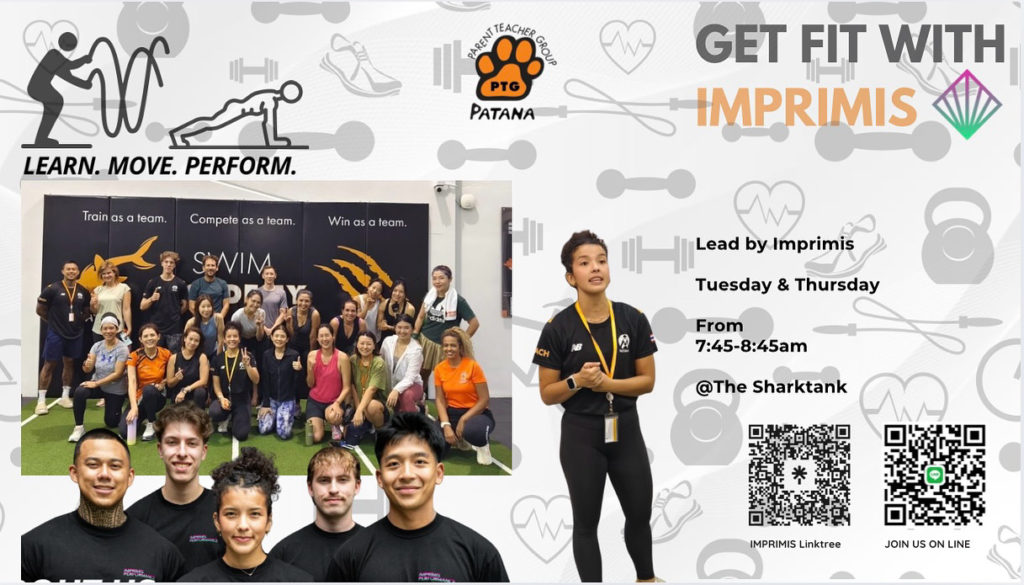
Get Fit with IMPRIMIS

Join a boot camp style workout on Tuesday and Thursdays.

Share This Article

In this Issue

Community

Share This Article

In this Issue

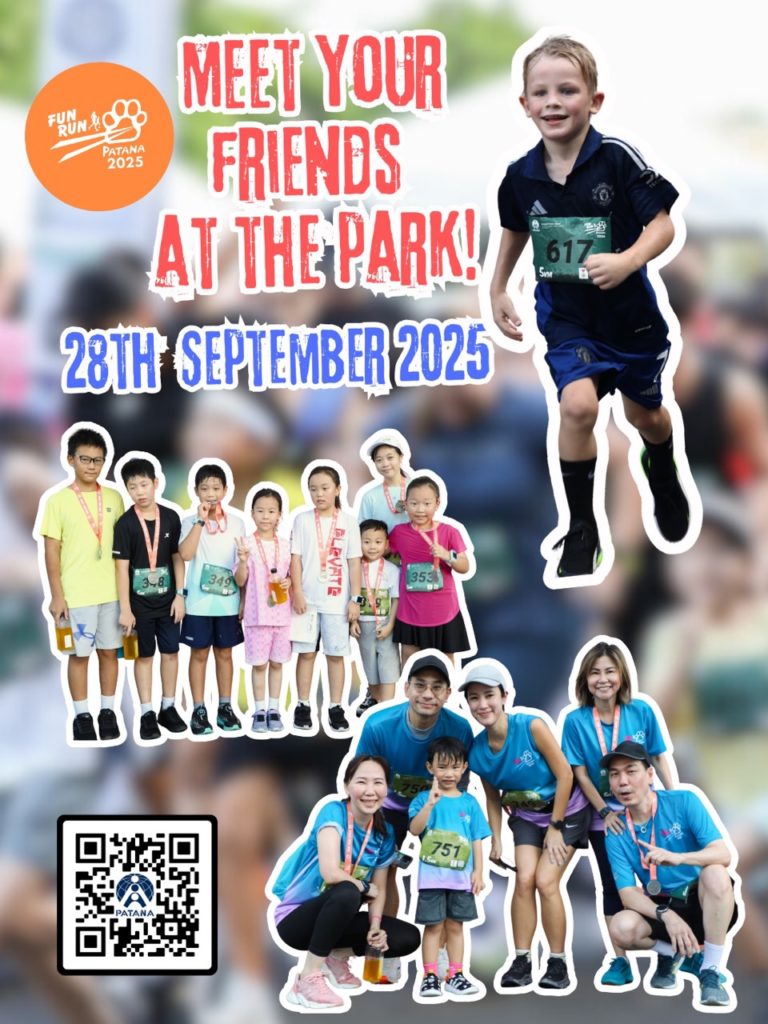
Fun Run 2025

The Fun Run is one of our first community events of the year. This event has been running at Patana for over 20 years! With three distances to choose from, it is a great way to have a morning in a beautiful park with your family and friends. Runners who want to be more serious can choose the 5 and 10K runs which come with chip timing.

Funds raised through the Fun Run support school charities. A Big thank you to our two sponsors so far: Muang Thai Capital, Lawton Asia and Bumrungrad Hospital – please support them as they support us!

Have you registered yet- https://race.thai.run/bpf25

Share This Article

In this Issue

Patana Participates

Achievements from Our Community

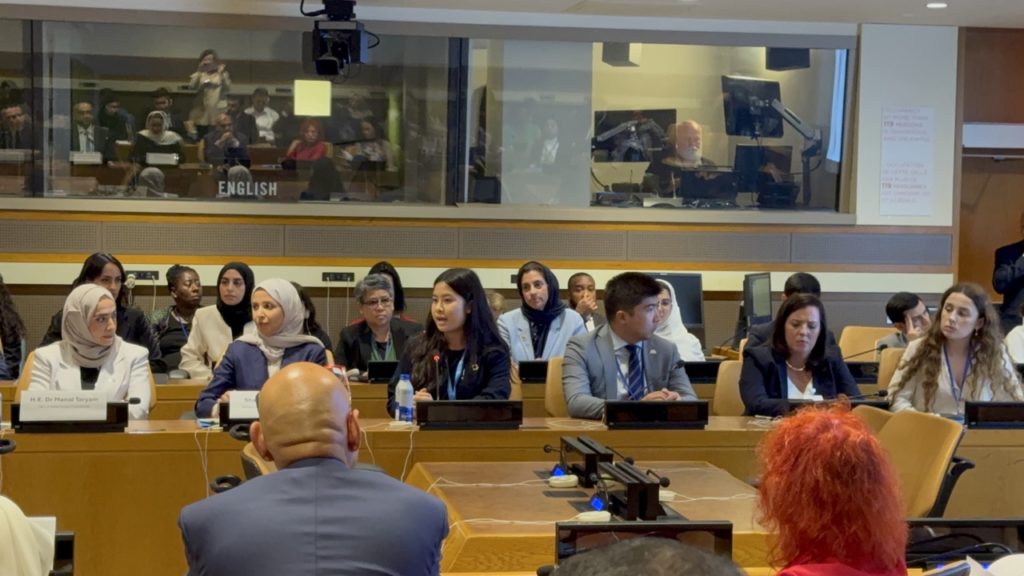
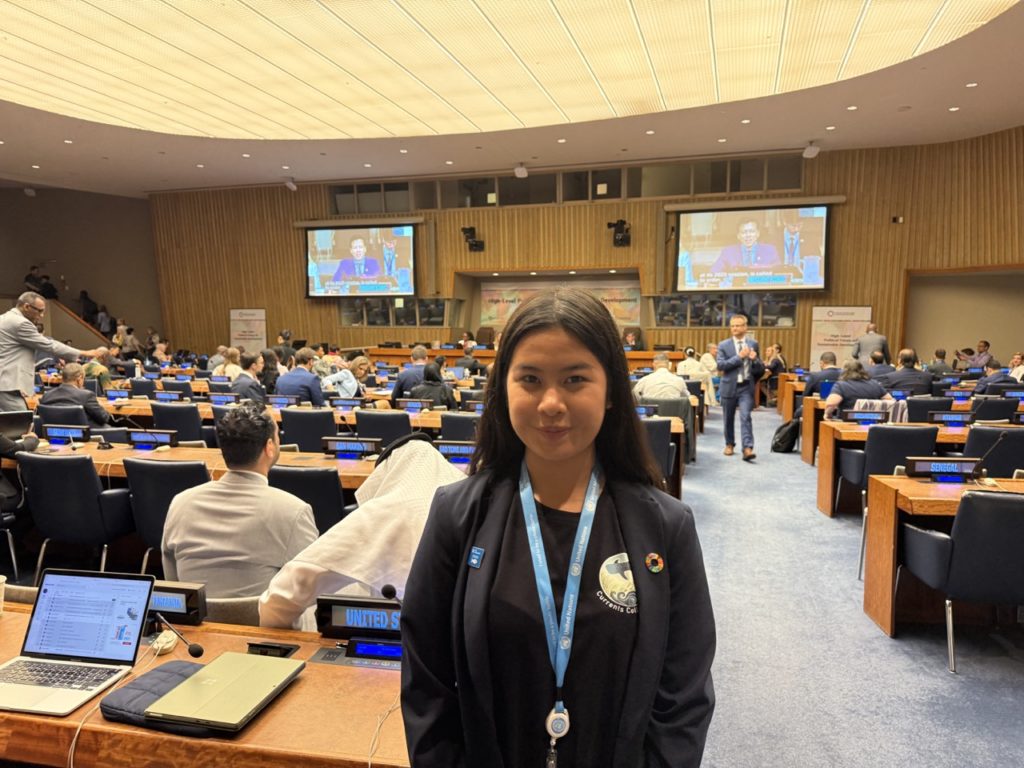
Congratulations to Claire (Narida) Charanchitta, 12H who recently had the opportunity of representing Thailand as a youth delegate at the United Nations Headquarters in New York during the High-Level Political Forum on Sustainable Development. She addressed SDG 14: Life Below Water, focusing on marine conservation and seagrass restoration, causes that have defined her recent work. Seagrass meadows, among the most efficient blue carbon ecosystems, can sequester carbon up to 35 times faster than tropical forests. She also published her work in a UK Journal: https://posthumanism.co.uk/jp/article/view/3002/1736 

At the UN, she highlighted Thailand’s efforts and emphasised that small, localised actions can create meaningful global impact. Hearing from other countries, such as the UAE, reinforced the idea that while contexts differ, nations share a common hope for a sustainable planet. The experience strengthened her commitment to conservation and to empowering young people, reminding her that youth voices are vital in shaping the future.

Share This Article

In this Issue

School Announcements and Upcoming Events

Updates from School Medical Team

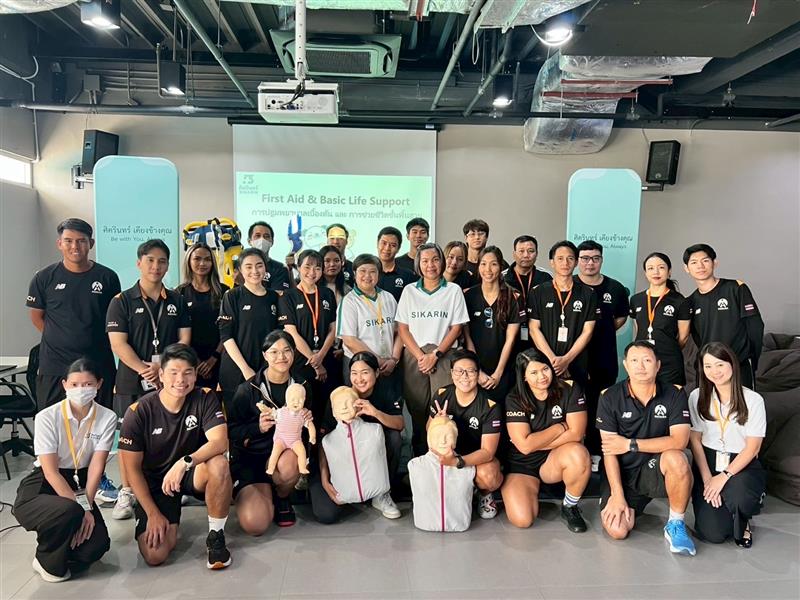
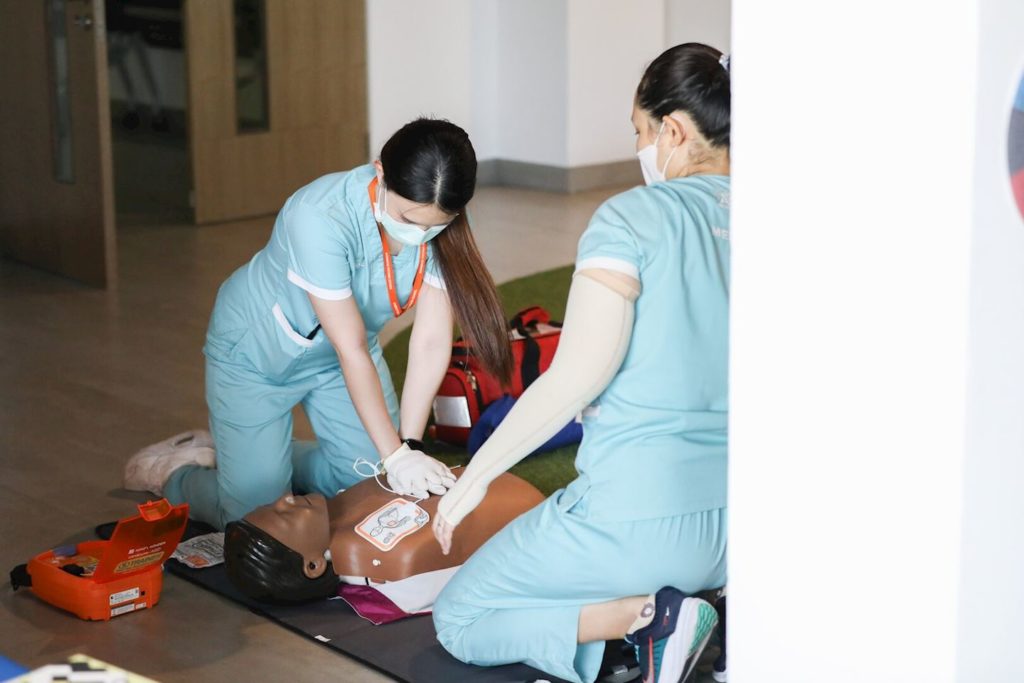
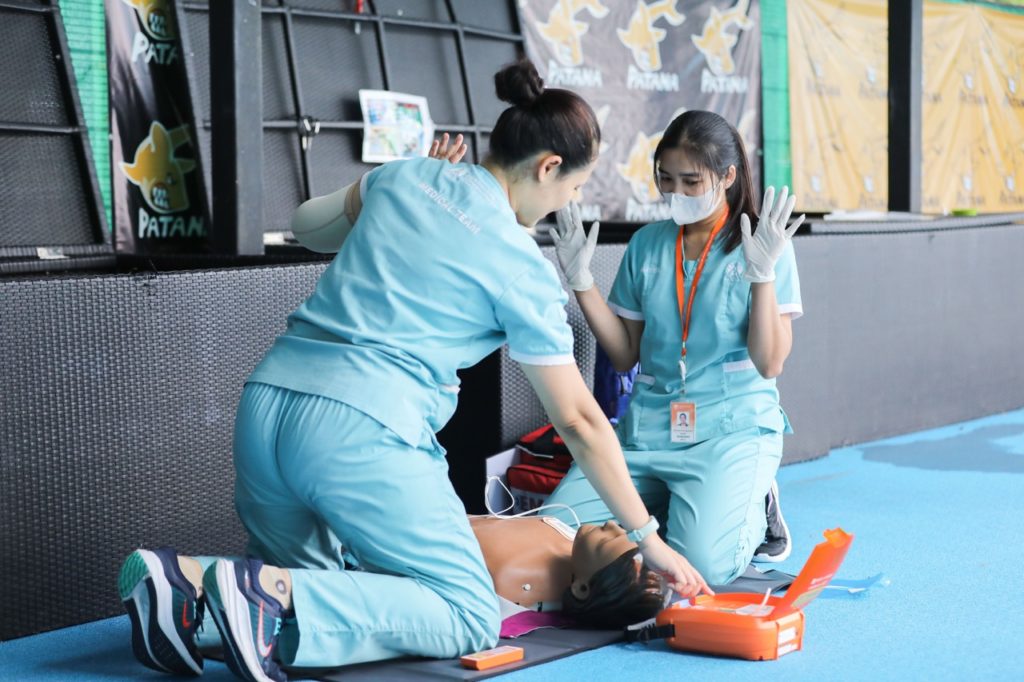
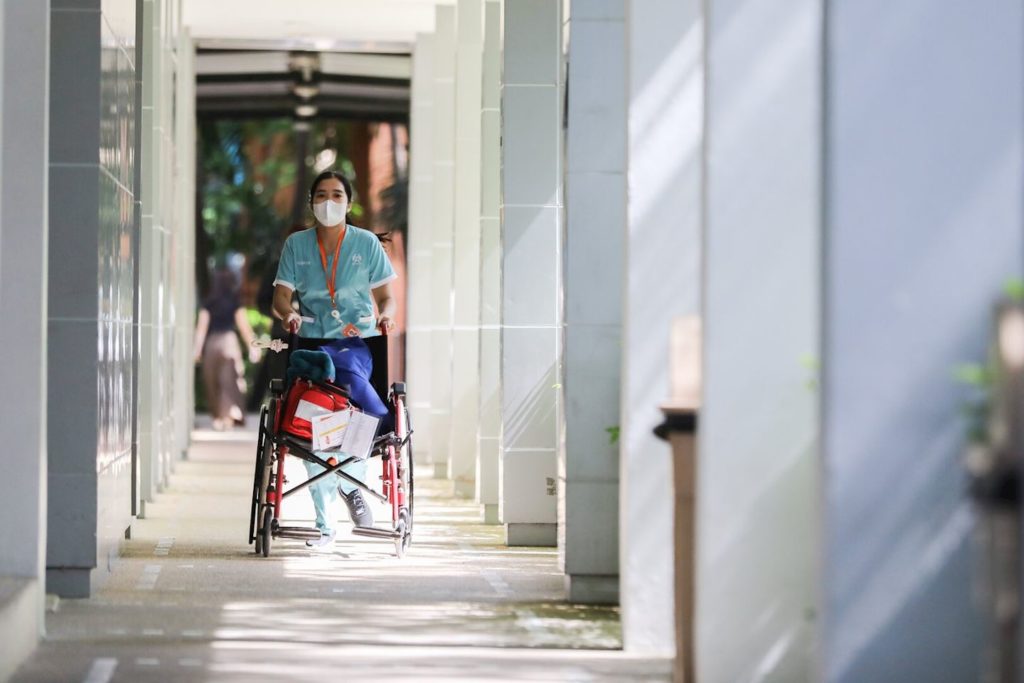
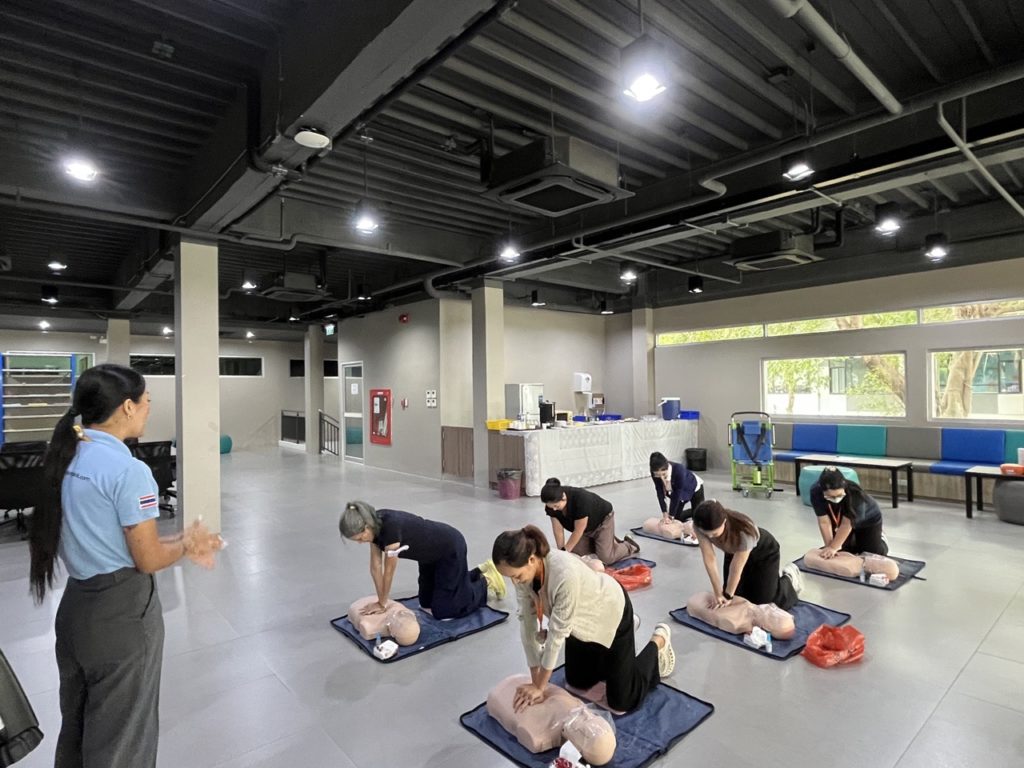
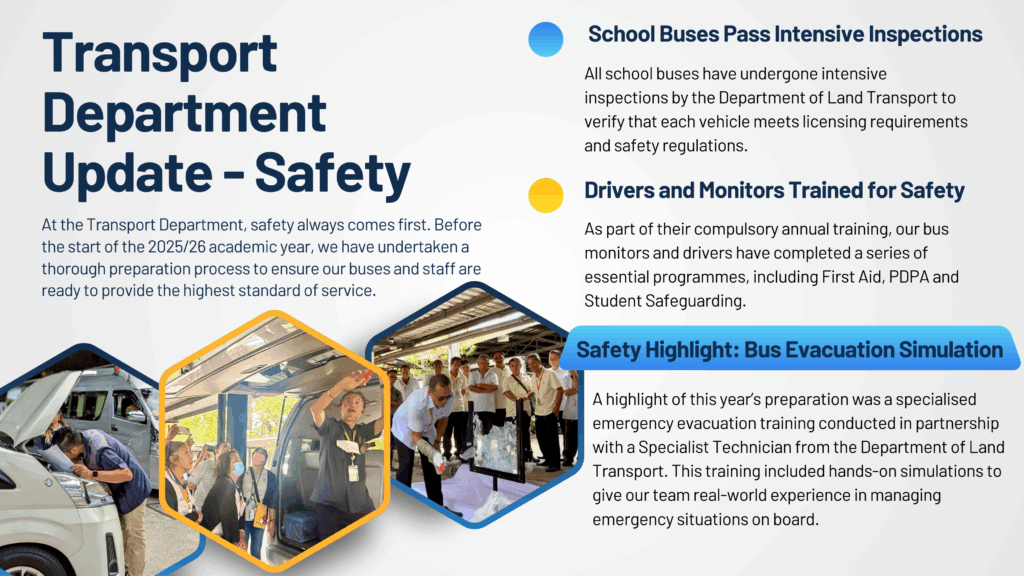
As we start the new school year, our medical team and wider staff have completed their annual emergency and first aid training. From Transport staff and canteen teams to coaches and nurses, everyone is prepared to respond with confidence and care. Our team successfully conducted a Code Blue drill, ensuring rapid emergency response. The system mobilises the medical team within 90 seconds, with arrival at the scene in 2–5 minutes for swift, effective care. A huge thank you to Sikarin Hospital instructors who delivered the Basic Life Support training to our Sports and Activities team.



Share This Article

In this Issue

© 2025 Bangkok Patana School

Issue: 2
Volume: 28
Bangkok Patana School
Privacy Overview

This website uses cookies so that we can provide you with the best user experience possible. Cookie information is stored in your browser and performs functions such as recognising you when you return to our website and helping our team to understand which sections of the website you find most interesting and useful.