Life Lessons from a Dead Fish

By Carol Battram, Vice Principal, Pastoral

One morning last half term, I started my day by fishing out a dead carp from the Library pond.

Picture, if you can, a very big dead fish in a very small net attached to a short bamboo pole.

The Year 2 students were fascinated, and some took turns to hold the net and feel the weight of its body. They had many, many questions.

  • Is it dead?
  • What should we do with it?
  • How long before it starts to ‘go off’?
  • Why is it so heavy?
  • Why are its eyes funny?

Once we began the conversation, the children had some bigger questions. They were curious about how and why the fish had died, and what would happen to it next.  Some hadn’t yet grasped that the fish’s death was irreversible.

Talking about a dead fish in one of our ponds felt easy – a natural teaching moment. Talking about our own grief, loss and bereavement is difficult. We often stumble with our choice of words and can struggle to offer and to receive support.

A sense of loss can come in many guises. Bangkok Patana students are highly likely to feel the loss of friends who move away. As adults, we experience the same loss when our own friends and colleagues move elsewhere – leaving an unsettling gap. Families move for many reasons, and the loss is felt both by those who leave, and those they leave behind. Any significant change has the potential to be felt as a loss. This might be a change in your family circumstances or living arrangements, a temporary separation caused by work, or by illness, or the departure of a much-loved carer or nanny.

A death, of course, is the biggest loss of all. The death of a friend, family member or beloved pet can be shattering, whatever our age or previous life experiences. Grief is part of our response to loss and bereavement, and we respond to the hurt in different ways.

Many people aren’t comfortable talking about death and this is reflected in the language we use – and the words we avoid. It is common to hear that someone has ‘passed’ rather than died.  When a family pet reaches the end of life, it can be kinder to talk about ‘putting them to sleep’. These gentler words are used for very good reasons, but they can also confuse. Passed where? When will the dog wake up?

It takes time to understanding that death is an inevitable part of our lives. Death means that someone is not coming back and it’s important to use an age-appropriate degree of honesty and clarity. Let your child know when someone they know has died, even if they don’t fully understand what this means. Cultural and religious beliefs may shape what you choose to share within your family. Rituals of mourning, alongside the comfort of sharing memories, can help take some of the anxiety and sadness away.

Talking with children about loss, grief and bereavement is part of our Primary PSHE (Personal, Social, Health Economic) learning, often through the gentle development of discussion. Teaching and learning about things that are living, things that are dead, and things that have never been alive, will come up in other curriculum areas and help to develop and broaden understanding.

It is important to give all our students the opportunity to learn about bereavement and to help them develop the skills and understanding they will need to deal with this particular life event. We already help them to build a varied bank of words to use when talking about their feelings, and to know where and how to seek support if they are experiencing sadness and loss. As they get older, they will learn to identify some ways to manage complex and difficult emotions.

When planning lessons about loss and bereavement, we need to consider the needs of children – and staff – who have experienced the death of a friend or relative. Prior to teaching a lesson which focuses on bereavement, the Year Group Leaders will share some information about the lesson in the newsletter, and you might then want talk with your child’s teacher in advance of the lesson.                                                                                                                                 

For some children, a particular lesson may not be appropriate, even within their familiar and safe learning environment. Others may require additional reassurances and resources, both at home and at school, and we can help support in partnership with the family.

If your child has experienced a significant loss or bereavement, please let the class teacher know. Sharing a loss can be difficult, but we will do our utmost to support your child with kindness and compassion alongside the familiar comfort of school routines.

Stories about grief and loss can help families remember and talk about a relative, friend or pet who has died. We have some marvellous picture books in our Primary library, and our library staff would be glad to assist you. We would also recommend the reading list from the highly recommended childhood bereavement charity www.winstonswish.org/.

http://www.winstonswish.org/suggested-reading-list/

Share This Article

In this Issue

Community Engagement at Bangkok Patana: PAWS

By Alicia Hamilton, Year 13

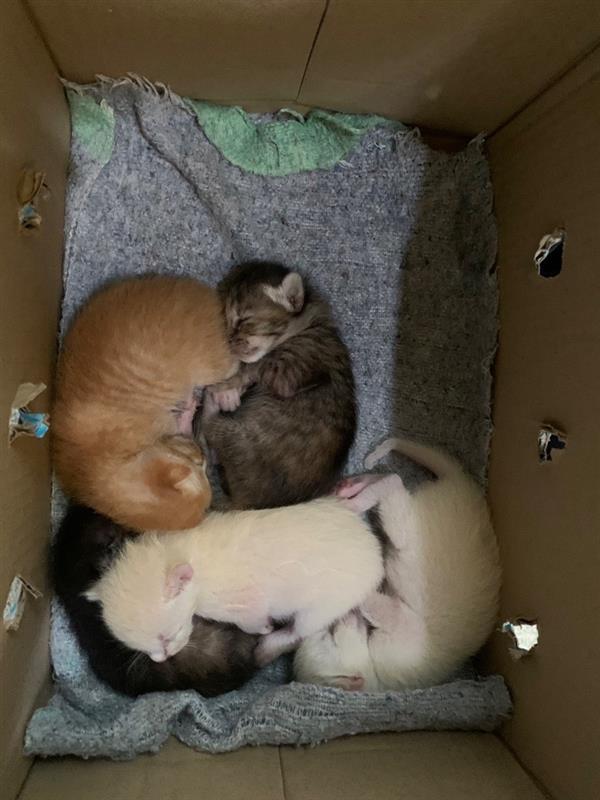
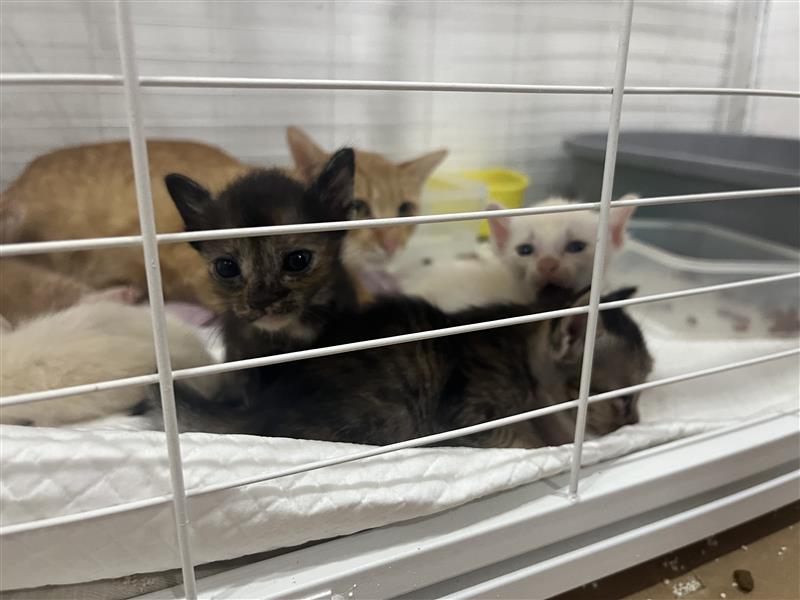
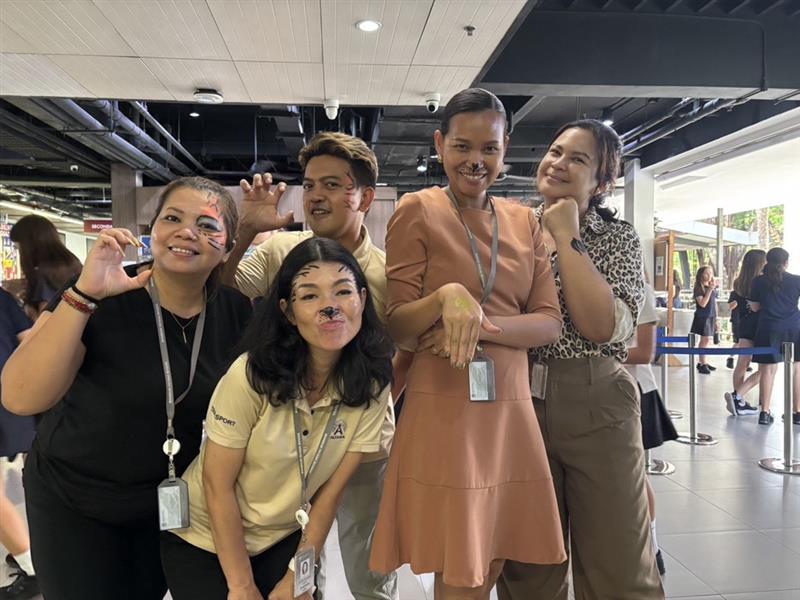
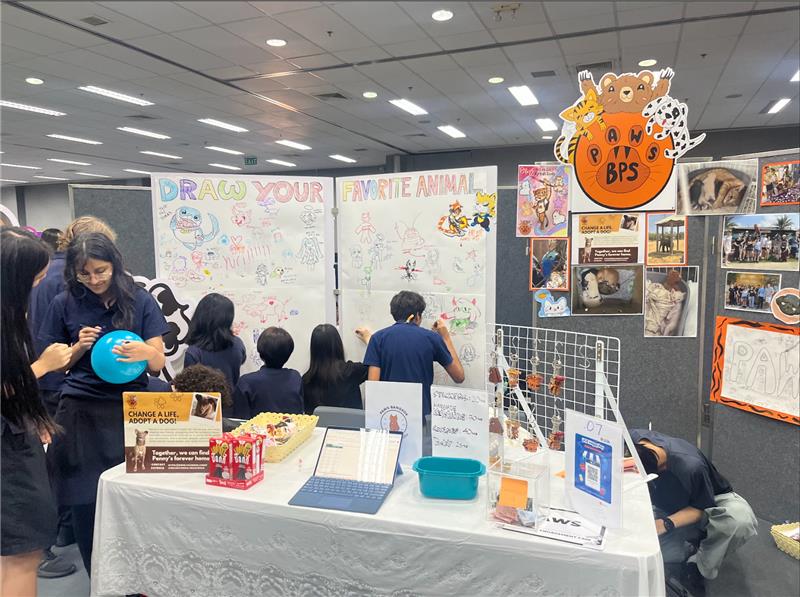
PAWS (Patana Animal Welfare Society) is a Community Engagement Team that improves the lives of local animals in need by gathering donations and raising awareness. We participat3 in school events to raise money that we donate to animal shelters. Additionally, we go on educational trips to meet the animals we’re helping.

This year, our club is prioritising neutering/spaying drives and launching an awareness campaign to show the importance of this topic.

Why Spaying and Neutering Your Pets Is Important

When we talk about fixing a pet, we’re talking about two simple surgeries that have a huge impact. Spaying is for female pets, and neutering is for male pets. Both procedures offer a multitude of benefits and prevent reproduction.

Combatting Pet Overpopulation

The most important reason to spay or neuter your pet is to combat the issue of pet overpopulation. Millions of pets enter animal shelters each year. Sadly, many of these animals never find a loving, forever home. By preventing unwanted litters, spaying and neutering directly reduces the number of homeless animals.

 Health Benefits

These procedures provide health benefits that can lead to a longer, healthier life for your pet. For females, spaying your pet (especially before her first heat cycle) can reduce the risk of serious health issues like uterine infections and breast tumors. For males, neutering eliminates the risk of testicular cancer and lowers the chances of developing certain prostate issues.

 Less Behavioural Problems

Spaying and neutering can make your pet a happier, calmer member of the family. Neutered males are much less likely to wander off looking for a mate. This means they are safer from getting lost, getting into fights, or being hit by a car. A spayed female won’t go into “heat.” This means she won’t go into crying, yowling, or excessive, messy urination around the house. For both males and females, both procedures can reduce aggressive behaviour and decrease the chance that your pet will pee in the house to “mark” their territory.

 A Safer and Cleaner Community

When you fix your pet, you’re helping your neighbours and people in your community, too. A controlled pet population reduces the number of stray animals on the streets, which benefits everyone. Stray animals can cause car accidents and spread diseases. By controlling the pet population, you ease the burden on local shelters and make your entire neighborhood safer.

In conclusion, spaying or neutering your pet is one of the most important things you can do. It’s an act of love for your pet and a responsible choice for your community.

Share This Article

In this Issue

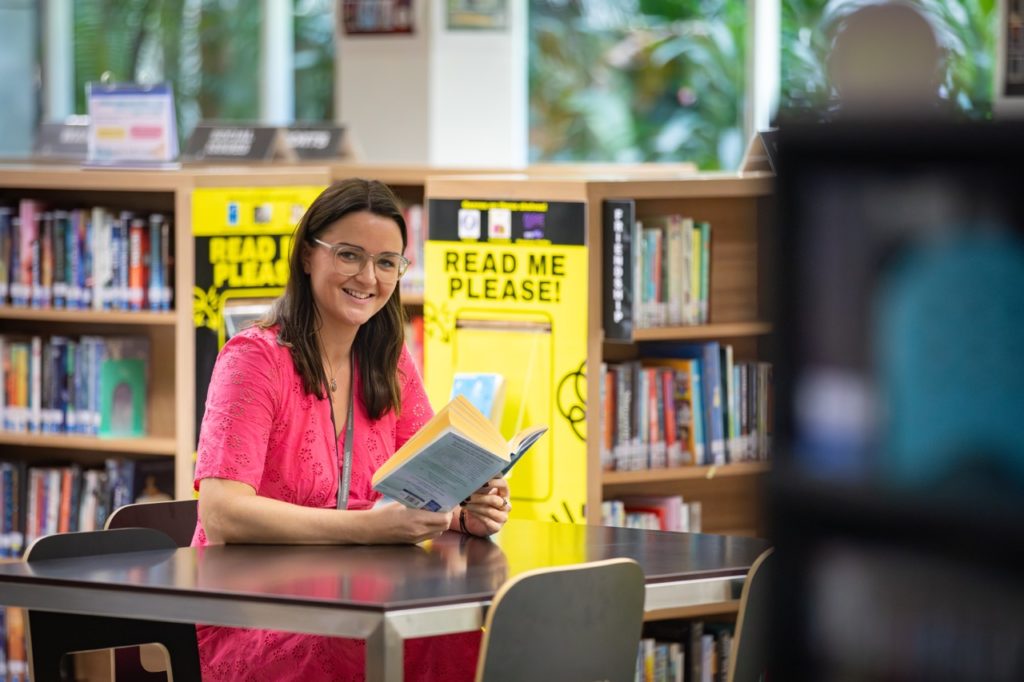
Behind the Bookshelves

What book do you recommend and why?  

Black Butterflies by Priscilla Morris, a beautifully written debut novel set in Sarajevo during the Bosnian war. While the novel centres around one woman’s experience, it also depicts the power of human perseverance, and the strength and resilience of community.


What podcast do you recommend we listen to and why?

Happy Place with Fearne Cotton. Fearne explores well-being, mental health and happiness with a range of inspiring guests from experts in the field to well-known celebrities. 

Where do you work/teach? 

I’m Lindsay Tyrell, a Secondary English teacher

Share This Article

In this Issue

Diversity Digest: World Mental Health Day

Diversity Digest is a weekly reflection written by staff from different areas of our school

World Mental Health Day was marked around the world on 10th October, raising awareness of mental health challenges and promoting the importance of emotional wellbeing. This year’s theme was “Mental Health is a Universal Human Right,” and focused on the idea that everyone, regardless of background, income, or identity, should have access to mental health support, protection and care.

The day was first recognised by the World Federation for Mental Health in 1992. Since then, it has become a key moment in the global calendar for encouraging open conversations, reducing stigma and advocating for systems that protect mental wellbeing alongside physical health.

In recent years, mental health has come into sharper focus, with more people recognising its role in overall quality of life. Whether it’s anxiety, burnout, depression, or the effects of long-term stress, most people will experience mental health challenges at some point in their lives. World Mental Health Day serves as a reminder that these experiences are not signs of weakness and that seeking support is a strength.

Even though the official day has passed, the message remains vital. Everyday actions like taking a break, asking someone how they’re really doing, or checking in with yourself can create a ripple effect of care and connection.

Did You Know?

1 in 2 people will experience a mental health disorder in their lifetime.

→ A major global study published in The Lancet Psychiatry (2023) found that 50% of people will face a diagnosable mental health condition by age 75.

Simple ways to support your mental health:

  • Pause and check in with yourself: Build a “pause point” into your day to stop, breathe, and reflect.
  • Move your body: a short walk, stretch, or any movement boosts mood and reduces stress.
  • Talk to someone you trust: sharing how you feel (even briefly) can lighten the load.
  • Protect your boundaries: say no when you need to, and make time for rest.
  • Limit information overload: take breaks from social media or the news when needed.
  • Practice self-compassion: speak to yourself the way you would speak to a friend.
  • Get outside: even a few minutes of daylight or nature helps balance your nervous system.
  • Sleep matters: regular sleep routines support mental clarity and emotional regulation.

Share This Article

In this Issue

What Kind of Coach Do You Play For?

By The Tiger Sports Council

We all know players come in every shape and size from the powerhouse to the prankster, from the cool head to the chaos merchant. But coaches? They’re just as brilliantly diverse. Whether they’ve got a stopwatch, a stash of snacks, or a whiteboard covered in arrows, every coach brings something different to the pitch, court, pool or gym. So here’s a fun guide to help you figure out what kind of coach you’re playing for.

1. The Clipboard Commander
This coach lives for structure. Sessions start precisely on time, and every minute has a purpose. Warm-ups are choreographed, drills are colour-coded, and cones are positioned with military precision. They may have a spreadsheet tracking who remembered their kit. But when match day rolls around, you’ll be the best-prepared team in town.

2. The Human Highlighter
You can hear them before you see them. They’re bursting with encouragement and enthusiasm, shouting things like, “Nice idea!” and “That was nearly brilliant!” even when you’ve just fallen over the ball. These coaches believe in you more than you believe in yourself, and leave you feeling like you’ve just won Olympic gold, even after a draw.

3. The Silent Assassin
This coach says very little, but every word counts. They don’t shout or panic. They just give a small nod and suddenly everyone lifts their game. Their calm is infectious, and somehow their silence makes you want to work twice as hard. If you’ve ever trained in total quiet but come away more focused than ever, you’ve met one.

4. The Old School Drill Sergeant
They’ve seen it all. Socks up, shirts tucked, no excuses. They believe in discipline, respect, and the value of hard work. Mistimed passes might earn you a few laps, but good effort gets genuine praise. If they start a sentence with “Back in my day,” you know a great story is coming,  followed by push-ups.

5. The Tech Guru
You thought you were just doing sprints? Wrong. This coach has your heart rate, speed, recovery time and acceleration all tracked on a dashboard. They bring a GoPro to training and call team meetings to analyse slow-motion footage. They love a gadget and probably own a drone named after their pet.

6. The Parent Coach
Not your actual parent, but it’s easy to forget. They care just as much about how you’re doing at school and whether you’ve eaten lunch as they do about your form. They check in if you seem quiet, they cheer the loudest, and they’re the most likely to offer you a banana and a pep talk.

7. The Tactical Genius
This coach dreams in formations. They carry a whiteboard and a marker at all times. They refer to spaces as Zones and treat corner kicks like chess. When they get really excited, they draw diagrams on napkins. You may not always understand the plan, but you know they’ve got one.

Every coach has their own style, their own quirks and their own way of making a team better. Some fire you up with passion. Some fine-tune your skills. Some see your potential before you do. The best ones? They leave a lasting impact far beyond the scoreboard.


Share This Article

In this Issue

Box House Theatre: Inspiring Creativity and Confidence Through Drama

By Lilian Ashworth, Curriculum Leader Secondary Drama

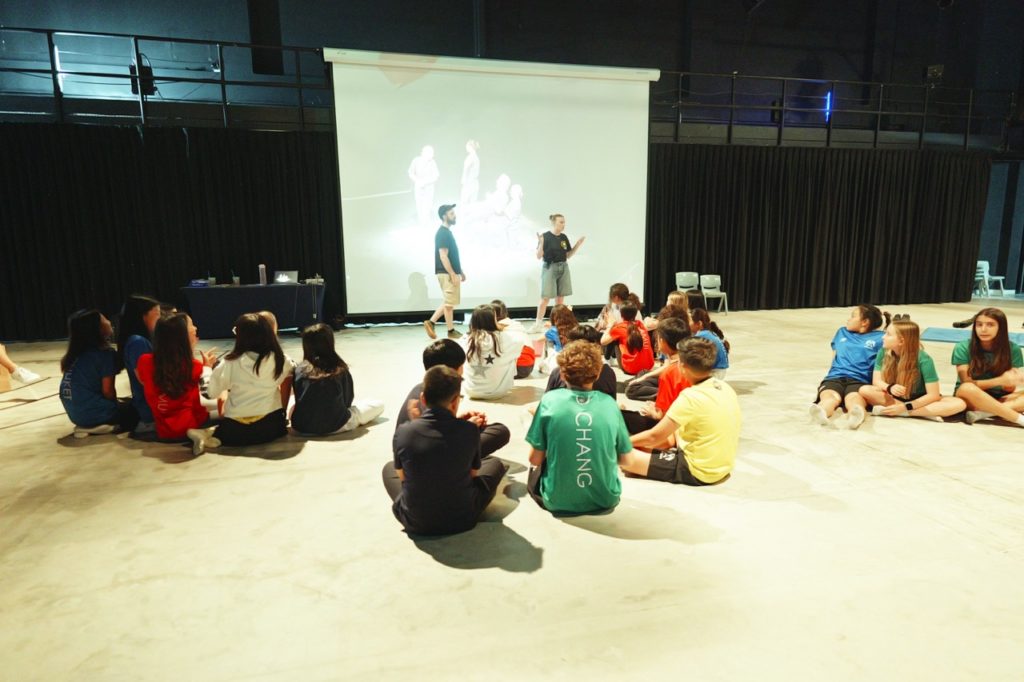
Our Secondary Drama students recently had the opportunity to work with Box House Theatre, an award-winning company from the UK currently touring Asia with their acclaimed show Twisted Tales. This talented group of six young actors brought energy, creativity and passion into every session and their impact on our students has been truly remarkable.

Throughout the week, the Box House team led exciting workshops that challenged students to think differently about theatre and storytelling. Their unique performance style, Platform Theatre, involves performing entirely on a single mat; a restriction that encourages imaginative movement and inventive stagecraft. Students quickly embraced the challenge, creating bold, expressive scenes that showcased their teamwork, communication and creativity.

It was wonderful to see how engaged and inspired our students became. They grew in confidence, supported one another, and discovered new ways to tell stories through physical theatre. The Artistic Directors, Lewis Evans and Amy Fielding were full of praise for their motivation and talent, commenting on the enthusiasm and skill they brought to every workshop.

This collaboration was not just about learning new techniques; it was about coming together to create, to express, and to experience the joy that live theatre brings. For our students, it was a week filled with laughter, learning, and inspiration, a reminder that Drama truly nourishes the soul.

Share This Article

In this Issue

Elevating Dance Education: The Dance Academy hosts the First-Ever FOBISIA Dance JAWS

By Sarah Dullaghan, Cross Campus Head Dance Coach

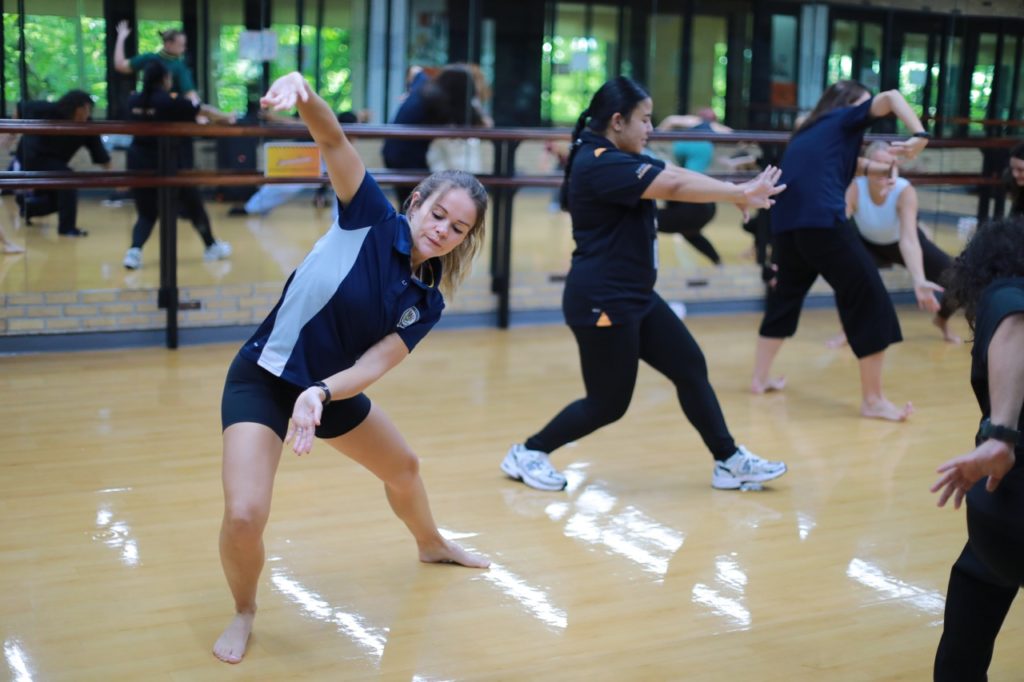
Bangkok Patana School recently had the pleasure of hosting the first-ever FOBISIA Dance JAWS (Job-Alike Workshop) – a landmark professional learning event designed to connect and empower dance educators from across the region. Over a day and a half, the workshop brought together 16 teachers from Thailand, Singapore, Malaysia, Brunei and India, all united by a shared passion for dance education and creative pedagogy.

Workshops explored both practical and pedagogical approaches, including creative warm-ups, indirect instruction, and innovative ways to embed hip-hop meaningfully within school curricula. Each session offered a blend of inspiration and tangible classroom strategies. Highlights included a rhythmical warm-up activity called Popcorn!, which challenged participants’ sense of timing and spatial awareness; an exploration of motor creativity through object observation; and choreography sessions utilising hip-hop fundamentals such as the Bart Simpson and Happy Feet. Together, these experiences encouraged educators to consider how playfulness, structure, and creativity can coexist in the Dance classroom.

The event’s centrepiece was an energetic Swing Dance workshop with guest artist Dax Hock, who brought his expert knowledge and international experience to the studio. Dax joyfully guided participants through his six layers of dance learning – a framework that explores rhythm, groove, and expression – and introduced the concept of finding the “fun zone” for learners, where confidence, creativity, and joy interplay in learning. The session left everyone smiling, connected, and reminded of why learning dance is such a powerful tool.

Beyond the practical learning, JAWS offered a rare opportunity for Dance educators to engage in rich professional dialogue, sharing challenges and successes from their diverse contexts. The atmosphere was one of openness and generosity, with teachers exchanging ideas, resources, and encouragement. The Dance Academy is proud to have hosted this inaugural gathering – one that not only celebrated the art of dance but also reaffirmed the power of community in shaping the future of dance education across Asia. We can’t wait for the next one!

Share This Article

In this Issue

Reflections from the BLISS Network: Building Better Libraries Together

By Stephen Murgatroyd, Cross Campus Head of Libraries

At the end of last half term, five members of the Bangkok Patana Libraries team attended a BLISS network meeting. BLISS stands for Bangkok Librarians in International SchoolS and is the network that helps to connect libraries across Thailand. Over 70 librarians, from as far away as Chiang Mai and Hua Hin, and all across Bangkok, descended for a fabulous day discussing all things libraries and books.

The day included presentations that challenged our thinking about the books we buy and offer our communities, how we organise our non-fiction sections to make for easier access and greater promotion, the value of wordless books and how they impact our thinking at all ages, how we use our physical spaces, how we make the best use of our cataloguing systems (most of which is never seen by our users!) engaging children and students in activities that promote reading, sharing excellent book recommendations for our collections, this year’s Kids’ Lit Quiz competition, amongst many other great discussions. 

Share This Article

In this Issue

Tech Tips #307: Meta’s New PG-13 Instagram Rules: What Parents Should Know

Brian Taylor, Vice Principal, Technology for Learning

Image courtesy of: Meta’s New PG-13 Instagram Rules: What Parents Should Know – Wayne Denner

Instagram, owned by Meta, has introduced new PG-13 restrictions for teen accounts, aiming to create a safer and more age-appropriate online experience. These changes, similar to a UK 12A film rating, mean that teens will now be shielded from content featuring strong language, risky stunts, drug references and posts that may encourage harmful behaviours. Even Meta’s AI chatbot will follow these guidelines when interacting with young users.

A new “Limited Content” setting is also being rolled out, allowing parents to apply stricter filters, disable comments, and limit AI interactions. Initially, this feature will be available in the UK, US, Canada, and Australia.

While this is a positive step, it’s not a complete solution. Age verification remains a challenge—many teens still register with false birth dates, bypassing these protections. Moreover, PG-13 content can still include mild violence, swearing, and partial nudity, which may not be entirely suitable for all young users.

The effectiveness of Instagram’s algorithm in filtering harmful content is still unclear, and parental tools require active engagement to be effective. This highlights the importance of ongoing conversations between adults and young people about their online experiences.

What Can Parents and Educators Do?

Review account settings and enable the “Limited Content” feature when available.

Discuss what PG-13 means and explore what content teens are seeing.

Encourage critical thinking and mindful use of social media.

Stay involved—ask to see their feed not to monitor, but to understand.

Meta’s update is a welcome move, but real safety comes from informed, supportive adults guiding young people through the digital world. Let’s keep the conversation going.

Have a great weekend!

Share This Article

In this Issue

PTG Updates

Share This Article

In this Issue

Community Events

Bangkok Patana School is once again pleased to host the Ploenchit Fair on Saturdday 22nd November. This fair, running for over 60 years, provides a day of entertainment for all the family and all proceeds go to support communities in need.

Final call – Early Bird ticket sales end on 31 Oct. 
Grab yours today 🎟️ 
Kindly share this with others so they don’t miss out!
https://www.ploenchitfair.com/

Share This Article

In this Issue

Patana Participates

World Food Forum 2025

Chaiyanat (Win) Kuptivej, Year 12

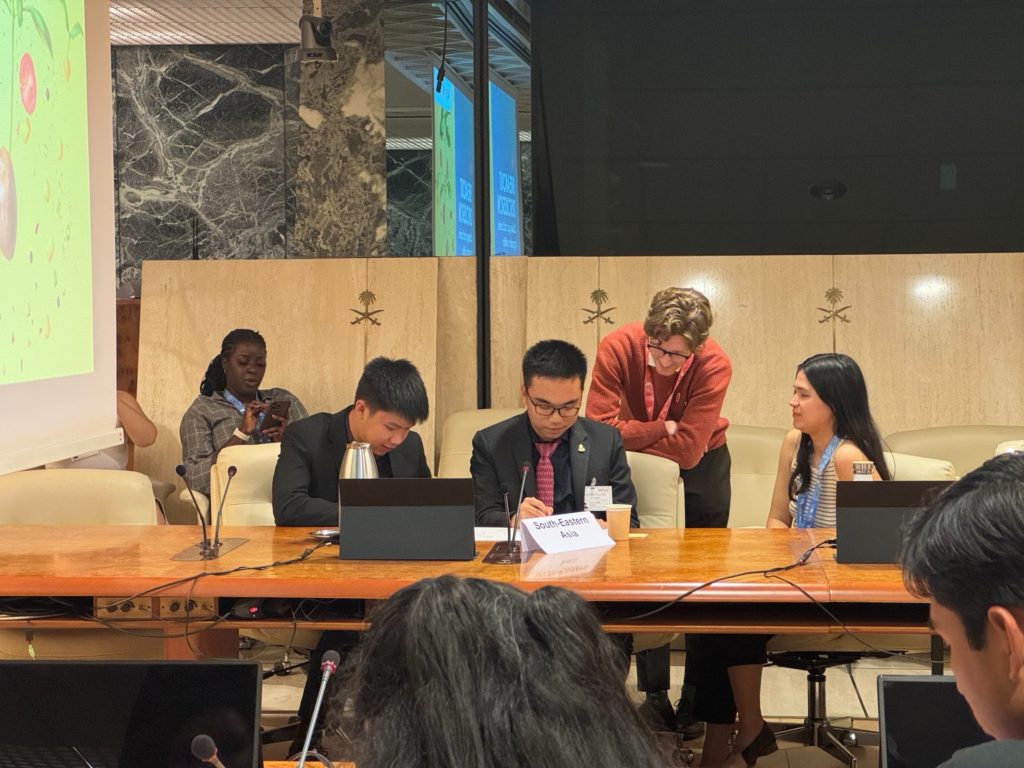
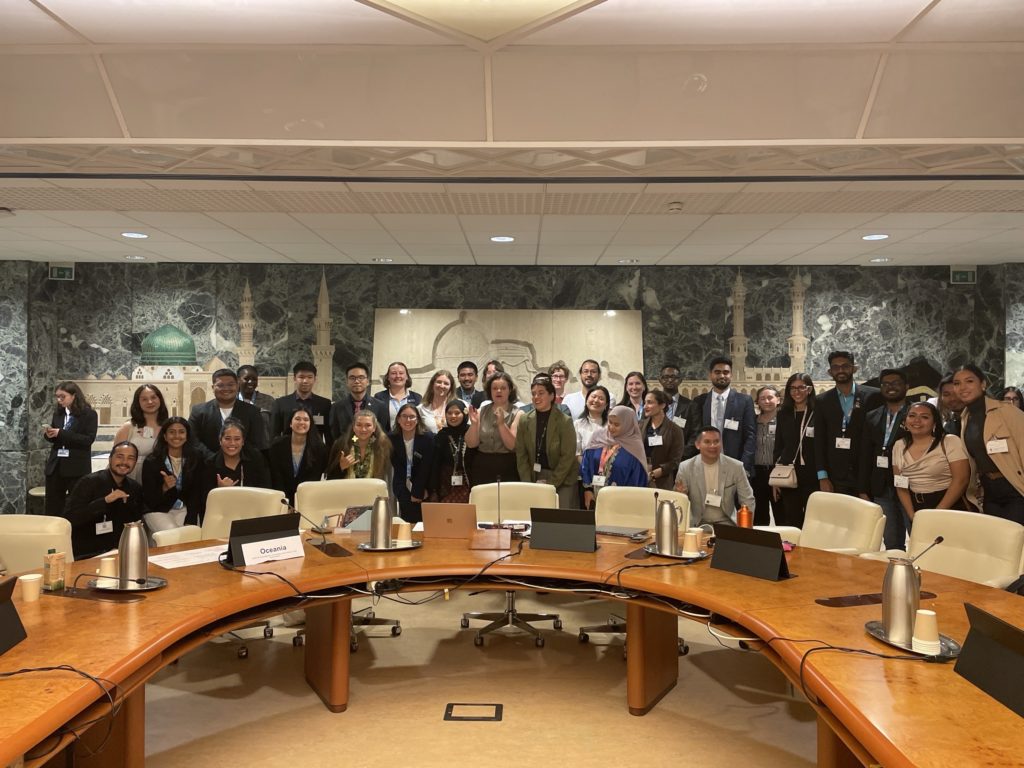
From the 13th to the 17th October 2025, I attended the World Food Forum 2025 in Rome, Italy, hosted by the Food and Agriculture Organization (FAO) of the United Nations. 

Preparation for this event began months prior. In June, after the applications to attend the WFF were declared open, I sent my own in. I had to include past experiences, which included my developments in the Future of Good Life project and the RiceSense device. Afterwards, I was interviewed with the Ministry and they selected me as a youth delegate for Thailand.

During the World Food Forum, I met with other youth delegates from all over the world ranging from ages 18 to 35. They were all chosen for a common reason: they are innovators of agri-tech and nutrition to move our planet towards greater food security, greener production and much more. 

I took part in a variety of workshops and youth assemblies, discussing topics such as nutrition, sustainable farming and food inequality. The highlight for me was the “Youth for Food Security” roundtable discussion, which focused on promoting food literacy in the Asia-Pacific region. I was honoured to speak on behalf of Southeast Asia in this discussion, where I discussed the topics of ultra-processed foods and how these healthier alternatives were simply unaffordable or inaccessible for much of the region, contributing to ongoing nutritional deficits compared to other parts of the world.

I heard many inspiring talks, including a particularly inspiring one from Mr. Kazuki Kitaoka, Director of the Office of Youth and Women. In particular, Mr. Kitaoka emphasised that the following elements were key to achieving success with the Youth of the WFF:

  1. Engagement: bringing youth to the forefront of direct interaction with communities
  2. Empowerment: Providing opportunities for young people to contribute and develop key skills
  3. Agency: Enabling youth to make change, whether large or small

All in all, it was an event that left an incredible impact on me, reminding me that youth aren’t just the future: they are the present. We are here to bring new ideas, fresh energy, and our undeniable passion to the table. As emphasised repeatedly throughout the event, we, the youth, can’t just sit around and talk; we must act if we want to make a difference. The youth aren’t just participants; we are the leaders who will propel our world toward a better future. I return home ever more committed to advocating for sustainable development through my low-carbon rice project “Future of Good Life”, and I can’t wait to bring all the innovative ideas I got from the World Food Forum into action.

And, to conclude, as quoted from Mr. Kitaoka, “creating specific structures for young people, with young people, led by young people, can drive the transformation forward that we really want to see.”


Share This Article

In this Issue

School Announcements and Upcoming Events

We have been made aware that several titles in the ‘Spy Dogs’‘Spy Pup’ and ‘Spy Cat’ series by Andrew Cope contain a weblink at the back of the book that no longer directs people to information about the books. Instead, the link has been compromised and now leads to inappropriate and unsafe material, containing pornographic content with no age restrictions.

A statement from Puffin and Mr Cope said: “In some editions of the Spy Dog, Spy Cat and Spy Pups series there is a reference to the author, Andrew Cope’s, former website for the series which was owned and managed by him.

“We understand an unconnected third party has very recently taken control of the domain name and is using it to display a different website with inappropriate adult content.

“This website is not associated with Puffin or Andrew Cope. We are asking people not to visit the website and ensure that children do not visit it either.”

Upon investigation, we realised that these books were popular with the children a number of years ago, but have not been borrowed recently. Therefore, we have removed all our copies of the book from the Library, taken out the page with the web address on it and will now be donating them.

In case you have copies of these books at home, below are images of some of the front covers in the series to help you identify them, so you can remove the page at the back with the website address.


Share This Article

In this Issue

© 2025 Bangkok Patana School

Issue: 8
Volume: 28
Bangkok Patana School
Privacy Overview

This website uses cookies so that we can provide you with the best user experience possible. Cookie information is stored in your browser and performs functions such as recognising you when you return to our website and helping our team to understand which sections of the website you find most interesting and useful.