What Well-Being Really Means For Your Child

By Richard Kirtland, Assistant Principal, Inclusion and Welfare

I was asked recently how you create a school’s culture. My answer was simple: you can’t create culture directly. You can only create the conditions that let it grow. The success of a school’s culture depends on many things, but mainly whether everyone actually lives the values rather than just talking about them. Why? Because really, a school’s culture is just its values in action.

So what does this look like in practice?

Recent research gives us some clues. ISC Research, a provider of data and intelligence on international schools worldwide, just released their findings on well-being in schools. The research looked at international schools from Kenya to Germany, from Romania to the UAE, examining what actually works for students and staff. Their findings make two things absolutely clear:

  1. Well-being isn’t something you bolt onto a school day. It’s woven into everything, or it doesn’t exist at all.
  2. You cannot separate student well-being from staff well-being. When teachers are stressed and running on empty, children feel it in every interaction. When adults are genuinely supported and thriving, it transforms your child’s entire school experience.

Everyday Experiences

Think about tomorrow morning. Your child walks into school and their teacher greets them warmly, actually seeing them rather than going through the motions. They notice your child seems a bit quiet and check in gently. At break time, there’s a falling out with a friend. An adult helps them work through it with real patience and understanding, not just “sort it out yourselves.” In the afternoon, they’re struggling with something tricky in class. Their teacher responds with encouragement and clear support, not frustration or impatience.

These moments build up. They’re not dramatic. Nobody’s going to come home and tell you about them. But they create your child’s experience of what school feels like. Whether it’s a place where they feel seen, safe, and able to grow, or whether it’s somewhere they just ‘get through’…

The ISC research found that 94% of international school staff are proud of the work they do. And that pride matters. It surfaces in how they greet your child each morning, how they handle the inevitable challenges of a school day, how much energy they bring to teaching and how much they ‘go the extra mile’.

We’re so fortunate here at Bangkok Patana to have so many incredible and incredibly dedicated teachers and support staff who encapsulate the very best of what the research is illuminating, live our shared Values and repeatedly go that extra mile for your children. And we are, quite rightfully, very proud of that.

Our Values in Action

So how do our values create the conditions for a thriving school culture? As you will hopefully have noticed by now, our Primary School Values aren’t decorative. They’re what well-being looks like when it’s actually happening:

  • Safe means your child has adults around them who are emotionally present and regulated. They handle difficult moments with calm. Your child learns it’s okay to make mistakes, to try things they’re not sure about, to ask questions that might sound ‘silly’. That psychological safety is what lets real learning happen. Without it, children spend their energy managing anxiety rather than exploring ideas.

The research is clear on this: teacher well-being directly impacts student learning. When staff feel safe themselves, supported by leadership, trusted to do their jobs properly, that security cascades down to children.

  • Curious means teachers who genuinely want to understand your child as an individual. What gets them excited? What shuts them down? How do they learn best? Teachers who stay curious themselves, who keep learning and growing, model this constantly for children. Your child learns that questions have value, that wondering about things matters, that everyone’s still figuring stuff out.

You’ll see this when your child comes home buzzing about something they’ve been exploring. Or when they tell you their teacher connected something they’re interested in to what they’re learning in class. It’s curiosity in action.

  • Kind is what holds everything together. Your child experiences real kindness daily, not as a special occasion but as the baseline. They see adults being patient with each other and extending that same patience to them. They learn that everyone deserves compassion. They understand that asking for help is actually brave. And they realise that ‘community’ isn’t just a word.

This shapes how they treat their friends, how they handle conflicts, how they think about people who are different from them, and so much more. The ISC research found that schools embedding kindness into their culture see children develop genuine resilience; not just the ability to push through, but the capacity to stay human while doing it.
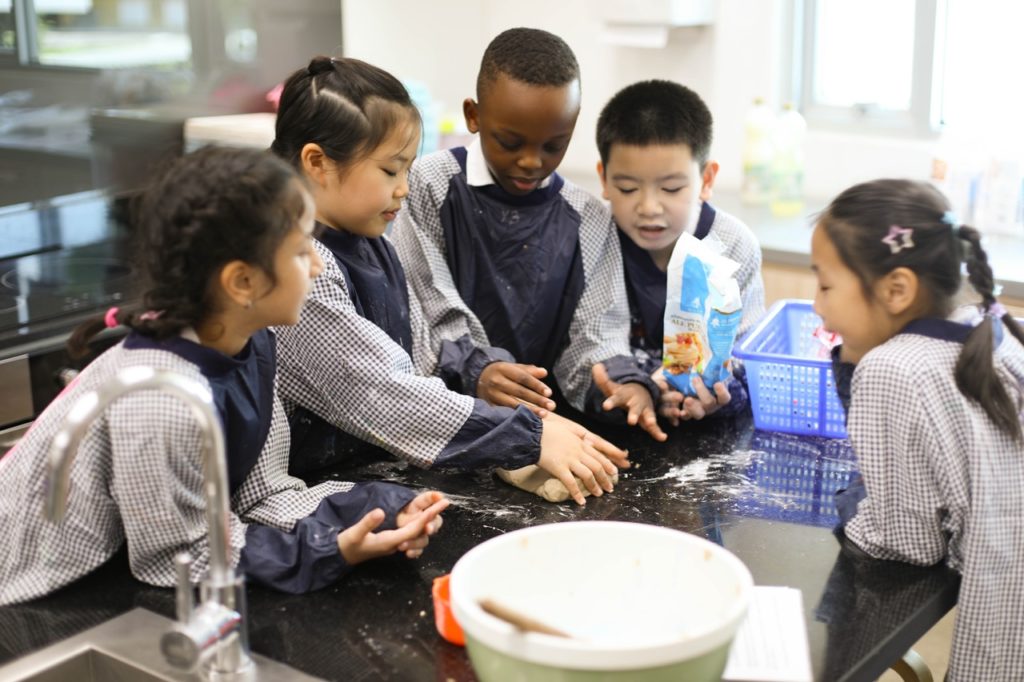
What Matters Most

The fact is, your child will probably forget most of what they learn in Year 3 maths (sorry Year 3 teachers!). But they’ll remember how their teacher made them feel when they got stuck. They’ll most likely forget who won sports day or what place they came in the relay race. But they’ll remember whether their teammates cheered them on when they stumbled…

Well-being isn’t the soft stuff that gets in the way of real learning. It’s the foundation that makes everything else possible.

Maya Angelou said it perfectly:

“People will forget what you said, people will forget what you did, but people will never forget how you made them feel.”

Note: You can read the ISC report here.

Share This Article

In this Issue

A Half Term Bursting with Strings!

Rosie Brown, Secondary Music Teaacher

Before half term, the Rosamund Stuetzel Theatre came alive with two wonderful strings events celebrating our talented young musicians.

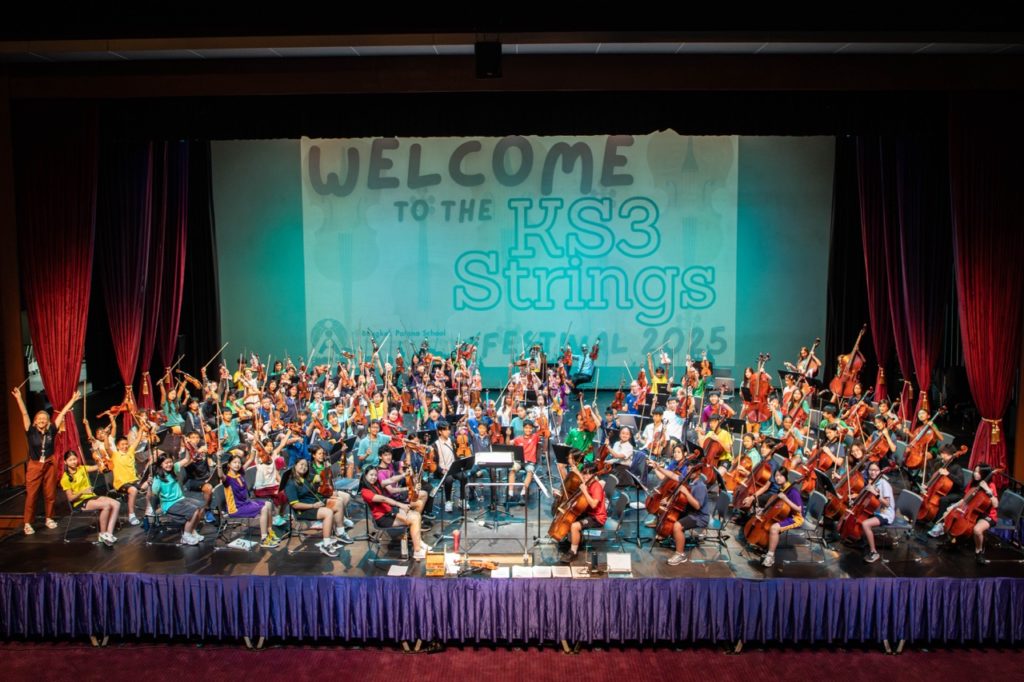
The first was the annual Key Stage 3 Strings Festival, hosted here at Bangkok Patana. Nine schools from across Bangkok joined forces, bringing together over 140 students on stage. Each school’s teacher conducted a piece of their choice, giving students the unique experience of working under a range of inspiring conductors. The programme was wonderfully diverse — from the lyrical Welsh folk tune The Ashgrove to the lively swing of Hit the Road Jack. Mr Tim from St Andrews even wrote a piece especially for the festival, so the students performed their first ever World Premiere! Throughout the day, students made new friends, collaborated beautifully, and worked very hard. The final concert, performed to a packed theatre, was a joyful celebration of teamwork and musicianship.

Hot on its heels came a brand new event: the Patana Strings Showcase, a celebration of every string player in the Secondary School, plus some very special guests! Our Key Stage 3 Strings groups impressed the audience with highlights such as the hauntingly beautiful Interstellar theme performed by the Year 8s, featuring Lauraine Poh on piano. The newly formed Year 7s, some playing for just four weeks, wowed everyone with their enthusiasm and confidence in the debut performance. We also enjoyed performances from our String Quartets, the mighty Patana Orchestra, and the Primary String Ensemble under the baton of Khun Duriyang.

The evening ended with an explosive grand finale — 180 string players performing Firework under the theatre’s dazzling disco lights. It was a truly unforgettable moment that captured the spirit, talent and joy of our Patana Strings players.

A heartfelt thank you to all the students, teachers, and support staff who made these events such a success. What a fantastic way to celebrate the power of music and the strength of our strings family!

Share This Article

In this Issue

Celebrating Life and Memory

Mariela Bianciotti, Leader of Primary World Languages

Thailand and Mexico have unique traditions to honour and remember loved ones who have passed away. While their customs are different, they share meaningful similarities:

  • They show love and respect for those who are no longer with us.
  • They help people reflect on the lives of those who mattered most.
  • They remind us that love continues, even after someone is gone.

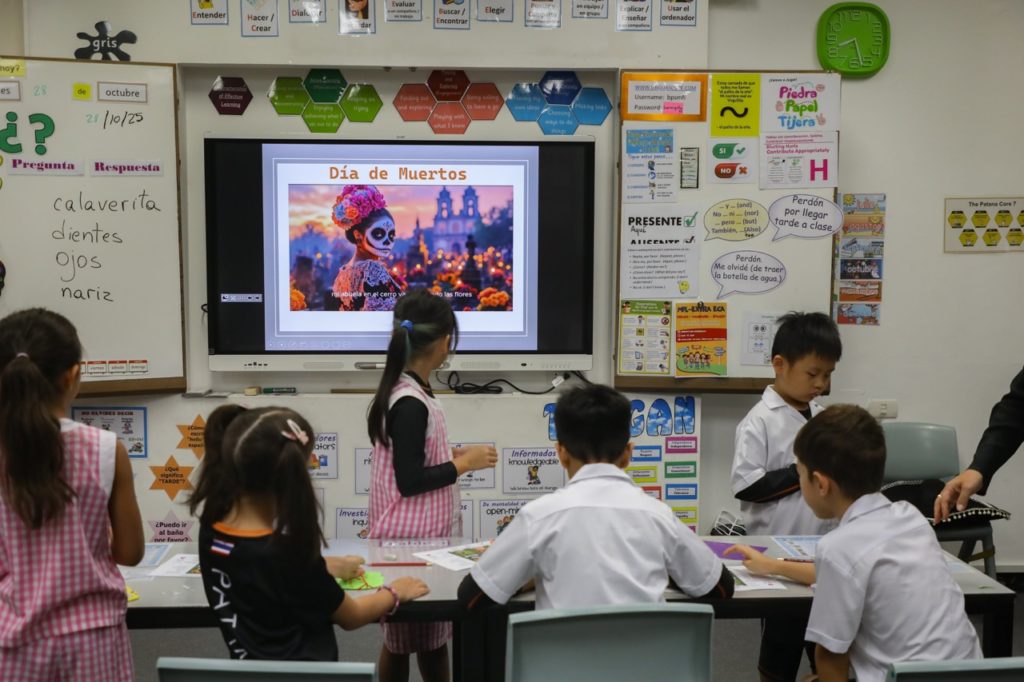
Día de Muertos, or Day of the Dead, is a vibrant Mexican tradition celebrated across the country. On this special day, families create colourful altars called ofrendas, decorated with marigold flowers, candles, photos, and the favourite foods of their loved ones. It is believed that for one night, the spirits of those who have passed return to join the celebration — a joyful moment to honour life and memory.

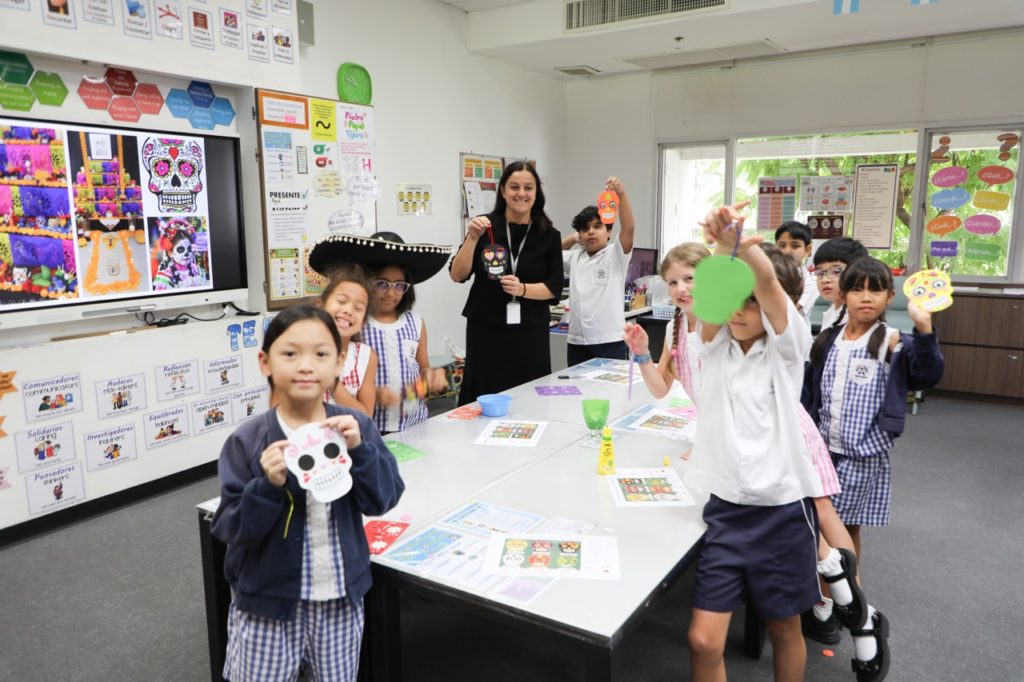
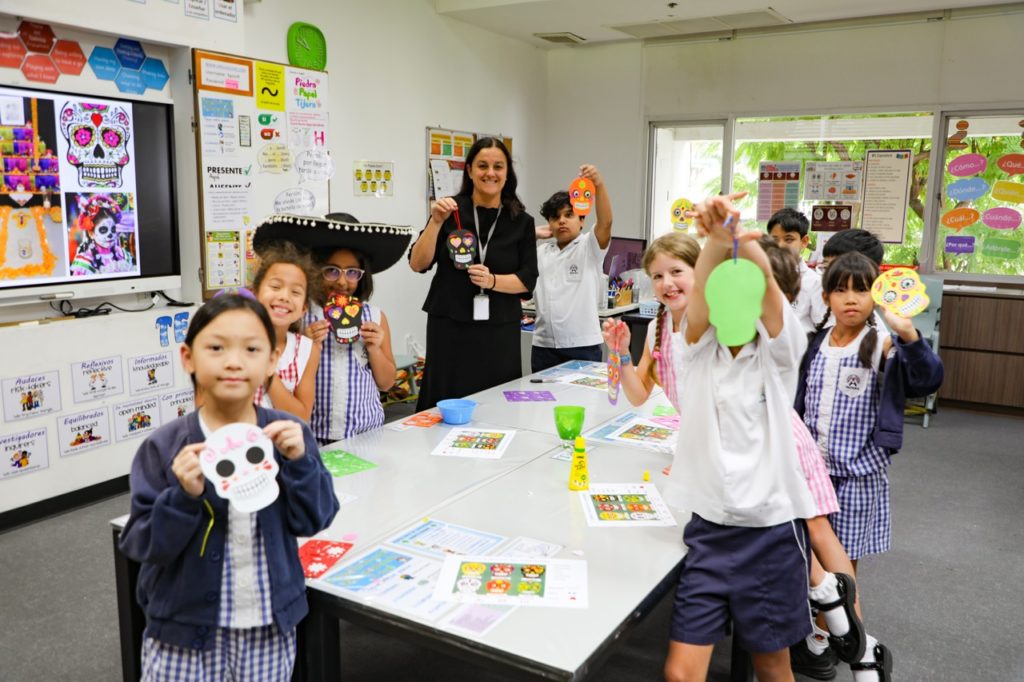
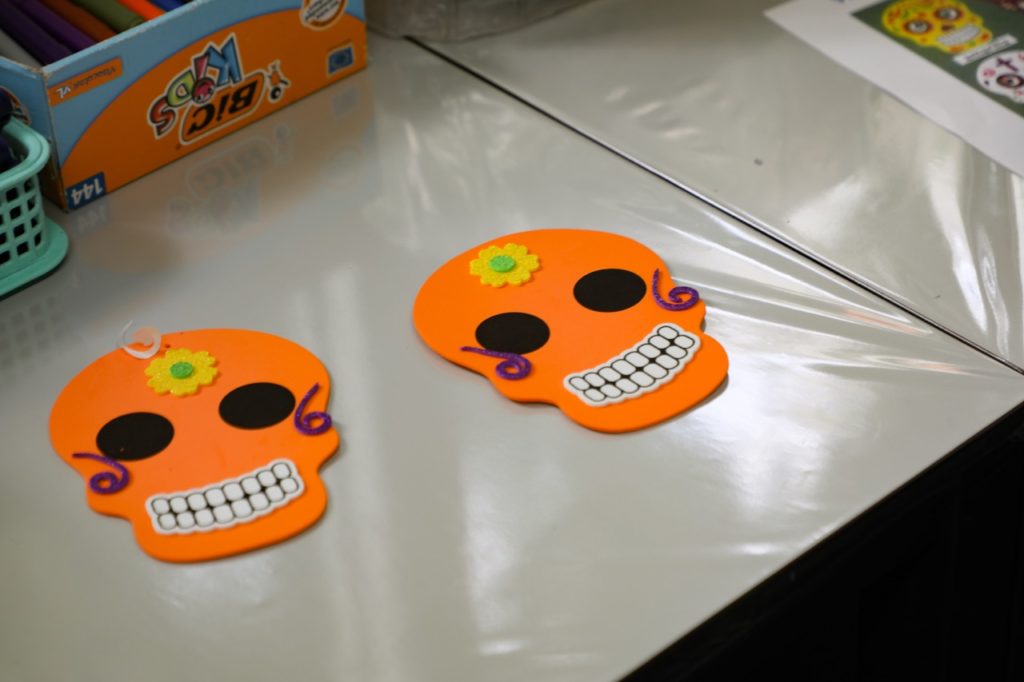
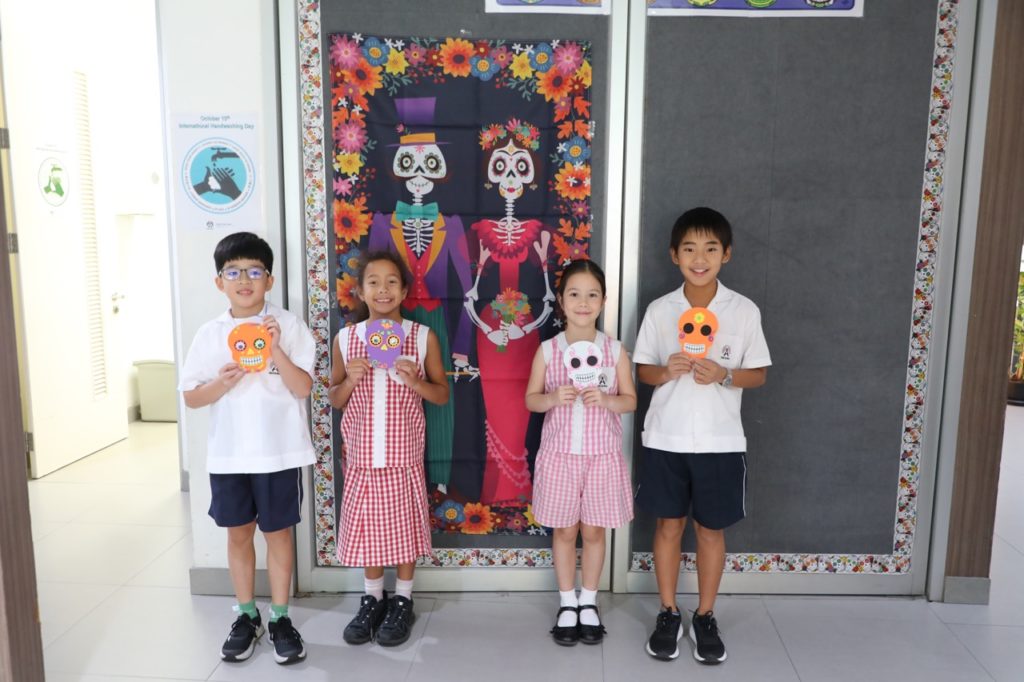
At school, students in Year 3 and Year 4 joined the celebration by decorating Calaveritas. Through this creative activity, they practised their Spanish vocabulary, revising colours, shapes (such as hearts, circles, flowers, and tears), and body parts (eyes, teeth, nose). They also enjoyed a traditional Mexican song that helps people remember those who have gone.

As an extension activity, Year 6 students followed a step-by-step tutorial to draw La Catrina — a fancy skeleton lady often seen during Día de Muertos. With her elegant hat and dress, La Catrina is a powerful symbol in Mexican culture, reminding everyone that death is a natural part of life.

Through these activities, students not only learned about a beautiful tradition but also celebrated the importance of memory, love, and cultural understanding.

Share This Article

In this Issue

Air Quality Policy

As the rainy season reluctantly leaves, many of us are enjoying the cool winds that have come this week. An unfortunate downside to the advent of cooler weather in Thailand is the increasing levels of air pollution as we move into January, with AQI and PM2.5 levels fluctuating significantly.

We can expect more stringent guidelines from the government, especially given the sweeping vote in passing the Clean Air Bill recently in the Thai House of representatives. The Bill moves to the senate and once enacted, it will represent Thailand’s first comprehensive legal framework dedicated to combating air pollution, strengthening accountability, and safeguarding public health.

Every year at Bangkok Patana School, our Air Quality Policy is reviewed using national government sources and accredited international organisations. Student health and well-being is at the heart of the policy. The Air Quality Index (AQI) is displayed on the Firefly Dashboard, with to the Air Quality policy.

At Bangkok Patana, there are outdoor air quality monitoring units in three locations on campus. The readings from these units are combined with the readings from the Pollution Control Department’s monitors at Big C Bangna and BTS Bangna, to provide an hourly average. This is the average displayed on the Firefly Dashboard.

We have indoor air quality monitoring units in all buildings on campus. We watch these readings to ensure good air quality in the buildings throughout the school day. If the readings are not satisfactory, our health and safety team investigate to see what may be causing the change in air quality level, and work to solve the problem quickly. (In most cases, it is due to doors being left open!)

Please do familiarise yourself with our air quality policy, which details clearly how our teachers will proceed based on the readings.

Share This Article

In this Issue

Bangkok Patana’s First Community Choir is On!

By Rosie Brown, Music Teacher


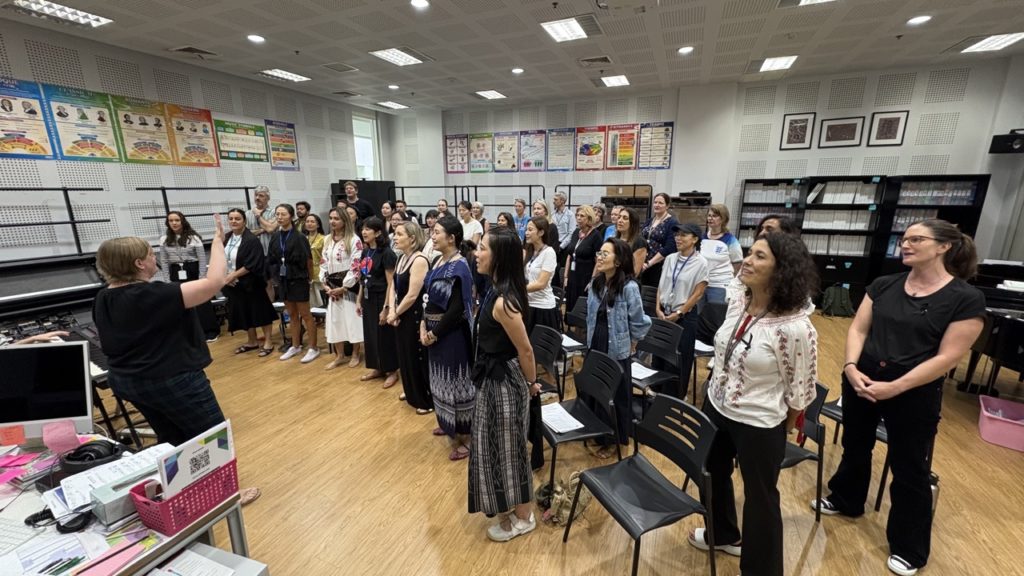
On Thursday 30th October, Arts 127 was filled with festive cheer as the Patana Community Choir held its very first rehearsal. We were delighted to welcome over 40 enthusiastic singers — parents, teachers, support staff and students — who, under the expert guidance of Laura MacRitchie, Rachel Stead and Rosie Brown, learned one and a half Christmas songs in just 90 minutes and sounded absolutely wonderful!

The Patana Community Choir is open to everyone — no prior experience required. We all know the wellbeing benefits of singing together, so why not come and experience them for yourself? Rehearsals take place on Thursdays at 14:30 in Arts 127, with tea, biscuits, and catch ups from 14:15 in Arts 129.

We’d love to welcome your voice to the choir! Email robw@patana.ac.th for more information or sign up here.

Share This Article

In this Issue

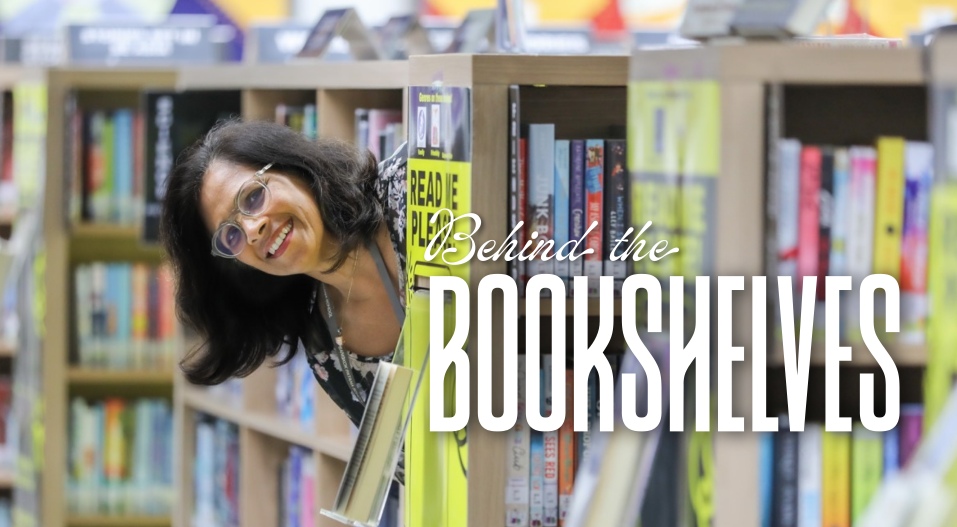
Behind the Bookshelves

What book do you recommend and why?  

Endurance: Shackleton’s Incredible Voyage by Alfred Lansing. This book is taken from the diaries of Shackleton. Not only is it an incredible, entertaining account of survival in a harsh environment, there are excellent lessons in here on leadership.


What podcast do you recommend we listen to and why?

The Stretton Podcast: Ever wonder what does happen in a little village in England? Step into the Strettons and meet real life characters, including one who used to be at Bangkok Patana….

Where do you work/teach? 

Cheryl Rego, in the Marketing Department

Share This Article

In this Issue

Diversity Digest: Cultural Diplomacy – Crafting a National Identity

Diversity Digest is a weekly reflection written by staff from different areas of our school

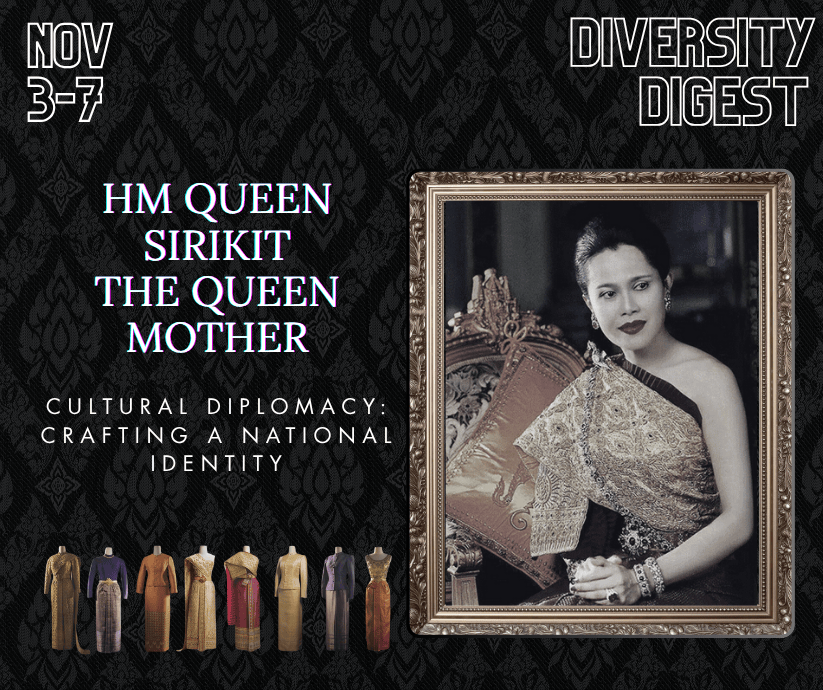
Queen Sirikit pioneered cultural diplomacy—long before the term “soft power” became popular. Her work did more than empower Thai culture; it was a major step in nation-branding.

She recognised that Thailand lacked a clearly defined national costume for women that could represent the nation with dignity on the world stage. Reflecting on her 1960 state visits abroad, she was quoted as saying:

“I decided that during this royal visit abroad, I would wear both traditional Thai dress and Western attire… This seemed most appropriate for the occasion… However, the national costume like the kimono donned by members of the Japanese deified their nations very well.”

Seeking advice from experts, she oversaw the creation of eight official styles of Chut Thai Phra Rajaniyom (Thai National Dress styles), each suitable for different formalities. Her elegance and vision redefined Thai identity in fashion and earned her recognition in the New York Hall of Fame in 1965.

Today, Her Majesty’s legacy continues. The Chut Thai Phra Rajaniyom is currently under review for inscription on UNESCO’s Representative List of the Intangible Cultural Heritage of Humanity.

Share This Article

In this Issue

Mindfulness Meditation ECA

By Usa Jansiripong, Teaching Assistant

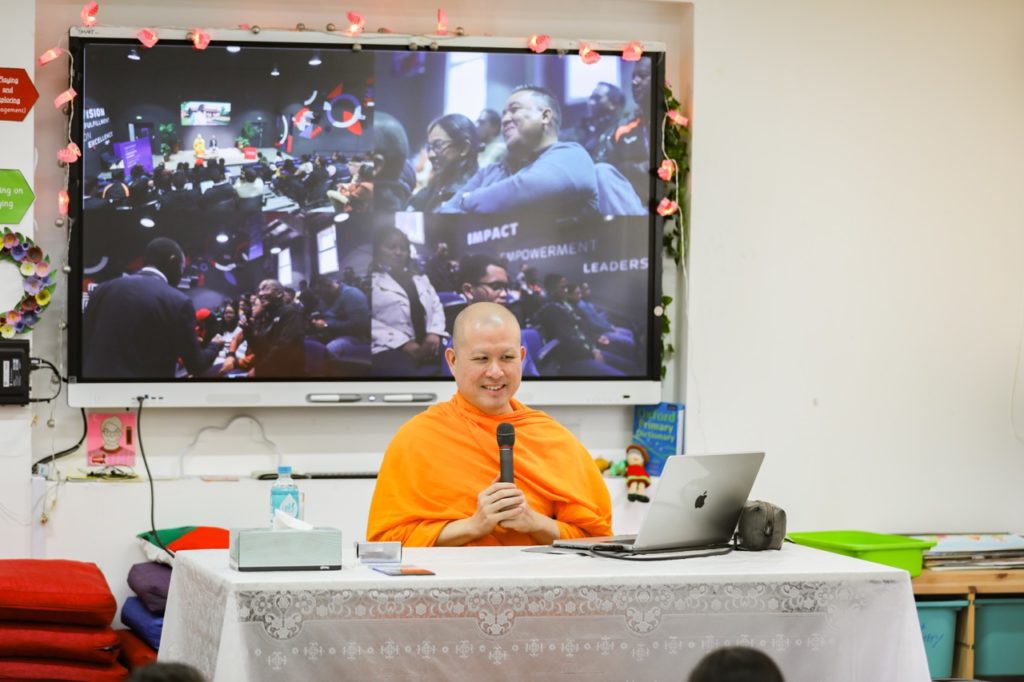
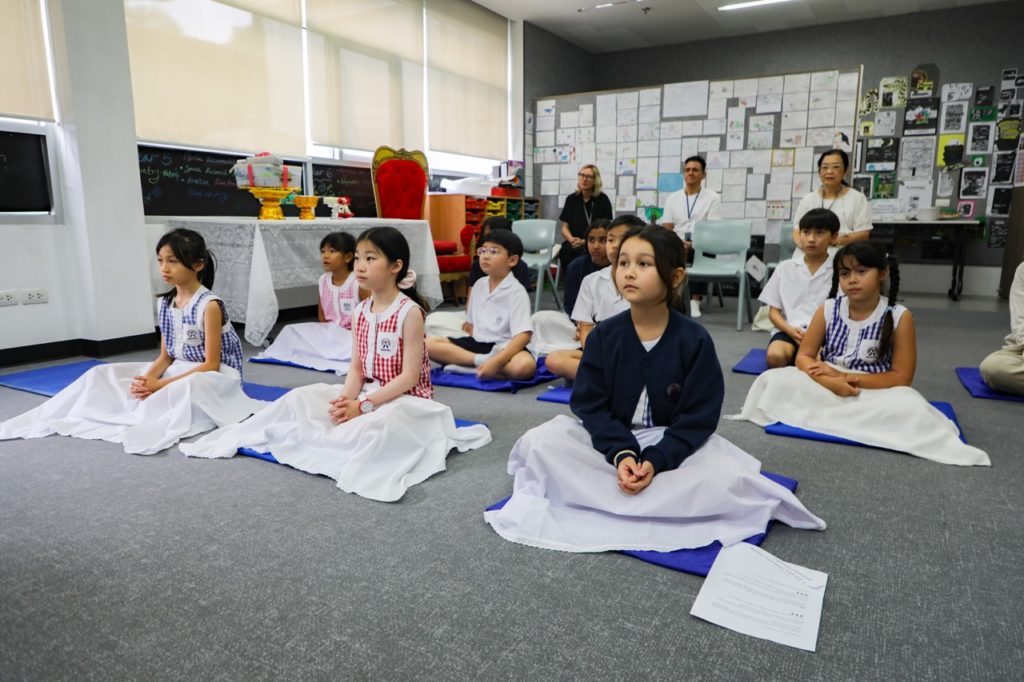
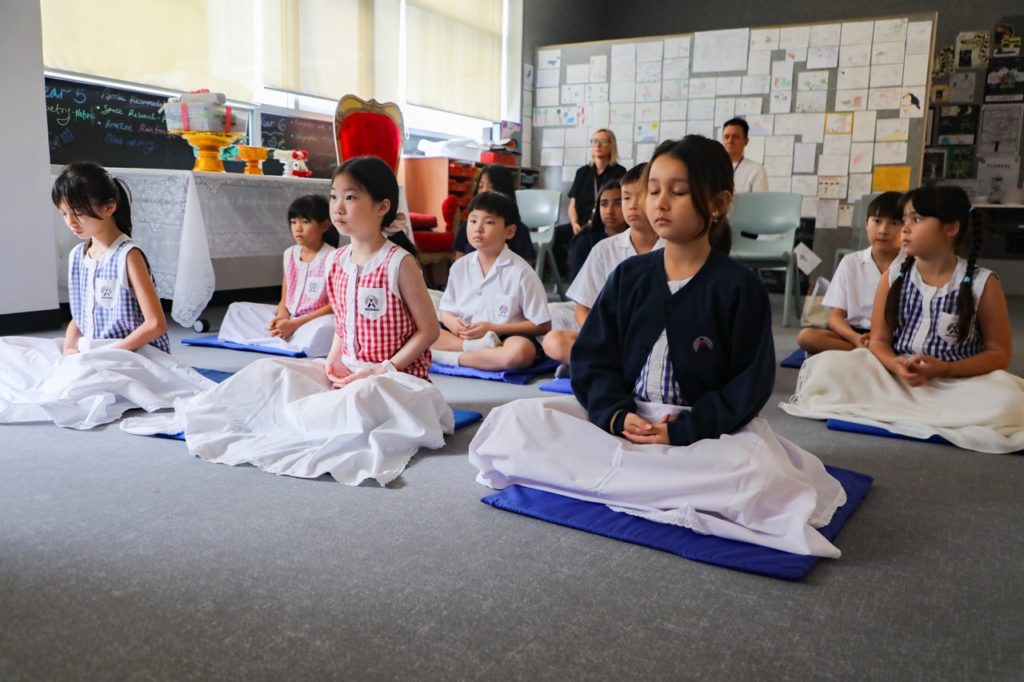
Our Mindfulness Meditation ECA students had a peaceful time with Monk John Paramai  from World Peace Initiative Foundation, learning how to bring their minds back to their bodies and end the day feeling calm and relaxed.


Share This Article

In this Issue

Year 6 Step Up as Sports Leaders! 

Jayne Jauncey, Leader of Primary Physical Education

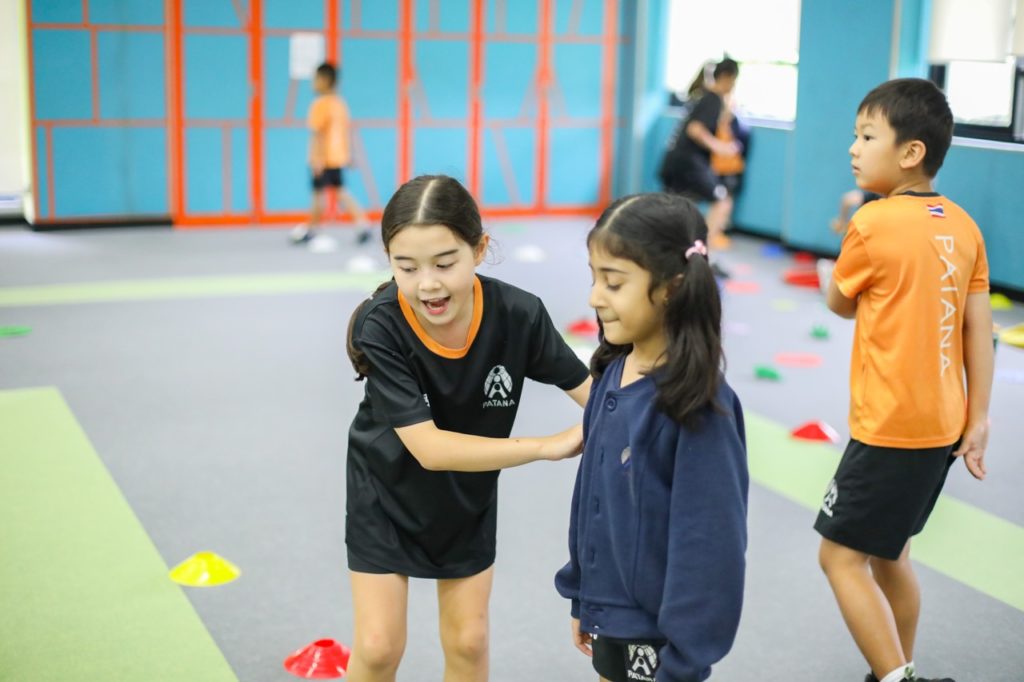
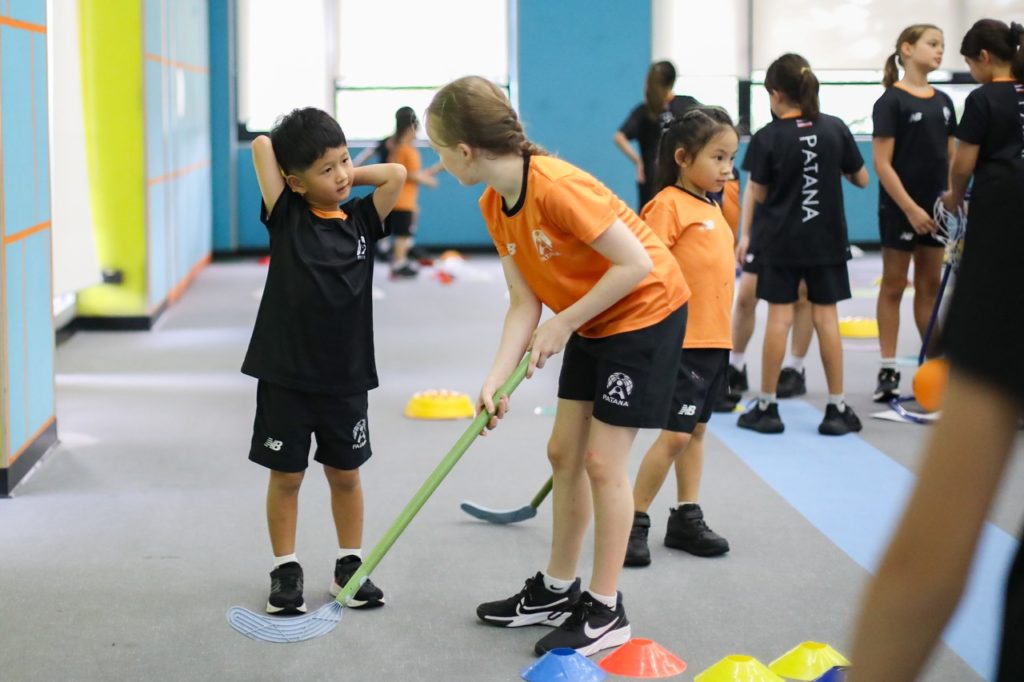
This week, our Year 6 students took on the important role of Sports Leaders as part of their PlayMaker Award—and they absolutely smashed it! 

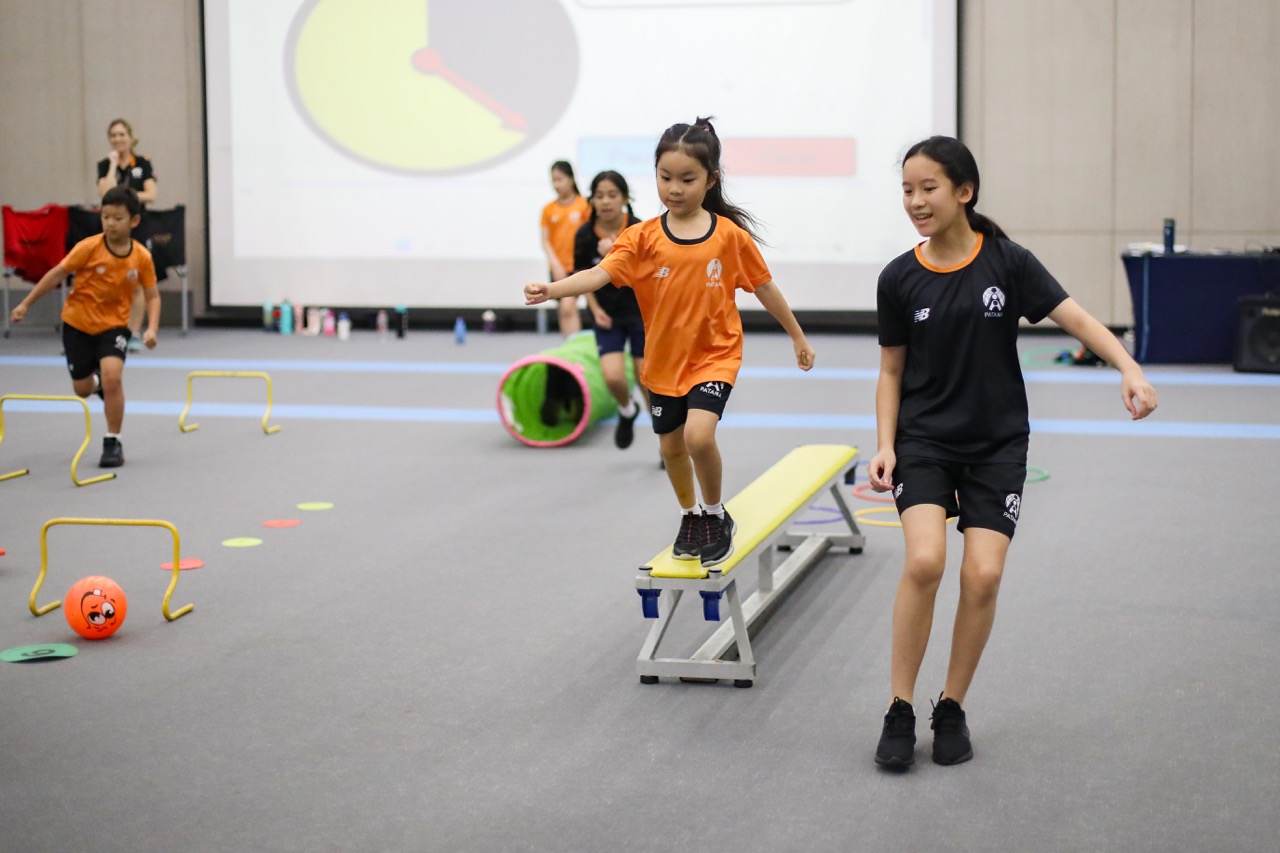
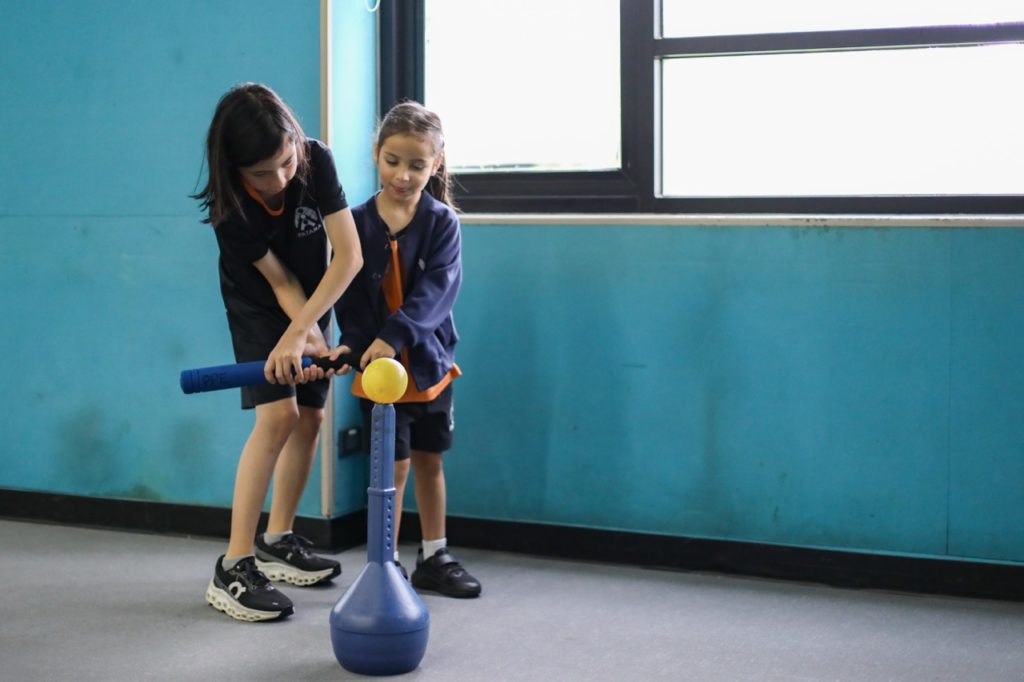
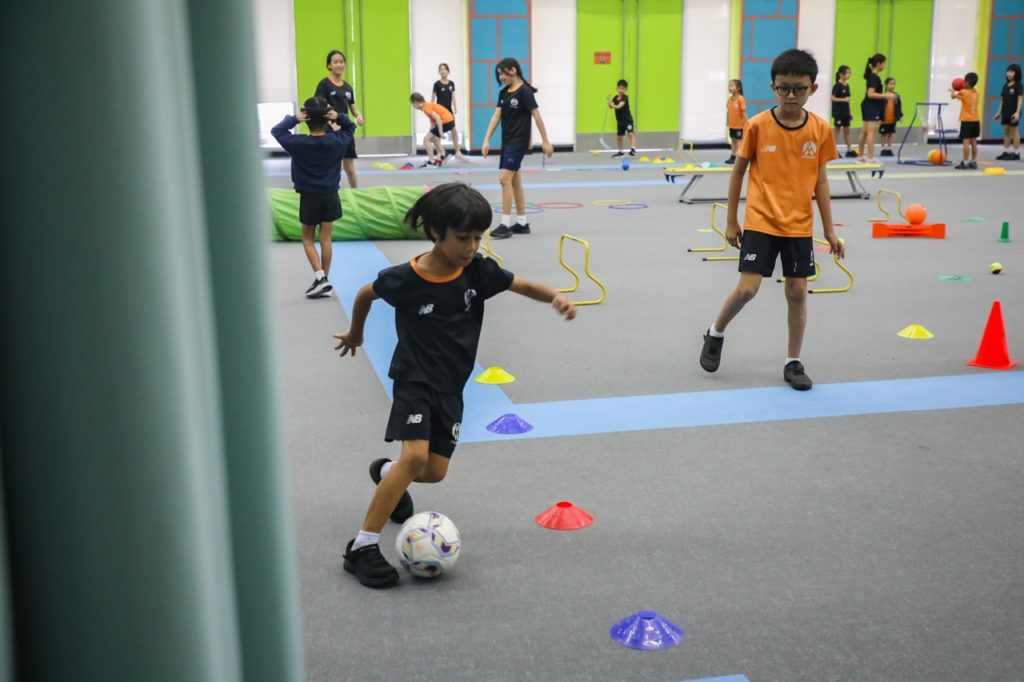
In groups of three or four, they planned and ran six activity stations for our Year 2 students. The stations included football skills, hockey drills, an obstacle course, striking games, throwing challenges and racket skills. Each group took charge of their station, setting up equipment, demonstrating techniques, and helping the younger students get stuck in and have fun. 

The Year 2s rotated through each station, trying out new skills and thoroughly enjoying every minute. It was fantastic to see our older students encouraging and supporting the younger ones, showing real confidence, teamwork and leadership. 

The atmosphere was buzzing with energy, and the Year 6 leaders did a brilliant job keeping things organised and making sure everyone was involved. They were patient, enthusiastic, and really stepped up to the challenge. 

We are extremely proud of how they handled the responsibility and made the session such a success. It’s clear they have learned a lot through the PlayMaker Award—and had a great time doing it! 

A huge well done to all our Year 6 sports leaders. You have inspired the next generation and shown what great role models you are! 

Share This Article

In this Issue

Library – New Arrivals

List of magazines available in the library.

 FS & KS1 LIBRARYKS2 LIBRARYSECONDARY SCHOOL LIBRARY
  ​​​​Fiction​​​​ ​​​​Chapter Books & Comic Books​​​​ ​​​​Transition Collection​​​​ ​​​​Non-fiction​​​​     ​​​​Fiction​​​​ ​​​​Chapter Books & Comic Books​​​​ ​​​​Non-fiction​​​​ ​​​Fiction​​​ ​​​Graphic Novels​​​ ​​​Senior fiction​​​ ​​​Home Languages​​​ ​​​Parents’ Collection​​​ ​​Professional Learning​​​

Share This Article

In this Issue

PTG Updates

Share This Article

In this Issue

Community Events

Share This Article

In this Issue

Upcoming Events


Share This Article

In this Issue

Provisional 2026/27 Calendar

A provisional school calendar is now available on the footer of our website or you can access it here. The calendar will be official once it has been approved by the Foundation Board at their meeting in early December.

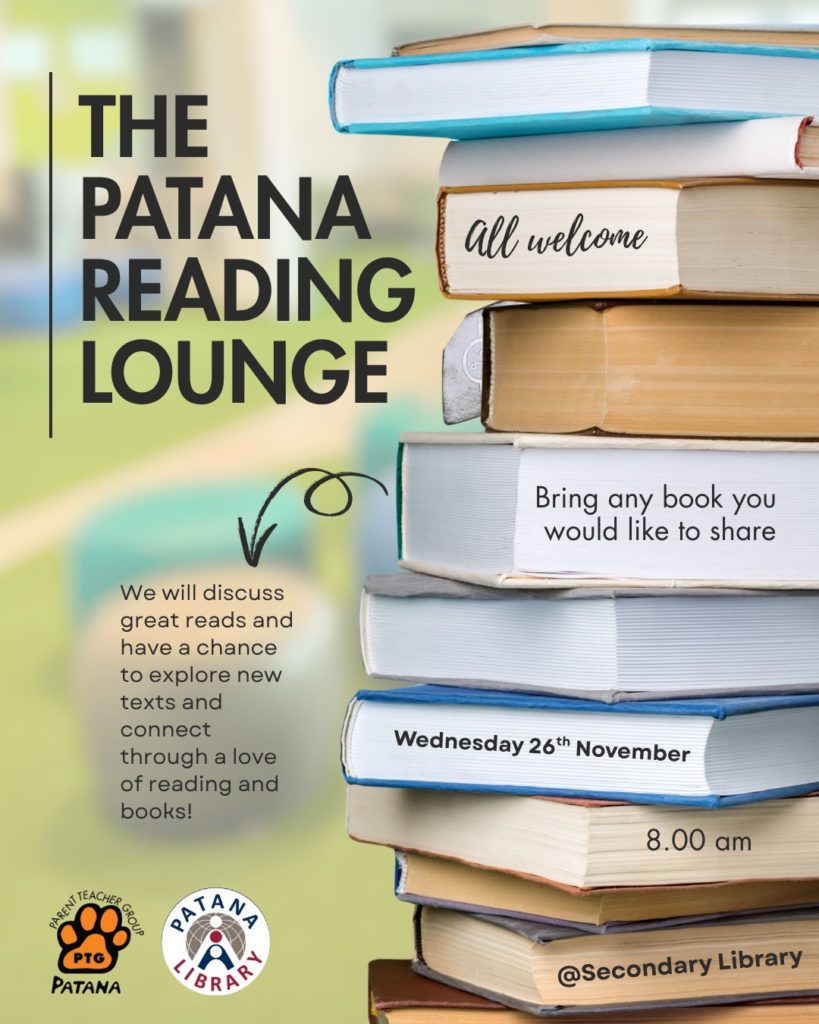
A provisional school calendar for 26/27 is now available

Share This Article

In this Issue

© 2025 Bangkok Patana School

Issue: 10
Volume: 28
Bangkok Patana School
Privacy Overview

This website uses cookies so that we can provide you with the best user experience possible. Cookie information is stored in your browser and performs functions such as recognising you when you return to our website and helping our team to understand which sections of the website you find most interesting and useful.