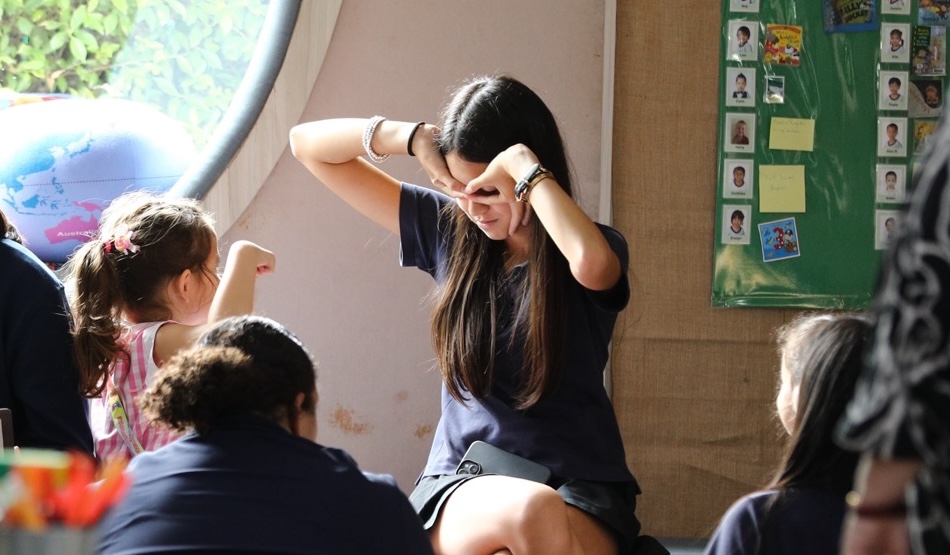
What a Two-Year-Old and an Eighteen-Year-Old Can Teach Each Other
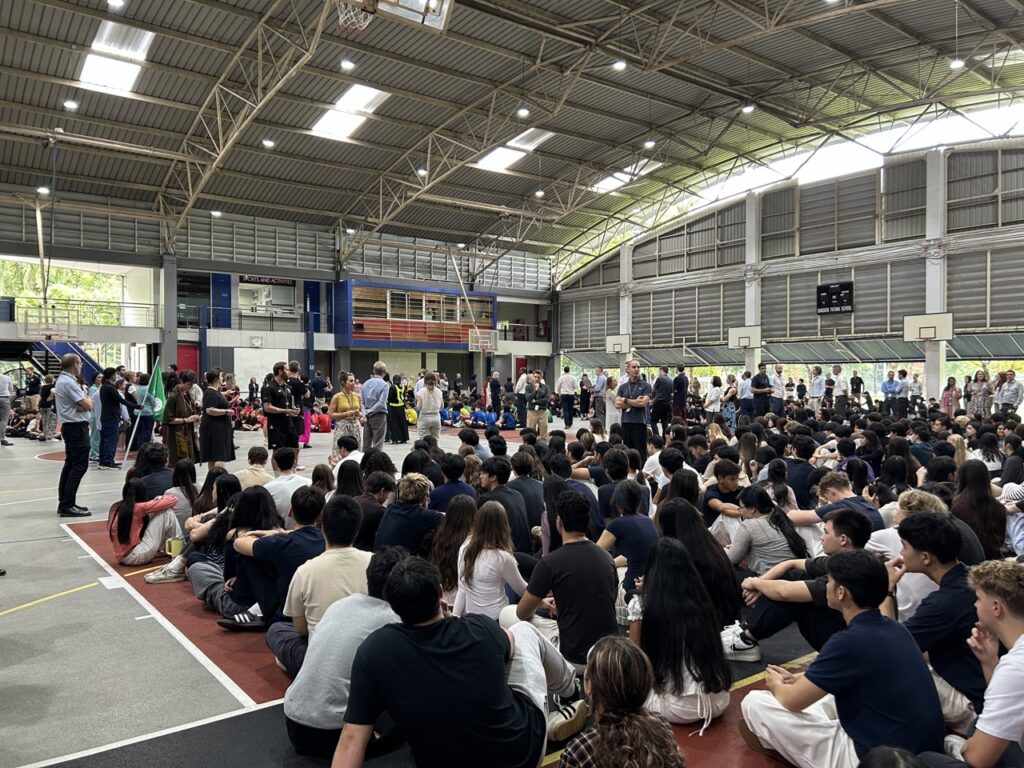
One of the privileges of my role as Cross Campus Principal is the opportunity to spend time with students from two years old through to eighteen. In the space of a single day, I might visit the Foundation Stage, watch a Primary Arts performance, drop into an Academy sporting fixture, and finish by teaching a class of Senior Studies students preparing for university.
Recently we celebrated another excellent set of examination results, I found myself reflecting on just how long that journey really is.
When we congratulate our Year 11 and Year 13’s, we rightly celebrate their academic achievements. Behind every result lies years of hard work, dedication and support from teachers, families and friends. Yet those results are only one part of the story. What interests me just as much is everything that happened along the way.
At Bangkok Patana, a student who joins our Foundation Stage embarks on a remarkable journey through multiple transitions. They move from Foundation Stage into Key Stage 1; from Key Stage 1 into Key Stage 2; from Primary into Secondary; from Key Stage 3 into (I)GCSE courses and from (I)GCSE into the IB Diploma or Career-related Programme. Finally, they transition from school into university, employment and adulthood.
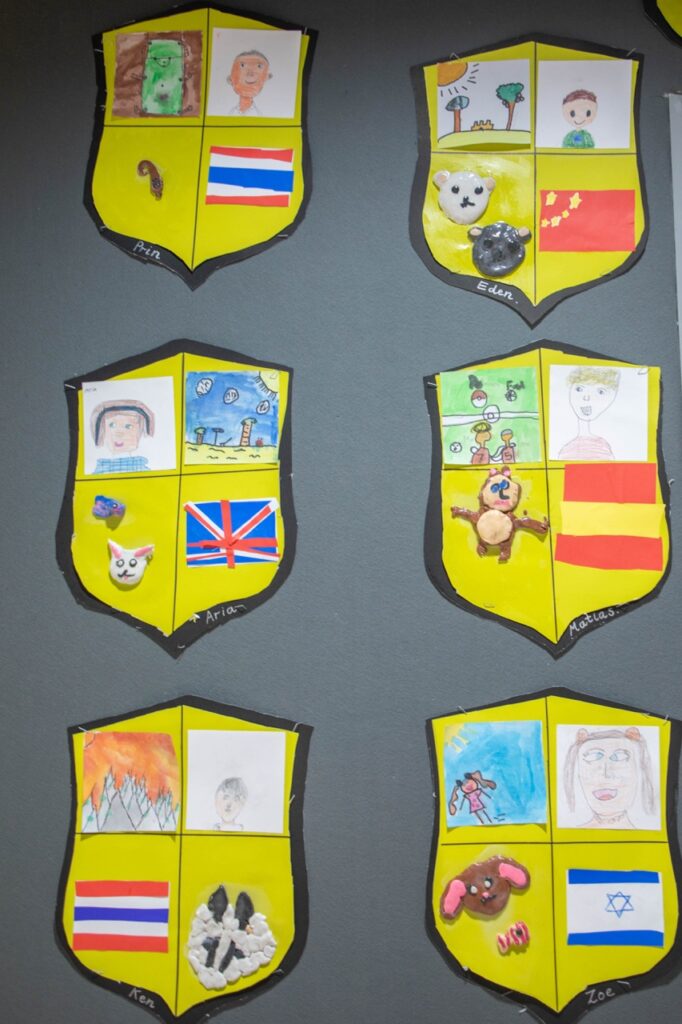
Along the way, they experience new buildings, new playgrounds, new teachers, new expectations, new levels of responsibility, new curricula and new opportunities. On paper, these can feel like separate stages. In reality, they form one continuous learning journey. What strikes me is how the qualities we celebrate in our graduates are often visible in our youngest learners.
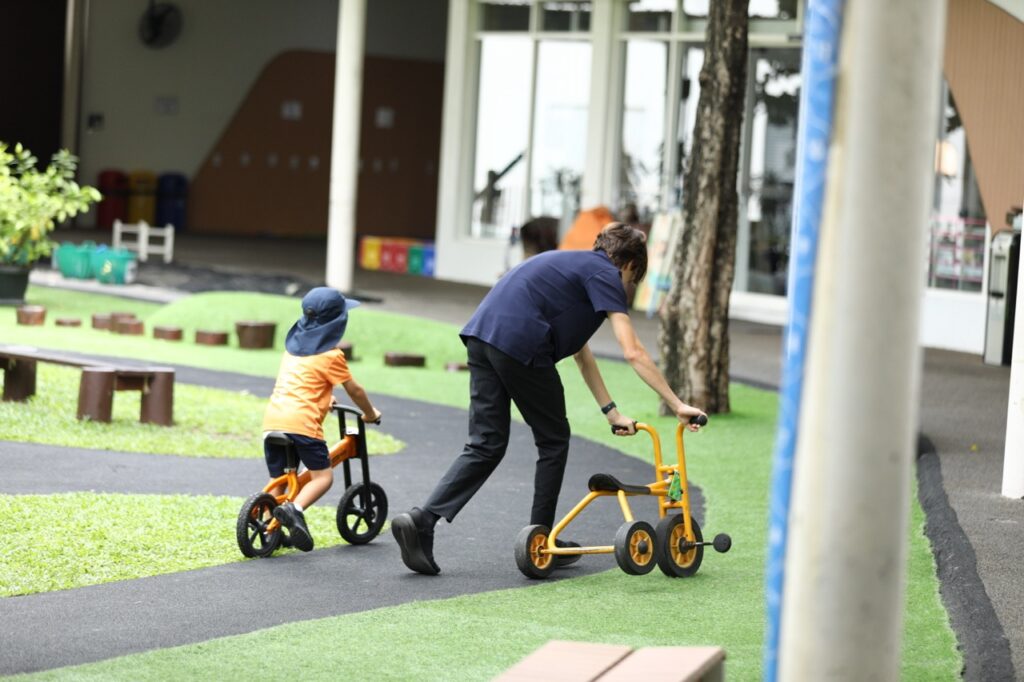
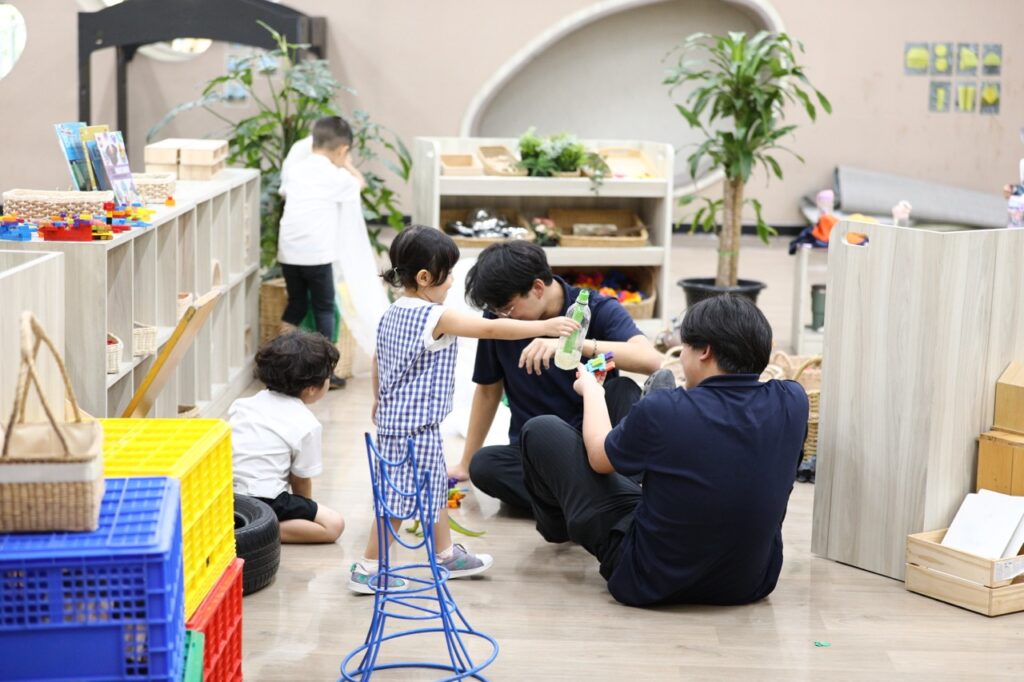
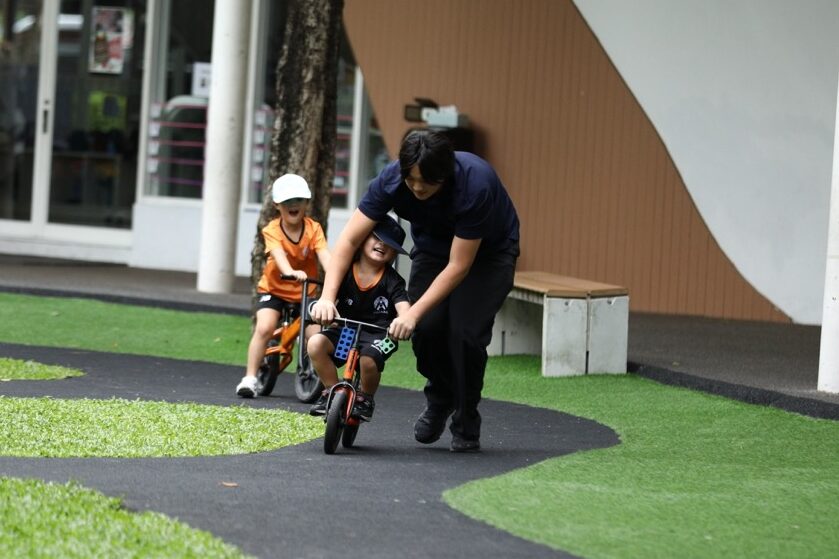
Curiosity. Courage. Creativity. Kindness.
Spend time with a two-year old in our Nursery, discovering an interesting bug in the garden for the first time and you will see the same natural curiosity that drives a Year 12 student undertaking independent research for their IB Biology IA’s. Watch young learners persevere learning to tie their shoes for PE or fasten their buttons on their new “grown up” uniform in Year 1, and you can catch a glimpse of the resilience required to navigate a Duke of Edinburgh Gold Award adventurous journey years later.
The challenge for schools is not simply helping students move successfully through these transitions. It is ensuring they remain connected to one another throughout them.
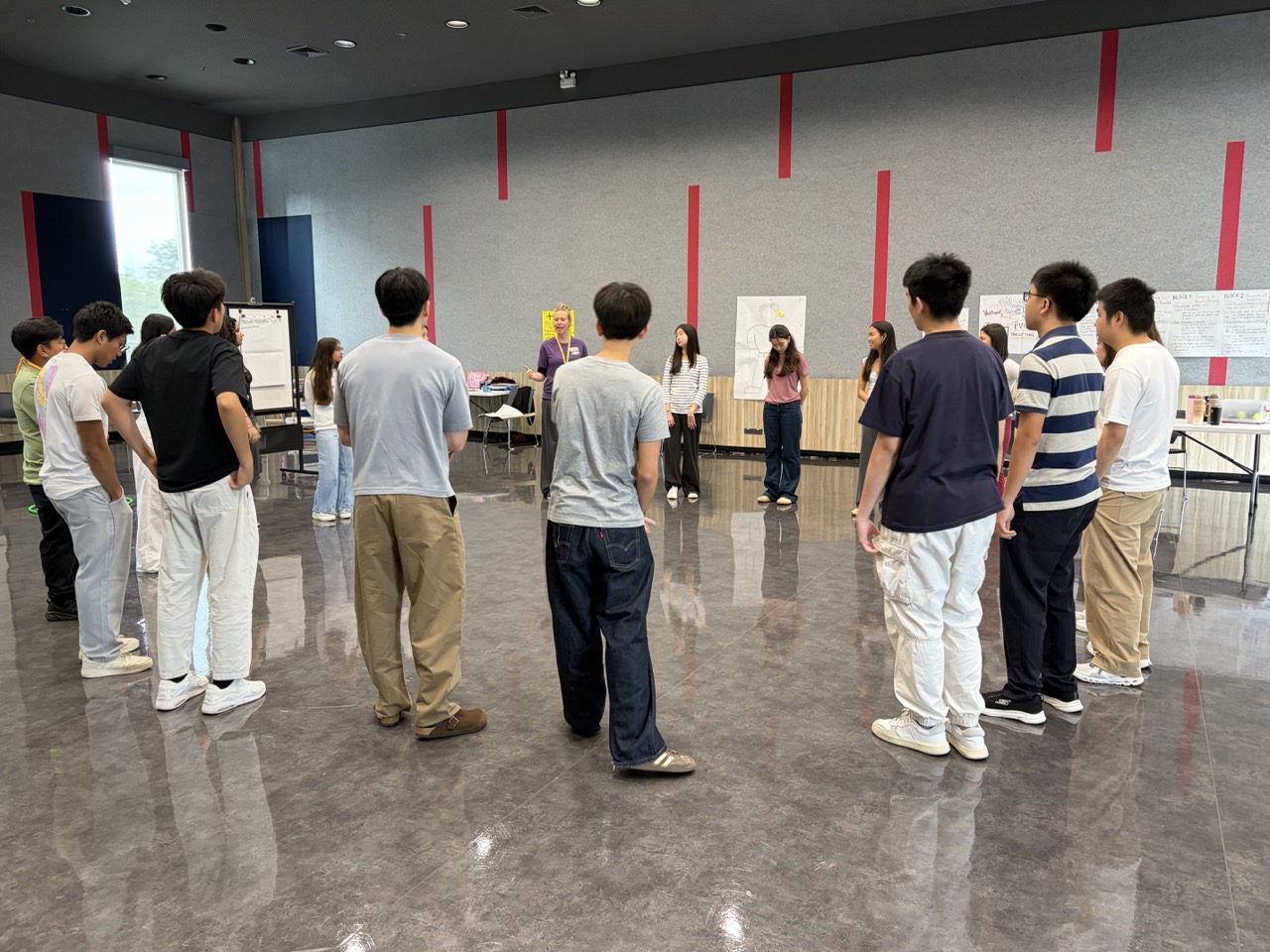
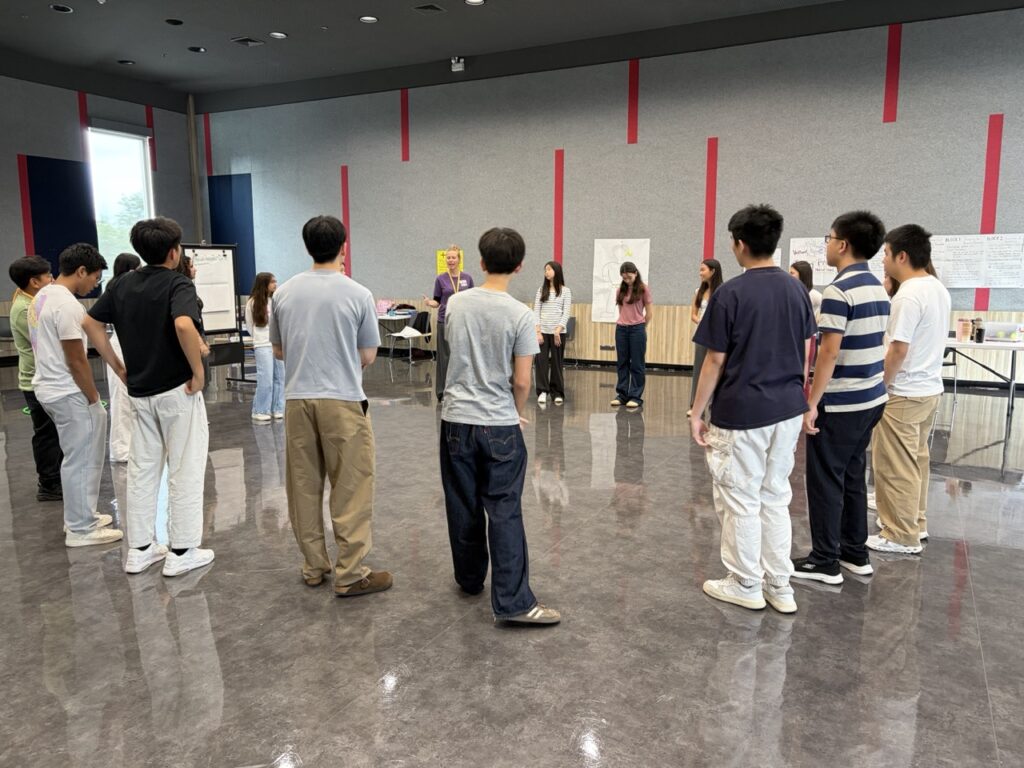
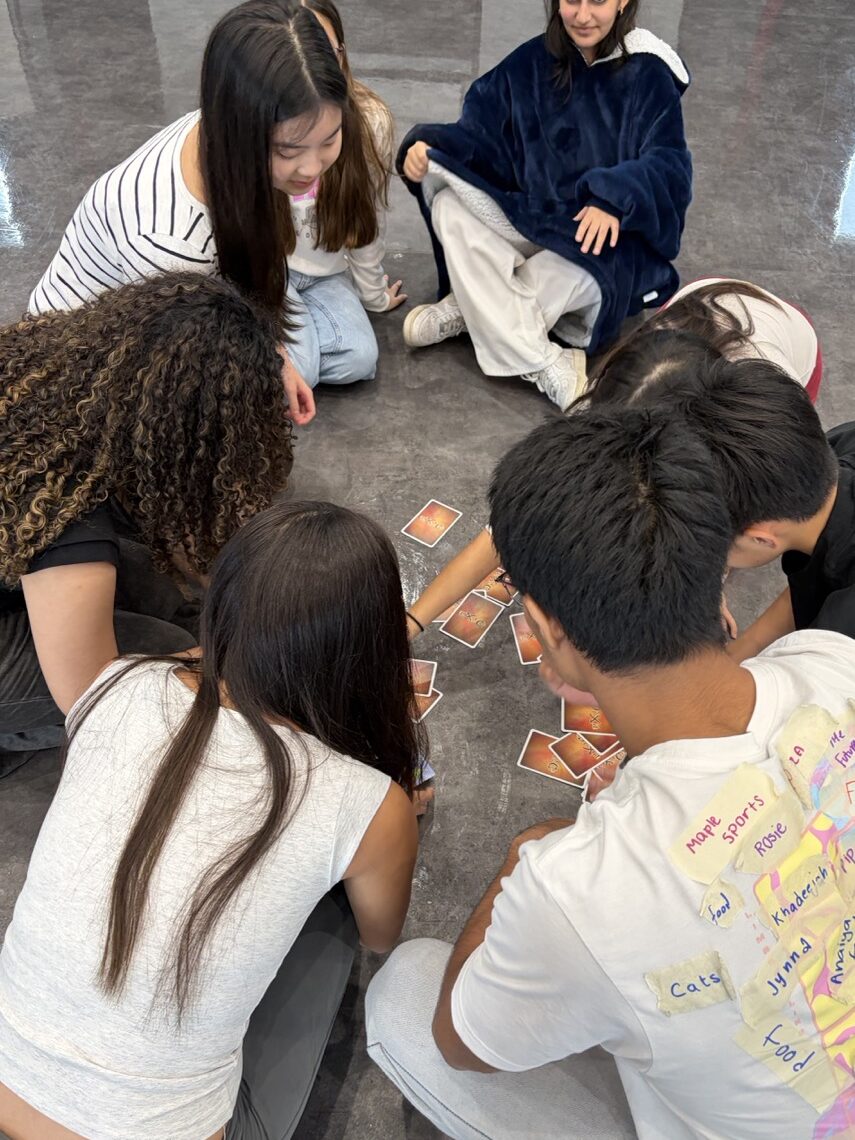
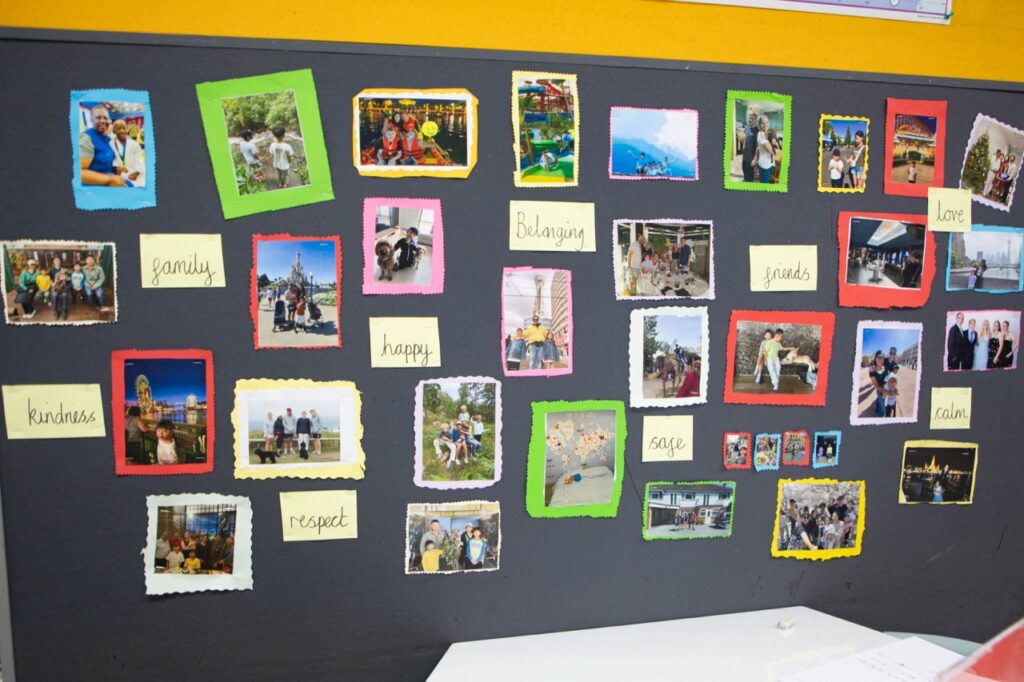
One example of this is our Academy structure, which allows students from different Year groups to come together regularly. Through sport, students learn alongside and compete alongside peers both younger and older than themselves. Our extensive ECA programme creates opportunities for shared interests and passions to connect students across age groups. Outdoor education and community engagement teams develop confidence, teamwork, leadership and independence in ways that transcend Year group boundaries. These experiences remind students that they are part of something bigger than their Year group, class, tutor group or examination cohort. They also create powerful opportunities for younger students to learn from older students and, importantly, for older students to learn from younger ones.
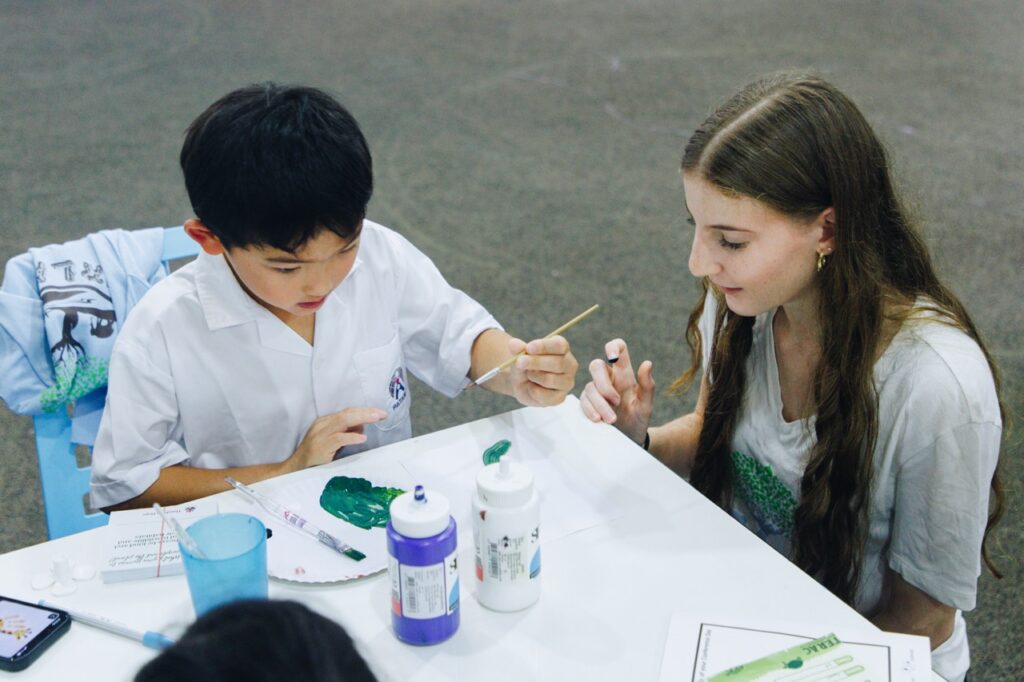
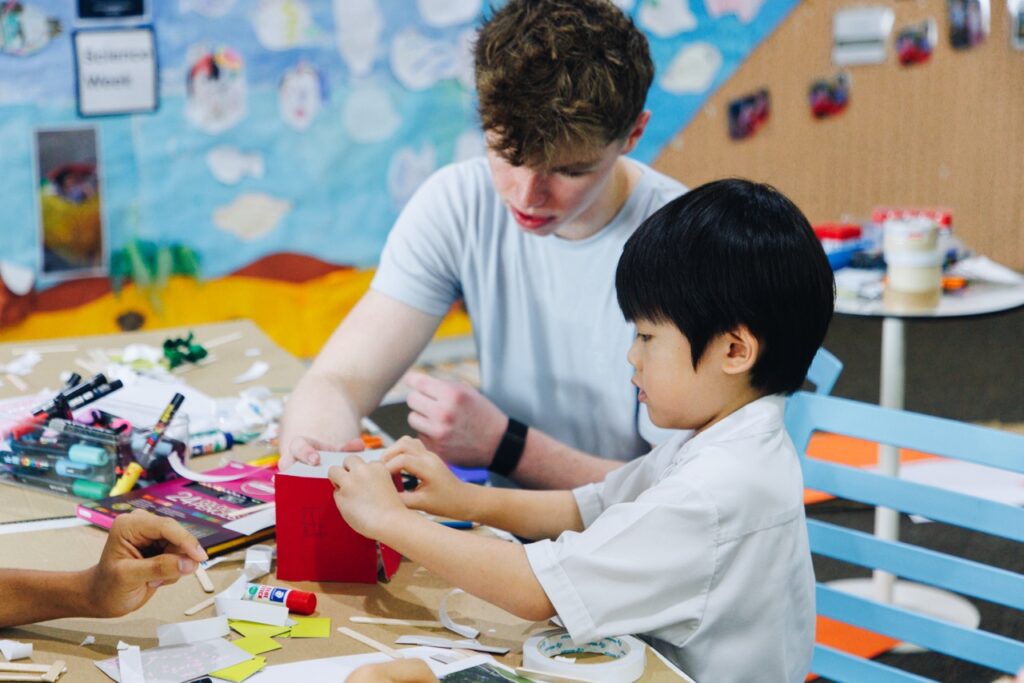
We often talk about role modelling, and rightly so. Older students provide leadership, guidance and inspiration to those following behind them. Yet younger students have important lessons to offer as well. They remind us to stay curious, to ask questions, to embrace new experiences and to find joy in learning. Perhaps that is one of the reasons Bangkok Patana feels special. In many schools, students spend their days largely separated by age. At Patana, we work hard to create opportunities for connection across the entire learning journey. Whether through Academies, sport, ECAs, the arts, service opportunities or outdoor education, students see themselves as part of a community that extends well beyond their immediate peer group. The exam results deserve celebration. The journey deserves celebration too. After all, one of the greatest strengths of Bangkok Patana School is that our oldest students never completely lose the curiosity of our youngest learners, while our youngest learners are surrounded by older students who show them what is possible.
As parents it can also be very helpful to spend time with other parents outside of your child’s Year group or Key Stage. For example, the sage wisdom of a fellow parent who has guided their child through the school into Senior Studies can be very helpful when you are “in the weeds” navigating the trials and tribulations of early puberty with your child in Year 5 – 9. This is where our wonderful PTG and Country rep groups can help you make connections and lasting friendships.
“We shall not cease from exploration,
And the end of all our exploring
Will be to arrive where we started
And know the place for the first time.” – TS Eliot (Little Gidding)