Last Friday morning, many adults in our community woke to an unusual sight: no new emails. No overnight requests. No reply-all messages. No reminders about the thing we had forgotten to do. Had we finally caught up? Sadly, no. As we now know, Microsoft was experiencing a global outage, affecting Outlook, partially Teams and Copilot; all mainstay communication platforms here at Patana. Across the world, people refreshed their inboxes with the same level of focus usually reserved for securing concert tickets. How would we communicate? How would we organise ourselves? Would we need to head to Lazada to order some urgent walkie talkies?
For our students, the absence of email likely caused rather less alarm. An empty inbox is unlikely to feature particularly highly on a teenager’s list of concerns, and certainly not a 5 year olds’. For adults whose working lives revolve around it, however, reactions ranged from mild panic to barely concealed delight.
Somewhere between the refreshing and the unexpected freedom, there was a useful question: what might we learn from the young people around us? As adults, we spend considerable time helping children develop the skills they need for the future. Occasionally, it is worth allowing the learning to travel in the other direction.
Lesson One: Be Willing to Try Another Way
Young people can be resourceful when their preferred approach fails. Anyone who has watched children adapt the rules of a playground game to accommodate missing equipment will recognise this. The game matters enough for them to find another way to play.
Our own response to a frozen inbox might be to refresh it seventeen times, despite mounting evidence that attempt eighteen is unlikely to be the breakthrough. That willingness to adapt is something we encourage in students. We can model it too: acknowledge the frustration, consider our options and try a different approach. Children benefit from seeing that adults also encounter obstacles and do not always have an immediate answer.
Lesson Two: Connection Begins with Showing an Interest
Students’ interests can open doors to conversations we might otherwise miss. Asking a child to explain a game, a favourite content creator or an unfamiliar term (anyone need a translation for ‘mogging’?) can reveal what matters to them.
We may need a glossary. We may discover that a word we have used confidently for twenty years now means something entirely different. There is every chance our pronunciation will be reviewed. Nevertheless, approaching these conversations with curiosity gives us a better starting point for understanding their world. That understanding helps when we need to discuss friendships, online experiences or something that has worried them. We can ask better questions because we have taken time to learn.

Lesson Three: Give the Person your Attention
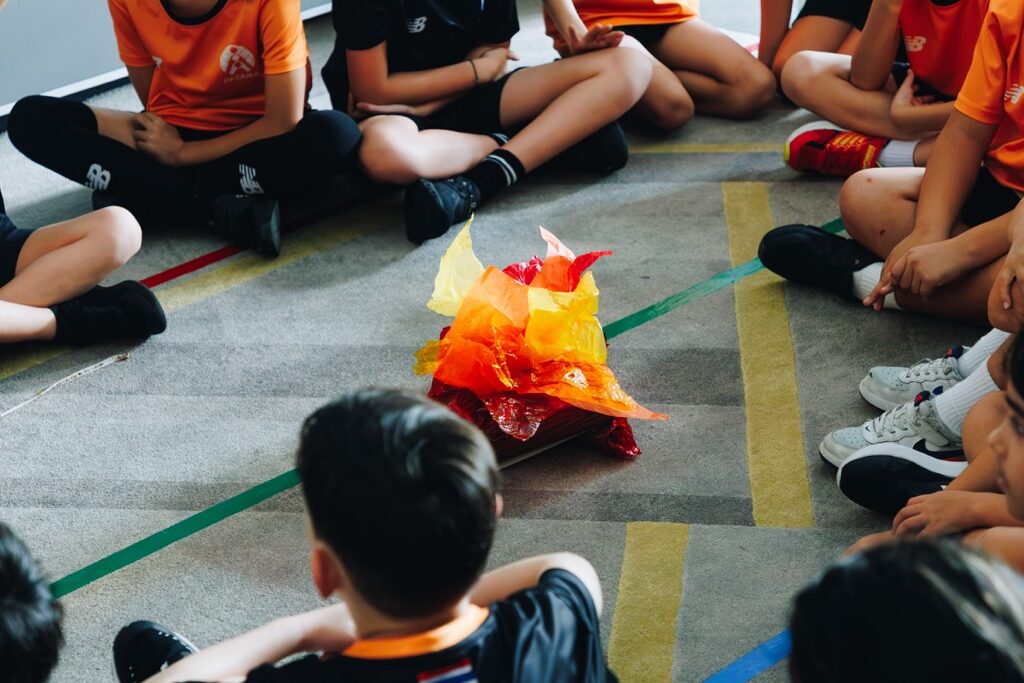
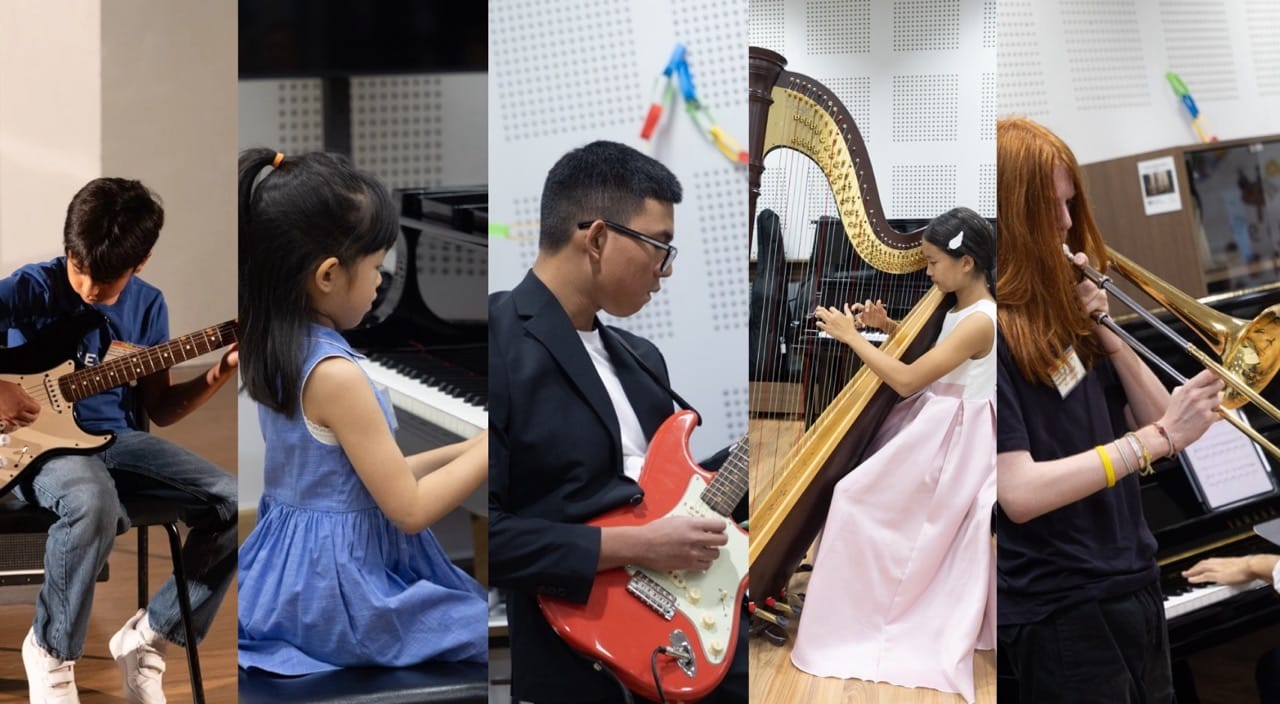
Around school, students connect through shared activity: building something, rehearsing, playing sport or tackling a problem together. Conversation often grows alongside whatever they are doing. There is a useful invitation here for families. A walk, preparing dinner or playing a game can create space for a conversation without the pressure of “Tell me everything about your day”.
We can also consider what our own attention communicates. It is difficult to make a convincing case for putting phones away while checking an email beneath the dinner table. Children tend to notice these things, often with inconvenient accuracy.
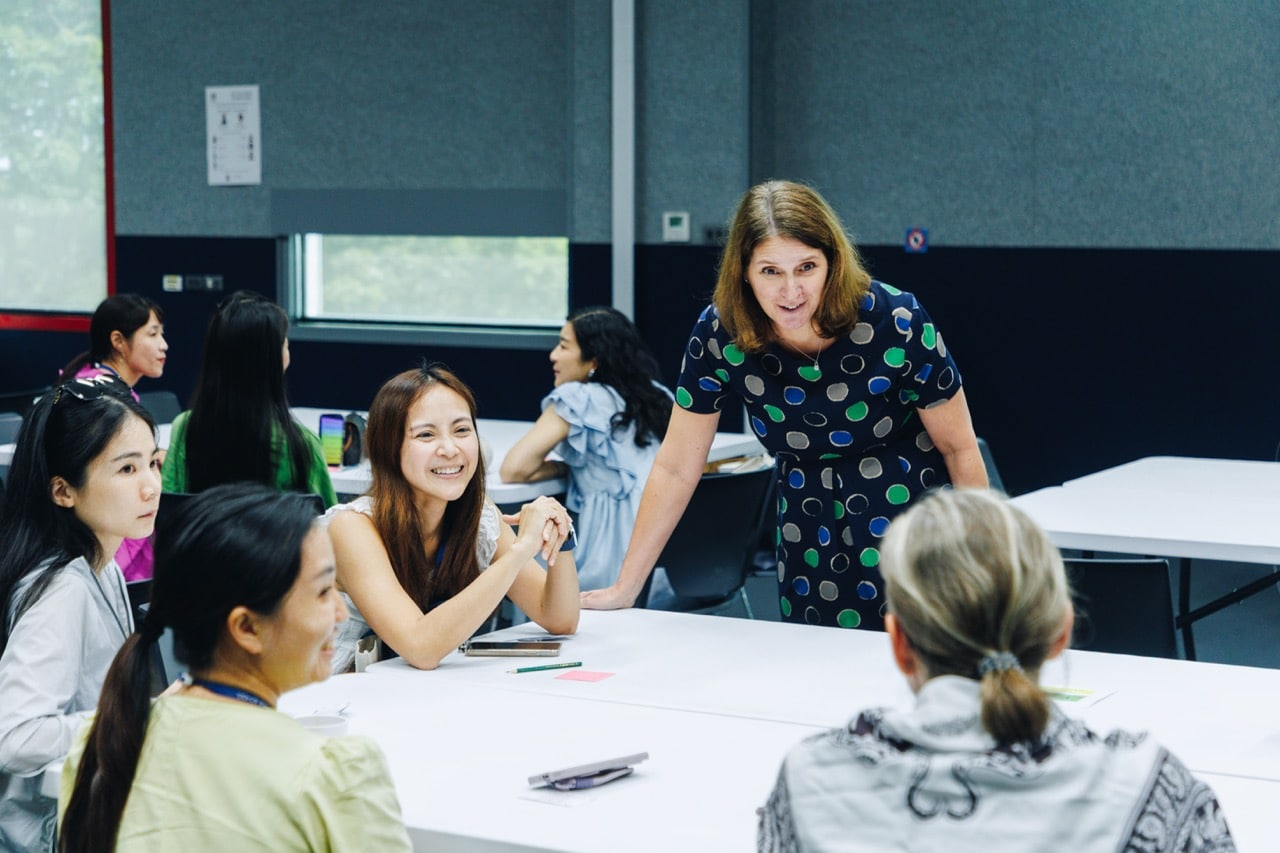
In my role supporting professional learning at Patana, I regularly see how much adults gain from listening to another perspective. Our students deserve that same openness. Their experiences can help us understand what support feels useful, what makes asking for help difficult and when we need to listen a little longer.
So now the inboxes are filling again. Normal service, including reply-all, has resumed.
Perhaps we can retain one useful habit from the disruption: pause, look up and be ready to learn from someone younger.