New Beginnings in the Secondary School

By Lorna Conroy, Vice Principal, Student Welfare

The start of the academic year represents a new beginning for all staff and students at Bangkok Patana. For everyone it’s a chance to start afresh with a renewed energy and commitment to the academic year ahead. For students it’s a time to refocus and prepare themselves for the challenges ahead. I always enjoy the beginning of the new school year. Seeing the students after the long summer break and feeling the energy return to the school campus. It’s lovely to watch the students reconnect with each other, eager to share tales from the summer and re-establish the strong bonds of friendship. For many the year settles down quickly. They get back into the routine of lessons (and home learning), lunch in the canteen or noodle bar, breaktime playing football, basketball, socialising with friends, in the Hub, the library, youth club or student lounge.

However, for two particular year groups the change is more substantial. The first of which are Year 7 students who begin their time in the Secondary School. Many have been at Bangkok Patana for a number of years; others are new to the school. All of them are experiencing a new beginning as they embark on their journey through the Secondary School. New teachers, new uniform, new timetable, new social areas, new classes, new subjects and new friends are just some of the changes they navigate. As we reach the end of the first half term I was keen to find out how they had found this new beginning. Year 7 students were all asked to complete the annual Transitions Survey. The results show that although many students were excited about moving to Secondary 40% were either nervous or unsure. At the end of the first half term the vast majority have settled in well to life in Secondary.

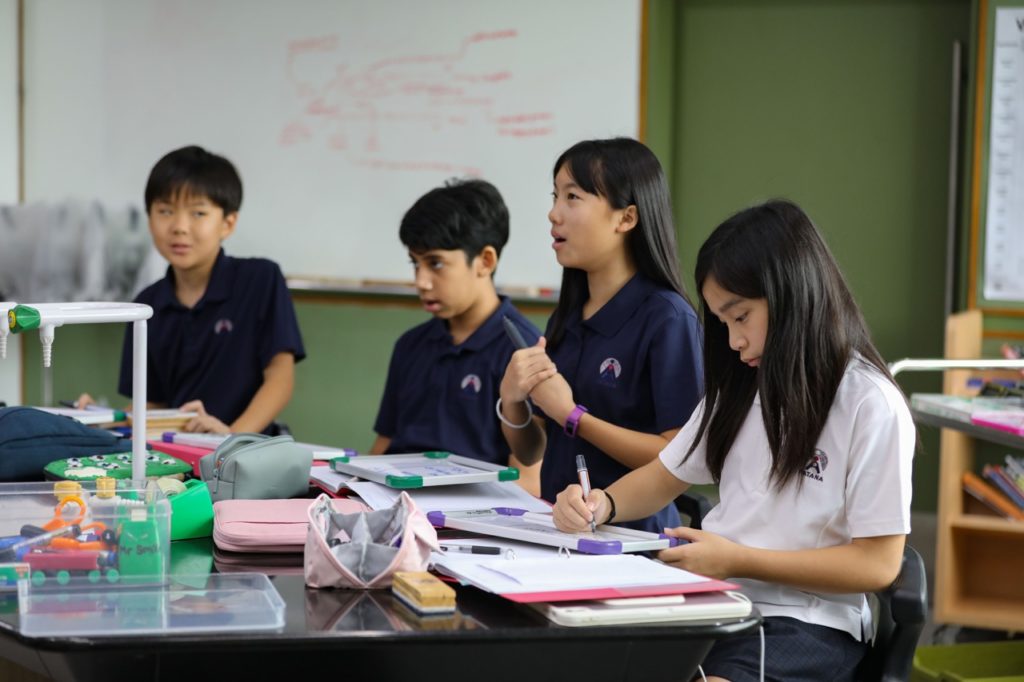
How did you feel about moving from Primary School to Secondary School when you were in Year 6?

How do you feel about Secondary School now?

What I found particularly interesting, and at times entertaining was their replies to the question ‘Do you have any suggestions for next year’s Year 7 students?’

The most common themes included:

  • Don’t panic it will be fine
  • Don’t be too nervous
  • Earn lots of house points
  • It’s not scary or hard like you think
  • If you get lost just ask someone
  • You should get a lot of money on your snack card so you can buy lots of ice cream
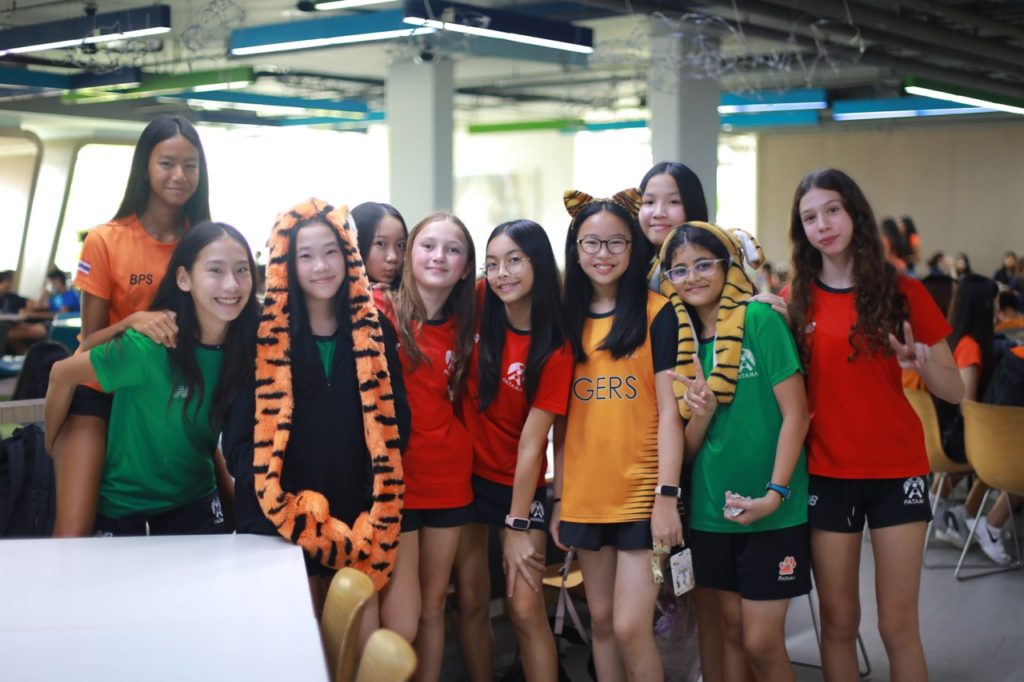
The second group experiencing a slightly larger new beginning are the Year 12 students. For them the move signifies their transition to the final phase of their Bangkok Patana education, one step closer to becoming an adult. The excitement of being able to access the Senior Studies buildings was clear over the first few days, as they jostled with the Year 13s to find ‘their’ spot. Many students arrived at school in outfits that had been carefully planned over the summer break. Some even coordinated their outfits with their friends. Being a Senior Studies student brings new experiences along with academic pressures and increased responsibilities. They are the top of the school, serving as role models to the entire student population. Year 12 students have made a fantastic start to the academic year, rising to these challenges, supporting each other and bringing a sense of enthusiasm and determination.

As with the Year 7 students we asked Year 12 students to reflect on their experience of this new beginning. They were asked the same first two questions as the Year 7’s.


How did you feel about moving from Year 11 into Senior Studies?

The results were similar to those from Year 7 but with a slightly larger proportion (46%) reporting to have been nervous or unsure about joining Seniors. However, when asked ‘How do you feel about Senior studies now?’  95% reported to be either generally happy or very happy to be in Seniors with 4% getting used to it.

As we come to the end of the first half term, it is wonderful to see how well our students have embraced their new beginnings. Whether it is our Year 7s finding their way around the Secondary campus, making new friends and growing in confidence, or our Year 12’s stepping into Senior Studies with maturity and enthusiasm, both groups have made an excellent start.

The start of a new academic year always brings change, but it also brings opportunity — a chance to learn, to grow and to make the most of everything that Bangkok Patana has to offer. It has been a pleasure to see students settling into routines, supporting one another and approaching challenges with positivity.

As we look ahead to the rest of the year, I’m confident that the energy, kindness and determination shown so far will continue to shine through. New beginnings can be exciting, sometimes a little daunting, but above all, they mark the start of something special.

Share This Article

In this Issue

Threads of Change: The Growing Impact of United Wardrobe

Bby Yoochan Hwang, 13F, Founder of United Wardrobe Project

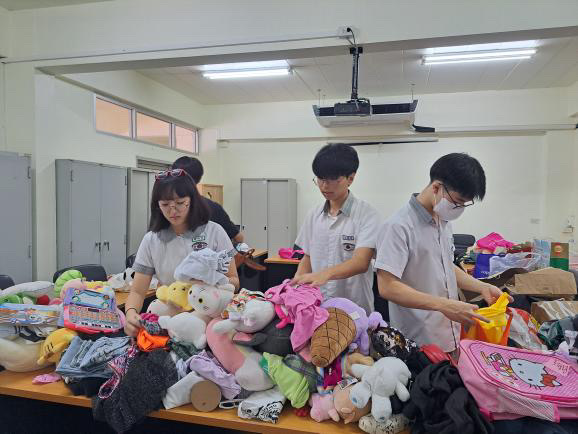
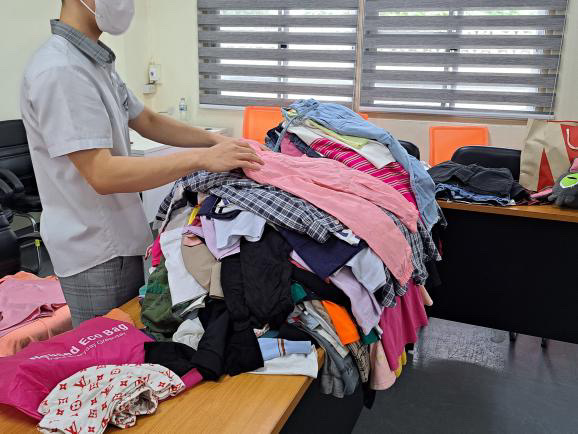
Thanks to the generosity of Patana families and our wider community of supporters, the United Wardrobe Project, founded in May 2023, has grown into a powerful movement for sustainability. To date, we have donated more than 18,000 pieces of clothing, reducing nearly 260,000 kg of CO₂ emissions and saving 96 million liters of water, an impact valued at over 350,000 USD in social cost savings.

This proves that even something as simple as donating a single T-shirt can add up to extraordinary change when we act together. Below are the latest highlights from our journey. Let’s continue to take action for a more sustainable future!

Recent Highlights:

Welcome Korean International School of Bangkok

We are thrilled to welcome our 7th partner, Korean International School of Bangkok, which has just launched the United Wardrobe Project and held its very first donation event. This milestone is a powerful reminder of how youth-driven initiatives can expand and inspire change. What began as one idea in a single school is now becoming a nationwide movement uniting students across Thailand.

Hua Hin International School’s Second Round Donation

Meanwhile, Hua Hin International School successfully completed its second clothing donation round. Their students have worked tirelessly not only to gather clothes but also to raise awareness of the environmental costs of fast fashion. It is especially encouraging to see the project extend beyond Bangkok into other cities, proving that communities everywhere can come together for sustainability and solidarity.

Our 15th Donation Round

At the same time, our own team has reached the 15th donation round, delivering 2,706 pieces of clothing to the Mirror Foundation. Week after week—during lunch breaks, after school, and on weekends—our volunteers dedicate their time to collecting, sorting, and preparing your donations for those in need. On Saturday, October 4th, our members once again came together to complete the delivery, demonstrating how steady commitment can transform good intentions into lasting impact.

Looking Ahead

The journey of the United Wardrobe Project shows how small acts, multiplied by many, create real change. With every new partner school, every donation, and every volunteer effort, we move closer to a future where sustainability is part of everyday life. We are deeply grateful for the support that has carried us this far and invite everyone to continue joining us in shaping a more sustainable and compassionate world.

For more information, please visit our website, www.bpseconomist.com and Instagram @bpseconomistsclub

Share This Article

In this Issue

Year 3’s Community Action

By Jen Chan, Support for Learning Teacher Year 3

Year 3 students have been supporting Thomas House as part of their Community Action for few years now. Last year the students created and sold Christmas cards and also raised money through a Timestableathon to support Thomas House.

About Thomas House

Thomas House is a centre for children with special needs located in Ban Tha Ton, ChiangMai province on the Thai-Burmese boarder. The area is home to Northen Thai people as well as different ethnic minority groups including the Shan and six Hilltribes. Most have come from Burma in the past fifty years and have settled in northern Thailand. But as migrants many do not enjoy full Thai citizenship, they are poor and mostly uneducated and living a mainly hand to mouth existence. Although they are encouraged to send their children to school, there is very little provision to support children with special learning needs. This means that many parents are either forced to leave their children alone at home while they go to work or, in many cases, mothers are unable to work, and the family income is reduced.

Some twenty-six international school groups have committed themselves to Thomas House. The students raised funds and provided support for building, painting and mural decorations for the classrooms and canteen. Schools have continued to make generous contributions of educational materials, toys and equipment. Thomas House became a reality with its opening on 27th November 2017, providing up to 24 children to come to school. Now we have children range from age four to twenty-seven years old, learning under one roof. A number of the children are now in their teens, and we hope to establish what would be Thomas House 2 as somewhere specially for the young adults to be a bit more independent but SAFE!   

Children in Thomas House

The children attend school five days a week from 8.30am to 2 pm and travel from their villages by Thomas House bus. The bus has made possible the regular attendance of all children. Thomas House welcomes any children at different ages and accepts everyone regardless of disability.

They all enjoy a wide range of activities, daily lunch and snacks as well as outings such as picnics and other events. Several children have made great progress and have been accepted into their local schools.

Some children come to Thomas House 2 or 3 days a week to get individual attention which the schools are not equipped to do staff wise. Children attend their school for scouts and guides and more social events, so they keep the contact and experience wider social gatherings. Whilst they are among some of the more able, they have varying difficulties learning and conforming to school systems.       

 Most of the children are from ethnic minority and impoverished families.  Many parents lack understanding of their child’s needs and some think that it is bad luck to have a child with special needs. Consequently, many children are not properly cared for or are hidden away. This was what drove the incentive to build a small school. The Thomas House children have impressed a lot of people in the community showing they can learn too in different ways.

Some of the children have developed skills at Thomas House and overcome physical disabilities to be able to go to their local school.  We are so proud of them!

Thomas House New Project

 The children are currently busy making Christmas cards, bags they have embroidered, crocheted hair ties and bracelets for sale in Patana.

Weaving has become a big industry for Thomas House. The children grow the plants to make natural dyes for the yarn which they spin for the weaving.  Two types of weaving machines – Karen and Shan – are in use and the more able children are learning to weave on the more complicated machine.  All the children to some degree learn about the process and can be involved.

How you can help

We are looking forward to your partnership with Thomas House. Year 3 are raising funds for the Christmas event. Bracelets, bags, hair ties and Christmas cards made by the children from Thomas House will be sold here in Patana. Year 3 student council reps will be selling them and the Patana community can buy to help to raise funds. Please contact Rosie at rosie@mrv-educationservices.com for more information and find out how you can help Thomas House.

Share This Article

In this Issue

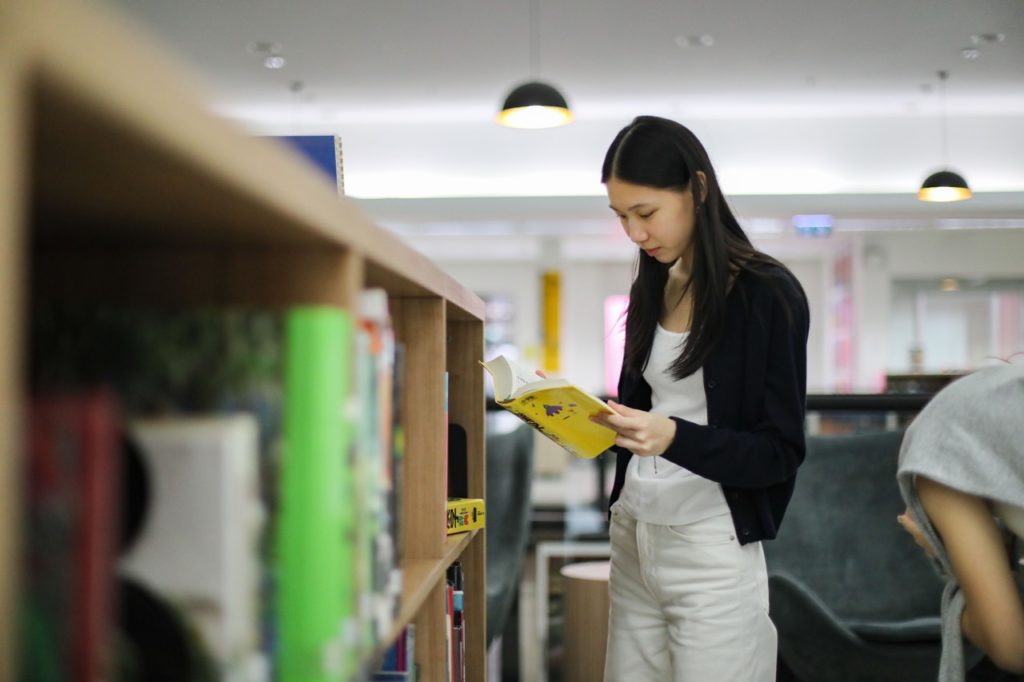
Behind the Bookshelves

Recommended Reads from our Teachers for Half Term Break!

Here is the complied list of recommendations from our Teachers, just in time for Half Term break.

Enjoy reading!

Share This Article

In this Issue

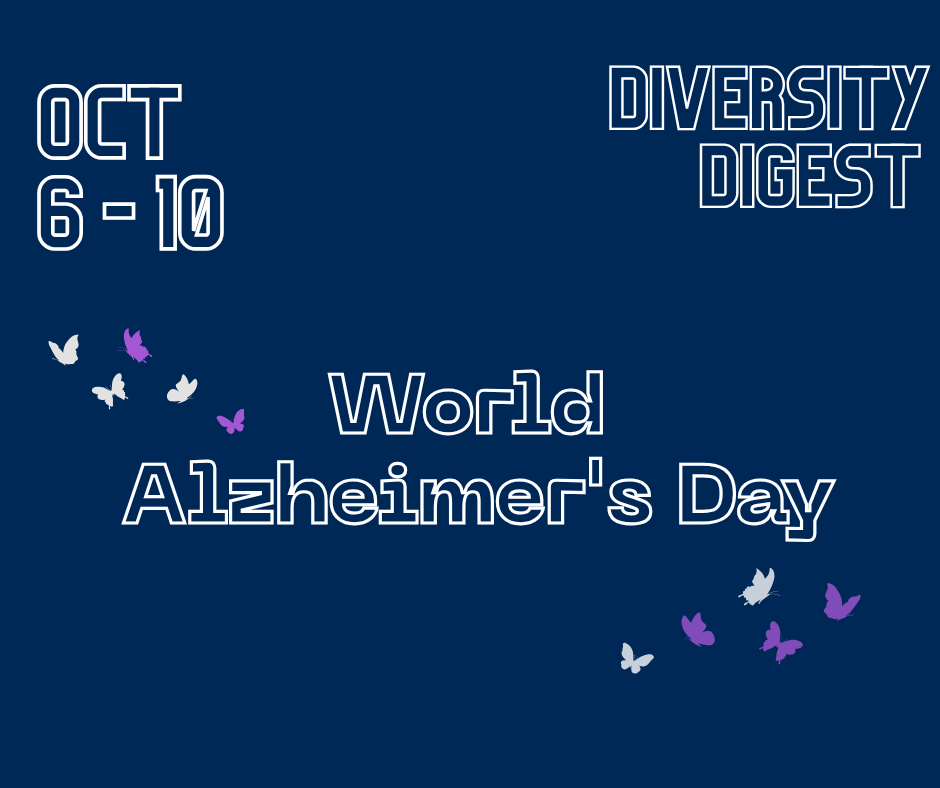
Diversity Digest: World Alzheimer’s Day

Diversity Digest is a weekly reflection written by staff from different areas of our school

World Alzheimer’s Day was marked globally on 21 September 2025, with the theme: “Ask About Dementia. Ask About Alzheimer’s.” The day encourages open conversations to reduce stigma and promote understanding. Thailand has approximately 840,000 people living with dementia, with Alzheimer’s disease accounting for most cases. This number is expected to rise, potentially reaching over 1 million by 2030.

For young children, dementia can be confusing. A grandparent may forget names, repeat stories, or act differently. This can feel scary or even hurtful, but it’s not their fault. Dementia affects how the brain works, especially memory and emotions.

Helping Children Understand Dementia

Children may feel confused or frightened when someone they love seems to change. It’s important to help them feel safe and supported.

Here are some gentle ways to guide them:

Encourage kindness: Remind them it’s the illness—not a choice.

Talk honestly: “Grandpa’s brain is having trouble remembering. He still loves you.”

Validate feelings: Let them know it’s okay to feel sad or confused.

Keep connections: Activities like drawing or music help maintain bonds.

Use stories: Books about dementia can help children feel less alone.

Share This Article

In this Issue

GymSpire 2025: A Day of Inspiration at the Gymnastics Academy 

By Georgina Wright, Cross Campus Head Gymnastics Coach

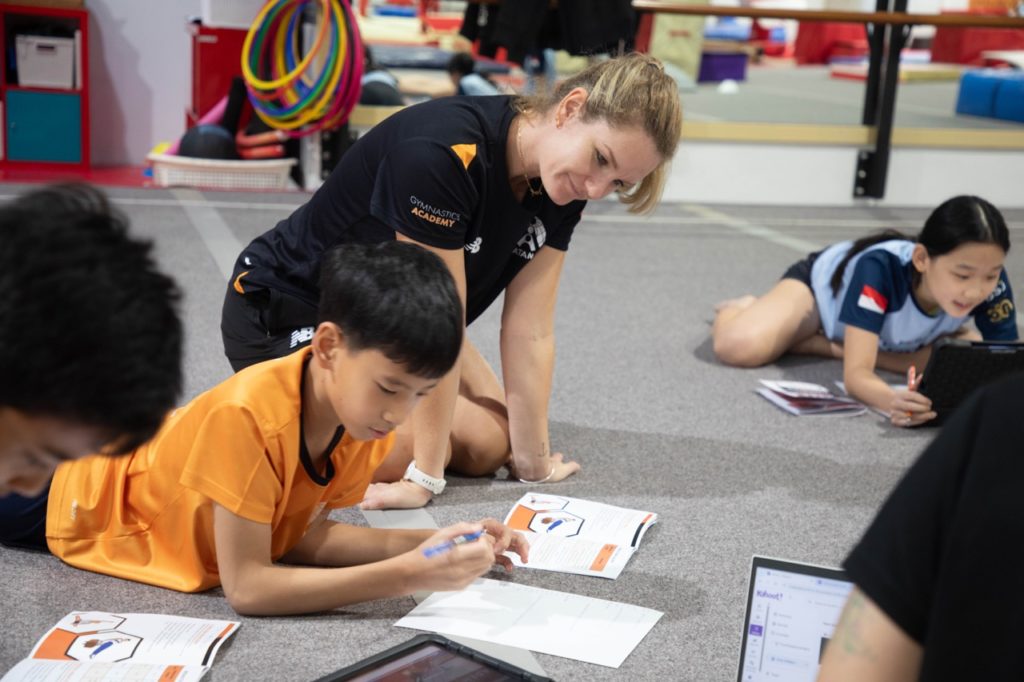
On Saturday 4th October, Bangkok Patana Gymnastics Academy proudly launched a new flagship event, GymSpire 2025, bringing together almost 50 Gymnasts for a full day of learning, growth and excitement. Designed around the theme Inform, Inspire & Improve, the event showcased the Academy’s commitment to providing unique opportunities that blend high-quality training with memorable experiences. 

From start to finish, the atmosphere was one of energy and smiles. The program was carefully designed to combine specialist technical training with motivational experiences from a number of external experts.  

Tim Fournier, Professional Dancer, Director and Choreographer led a dynamic workshop on Balance, Stability and Posture, giving students tools to enhance performance skills. Imprimis Performance contributed an engaging session on Strength & Conditioning and Injury Prevention, helping gymnasts understand how to build sustainable habits that are relevant for all sports. The day also featured a unique virtual experience with British Commonwealth and Olympic gymnasts Kelly Simm and Claudia Fragapane, who joined live from the UK for a Q&A session. Their reflections on training, competition and resilience left our students with invaluable insights and inspiration. 

Our Patana Coaching team played a central role throughout the event, delivering specialist clinics across tumbling, bars, vault and other apparatus. In addition, Coaches ran bespoke judging workshops, enabling students to see gymnastics from a new perspective and gain a deeper understanding of what Judges look for during routines.  

Adding to the sense of occasion, the event was enriched with thoughtful details and community support. Jacky Bakes provided healthy snacks that kept energy levels high throughout the day, while each student received event gifts, including resistance bands to support strength training at home. A particularly popular keepsake was the custom-designed GymSpire keyring, created by Coach Wah, which is a beautiful memento of the day.  

Behind the scenes, the event was the result of thoughtful planning and the dedication of many individuals. From Coaches to guest contributors, organisers, and photographers, every effort came together to create a seamless experience. 

GymSpire 2025 set a new benchmark for Academy events outside of competition, blending elite expertise with personal development in a way that was both fun and purposeful. The day’s success reflects the Academy’s vision of nurturing well-rounded Gymnasts who are inspired to reach their potential both on and off the mat. The impact of the day was evident in the closing moments. Students left the Academy tired but smiling, filled with new knowledge, refreshed motivation, and lasting memories.  

Share This Article

In this Issue

Building Belonging: Early Years Inclusion Hub Connects Schools Across Bangkok

By Carol Ashworth, Foundation Stage Leader - Curriculum

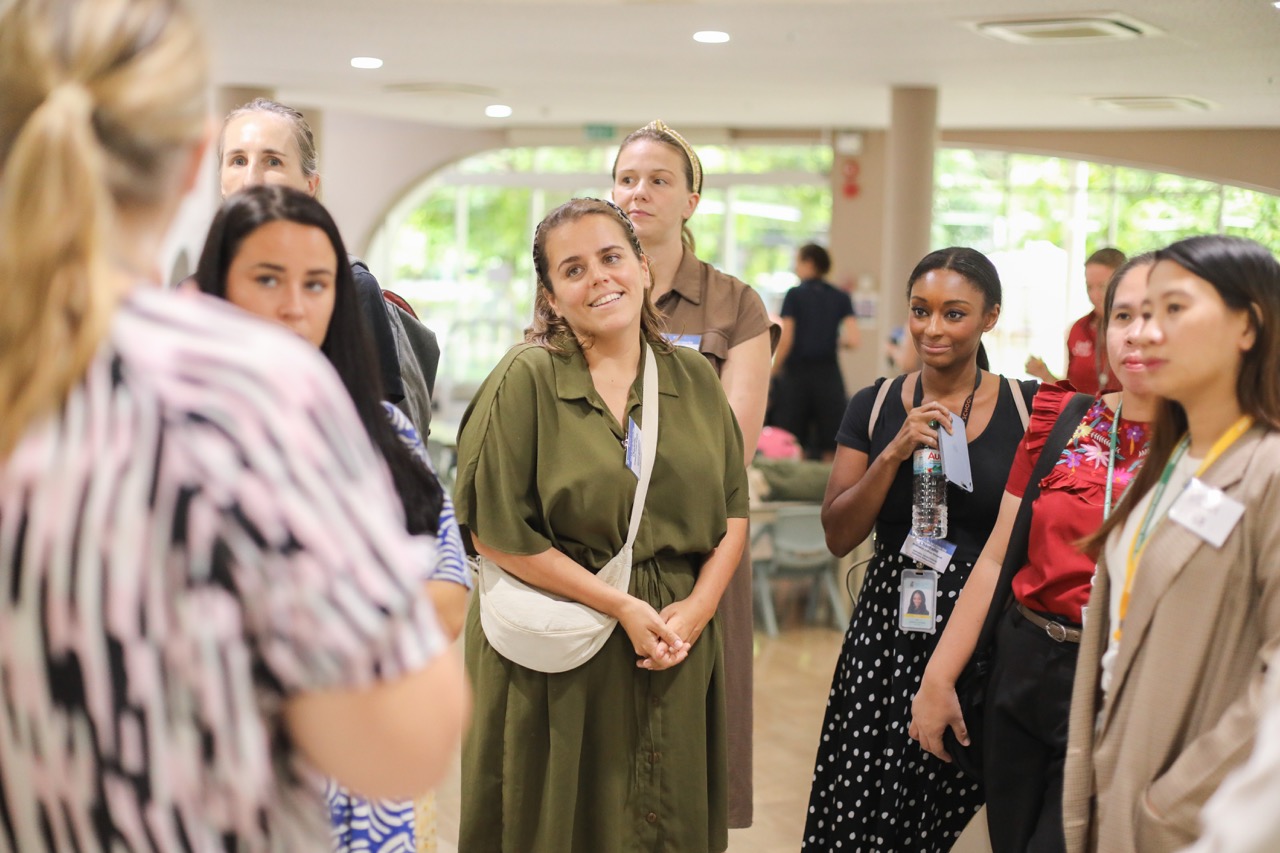
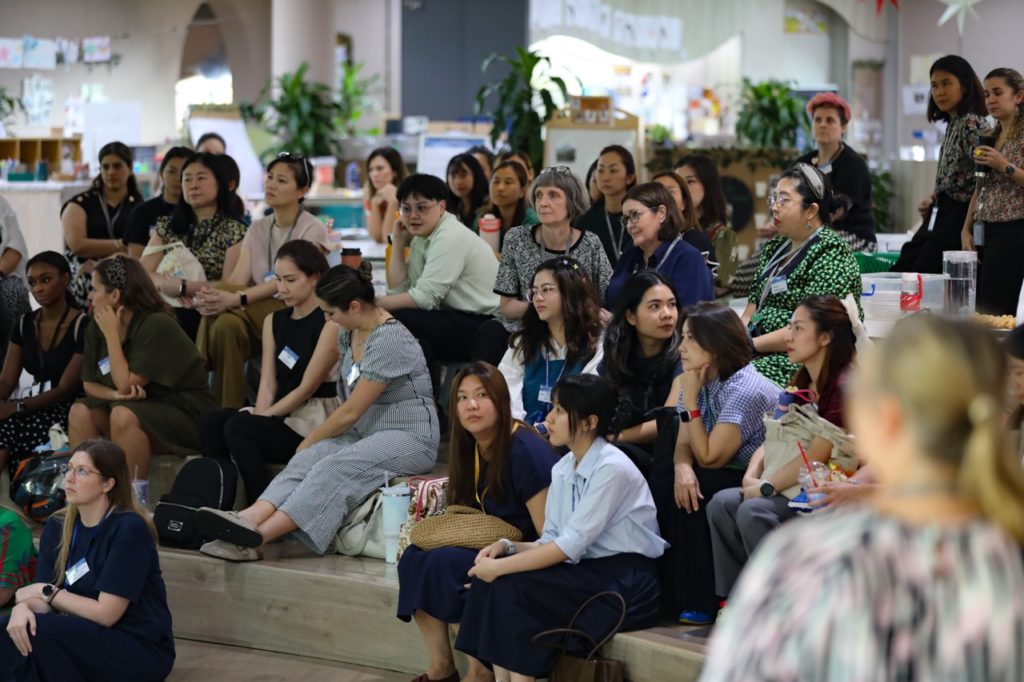
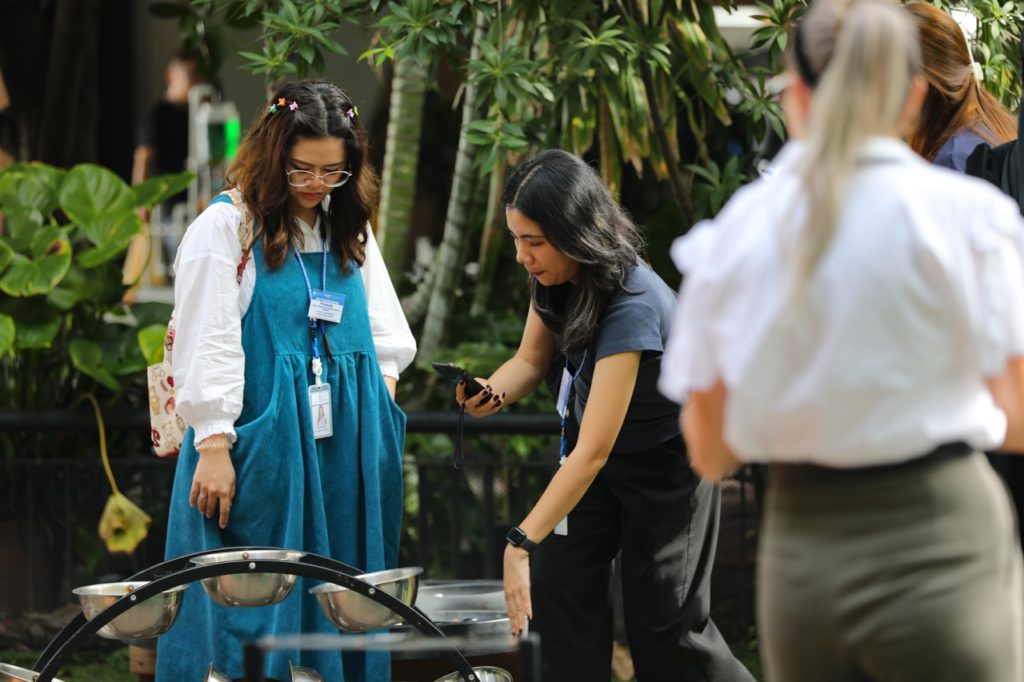
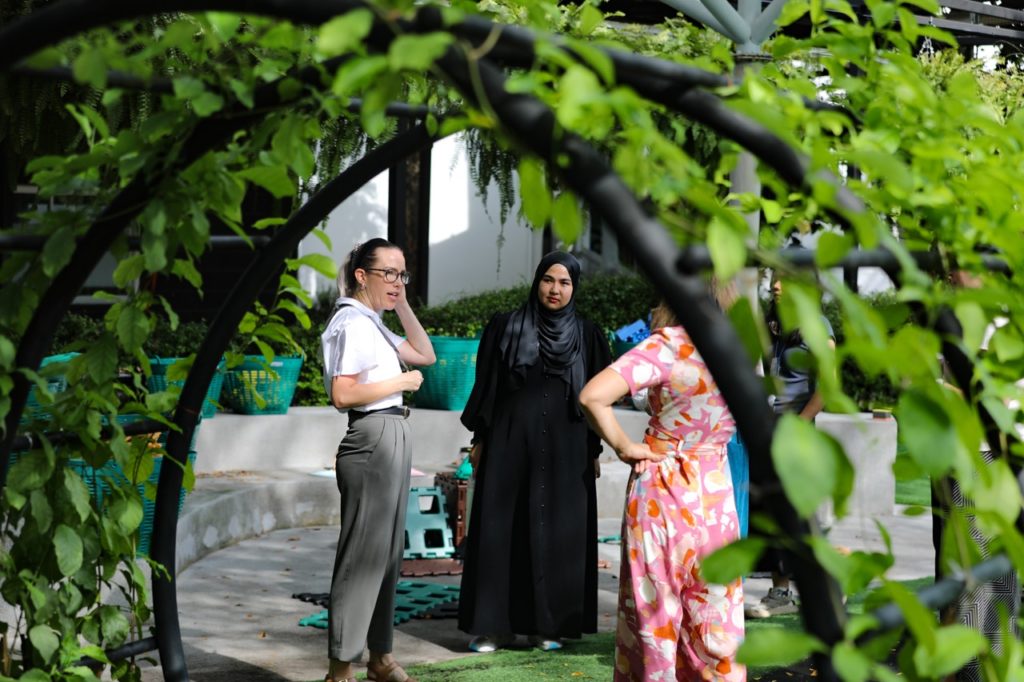
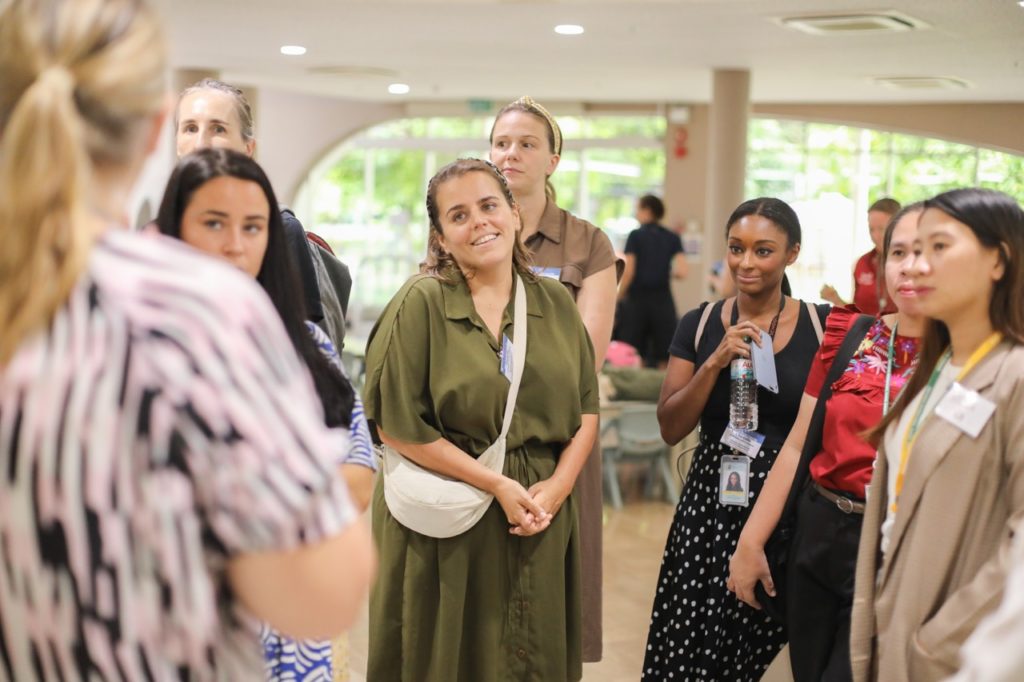
Bangkok Patana’s Foundation Stage recently became a vibrant hub for collaboration as nearly 100 educators from schools across Bangkok gathered to focus on an essential question: How can we create rich sensory experiences that enable every child to thrive?

The afternoon formed part of the Early Years Inclusion Hub series — a unique initiative that brings together teachers, learning assistants, therapists and school leaders to share expertise and strengthen inclusive practice. This term’s theme centred on sensory development and its role in fostering engagement, regulation, and learning for young children.

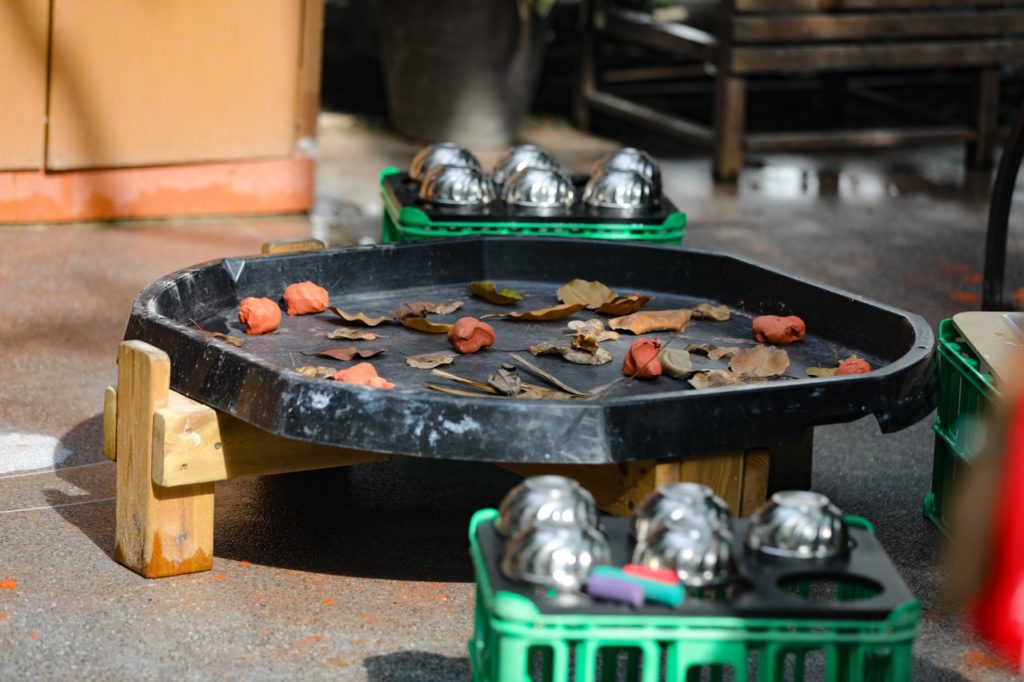
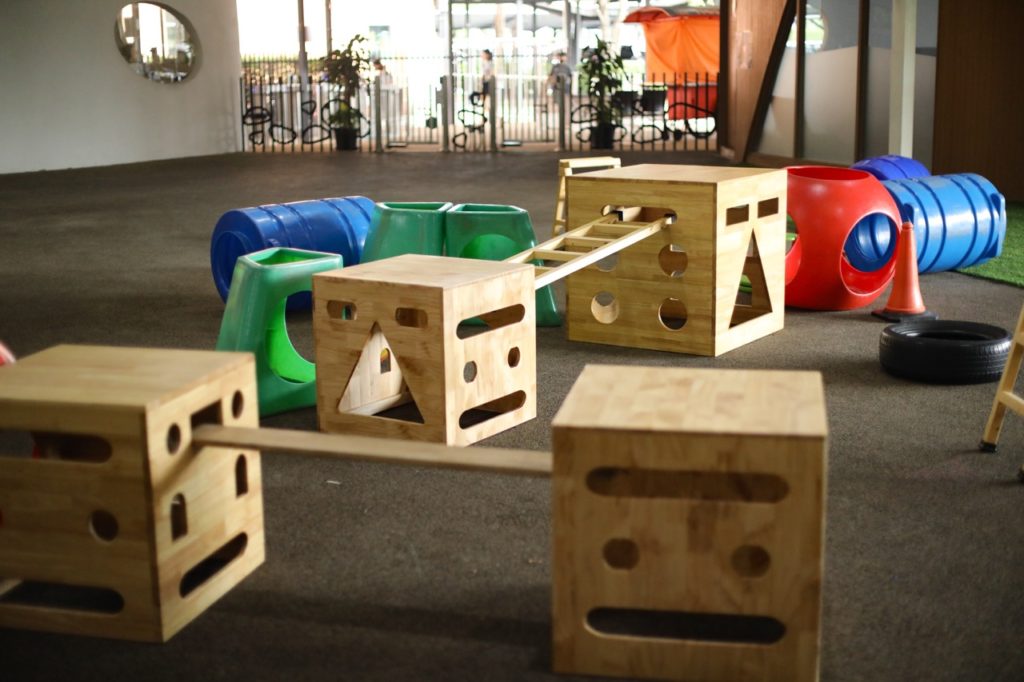
Our visitors spent time immersed in the Foundation Stage environment, observing first-hand how carefully curated spaces can support children’s sensory needs. From quiet nooks for self-regulation to outdoor areas alive with texture, sound and movement, the environment told the story of Patana’s commitment to our Teaching and Learning practices — where fostering belonging and ensuring participation are core principles.

Research-Informed Practice

Sensory play is more than just fun — it is vital to brain development. Research from the Harvard Center on the Developing Child, highlights that multisensory experiences strengthen neural connections and support executive functioning skills such as attention and self-control. Dr. Jean Ayres, a pioneer in sensory integration theory, described sensory experiences as the “nourishment for the brain,” essential for motor coordination, emotional regulation and social participation. Ruth Swailes discusses that with motor coordination comes movement fluency and the ability to connect movements and marks, the earliest development stage of handwriting.

During the hub session, participants explored the impact of sensory processing differences on children’s ability to participate fully in learning. Practical workshops focused on identifying children who may need additional sensory support and designing environments that balance stimulation with calm. Presentations from the Patana team included “Sensory Play in the Environment – Beyond the Mess” and an informative session “Supporting Language and Learning through Sensory Play”

A Community of Learners

One of the most powerful aspects of the Inclusion Hub is the spirit of collaboration it fosters. Educators shared challenges and successes, reflected on case studies, and co-created strategies they could take back to their own schools.

Participants left inspired, commenting on how the hub deepened their understanding of the connection between sensory development and inclusive learning. “It was valuable to see theory put into practice,” noted one visiting teacher. “Seeing first-hand, how thoughtful design can make participation possible for everyone has left me feeling totally inspired. Bangkok Patana Early Years is the best!”

The Patana Commitment

At Bangkok Patana, inclusion is not an initiative but a mindset. The Inclusion Hub is one way we live out this commitment — by opening our doors, sharing practice, and learning together with the wider educational community.

As the hub concluded, there was a shared sense of purpose: to continue building environments where every child — regardless of background, ability or need — feels they belong and can participate fully, to learn and grow. This collaboration strengthens not just individual schools, but the entire Bangkok education community.

Share This Article

In this Issue

FOBISIA PE Conference 2025

By Jayne Jauncey, Lead of Primary PE

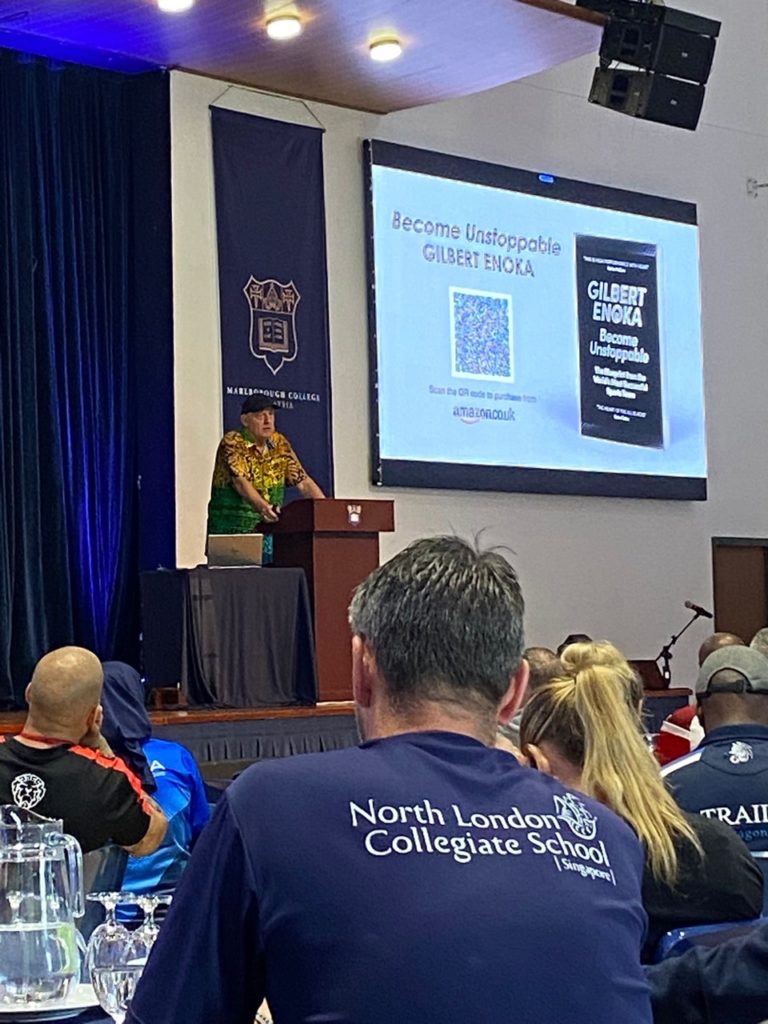
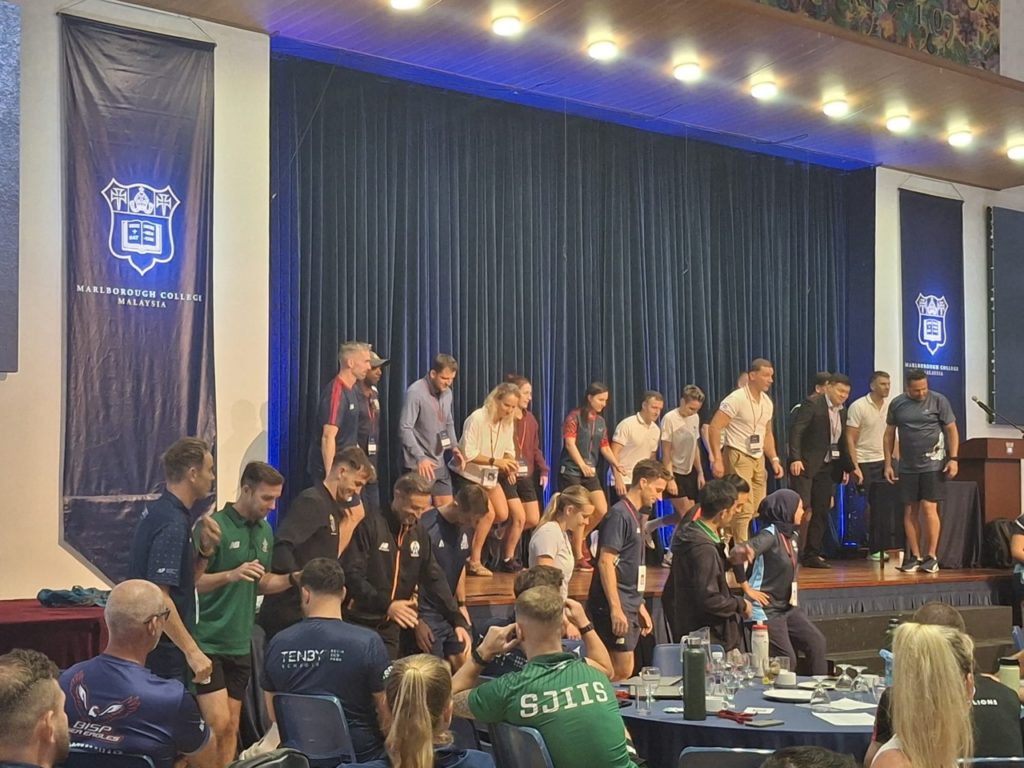
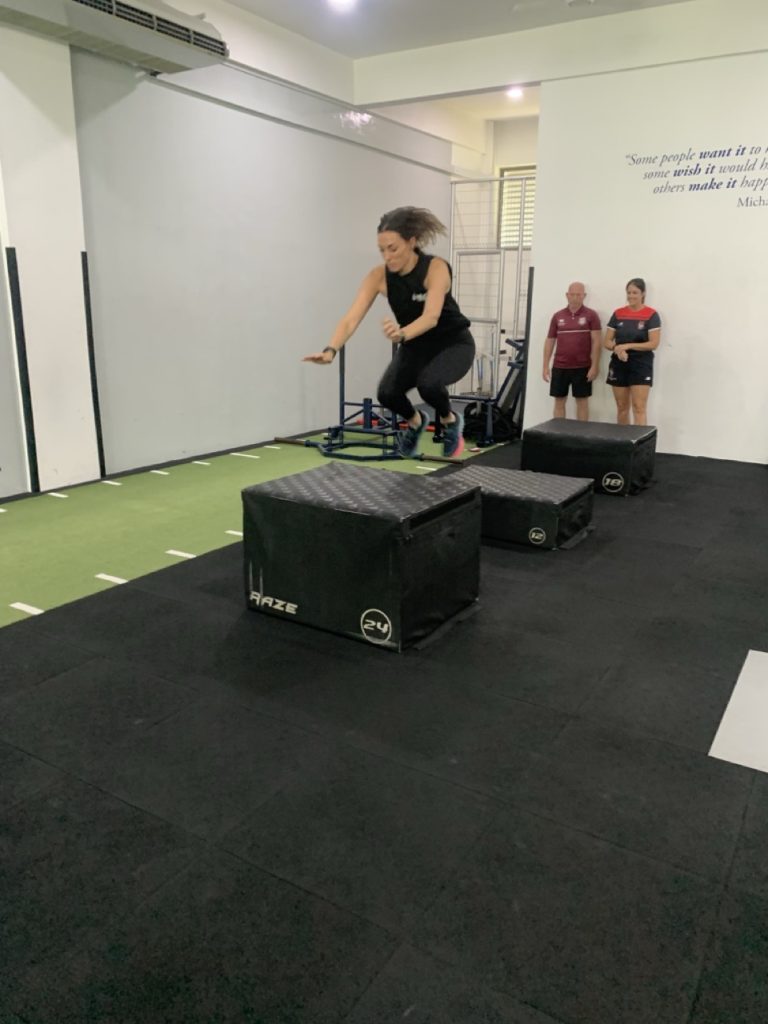
Our Primary and Secondary PE & Sport leaders recently attended the FOBISIA PE Conference 2025, hosted by Marlborough College in Malaysia. The conference brought together almost 200 delegates from 90 schools across Southeast Asia, giving staff an opportunity share ideas, network, and explore the latest thinking in PE and Sport education. Patana staff were fortunate to hear from world-class keynote speakers. Olympic champion Adam Peaty OBE delivered an inspiring talk on “Greatness Starts with Mindset”, highlighting the mental resilience required to achieve at the highest level. Dr. Emma Ross shared her powerful message “Sport in Her Shoes”, offering new perspectives on supporting female athletes within a school setting, while Gilbert Enoka ONZM shared how to “Create and Maintain High-Performing Cultures”, drawing on his experiences working with teams such a the New Zealand All Blacks. As well as key note speakers staff had the opportunity to attend a range of workshops designed to enhance teaching practice, including “Exploration into Sensory Systems and Reflexes”, which looked at how physical literacy develops through movement, and “GCSE PE: Top Ten Tips to Beat the Opposition”, providing practical strategies for classroom success.

These experiences have given our PE leaders fresh insights to reflect upon and new ideas to consider when leading on PE and Sport provision at Patana.

Share This Article

In this Issue

Tech Tips #306: How LLMs Can Help You Find Cheap Flights

Brian Taylor, Vice Principal, Technology for Learning

In a world where airlines seem determined to squeeze every penny from travellers, a clever use of Large Language Models (LLMs) eg ChatGPT, Copilot, Claude, Gemini, Perplexity etc, might just be the secret weapon students and families need. A recent guide by Nick Smith outlines eight powerful prompts that can help users uncover the cheapest flight options without relying on loyalty programmes, VPNs, or complicated hacks.


From scanning for the lowest fares across flexible dates to identifying multi-layover routes under budget, these prompts turn AI chatbots into a savvy travel assistant. Users can even request breakdowns of hidden fees, generate refund comparisons, and draft persuasive emails for price matches or upgrades. One particularly intriguing prompt explores “hidden-city ticketing”—a controversial method that can reduce fares but comes with risks.

While the most advanced features work best with paid plans, even free users can benefit with a bit of manual effort. The article encourages readers to experiment, share their wins, and save money for more exciting parts of their journey—like the destination itself.

For tech-savvy students planning holidays or school trips, this is a smart, accessible way to stretch travel budgets further. Just prompt, plan, and fly smarter. I used the prompts to find a direct flight back to London for just $173.

Have a great half term!

Share This Article

In this Issue

Young Learners and Computer Science 

By Max Hopwood, Leader of Primary Technology and Preeti Williams, Year 2 Technology and Supply Teacher

When we hear the term ‘coding’ people are quick to assume that it is for older students, maths-minded or tech experts. However, this is not the case—it is a skill that can be introduced to very young children, and our students at Bangkok Patana are already grasping the basics of programming through our carefully curated technology curriculum. 

In the early years, coding begins through simple ‘unplugged’ activities. For example, when children sequence a story or follow a recipe for Playdough, they learn that clear, step-by-step instructions are vital. These playful experiences introduce the foundations of Computational Thinking – the same concepts that underpin computer programming (collecting resources, sequencing events, planning the process, checking the results). Coding also helps children develop communication skills – it teaches them to express their ideas clearly and logically. They are often required to collaborate with others and need to persevere when things don’t go as planned.  

This term in Year 2: Creating Games with Octo Studio 
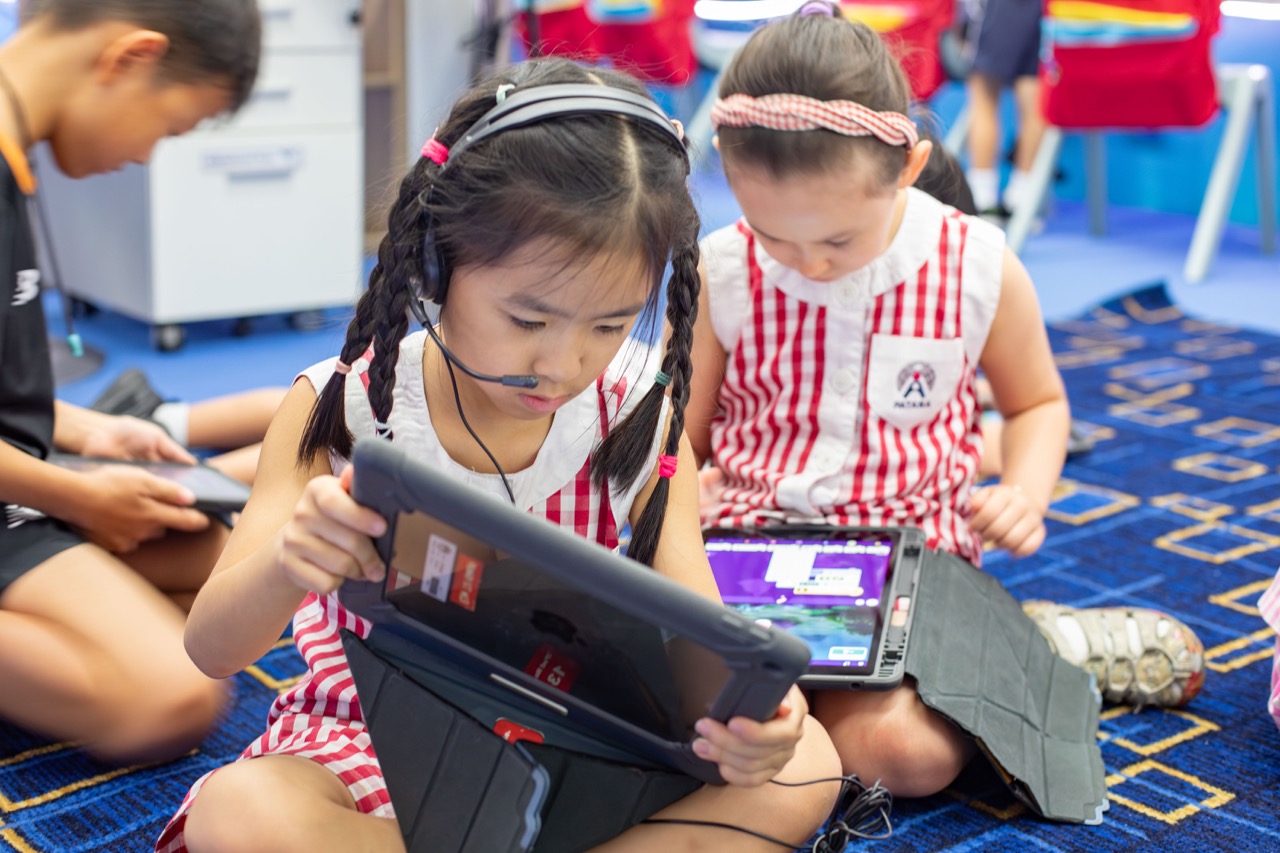
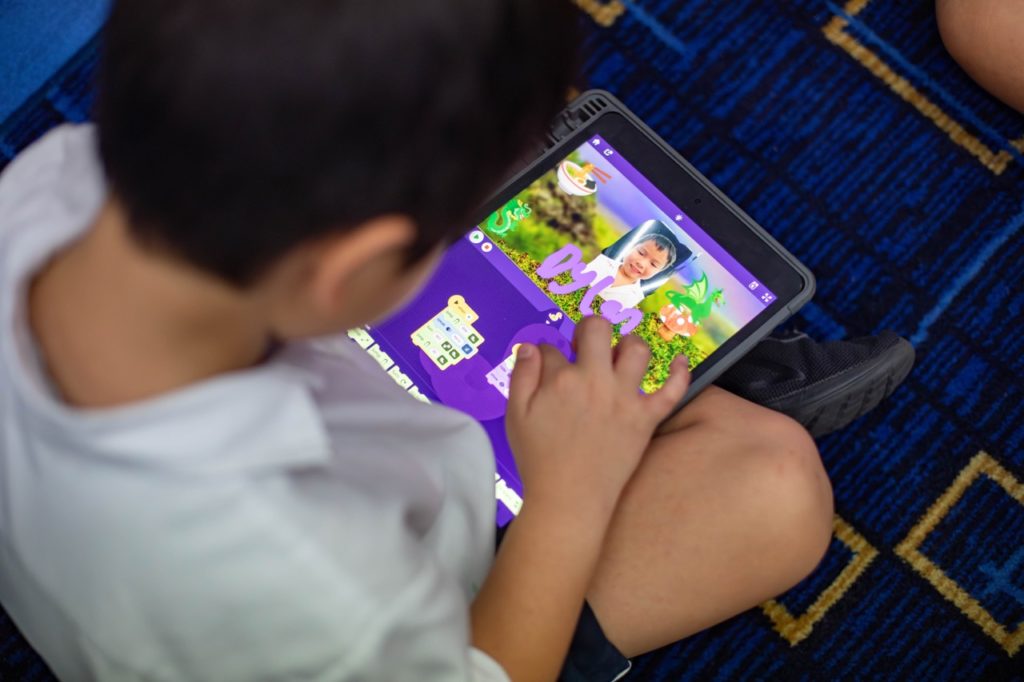
By Year 2, our learners are ready to take these ideas further. Using Octo Studio, an engaging coding app developed by MIT, the children have been designing and building their very own games. They can select characters from a wide range of emojis, or some chose to get even more creative—modifying or drawing their own characters using the paint feature or even taking and editing photos to use as their Sprites.  

With just a few coding blocks, students can make their characters jump, speak, or glow, and respond to tapping or tilting—perfect elements for interactive games! They then proudly test their creations with classmates, learning to give and receive feedback. 

It is a joy to see their faces light up when their games work as they imagined, and equally wonderful to see their determination when “debugging” their scripts. Along the way, they developed resilience, collaboration, and creative problem-solving, while also learning new computing vocabulary in a meaningful context. 

What may seem like play is, in fact, a powerful introduction to computer science. By making coding fun, hands-on, and age-appropriate, we are giving our young learners the confidence to see themselves as creators of technology—not just users of it. 

The fundamentals of coding are explored throughout Primary as children develop logical thinking and problem-solving skills.  Coding puzzles and hands on programmable robot toys help children to practice step-by-step thinking and build resilience. These skills develop through the years as we introduce Microsoft’s MakeCode and game making.   

Ask any coder and they will surely agree that the old adage “If at first you don’t succeed, try, try again” is an important mantra if you want to be successful.  

Coding through Year 1 and Year 2 

  • Year 1 Term 1 B: Beebot/BlueBot & Vex 123 – By planning and sequencing simple commands to get a robot to move towards a goal, students begin to understand the sequential nature of clear instruction and how to spot bugs and errors in their solutions. 
  • Year 1 Term 3: Scratch Jr is a great app for creativity as it allows students to code simple animations to tell stories.   Students must break their ideas down into clear coded steps and test their ideas.  

Share This Article

In this Issue

PTG Updates

Share This Article

In this Issue

Community Events

Share This Article

In this Issue

Patana Participates

King’s Cup Thailand Championship Dressage Final 2025

Megumi Endo, Parent

At the King’s Cup Thailand Championship Dressage Final 2025, Leo 8B secured third place in Category A Dressageand second place in the Pony Two category. The event drew riders from across the country, with Leo 8B earning recognition in both individual and pony divisions.

Congratulations Leo!


Share This Article

In this Issue

School Announcements and Upcoming Events

From time-to-time, Bangkok Patana engages external consultants to provide us insights into the international school market in Thailand.  We have engaged BDRC Asia, a market research firm, to undertake a survey of parents to assess their knowledge and understanding of international schools in Thailand, factors that determine choice of schools, and other market intelligence.  Several international schools are engaged in this survey, it is not specific to our school, and your participation in the survey is confidential.

We invite you to take part in the survey by clicking on the link below, it will take about 10-12 minutes to complete.  The survey is available in English, Thai and Japanese.

Survey link: https://survey.alchemer.com/s3/8443981/ISBE2025TH?p=np&sch=pt&sglocale=en-gb

Those that complete the survey are entered into a prize draw that includes a staycation and cash vouchers.


Screenshot

Share This Article

In this Issue

© 2025 Bangkok Patana School

Issue: 7
Volume: 28
Bangkok Patana School
Privacy Overview

This website uses cookies so that we can provide you with the best user experience possible. Cookie information is stored in your browser and performs functions such as recognising you when you return to our website and helping our team to understand which sections of the website you find most interesting and useful.