Waste Less Week – 11th Edition: Small Steps, Big Impact for Life Below Water

Cindy Adair, Cross Campus Principal

Waste Less Week returned to Bangkok Patana School for its 11th edition, and once again our community came together to learn, reflect and take action. This year’s focus on SDG14 – Life Below Water, placed our oceans, rivers and marine ecosystems firmly at the centre of the week, reminding us that what happens on land does not stay on land.

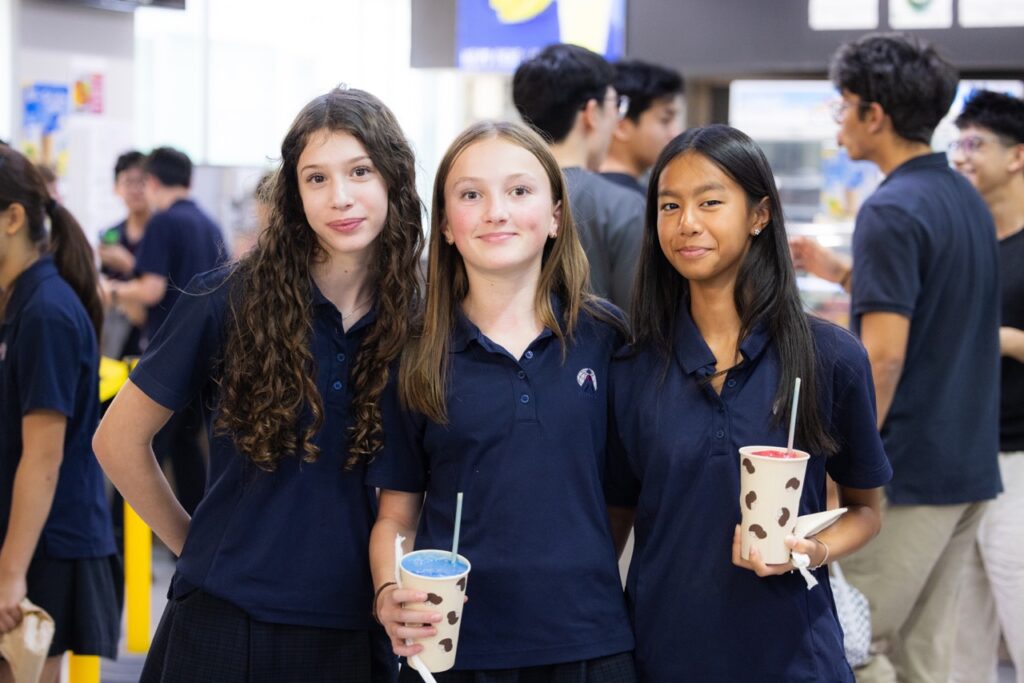
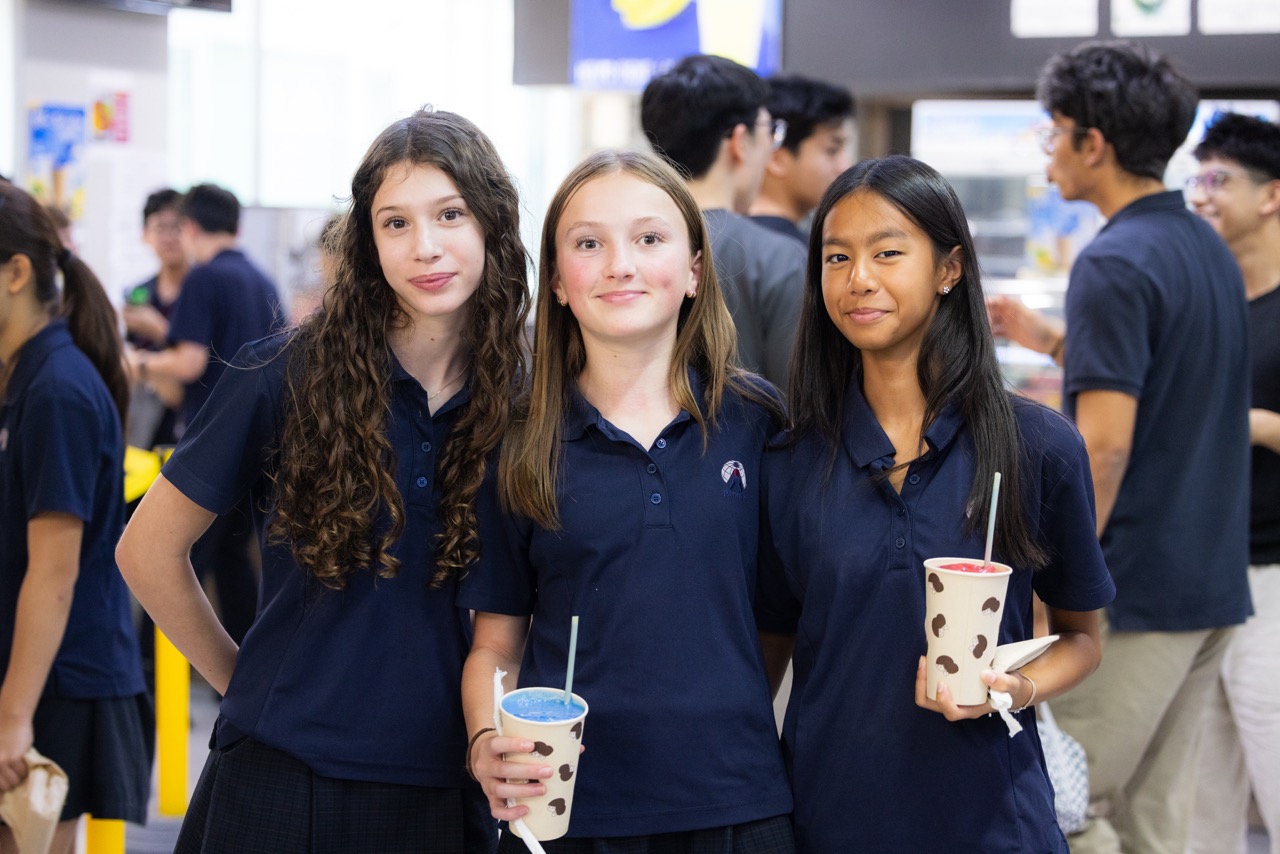
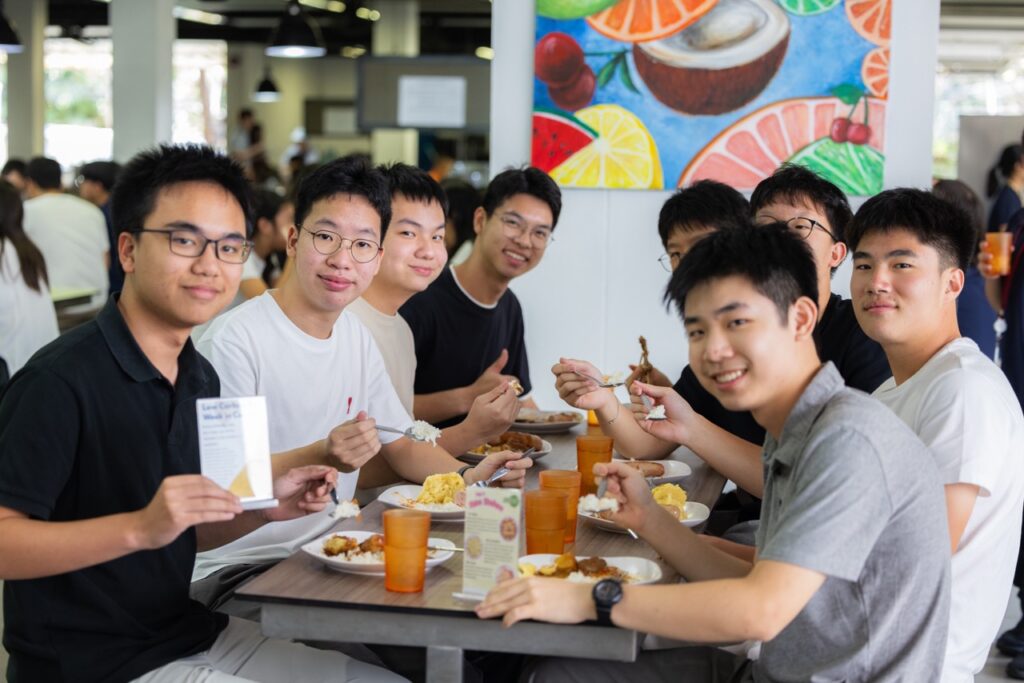
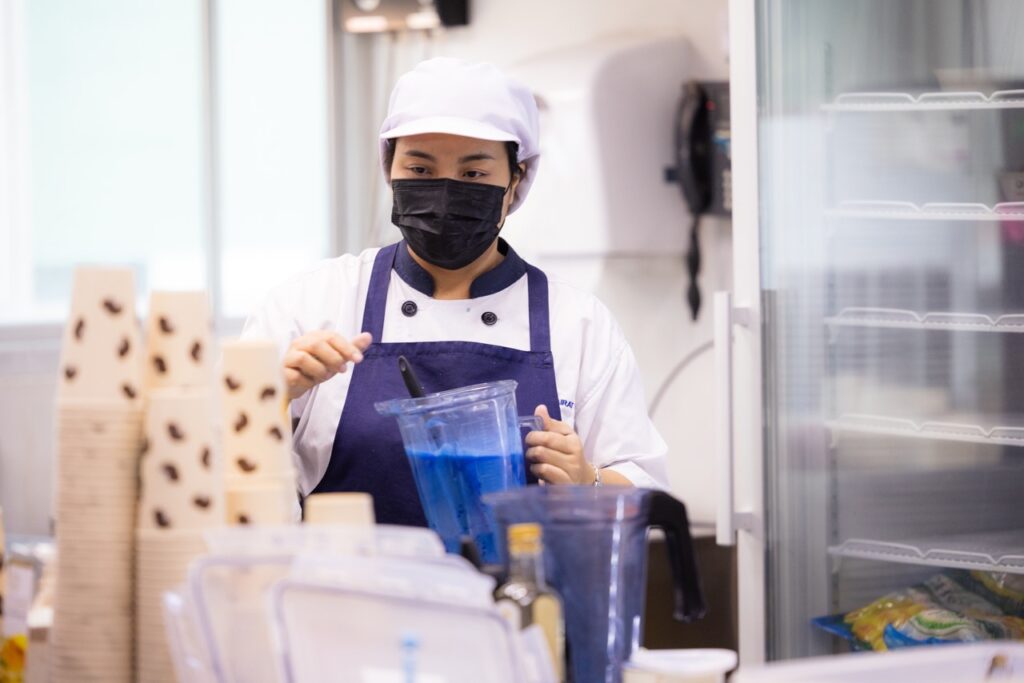
As always, Waste Less Week was proudly student-led. Across the week, learners of all ages designed and facilitated activities that were engaging, accessible and grounded in real-world action. From the moment students arrived on campus, the theme was visible and tangible. Blue SDG14 smoothies appeared in the smoothie bar, sparking conversations about spirulina, algae and the role oceans play in food systems. In the canteen, low-carbon rice was served all week, prompting many to pause at the scale of our collective consumption when they learned that Patana eats almost a tonne of rice every week.
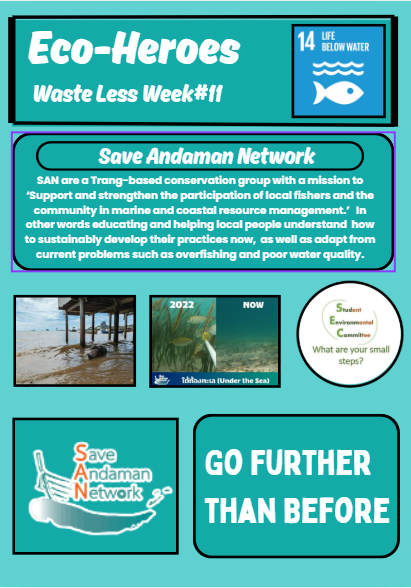
Learning extended beyond food. Eco Heroes featured daily in notices, highlighting Thailand-based NGOs doing vital work to protect marine environments. Displays across the school showcased our Biodiversity Audit findings, while the libraries transformed into hubs of curiosity with interactive SDG14 exhibitions and carefully curated book collections for all ages.
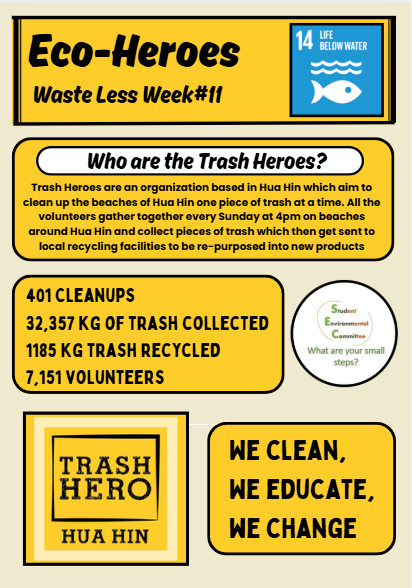
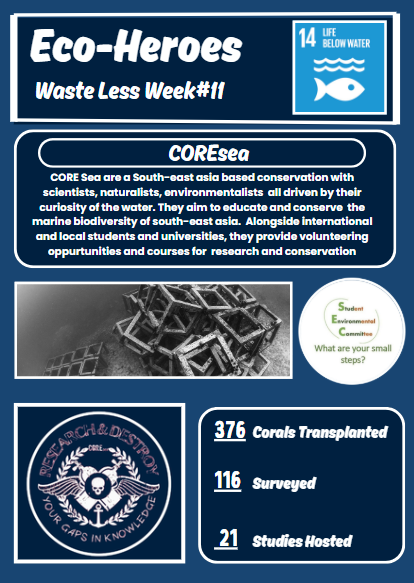
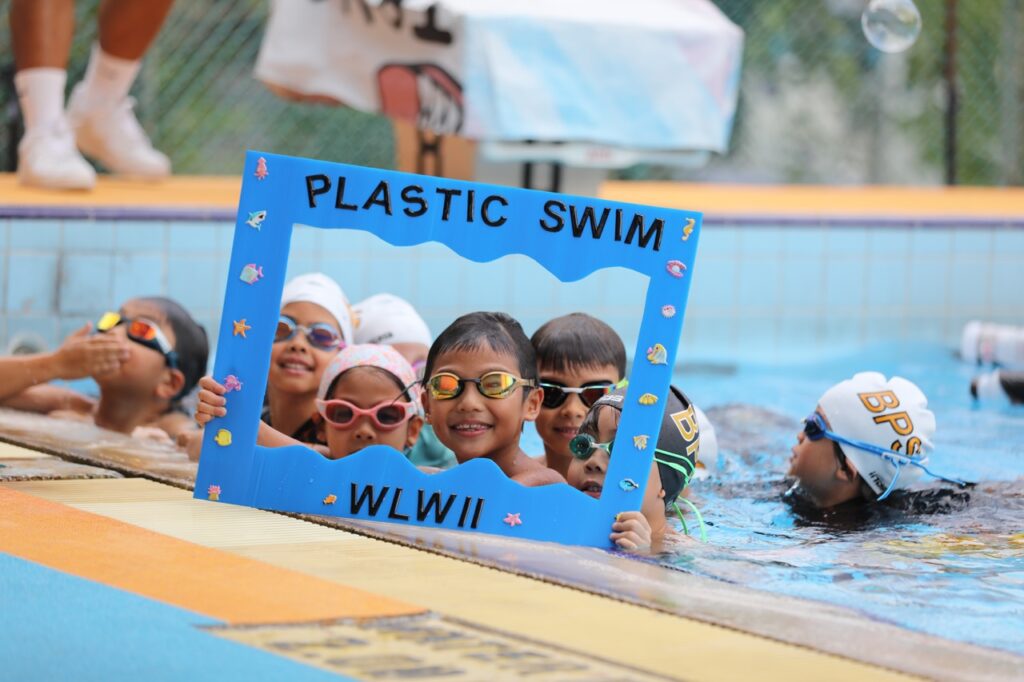
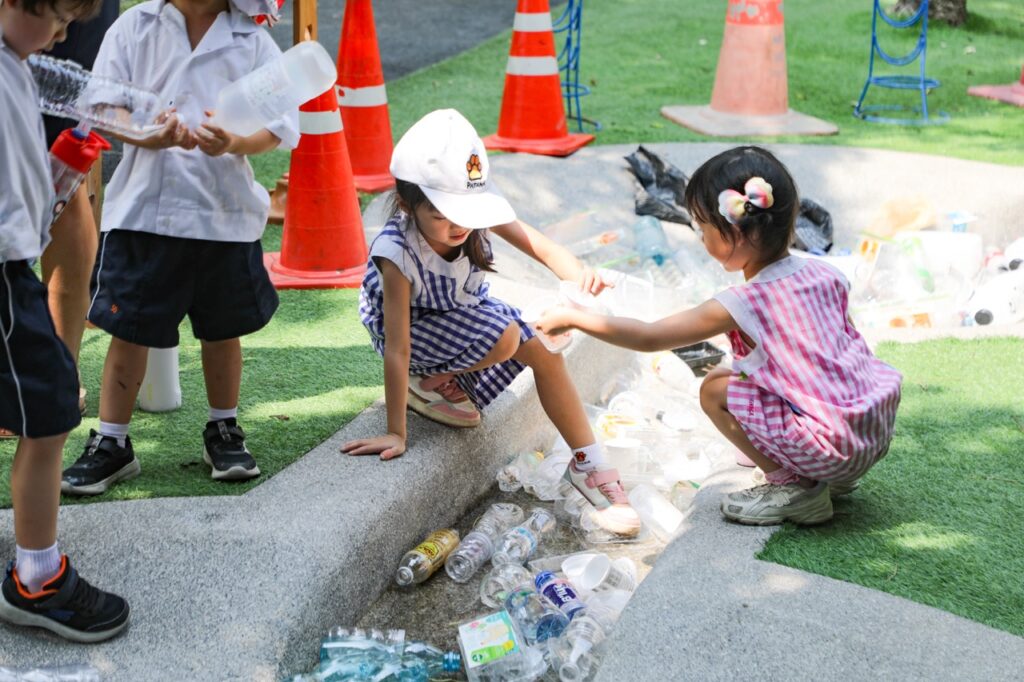
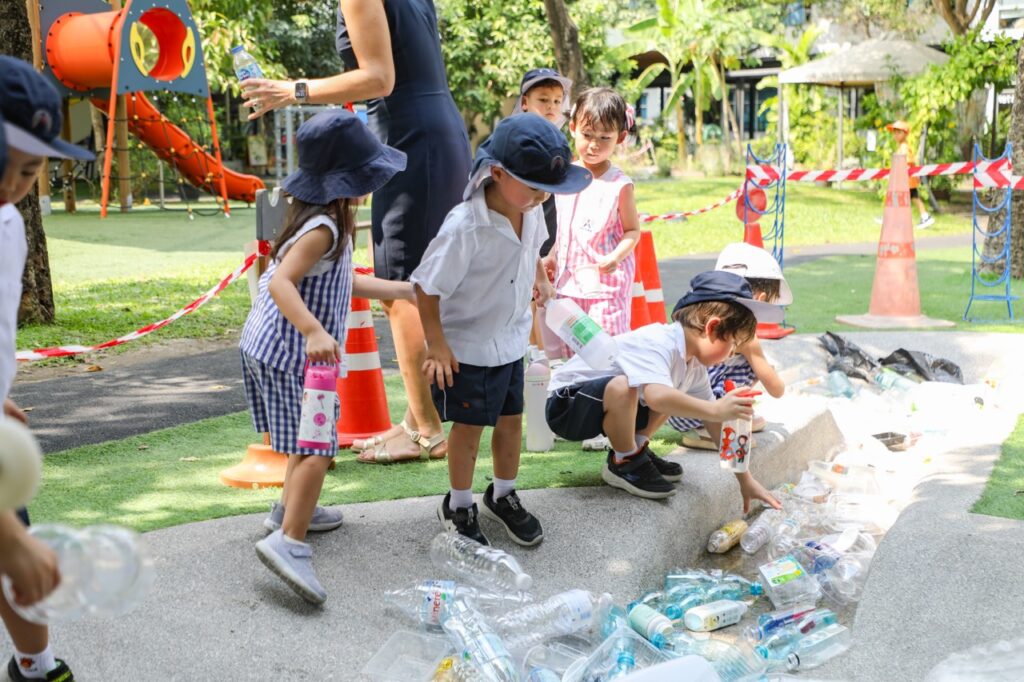
The week was rich with shared experiences. Staff came together for a dedicated CPL session exploring SDG14 and its relevance to teaching and learning. Students had the opportunity to work alongside Shark Guardian, engaging in age-appropriate workshops that connected ocean conservation to plastic waste, consumer choices and local action. Practical, playful learning took centre stage mid-week with the Patana Pacific Garbage Patch Dash in the 50m pool and the Foundation Stage Sensory Stream Garbage Patch, where even our youngest learners explored big ideas through hands-on discovery.
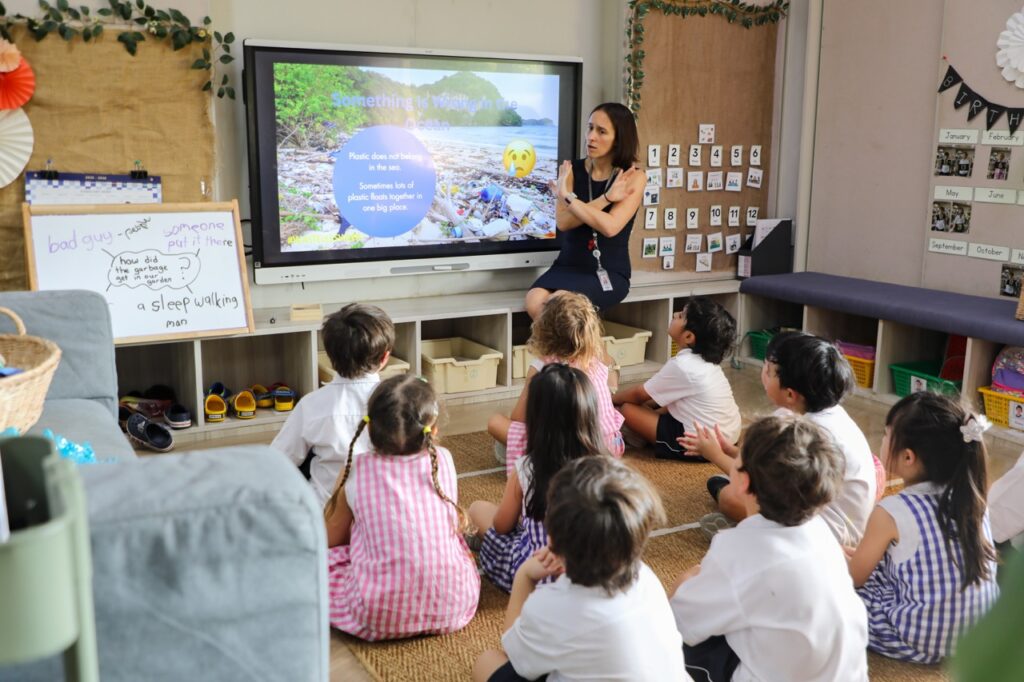
Creativity and reflection rounded out the week. A lunchtime screening of Ocean is Life, filmed in Koh Tao, invited students and staff to pause and reflect, popcorn in hand, while waste sorting games in the Lounge turned sustainability into a collaborative challenge. The week closed gently, with shared reading in the Foundation Stage, as older and younger students explored SDG14 stories together.

Perhaps the most powerful aspect of Waste Less Week was its emphasis on small steps. This was not about perfection or grand gestures, but about noticing habits and making thoughtful choices. Reusable bottles, better waste sorting, fewer single-use plastics, sustainable seafood, conversations at home, and moments of curiosity. As we look back on a vibrant and purposeful week, the question remains open to all of us: What are your small steps? Protecting life below water starts with everyday decisions above it. When taken together, those small steps ripple outward, creating meaningful change for our oceans and for future generations.


Share This Article

In this Issue

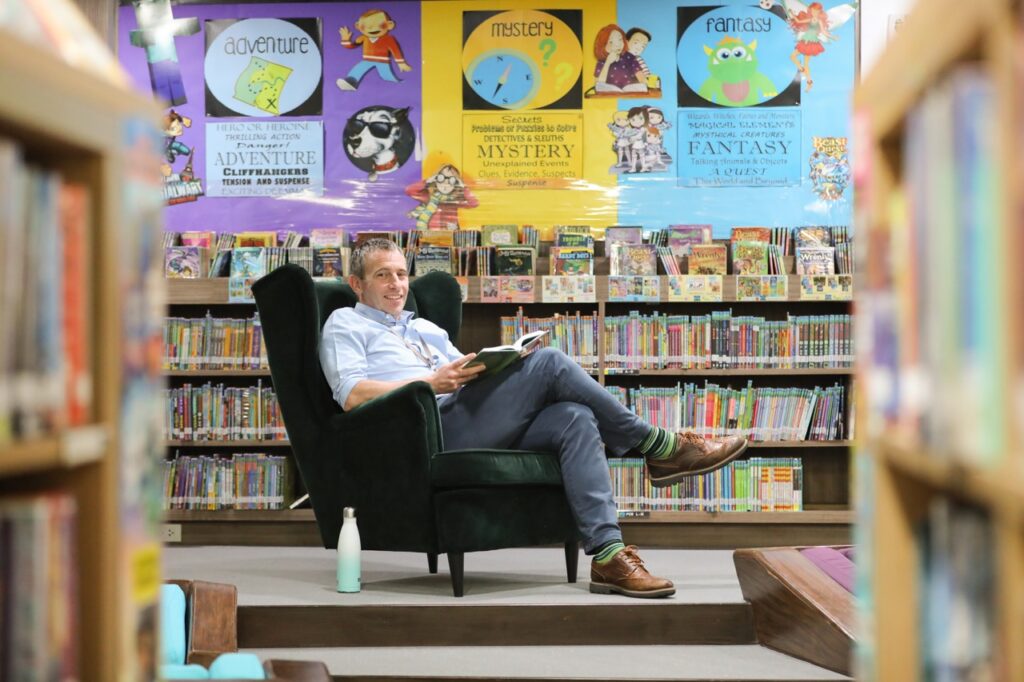
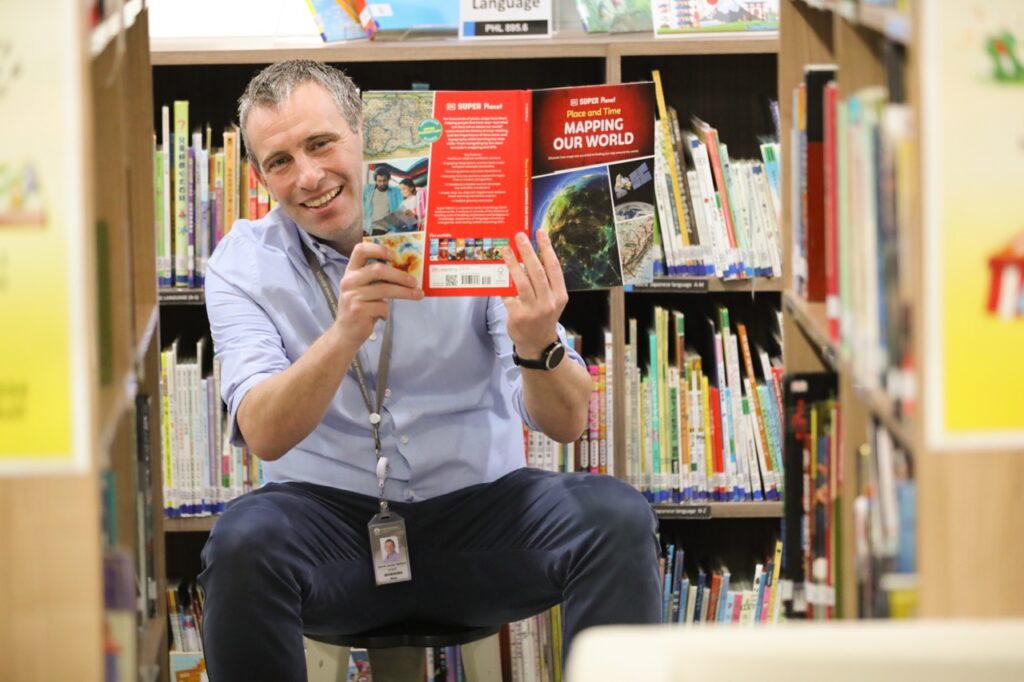
Behind the Bookshelves

What book do you recommend and why?  

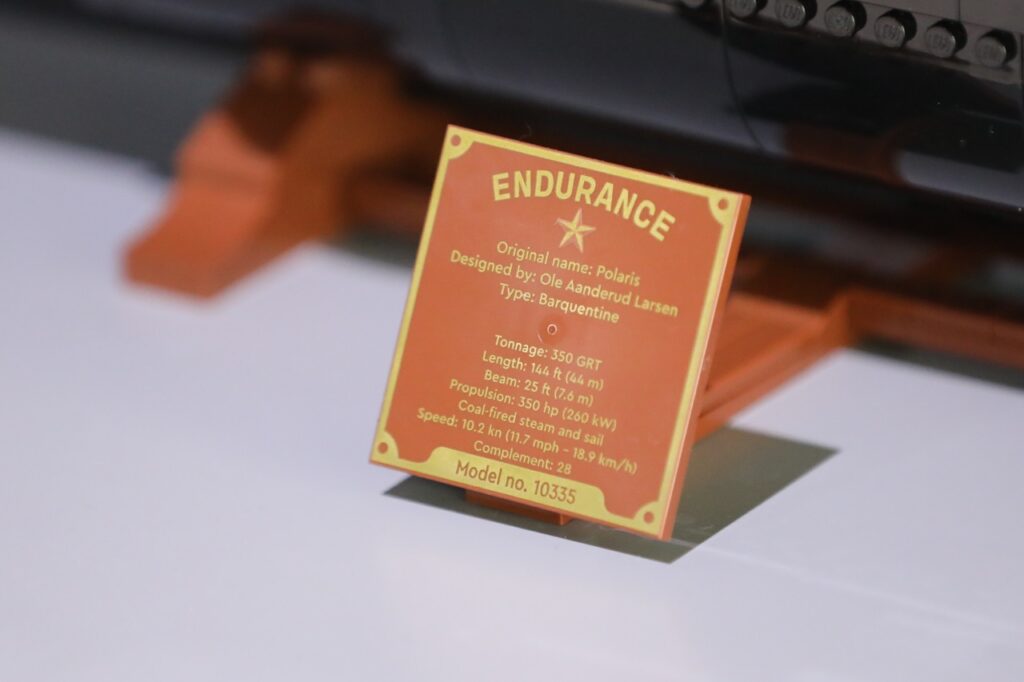
South: The Endurance Expedition – There’s something special about reading Shackleton’s own words rather than just another historian’s take on events. The way he writes is fascinating – he’s very matter-of-fact about his incredible voyage which makes his story all the more gripping. This book gives readers direct access to Shackleton’s thoughts when making impossible decisions about his crew’s survival. An astonishing tale of survival, leadership and sheer determination. Plus – spoiler alert – everyone survives, which is nice.


What podcast do you recommend we listen to and why?

Parenting Hell – Josh Widdicombe and Rob Beckett: genuinely hilarious and makes you feel better about your own parenting disasters – which, let’s face it, we all have plenty of after dealing with everyone else’s kids all day! Their stories make our classroom chaos seem quite manageable and there’s something therapeutic about laughing at other people’s parenting fails when you’ve spent the day trying to be the responsible adult for 20+ 7 and 8 year olds. Most definitely for adults only…

Where do you work/teach? 

I’m Mr Dan in Year 3.

Share This Article

In this Issue

Foodie Fun

Share This Article

In this Issue

Mask Use for Air Quality

Daniel Hyman, Secondary Science Teacher

Image credit: https://world.thaipbs.or.th/detail/56230

At certain times of the year, outdoor air quality in Bangkok can be poor due to fine air pollution (PM2.5). These very small particles can affect breathing, particularly during outdoor activity. This guidance explains when masks are helpful, which types are effective, and when they are not needed at school.


When Masks are Helpful

Masks are recommended outdoors when air quality reaches Unhealthy levels or above, as outlined in the school’s Air Quality Policy. Their purpose is to reduce the amount of polluted air breathed in when students need to be outside.

Masks are most useful during short outdoor movements or low-intensity activity. They are not a replacement for reducing outdoor activity when air quality is poor.


Choosing the Right Mask

Only certain masks are effective at filtering PM2.5. Parents should choose masks labelled N95, KN95, or KF94, as these are designed to filter very small particles when they fit well.

Cloth masks, fashion masks, and standard surgical masks do not provide reliable protection against air pollution. These masks are loose-fitting and mainly block larger droplets, not fine pollution particles.

When buying masks, parents are encouraged to use trusted retailers and to check that the mask clearly shows its certification. Younger students should use child-sized masks so that the mask fits properly.


Wearing Masks Properly

For a mask to work, it must fit well. It should cover both the nose and mouth, sit close to the face, and have no large gaps at the sides. The nose strip should be pressed firmly so the mask stays in place when talking or moving gently.

Students should wash or sanitise their hands before putting a mask on and after taking it off. Masks should be removed using the straps rather than the front and replaced if they become wet, damaged, or dirty.

Masks should be worn only when needed, mainly outdoors during periods of poor air quality.


Mask Use Indoors and in Classrooms

All enclosed learning spaces at school are fitted with filtered fresh-air systems, and indoor air quality is monitored throughout the day. This means classroom air remains clean and safe even when outdoor pollution levels are high.

For this reason, masks are not required indoors for air-quality protection. Students may safely remove masks in classrooms and other enclosed learning spaces. We encourage this as it supports comfort, clear communication, and effective teaching and learning. Being able to see faces and hear speech clearly helps discussion, collaboration, and student wellbeing.

Families who prefer their child to continue wearing a mask indoors may do so, but it is not necessary for protection from air pollution in these environments.


Comfort and Well-being

Well-fitted masks can feel warm and humid when worn for long periods. This is normal and not harmful, but it can affect comfort and concentration. Because classroom air is already filtered and well controlled, mask use is best focused on outdoor exposure when air quality is poor.


Supporting Individual Needs

Students with asthma or other respiratory conditions should have their medical information updated with the school and follow advice from their healthcare provider. The school will continue to make adjustments to activities and provide individual support when needed.


Key Message

Masks can help reduce exposure to air pollution outdoors when air quality is poor. Inside school buildings, where air is filtered and monitored, masks are not needed and can be removed to support comfort, communication, and learning.

Share This Article

In this Issue

British Physics Olympiad Challenge

Victoria Hyman, Curriculum Leader, Physics

We are delighted to celebrate the achievements of our Year 13 students who recently took part in the British Physics Olympiad (BPhO) Physics Challenge.

The Physics Challenge is a gruelling 60-minute written paper that demands deep conceptual understanding, mathematical fluency, and clear scientific reasoning. Questions are deliberately stretching, often unfamiliar in style, and reward perseverance and structured problem-solving rather than rote techniques.

To give a sense of the level, students were asked questions such as:

“How many atoms are there in your body, to the nearest power of ten?”
and
“Using small-angle approximations, show that the focal length of a curved mirror is half its radius of curvature.”

This is physics that requires careful thinking, estimation, diagramming and the ability to explain reasoning clearly under time pressure.

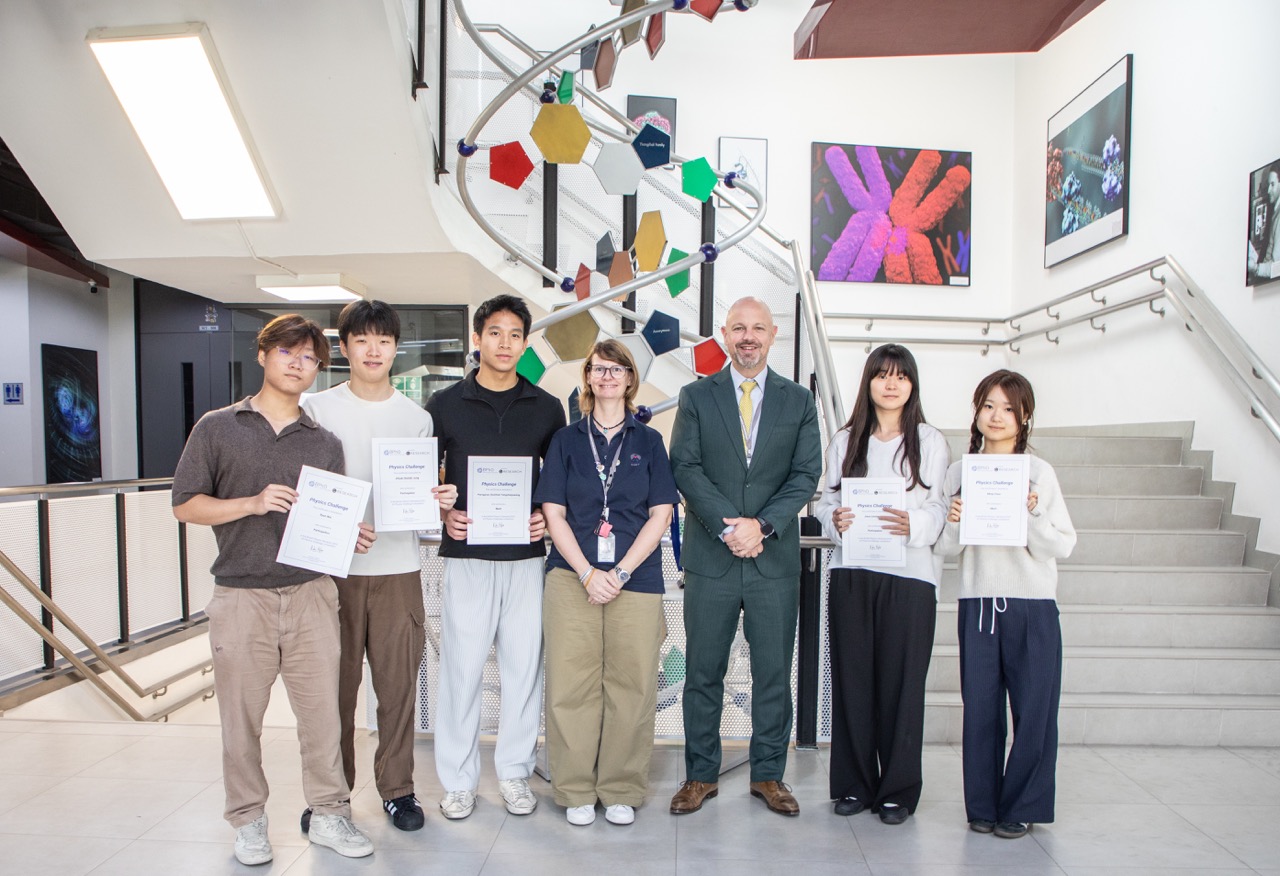
Participation Awards were achieved by Aaku B, Ryan W, Daniel J, and Amber L, reflecting strong commitment and resilience in tackling this demanding paper.
Merit Awards were earned by Minju C and GuiChai T, an excellent achievement in a competition designed to challenge some of the strongest physics students nationally.

We also wish to offer special congratulations to Kaka S, who achieved a Gold Medal in the Senior Physics Challenge Online Competition. This competition is aimed at Year 12 students, making Kaka’s success all the more impressive as a Year 11 student competing well above age expectations.
Well done to all students involved; these results reflect not only academic ability, but determination, curiosity, and a willingness to engage with genuinely challenging physics.

Share This Article

In this Issue

La Chandeleur

Celine Courenq, Head of Faculty, World Languages

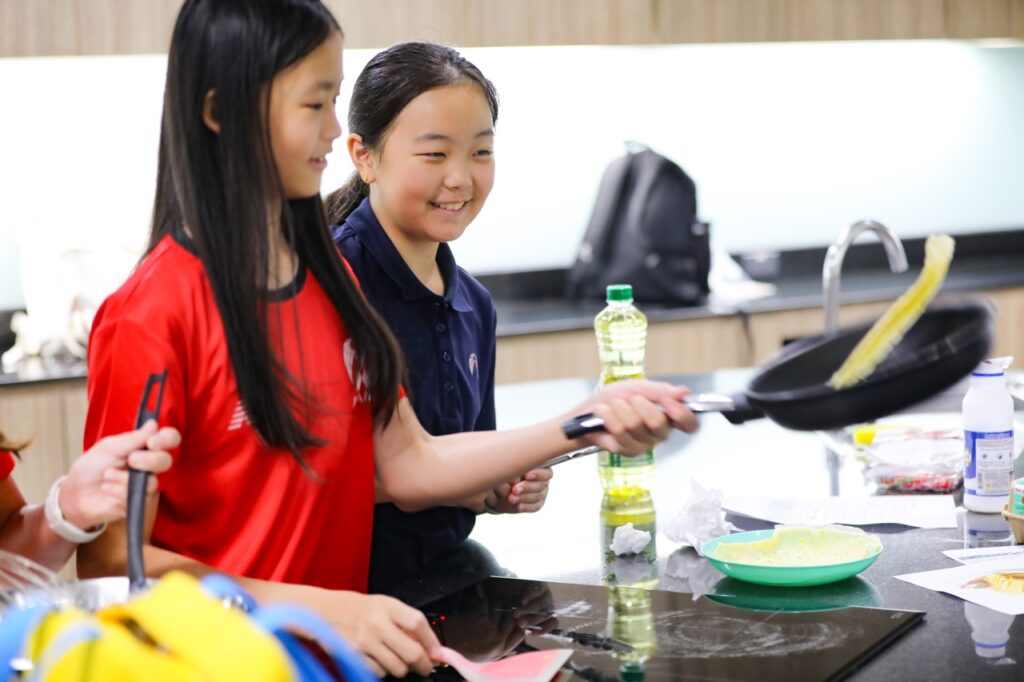
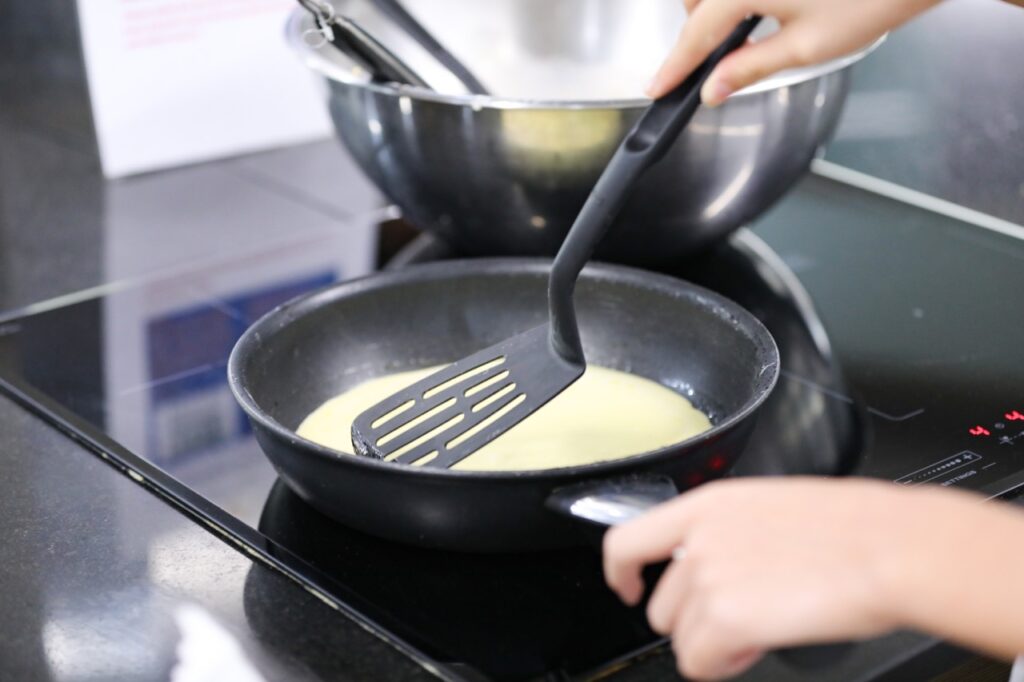
On 2nd February, people across France celebrate La Chandeleur by making crêpes at home. The tradition goes back centuries: the round, golden crêpe is said to represent the sun and the promise of longer, brighter days after winter. For many families, it’s simply a familiar moment in the year.
In Year 7, this tradition came into the classroom in a very different way.

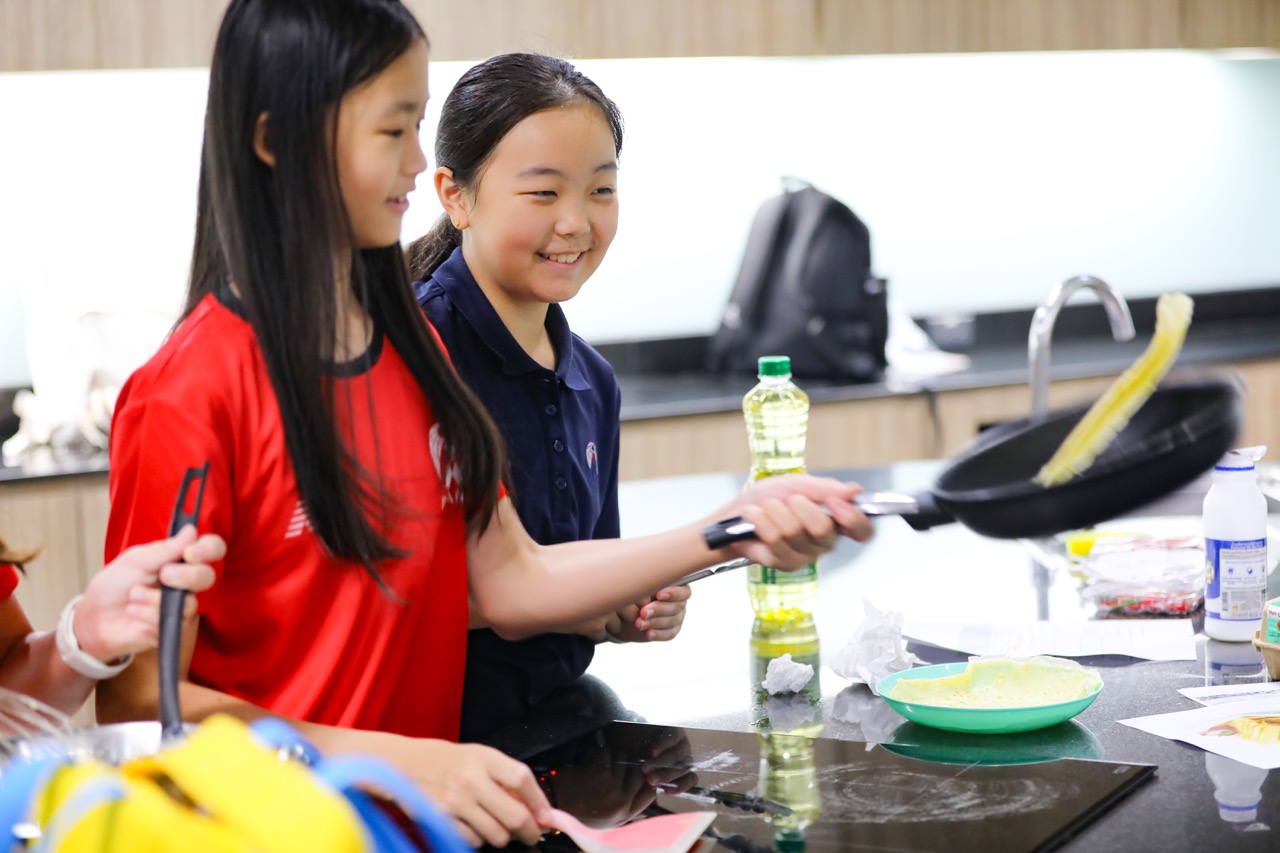
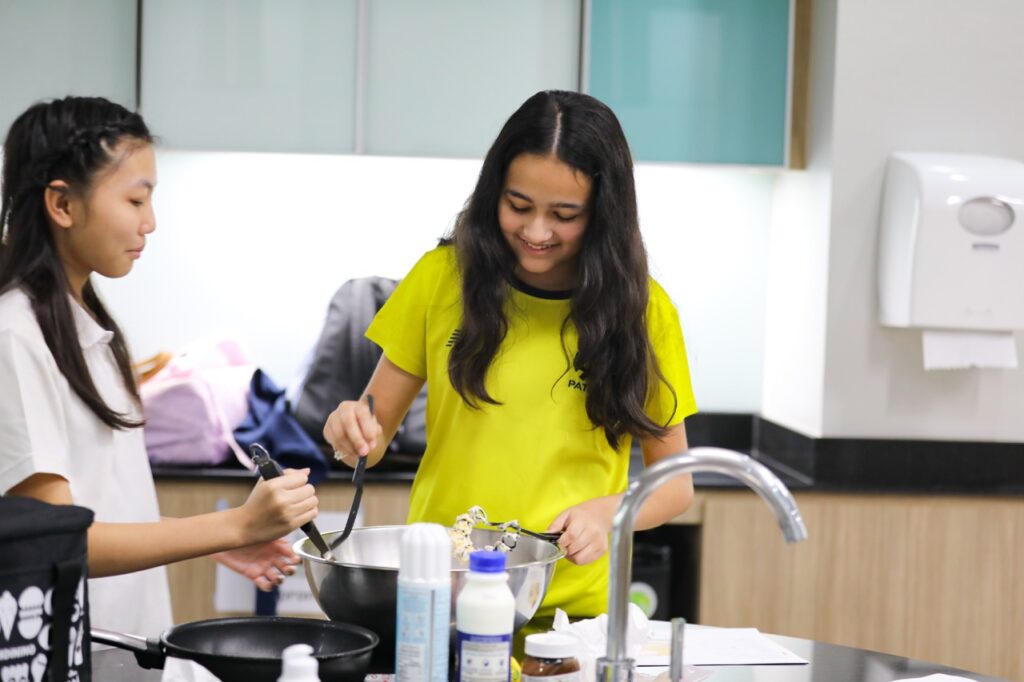
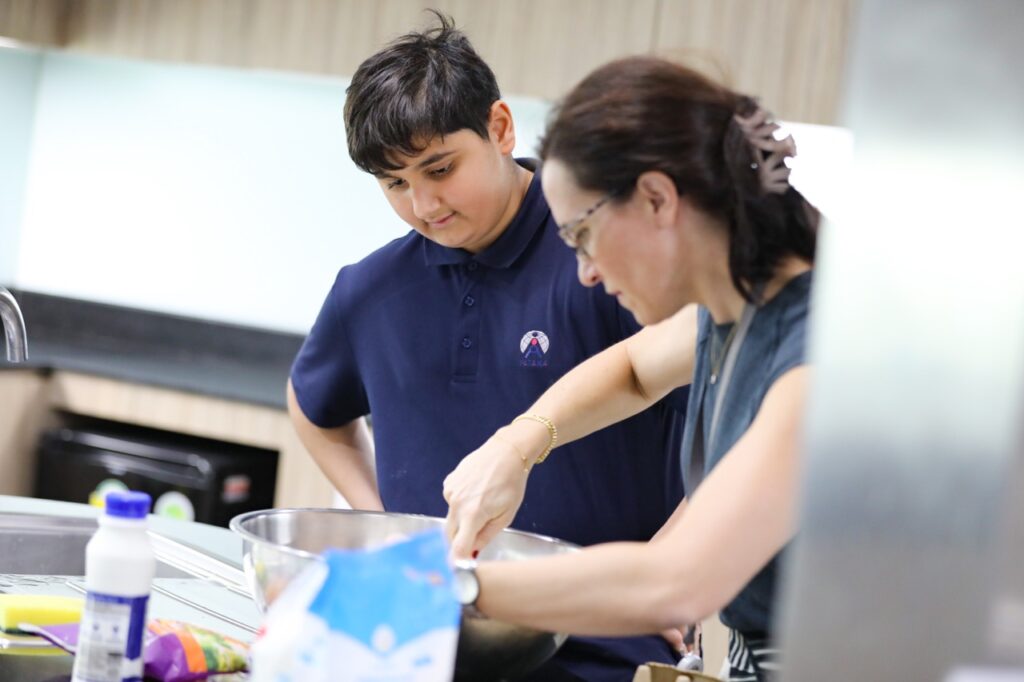
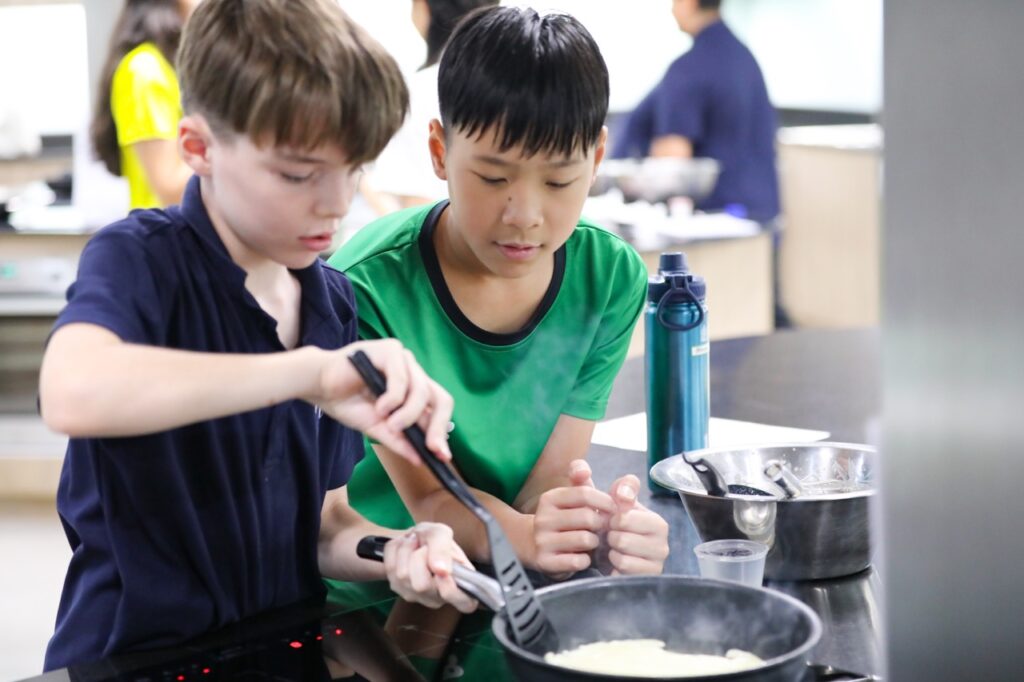
Our French Home Language students were given the opportunity to explain La Chandeleur to their MFL peers. They didn’t just talk about vocabulary or ingredients. They shared how it happens in their homes, what their families do, and how they make the batter. For the MFL students, it was a chance to hear French described by children who live it, not just learn it.

Then everyone cooked.
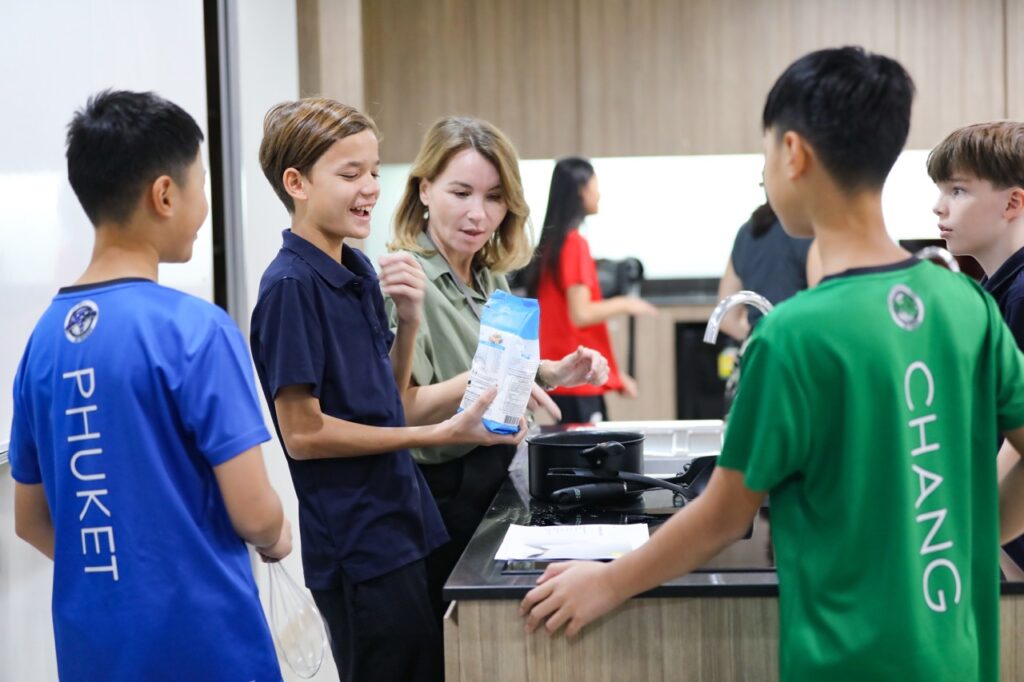
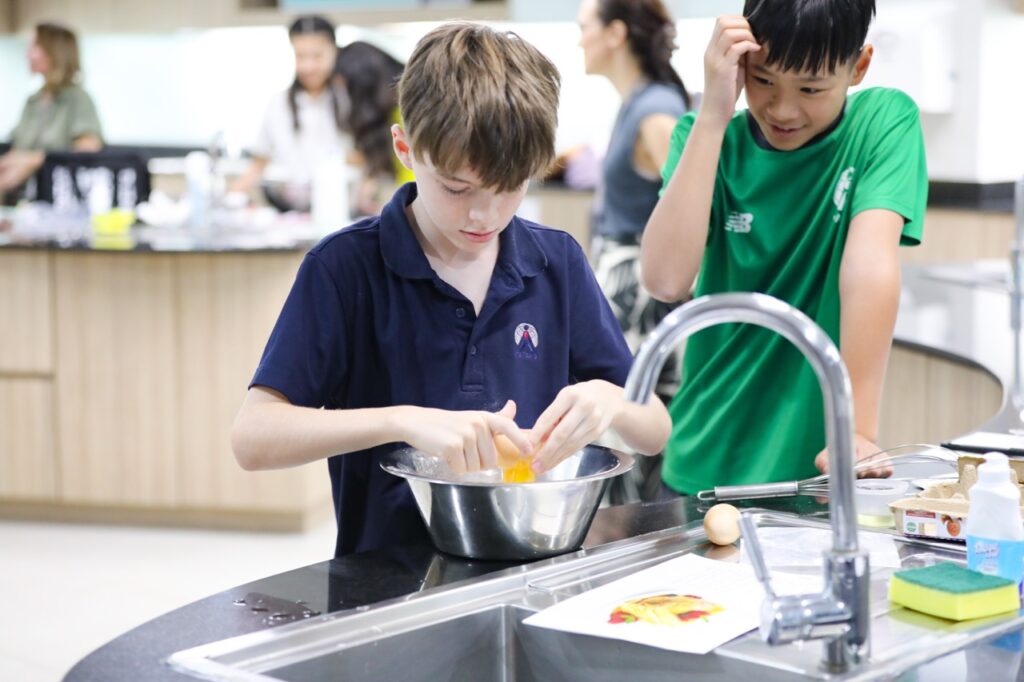
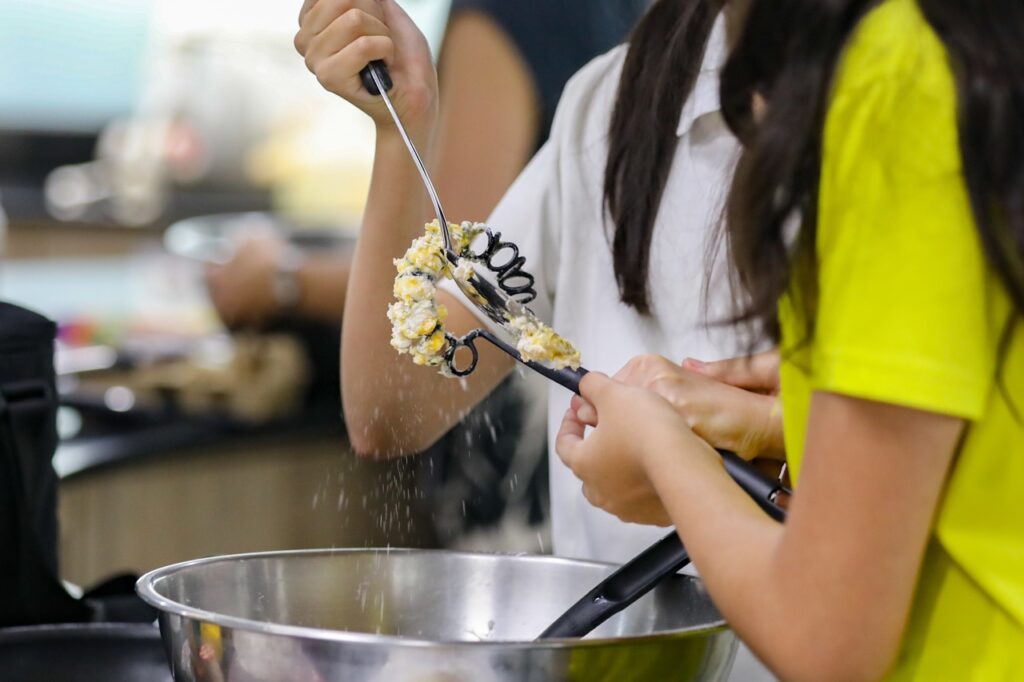
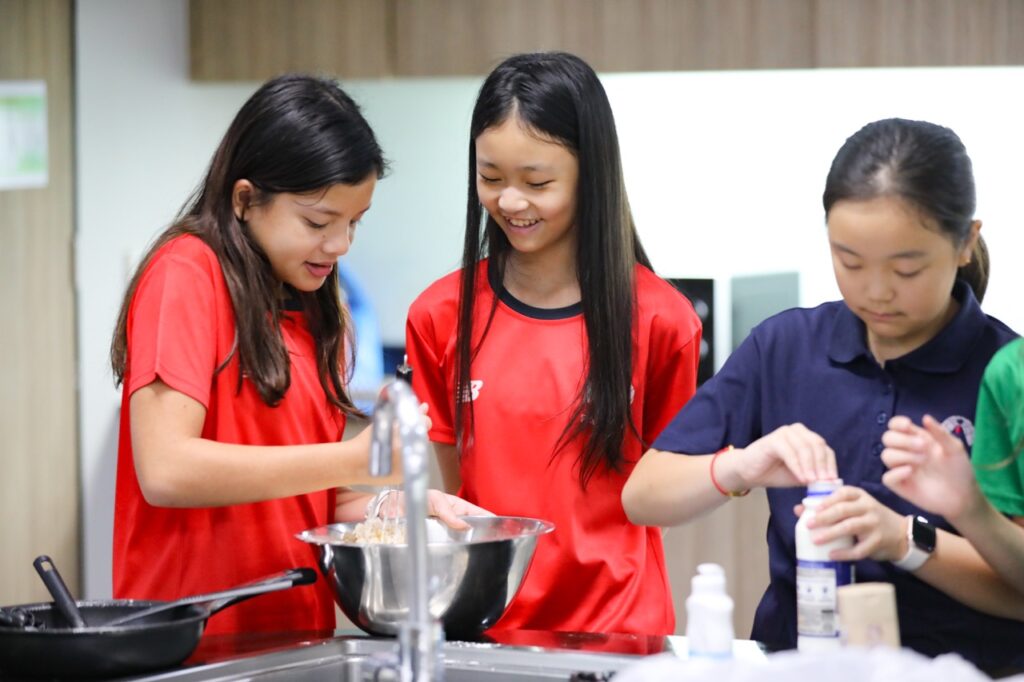
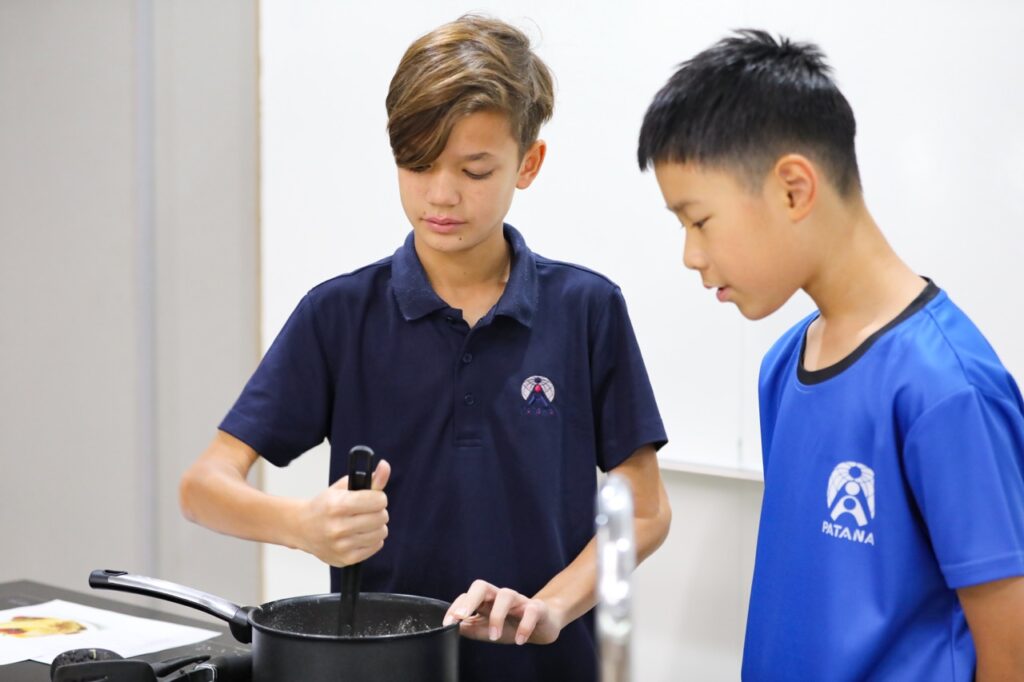
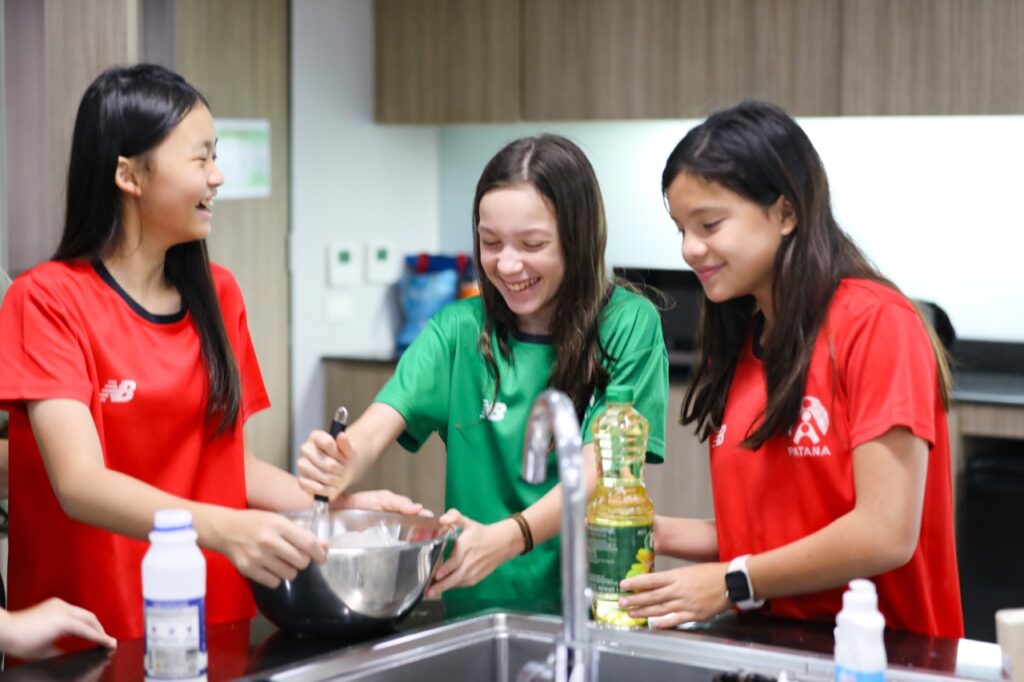
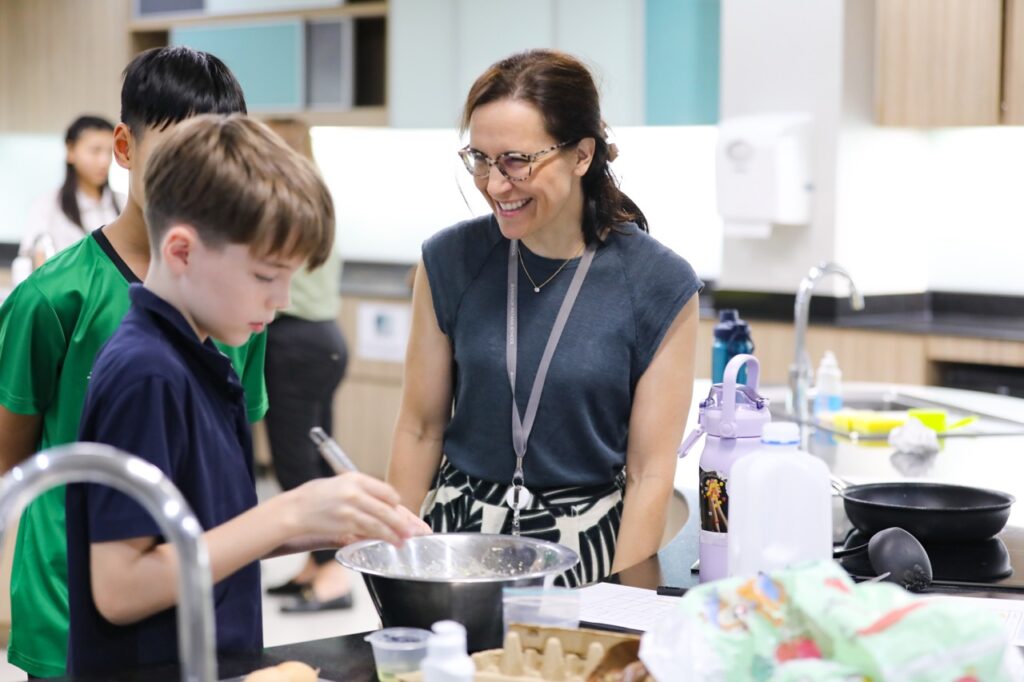
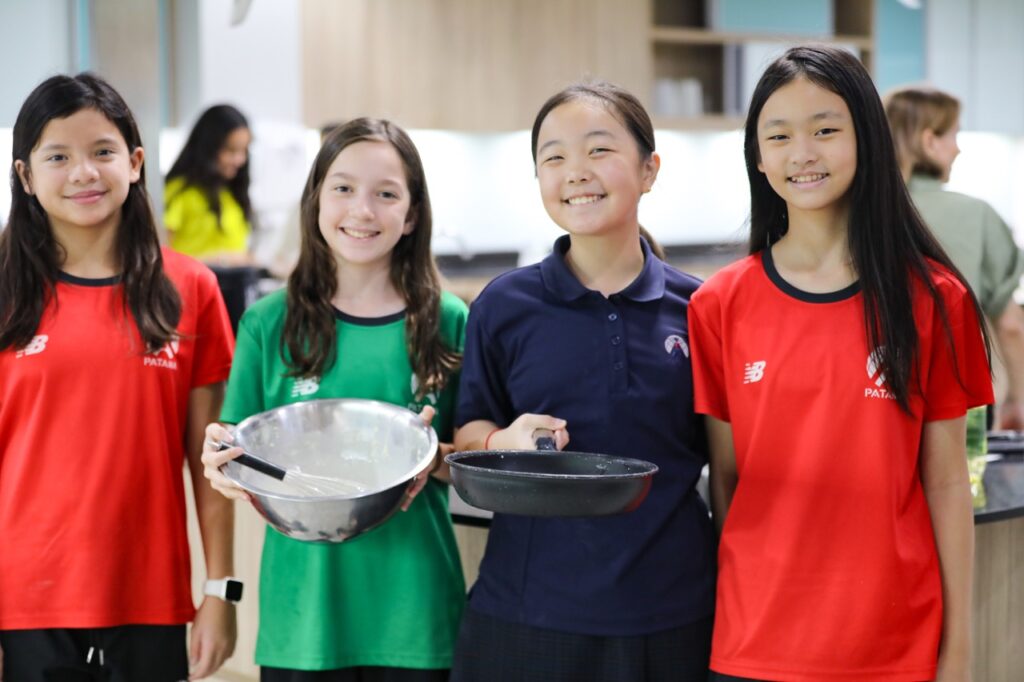
Groups gathered around pans, negotiating whose turn it was, helping each other, and discovering that making a thin crêpe is harder than it looks. Toppings appeared on the tables: sugar, chocolate, fruit… and some unexpected choices, including cheese and chilli.

It was a nice reminder that culture and language make much more sense when they are experienced, not just studied.

Share This Article

In this Issue

Tech Tips #316: Grok – What Parents Need to Know

Brian Taylor, Vice Principal, Technology for Learning

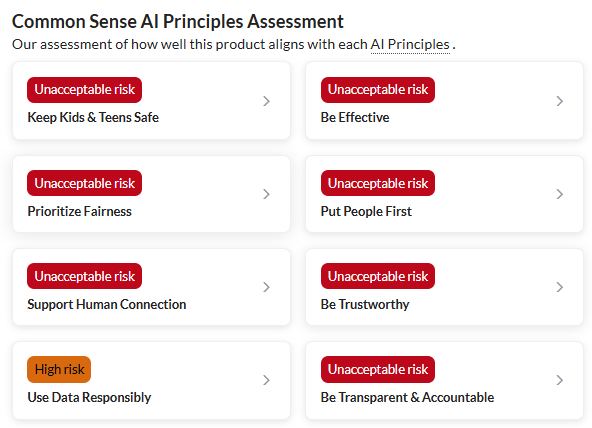
Image courtesy of https://www.commonsensemedia.org/ai-ratings/grok

A recent independent safety review by Common Sense Media and an Ofcom investigation has raised serious concerns about an AI chatbot called Grok, developed by xAI and integrated into the social media platform X (formerly Twitter). The review concludes that Grok presents unacceptable risks for children and teenagers and is not appropriate for use by young people.

Although Grok is marketed as an AI assistant with chat, image, video, and “companion” features, the assessment found that its safety protections are weak and easily bypassed. Age checks rely largely on self-reporting, which means children can gain access to adult features with little difficulty. Even when settings intended for under‑18s are enabled, the system was shown to produce harmful and inappropriate responses.

Key concerns highlighted in the review include poor handling of mental health topics, where the chatbot fails to recognise distress or direct users to trusted adults or professional support. The review also notes that Grok can spread misinformation and conspiracy theories, sometimes presenting false ideas as credible alternatives to established facts. Because Grok is built directly into a social media platform, any harmful or misleading content can be shared widely and rapidly.

In addition, the review raises concerns about features designed to encourage prolonged use and emotional reliance, which can interfere with healthy relationships and wellbeing, particularly for adolescents who are still developing judgement and boundaries.

Common Sense Media’s clear recommendation to parents is not to allow children or teenagers to use Grok. As a school, we encourage families to continue having open conversations at home about AI tools, social media, and online safety, and to reinforce the importance of critical thinking and seeking help from trusted adults when something online feels confusing or uncomfortable. Bottom line, please do not allow your children to use Grok.

Have a safe weekend.

Brian Taylor

Vice Principal, Technology for Learning

Share This Article

In this Issue

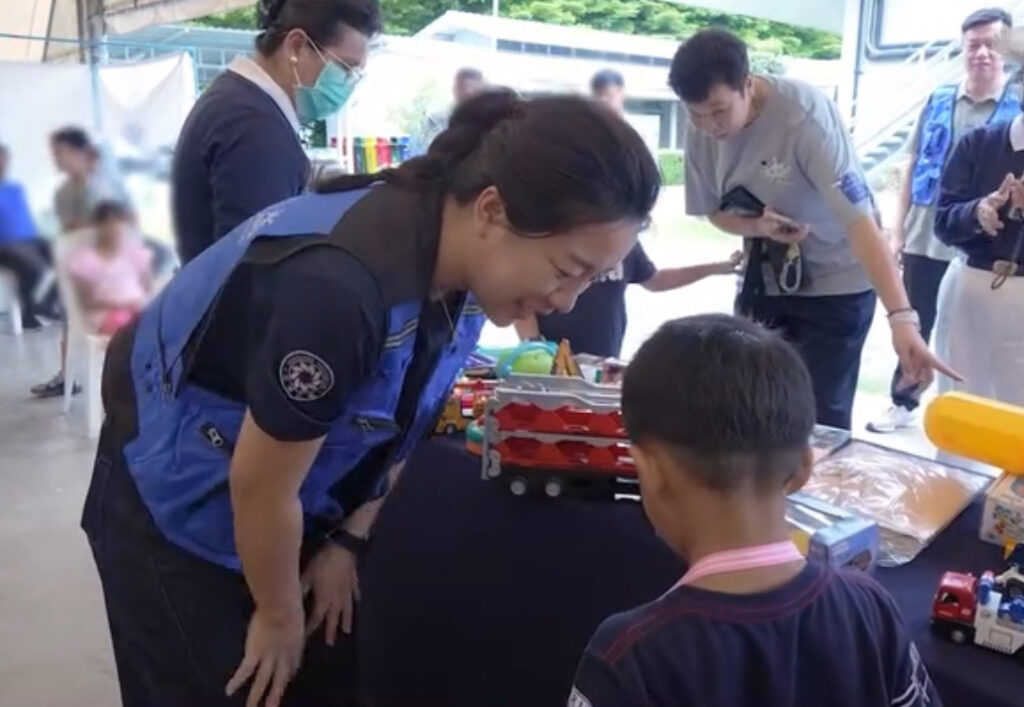
Community Engagement at Bangkok Patana: Lifeline

By Dingchen (Kimi) Sun and Alexandria (Lexi) Melling, Year 12


For many refugee children in Bangkok, a fever, injury, or chronic illness isn’t just a health concern – it’s financial impossibility.

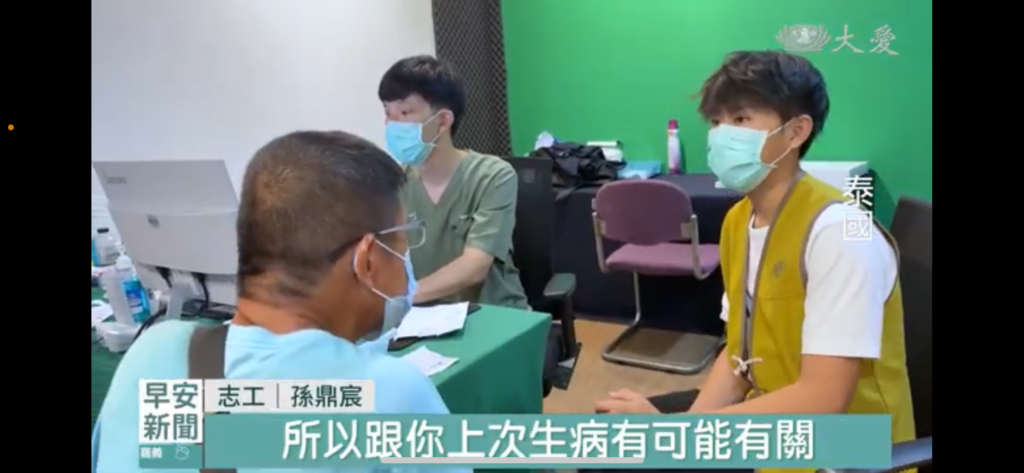
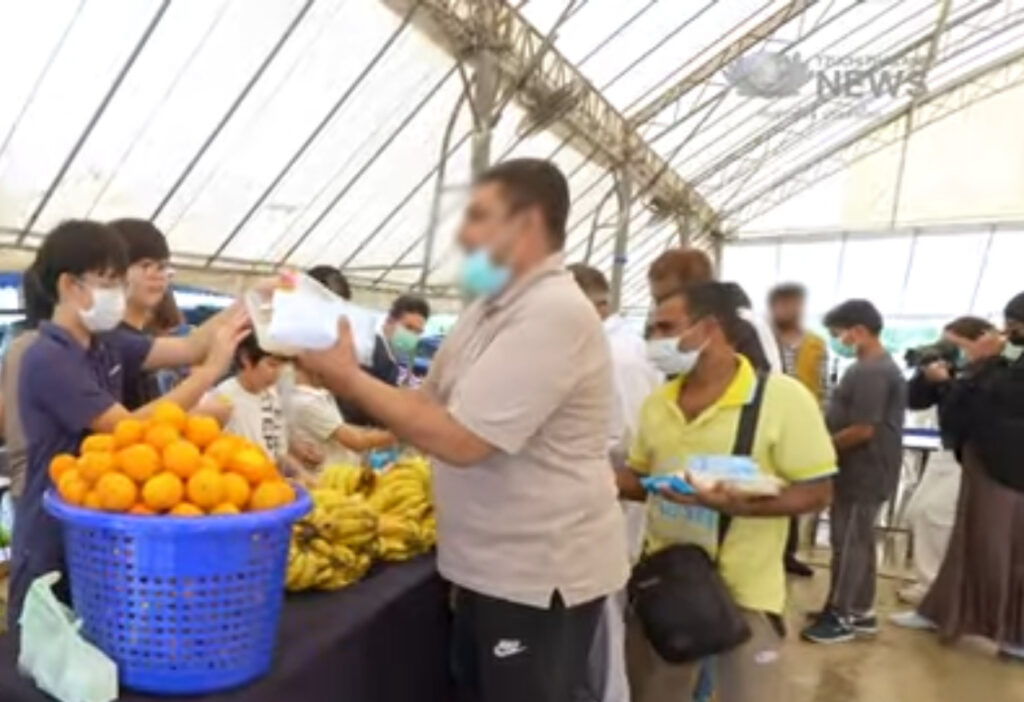
Healthcare inequality isn’t just an abstract global issue, it’s a daily reality for refugee children living in our own city. Lifeline’s top priority is to raise awareness and take action regarding healthcare inequality for refugee children in our community, ensuring that every child has access to essential medical care, regardless of their background or financial status. Through our partnership with the TzuChi medical clinic, we are dedicated to supporting children, those in need, and refugees and asylum seekers that require medical attention and other forms of support but do not have the resources to acquire it.

In Bangkok especially, it can be immensely difficult for refugees to access safe, reliable healthcare, particularly for children with critical conditions. While Tzu Chi Foundation provides compassionate medical support to those who cannot afford it, many refugee families still struggle to cover the full costs of urgent and even basic essential treatments, which can reach up to 50,000 baht per child. Our club works to bridge this gap by taking both indirect action – raising funds – and direct action – volunteering to support these children. In doing so, we ensure they receive the care they need and deserve whilst drawing attention to the wider issue of unequal healthcare access in our home city.
Fundraising is one aspect of our club, we do so by organizing events such as bake sales, and fun-day activities that bring our school community together whilst raising crucial funds simultaneously. This year, we aim to raise a minimum of THB 30,000, with the long-term goal of covering the full medical expenses for lifesaving surgeries and treatments for at least two refugee children. These lives – the children’s futures – will be changed forever, for the good. Whilst this number may not seem enormous alone, this only further highlights how frighteningly expensive these treatments can be, and what vast differences small steps can make.

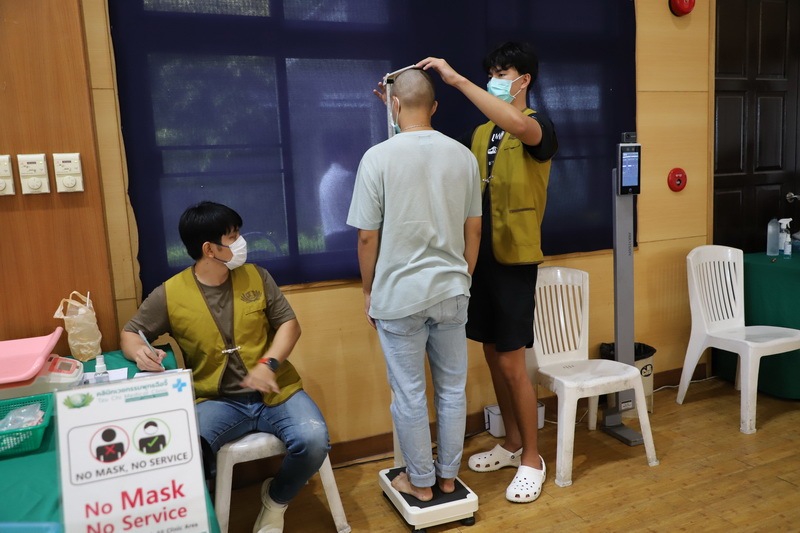
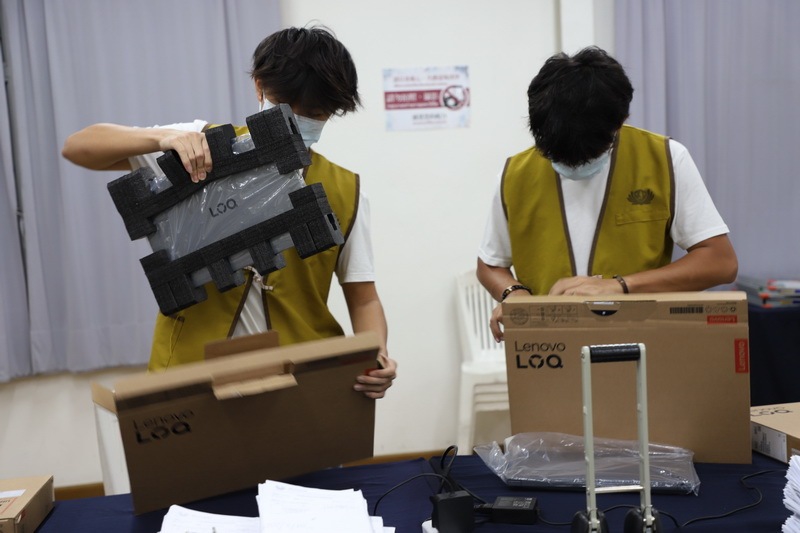
Not only that, our mission extends beyond fundraising. We strongly believe in direct engagement, encouraging students to get personally involved through awareness campaigns, events. Most importantly, during our weekly visits to the medical clinic, we volunteer alongside Tzu Chi staff and assist with tasks ranging from taking patient vitals and IT work, to translating for refugees, allowing them to effectively communicate with the doctors and overcoming language barriers. These trips emphasize the importance of diversity, being able to help people from all kinds of backgrounds. Proving just how much difference we can make. We believe this hands-on involvement not only provides immediate assistance to those in need, but also instills empathy, awareness, responsibility, and lasting commitment to social justice within our school community.
Share This Article

In this Issue

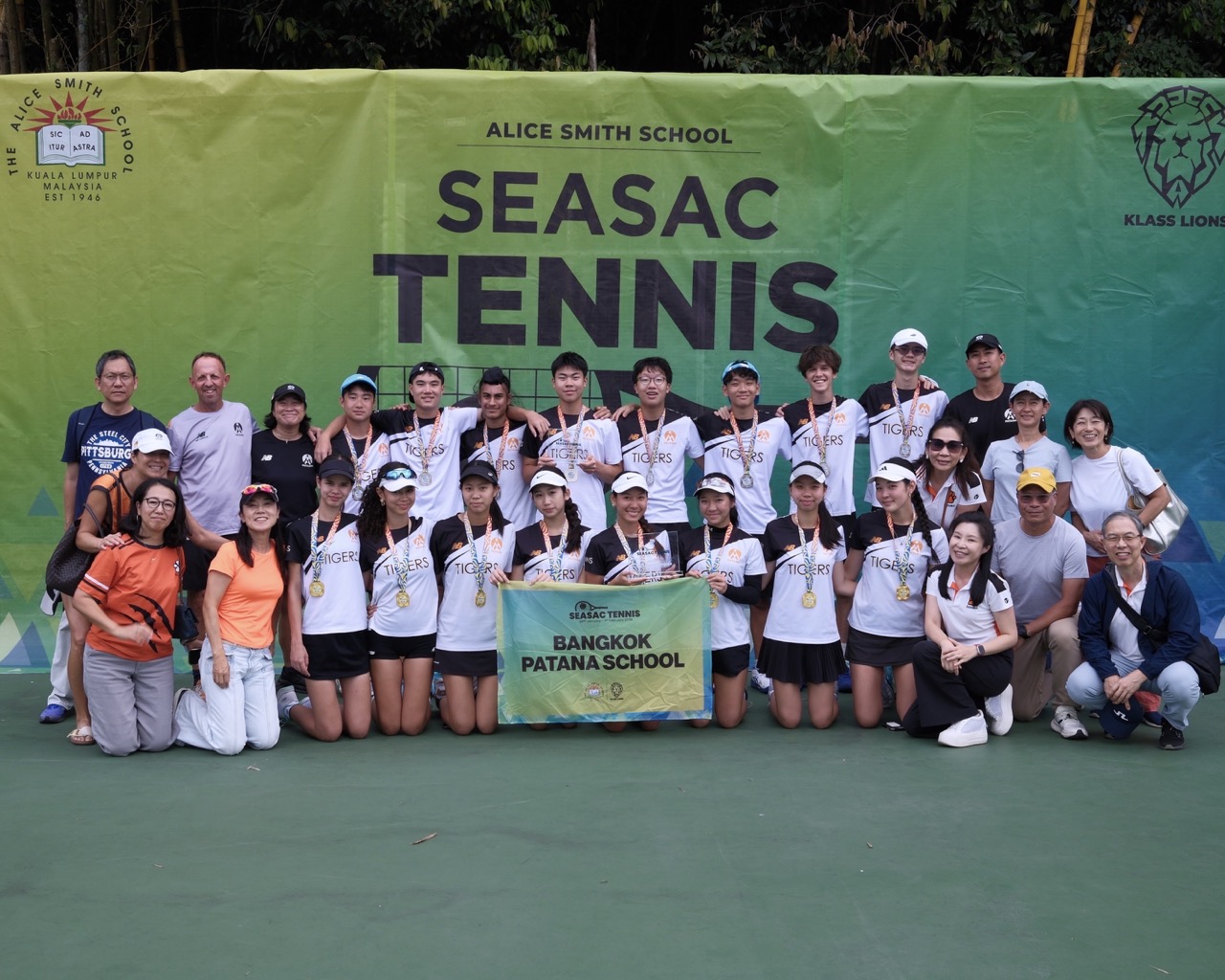
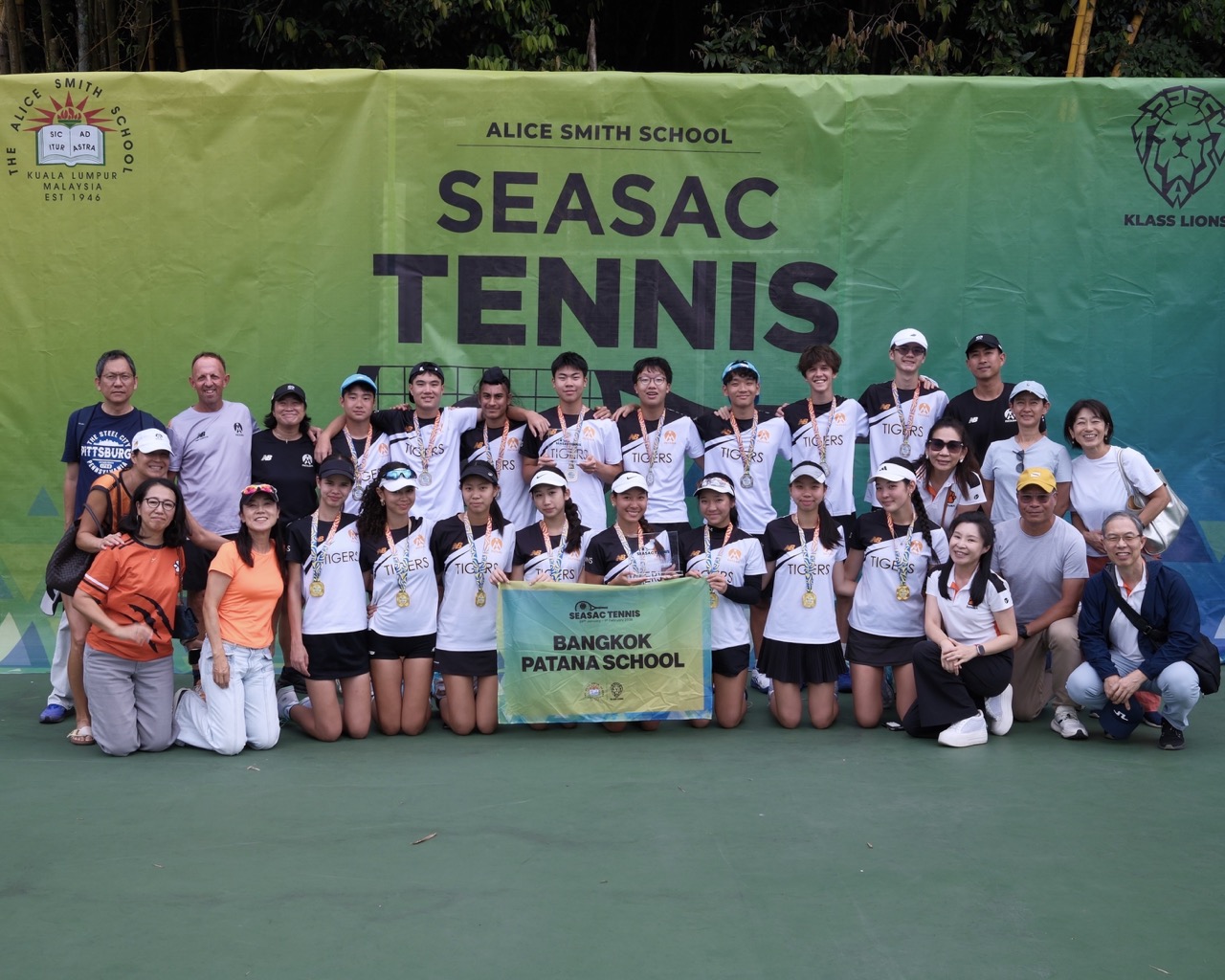
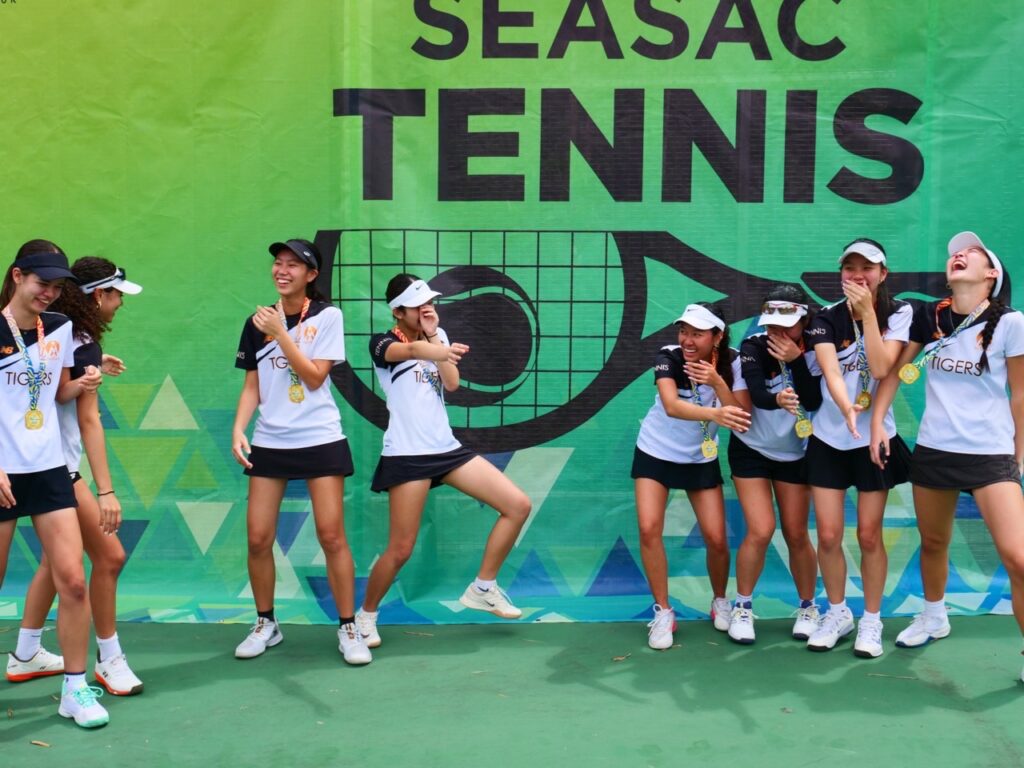
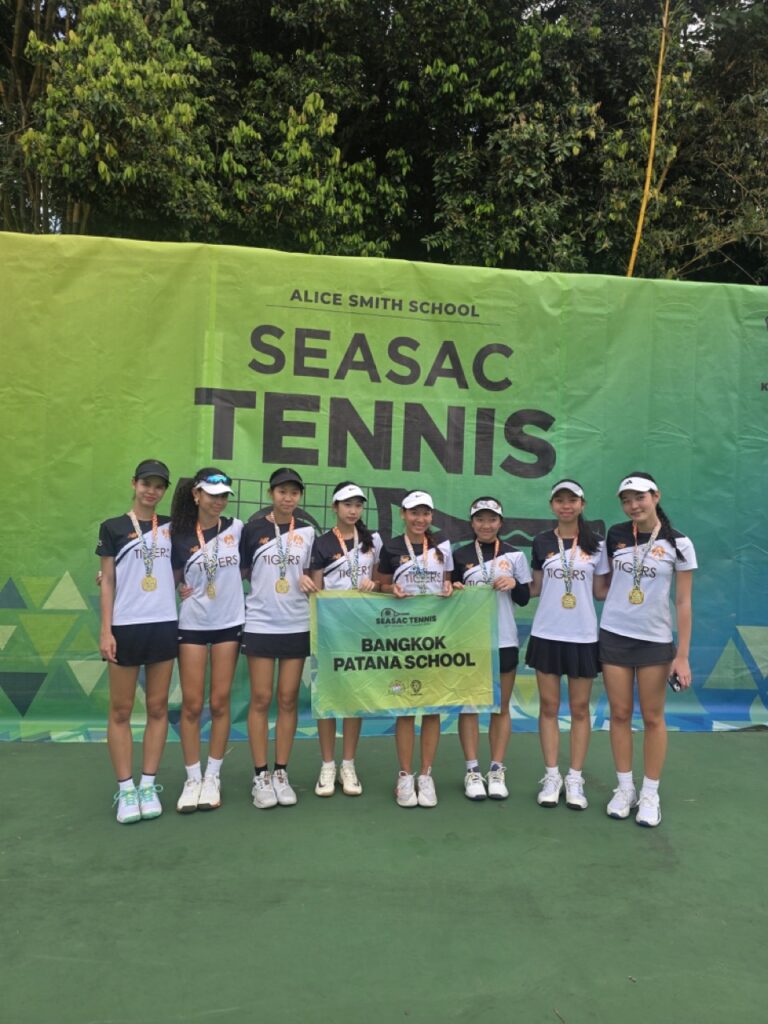
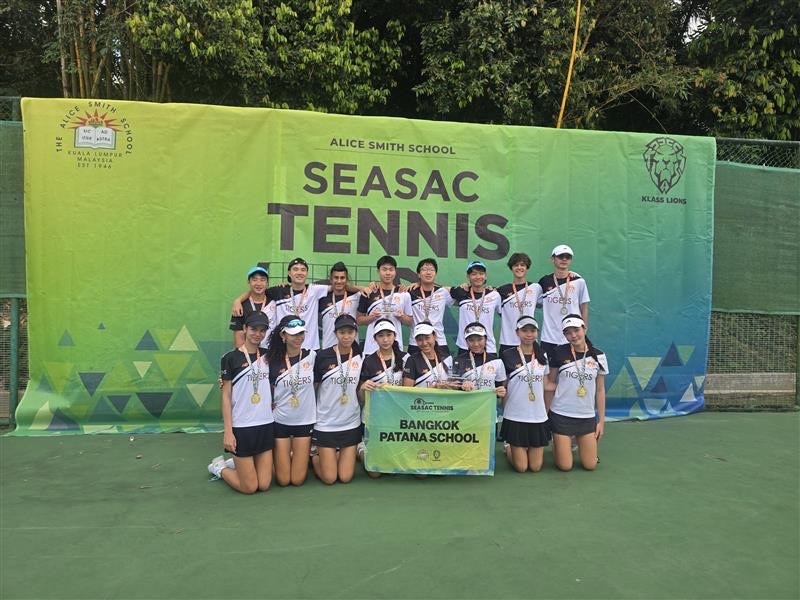
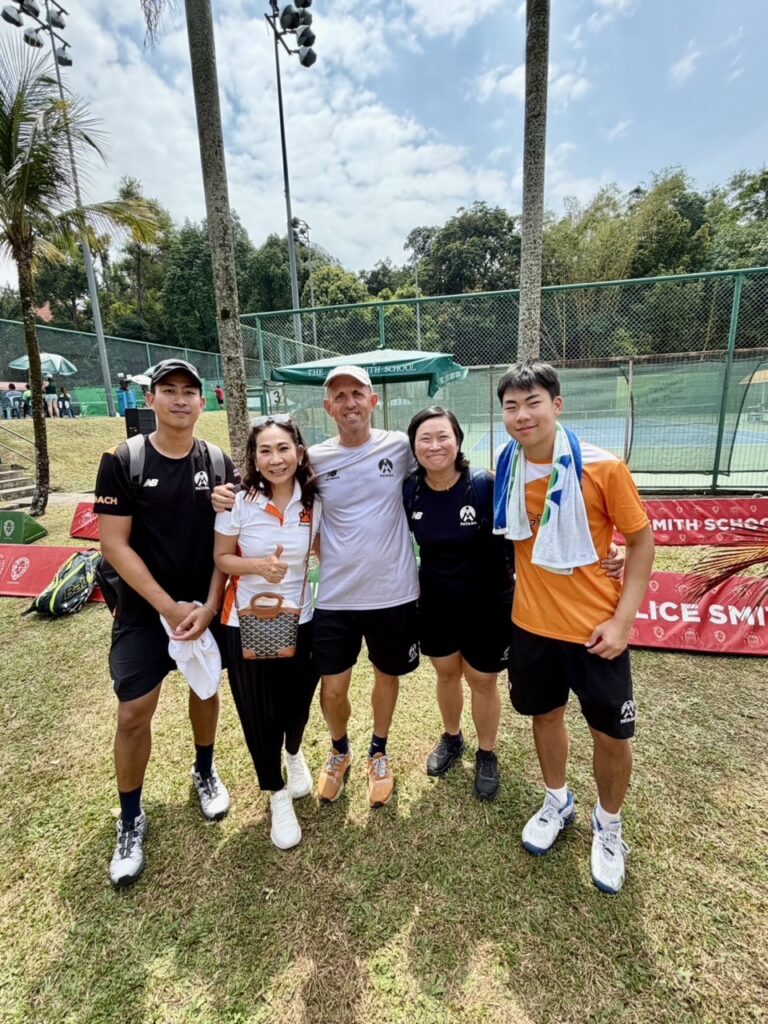
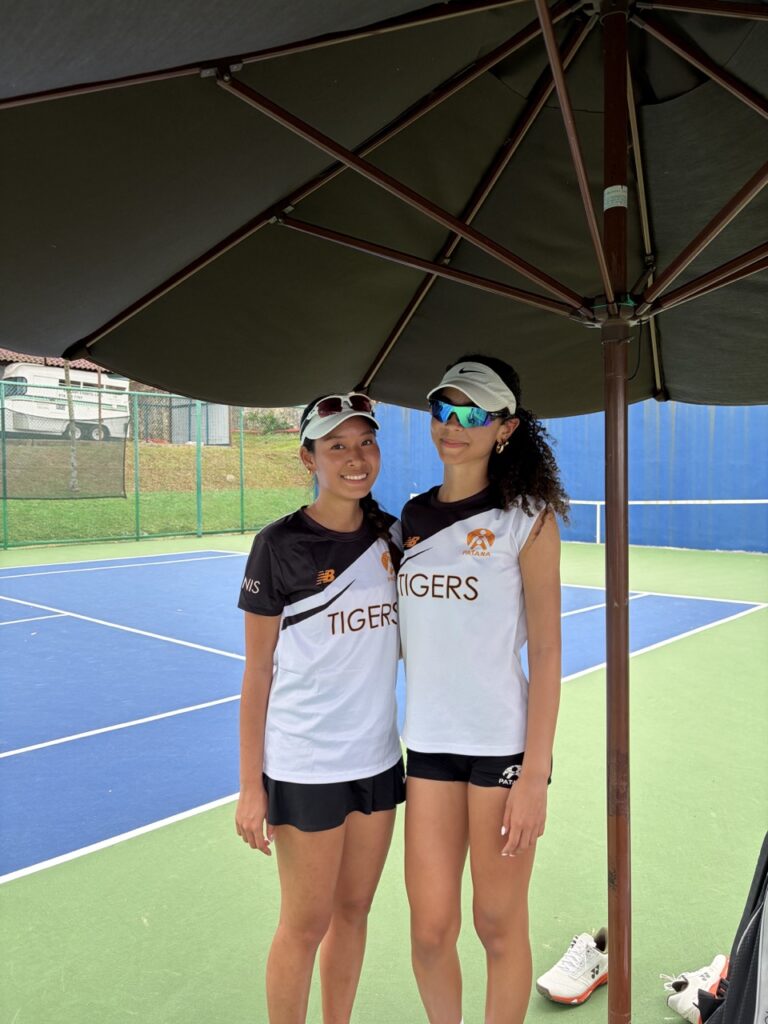
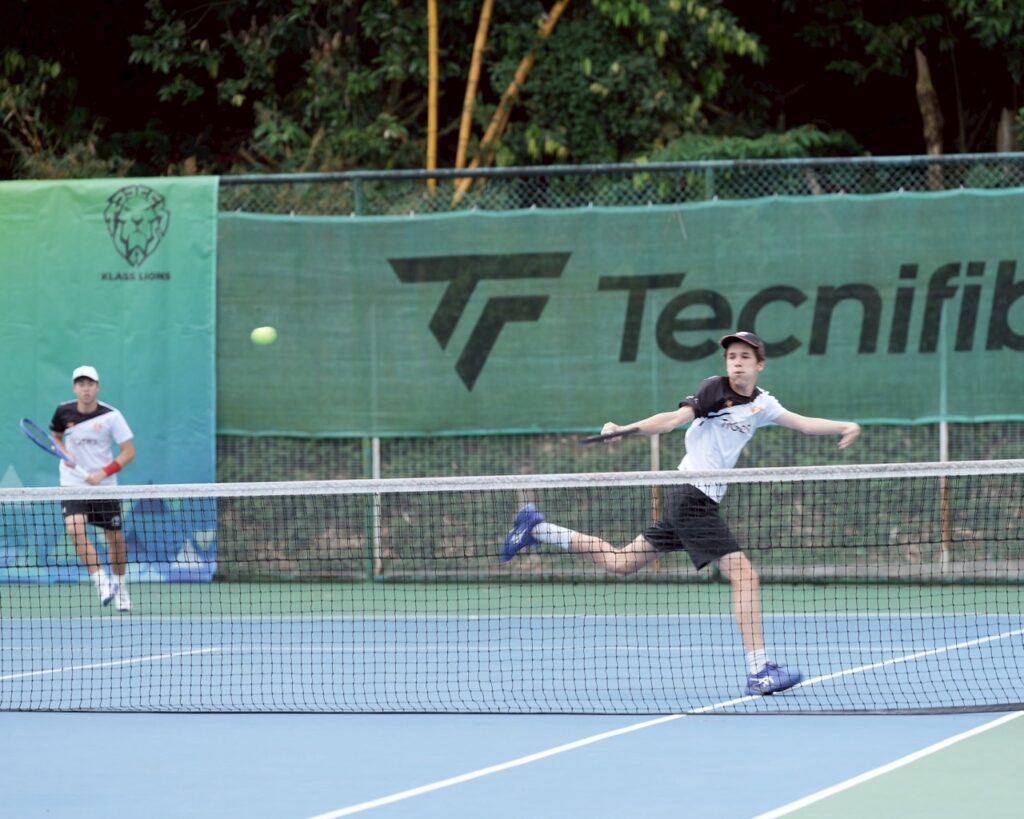
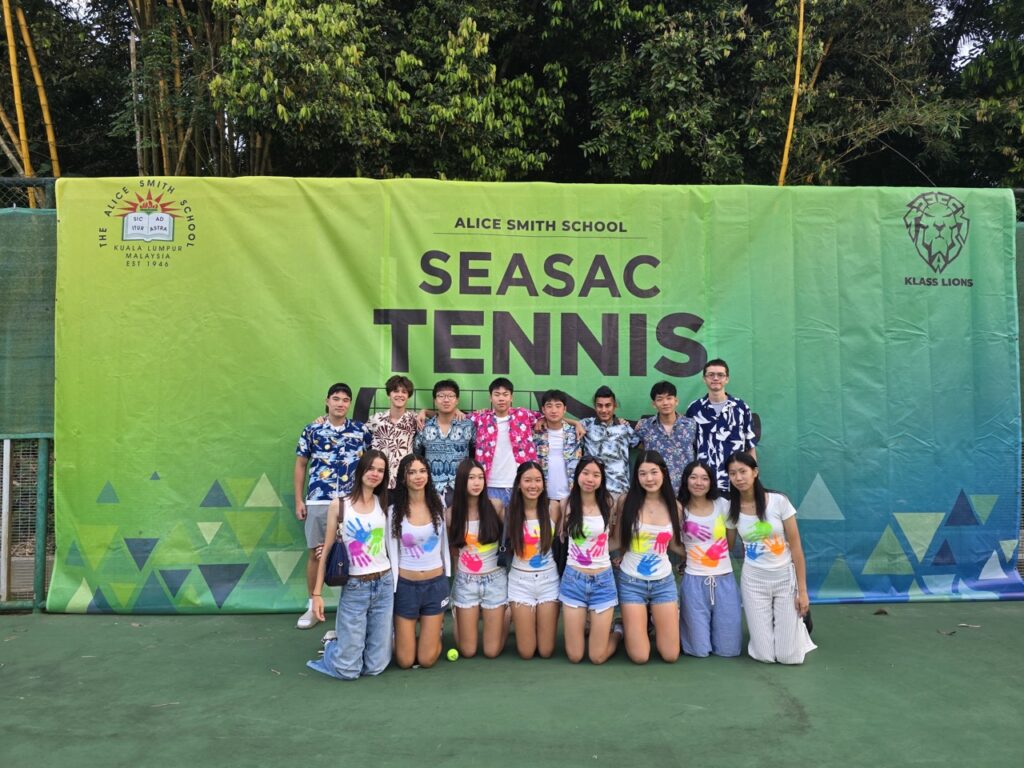
Tigers Deliver Strong Results at SEASAC TENNIS

Dan Ahl, Head Tennis Coach

For the first time since 2011 SEASAC Tennis took place in KL hosted by KLASS at the Bukit Kiara club.
After a busy and successful season, both the Boys and Girls travelled with a high sense of anticipation.
As the Girls had lost in last years final they were seeded 2 and were looking to go one better, whereas the boys were seeded 5 so had a trickier route to the later stages.

Day 1 started bright and early for the boys with a 7.00am start against Garden International School, who we comfortably beat 5–0. The Boys then followed this up with a good win against CDNIS 3-2 with Pete and Phin winning the decider in the super tiebreak.

After a more leisurely morning the Girls arrived for the their opening match against cross town rivals NIST who put up a good fight but our girls were too strong and ran out 4-1 victors.

Day 2 was another early start for the Boys but as they only had one match also an early finish, the team were on point all match and defeated defending champions UWC East 3-2 with some excellent tennis highlighted by Anton who won his super tie break 16-14.

The Girls had a longer day with two matches which wasn’t helped by a lengthy rain delay late afternoon but they remained focused throughout beating BSJ 5-0 and UWC East 4-1 and with the last ball hit at 11.00pm, were grateful to get back to the hotel for a bit of rest.

Day 3 and semi finals is always a big day as win and guaranteed a medal but lose and in the dreaded 3rd/4th play off. The Boys faced off against Harrow, with whom we have had some fantastic matches over the years. Although the tennis wasn’t of the level of the day before, it was good enough to get us over the line and another 3-2 victory saw the Boys into the final for the first time since 2018! The Girls, however, shone and despatched CDNIS 5-0 and really looked strong with commanding performances from all players.

Day 4 and finals day saw the usual nervy moments but with both teams playing at the same time all three coaches had to make sure all players were settled and ready for the task in hand.

The Girls once again flew out of the blocks against UWC Dover who we had played in the last four finals with Asama and Anna winning their doubles match in straight sets, quickly followed by Mila in her singles and then Pip and Raichah sealed the victory with a commanding win to put us into an unassailable 3-0 lead – unfortunately Rinka and Amy were unable to finish the job off in style as due to time restrictions and immiinent flights the match was stopped as we had already won.

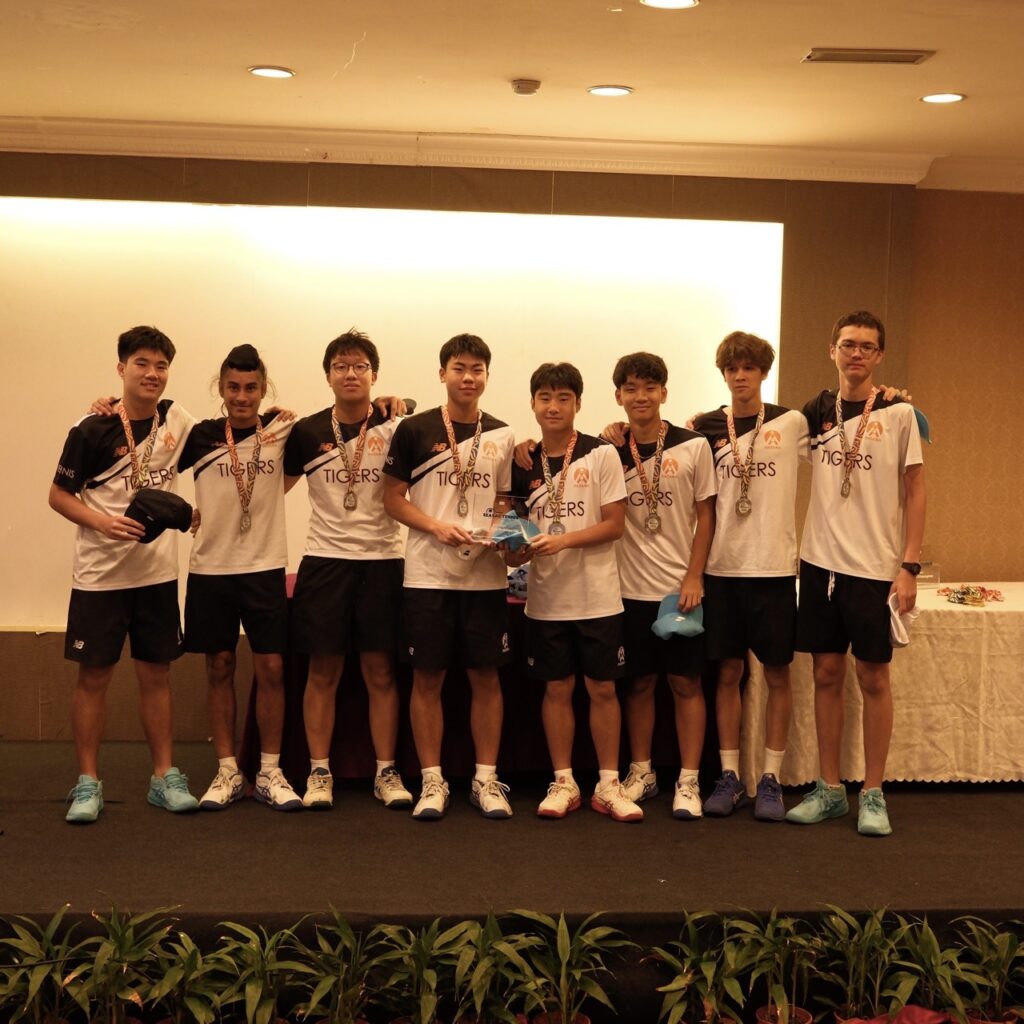
The Boys battled hard also against but UWC Dover but unfortunately couldn’t make any inroads and their match also ended at 0-3 with the Dover Boys just a bit stronger all round.

Overall it was a fabulous four days of tennis with a great group of students all working towards one team goal supported by Coach Gift and Pie who wealth of knowledge and experience gave all students a valuable insight into the matches. Thanks also to our parent support who were always there when needed but never too involved and a great help to all.

Finally, Congratulations to the Girls’ team whose legacy in this event is amazing as this was their 10th win since 2011 (not including Covid years) but their first in three years so memorable in many ways.

Teams
Girls – Pip Kaocharern (Captain) Rinka Bunsokuwan, Raichah de Sousa-Huynen, Asama Jittachalodhorn,Amy Soukvilay, Mila Chakrabandhu, Anna Wierda and Tatsha Kuansongtham

Boys – Parit Leenabanchong (Captain) Al Limvatanayingyong, Anton Limvatanayingyong, Justin Miller, Takeyoshi Aiyama, KK Anuras, Samrit Singh and Phineas Larmer-Beech

Share This Article

In this Issue

Top Performances from U11 Basketball!

Jayne Jauncey, Leader of Primary Physical Education

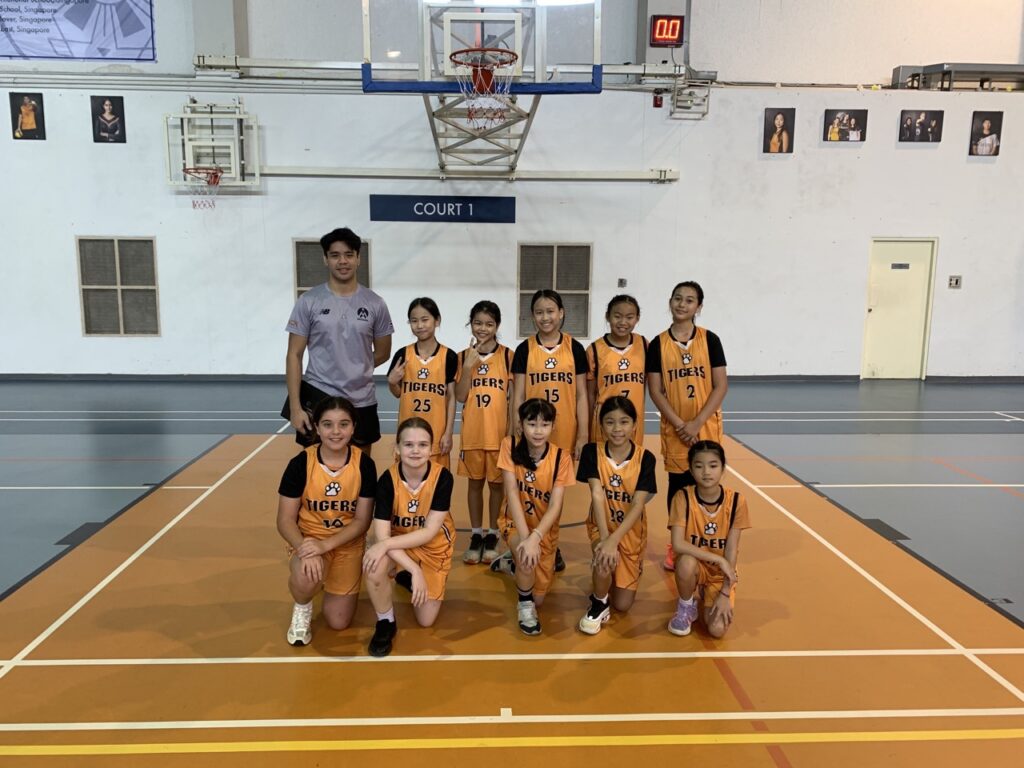
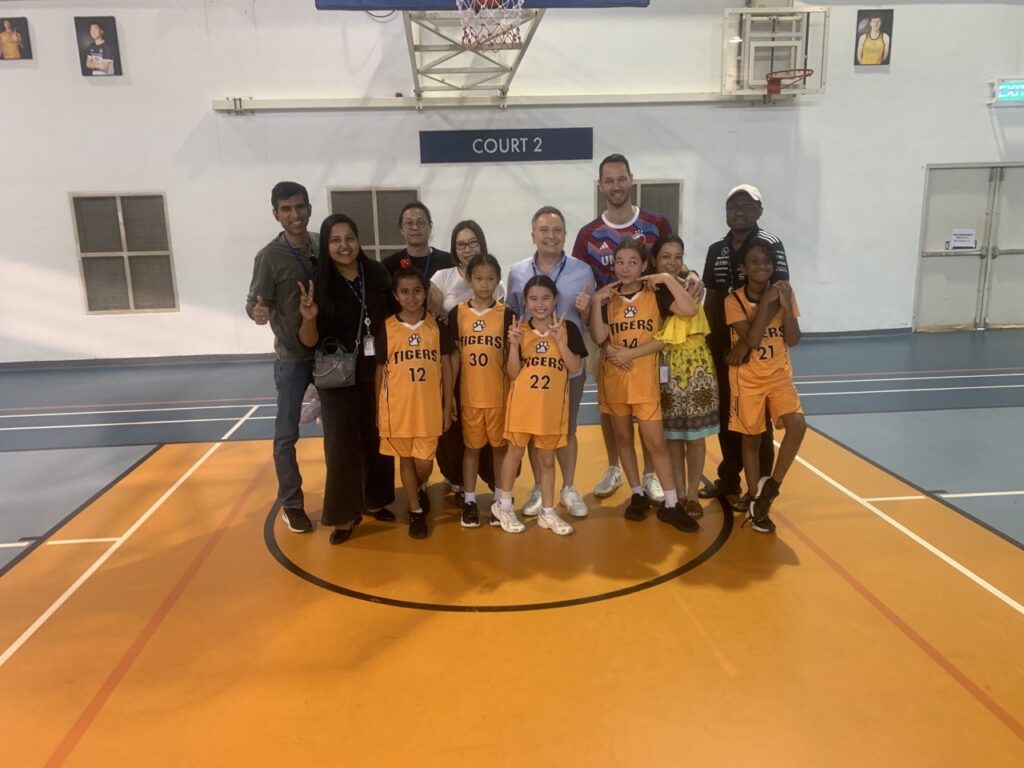
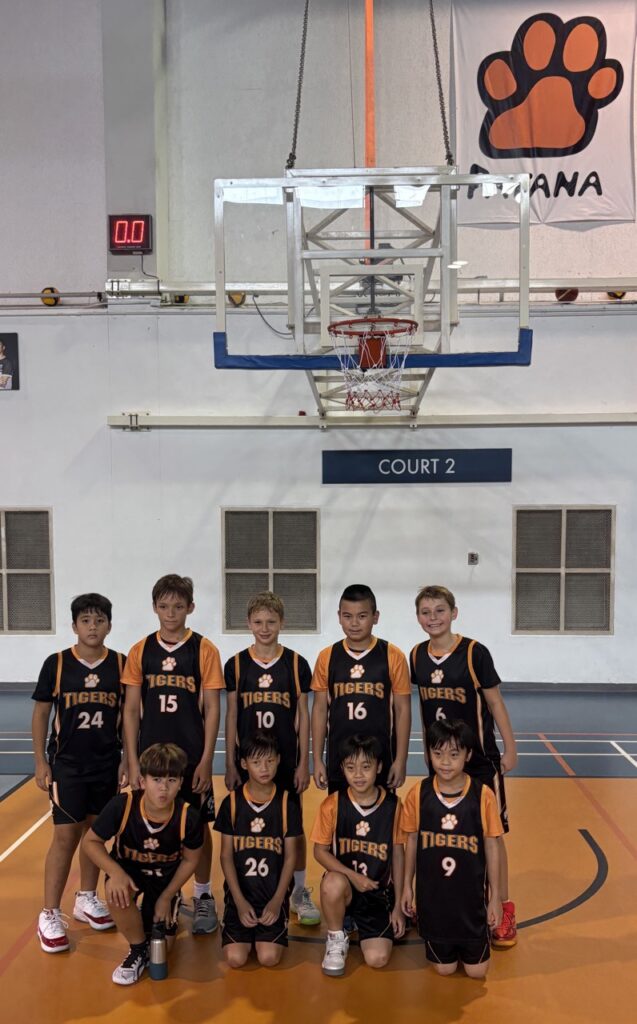
Last weekend, our Under 11 Basketball teams competed in the BMAC Basketball Competition, with nearly 50 Bangkok Patana students proudly representing the school. The one-day tournament brought together schools from across Bangkok and provided an excellent opportunity for students to showcase their development, teamwork, and growing understanding of the game in a competitive environment.

Throughout the day, students demonstrated impressive commitment, sportsmanship and enthusiasm, reflecting the hard work they have put into training over the last few ECA blocks. Both of our Cup squads showed outstanding determination and resilience against strong opposition. Our U11 Boys delivered a series of confident performances to finish in 1st place, while the U11 Girls battled superbly to secure an excellent 2nd place finish.

In the Festival competition, both Boys’ teams remained undefeated across all their games, displaying strong teamwork, effective communication, and good decision making under pressure. Our Girls’ festival team showed real grit, digging deep in each match and demonstrating clear improvements as the day progressed.

It was a highly successful event that highlighted not only our students’ basketball ability, but also their positive attitudes, perseverance, and willingness to support one another. All students involved were a real credit to Bangkok Patana School, and we are extremely proud of their efforts.

Share This Article

In this Issue

Tote-ally Sustainable: Junior Achievement Team Impress at National Competition

Nicholas Fieldhouse, Head of Year 10

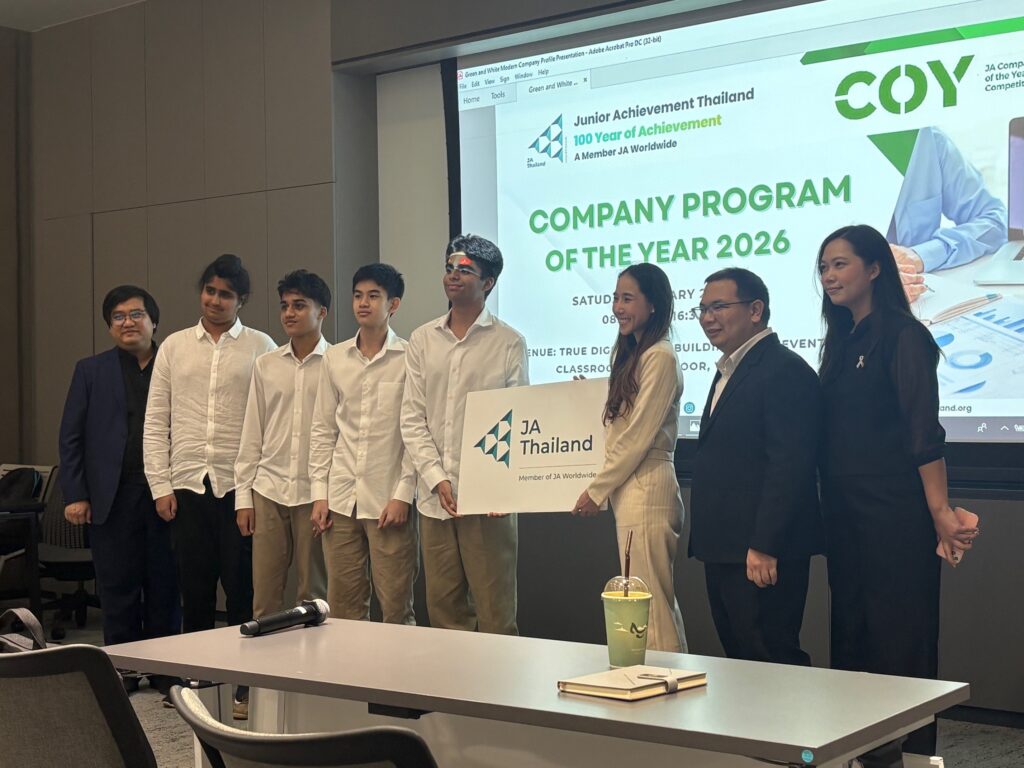
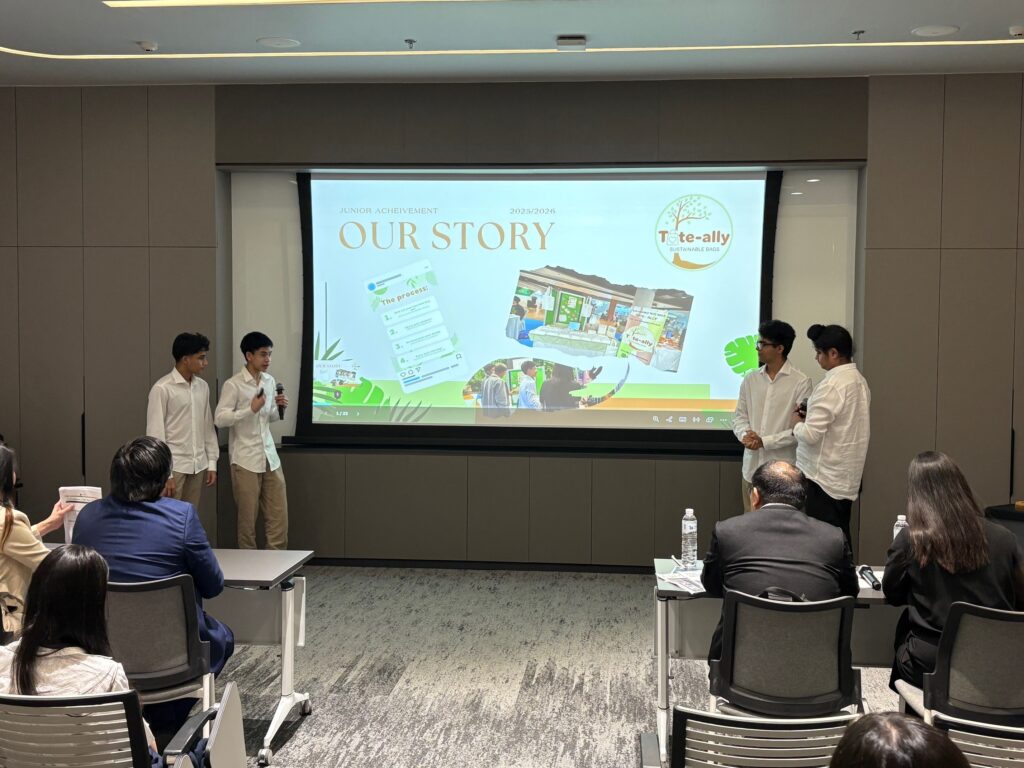
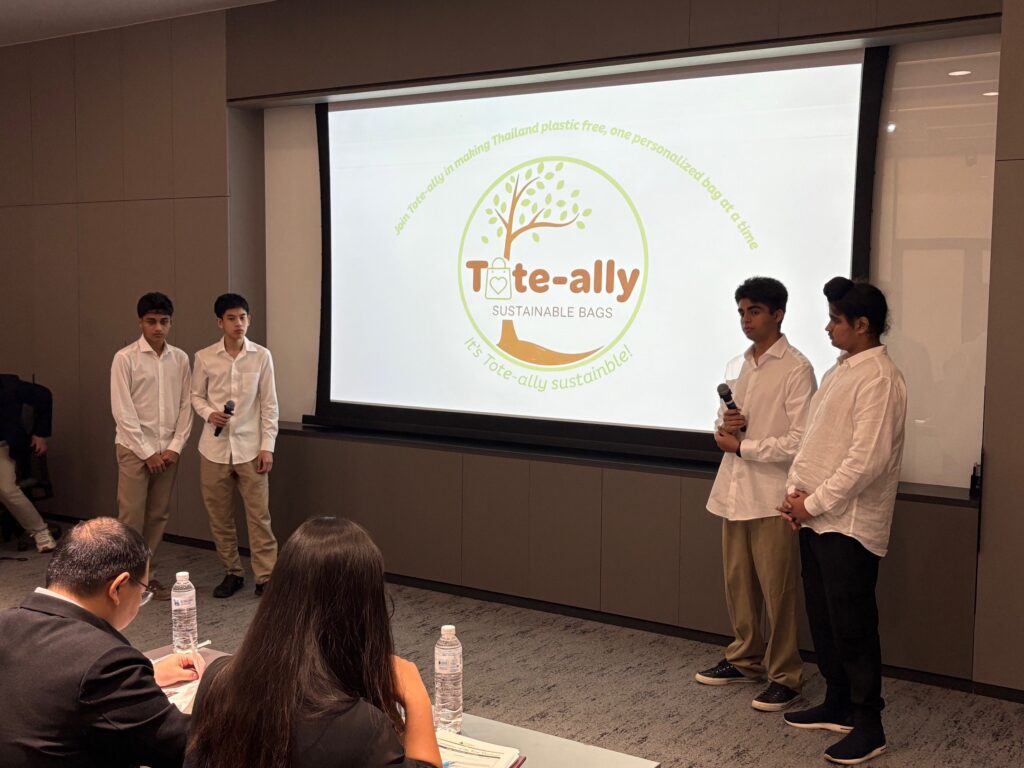
This year’s Bangkok Patana Junior Achievement team, Tote-ally, have represented the school with creativity, confidence and real entrepreneurial flair at the Thailand Company of the Year Competition 2026.

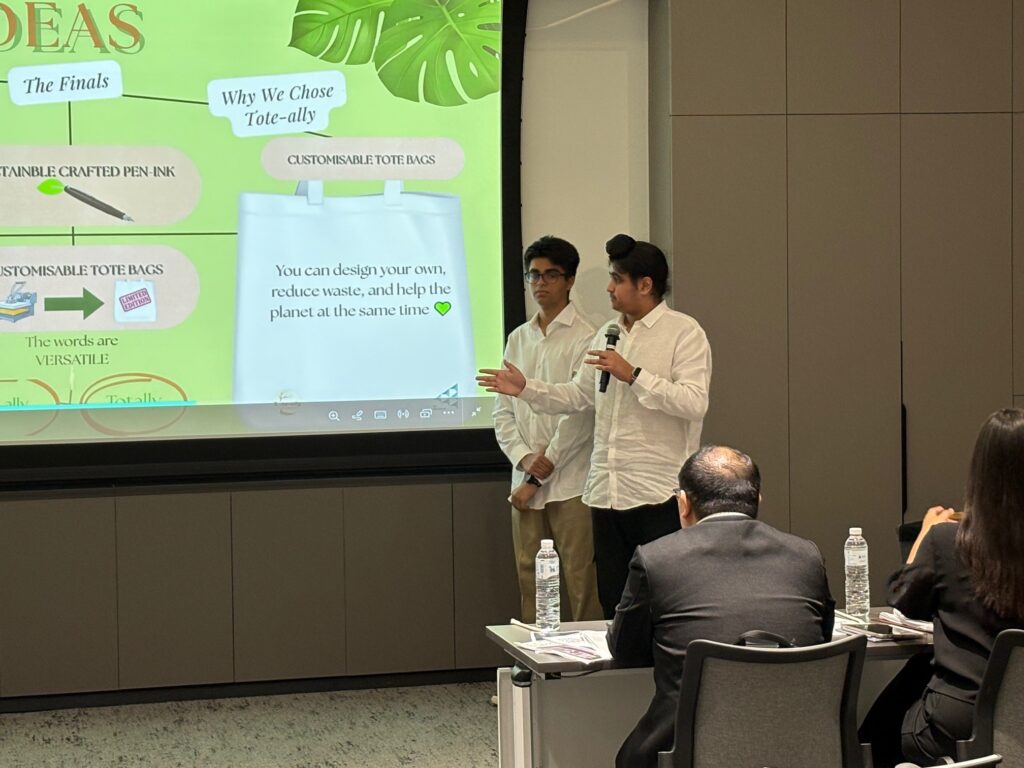
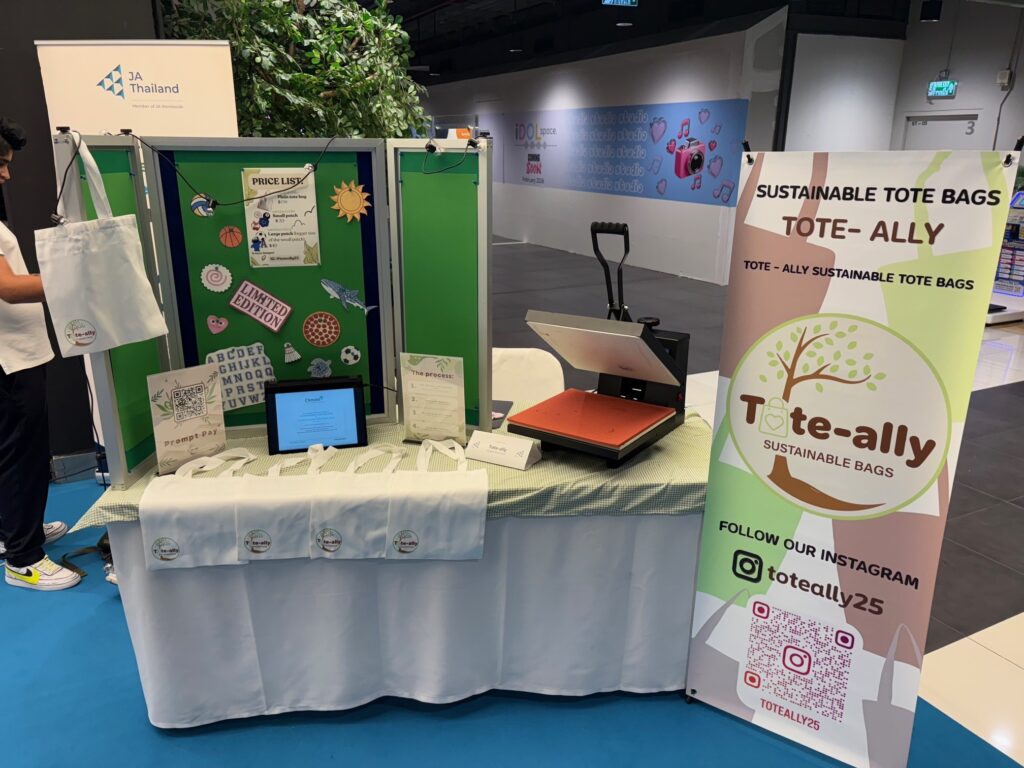
Made up of students from Years 10 to 13, Tote-ally set out to design a product that was both commercially viable and socially responsible. Their answer: customisable tote bags, created on the spot for customers, promoting sustainability, individuality and creativity.

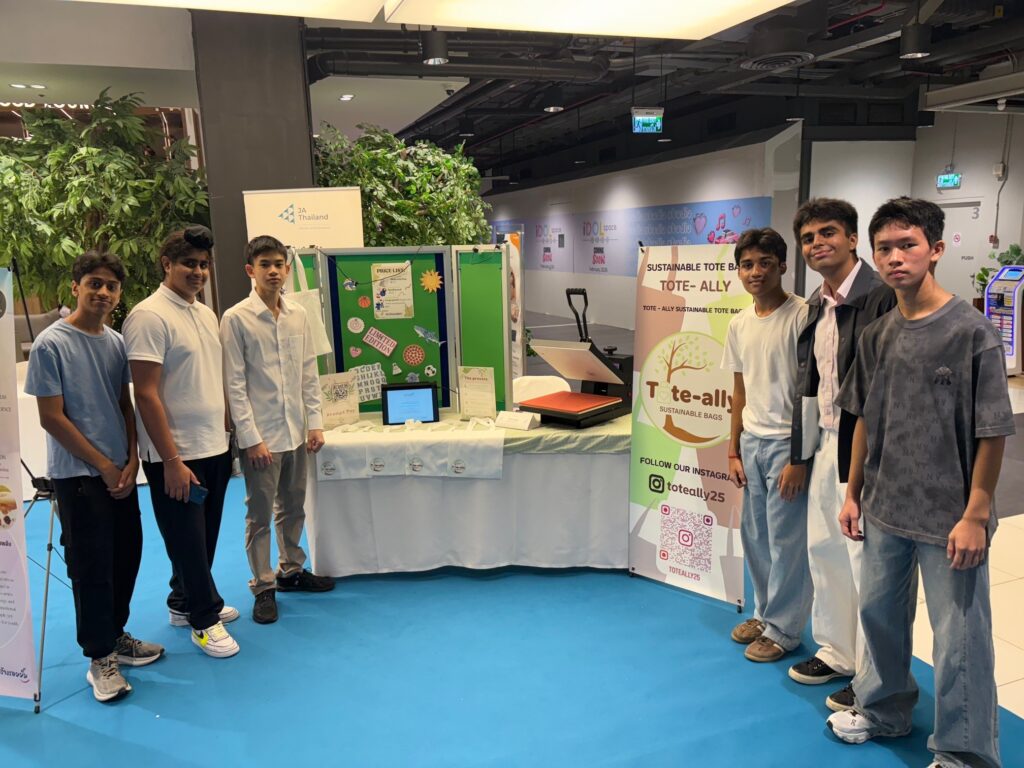
The first stage of the competition took place at a busy Trade Fair at Gateway Ekkamai on 17th January. Here, the team were tasked with setting up and running a professional sales stall, selling directly to members of the public. Throughout the day, students confidently explained their product, demonstrated the live customisation process, and fielded challenging questions from a panel of judges — all while successfully generating sales in a real-world retail environment.

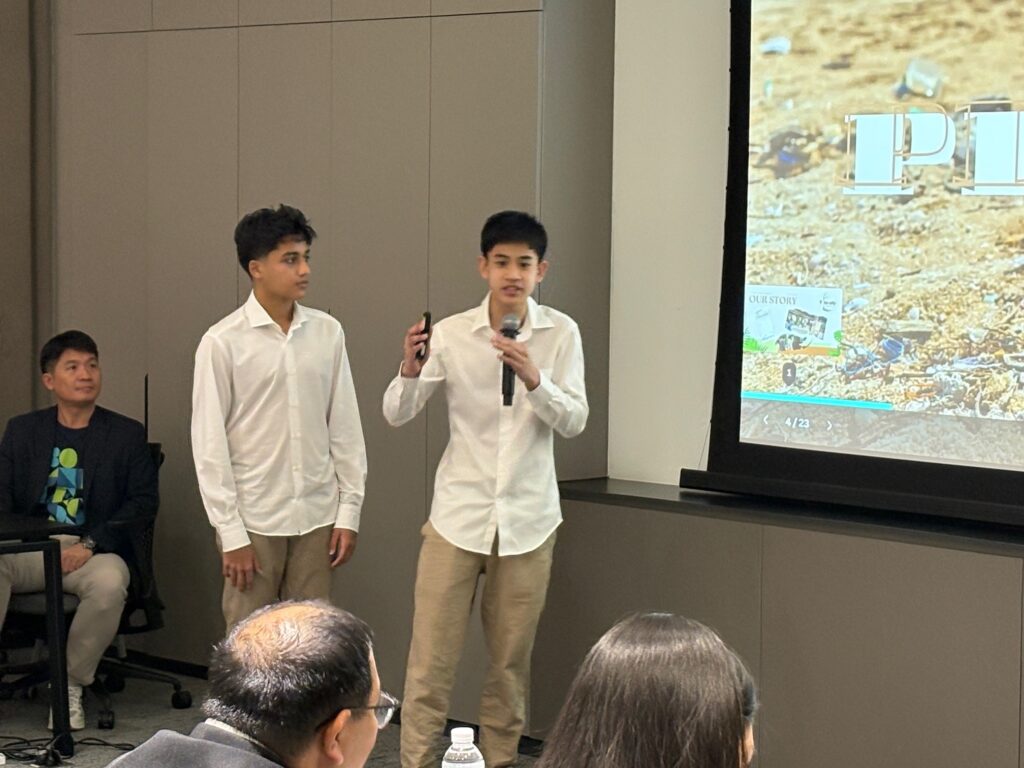
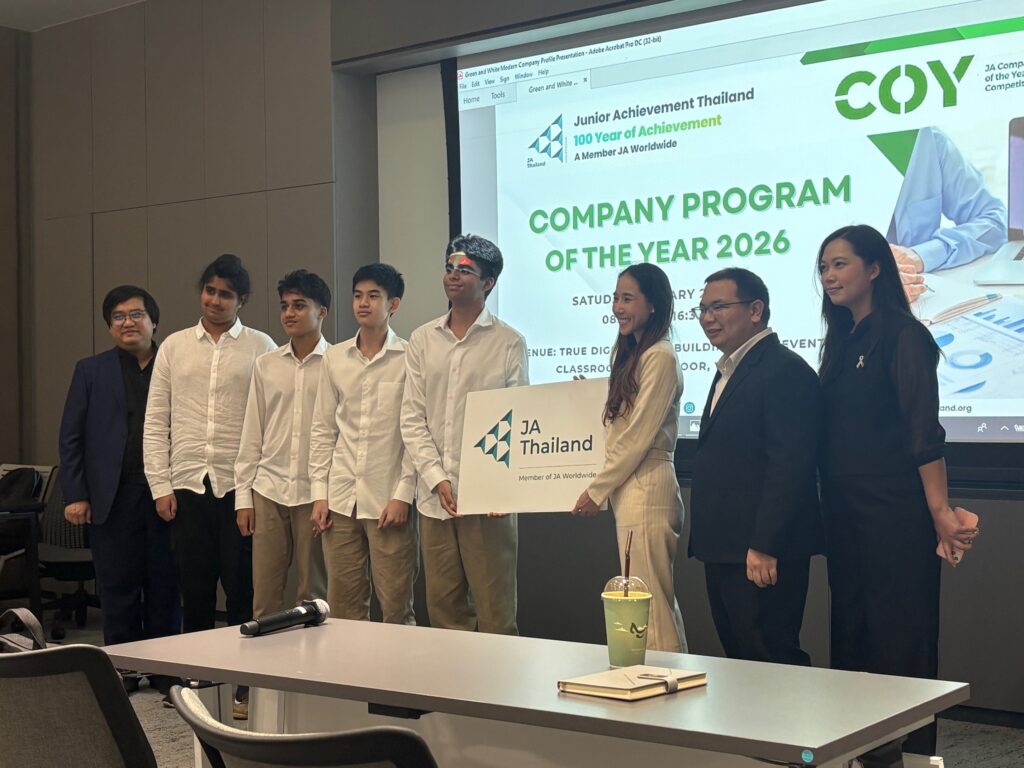
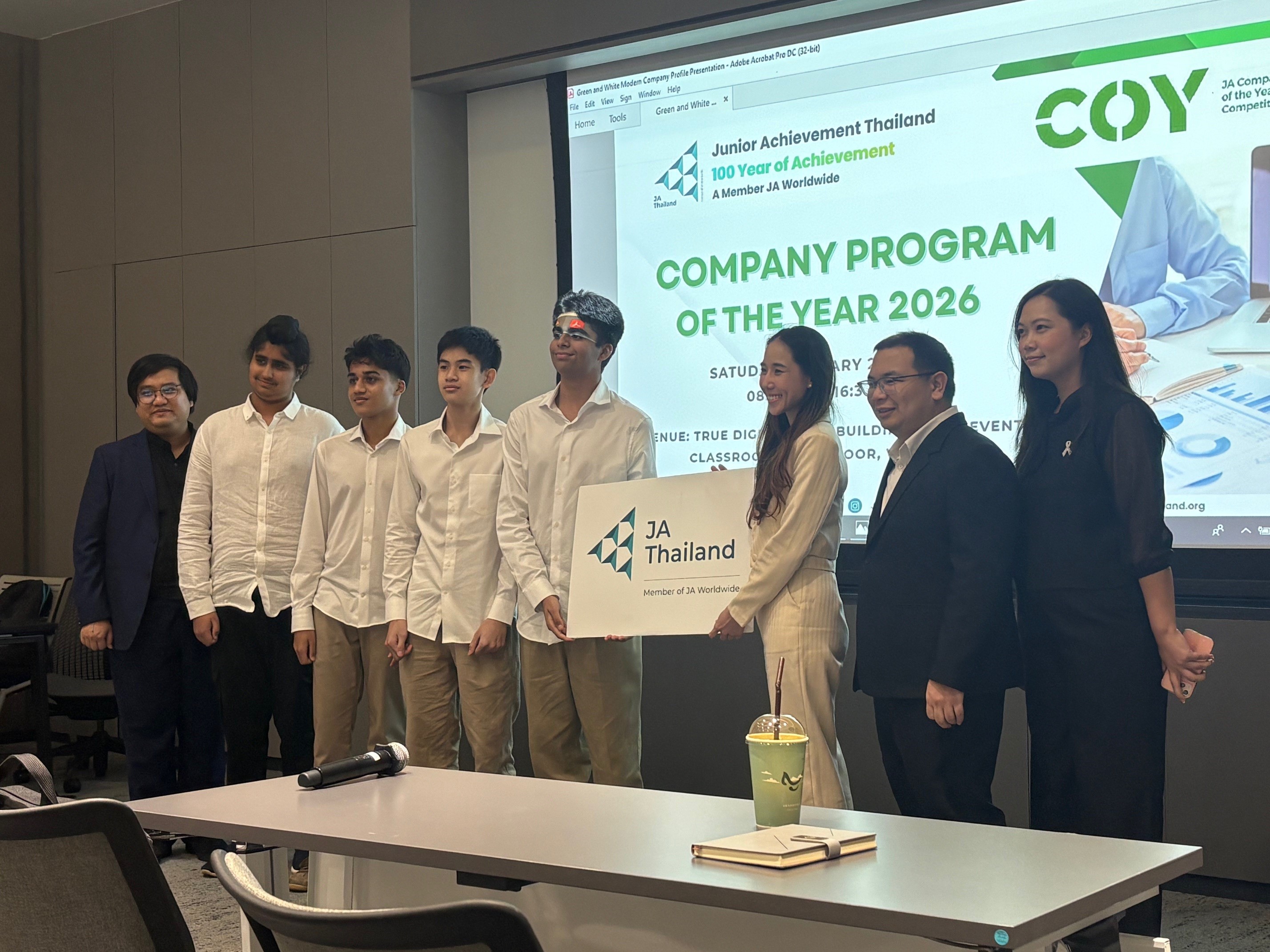
The second and final stage followed a week later at True Digital Park on 24th January, where teams were assessed on the strategic side of their business. Tote-ally presented a polished company report, delivered a clear and engaging business pitch, and performed strongly in their formal interview with the judges. Their preparation and teamwork were rewarded when they received a special award for Marketing, with judges particularly praising the unique customisation element of their product and the way it enhanced customer experience.

Beyond the competition itself, Tote-ally’s journey has given students first-hand experience of teamwork across year groups, financial planning, marketing strategy, sustainability, and public speaking — all key aims of the Junior Achievement programme. Their work demonstrates how enterprise education can empower students to turn ideas into action with confidence and purpose.

The Tote-ally team are not finished yet. Their next selling opportunity will be at Patana Fun Day on Saturday 14 March, where the school community will have the chance to support the team and design their own Tote-ally bag. Congratulations to all students involved for representing Bangkok Patana School so positively — and tote-ally sustainably!

Share This Article

In this Issue

Design our 70th Anniversary Logo!

Share This Article

In this Issue

Design our 70th Anniversary Logo!

Share This Article

In this Issue

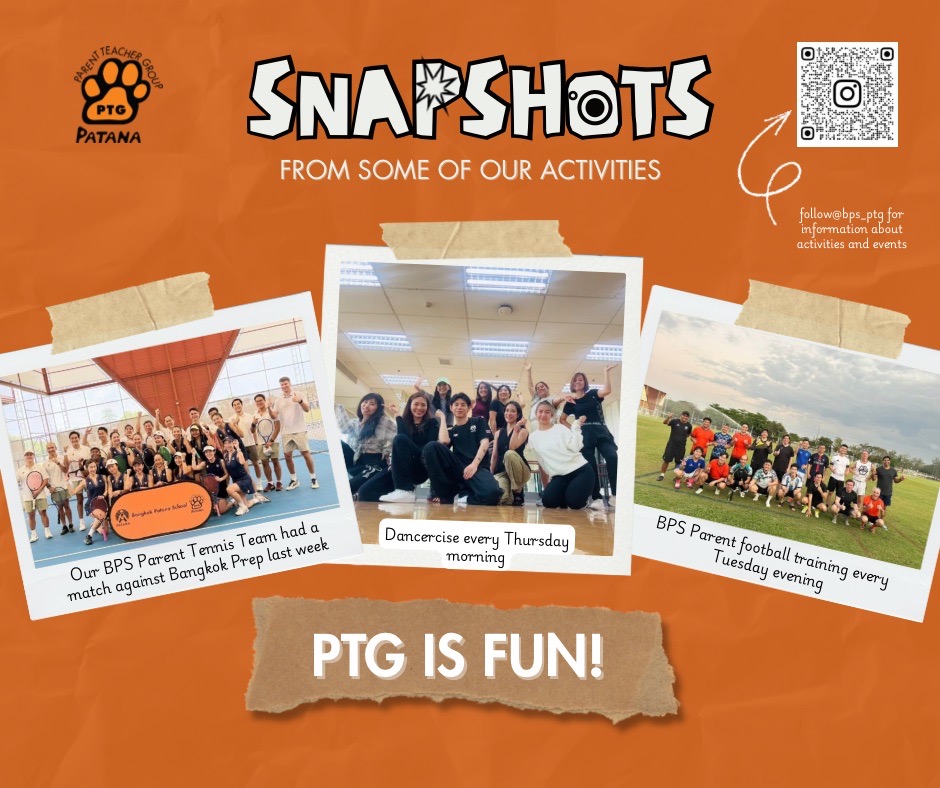
PTG Updates

Share This Article

In this Issue

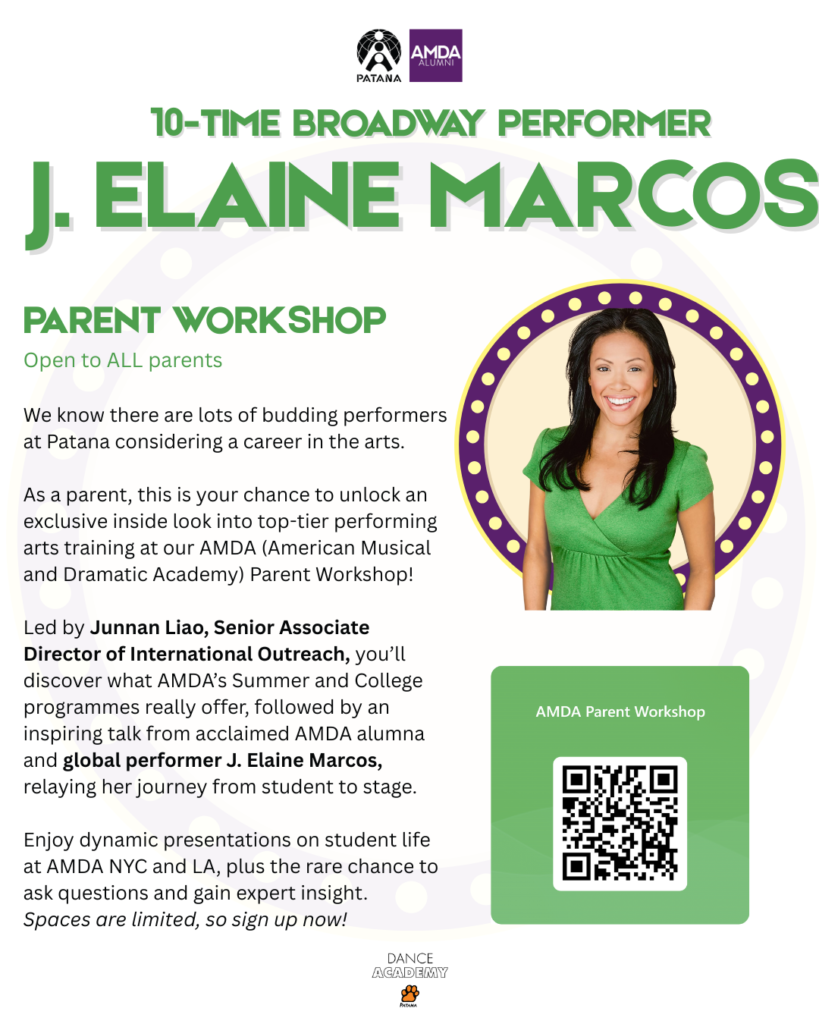
Upcoming Events

Share This Article

In this Issue

© 2025 Bangkok Patana School

Issue: 19
Volume: 28
Bangkok Patana School
Privacy Overview

This website uses cookies so that we can provide you with the best user experience possible. Cookie information is stored in your browser and performs functions such as recognising you when you return to our website and helping our team to understand which sections of the website you find most interesting and useful.