
Back in September 2003, I worked in Beijing for three months in a High School as part of a government programme supporting English language development. It was an extraordinary experience and came just before I began my formal teacher training in London. I had already completed my TEFL qualification and spent a year working in Bari, Italy, but I was still very new to teaching. Standing in front of classes of up to 70 students was both exciting and daunting. I relied heavily on energy and positive relationships, but I did not yet have a clear framework for ensuring that every student was genuinely thinking and learning.
Over time, research and experience have sharpened my understanding of what makes learning stick. Within our Primary Teaching and Learning Framework, one of the four quadrants is entitled Ensuring Participation. This is where we focus on designing lessons so that every student is expected to think and contribute. Shared, universal practices create consistency across classrooms and give us a common language for what high quality teaching and learning looks like.
One of the strategies within this quadrant is Make Everyone Think. Drawn from Tom Sherrington’s Teaching WalkThrus collection, it forms part of our shared bank of carefully chosen approaches and provides a clear structure for designing lessons where thinking is deliberate and inclusive.
The research underpinning this strategy comes from cognitive science. Daniel Willingham, author of Why Don’t Students Like School?, writes that “memory is the residue of thought,” meaning students remember what they have genuinely thought about. Because working memory is limited, learning strengthens when students retrieve prior knowledge, connect new ideas and use them actively. Make Everyone Think translates this research into practical, step-by-step routine that keep participation consistent and purposeful.
In this strategy, we start by activating prior knowledge. Teachers begin by asking students to recall what they already know, before introducing something new. Retrieval strengthens memory and helps children make connections. An example of this might be starting a Year 4 maths lesson with three short questions from the previous lesson before moving on to a new concept.
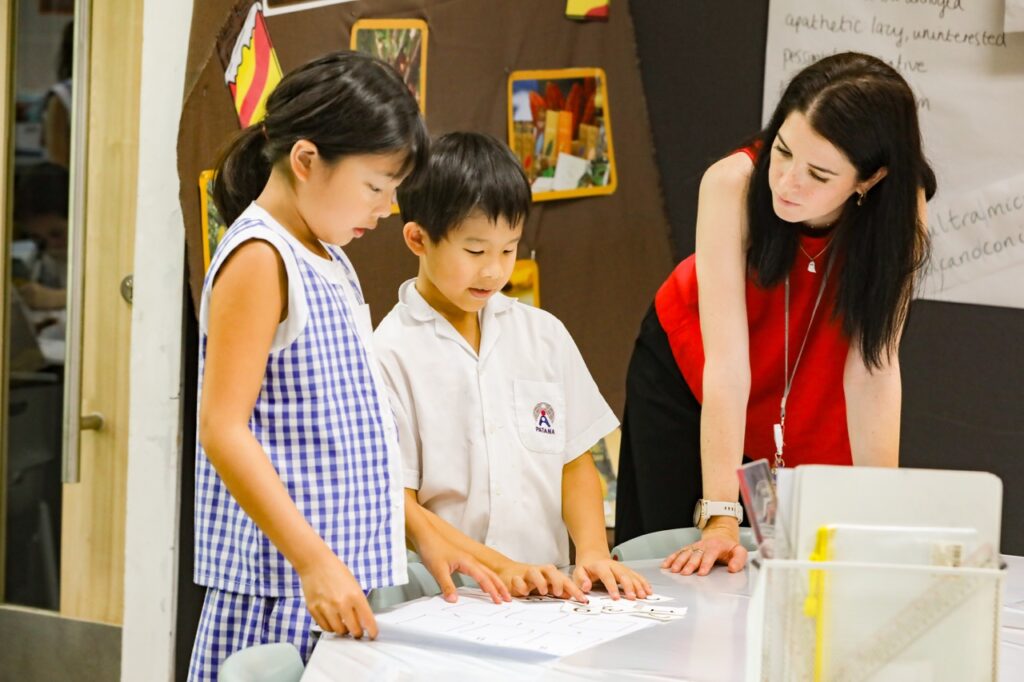
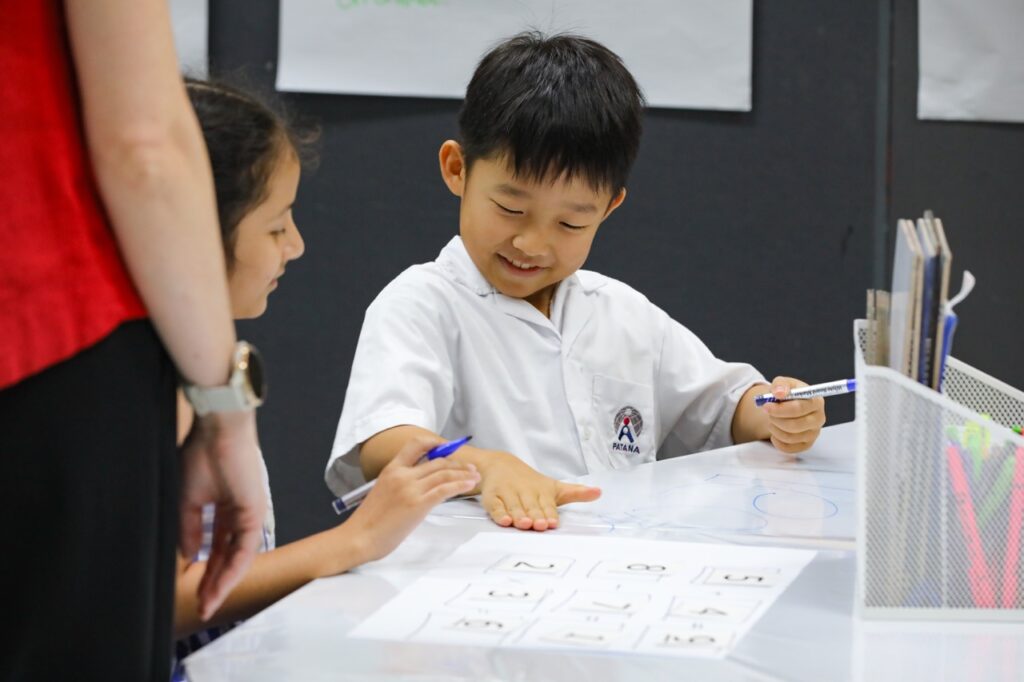
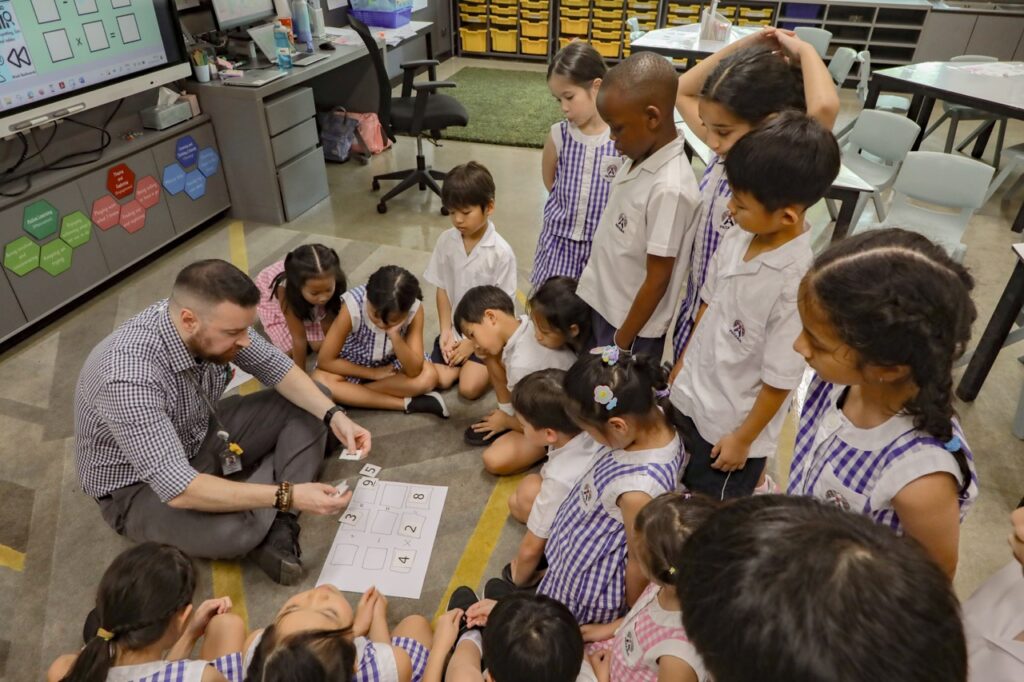
Secondly, we stimulate schema-building. Learning is organised into connected patterns, not isolated facts. Teachers design tasks that help students sort, compare, categorise and link ideas so that understanding becomes structured and secure. For example, in Science, students might group materials by properties and explain the similarities and differences before conducting an experiment.
Thirdly, we systematically involve all students. Well embedded routines such as mini whiteboards, structured partner talk, retrieval quizzes and thoughtful ‘cold calling’ mean that every child is expected to think and respond. For instance, in Literacy, students might first discuss an answer with an elbow partner and then be asked to explain their reasoning to the class, ensuring everyone prepares a response.
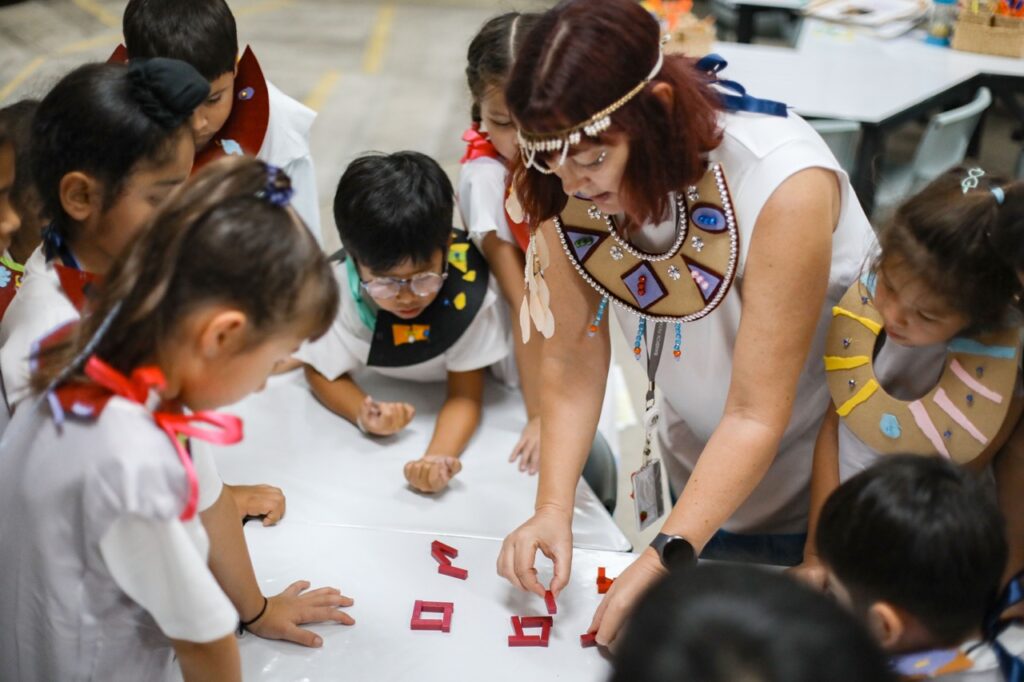
Fourthly, we use narrative and challenge. Students think more carefully when there is a dilemma or interesting problem to solve. For example, in a Year 3 History unit on Ancient Egypt, students might be asked to design a pyramid with only a few number of workers and justify the choices they make. Framing learning through a realistic problem encourages reasoning, decision-making and application of knowledge, beyond simple recall.

Finally, we embed explicit thinking goals within task goals. The aim is not only to complete the activity, but to explain choices, justify answers and apply learning independently. In practice, this might mean asking students to justify which method was most effective in maths or to explain why one historical interpretation is stronger than another.
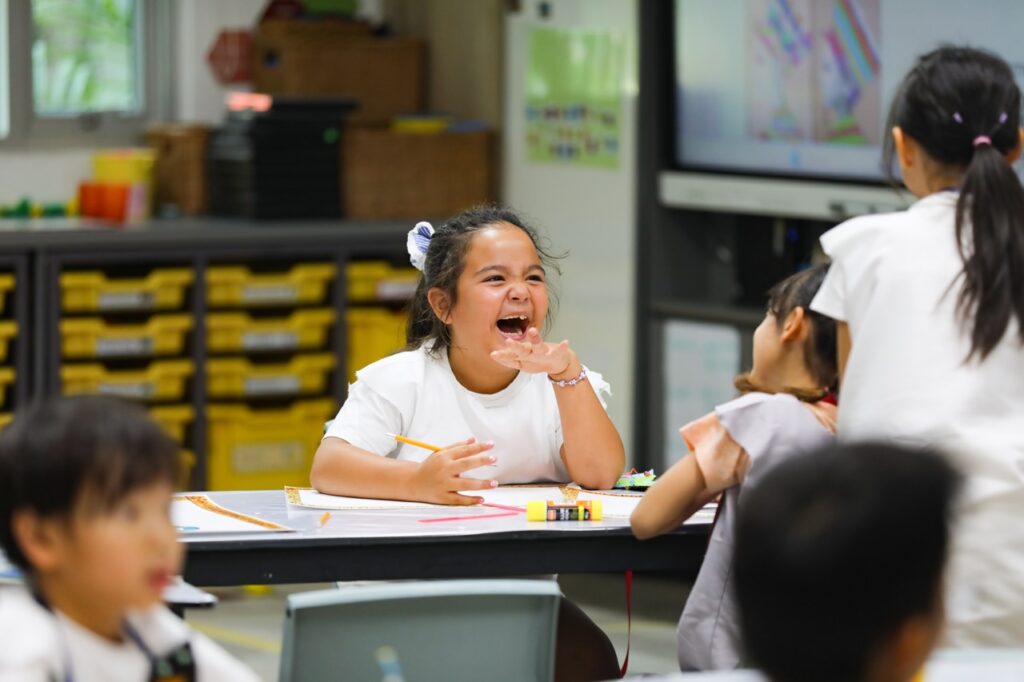
Through Ensuring Participation, and evidence-based strategies such as Make Everyone Think, we are creating a culture where every pupil is expected to think carefully and contribute consistently. This is certainly evident when I spend time in class on learning walks, where I see that our students are motivated, engaged and energised. We are also seeing the impact in our outcomes, as strong participation is translating into deeper learning and improved progress over time.
Looking back to my time in Beijing, I often reflect that having a clearer understanding of these approaches would have given me far more confidence when teaching that wonderful High School class. More importantly, it would have helped those students gain more from each lesson, enabling them to become more secure in using new English and find their own voice in a busy classroom.