Make Everyone Think!

Sarah McCormack , Primary Principal

Back in September 2003, I worked in Beijing for three months in a High School as part of a government programme supporting English language development. It was an extraordinary experience and came just before I began my formal teacher training in London. I had already completed my TEFL qualification and spent a year working in Bari, Italy, but I was still very new to teaching. Standing in front of classes of up to 70 students was both exciting and daunting. I relied heavily on energy and positive relationships, but I did not yet have a clear framework for ensuring that every student was genuinely thinking and learning. 

Over time, research and experience have sharpened my understanding of what makes learning stick. Within our Primary Teaching and Learning Framework, one of the four quadrants is entitled Ensuring Participation. This is where we focus on designing lessons so that every student is expected to think and contribute. Shared, universal practices create consistency across classrooms and give us a common language for what high quality teaching and learning looks like. 

One of the strategies within this quadrant is Make Everyone Think. Drawn from Tom Sherrington’s Teaching WalkThrus collection, it forms part of our shared bank of carefully chosen approaches and provides a clear structure for designing lessons where thinking is deliberate and inclusive. 

The research underpinning this strategy comes from cognitive science. Daniel Willingham, author of Why Don’t Students Like School?, writes that “memory is the residue of thought,” meaning students remember what they have genuinely thought about. Because working memory is limited, learning strengthens when students retrieve prior knowledge, connect new ideas and use them actively. Make Everyone Think translates this research into practical, step-by-step routine that keep participation consistent and purposeful. 

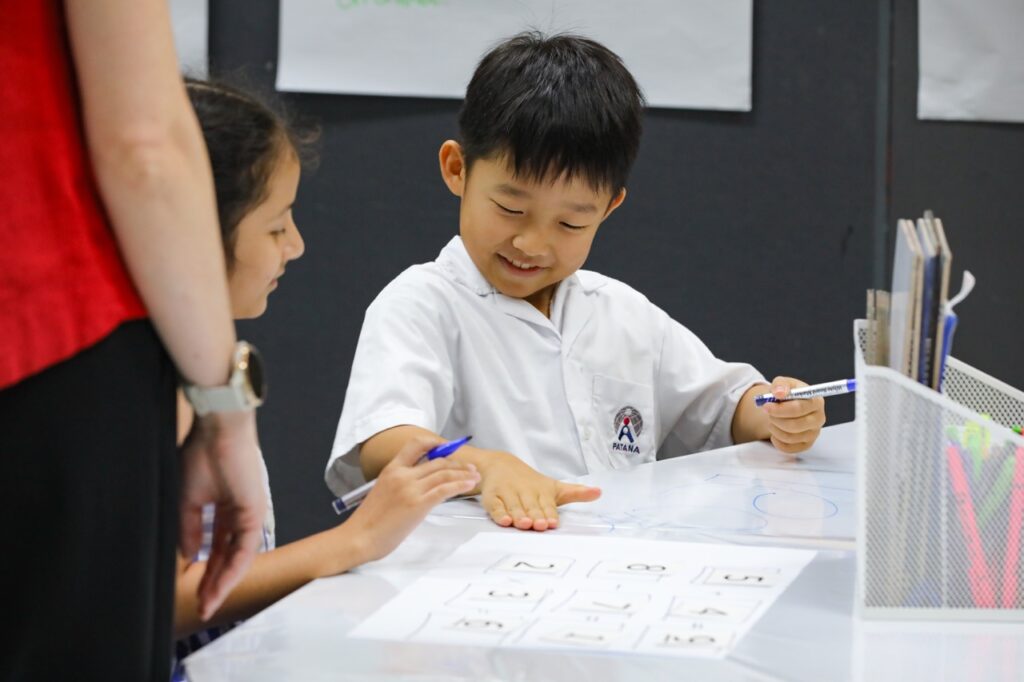
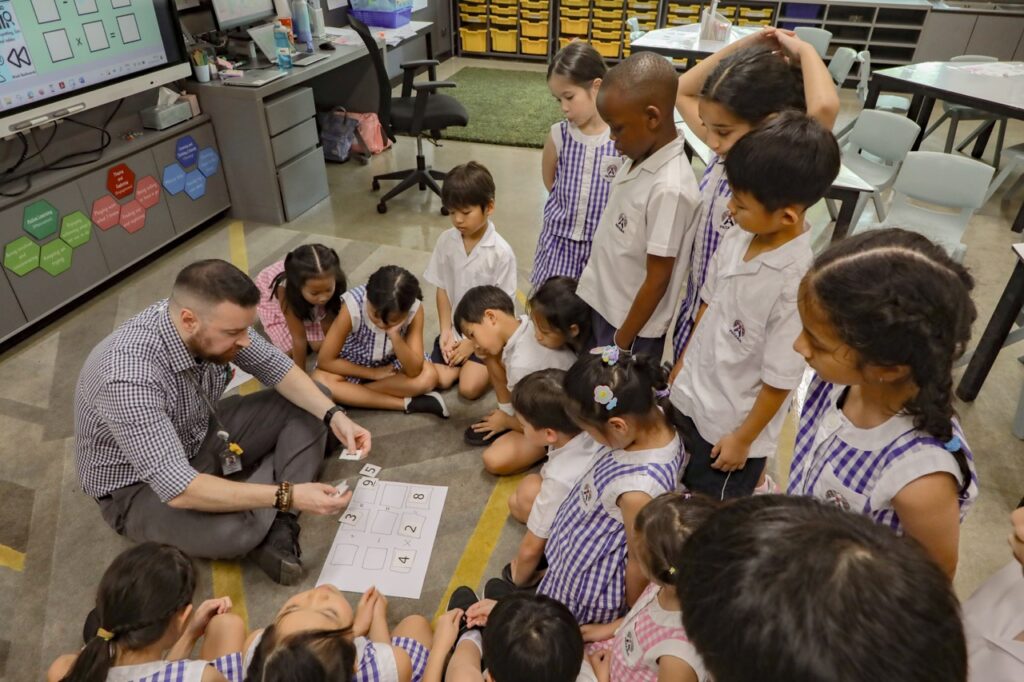
In this strategy, we start by activating prior knowledge. Teachers begin by asking students to recall what they already know, before introducing something new. Retrieval strengthens memory and helps children make connections. An example of this might be starting a Year 4 maths lesson with three short questions from the previous lesson before moving on to a new concept. 
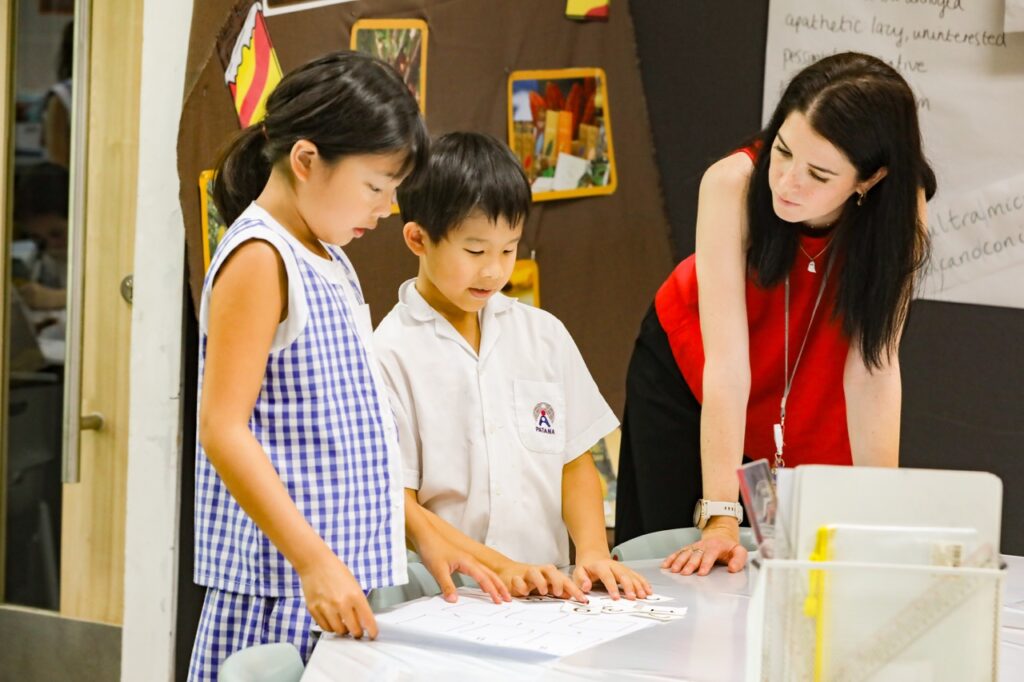
Secondly, we stimulate schema-building. Learning is organised into connected patterns, not isolated facts. Teachers design tasks that help students sort, compare, categorise and link ideas so that understanding becomes structured and secure. For example, in Science, students might group materials by properties and explain the similarities and differences before conducting an experiment.  

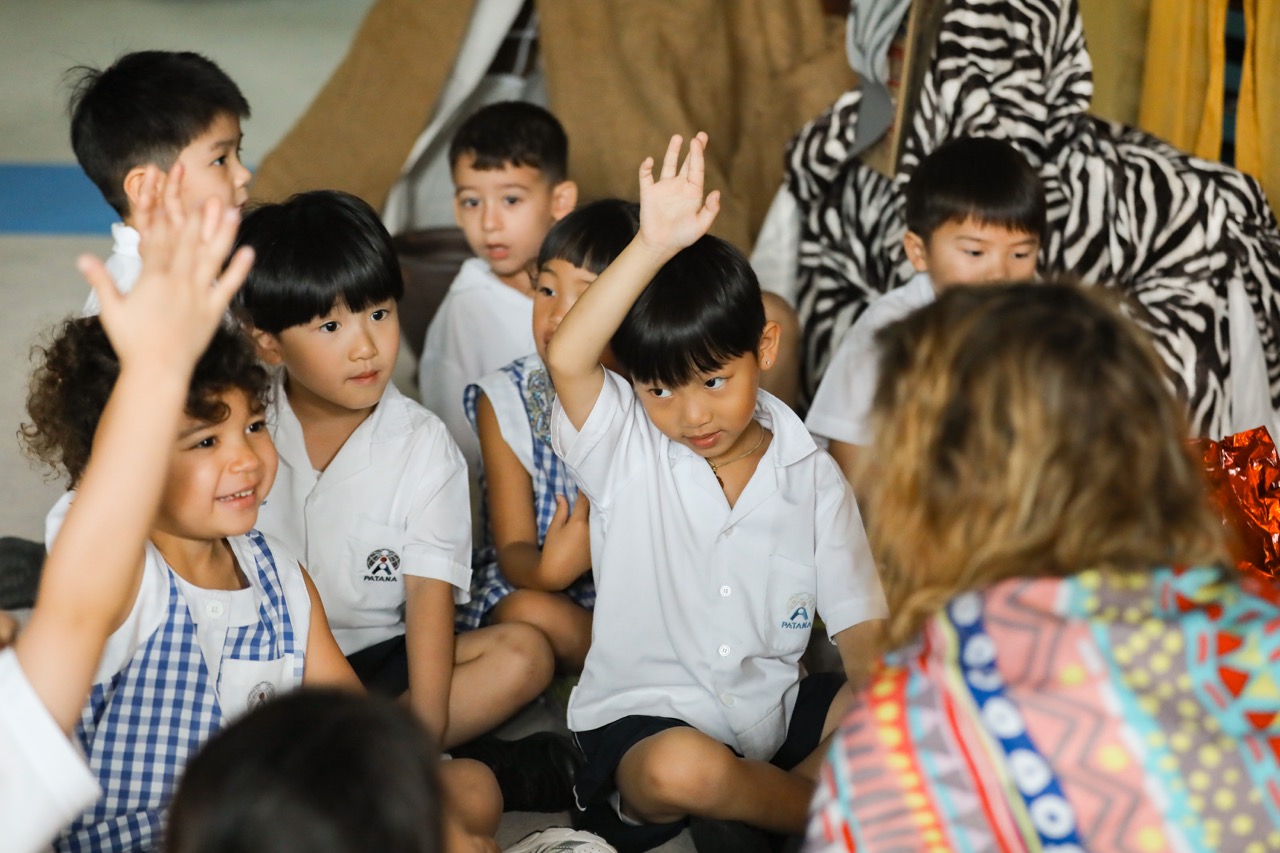
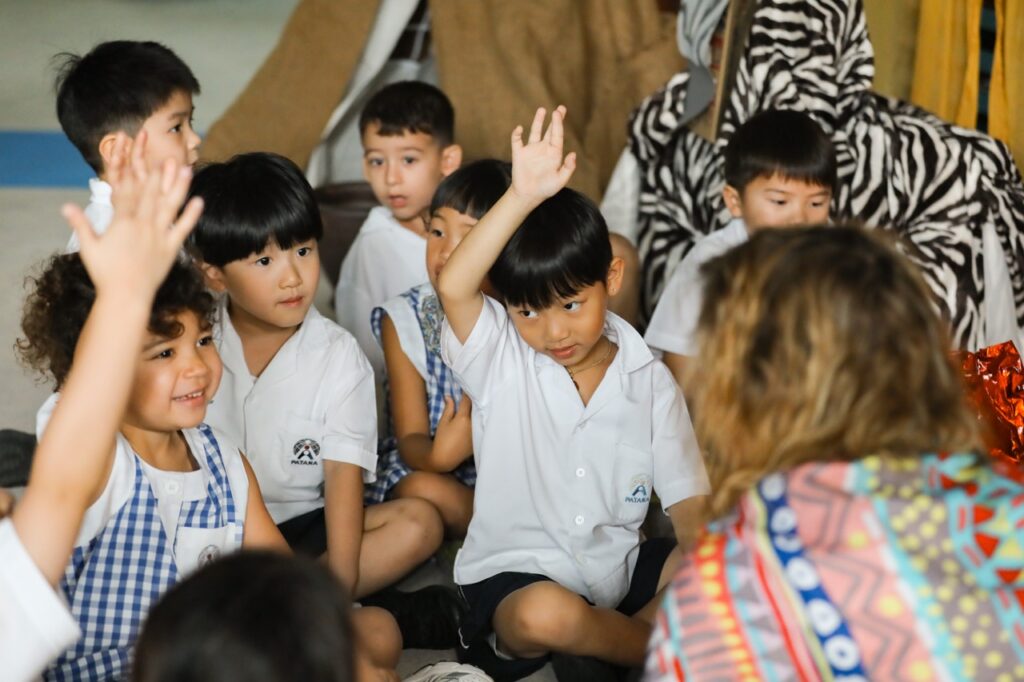
Thirdly, we systematically involve all students. Well embedded routines such as mini whiteboards, structured partner talk, retrieval quizzes and thoughtful ‘cold calling’ mean that every child is expected to think and respond. For instance, in Literacy, students might first discuss an answer with an elbow partner and then be asked to explain their reasoning to the class, ensuring everyone prepares a response. 

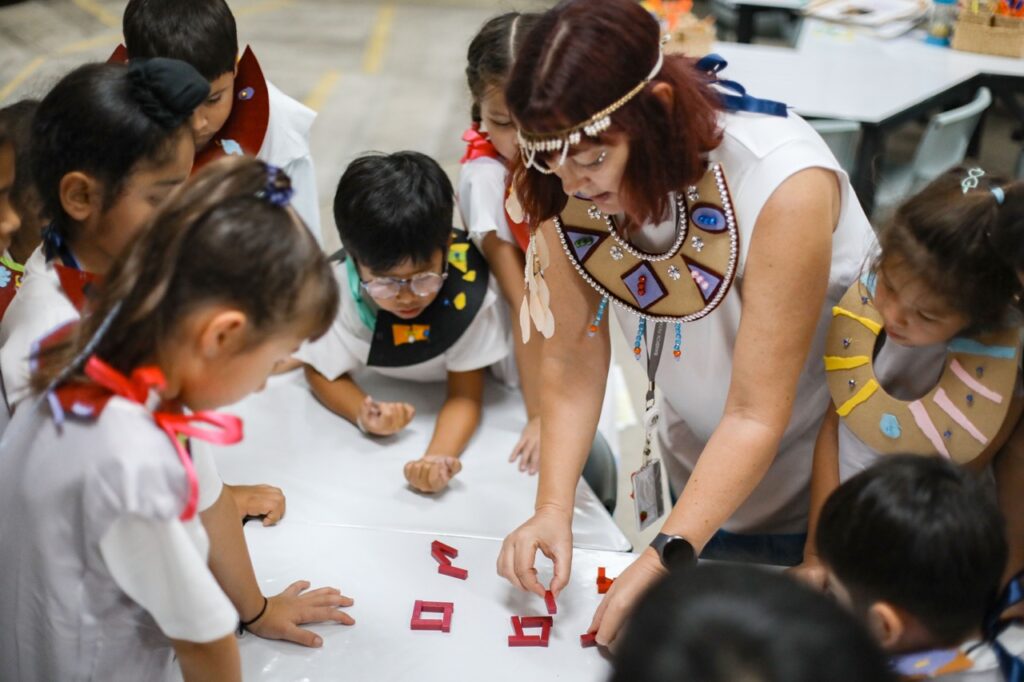
Fourthly, we use narrative and challenge. Students think more carefully when there is a dilemma or interesting problem to solve. For example, in a Year 3 History unit on Ancient Egypt, students might be asked to design a pyramid with only a few number of workers and justify the choices they make. Framing learning through a realistic problem encourages reasoning, decision-making and application of knowledge, beyond simple recall. 
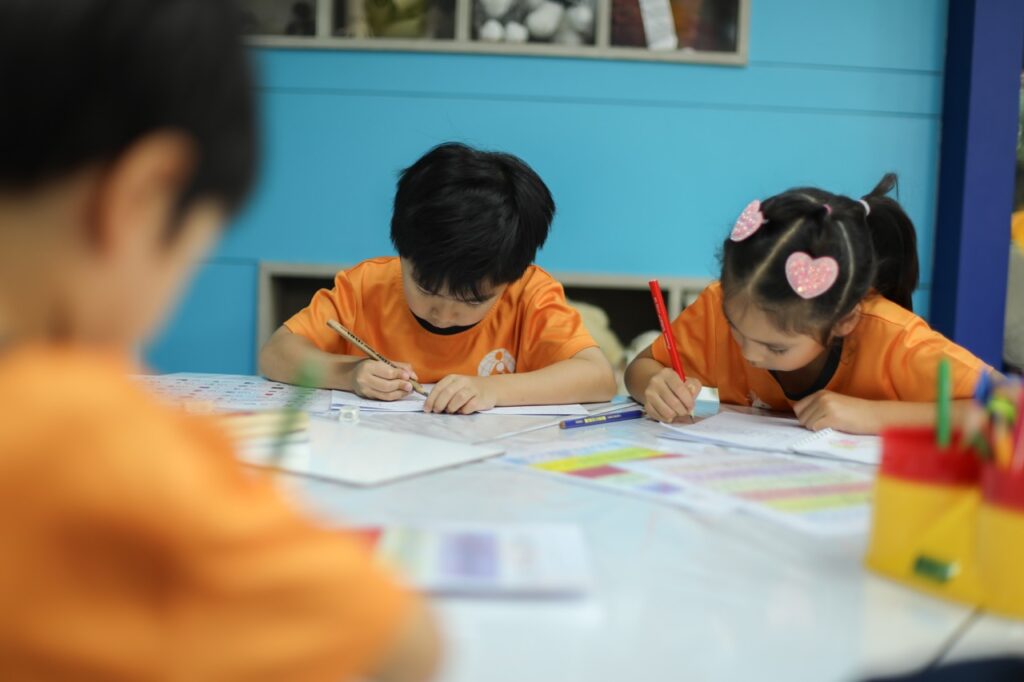
Finally, we embed explicit thinking goals within task goals. The aim is not only to complete the activity, but to explain choices, justify answers and apply learning independently. In practice, this might mean asking students to justify which method was most effective in maths or to explain why one historical interpretation is stronger than another.

Through Ensuring Participation, and evidence-based strategies such as Make Everyone Think, we are creating a culture where every pupil is expected to think carefully and contribute consistently. This is certainly evident when I spend time in class on learning walks, where I see that our students are motivated, engaged and energised. We are also seeing the impact in our outcomes, as strong participation is translating into deeper learning and improved progress over time. 
 
Looking back to my time in Beijing, I often reflect that having a clearer understanding of these approaches would have given me far more confidence when teaching that wonderful High School class. More importantly, it would have helped those students gain more from each lesson, enabling them to become more secure in using new English and find their own voice in a busy classroom. 
Share This Article

In this Issue

Behind the Bookshelves

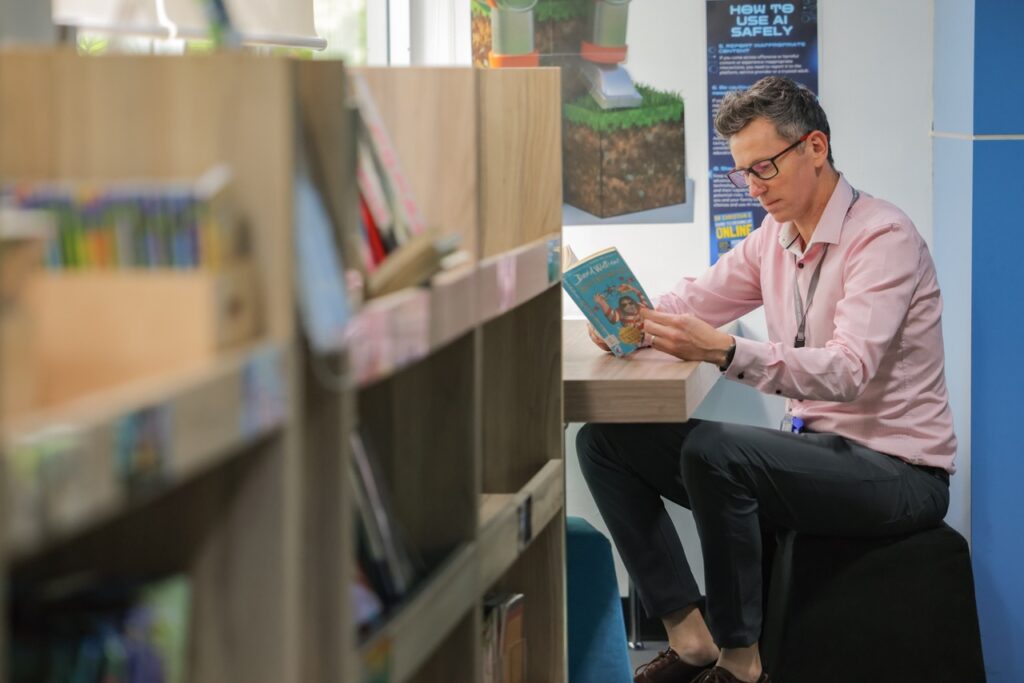
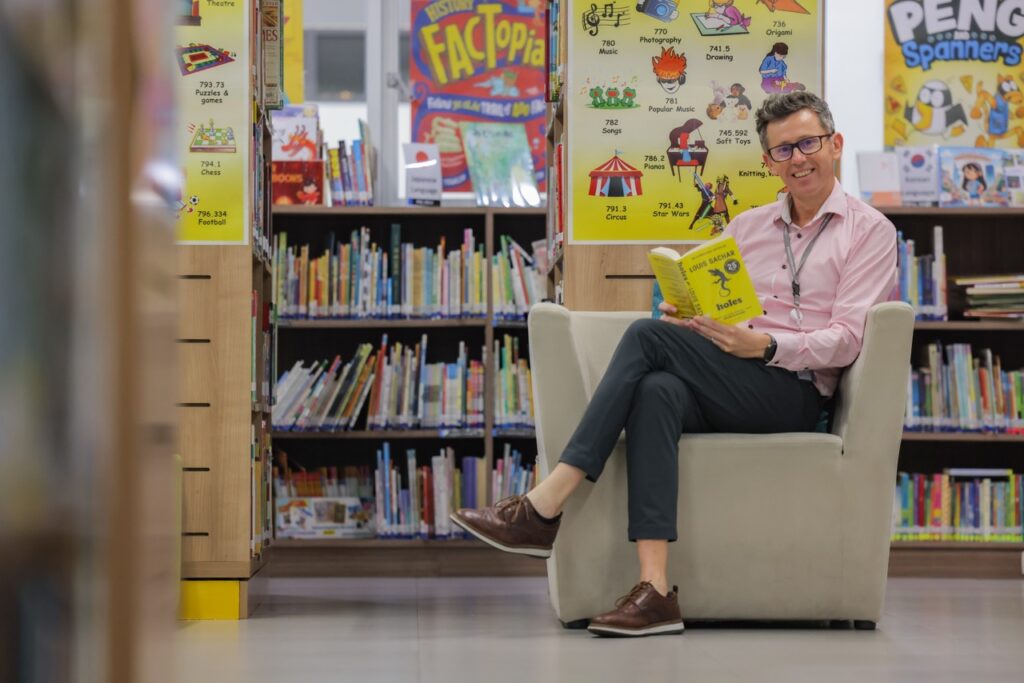
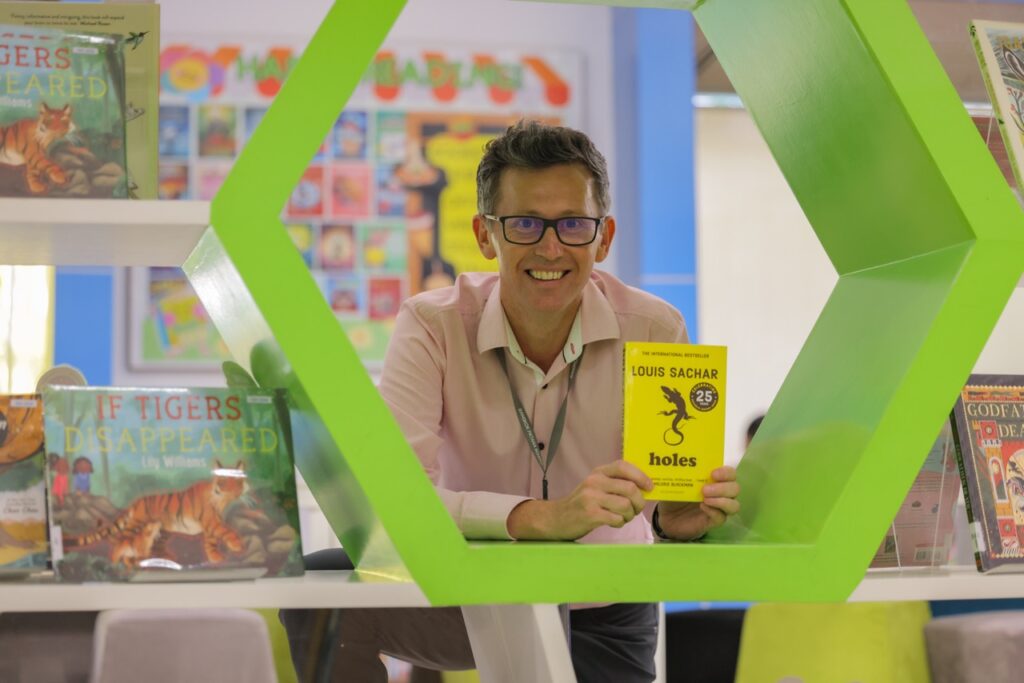
What book do you recommend and why?  

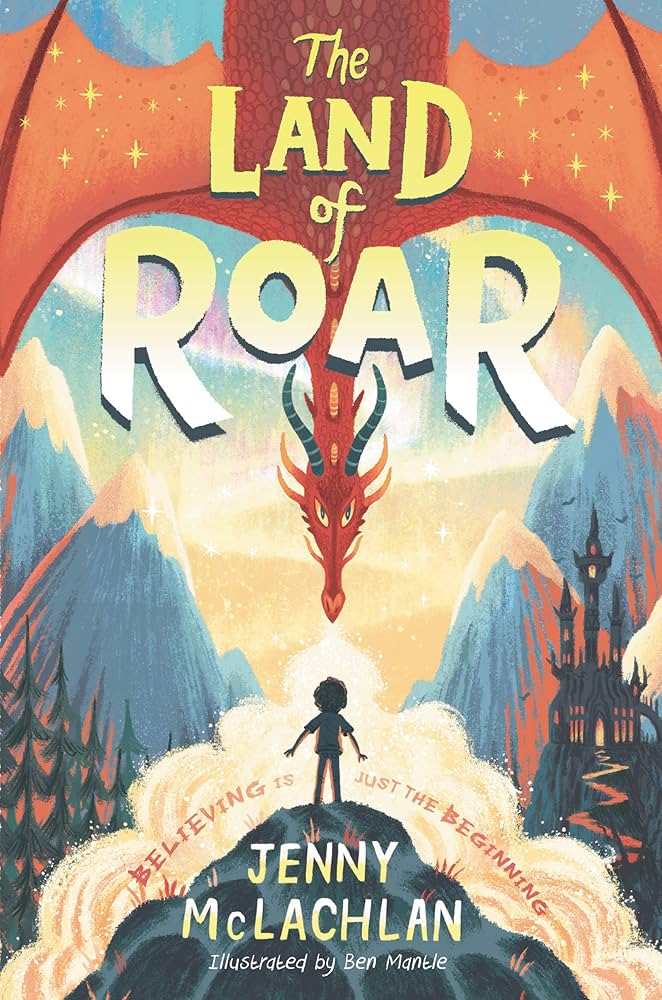
I would recommend The Land of Roar to a child because it reminds us that the worlds we imagine when we’re young never really disappear—sometimes we just forget how to find the way back.This book feels like stepping through a doorway into the part of childhood where anything is possible: dragons swoop overhead, secret maps whisper clues, and a cardboard box can launch you into an adventure big enough to change you.The magic of The Land of Roar is that it doesn’t just entertain; it celebrates imagination as something powerful and real. Children see that the stories they create matter. Their ideas aren’t “just pretend”—they’re brave, important, and full of meaning.
The characters are funny, courageous, and wonderfully human. Jack and Rose don’t always get along, but their bond shows how siblings can argue, tease, and still stand together when it counts. And the villain, Crowky, is exactly the right kind of spooky—enough to keep readers turning pages, but not enough to keep them awake at night.
The story also has a heart: it gently explores growing up, missing loved ones, and the fear of losing what makes childhood magical. But it does so with warmth, adventure, and huge bursts of imagination.
So, I’d recommend it because it is a book that celebrates children— their creativity, their courage, and their ability to turn the ordinary into the extraordinary. It’s not just a story; it’s an invitation to believe in wonder again


What podcast do you recommend we listen to and why?

Real Survival Stories dives into a true account of someone thrown into a life threatening situation. From deserts and jungles to mountains and shipwrecks, the stories cover an incredible range of real human experiences.  What makes the series truly compelling is the way it celebrates resilience. These aren’t superheroes. They’re ordinary people who, in the worst moments of their lives, found the strength to keep going. It’s inspiring without being sentimental. Whether you enjoy true adventure, psychological insight, or simply a reminder of what humans are capable of, this podcast offers a powerful mix of tension, heart, and unforgettable storytelling.

Where do you work/teach? 

I’m Mr Stuart in Year 4

Share This Article

In this Issue

Patana Page Turners

This month’s theme: Determination and Perseverance!
This month’s theme celebrates giving, generosity and kindness, perfectly timed for the festive season and the start of a new year, with stories that inspire reflection in a season of new beginnings. Where will your reading journey take you over the holidays?

Interview with Luke Jones, Vice Principal, Curriculum and Assessment

What is one of your fondest or most favourite reading memories?

One of my fondest reading memories is being completely absorbed in a book to the point where time dissolves; reading late into the night, fully aware I would regret it in the morning, yet unable to stop. I remember that feeling vividly with novels that combined psychological depth with pace; stories where you are not simply following a plot but working through the puzzle alongside the characters. What stays with me most is the quiet perseverance within those narratives; characters pushing forward through uncertainty, refusing to abandon the search for truth. That narrowing of the world to the page, that steady pursuit of resolution, is still what I look for in a powerful book. 

Which fictional character would most like/least like to meet in real life and why?

I would be fascinated to meet Lisbeth Salander from The Girl with the Dragon Tattoo. She is fiercely intelligent, morally complex, and relentlessly persistent. Her refusal to be defined by her past, and her determination to act when systems fail, make her compelling. I suspect a real-life meeting would be uncomfortable; she would see through pretence in seconds. Yet that uncompromising clarity and independence would make for an unforgettable conversation.

The character I would least like to meet is Tom Ripley from The Talented Mr Ripley. His calm manipulation and ability to reinvent himself without conscience is quietly chilling. He perseveres too, but towards self-preservation rather than justice; his charm masking a profound moral emptiness. That contrast makes him fascinating to read, yet deeply unsettling to imagine in reality.


What does The Girl with the Dragon Tattoo mean to you? Do you have any book suggestions for this theme?

One book about giving that really resonates with me is The Storm Whale by Benji Davies. It’s about a boy who discovers a small whale washed up on the shore and decides to care for it. His quiet act of kindness doesn’t just help the whale — it brings him closer to his father, showing how generosity can create connection in unexpected ways. It reminds me that giving doesn’t need to be big or expensive. It can be thoughtful and personal — a story shared, a voice offered to a cause, or even a short poem written for someone in a Christmas card. Small acts of care can have an incredible effect and taking time to write something for someone this Christmas in a card is my number one recommendation to give someone you care about a better Christmas this year.

The Girl with the Dragon Tattoo represents more than a crime thriller for me. It explores power, corruption, gender violence, and the idea of justice operating outside formal systems. Beneath the investigation sits a deeper question about who is believed, who is protected, and who must fight alone.

At its core, the novel is about perseverance; the refusal to be silenced, diminished, or erased. It is about surviving trauma without surrendering identity, and about pursuing truth even when the cost is high. That sense of endurance and agency is what lingers long after the final page.

If you are drawn to similar themes of resilience and moral tension, you might enjoy:

Key Stage 4/Senior Studies Recommendation:

  • Gone Girl by Gillian Flynn; psychological complexity and shifting narratives around truth and control.
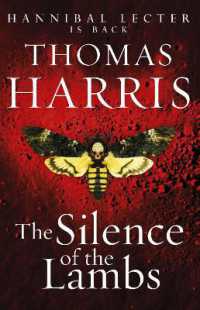
  • The Silence of the Lambs by Thomas Harris; intellectual cat-and-mouse with formidable mental strength at its centre.

Key Stage 3 Recommendation:

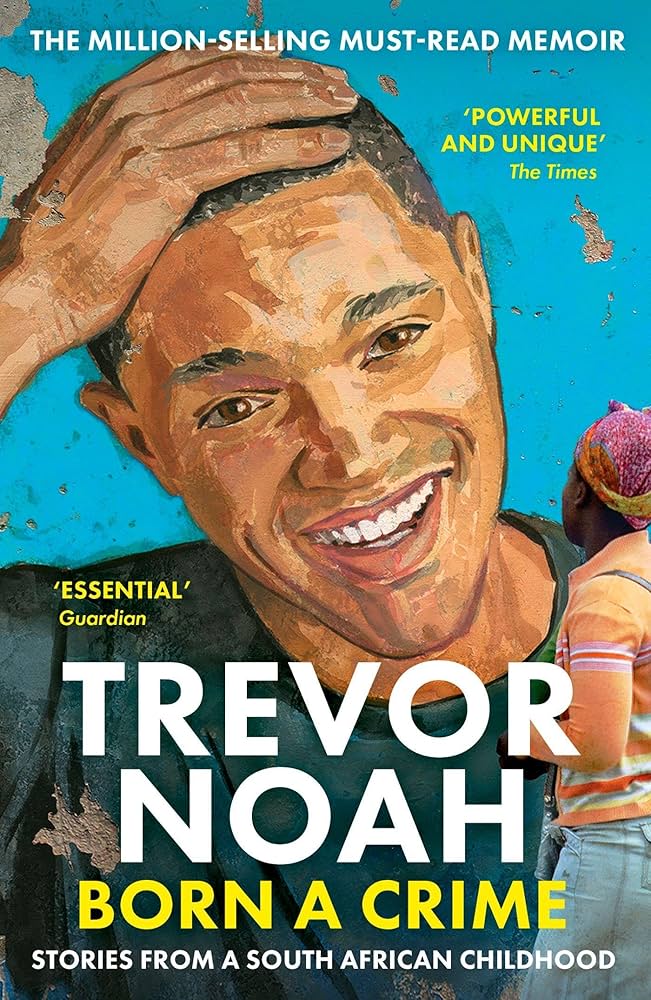
  • Born a Crime: Stories from a South African Childhood by Trevor Noah; a non-fiction story demonstrating how to persevere within the harsh constraints of apartheid.
  • Displacement by Kiku Hughes; a graphic novel exploring a Japanese-American teenager’s journey into her grandmother’s past.

Louise Warren – Foundation Stage Class Teacher

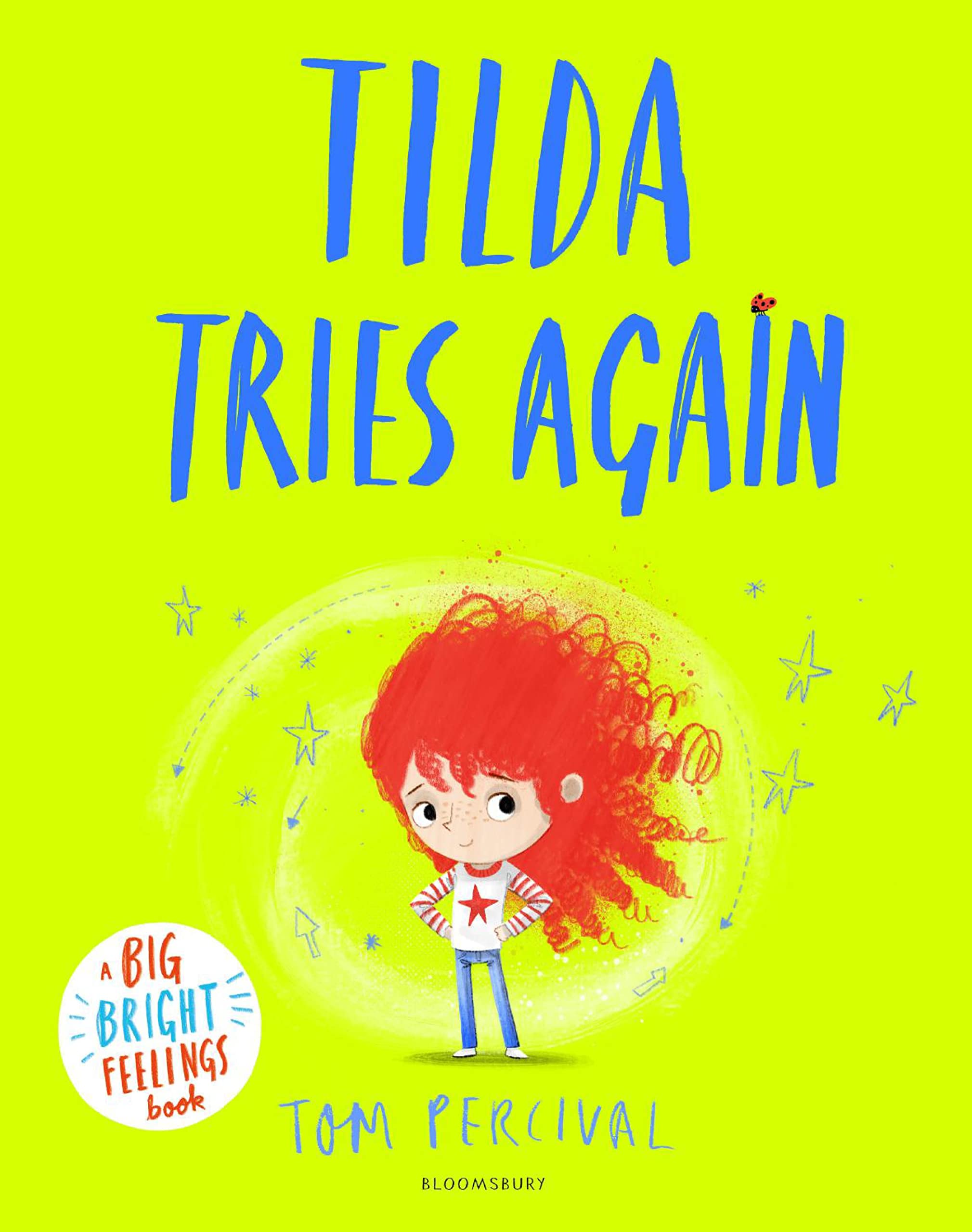
Tilda Tries Again by Tom Percival
In the picture book Tilda Tries Again, Tilda suddenly finds everyday tasks unexpectedly difficult. With the support of her friend, Percival, and by taking small steps and giving things another go, Tilda slowly realises those challenges can be managed. The story gently shows children how perseverance can help when things feel tough.

Amy Clark – Year 1 Class Teacher

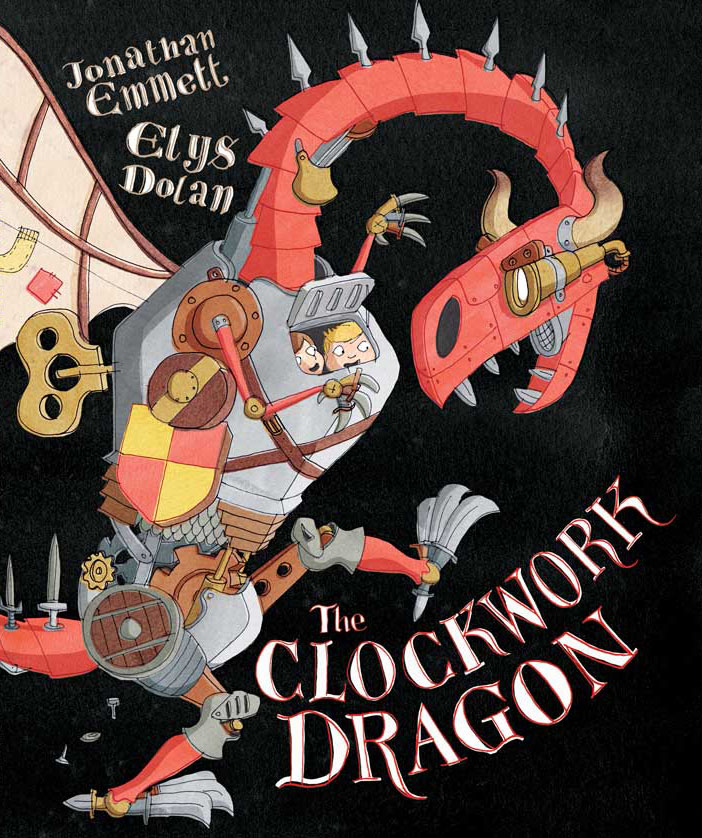
The Clockwork Dragon by Jonathan Emmett

In The Clockwork Dragon, Max and Lizzie show determination by refusing to give up when the kingdom is threatened by Flamethrottle. Instead of relying on traditional methods that have already failed, they persevere through challenges and use creativity and problem-solving to build their mechanical dragon. Their success demonstrates that persistence, courage, and belief in your own ideas can overcome even the most frightening obstacles.

Jayne Jauncey–Leader of Primary Physical Education

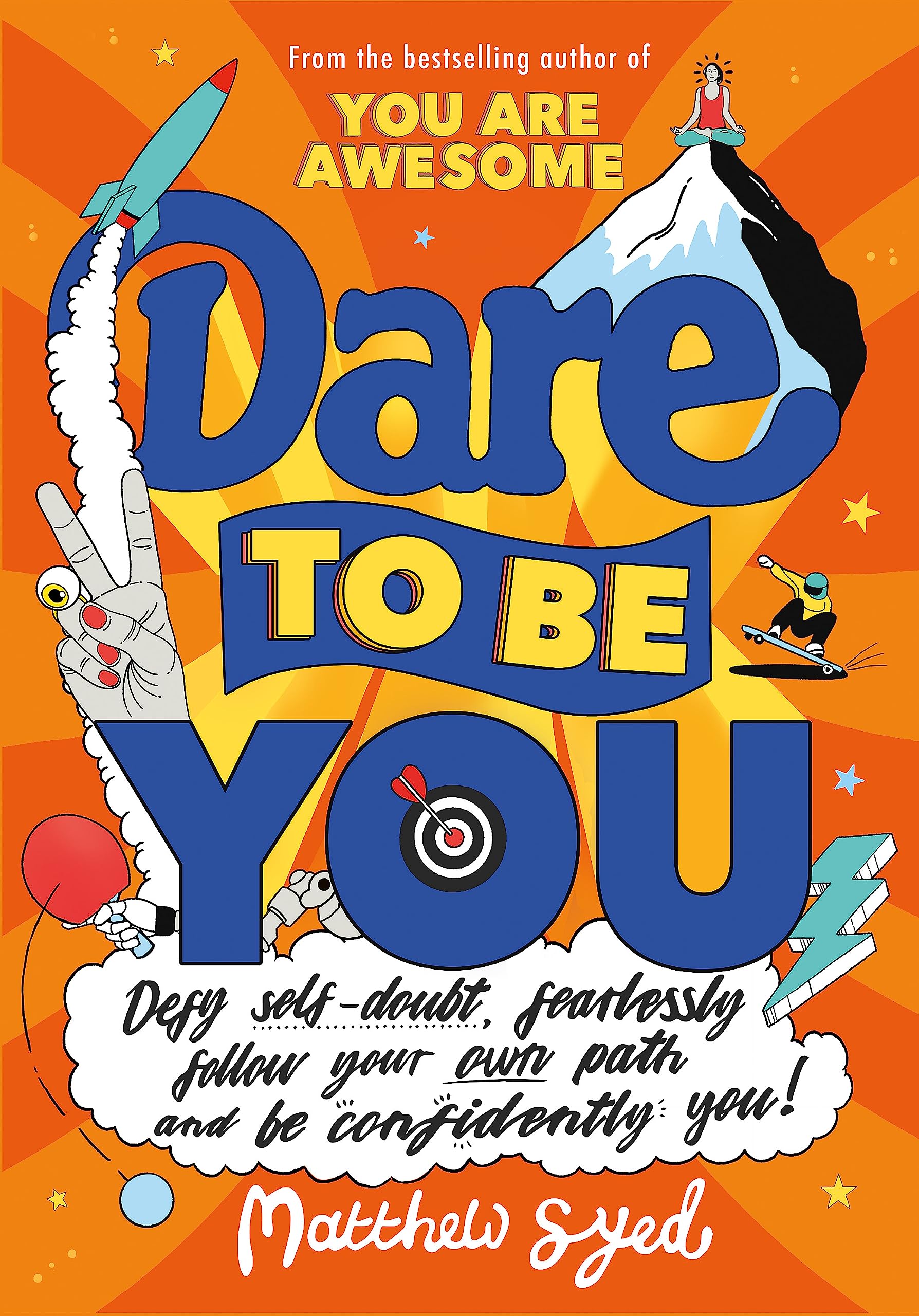
Dare to Be You by Matthew Syed

This is a fantastic self-help style book that encourages children to be authentically themselves. With bright graphics, funny anecdotes, and relatable stories, it helps readers understand how past experiences and messages from the world around them can shape how they see themselves today. I really like this book because of its strong message around resilience and self-belief. It encourages children to embrace challenges, recognise that setbacks are part of learning, and understand that improvement comes through effort and practice over time. This book helps children see that progress doesn’t happen instantly. Perseverance, especially when it feels difficult, is what leads to growth. The interactive activities throughout the book also give children the chance to reflect and apply these ideas to their own lives.  

Chris Walsh-Assistant Leader in Primary PE

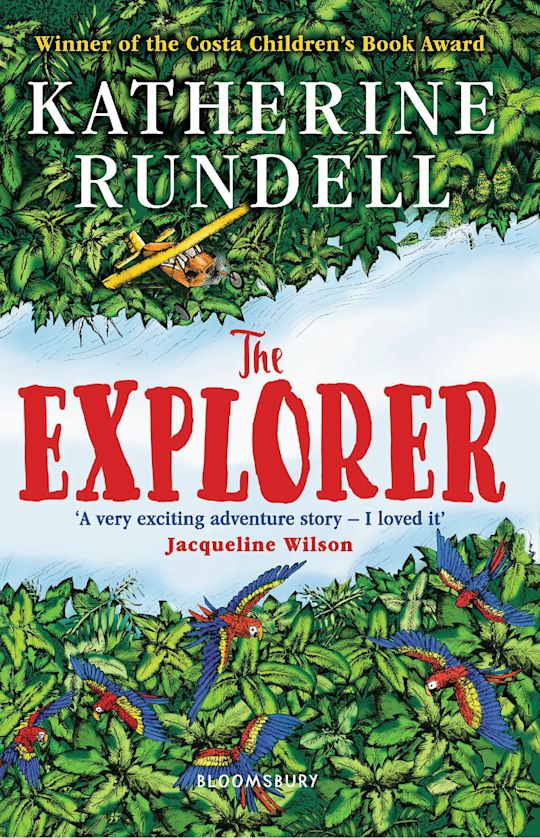
The Explorer by Katherine Rundell
The novel is about a group of children who survive a plane crash in the Amazon rainforest and have to figure out how to survive together. The characters don’t suddenly become superheroes, they doubt themselves, argue, get scared, but they keep going. They adapt, they learn and they grow stronger through the challenge. The book links nicely to perseverance because it highlights that resilience isn’t just about being physically strong; it’s about staying calm, supporting others, and pushing through when things feel uncomfortable.

Claypusit Sommer (7O)
Make your Bed by Admiral William H. McRaven

Make your Bed is about how small actions can change your life. McRaven was a Navy SEAL; he shares ten lessons from his training that can help anyone become stronger, braver, and more positive. McRaven explains that small wins can lead to bigger successes. He believes that failure is not the end, but an opportunity to learn and improve. His final lesson is ‘Never Quit’. Success comes from perseverance and consistency, even when things feel impossible. In conclusion, Make Your Bed shows that discipline, courage, and kindness can change your life. It proves that small actions like making your bed can build habits that lead to greatness.

Jasper Juengwirunchodinan (8V)
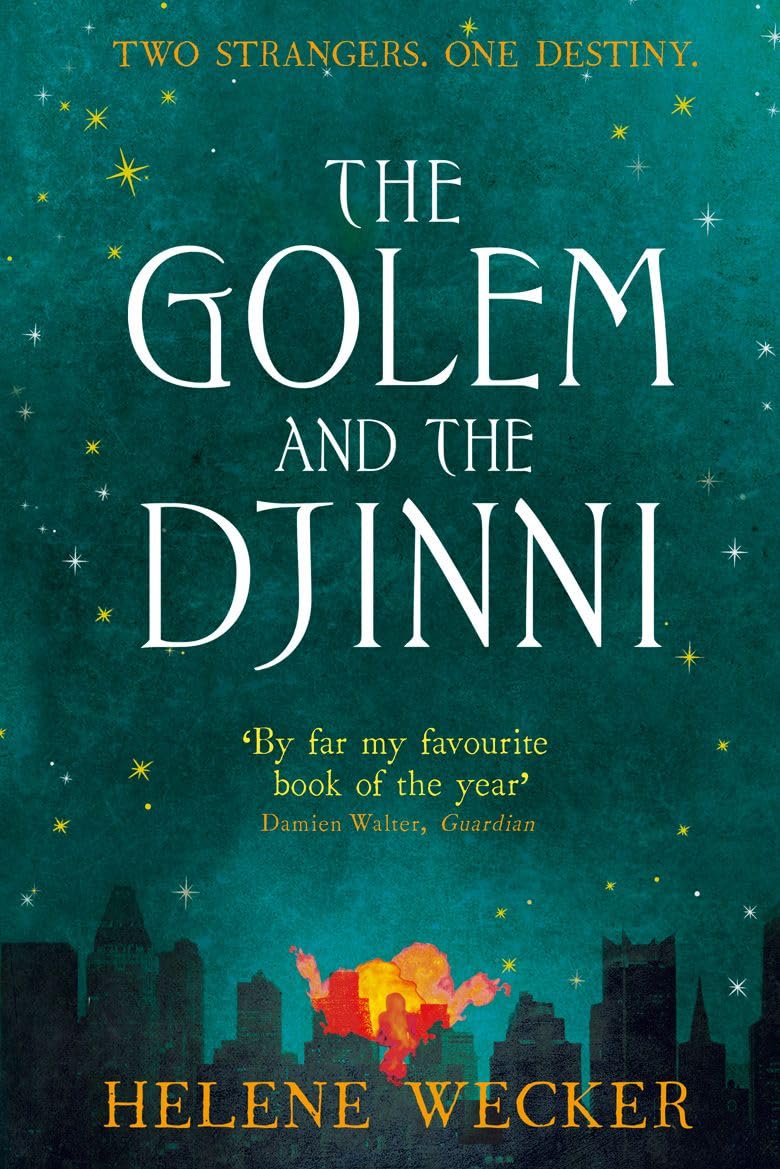
The Golem and the Jinni by Helene Wecker

The Golem and the Djinn is a book based on the current situation for two characters, the female golem and the male djinn. This book is linked to perseverance because both characters must face unique problems, such as trying to simply fit into a new and terrifying society. They also must control themselves from revealing their true beings, while protecting their guardians from threats. The book weaves strands of Yiddish and Middle Eastern literature, historical fiction and magical fable, in a wondrously inventive tale that is mesmerizing and unforgettable.

Little Women by Louisa May Alcott

The novel follows the four March sisters (Meg, Jo, Beth, and Amy) as they grow up during the Civil War while their father is away and their family struggles financially. Guided by their mother, Marmee, the sisters try to live with kindness and self-discipline while facing everyday challenges. As they get older, they experience setbacks and change; their dreams don’t come easy, relationships are complicated, and the family faces real hardship and loss. The story relates to the theme of perseverance because the March sisters keep going even when life is unfair or painful. Perseverance shows up in how they continue working to support their family, try to improve themselves, and pursue their goals despite obstacles. Jo especially represents perseverance through ambition: she keeps writing and fighting for independence even when she’s rejected or pushed to be “more proper.”


Miss Adams—English Teacher

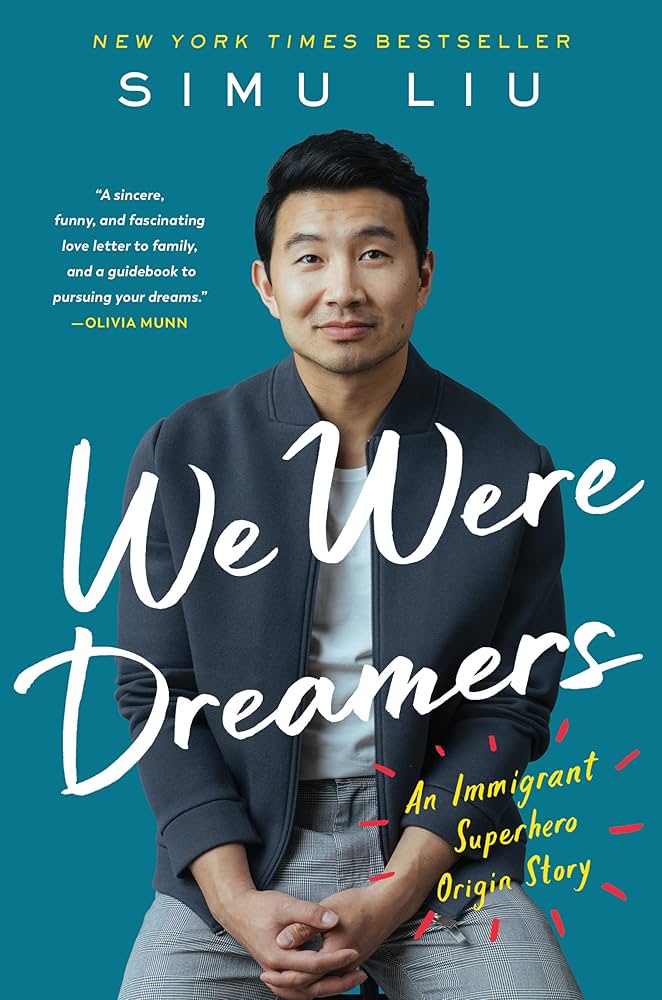
We Were Dreamers: An Immigrant Superhero Original Story by Simu Liu
We Were Dreamers: An Immigrant Superhero Origin Story is a memoir by Simu Liu, the star of Marvel’s first Asian superhero film, “Shang-Chi and the Legend of the Ten Rings.” The book chronicles Liu’s journey from growing up in China to immigrating to Canada, detailing his struggles with cultural identity and stereotypes while pursuing an acting career. It is an inspiring story of overcoming challenges and finding his place in the world, ultimately leading him to become a leading figure in the Marvel Cinematic Universe.


Share This Article

In this Issue

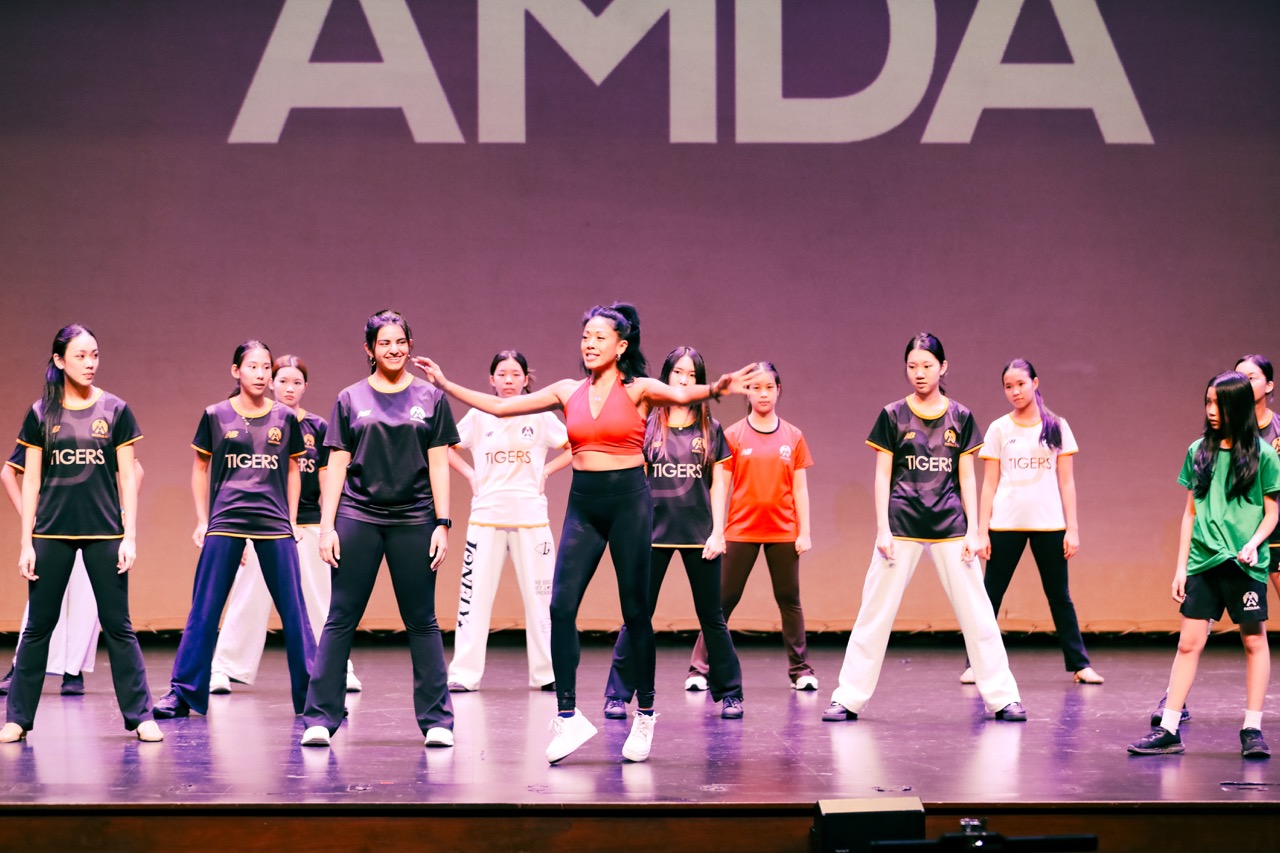
Raising the Curtain on Broadway: AMDA Inspires Patana Dancers

by Sarah Dullaghan, Cross Campus Head Dance Coach

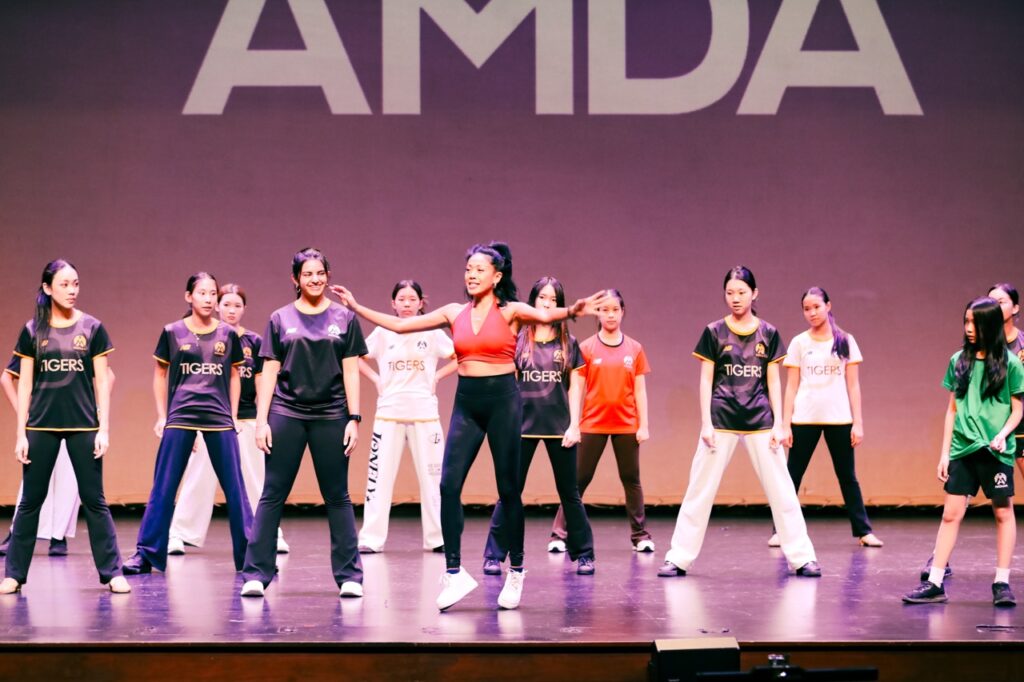
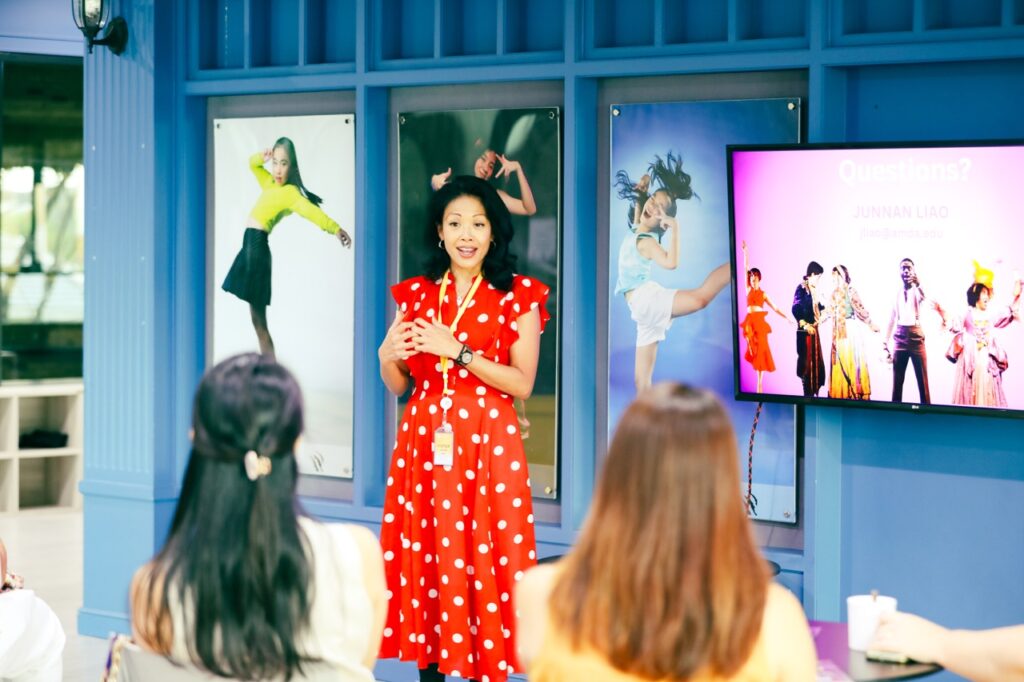
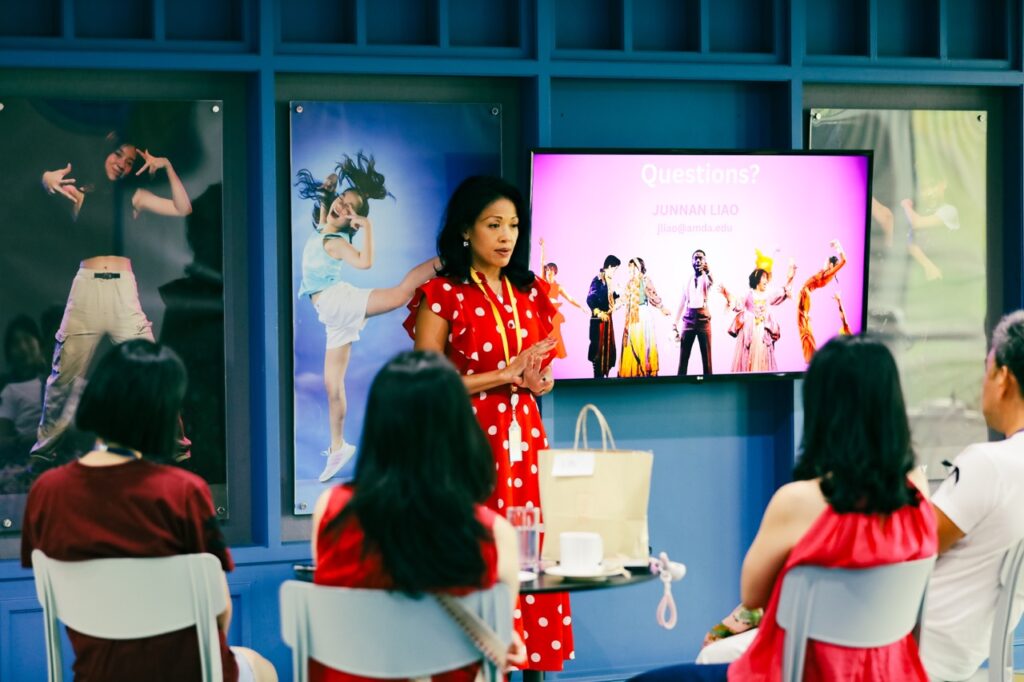
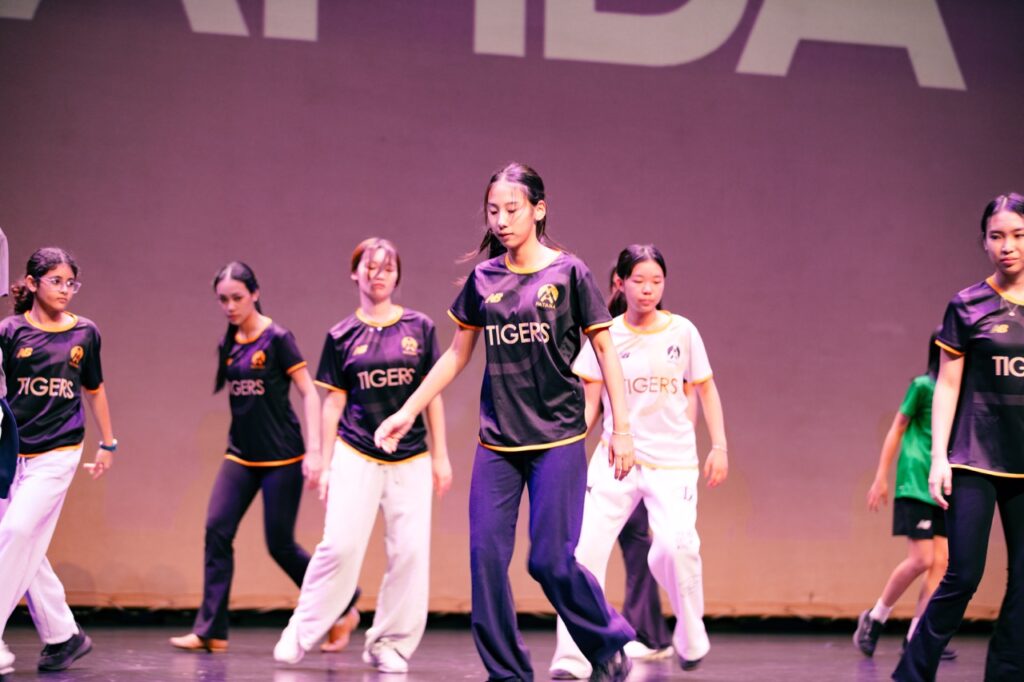
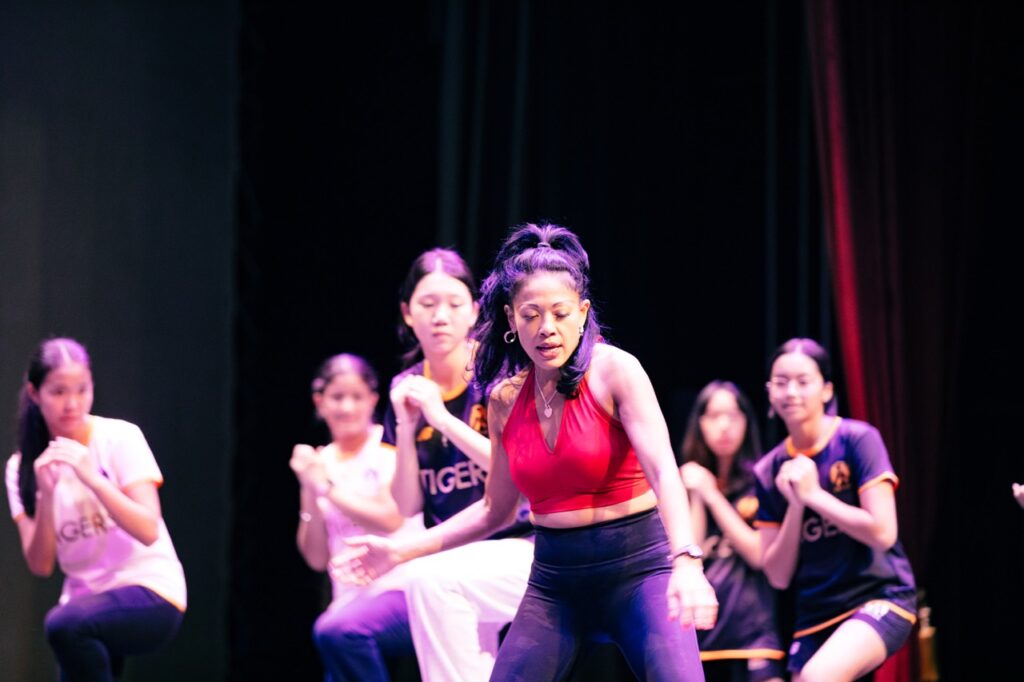
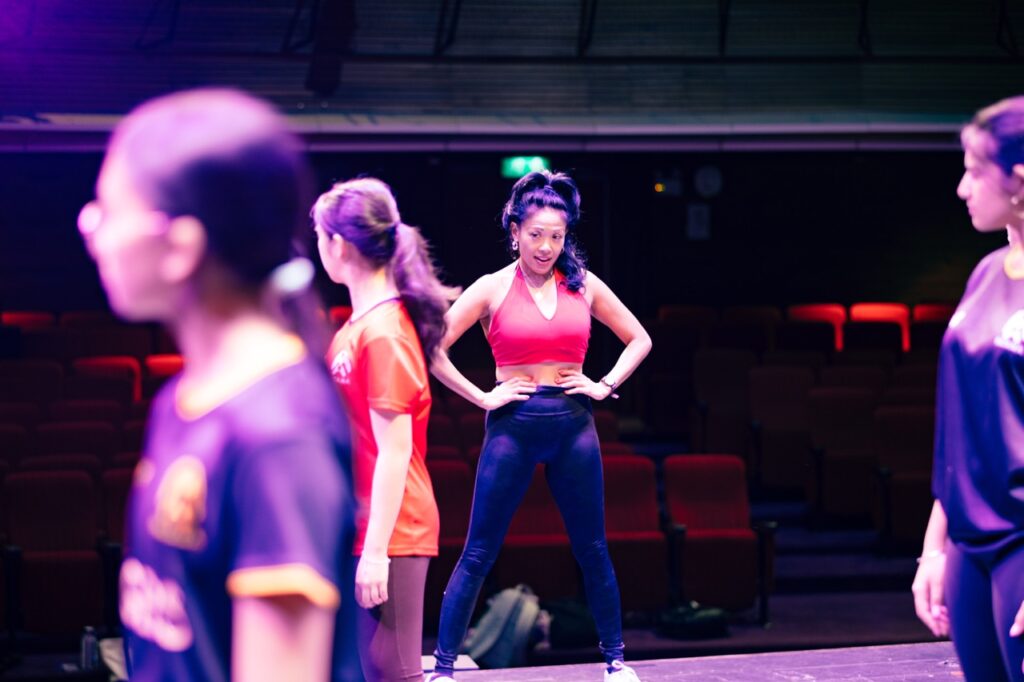
Before half term, the Dance Academy was thrilled to host the American Musical and Dramatic Academy (AMDA) to Bangkok Patana for the second time. AMDA workshops proved to be an unforgettable experience for both our parents and dancers. The morning began with an engaging parent workshop led by Junnan Liao, Senior Associate Director of International Outreach, alongside acclaimed AMDA alumna and 10-time Broadway performer J. Elaine Marcos. Parents enjoyed a rare, in-depth look into daily life at a world-renowned performing arts conservatoire, gaining clarity on what training at AMDA truly entails.

The atmosphere quickly became an open forum, with parents asking thoughtful questions about living and studying in New York and Los Angeles. Topics ranged from accommodation and city safety to the realities of juggling classes, rehearsals and independent life abroad. Junnan and J. Elaine provided candid, first-hand insight, painting a realistic yet inspiring picture of what young adults can expect. J. Elaine’s own journey – from student to Broadway and beyond – and how AMDA not only refined her technical skills but also helped her discover who she is as an artist, understand her strengths, confront her weaknesses and build the resilience needed to thrive in a demanding industry, was particularly inspiring.

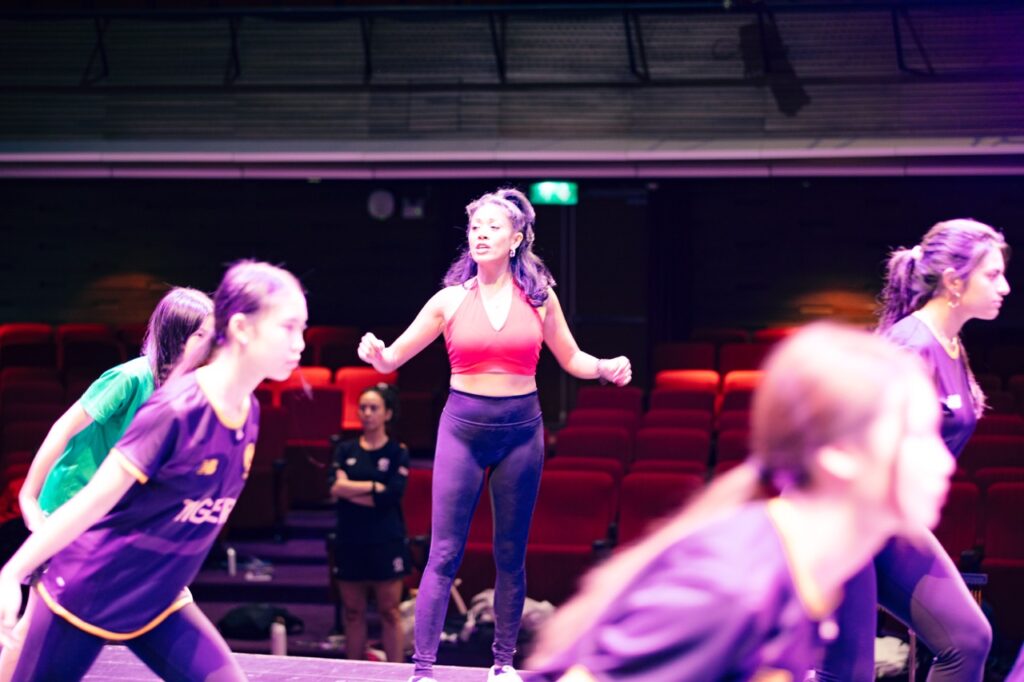
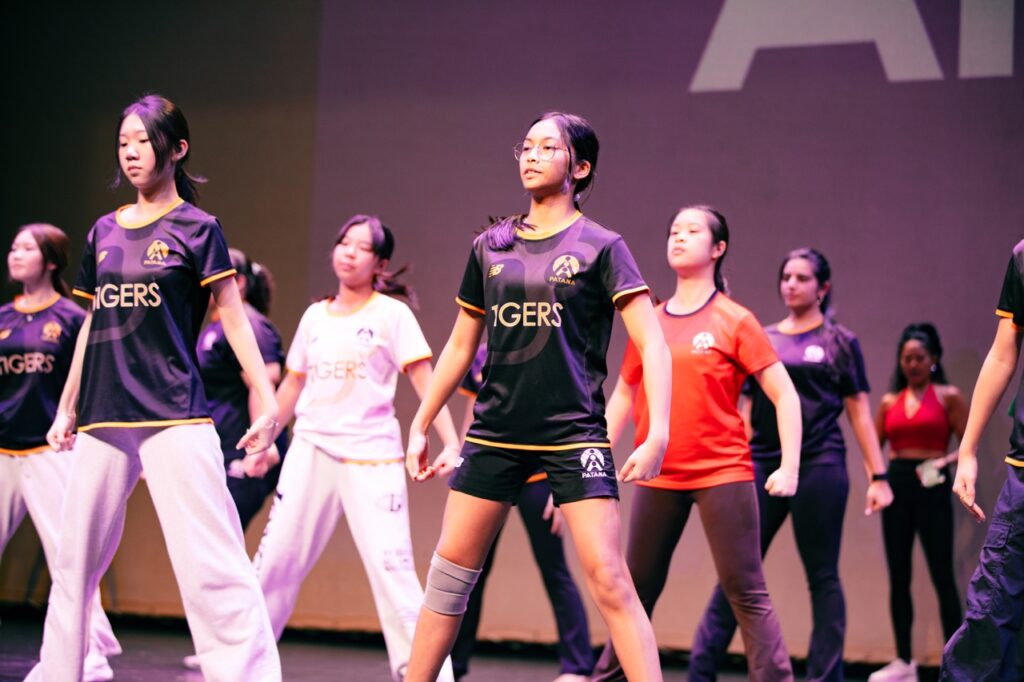
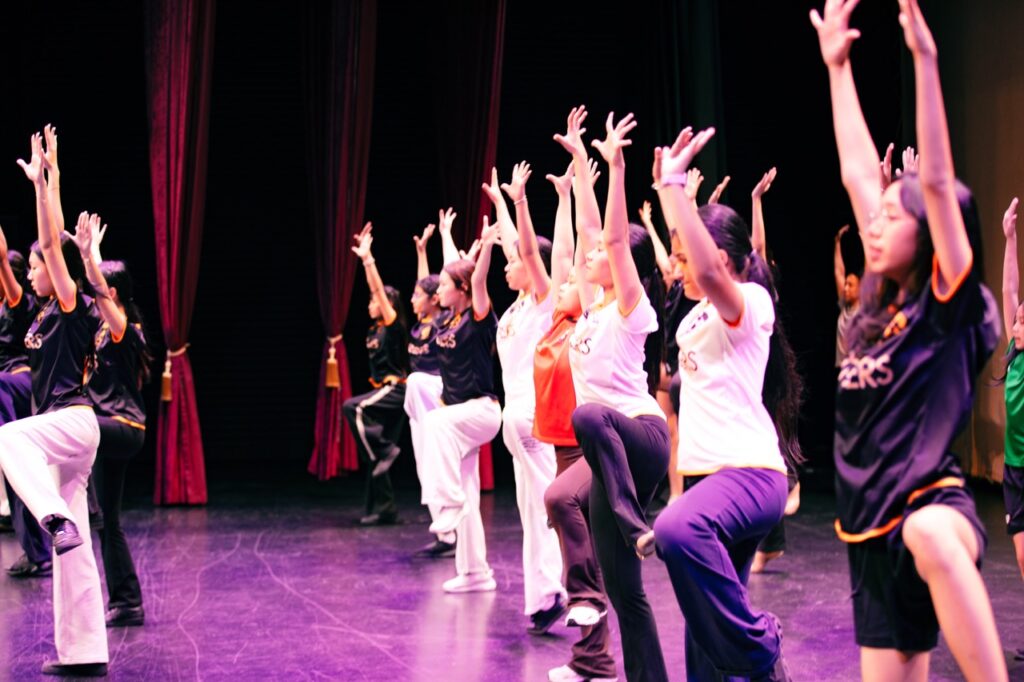
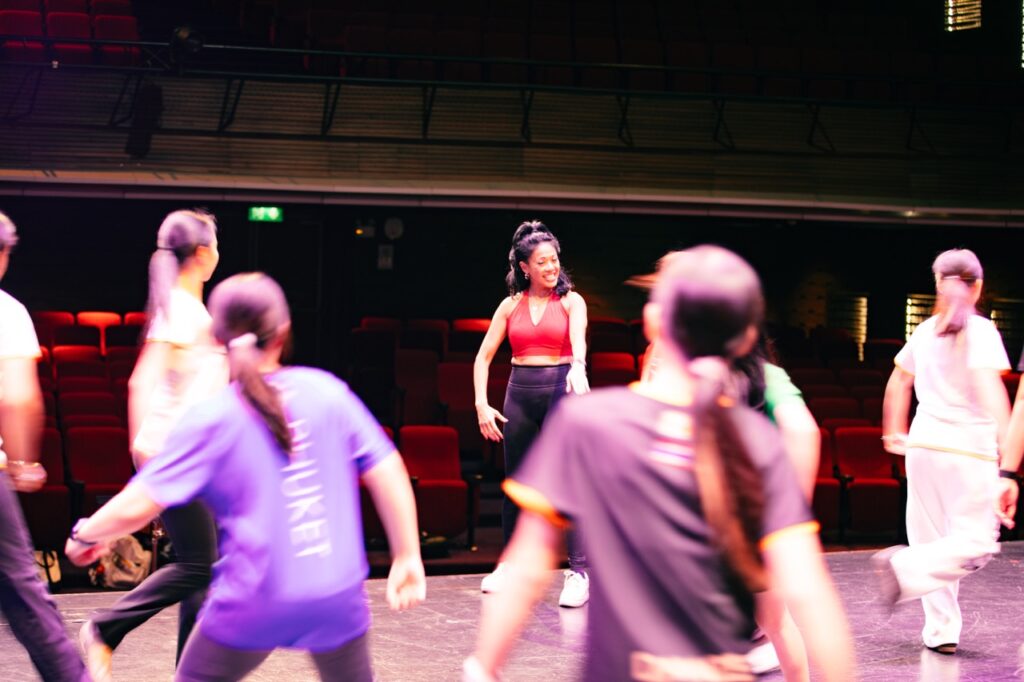
Our Secondary dancers then took to the Theatre stage for a fantastic 90-minute workshop. Learning original choreography from the global hit musical Hamilton, choreographed by Andy Blankenbuehler, students immersed themselves in authentic Broadway movement and storytelling. J. Elaine guided them through the process of approaching new choreography, sharing vivid anecdotes from real audition and rehearsal rooms – what directors observe immediately, how dancers can present themselves with confidence, and why individuality is a performer’s greatest asset. She emphasised that exceptional dancers don’t simply execute movement – they communicate meaning, emotion and intention. With her coaching, our dancers shifted from performing steps to being powerful storytellers. Their growth in just one session was extraordinary to witness.

Overall, it was an exhilirating morning with insight, inspiration and invaluable industry wisdom – one that has undoubtedly elevated our dancers’ understanding of what it truly means to pursue the performing arts at the highest level.

Your turn! Step into our dancers’ shoes and learn a snippet of Andy Blankenbuehler’s original choreography yourself. Explore the phrase here: Hamilton – I’m Not Throwing Away My Shot – Original Choreography

Share This Article

In this Issue

Supporting Students at Home to Enhance Engagement at School

by Heather Rising, Leader of Primary Support for Learning

Schools know the importance of sparking curiosity, helping students feel safe and modelling being kind to others. Researchers suggest there are several key ways to nurture these characteristics through maintaining healthy lifestyles, following routines and organising, and supporting emotional well-being.

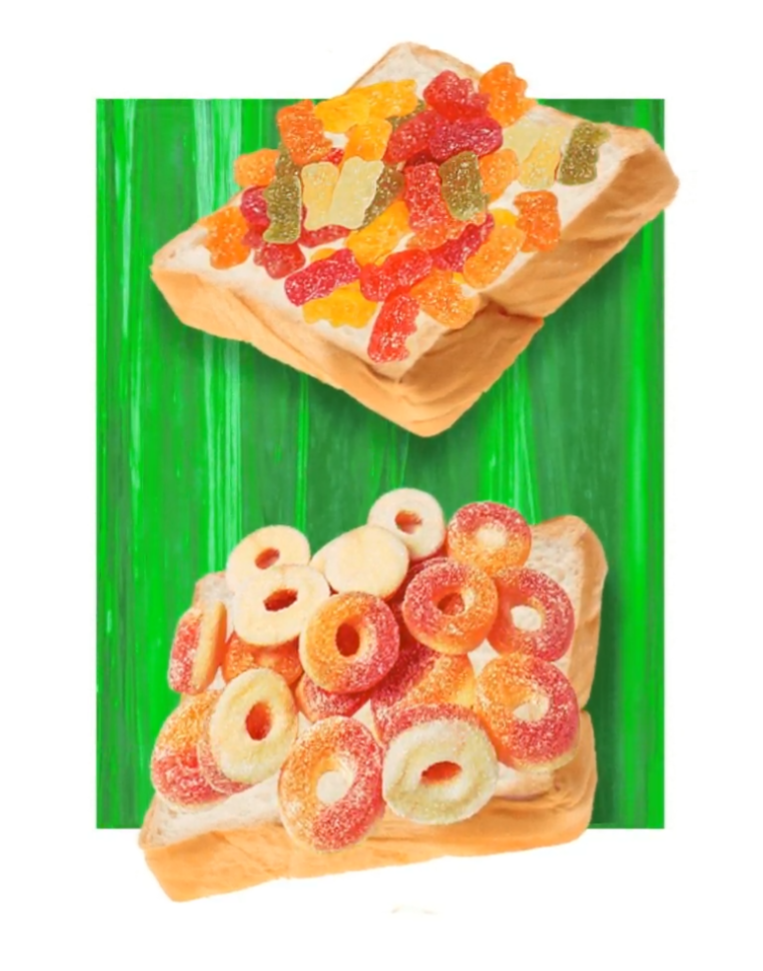
Healthy eating supports stable energy levels through the day and aids cognitive processes, like memory and concentration. Meals with protein and whole grains that digest more slowly keep blood sugar levels even, enhancing sustained attention and helping keep your mood positive.  Eating at regular intervals and avoiding sugar lows, or spikes, not only keeps you physically healthy, but also keeps your brain chemistry in top form for learning.

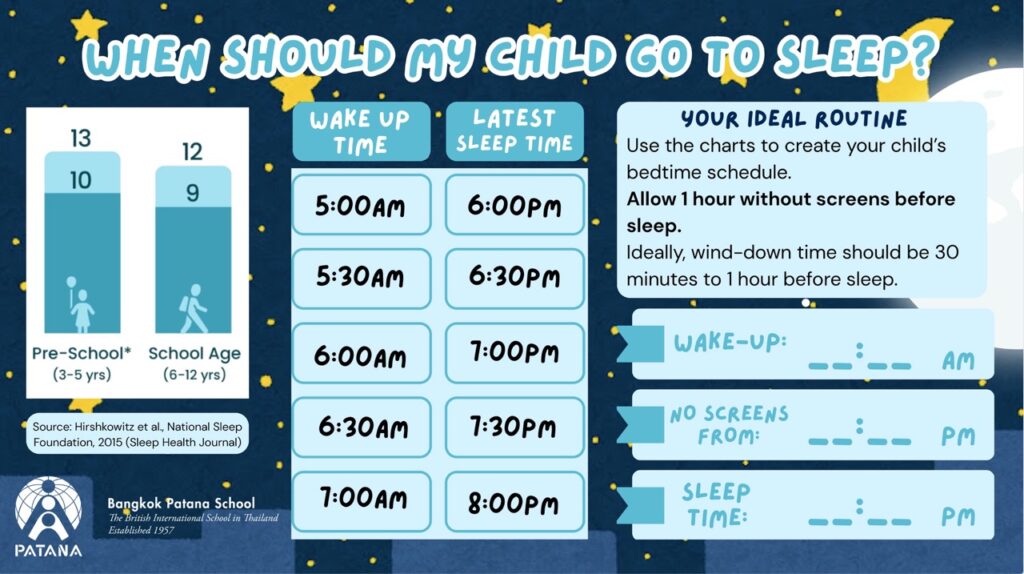
Sleep is not only important for physical rest but is also vital for the mind. During sleep, chemical waste is cleared from the brain, information from the day is processed, and long-term memory storage is consolidated. Studies link adequate sleep to improvements in attention, problem-solving skills, behaviour regulation, and academic performance. How much sleep is enough? Researchers studying sleep recommend children aged 3-5 years get 10-13 hours; 6-12 year-olds need 10-12 hours; teens require 8-10 hours, and adults 7 hours. A regular bedtime routine with a predictable sequence, a consistent wake-up time, no screen time in the hour before bedtime and a cool, dark room should all support an environment conducive to a deep and restorative sleep.

Just like adequate sleep, unstructured downtime is essential for brain health. Research has uncovered that the brain encodes new information and skills better when it has time to reflect and focus inward. Studies show that these breaks improve focus and problem-solving skills, boost memories, build creativity and help define our sense of self. Downtime should be spent in calm activities that require little new thinking and allow the mind to wander. The best types of activities are open-ended or have no rules to follow. Things like working with modelling clay, building with Lego, imaginative free-play outside (or in) with play forts or games, art or crafting projects, hiking or geocaching, and even nature photography are great ways to encourage downtime at home.

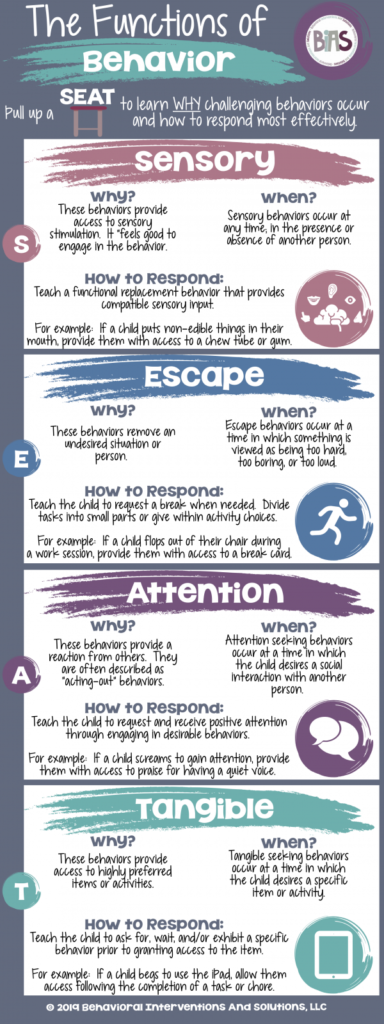
Research also links helping children learn to regulate their responses to emotion equips them to better handle stress, cope with setbacks, and teaches academic resilience. Behaviour in children, positive or negative, serves a purpose and understanding the reasons behind it can help parents know how to respond. Generally, behaviour can fall into four categories: seeking attention, a desire to escape a task, gaining access to an item (such as video games), or a reaction to a sensory feeling (such as hunger or tiredness). You can model alternate, appropriate responses at home to help children meet their needs. For attention seeking behaviours, work to provide one-on-one time for positive interactions, praise alternate ways to get attention and do not reward undesired behaviours. For avoidance behaviours, offering choices between two different tasks, or reducing the time for a task can help make the experience more positive.

Finally, psychologists note organised students experience less anxiety, are better at time management, and approach learning challenges with confidence. While organising is an internal, executive function skill, there are ways to make the process visual for children. Teachers keep visual timetables posted and remind students of upcoming events and required materials. At home, keeping calendars posted with family and school events helps teach the concept of time and preparation. Facilitating a daily routine with checklists so students prepare for the day by organising their own backpacks and ensuring they have everything, like library books or PE kit, reduces the cognitive energy spent on last-minute worrying or planning which can distract from learning. Routines and preparation build confidence and reduce power struggles between parent and child so each day can start with everyone in a positive mood.

By supporting healthy sleep, nutrition, organisation, emotional awareness, and restorative downtime, families can cultivate the skills needed for students to feel safe, be curious and kind and be fully engaged in learning at school.

Share This Article

In this Issue

Talking With Your Child About Sex and Relationships  

by Carol Battram, Primary Vice Principal Pastoral

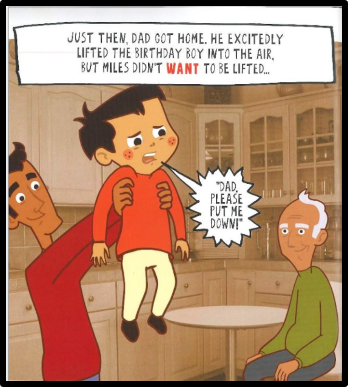
Children need accurate information about their bodies, how to keep themselves safe, and how to build healthy and positive relationships. Our Relationship and Sex Education unit (RSE) is taught in all Primary Year groups during Term 3.  

Talking with your child about relationships and sex generally works best as ongoing family conversations. Most children are curious and would like to know more.  

It’s helpful to consider your own views and values before responding to their questions.  

  • What information are you ready to share with your child?  
  • What sort of questions would be welcomed? 
  • What sort of questions might you struggle to answer? 

Asking and answering questions helps develop understanding. If you are not sure how much they already know, ask them some questions back. If they ask a question at the wrong moment, agree to talk about it later. You never have to give your answer straight away. 

Ages and Stages  

Some behaviours are more common at different points in a child’s development.  

● Wanting to play with the same friend every day 

● Only finding friends of the same biological sex  

● Making comments about people’s bodies  

● Showing each other their bodies – as the funniest thing ever 

● Showing curiosity about physical differences  

● Being happily naked in front of other people 

● Embarrassed to be seen naked – or to see a parent naked! 

● Finding it hard to let you go 

● Giving grunts, not hugs 

Naming Body Parts 

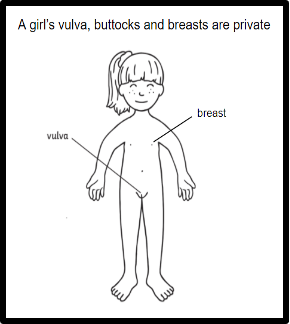
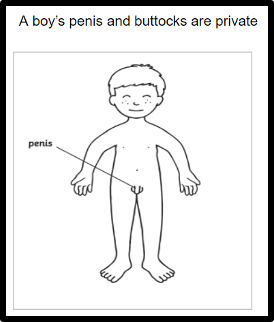
Children need to learn about their body, and how a body changes over time. Your child needs to know the right words for all parts of their body.  

Within the Primary School, we teach the names of the visible genitalia (vulva, testicles, penis) in the same way that we name other body parts (bottom, nipples, elbow, knee, toes).  

We teach that some parts should be kept private in shared spaces like school. As a family, you may have other names for genitalia and other ‘private parts’ and that’s fine.  

We take care to tell the children that these are private parts, not shameful parts. 

Infancy: Up to two years  

Toddlers can start to learn names for all visible parts of the body, including private parts. They may start to show curiosity about physical differences.  

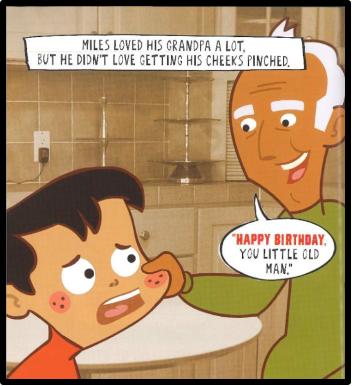
Age-appropriate consent should be part of these conversations, so that your child can recognise when touching is safe and welcome – and when it is not.  

Two to five years old – introducing consent and personal safety 

Children learn that their body belongs to them.  
They have a right to privacy – for example, when going to the toilet. They can say no when they do not want to be touched. 
They are taught not to show or share parts of our body covered by underwear or swimwear, and that nobody has the right to touch their private parts. They are taught what to do, what to say, and who to tell if they ever feel unsafe or unsure about a touch.  

Five to eight years old – curious and observant 

Children can see that we all change and grow in different ways.  

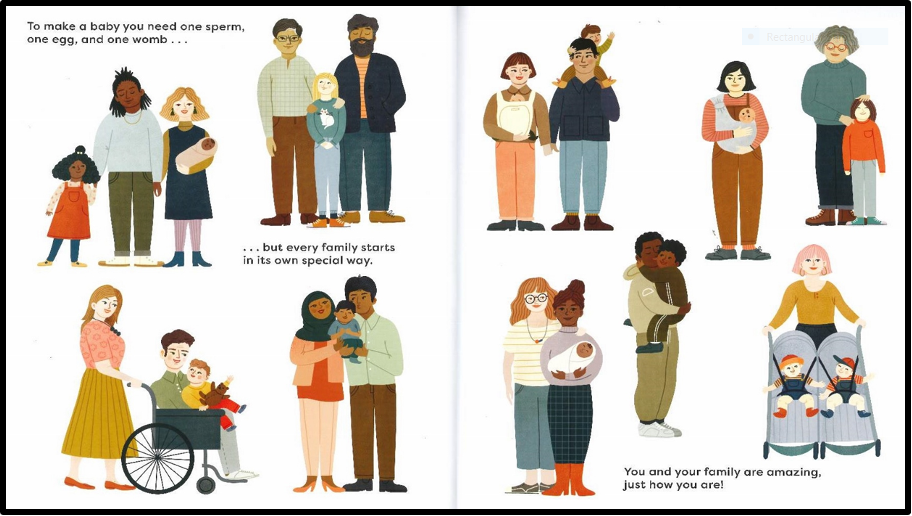
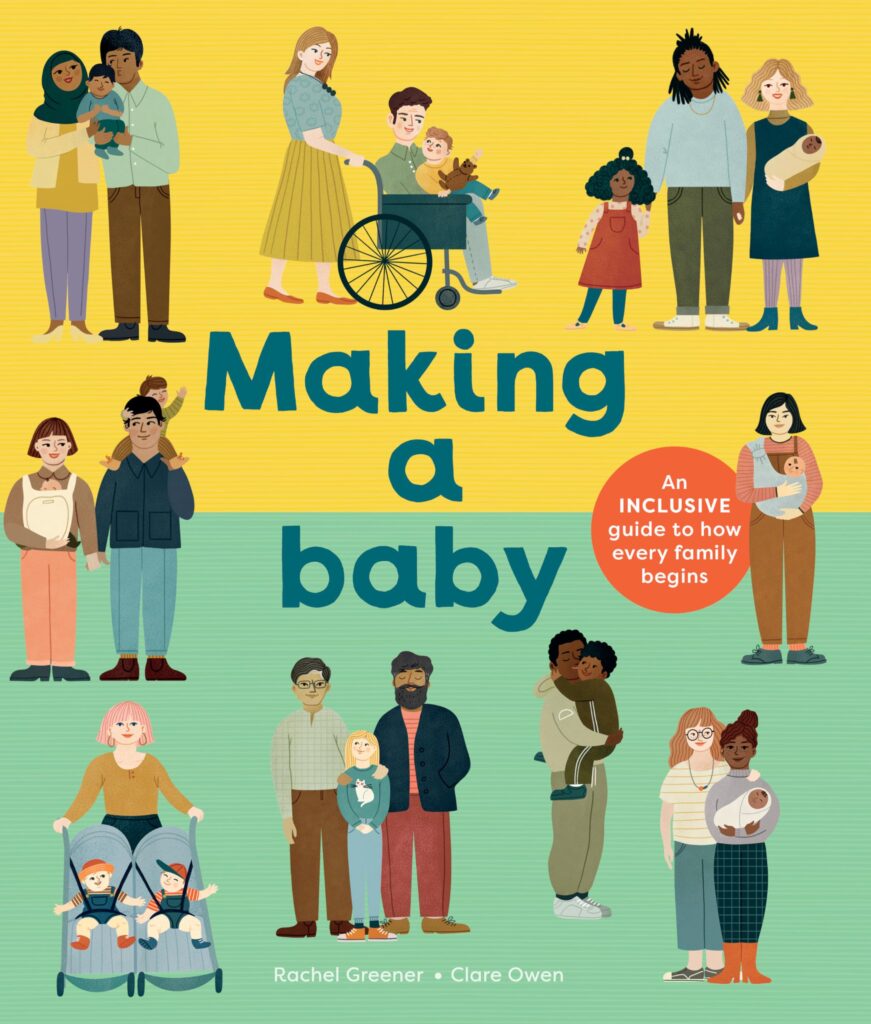
They develop their understanding of consent, privacy, and respect for others. They are interested in the different ways in which babies are made and born. They learn that some families look like theirs and some look different. They are taught that every family belongs in our school. 

Nine and upwards – big changes, big emotions  

Children need to know about puberty before these big changes occur.  

Some will start puberty earlier than their friends and some much later.  

Changes at puberty should not be a mystery.  

We teach all children about puberty, sometimes in their class, sometimes in single sex groups. Girls need to know about boys’ changes, and boys need to know about girls’ changes. We do not ignore social and emotional changes, and we return again and again to what makes a relationship healthy and positive, including consent, safety, and respect.  

Your child may challenge the established norms and hierarchy within your family.  

They may experience complex and painful upsets within their friendship group. All of this is normal – but that doesn’t make it any easier for the family.  

Your child will need age-appropriate and trusted information at different stages of their physical, sexual and emotional development. They may seek out or be shown content not produced or marketed for children. We recommend that children can readily access information, whether a book or a trusted website.  

Helpful resources 

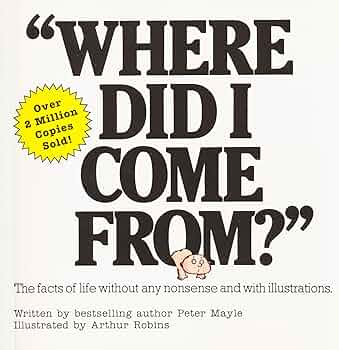
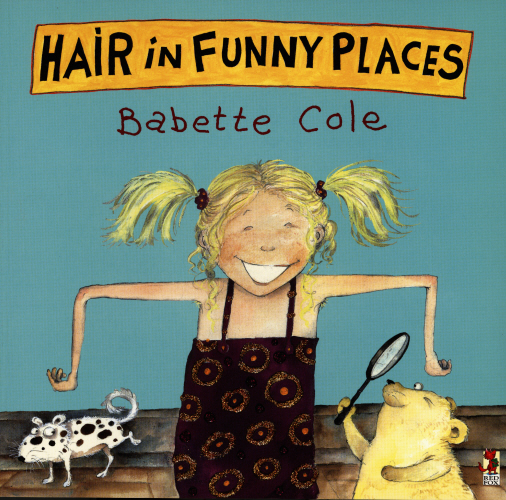
Books can be a bridge to a conversation, and you are welcome to visit our excellent libraries and ask for recommendations. We have books that are suitable for all ages, including grownups. I’ve shared some favourites here, but we have many more resources that you choose to share with your child or just to read yourself. We all have gaps in our knowledge and understanding. 

Puberty (PR).pdf 

Share This Article

In this Issue

Celebrate International Women’s Day 2026

by Purnima Ghogar, English Teacher Secondary School

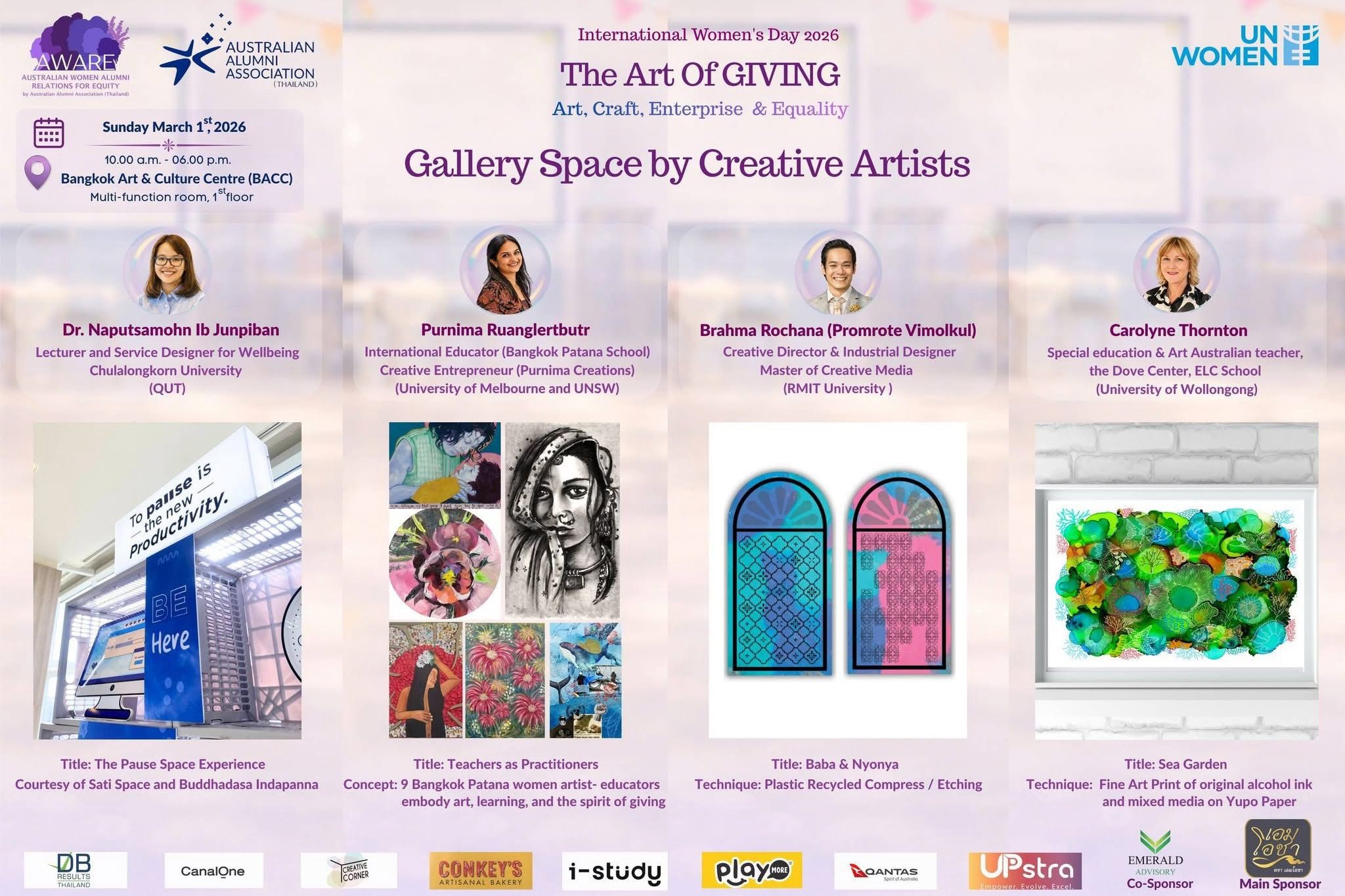
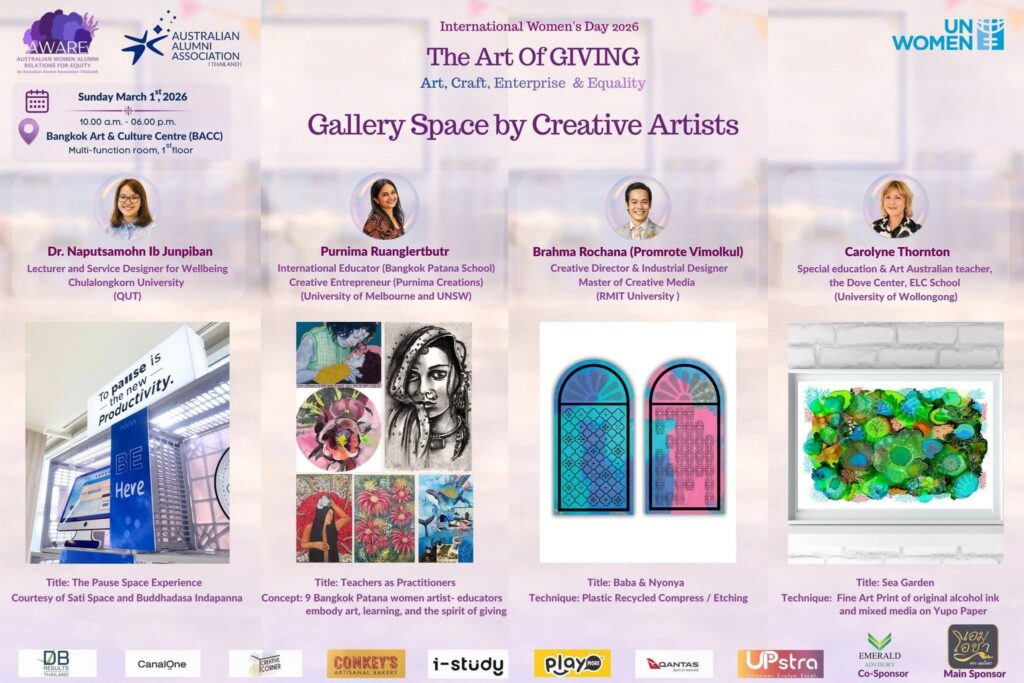
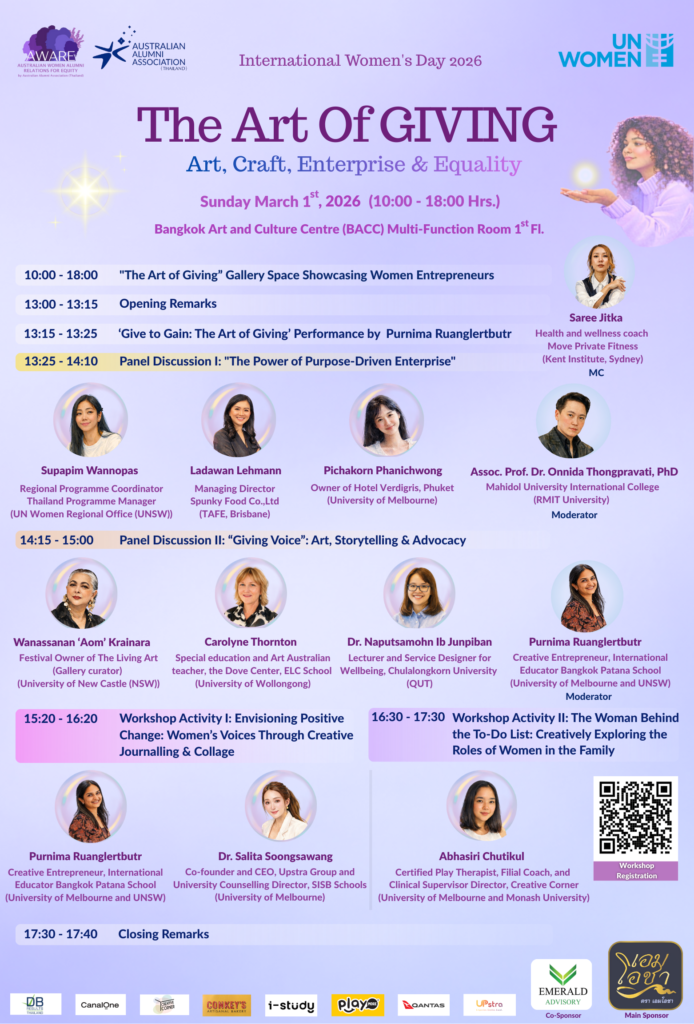
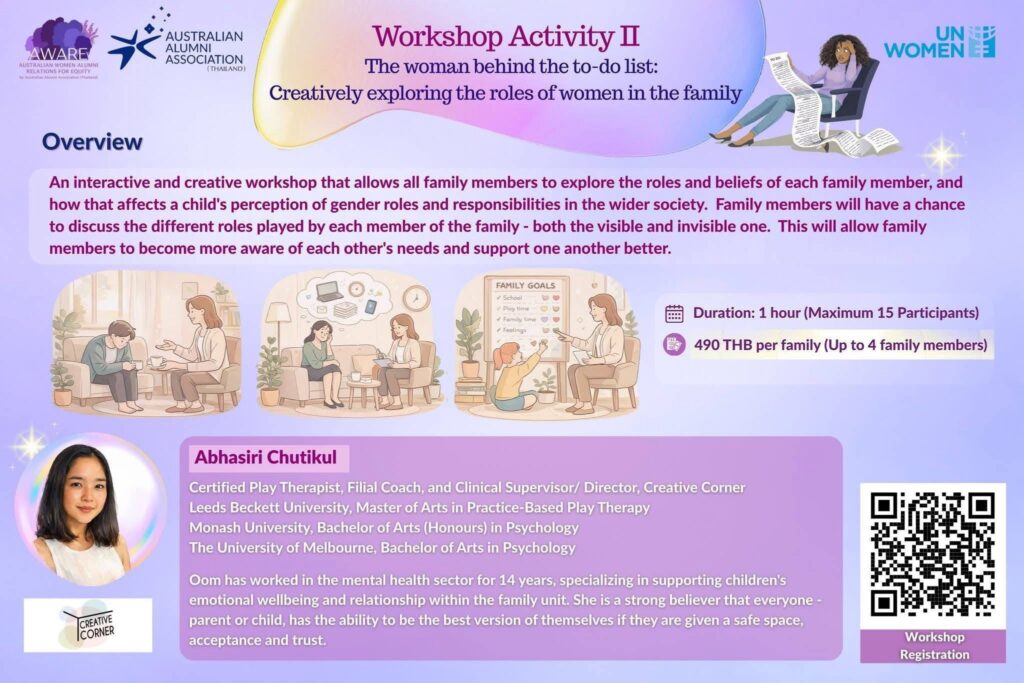
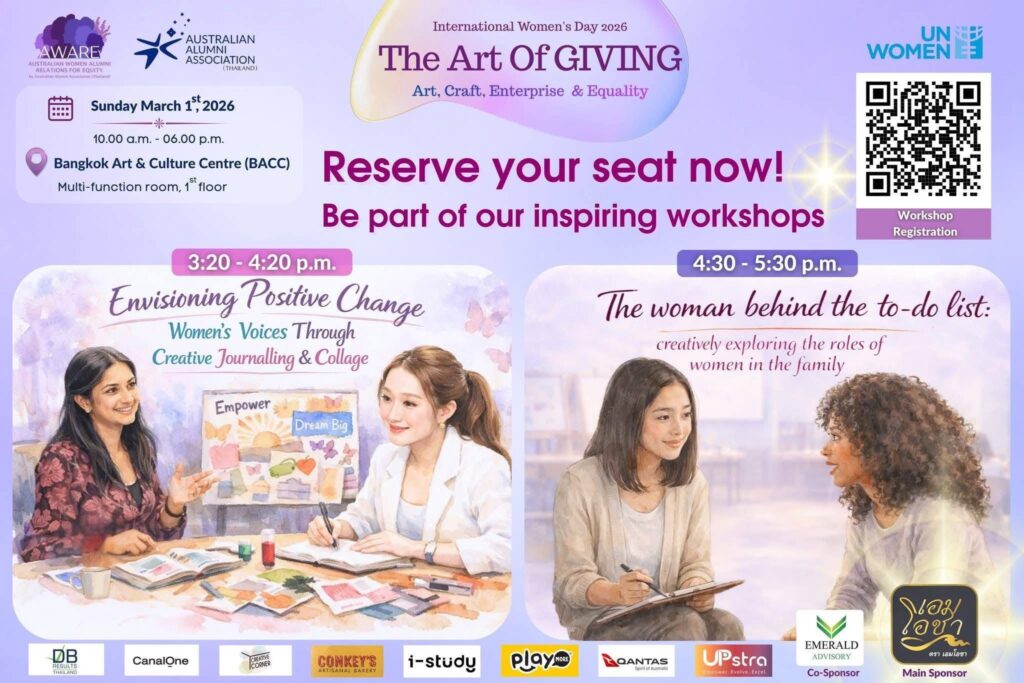
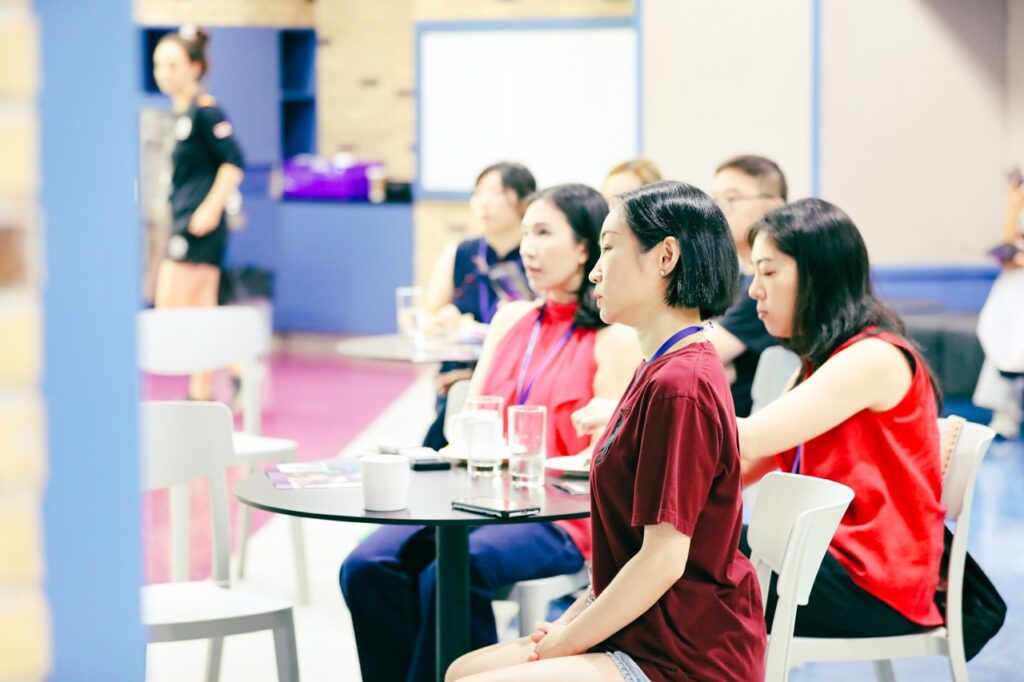
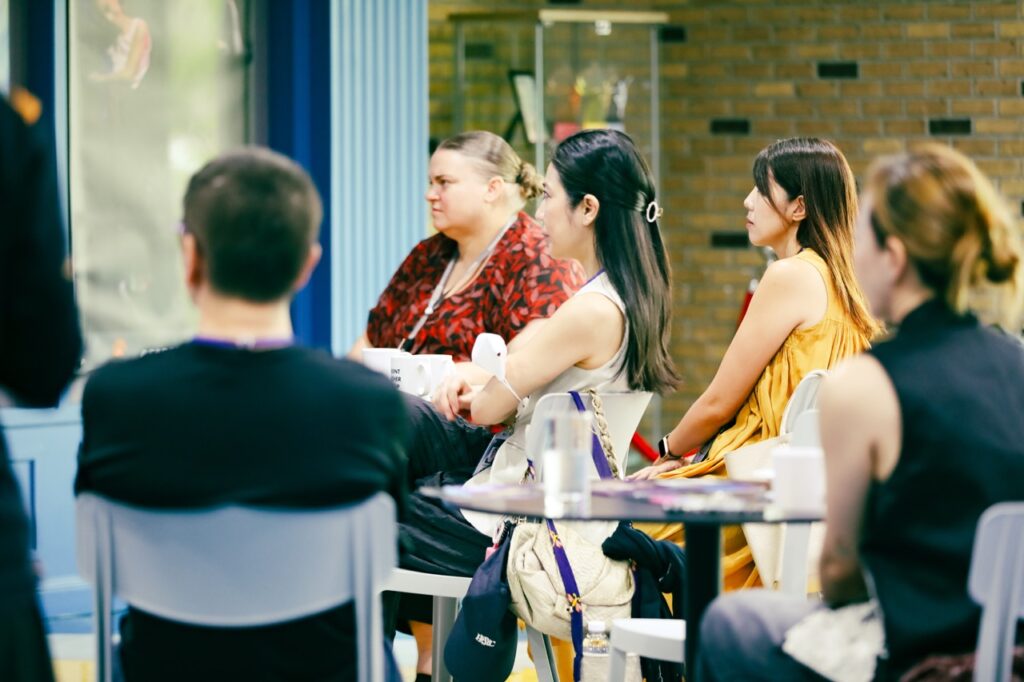
You are warmly invited to attend “The Art of Giving: Art, Craft, Enterprise & Equality” at the Bangkok Art & Culture Centre (BACC) this Sunday at the Bangkok Art and Cultural Centre.

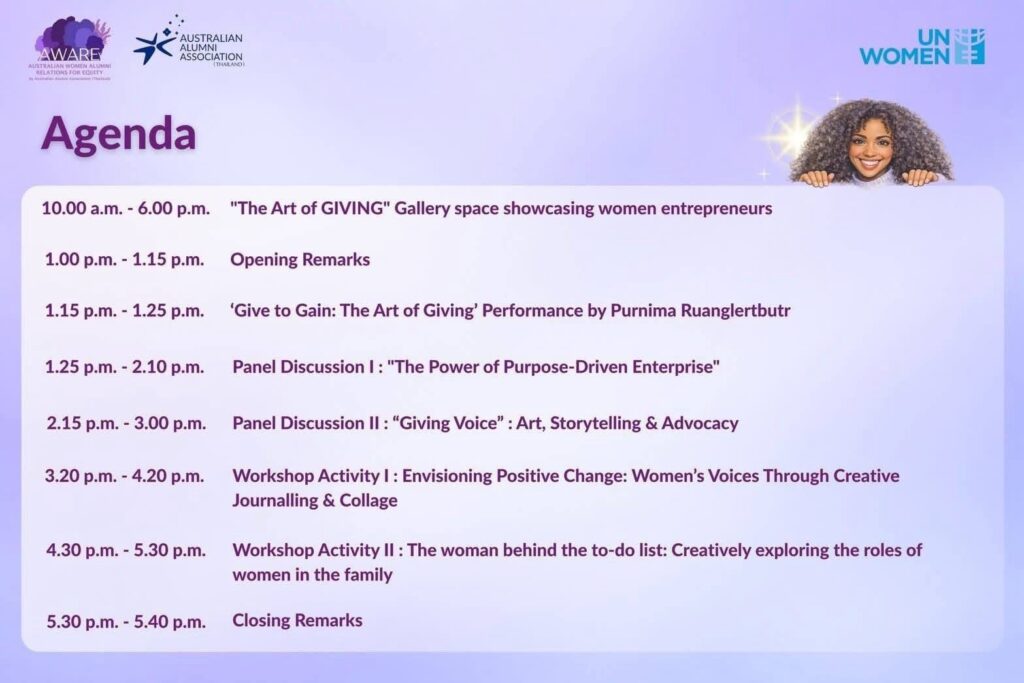
The programme will feature panel discussions, artist performances and interactive workshops celebrating creativity, enterprise and equality. A special highlight for our Patana community is the Art of Giving Gallery, showcasing the Teachers as Practitioners (TAPs) Project — Patana Canvases: Women’s Art & the Spirit of Giving.

The exhibition will feature works by the following TAPs (Teachers as Practitioners Programme) women artist-educators and leaders:
Cindy Adair
Purnima Ghogar 
Marie-Claire Redman
Tidarat Tonasut (Gung Gaew)
Duangporn Turongratanachai
Areeluck Songsirikul (Nina)
Pimpakarn Abhinoraseth (Jam)
Kate McClenaghan and Sathitha Kitchareonthumrong (Khun Waree)

During the event, Purnima Ghogar will also:
• Perform the inauguration poem on the campaign theme “Give to Gain: The Art of Giving”
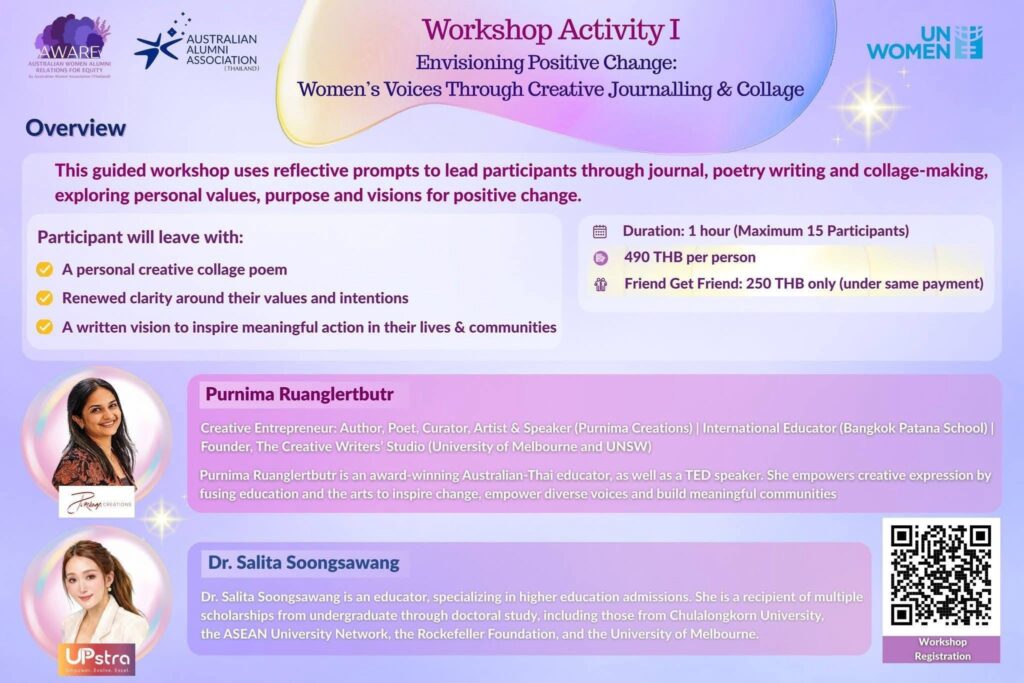
• Facilitate the workshop “Envisioning Positive Change: Empowering Women’s Voices Through Creative Journalling and Collage”
• Moderate the panel discussion “Giving Voice: Art, Storytelling & Advocacy”

Reserve a workshop space via the QR code if you’d like to participate, and drop in at any time during the day (programme details below). It would be wonderful to see members of our community there to celebrate, support and connect. 

Share This Article

In this Issue

Council of International Schools Re-accreditation Journey

by Cindy Adair, Cross Campus Principal

Bangkok Patana School has subscribed and been accredited by the Council of International Schools since 2000. It is a mark of quality assurance and distinction. This accreditation provides external validation, global benchmarking and professional rigour. More importantly, it creates a disciplined cycle of reflection and improvement that strengthens trust with families and ensures we continue to offer an education that is safe, forward-thinking and internationally respected.

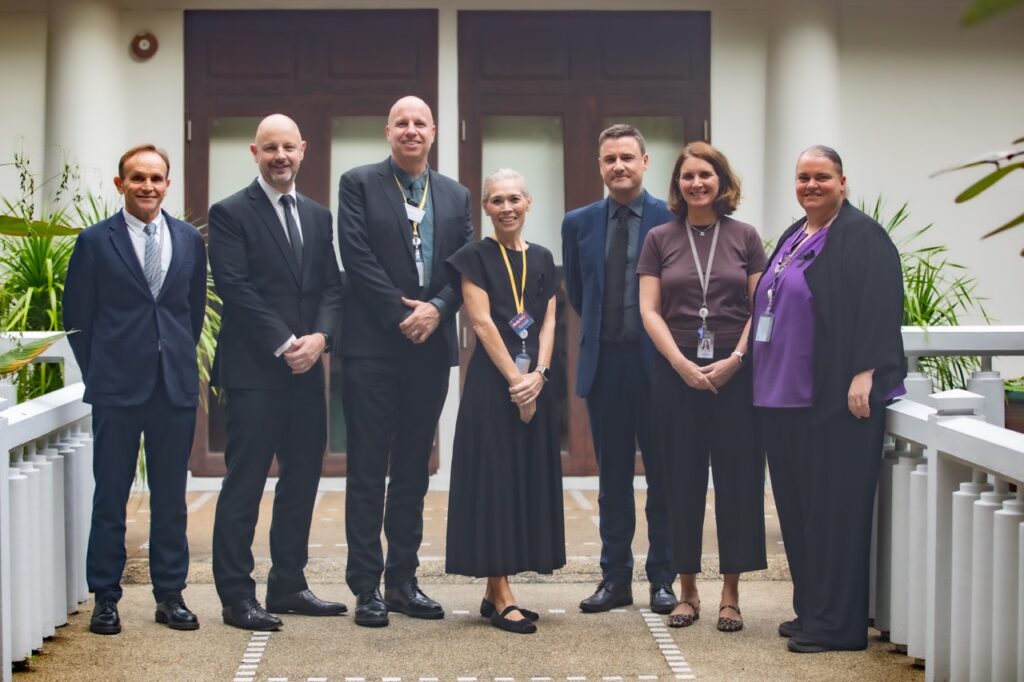
The five-year reaccreditation exercise began in November 2025 with two evaluators who visited the school and enabled us to benchmark the quality and improvement of our educational programmes with leading international practice. Their visit included learning walks alongside our educators and independently, community conversations with key stakeholder groups (students, business staff, parents, board members and alumni) as well as structured opportunities to work together to co-construct our action plan for the coming accreditation cycle. Following the visit the CIS team provided detailed feedback. Here are some of the highlights shared:

“Bangkok Patana School demonstrates a high level of coherence between its purpose, guiding principles, and daily practice.”

“Coherence between articulated values and lived experience is a notable strength of the school community.”

“The school’s commitment to well-being, inclusion, safeguarding, and global citizenship is deeply visible across phases.”

“The school maintains disciplined planning processes, strong professional learning structures, and an environment characterised by relational trust and high staff engagement.”

Following the successful Pre-Engagement visit and submission of our Development Plan, our 18-month Action Plan has now been formally approved by the Council of International Schools. This marks an important milestone. It affirms both the strength of our current provision and the ambition of our next steps. 

These next steps are to provide focus on four areas from our current Development Plan which help accreditors understand our self-improvement processes and outcomes in more depth. The final reaccreditation visit is scheduled for May 2027 in partnership with ONESQA who quality assure our Thai provision. Over the next 12 months, you will see us engaging the community through surveys and structured feedback opportunities to help gain further in-depth insights which relate to:


Next Generation Assessment

We will refine how we assess learning in an era shaped by AI, interdisciplinary thinking and transferable skills. This includes aligning assessment practices to ensure authenticity, integrity and deeper learning, preparing students not just for exams, but for a rapidly evolving world.

Community Information Systems
We are developing clearer, more accessible data visualisation that enable leaders and teachers to see patterns over time, respond earlier and communicate progress effectively. Our goal is not more data, but better insight, supporting timely interventions and informed decision-making.

Vertical Articulation of Well-being
Well-being remains foundational to our mission. We will strengthen the coherence of our well-being curriculum from Foundation Stage through to Year 13, ensuring developmental progression, shared language and clarity about what students know, understand and can do at each stage.

Review of our Languages Policy
As an international school community, language is central to access, engagement and progress in learning. We will review our Languages policy to ensure it reflects current research, honours multilingualism, and clearly articulates how the school prioritises and deploys its resources to support learners

Our work is framed by CIS’s revised ‘International Accreditation Framework’ which emphasises safeguarding, student voice, ethical leadership, global citizenship and impact. The new framework moves beyond procedural compliance and towards demonstrable effectiveness, asking schools not just what they do, but how well it works for learners. We look forward to partnering with you as we move toward our May 2027 Team Evaluation with clarity, curiosity and collective purpose.

Share This Article

In this Issue

Students Shine at SEASAC MUN in Hong Kong

By Hasan Ghazi, Business & Economics Teacher, BPS MUN Director

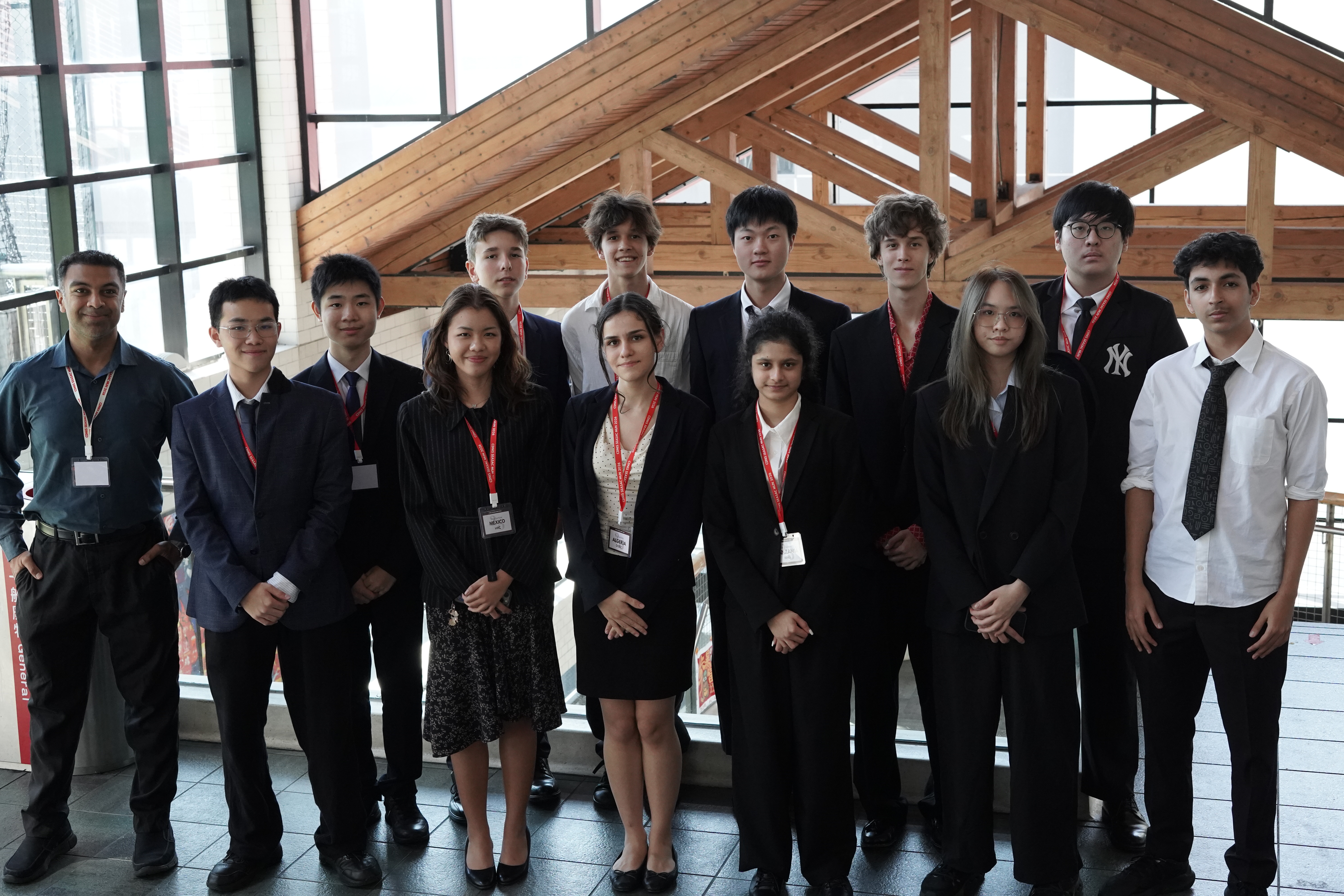
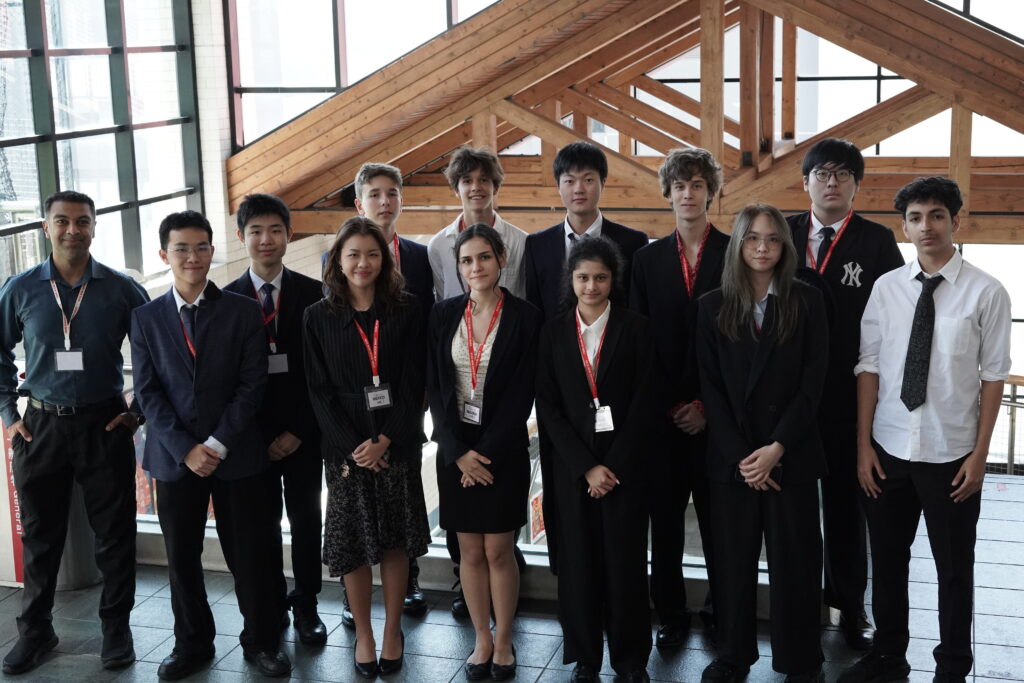
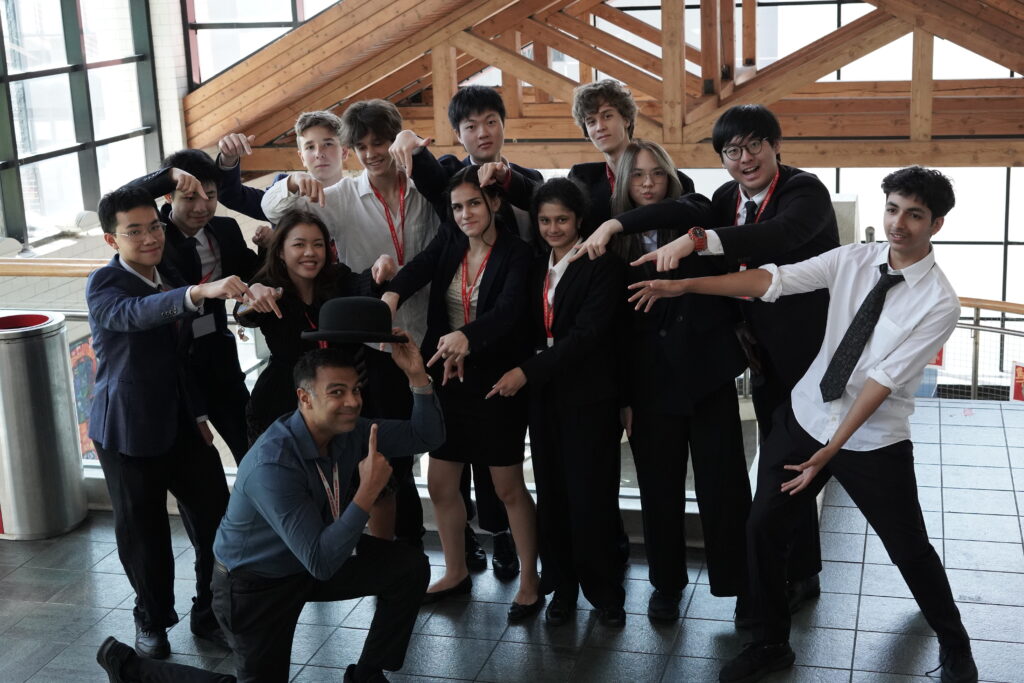
In early February, a team of 12 Bangkok Patana students travelled to Hong Kong to take part in the SEASAC Model United Nations, hosted this year by the Canadian International School of Hong Kong (CDNIS). The conference brought together students from 13 international schools across the region for four days of debate, diplomacy and fast-paced problem solving.

Across a wide range of committees, our delegates tackled complex global issues, negotiated resolutions late into the day, and represented their assigned countries with impressive maturity and confidence. For many, it was a chance to step outside their comfort zone; for all, it was an opportunity to think critically, speak persuasively and collaborate under pressure.

We are especially proud to celebrate four students who were recognised at the closing ceremony:

  • Mallika (Molly) Moo-Ming – Best Speaker (UNHRC)
  • Phineas (Phin) Larmer-Beech – Best Delegate (United States Senate)
  • Arevik Khanyan – Best Delegate (DISEC)
  • Sahiem Anand – Best Speaker (Crisis Committee)

These awards are a wonderful achievement, but they also reflect the preparation, teamwork and resilience shown by the entire delegation throughout the conference.

SEASAC MUN remains one of the highlights of the year for our students. It’s an event that goes beyond the competition, and focuses on the friendships formed, the late-night drafting sessions, and the confidence that comes from standing up and speaking on global issues.

Well done to all 12 delegates for representing Bangkok Patana School with such professionalism and pride.

Share This Article

In this Issue

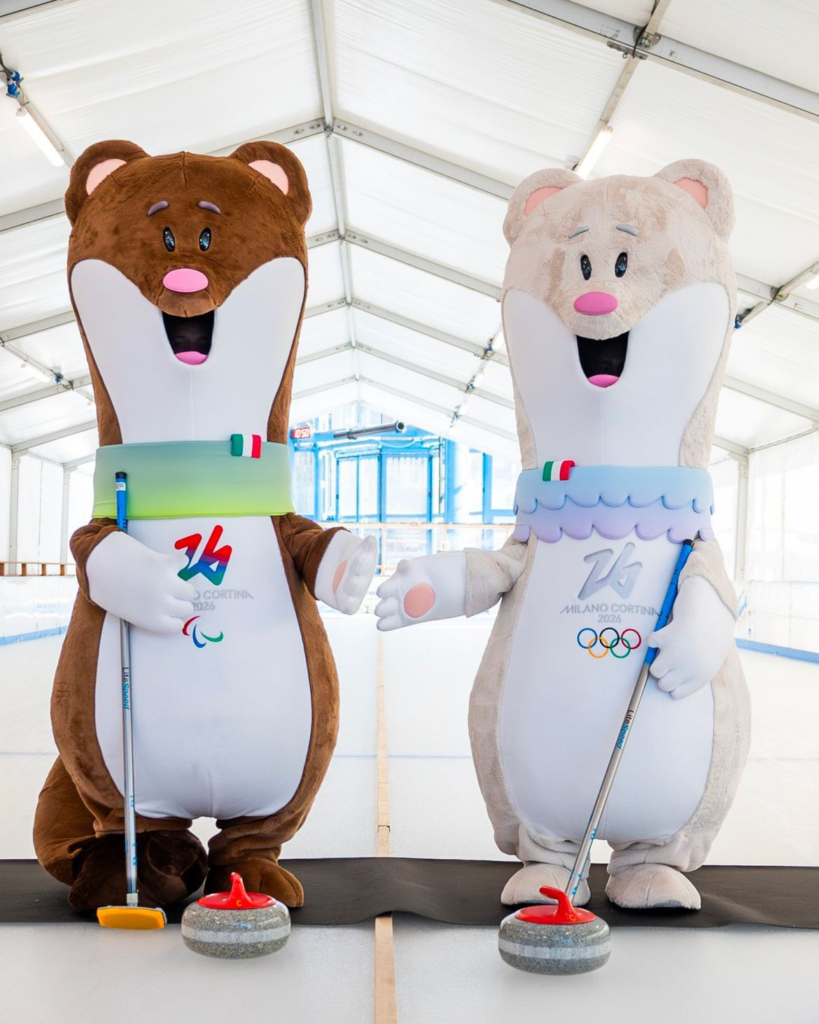
Winter Olympics 2026: Highlights From the Ice!

Tiger Sports Council

During the half term break the Winter Olympic Games took the world by storm as athletes took the stage going head to head in the harshest conditions showcasing some of the most unique sports. Here are some fun facts to celebrate! 

  1. Games in two cities?

The 2026 Winter Olympics were held in both Milan and Cortina d’Ampezzo, Italy making it the most geographically spread out Winter Games ever.

  1. The More the Merrier

Athlete turnout this year was huge with approximately 2,800 athletes from roughly 90 countries competing in more than 100 medal events making it one of the biggest Winter Olympics in history.

  1. Thai Representation

This year Thailand had three athletes in skiing events. Cross country skiers Mark and Karen Chanloung served as the country’s flagbearers at the Opening Ceremony marking Thailand’s sixth appearance at the Winter Games.

  1. Golden Comeback

Alysa Liu returned to elite competition after years off the ice and coming back fiercer than ever winning two gold medals and ending a 20-year wait for a U.S. women’s figure skating gold. A great showcase of the power of hardwork, grit and determination! 

  1. Engineered Snow

Weather can be unpredictable so artificially engineered snow can ensure denser and faster conditions for the athletes to compete on to ensure thrilling and faster performances. 

  1. Skeleton is Deadly

Skeleton is the most dangerous sport in the games consisting of athletes racing down icy tracks headfirst with speeds exceeding 130km/h whilst navigating narrow, precise tracks. This event really takes guts!

  1. Amazing Torch Relay

The Olympic Torch travelled more than 12,000km though Greece, Italy and even the Vatican City before the games began.

  1. Ice Hockey Goalies Special Skates

Ice Hockey goalies wear flatter and longer blades designed to help stay balanced while sliding side to side quickly to intercept goals.

  1. Olympic Village Cafeteria

The Winter Olympic Village served thousands of meals a day with food from dozens of cuisines. Having a range of international dishes not only helped fuel the athletes well but also provided comfort from being far from their home countries. A viral dish was the Olympic Rings pasta with three different sauces that the athletes enjoyed throughout the competition.

  1.  Winter Olympic Values Go Global

 Winter Olympics brings international athletes together to not only compete but to cheer on one another, exercise sportsmanship, share traditions and bond over passion for their sport. Morals that can impact Olympic athletes and even school athletes!

Over the half term, the Winter Olympics brought sport to life  whether you were trying out tricks on the slopes, skating on the rink, or cheering on from home, the Olympics always is a reminder of how sport connects us all.

Share This Article

In this Issue

Year 12 Geography Trip

By Anya Schroeder, 12S

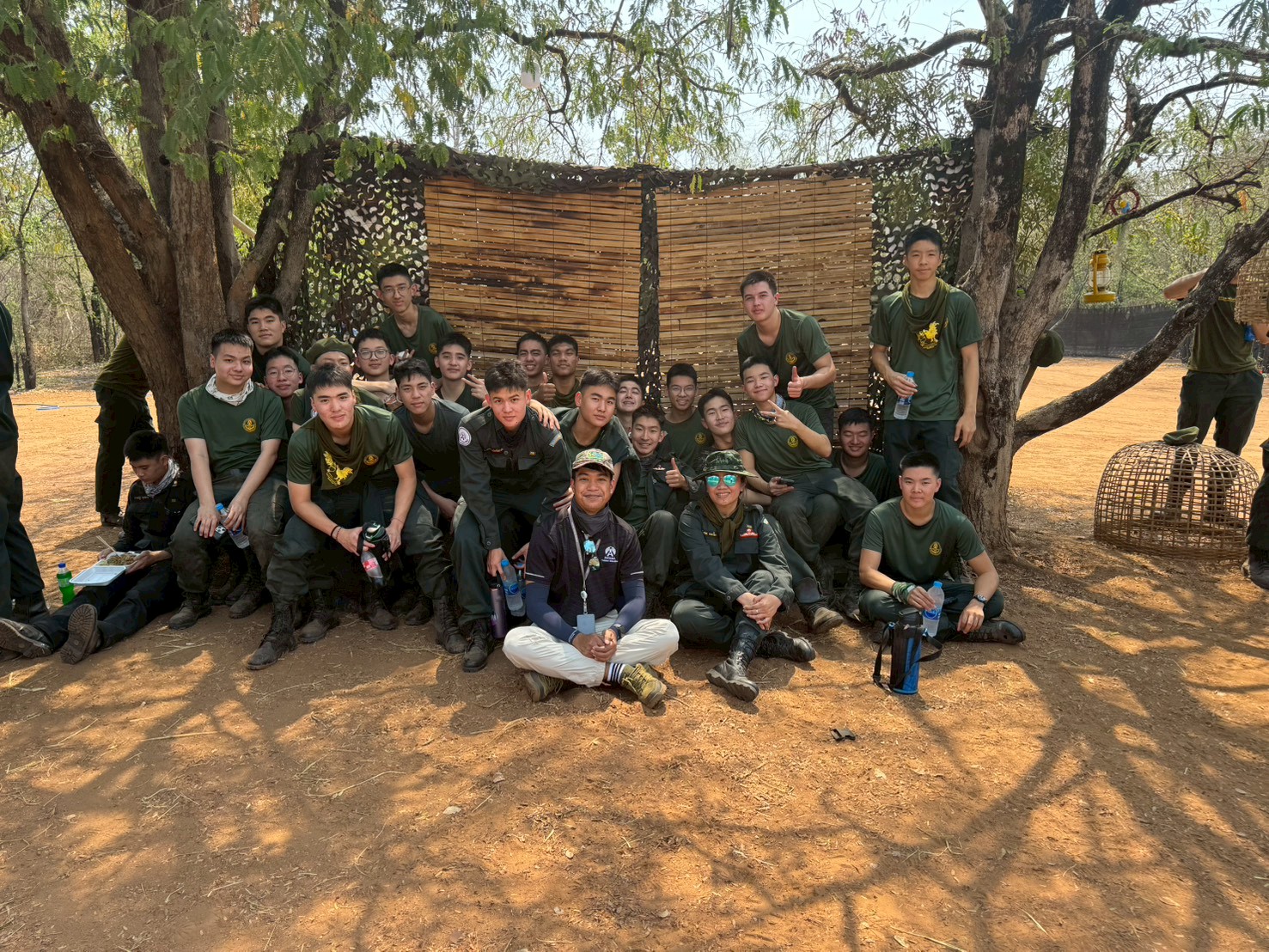
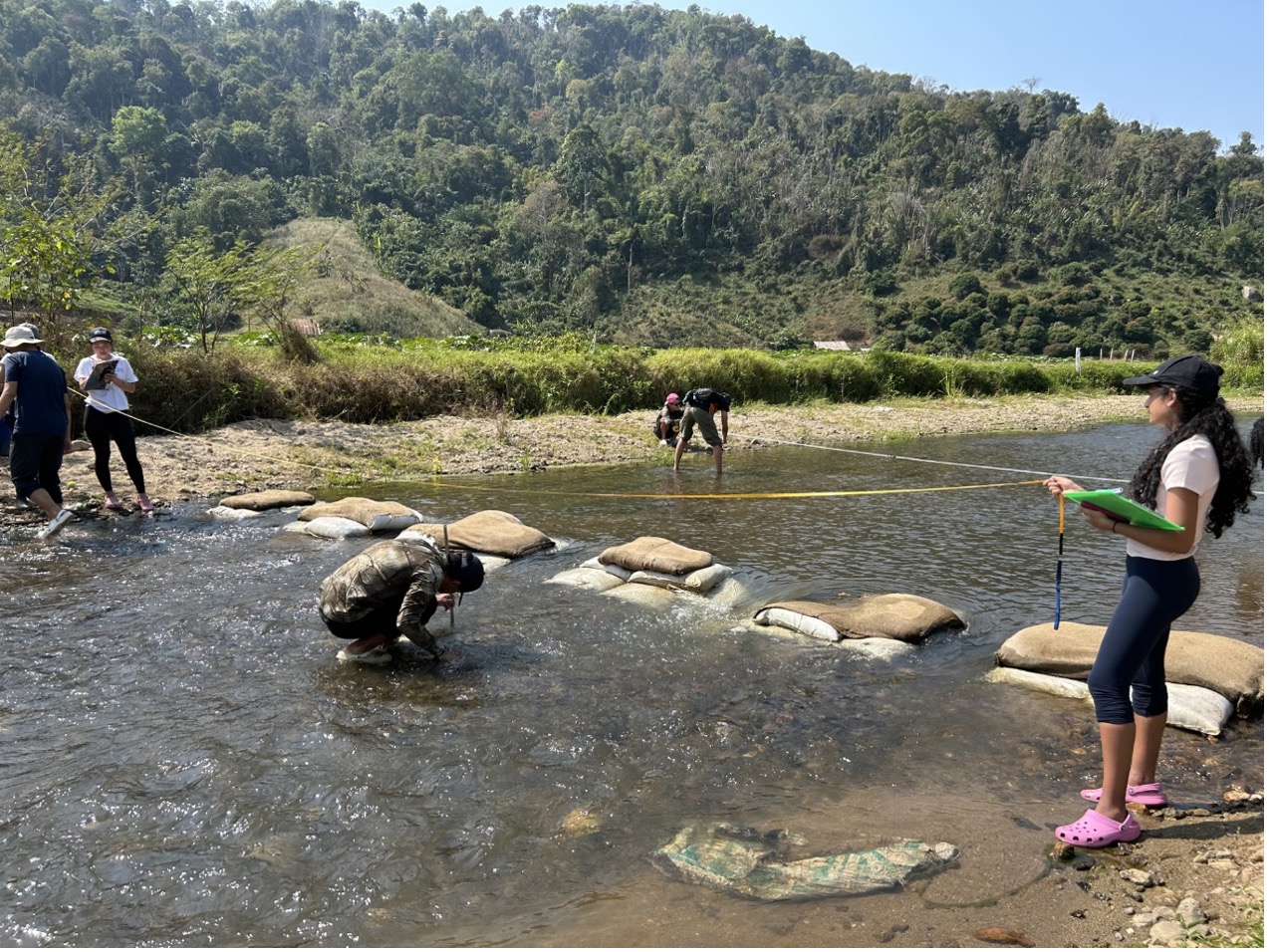
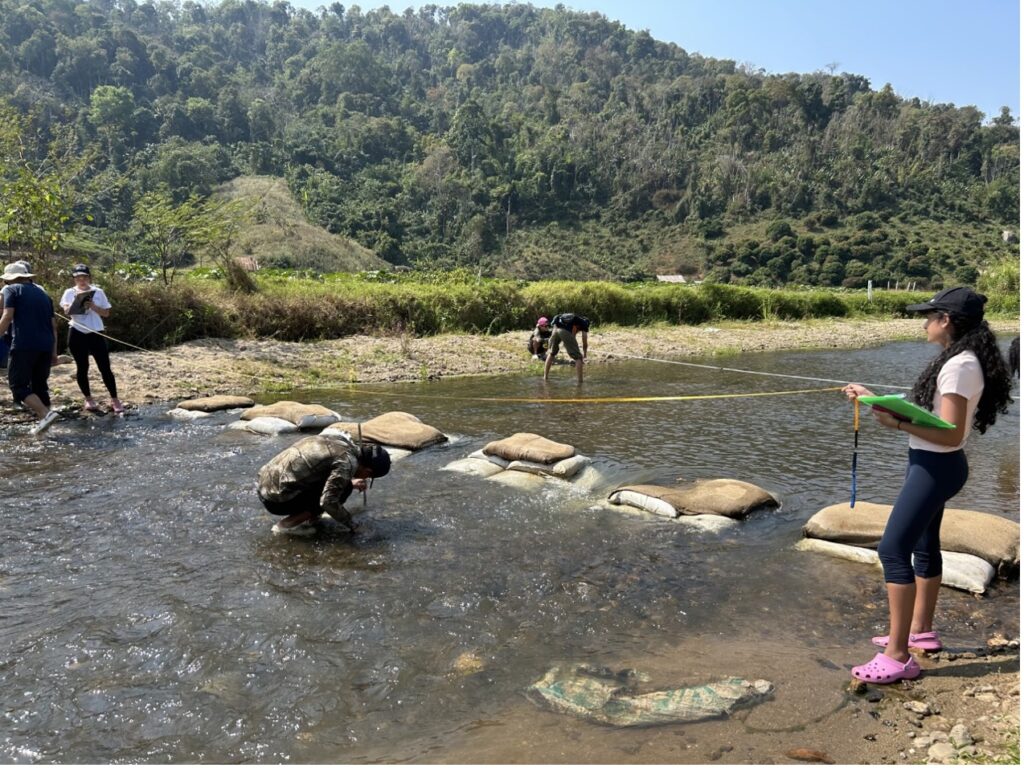
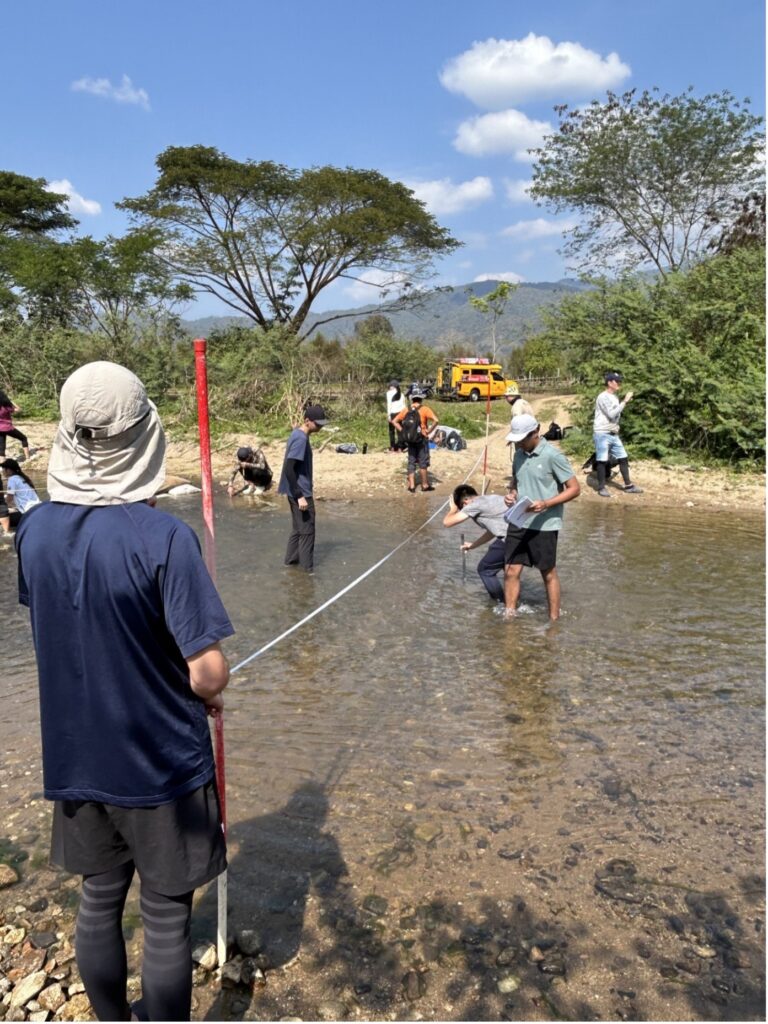
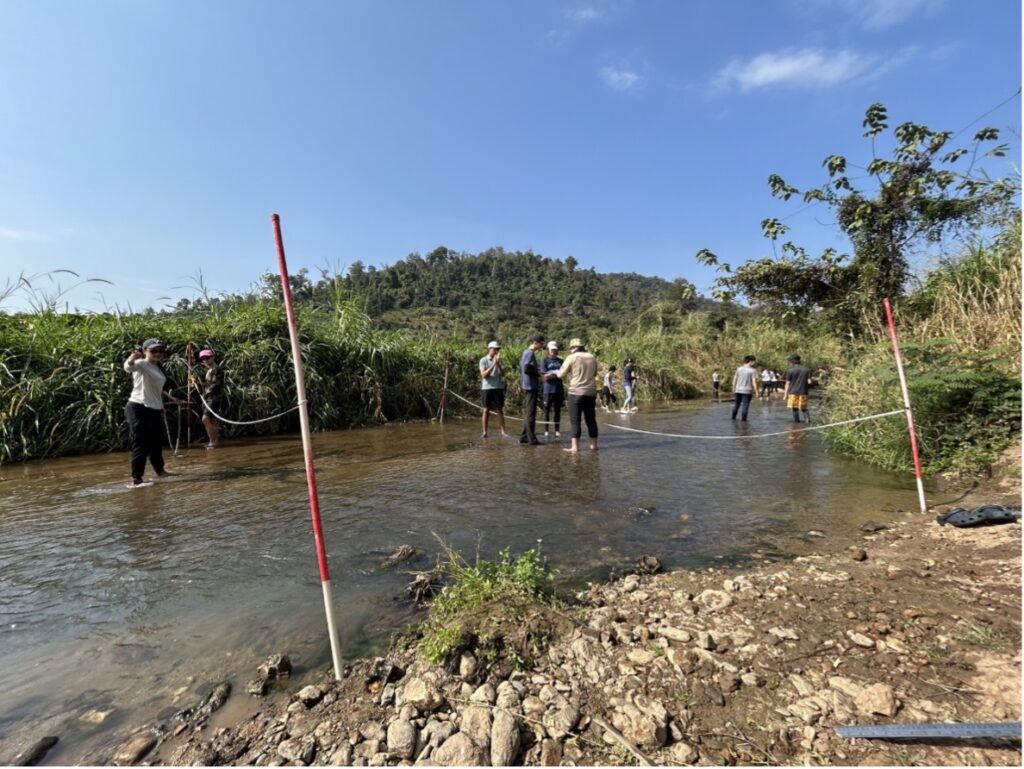
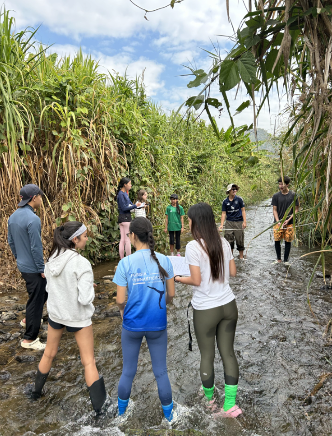
In early February, IB Geography students headed off to Chiang Rai. The main aim of the trip was to investigate the Mae Kok River and collect some in-the field data, which we will later be using to in our Internal Assessment (IA).

On the first two days of the trip, we visited 11 different sites along the river. At each of our locations, we collected data, which involved actually getting our feet wet and rolling up our sleeves to get stuck in! For each site we had to measure a range of different items such as the river channel width, depth, speed (velocity) and rocks (always measuring the rocks!). It was good fun, and interesting to apply what we learned in our lessons to real-world environments. Both evenings after having some free time and eating the delicious food, we got to work on our IAs and collate the data with the other groups.

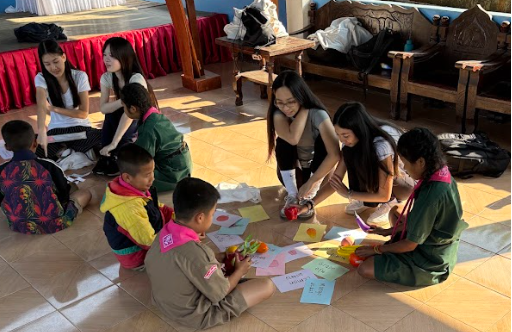
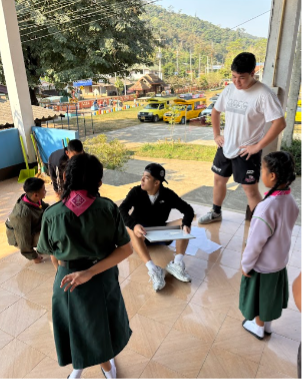
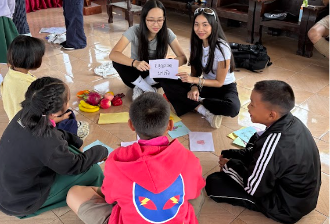
On the Thursday of our trip, we took the opportunity to do some community engagement activities. Some of us went to Thomas House and the rest of us went to a local school for the Lanna hilltribe in Mae Ai. During our visit, we split into different teams and took turns to build a new canteen and teach English to young students. It was an amazing experience interacting with the children, and we enjoyed playing with them just as much as they enjoyed spending time with us.

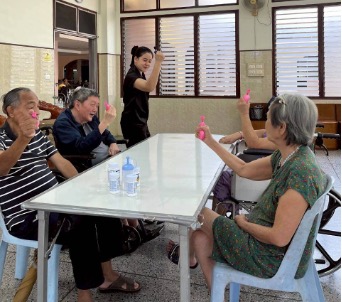
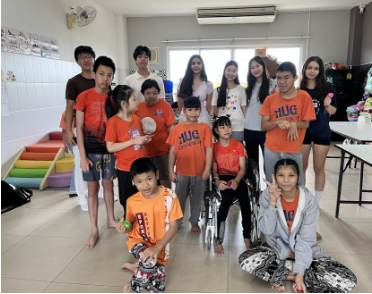
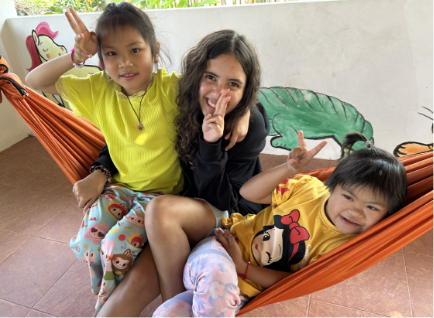
Whilst the others were canteen building and teaching local students their English lessons, we got a rare opportunity to go to a special educational centre to help out for the day at Thomas House. Thomas House is an organisation which has been set up as a small specialist school for children with special educational needs. Before Thomas House, children were either sent to schools that were either not equipped to cater to their needs or didn’t go to school at all. We started the day with circle time, where children sang songs which taught them parts of Thai language. Most of the children here come from tribal communities so they all speak slightly different dialects, so staff used songs to teach them Thai (their common language).

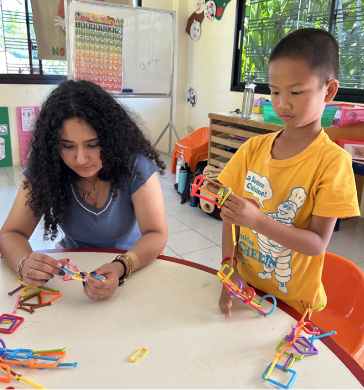
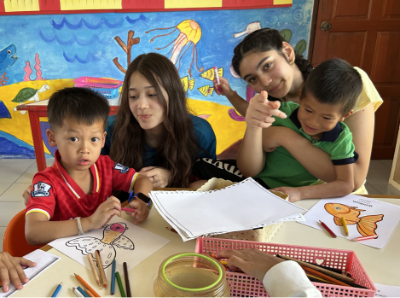
After circle time, we spent time doing activities and playing with the children. The activities were designed to encourage play, increase their fine motor skills like building and being creative like colouring. Children at Thomas House are all different ages so we had good fun doing a range of different activities with them. After their activities, we had lunch and circle time and then had a chance to talk to the ladies who run the centre who each have their own stories. It was a very engaging and interesting experience and one that we won’t forget.
After our community engagement activities, we finished off on a fun note with many of our friends tackling an obstacle course at the hotel. There were a few champions who managed to complete the course without falling into the water pit below and there were some who were less successful, it was really fun watching our friends slip and fall into the water.

The Geography trip was great fun; it gave us all a nice change to come away from the classroom and see our learning in action. It also gave us the chance to spend time together and bond more as a year group, whether that was sharing rooms, helping each other with our fieldwork, or just hanging out together.

Overall, the trip was both educational and memorable, and definitely one of the highlights of the year.

Share This Article

In this Issue

© 2025 Bangkok Patana School

Issue: 21
Volume: 28
Bangkok Patana School
Privacy Overview

This website uses cookies so that we can provide you with the best user experience possible. Cookie information is stored in your browser and performs functions such as recognising you when you return to our website and helping our team to understand which sections of the website you find most interesting and useful.