
Schools know the importance of sparking curiosity, helping students feel safe and modelling being kind to others. Researchers suggest there are several key ways to nurture these characteristics through maintaining healthy lifestyles, following routines and organising, and supporting emotional well-being.
Healthy eating supports stable energy levels through the day and aids cognitive processes, like memory and concentration. Meals with protein and whole grains that digest more slowly keep blood sugar levels even, enhancing sustained attention and helping keep your mood positive. Eating at regular intervals and avoiding sugar lows, or spikes, not only keeps you physically healthy, but also keeps your brain chemistry in top form for learning.
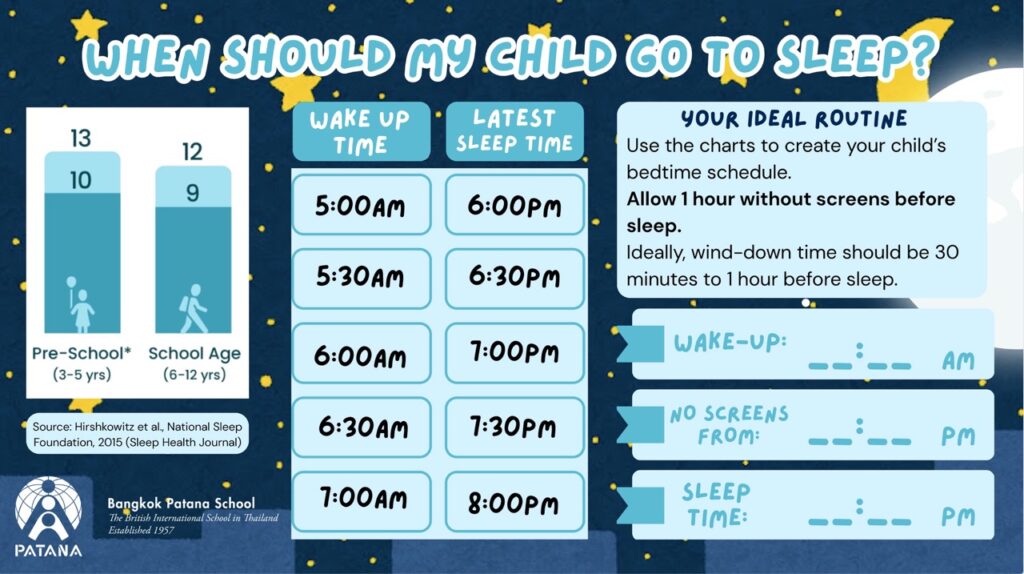
Sleep is not only important for physical rest but is also vital for the mind. During sleep, chemical waste is cleared from the brain, information from the day is processed, and long-term memory storage is consolidated. Studies link adequate sleep to improvements in attention, problem-solving skills, behaviour regulation, and academic performance. How much sleep is enough? Researchers studying sleep recommend children aged 3-5 years get 10-13 hours; 6-12 year-olds need 10-12 hours; teens require 8-10 hours, and adults 7 hours. A regular bedtime routine with a predictable sequence, a consistent wake-up time, no screen time in the hour before bedtime and a cool, dark room should all support an environment conducive to a deep and restorative sleep.
Just like adequate sleep, unstructured downtime is essential for brain health. Research has uncovered that the brain encodes new information and skills better when it has time to reflect and focus inward. Studies show that these breaks improve focus and problem-solving skills, boost memories, build creativity and help define our sense of self. Downtime should be spent in calm activities that require little new thinking and allow the mind to wander. The best types of activities are open-ended or have no rules to follow. Things like working with modelling clay, building with Lego, imaginative free-play outside (or in) with play forts or games, art or crafting projects, hiking or geocaching, and even nature photography are great ways to encourage downtime at home.
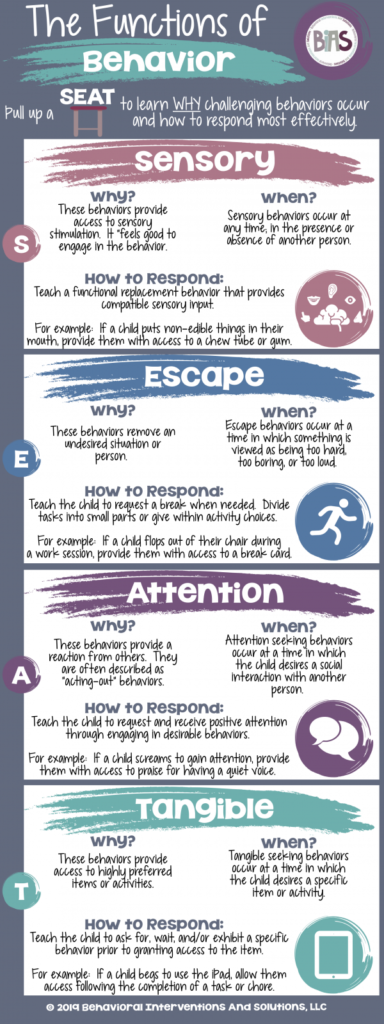
Research also links helping children learn to regulate their responses to emotion equips them to better handle stress, cope with setbacks, and teaches academic resilience. Behaviour in children, positive or negative, serves a purpose and understanding the reasons behind it can help parents know how to respond. Generally, behaviour can fall into four categories: seeking attention, a desire to escape a task, gaining access to an item (such as video games), or a reaction to a sensory feeling (such as hunger or tiredness). You can model alternate, appropriate responses at home to help children meet their needs. For attention seeking behaviours, work to provide one-on-one time for positive interactions, praise alternate ways to get attention and do not reward undesired behaviours. For avoidance behaviours, offering choices between two different tasks, or reducing the time for a task can help make the experience more positive.
Finally, psychologists note organised students experience less anxiety, are better at time management, and approach learning challenges with confidence. While organising is an internal, executive function skill, there are ways to make the process visual for children. Teachers keep visual timetables posted and remind students of upcoming events and required materials. At home, keeping calendars posted with family and school events helps teach the concept of time and preparation. Facilitating a daily routine with checklists so students prepare for the day by organising their own backpacks and ensuring they have everything, like library books or PE kit, reduces the cognitive energy spent on last-minute worrying or planning which can distract from learning. Routines and preparation build confidence and reduce power struggles between parent and child so each day can start with everyone in a positive mood.
By supporting healthy sleep, nutrition, organisation, emotional awareness, and restorative downtime, families can cultivate the skills needed for students to feel safe, be curious and kind and be fully engaged in learning at school.