
Children need accurate information about their bodies, how to keep themselves safe, and how to build healthy and positive relationships. Our Relationship and Sex Education unit (RSE) is taught in all Primary Year groups during Term 3.
Talking with your child about relationships and sex generally works best as ongoing family conversations. Most children are curious and would like to know more.
It’s helpful to consider your own views and values before responding to their questions.
- What information are you ready to share with your child?
- What sort of questions would be welcomed?
- What sort of questions might you struggle to answer?
Asking and answering questions helps develop understanding. If you are not sure how much they already know, ask them some questions back. If they ask a question at the wrong moment, agree to talk about it later. You never have to give your answer straight away.
Ages and Stages
Some behaviours are more common at different points in a child’s development.
● Wanting to play with the same friend every day
● Only finding friends of the same biological sex
● Making comments about people’s bodies
● Showing each other their bodies – as the funniest thing ever
● Showing curiosity about physical differences
● Being happily naked in front of other people
● Embarrassed to be seen naked – or to see a parent naked!
● Finding it hard to let you go
● Giving grunts, not hugs
Naming Body Parts
Children need to learn about their body, and how a body changes over time. Your child needs to know the right words for all parts of their body.
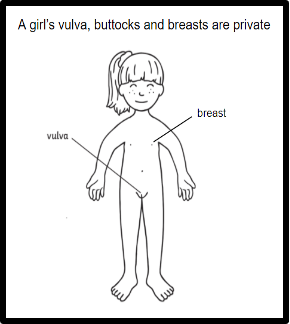
Within the Primary School, we teach the names of the visible genitalia (vulva, testicles, penis) in the same way that we name other body parts (bottom, nipples, elbow, knee, toes).
We teach that some parts should be kept private in shared spaces like school. As a family, you may have other names for genitalia and other ‘private parts’ and that’s fine.
We take care to tell the children that these are private parts, not shameful parts.
Infancy: Up to two years
Toddlers can start to learn names for all visible parts of the body, including private parts. They may start to show curiosity about physical differences.
Age-appropriate consent should be part of these conversations, so that your child can recognise when touching is safe and welcome – and when it is not.
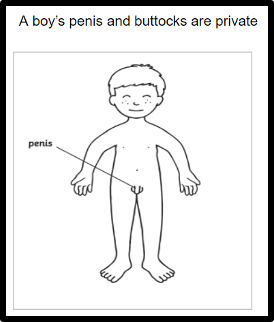
Two to five years old – introducing consent and personal safety
Children learn that their body belongs to them.
They have a right to privacy – for example, when going to the toilet. They can say no when they do not want to be touched.
They are taught not to show or share parts of our body covered by underwear or swimwear, and that nobody has the right to touch their private parts. They are taught what to do, what to say, and who to tell if they ever feel unsafe or unsure about a touch.
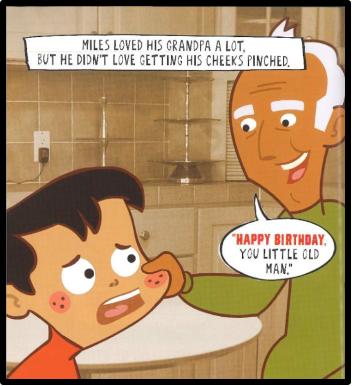
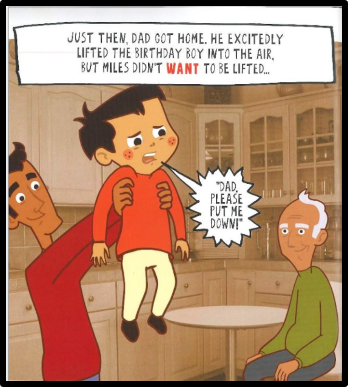
Five to eight years old – curious and observant
Children can see that we all change and grow in different ways.
They develop their understanding of consent, privacy, and respect for others. They are interested in the different ways in which babies are made and born. They learn that some families look like theirs and some look different. They are taught that every family belongs in our school.
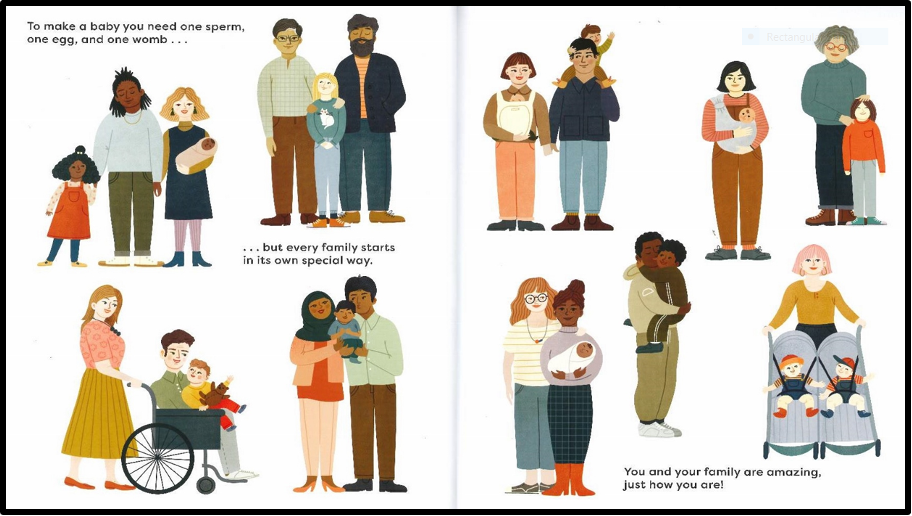
Nine and upwards – big changes, big emotions
Children need to know about puberty before these big changes occur.
Some will start puberty earlier than their friends and some much later.
Changes at puberty should not be a mystery.
We teach all children about puberty, sometimes in their class, sometimes in single sex groups. Girls need to know about boys’ changes, and boys need to know about girls’ changes. We do not ignore social and emotional changes, and we return again and again to what makes a relationship healthy and positive, including consent, safety, and respect.
Your child may challenge the established norms and hierarchy within your family.
They may experience complex and painful upsets within their friendship group. All of this is normal – but that doesn’t make it any easier for the family.
Your child will need age-appropriate and trusted information at different stages of their physical, sexual and emotional development. They may seek out or be shown content not produced or marketed for children. We recommend that children can readily access information, whether a book or a trusted website.
Helpful resources
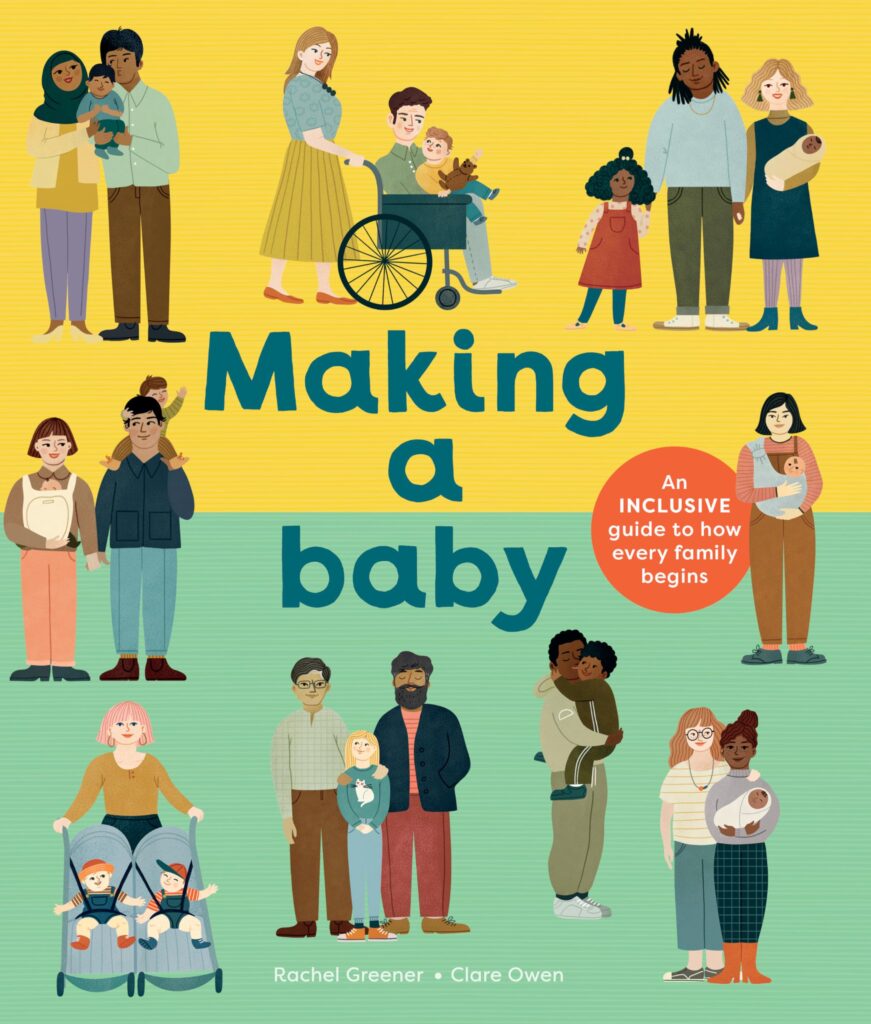
Books can be a bridge to a conversation, and you are welcome to visit our excellent libraries and ask for recommendations. We have books that are suitable for all ages, including grownups. I’ve shared some favourites here, but we have many more resources that you choose to share with your child or just to read yourself. We all have gaps in our knowledge and understanding.