
An Educational Initiative for Mercy Centre Children
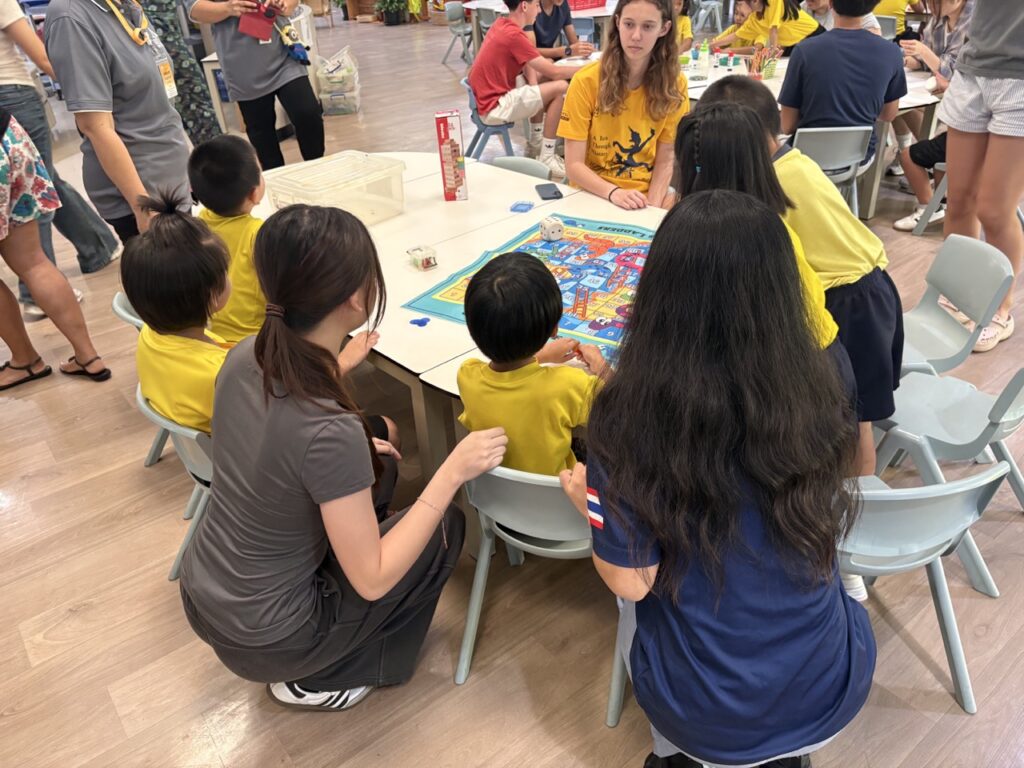
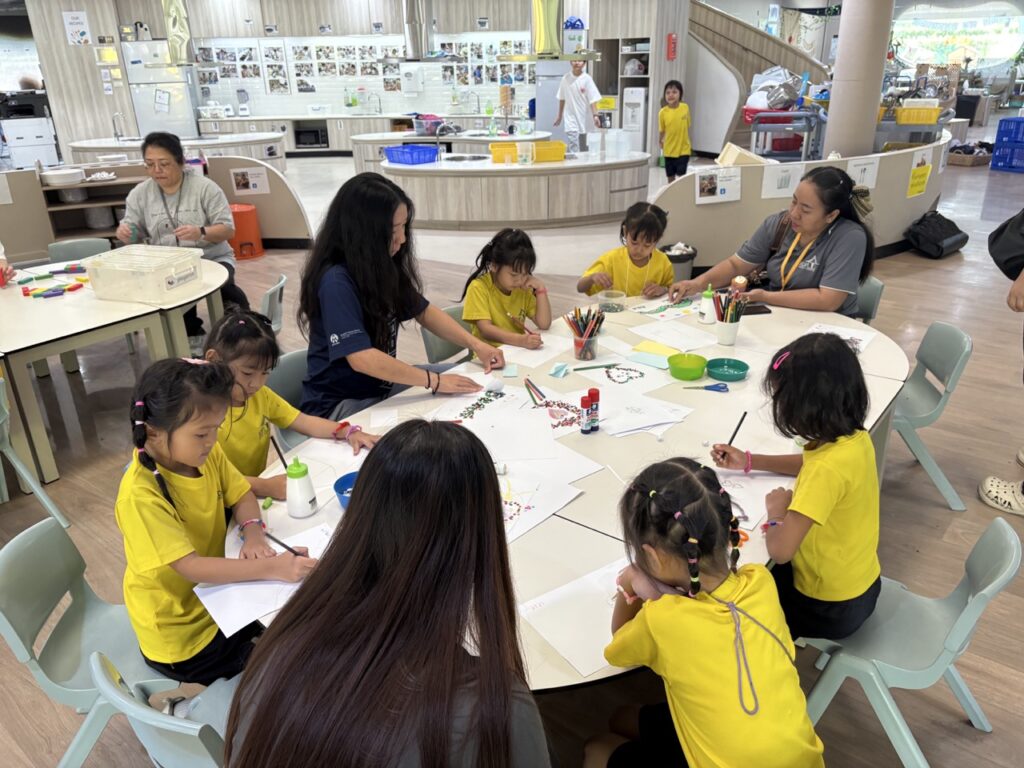
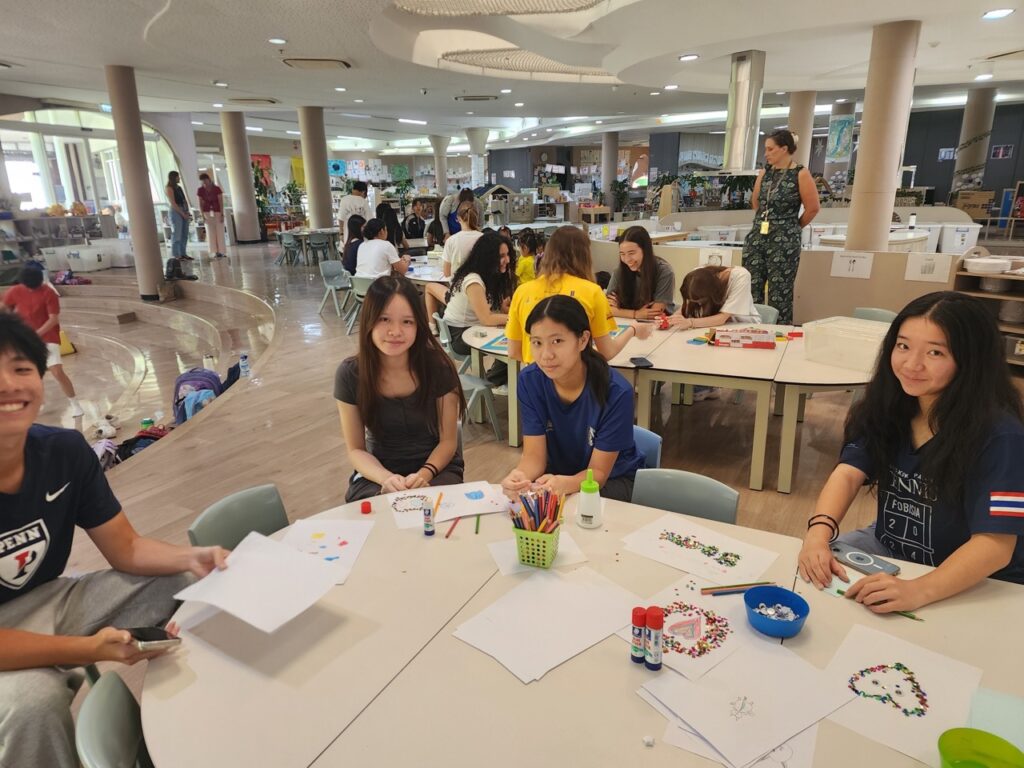
Rinka: As part of our CAS project, our group organised an English-learning activity for young children from Mercy Centre, alongside the other pre-organised activities such as swimming, crafting and building. Our goal was to create a fun and welcoming environment where the children could practice simple English vocabulary through simple and engaging games in an international school environment. Instead of running a strictly planned out session, we tried to set up an interactive station where the children could decide whether or not they wanted to take part. Our station included activities such as animal charades, “Simon Says” using action words, and drawing exercises where we encouraged them to name colours, shapes, and objects. We wanted the activities to feel relaxed so that they wouldn’t feel pressured; however, working with such small children came with many difficulties, especially because many of them spoke very little English and I am not fluent in Thai. Despite this, one moment that particularly stood out to me was when Beena, a girl I had been supporting with her work, independently attempted to rewrite the words she had learnt that day. Even though the letters were not perfect, it showed that she was curious and willing to try, which made me feel a huge sense of accomplishment. This experience reminded me that learning experiences are often much better for the children when we give encouragement and value the small interactions. It also strengthened my communication skills and showed me how collaboration and patience can help overcome language barriers.
Joey: There were many positive aspects of this experience. One of the best parts was seeing the students gain confidence and become more engaged and more willing to speak English in front of others. The interactive activities, like hangman, introducing themselves in English and charades, also helped create a fun and engaging environment where students were not afraid to make mistakes. However, there were also some challenges. Some students had different English ability levels, which made it difficult to design activities that suited everyone. In addition, younger children have short attention spans, so it was necessary to constantly adapt the lesson to keep them focused, for example: we switch games every 10mins, 3 of us split up and switch every 10 minutes to do different activities with them.
Asama: We planned to teach English to the children through activities such as charades and Simon Says, with the idea that the children would rotate between stations. However, the plan did not work as expected because the children chose to go wherever they wanted instead of rotating. At first, this was stressful since our original activities could not be carried out, but we quickly adapted by following the children and working with whatever activity they were doing. For example, I spent time with two children, Yaya and Captain, who were colouring. While they coloured, I asked them the English names of colours and objects they were holding, such as pencils, and helped them write their names and simple words in English. This turned the activity into a more natural way of learning. A positive aspect of the experience was that the children were comfortable and engaged, but a challenge was that our original plan was not flexible enough. From this experience, we learned the importance of adapting quickly and being flexible when working with children. Next time, we as a group discussed that we should prepare activities that can easily adjust to the children’s interests so the learning experience can still be meaningful even if the plans change.