Connected through Patana 

By Andrew Roff, Assistant Principal - IB Coordinator

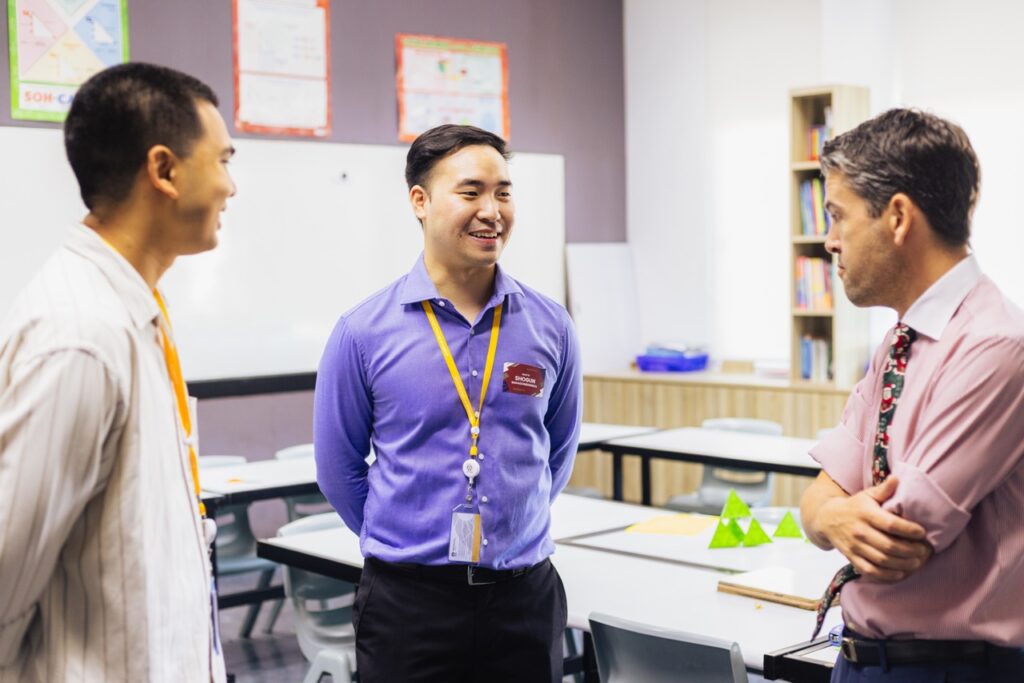
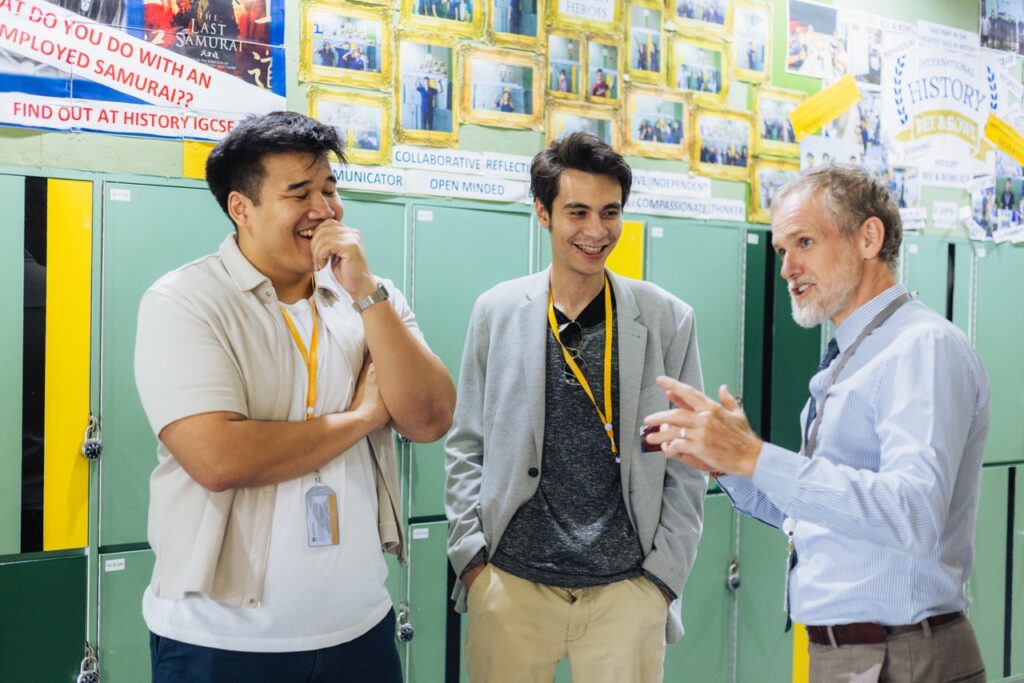
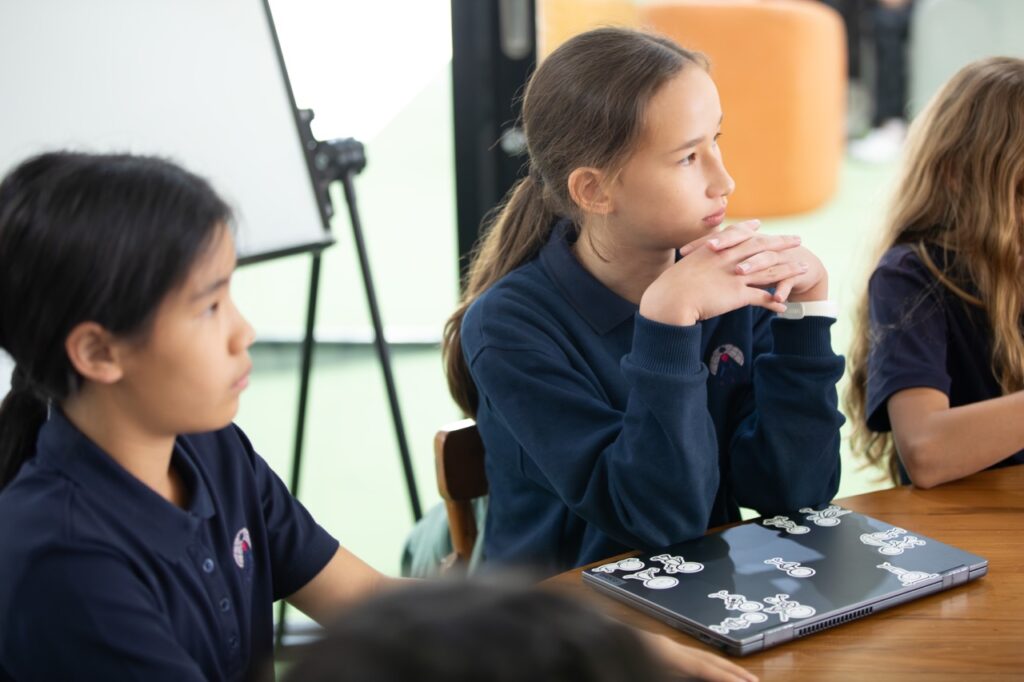
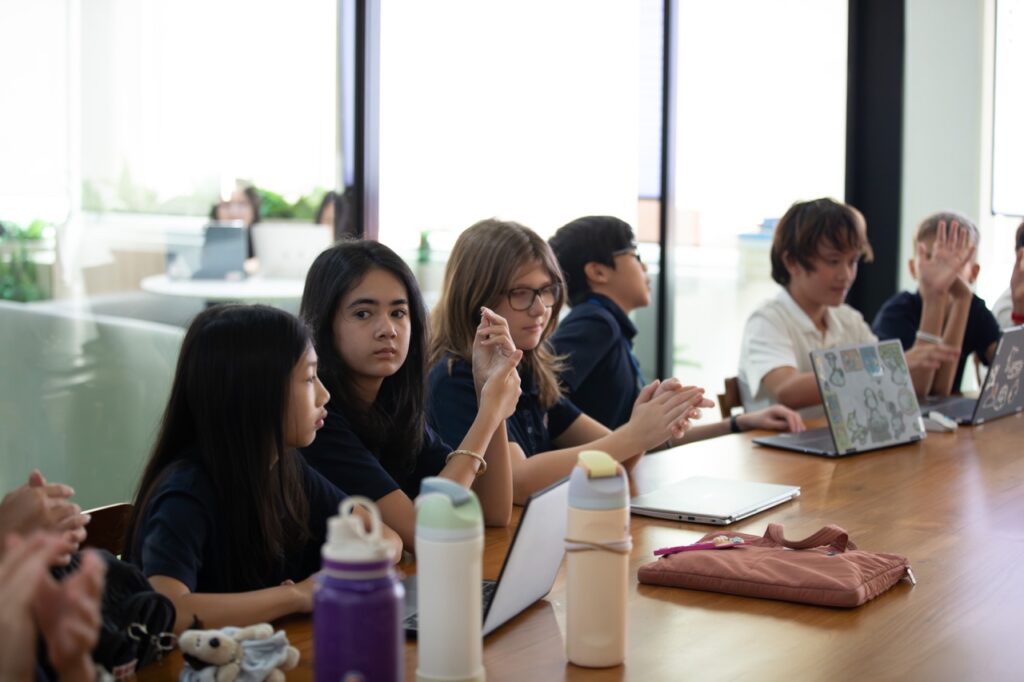
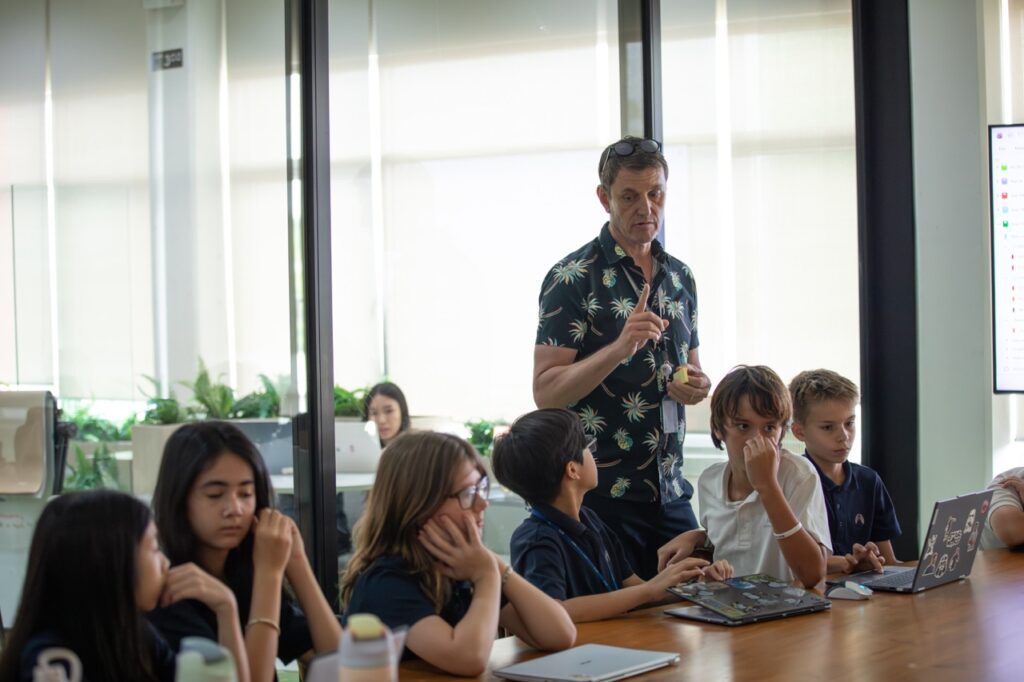
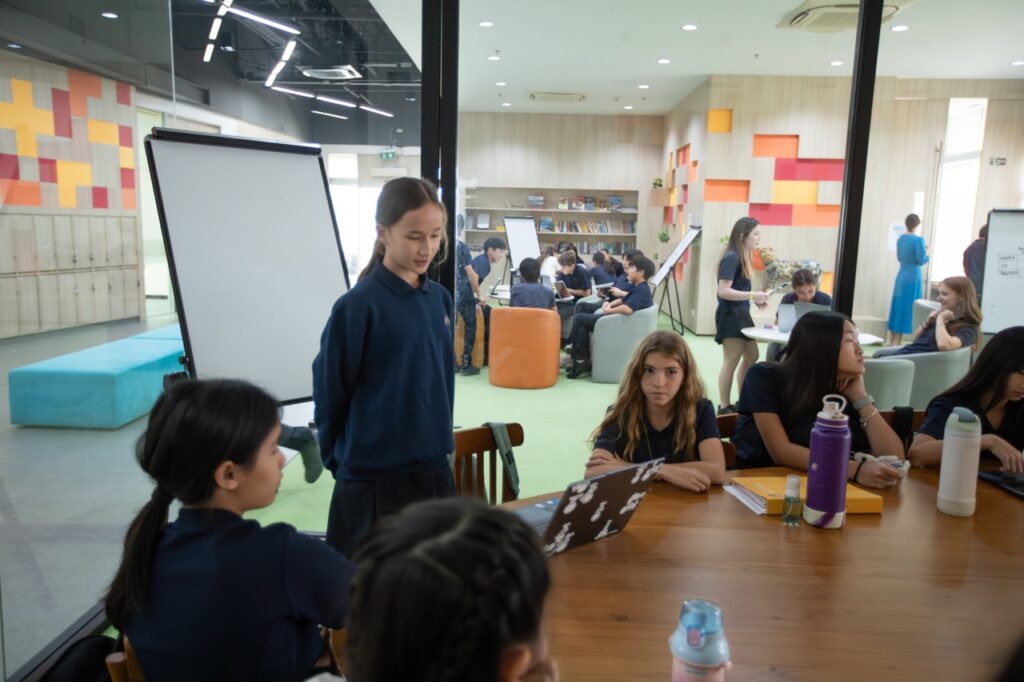
In every thriving school community, learning is strengthened by something we can’t always timetable or measure: connection. It’s there in the friendships that begin in the playground, in the conversations that happen at pick-up, and in the quiet sense of belonging that grows when children know they are seen, known and supported. At Bangkok Patana, those connections stretch in remarkable ways – across Year groups, across families and across time. 

Recently, a simple moment at my home captured this beautifully: my 11-year-old excitedly messaging a (now adult) friend who once attended our school and babysat for us. She is now at university, but eager to return to Thailand this summer and reunite with the people and place that helped shape her. It’s a small story, but it speaks to a bigger truth. When our children build relationships here, they often don’t end with a change of class, a move of country, or even graduation. They become part of a wider network of care, encouragement and shared experiences. 

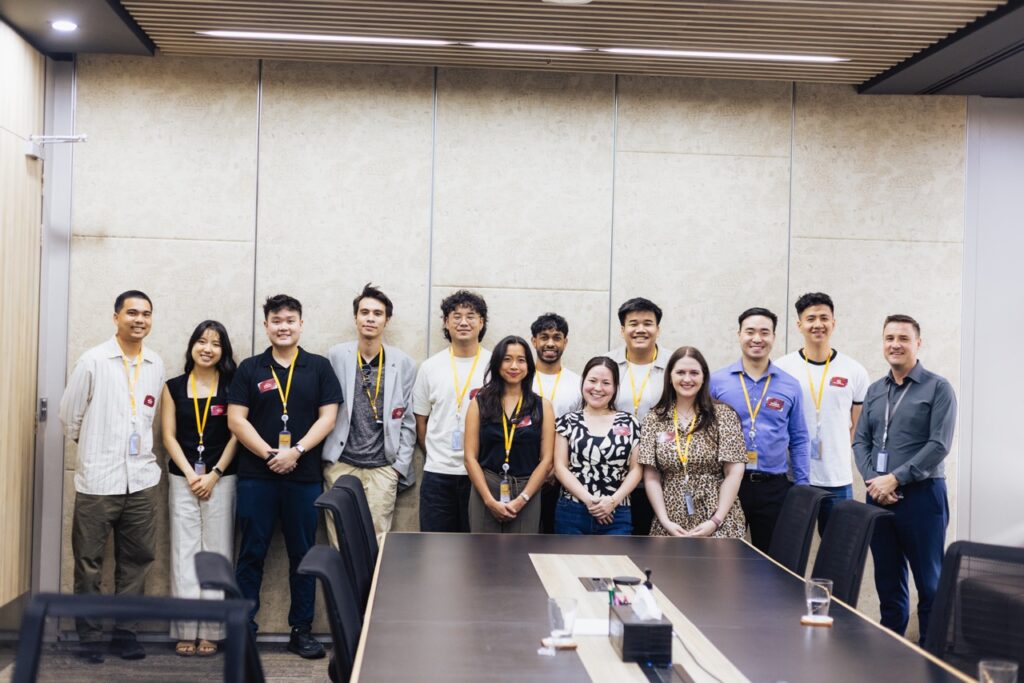
I was privileged to experience this spirit again when members of the Class of 2015 returned for their 10-year alumni reunion just before the Christmas break. I was their Head of Year. Reconnecting with former students, now adults, who are building lives and careers in many different fields (from entrepreneur to general practitioner) was a powerful reminder of the lasting impact of a school experience grounded in relationships. Their return wasn’t just a nostalgic visit; it was evidence of an enduring bond with teachers, mentors and peers who once supported them through challenges, celebrated their successes and helped them grow. 
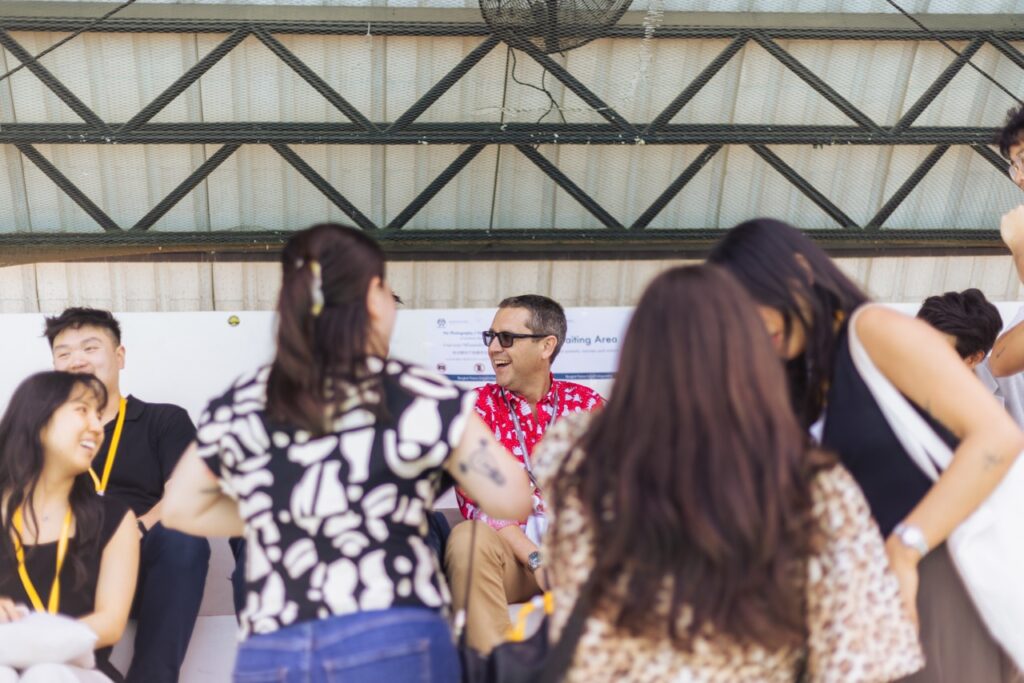
As a school that spans from Nursery through to Year 13, we are uniquely placed to nurture these connections between older and younger students, between families new to the community and those with long histories here, and between today’s learners and tomorrow’s alumni.  

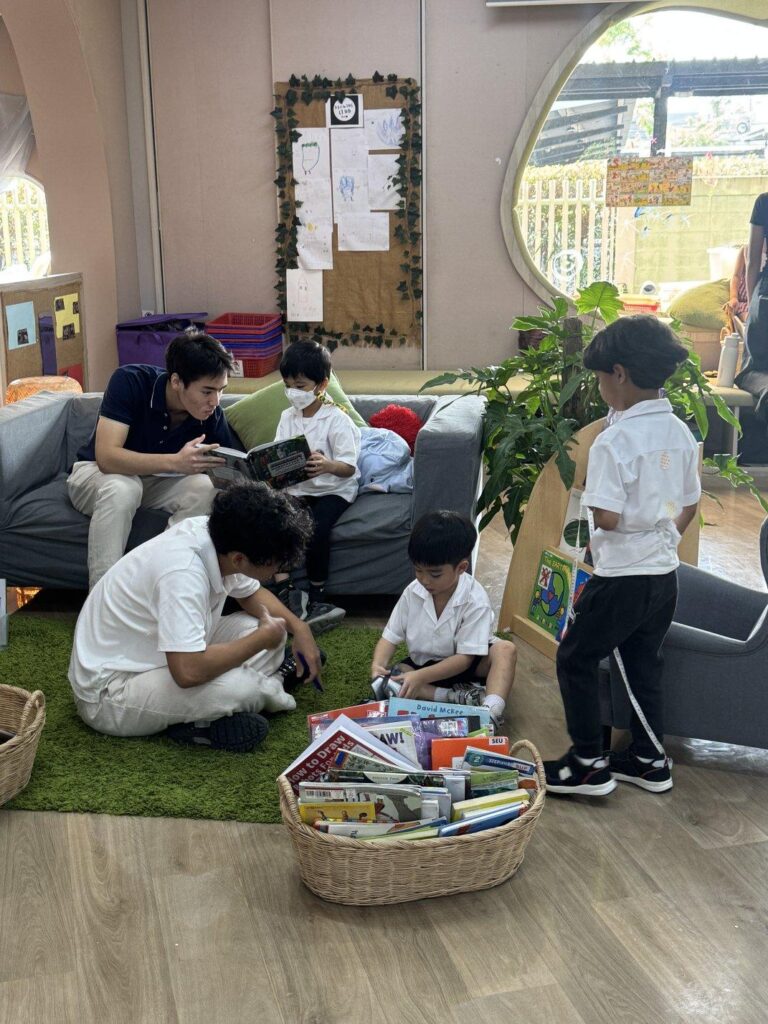
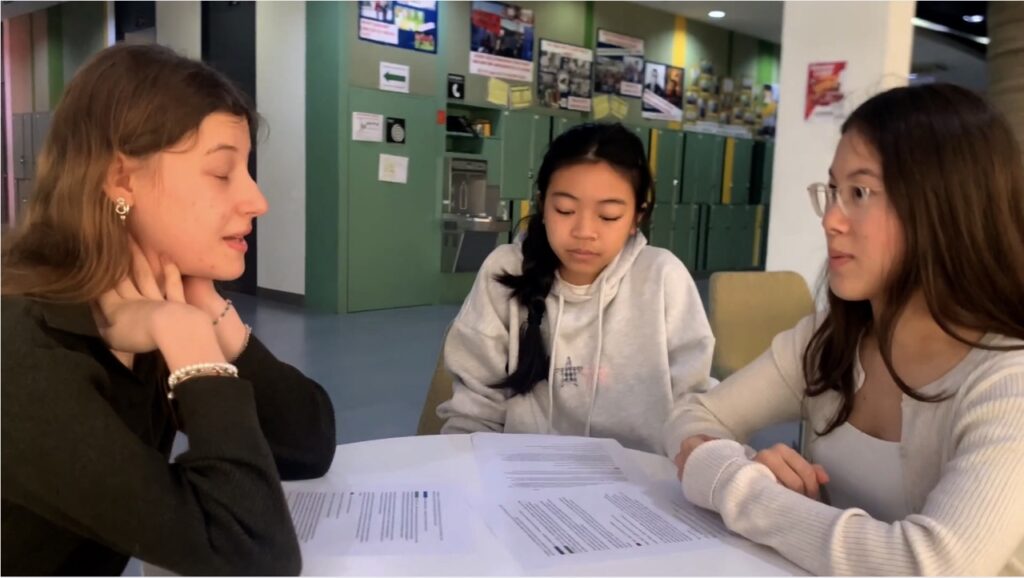
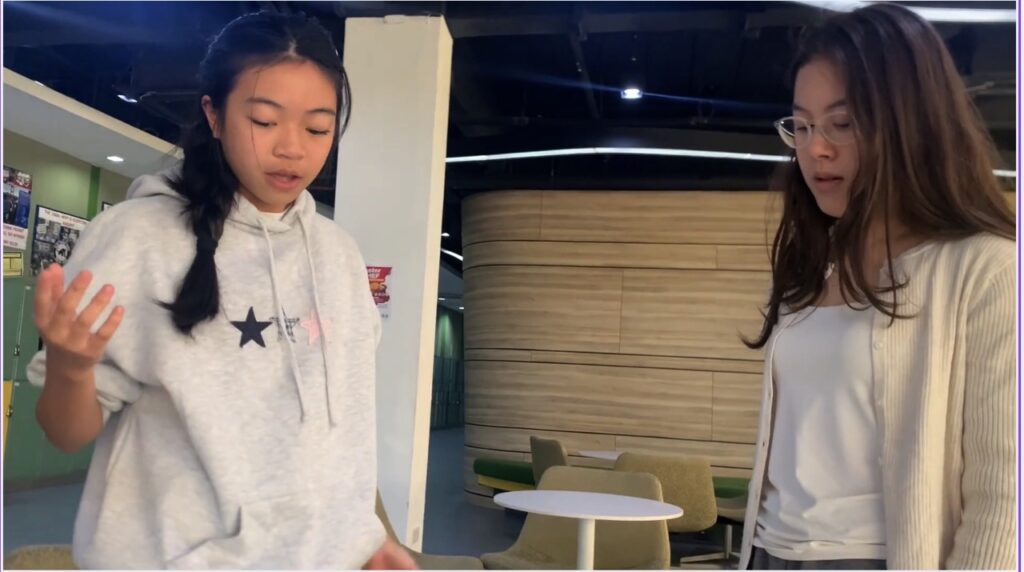
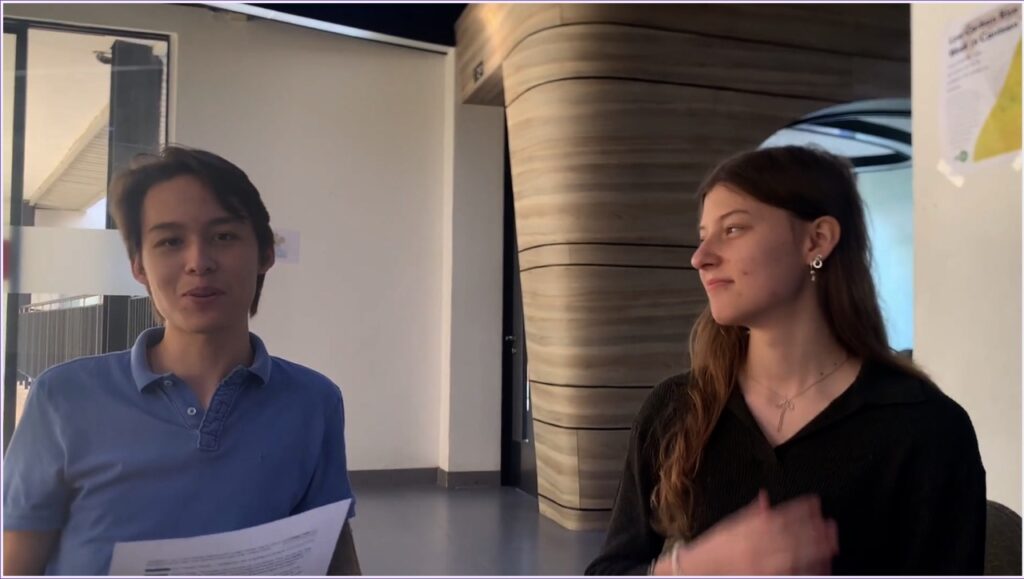
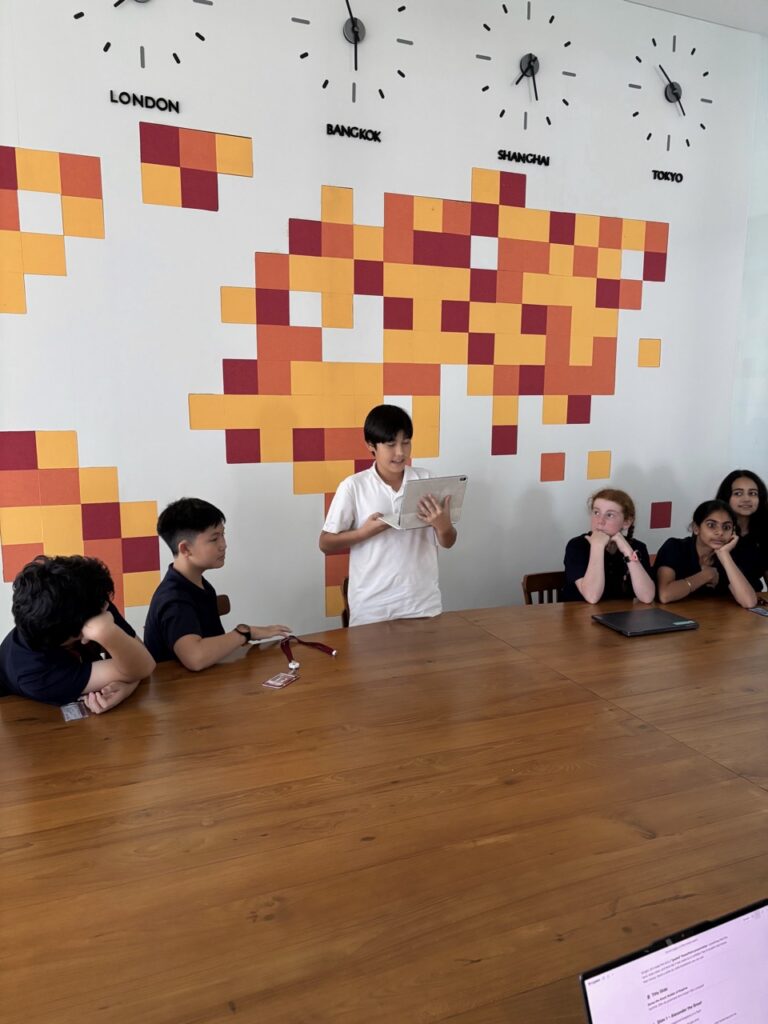
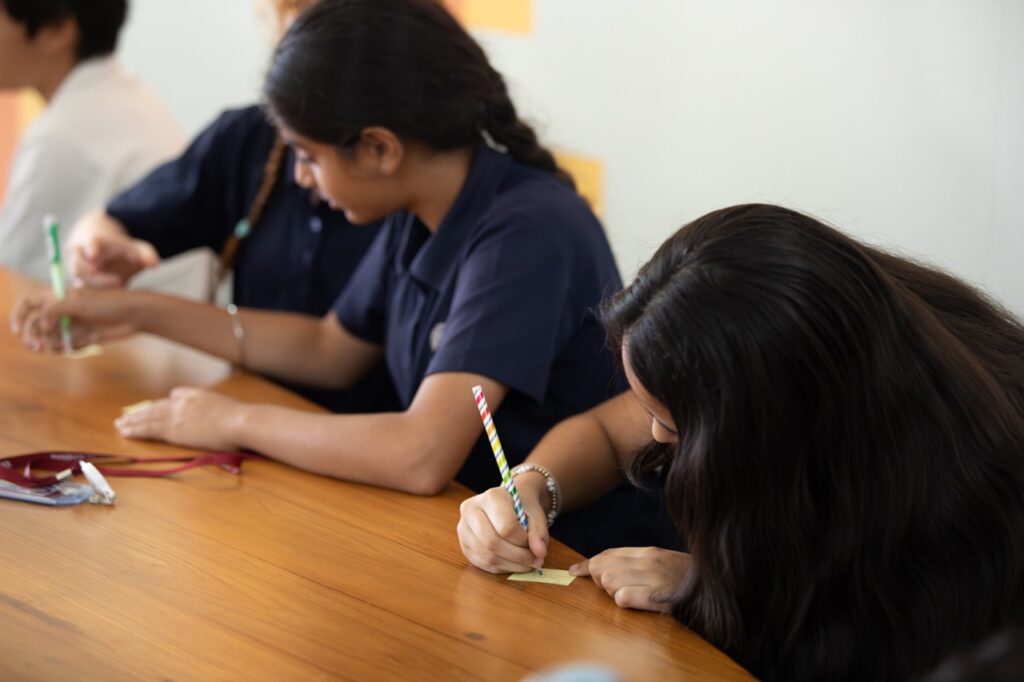
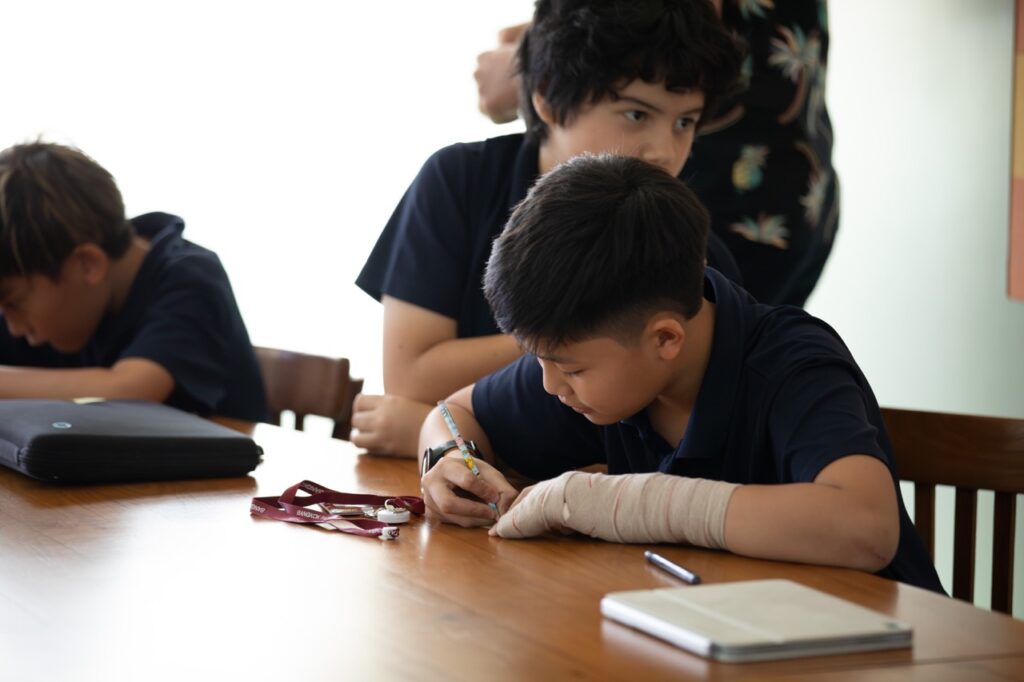
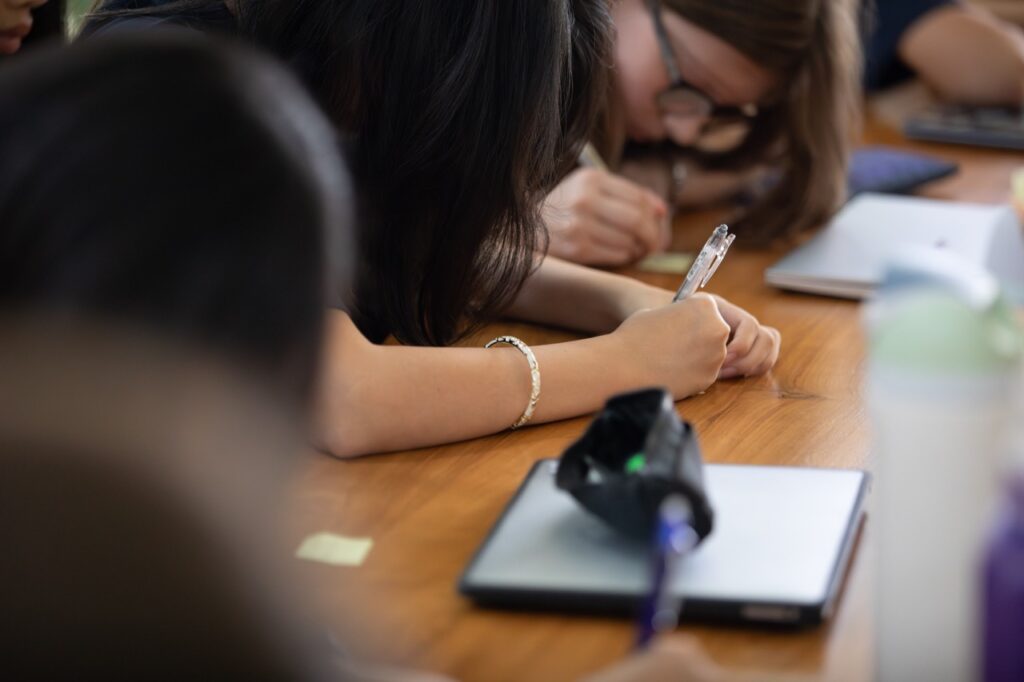
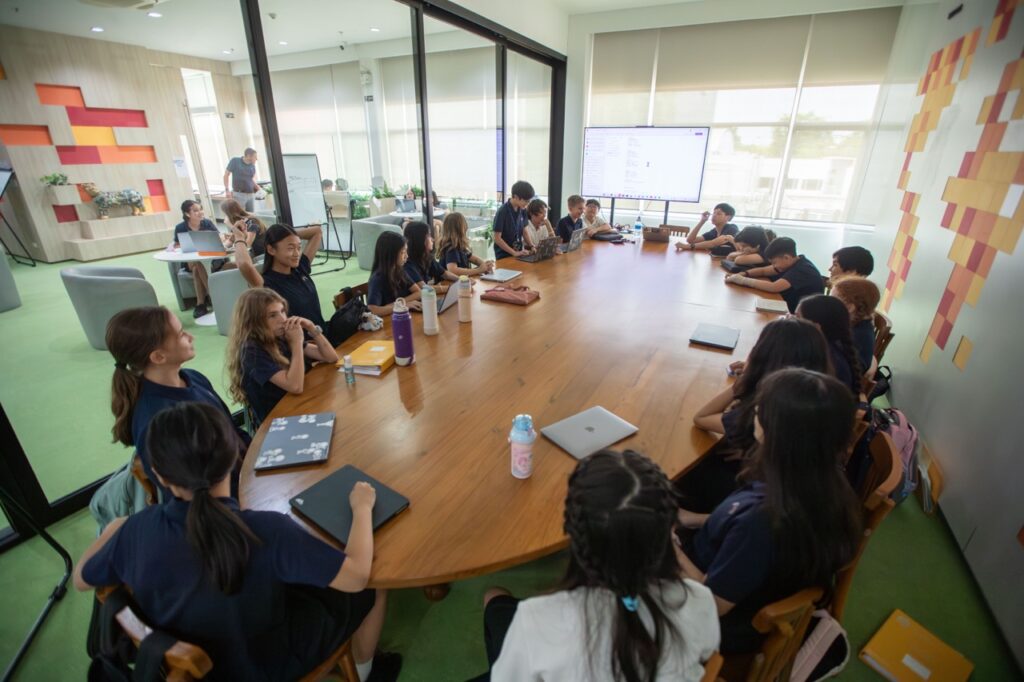
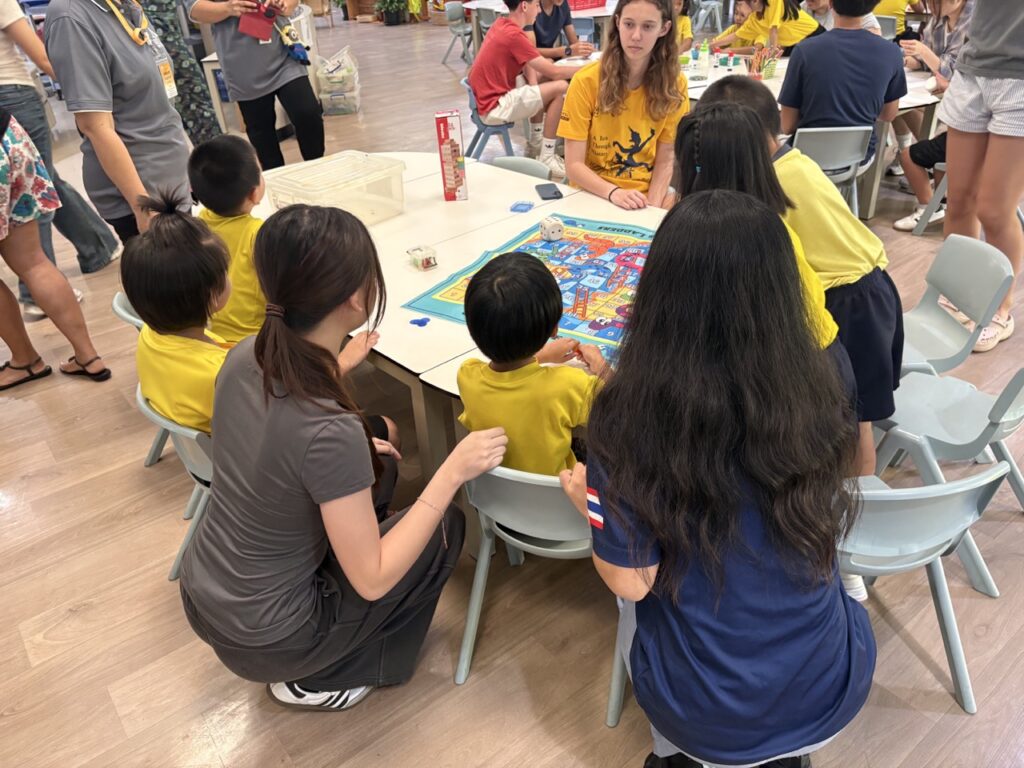
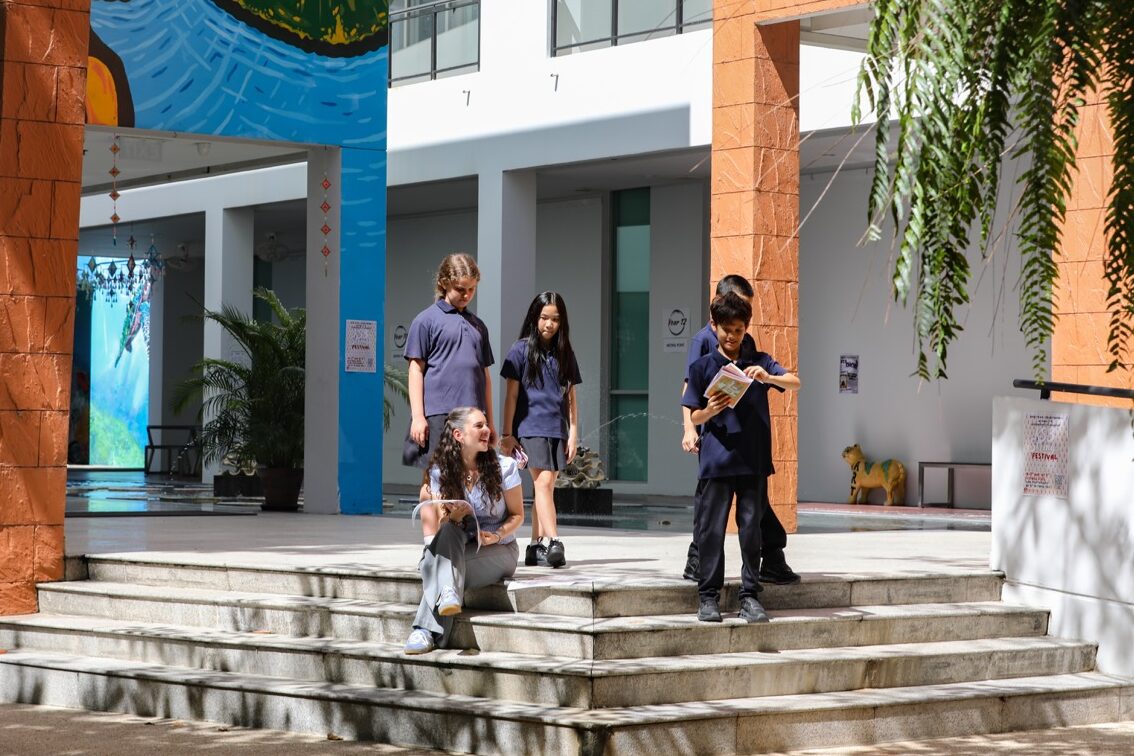
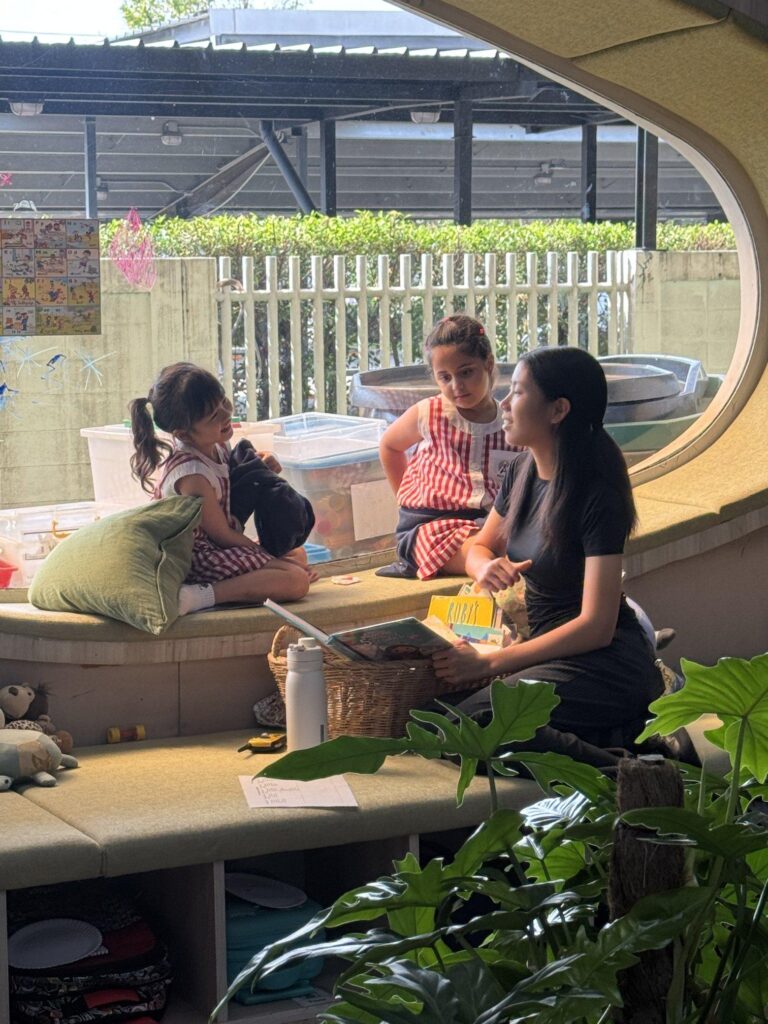
Connection is also something we see when our Senior students step into leadership in the most human way: by reading with, talking with and learning alongside our Primary children. These cross-age moments do more than build confidence and fluency; they send a clear message that every language spoken at home is valued here. When older students model pride in multilingualism – and younger students hear their home language shared with warmth and respect- belonging grows, one story and one conversation and one connection at a time. 
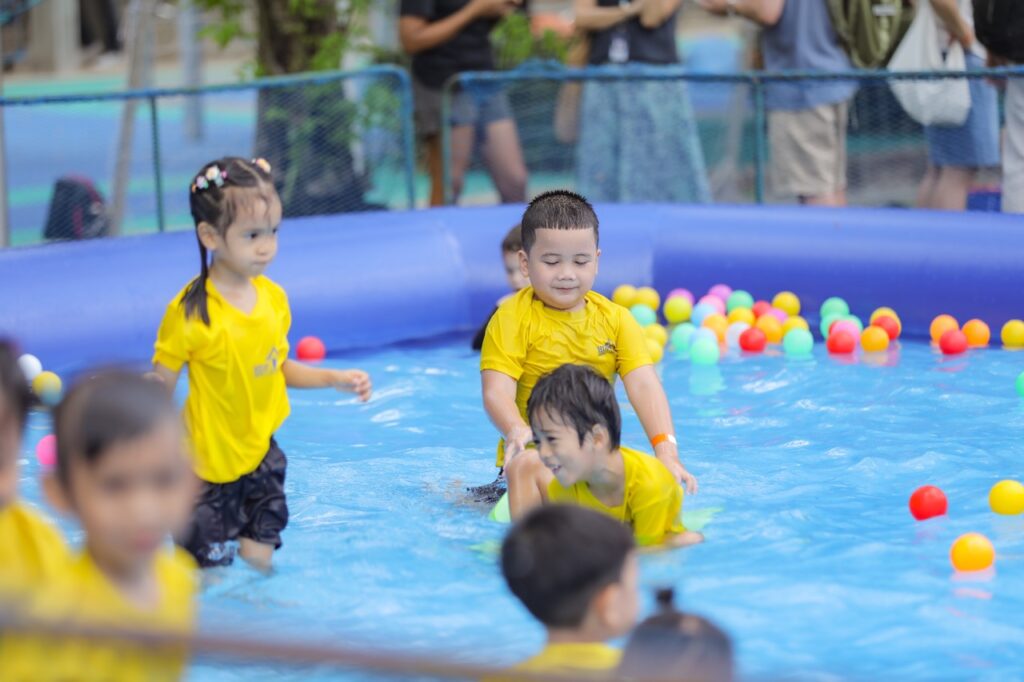
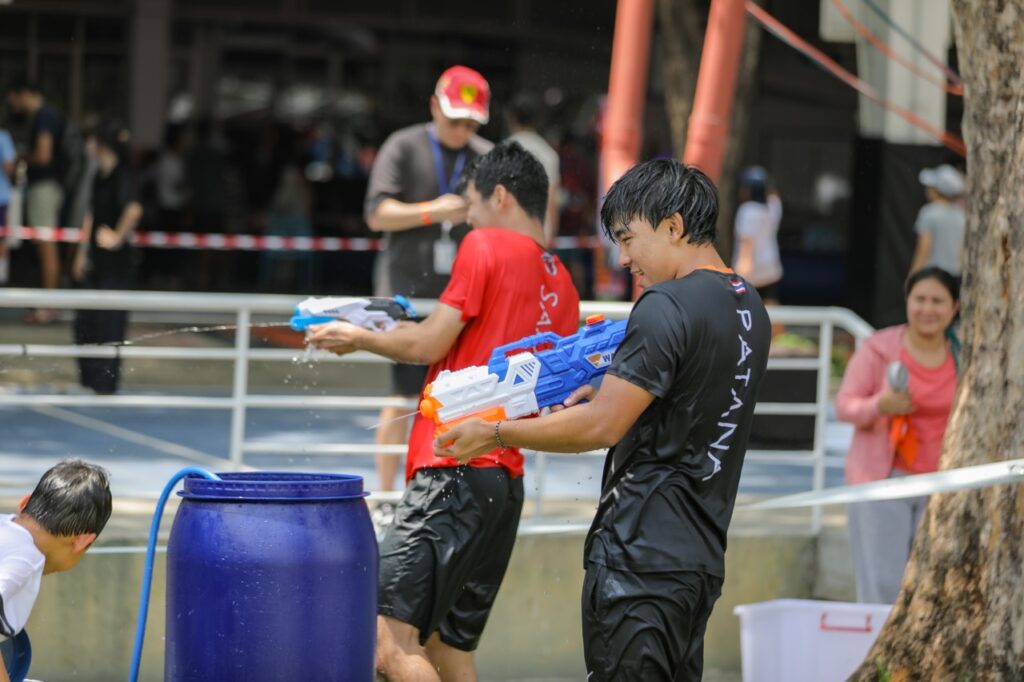
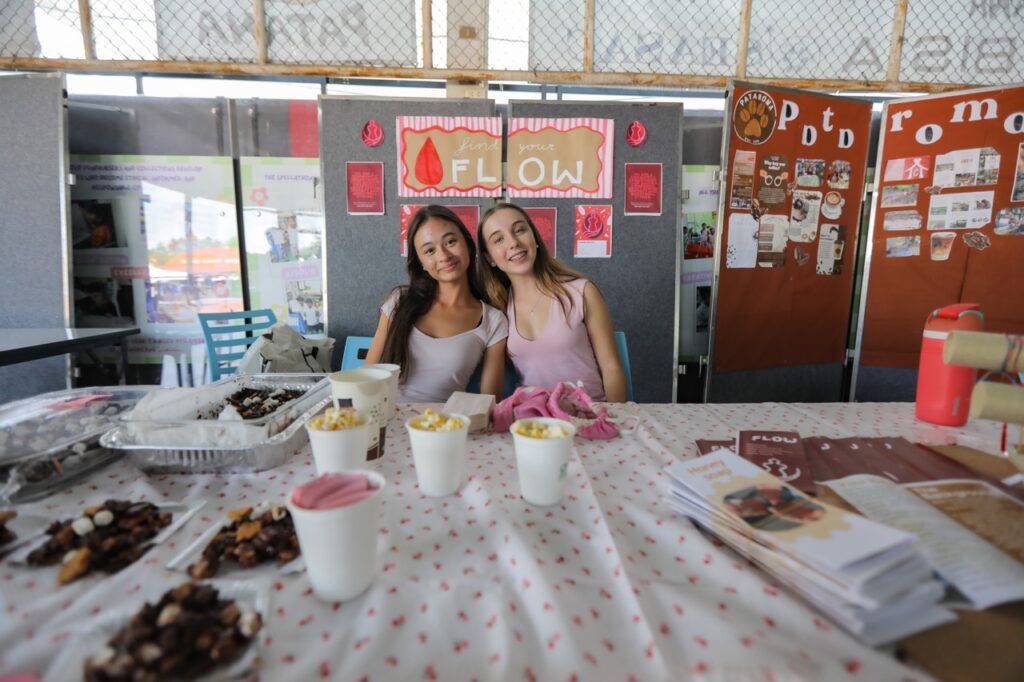
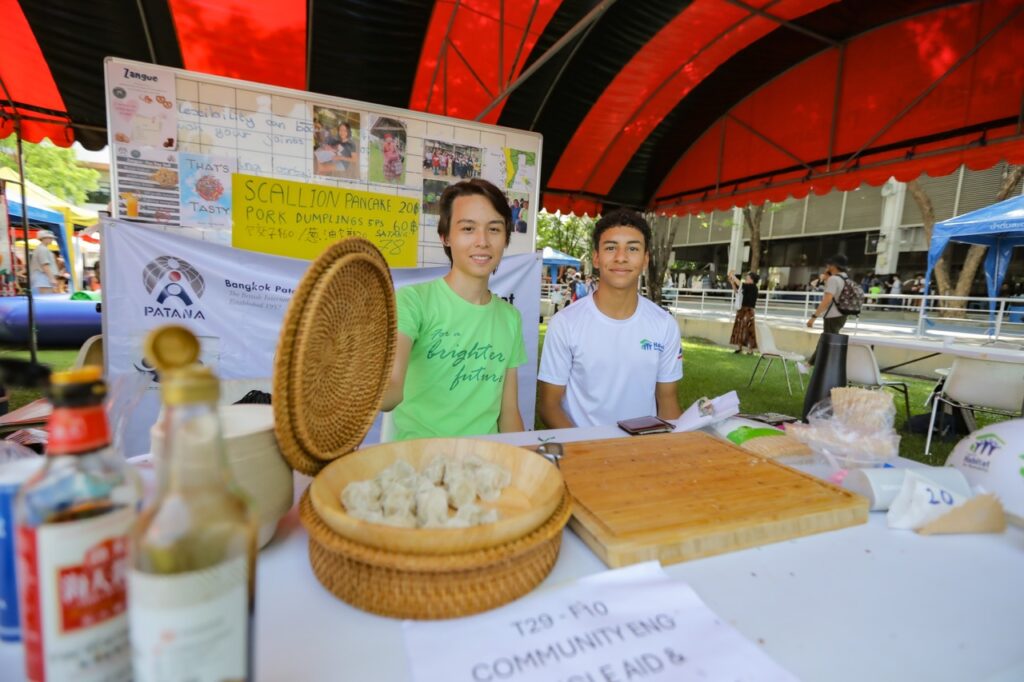
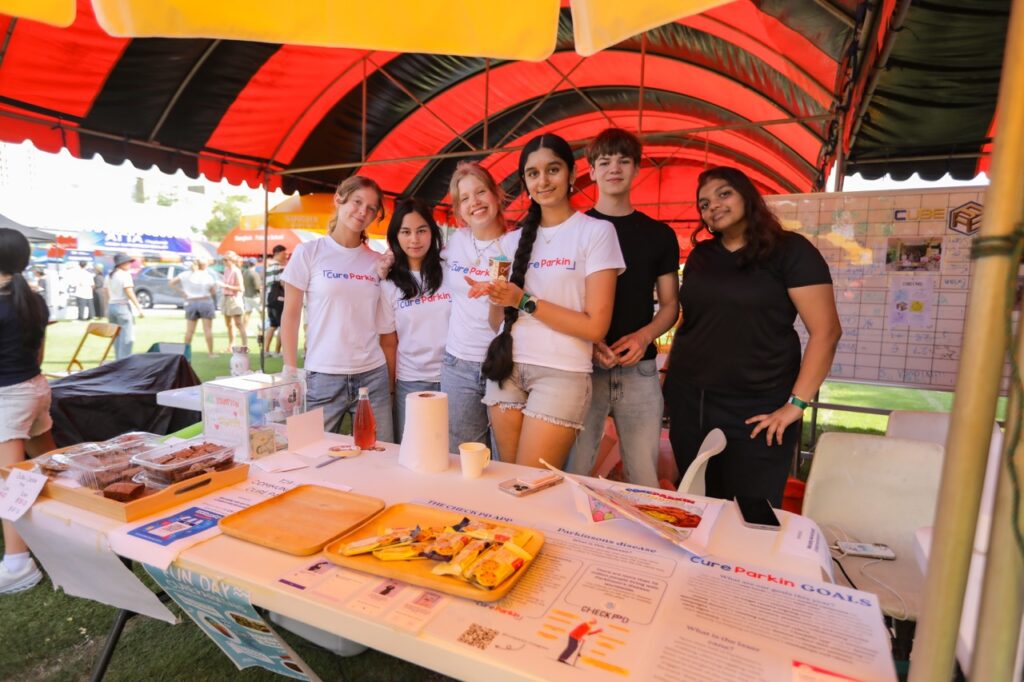
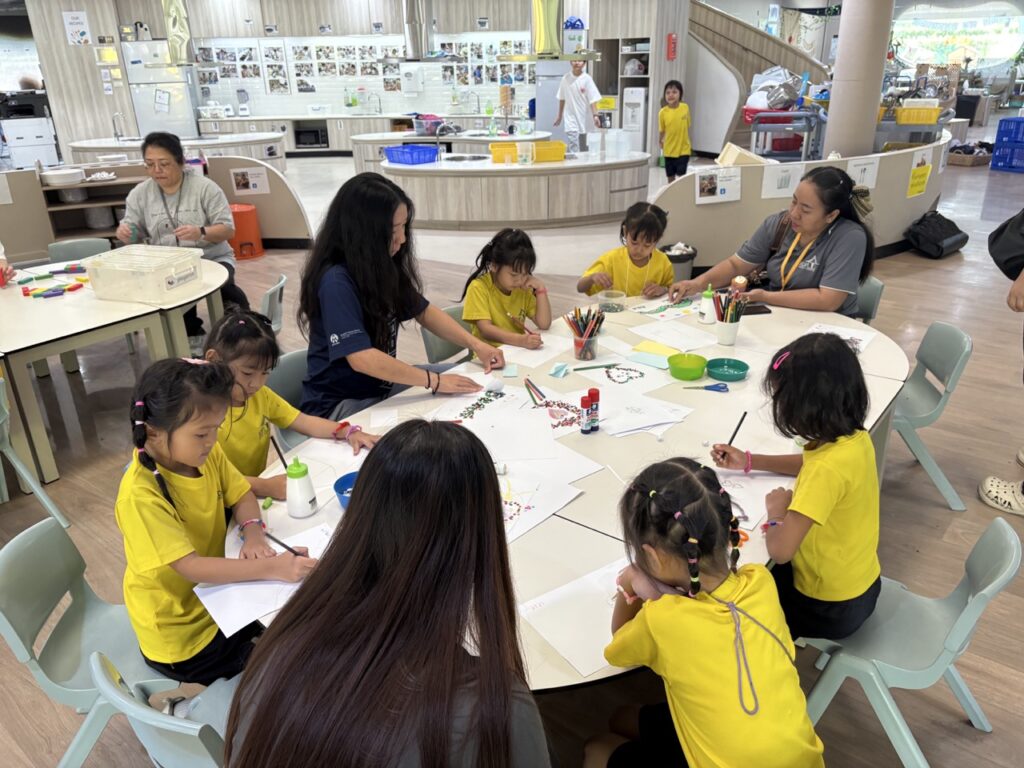
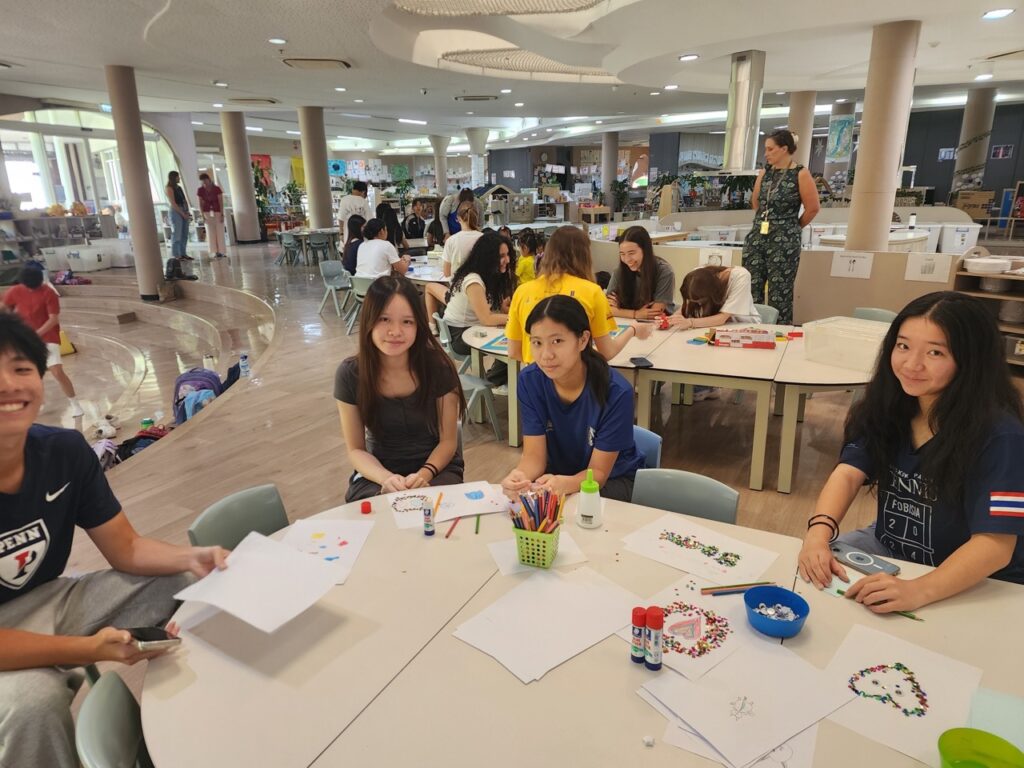
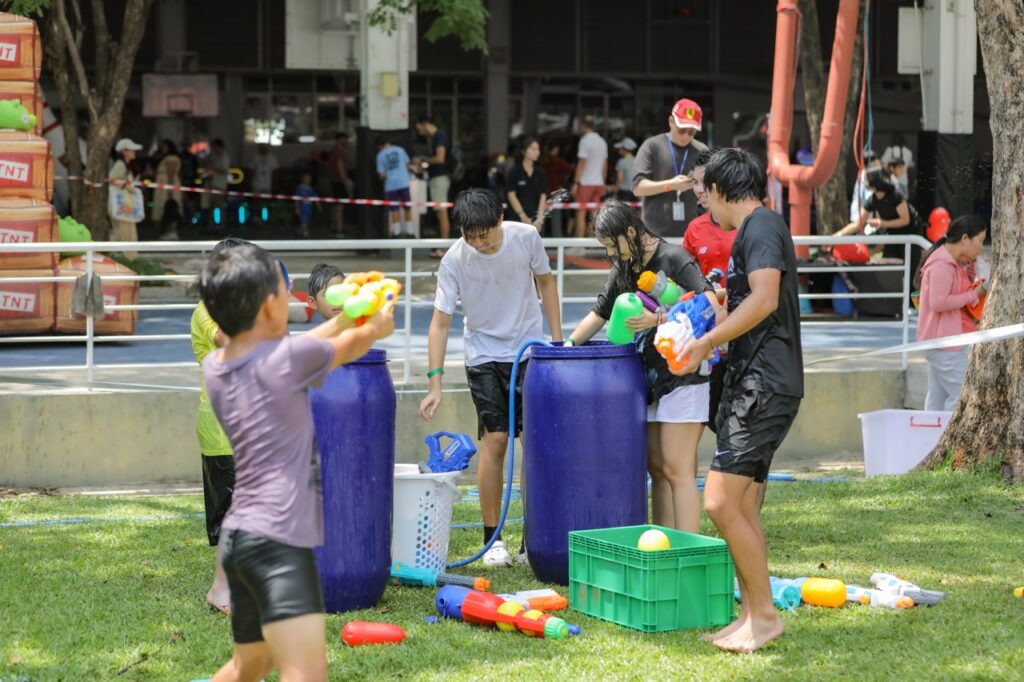
We see the same power of connection through our students’ commitment to service and community engagement. Students following our Senior Studies and International Award regularly design and lead activities for wider community groups as part of their programmes. A plethora of examples of student led community projects was on display at last weekend’s Fun Day, but these represent just a fraction of the undertakings that our students are involved in. These experiences help students look beyond themselves, listen carefully to others’ needs, and contribute with empathy and initiative. In doing so, they build bridges between school and community that enrich everyone involved. 
Even online, connection can be a force for good when it is guided by purpose and integrity. As parents and teachers, many of us cringe when we hear the words “Tik-Tok”, “Snapchat”, “Insta” and (showing my age) “Facebook”. But, used well, social media helps our students and staff maintain professional networks, celebrate learning, and amplify positive change. The current Year 10 Global Citizenship advocacy campaigns show how platforms can be used to inform, persuade and mobilise others around issues that matter. In each case, the goal is the same: using our voice to strengthen community, not divide it. 

For our current Year 13 students, connection matters more than ever as they approach their final days of school; just 10 more school days to go! In the excitement and busyness of last events, deadlines and goodbyes, please remember that the relationships you have built here are a source of strength: lean on one another, stay in touch, and don’t be afraid to reach out to teachers who know you well and want you to finish strongly. While graduation marks an important milestone, it is not the end of your place in our community. After Songkran, you are warmly welcome, and actively encouraged, to return to school before your exams to reconnect with your teachers, ask questions, revise and steady your focus. 
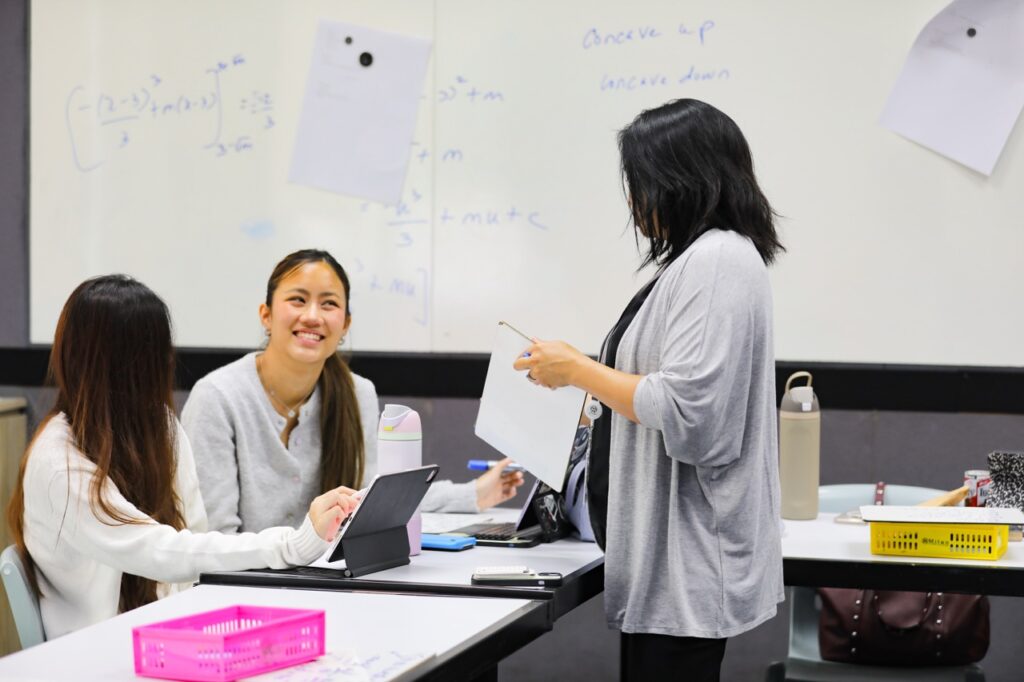
Over the course of reading this newsletter, and over the week to come, whatever your role in our community, I invite you to consider what “connections” look like across our campus and beyond: the friendships that widen horizons, the partnerships that strengthen learning, and the community ties that help every child feel they belong. Thank you, as students, parents, carers, teachers, administrators, business, facilities and security staff for the daily role you play in weaving this network together. 

Share This Article

In this Issue

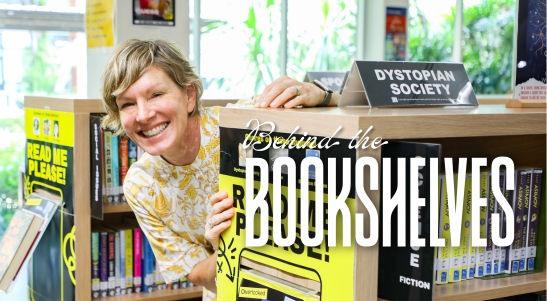
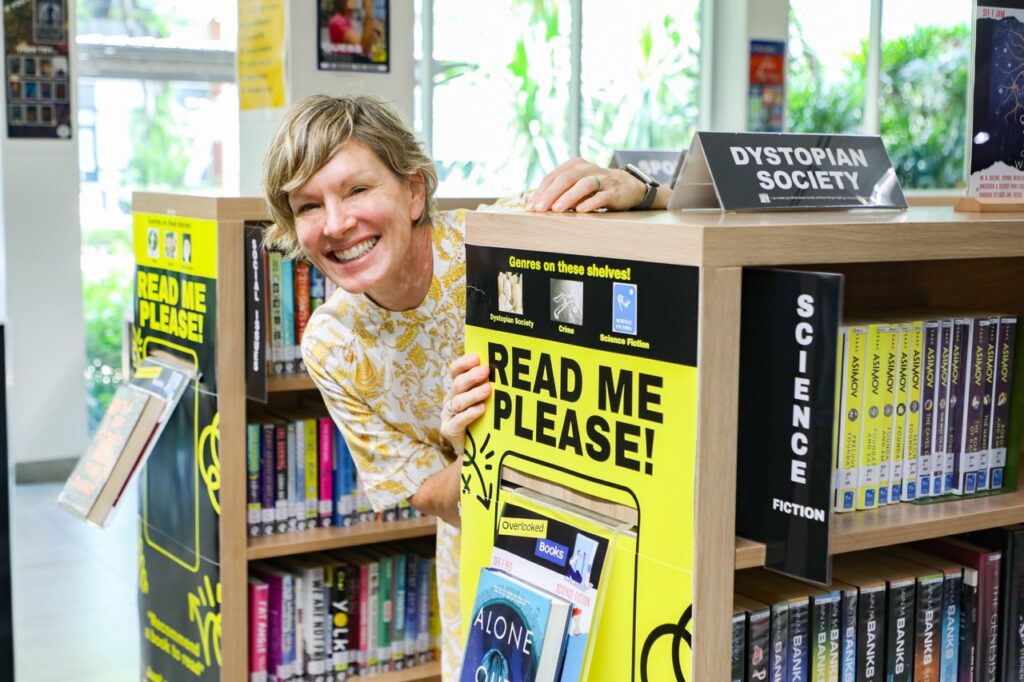
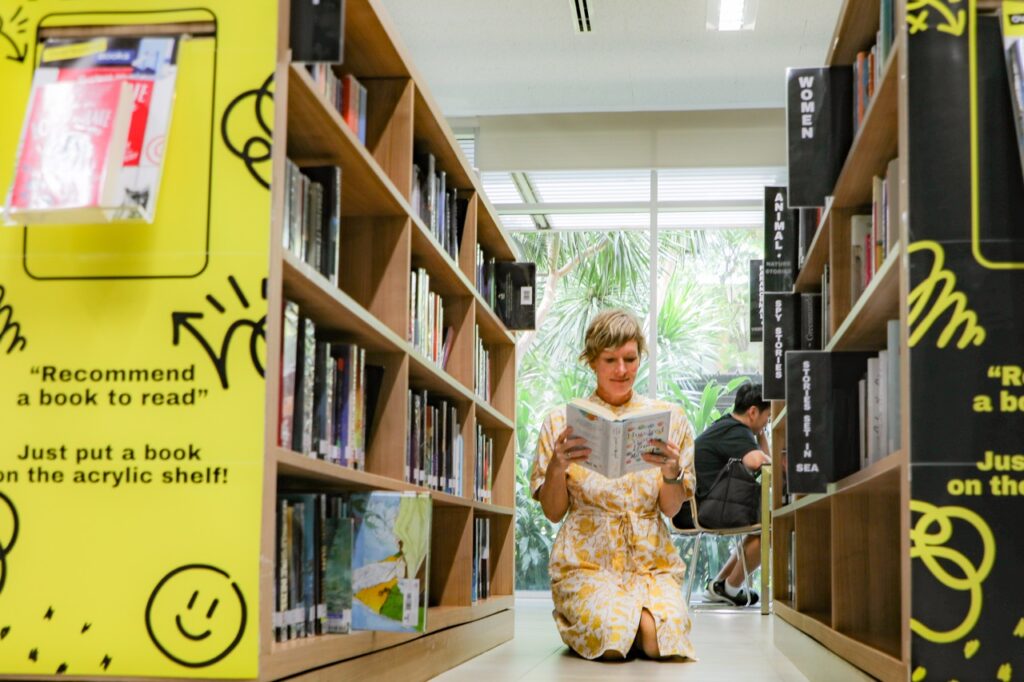
Behind the Bookshelves

What book do you recommend and why?  

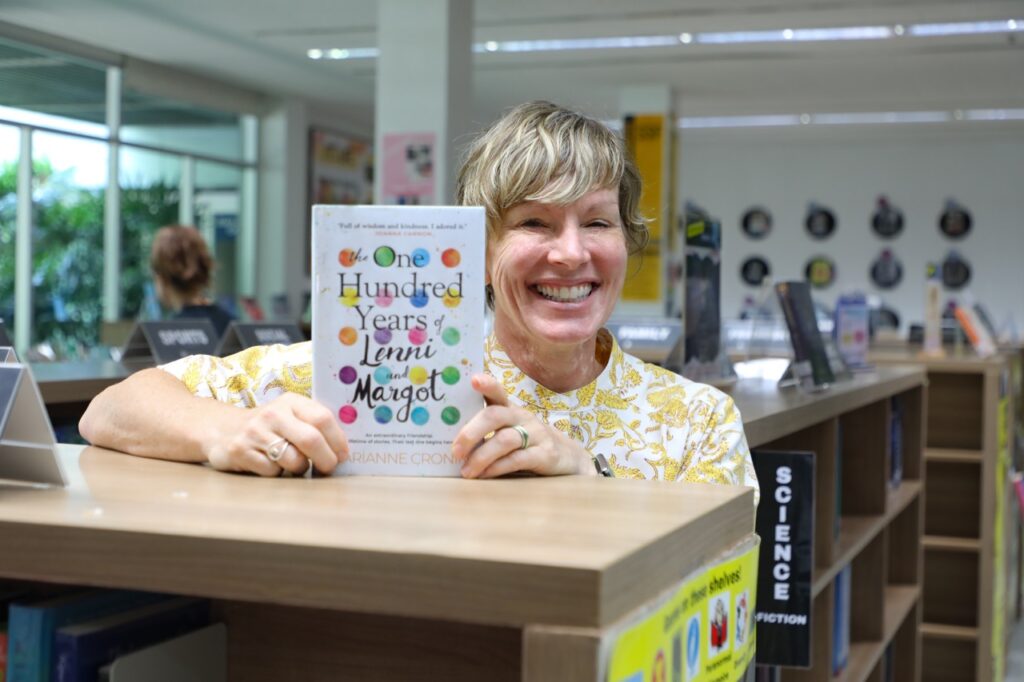
The One Hundred Years of Lenni and Margot by Marianne Cronin – uplifting, full of kindness and hope, with lots of belly giggles too. We all need to read this book. 


What podcast do you recommend we listen to and why?

The Bookclub! Dominic and Tabitha discuss the historical context behind the books, fancy a giggle, then this is for you. Also sharing ill-advised with Bill Nighy, an absolute must – a podcast for people who don’t get out much and cant handle it when they do. 

Where do you work/teach? 

I’m Ms Tracey and you’ll see me behind a book in the Libraries or else running the Cycling club!

Share This Article

In this Issue

Big Feelings, Helpful Strategies: Learning About the Zones of Regulation

By Alexandra Tipper, Foundation Stage Class Teacher

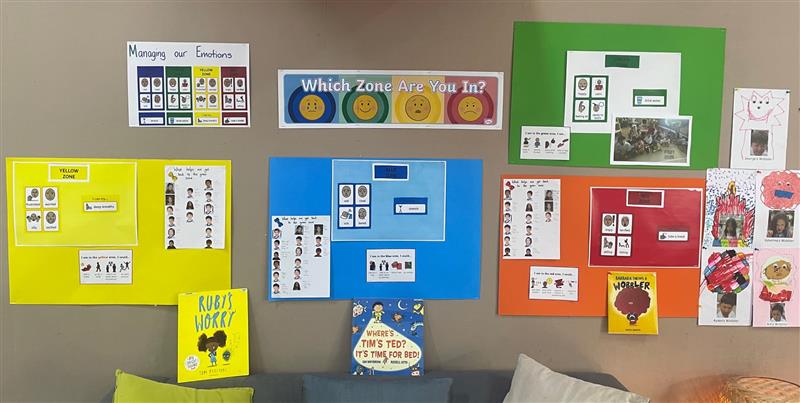
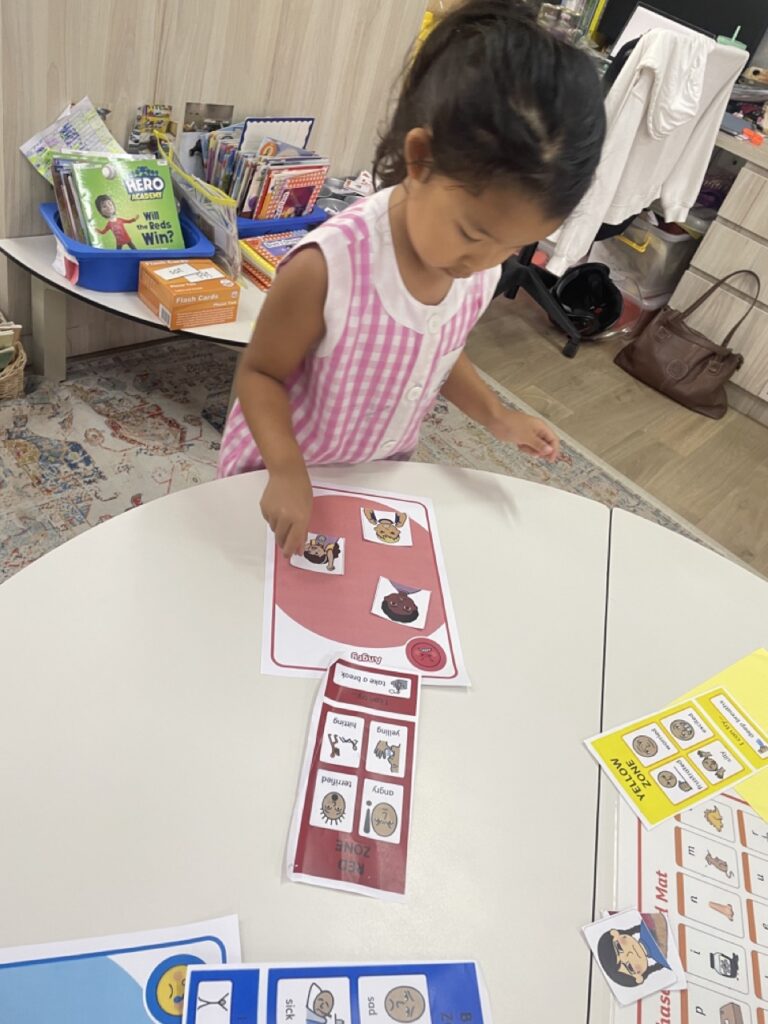
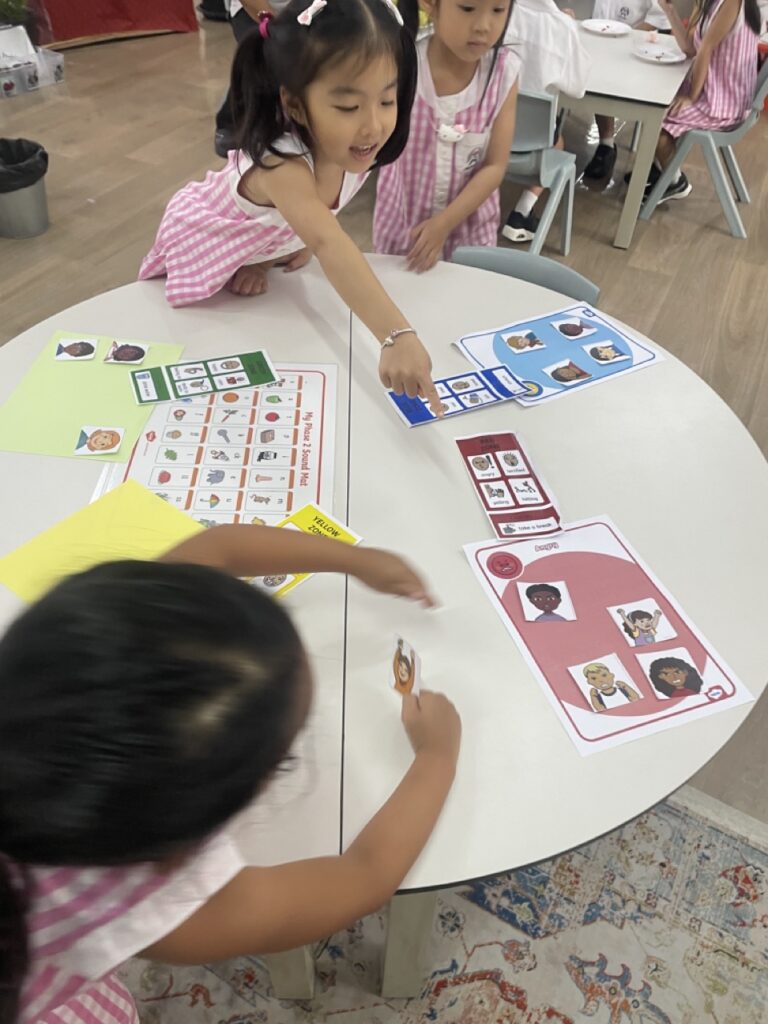
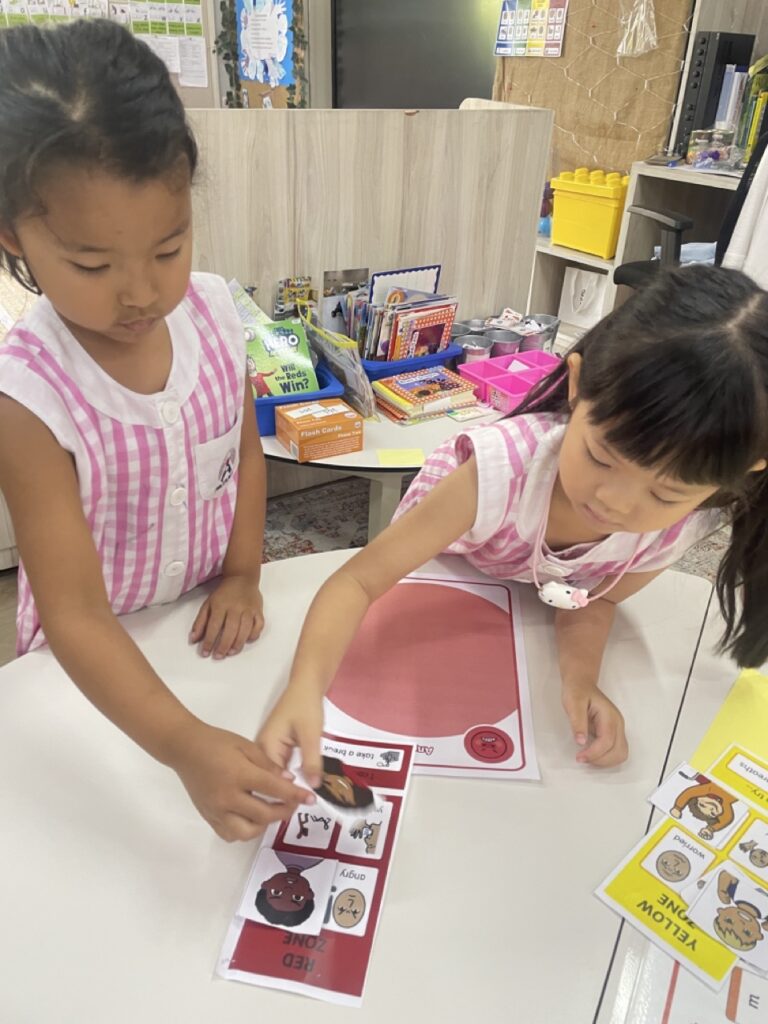
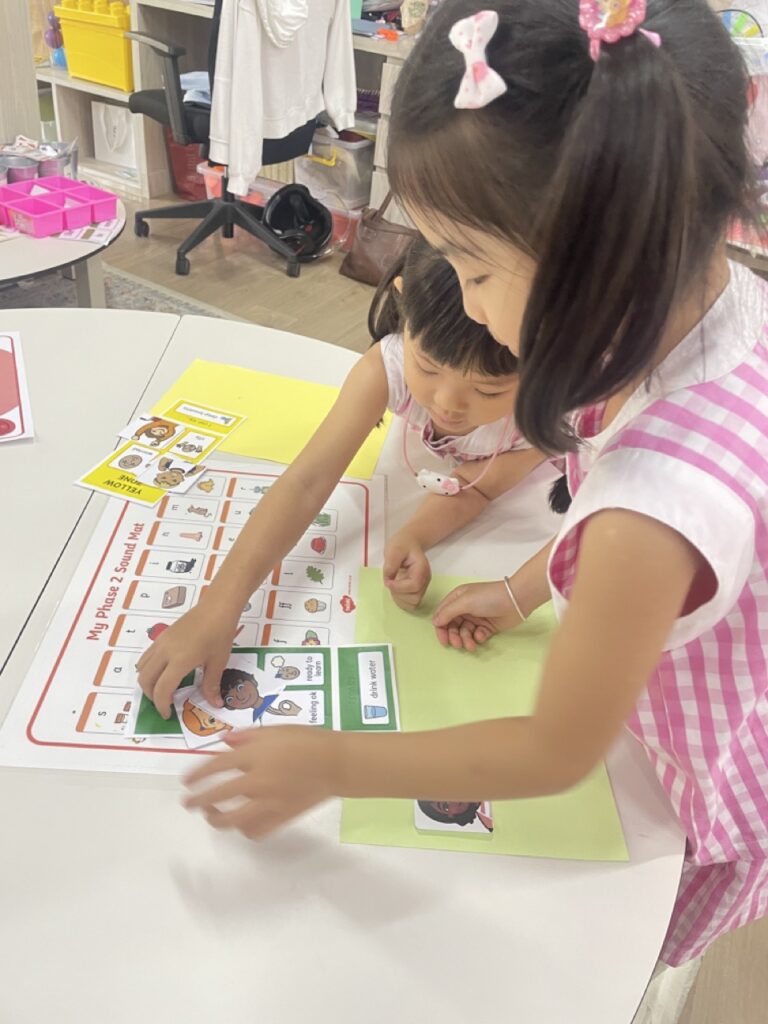
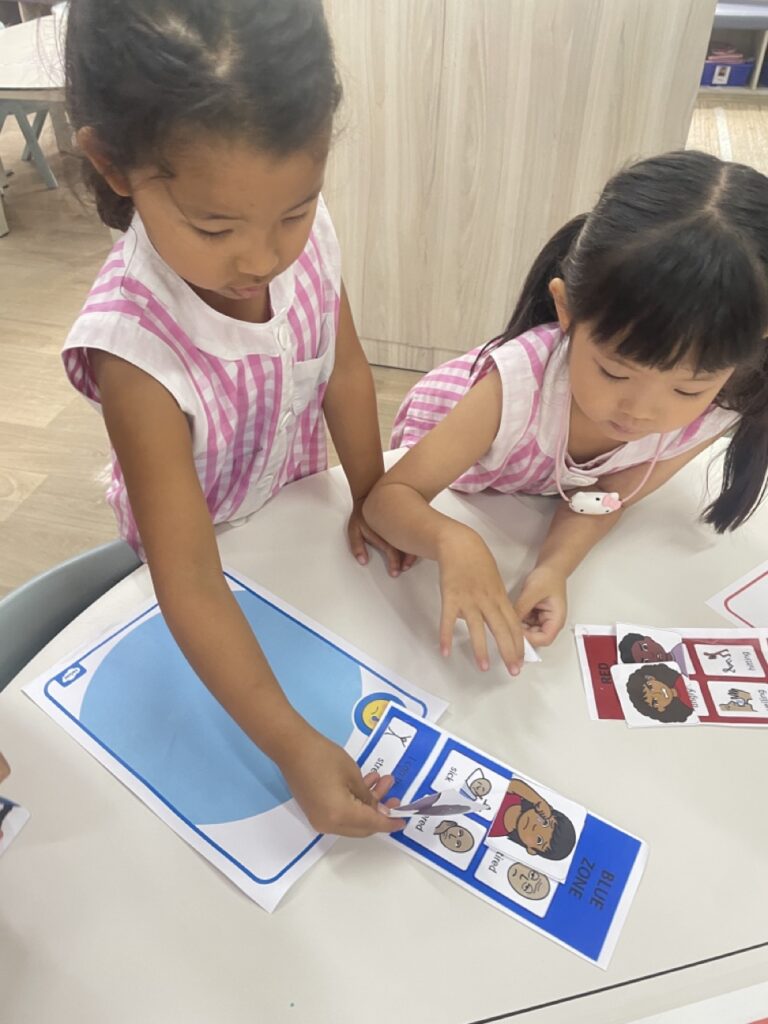
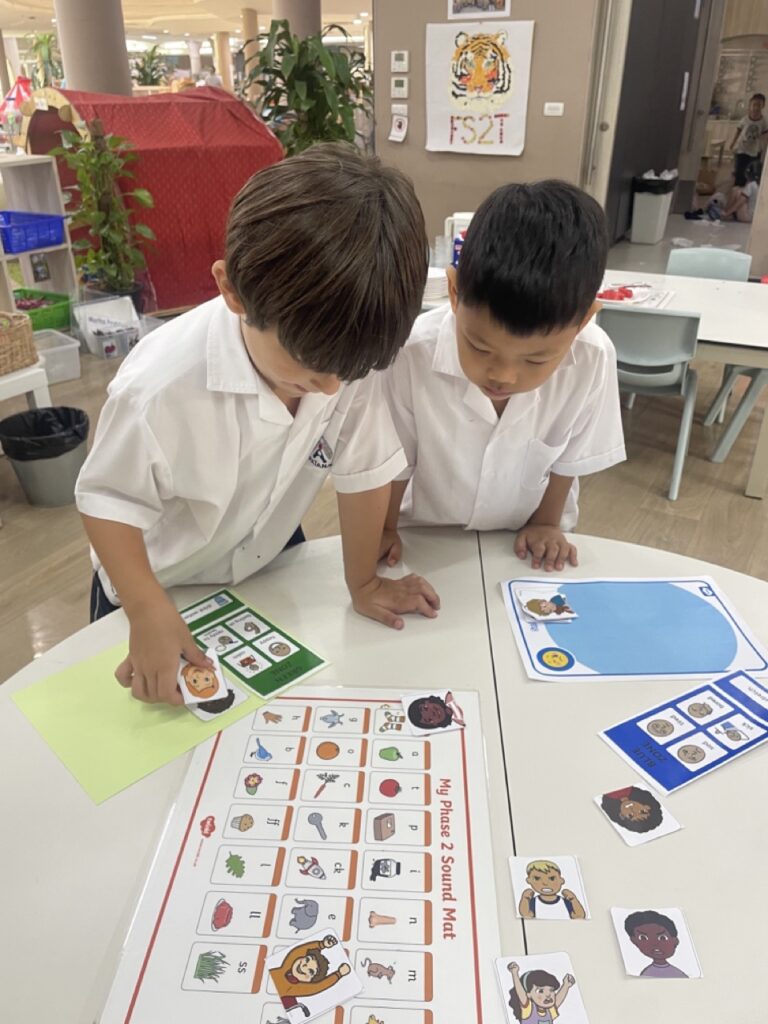
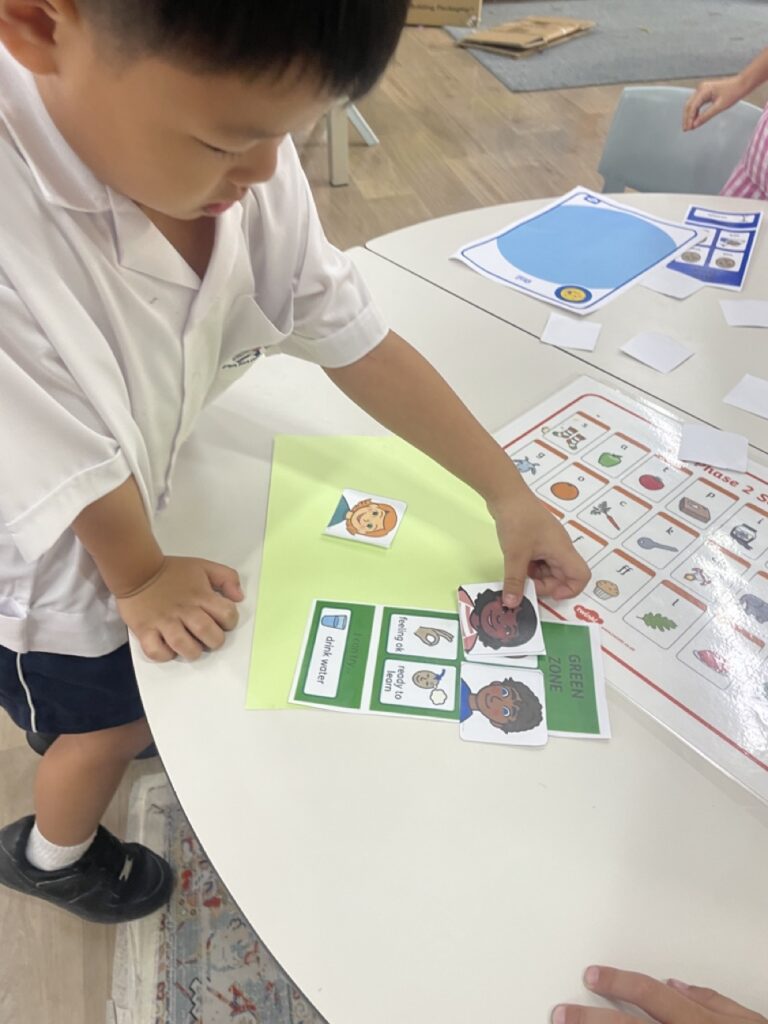
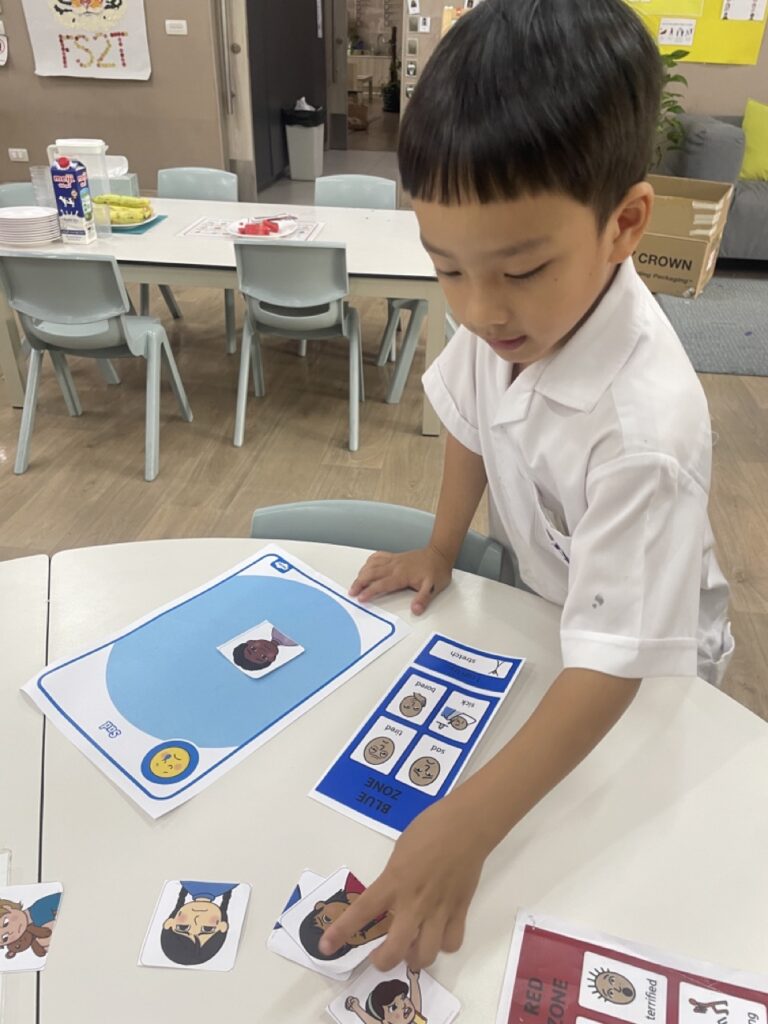
As part of our PSHE learning about managing emotions, Foundation Stage 2T students have been exploring The Zones of Regulation.

The four coloured zones represent different feelings. Through stories such as Barbara Throws a Wobbler, Ruby’s Worry, and role play, the children have explored how emotions can change throughout the day. We discussed how we often move between zones, and that all emotions are valid. The important learning is recognising their feelings and knowing strategies that help them return to a calm and ready state.

For learning, the ideal zone is the Green Zone, when our bodies feel calm, focused and happy. This helps children listen, concentrate and engage with learning.

The Red Zone includes strong feelings such as anger or fear. The Yellow Zone includes feeling silly, nervous, excited or worried. The Blue Zone includes feeling sad, tired, sick or bored.

The children have been learning that emotions can be managed using helpful strategies. For example, sharing worries with a trusted adult, taking quiet time, breathing slowly, or looking at calming books.

There’s no ‘bad’ or wrong zone, regulation is being in the appropriate zone for the situation. It’s okay to be in the red zone if a snake is in the garden – or to be in the yellow zone on the playground, but not when you’re listening to the teacher in the classroom

Through stories and discussion, the children practised naming emotions and thinking about what helps them feel calm again. Our classroom display shows each child’s preferred way to return to the Green Zone, including cuddling a teddy, talking to a trusted adult or choosing a comforting activity.

This learning supports the Early Learning Goals for Personal, Social and Emotional Development, particularly Self-Regulation and Managing Self, as children begin to recognise and manage their emotions and seek support when they need it, ready for Key Stage 1.

Share This Article

In this Issue

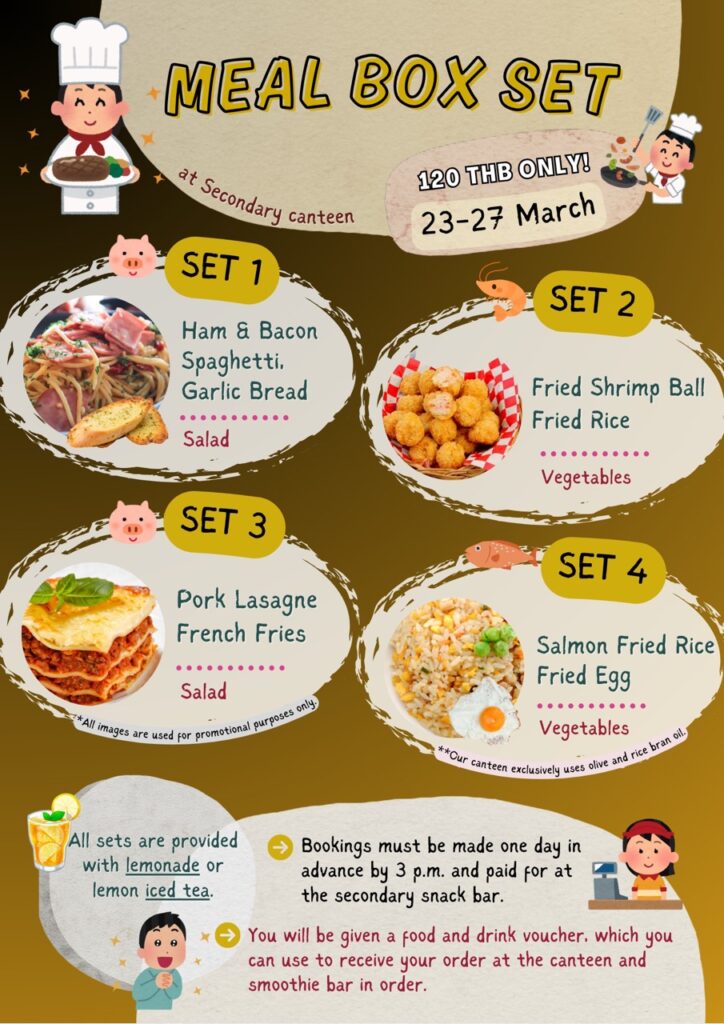
Foodie Fun

Share This Article

In this Issue

An Historical Role‑Play Study

By Alisa Sangiambut, Year 12

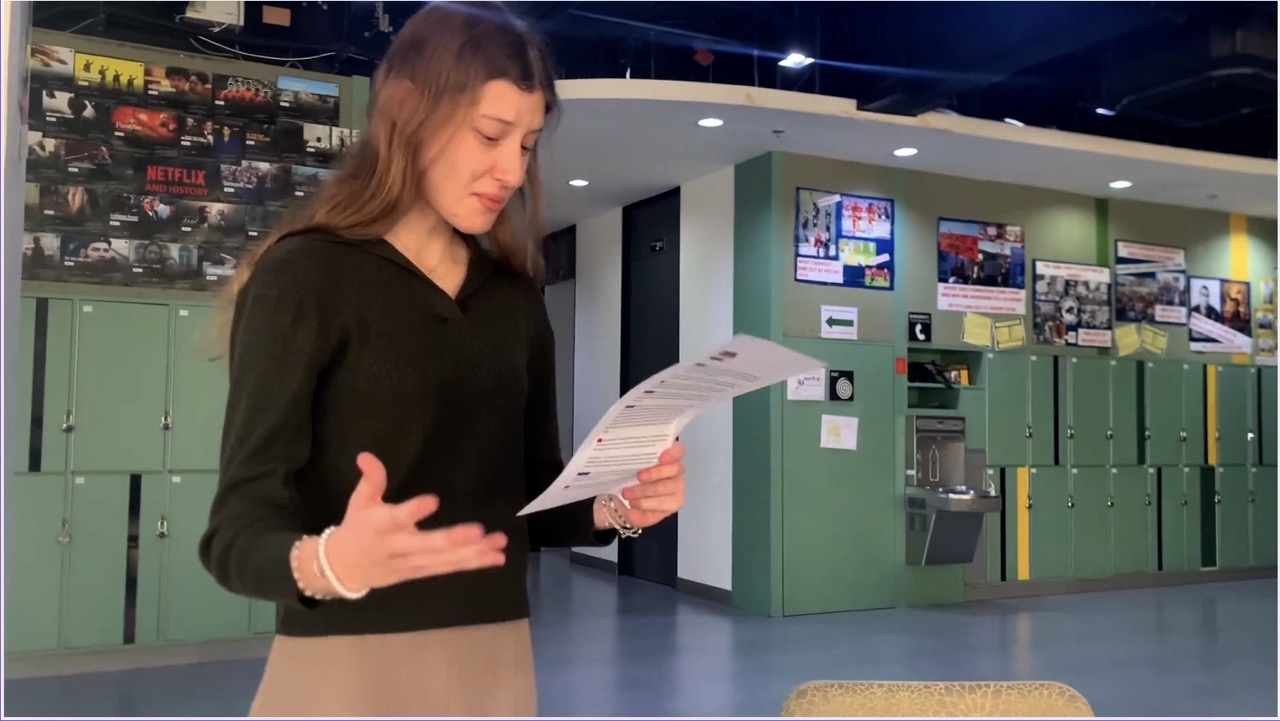
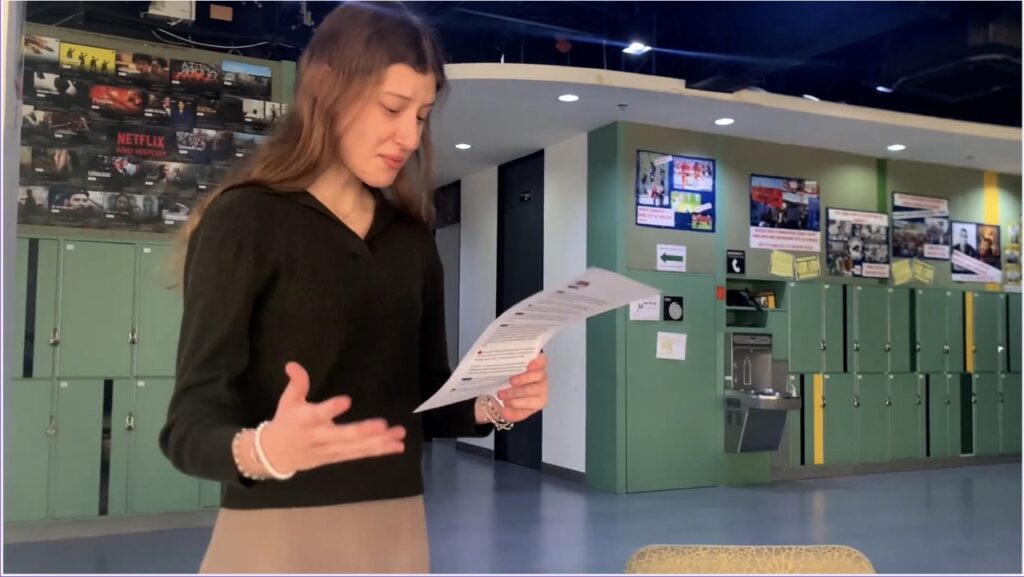
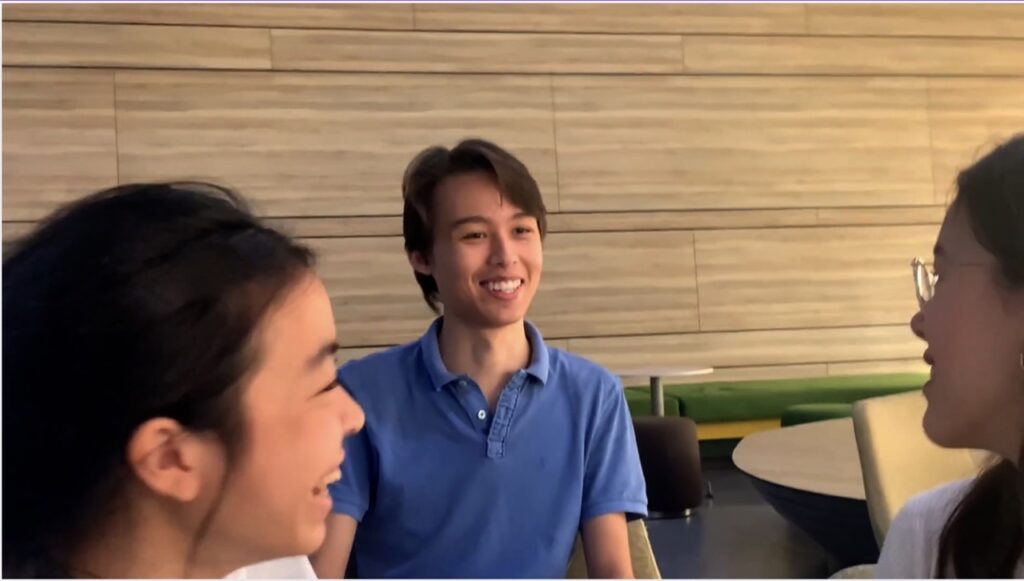
Our IB History class studied the creation of the First United Front as part of our ongoing China unit. To gain a more nuanced understanding of the complex perspectives on this key historical event, the class took part in a role-play activity as key historical figures Chiang Kaishek, Mao Zedong, Sun Yatsen and Stalin in a short film of our own creation.  

After learning the relevant content and the backgrounds of the key figures we were going to be transforming into, our group worked on a script. Our work initially read like a documentary-style recreation of a tense meeting in a historically accurate 1924, but morphed into a comedic (and highly dramatised) version of the hypothetical scenario we envisioned.   

This unique immersive experience allowed us to tackle content and commit this event to memory by pushing us to think both creatively and analytically. It has taught me that understanding history is not all memorisation and regurgitation, but instead the interpretation of evidence and complex causes behind events that have shaped our world. 

In the span of one lesson, we took on our roles as historians, part-time screenwriters and amateur actors all within the bounds of our classroom, proving that even when academics become more serious, it is still possible to participate in engaging and memorable lessons.  

It will be impossible to forget the significance of the First United Front on the rise of communism in China when our midcourse exam rolls around… 

Enjoy the video here.

Share This Article

In this Issue

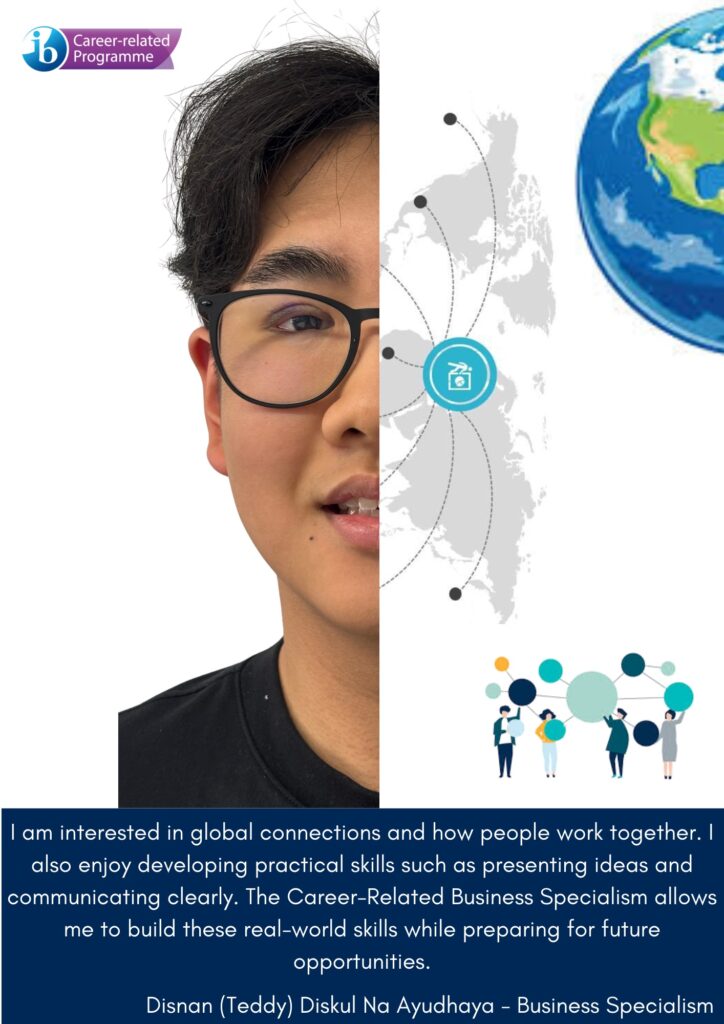
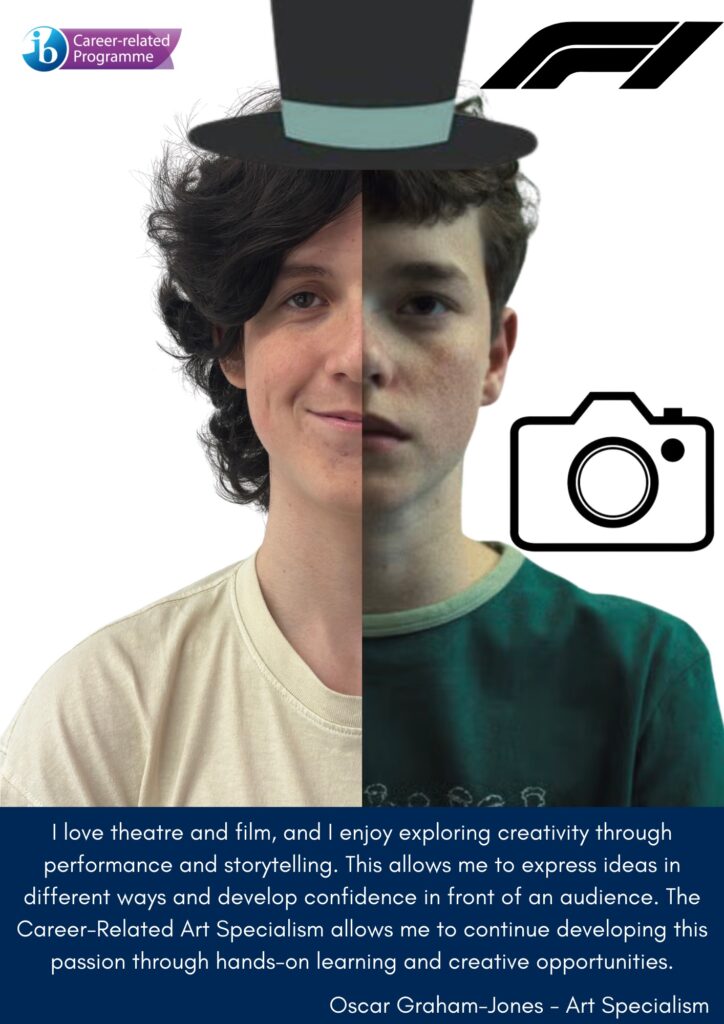
IBCP Students Exploring Both Sides of their Brain

By Aazar Munir, Business Studies and Economics Teacher

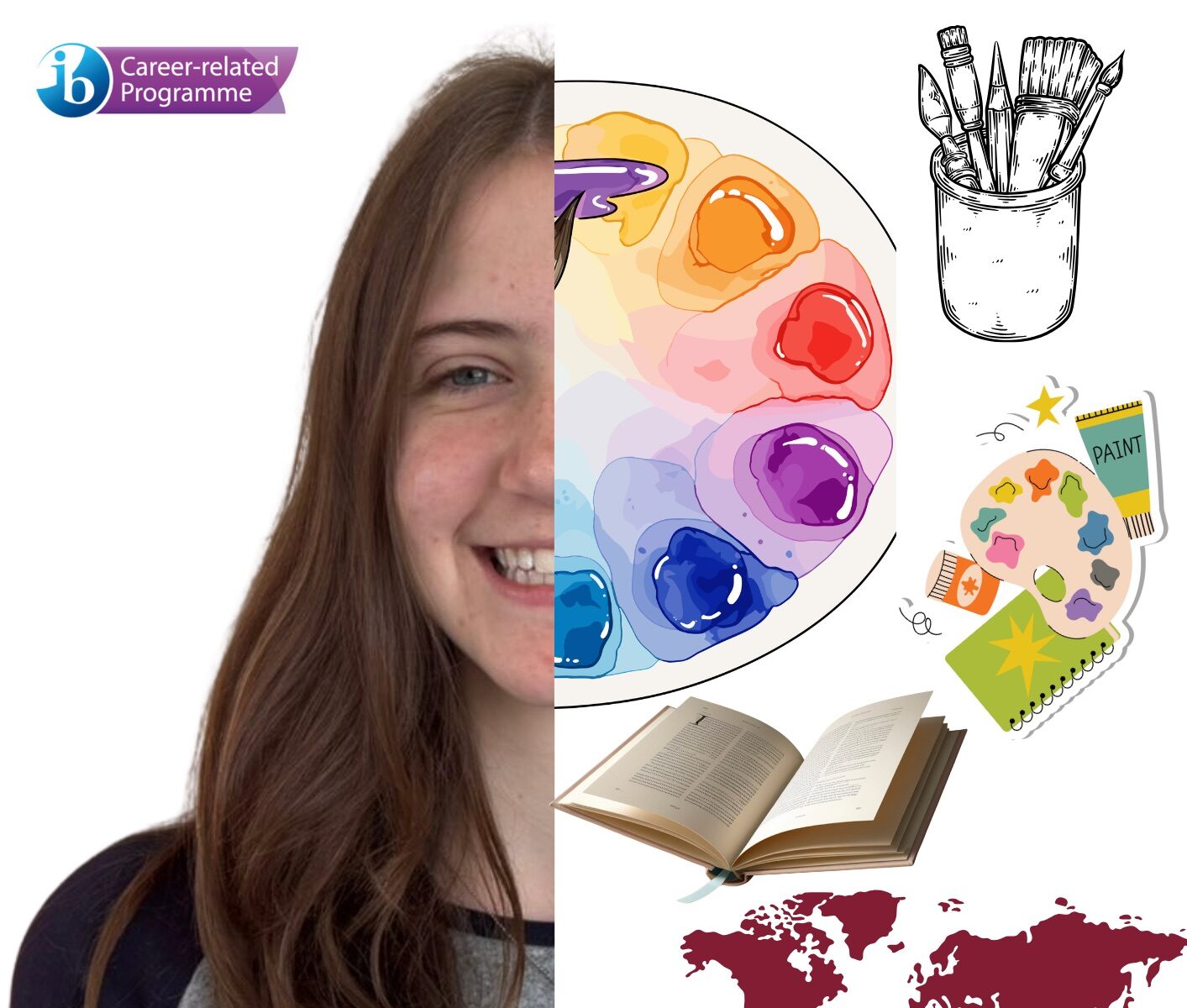
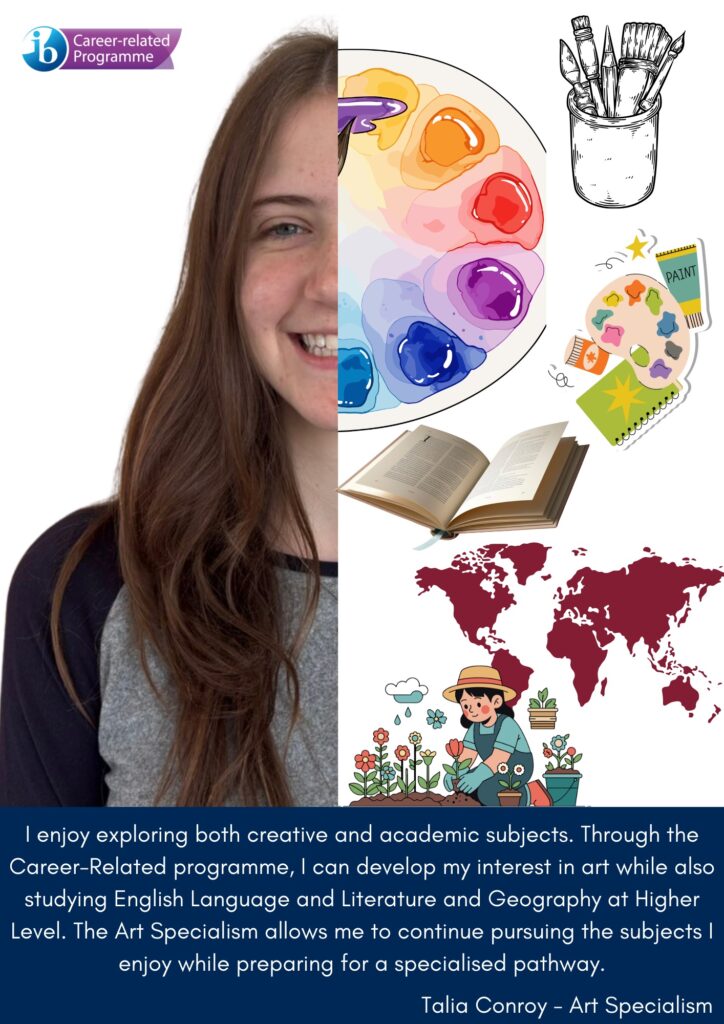
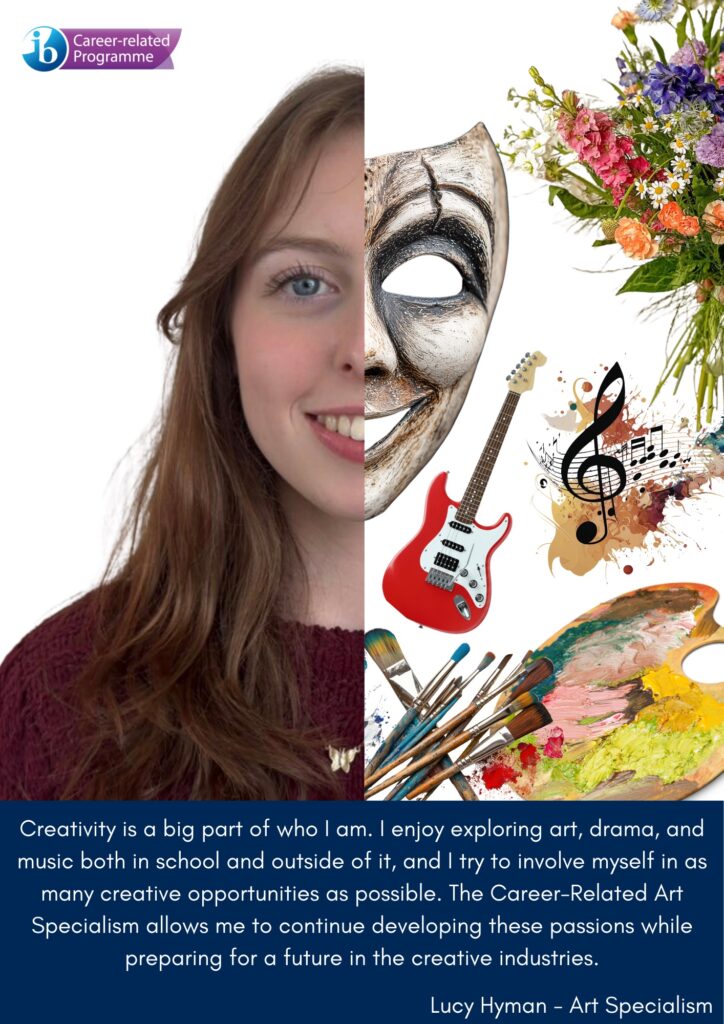
The IB Career-related Programme (CP) offers students a different way of learning. While maintaining the academic challenge of IB courses, the CP also emphasises practical, real-world skills and career exploration. Students combine academic study with hands-on learning, developing abilities such as communication, collaboration, creativity, and problem-solving.

In this series, CP students share a visual snapshot of who they are and what inspires them. Each image reflects the balance at the heart of the programme: thinking creatively while applying knowledge in practical ways. By connecting passions with future pathways, the CP helps students develop both the analytical and creative skills needed for life beyond school.

Share This Article

In this Issue

Tech Tips #320: What the “Manosphere” Means for Boys and How Parents Can Respond 

By Brian Taylor, Vice Principal, Technology for Learning

A recent Netflix documentary by Louis Theroux, alongside last year’s widely watched series Adolescence, has drawn attention to a growing online space often referred to as the “manosphere”. This is a network of influencers and content that promotes a narrow and often harmful view of masculinity, focused on dominance, control, wealth, and resentment towards women. These messages are increasingly reaching boys and young men through social media, gaming platforms and recommendation algorithms. 

While this can feel alarming, the research is reassuring in one important way. Parents and caring adults still have significant influence. Boys who feel heard, supported, and guided at home are far less likely to be pulled into extreme or unhealthy online spaces. 

Experts highlight several practical steps families can take. Staying curious about what children are watching and hearing online matters more than monitoring alone. Small, regular conversations, not lectures, help children learn to question what they see, especially content that promotes rigid gender roles or puts others down. Clear family values, expressed calmly and consistently, make a real difference. 

The research also links heavy screen use, particularly gaming and late‑night phone access, with increased risks to boys’ mental health. Simple boundaries, such as keeping devices out of bedrooms and prioritising offline connections, can be protective. 

Most importantly, connection remains the strongest safeguard. A home where children feel safe to talk honestly, without fear of judgement, is one of the most powerful ways to help them navigate the online world with confidence and care. 

I recommend you watch it yourself first, as you will be in a much better position to determine if it is appropriate to co-watch with your teen. Common Sense Media’s review is here

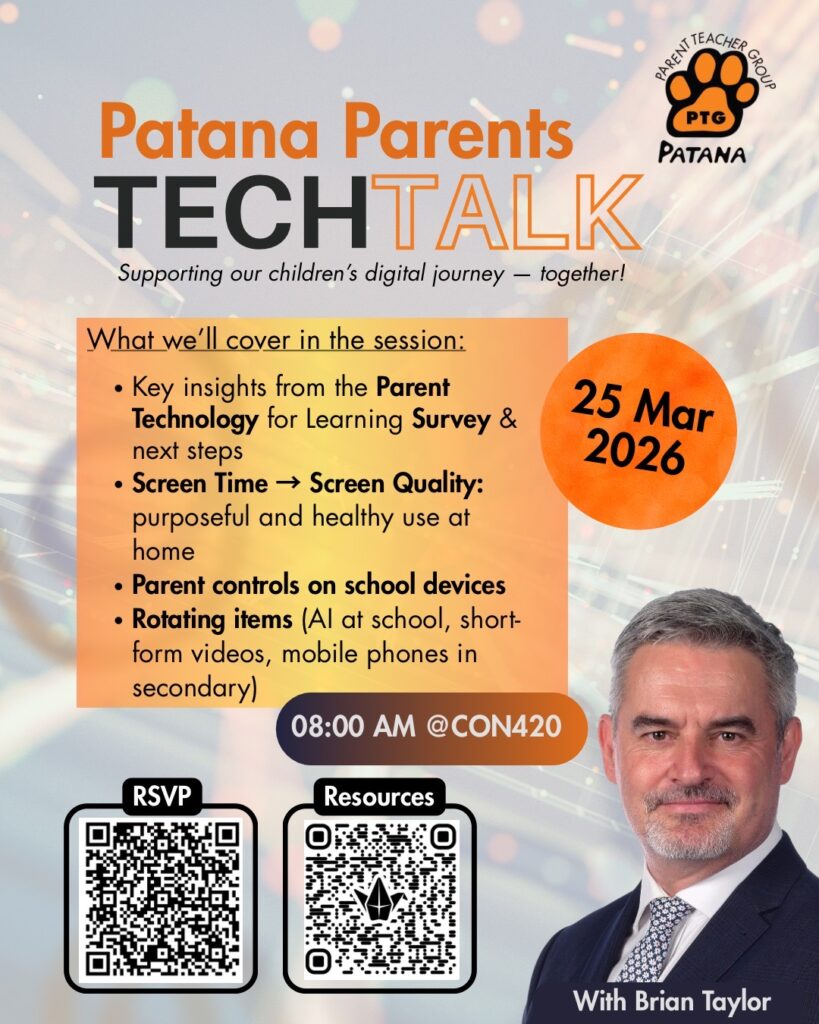
I hope to see you at our PTG Tech Talk next week! 

Share This Article

In this Issue

The King of the Silk Roads

By Keith Wright, Head of Humanities

I have always had a passion for the Humanities to the extent that I studied Geography, Economics and History at A Level, before majoring in Geography with a minor in Economics during my degree. As the dynamic world we live in continues to change at an exponential rate, the development of transferable skills that equip students for life after Patana and beyond becomes increasingly important.

The Humanities faculty pride ourselves on seeing our subjects as vessels for developing these skills. This includes collaboration, public speaking and presentation, ICT, and ensuring students develop balanced perspectives by conducting research from a wide range of sources. We therefore try, wherever possible, to design lessons that are student-centred, promote independence, and follow an enquiry-based approach. I often tell my students that I never had these kinds of opportunities when I was at school, and that they should make the most of the fantastic opportunities they have to develop these life skills.

As world politics becomes increasingly fraught and polarised, fostering an understanding of respectful debate and an appreciation of differing perspectives among young people is one of the most important ways in which History at Bangkok Patana helps develop our students as truly global citizens. History can shed light on the causes of many of today’s current affairs, but it also encourages students to think critically about the ideas they encounter — whether in the classroom, in textbooks, or on social media. Encouraging students to support arguments with evidence and consider a range of viewpoints is therefore a central focus of the current sequence of lessons in Year 7 History.

Whilst I primarily teach Geography, this year I had the opportunity to teach Year 7 History. It has certainly been challenging stepping outside my usual ‘comfort zone’, but I have been fortunate to receive tremendous support from our fantastic History department, expertly led by Ms Richards.

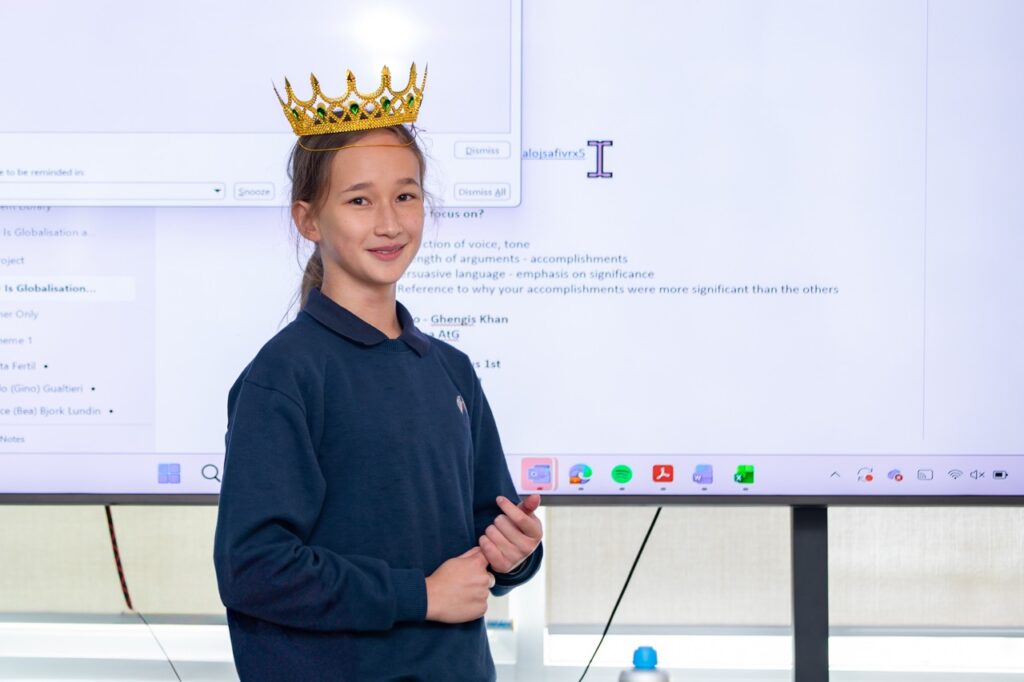
The Year 7 History curriculum strongly reflects the skills outlined above. One example is a recent activity connected to students learning about the importance of the Silk Roads as an early form of globalisation. Each student was allocated one of eight ‘Silk Roads legends’ and conducted research using a set of criteria before preparing a speech to present to the rest of the group. Students performed in groups of four or five, and afterwards the class voted for the best speech.

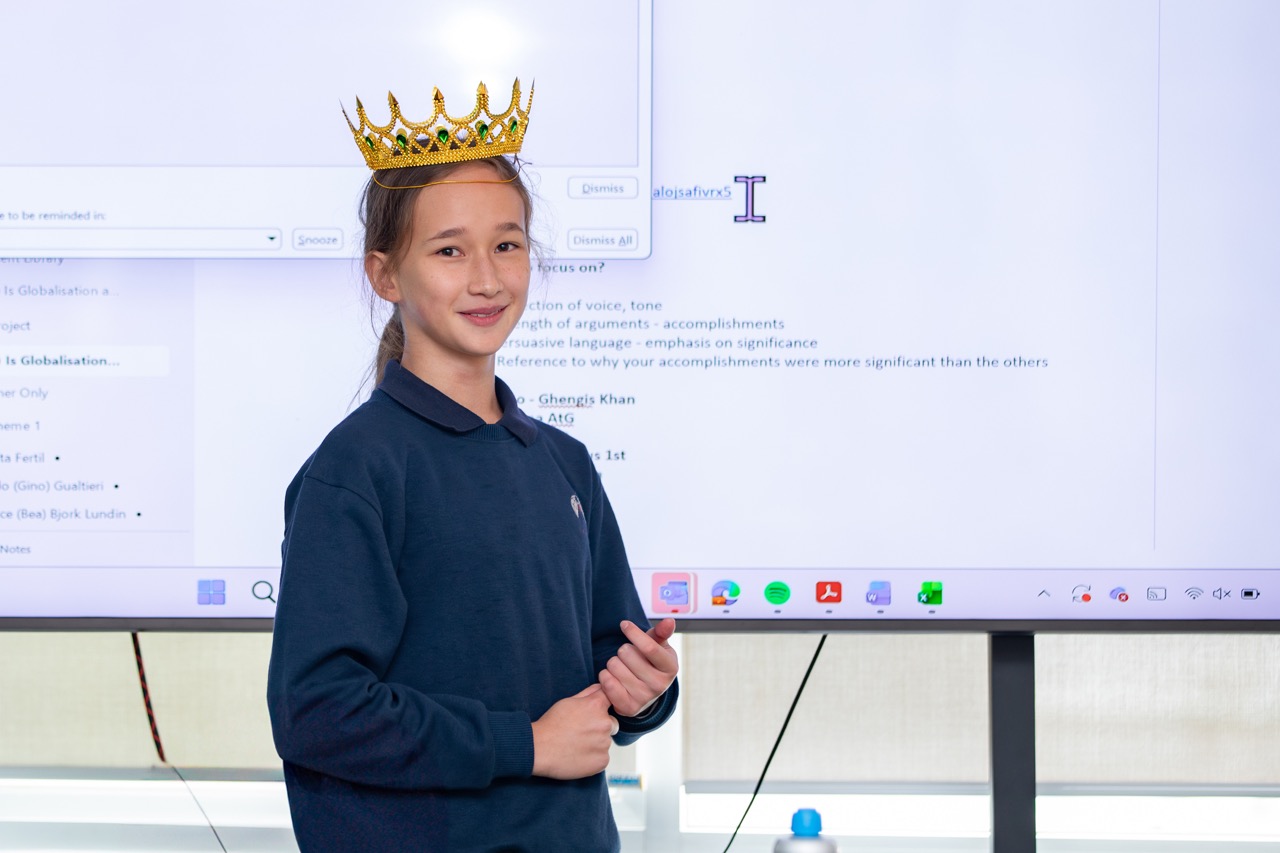
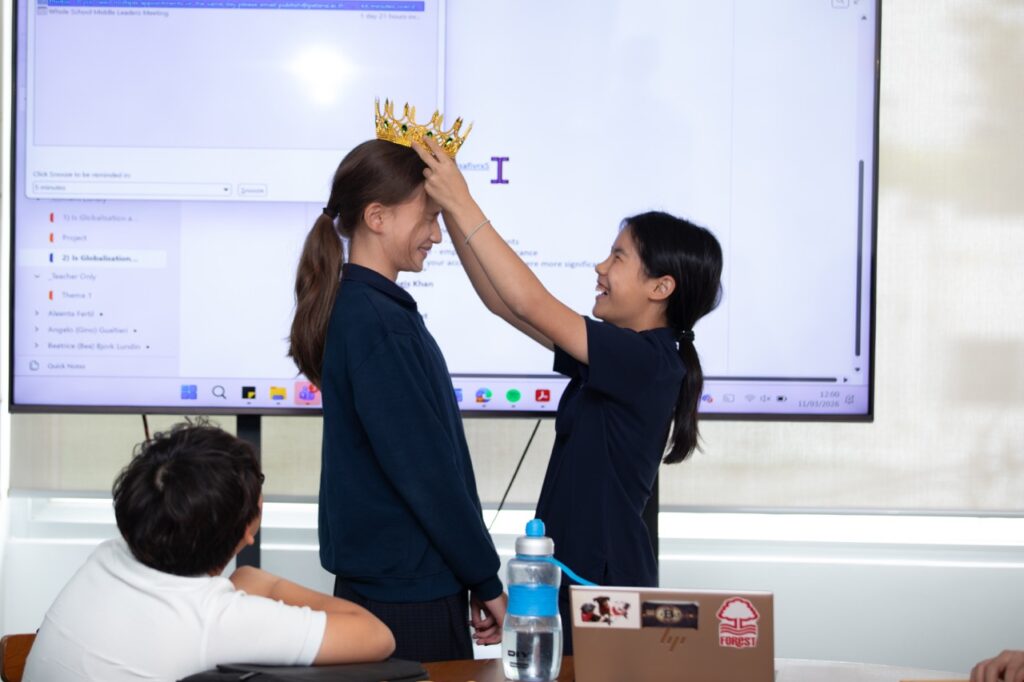
During this week’s lesson we crowned “The King of the Silk Roads”, as the winners refined their speeches through collaboration with the others in their table groups. The key focus was on:

  • Projecting their voices in an emotive and engaging manner to influence the audience
  • Strengthening their arguments by referring to the significance of their achievements using factual evidence
  • Transferring persuasive language skills developed in English
  • Explaining why the accomplishments of their ‘Silk Roads legend’ were more significant than the others

I would like to thank Aidan from 7H for sharing his reflections on the lesson and on History more generally, and also the History department for all their support.

From Aidan: “In History class this week, our classroom turned into a stage for some of the most famous people from the Silk Roads. Each of us picked one of the ‘greats’ — such as Marco Polo, Genghis Khan, Alexander the Great, Zhang Qian, Darius I, Ibn Battuta, Fa Hsien, or Mansa Musa — and wrote a speech in the first person, as if we were that person telling our own story.

We split into groups, and one by one everyone stood up and gave their speech. It was really fun because each speech had a different style and point of view — some were royal, some adventurous and some even comedic. Each student tried to explain why their historical figure was important and what made them stand out in history.

After all the speeches in a group were finished, the rest of the class voted for the person they thought presented the best speech. The winners from each group then moved on to the final round, where they delivered their speeches again in front of the whole class.

The activity wasn’t just about remembering facts — it made history feel alive and exciting. We practiced speaking in front of others, learned how to share ideas clearly, and discovered how different people shaped the Silk Roads in their own ways.

By the end, it felt like our classroom had hosted a meeting of great leaders and travellers. The project showed us that history is more than dates and battles — it’s about people, their journeys, and the stories they leave behind.”

Share This Article

In this Issue

Year 1: The Weekly Challenge

By Michael Dolan-Hodgson, Year 1 Leader, Pastoral

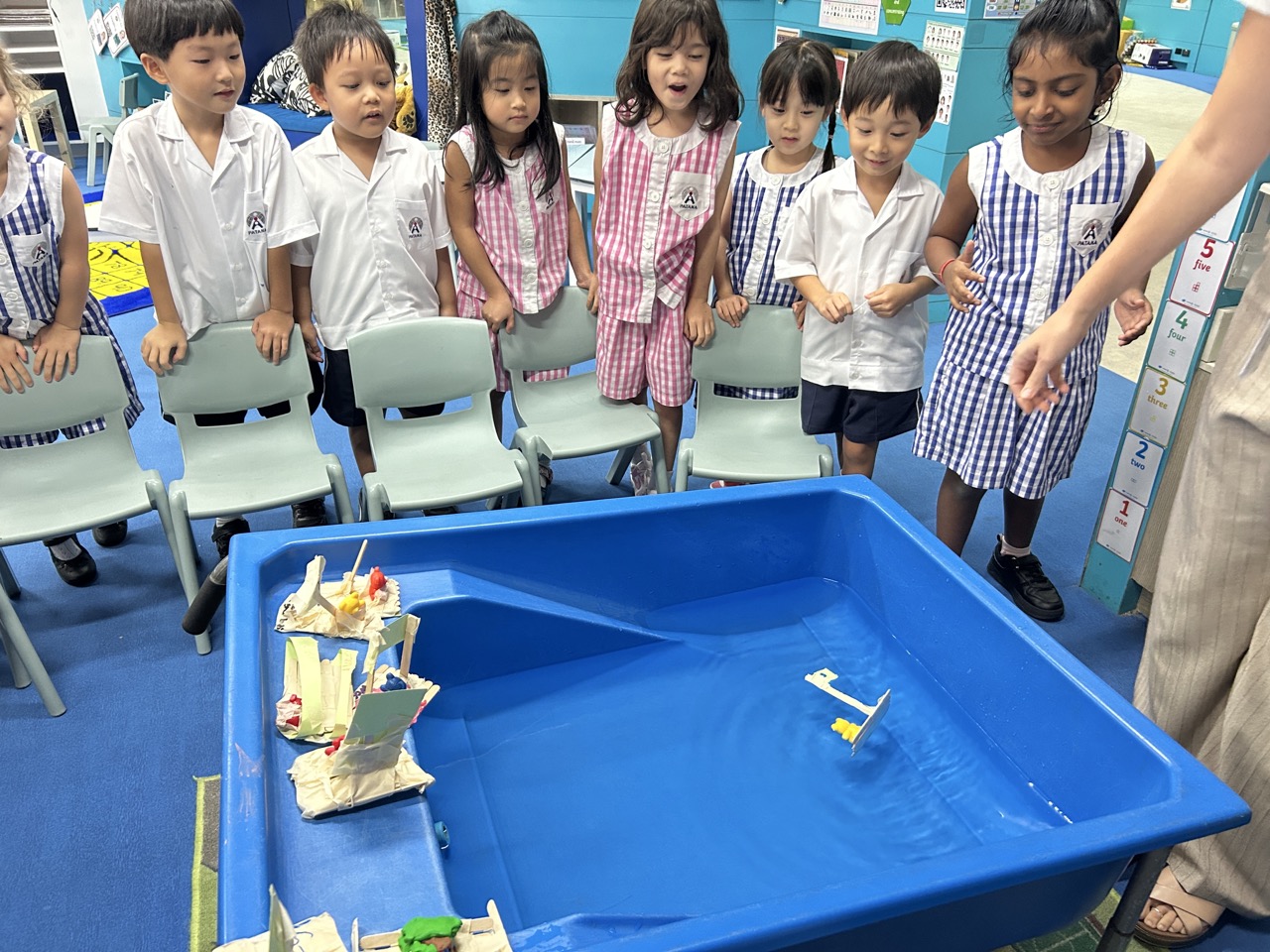
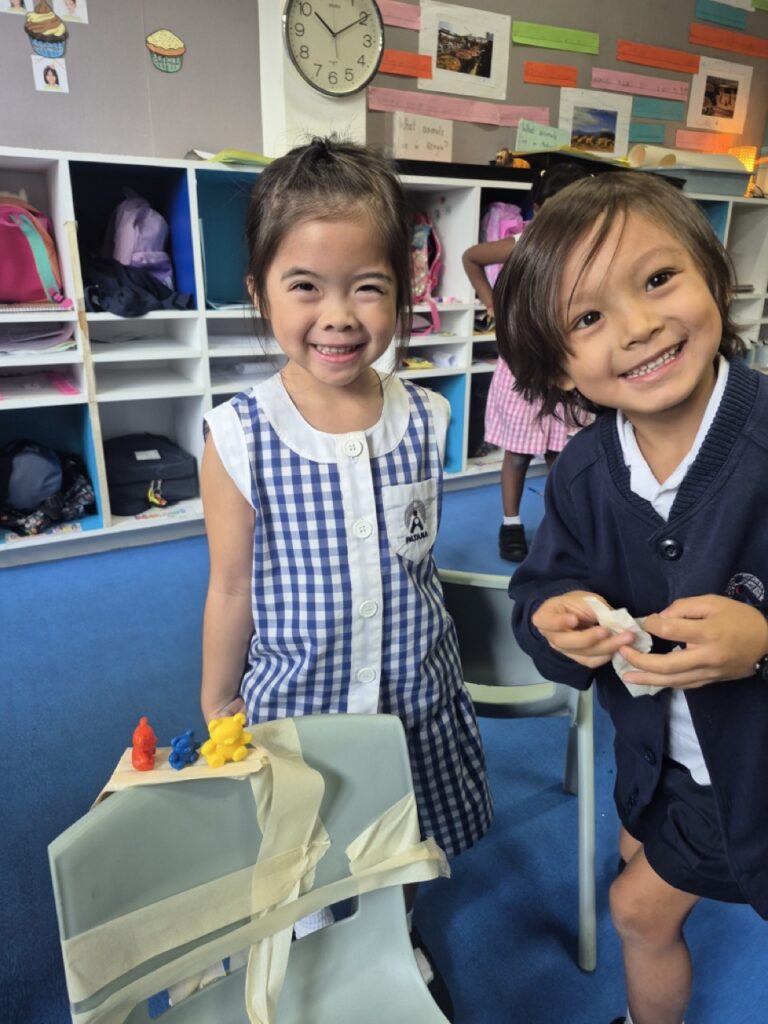
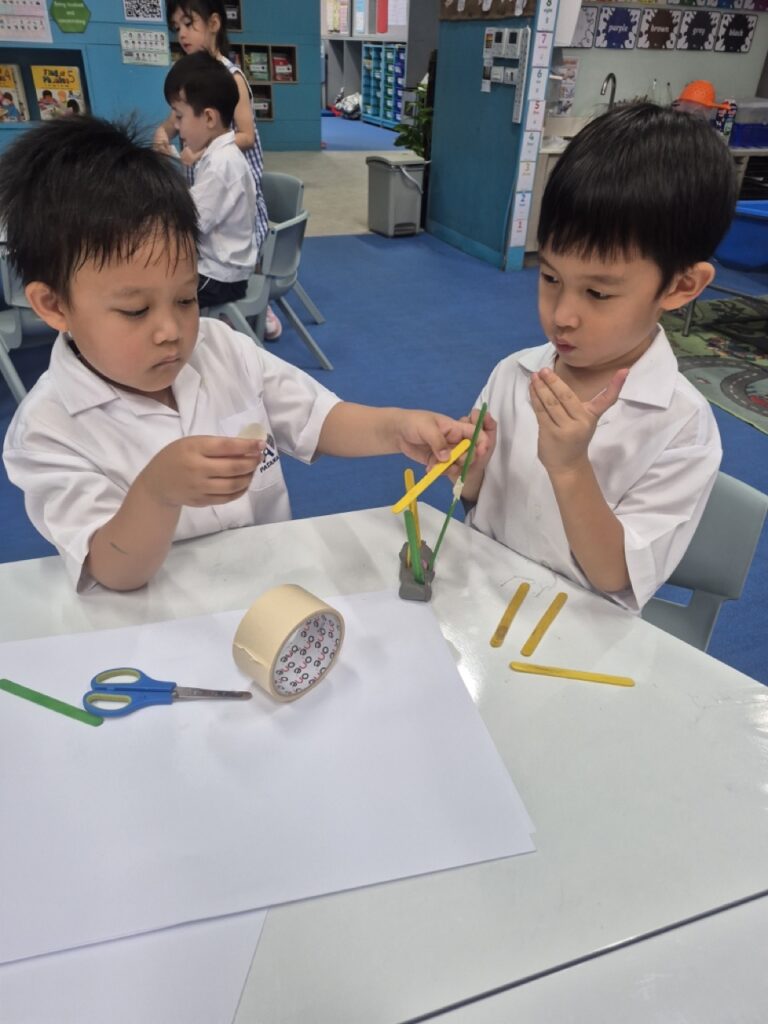
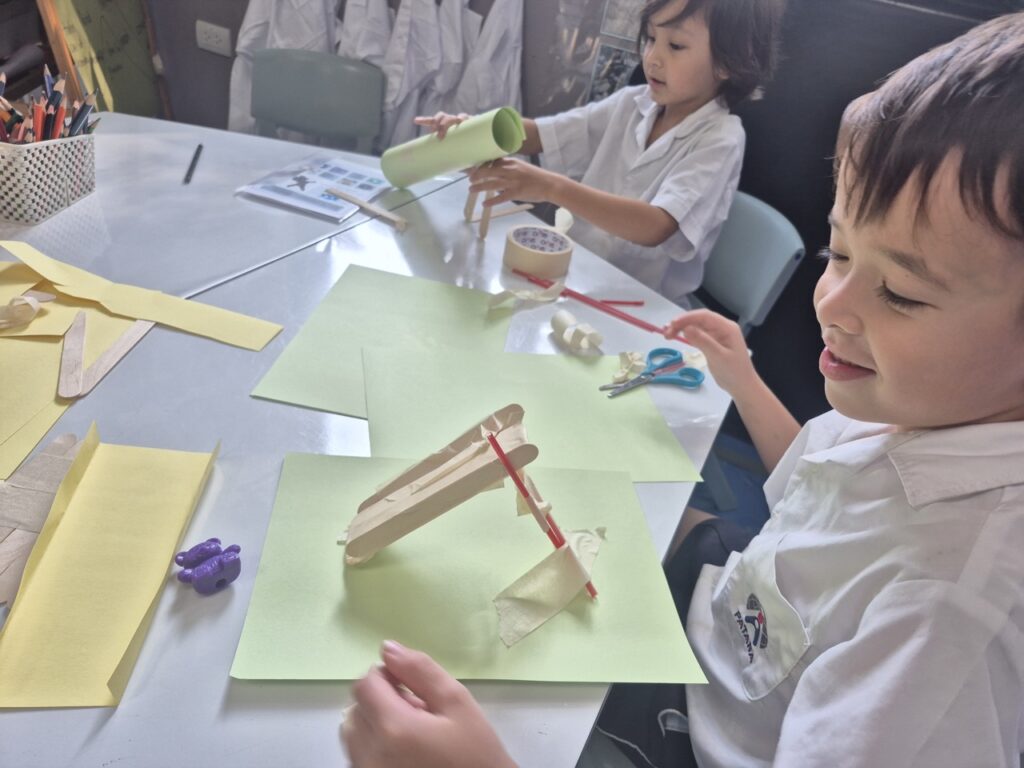
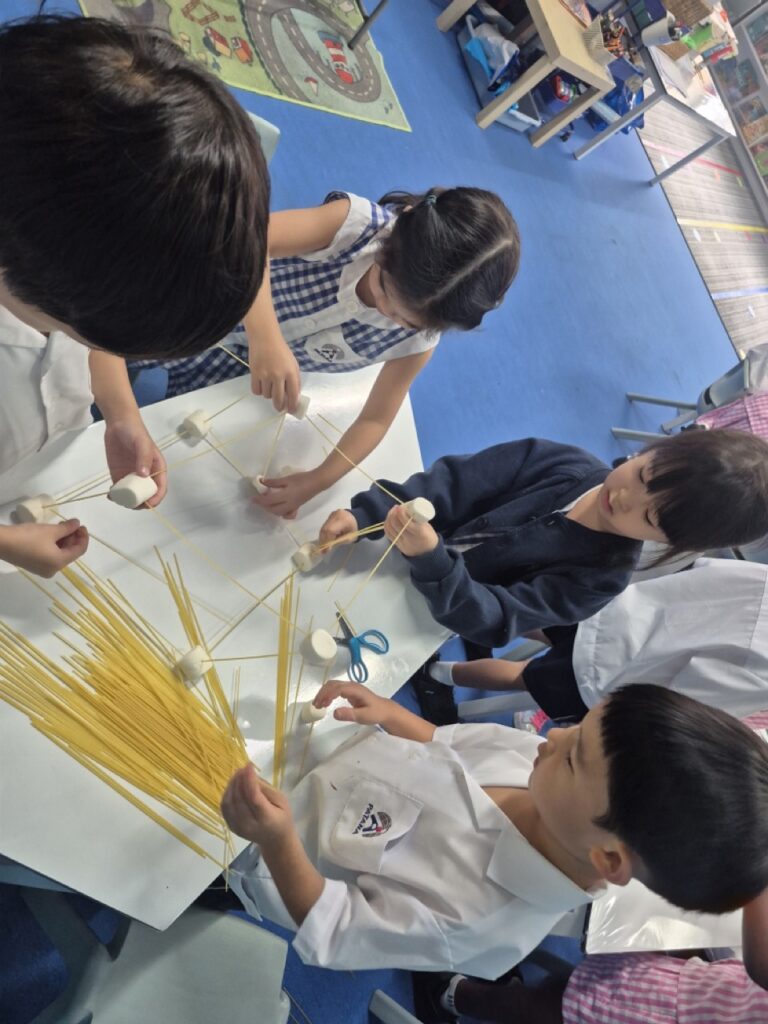
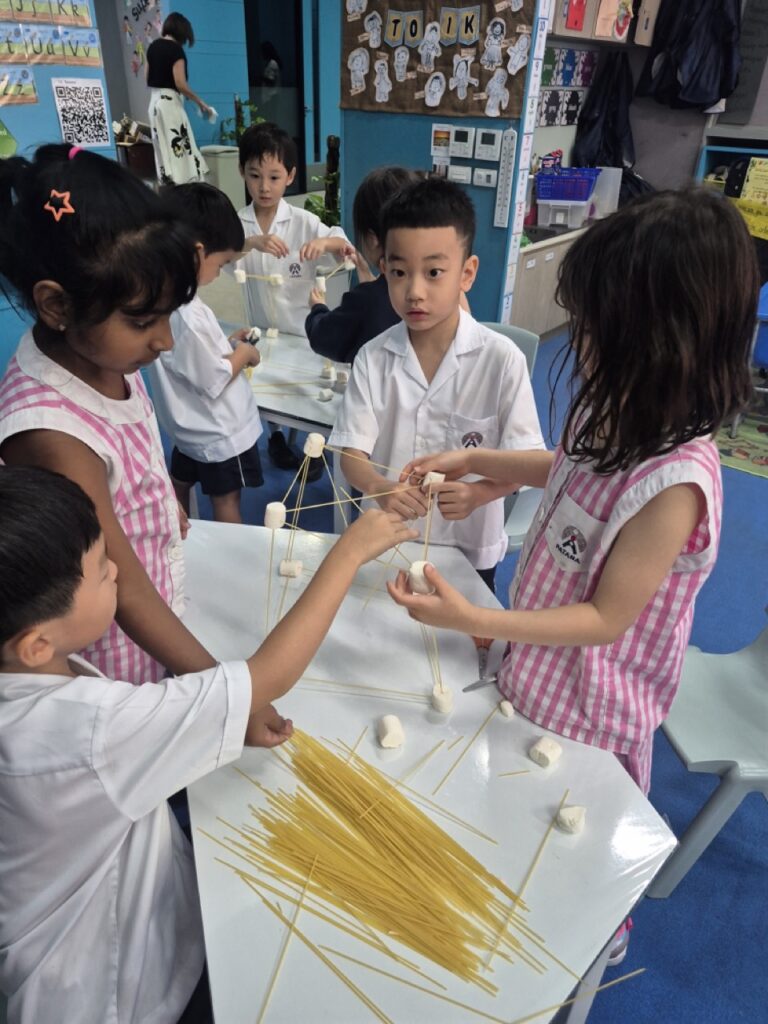
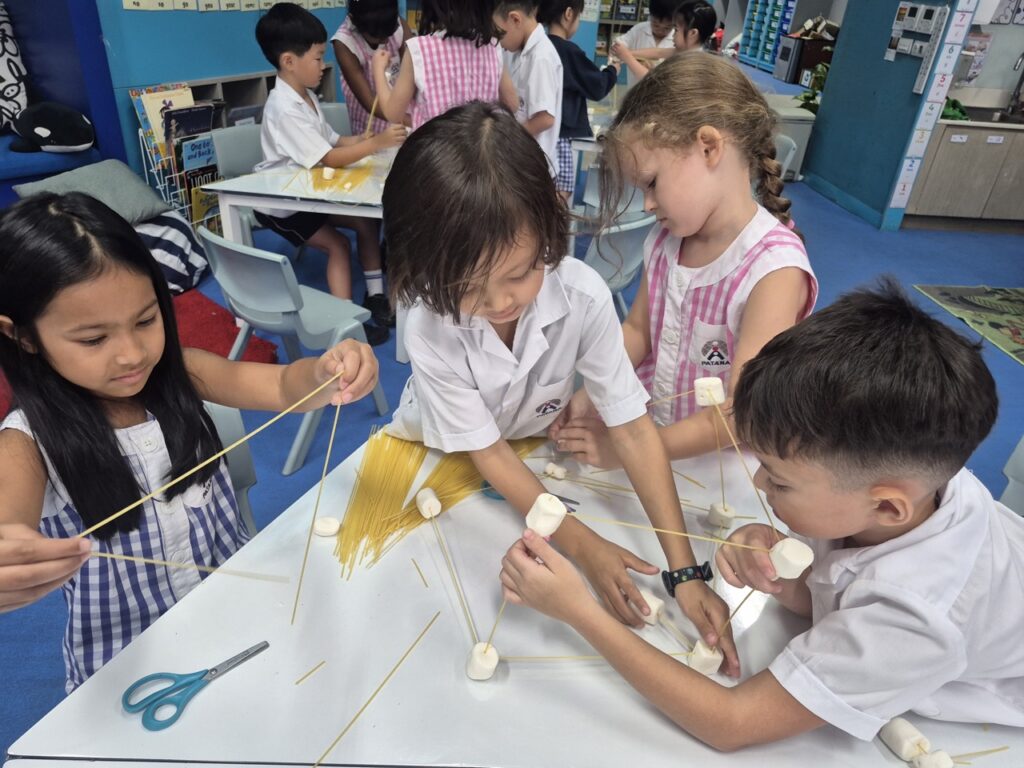
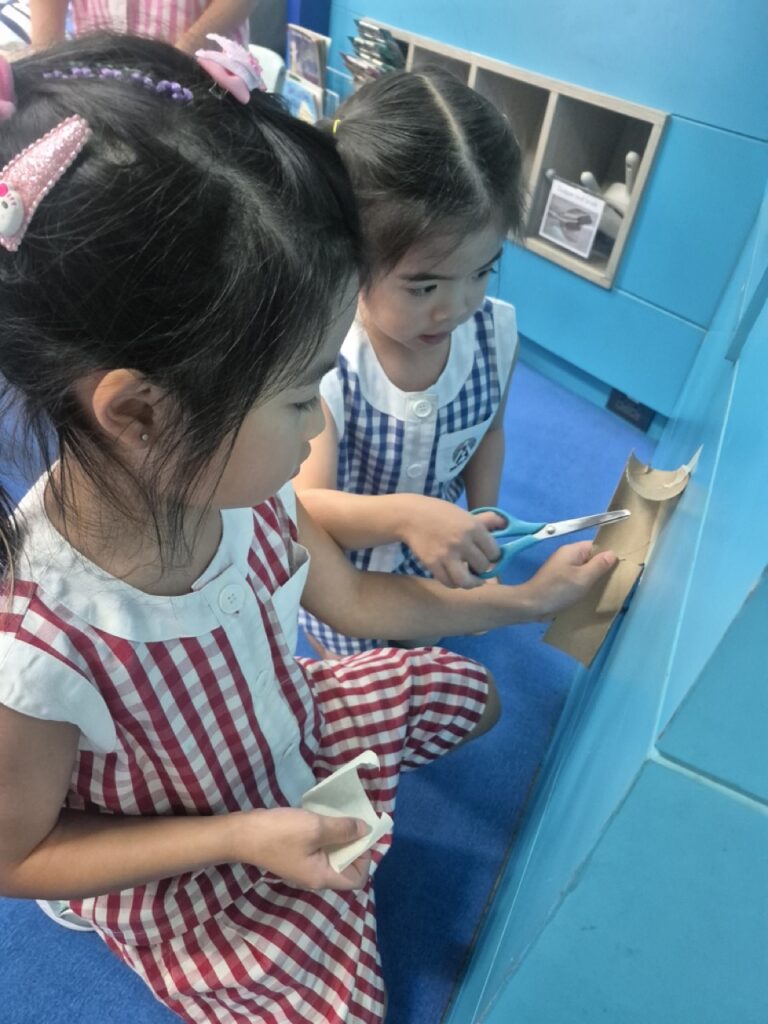
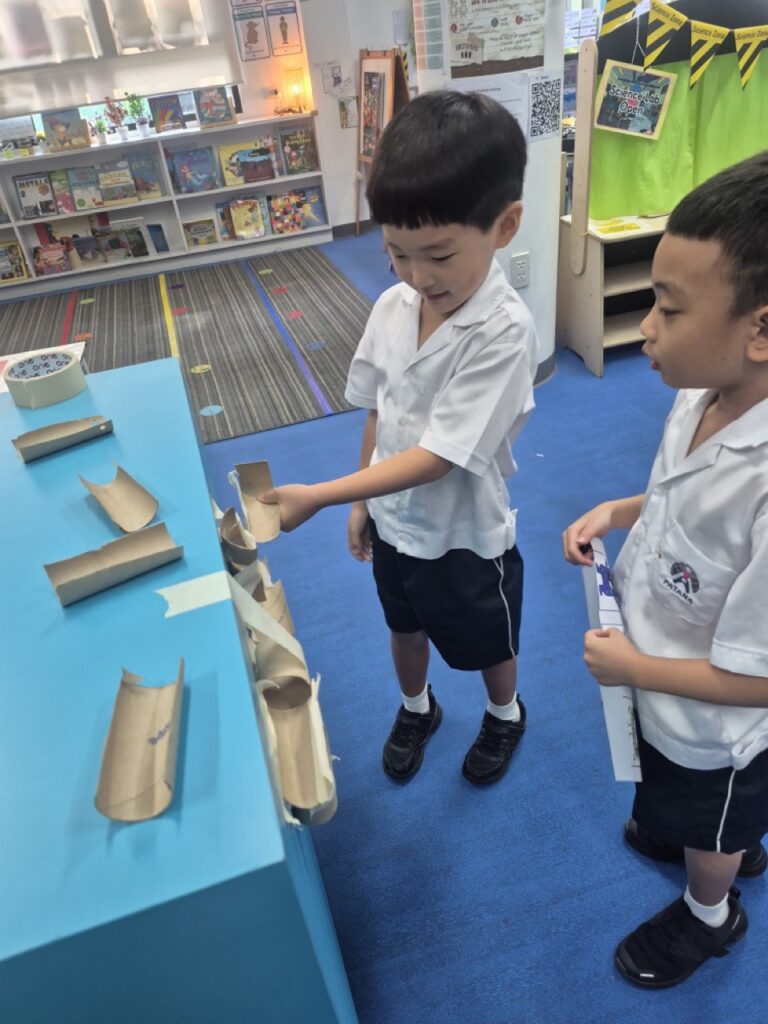
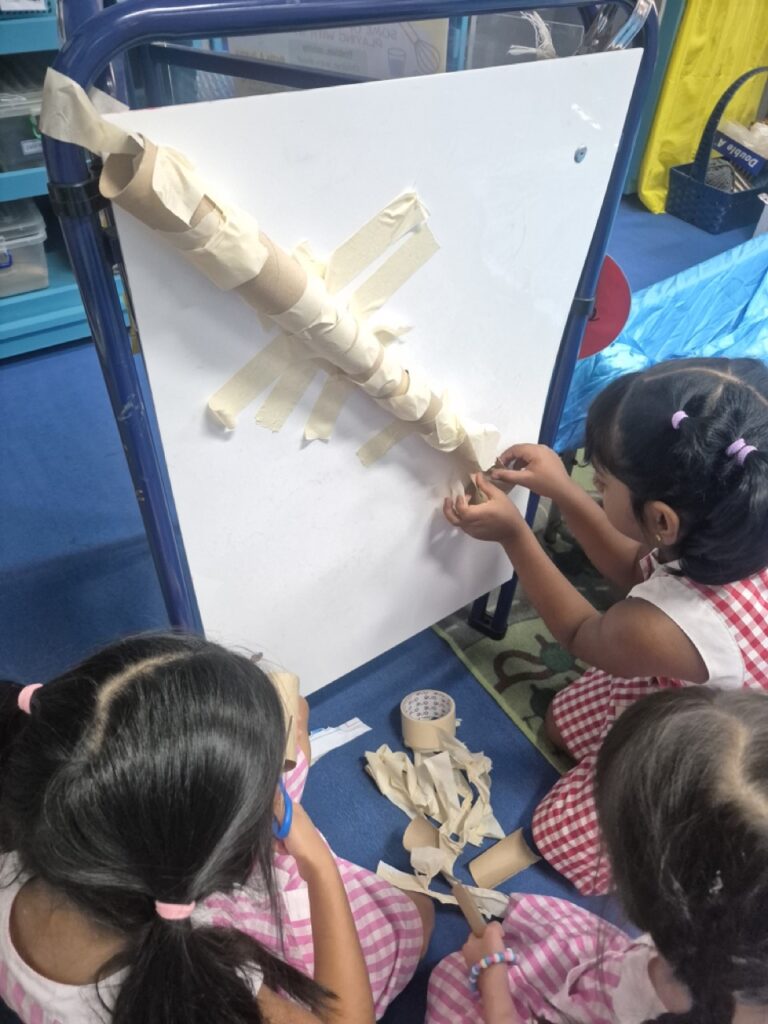
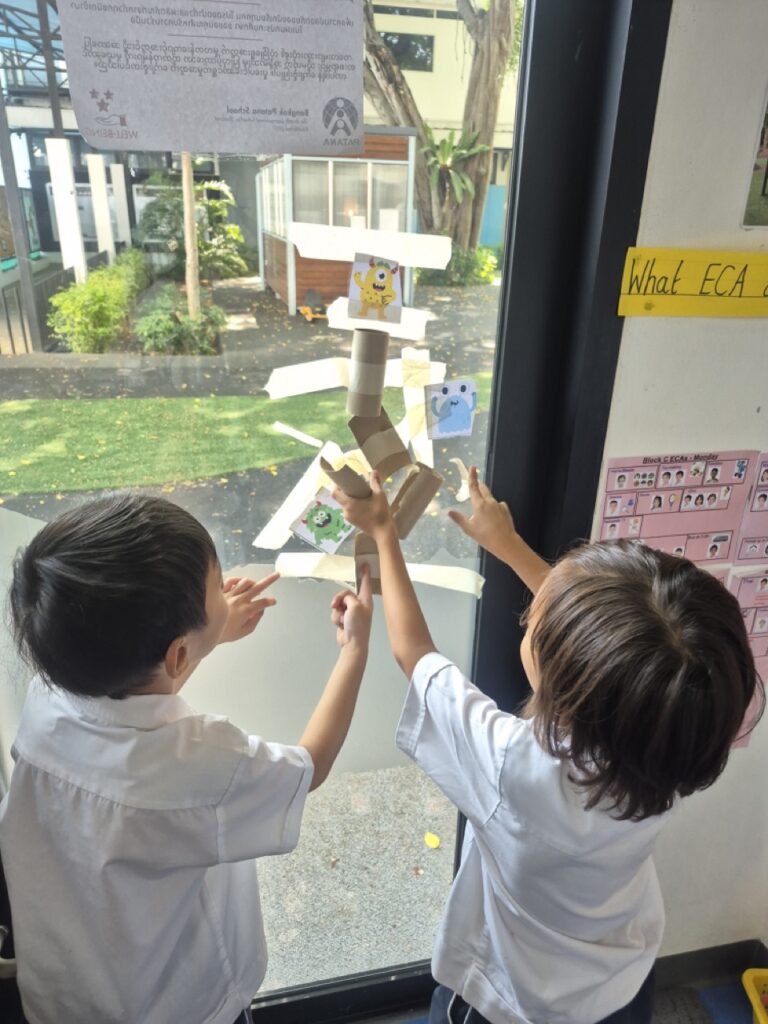
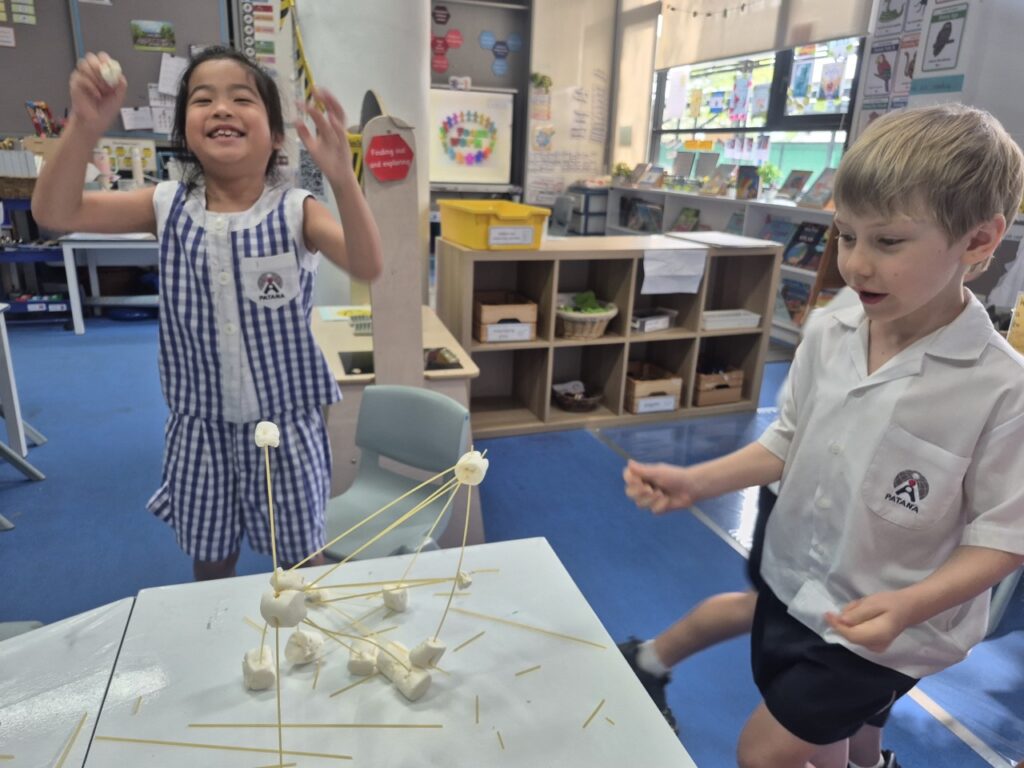
Every week in Year 1 we have our much-loved Weekly Challenge. This is a time where our children work in small groups to solve problems using a limited set of materials. Whether it is building the tallest tower from lollipop sticks, engineering a magnetic path for paperclips or creating a marble-run using toilet rolls and marbles, the energy is always high!

Before the timer starts, the students focus on “thinking time” and “talking time.” The children sit together to plan their strategy and discuss their roles. They use the Characteristics of Effective Learning to guide them. You might hear a child say they want to practice “keeping on trying” or “having my own ideas.” This helps them understand that how they learn is just as important as what they build.

Being an effective team is at the heart of every challenge. The children learn to listen to one another, share the resources, and encourage their friends. It is wonderful to see them negotiate and find ways to work together under a time limit.

We always end our lesson with a big celebration and a bit of friendly competition to see whose paper chain is the longest or whose tower stands the tallest! Most importantly, we finish with reflection. We ask the children questions like: “what went well?”, “how did you help your team?” and “what could you do better next time?” This helps our young learners grow into confident, resilient thinkers who aren’t afraid to “have a go.”

Share This Article

In this Issue

Community Engagement at Bangkok Patana: Mercy Centre

By Asama Jittachalodhorn, 12W, Nga Lam (Joey) Ching, 12L, Rinka Bunsokuwan, 12B

An Educational Initiative for Mercy Centre Children


Rinka: As part of our CAS project, our group organised an English-learning activity for young children from Mercy Centre, alongside the other pre-organised activities such as swimming, crafting and building. Our goal was to create a fun and welcoming environment where the children could practice simple English vocabulary through simple and engaging games in an international school environment. Instead of running a strictly planned out session, we tried to set up an interactive station where the children could decide whether or not they wanted to take part. Our station included activities such as animal charades, “Simon Says” using action words, and drawing exercises where we encouraged them to name colours, shapes, and objects. We wanted the activities to feel relaxed so that they wouldn’t feel pressured; however, working with such small children came with many difficulties, especially because many of them spoke very little English and I am not fluent in Thai. Despite this, one moment that particularly stood out to me was when Beena, a girl I had been supporting with her work, independently attempted to rewrite the words she had learnt that day. Even though the letters were not perfect, it showed that she was curious and willing to try, which made me feel a huge sense of accomplishment. This experience reminded me that learning experiences are often much better for the children when we give encouragement and value the small interactions. It also strengthened my communication skills and showed me how collaboration and patience can help overcome language barriers.


Joey: There were many positive aspects of this experience. One of the best parts was seeing the students gain confidence and become more engaged and more willing to speak English in front of others. The interactive activities, like hangman, introducing themselves in English and charades, also helped create a fun and engaging environment where students were not afraid to make mistakes. However, there were also some challenges. Some students had different English ability levels, which made it difficult to design activities that suited everyone. In addition, younger children have short attention spans, so it was necessary to constantly adapt the lesson to keep them focused, for example: we switch games every 10mins, 3 of us split up and switch every 10 minutes to do different activities with them.

Asama: We planned to teach English to the children through activities such as charades and Simon Says, with the idea that the children would rotate between stations. However, the plan did not work as expected because the children chose to go wherever they wanted instead of rotating. At first, this was stressful since our original activities could not be carried out, but we quickly adapted by following the children and working with whatever activity they were doing. For example, I spent time with two children, Yaya and Captain, who were colouring. While they coloured, I asked them the English names of colours and objects they were holding, such as pencils, and helped them write their names and simple words in English. This turned the activity into a more natural way of learning. A positive aspect of the experience was that the children were comfortable and engaged, but a challenge was that our original plan was not flexible enough. From this experience, we learned the importance of adapting quickly and being flexible when working with children. Next time, we as a group discussed that we should prepare activities that can easily adjust to the children’s interests so the learning experience can still be meaningful even if the plans change.

Share This Article

In this Issue

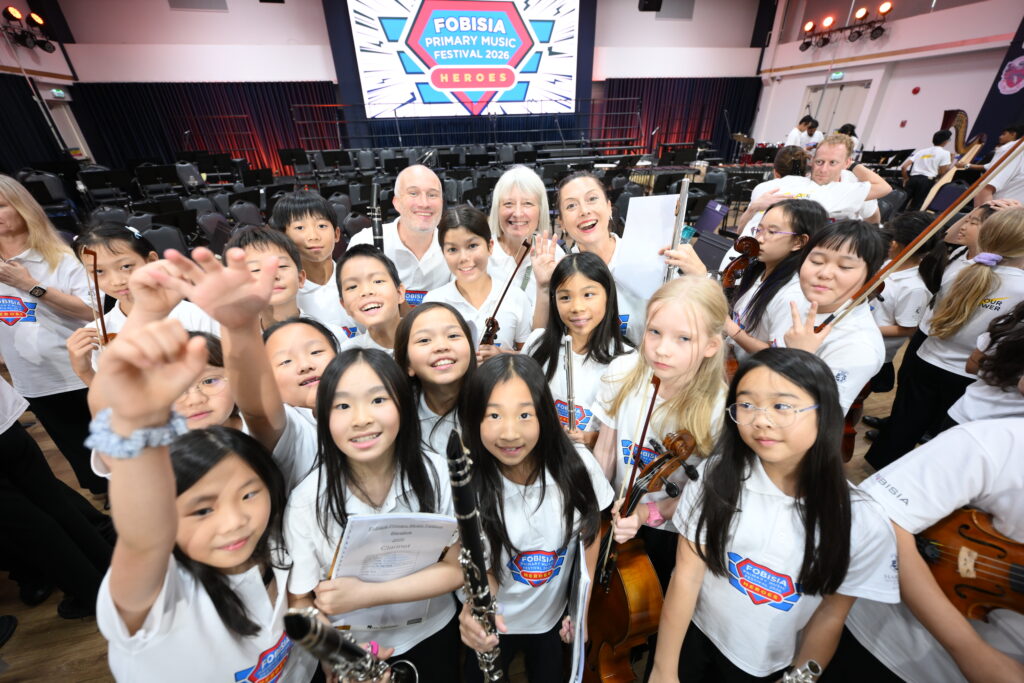
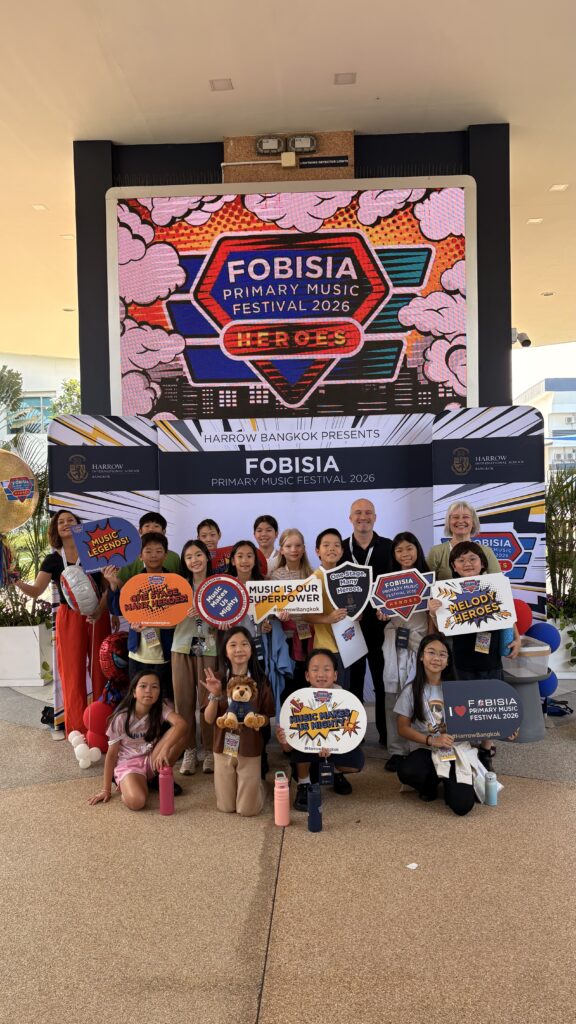
FOBISIA Primary Music Festival 2026

By Lisa Mallet, Primary Music Teacher

We can be heroes, just for one day” ….. David Bowie

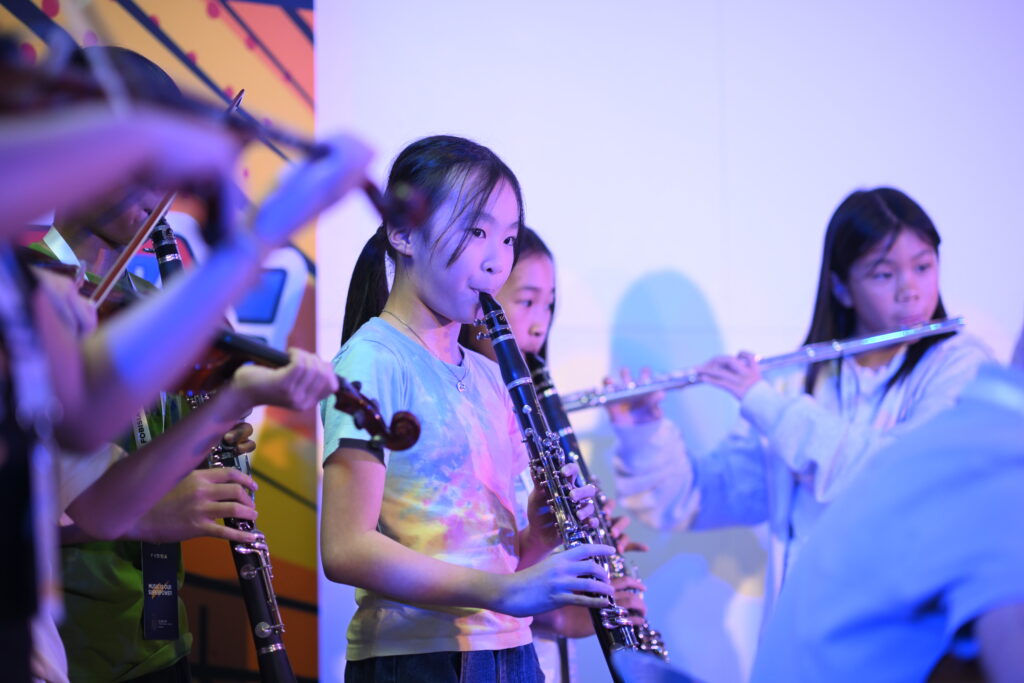
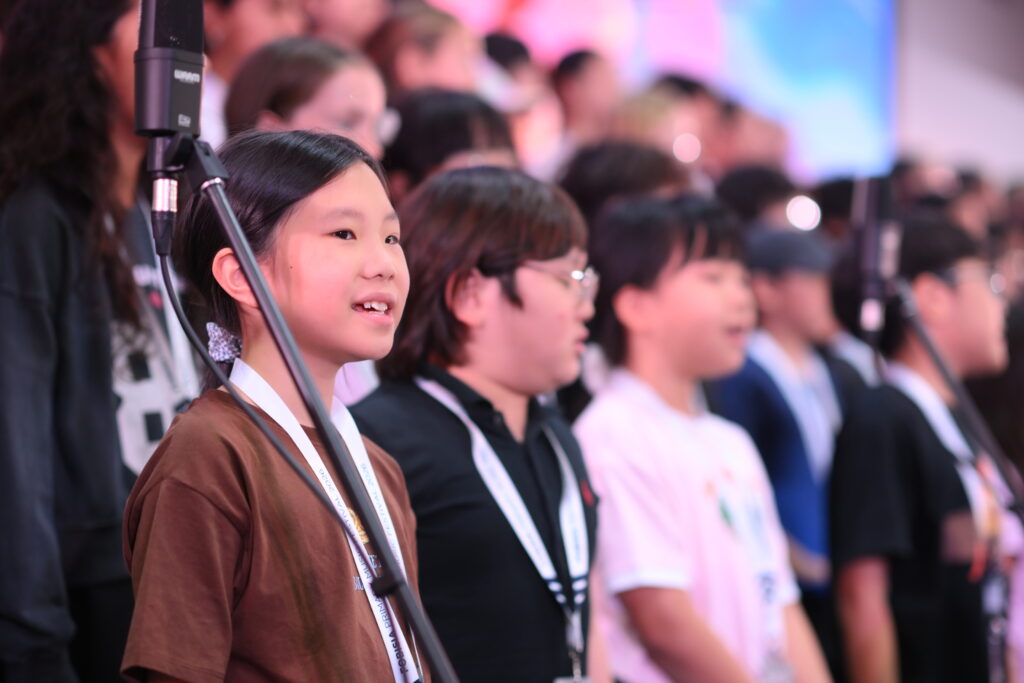
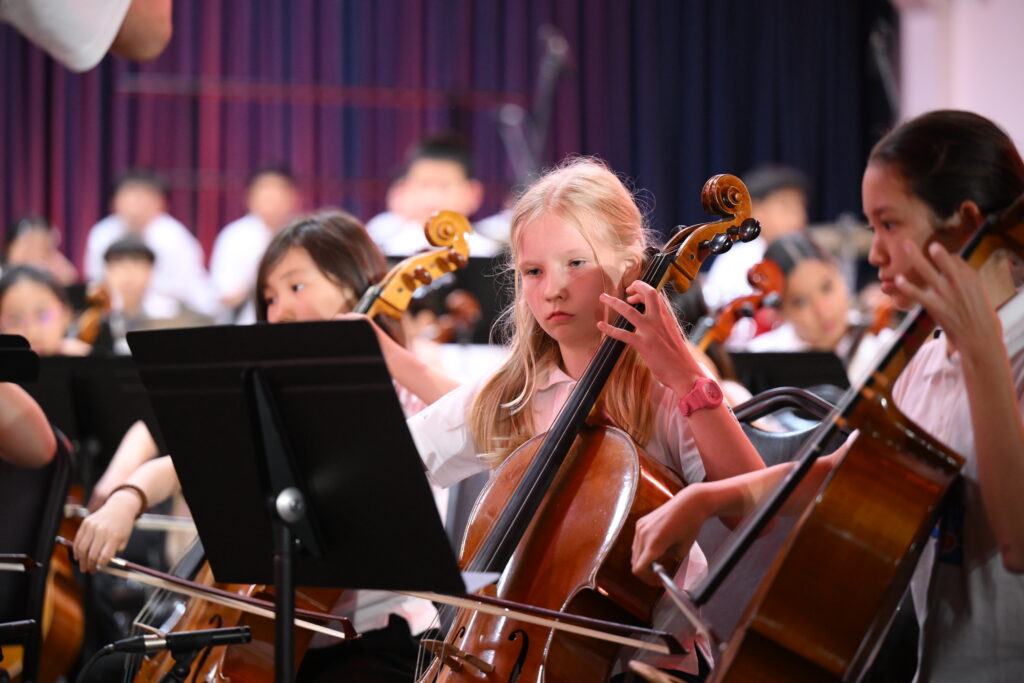
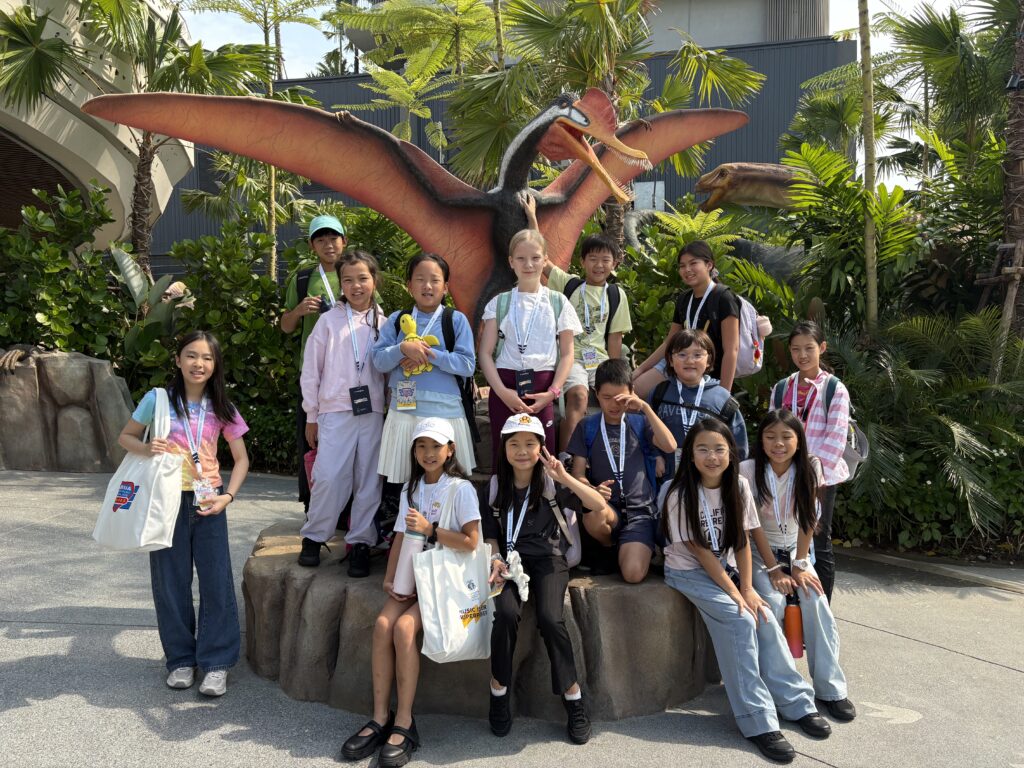
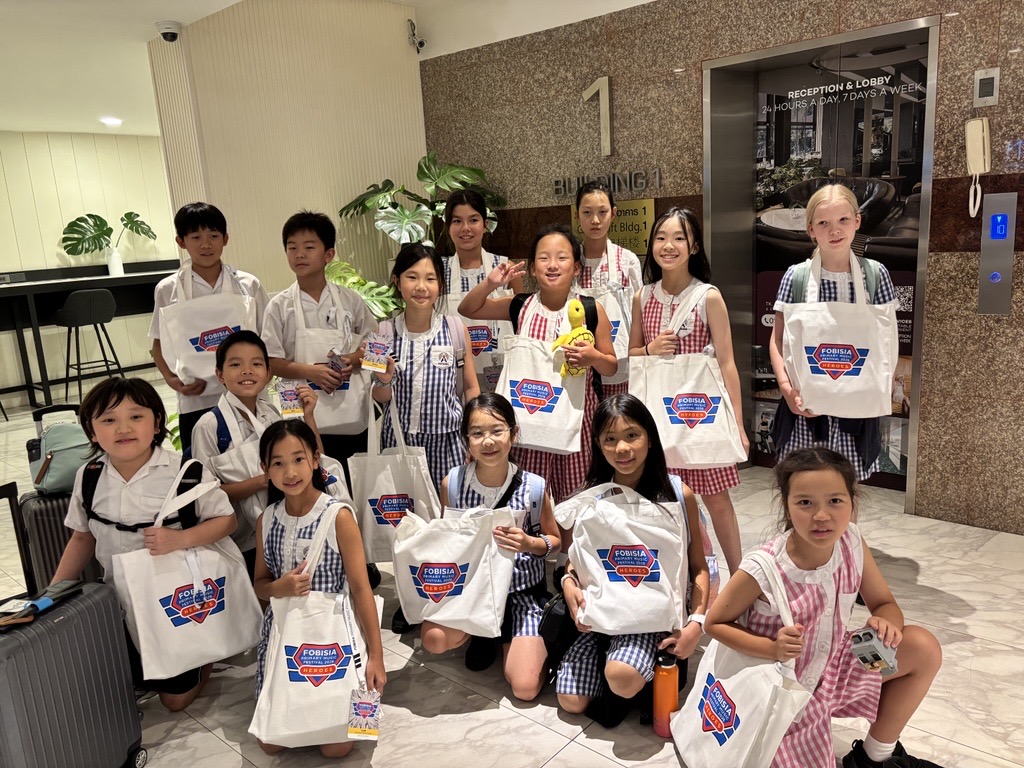
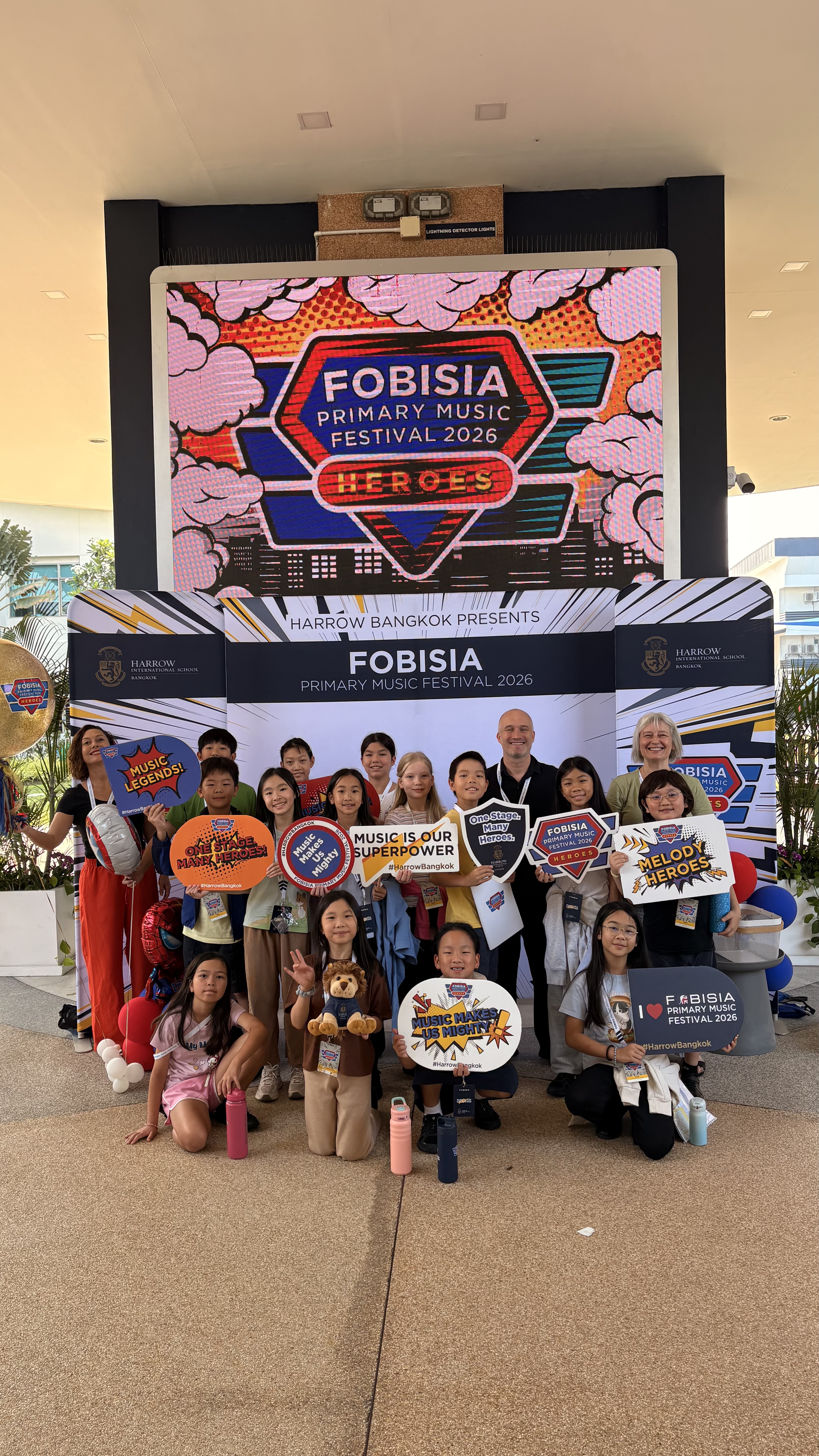
Last weekend, after several weeks of rehearsal, the Primary Music team took 14 Year 5 and 6 musicians to the FOBISIA Primary Music Festival 2026. The event brought together over 270 young musicians from 16 schools across the South-East region to rehearse and perform together two finale concerts. To fully experience the festival, students also stayed alongside other participating schools in a nearby hotel for three nights.

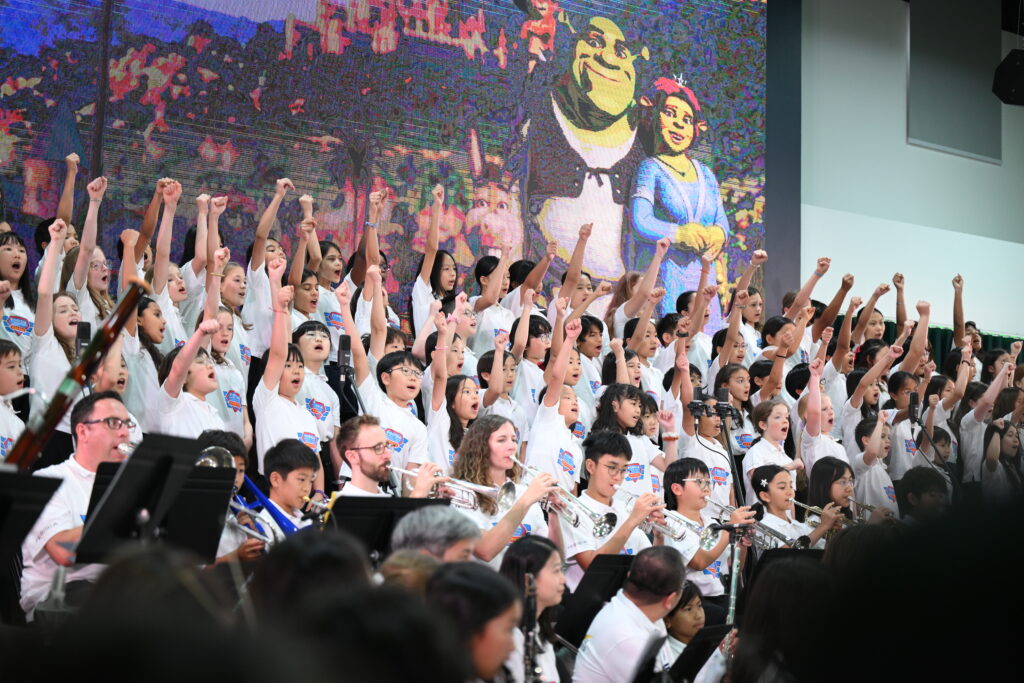
The festival theme, Heroes, featured music including Spiderman, Bonnie Tyler’s I Need a Hero and David Bowie’s Heroes. Over three days, students rehearsed in large ensembles and smaller sectionals in preparation for the final concerts on Sunday afternoon. They also enjoyed creative workshops such as umbrella painting, samba drumming and Thai flute, as well as a cultural visit to the Jurassic World experience.

This is the second year Bangkok Patana has participated in the festival, following last year’s event in Shanghai. Performing in large-scale ensembles offers significant benefits beyond musical development, supporting collaboration, shared responsibility and the joy of collective achievement.  There is an abundance of research which further demonstrates how collaborative music-making supports children’s cognitive, emotional and social development and how its engages brain systems linked to attention, memory and self-regulation (Kraus & Chandrasekaran; Schlaug).

The festival also provided valuable opportunities for students to build friendships with peers from other schools. Through sharing music, working together and celebrating each other’s achievements, they could experience the power of community alongside developing confidence, empathy and a sense of belonging beyond their own school. These experiences support the development of the whole child—cognitively, socially and emotionally—while also aligning closely with the values of Bangkok Patana School, nurturing wellbeing, confidence, global collaboration and a lifelong passion for learning through music.

The finale concerts were a resounding success, showcasing the dedication, effort and practice that all the young musicians had invested throughout the few days. We are very proud of our own Patana Superheroes!

Share This Article

In this Issue

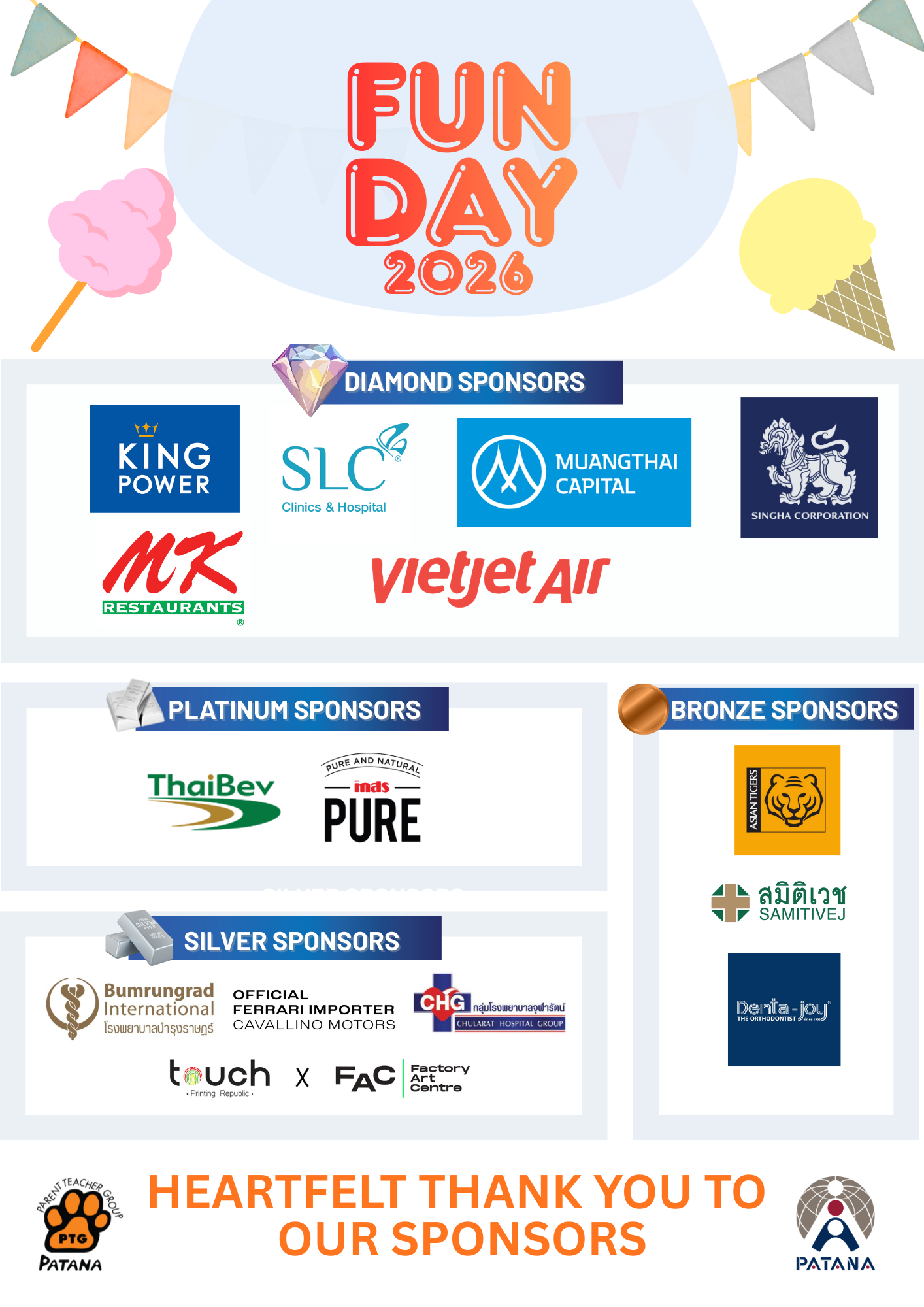
Offers from our Fun Day Sponsors

Share This Article

In this Issue

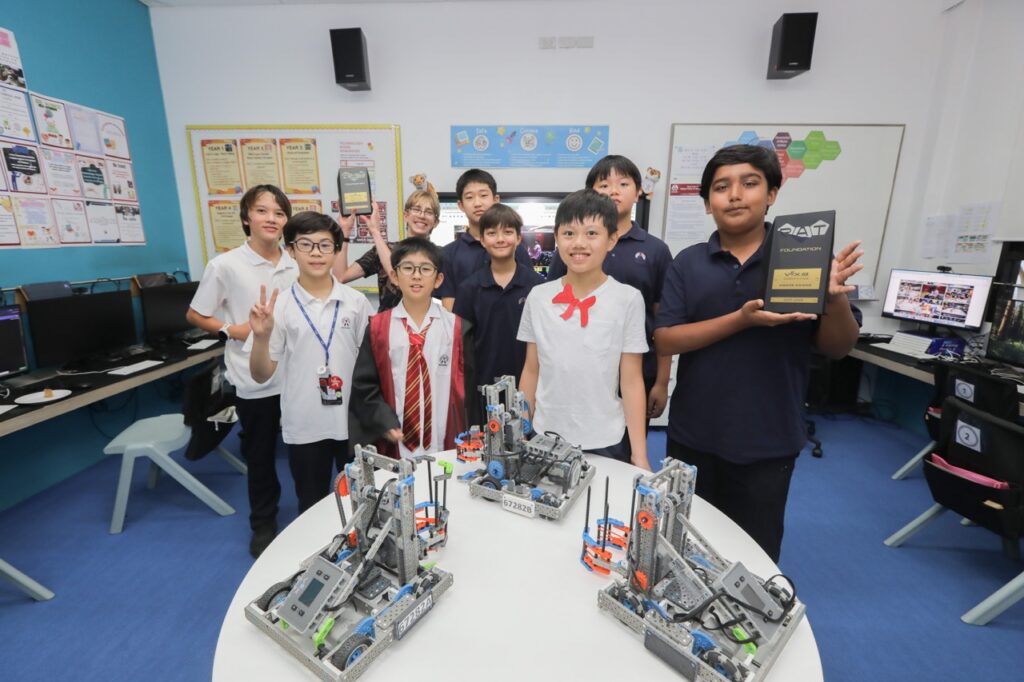
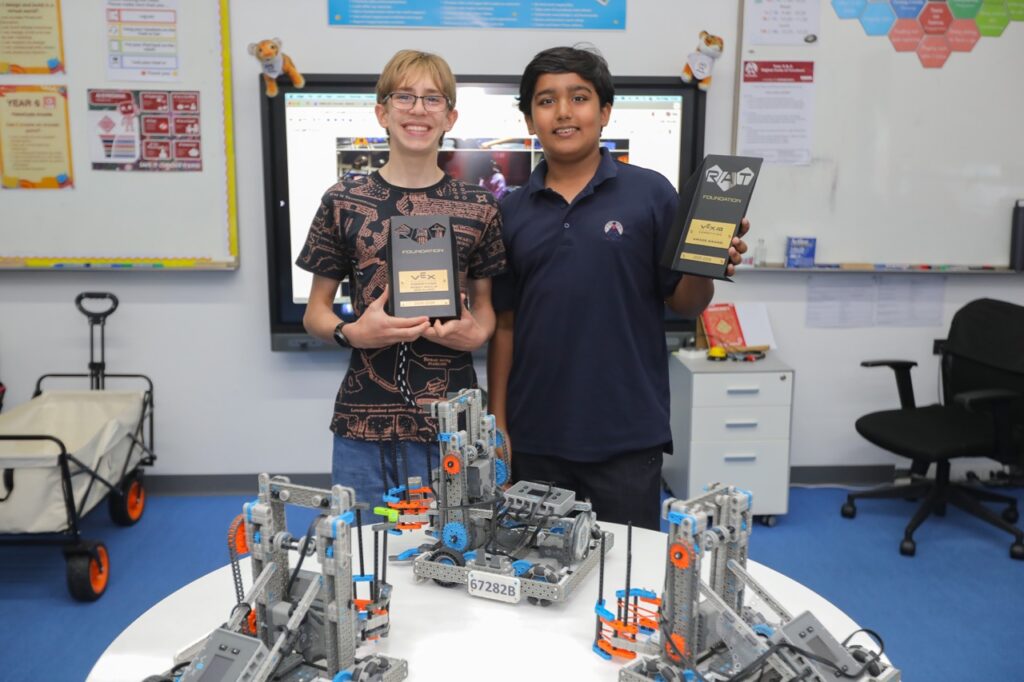
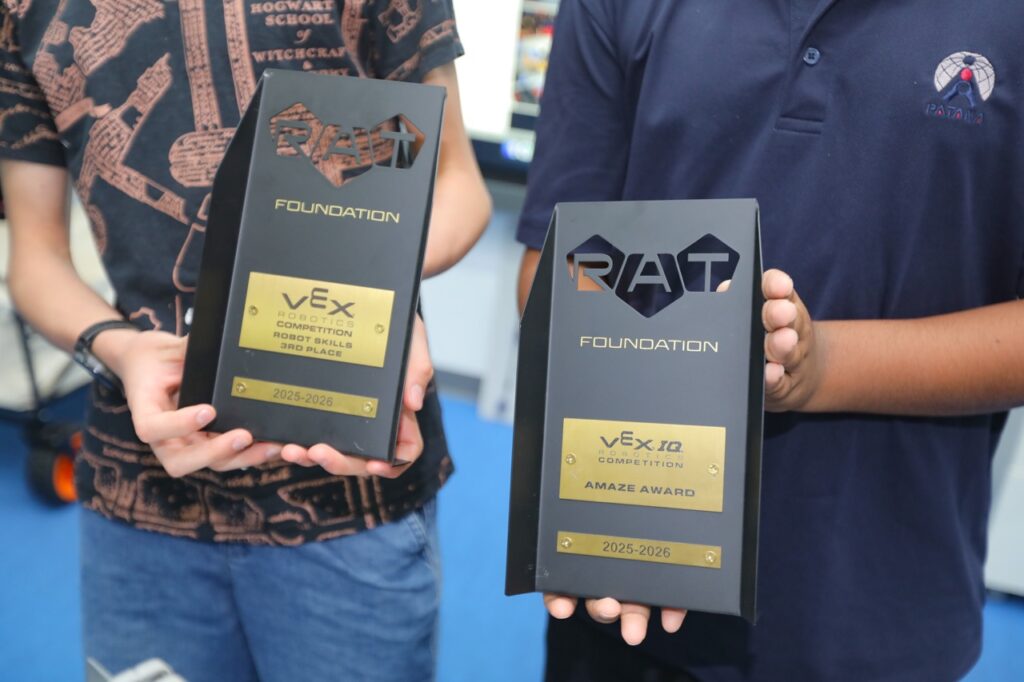
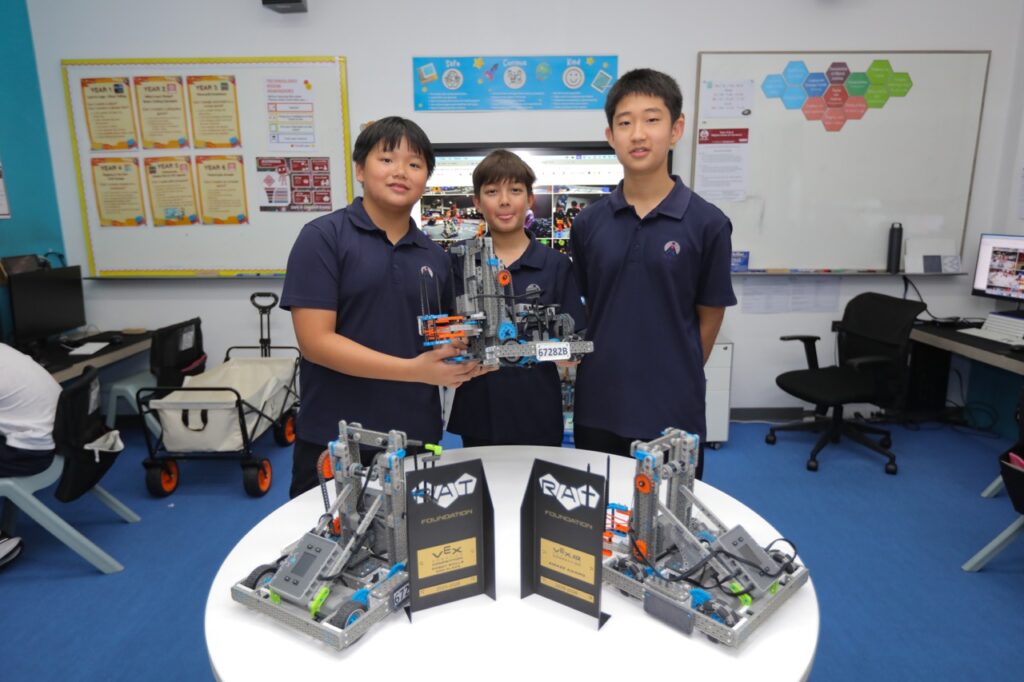
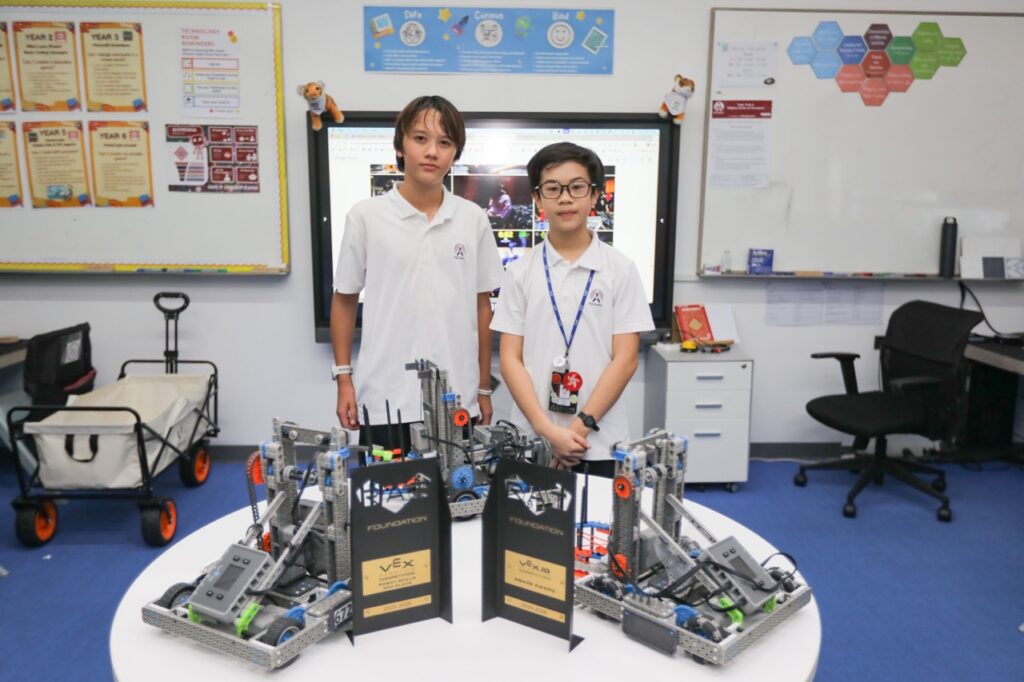
Patana Robotics – Vex IQ Thailand Cup Awards

By Max Hopwood, Leader of Primary Technology

Patana Vex IQ robotics is going from strength to strength, with students achieving higher accolades each year.

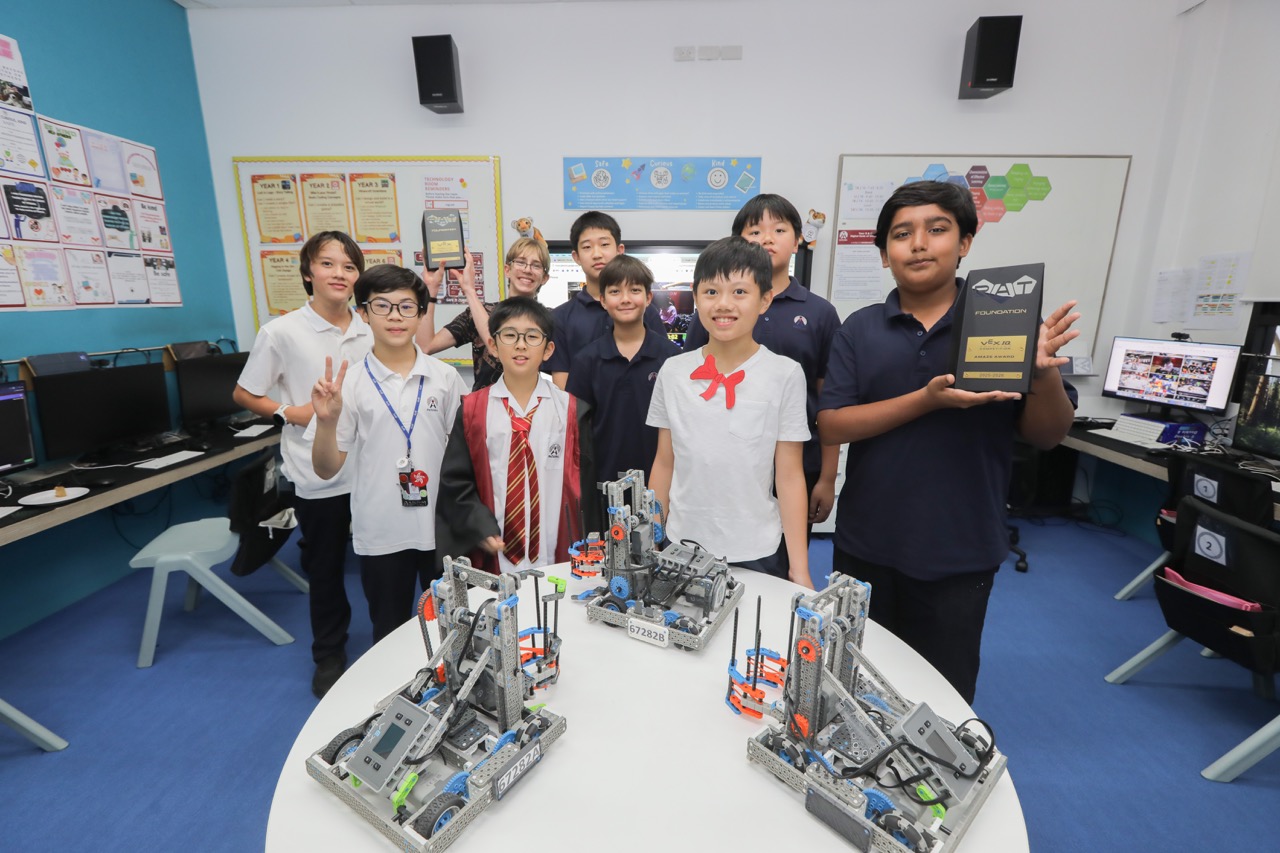
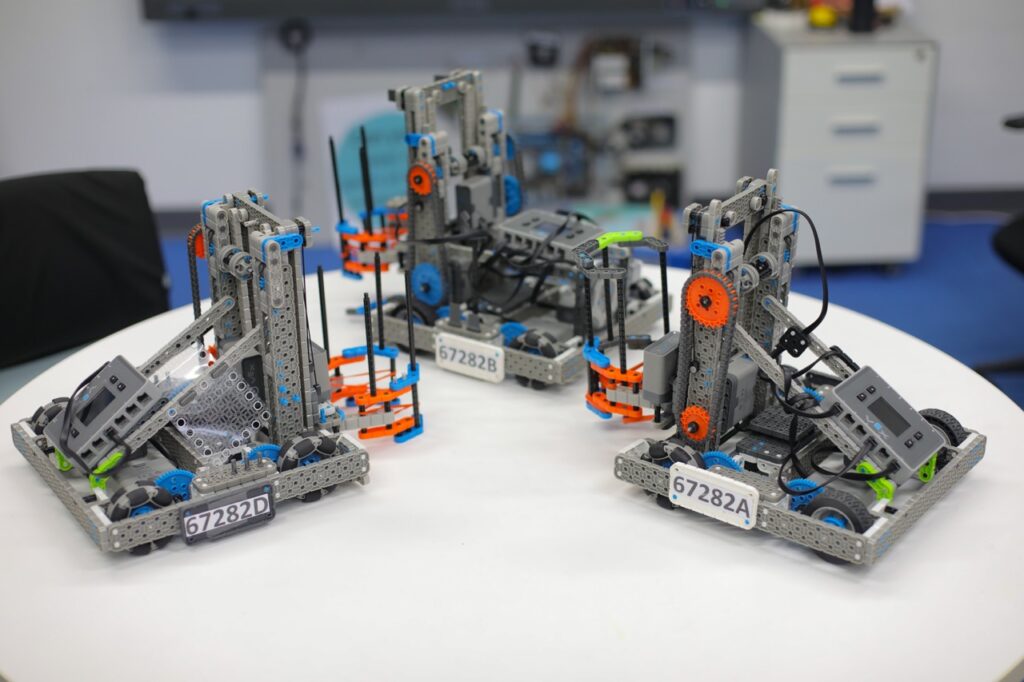
On Saturday 21st Feb, during half-term, four Patana Vex IQ robotics teams made up of students from Year 6 – Year 9 entered the Thailand Cup.  They brought along their Vex IQ robots which they have been developing through the ECA Blocks A and B this academic year.    

The competition was fierce with over 40 teams representing schools from all over Bangkok.  The day started at 7:30am in the morning and after many rounds of qualification one team (67282B – Renji, RayRay, Sam, Shawn and Tee. D) made it into the finals, finishing 6th overall.  

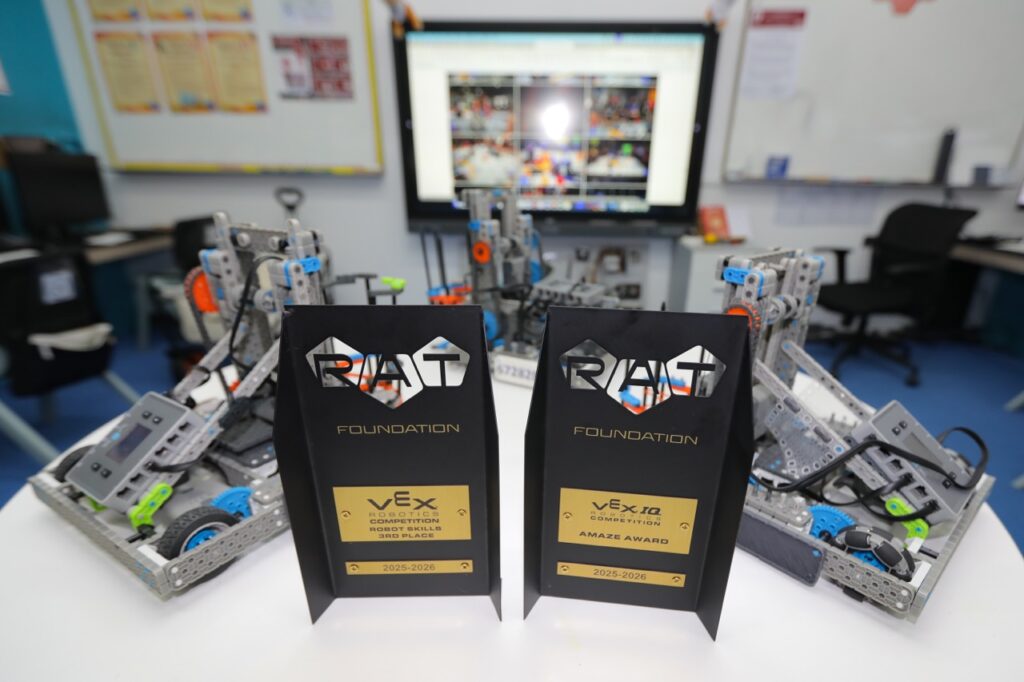
Our other teams also did well with the Year 9 students (Christina S, Thomas W and Rian S) being presented with two different awards. The first was for the Autonomous challenge in which they came in third after successfully coding their robot to score points completely autonomously.  The second was the Judges’ Amaze Award, which was awarded to the team for their excellent engineering notebook and team interview during which they were able to articulate their design decisions and explain with confidence how their robot worked. 

A big well done to all the ECA students from 2025/26 season.  It is a big commitment, but certainly worth it as together we develop so many valuable skills linked to design, collaboration, perseverance and friendly competition.  Also, a big thank you to Mr Taylor and Ms Alex T who supported the teams along the way, through two ECA blocks and on the competition days as well.  

Share This Article

In this Issue

SEASAC Gymnastics 2026 

By Georgina Wright, Cross Campus Head Gymnastics Coach

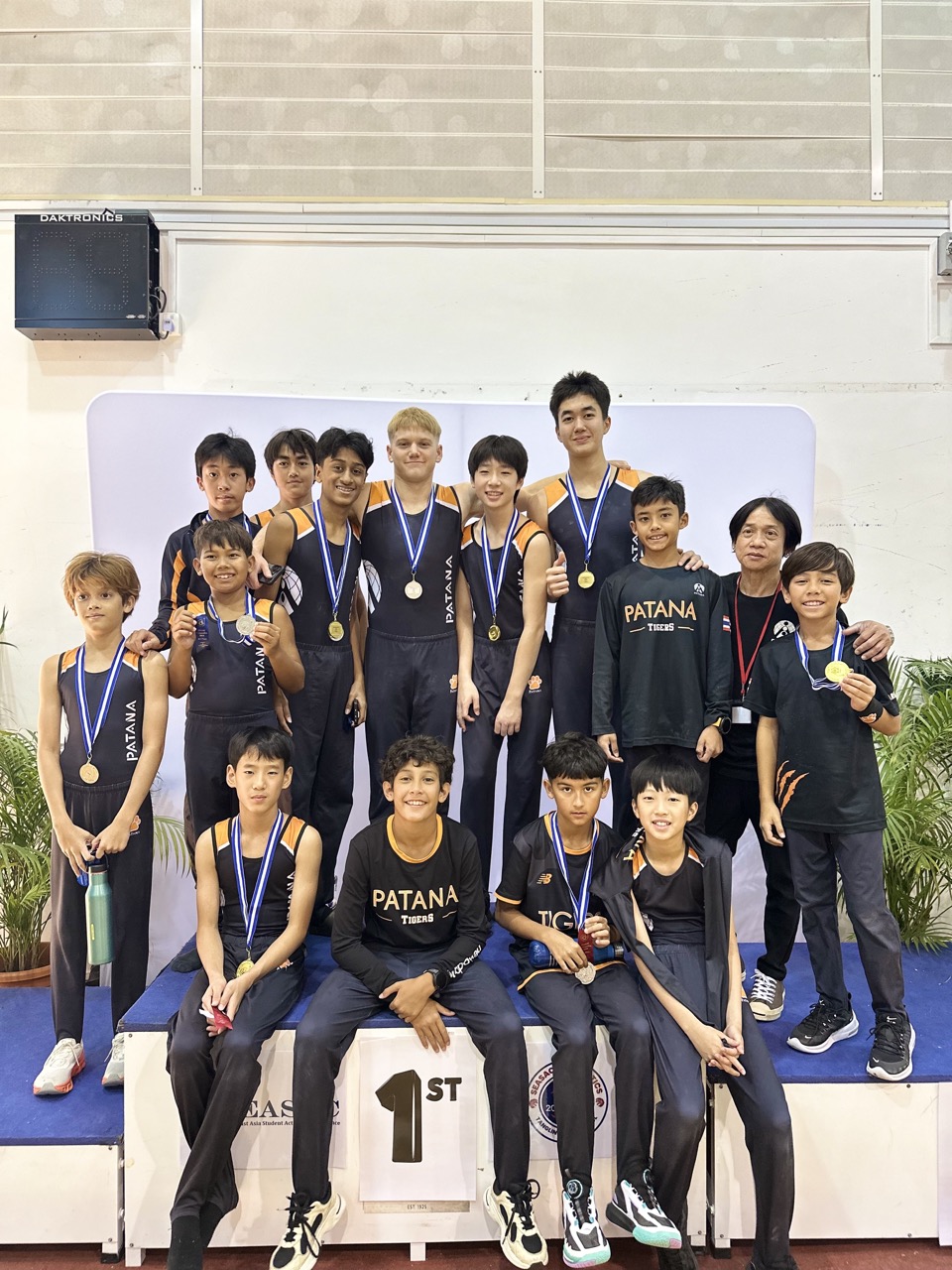
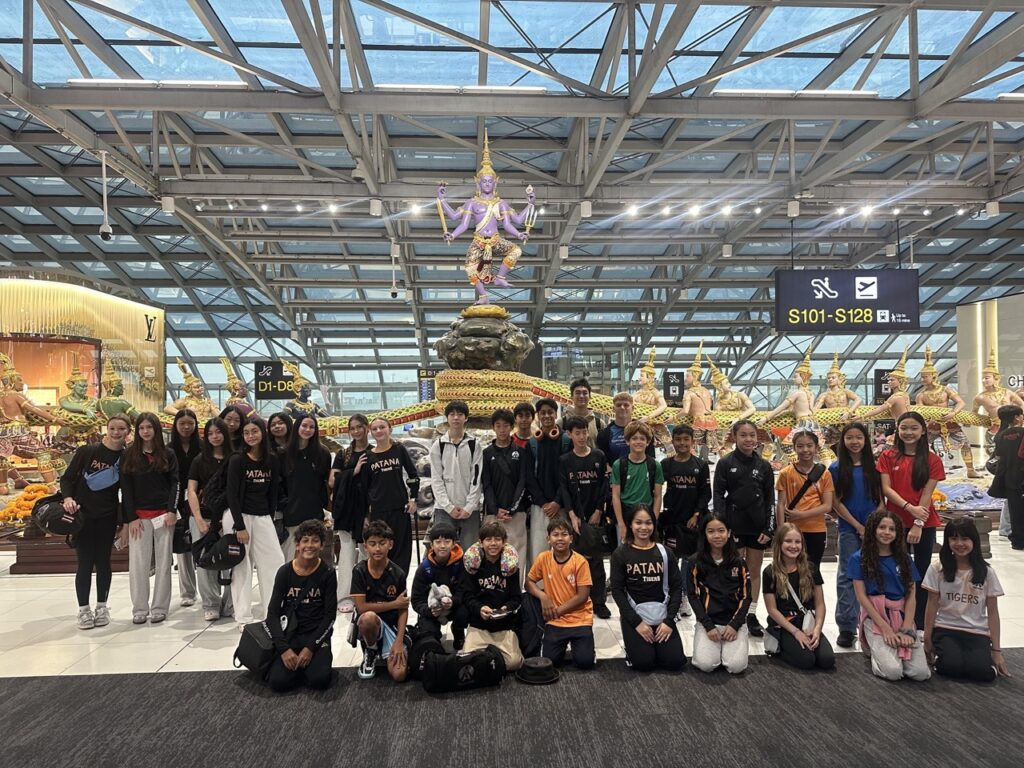
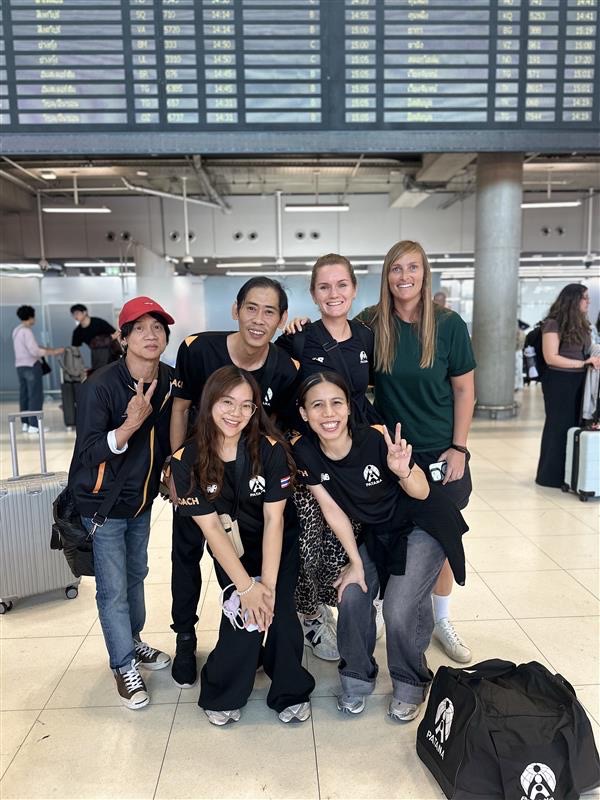
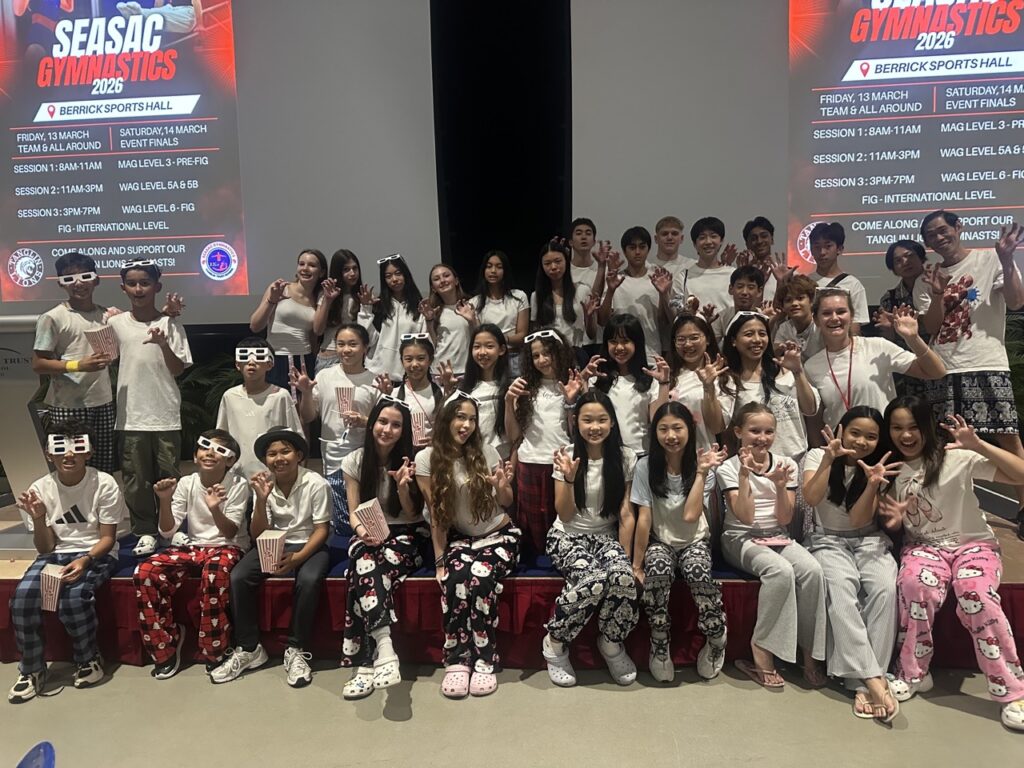
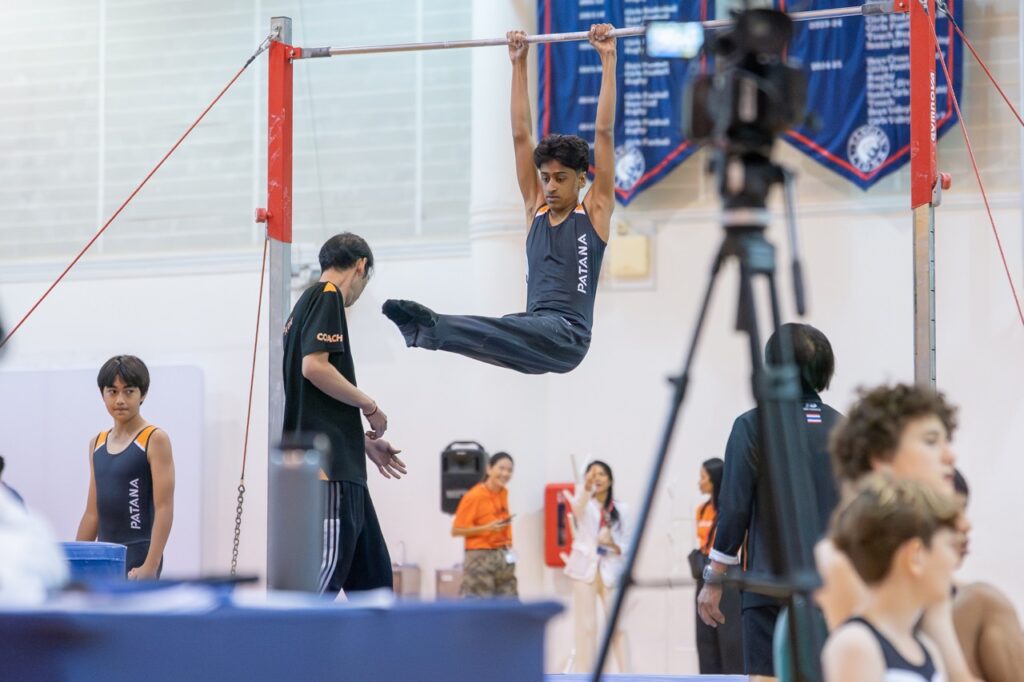
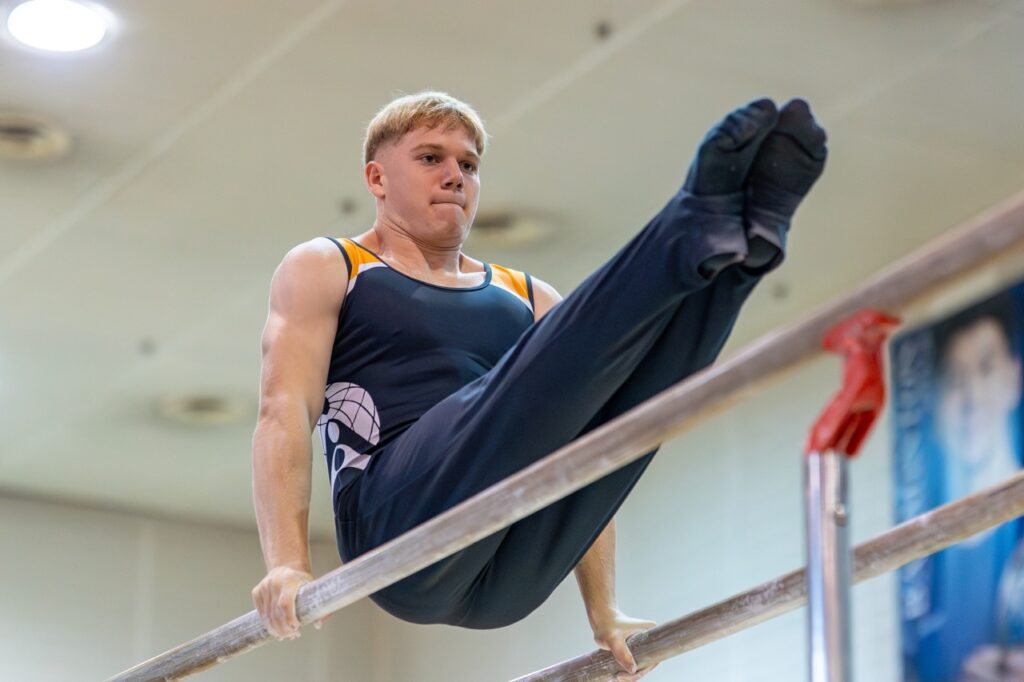
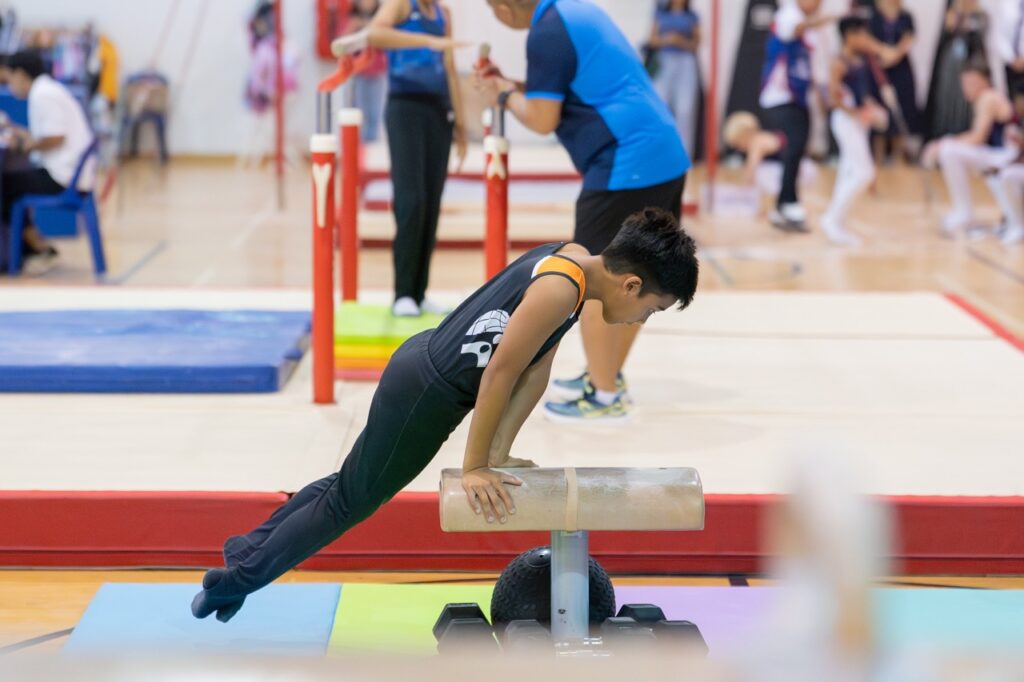
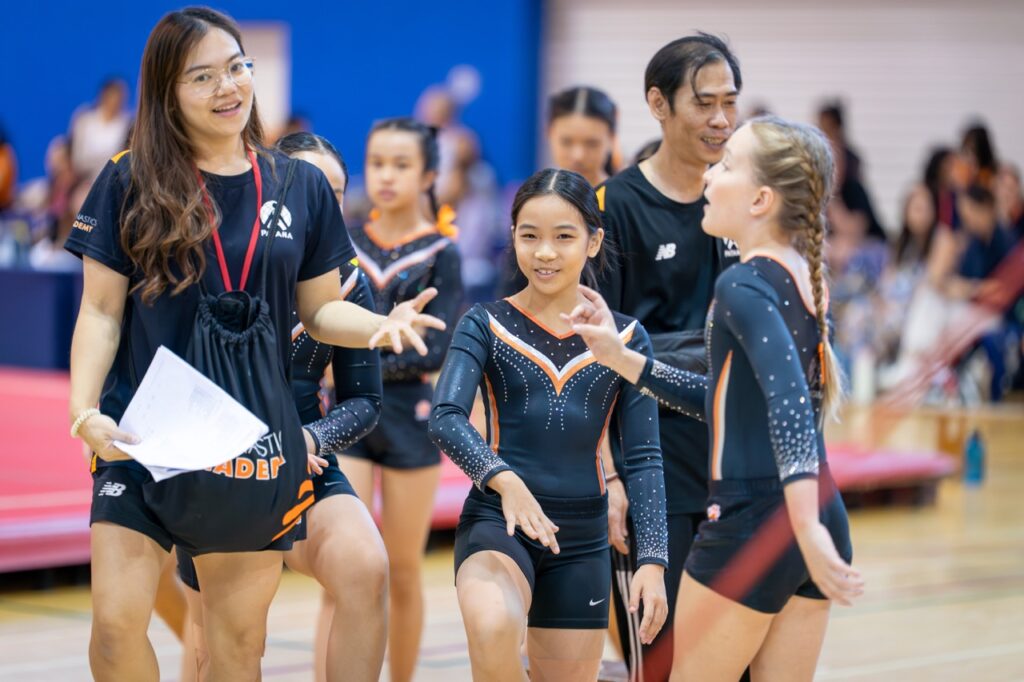
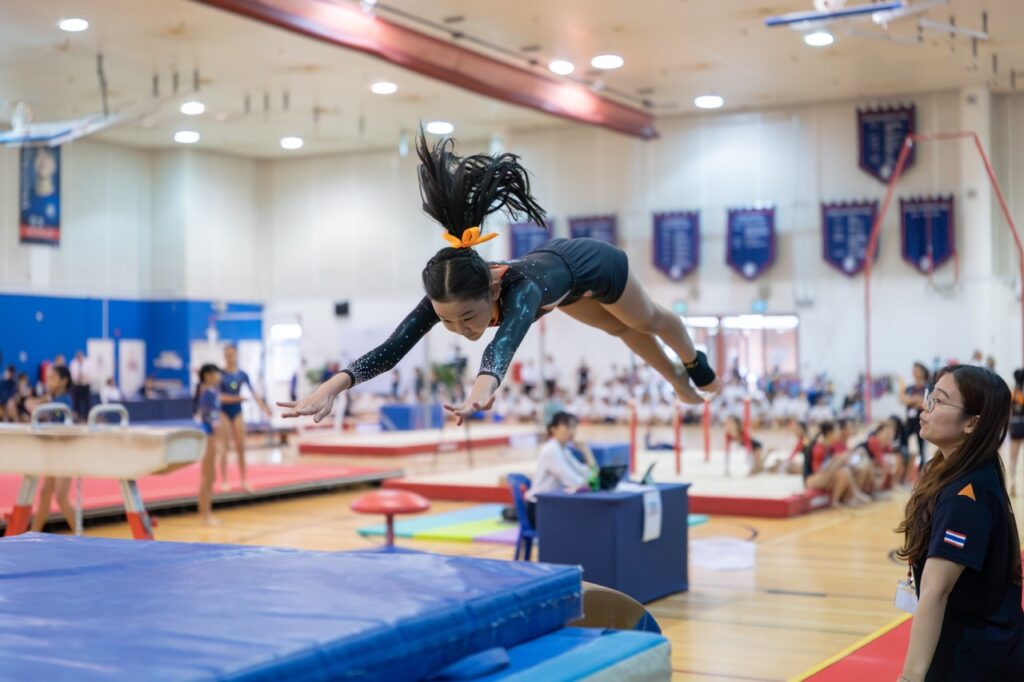
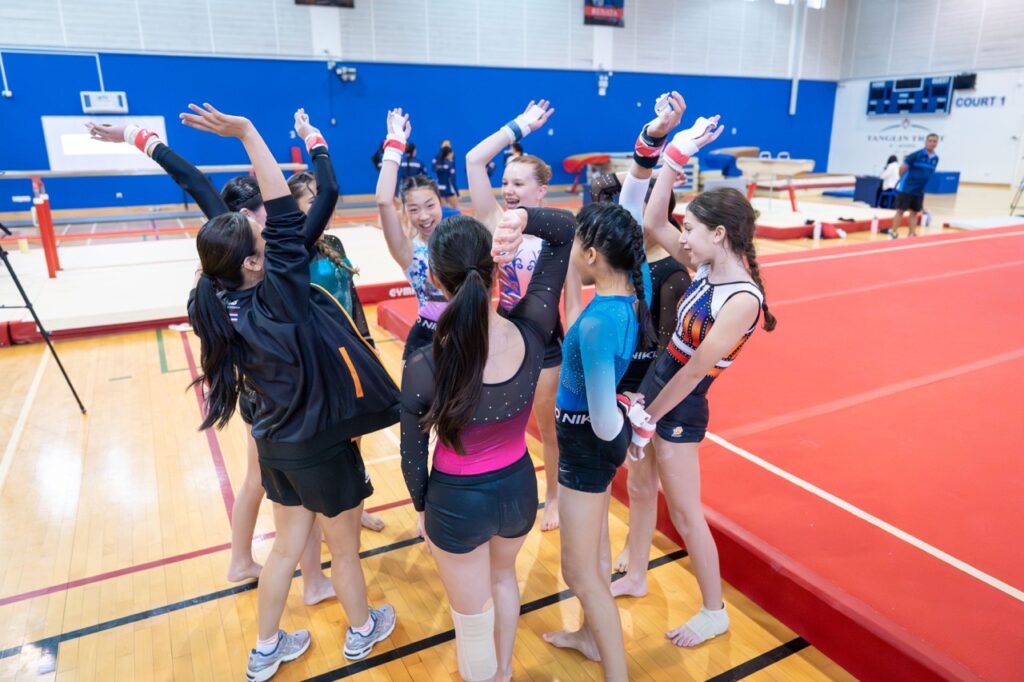
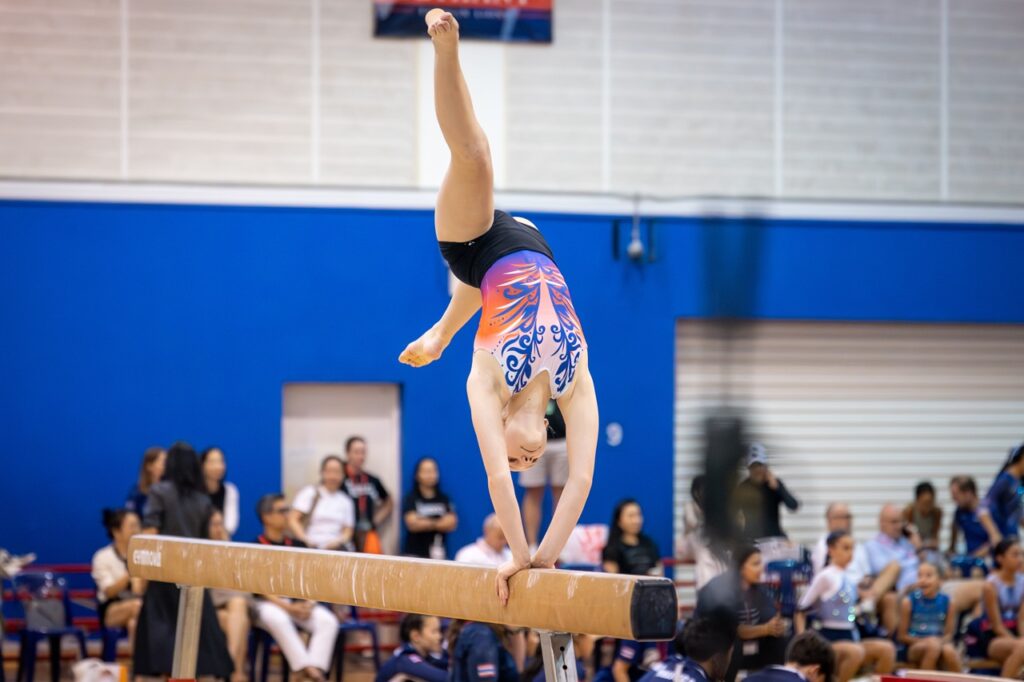
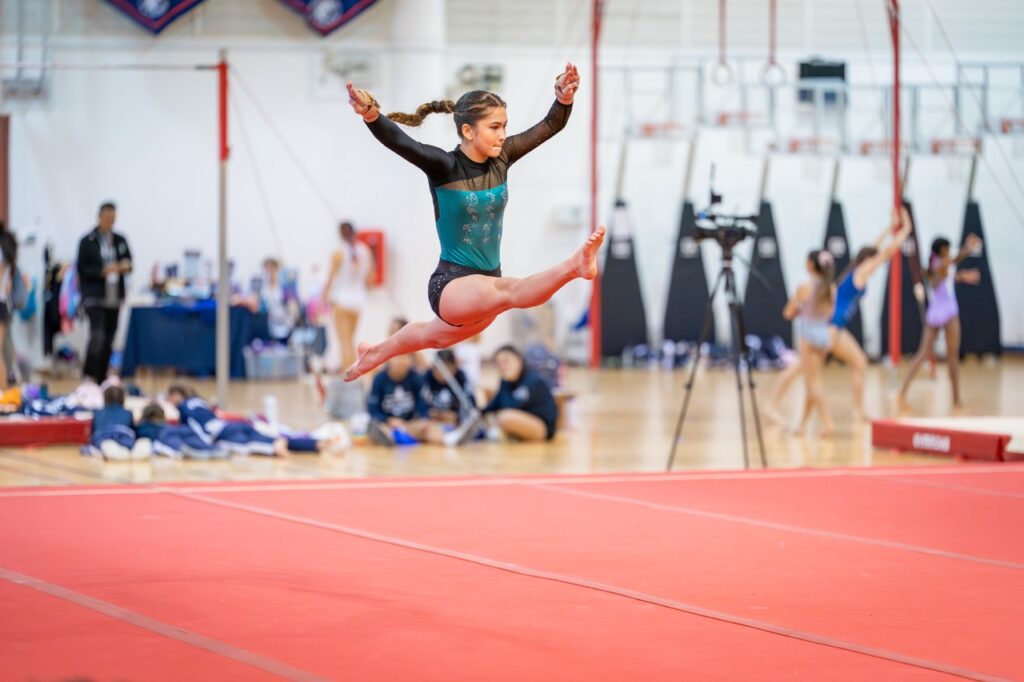
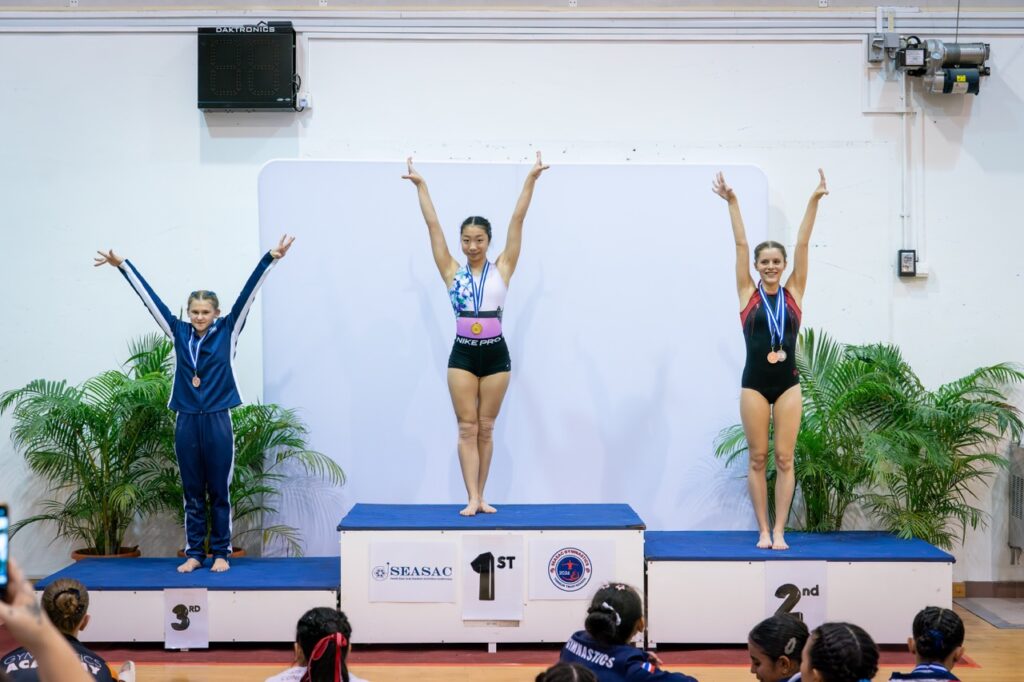
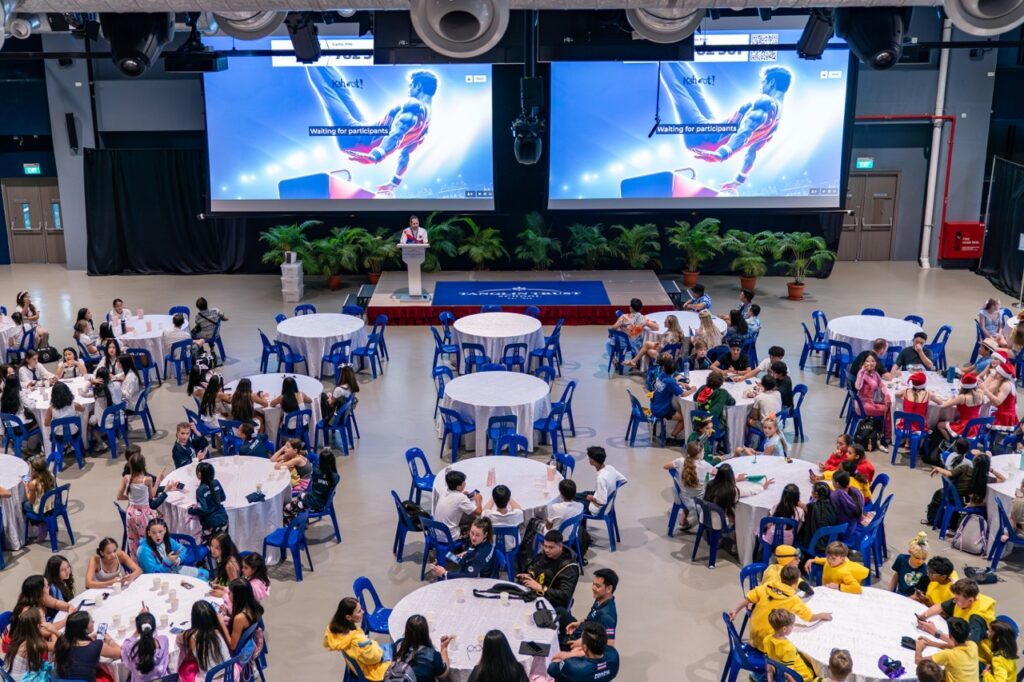
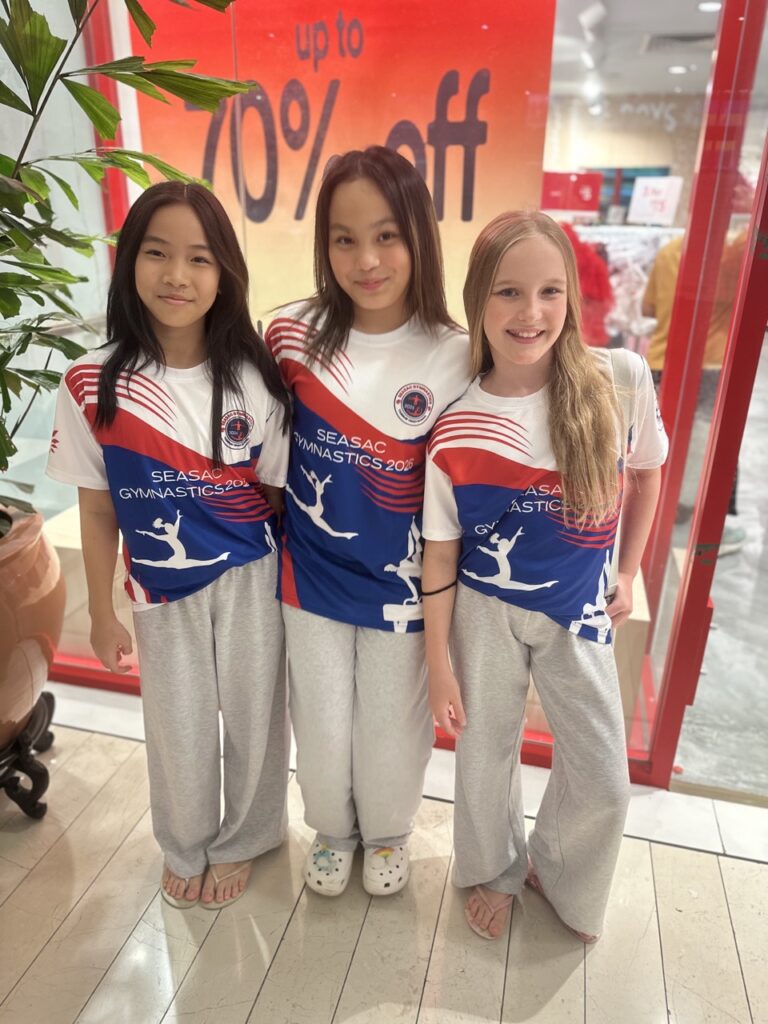
A team of 40 students and coaches travelled to Singapore to represent Bangkok Patana at SEASAC Gymnastics 2026, hosted this year by Tanglin Trust School. Unlike many other sports that take only Senior students, our team showcased students from Year 5 through Year 13, creating a uniquely different atmosphere of connection and community across age groups. 

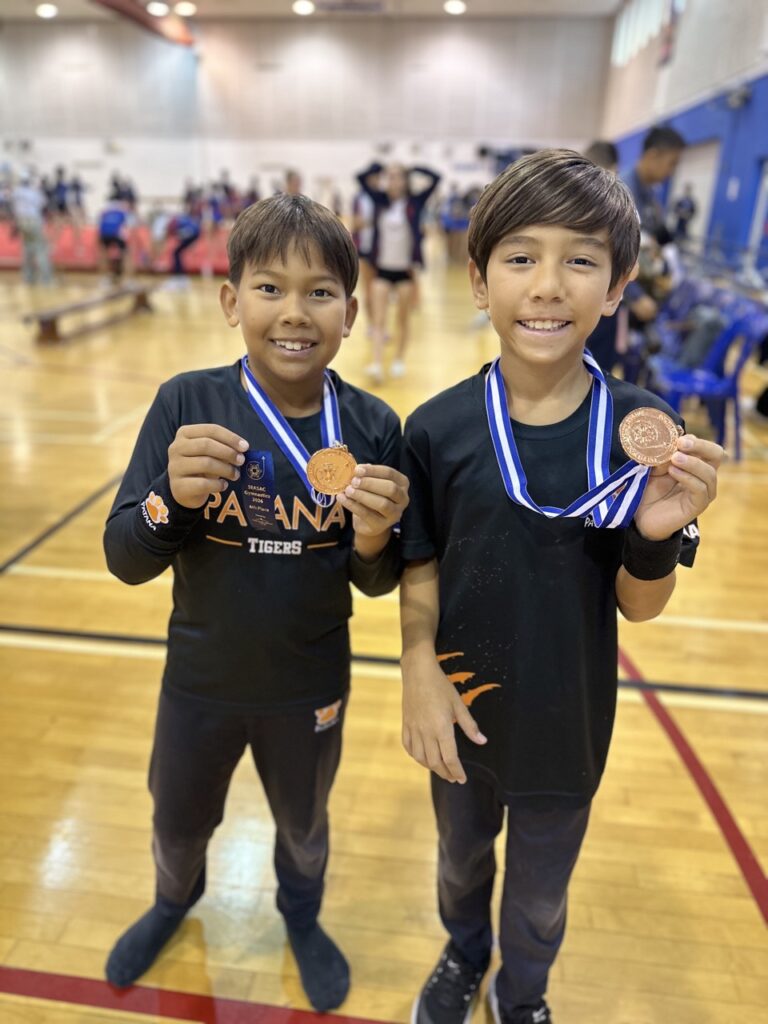
The two day competition saw gymnasts take part first in team events, followed by individual competitions on Day 2. This format offered them the chance to build on their first day’s performances, improve scores, or simply reset and leave any nerves or mishaps behind them. With outstanding gymnasts from across Southeast Asia in attendance, the level of skill, sportsmanship, and determination on display was inspiring. 

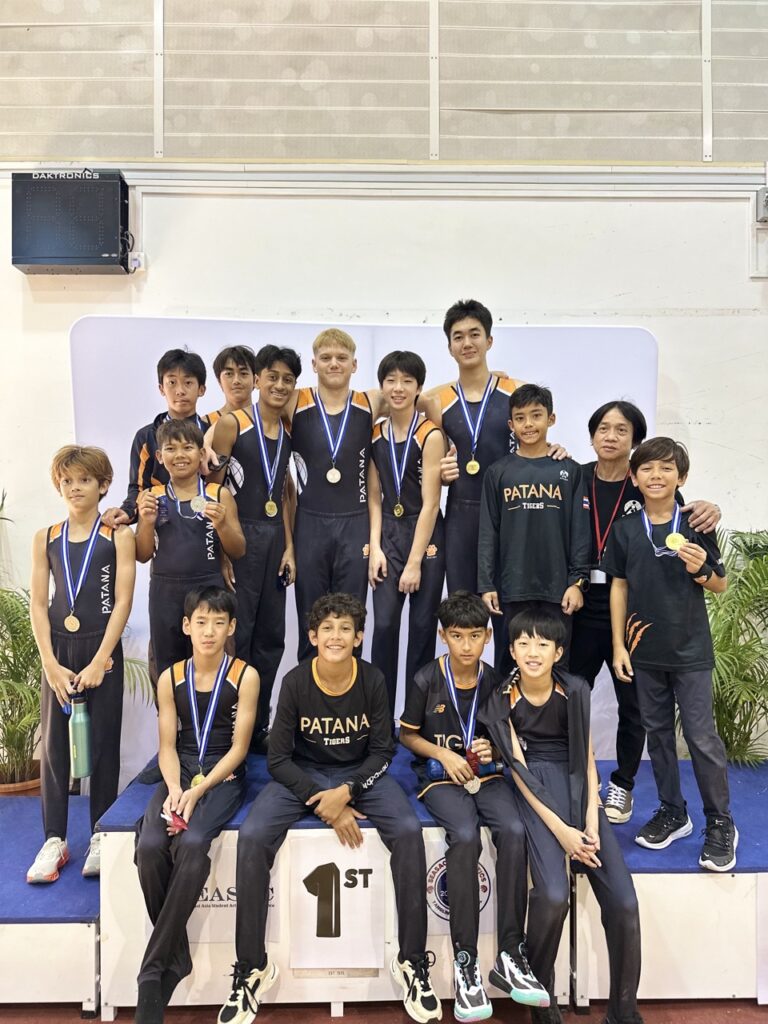
Our gymnasts performed brilliantly, earning four team podium finishes: 

  • MAG Level 3 – 3rd Place 
  • MAG Level 4 – 1st Place 
  • WAG Level 5B – 3rd Place 
  • WAG Level 7 – 3rd Place 

In addition to these team successes, many gymnasts secured impressive individual all around and apparatus final results, highlighting the depth of talent within our programme. 

Of course, SEASAC is about more than medals. For many students, the trip brought unforgettable memories, whether splashing in the hotel pool, exploring Singapore’s malls, laughing together on buses, or buying matching teddies in the airport with friends. For some students, it was their first trip abroad without parents; for others, their first SEASAC experience. For a few, it marked their final SEASAC competition, making the moments even more meaningful. 

A special shout out goes to our outstanding Captains, Emily and Sam, who have represented BAngkok Patana at numerous SEASAC events over the years. As they graduate this year, we celebrate their leadership, dedication, and the positive legacy they leave both within our team and the wider Bangkok gymnastics community. They will be sorely missed. 

Congratulations to all gymnasts and coaches for an inspiring and memorable SEASAC 2026. Your hard work, resilience, and team spirit continue to make Bangkok Patana School proud! 

Share This Article

In this Issue

Students Celebrate Sustainable Choices at Patana Fun Day

By Cindy Adair, Cross Campus Principal

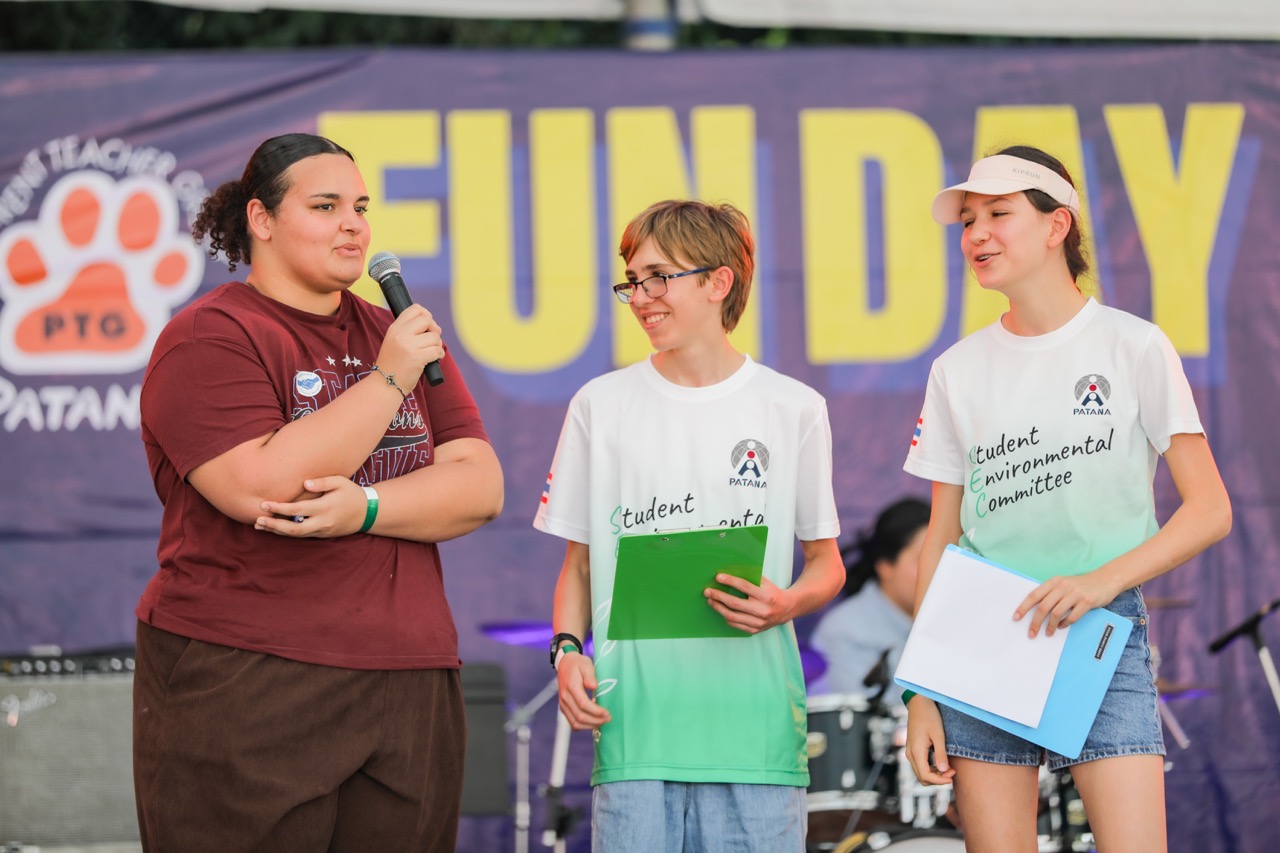
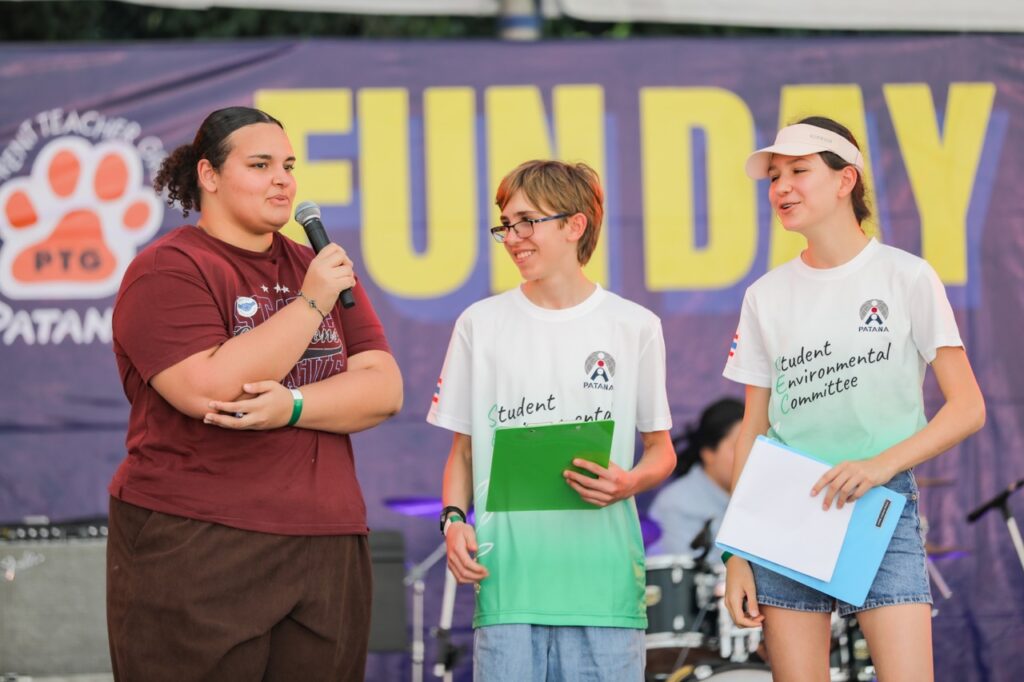
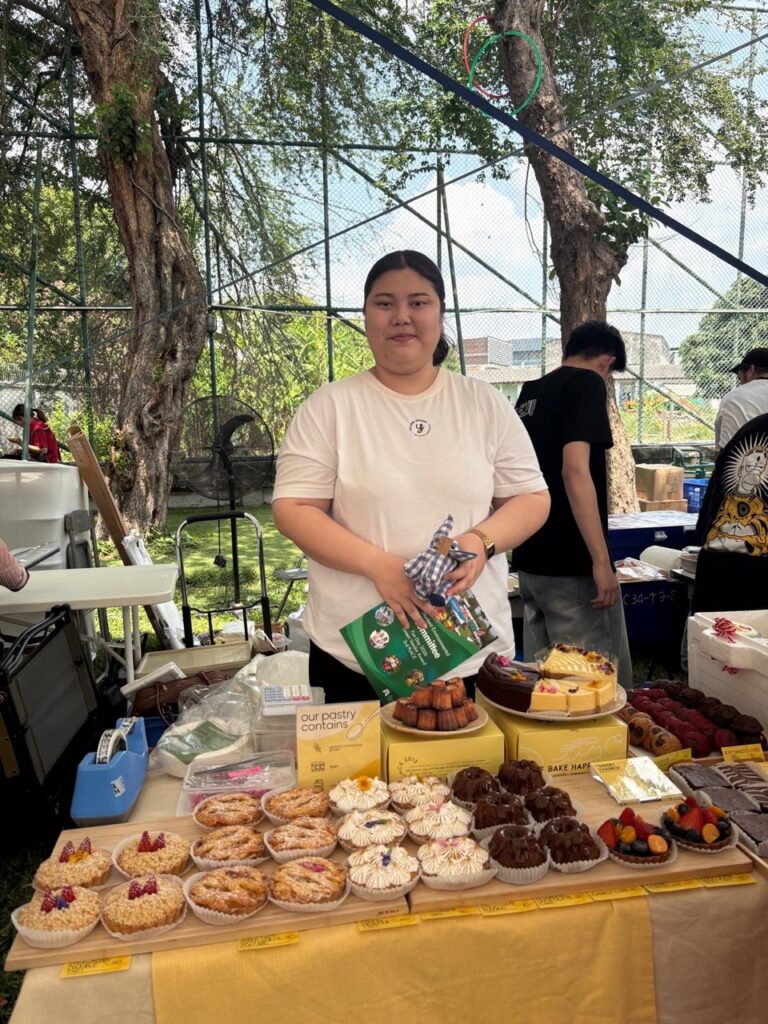
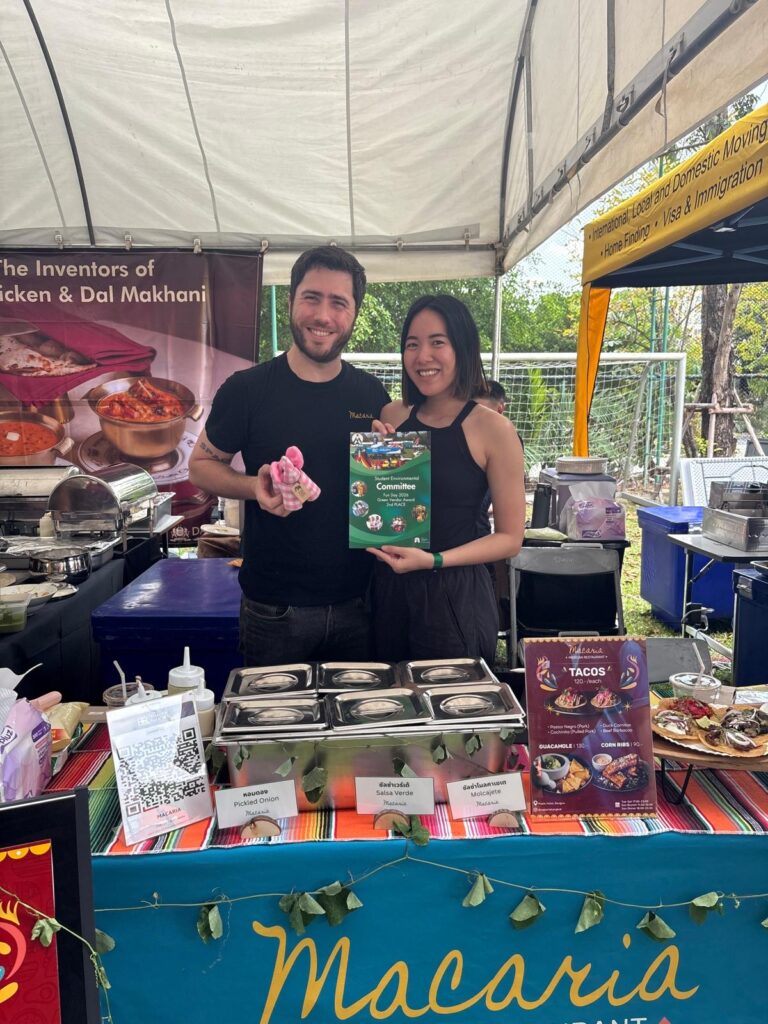
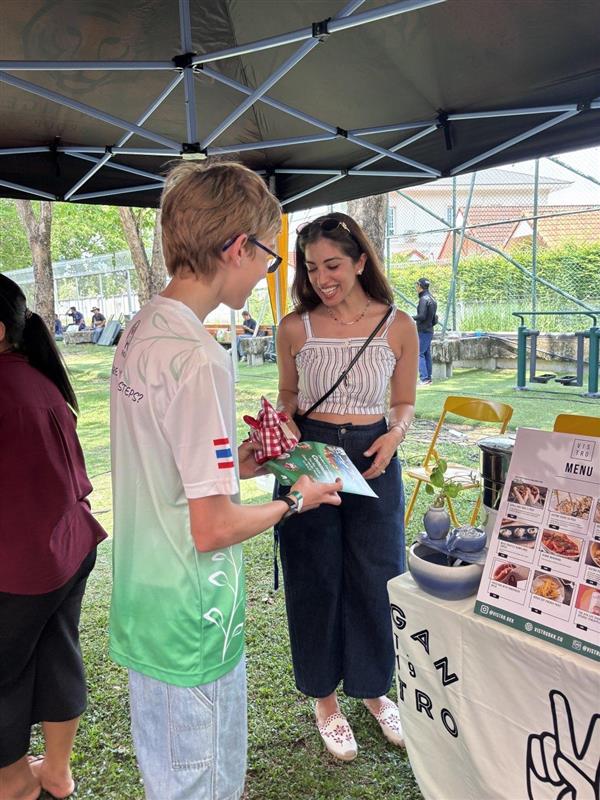
Sustainability was at the heart of this year’s Patana Fun Day, as members of the Student Environment Committee hosted the annual Green Food Stall Awards, recognising vendors who are making meaningful efforts to reduce their environmental impact.

After visiting the stalls throughout the morning, student judges spoke with vendors about their practices and supply chains, learning more about how food businesses can contribute to a more sustainable future. The awards aim to encourage Fun Day vendors to embrace environmentally responsible approaches while raising awareness among the community.

The student-judges focused on several sustainability criteria, including reducing single-use plastics, offering biodegradable packaging, sourcing local and seasonal ingredients, providing plant-based or organic options, and considering carbon footprints through responsible use of electricity and water.

Following careful deliberation, the students announced the 2026 Green Food Stall Award winners:

3rd Place – Yellow Spoon
2nd Place – Macaria
1st Place – Vistro

The Student Environment Committee congratulated all vendors who participated, noting that many stalls had taken thoughtful steps to improve sustainability practices this year.
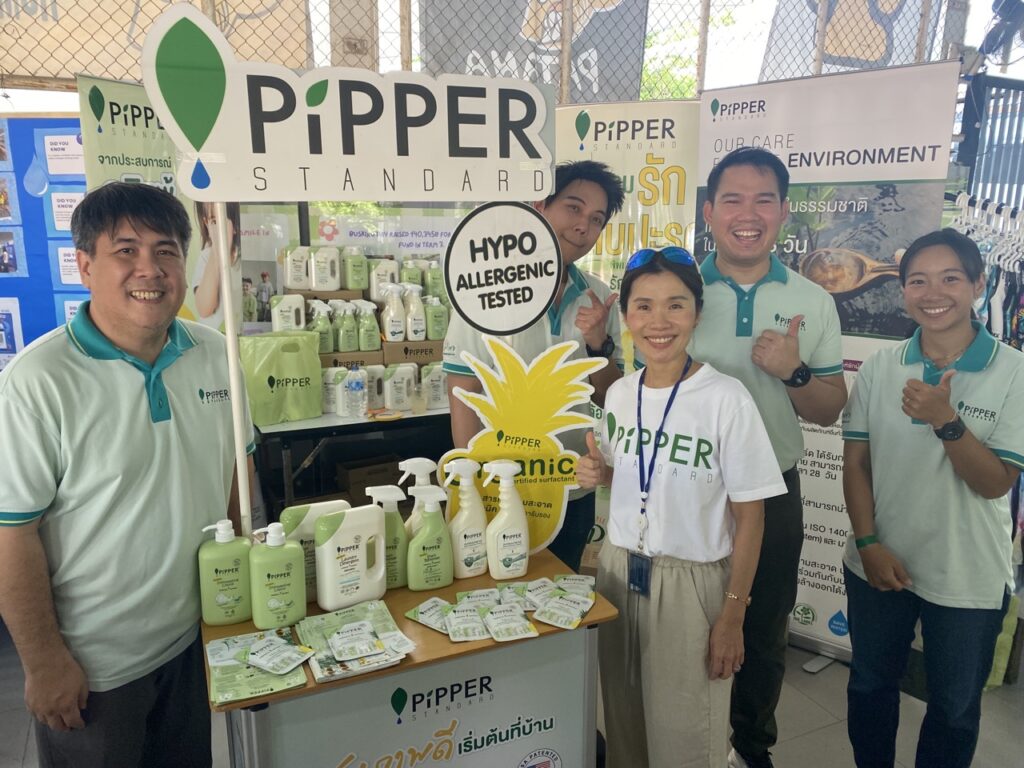
Events like Fun Day provide a valuable opportunity for the Patana community to celebrate together while also reflecting on the choices we make as consumers. Small steps, such as choosing vendors who prioritise sustainable ingredients and packaging, or remembering to bring reusable water bottles and tote bags, can make a meaningful difference. It was great to see some new vendors in shopping street too, offering proudly eco-friendly products.

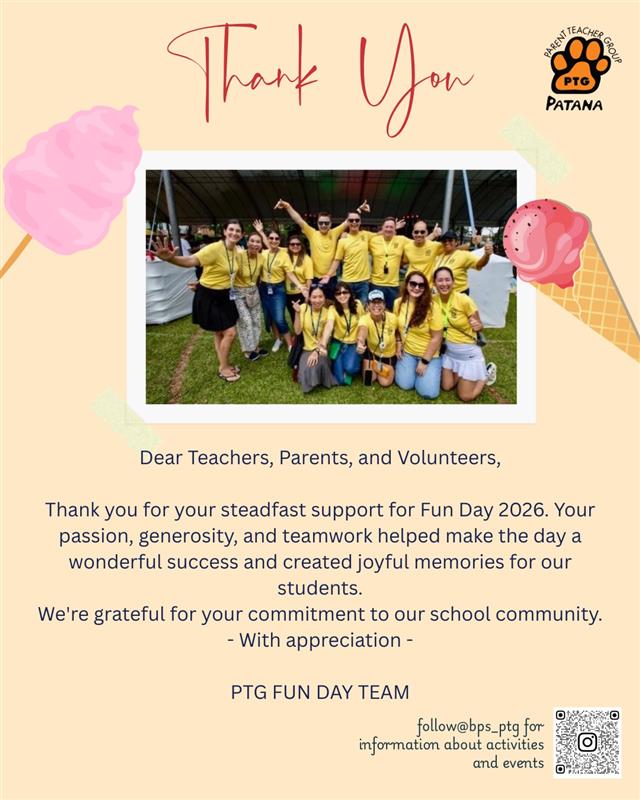
A big thank you goes to the PTG for hosting such a vibrant community event and to the vendors who continue to support Patana’s growing commitment to sustainability.

Share This Article

In this Issue

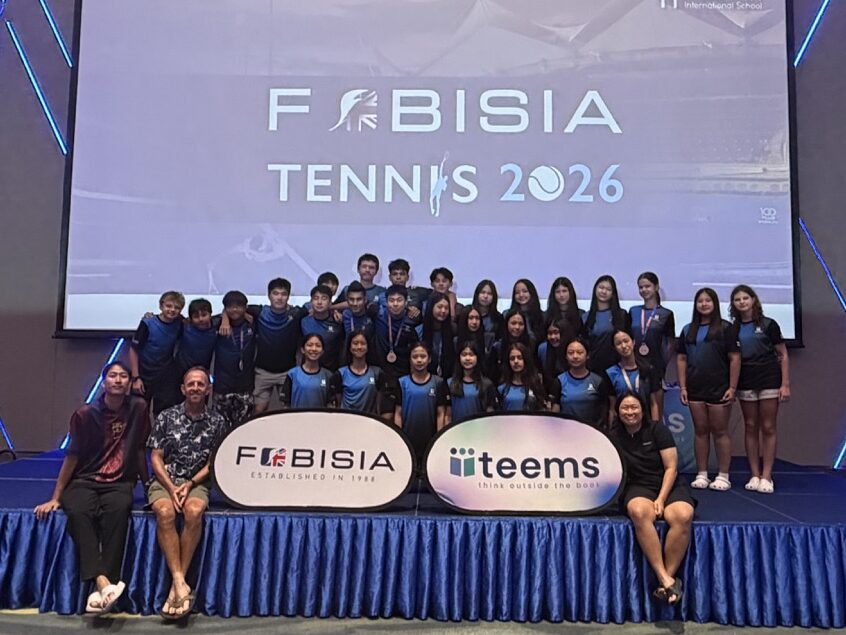
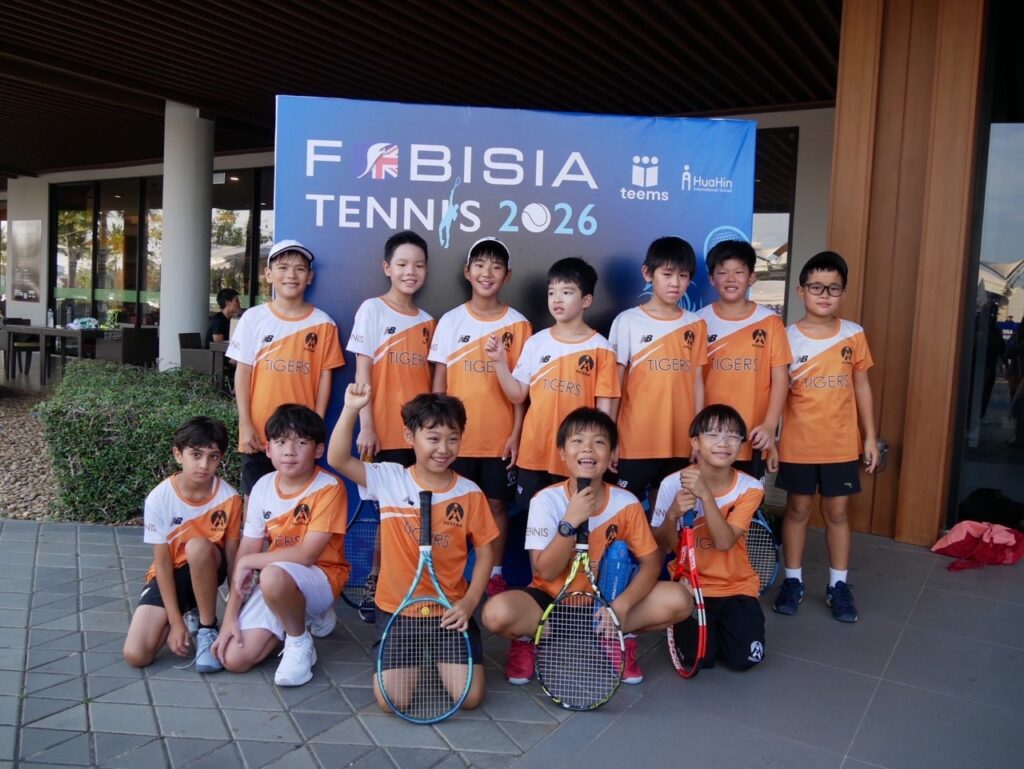
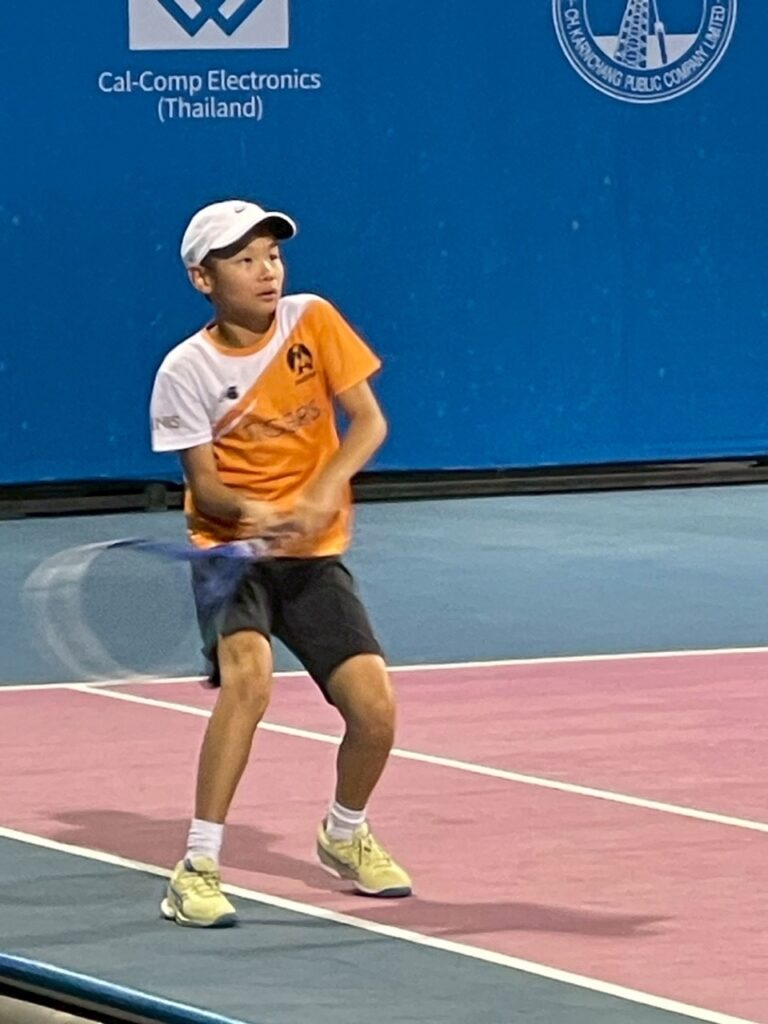
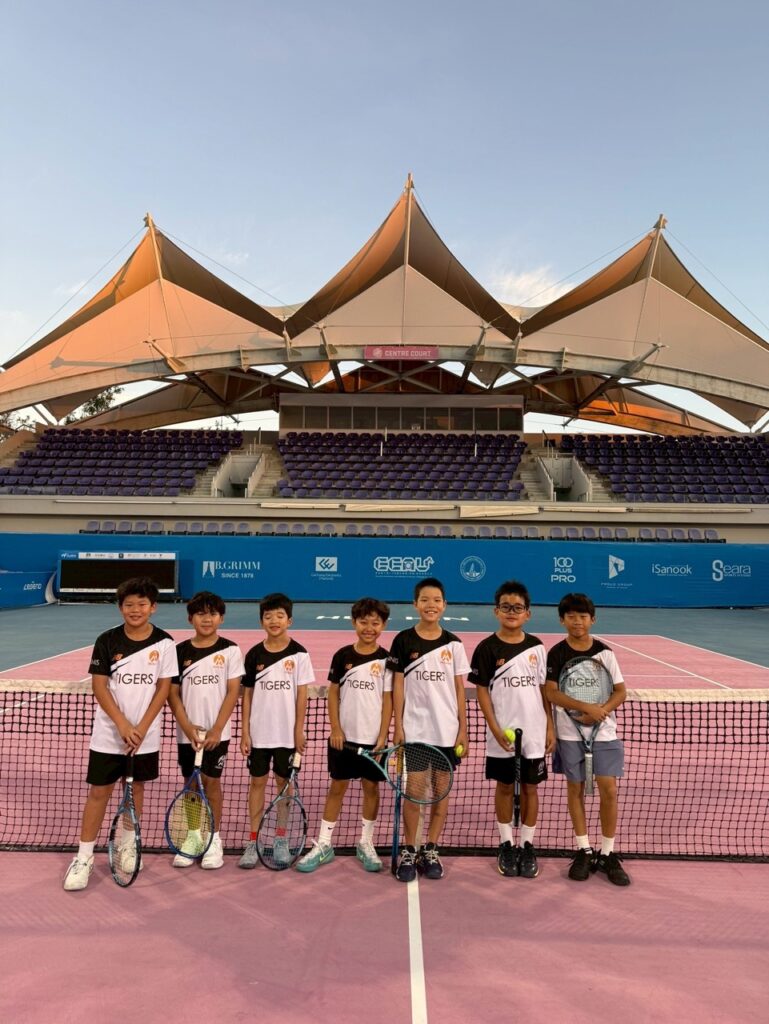
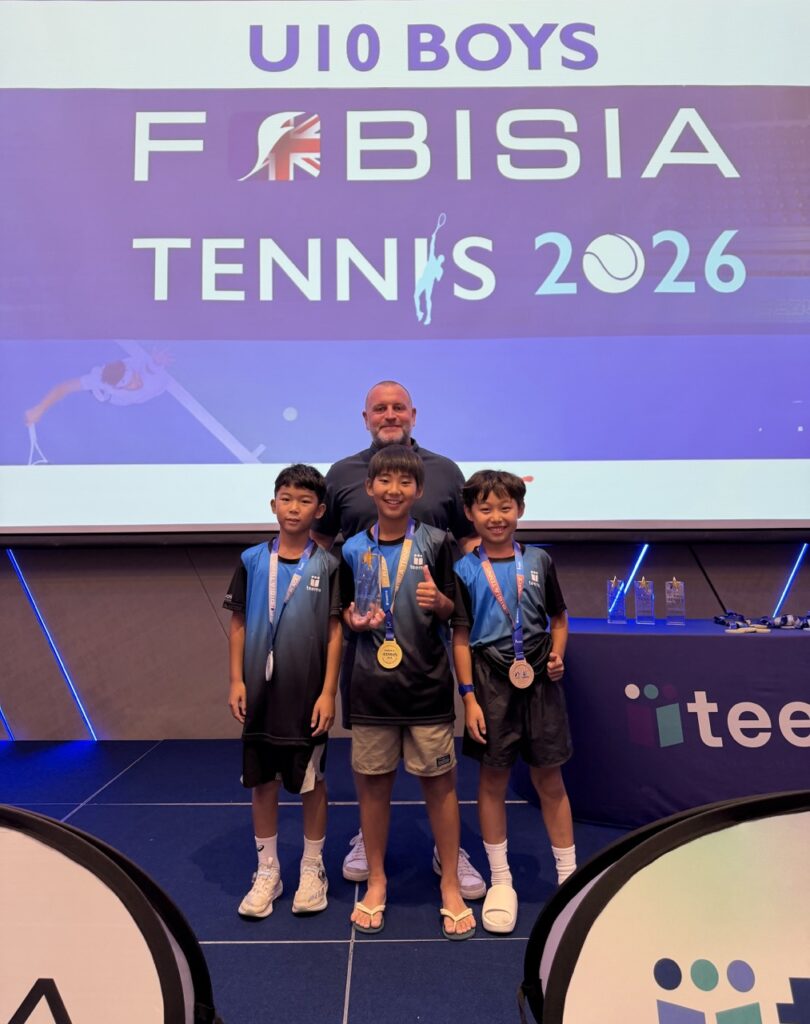
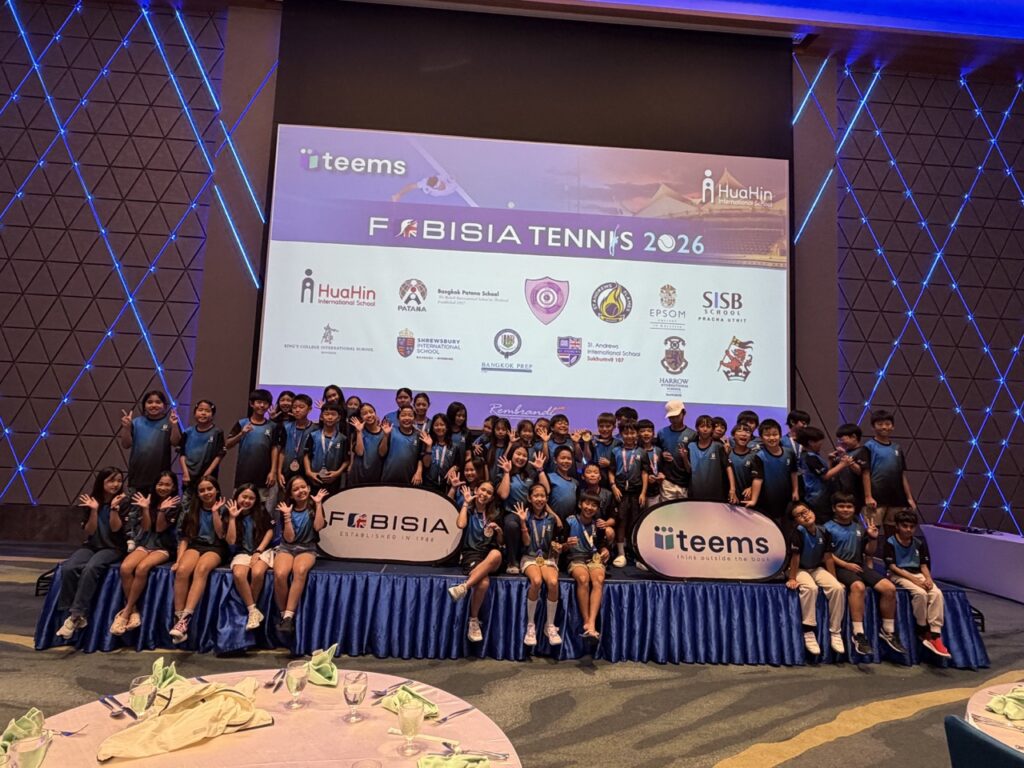
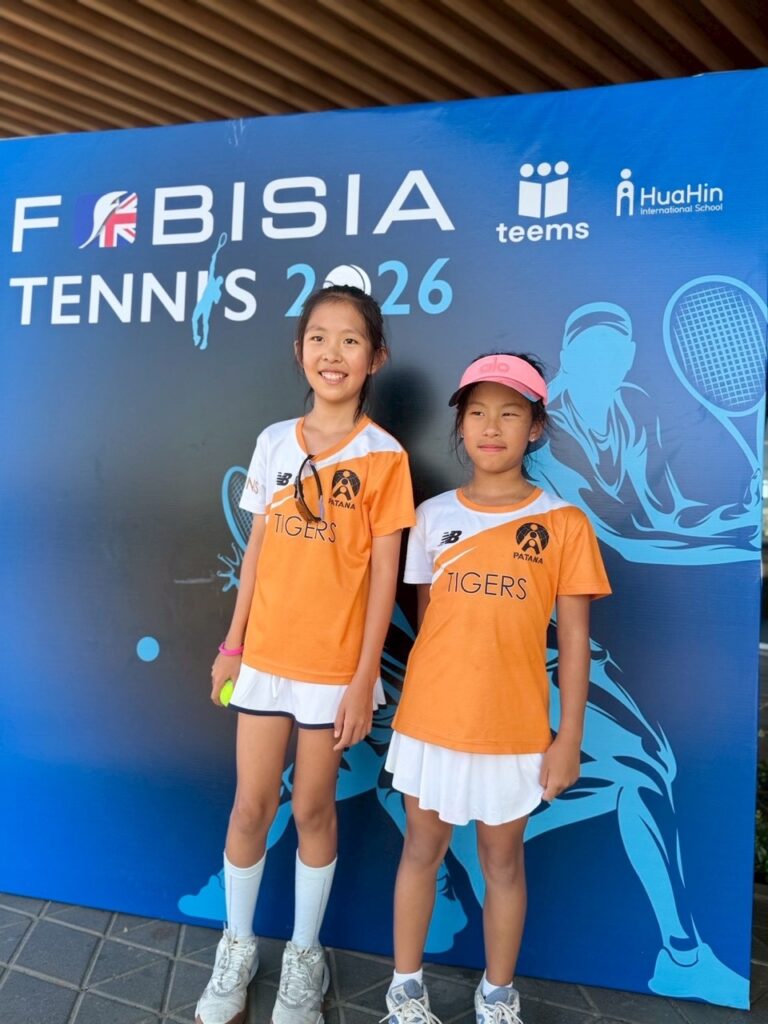
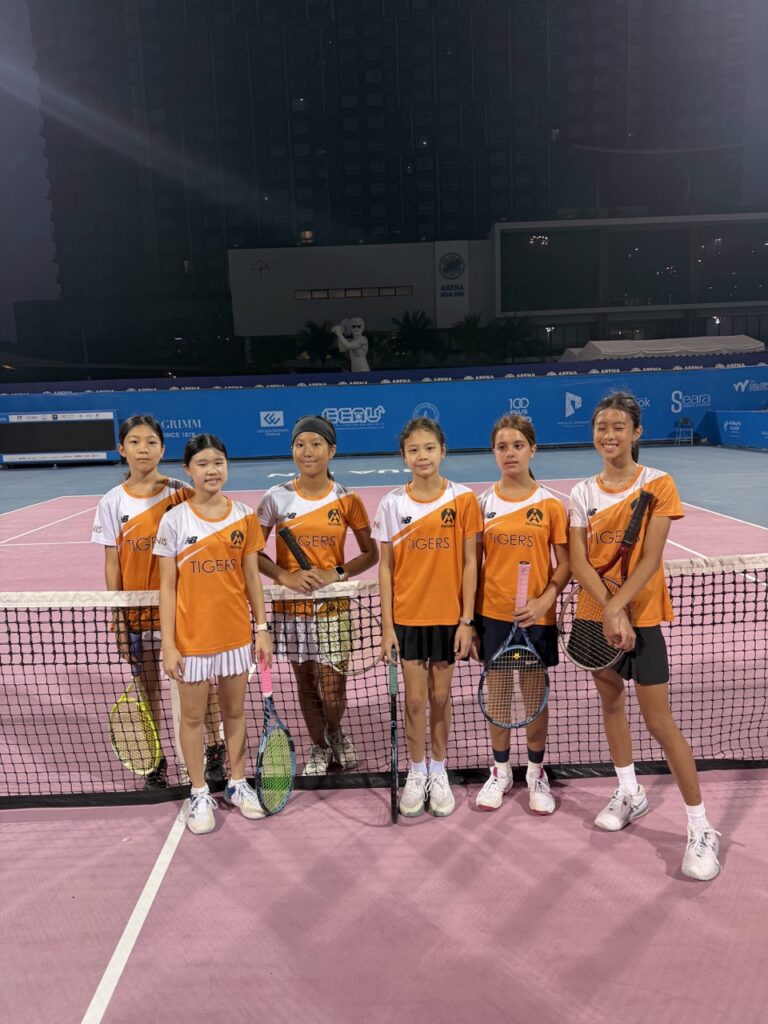
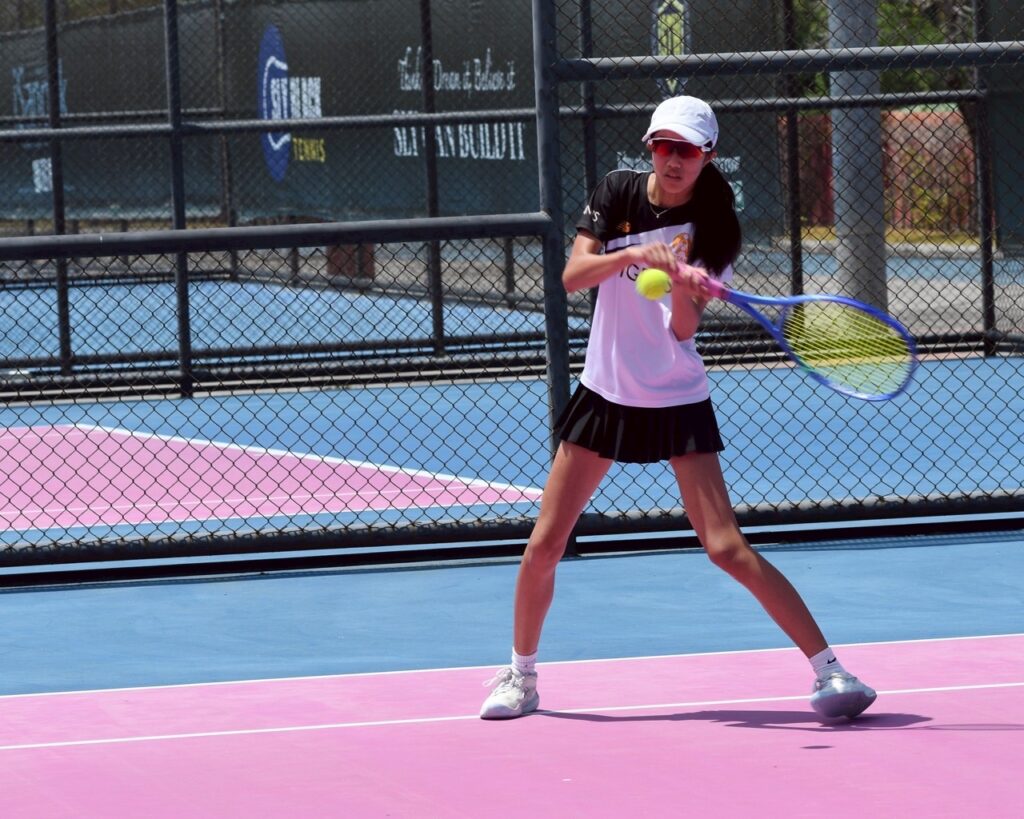
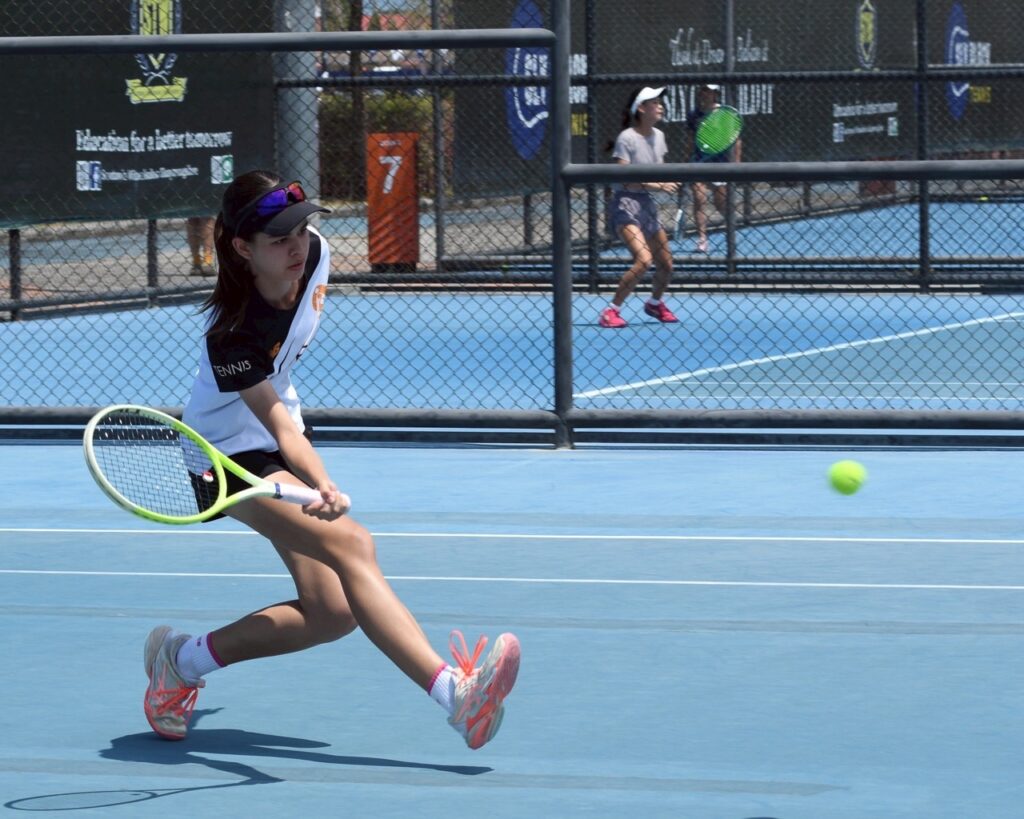
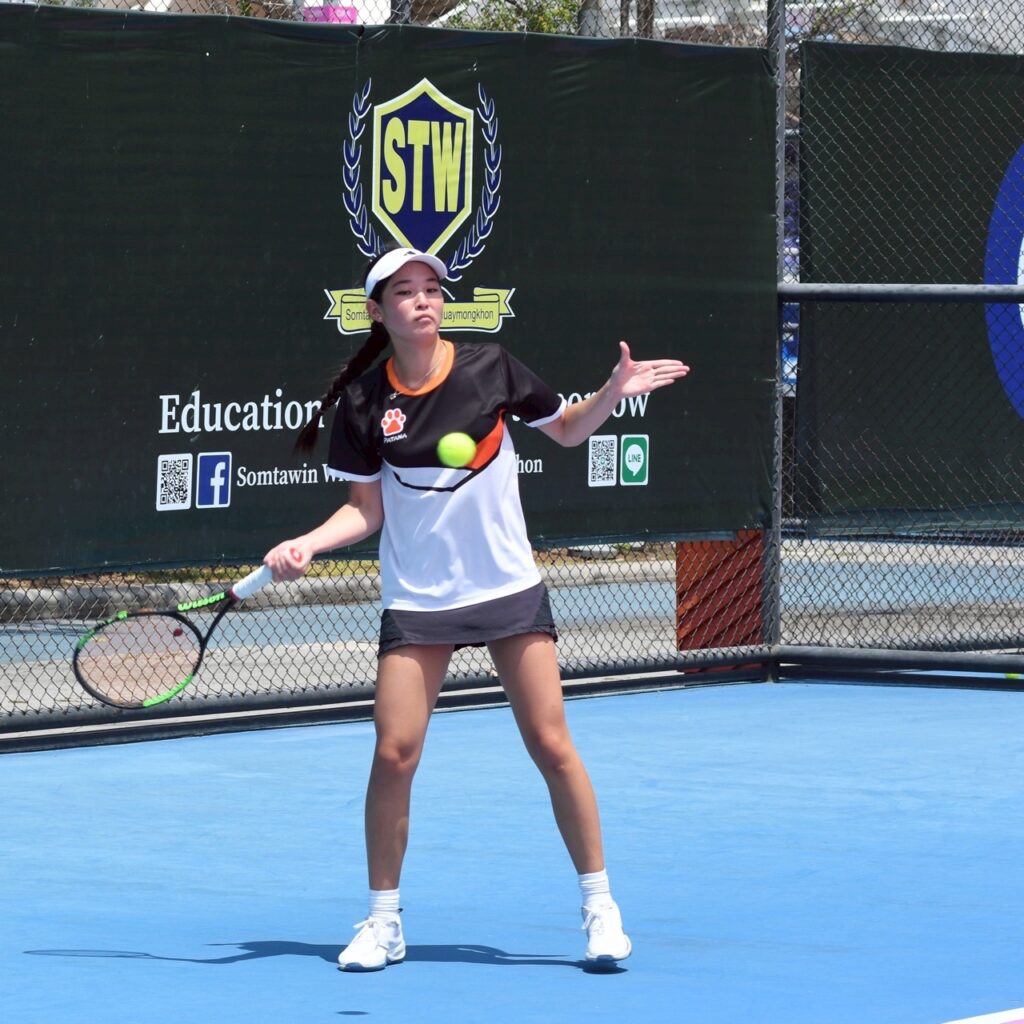
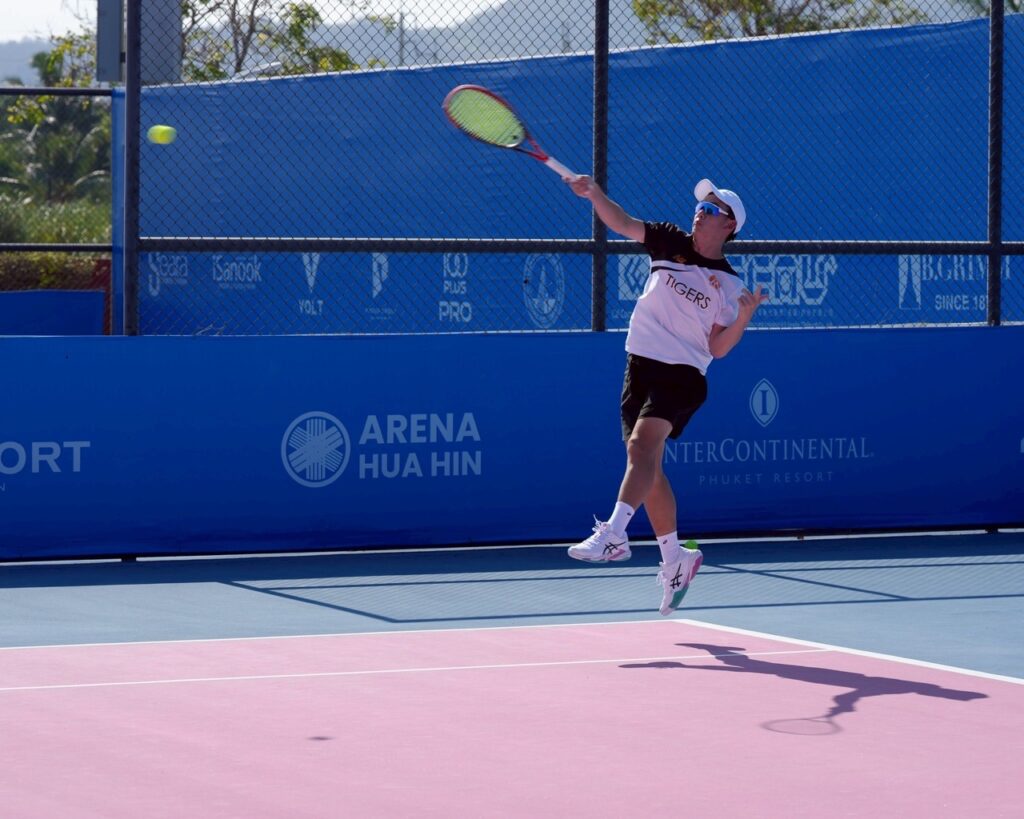
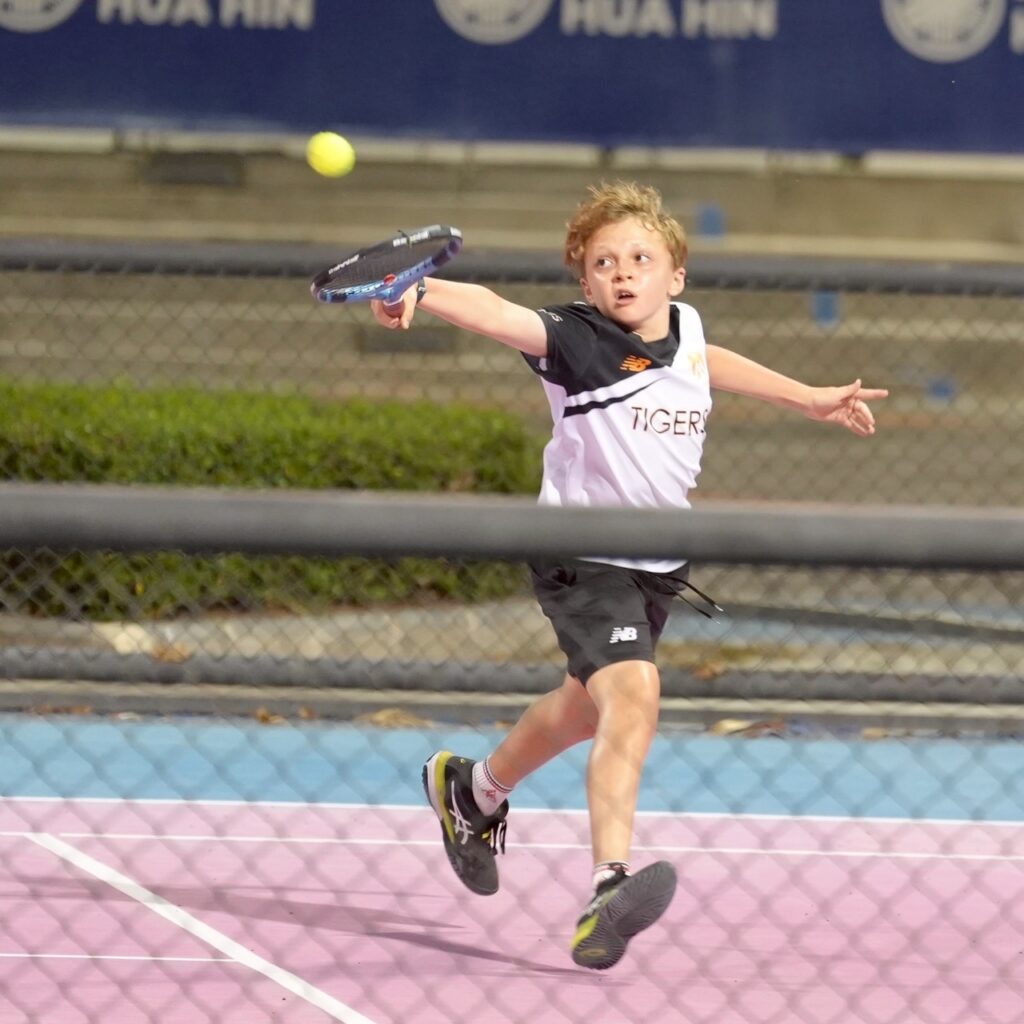
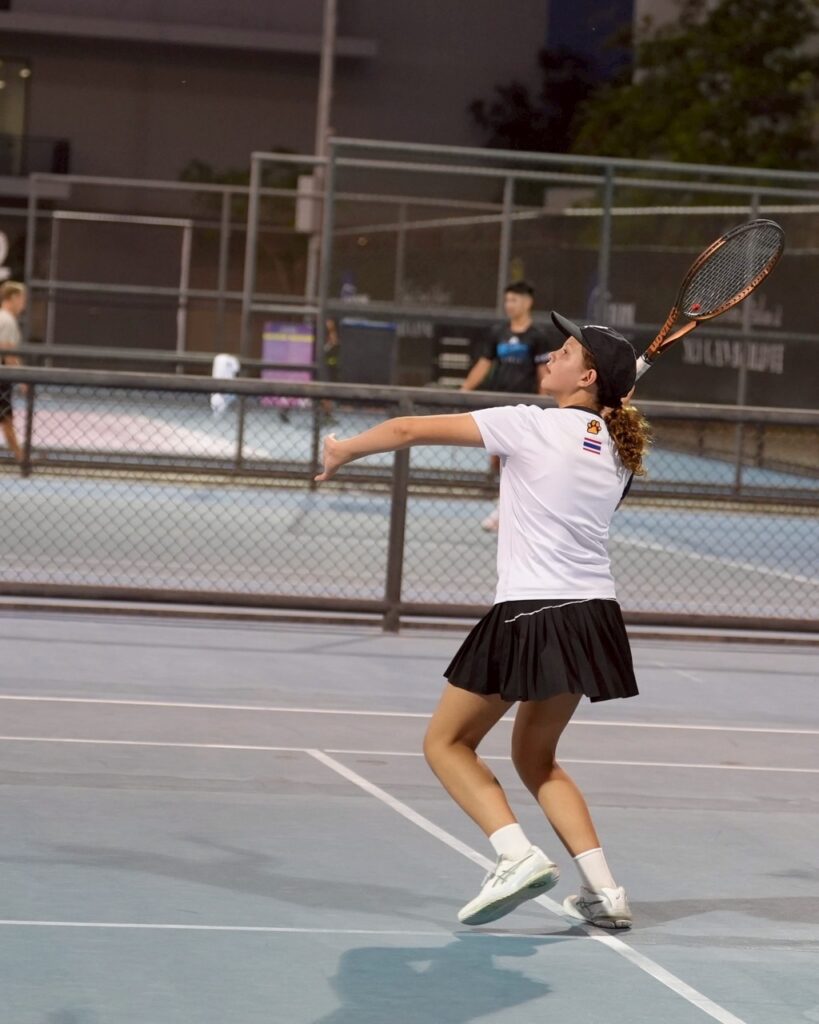
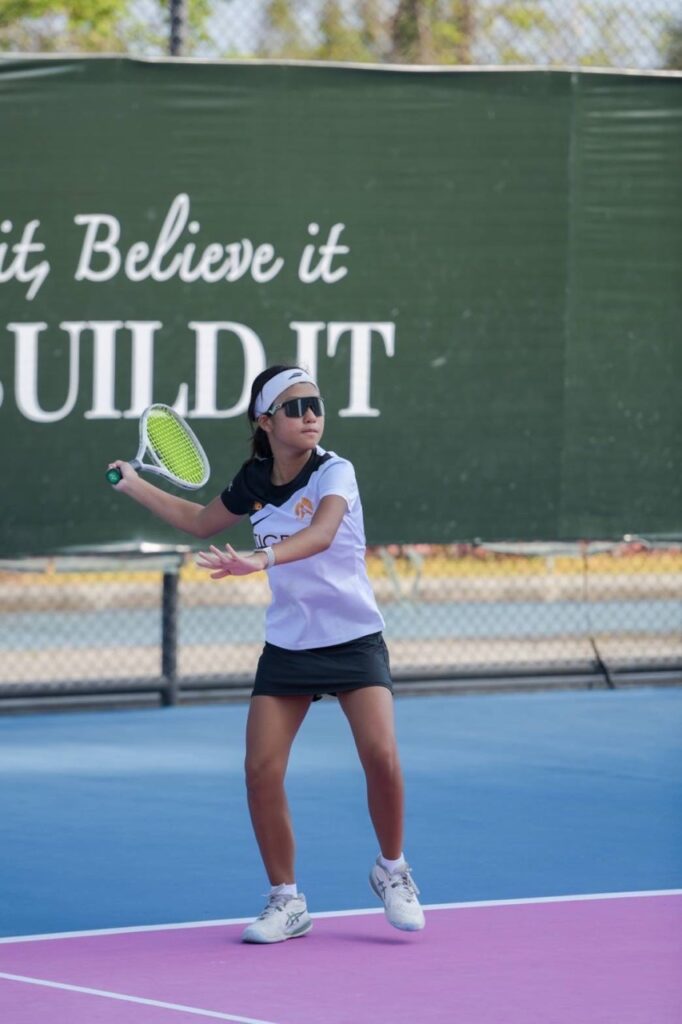
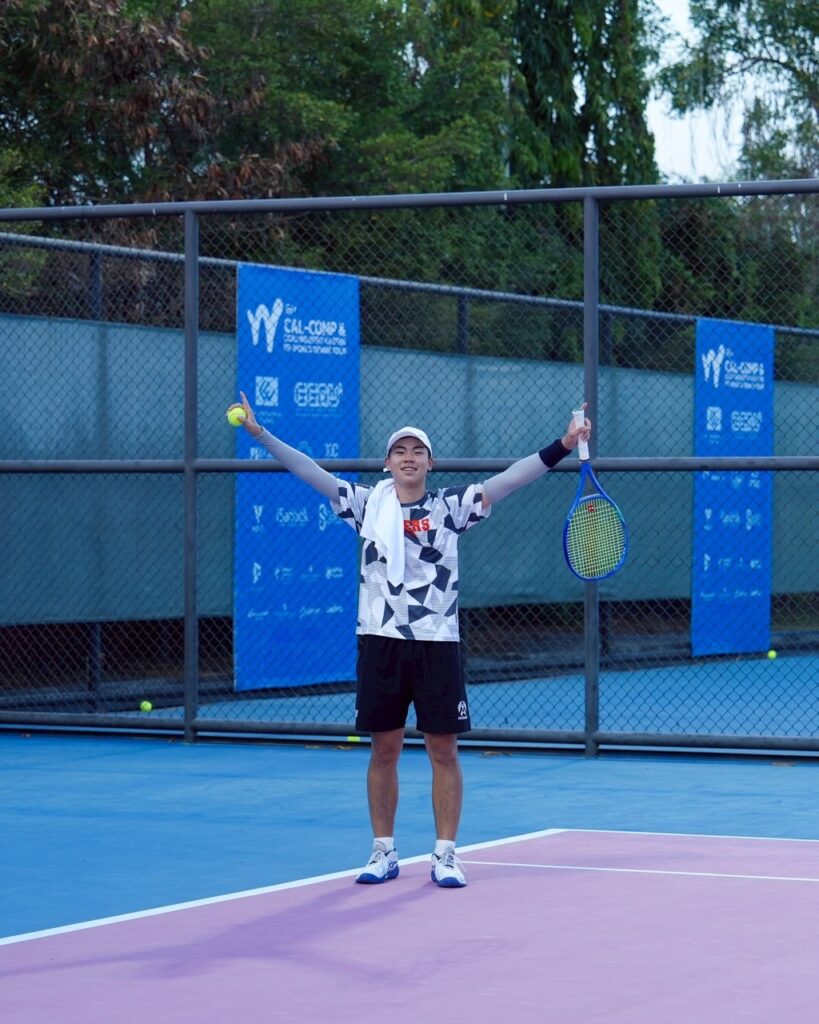
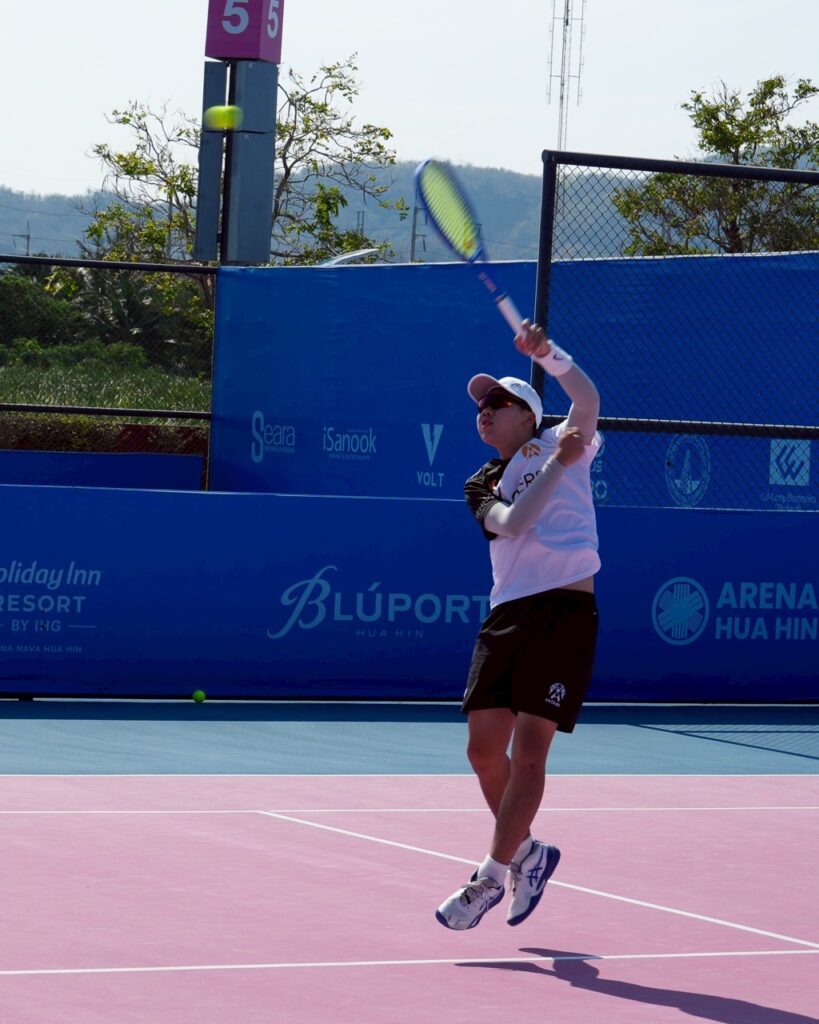
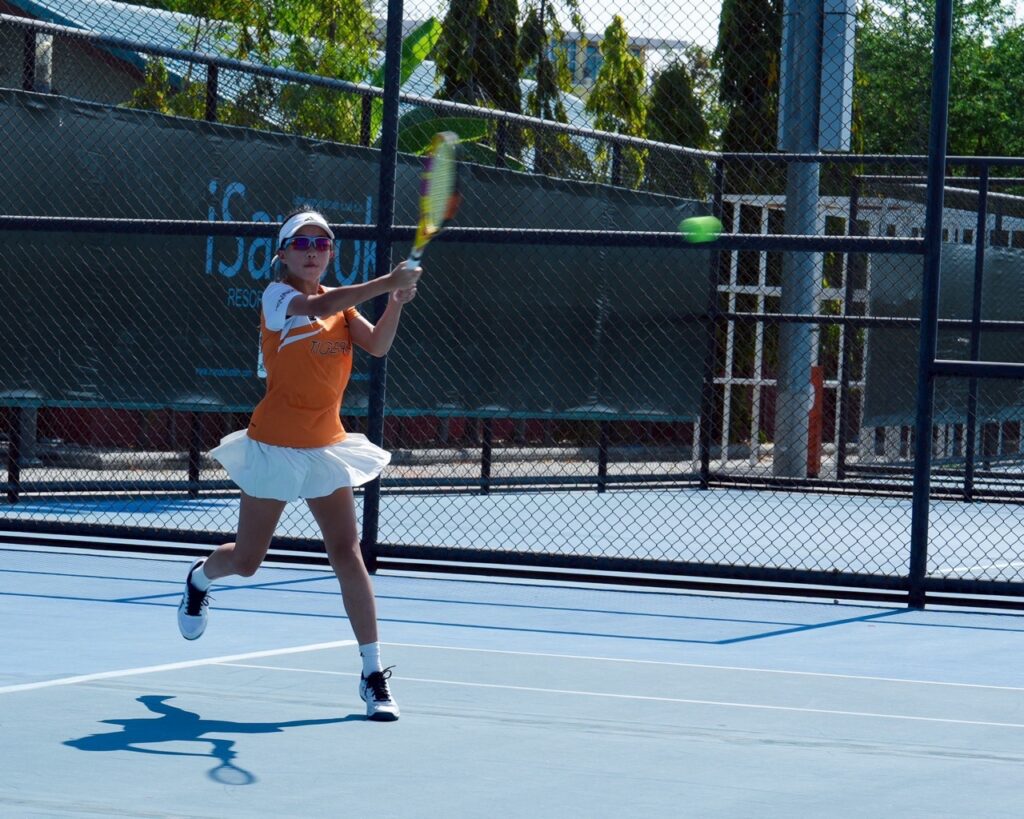
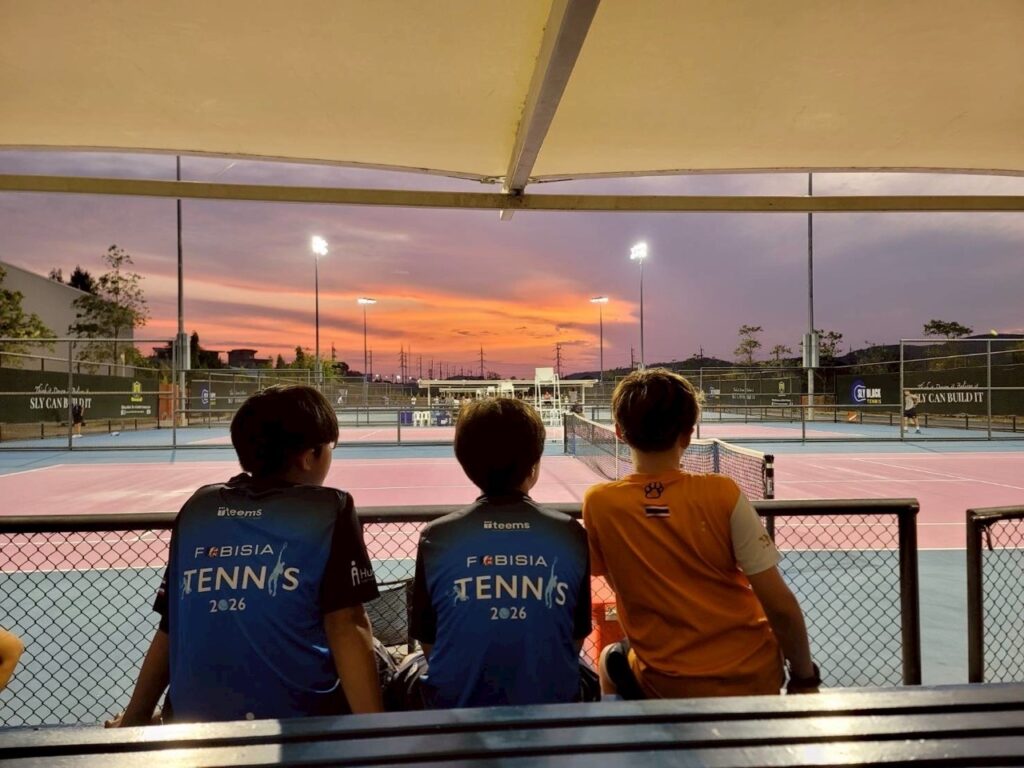
Tigers Shine at FOBISIA Tennis 2026 in Hua Hin

By Daniel Ahl, Cross Campus Head Tennis Coach

As is becoming a tradition, FOBISIA tennis was hosted in Hua Hin at the Arena Hua Hin with both the Junior and Senior taking place over thee days.

As in previous years the Junior weekend took place first with 45 students representing the Tigers team. The U10 players kicked off the event on the Friday morning with the first match starting at 6.15am meaning a 5.30am warm up. All the students were excited and full of energy and once matches started this translated into some excellent performances.

The U11 age group then played the afternoon session and with their slightly longer format matches ebbed and flowed in a slightly different way but nonetheless were no less gripping.

Once the group stages had finished, group winners and runners up headed into the knockout stages with separate categories for each. These matches on the whole became more competitive and at times nervy for the parents watching but the students displayed plenty of determination and confidence to continue to perform well.

Individual awards were as follows:
Boys’ U10
Champion – Sena Saito
3rd Place – Shengyue (Liam) Zhao
Plate Champion – Hugo Coin
Plate 3rd – Yu-Chieh (Ocean) Chou

Girls’ U10
Champion – Ruyi (Emily) Wang
Runner Up – Lin Let (Audrey) Kyaw Thaung

Boys’ U11
Plate Runner up – Alex Guo

Girls’ U11
Runner up – Li (Molly) Mo
3rd – Nichapa Chirathivat
Plate 3rd – Sophia Andersson

In addition to this Phatteera (Mira) Tejavibulya and Hayden Lin finished 4th in their respective categories in the Championship.

The Senior weekend saw a squad of 30 players travel down and with many more overseas teams travelling, it was a really good opportunity to play some different players from around the region. As with the previous weekend, matches started at 6.15am each morning but with three age group, U13, U15 and Over 15, play was extended until 9.00pm each night making for long days.

With all events, with the exception of the over 15 Girls having a maximum of 32 in the draw, players were split into eight groups of four, which would be followed by knockout rounds. First in group into the Championship, 2nd to the Plate, 3rd to the Bowl and 4th to the Shield, meaning there was all to play for in each match.

Following the group stage, 22 of our team had placed 1st or 2nd in their group which was a fine achievement. The knockout rounds provided some excellent matches and it was really good to see how all our players battled hard throughout but also played with a great deal of sportsmanship and fairness.

Individual awards were as follows:
Over 15 Girls
Championship runner up – Mila Lin Chakrabandhu
3rd place – Anna Wierda

Plate Winner
Narida (Nia) Ekaraphanich

Over 15 Boys
Plate Runner up – Samrit Singh
Plate 3rd – Parit (Pete) Leenabanchong

U13 Girls
Plate Winner -Thannicha (Ella) Voravutvityarak
Plate runner up – Nayada (Neave) Ekaraphanich
Shield winner – Ploypitcha Jirapojaporn

U13 Boys
Championship 3rd – place Sean Thia
Bowl Winner – Luka Grande Sharapov

U15 Boys
Bowl Winner – Pavee (Totti) Pungpapong
Shield Winner – Philip Andersen

In addition to this, 3rd players Apiwit Limvatanayingyong, Parinda Lee and Nichapa Chirathivat finished 4th in the Championship in their respective age groups.

Share This Article

In this Issue

Plaque Commemoration

Kulvadee Siribhadra, Director of the Foundation Board Office

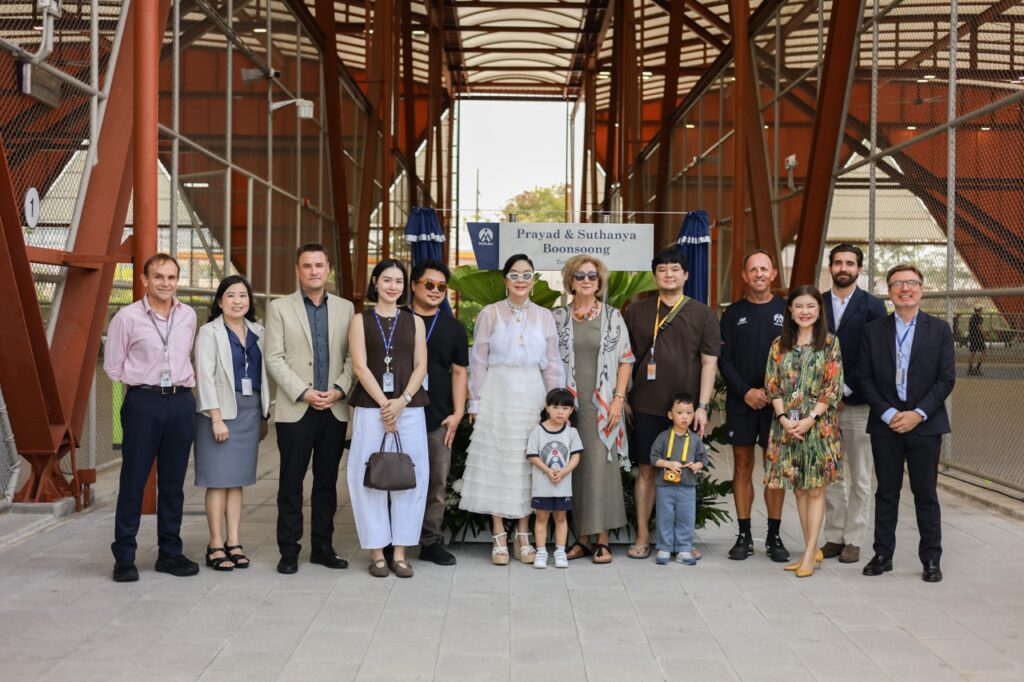
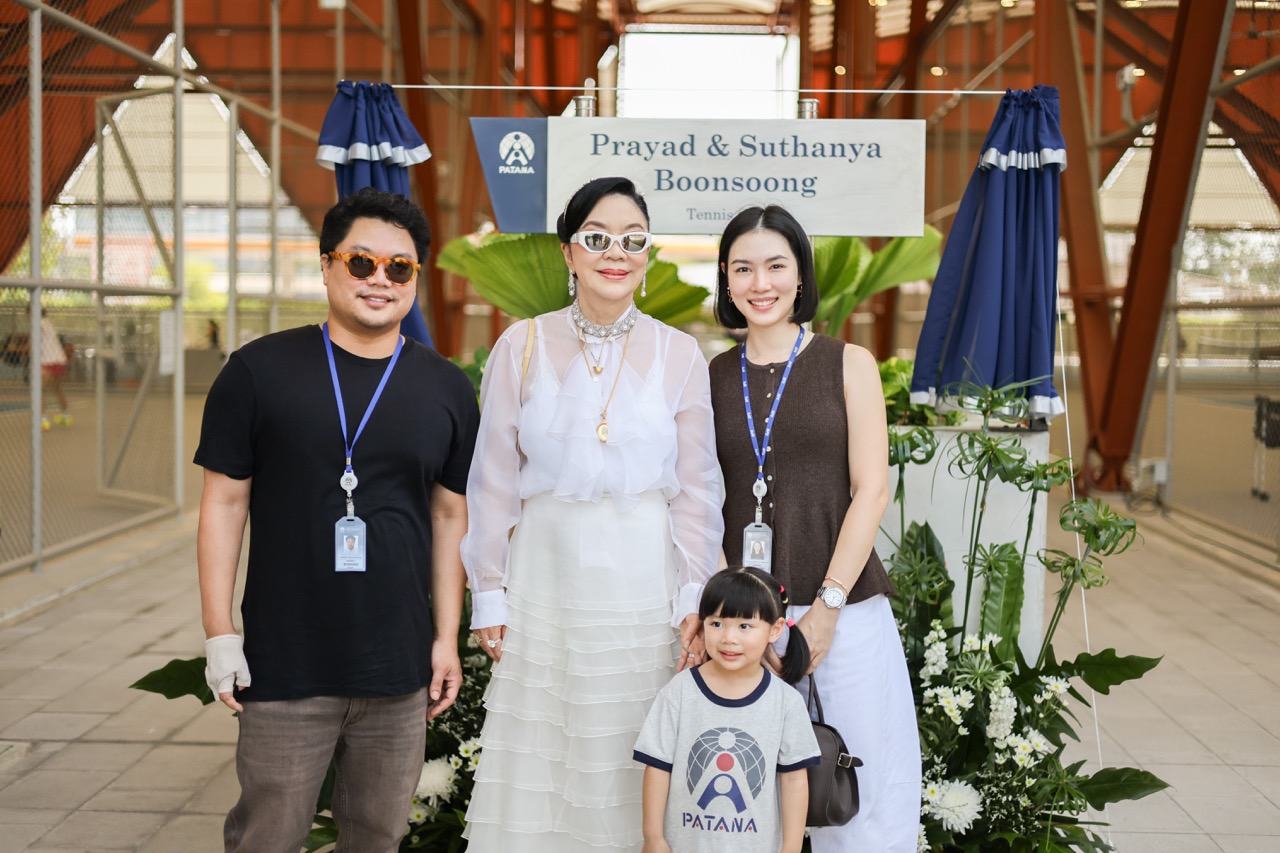
On Tuesday 17th March, we commemorated the placement of a plaque at the Tennis Centre to acknowledge a donation to the Building Patana Fund. A big thank you to the Boonsoong Family for their contribution and support to the school. Any interest in the Building Patana Fund can be directed to Khun Dee at buildingpatana@patana.ac.th

Share This Article

In this Issue

PTG Updates

Share This Article

In this Issue

Patana Participates

2026 Singha Double Control BMX Competition

By Masafumi Irie, Parent

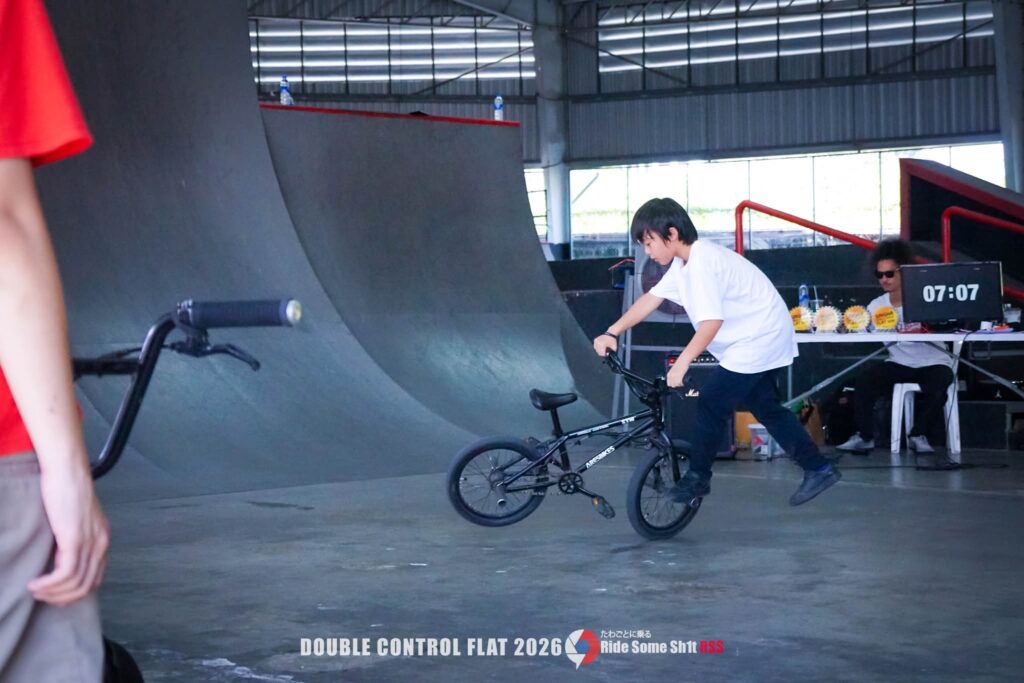
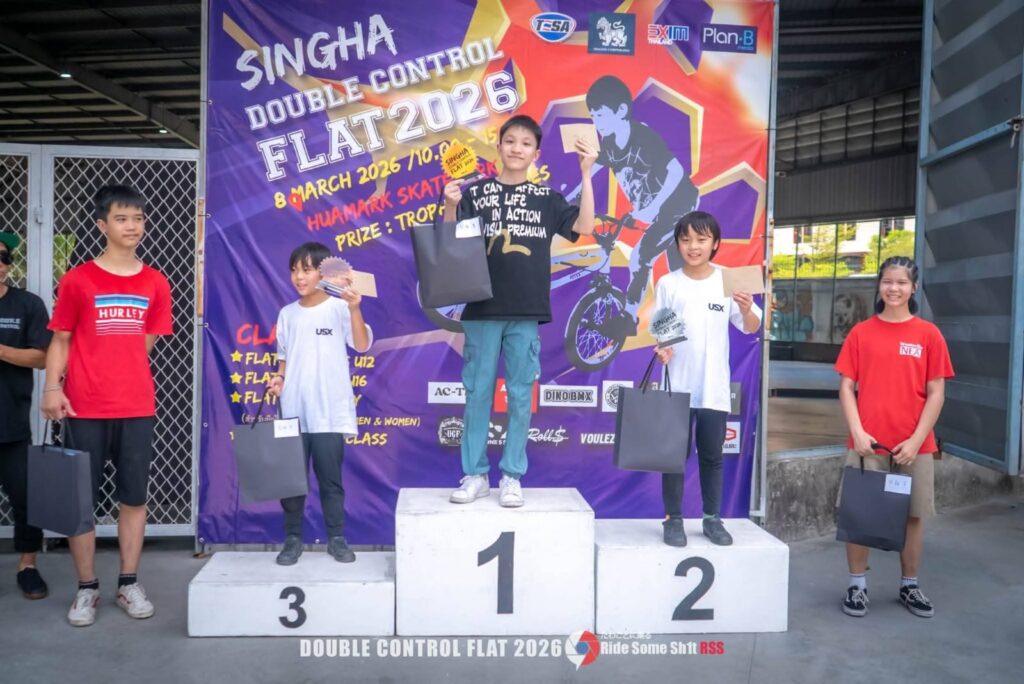
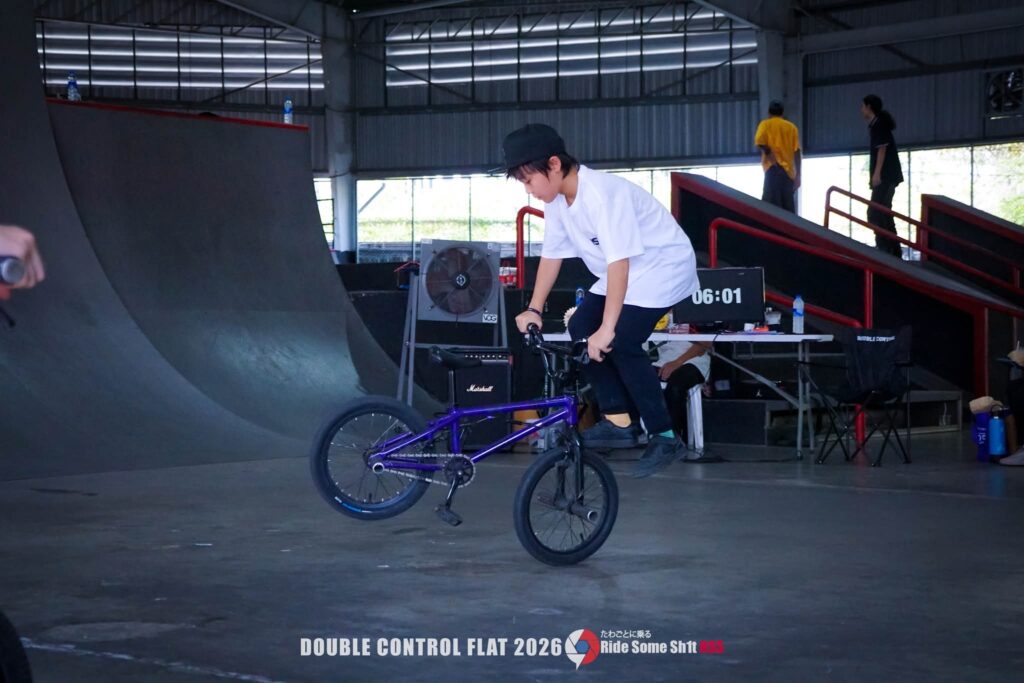
On 8th March, the 2026 Singha Double Control BMX competition took place in Bangkok. In the Under-16 category, Umi Irie (5N) and Sola Irie (5L) secured 2nd and 3rd place respectively. Notably, all other participants were teenagers.

Share This Article

In this Issue

School Announcements

Term 3 School Fees

Invoices for school fee for Term 3-25/26 were issued on 18th February 2026. If you have not received your invoice, please contact the Accounting Department or send an email to accounts@patana.ac.th   Please note that the payment due date is 20th March 2026.  Payments received after this date will incur a late payment charge of 1% per month.


Important: Certificate of Enrolment and Visa Documentation Requests for Songkran Break

If you require documentation from the school to support visa applications or extensions over the Songkran break, please request this as soon as possible. To do so, kindly complete the online request form via the Parents’ Gateway: Document Request from Admissions

Please note that we require at least 3 working days to process these requests. The final date to request certified letters or documentation for visa extensions is Monday 30th March 2026.  

Kindly be aware that no requests can be processed between 4th – 19th April 2026.  The Admissions Office will be open to support new requests starting from 20th April 2026.  


Share This Article

In this Issue

© 2025 Bangkok Patana School

Issue: 23
Volume: 28
Bangkok Patana School
Privacy Overview

This website uses cookies so that we can provide you with the best user experience possible. Cookie information is stored in your browser and performs functions such as recognising you when you return to our website and helping our team to understand which sections of the website you find most interesting and useful.