
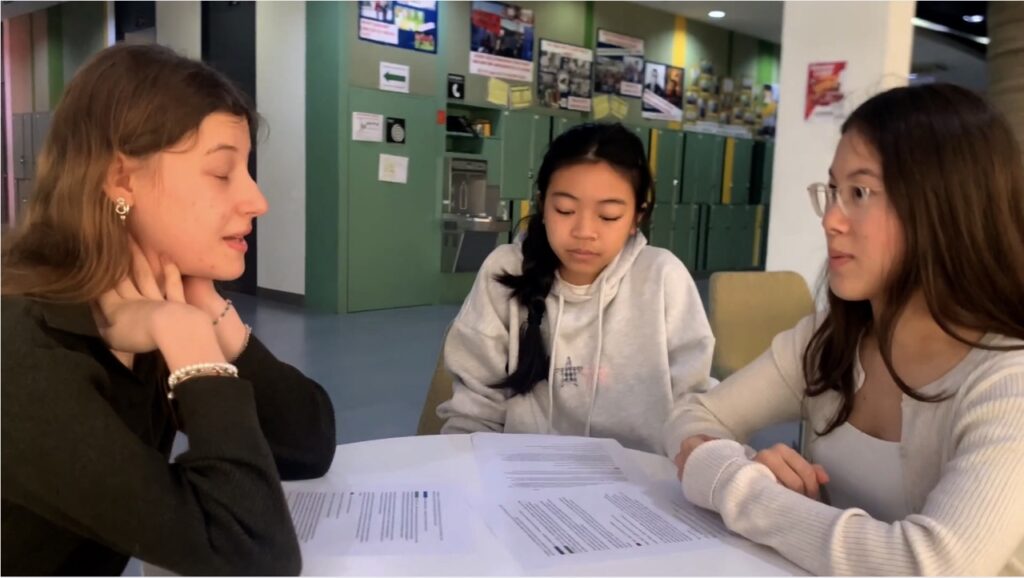
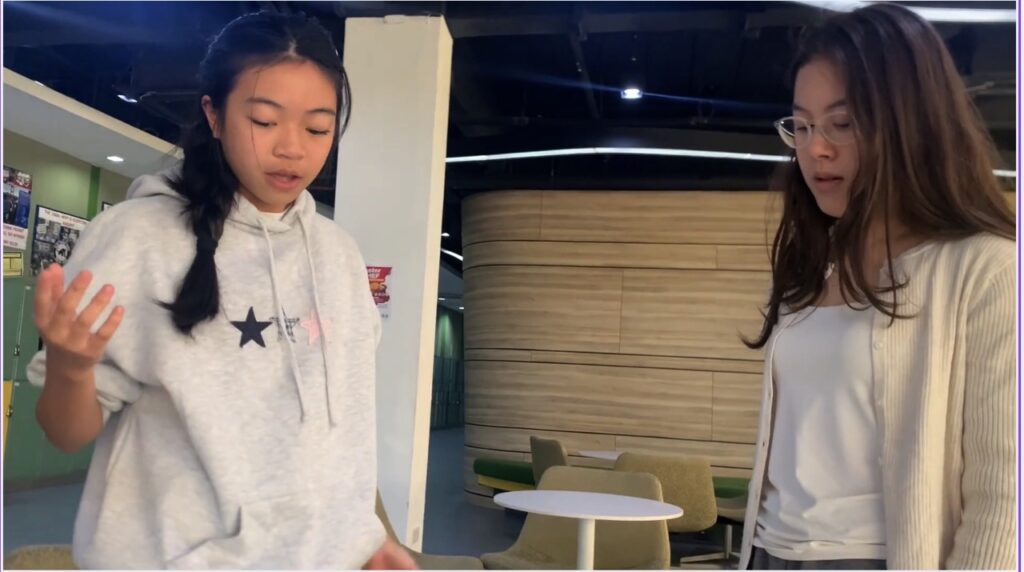
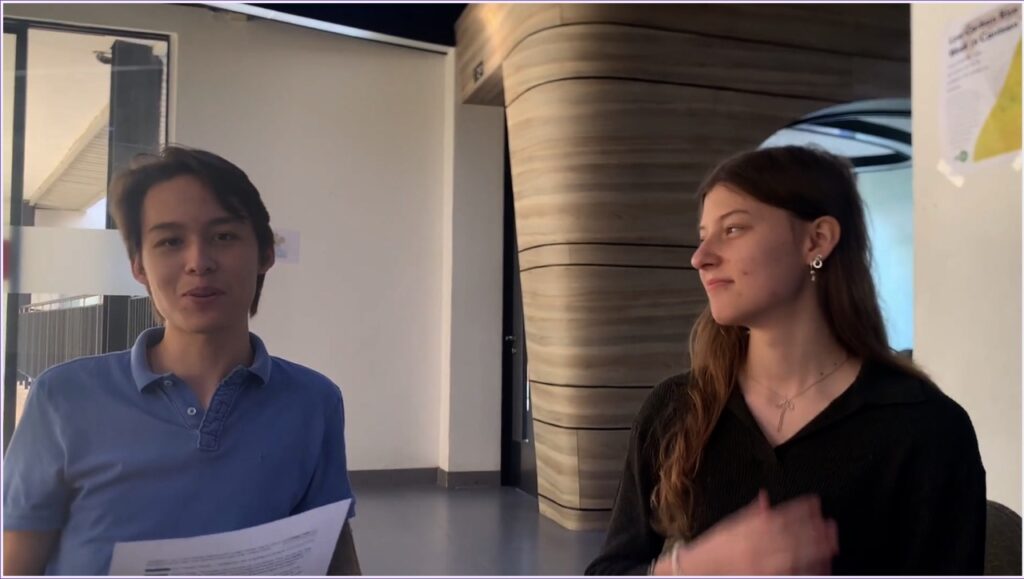
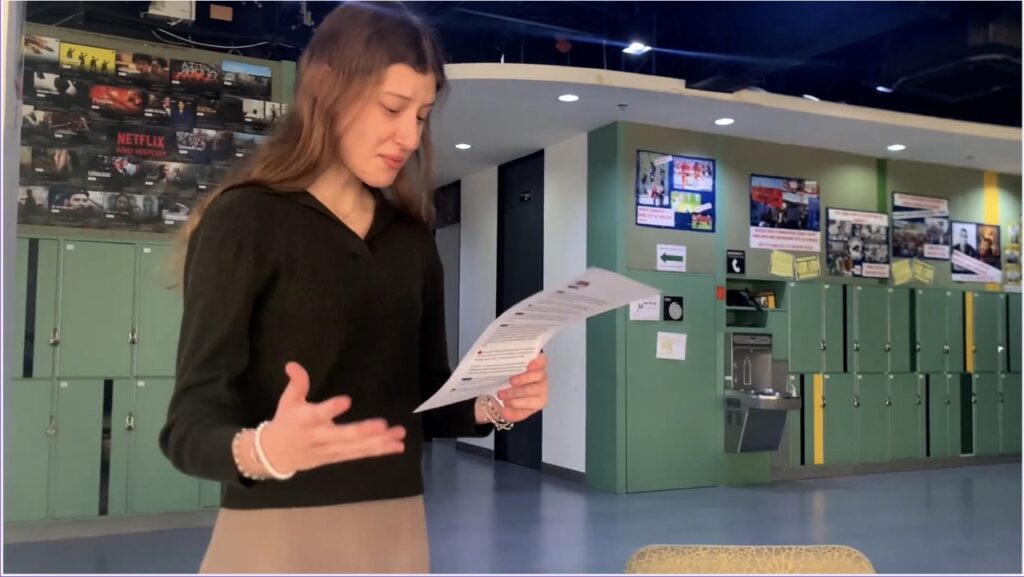

Our IB History class studied the creation of the First United Front as part of our ongoing China unit. To gain a more nuanced understanding of the complex perspectives on this key historical event, the class took part in a role-play activity as key historical figures Chiang Kaishek, Mao Zedong, Sun Yatsen and Stalin in a short film of our own creation.
After learning the relevant content and the backgrounds of the key figures we were going to be transforming into, our group worked on a script. Our work initially read like a documentary-style recreation of a tense meeting in a historically accurate 1924, but morphed into a comedic (and highly dramatised) version of the hypothetical scenario we envisioned.
This unique immersive experience allowed us to tackle content and commit this event to memory by pushing us to think both creatively and analytically. It has taught me that understanding history is not all memorisation and regurgitation, but instead the interpretation of evidence and complex causes behind events that have shaped our world.
In the span of one lesson, we took on our roles as historians, part-time screenwriters and amateur actors all within the bounds of our classroom, proving that even when academics become more serious, it is still possible to participate in engaging and memorable lessons.
It will be impossible to forget the significance of the First United Front on the rise of communism in China when our midcourse exam rolls around…