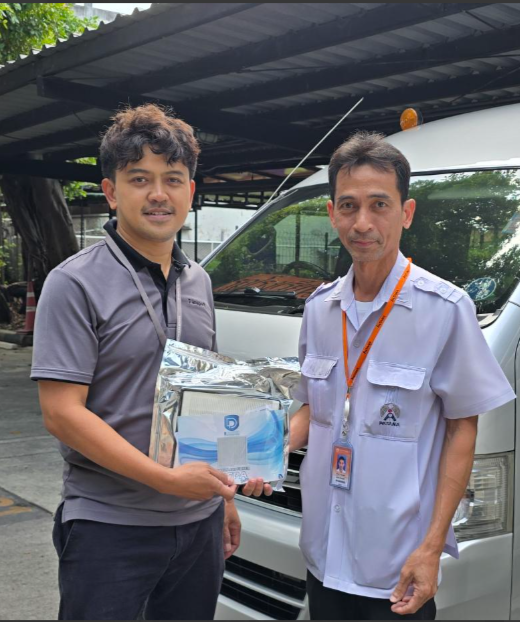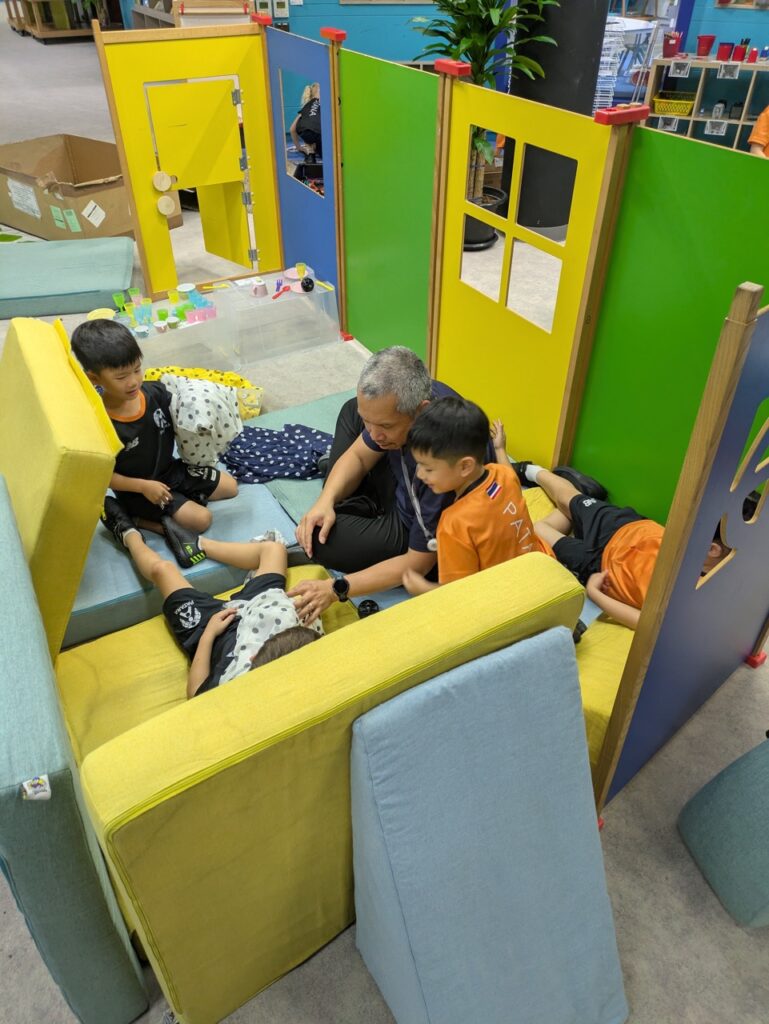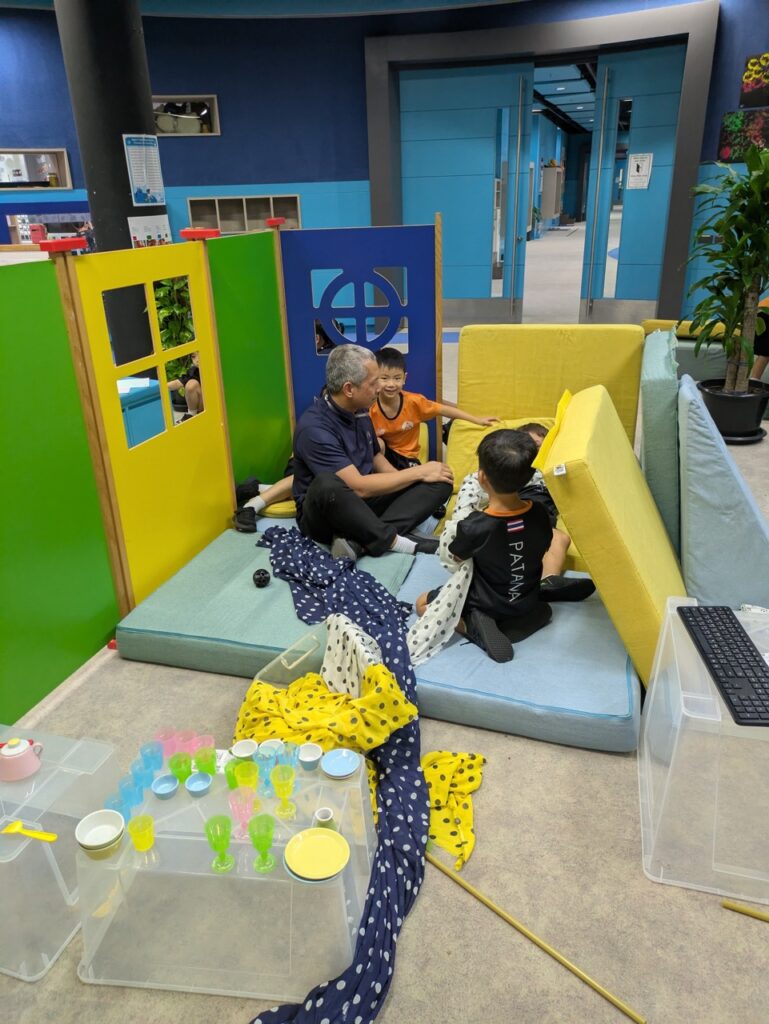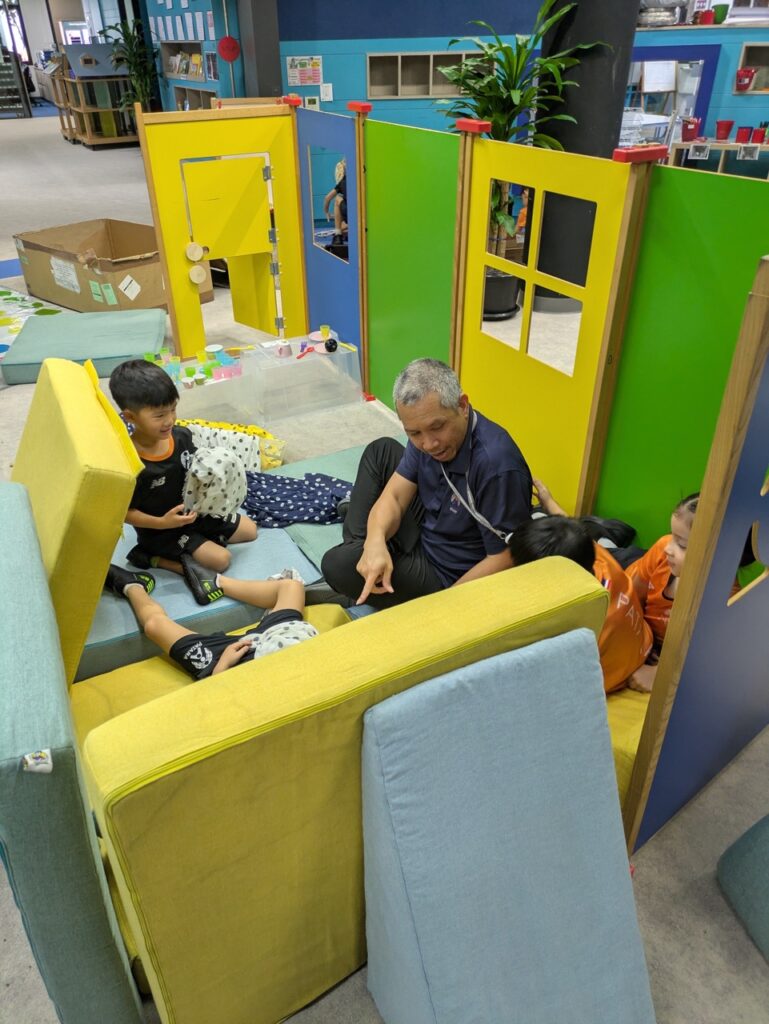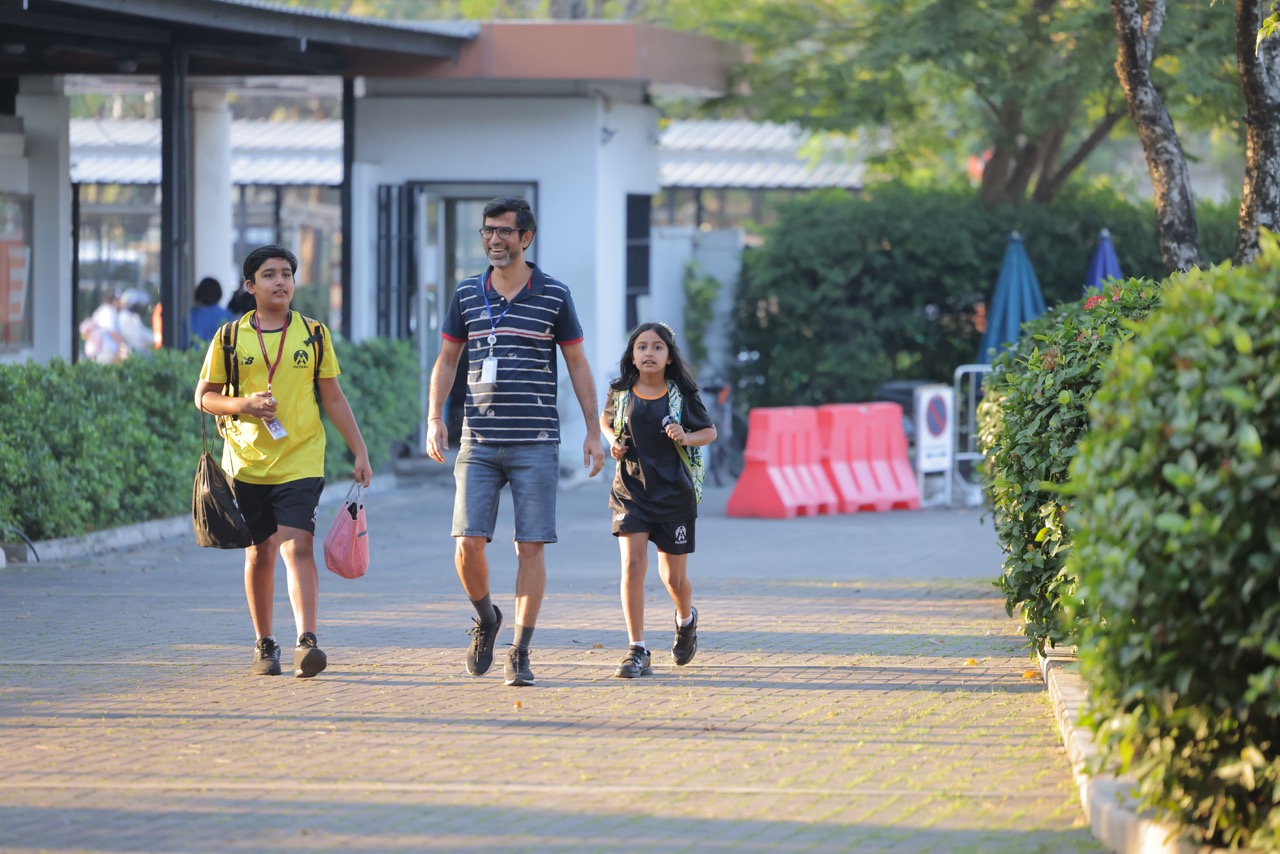
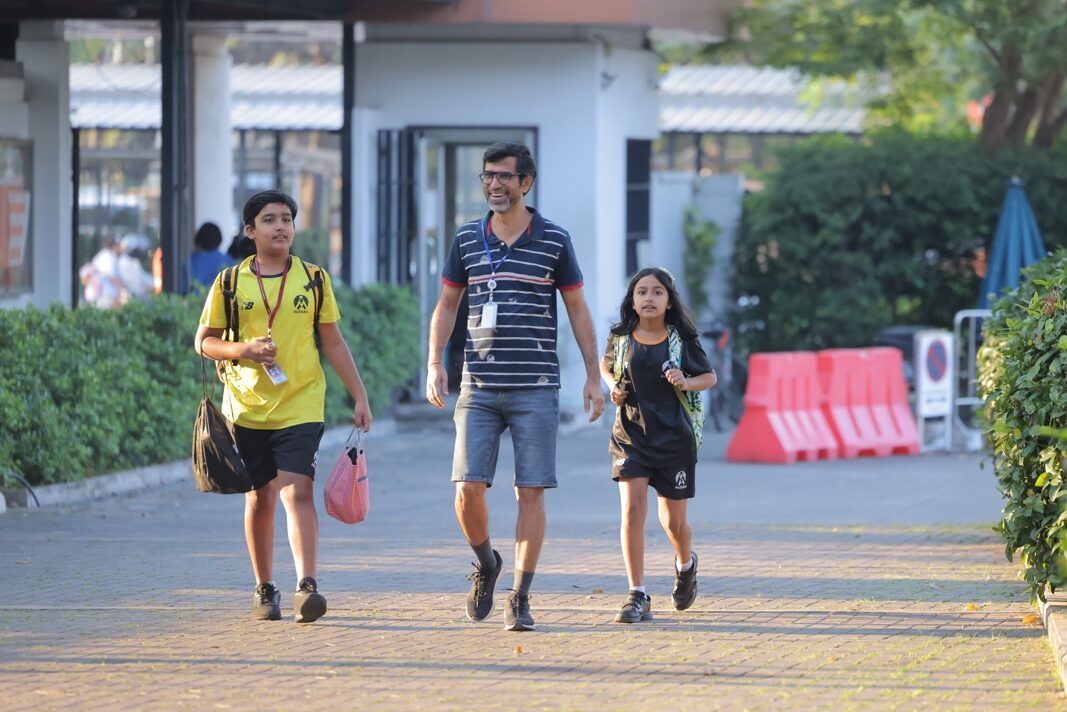
From the start of Term 1 this year, our teams have been asking parents to use their blue lanyard badges on our school site. This helps us keep our community safe through a quick visual check. Our safeguarding team really appreciate such a positive response.
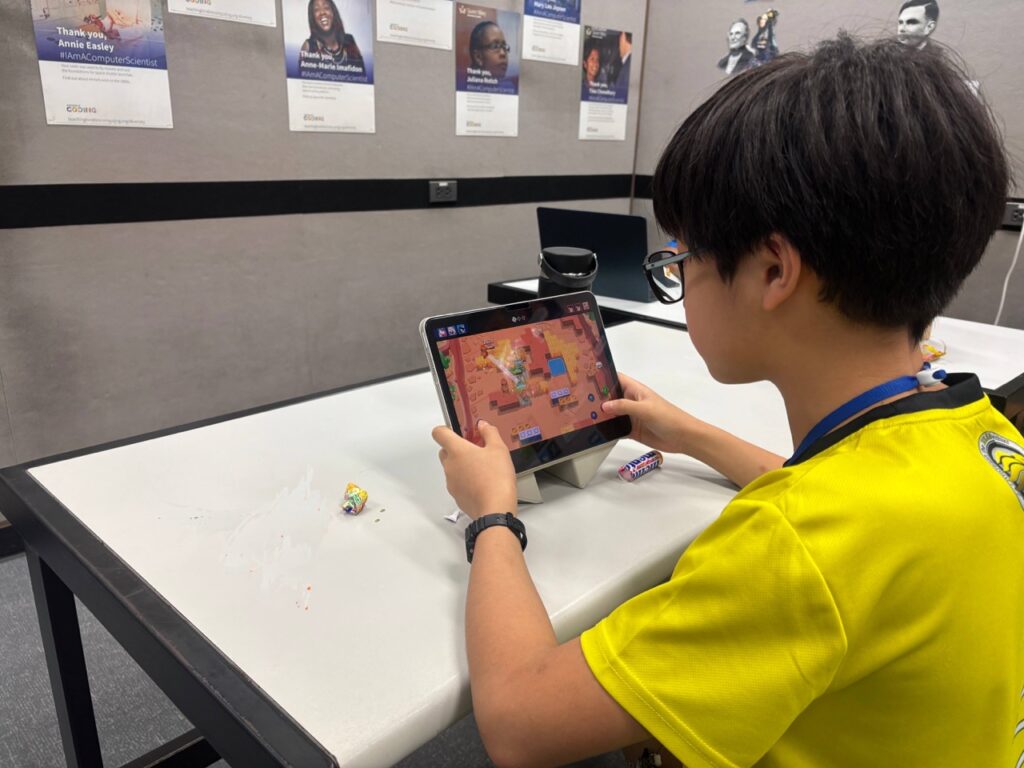
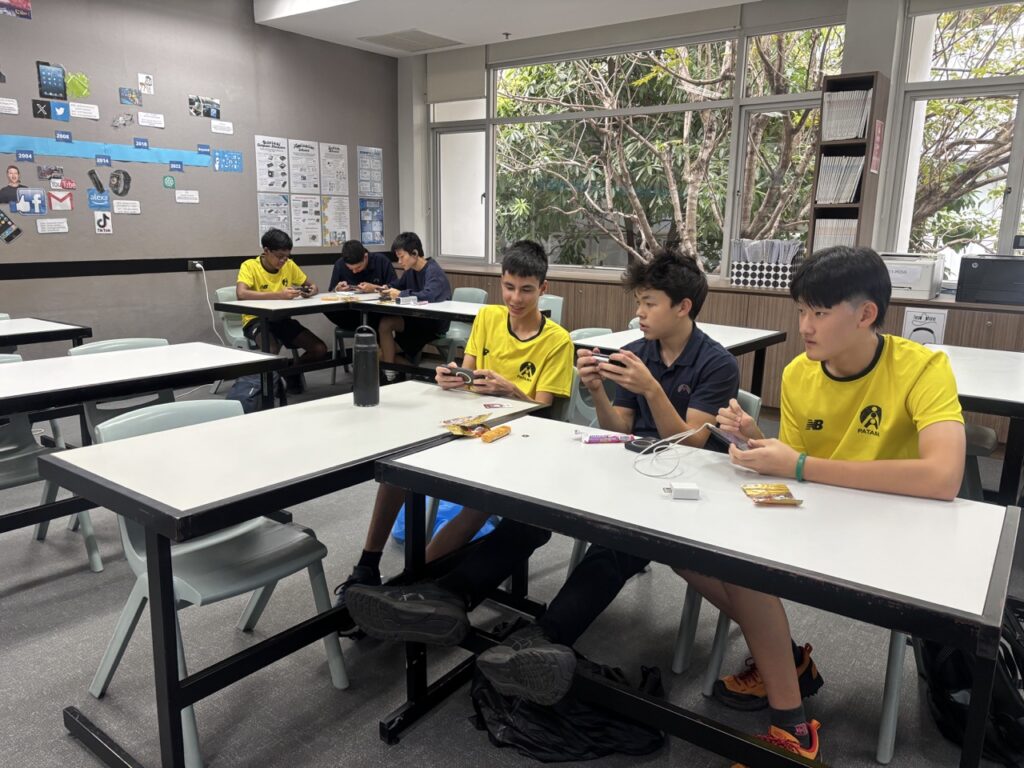
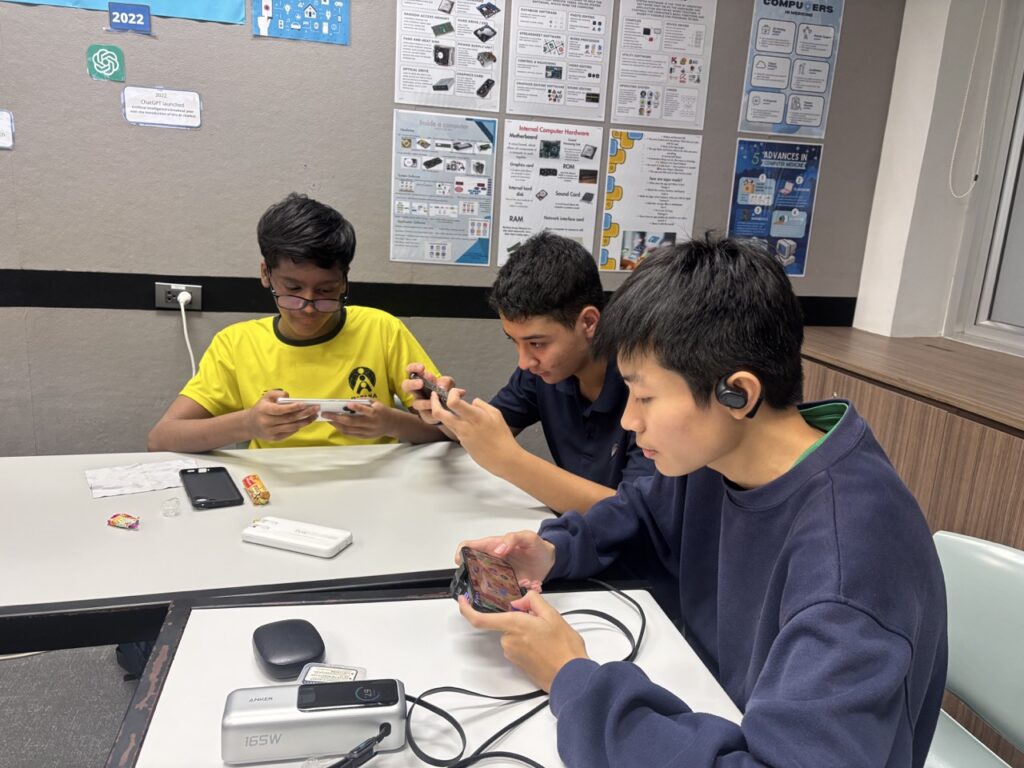
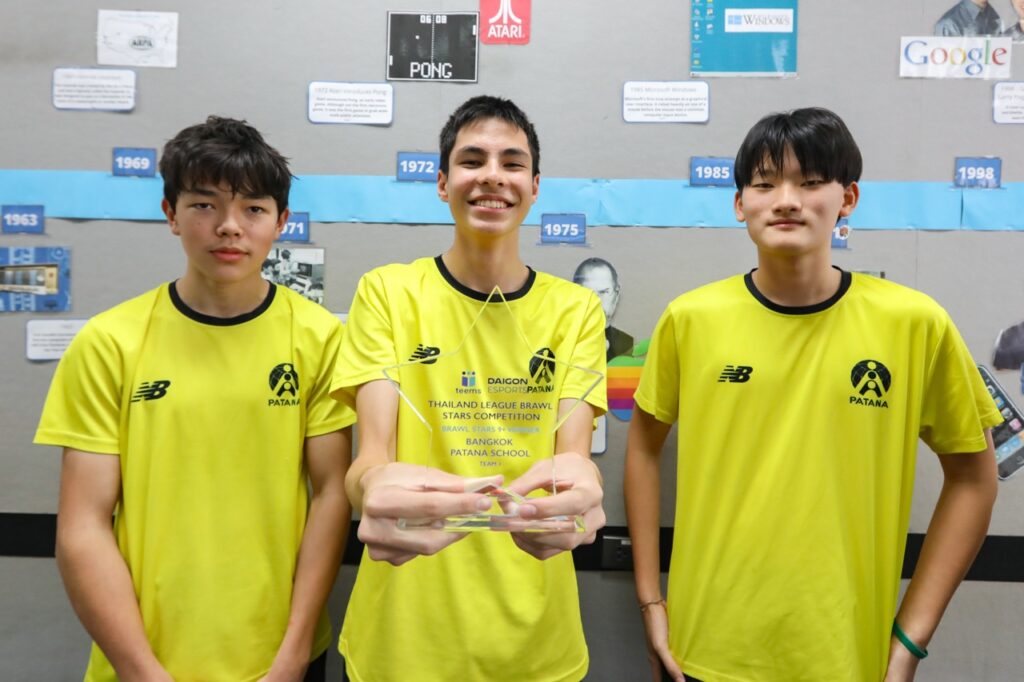
We are inviting parents to join another challenge during Term 2. Our students are very good at respecting their school when using own devices on the school site and manage the transition into school community really well. Adults and older students can reinforce this habit by modelling how we keep each other connected and serve our first value of wellbeing.
Why?
Before the holiday, global conversations centred on a decision by Australia to regulate social media for under-16s. Returning to school, things have moved on quickly with countries across Europe and Asia responding to the nudification app Grok. It produces deep fakes that are harmful. Sadly, there are other similar apps now getting wider reach in the app stores.
Over consumption of social media and somebody misusing your image is more present than ever. Whilst the debate over prohibition and regulation to manage this continues, we can take action closer to home.
How?
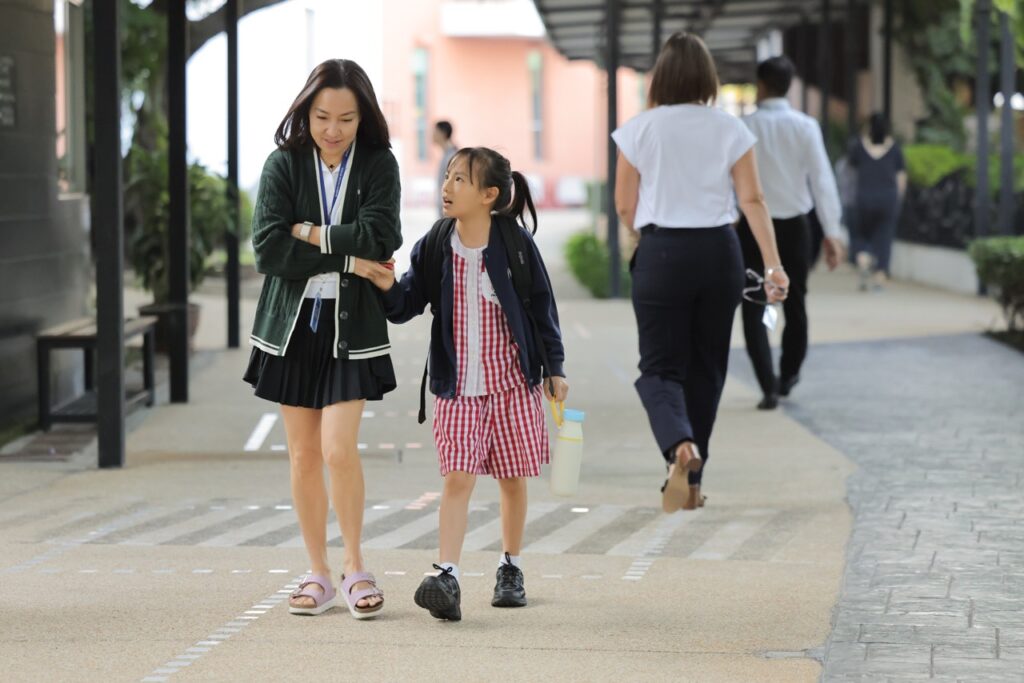
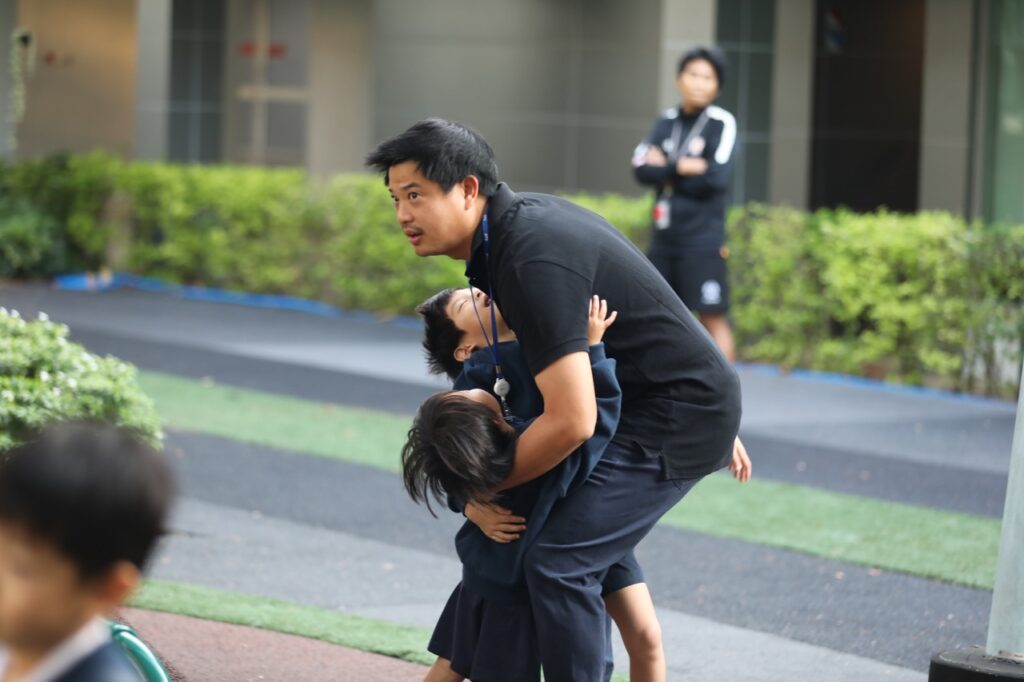
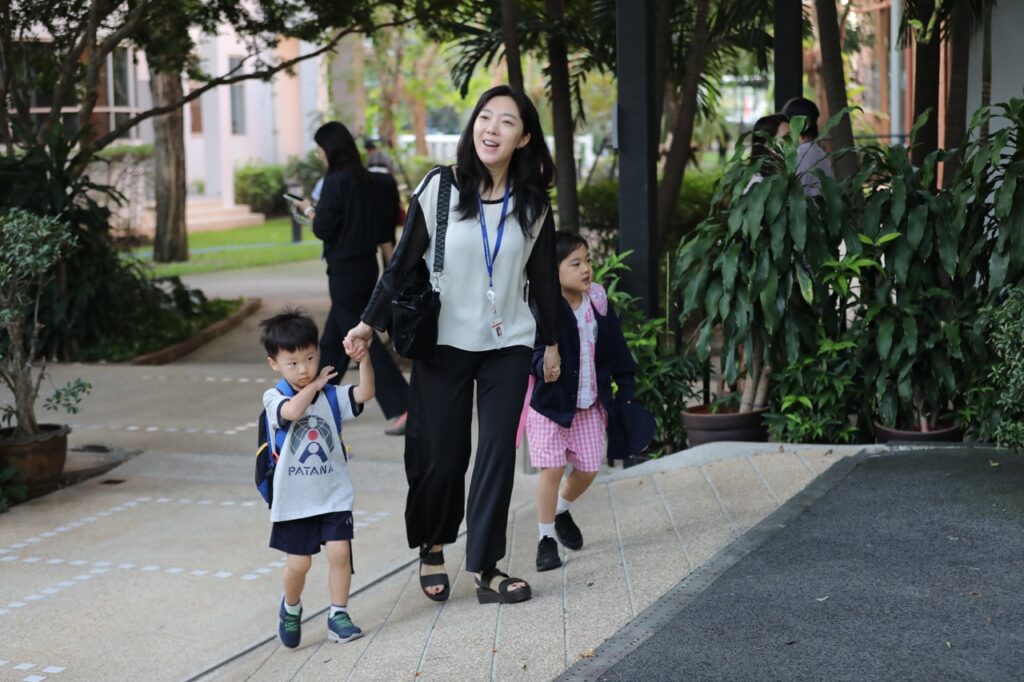
The school gates, communal pathways and social areas for parents are a celebrated and enjoyable part of our school life, they are also spaces where children are learning by watching adults around them.
We have an opportunity to act collectively in these spaces through small, visible choices that will help young people observe and adopt healthy tech habits.
Whilst Australia’s regulation of social media apps has started the global debate, our self-awareness and shared modelling of adult habits will give children the best chance to thrive in a digital world.
How?
To help make this effective, join this term’s challenge as a parent, staff member or older student by modelling the following consistently around school:
Habit 1: Phones away between the car park and the classroom.
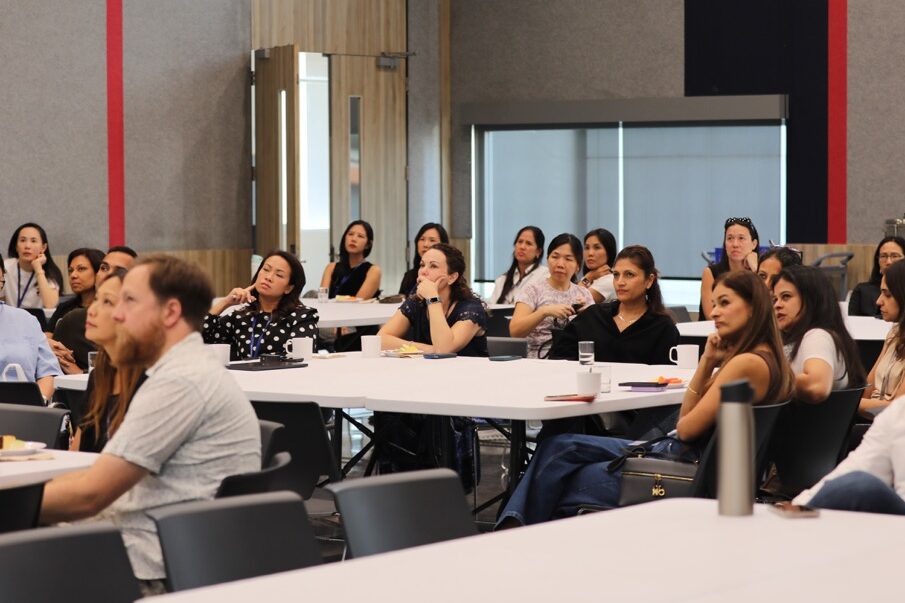
Habit 2: Phones away at school gatherings and meetings (Listen carefully to the person leading the event if taking photos on your personal device is permitted).

Tips for success
You can apply these ‘create’ principles to any new year resolution you have made this January and best of all, it uses our human superpower of creativity:
| Create a cue so that the new behaviour has a clear trigger | “When I leave the car, I leave my phone behind or put it in my bag” |
| Create a positive ritual | “When I’m with others, I keep my phone in my phone bag so I’m not disturbed or distracted” |
| Create phrases to consolidate | “Greeting first, notifications later” “Conversations over clicks” |
| Create swaps which are varied | Walking with each other, swap the challenge from scrolling to story-telling: – name three things you’re looking forward to today – surprise somebody by a warm smile; -can you make the a new connection for three days in a row with a new person -learn and use a new greeting in another language every day for a week -notice and describe an act of kindness around you |
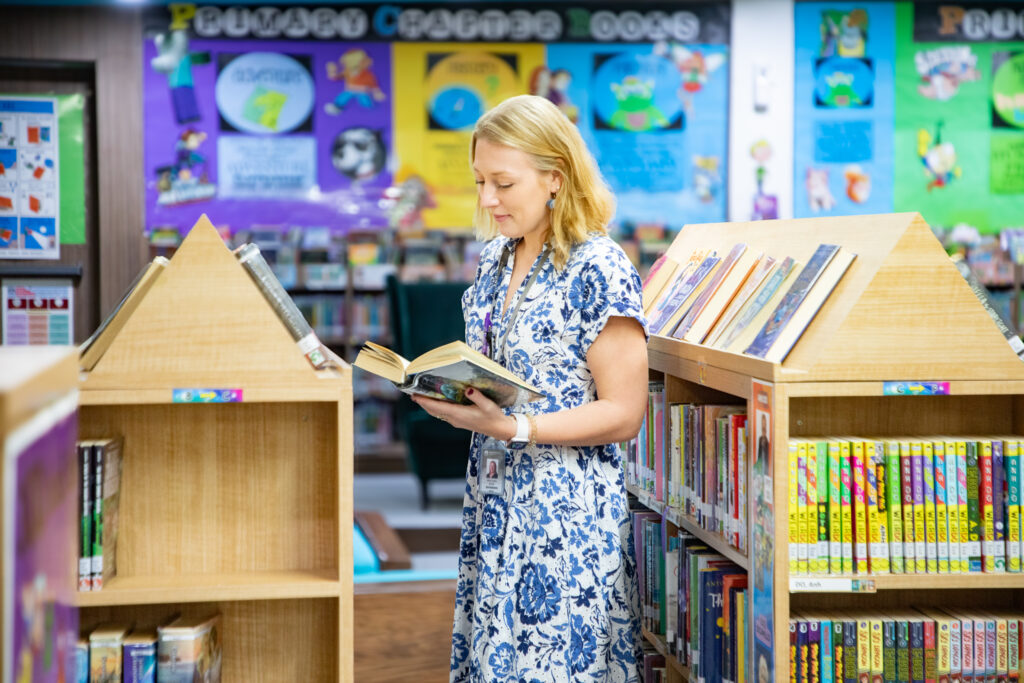
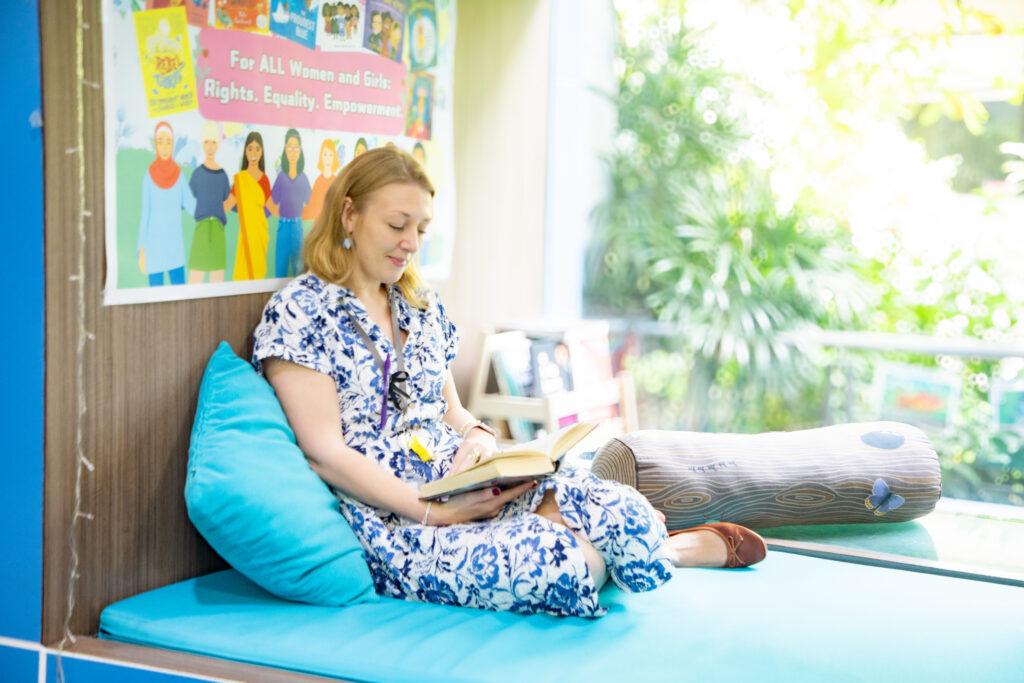
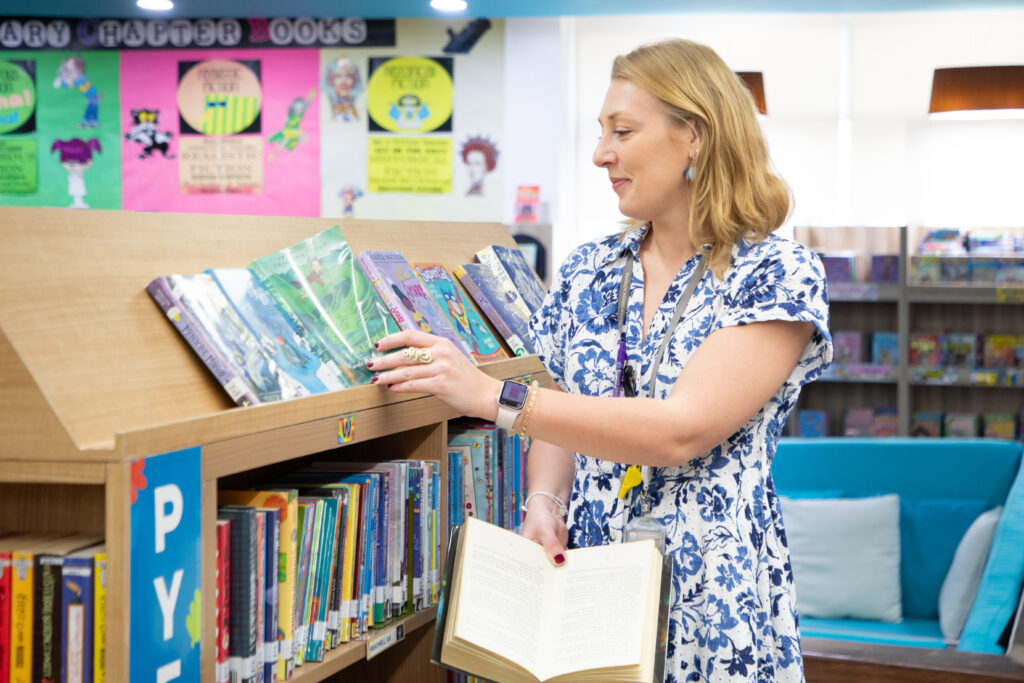
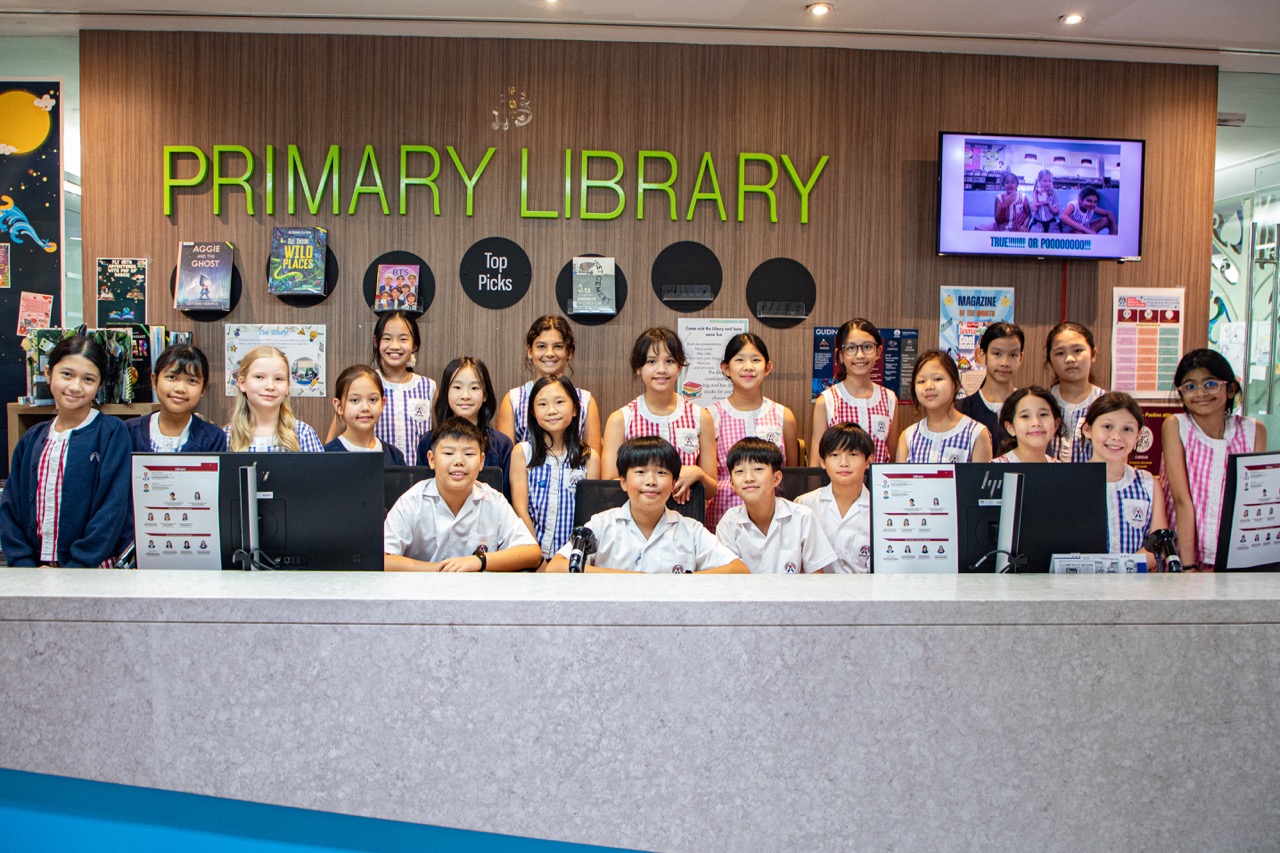
| Create different immersion | If you are waiting in the dining areas, release yourself from the algorithm and read from a book you have borrowed from the library. |
| Create the story of the day | During school pick up, connect with a new person you haven’t met before. On the way back to the car, create the story of the day with your child: – “What made you curious today?” – “If today were a story, what would the title be? And what else is there about that title?” – “If you could draw your day in colours, which colours would you use for each part?” – “If your day had a soundtrack, what songs would play at different times?” – “If tomorrow were a sequel, what would you want to happen next?” |
If you nominate other adults to do the school run, take a moment to explain this to them when they are in school. As always, look forward to connecting with you this term. Happy New 2026!