New Year, New Habits

By Chris Sammons, Head of School

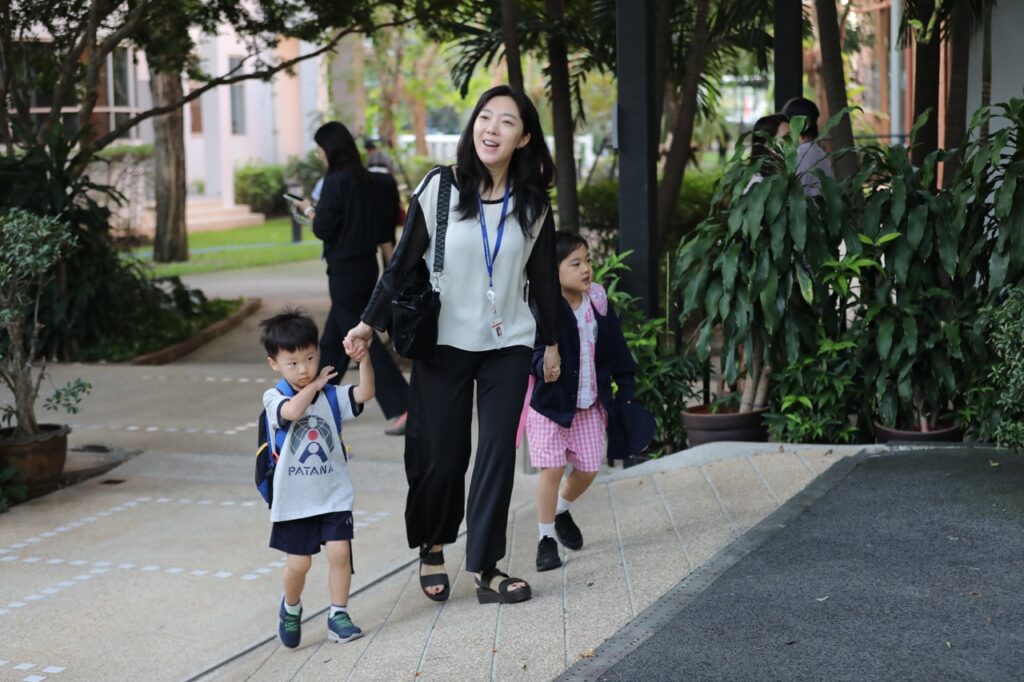
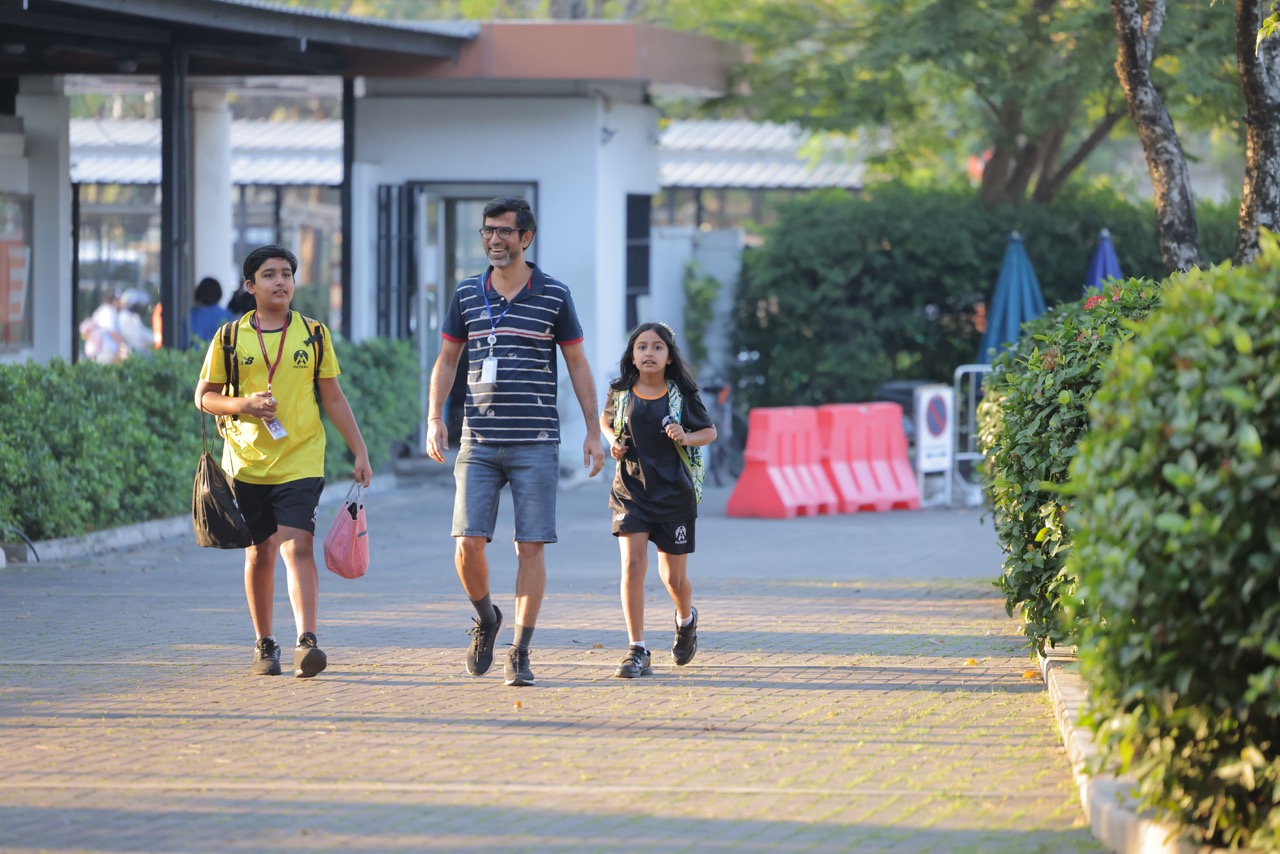
From the start of Term 1 this year, our teams have been asking parents to use their blue lanyard badges on our school site. This helps us keep our community safe through a quick visual check. Our safeguarding team really appreciate such a positive response.

We are inviting parents to join another challenge during Term 2. Our students are very good at respecting their school when using own devices on the school site and manage the transition into school community really well. Adults and older students can reinforce this habit by modelling how we keep each other connected and serve our first value of wellbeing.  


Why?

Before the holiday, global conversations centred on a decision by Australia to regulate social media for under-16s. Returning to school, things have moved on quickly with countries across Europe and Asia responding to the nudification app Grok. It produces deep fakes that are harmful. Sadly, there are other similar apps now getting wider reach in the app stores.

Over consumption of social media and somebody misusing your image is more present than ever. Whilst the debate over prohibition and regulation to manage this continues, we can take action closer to home.
 
How?

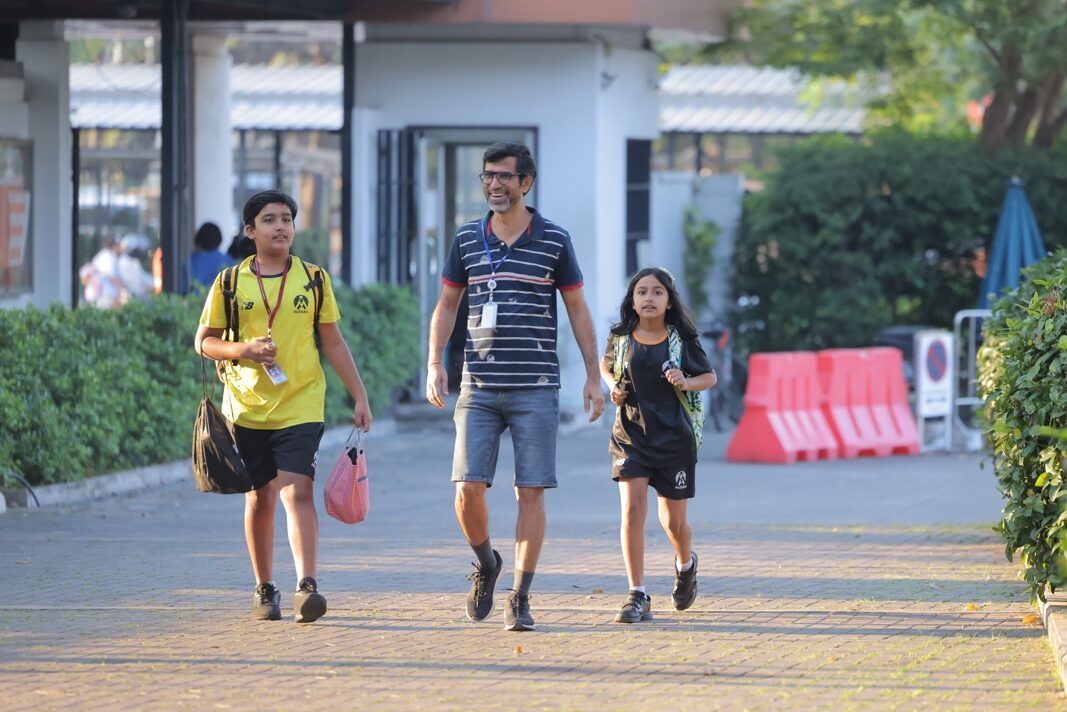
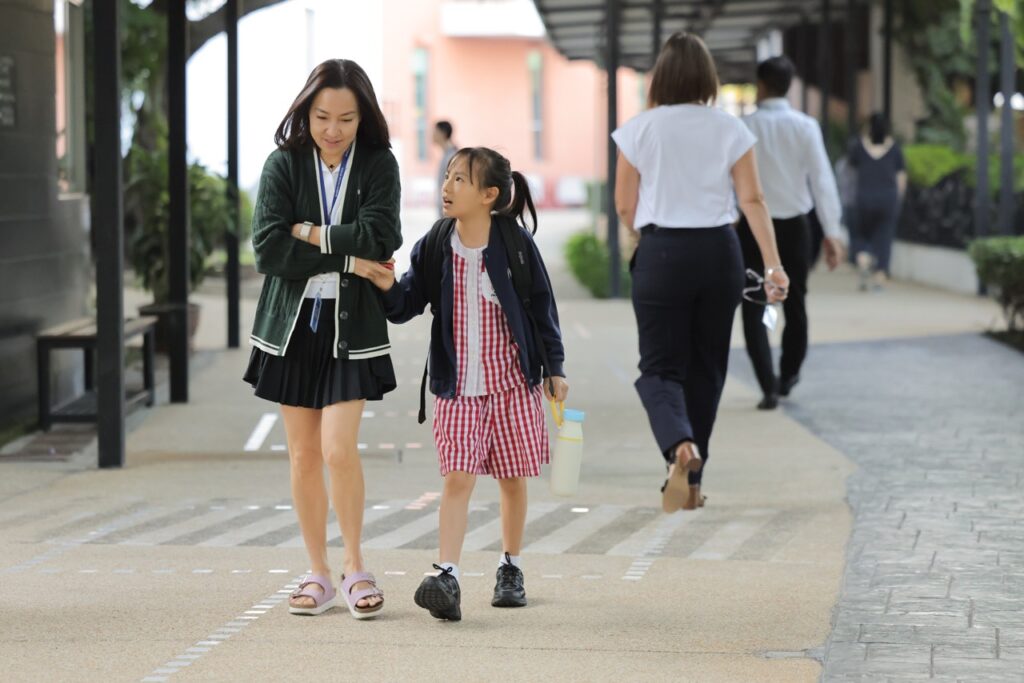
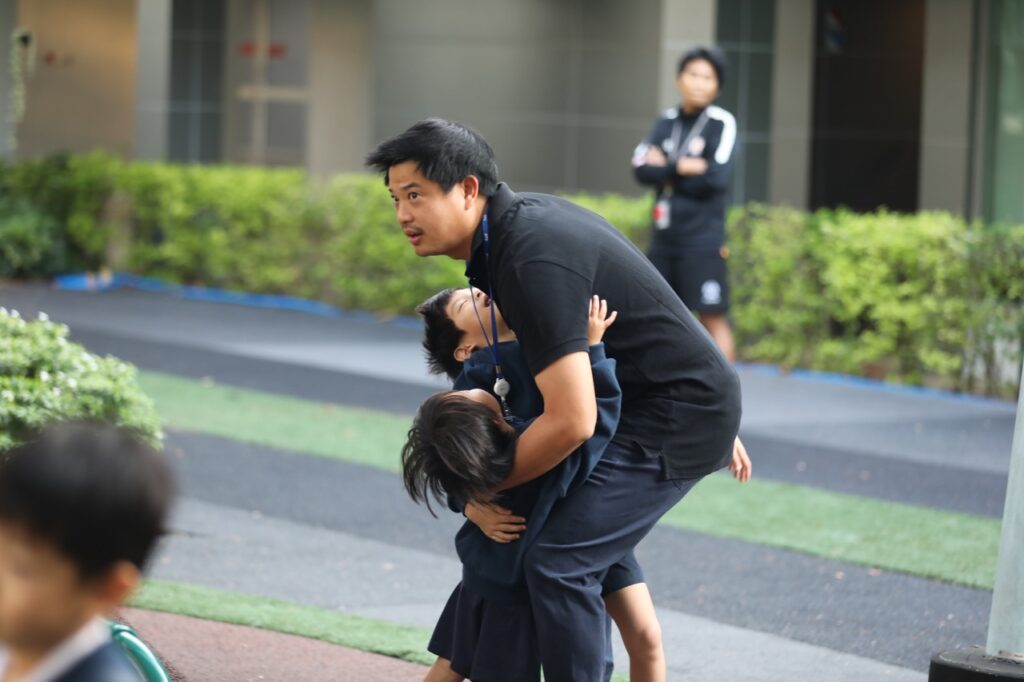
The school gates, communal pathways and social areas for parents are a celebrated and enjoyable part of our school life, they are also spaces where children are learning by watching adults around them.

We have an opportunity to act collectively in these spaces through small, visible choices that will help young people observe and adopt healthy tech habits.

Whilst Australia’s regulation of social media apps has started the global debate, our self-awareness and shared modelling of adult habits will give children the best chance to thrive in a digital world.
How?

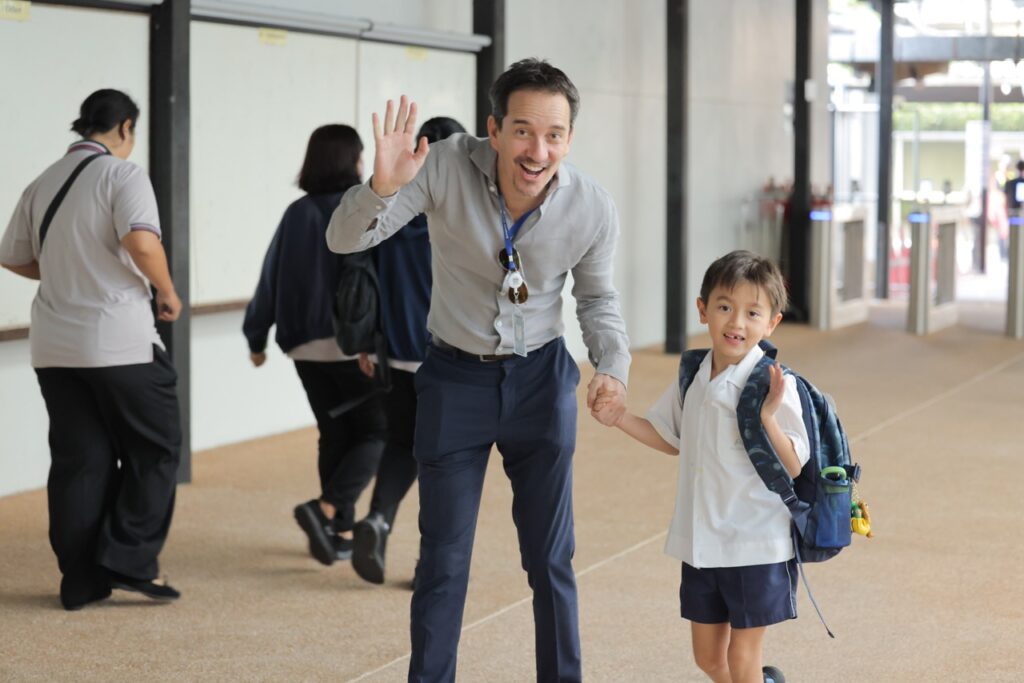
To help make this effective, join this term’s challenge as a parent, staff member or older student by modelling the following consistently around school:  

Habit 1: Phones away between the car park and the classroom.

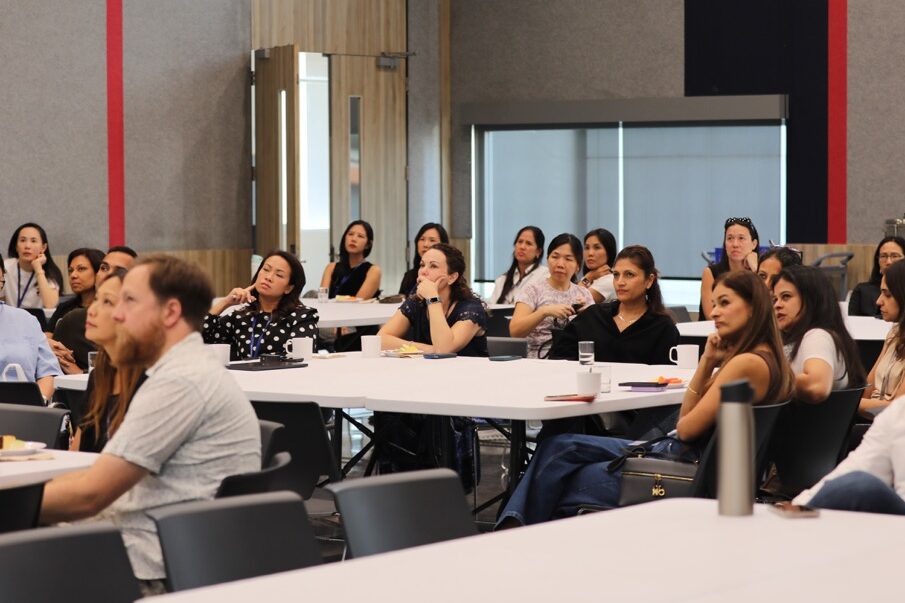
Habit 2: Phones away at school gatherings and meetings (Listen carefully to the person leading the event if taking photos on your personal device is permitted).
Tips for success

You can apply these ‘create’ principles to any new year resolution you have made this January and best of all, it uses our human superpower of creativity:

Create a cue so that the new behaviour has a clear trigger“When I leave the car, I leave my phone behind or put it in my bag”
Create a positive ritual“When I’m with others, I keep my phone in my phone bag so I’m not disturbed or distracted”

Create phrases to consolidate“Greeting first, notifications later”
“Conversations over clicks”
Create swaps which are variedWalking with each other, swap the challenge from scrolling to story-telling:
– name three things you’re looking forward to today
– surprise somebody by a warm smile;
-can you make the a new connection for three days in a row with a new person
-learn and use a new greeting in another language every day for a week
-notice and describe an act of kindness around you

Create different immersion

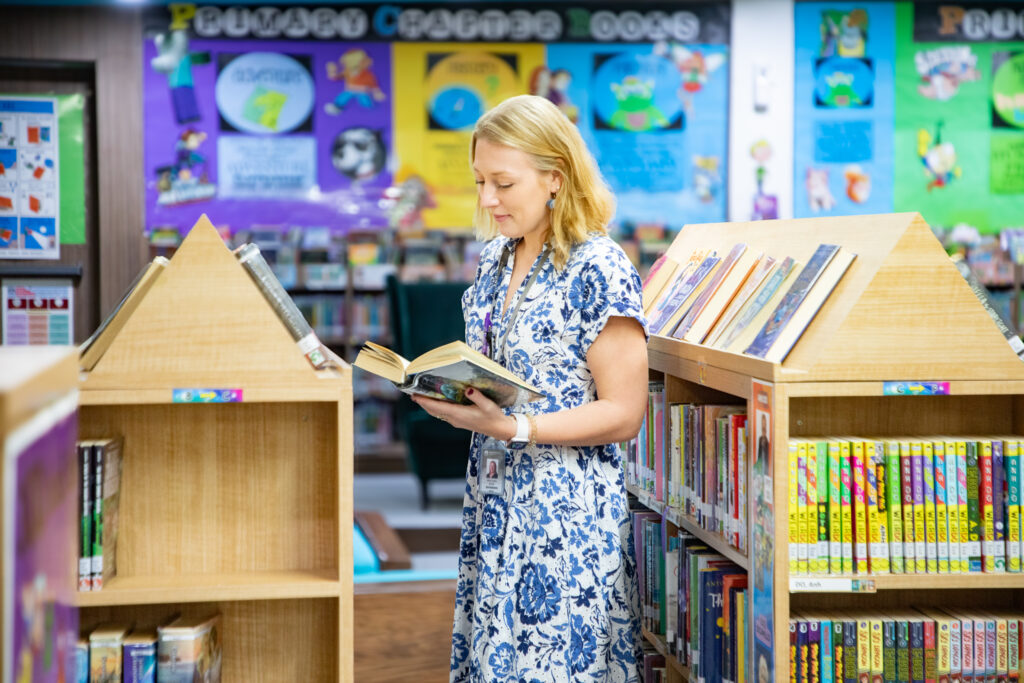
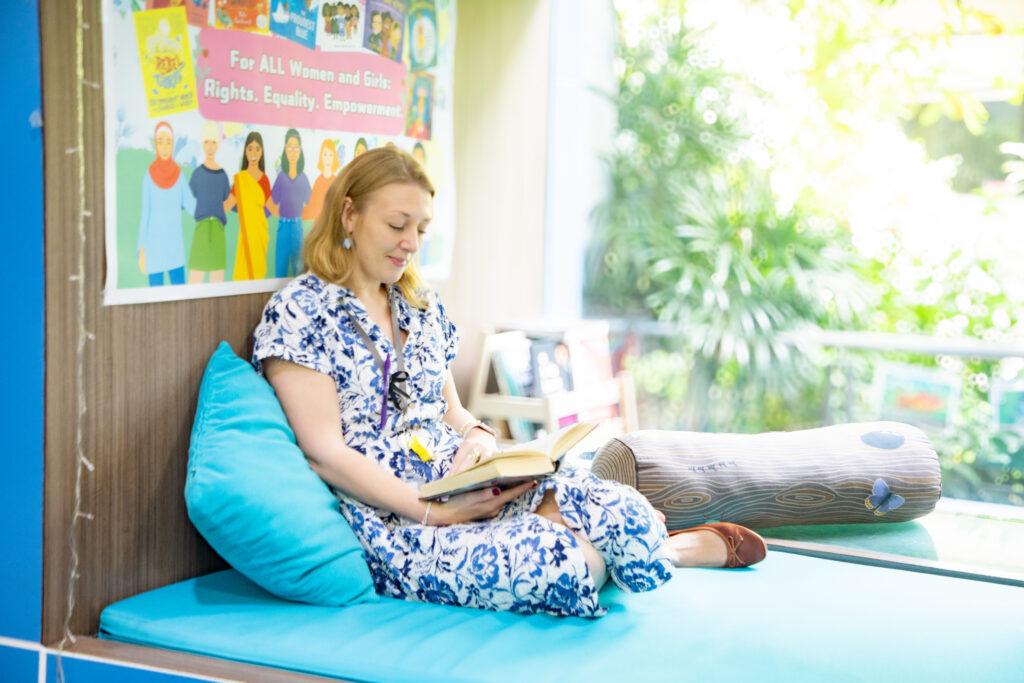
If you are waiting in the dining areas, release yourself from the algorithm and read from a book you have borrowed from the library.
Create the story of the dayDuring school pick up, connect with a new person you haven’t met before.

On the way back to the car, create the story of the day with your child:
– “What made you curious today?”
– “If today were a story, what would the title be? And what else is there about that title?”
– “If you could draw your day in colours, which colours would you use for each part?”
– “If your day had a soundtrack, what songs would play at different times?”
– “If tomorrow were a sequel, what would you want to happen next?”

If you nominate other adults to do the school run, take a moment to explain this to them when they are in school. As always, look forward to connecting with you this term. Happy New 2026!
Share This Article

In this Issue

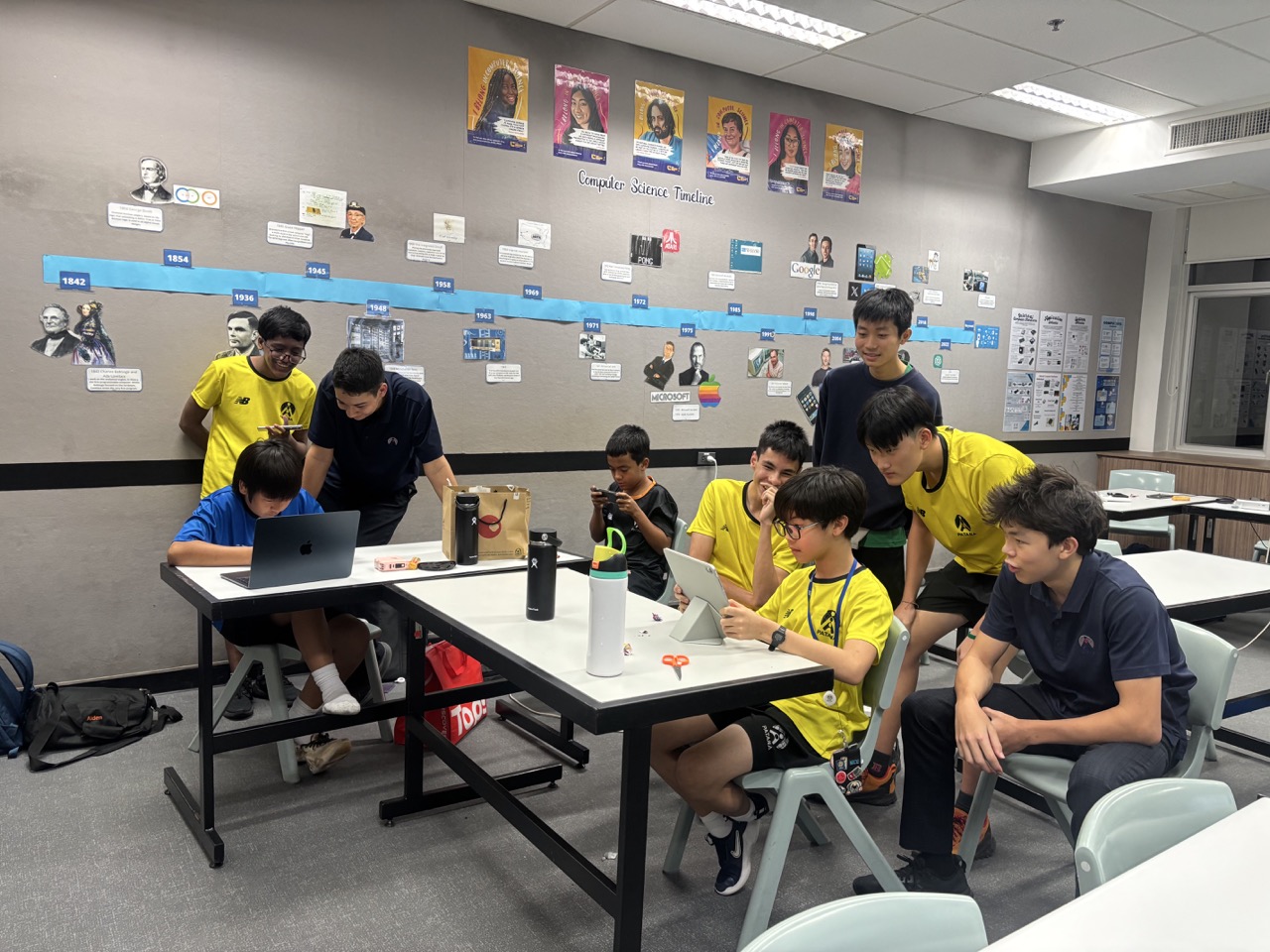
Bangkok Patana Triumphs in Inter-School Brawl Stars Tournament

By Ho Yuen (Aiden) Choi

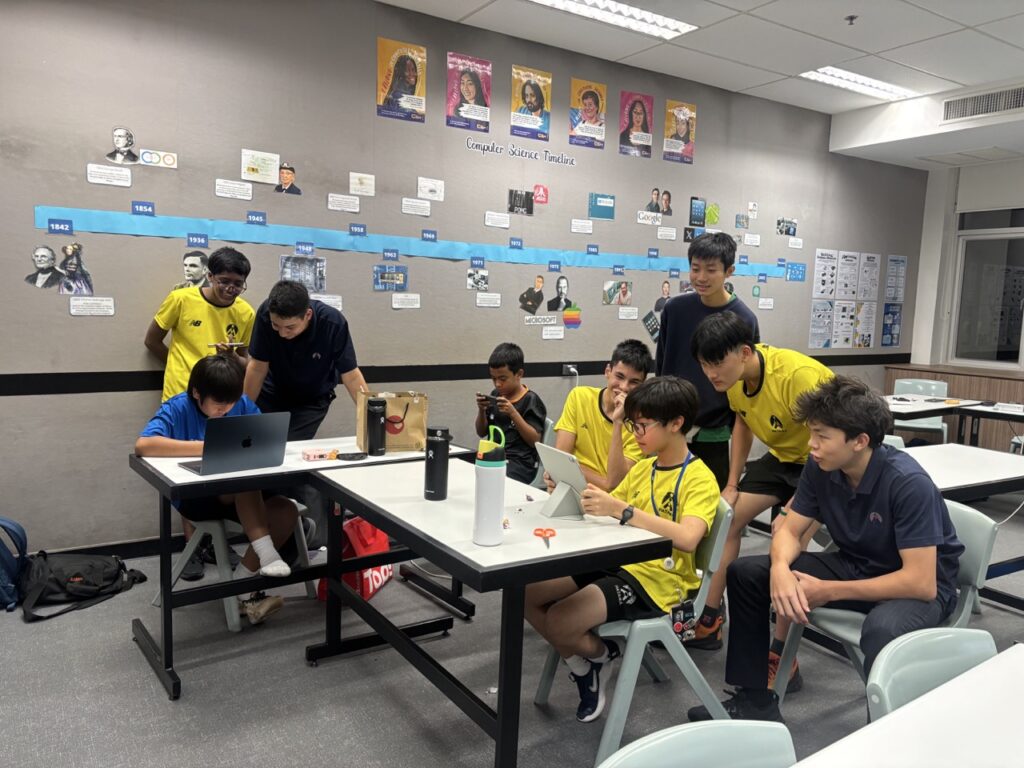
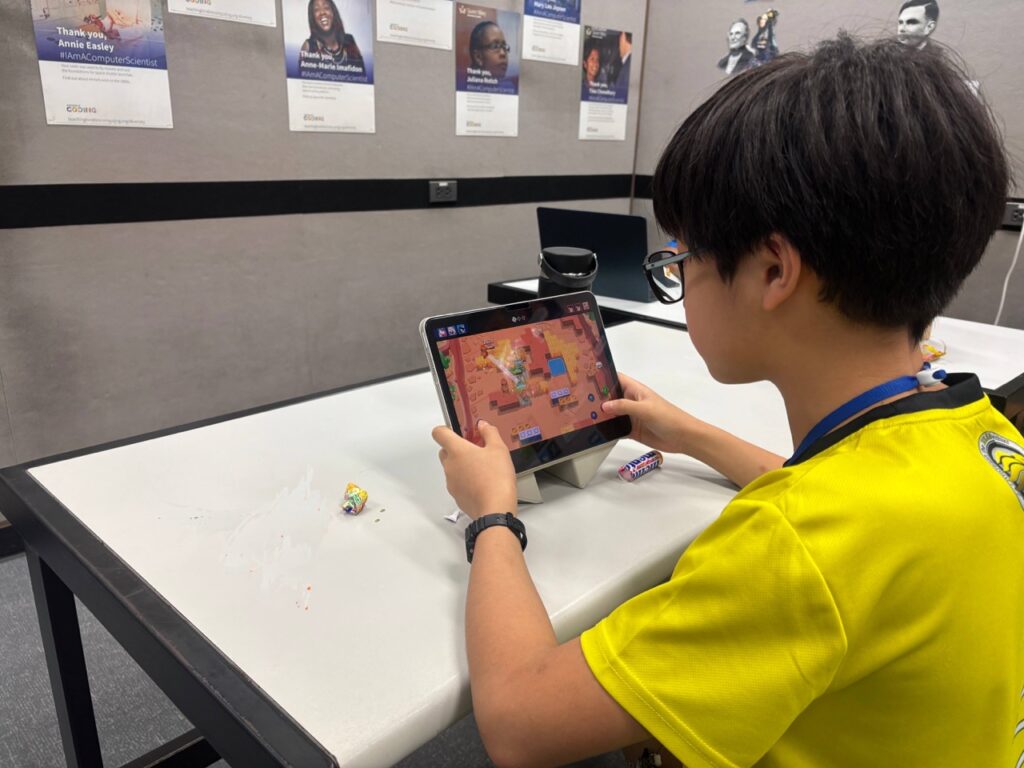
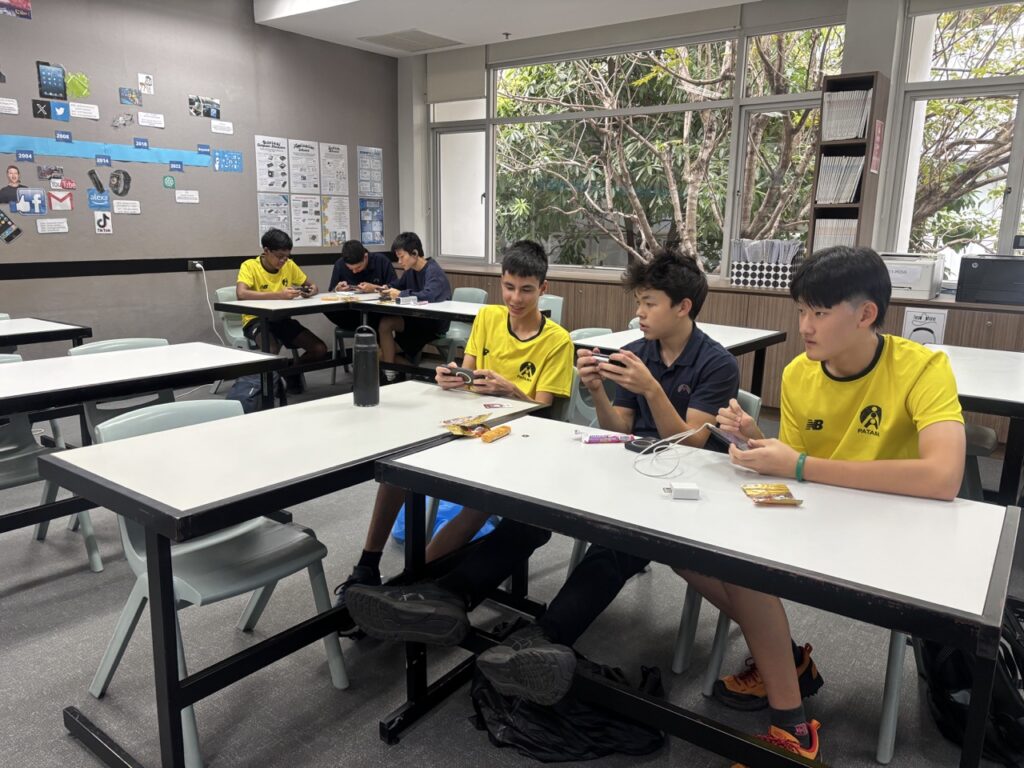
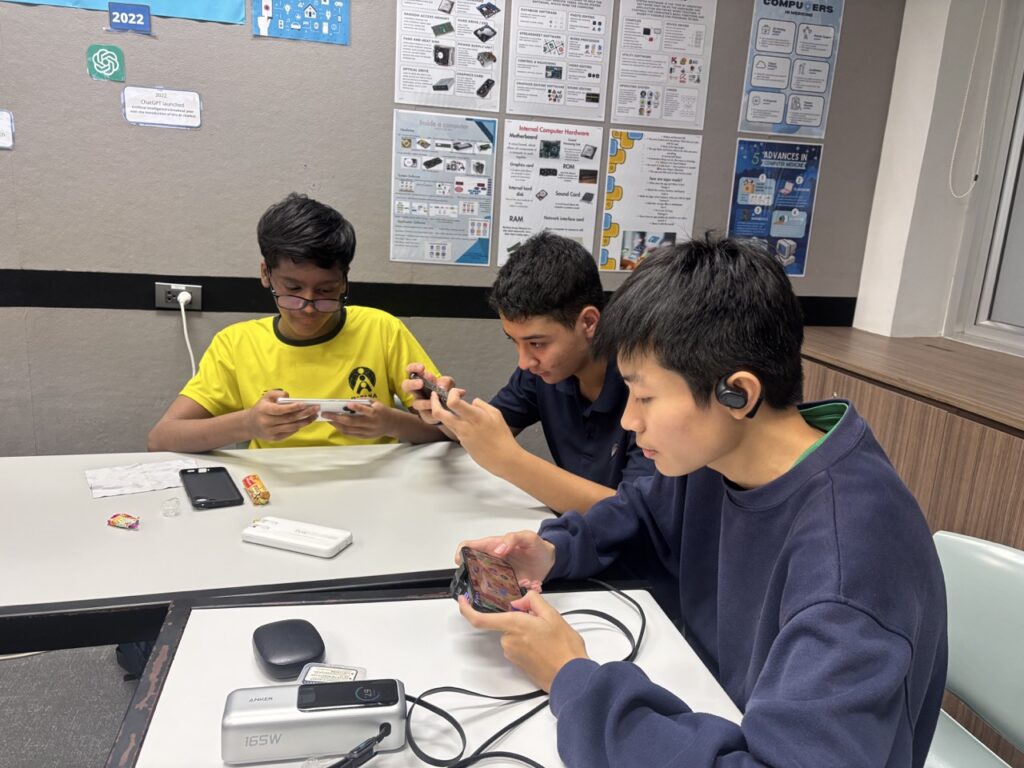
On November 20th, Bangkok Patana School participated in the first International Schools Esports League Thailand (ISELTS) event – an inter-school Brawl Stars Tournament, organised by Daigon Esports, Teems and FOBISIA. With three teams representing our school, the event became a celebration of both competition and camaraderie.

What is Brawl Stars?

Brawl Stars is a fast-paced online multiplayer game developed by Supercell. Players compete in teams across different maps and modes, using unique characters called “brawlers,” each with their own abilities. The game emphasises strategy, teamwork, and quick decision-making, making it a popular choice for esports competitions worldwide.

Tournament Structure

Each round of the tournament was played in a best-of-three format, with teams alternating map choices and a final deciding match set on a neutral battleground. This structure ensured that success depended not only on individual talent but also on adaptability and collective strategy.

Bangkok Patana’s Success

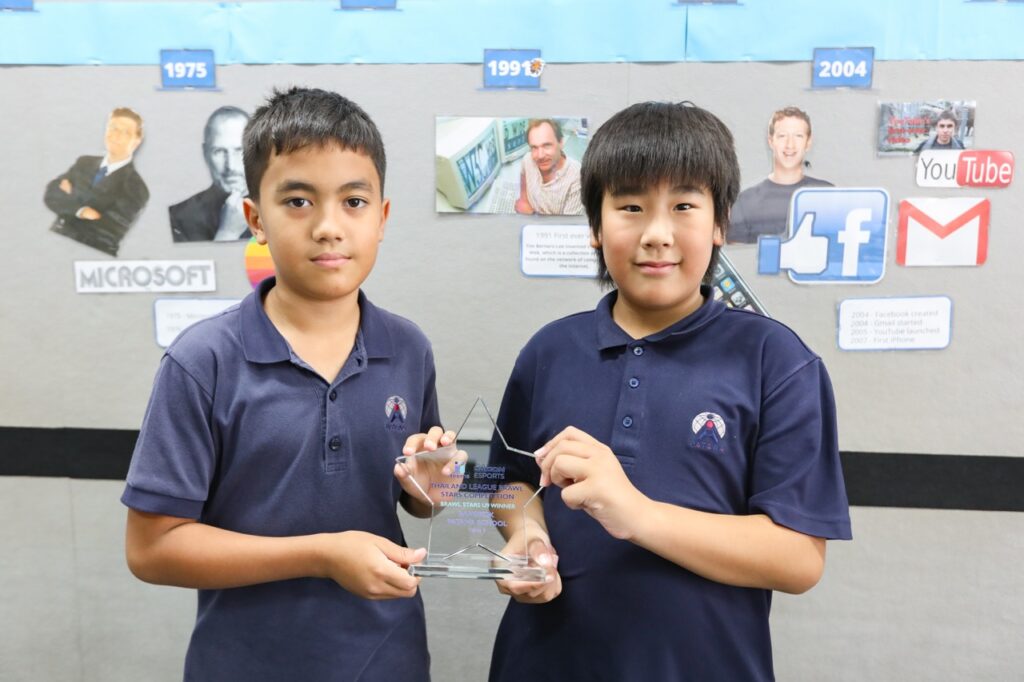
• Bangkok Patana 3 (Under Year 8 Division):

As a Year 7 team competing in the Under Year 8 category, we faced strong opponents and even dropped one early round against a high-ranking team. However, we regrouped and advanced to the semi-finals, where we won convincingly. In the finals, our strategy and teamwork carried us to a decisive victory, earning us the Under Year 8 championship.

“The win was just a moment, the hard work behind it is what really matters.” – Panuphon Tangburanakij

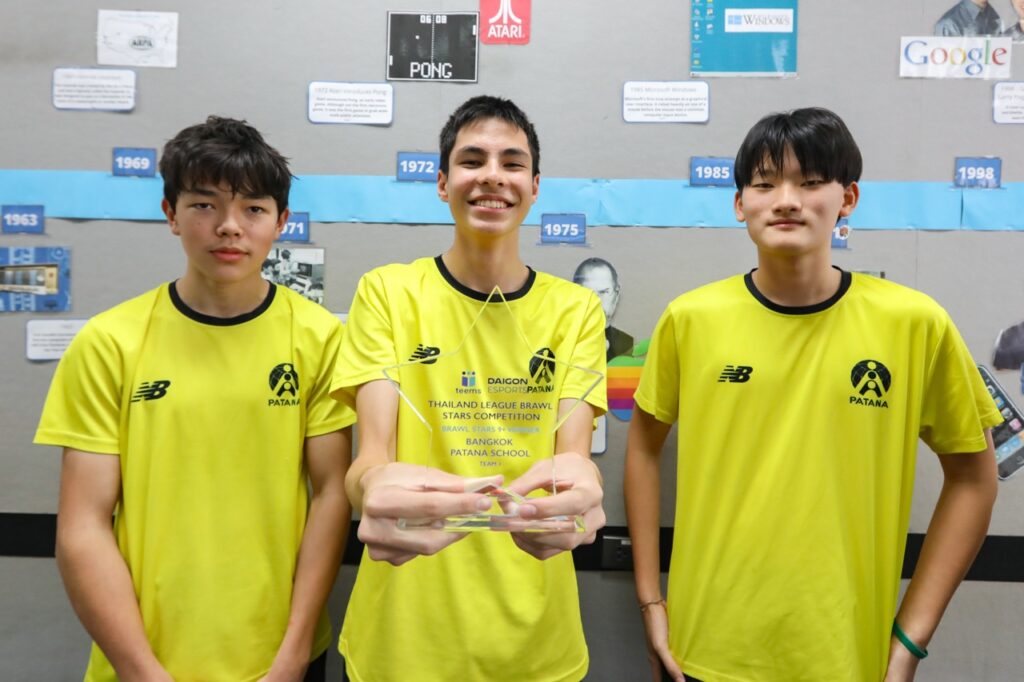
• Bangkok Patana 1 (Year 9+ Division):

Our Senior team showed equal determination, battling through their bracket and emerging victorious to claim the Year 9+ title.

“The competition was fierce, but we gave our best effort in every match and came out on top. This event was an amazing opportunity that allowed us to experience a professional setting and gain valuable memories, and we are incredibly grateful for the support.” – Yuanheng (Diego) Yang

• Bangkok Patana 2 (Year 9+ Division):

While not taking home a trophy, their participation added depth to our representation and strengthened the collective spirit of the school.

Spirit and Atmosphere

What made the tournament truly memorable was the support between Patana teams. We cheered each other on, celebrated victories together and turned the competition into a shared achievement.

Share This Article

In this Issue

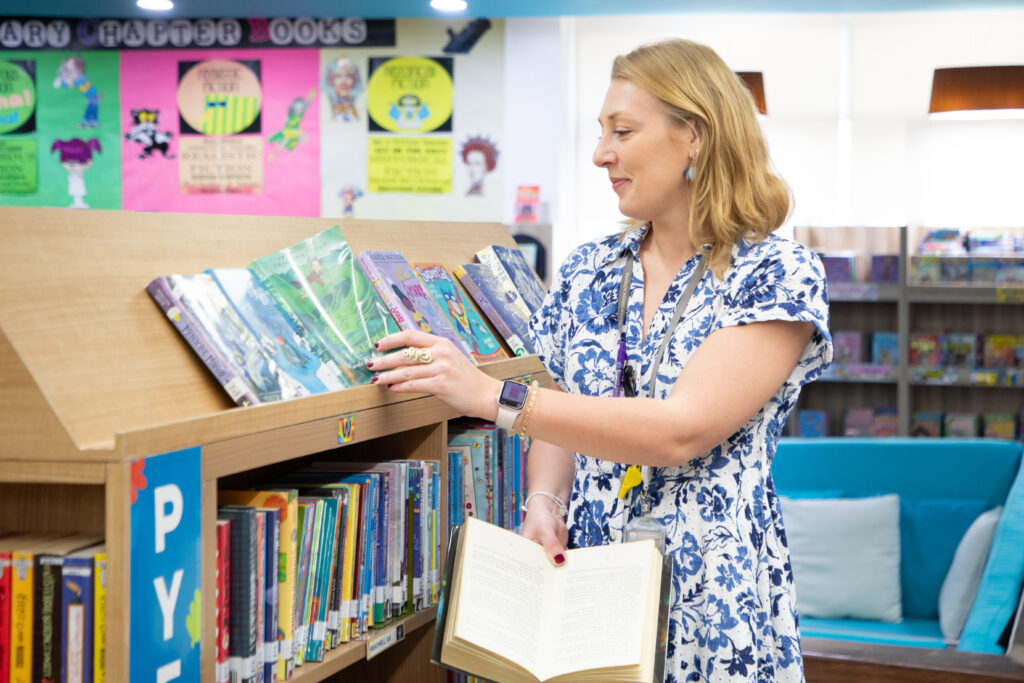
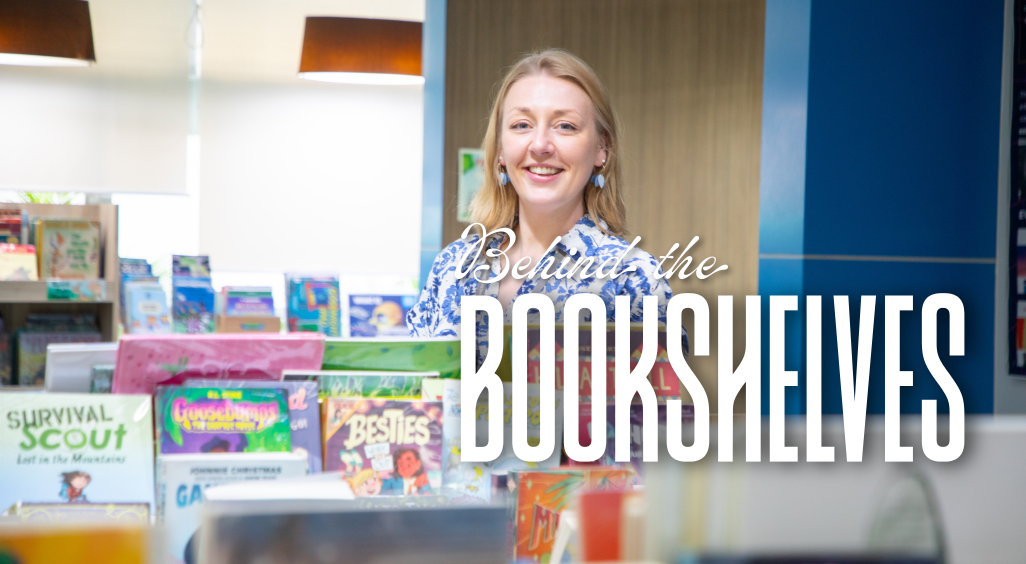
Behind the Bookshelves

What book do you recommend and why?  

‘A Little Life’ by Hanya Yanagihara
I read this last summer after someone recommended it to me. Here’s the synopsis from Good Reads: ‘It’s about four classmates who move to New York to make their way. Over the decades, their relationships deepen and darken, tinged by addiction, success, and pride. Yet their greatest challenge, each comes to realize, is Jude himself, troubled by a childhood of trauma.”
I found this story moving and thought provoking, and it has stuck in my mind since!


What podcast do you recommend we listen to and why?

Modern Wisdom by Chris Williamson. A series of interesting topics and lessons about life, discussed by Chris and a range of guests from around the world. This podcast has taught me a lot in the past few years!

Where do you work/teach? 

I’m Alice Leslie in Primary School and I teach Year 5 students.

Share This Article

In this Issue

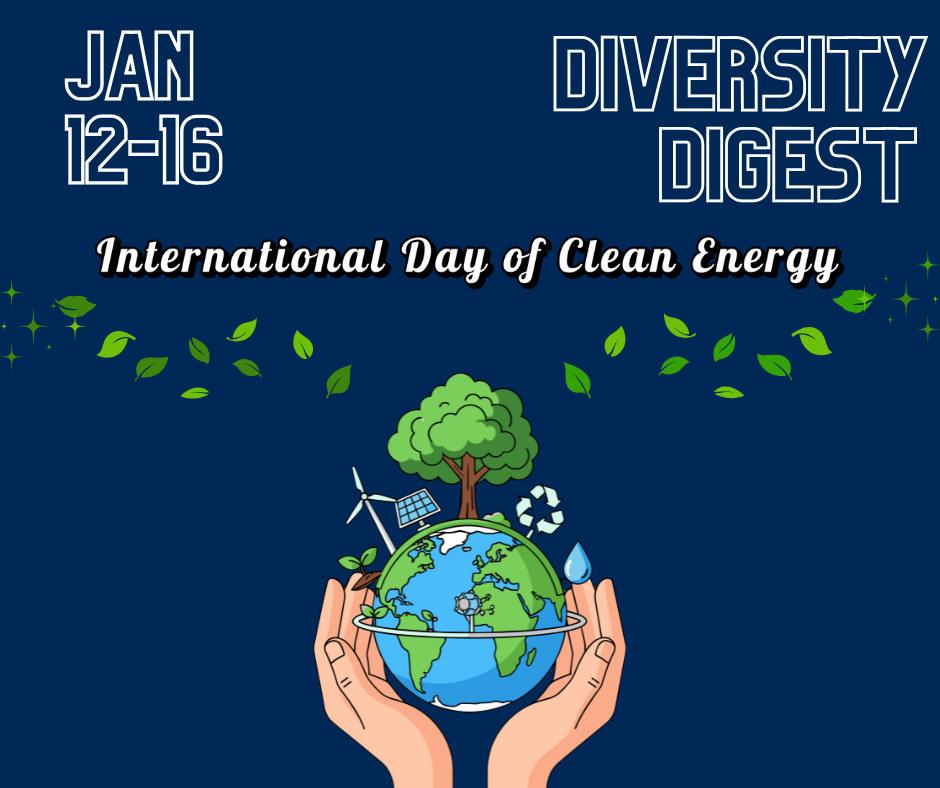
Diversity Digest: International Day of Clean Energy

Diversity Digest is a weekly reflection written by staff from different areas of our school

The International Day of Clean Energy offers a timely moment for the Patana community to reflect on our role in shaping a more sustainable future. Clean energy is central to global efforts to reduce carbon emissions; yet it is also deeply connected to the values we uphold as a school that champions responsibility, innovation and global citizenship.

Across campus, our students are already engaging with questions about climate, sustainability and the future of energy. Days like this give us a chance to build on that curiosity; to help them understand not only the science behind clean energy but the wider impac of the choices we make as individuals and as a school.

But clean energy is only part of the story. Before we opt for renewable sources, we need to ask: how much energy are we using in the first place? The principle of “reduce, reuse, recycle” starts with reduction; and that applies to energy too. According to the International Energy Agency, air conditioning alone accounts for 7% of global electricity use and 3% of carbon emissions. That statistic invites some challenging but important questions:

  • Do we always need to cool spaces as much as we do?
  • Could we adjust temperature settings or use natural ventilation more often?
  • How might small changes in our habits, such as turning off unused lights or unplugging devices, add up across a large campus?

From modelling energy-conscious behaviours in classrooms to supporting inquiry and discussion, every small step helps build a culture that values sustainability. Many of our current projects, from environmental learning tom student-led initiatives, already contribute to this work; this day simply reminds us how powerful collective action can be.

Thank you for the part you play. By keeping sustainability visible in our teaching, our conversations and our daily routines, we help our students see that a cleaner, fairer future is possible; and that they have a role in leading it.

Share This Article

In this Issue

Foodie Fun

Share This Article

In this Issue

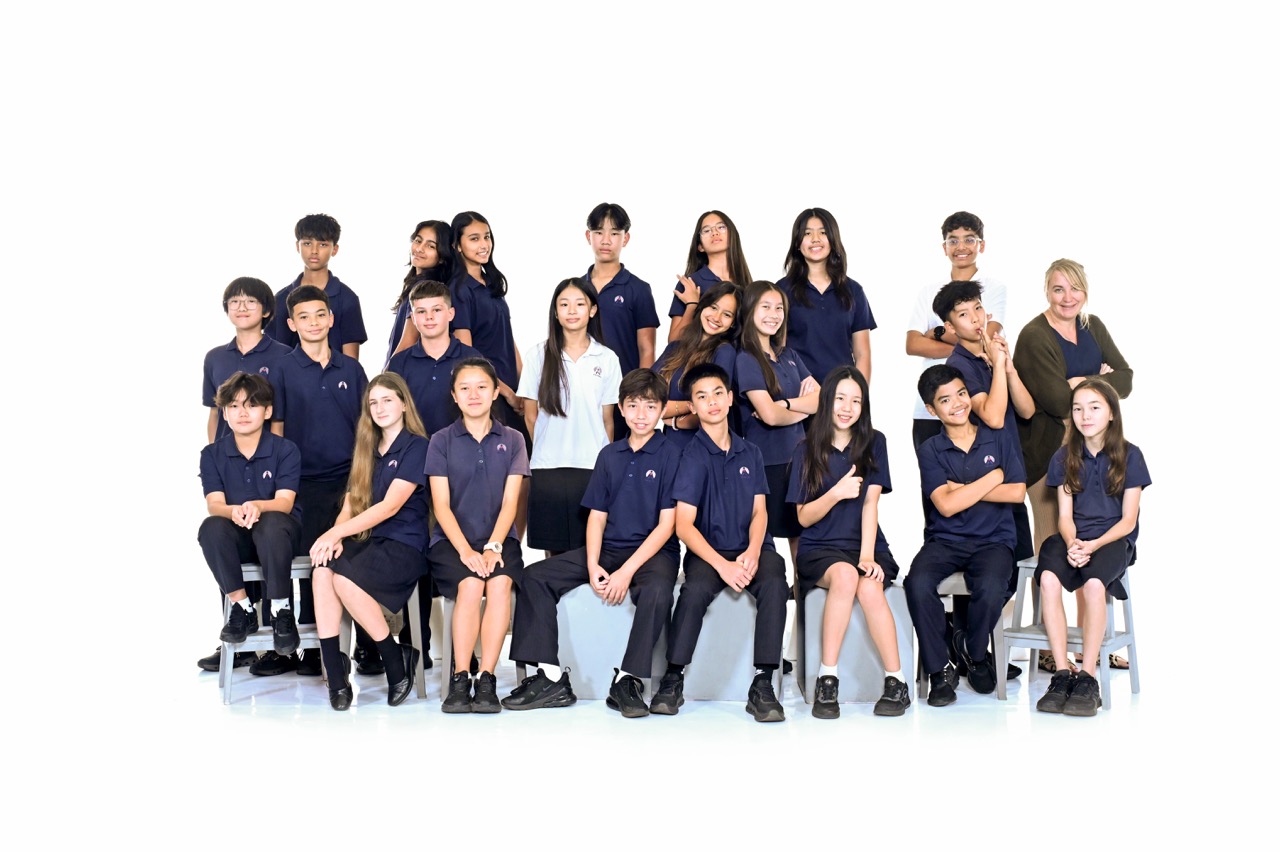
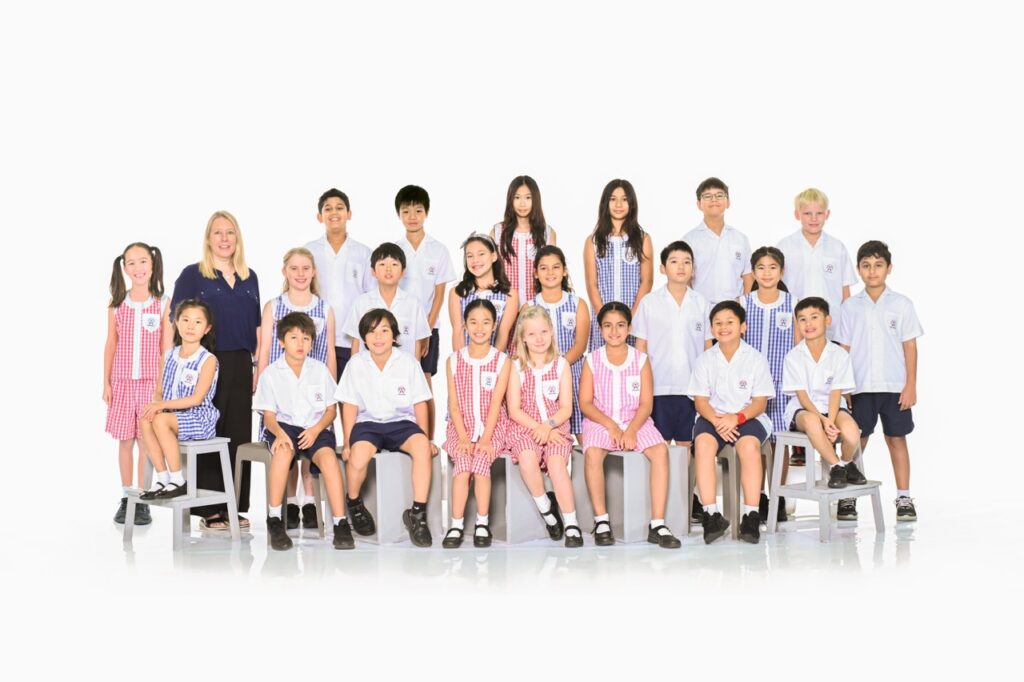
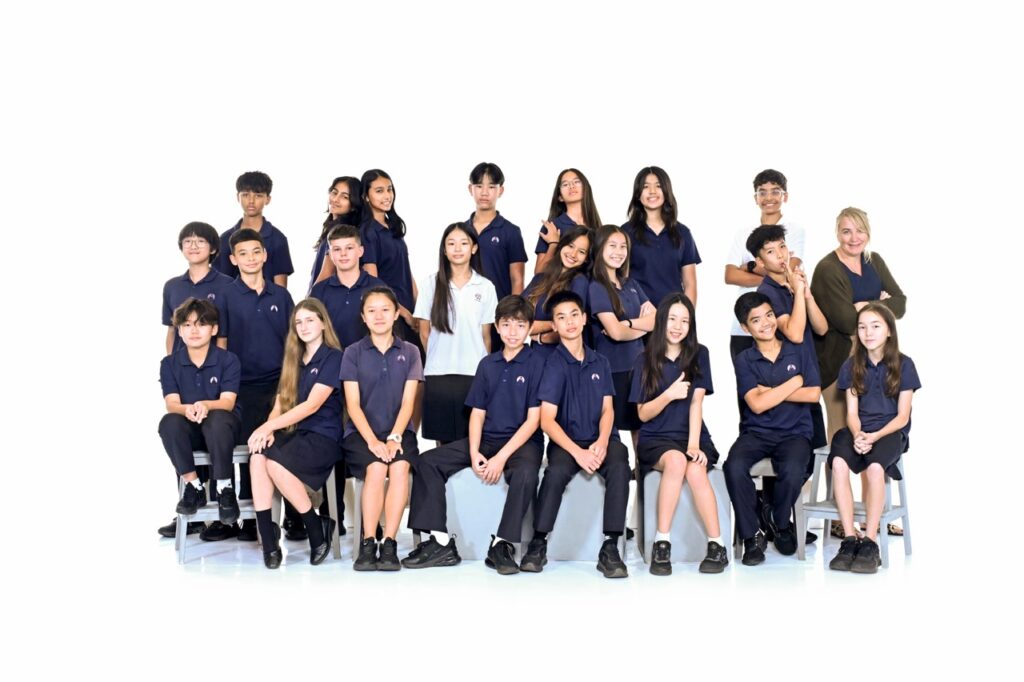
School Photos and Family Portraits


Year 1 – Year 6 photos: 19th – 23rd January;
Foundation Stage photos: 5th – 6th February;
Secondary School photos: 29th January – 6th February

This year school photos will be taken by Sunshine Photos. Under the agreement, all photos will be stored by Sunshine for 1 year and then the files will be deleted to comply with PDPA guidelines. Sunshine offers a large variety of products, which they will detail when the student proofs are sent home.

School photos taken in Term 2 will be used on all school databases and on report cards, etc. from Term 3 of this academic year through to the end of Term 2 of the next academic year.

CLASS AND INDIVIDUAL PHOTOS

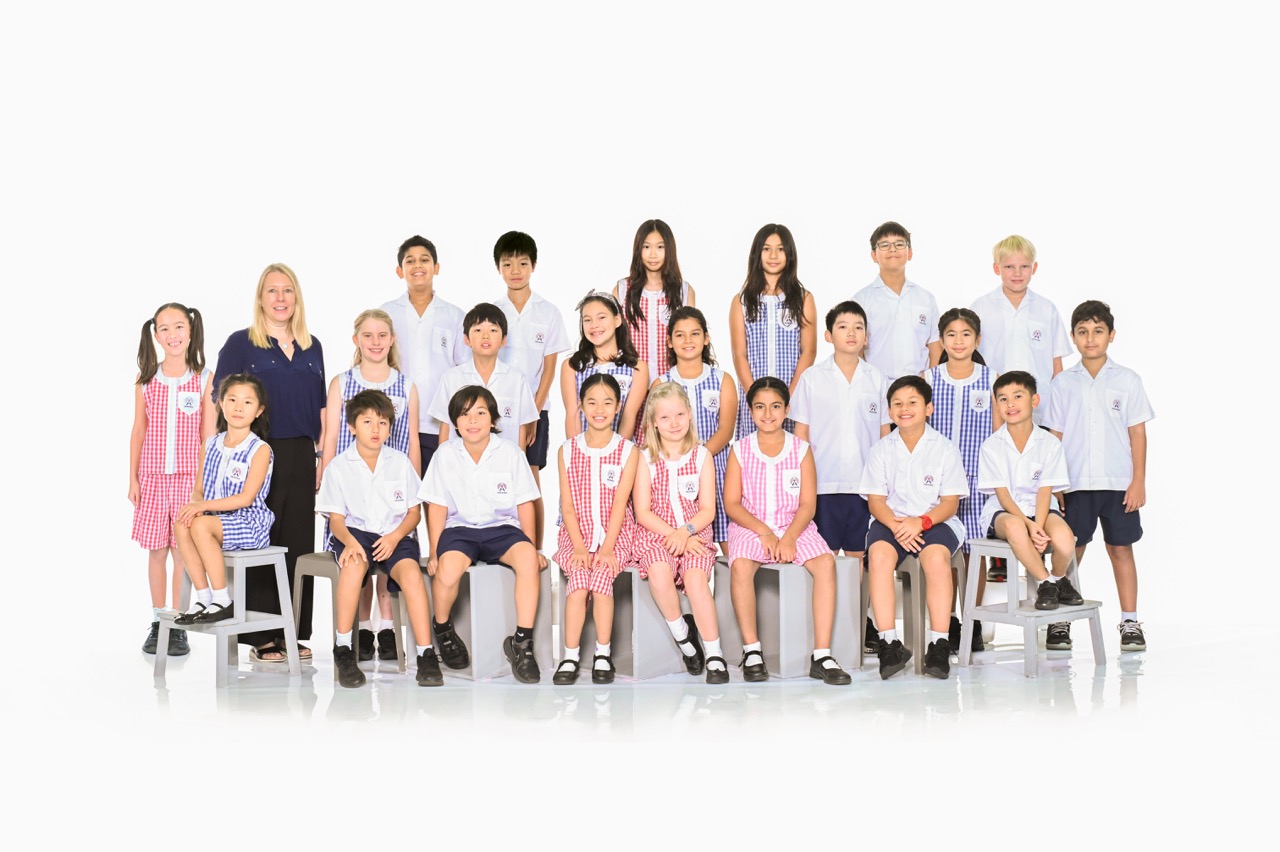
Your child’s class teacher/tutor will let the students know when their class photo is scheduled. Class photos are taken with students and their teachers, parents are not allowed into the photo room.

If your child misses their class photo, they will not be digitally added into the group photo. In the Yearbook, we will add a separate photo of the missing child beside the group photo.

WHAT IF MY CHILD IS SICK ON THEIR PHOTO DAY?

If you know ahead of time that your child will not be present for their photo, please inform their class teacher/ tutor.

Primary: If your child misses their photo day, please contact their class teacher to ensure your child goes to the photo location within 23rd January to have their individual photos taken. No appointment is necessary during school hours. The student will need to show their Patana card (Years 3 – 13), or be accompanied by an adult.

Secondary: Students should head to the CON 420 to have their photo taken, immediately upon returning to school between 29th January – 6th February. No appointment is necessary. They should have their Patana card with them.

Catch Up Day: A catch-up day will be scheduled and communicated via the Secondary Daily Notices and Primary Class Teachers. The catch-up day will only be for individual photos, not for groups. Students who were unable to get their photo taken during the two initial weeks of scheduled school photos, should get their photo taken on this day.

CAN WE HAVE A FAMILY PHOTO TAKEN?

Appointments for family photos can be requested by filling this form. Requests will be considered on a first come first serve basis.

QUESTIONS?

Email: publish@patana.ac.th

Share This Article

In this Issue

School Photos and Family Portraits


Secondary School photos: 29th January – 6th February;
Foundation Stage photos: 5th – 6th February

This year school photos will be taken by Sunshine Photos. Under the agreement, all photos will be stored by Sunshine for 1 year and then the files will be deleted to comply with PDPA guidelines. Sunshine offers a large variety of products, which they will detail when the student proofs are sent home.

School photos taken in Term 2 will be used on all school databases and on report cards, etc. from Term 3 of this academic year through to the end of Term 2 of the next academic year.

CLASS AND INDIVIDUAL PHOTOS

Your child’s class teacher/tutor will let the students know when their class photo is scheduled. Class photos are taken with students and their teachers, parents are not allowed into the photo room.

If your child misses their class photo, they will not be digitally added into the group photo. In the Yearbook, we will add a separate photo of the missing child beside the group photo.

WHAT IF MY CHILD IS SICK ON THEIR PHOTO DAY?

If you know ahead of time that your child will not be present for their photo, please inform their class teacher/ tutor.

Primary: If your child misses their photo day, please contact their class teacher to ensure your child goes to the photo location within 23rd January to have their individual photos taken. No appointment is necessary during school hours. The student will need to show their Patana card (Years 3 – 13), or be accompanied by an adult.

Secondary: Students should head to the CON 420 to have their photo taken, immediately upon returning to school between 29th January – 6th February. No appointment is necessary. They should have their Patana card with them.

Catch Up Day: A catch-up day will be scheduled and communicated via the Secondary Daily Notices and Primary Class Teachers. The catch-up day will only be for individual photos, not for groups. Students who were unable to get their photo taken during the two initial weeks of scheduled school photos, should get their photo taken on this day.

CAN WE HAVE A FAMILY PHOTO TAKEN?

Appointments for family photos can be requested by filling this form. Requests will be considered on a first come first serve basis.

QUESTIONS?

Email: publish@patana.ac.th

Share This Article

In this Issue

Transport Corner: HEPA filters on our School Buses

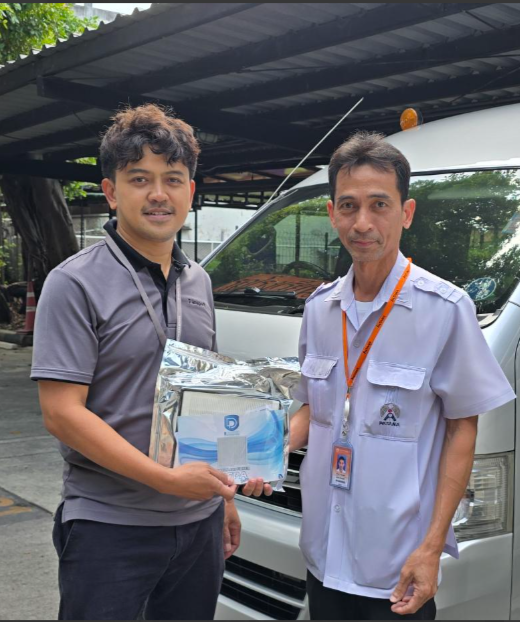
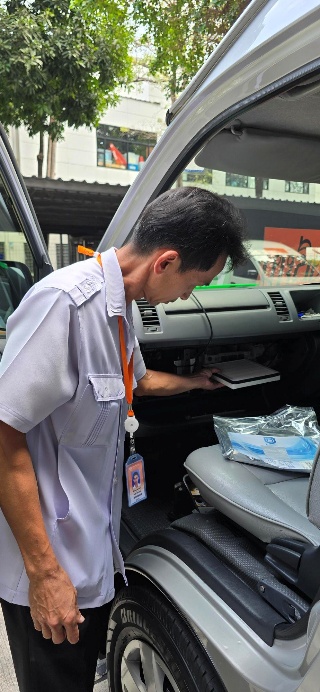
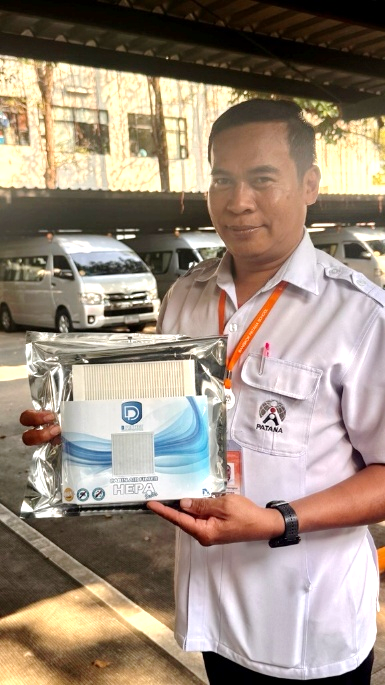
In response to PM2.5 air quality concerns, all school buses are now equipped with HEPA air-filter systems inside the cabin. This enhancement helps improve air quality and provides an added layer of protection for students during their daily journey.

Our Transport Department remains proactive in monitoring environmental conditions and is dedicated to ensuring a safe, healthy and comfortable travel experience for every student.

Contact the Transport Information Office:

Line Official: 

Phone:  +66 (0) 2785 2470 (direct line) 

Email: transport@patana.ac.th

Share This Article

In this Issue

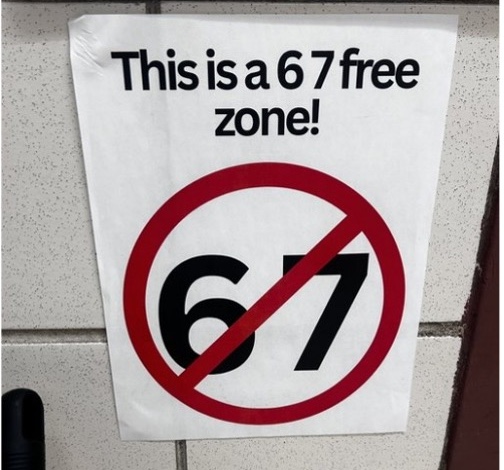
Tech Tips #313: Decoding The 6‑7 Meme Kids Loved (and Adults Didn’t Get)

Brian Taylor, Vice Principal, Technology for Learning

 Image courtesy of https://x.com/FootprintzGroup/status/2000678132727021938?s=20

Over the past year, one of the biggest child‑led trends to sweep through schools and social media was the “6‑7” craze. If you missed it, “6‑7” (spoken as “six seven”) is a nonsense phrase paired with a simple hand gesture. It has no fixed meaning, but it appeared in thousands of videos and quickly became part of playground culture around the world. Children shouted it in classrooms, used it at sports events, and repeated it online with enthusiasm that puzzled many adults.

Researchers who study children’s media and play suggest that trends like 6‑7 are not new. They are part of a long tradition of children inventing secret languages, inside jokes and playful gestures. From Pig Latin to clapping games and doodles passed through generations, children have always created shared “codes” that feel separate from adult life. These activities give young people a sense of belonging, independence and fun during their tightly structured school days.

The appeal of 6‑7 lay in its simplicity. Anyone could join in. It spread easily between children, across languages and even into online worlds like Roblox. Deaf children took part using sign language. Because it seemed meaningless to adults, children enjoyed the feeling of having something “of their own.” This sometimes caused disruptions. Teachers reported students shouting “6‑7” in lessons, and even restaurants noticed its influence when some jokingly tried to avoid ticket number 67.

Although trends come and go, this example highlights how children use both offline play and digital platforms to socialise, be creative and explore independence. While it may look silly from the outside, these shared moments help children build relationships, develop cultural understanding and experiment with identity in safe, playful ways. Remember, there is a child in all of us!

Have a playful weekend.

Share This Article

In this Issue

Why Child-Led Play Matters

By Meagan Wilson, Year 1 Leader

At Bangkok Patana School, we reflect carefully on how young children learn. Alongside high expectations and a coherent, progressive curriculum, we recognise the central role of child-led play in how children develop understanding, self-regulation, critical thinking, collaboration and a sense of themselves as capable learners.

Our approach to teaching and learning is guided by six universal principles: learning should be relational, responsive, relevant, rigorous, reflective and rooted. We see these principles at work in everyday child-led play.

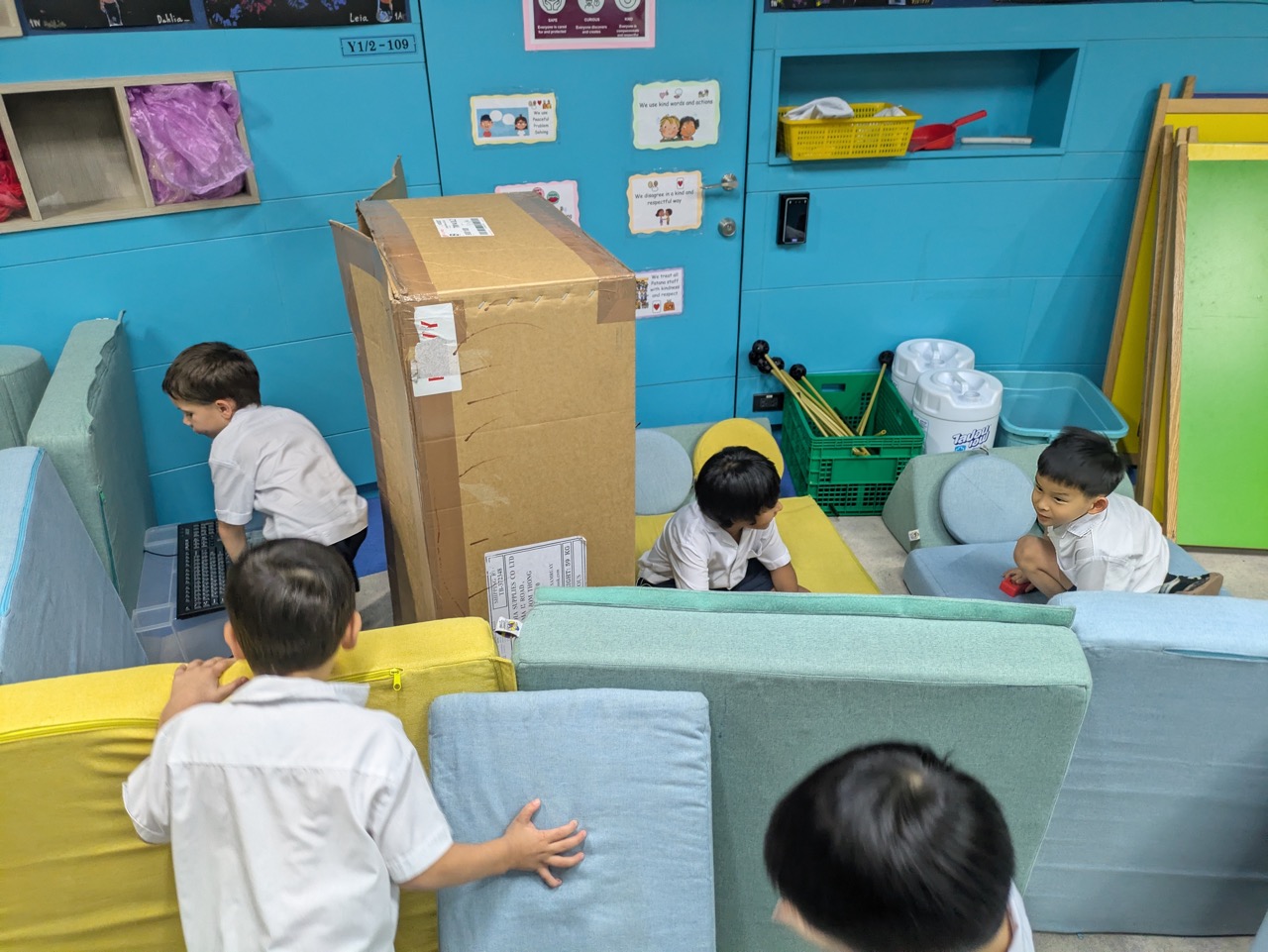
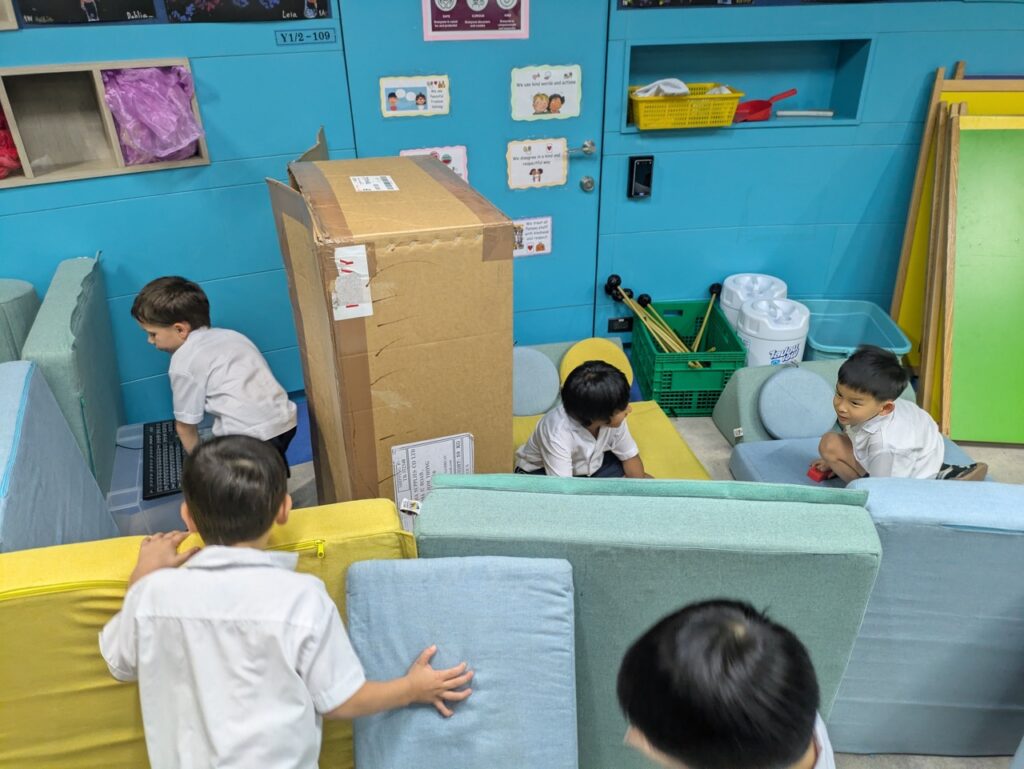
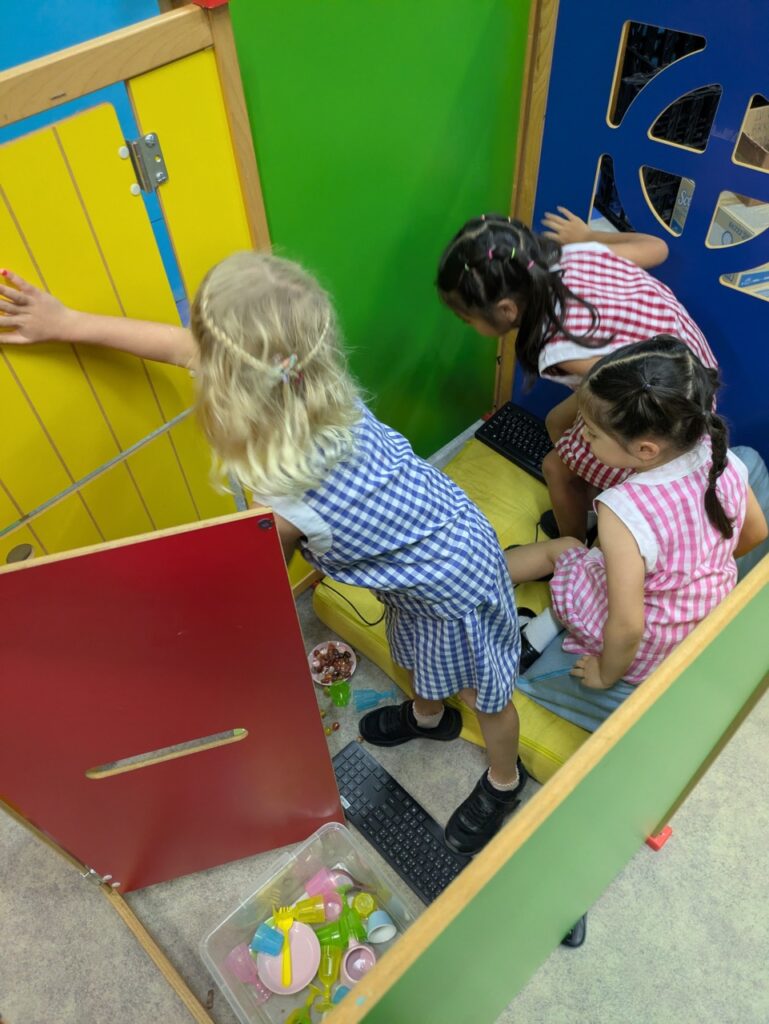
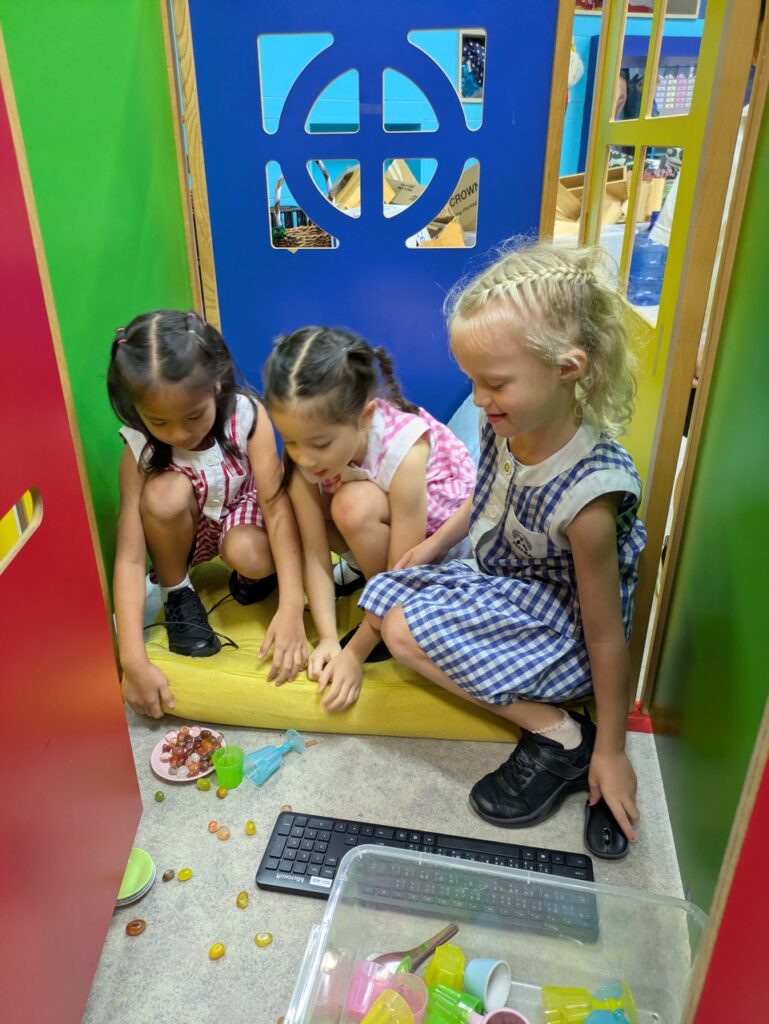
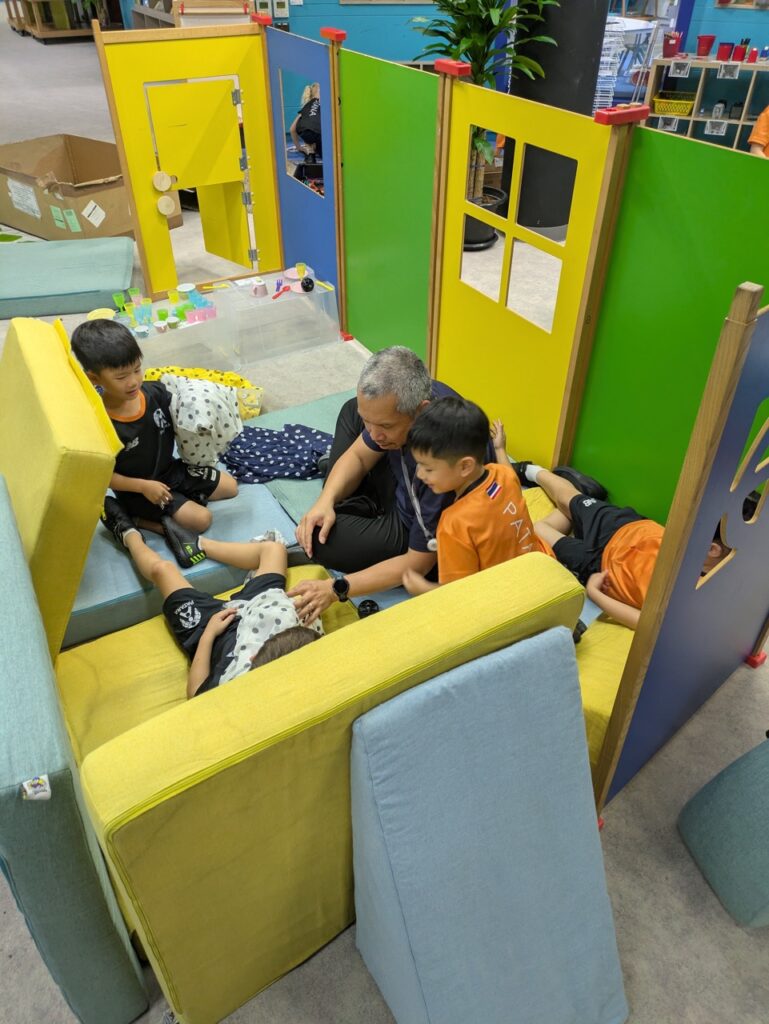
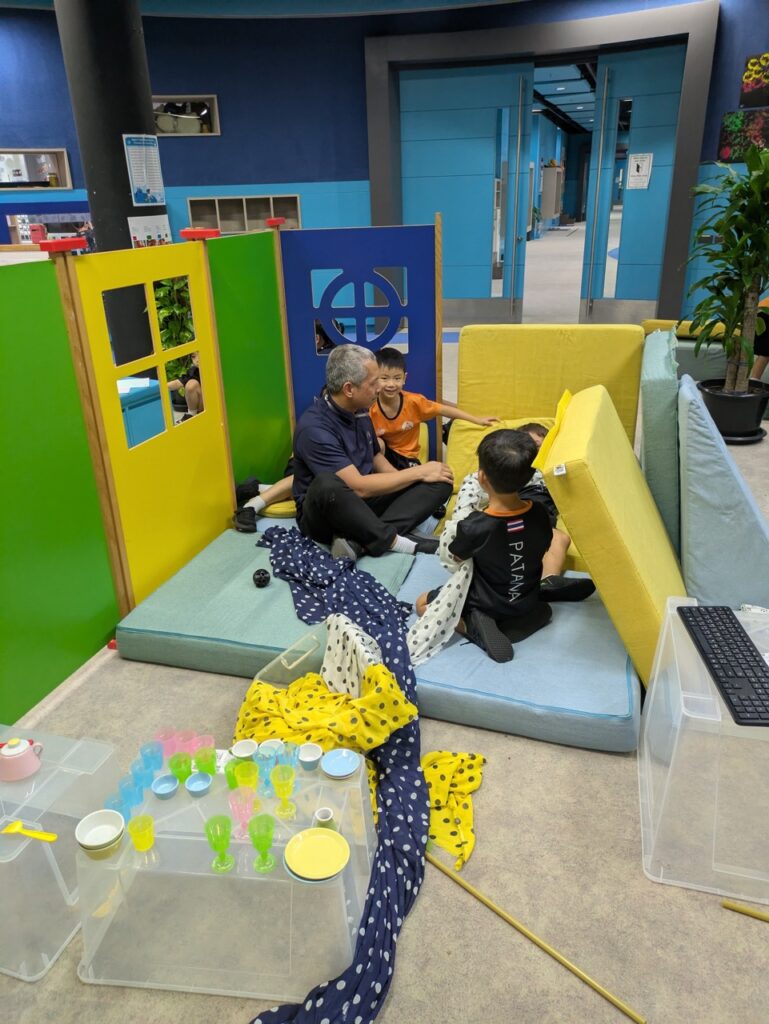
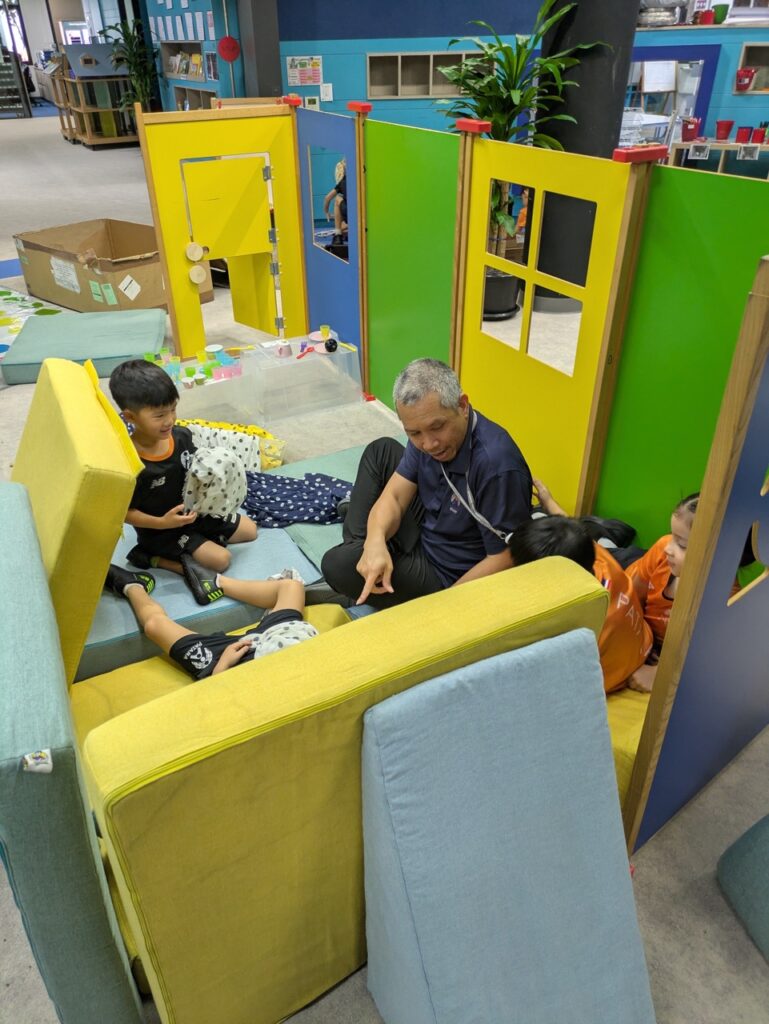
Recently, during child-led play in our Key Stage 1 shared area, a group of children set out to build a shared structure using wooden panels, soft blocks and fabric. They began with a clear idea of what they wanted to create. Before long, the materials challenged them. Panels hinged in unexpected ways, fabric collapsed, and the structure would not hold.

At first, each child tried to solve the problem independently, holding a wall in place, adjusting a block, repositioning themselves. It did not work. The children realised that the problem was not about any one person’s idea, but about how they worked together. As one child observed, “It will not work unless we all hold it.”

The children slowed down and began to work together. They negotiated where to stand or sit, waited while others adjusted their grip, and steadied materials for one another. This time, the structure held.

The moment was a reminder of how much learning depends on relationships. The challenge was not solved through a better technique or clearer plan, but through cooperation and shared responsibility. The children recognised that the problem could not be solved alone. Trust and collaboration were not taught explicitly; they became necessary for the play to continue.

No adult redirected the activity. The children adapted their thinking in response to the materials, the space and one another. Adults listened, observed and supported children in articulating ideas and reflecting on what was happening, while leaving ownership of the problem with the children.

The play mattered to the children because it belonged to them. They were working towards a shared purpose they cared about, rather than an outcome imposed by an adult. This sense of ownership sustained their attention and persistence.

It would be easy to underestimate the level of challenge involved. In reality, the play was cognitively demanding. Children managed spatial reasoning, self-regulation, compromise and sustained focus at the same time. They coordinated bodies, materials and ideas, learning that effort, adjustment and collaboration are part of success.

As the children reassessed and adapted, they reflected on what was working and what was not, drawing conclusions from experience rather than instruction. Over time, this supports the development of learning habits that underpin progress across the curriculum. In child-led play, we see learning that is relational, responsive and rooted in children’s own thinking, while remaining purposeful and intellectually demanding, laying strong foundations for more formal learning as children move through the school.

Share This Article

In this Issue

Year 4 Embarked on a Chocolate Expedition

By Dominique Chandler, Year 4 Leader Curriculum

“Wouldn’t it be amazing if chocolate grew on trees? Well, it does! Wouldn’t it be amazing if I said we were going to make some chocolate? Well, we are! And we’re going to discover even more amazing things about chocolate…”

This big idea sparked an exciting and meaningful learning journey for our Year 4 students at Bangkok Patana School last term, as they explored the curriculum unit on Chocolate. What began with a familiar and much-loved treat quickly unfolded into a rich, connected exploration of people, places and processes, all underpinned by our school values of Well-being, Learning and Global Citizenship.

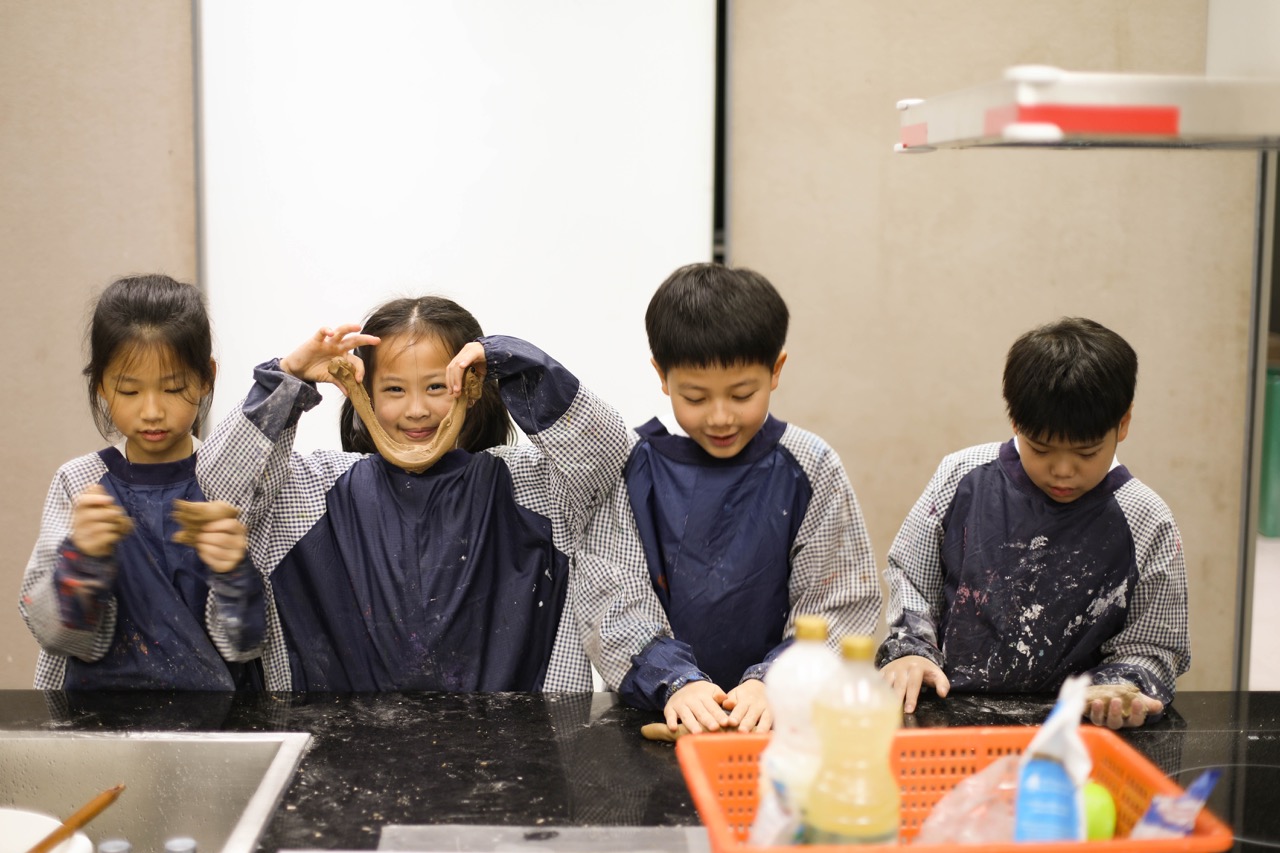
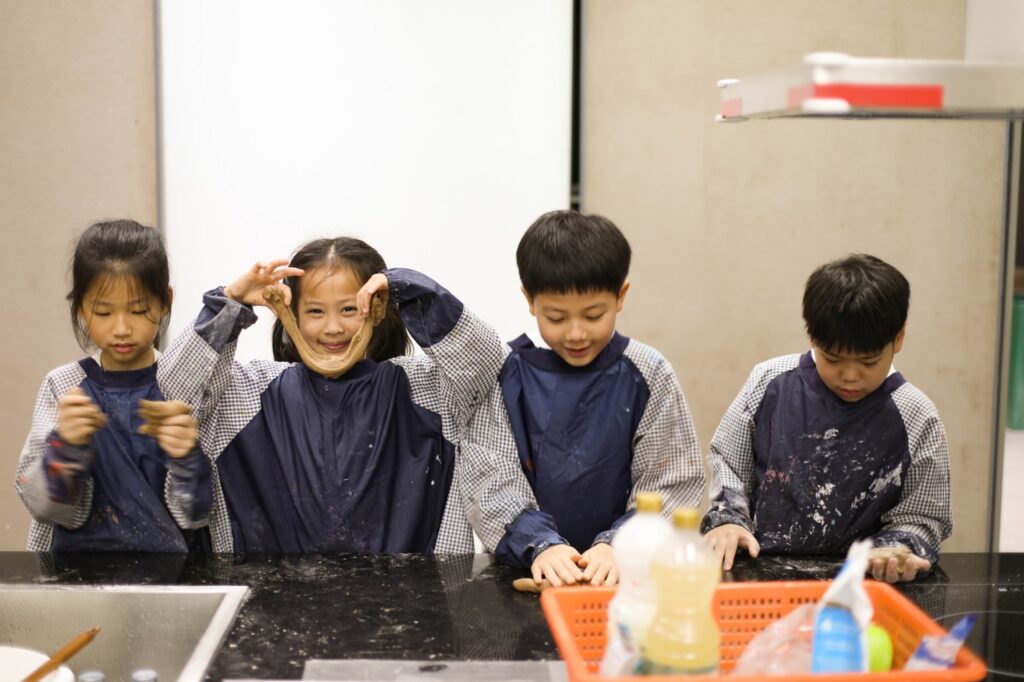
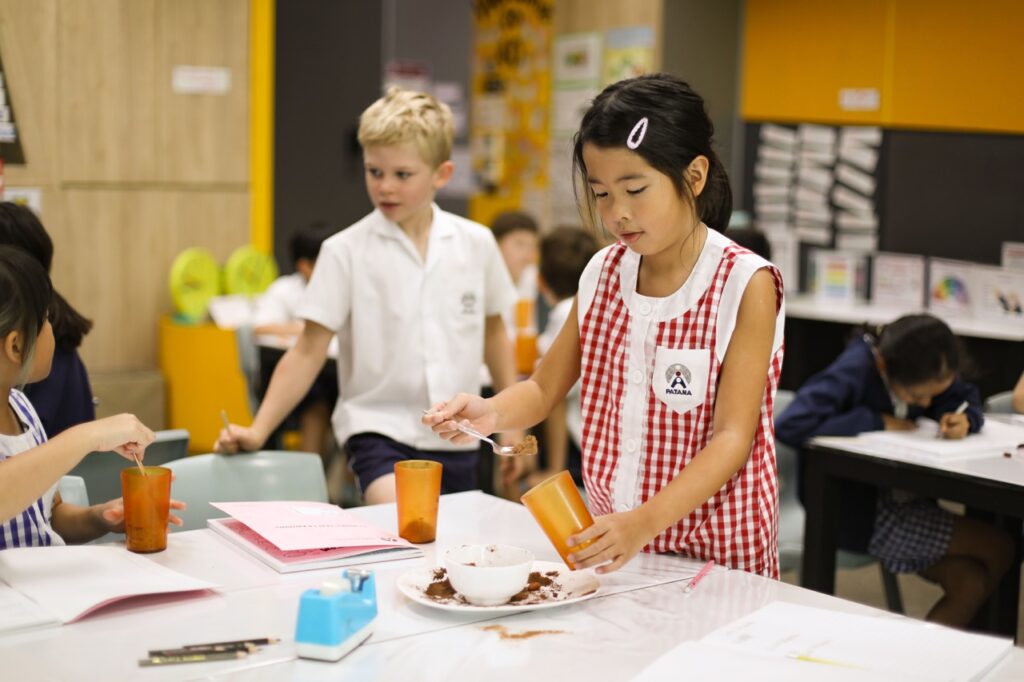
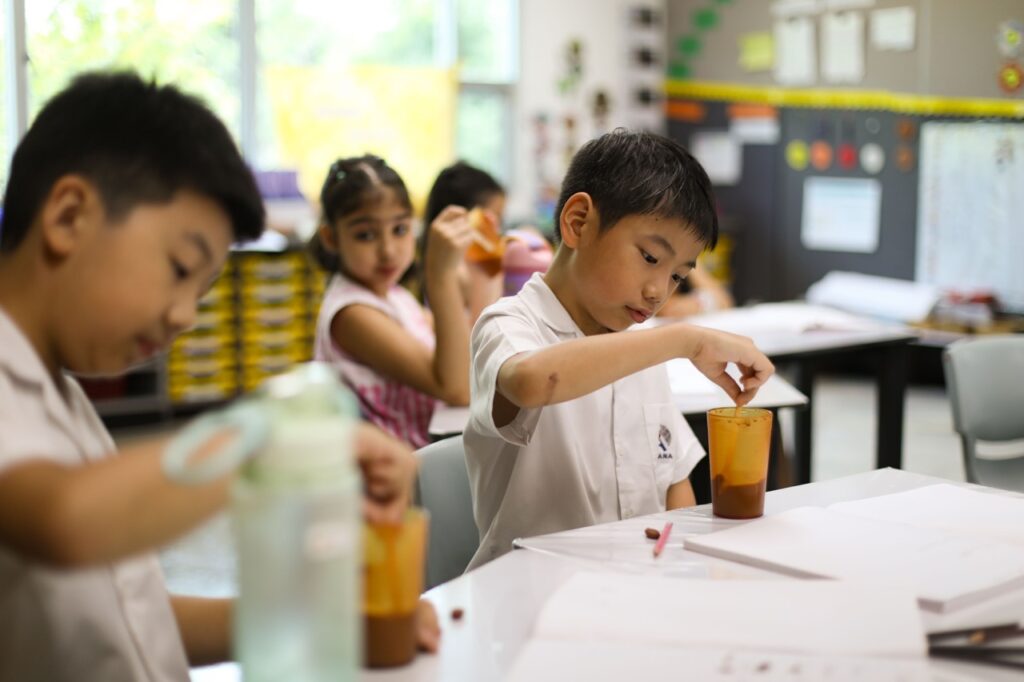
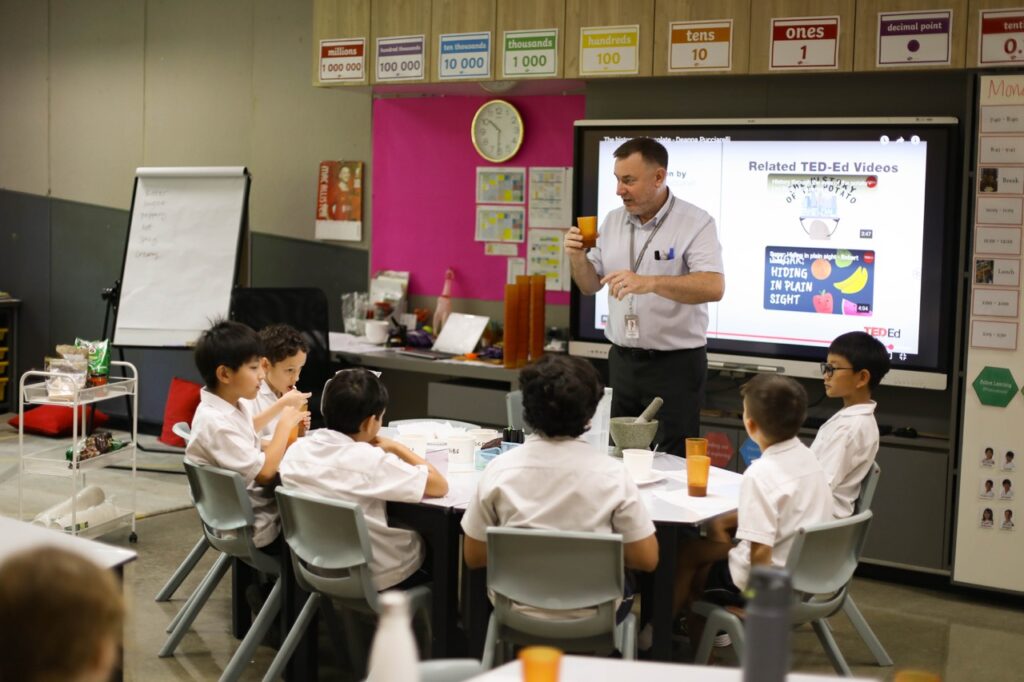
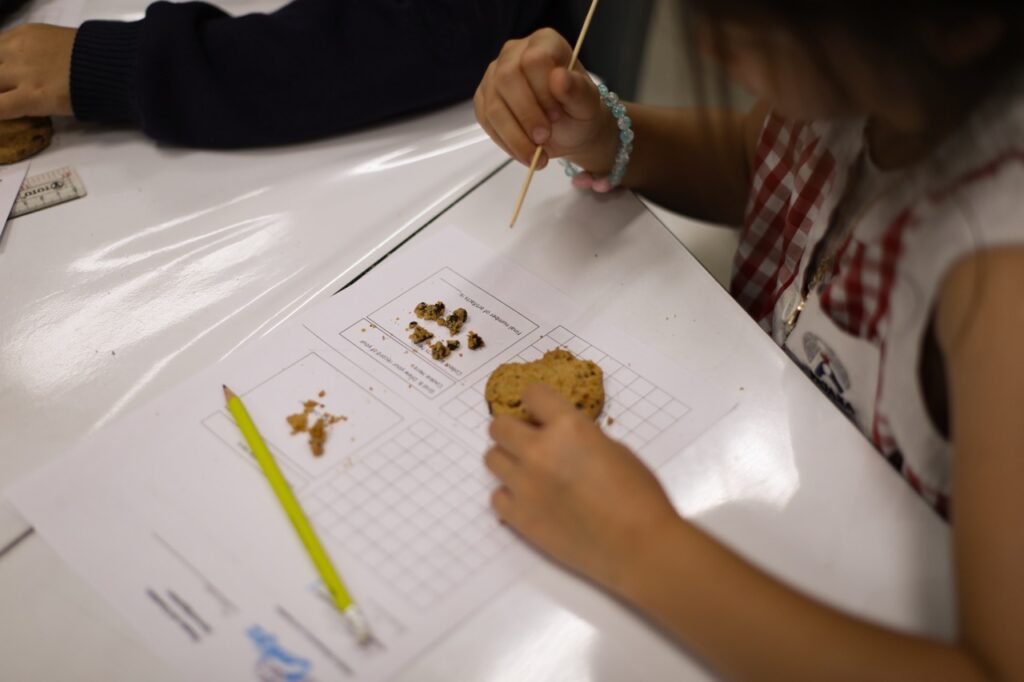
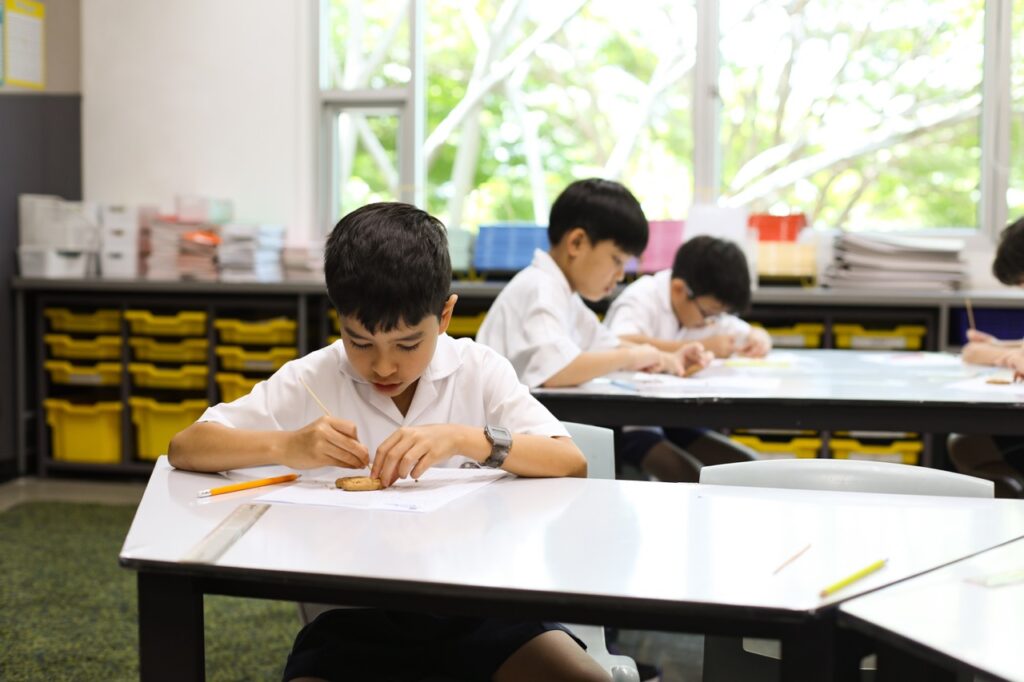
The journey began with an immersive Chocolate Day entry point, designed to hook curiosity and invite children to learn through play, enquiry and the senses. Students rotated through a range of engaging experiences, including mindful chocolate tasting, blindfold flavour challenges, chocolate chip excavations, chocolate playdough sculptures and chocolate bar design. These shared moments delighted the children while encouraging careful observation, thoughtful discussion and reflection, laying strong foundations for the learning that followed.

Literacy

Literacy learning was thoughtfully woven throughout the unit, providing rich opportunities for pupils to read, write and think deeply across a range of genres.

Through the Power of Reading text Grendel, children explored the idea of wishes and consequences using drama, discussion and close reading, before crafting character descriptions, diary entries, letters of advice and ultimately their own stories with a clear moral. This narrative work was complemented by non-fiction writing in science, where pupils created imaginative explanation texts that followed an alliterative food character on a journey through the digestive system, blending accurate scientific vocabulary with engaging storytelling. Alongside this, Charlie and the Chocolate Factory provided a rich stimulus for developing sentence craft, descriptive language and narrative structure, allowing pupils to experiment confidently with imagery, dialogue and varied sentence openings. Across the term, literacy became a powerful vehicle for creativity, precision and purpose.

Science

Science lessons allowed pupils to deepen their understanding of teeth, digestion and states of matter, helping them explore how chocolate affects our bodies and why it melts. Practical investigations and enquiry-based learning encouraged children to think scientifically, make careful observations and draw conclusions, strengthening both subject knowledge and working scientifically skills.

Geography

Students travelled virtually to tropical regions where cacao trees thrive, investigating climate, biomes and chocolate as a global cash crop. They compared producer and consumer countries and began to understand how chocolate production and consumption varies across the world. These discussions naturally led to thoughtful conversations about sustainability, environmental impact and responsibility.

History

History lessons took the children back to the Maya and Aztec civilisations, where cacao beans were once used as currency. They explored how chocolate spread to Europe and how trade, exploration and cultural exchange have shaped the chocolate we know today. Through timelines, discussion and drama, students developed a growing appreciation of chocolate’s rich and complex past.

Design and Technology

Learning became hands-on and purposeful. Students explored the process of chocolate-making, experimented with ingredients and applied their mathematical skills to measure, scale and design packaging. Creating nets for chocolate boxes and wrappers allowed pupils to combine accuracy with creativity, reinforcing the real-world application of mathematics.

Global Citizenship

Global citizenship was woven throughout the unit as the children explored fair trade chocolate and other ethically sourced products. These discussions encouraged them to think critically about consumer choices and fairness, helping them develop empathy and a deeper understanding of their role in an interconnected world.

Across the term, Year 4 students demonstrated growth not only in their academic learning, but also in key personal skills such as enquiry, communication, adaptability and resilience. They were motivated, engaged and challenged to think deeply, showing just how powerful a familiar theme can be when learning is purposeful and connected.

Who knew there was so much to learn about chocolate? We did. As the term draws to a close, our Year 4 learners have journeyed from chocolate consumers to chocolate explorers, and now proudly stand as chocolate experts — with a sweet taste of learning that will linger long after the final bite.

Share This Article

In this Issue

IBCP University Offers are Rolling In!

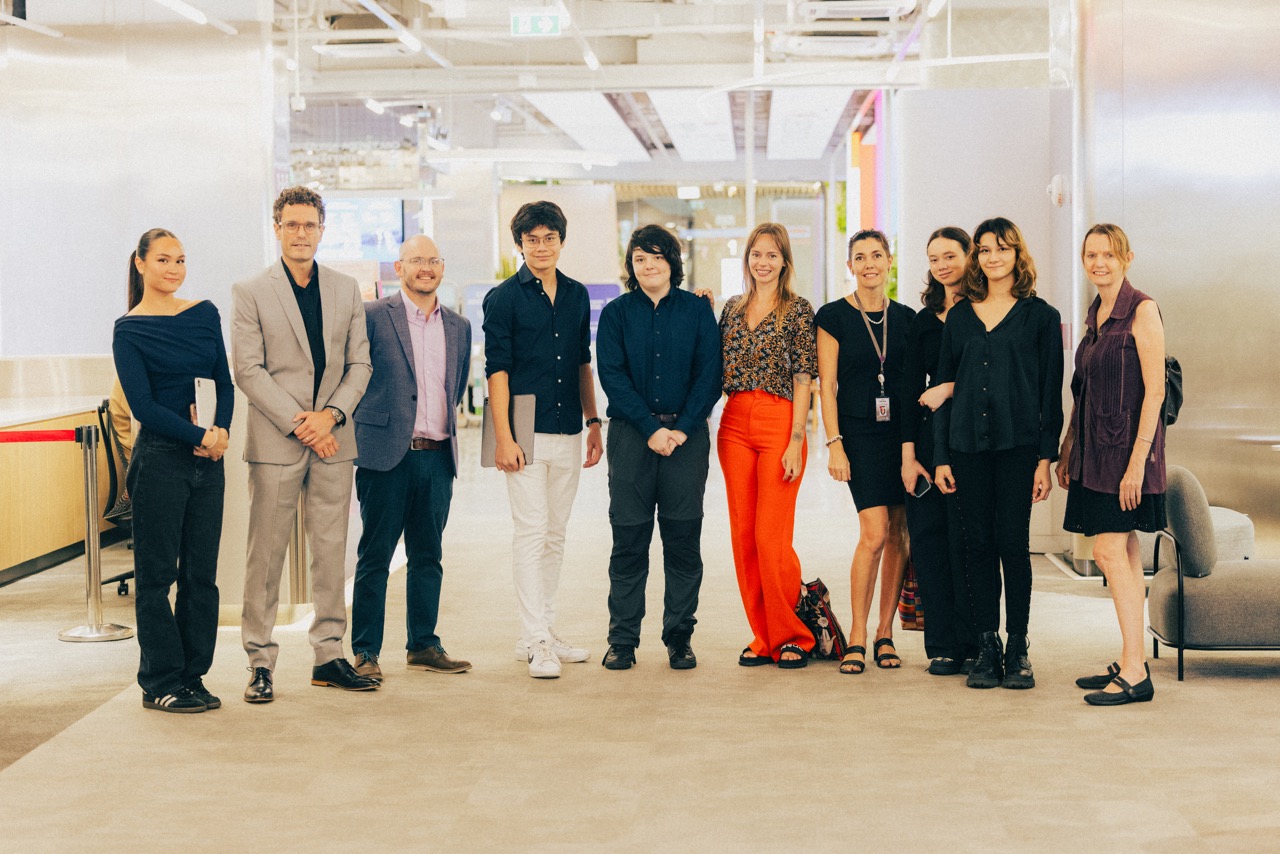
The International Baccalaureate Career-related Programme (IBCP) students are celebrating the start to 2026, as prestigious university offers and interview invitations arrive. Congratulations to our first cohort of IBCP Arts Specialism students!

Fashion and Creative Arts
Our students have received offers from these renowned institutions for fashion and design:

  • Arts University Bournemouth (UK) – Fashion Communication
  • University for the Creative Arts (UK) – Fashion Image & Styling
  • Falmouth University (UK) – Fashion Styling & Art Direction
  • Istituto Marangoni, London Campus (UK) – Fashion & Design

Adding to this success, one offer is combined with a full annual scholarship at Otis College of Art and Design (Los Angeles, US) – a remarkable achievement that highlights global recognition of their talent.

Performing Arts
For those passionate about the stage, offers include:

  • Arts University Bournemouth (UK) – Acting
  • Royal Holloway, University of London (UK) – Drama with Acting

Education Pathways
Our future educators are also making strides, with four invitations to interview for Primary Education with QTS (UK).

And this is just the beginning! More offers are trickling in every week, and we look forward to celebrating even more success stories as the application season continues.

Share This Article

In this Issue

Junior Librarians: A Sense of Belonging and Giving Back

By Tracey Barton, Cross Campus Teacher Librarian

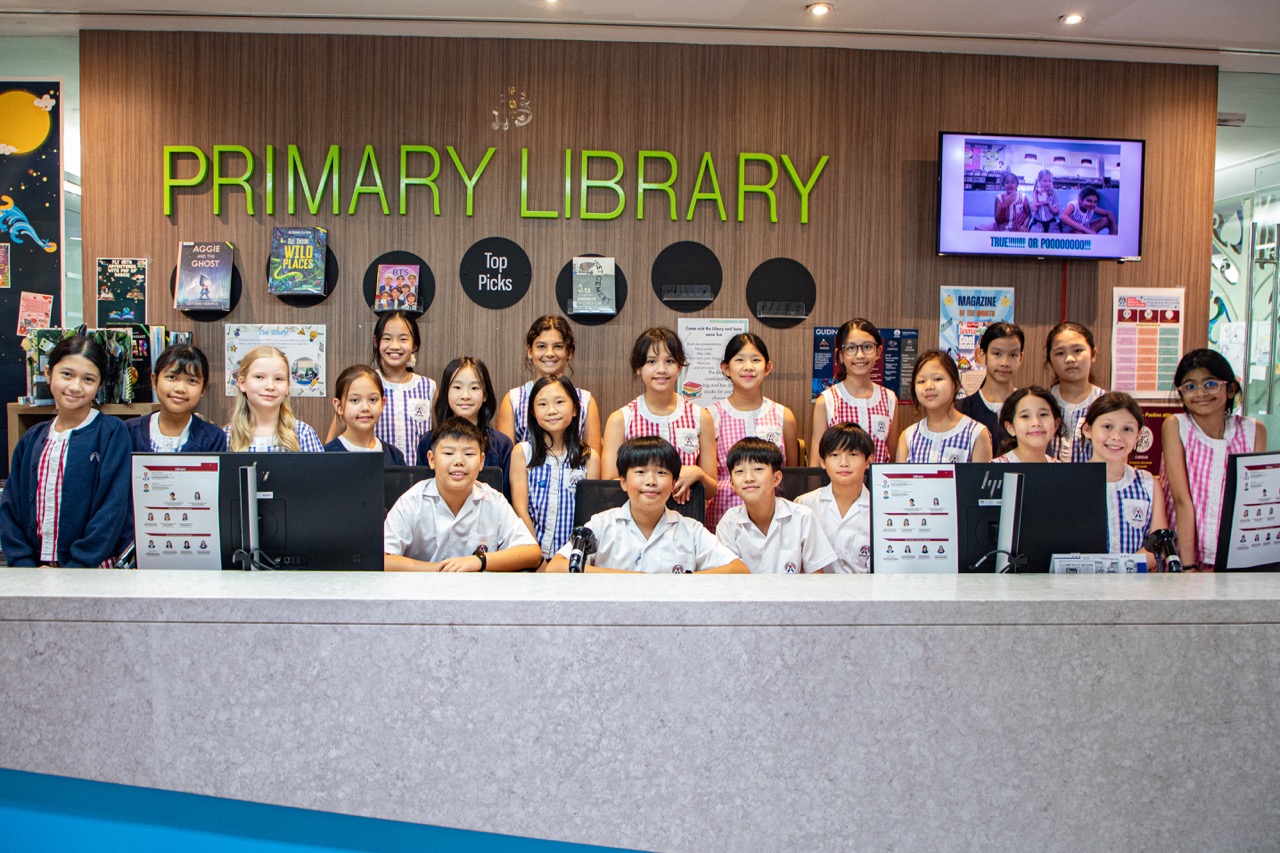
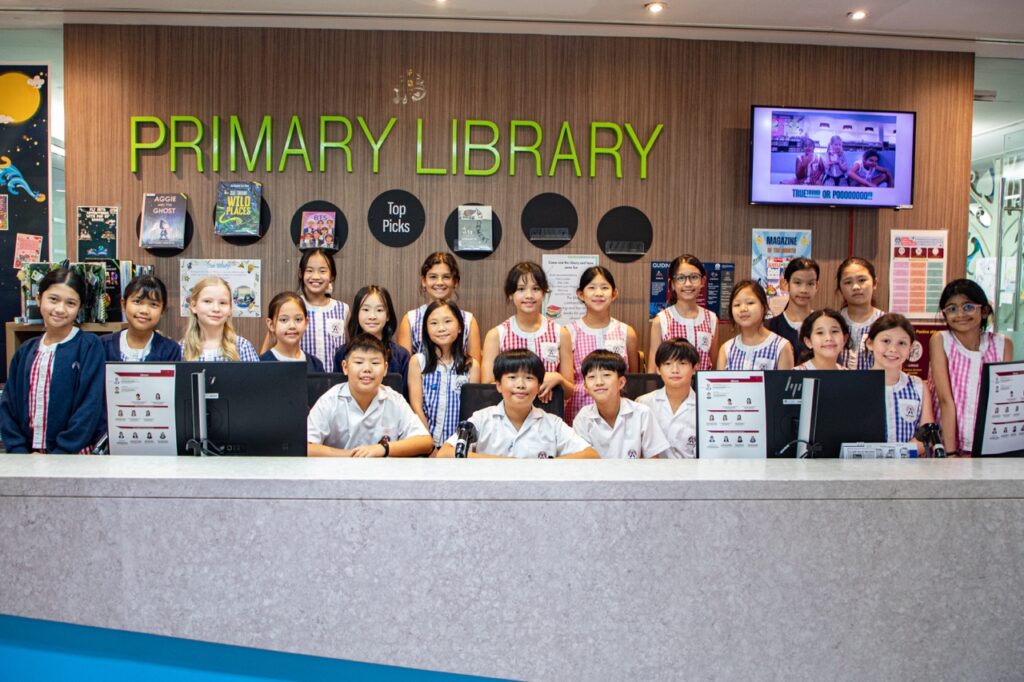
Our school library is supported by a dedicated team of Junior Librarians, whose commitment and enthusiasm make a real difference to how our amazing library runs each day. 

Before becoming fully qualified Junior Librarians, students take part in a training programme that runs over several weeks. During this time, they learn how the library works, practise key tasks, and develop the skills needed to support other users confidently. Once they have successfully completed their training, they are awarded their Junior Librarian badges—a moment of pride for every student who earns one. 

The role involves students generously giving up their free time. We recognise that students have many commitments, so the arrangement is flexible. Some Junior Librarians choose to visit every day, others commit to a couple of lunchtimes or after-school sessions – we are always delighted to welcome them whenever they can help. 

Junior Librarians support the smooth running of the library by shelving, book maintenance and at the front desk, where they can be seen assisting students’ parents and teachers – responding thoughtfully to questions and requests. Their confidence, efficiency and helpful attitude are often noticed by visitors to the library. Feedback from parents has been extremely positive as they see just how capable our Junior Librarians are, be it responding to book enquiries, checking out, or asking a general question. 

We are proud of the mature and positive attitude our Junior Librarians show towards the responsibility they have undertaken, and we hope they continue their leadership journey in the Secondary Library next year. 

Thank you Junior Librarians for brightening up our library space. 

Share This Article

In this Issue

Honouring Tradition: Brahma Shrine Refurbishment

By Kulvadee Siribhadra, Director of the Foundation Board Office

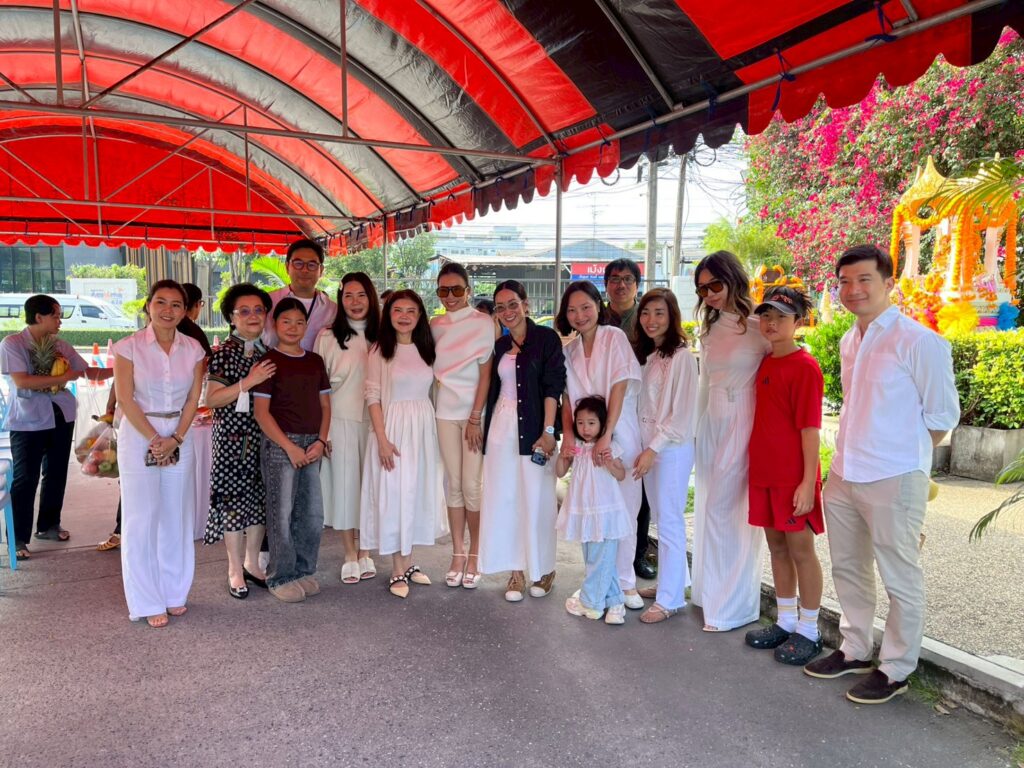
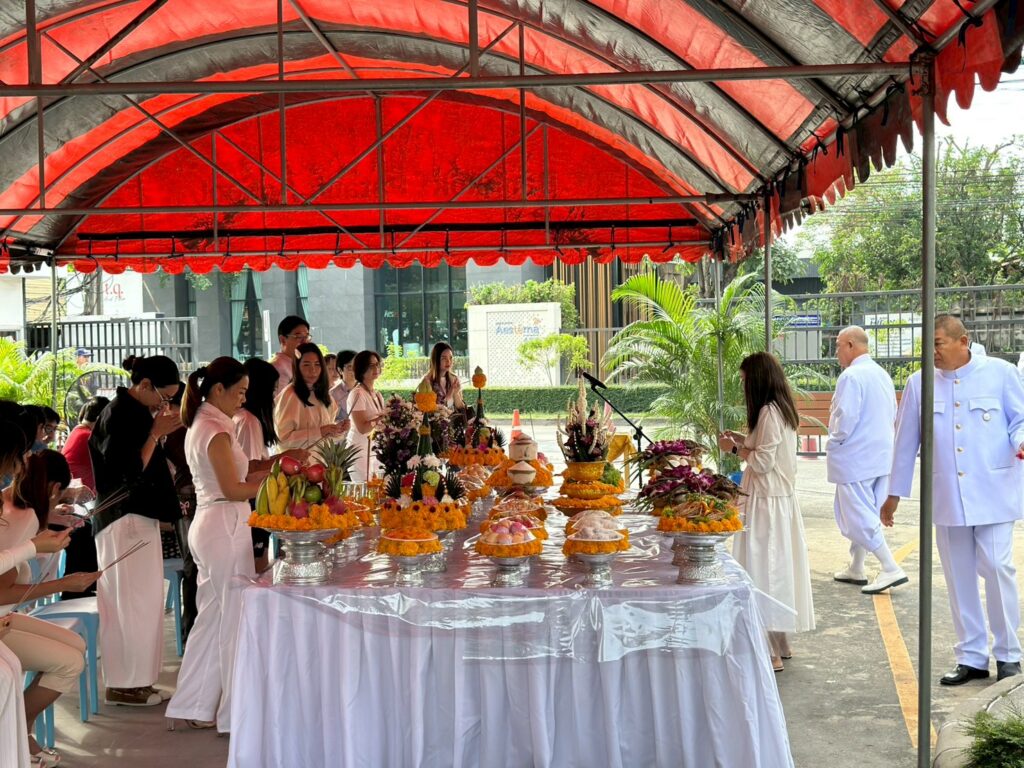
During the school holidays, a meaningful Brahma Shrine refurbishment and the surrounding area were carried out through the support of the Srisa-an Family, together with many families from the Bangkok Patana School community.

The refurbishment was undertaken with great care and respect, reflecting the shared values of gratitude, unity and community spirit. This initiative not only helped restore the physical structure of the shrine but also reinforced the strong sense of togetherness and goodwill among all those involved.

In addition to the Srisa-an Family, we would like to sincerely acknowledge and thank the following families for their participation and support in this activity: Chaikitsakol Family, Patamasatayasonthi Family, Shinawatra Kunakornwong Family, Puapatanakajorn Family, Srisaan Family, Srisongkram Family and the Suputipong Family.

Bangkok Patana School and the Bangkok Patana School Foundation express our heartfelt appreciation to all these amilies who contributed their time, resources and support to make this refurbishment possible. Your generosity and commitment are deeply valued and play an important role in preserving meaningful spaces within our community.

Thank you! We look forward to continued collaboration and shared initiatives in the future.

Share This Article

In this Issue

PTG Updates

Share This Article

In this Issue

Community Events


FOBISIAN #49 is Live! 

The latest issue of THE FOBISIAN: January 2026, Issue 49, Term 2 is out now.


Share This Article

In this Issue

Patana Participates

Mathematics Olympiad Competitions

By Dr Thitida (Ling), Parent

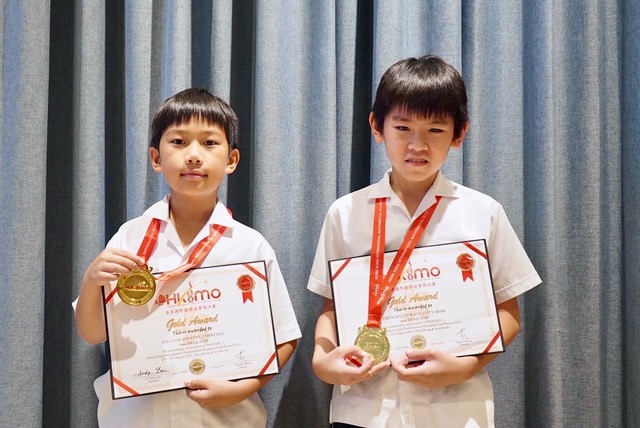
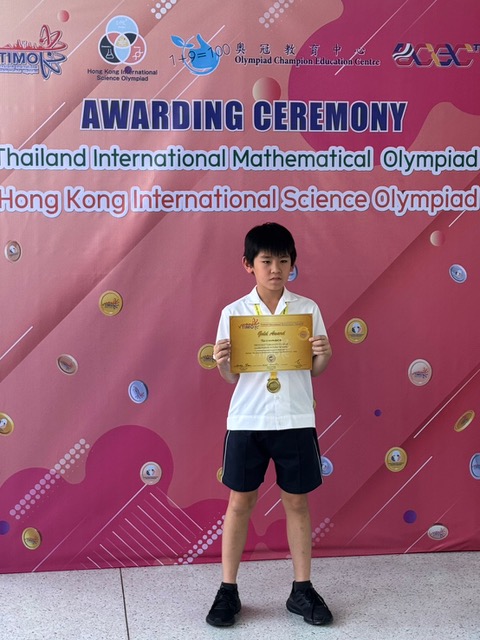
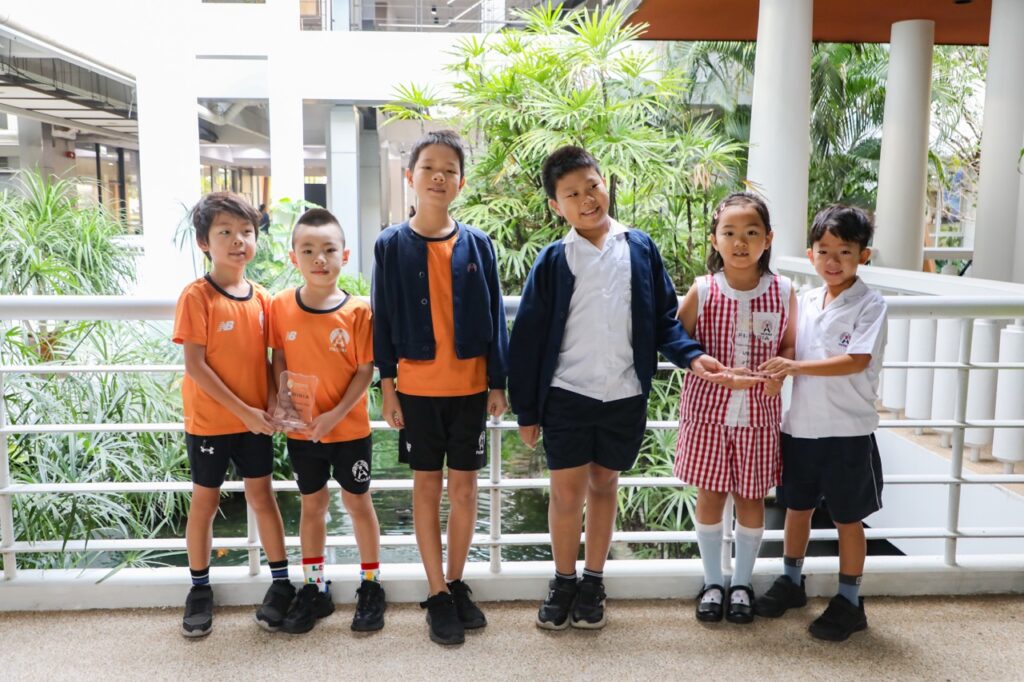
Dayton and Jaodin from 5J have each been awarded Gold Medals in two prestigious Mathematics Olympiad competitions.

1. The Hong Kong International Mathematical Olympiad (HKIMO) Final Round.  Both boys are the only 4 Thai students who received this award.

2. The Thailand International Mathematics Olympiad (TIMO) Heat Round. Dayton ranked in the Top 3 nationally.

In addition, Jaodin earned another Bronze Medal in the Hong Kong International Science Olympiad (HKISO)- Heat Round.


AI and Robotics Hackathon Competition 2025

By Bobby Thanavut, Parent

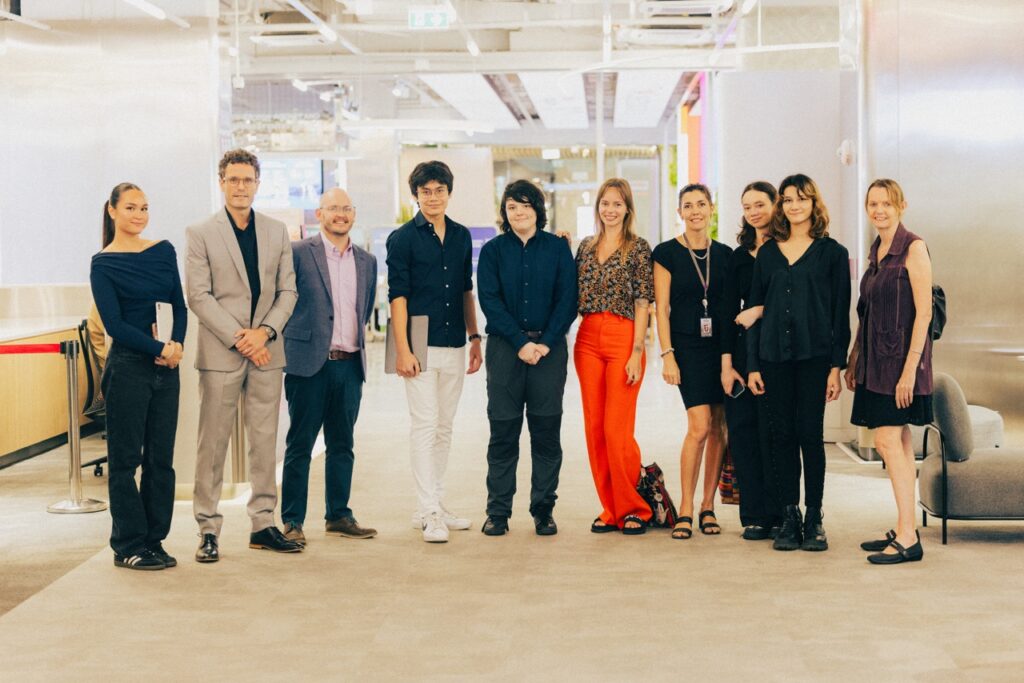
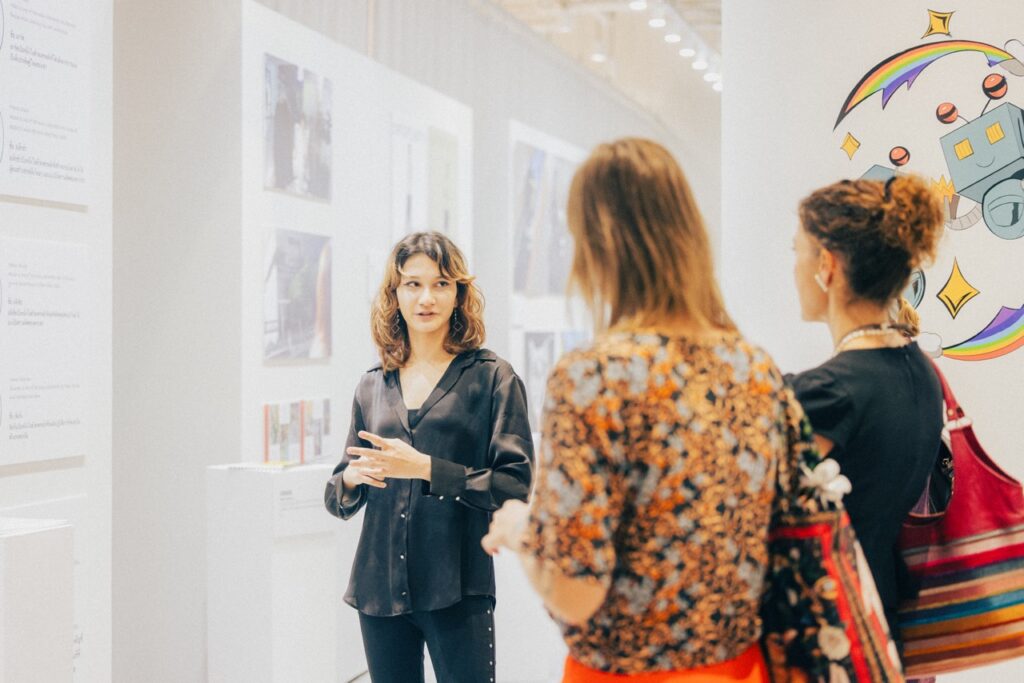
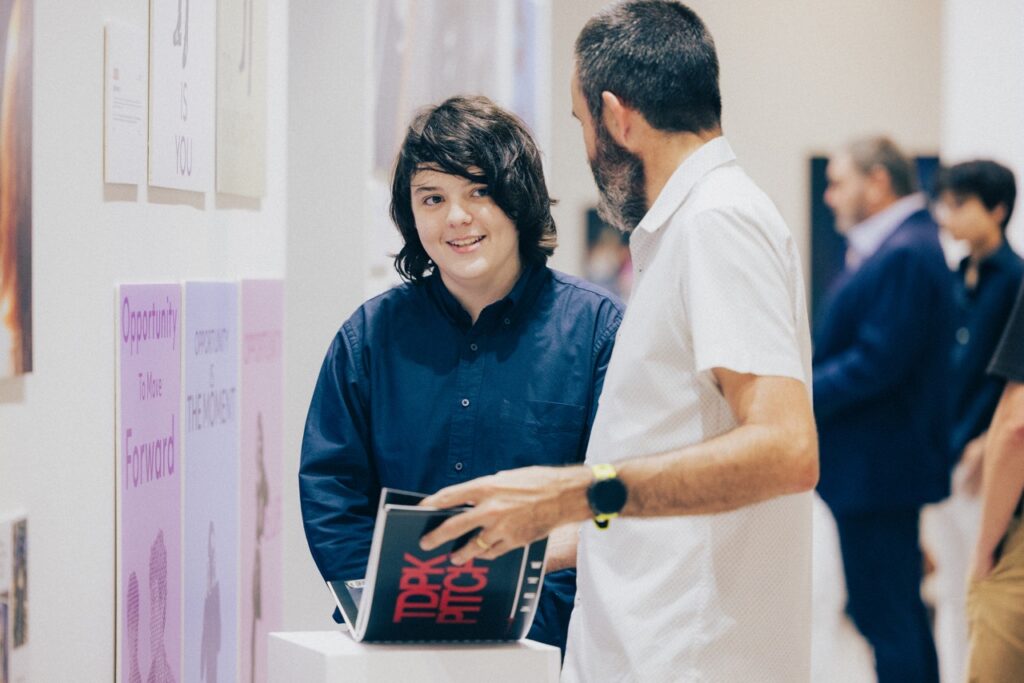
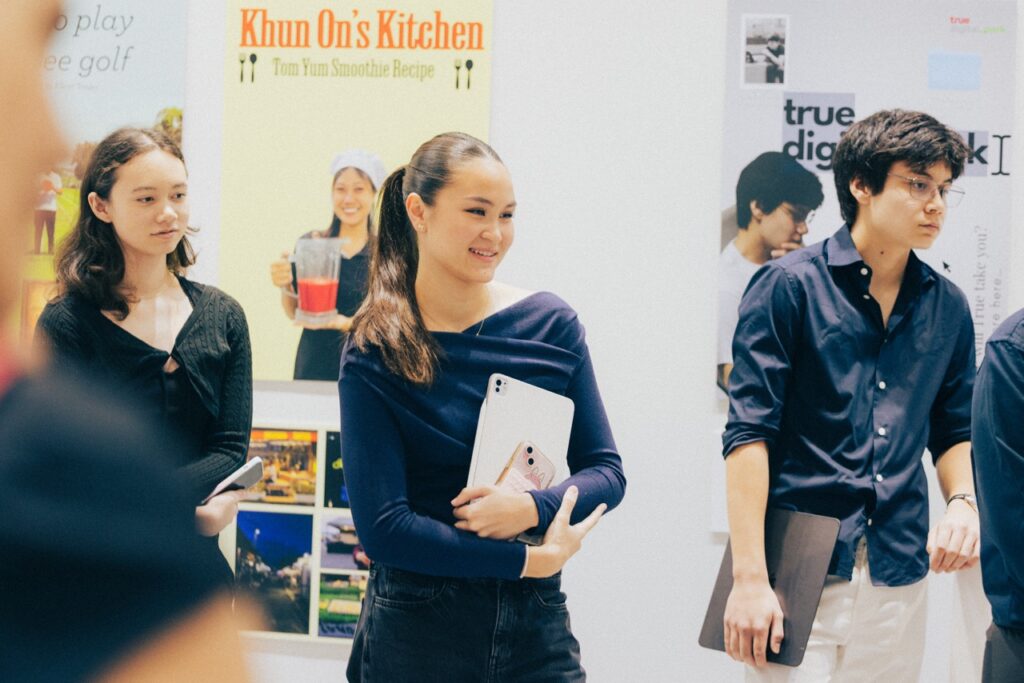
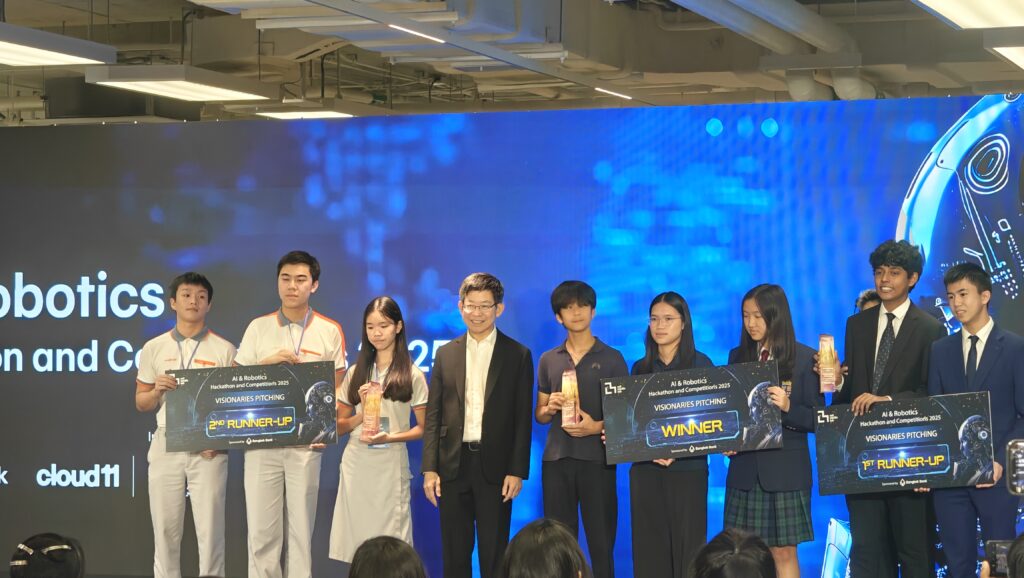
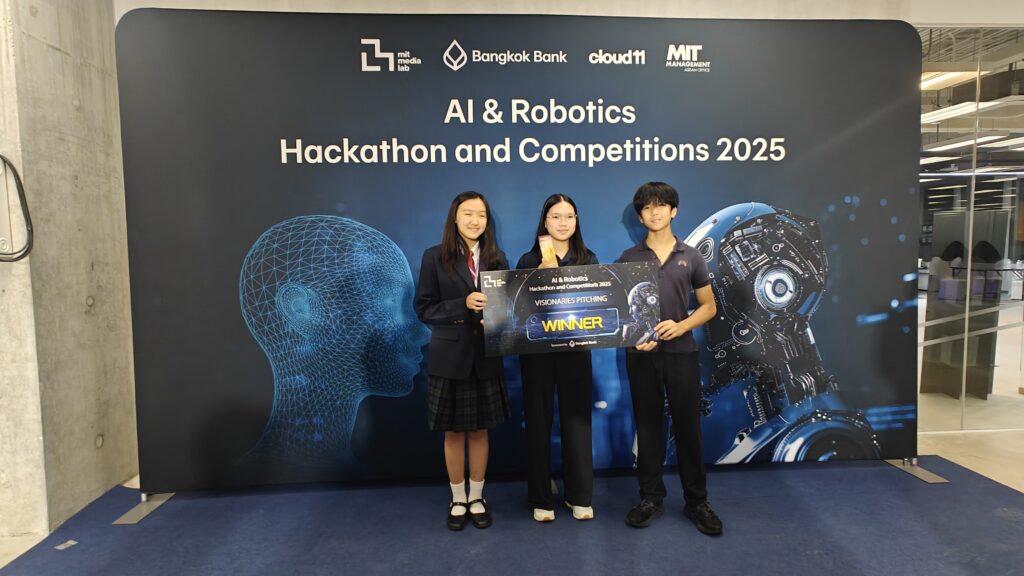
Brinz, along with teammates from different schools, took part in the AI & Robotics Hackathon 2025 organised by MIT Media Lab. Their idea stood out among many creative entries, earning them the award for Best AI & Robotics Visionary Pitch – High School Level. Congratulations to Brinz and his team on this achievement!


Pursuit of Speed and Purpose

By Mr Rodney Fountain, History Teacher

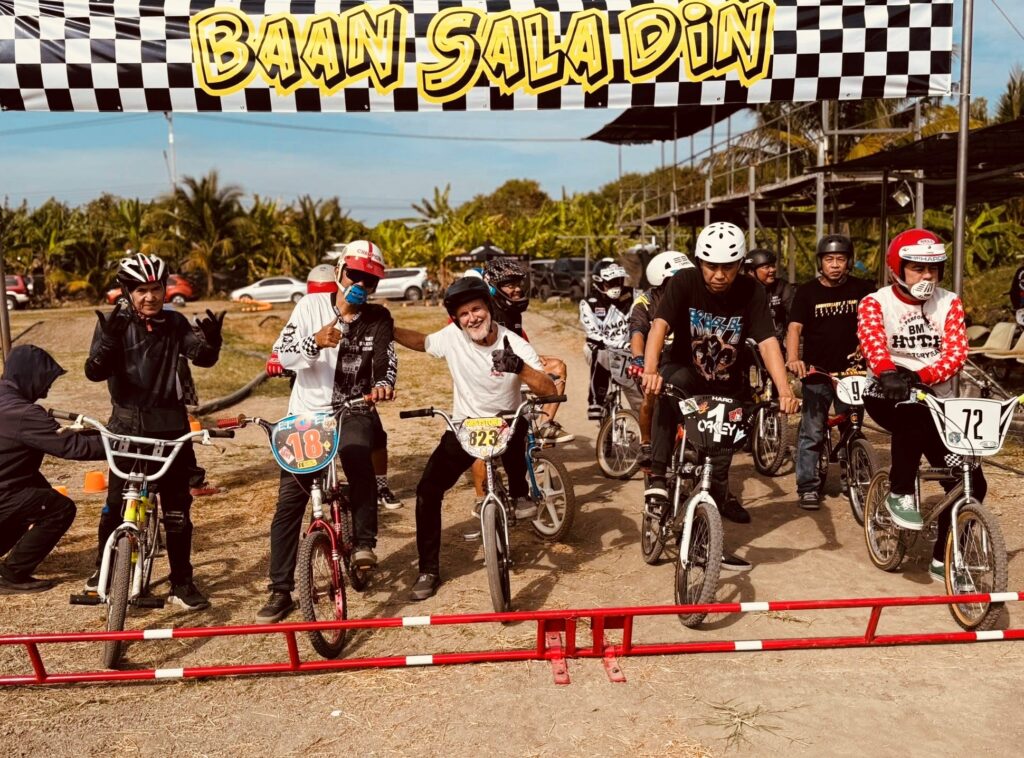
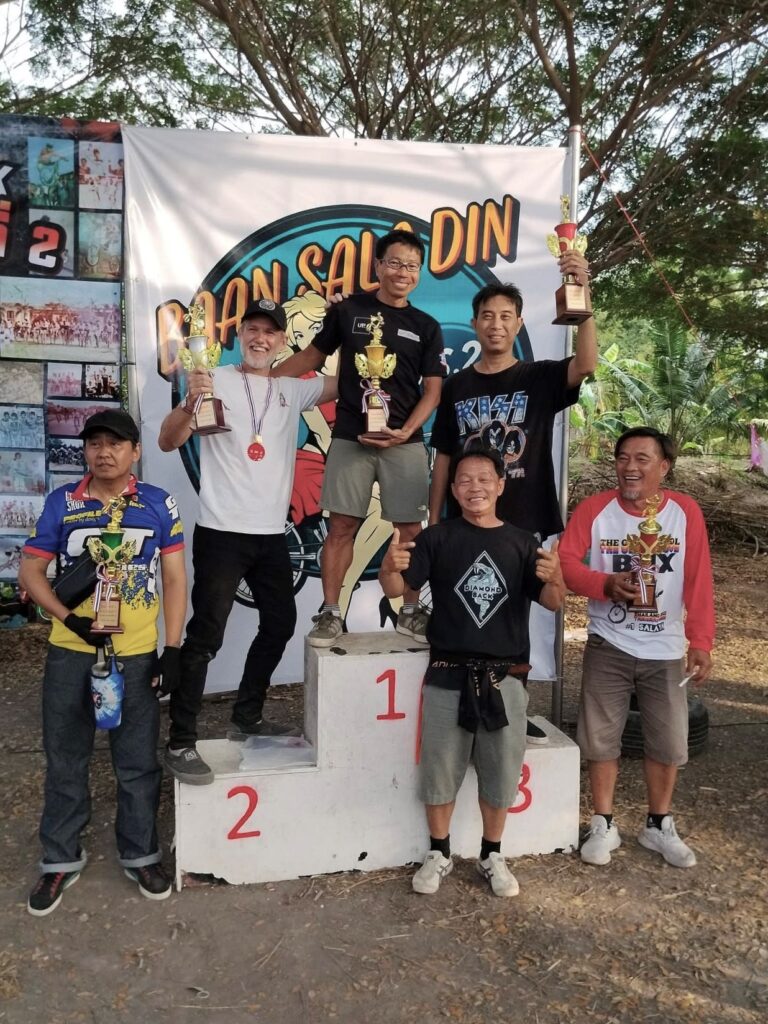
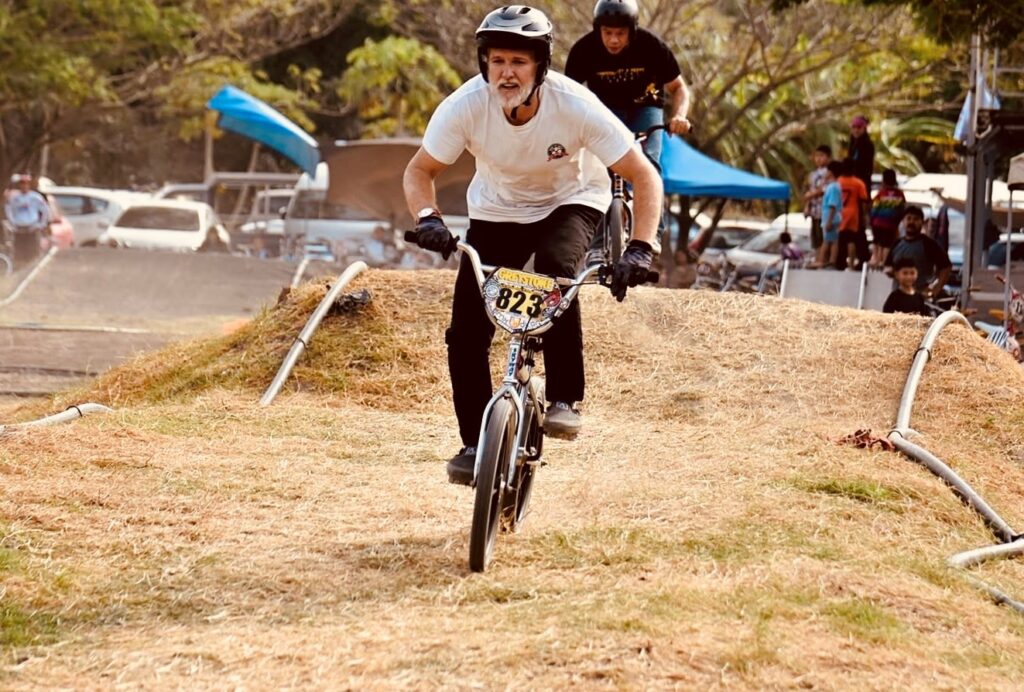
The national BMX racing series finished last September and doesn’t re-start until late January this year. For Patana History teacher Rod Fountain (No.823), this is pretty tough because there’s nothing he likes more (except perhaps teaching History!) than getting his bike in the start gate. However, last weekend he got to have fun because the vintage BMX community came together for a race day.

With bikes from the 1980s, and even older riders, a vintage race is a nothing like a BMX race of today. With no 5-meter start hill, no hydraulic gate, no banked turns and absolutely no asphalt, bikes and riders hammer around a flat track, banging bars in the loose, dusty turns and hanging on over the jumps. In fact, the winner is usually the one who doesn’t crash!

For once, Rod wasn’t in the top age category, as that went to 60+.  Lining up with the other ‘youngsters’ in the final, on a Skyway BMX from 1984, he got tangled in the gate as it dropped and was stone-cold last into the first loose turn. With luck more than skill, he eventually drew level with the leader but into the last turn that luck ran out and his feet blew off the pedals, meaning that he was literally left in the dust as he choked his way home in second place. The vintage scene is starting to grow and there are more races planned for 2026 and so if you fancy some low-key, simple racing, get in touch with Rod on rofo@patana.ac.th or follow him on www.facebook.com/pedalsreadygo


2026 FOBISIA Chess Championship

By Chris Huang, Parent

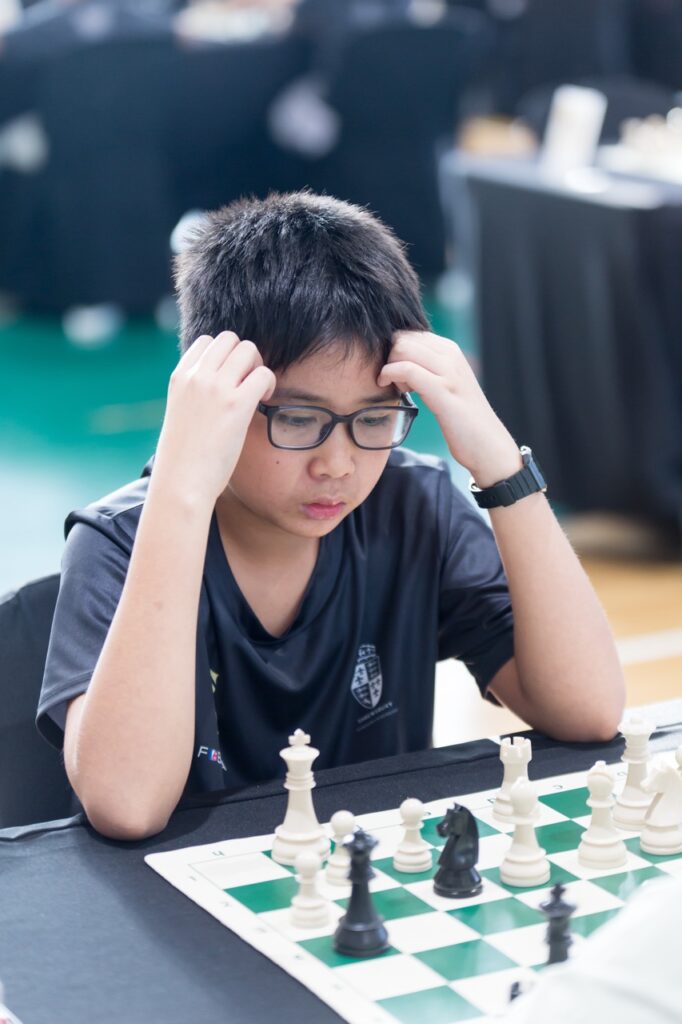
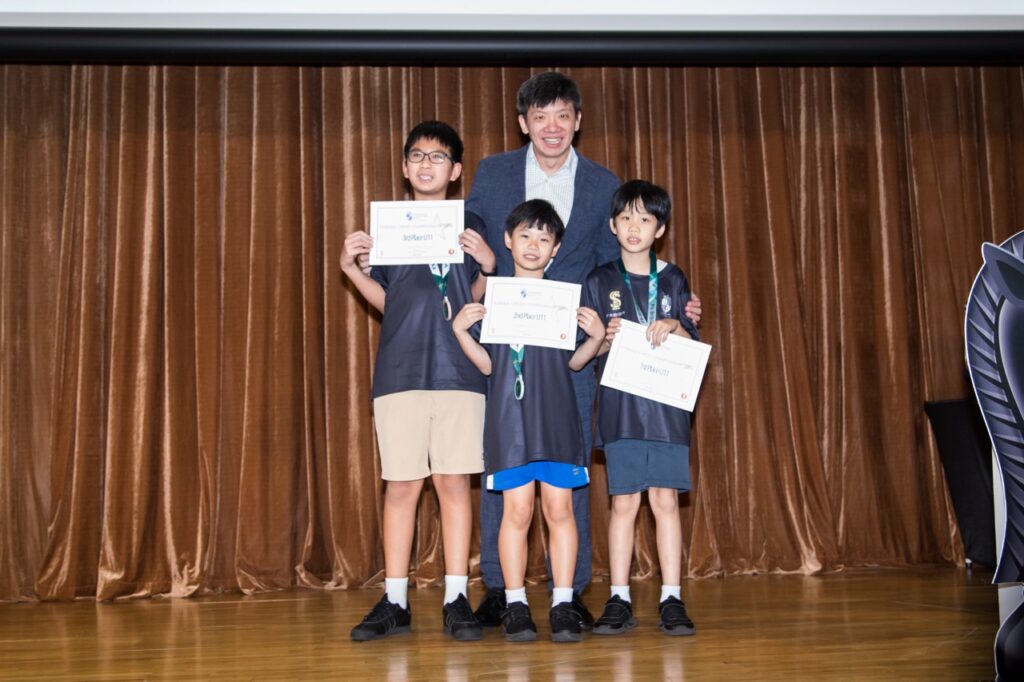
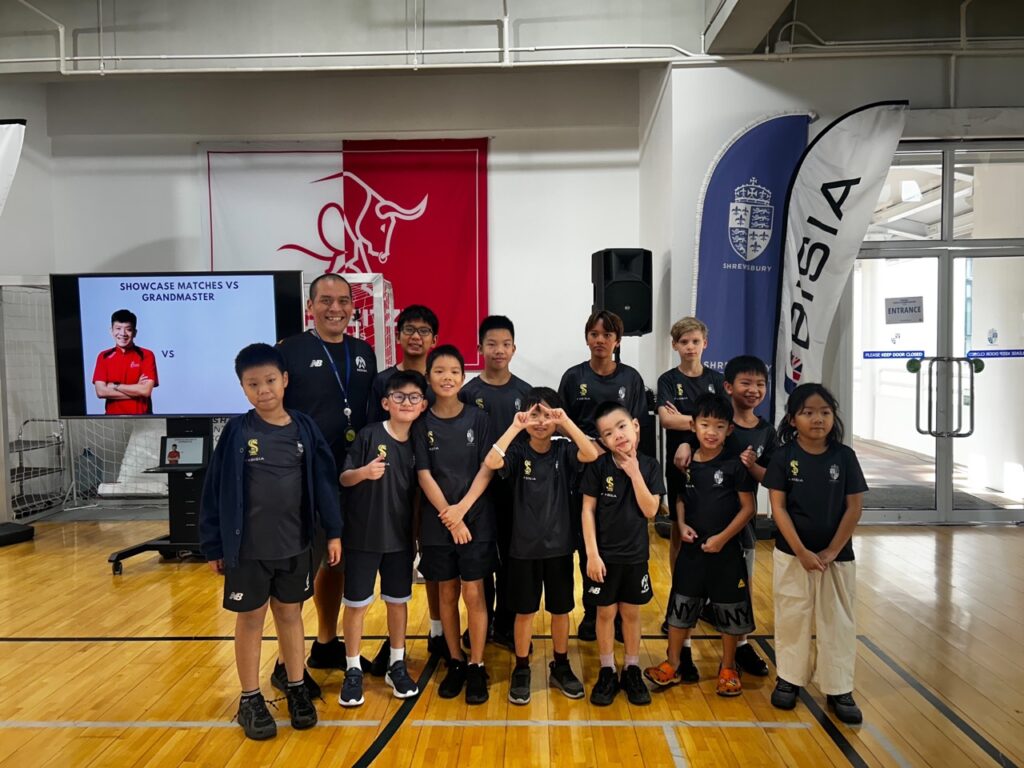
Twelve Bangkok Patana students, representing Year 2 to Year 7, competed in the 2026 FOBISIA Chess Championship on 9th -10th January. 316 students from 26 schools came together to play nine individual matches. As a team, Bangkok Patana won 3rd place in the U7 category, 2nd place in the U9 category, and 4th place in the U11 category. Overall, they ranked 5th.  Miles (Milo) Huang, a Y6 student, won 7 of his 9 matches and finished in 3rd place in the U11 group. 

Reflecting on the tournament, Milo wrote,

“Playing in FOBISIA is really different from other tournaments because, firstly, It’s much bigger, and there are schools that come from Malaysia, Singapore, and more. Secondly, the winners of each category get to play a special invited player in a simulation match.  

This year, a Singaporean Grandmaster, Kevin Wei Ming Goh, gave a very inspirational speech at the closing ceremony. Some things I learned from him were that his journey to become a GM took over 20 years, so I shouldn’t be discouraged about time or how fast I’m progressing. 

Also, read chess books rather than watch chess videos on Youtube to improve, and most importantly: Every loss is a win! Yes, when you win you might be in a much happier mood than when you lose, but when you lose, you must review your game to learn from your mistakes so you can avoid them in future games. Also, this lesson isn’t just about chess, but can be applied to other parts of life too!”


Share This Article

In this Issue

School Announcements and Upcoming Events

Important Notice from Security:


Share This Article

In this Issue

© 2025 Bangkok Patana School

Issue: 17
Volume: 28
Bangkok Patana School
Privacy Overview

This website uses cookies so that we can provide you with the best user experience possible. Cookie information is stored in your browser and performs functions such as recognising you when you return to our website and helping our team to understand which sections of the website you find most interesting and useful.