Why do we regularly revisit the same concepts in teaching and ask children to practise skills repeatedly? How are concepts and processes broken down in learning? How do we help knowledge last beyond the lesson?
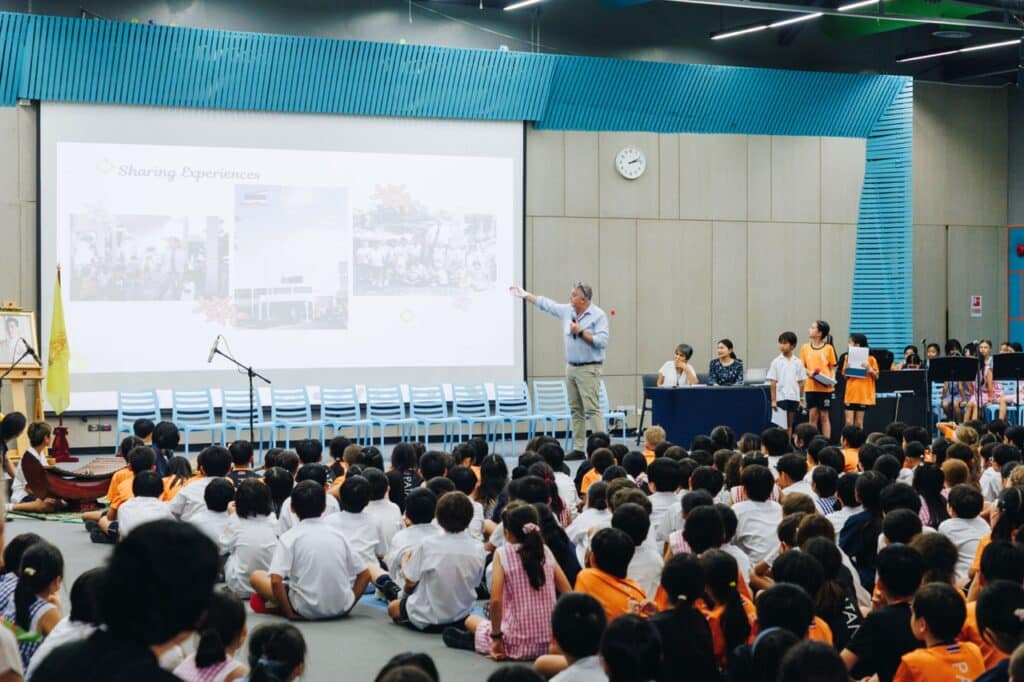
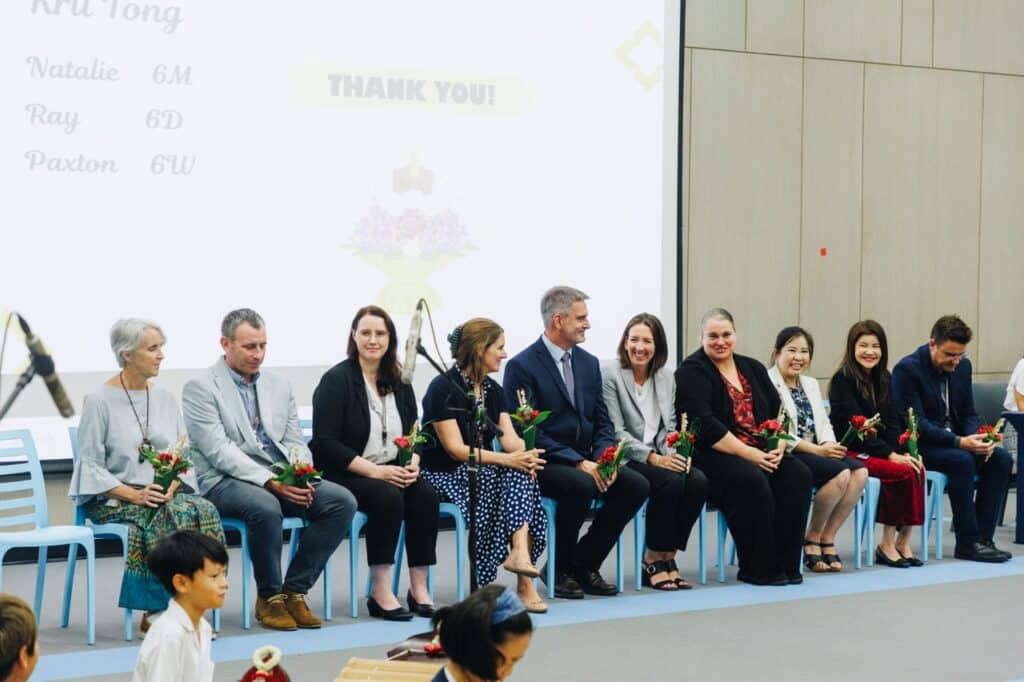
These questions formed the basis of our recent Parent Partnership Workshop on Teaching and Learning in the Primary School. The session offered families an insight into modern teaching methodology and what contemporary research tells us about how learning happens.
Cognitive Science, the study of thought and learning, plays a significant role in this. Researcher and psychologist Daniel Willingham wrote that “memory is the residue of thought.” Put simply, we remember what we think about. When children engage actively with ideas, connect them to prior knowledge and revisit them over time, learning is more likely to become part of long-term memory. Effective teaching therefore encourages hard thinking, retrieval, making connections and guided practice.
Knowledge and understanding are sometimes separated, with the assumption that one is more valuable, when in reality they are closely linked. Willingham describes understanding as “remembering in disguise.” Children may learn facts and procedures before seeing the bigger picture, building foundations that can later connect into more sophisticated understanding.
Consider a child learning that 4 x 4 = 16. Initially, this may simply be memorised. Over time, it becomes part of a wider network, supporting understanding of arrays, repeated addition, area, square numbers and inverse operations. Understanding develops as learners connect knowledge into mental maps, often called schemas.
Of course, there is a problem: forgetting. When we learn something new, connections form between neurons, but these pathways are initially fragile. Forgetting is not simply a flaw, but an intelligent feature of memory. Imagine choosing from a restaurant menu. You may spend several minutes comparing options, yet a week later it would be neither necessary nor helpful to remember every item. Our brains continually filter information, retaining what appears useful and discarding what does not.
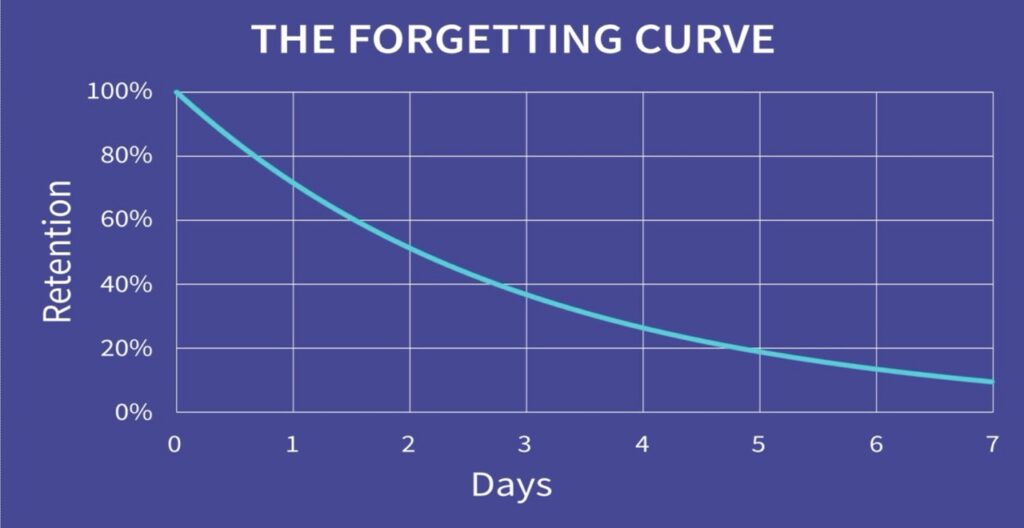
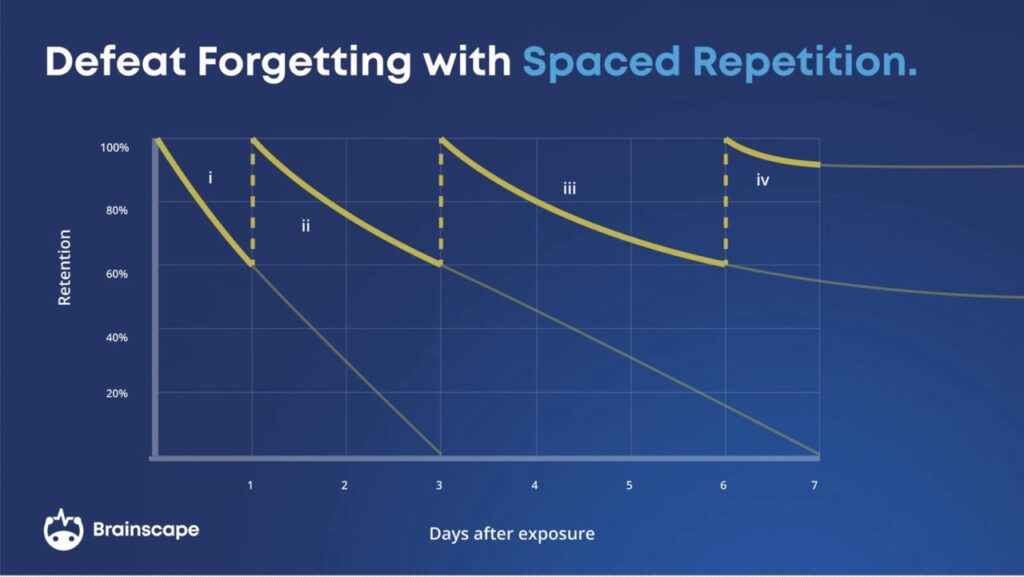
We cannot remember something merely by deciding it is important. Memory is strengthened through repeated, successful retrieval. Ebbinghaus’ Forgetting Curve illustrates how quickly information can be lost without review, while spaced practice and retrieval reduce forgetting by bringing learning back to mind over time.
Retrieval Practice
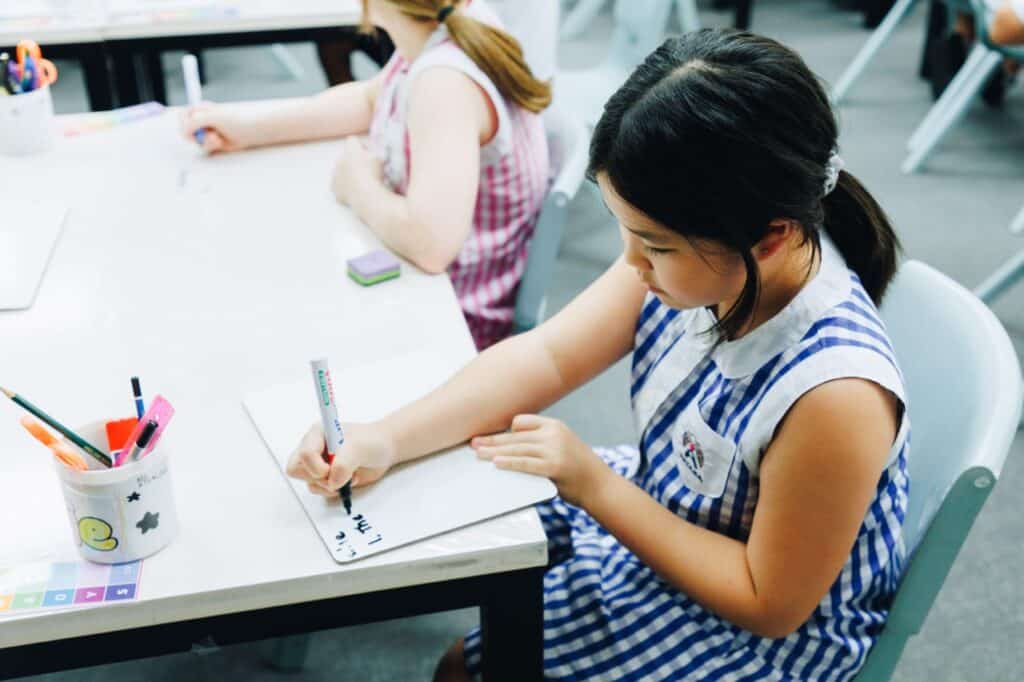
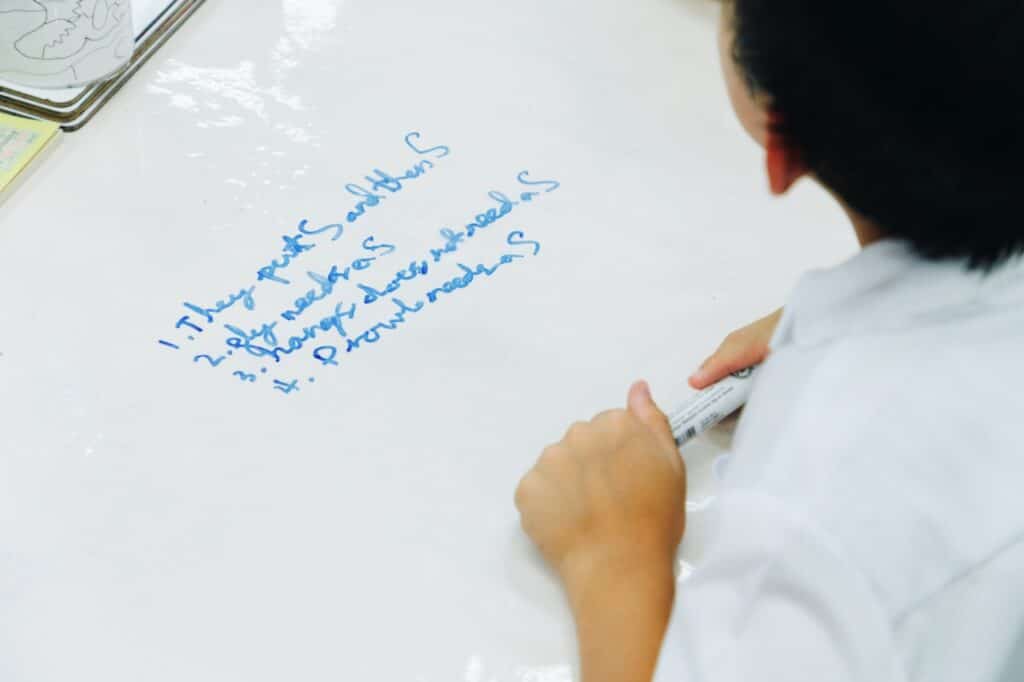
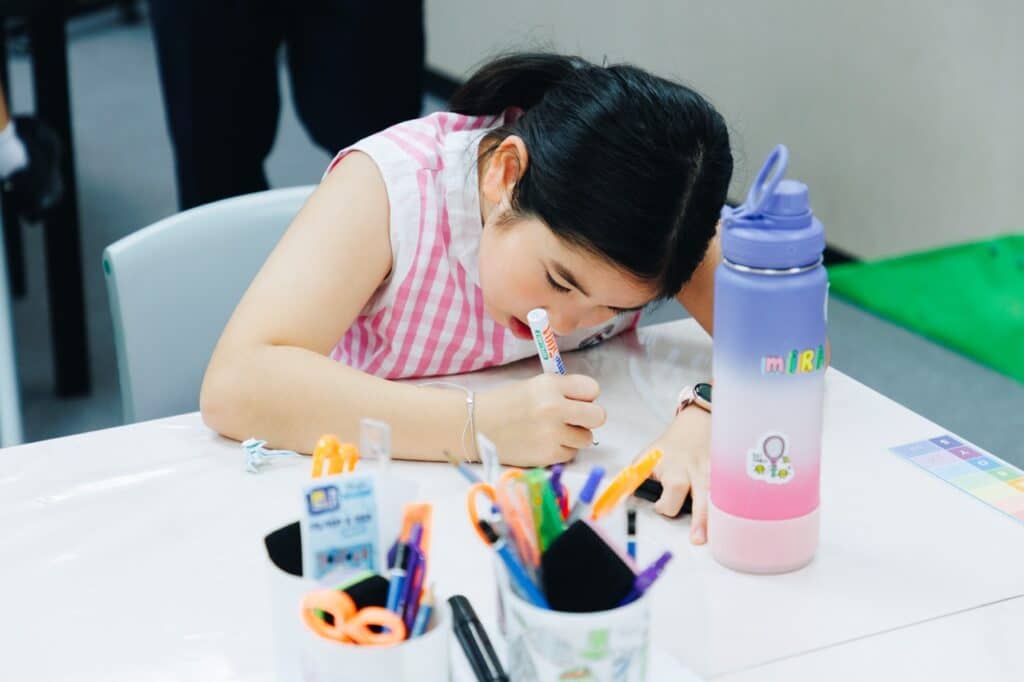
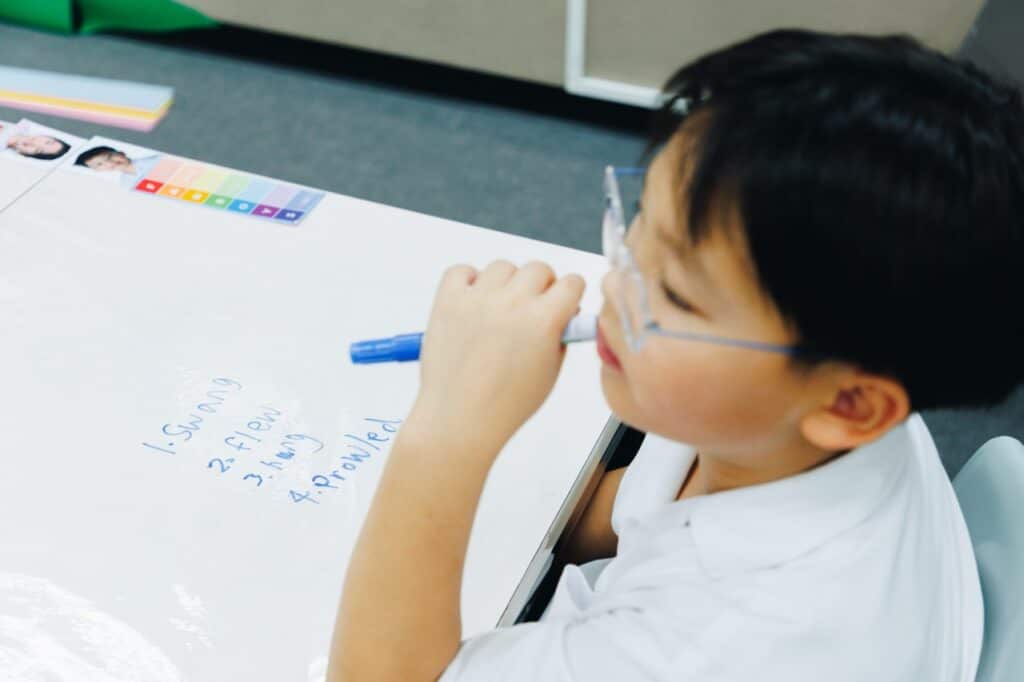
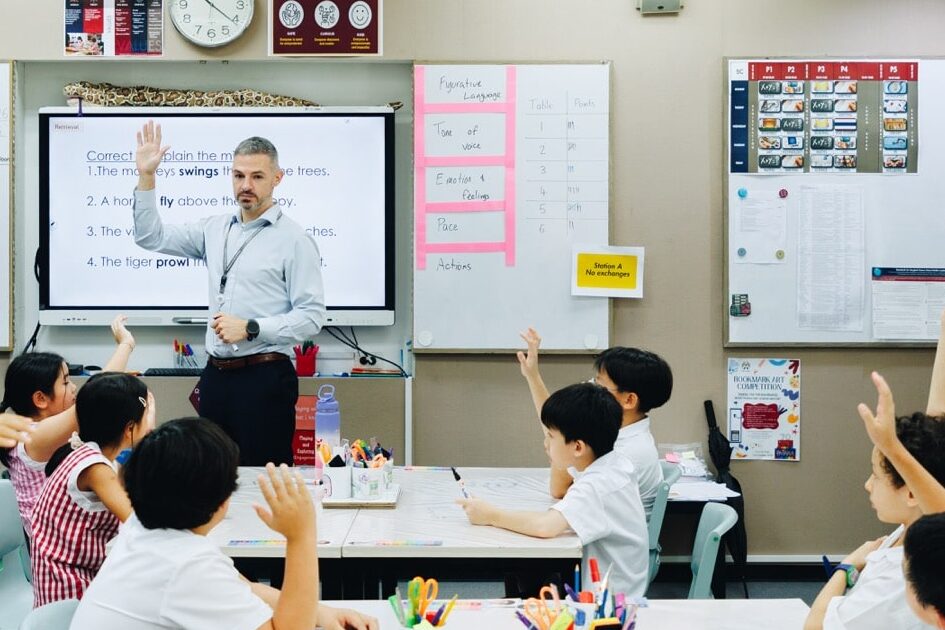
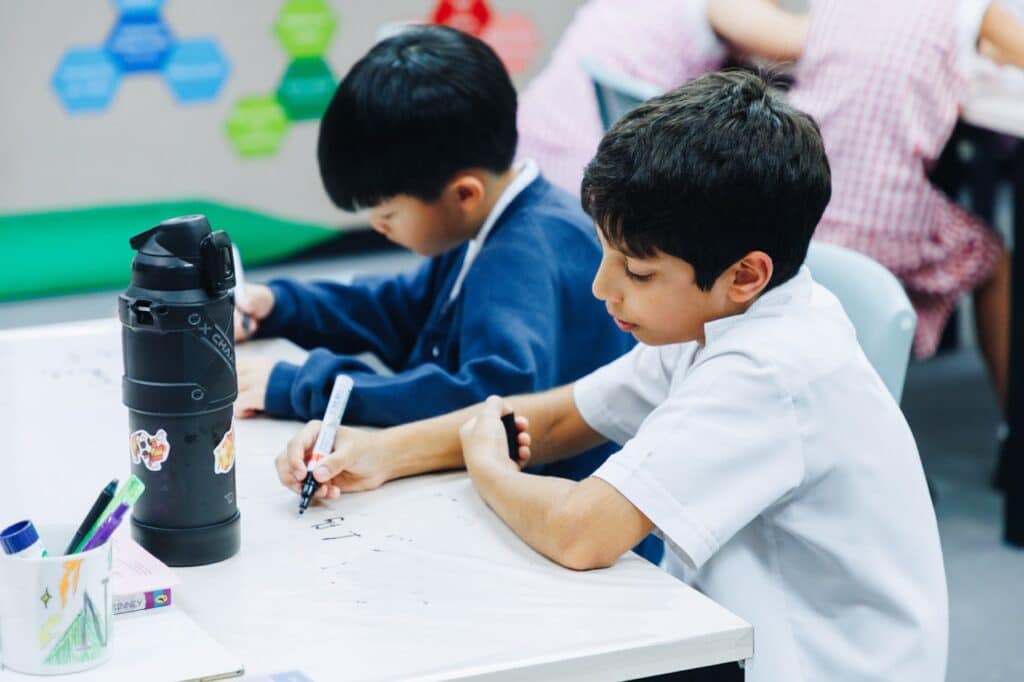
The first strategy explored in the workshop was retrieval practice, one of the ways we help learning stick. Across the Primary School, children regularly spend a few minutes recalling previously taught knowledge, vocabulary and technical language. In a recent Year 2 lesson, children matched continent names to locations around the globe. In Year 4, pupils identified the “odd one out” from a selection of materials and objects, drawing on prior scientific knowledge. These short activities strengthen memory and show teachers what may need further attention.
Explicit Vocabulary Development
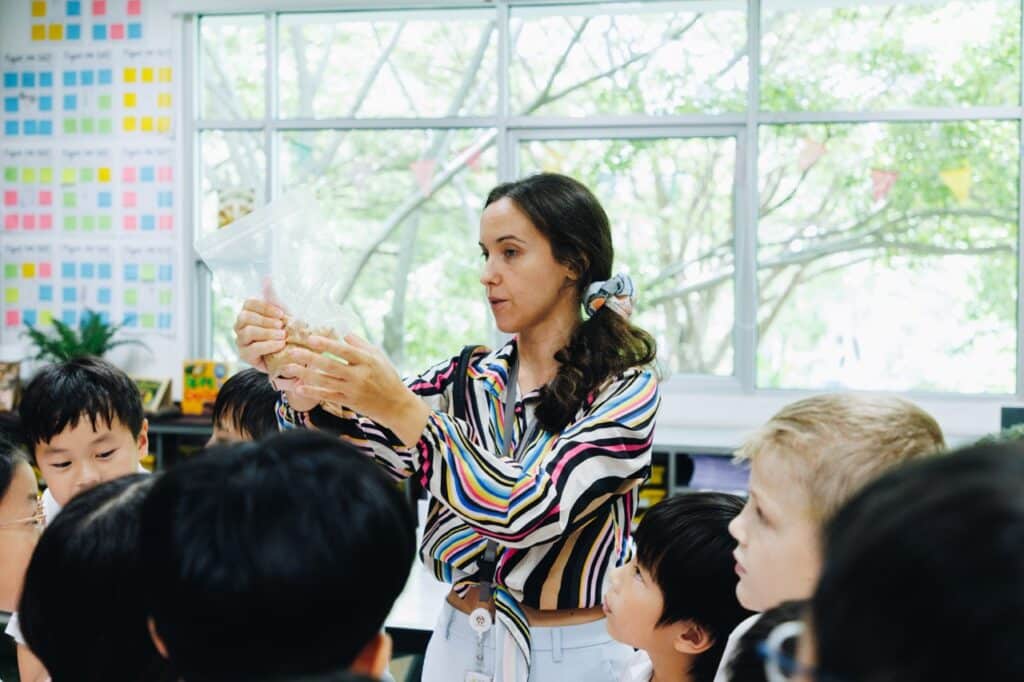
The second strategy explored was explicit vocabulary development. Learning words is a gradual process and is shaped by prior knowledge, reading habits, sleep, well-being and the rich multilingual experiences many learners bring to school. Teachers must therefore select vocabulary carefully and revisit it meaningfully through discussion, reading and use in different contexts.
Introducing ambitious words once is not enough. Children need to sort, compare, discuss and apply them in spoken and written contexts. Each encounter links new vocabulary to existing knowledge, as well as retrieve and revisit in later lessons. Gradually, these connections strengthen until a word moves from being unfamiliar to becoming a natural part of a child’s language.
Live Modelling
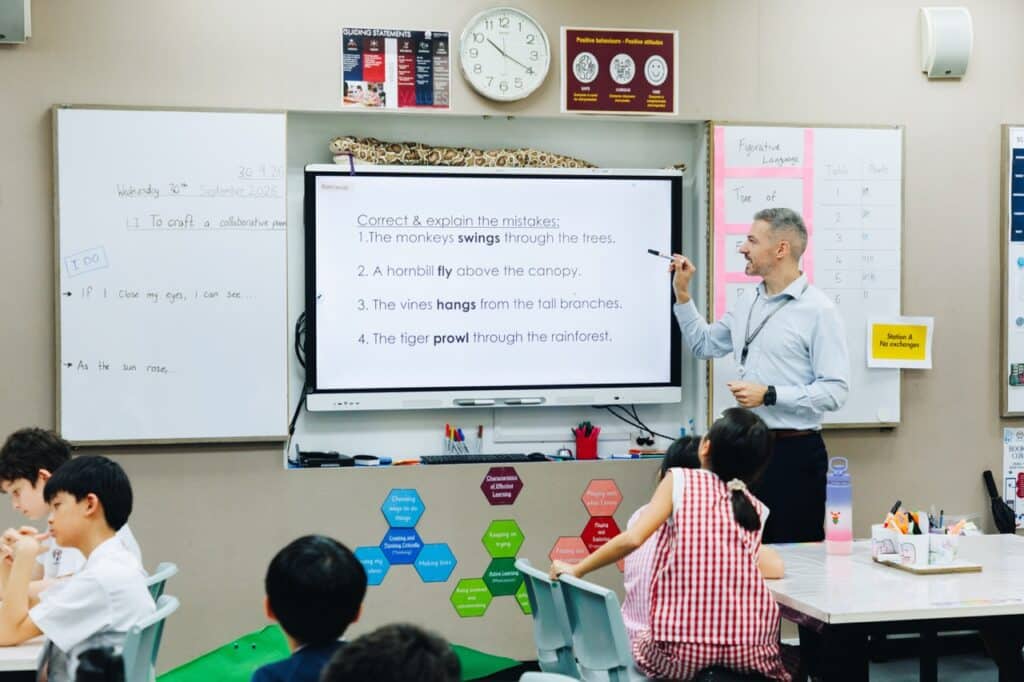
The third strategy explored in the workshop was live modelling. This is when a teacher demonstrates a task while explaining their thinking and decisions aloud. Many classroom tasks involve several processes happening at once. When solving a mathematical problem, for example, children must interpret the question, select a method, complete the calculations and check whether the answer is reasonable. In writing, they may be forming letters, spelling, punctuating and composing ideas simultaneously. Live modelling breaks these complex processes into manageable steps and reveals thinking that an expert might otherwise complete automatically.
Teachers often structure this through an “I do; we do, you do” approach: first the teacher models, then the class practises with guidance, and finally pupils apply the skill more independently. Recently, Year 3 students observed a teacher constructing live expanded noun phrases, while Year 5 mathematicians watched how bar models support understanding of ten thousands and hundred thousands column.
At Bangkok Patana, retrieval practice, vocabulary instruction and live modelling are rooted in a shared understanding of how learning works. By helping children think deeply, make connections and revisit important ideas over time, we increase the likelihood that learning will be remembered and understood. Most importantly, these skills enable them to become lifelong, adaptable learners, with future-ready skills in an ever-evolving world.