2nd October 2026

The Hidden Science of Learning 

By Rachel Preston, Vice Principal, Learning and Curriculum in Primary School

Why do we regularly revisit the same concepts in teaching and ask children to practise skills repeatedly? How are concepts and processes broken down in learning? How do we help knowledge last beyond the lesson?  

These questions formed the basis of our recent Parent Partnership Workshop on Teaching and Learning in the Primary School. The session offered families an insight into modern teaching methodology and what contemporary research tells us about how learning happens. 

Cognitive Science, the study of thought and learning, plays a significant role in this. Researcher and psychologist Daniel Willingham wrote that “memory is the residue of thought.” Put simply, we remember what we think about. When children engage actively with ideas, connect them to prior knowledge and revisit them over time, learning is more likely to become part of long-term memory. Effective teaching therefore encourages hard thinking, retrieval, making connections and guided practice. 

Knowledge and understanding are sometimes separated, with the assumption that one is more valuable, when in reality they are closely linked. Willingham describes understanding as “remembering in disguise.” Children may learn facts and procedures before seeing the bigger picture, building foundations that can later connect into more sophisticated understanding. 

Consider a child learning that 4 x 4 = 16. Initially, this may simply be memorised. Over time, it becomes part of a wider network, supporting understanding of arrays, repeated addition, area, square numbers and inverse operations. Understanding develops as learners connect knowledge into mental maps, often called schemas. 

Of course, there is a problem: forgetting. When we learn something new, connections form between neurons, but these pathways are initially fragile. Forgetting is not simply a flaw, but an intelligent feature of memory. Imagine choosing from a restaurant menu. You may spend several minutes comparing options, yet a week later it would be neither necessary nor helpful to remember every item. Our brains continually filter information, retaining what appears useful and discarding what does not. 

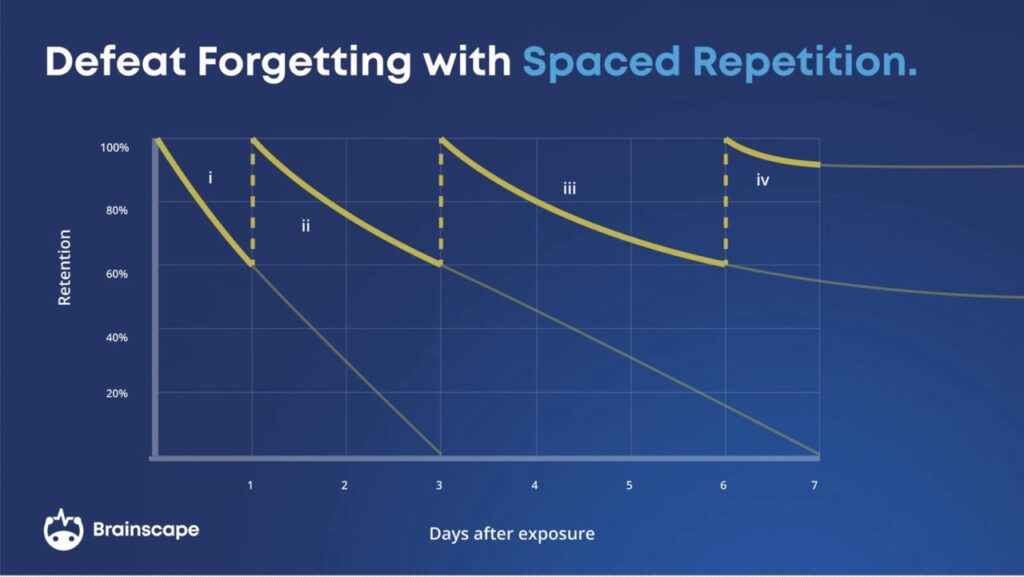
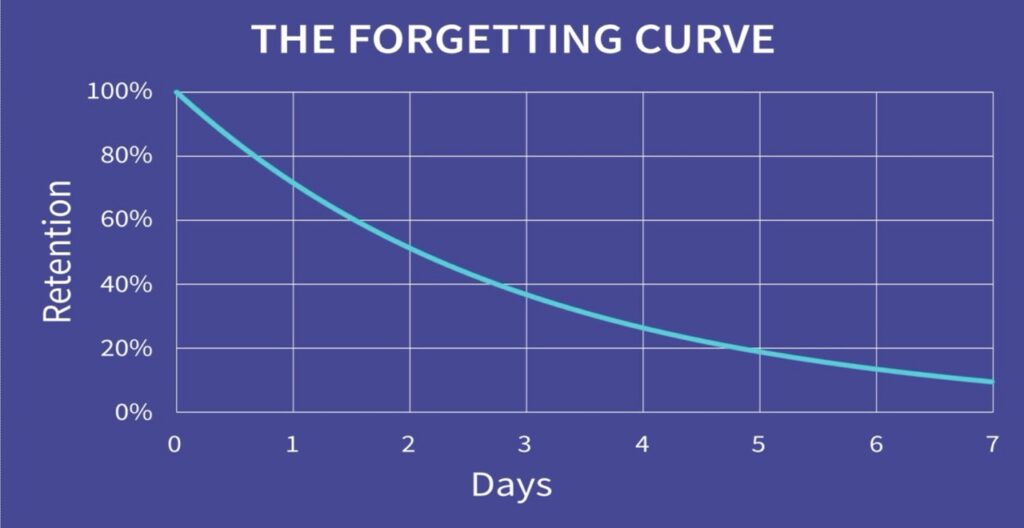
We cannot remember something merely by deciding it is important. Memory is strengthened through repeated, successful retrieval. Ebbinghaus’ Forgetting Curve illustrates how quickly information can be lost without review, while spaced practice and retrieval reduce forgetting by bringing learning back to mind over time. 
Retrieval Practice

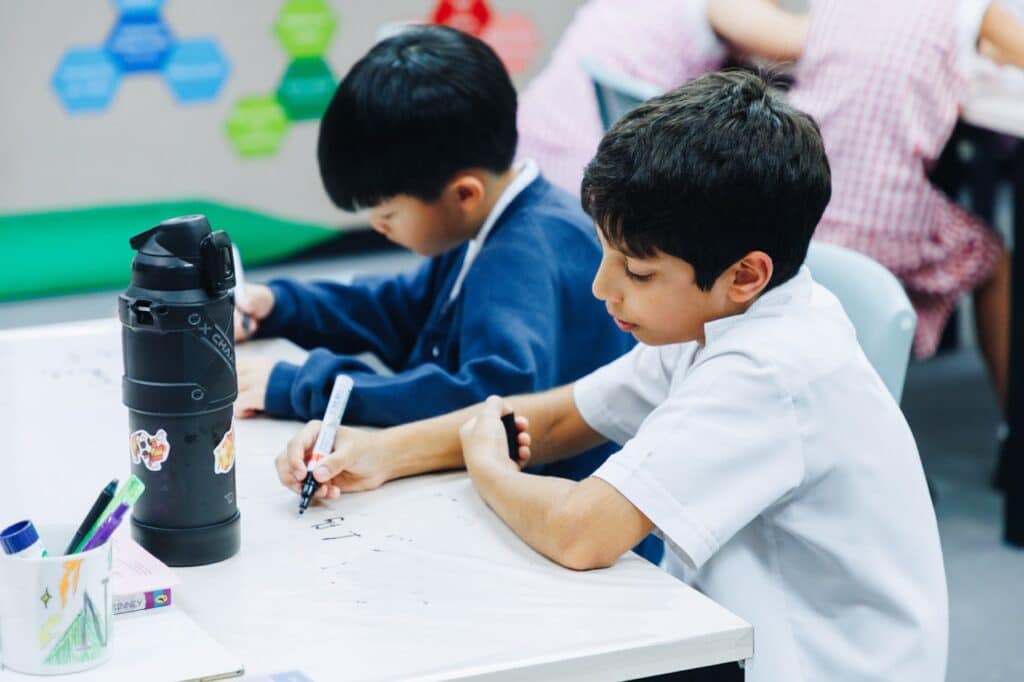
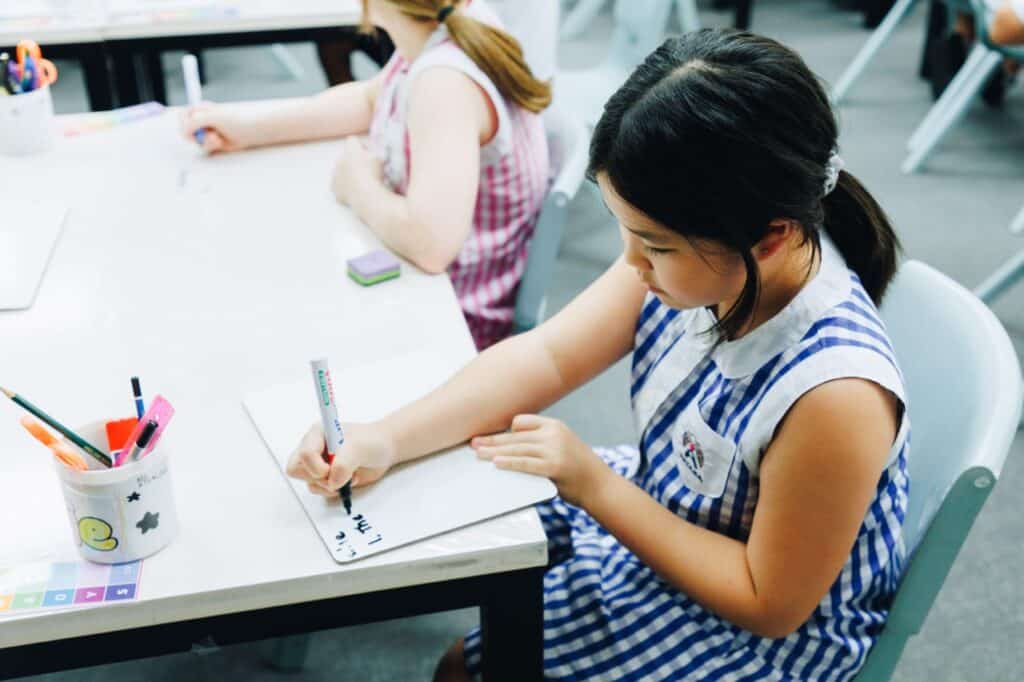
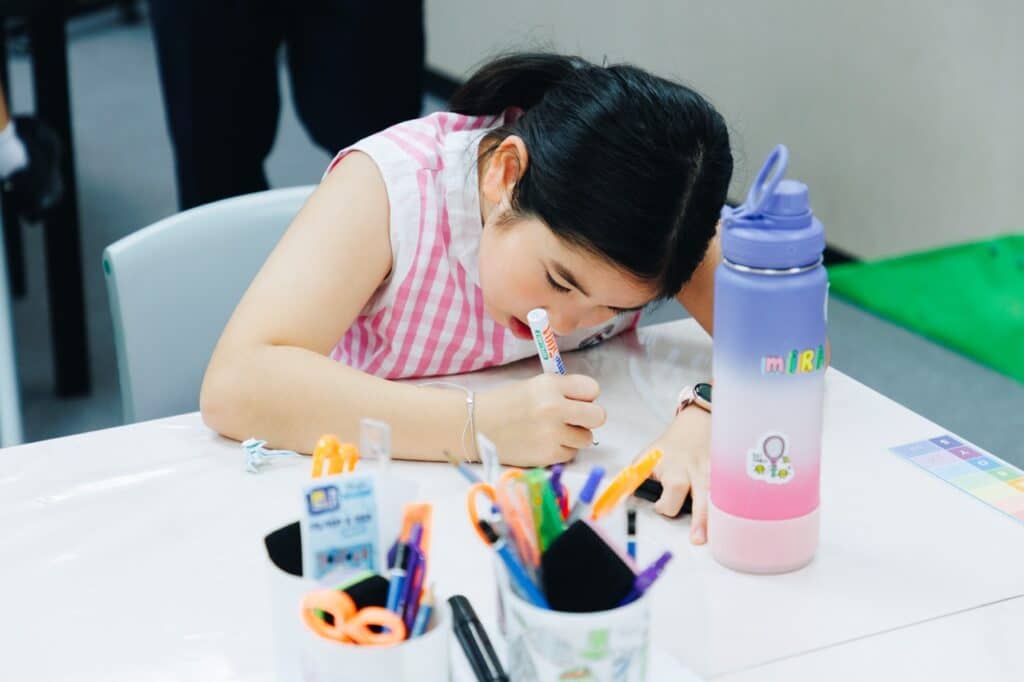
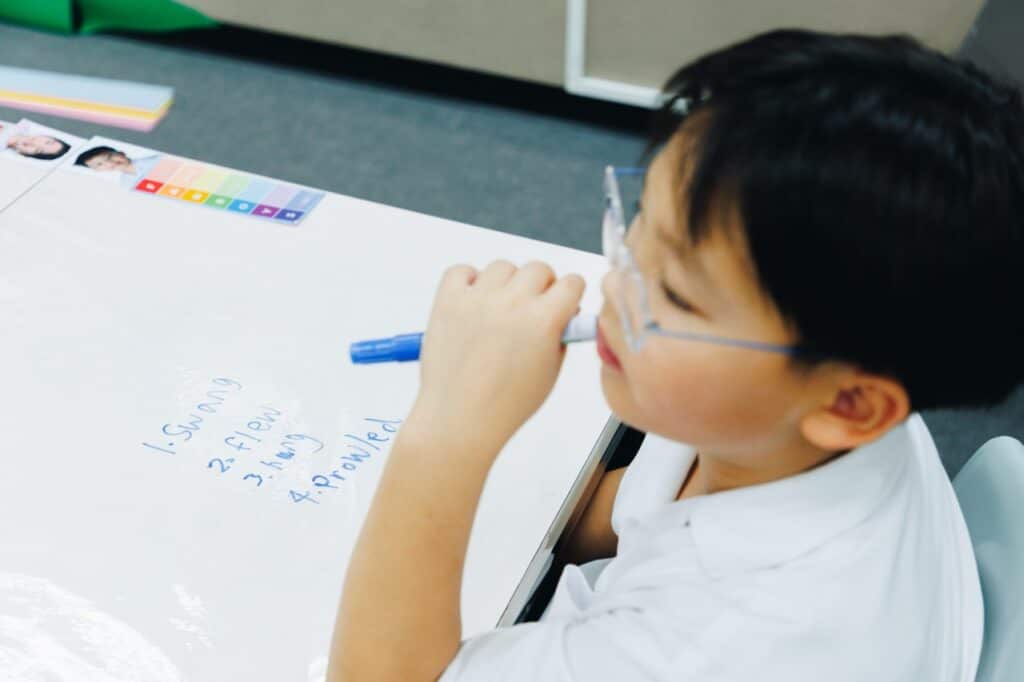
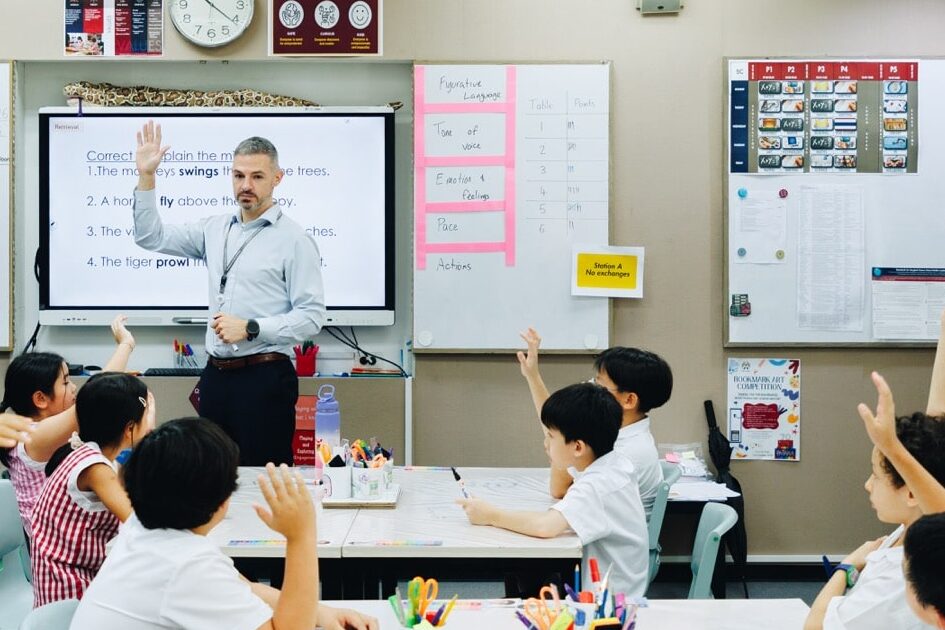
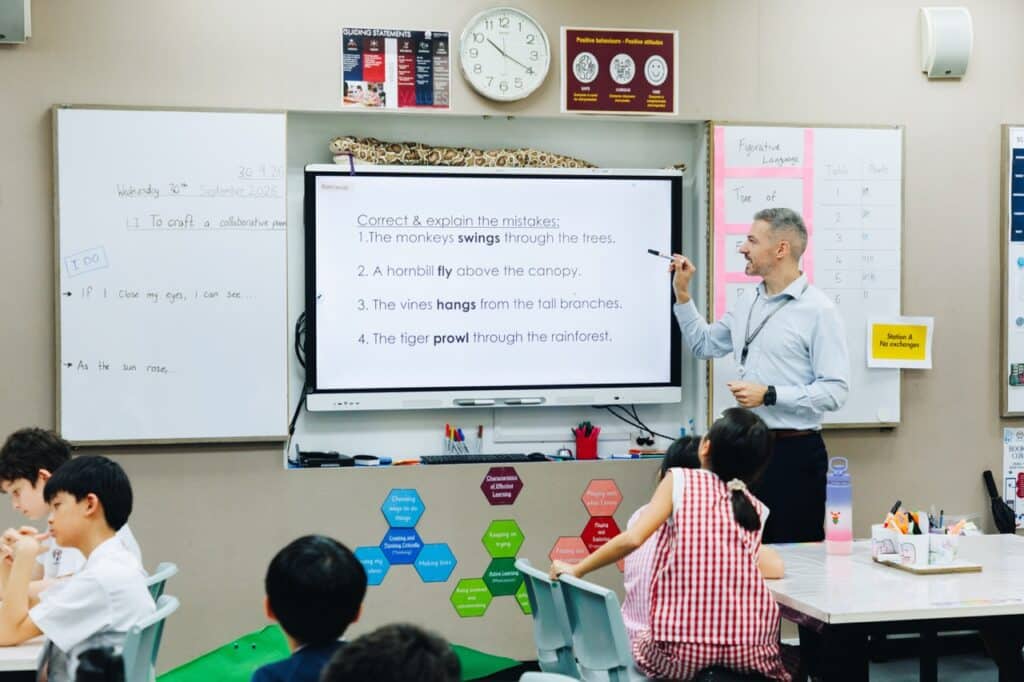
The first strategy explored in the workshop was retrieval practice, one of the ways we help learning stick. Across the Primary School, children regularly spend a few minutes recalling previously taught knowledge, vocabulary and technical language. In a recent Year 2 lesson, children matched continent names to locations around the globe. In Year 4, pupils identified the “odd one out” from a selection of materials and objects, drawing on prior scientific knowledge. These short activities strengthen memory and show teachers what may need further attention. 

Explicit Vocabulary Development

The second strategy explored was explicit vocabulary development. Learning words is a gradual process and is shaped by prior knowledge, reading habits, sleep, well-being and the rich multilingual experiences many learners bring to school. Teachers must therefore select vocabulary carefully and revisit it meaningfully through discussion, reading and use in different contexts. 

Introducing ambitious words once is not enough. Children need to sort, compare, discuss and apply them in spoken and written contexts. Each encounter links new vocabulary to existing knowledge, as well as retrieve and revisit in later lessons. Gradually, these connections strengthen until a word moves from being unfamiliar to becoming a natural part of a child’s language. 

Live Modelling

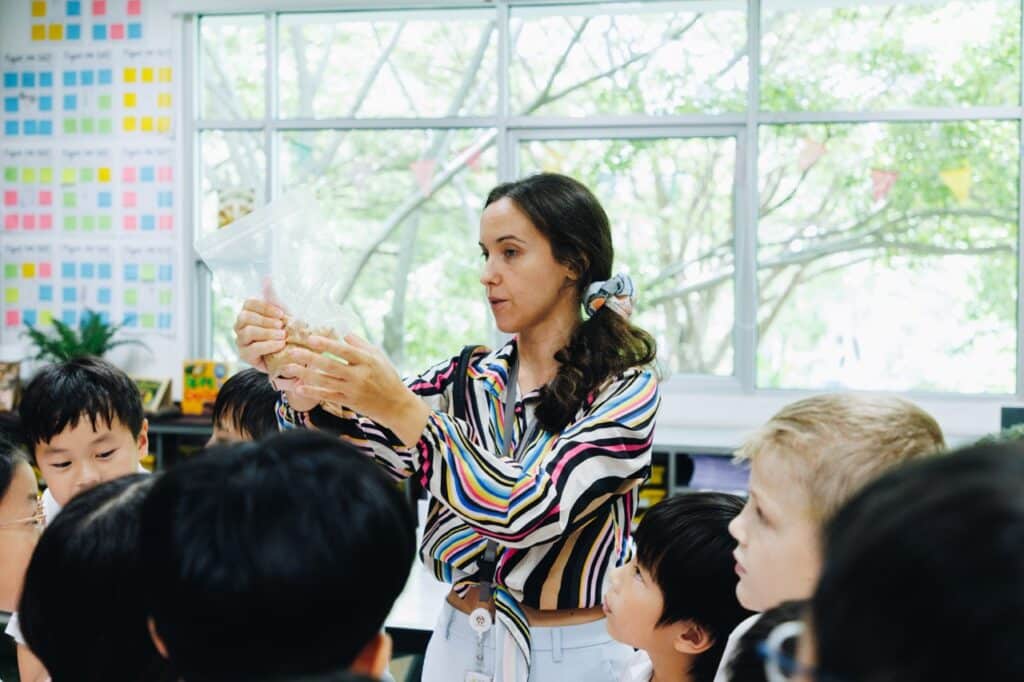
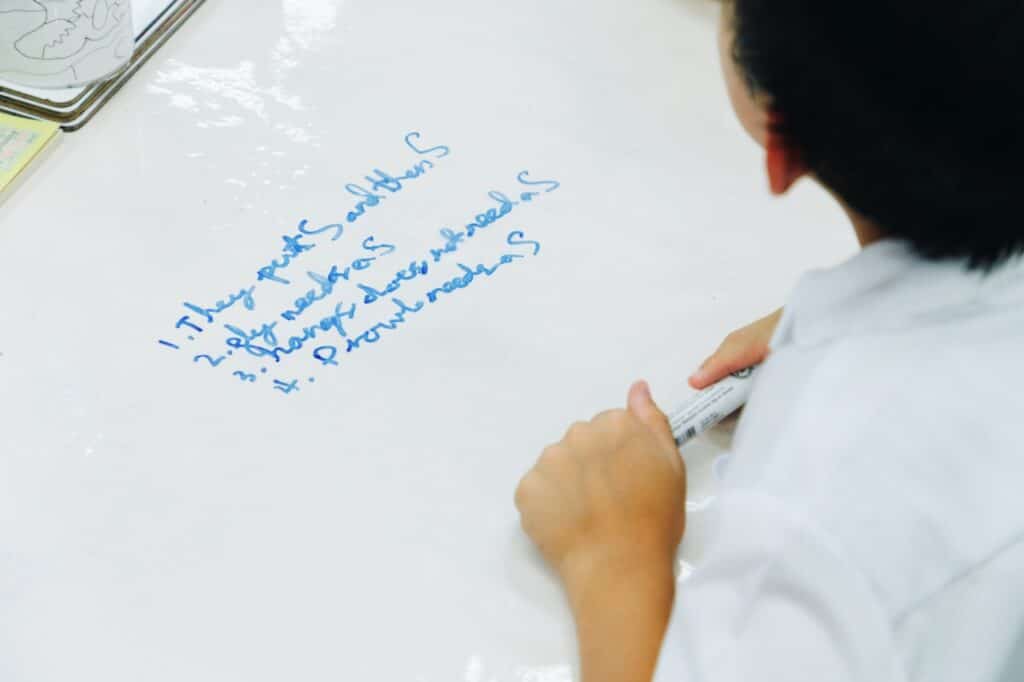
The third strategy explored in the workshop was live modelling. This is when a teacher demonstrates a task while explaining their thinking and decisions aloud. Many classroom tasks involve several processes happening at once. When solving a mathematical problem, for example, children must interpret the question, select a method, complete the calculations and check whether the answer is reasonable. In writing, they may be forming letters, spelling, punctuating and composing ideas simultaneously. Live modelling breaks these complex processes into manageable steps and reveals thinking that an expert might otherwise complete automatically. 

Teachers often structure this through an “I do; we do, you do” approach: first the teacher models, then the class practises with guidance, and finally pupils apply the skill more independently. Recently, Year 3 students observed a teacher constructing live expanded noun phrases, while Year 5 mathematicians watched how bar models support understanding of ten thousands and hundred thousands column.  

At Bangkok Patana, retrieval practice, vocabulary instruction and live modelling are rooted in a shared understanding of how learning works. By helping children think deeply, make connections and revisit important ideas over time, we increase the likelihood that learning will be remembered and understood. Most importantly, these skills enable them to become lifelong, adaptable learners, with future-ready skills in an ever-evolving world. 
Share This Article

In this Issue

Celebrating 70! From the Archives: Tiger Spirit Day

Tiger Spirit Day was first celebrated in the year 2000. It was devised by a parent, Barbara Wiemers to celebrate a sense of belonging and community amongst students. The highlight was to cheer on our sports teeams and the choice of the tiger was based on the school mascot that had been in existence for sports teams since 1998.

Annette Bruno, one of our first PTG Tiger Shop Managers wrote:

“What is school spirit? School spirit is about a community coming together for a cause to support each other and take pride in who they are and what has brought them together. At Bangkok Patana, this form of spirit is prevalent in our lives every day. It is known as Patana Tiger Spirit! It is shown by wearing lots of black and orange, singing, cheering and just having loads of fun!!”

More recently, Tiger Spirit has also become a good day to demonstrate our commitment to the serving the people around us. Donations collected on the day go to the school central funds to bolster the charities supported by Primary Year groups and the Secondary community engagement clubs.

Make sure you show your Tiger Spirit this week. If you are looking for inspiration, head to the PTG Tiger Shop for a big choice of black and orange Tiger gear!

Share This Article

In this Issue

Behind the Bookshelves

What book do you recommend and why?  

I highly recommend Beneath a Scarlet Sky by Mark Sullivan. It is an incredibly moving story of courage, resilience and survival during World War II. It is based on the true story of an ordinary young Italian who gets involved with the resistance. It is one of those books that are really hard to put down until you reach the last page.


Where do you work/teach? 

I’m Mr Kim. Careers and University Counsellor in Secondary School

Share This Article

In this Issue

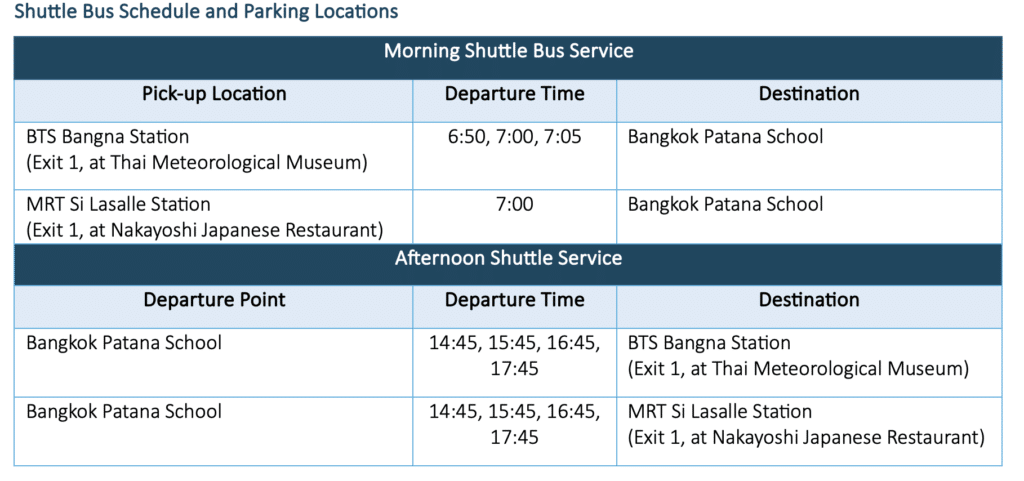
Shuttle Bus Fare Reduced to Support Sustainable and Safe Travel

Hatairat (Jeab) Bootrsing, Transport Manager

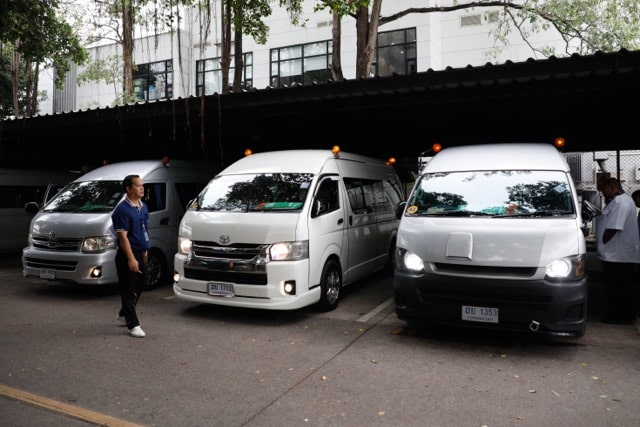
Getting to and from school safely, conveniently and sustainably is an important part of our commitment to student wellbeing and environmental responsibility. To encourage more students to make use of public transport and reduce reliance on private vehicles, Bangkok Patana School is pleased to announce a reduction in the fare for the BTS Shuttle Bus service.

Following the Term 1 half-term break, the shuttle bus fare will be reduced to THB 25 per trip. Bookings can be made conveniently through the Shuttle Bus Online system. Please refer to the booking guidelines HERE for further details. Those families who have already paid ahead of time, will be issued a credit note reflecting the reduction in cost.

Available to all Secondary students in Years 7 to 13, the shuttle service provides a safe and reliable connection between School and BTS Bangna, making it easier for students to incorporate public transport into their daily journeys. By combining the BTS with the school shuttle, families can help reduce traffic congestion around campus and support the School’s broader sustainability goals by lowering the number of individual car journeys.

The service offers students greater independence while maintaining important safeguards. Students can book journeys through the School’s online Shuttle Bus system and, each time a booking is made, a notification email is automatically sent to the parent listed as the primary contact. Students are encouraged to discuss bookings with their parents before travelling, and use of the service confirms parental consent.

Safety remains a priority. While shuttle buses do not have a bus monitor on board, students are expected to behave responsibly, wear their seatbelts throughout the journey and follow the School’s behaviour expectations at all times. In periods of exceptionally heavy traffic, buses travelling from BTS Bangna may be diverted via Bearing Road. Should this occur, students will be dropped at the Sports Complex and will use the school footbridge to access the main campus.

The fare reduction reflects Bangkok Patana’s commitment to providing practical, affordable and sustainable transport options for our community while ensuring students travel safely and responsibly.

Shuttle Bus Service at a Glance

  • Fare: THB 25 per trip (effective after the Term 1 half-term break)
  • Available to: All Secondary students (Years 7-13)
  • Booking: Via the School’s online Shuttle Bus system
  • Parent notification: Sent automatically for every booking
  • Safety expectation: Seatbelts must be worn and School behaviour expectations followed
  • Alternative drop-off during severe traffic: Sports Complex via Bearing Road diversion

We encourage Secondary students and families to consider the BTS Shuttle Bus as a convenient, cost-effective and environmentally responsible travel option.

Share This Article

In this Issue

Tech Tips #335: CapCut: What Parents Need to Know

By Brian Taylor, Vice Principal, Technology for Learning

CapCut is a free video editing app developed by ByteDance, the company behind TikTok. It has become extremely popular with children and teenagers who want to create videos for platforms such as TikTok, Instagram Reels, YouTube Shorts and Snapchat. While many parents see it as simply a creative editing tool, recent updates mean it now includes features that resemble a social media platform. 

In addition to editing videos, CapCut includes public profiles, followers, comments and a personalised content feed. This means children can interact with content from other users and may receive comments from people they do not know. Unlike some major social media platforms, CapCut currently offers limited parental controls and relies heavily on parents using device-level settings to manage access and screen time. 

Parents should be aware of several potential risks. These include exposure to inappropriate content, beauty filters that may influence self-esteem and body image, and the sharing of personal information through videos. CapCut also collects data about how users engage with the app and the content they create. If linked to other social media accounts, children may become more visible to a wider online audience. 

The good news is that there are practical ways to support safe use. Parents are encouraged to explore the app themselves, review followers and interactions with their child, avoid linking CapCut to other social media accounts, and make use of Screen Time (iOS) or Family Link (Android) controls. Most importantly, maintain regular conversations about online experiences and encourage children to talk about anything that makes them uncomfortable. 

CapCut can be a powerful tool for creativity, storytelling and digital skills development. However, as with many popular apps, it is important for families to understand both the opportunities and the risks so that children can use it safely and responsibly. 

Enjoy your weekend.

Brian Taylor

Vice Principal, Technology for Learning

Share This Article

In this Issue

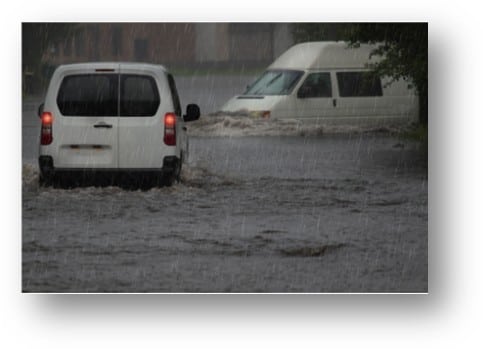
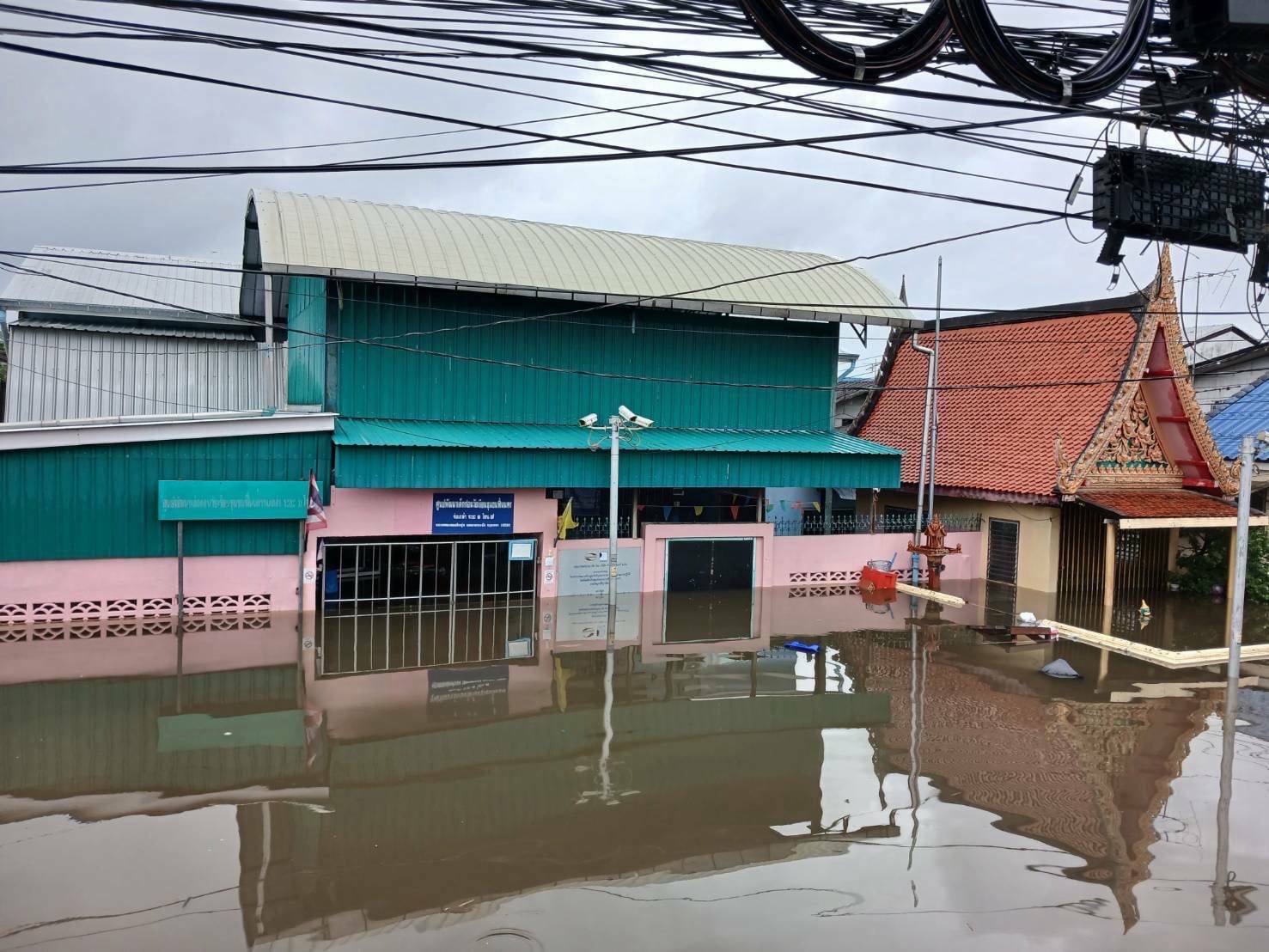
Why School Buses Cannot Travel Through Flooded Areas

By Transport Department

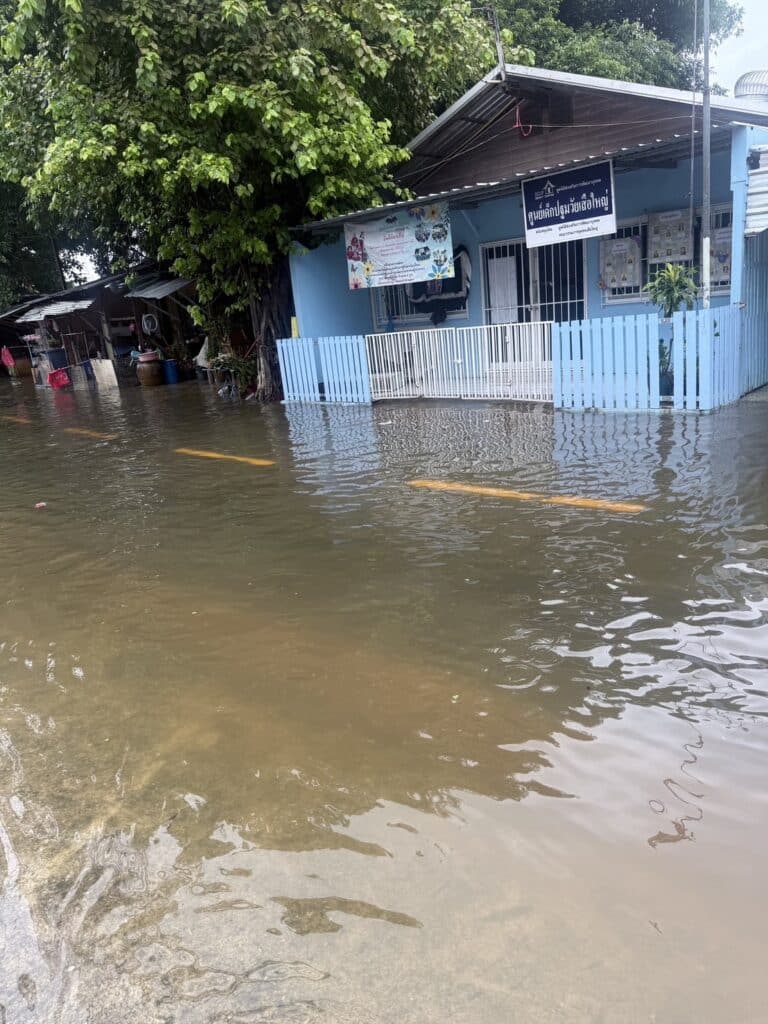
Door-to-door transport is important to our families. However, when roads are flooded, the safety of students and staff must take priority. Driving a school bus—or asking a child to walk—through floodwater can create serious risks:

🚸 Student and Staff Safety – Even shallow floodwater can cause a bus to stall or lose control, placing everyone on board at risk.

⚠️ Hidden Hazards – Floodwater may conceal open drains, potholes, debris, strong currents, or electrical hazards, making the route unsafe for vehicles and pedestrians.

🧍 Emergency Evacuation – If a bus becomes stranded, evacuating students and staff safely may be difficult and dangerous.

👉 When a road is flooded, the bus will stop at the nearest safe, accessible location. Parents will be contacted promptly and asked to meet their child there.

🚫 Important: Children should never be asked to walk through floodwater to reach or leave a school bus.

We appreciate families’ understanding and cooperation. These precautions help ensure that every child remains safe during severe weather and difficult road conditions.

Share This Article

In this Issue

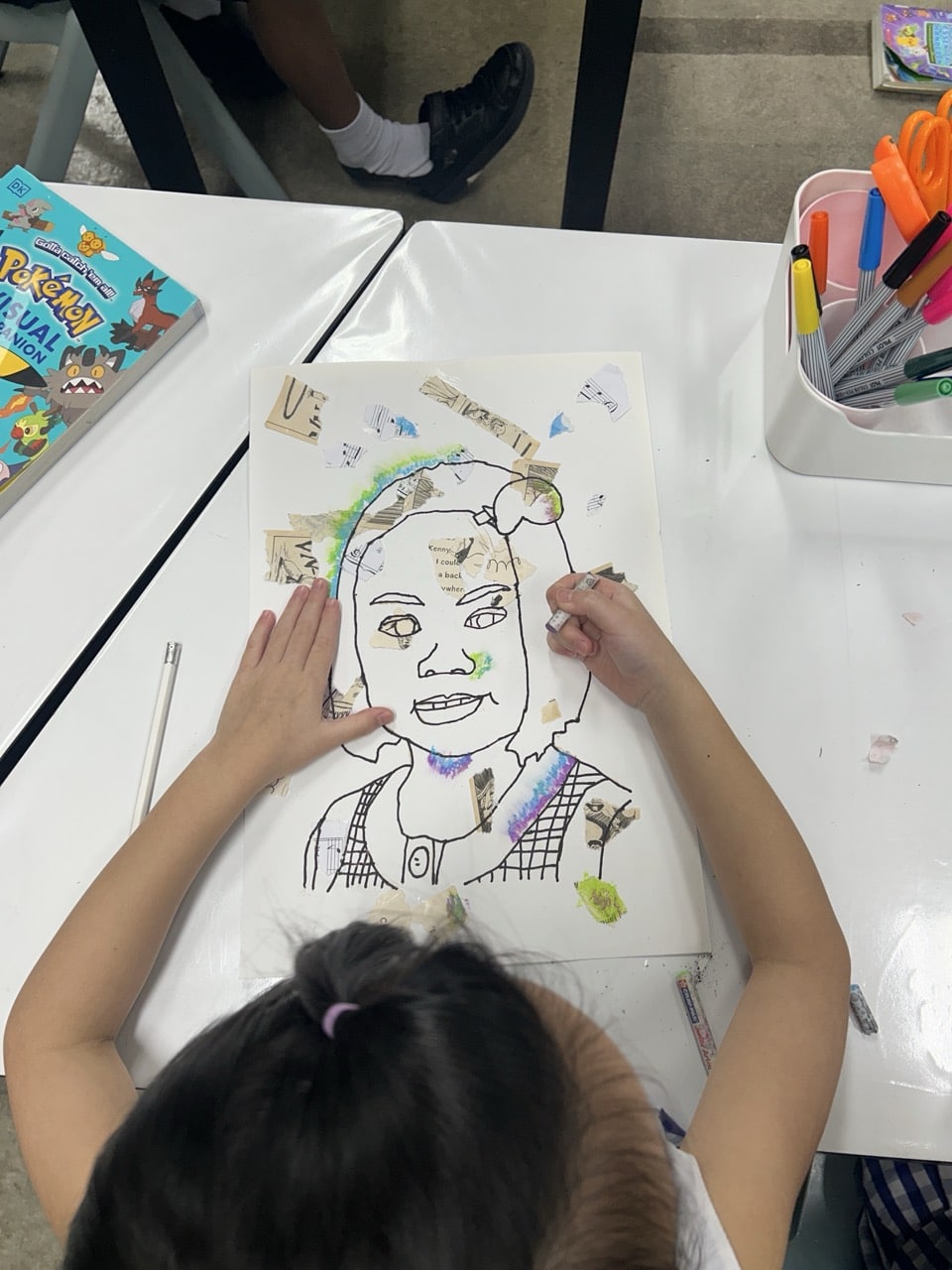
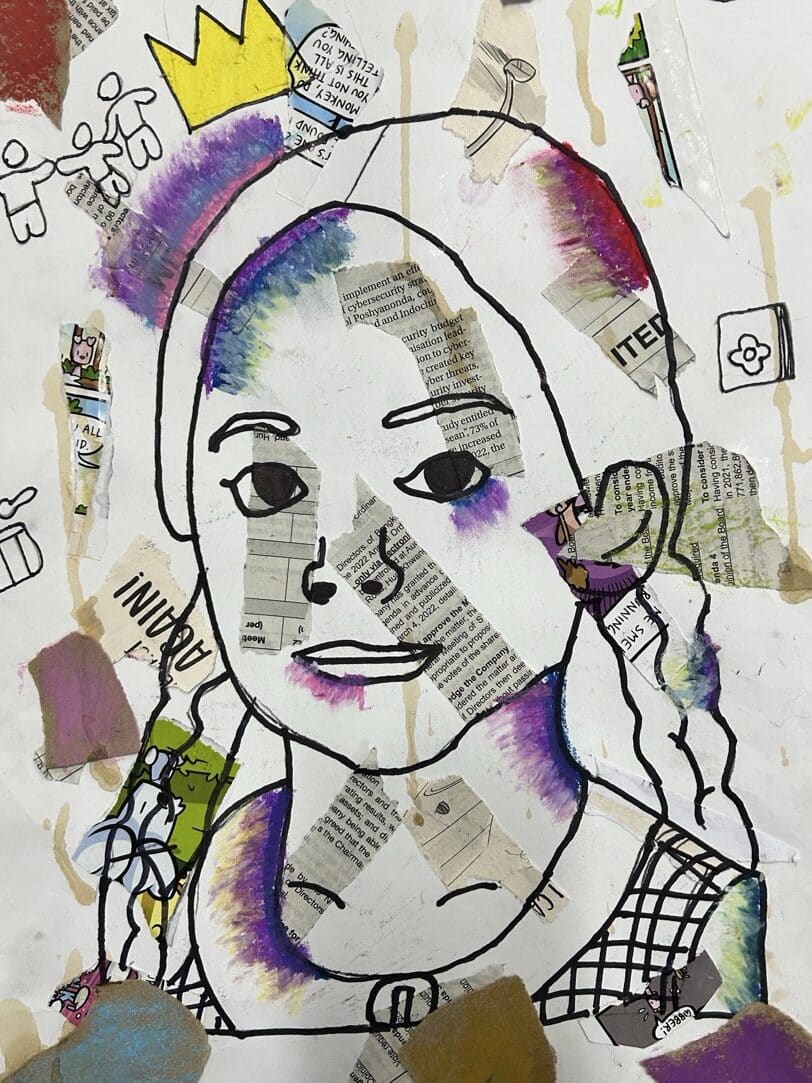
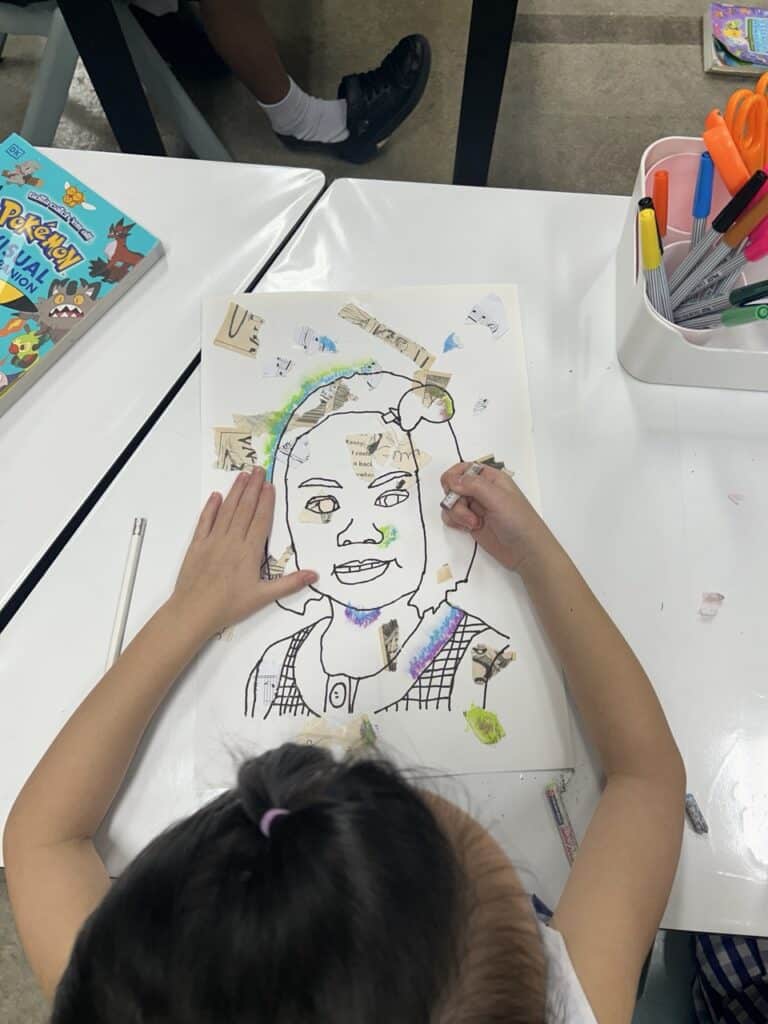
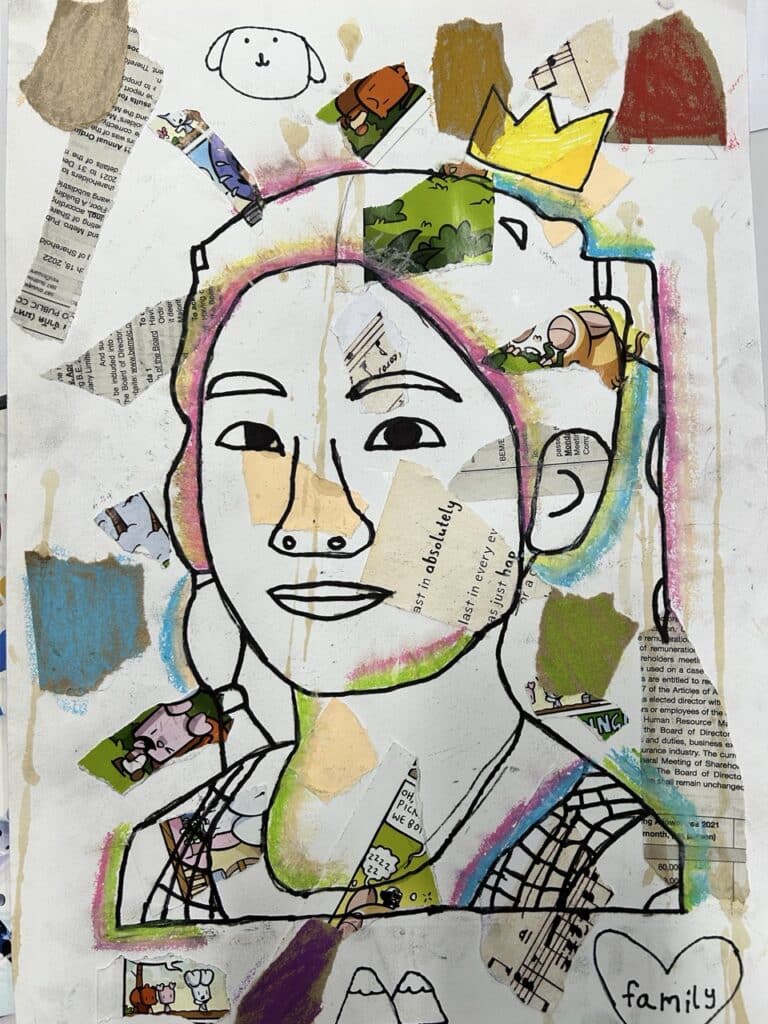
Little Basquiat Artists in Year 4

By Hayley Hatfield, Year 4 Class Teacher

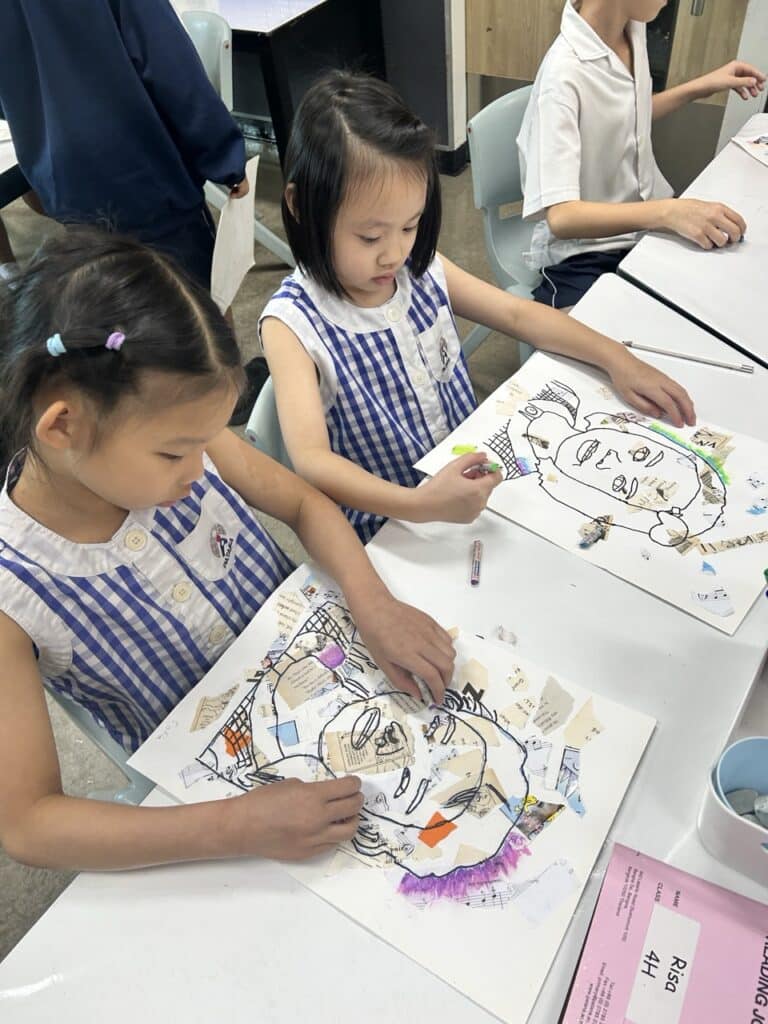
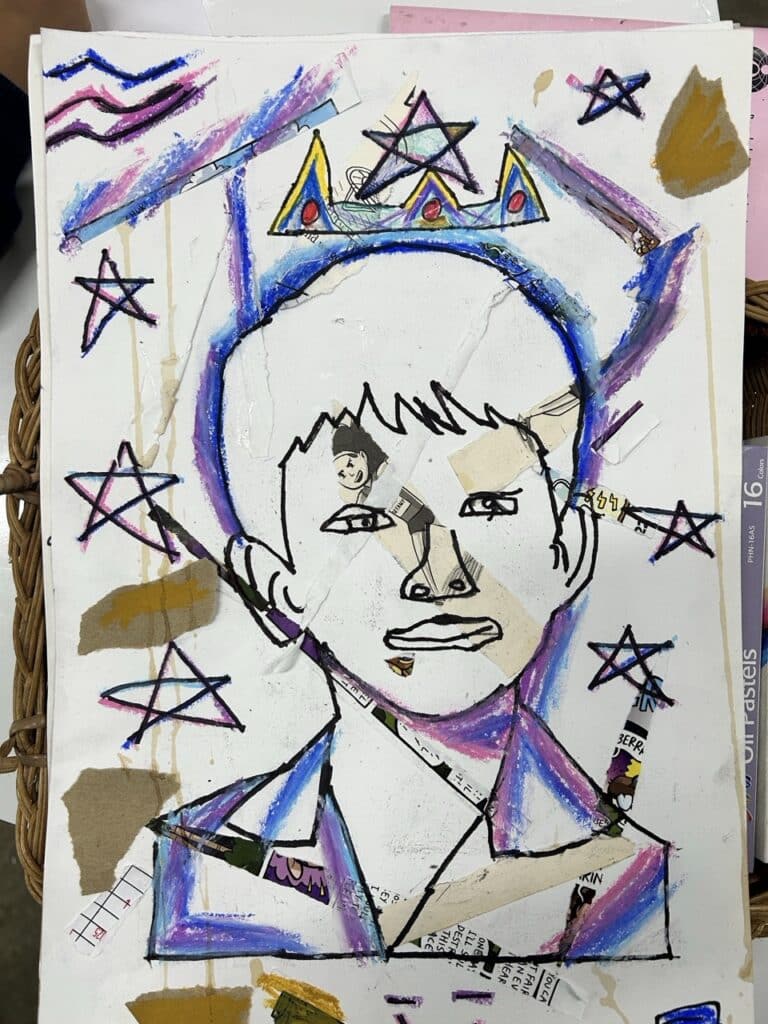
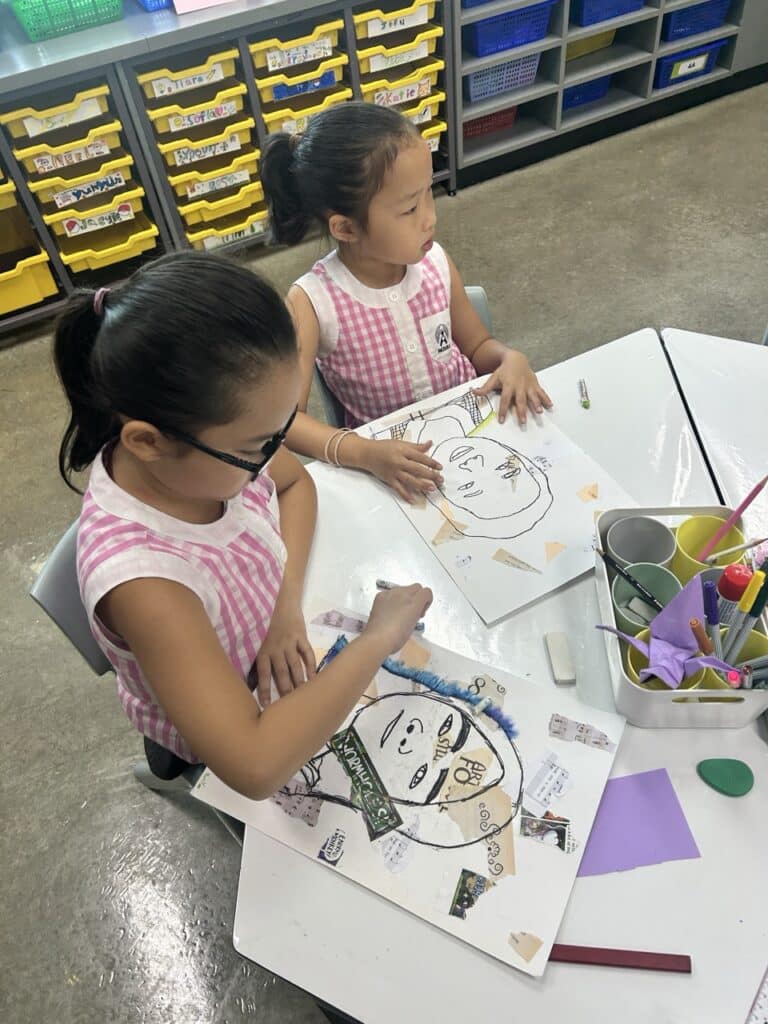
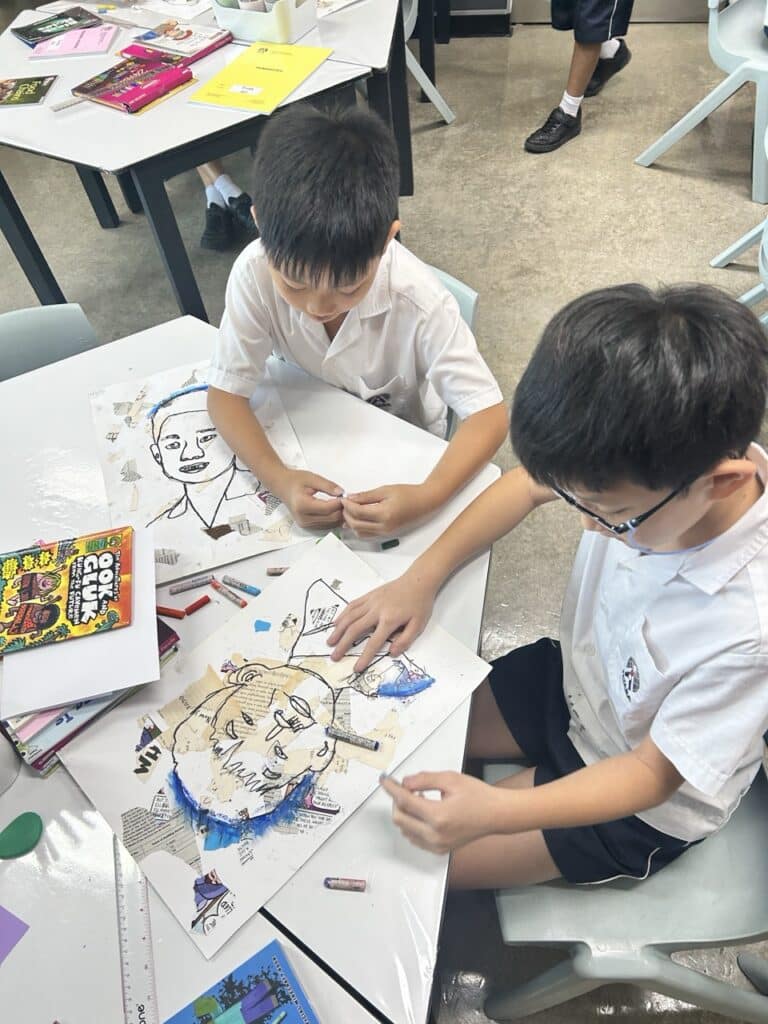
Year 4 have been exploring the exciting and expressive work of artist Jean-Michel Basquiat. They learned about his unique style, bold colours, energetic lines, symbols and use of mixed media. Inspired by Basquiat’s techniques, the children experimented with different materials and mark-making methods to develop their own artistic ideas. They then created their own mixed-media portraits, combining drawing, painting, collage and expressive details. The children enjoyed discovering how Basquiat used art to communicate ideas and emotions, while also developing their own individual styles. Their finished portraits are vibrant, imaginative and full of personality, showcasing the creativity and confidence of our Year 4 artists.

Share This Article

In this Issue

The Patana Pod

By Carly Peart, Cross Campus Vice Principal, Professional Learning

This time, we’re sitting down with our Medical Services Manager; better known as our Head Nurse, Nurse Joe.

For anyone who doesn’t know her, she exudes positivity and warmth wherever she goes and is invariably coming round to hand out fruit from either her home, or her family’s farm.

In this episode, you’ll get to learn more about the person beyond the ‘Nurse’ title and find out what brings her joy. Enjoy!

Share This Article

In this Issue

Authentic University Applications: Build a Life Not A CV!

By Kim Ekstrom, Careers and University Counsellor

One of the most common questions I hear from students is “What should I be doing to get into a good university?”

After 20 years of working as careers and university counsellor at international schools, I understand why. University admissions can feel uncertain, particularly when students are applying to highly selective universities where there is no simple formula for success. When the answer is unclear, it is very tempting to create a checklist. Should I do research? An internship? Community service? A summer programme? A competition? Start a business? Become a club president? Start a new club? Perhaps I should do all of them. The problem is that when students follow the same checklist, they sometimes lose their authentic selves.

When University Becomes A Checklist

This summer, I attended a session at a university counselling conference in Pittsburgh called Breaking the Checklist Mentality: Reclaiming Authenticity, Purpose, and Impact in a Pay to Play World. The panel included admissions professionals from Barnard College and the University of Pennsylvania, as well as experienced university counsellors from international schools in China, India, Singapore and Canada. Their message resonated with many of the conversations I have with students here at Bangkok Patana.
When students ask what they need to do to stand out in the university application process they might start doing things because they believe universities expect them, rather than because they are genuinely interested. And when everyone follows the same formula, applications can start to look remarkably similar. At Bangkok Patana, our students have access to a wide range of opportunities, both academically and through the CAS programme. The challenge is not necessarily finding more things to do, but rather choosing what is right for you.

Try The “Would I still do it?” Test

One of the simplest questions students can ask themselves is: Would I still do this if no university would ever find out about it? If the answer is yes, then you are probably onto something authentic. Perhaps you genuinely enjoy helping younger students with maths. Maybe you love playing in a band even though you have no intention of studying music. Perhaps you spend your weekends helping a community organisation because you care about the people there. These experiences usually have much more meaning than something selected simply because someone said it “looks good” on an application. Another useful test is: Can you talk about this activity for ten minutes without mentioning the certificate, award or university? If a student can talk enthusiastically about what they did, what they discovered, what went wrong and what they learned, there is probably something worth exploring.

A Compass, Not A Map

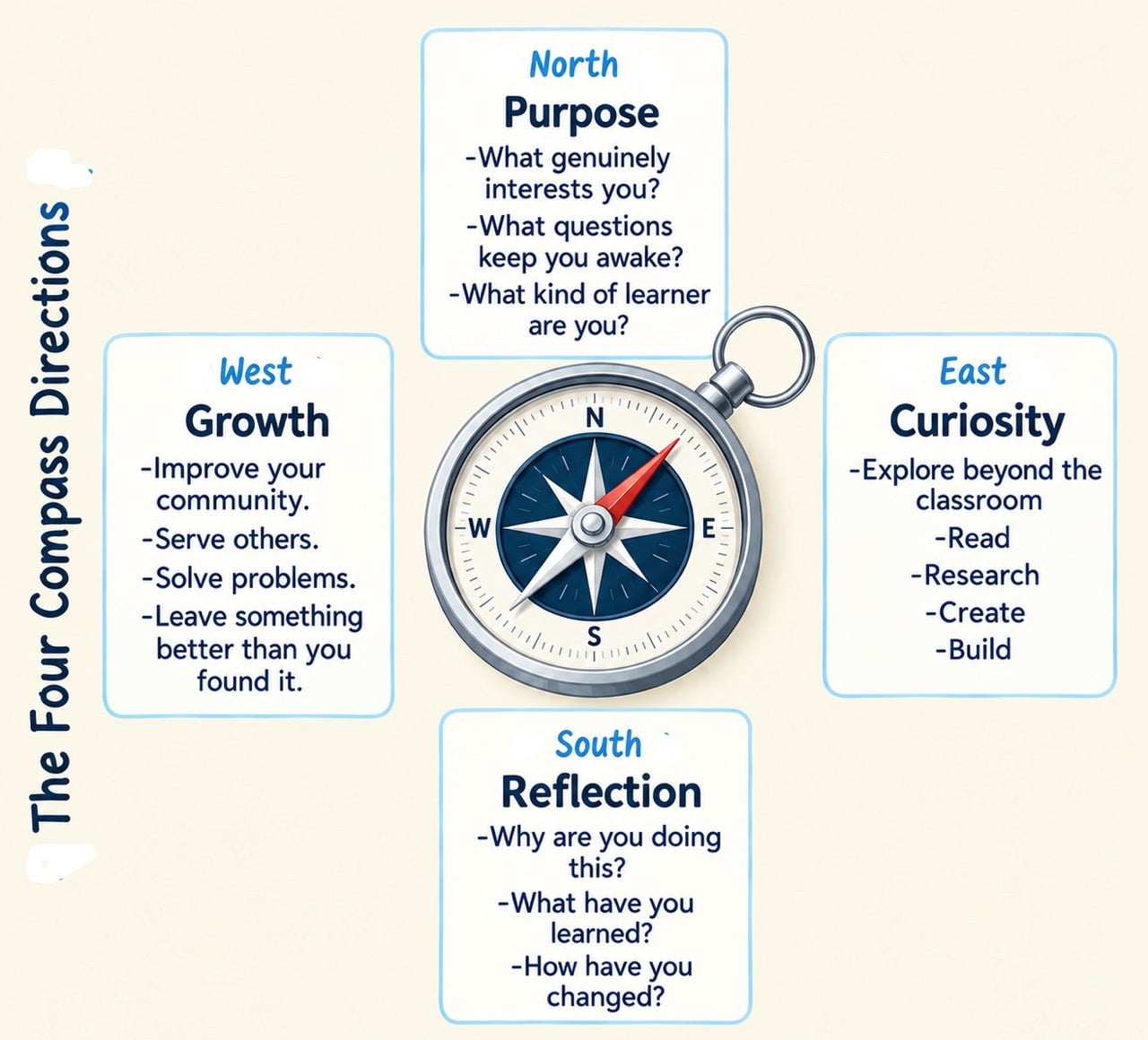
There is another metaphor from the conference that I particularly liked. Students often want a map. They want someone to tell them exactly where to go and what to do. But perhaps what they really need is a compass. A map provides a fixed route. A compass gives you the tools to navigate when the route is uncertain. As counsellors, our job is not to hand students a list of activities that will supposedly guarantee admission. It is to help them develop the confidence and self-awareness to make good decisions for themselves. So, when a student asks me questions like, Which activity looks best? What should I do this summer? Will colleges like this? Is this enough? How do I stand out? I increasingly find myself asking questions instead: Why does this matter to you? What do you want to learn? How will you grow from it? What story can only you tell? These questions can initially be frustrating for students who would really prefer a straightforward answer! But there is a reason for this approach. By the time students leave Patana, they will have to make many decisions without someone telling them exactly what to do. University is full of uncertainty. So is life.

There Needs To Be Room For Failure

One of the ideas from the conference that particularly resonated with me was the importance of allowing students to fail. That can be difficult as students sometimes feel that every experience needs to produce an impressive outcome. But some of the most interesting student stories begin with something that did not work. A student starts a tutoring project and discovers that their original idea is not sustainable. Another student organises an event that attracts far fewer people than expected. Someone tries to create something, fails, learns from it and starts again. This is closer to real life experiences where we don’t always succeed. The value is seen in what you did next. Did you change your approach? Ask for help? Learn something? Try again? Decide that the original idea was not right and move in another direction? Those experiences often develop qualities that aren’t seen in your CV such as resilience, reflection, and genuine growth.

Your Story Doesn’t Have To Be Perfectly Connected

I also sometimes see students worrying that every activity needs to connect directly to their intended university program. This is indeed more important for applications to UK universities, but it doesn’t apply to university admissions in other countries. A future doctor does not need to spend every waking hour doing medical activities. A future engineer does not need to build robots from Year 9 onwards. A student who eventually applies for business does not need to become an entrepreneur at the age of 15. Real people are more complicated than that. Our interests develop. We try things. We change our minds. Sometimes an experience that seems unrelated at first becomes important later. Sometimes we discover that we don’t actually enjoy something we thought we would. That is not wasted time. That is part of growing up. Universities are not necessarily looking for students who have already become fully formed professionals. They want students who have demonstrated curiosity, engagement, initiative and the capacity to contribute and grow.
A Message For Parents

Parents understandably want to help. When the university process feels uncertain, it is natural to look for something concrete that can be controlled. But sometimes the best thing we can do is resist the temptation to turn every experience into an admissions strategy. Instead of asking, Will this look good for university? try asking: Did you enjoy it? What did you learn? Would you like to do more of it?” And perhaps most importantly: What do you think? Students need space to develop their own interests and make some of their own decisions. They also need permission to try things that might not work.

Build A Life, Not A CV

Ultimately, I think this is what we should want for our students. Not the longest list of activities. Not the most impressive collection of certificates. Not a perfectly engineered university application. Instead, we should want students who can look back at their Secondary School years and say: These are the things I cared about. These are the things I tried. This is what I learned. This is how I changed. That is much harder to manufacture than a checklist, and much more meaningful. So, to our students: don’t spend your Secondary School years trying to become the applicant you think a university wants. Explore. Be curious. Get involved. Take some risks. Let yourself fail occasionally. Pay attention to what gives you energy. Notice what makes you want to learn more. And to parents: encourage your children to build a life that is genuinely theirs. When the time comes to apply to university, hopefully the application will not look like a checklist. It will look like your authentic self.

Share This Article

In this Issue

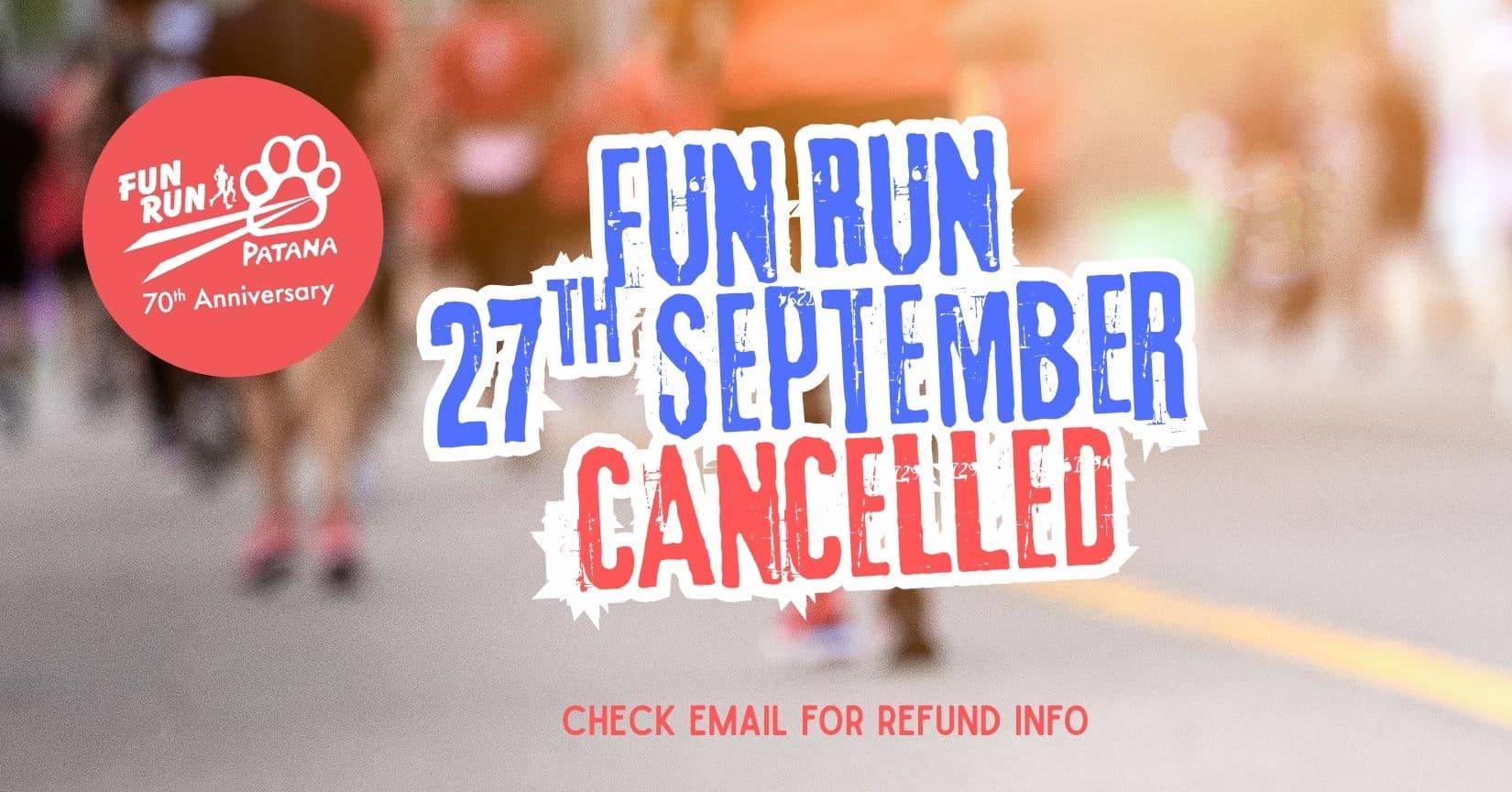
Bangkok Patana Fun Run 2026: Thank You for Your Support

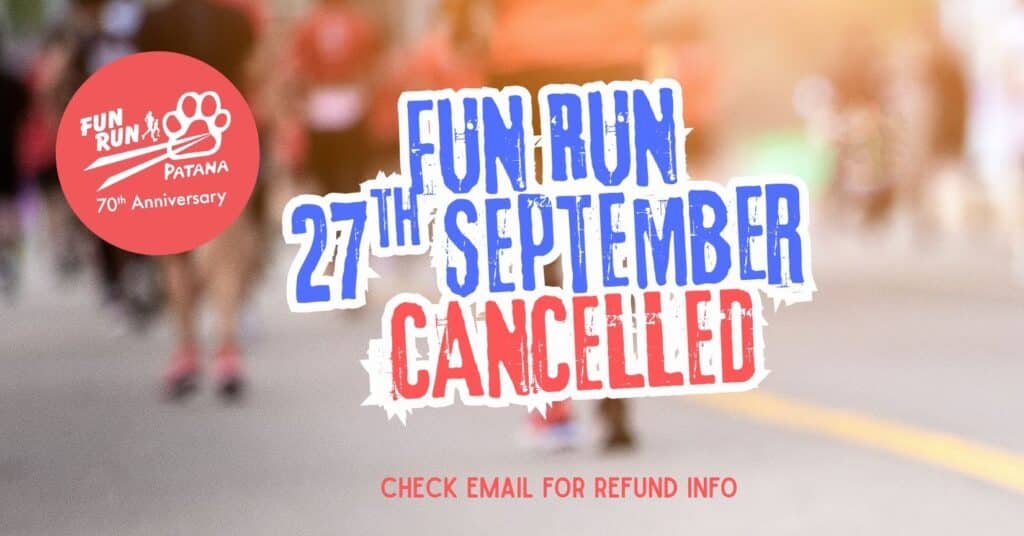
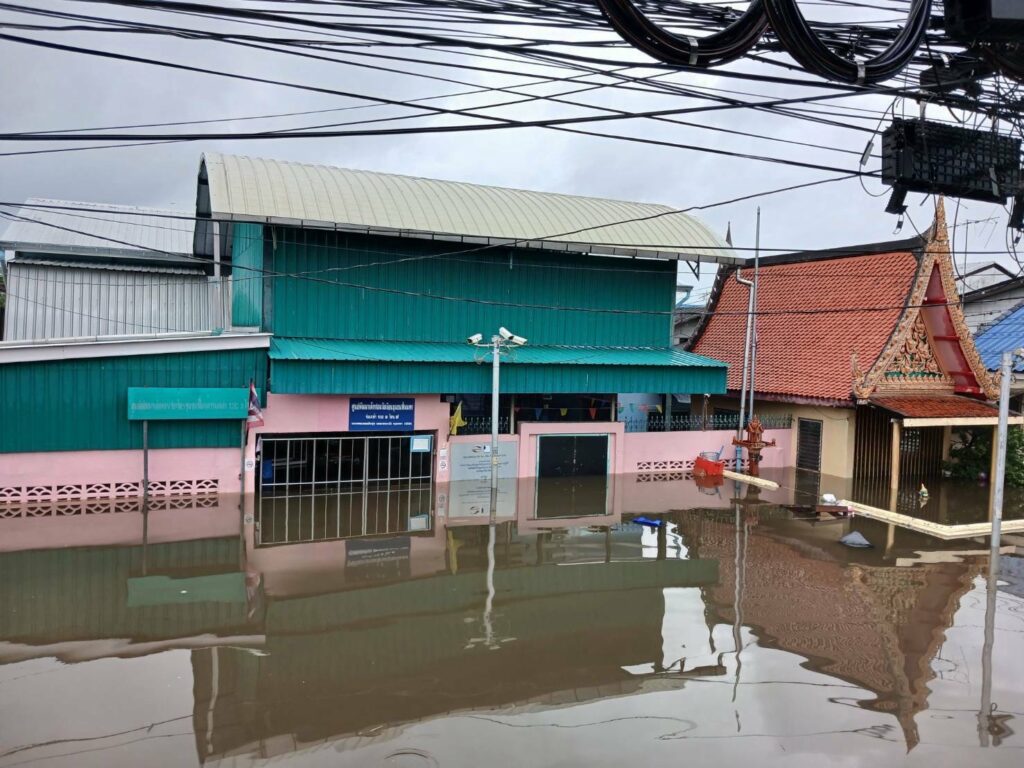
Like many events across Bangkok last weekend, the Bangkok Patana Fun Run 2026 was unfortunately affected by severe flooding. While we know many members of our community were looking forward to celebrating our school’s 70th anniversary together at Rama IX Park, the safety of participants, volunteers, staff and supporters had to remain our first priority.

We would like to thank everyone for their understanding following the cancellation. The enthusiasm shown by students, parents, staff, alumni and friends of the School in the lead-up to the Fun Run was truly appreciated and reflected the strong community spirit that has made this event a much-loved tradition for more than 20 years. We saw our highest registration rate ever!

Refunds for Participants

Refunds are being processed through Jog and Joy. If you have not yet completed the refund form, please do so by 8th October using this link: This will help ensure your refund can be processed promptly.

Thank You to Our Sponsors

We would also like to extend our sincere thanks to our sponsors, whose generosity and support helped make the event possible. Your willingness to support a community-focused event that brings together students, parents, staff, alumni and friends is greatly appreciated. Sponsors who have requested refunds will receive them, and we hope to welcome all of our sponsors back next year. Your partnership means a great deal to our School community.

A particular mention to sponsor Khun Chalinee Rattanasetyut who had sponsored breakfast for all our participants. Today, Khun Chalinee will give the 1,100 breakfasts to a flood relief centre for people who are still out of their homes.

Supporting Flood Relief Efforts

A number of participants have contacted us to ask whether they can donate their registration fee rather than request a refund. Any registration fees that are not refunded will be donated to flood relief.

Although we were disappointed not to gather together for this year’s Fun Run, we are proud of how our community responded during challenging circumstances. Thank you again for your support, understanding and generosity. We look forward to seeing everyone back on the start line next year.

Share This Article

In this Issue

Tennis Academy Stands For…

By Thanarit Surarak Cross Campus Assistant Head Tennis Coach

As a passionate coach I have wanted for a while to explore how I saw the Tennis Academy.


Over the last year following many conversations with my fellow coaches, students and parents I have designed a charter which I feel shows our values as a tennis academy and more importantly a tennis community.

TTeamwork We win together, on court and off it.
EEducate Every lesson teaches skills for tennis and for life.
NNurture We support each player’s growth with patience and care.
NNever give up Every point is a new chance, no matter the score.
IIntegrity We play fair and make honest line calls, even when no one is watching.
SSportsmanship We respect opponents, coaches, and the game.
  
AAmbition We set big goals and work step by step to reach them.
CCommitment We show up, train hard, and finish what we start.
AAttitude A positive mindset turns mistakes into learning.
DDiscipline Consistent habits build champions.
EExcellence We aim to do the small things well, every day.
MMotivation We find our own reasons to keep improving.
YYou Believe in yourself, because confidence starts with you.

Share This Article

In this Issue

The Great Patana Bake Off Update

By World Languages Faculty, Secondary School

The deadline for the bakeoff has now passed. Thank you to everyone who took part and shared their wonderful creations!

Winners will be announced on Friday 9th October, just before the October half-term break. Prizes, certificates and House Points (for Secondary students) will be awarded by 19th October.

The event has been a celebration of the many languages, cultures and traditions that make up our community, helping to strengthen our sense of identity and belonging. We look forward to recognising the creativity, talent and enthusiasm of all our bakers and celebrating the flavours and stories that bring us together.

Share This Article

In this Issue

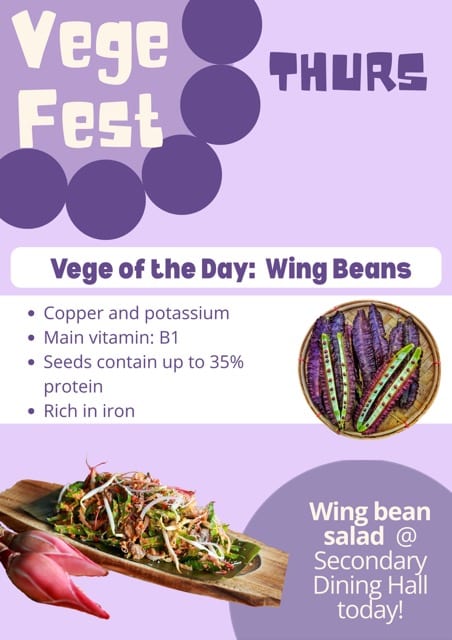
Vege Fest is Almost Here!

The Student Environmental Committee (SEC) is hosting Patana Vege Fest in the Secondary School from 5th – 9th October, coinciding with the annual vegetarian festival celebrated in Thailand.

The SEC students have done a top job to offer Secondary students vegetarian tastes. Scroll below to see the planned highlights of each day. Also make sure to try the Special Edition Smoothie and the Live Cooking Station on Wednesday. A big thank you to them on their efforts!

Share This Article

In this Issue

Wai Kru Ceremony: Honouring Our Teachers and Thai Culture

By Primary Thai Team

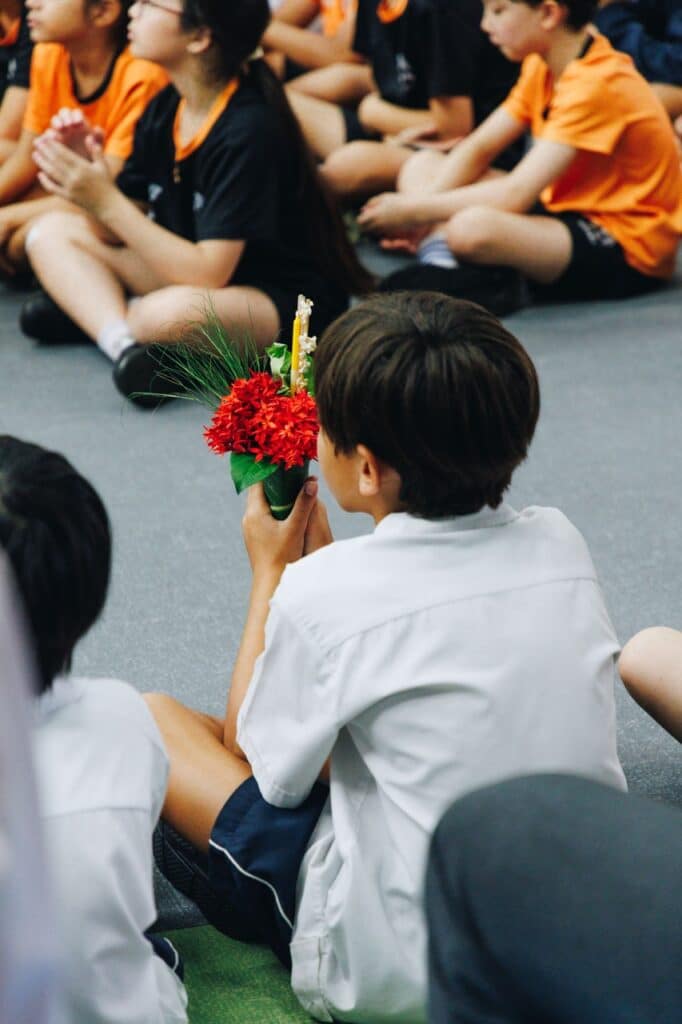
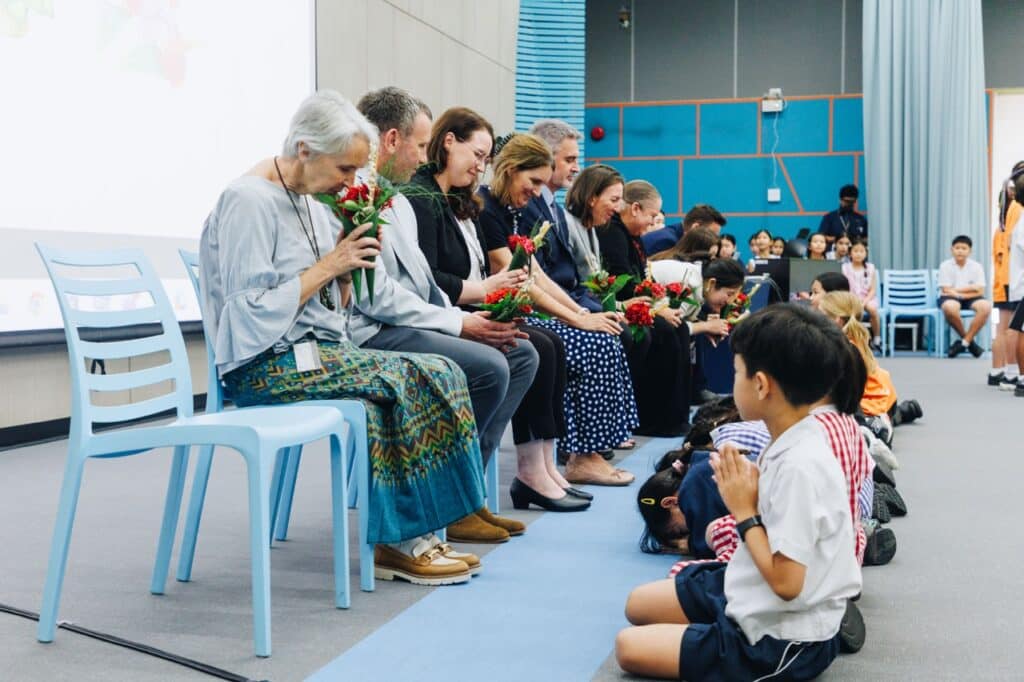
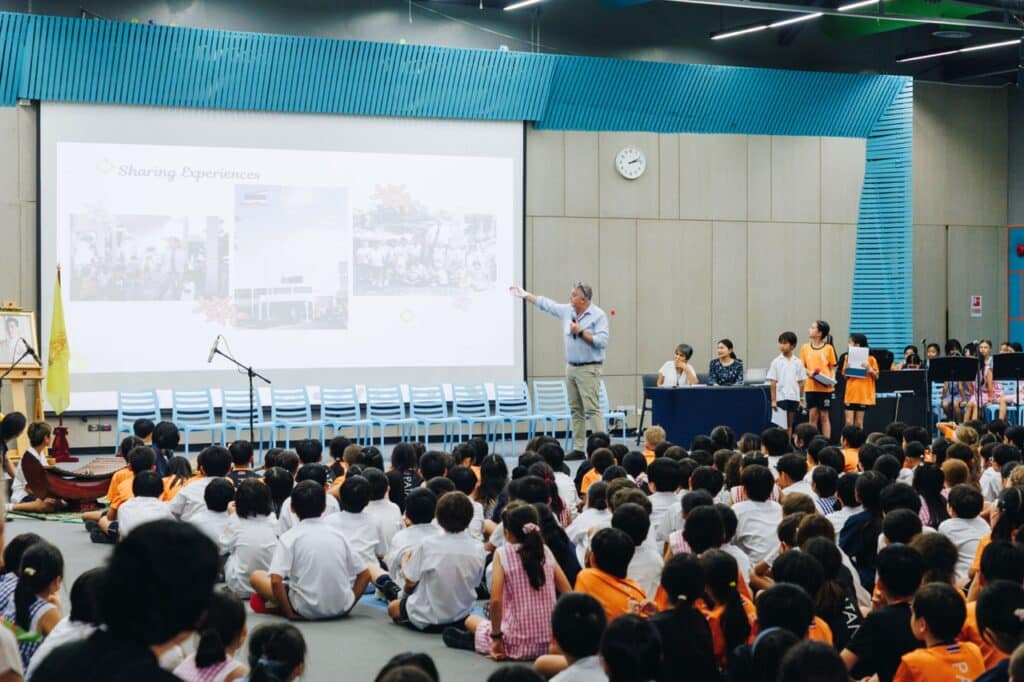
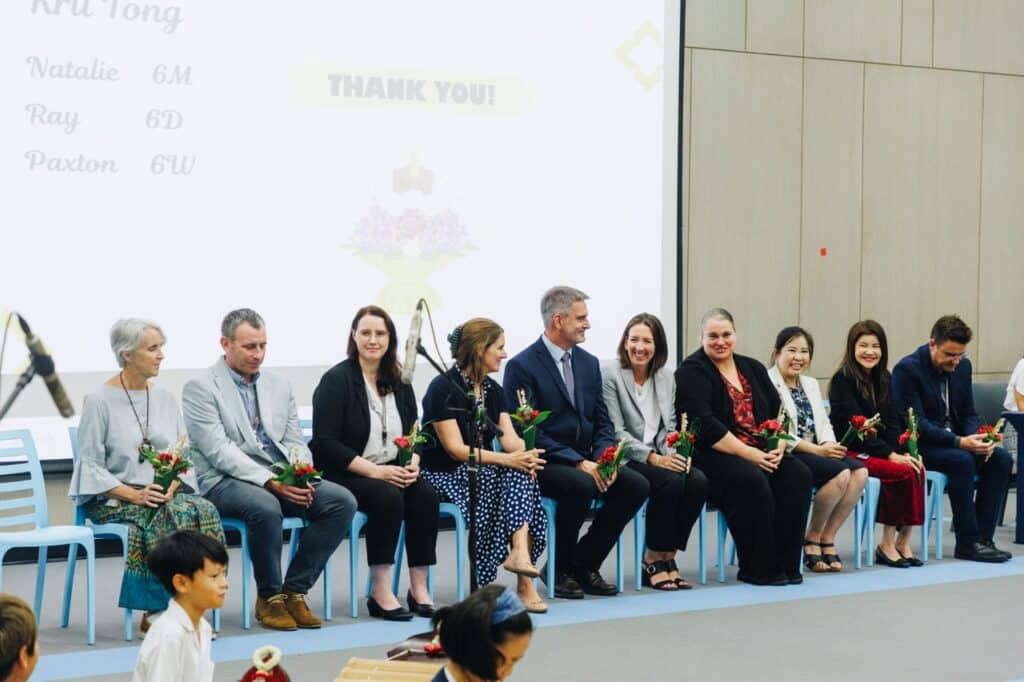
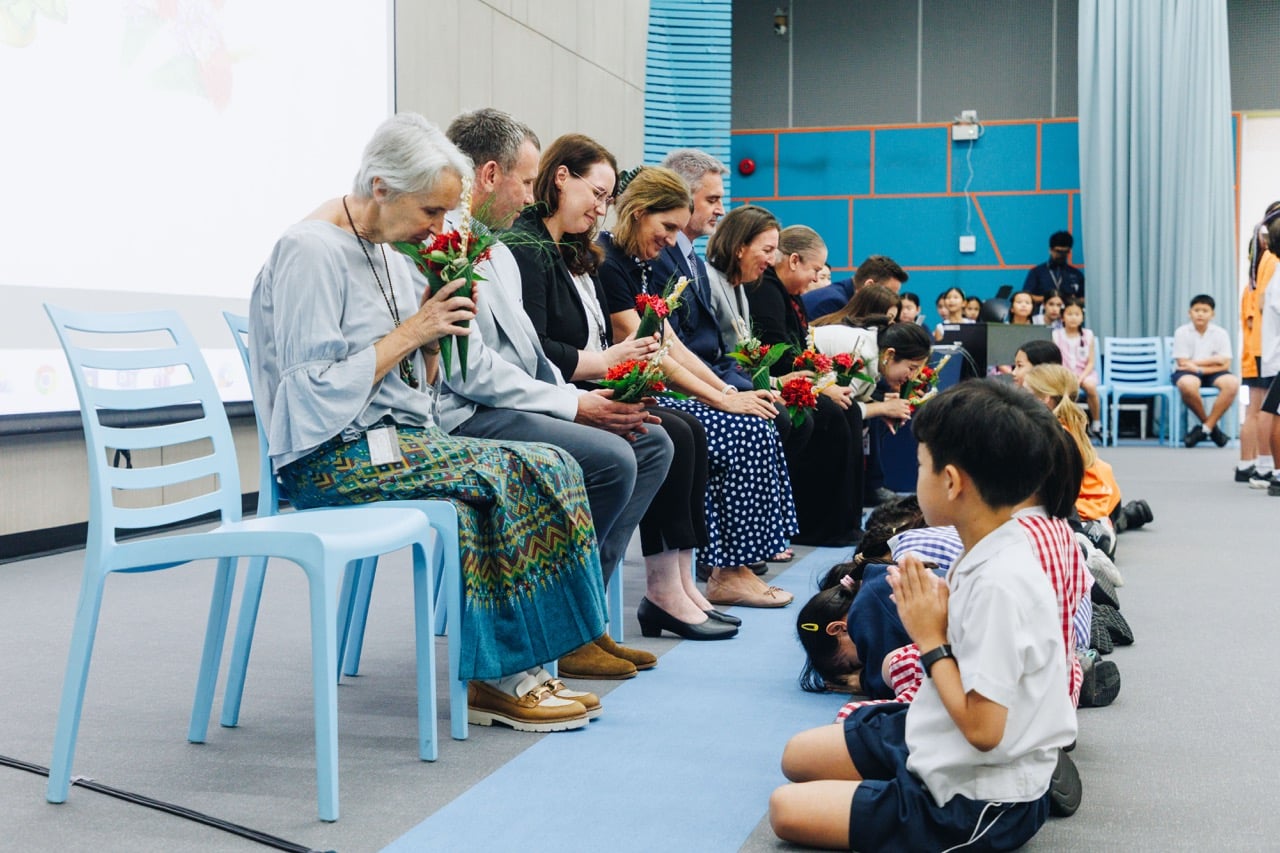
On Thursday, 24th September, our Primary students in Years 4–6 participated in a meaningful Wai Kru Ceremony. 

Wai Kru is an important Thai cultural tradition that provides students with an opportunity to express gratitude, respect and appreciation for their teachers. The ceremony was conducted in a calm and heartfelt atmosphere as students respectfully presented their flower offerings to their teachers. Teachers, students and parents who attended the event shared a sense of appreciation and pride in being part of this special tradition. The ceremony served as a wonderful opportunity for our school community to come together and celebrate the values of respect, gratitude and belonging.

As we look ahead to Bangkok Patana School’s 70th Anniversary next year, this celebration reminds us of the traditions, relationships, shared values that continue to connect generations within our school community.

Share This Article

In this Issue

Flood Relief

Kulvadee Siribhadra, Director of the Foundation Board Office

Our Friends Need Our Support

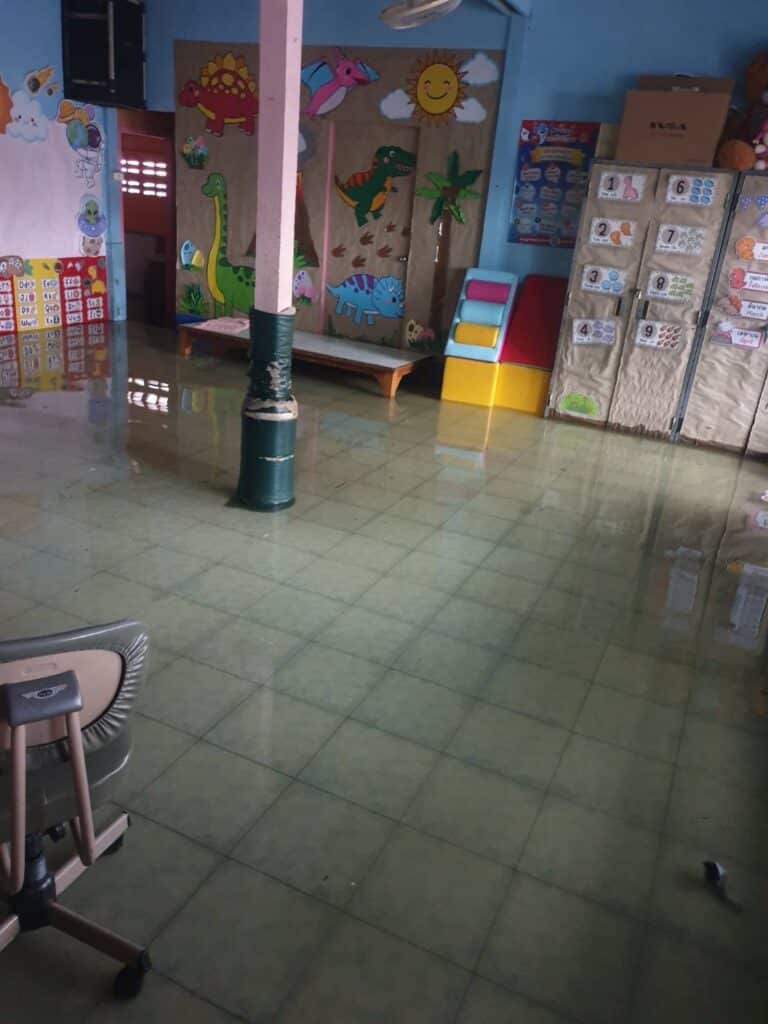
The recent severe flooding in Bangkok has had a devastating impact on communities we have supported for many years including Khlong Toei. Specifically, for two organisations supported by our school:

  • The Mercy Centre has been badly affected, with flooding causing damage to school buildings and forcing families in the surrounding community to temporarily leave their homes until the water subsides.
  • Just around the corner, Home of Praise has also been affected. Their building was already in urgent need of a new roof, and the flooding has made an already difficult situation even more challenging.

We are calling on our community to come together and support these communities and others.

Funds raised will be used where they are needed most:

  • Immediate emergency relief for families directly affected by the flooding.
  • Repair and renovation of the Mercy Centre, helping them recover from the flood damage.
  • A much-needed new roof for Home of Praise, once the immediate flood response is underway.

Every contribution, large or small, will help these communities recover, rebuild and continue the vital work they do for children and families.

Donation Details:

  • Cash Donations: Monetary contributions can be made through our existing payment systems, for secure handling and issuing of receipts.
    • From the Firefly dashboard go to Services, then to Online payment and then choose Annual Fund Online Donation (https://bpsnet.patana.ac.th/payment/donation/index.asp?FundType=ANF).  
      Monetary donations of THB 15,000 and above will be tax deductible through our Foundation Board Office. These donations will be used for recovery efforts. 

      Your generosity and support can make a meaningful difference. We encourage all families to participate in this collective effort. Together, we can help bring comfort and aid to our fellow citizens in Southern Thailand. Thank you to the PTG for their help in coordinating this effort with the School. 

      If you have any questions or require further information, please do not hesitate to contact us through communications@patana.ac.th.

Thank you for your compassion and continued support that will go directly to rehabilitate families in these communities who most need help.

Share This Article

In this Issue

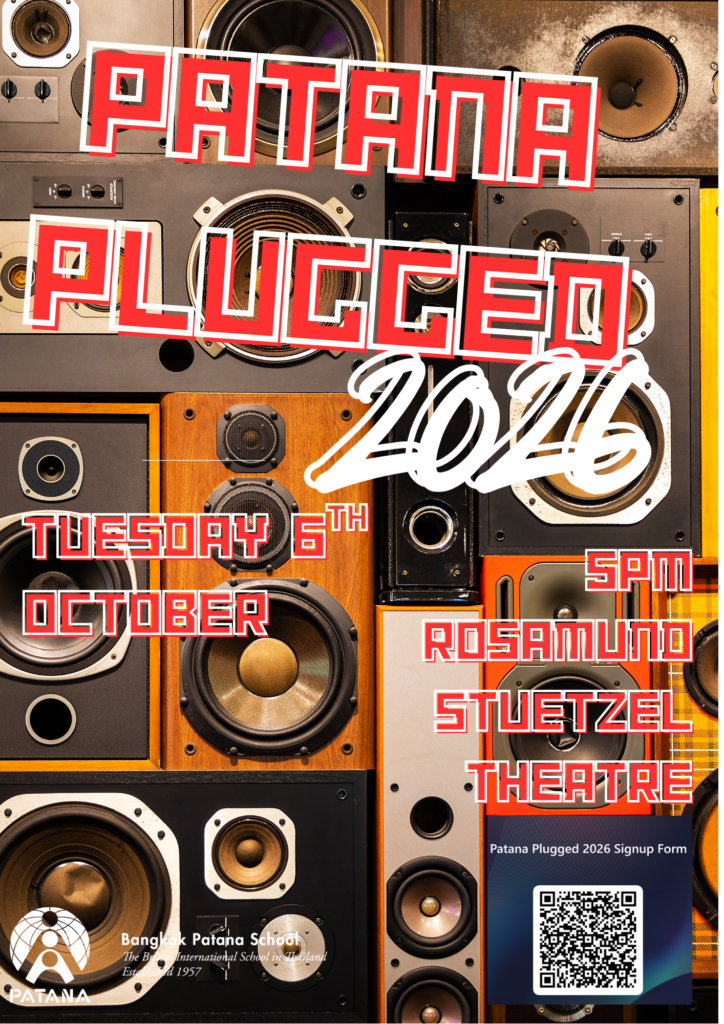
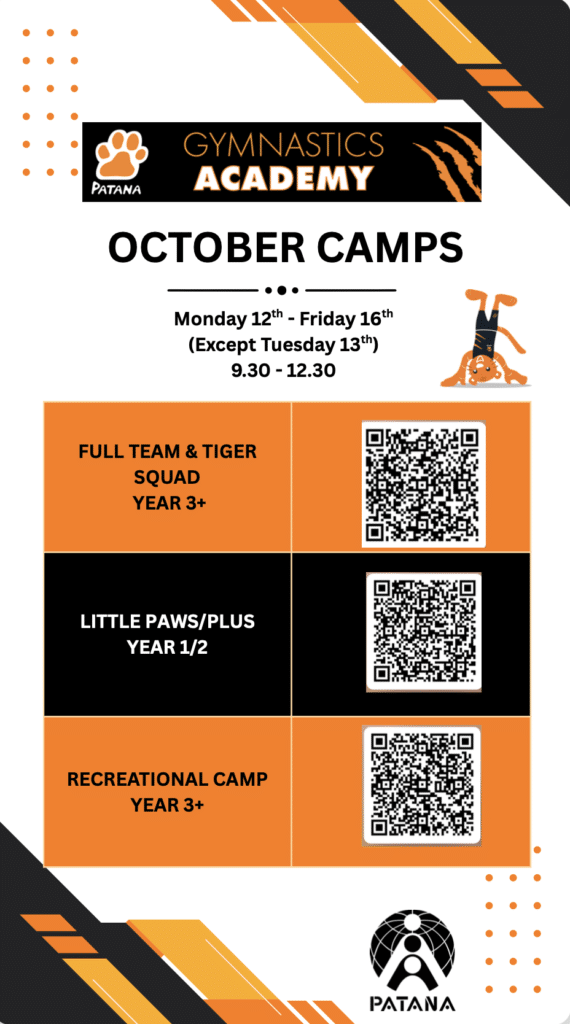
Upcoming Events: Secondary School Musical, Patana Plugged, Tiger Spirit Day, Solo Festival…


Share This Article

In this Issue

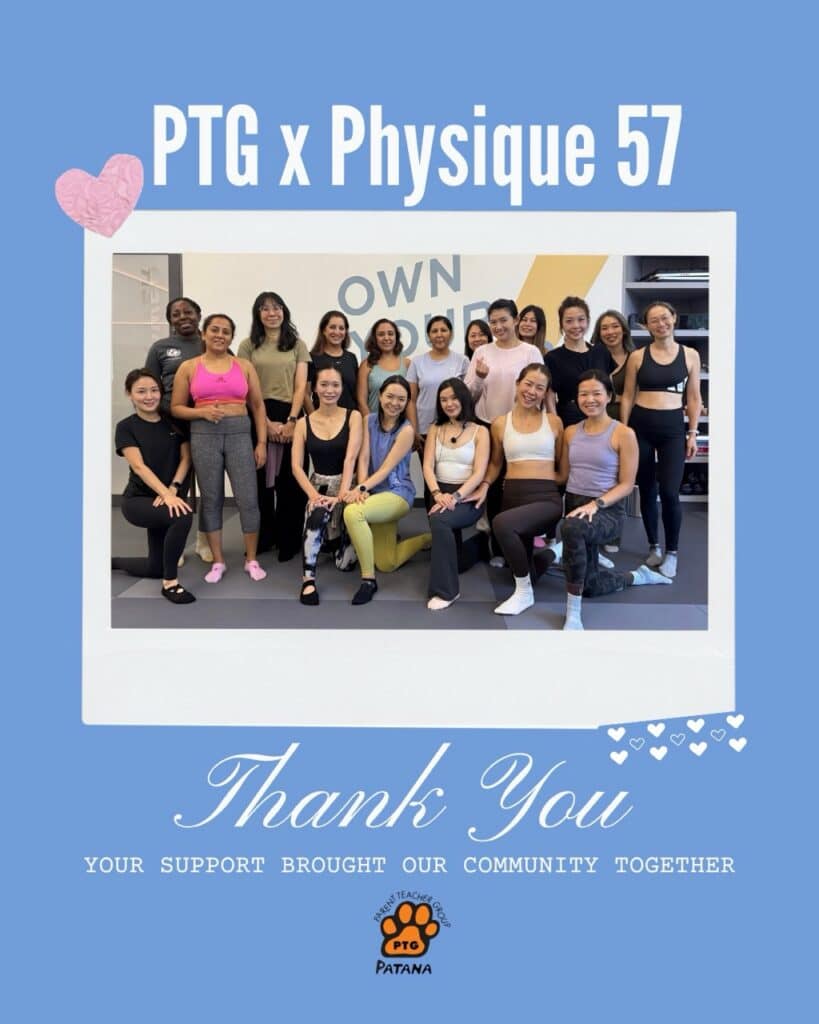
PTG Updates

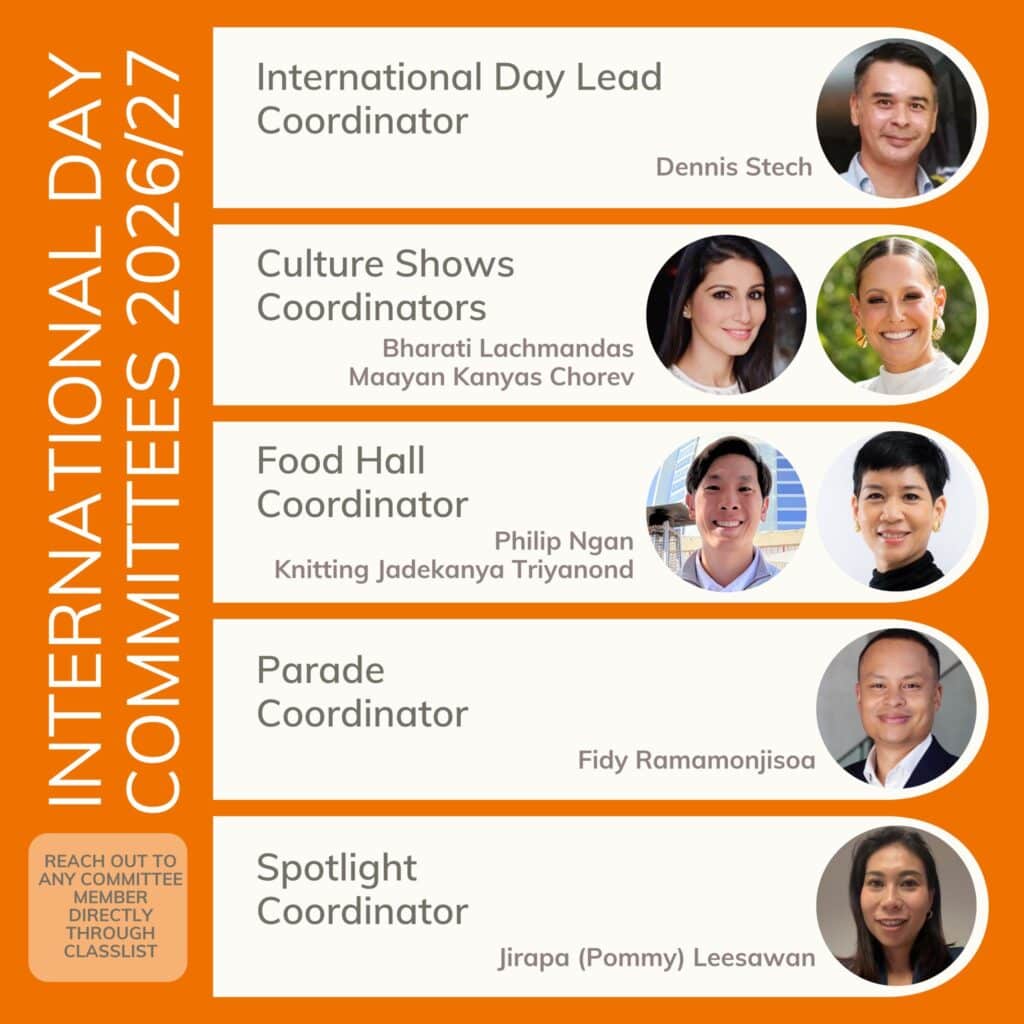
International Day

Share This Article

In this Issue

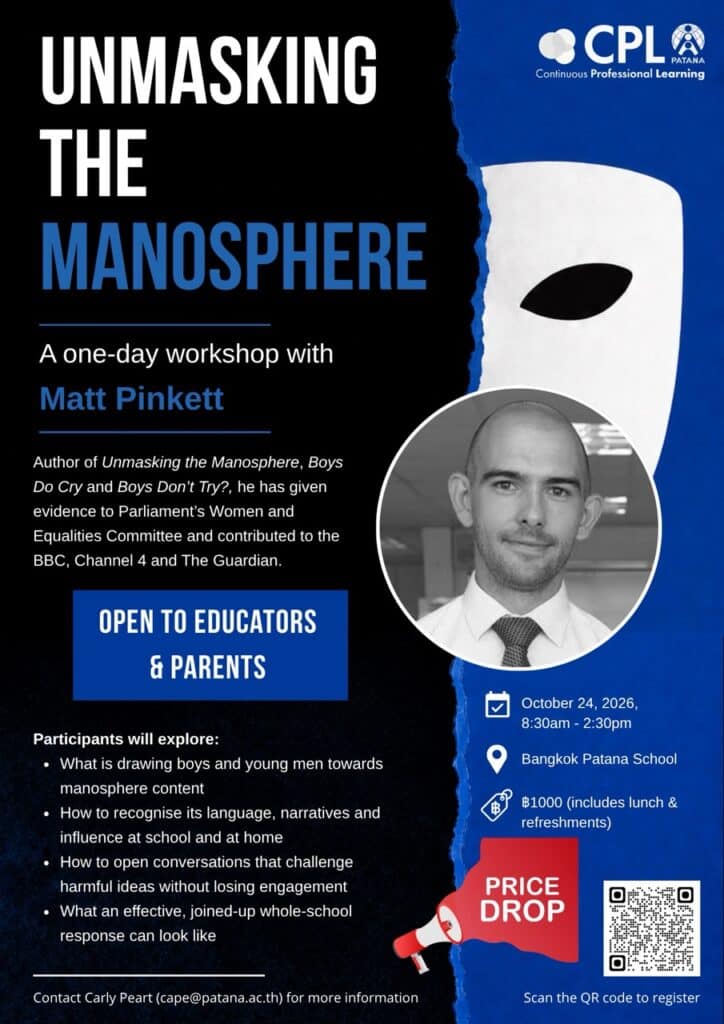
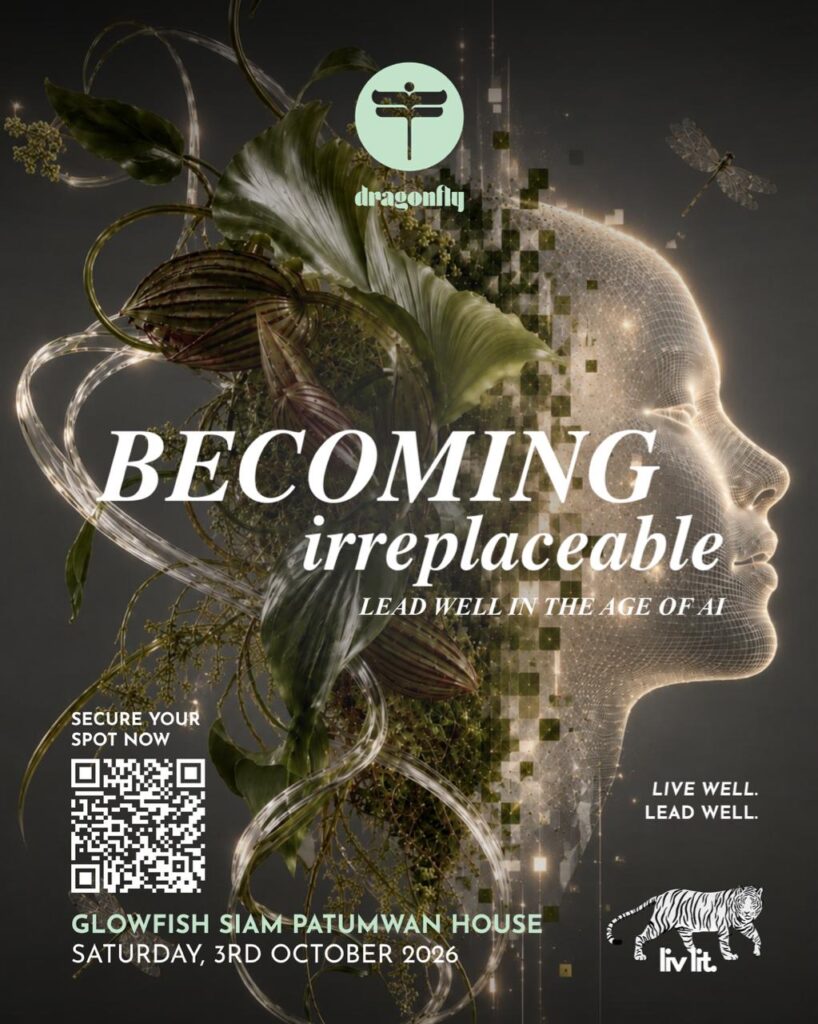
Community Events


Share This Article

In this Issue

Patana Participates


Phurich & Phurichaya Shine at HKIMO 2026

Congratulations to Phurich Preedanont (2B) and Phurichaya Preedanont (2K) on their achievements at the Hong Kong International Mathematical Olympiad (HKIMO) 2026. After qualifying through the Thailand Heat Round, Phurich earned a Silver Award and Phurichaya a Bronze Award at the international finals. Well done on this fantastic accomplishment!


A Sound Approach to Well-being

Rajul Grover, Year 12, has transformed years of field research into action, documenting the experiences of Bangkok’s Nepali-Burmese migrant community through her newly published book, Invisible Neighbours. Her work shines a light on often-overlooked stories while advocating for greater inclusion, opportunity and support for migrant communities across Southeast Asia. Read more in this article.

Share This Article

In this Issue

© 2025 Bangkok Patana School

Issue: 5
Volume: 29
Bangkok Patana School
Privacy Overview

This website uses cookies so that we can provide you with the best user experience possible. Cookie information is stored in your browser and performs functions such as recognising you when you return to our website and helping our team to understand which sections of the website you find most interesting and useful.