Make Space for Stories: Bringing Learning to Life

Rachel Preston, Vice Principal, Learning and Curriculum, Primary School

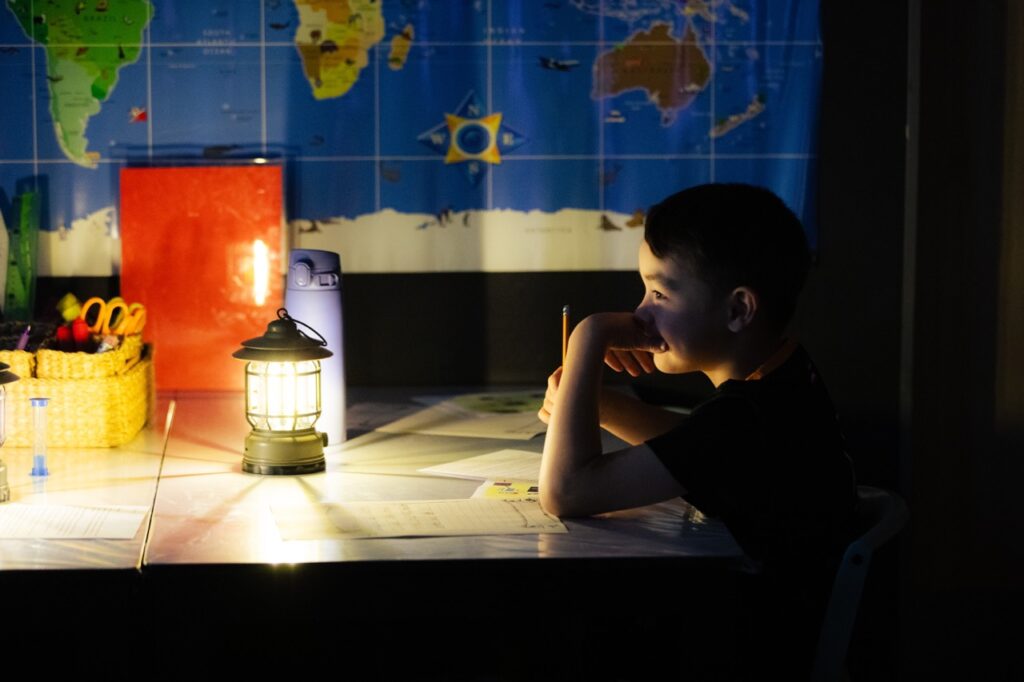
Chinese philosopher Xunzi wrote, “Tell me and I will forget; show me and I will remember; involve me and I will understand.” Across the Primary School, this idea is a prerequisite for planning units of work. Our shared commitment to active, dramatic and immersive learning is not simply about engaging children in their learning. It is about helping children construct understanding through experience. When learners are invited to step into a role, enter a scenario or navigate a problem that feels real, they develop not only knowledge but empathy, language, perspective and agency. These experiences strengthen belonging. They also challenge children to reflect on fairness, identity and community in ways abstract instruction alone cannot reach.

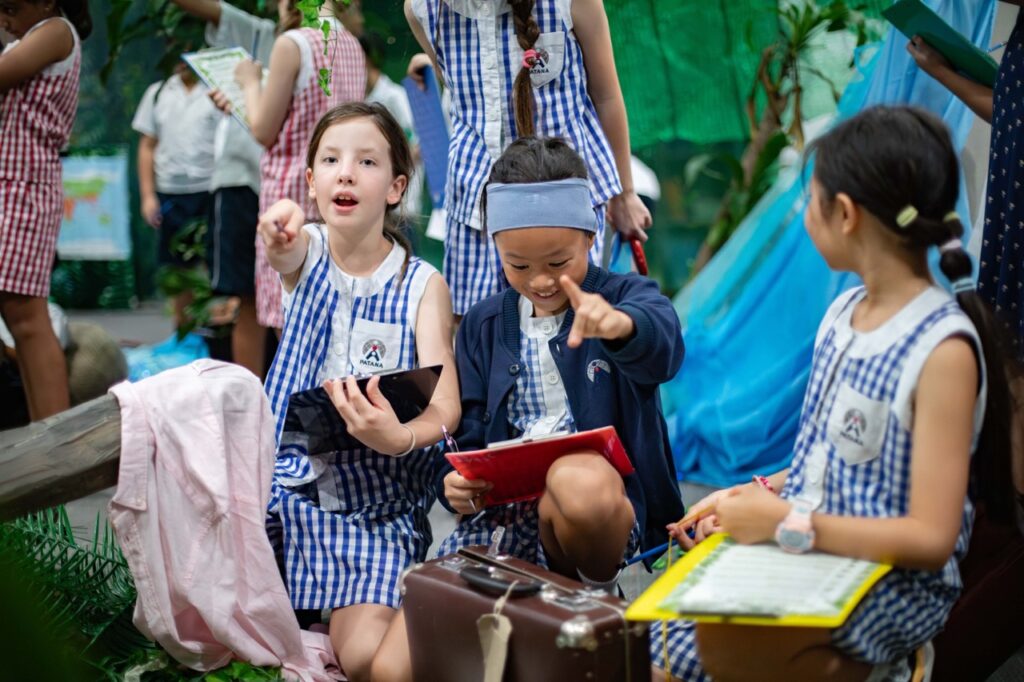
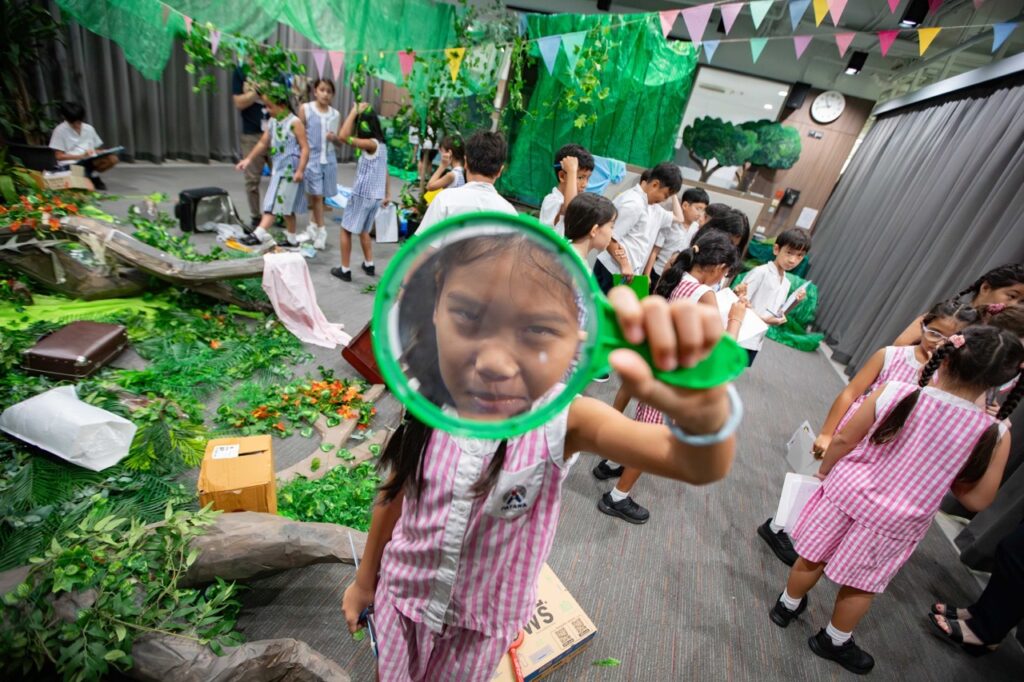
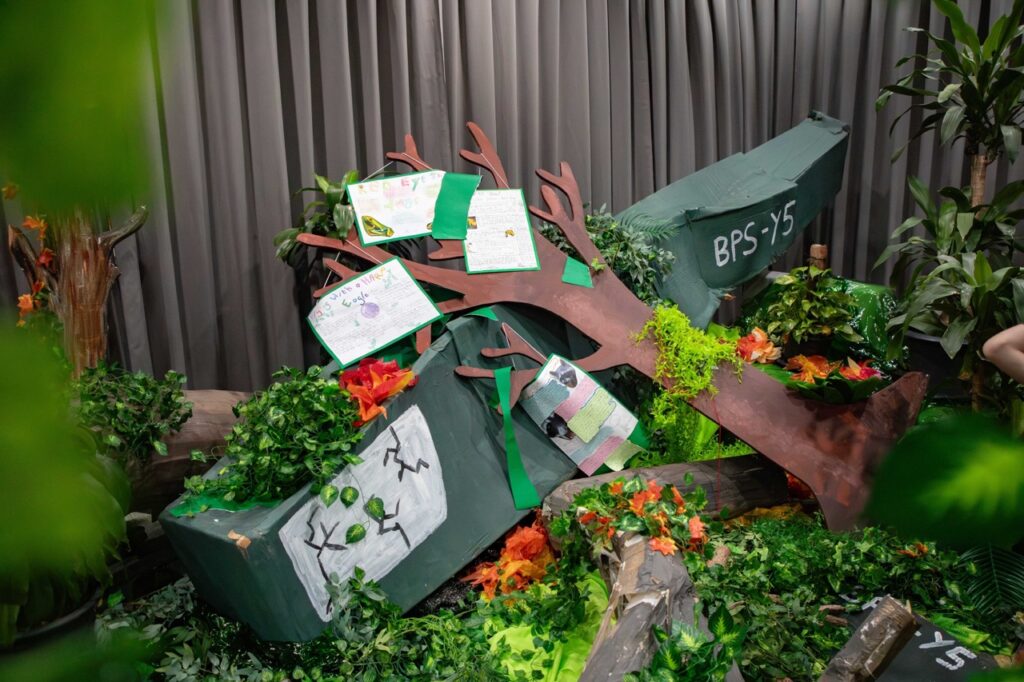
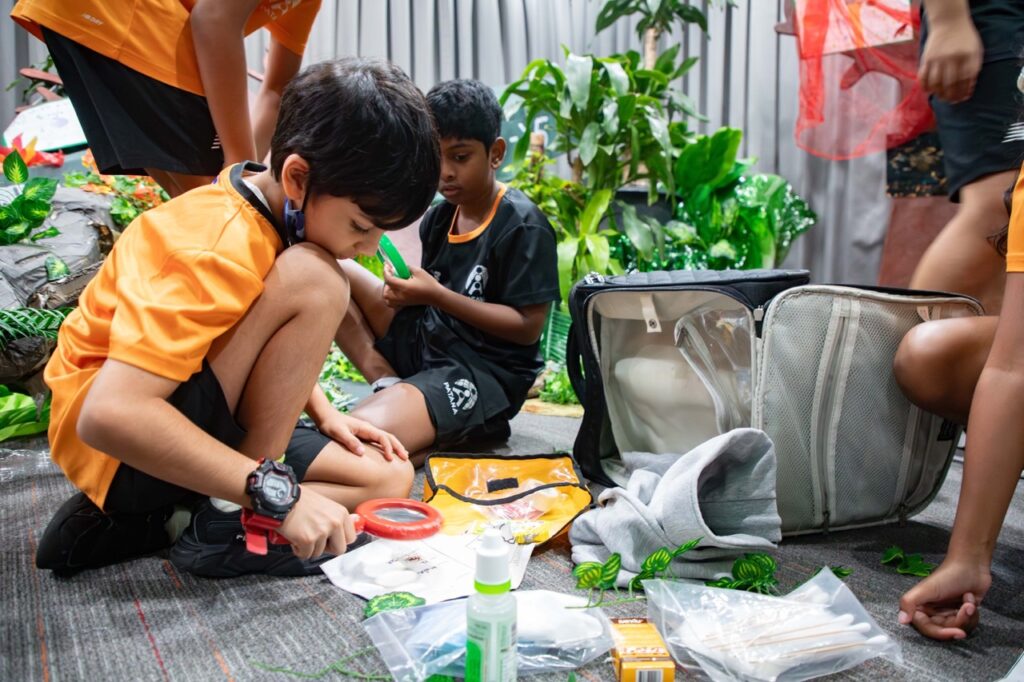
In Year 5, a new Writing unit began not with a book or a pen, but with the charred remains of a mysterious plane crash scattered across a pop-up jungle that had materialised in the shared area. As students approached the debris field, questions tumbled out: Who might have survived? Where were they going? What clues could be uncovered? This dramatised provocation opened their study of Katherine Rundell’s The Explorers, anchoring the novel in shared curiosity and collective problem solving. Children moved naturally into role, gathering evidence, debating possibilities and drawing tentative conclusions.
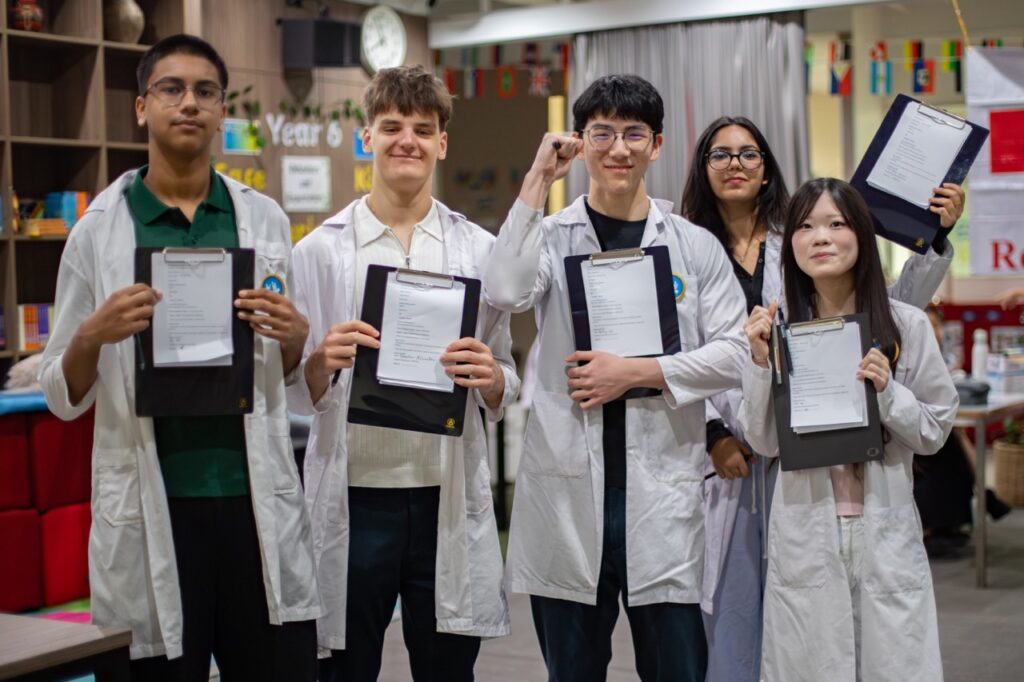
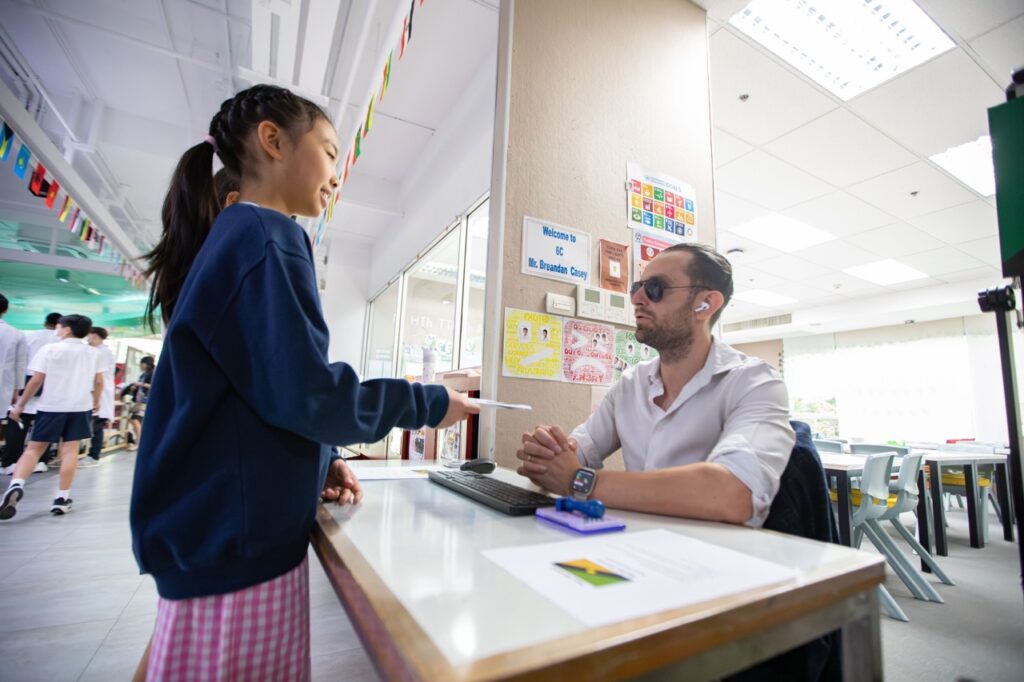
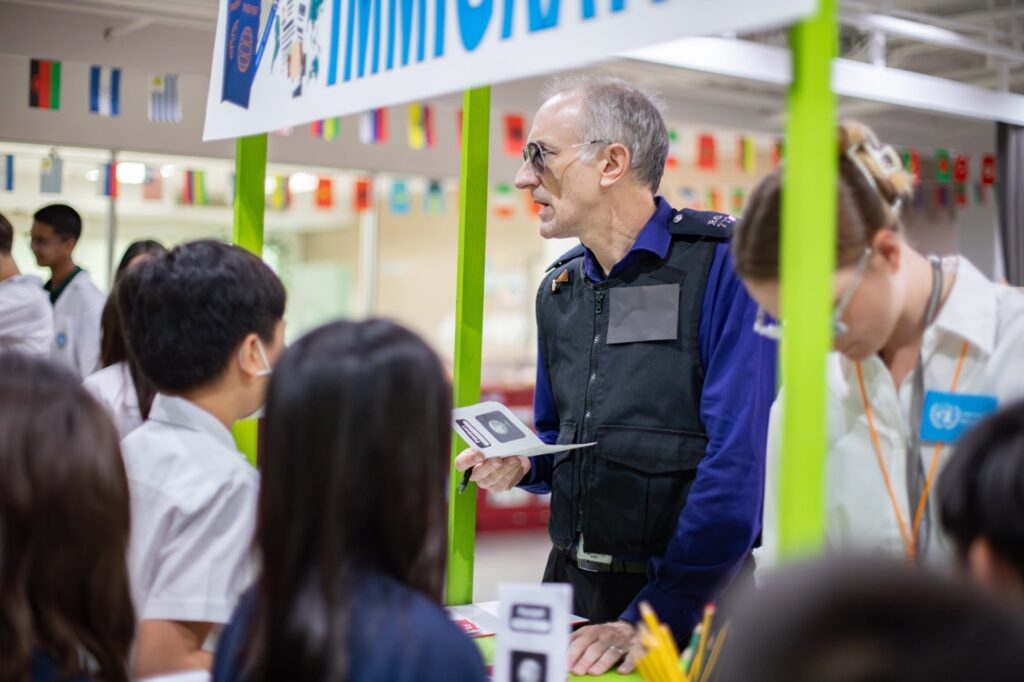
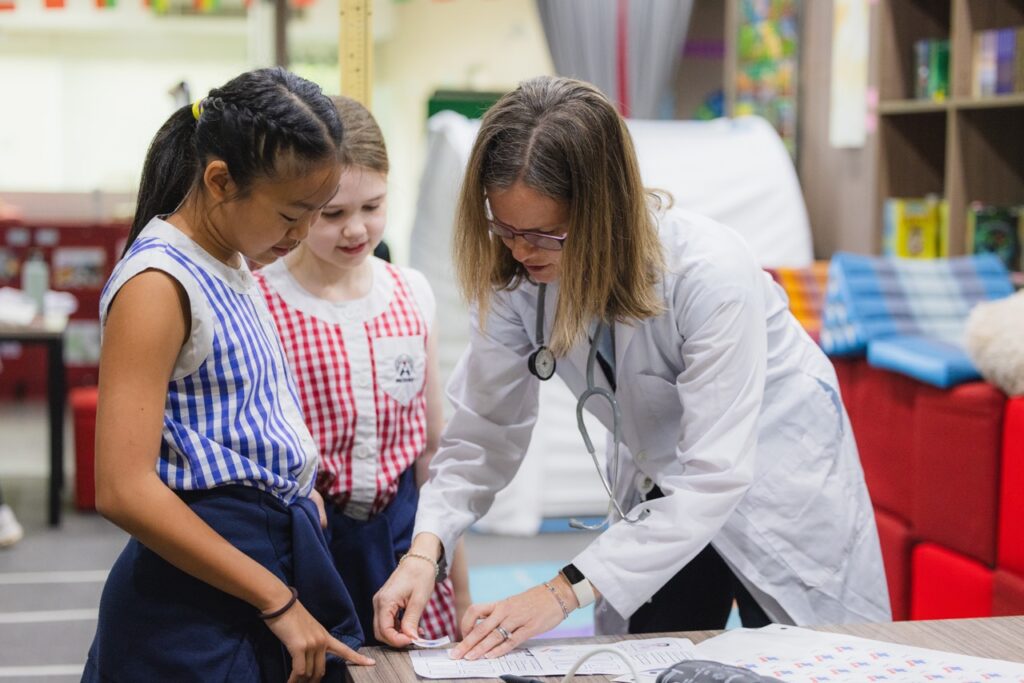
Year 6 took on a very different kind of scenario. The Entry Point simulation for their Migration topic explored the global inequalities embedded within immigration systems. Students were issued passports, identities and backstories before being sent across a liminal “no man’s land” to navigate immigration checkpoints. What followed was deliberately inconsistent, at times frustrating, and occasionally unfair, mirroring real‑world bureaucracy. Some children breezed through based on fluent English or high declared savings. Others were sent to the back of queues, questioned repeatedly or rejected without explanation. At the UN medical tent, some were processed quickly while others waited anxiously after discovering their vaccination records were incomplete. Following the frustration came rich discussion as children reflected on bias, privilege and disadvantage. Linking their learning to the United Nations Sustainable Development Goals, they analysed how systems shape lives and how fairness sometimes depends on where one is born rather than who one is.
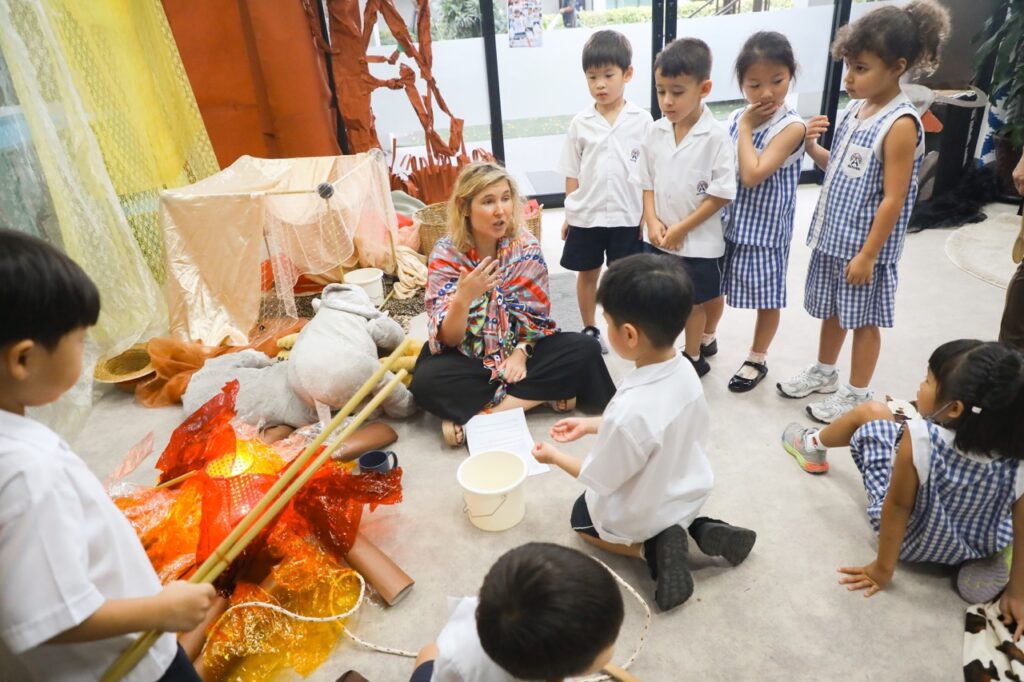
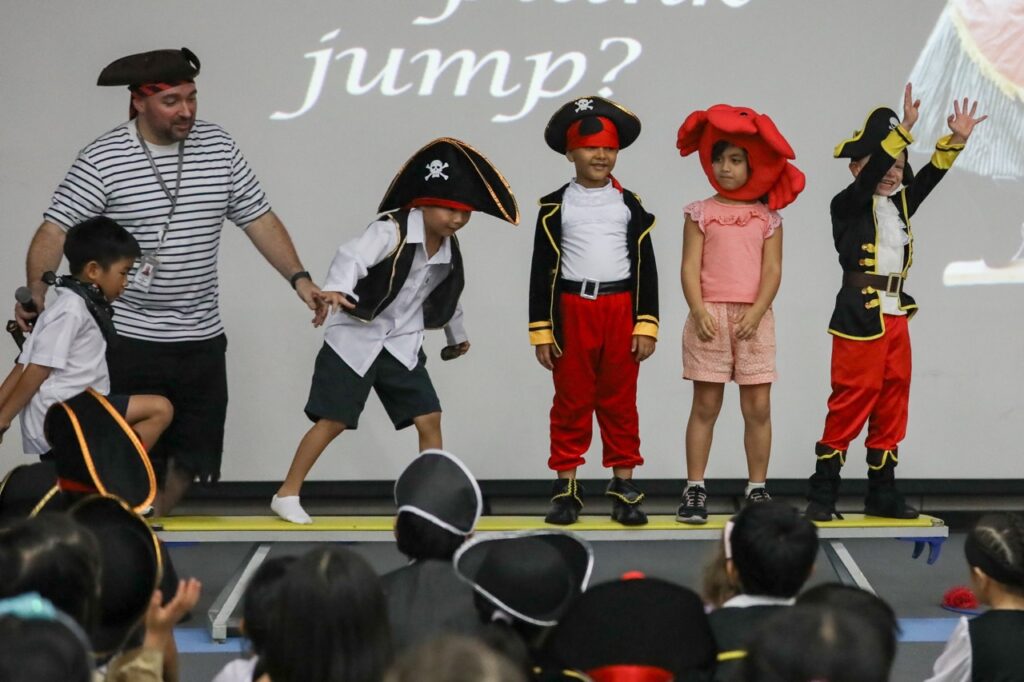
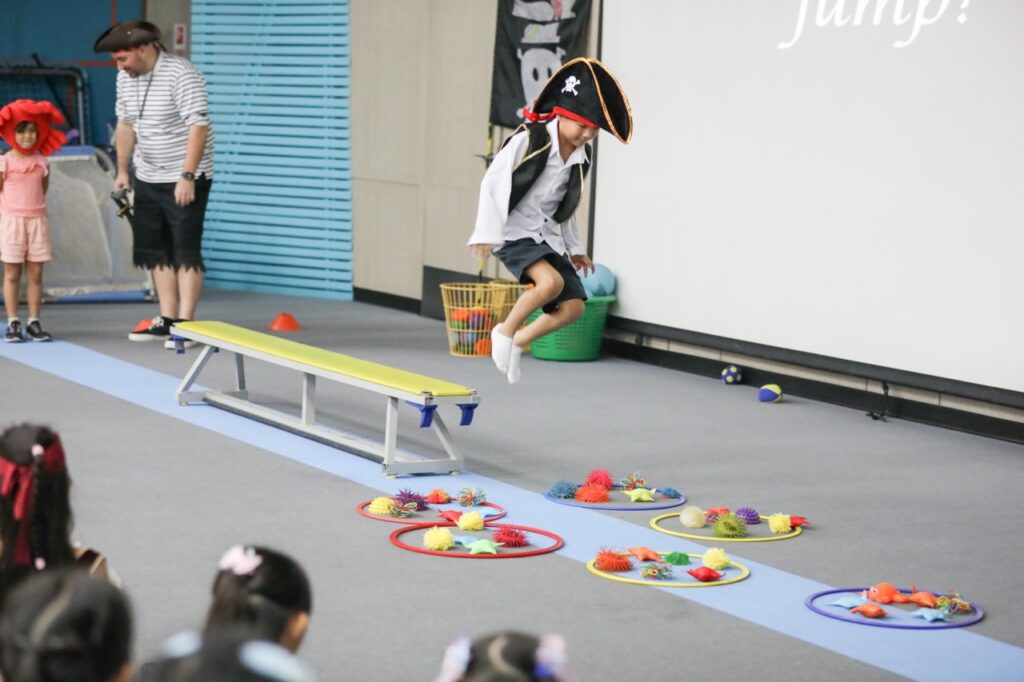
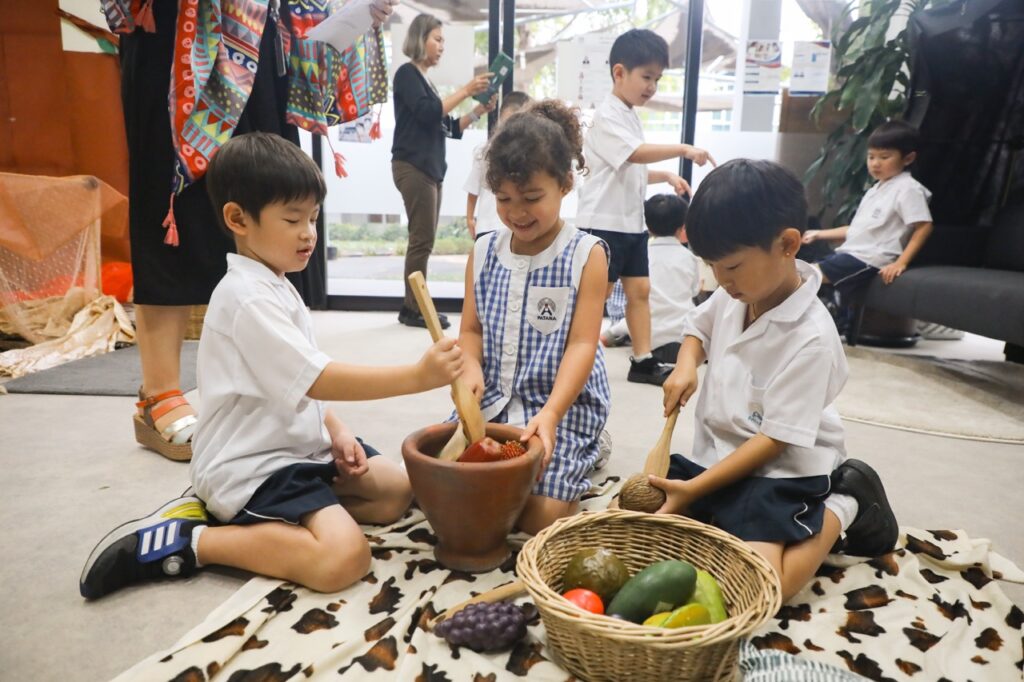
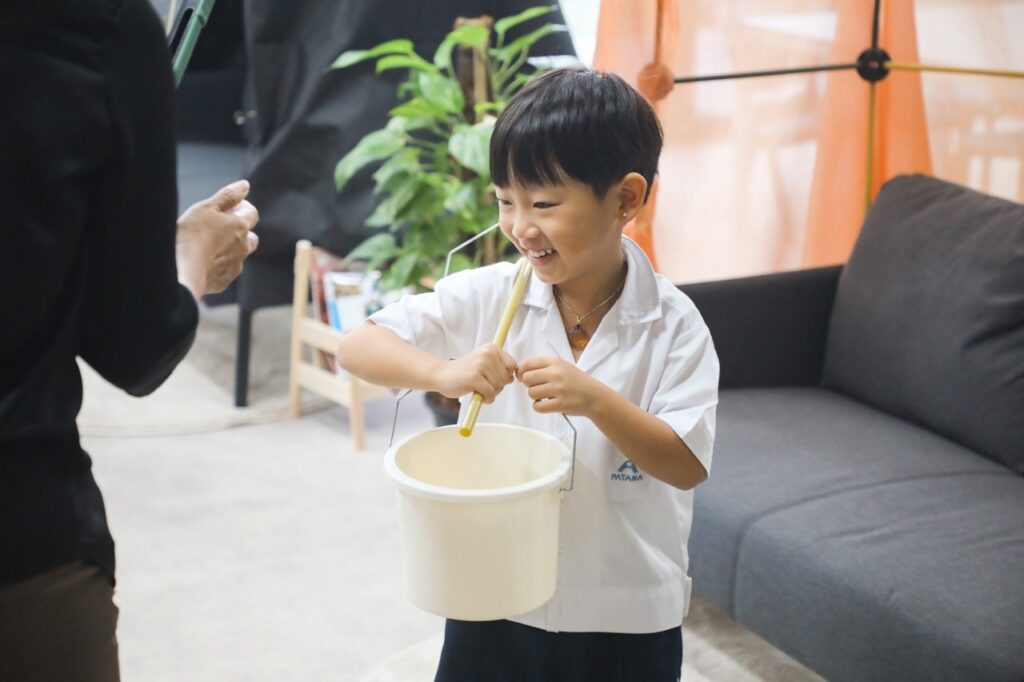
In younger Year groups, drama serves as a bridge between imagination and understanding. Year 1 brought the picture book Lila and the Secret of Rain to life, transforming their shared area into a Kenyan village facing water scarcity. Through collective enactment, children explored how communities adapt, share resources and show resilience. In Year 2, the culmination of their Pirate topic was celebrated through Pirate Day, where children engaged in sailor‑themed challenges, songs and activities.
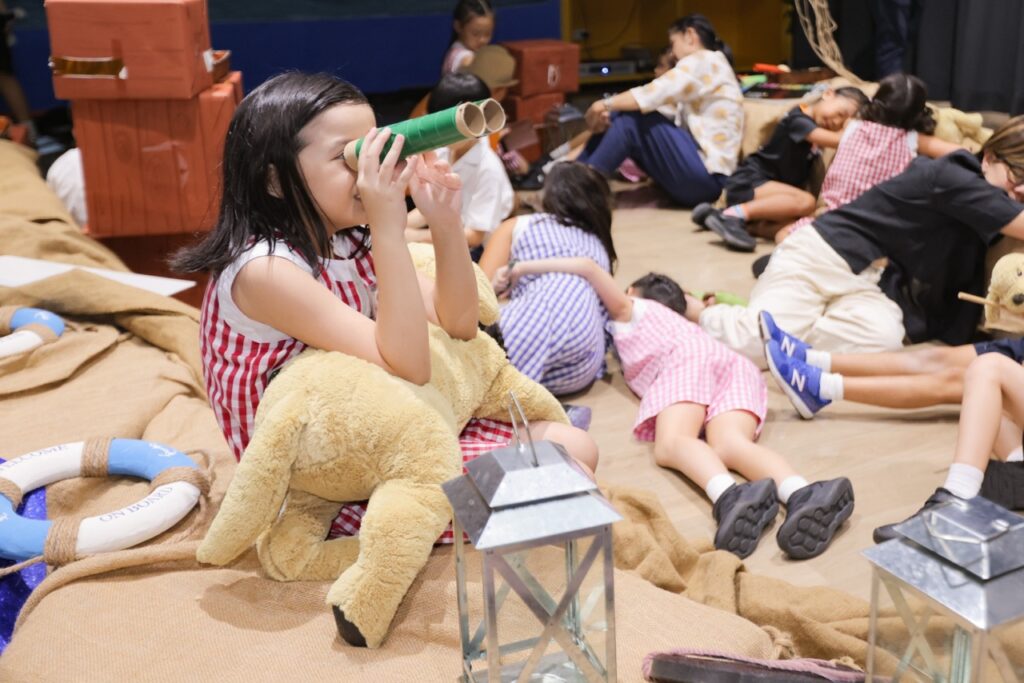
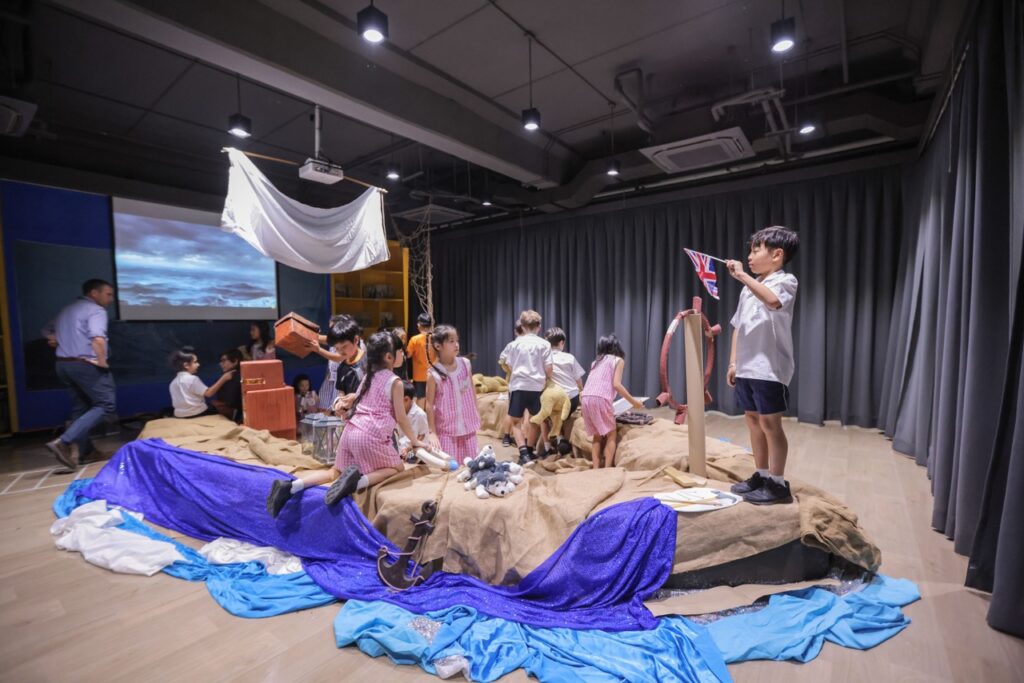
Year 3 step aboard a different ship as they begin their Writing unit on William Grill’s Shackleton’s Journey, embarking on the Antarctic expedition of The Endurance. Students researched the roles required for a nautical expedition, debated who would be selected for each role, and wrote job applications that blended historical detail with persuasive voice. Once in role, they wrote diary entries documenting their experiences on board. As they noticed that all the sailors were men, the discussion widened: Where were the women? Who gets remembered in history? Who climbs mountains, explores oceans or leads expeditions? This opened a meaningful inquiry into Asian explorers and into the diverse groups who first summited Everest. These conversations, grounded in fairness and representation, were strengthened by the physicality of the Drama space.
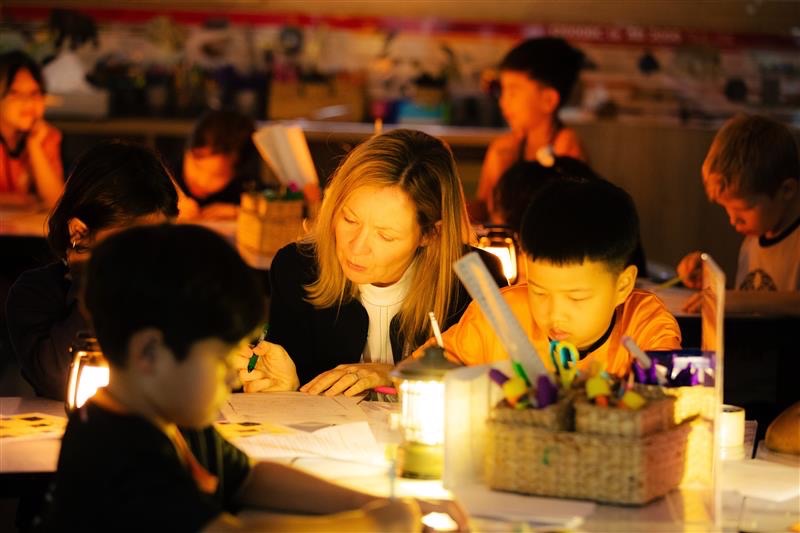
Across the school, these immersive techniques deepen language, expression and communication. Drama supports second‑language learners by making abstract ideas tangible and giving them authentic reasons to use new vocabulary. It also builds the foundations of public speaking, from clarity and articulation to confidence and physical presence. As Miss Lex, our Primary Drama teachers notes, “Drama and literacy are intrinsically linked. By placing oracy at the heart of learning, drama provides pupils with purposeful opportunities to explore language through talk, role, and storytelling. This inclusive approach deepens comprehension, enriches vocabulary, and builds confident communicators, enabling all learners to engage more successfully with reading and writing across the curriculum.”

These experiences lay the groundwork for our upcoming World Book Day celebrations, where students will once again bring stories to life. Whether stepping into the shoes of a favourite character or designing imaginative interpretations of beloved books, children will be invited to express themselves creatively and share how stories shape their identity and imagination.

Drama in education is never simply ornamental. Alex Quigley’s seminal Closing the Vocabulary Gap asserts that “Nothing matters more than words” and drama is a means of promoting oracy and connection. Quigley’s work shows how talk, and a broad vocabulary, enrich students’ experiences, and how improving speaking and listening enable the greatest gains in attainment. At Patana, we explore how the speaking and listening, a somewhat ‘hidden curriculum’, plays a vital part in empowering young writers, geographers, scientists and historians. When children collaborate, negotiate, empathise and communicate within a dramatic frame, they are building skills that stretch far beyond a single lesson. They are learning how to understand others, how to understand themselves, and how to step confidently into the world as thoughtful, articulate and compassionate individuals.
Share This Article

In this Issue

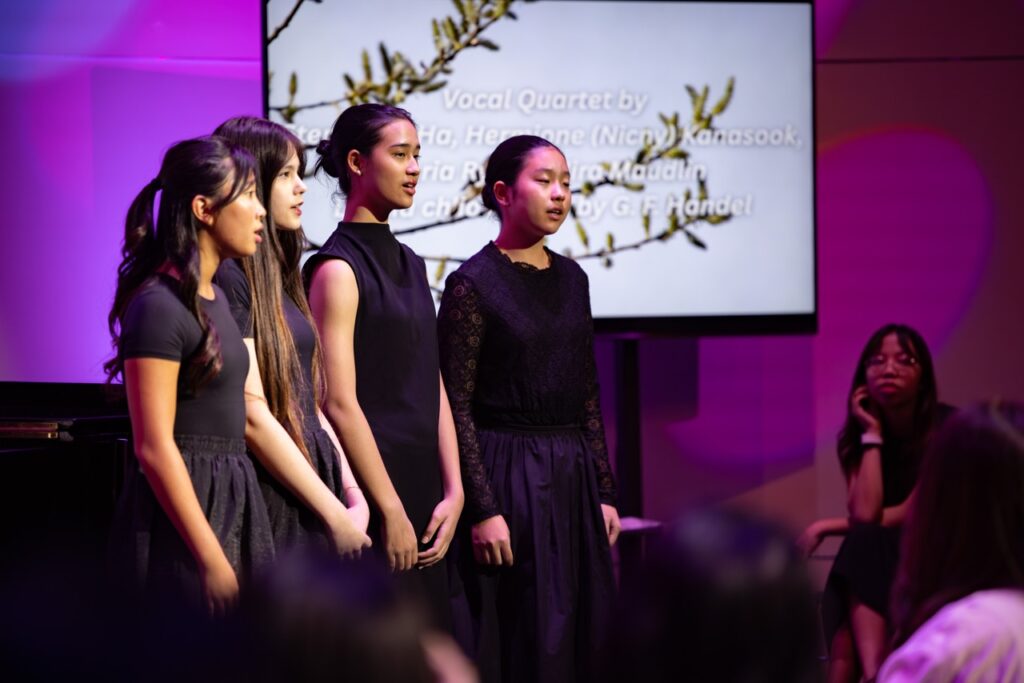
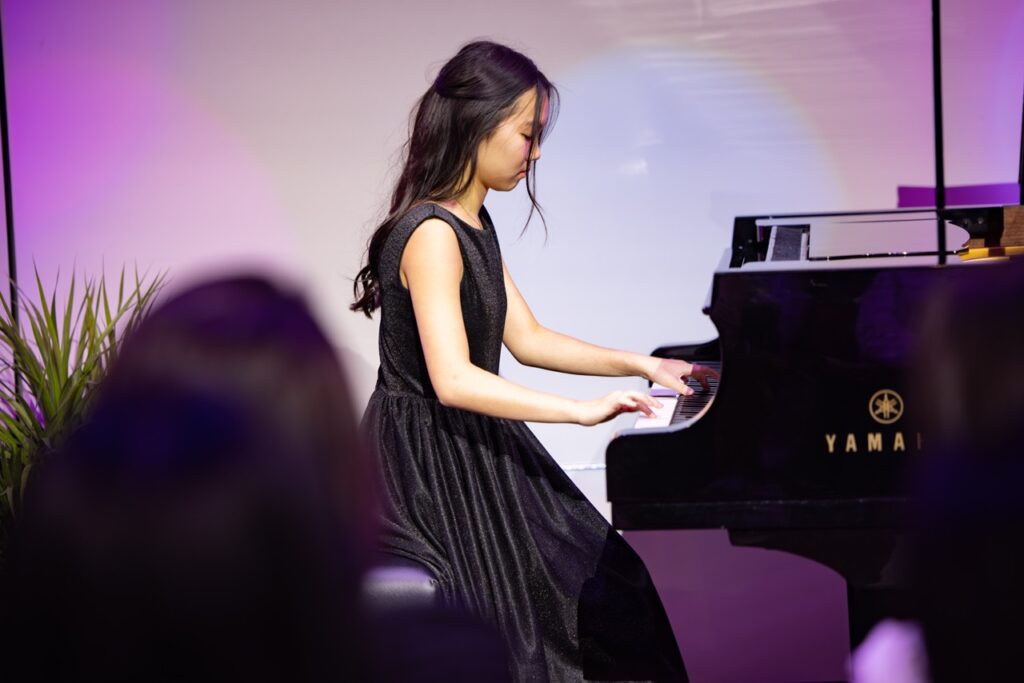
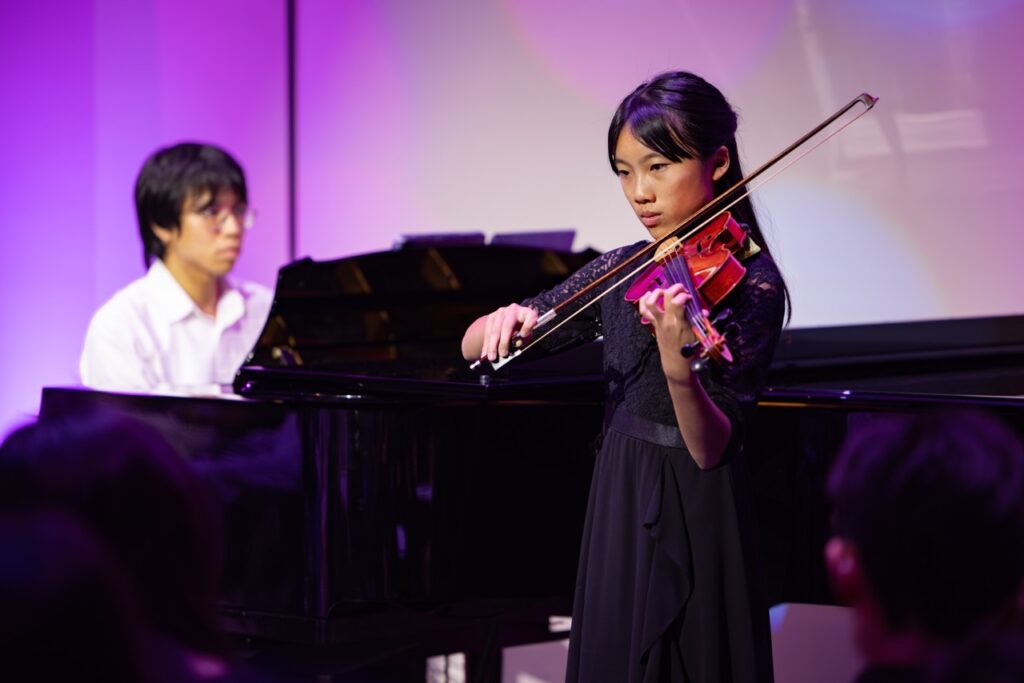
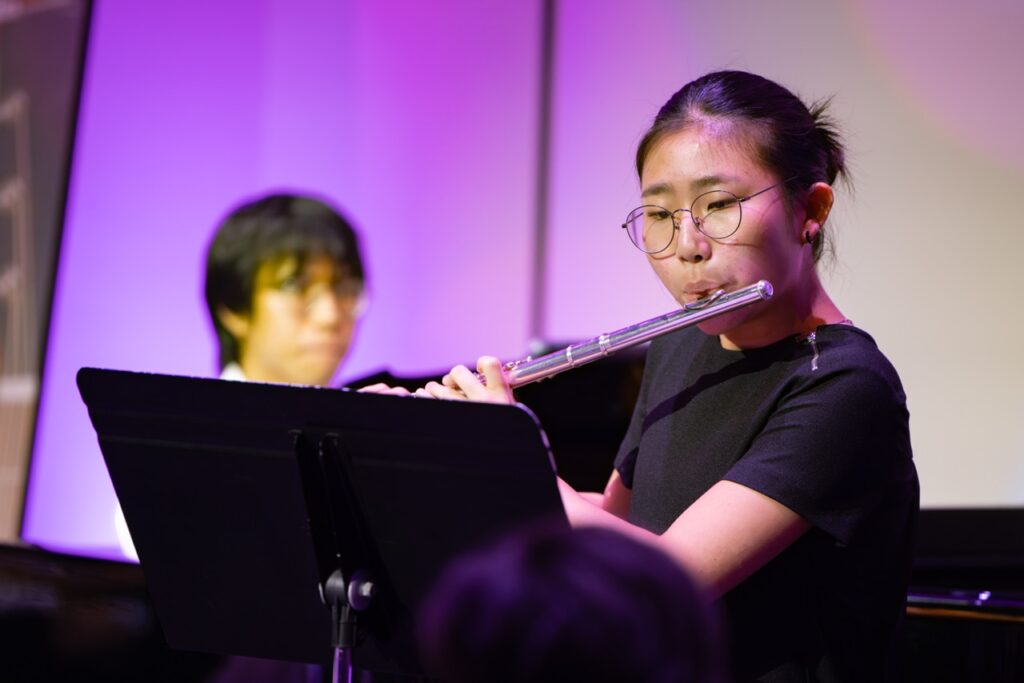
An Evening of Musical Expression

Laura MacRitchie, Curriculum Leader, Music

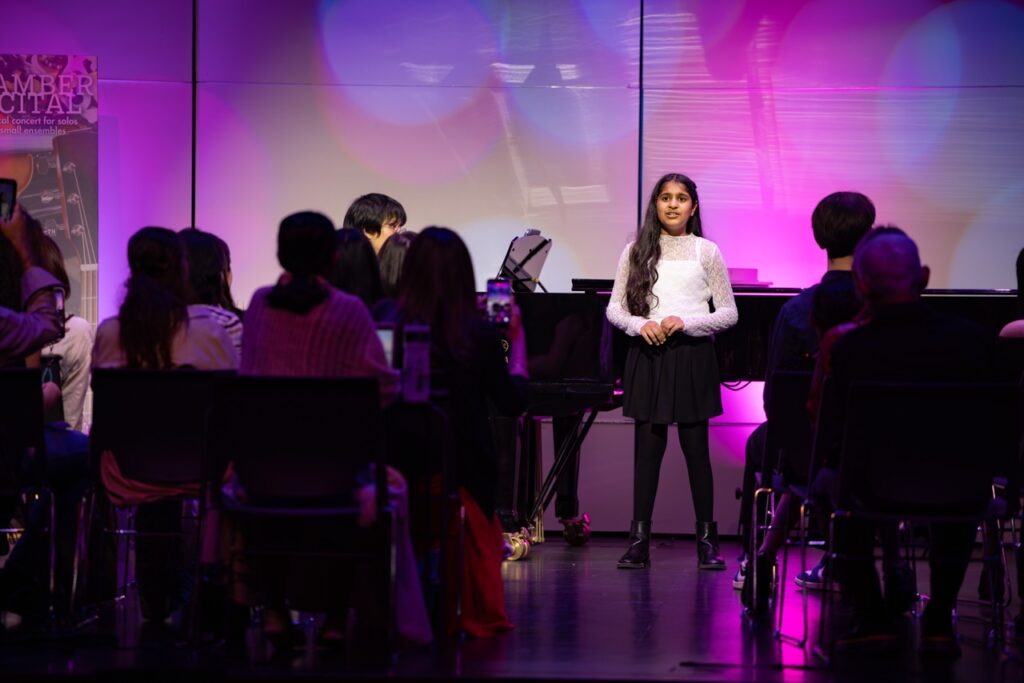
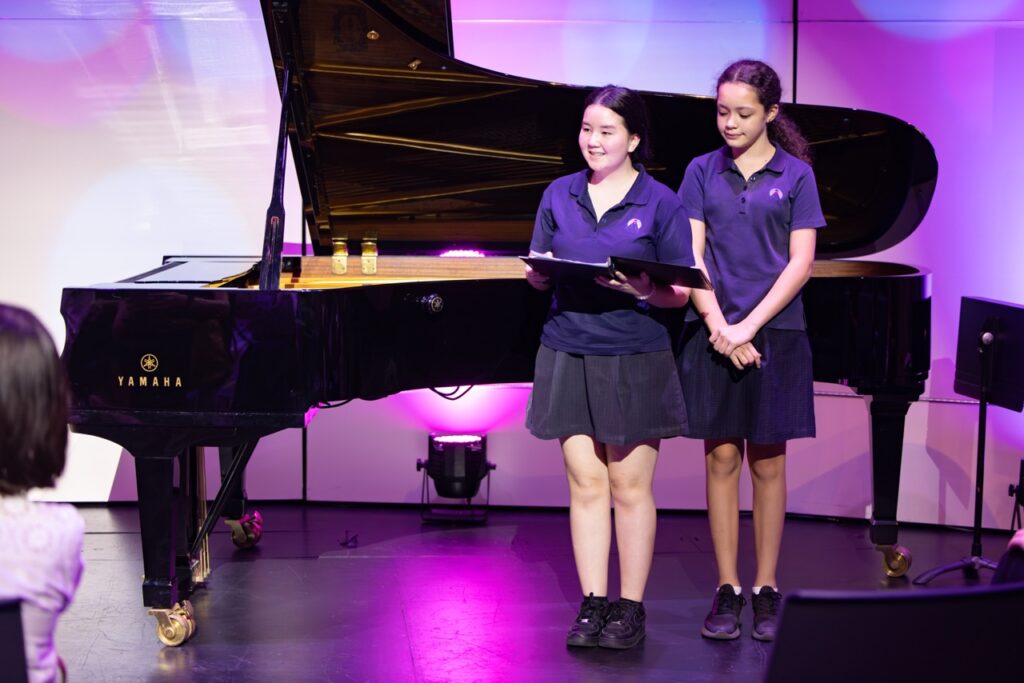
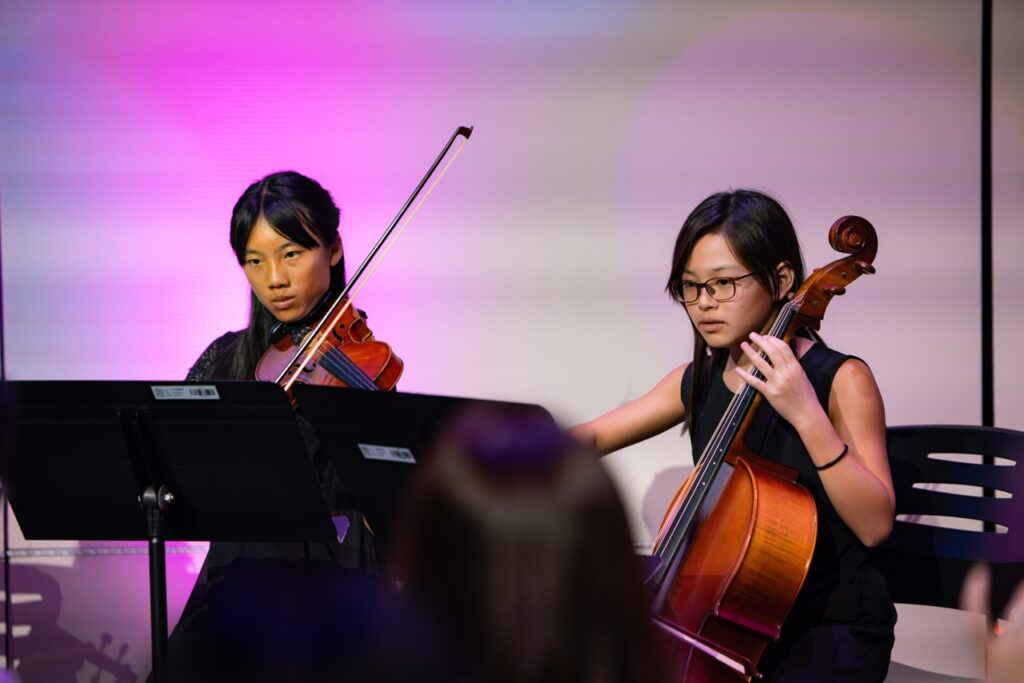
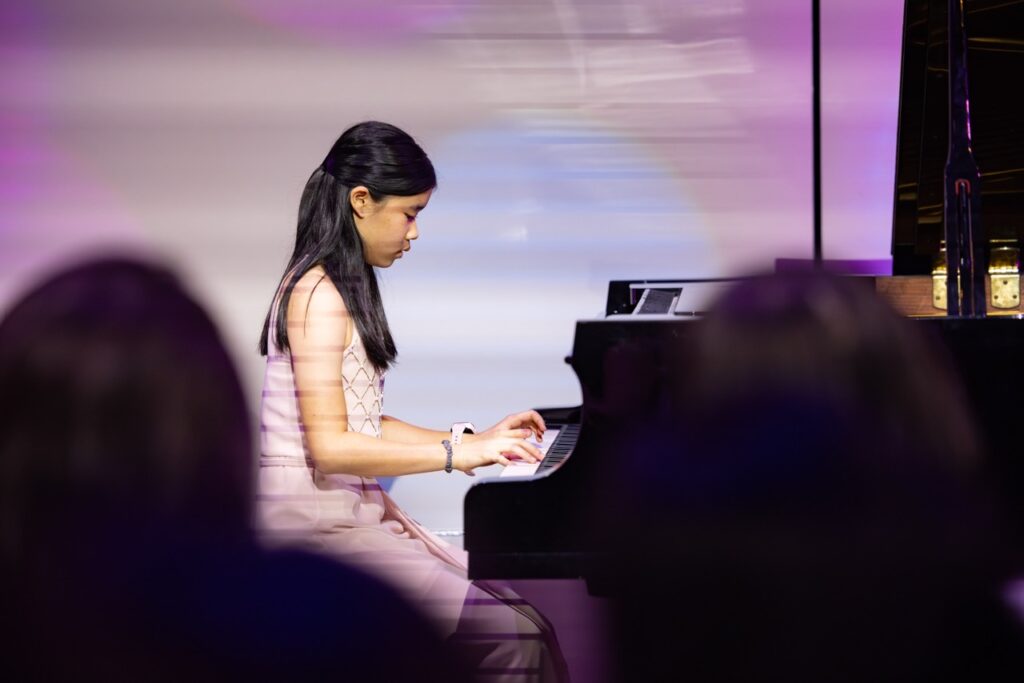
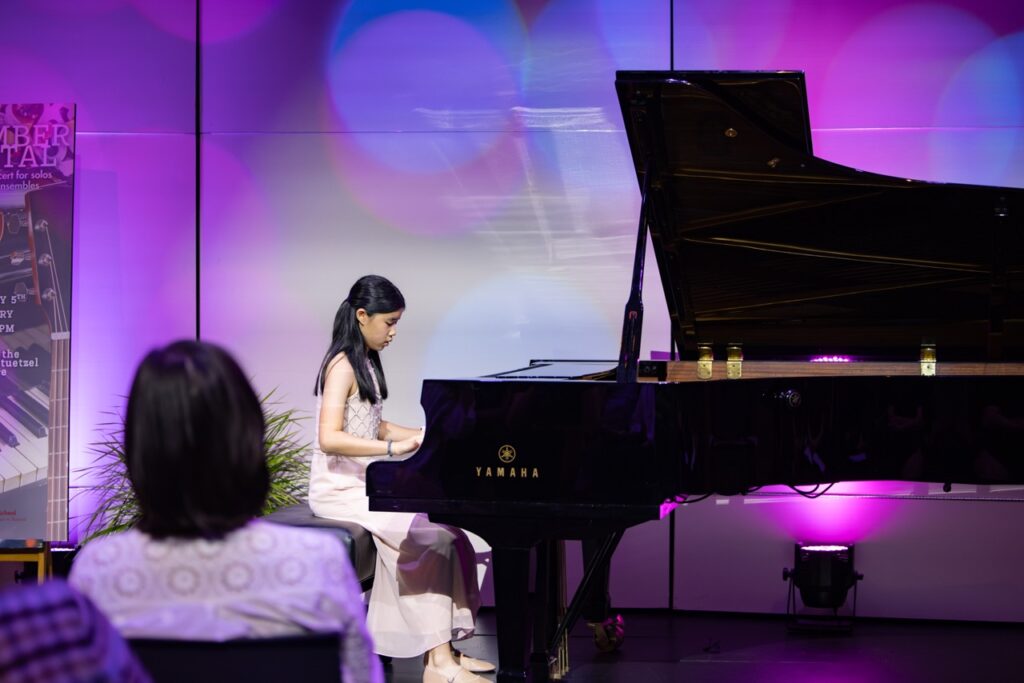
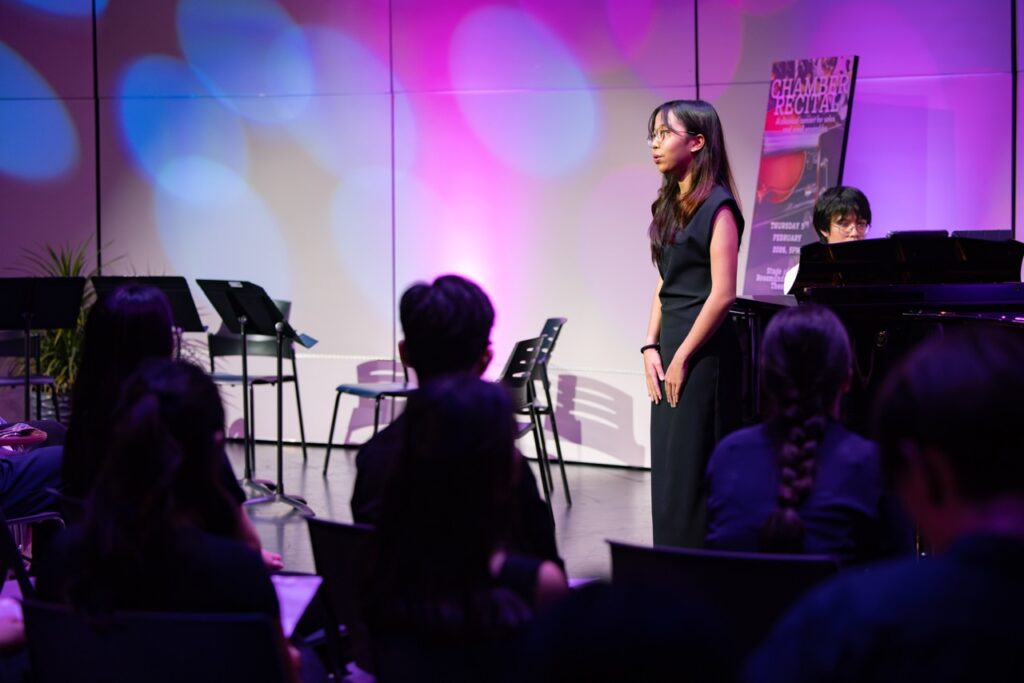
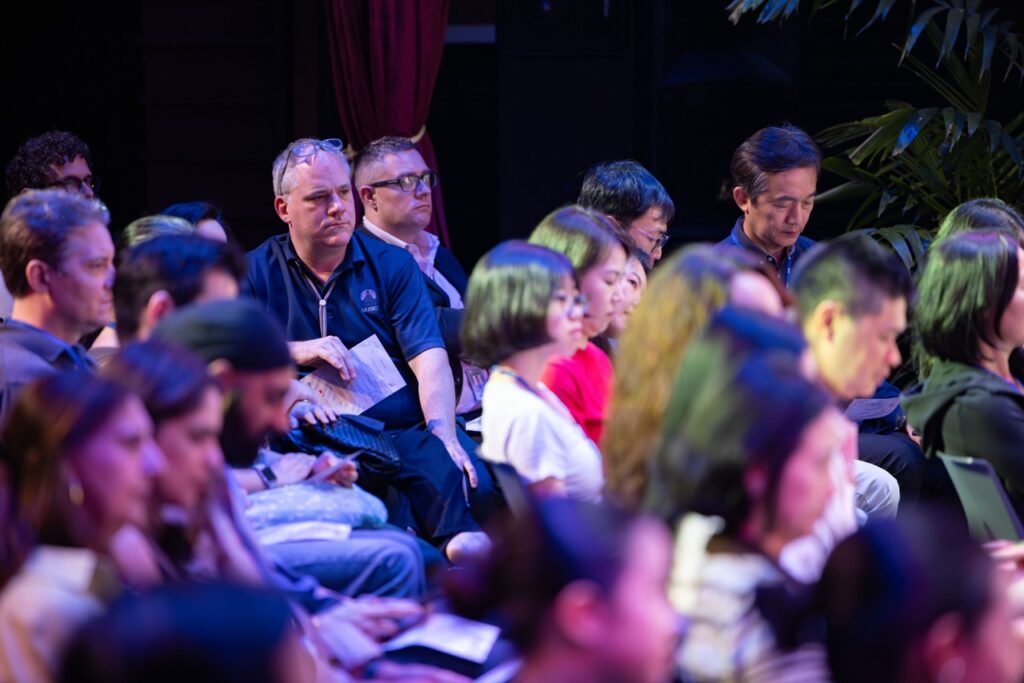
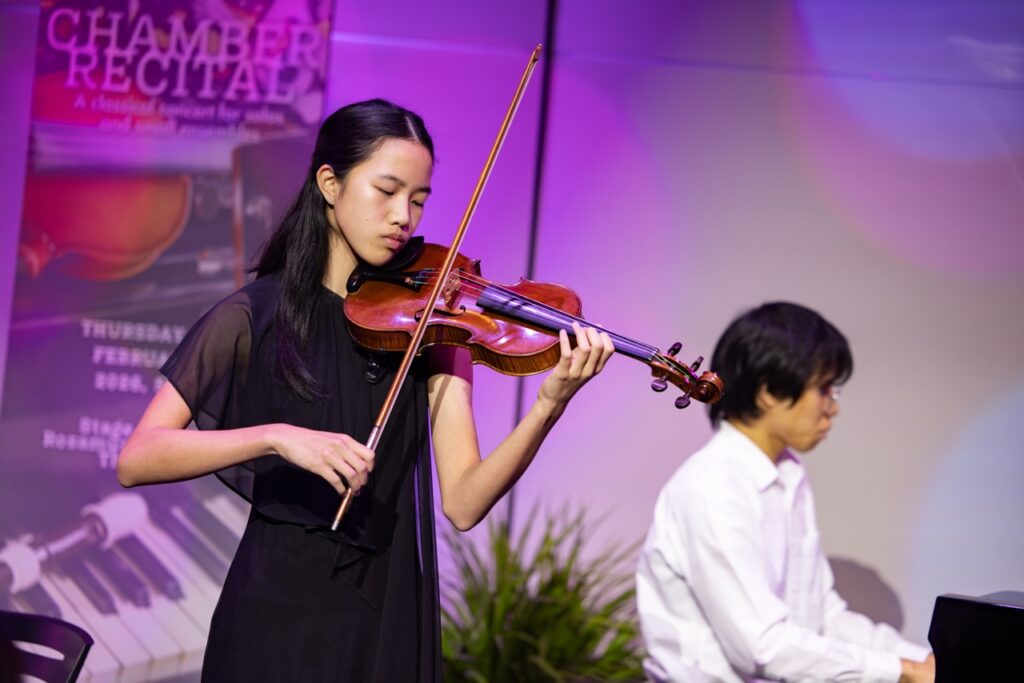
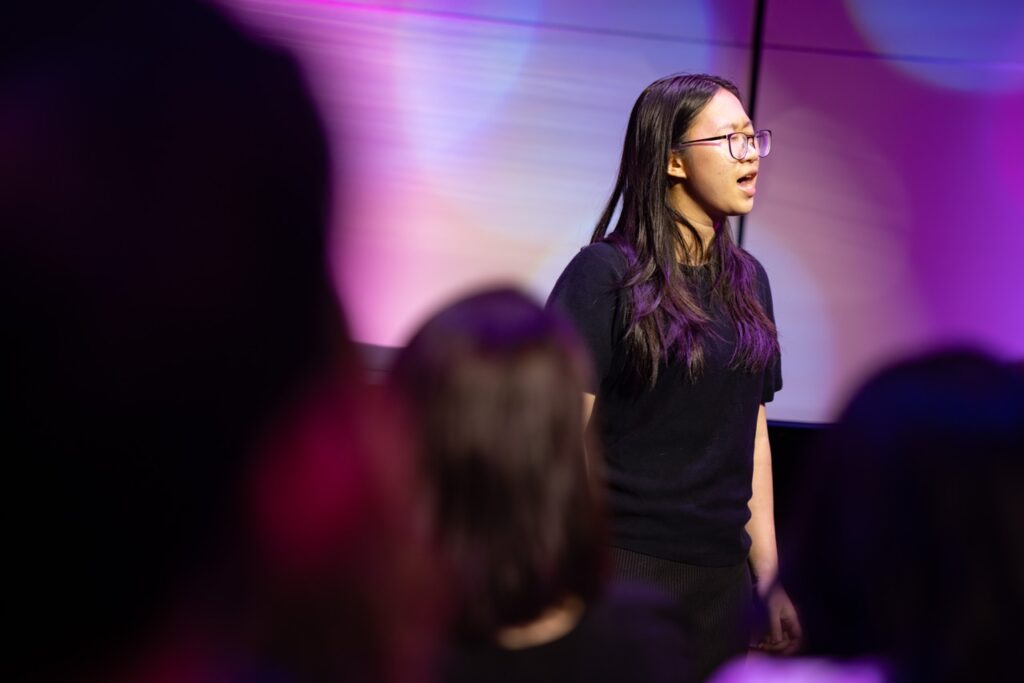
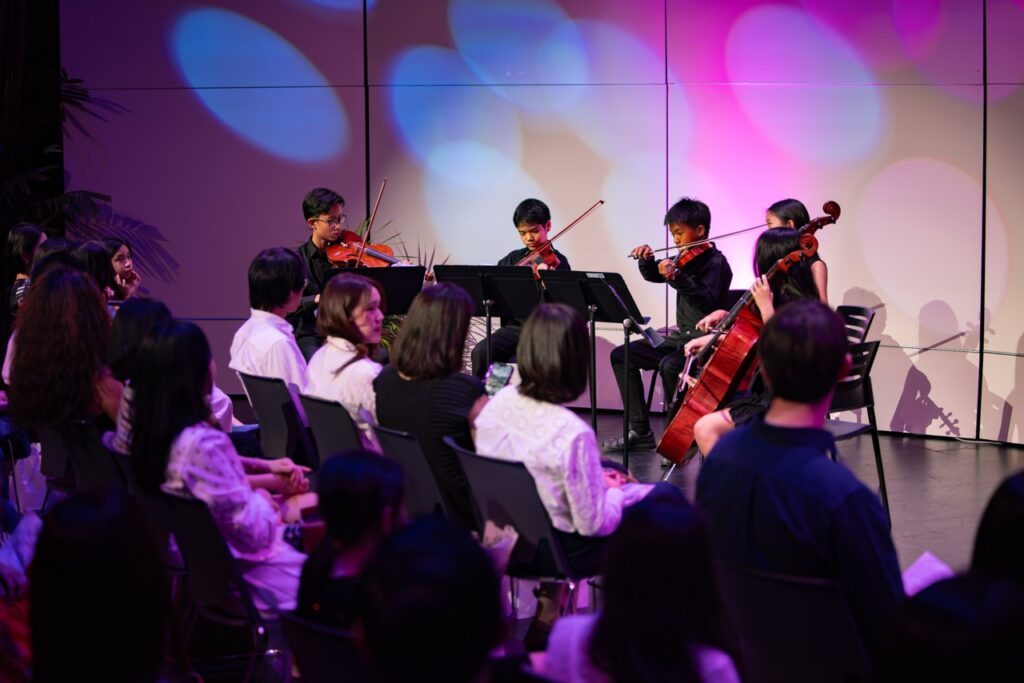
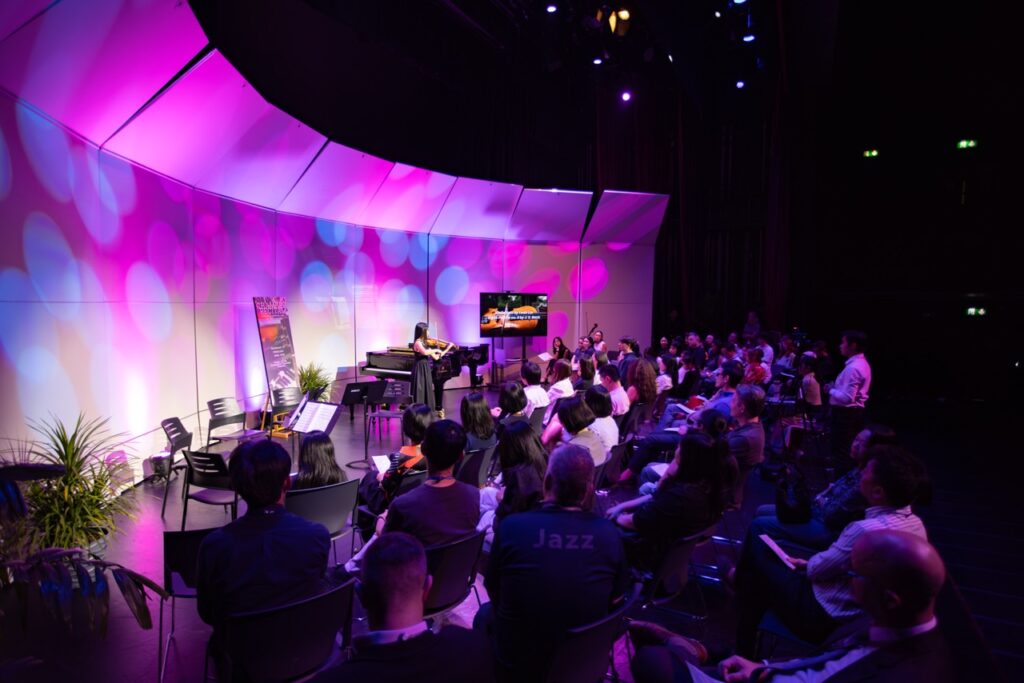
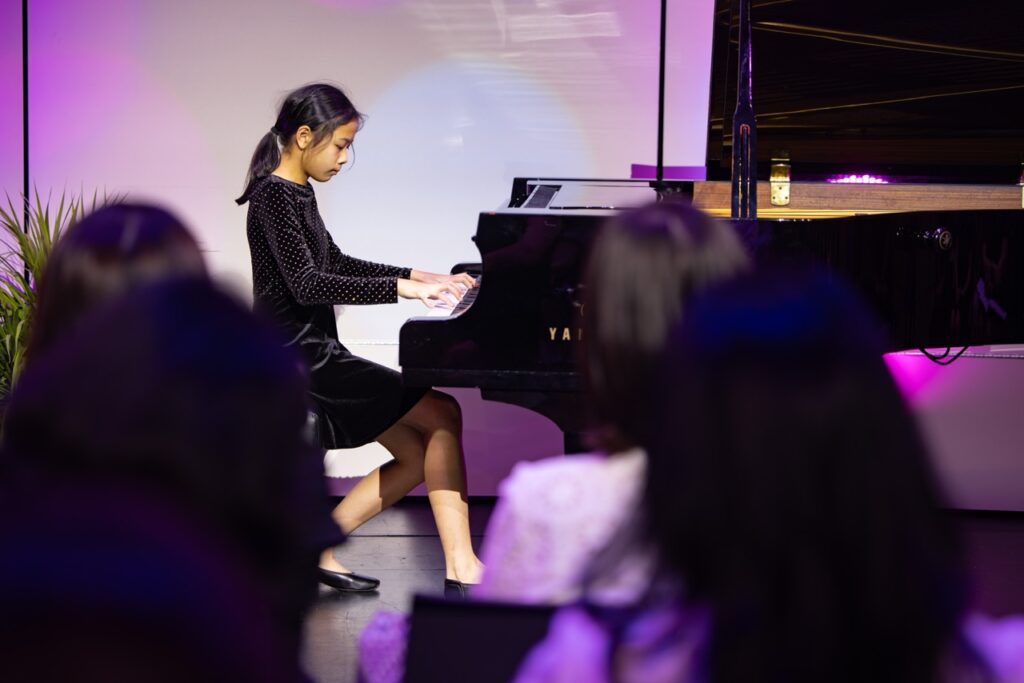
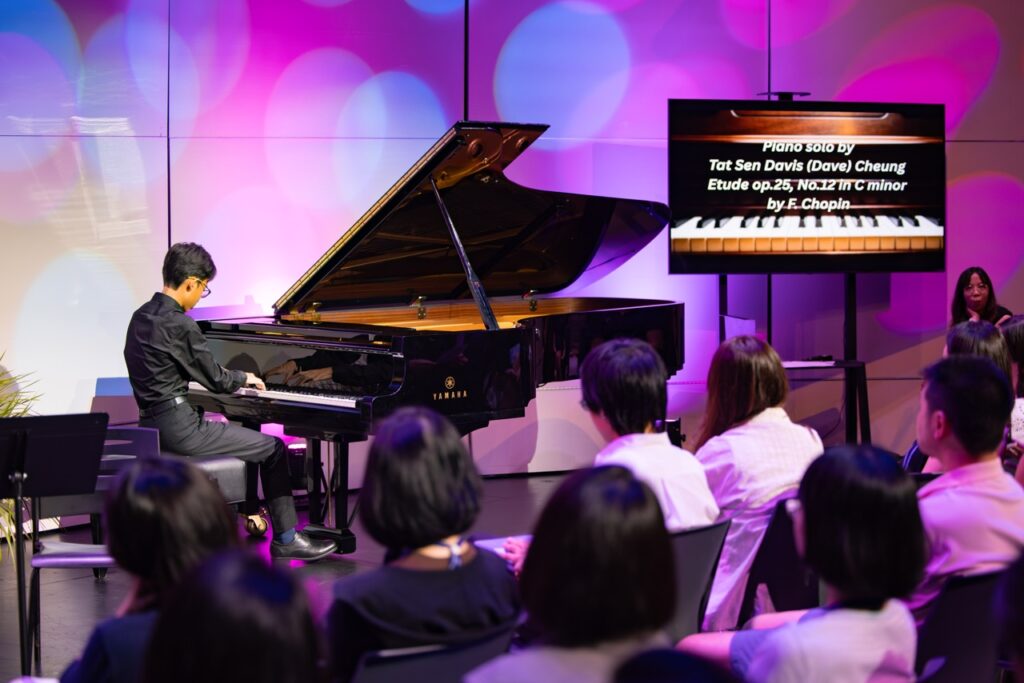
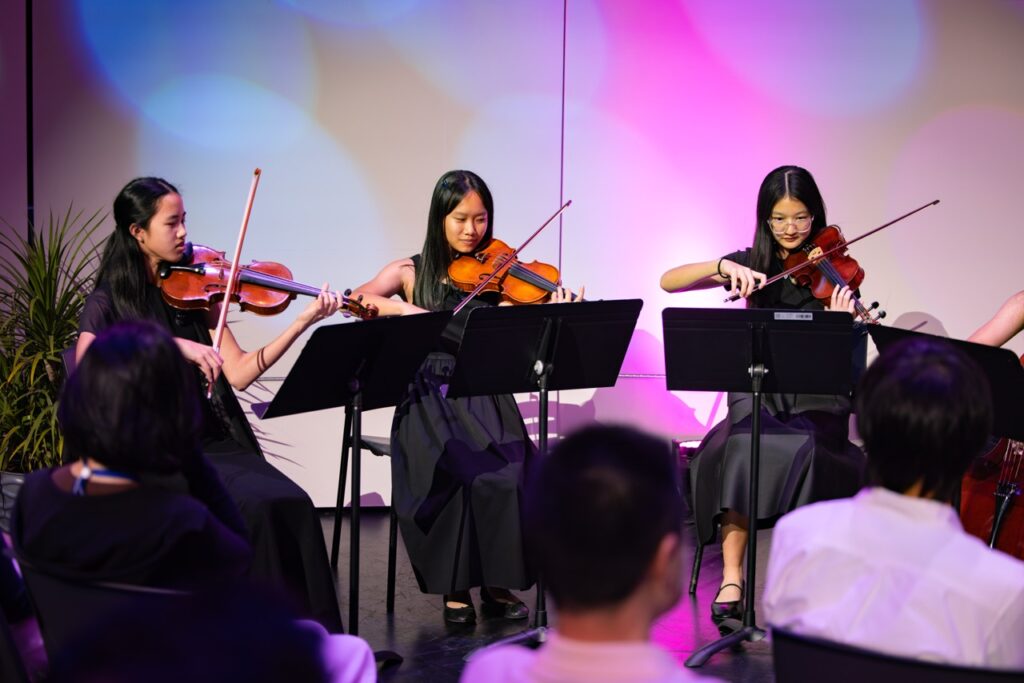
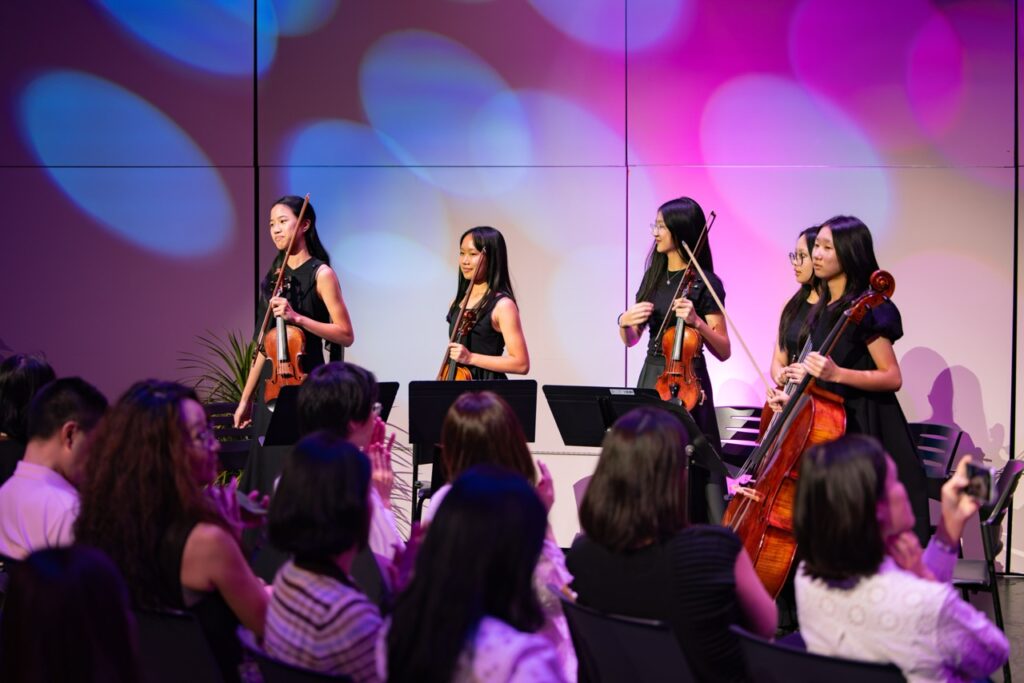
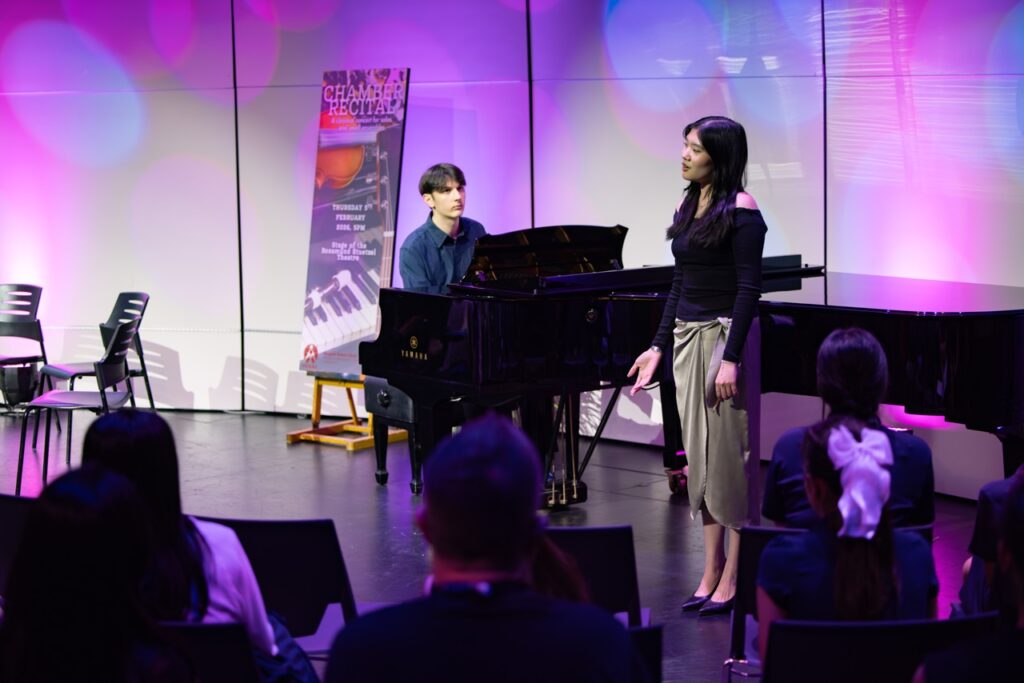
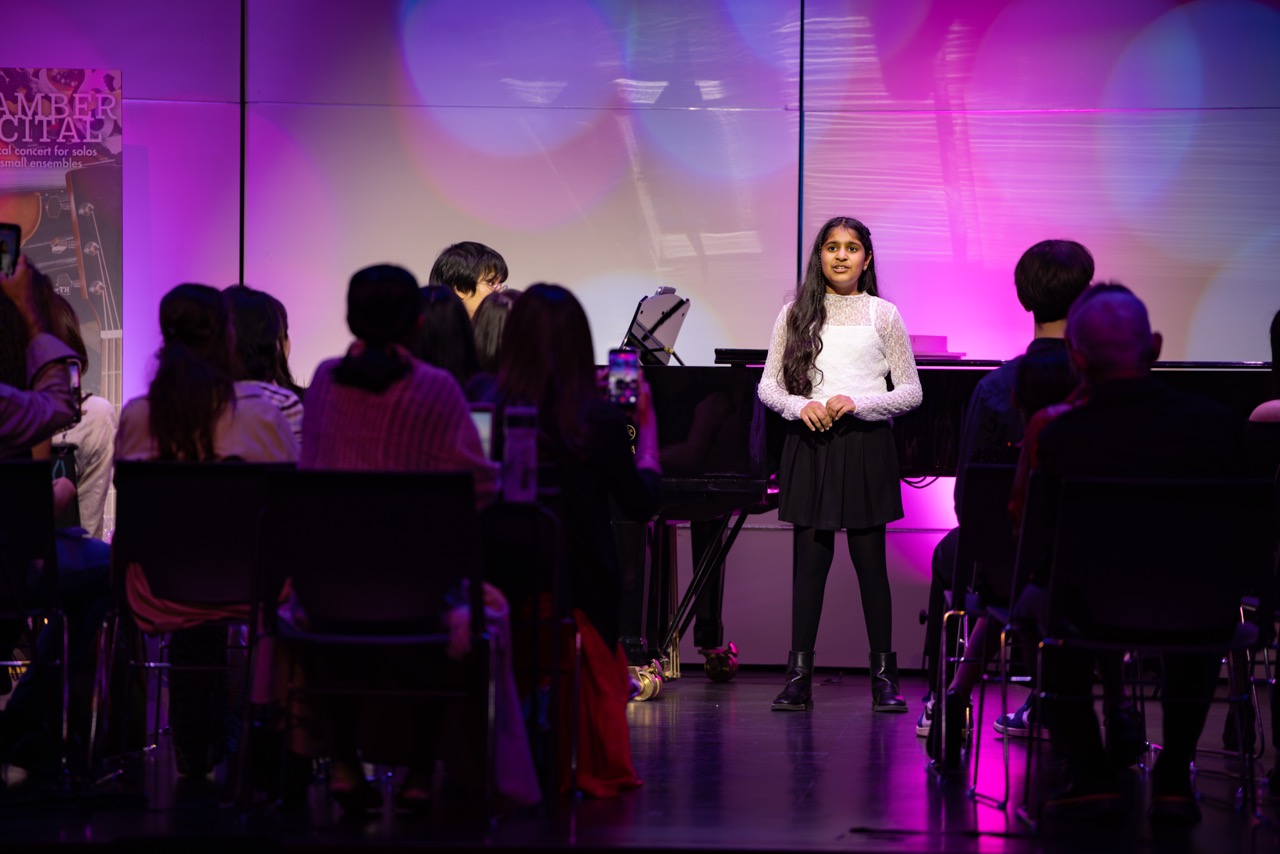
The Chamber Recital was an opportunity for students across the Secondary school to showcase their talents. There was a wide range of songs performed and for some, this was a new experience. The students performed in an intimate setting with the audience on the stage. It was a lovely evening of music and the following reflections capture the students’ own perspectives on their performances and their experiences throughout the event.

“Performing in the chamber recital has been one of the most exciting and challenging experiences I have had this year. Because I was not performing as a soloist, but as a group. I needed to work closely and collaboratively with my peers in order to achieve a successful performance. This experience truly tested my teamwork and patience, as performing my own part accurately did not guarantee that the overall performance would sound better without effective collaboration from the entire ensemble.

One of the most challenging aspects of chamber performance is learning to listen actively while singing or playing. During the recital, I had to remain aware of musical cues, dynamics and tempo changes, while also maintaining confidence in my own part. This level of attentiveness was essential in ensuring that the ensemble performed together as a unified group. Performing in front of an audience brought both a sense of responsibility and determination. Knowing that we were representing our collective effort, it kept me motivated to remain focused and to support our group throughout the recital. The experience emphasized the importance of cooperation and communication in chamber music and contributed significantly to my growth as a musician”. – Stephanie, Year 9

“The Chamber Recital was a meaningful and exciting experience for me. I was very nervous at first, but once I started playing, I felt excited to  share the music with the audience. At first, I thought making mistakes was a really bad thing, but I realized that performing is about sharing what I have learned. Preparing for the Chamber recital taught me the importance of practice and self-belief. I am thankful for the support from my teachers and friends, and this experience made me to keep improving as a musician.” Hayoung (Elsa), Year 8

Share This Article

In this Issue

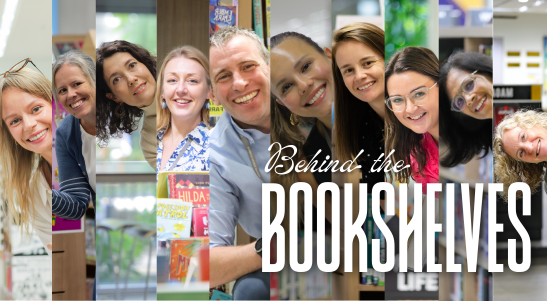
Behind the Bookshelves

Recommended Reads from our Teachers for Half Term Break!

Here is the complied list of recommendations from our Teachers, just in time for Half Term break.

Share This Article

In this Issue

Diversity Digest: AI and Bias – Safer Internet Day

Diversity Digest is a weekly reflection written by staff from different areas of our school

AI systems such as large language models learn from vast amounts of human-created data. That data reflects the world as it is, including stereotypes, cultural blind spots, dominant languages, and unequal representation. Bias can also creep in through the questions we ask, the examples we give, and the assumptions we make about what is “normal” or “correct”.

In an international school community, this matters. We can challenge bias by slowing down, questioning outputs, comparing perspectives, and asking whose voices might be missing. AI should support learning, not replace critical thinking, cultural awareness, or professional judgement.

B – Background

Who created the data? Which cultures or contexts dominate?

I – Inclusion

Who is missing, simplified, or stereotyped?

A – Assumptions

What is being treated as “normal” or universal?

S – Second source

Can this be checked against another perspective?

Share This Article

In this Issue

Mindfulness Workshop

By Carly Peart, Usa Jansiripong, Pranee Waisara  

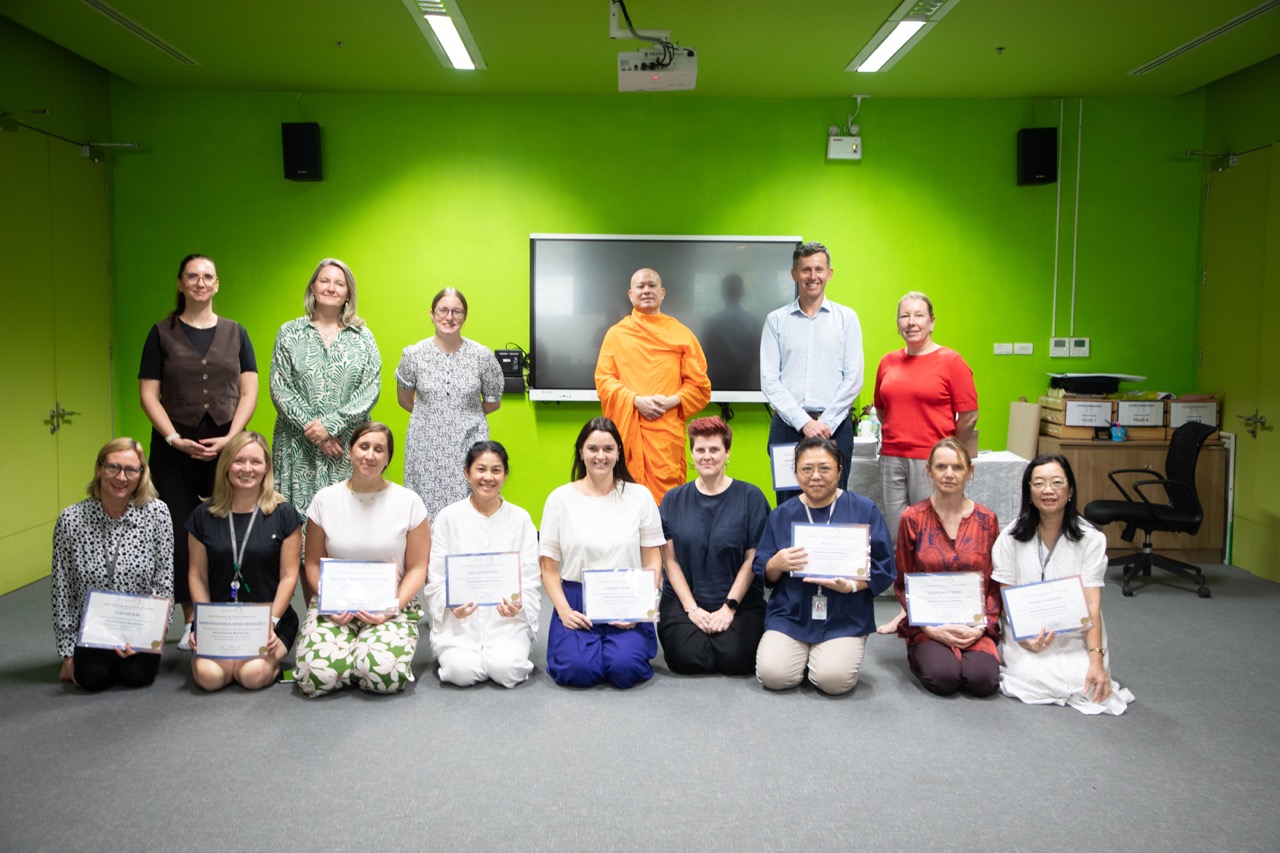
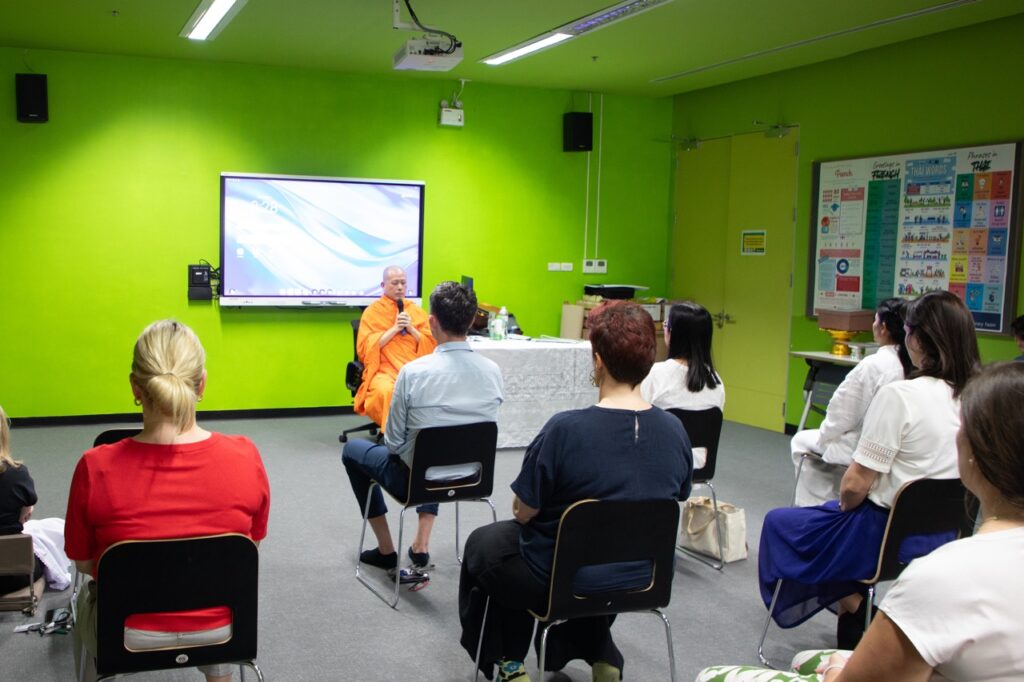
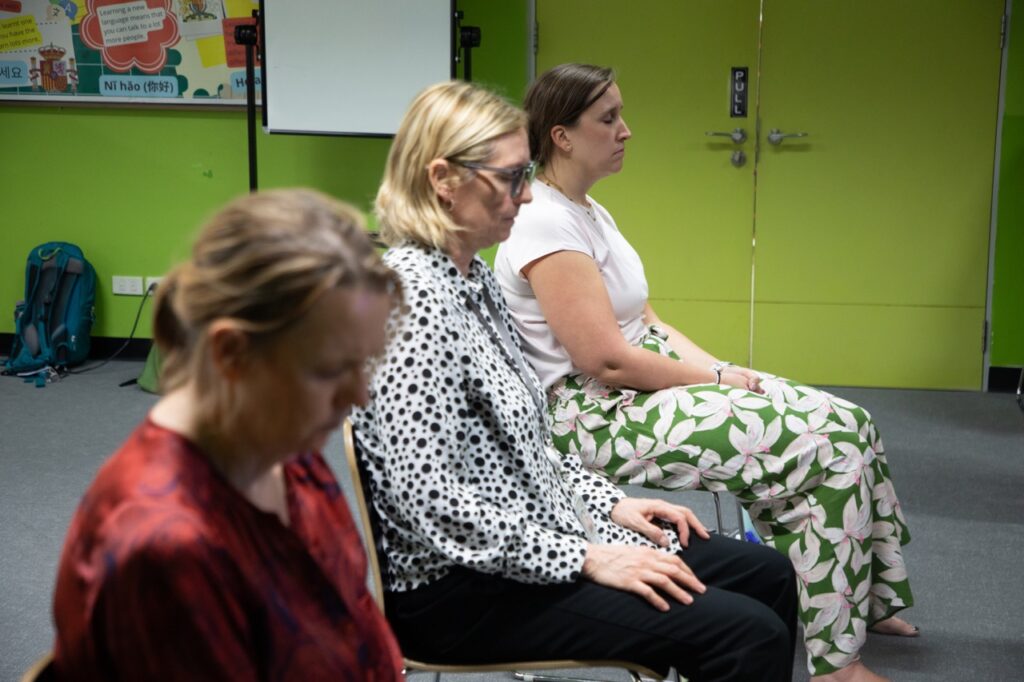
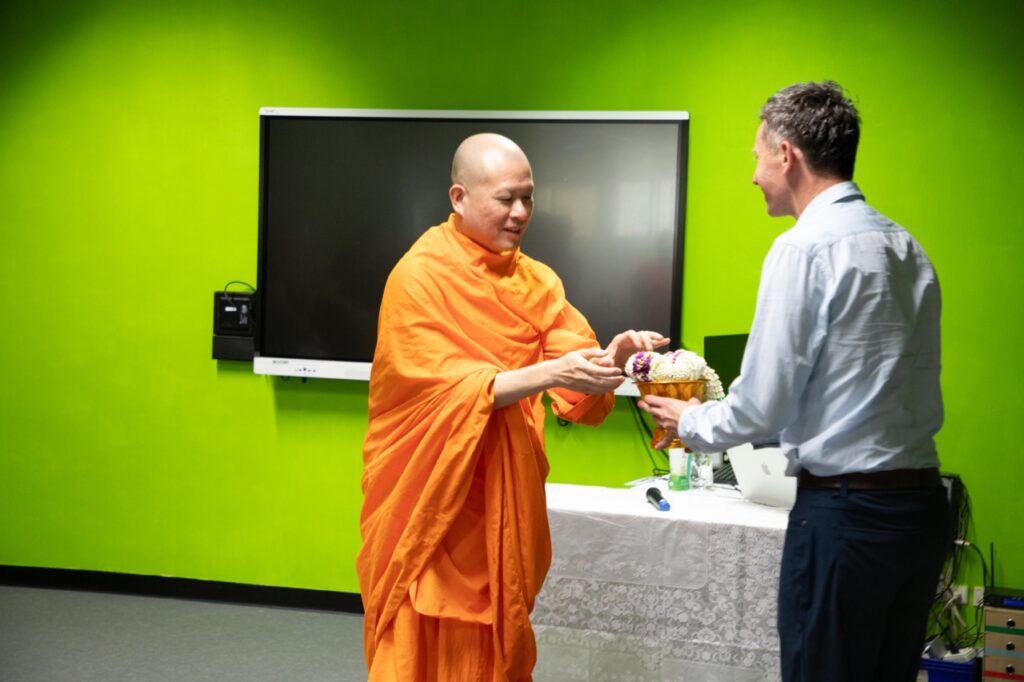
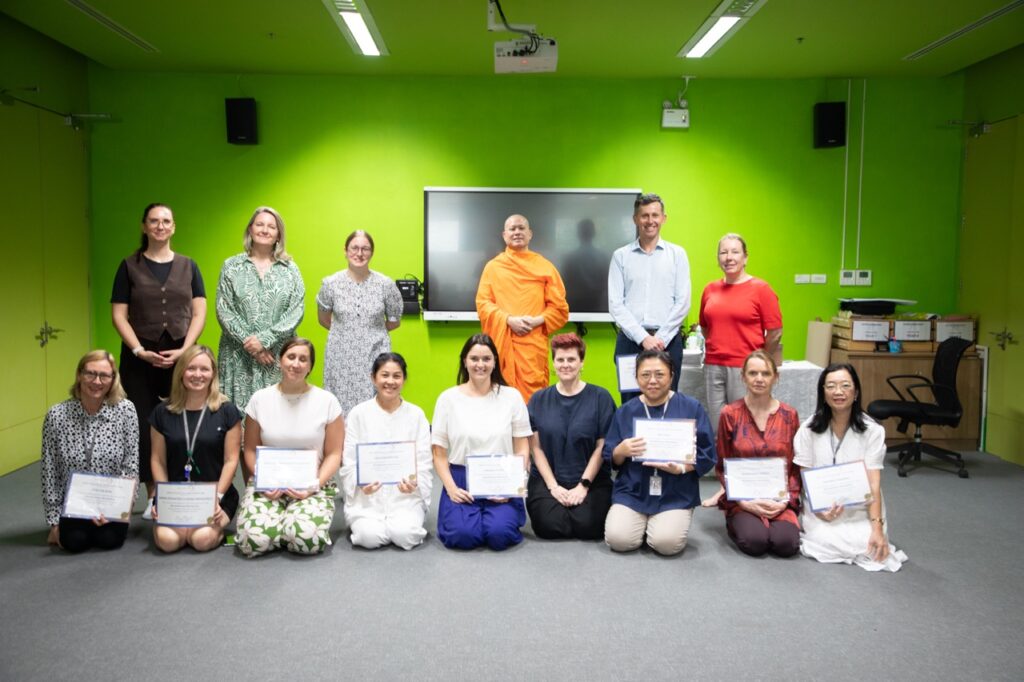
Teachers participated in Learning for Learners on The Mindfulness Workshop led by Monk John Paramai Dhanissaro PhD, a certified meditation trainer and Mind Stories author. The workshop was designed to help sharpen focus, cultivate calm, and enhance well-being in daily life and within the school community. On 2nd February 2026, the teachers successfully completed the full five-session programme and received official certificates from World Peace Initiative Foundation, recognising their commitment and dedication to the course.

Share This Article

In this Issue

Tech Tips #317: Online Safety Update on Roblox

Brian Taylor, Vice Principal, Technology for Learning

Photograph: Bloomberg/Getty Images

Recent reporting has highlighted serious concerns about children’s safety on the popular online gaming platform Roblox, prompting action from the Australian government and national online safety regulators.

Roblox is a user‑generated gaming platform where players can create and explore games made by others. While it is widely used by children and carries a PG rating, investigations have raised questions about whether existing safeguards are sufficient. Reports suggest some children have been exposed to inappropriate content, including sexualised material and themes related to self‑harm. There are also ongoing concerns about online grooming, where adults attempt to build inappropriate relationships with children through in‑game chat and messaging features.

Australia’s Communications Minister has formally asked Roblox to explain how it is preventing children from accessing adult spaces and protecting young users from harmful interactions. At the same time, the national eSafety Commissioner has announced plans to test Roblox’s safety promises, including whether under‑16 accounts are private by default, whether chat features are appropriately restricted, and whether tools designed to prevent adult‑to‑child contact are working effectively. Regulators have also asked whether Roblox’s current PG classification remains appropriate.

Roblox has responded by stating that it is committed to child safety, highlighting new measures such as age‑checking systems, improved content moderation, and cooperation with law enforcement. However, regulators have made it clear that if platforms fail to meet their obligations, further action may follow under online safety laws.

What this means for families

This coverage is a timely reminder that even well‑known platforms can carry risks. We strongly encourage parents to:

  • Talk regularly with children about their online experiences.
  • Use parental controls and privacy settings, but recognise these are not foolproof.
  • Remind children to report uncomfortable interactions and to tell a trusted adult.
  • Review age‑appropriate use of games and online services.

Online safety works best when schools and families work together, combining technical controls with open, ongoing conversations.

Have a great half-term break.

Brian Taylor

Vice Principal, Technology for Learning

Share This Article

In this Issue

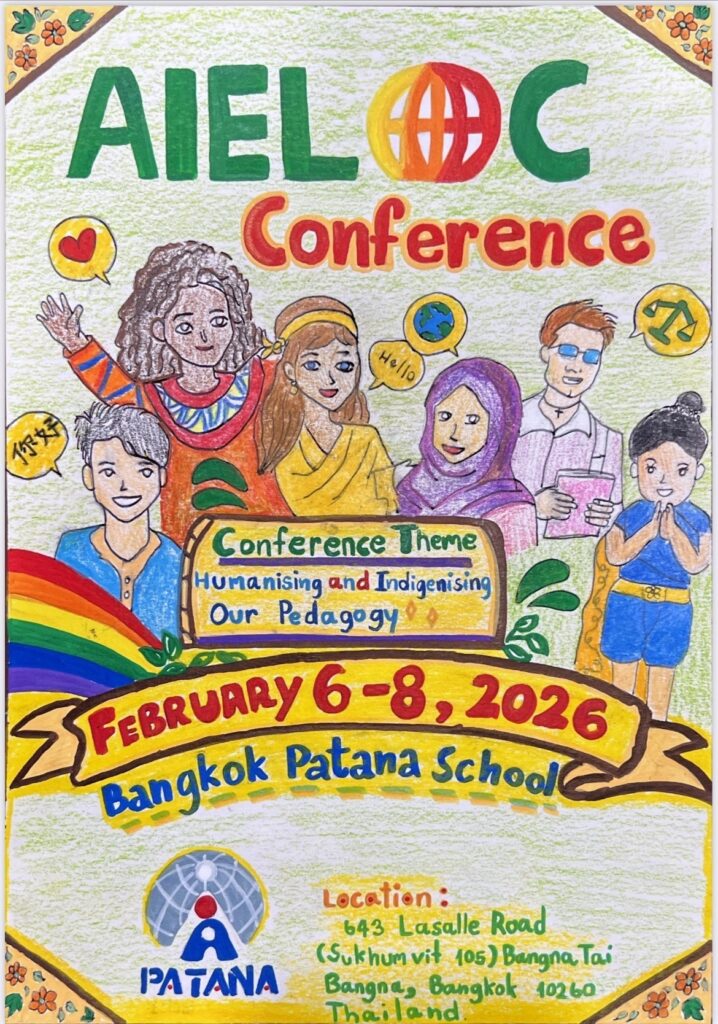
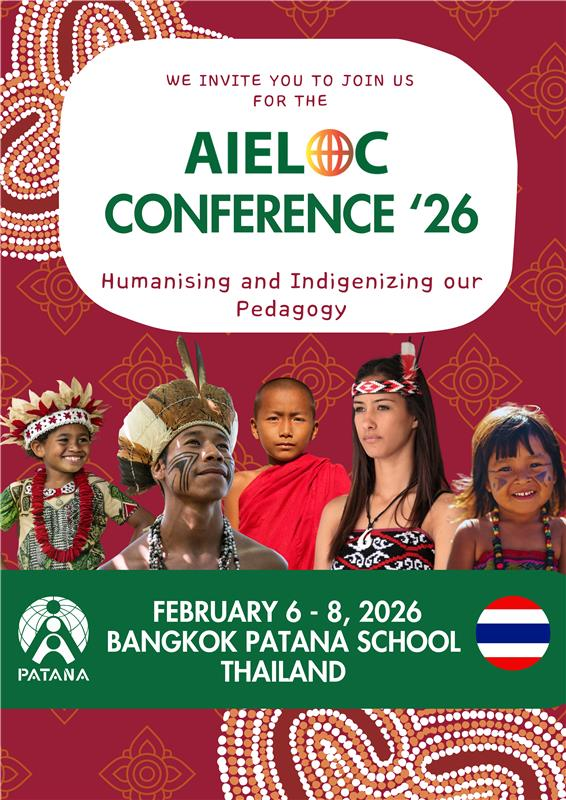
AEILOC Conference

Carly Peart, Cross Campus Vice Principal

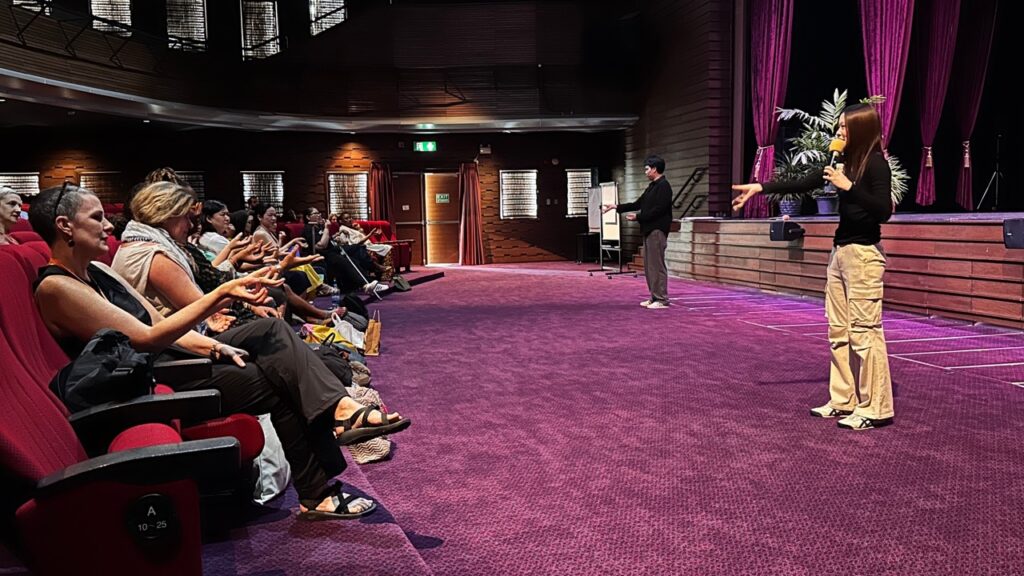
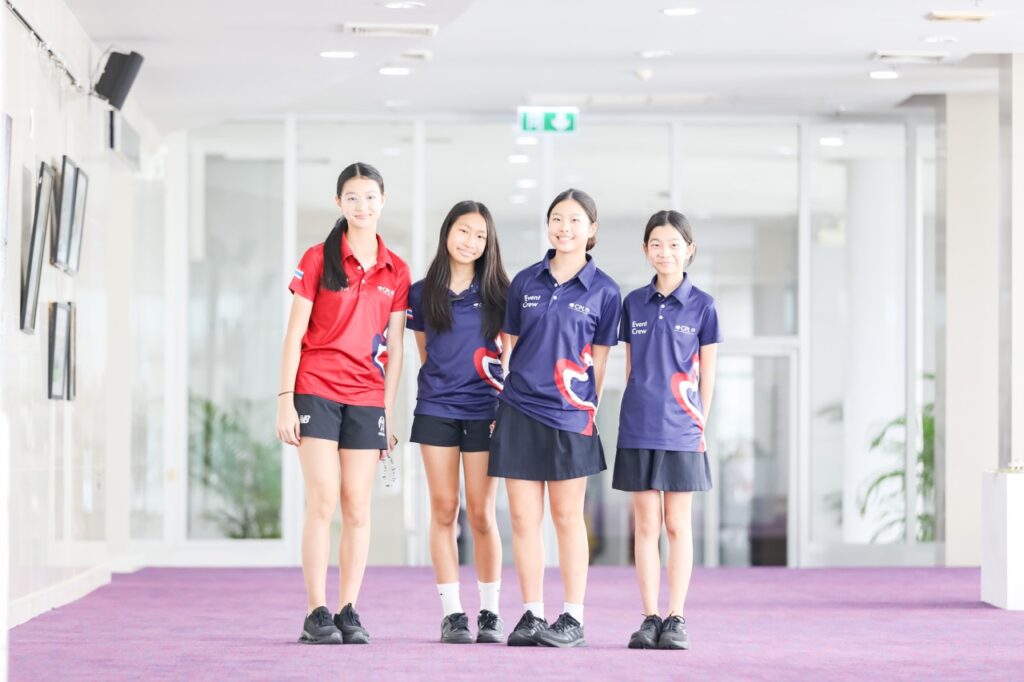
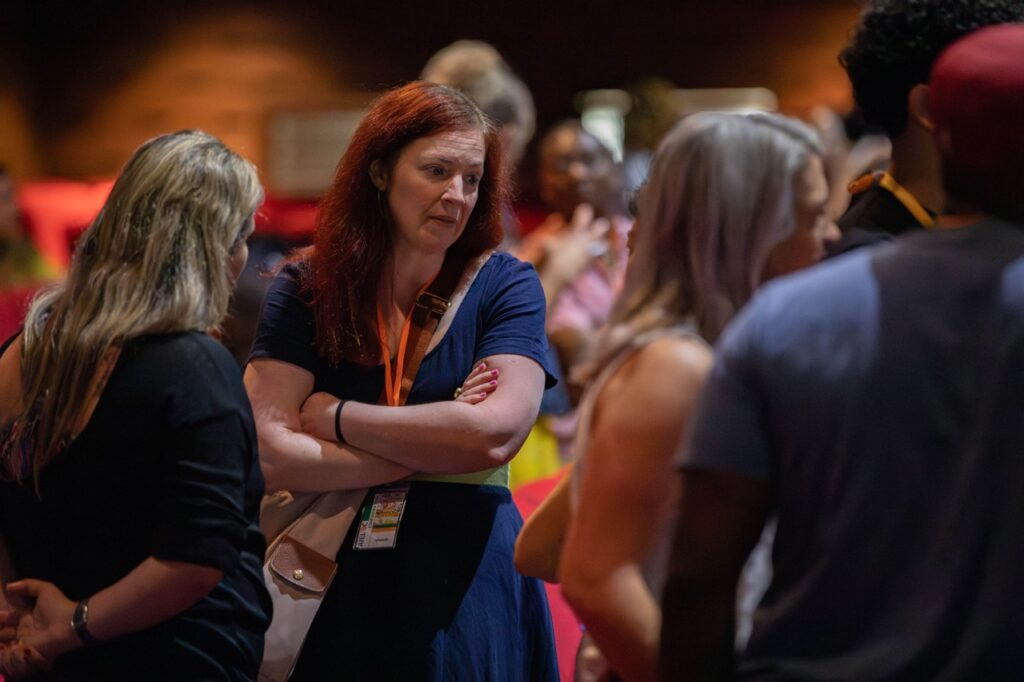
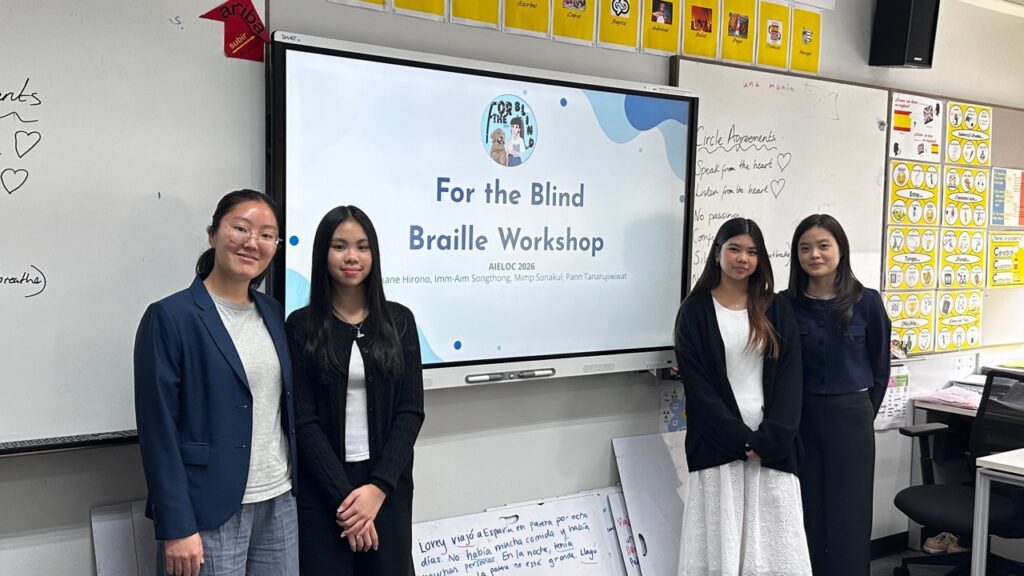
Bangkok Patana School had the privilege of hosting the AIELOC Conference in February 2026, welcoming over 150 educators from across the world to explore themes of belonging and inclusivity. The weekend was made especially memorable, not only the professional dialogue, but the remarkable way our students embraced genuine leadership opportunities throughout the event.

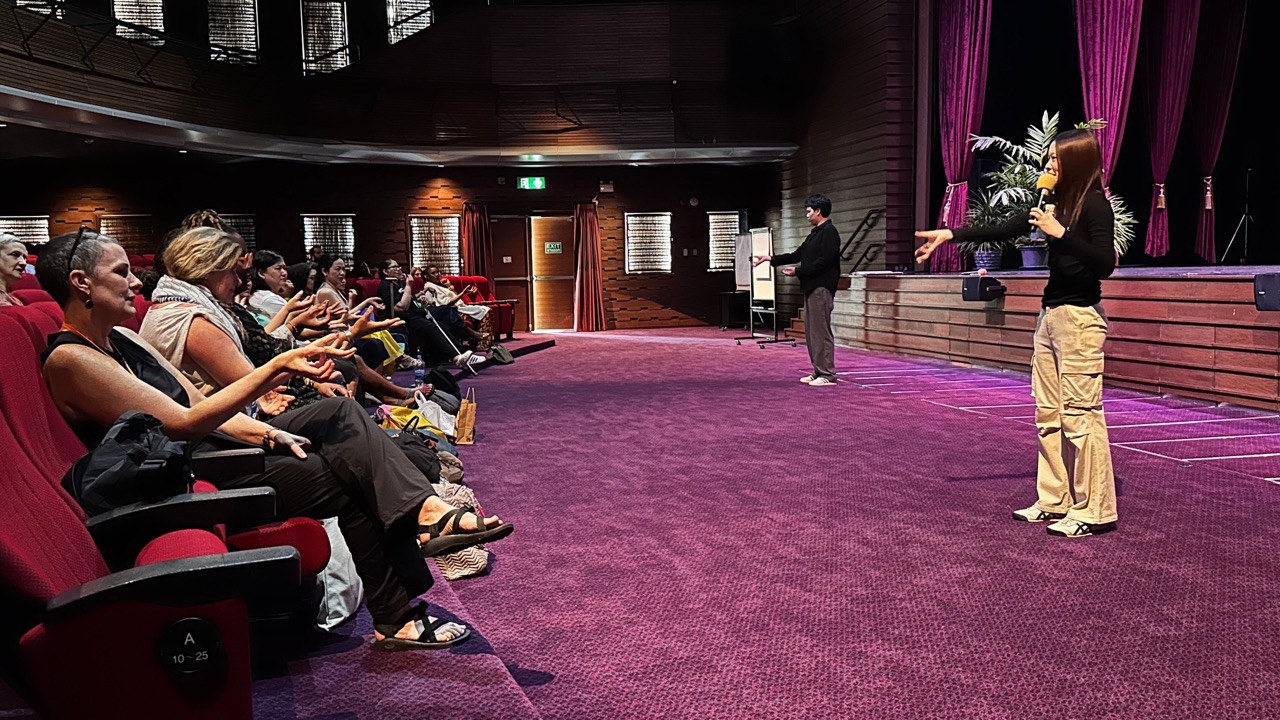
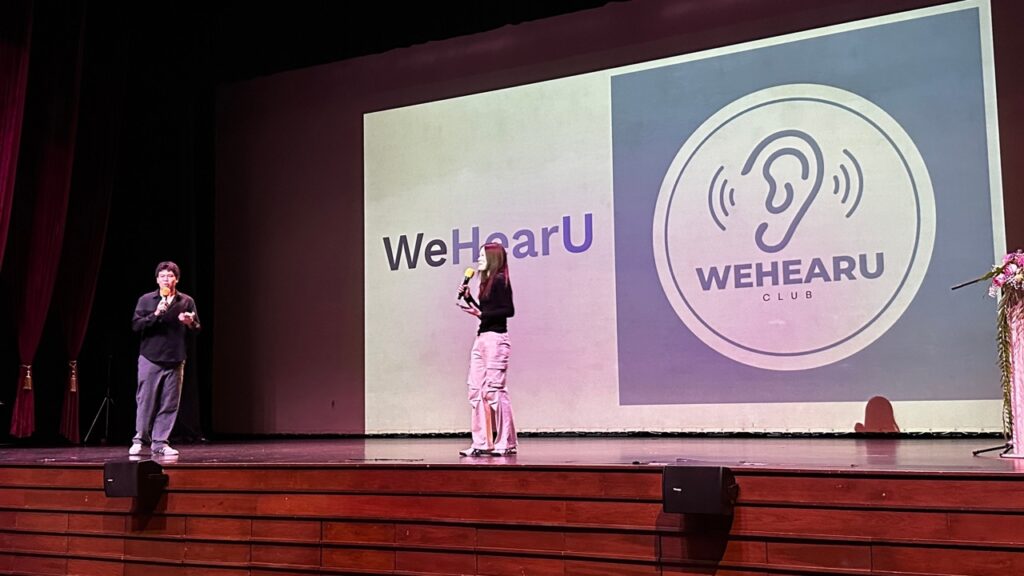
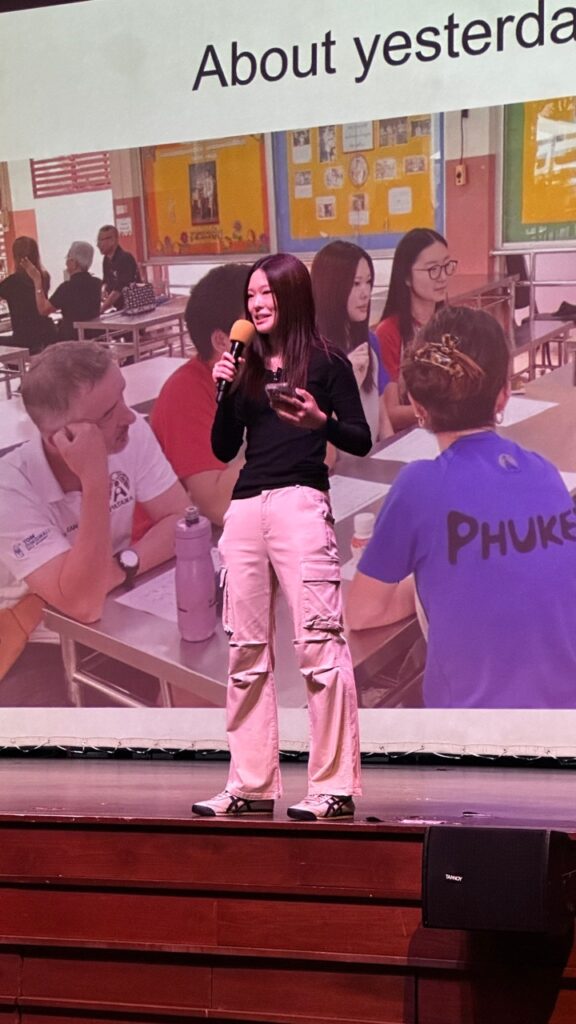
Several of our Secondary students stepped forward to lead workshops for visiting delegates, sharing their experiences with confidence and thoughtfulness. A particular highlight was the interactive keynote delivered by Year 13 students, Yi Xuan and Plearn, who spoke movingly about their community engagement work with deaf children and their initiative, WeHearU. Standing on the Theatre stage before an international audience is no small feat, yet they did so with authenticity, clarity and real purpose.

Beyond the spotlight, 30 student ambassadors volunteered across the three days, playing a vital role in the smooth running of the conference. From welcoming and guiding participants around the campus, to supporting with technology and even ensuring classrooms were fully “pen-plenished”, their warmth and professionalism were consistently praised. We were also delighted that Elliott, one of our IBCP students, served as a lead photographer for the event. His images beautifully captured both the energy of the weekend and its deeper focus on inclusion and connection.

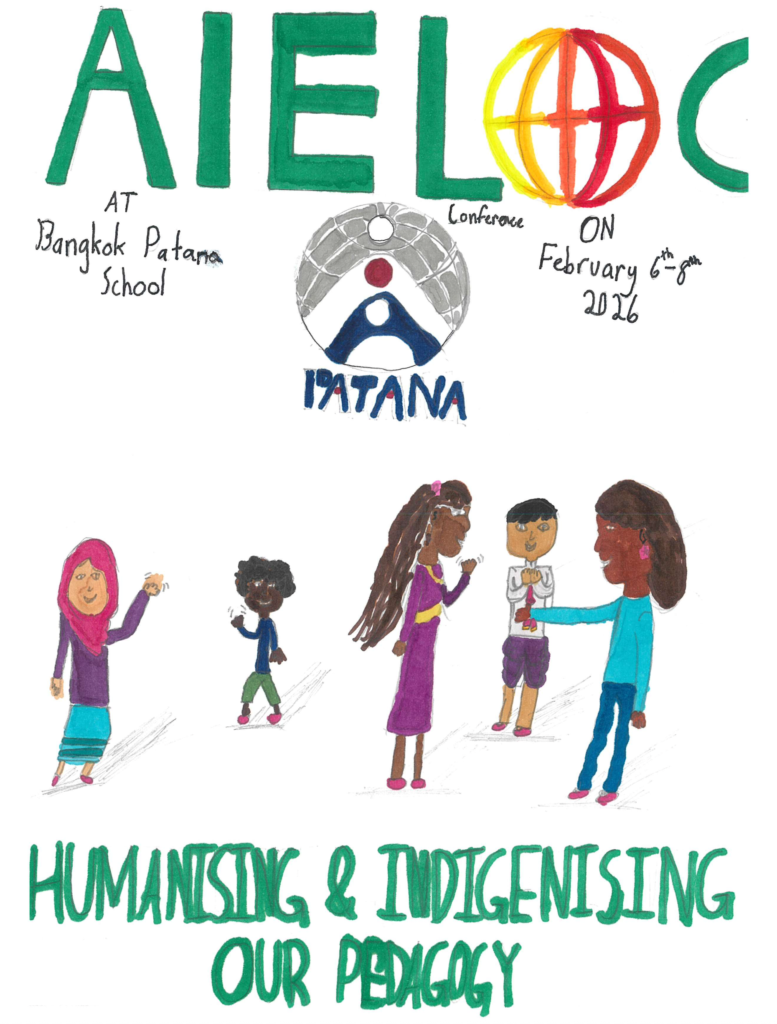
Creativity shone through in our conference art competition, with numerous impressive entries. Congratulations to Avery Snow in Year 6 for winning first place, and to Ana Bolakoso in Year 11 and Téa Wilson-Jiwatram, who were jointly second.

We are immensely proud of the maturity and enthusiasm shown by our students. They did not simply support the conference, they contributed to it in meaningful and visible ways, showing the confidence and responsibility our students are capable of when given genuine opportunities.

Share This Article

In this Issue

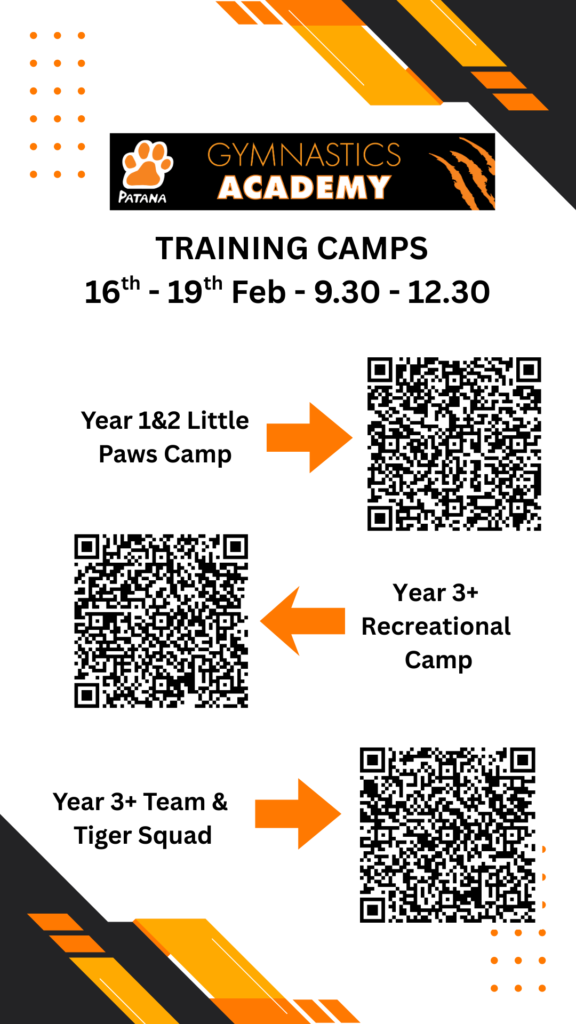
FOBISIA Gymnastics 2026

Georgina Wright, Head Gymnastics Coach

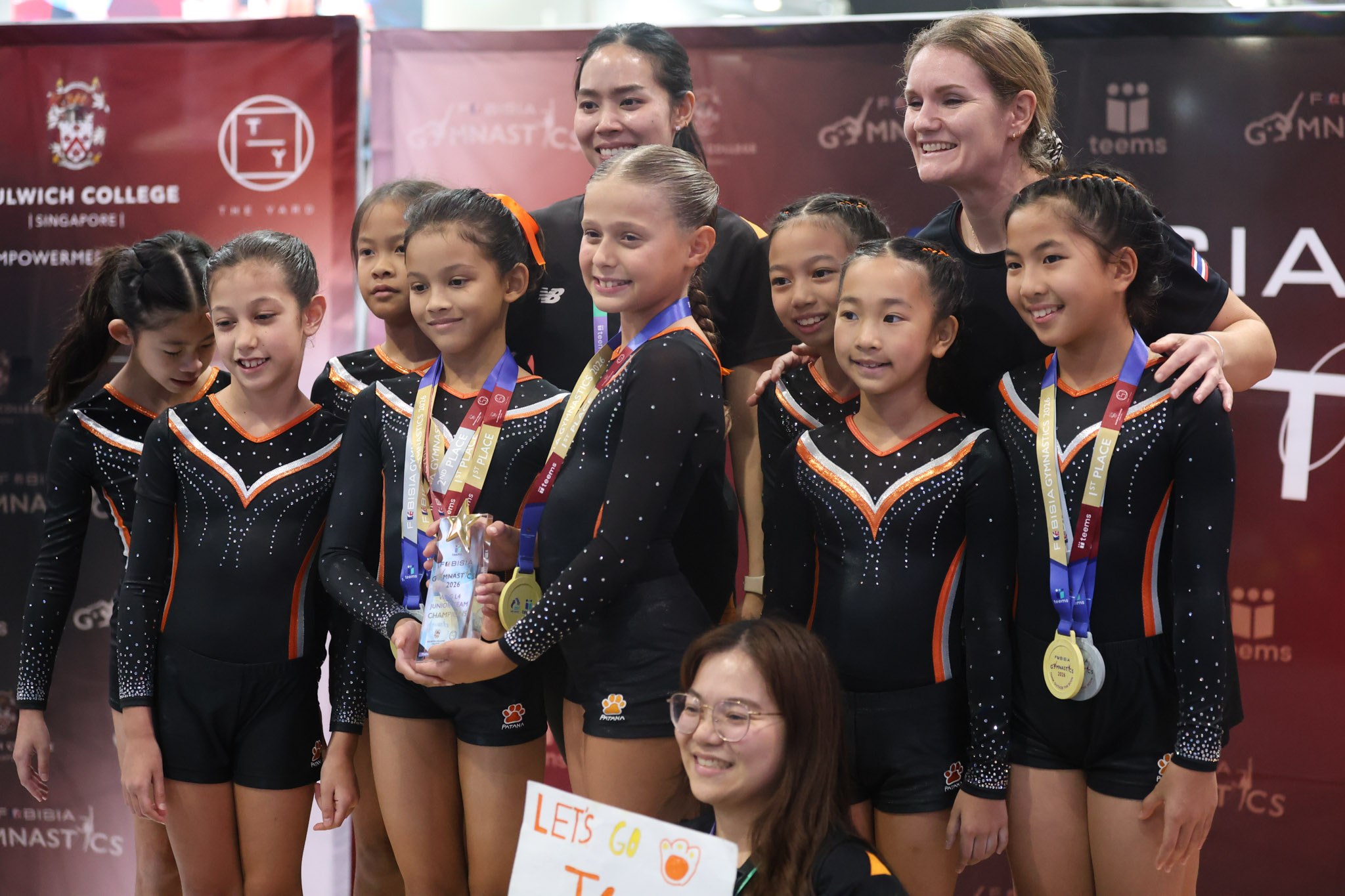
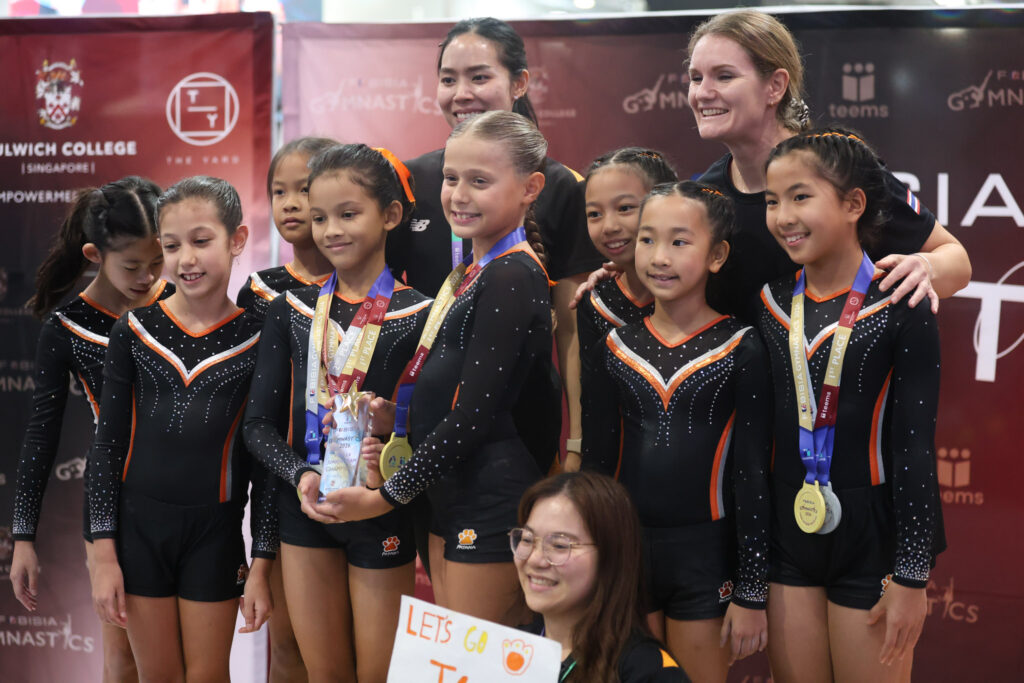
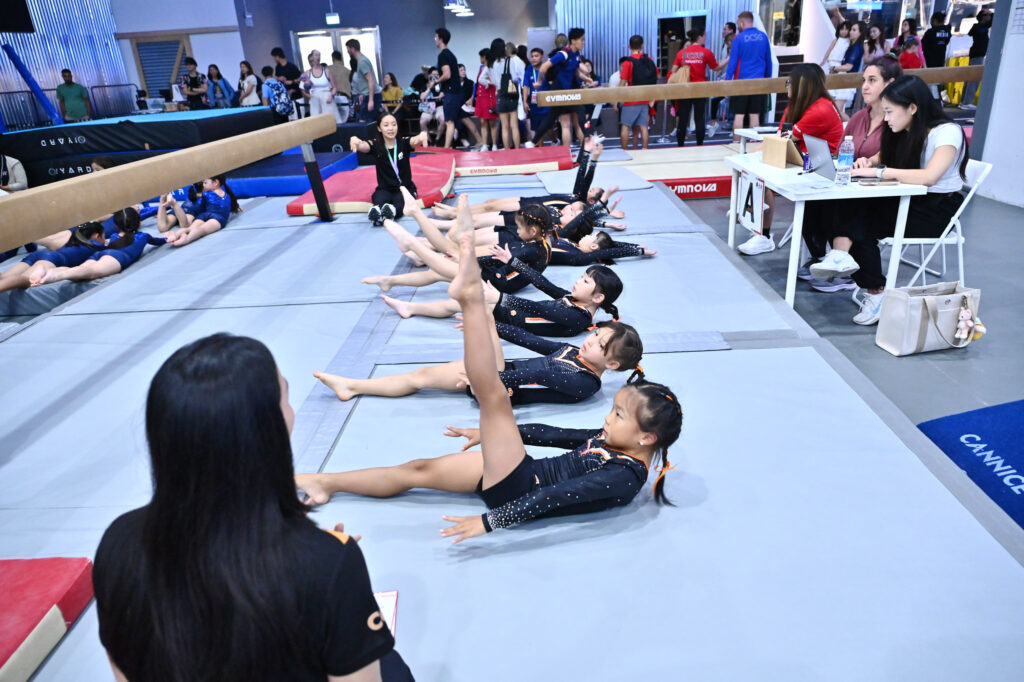
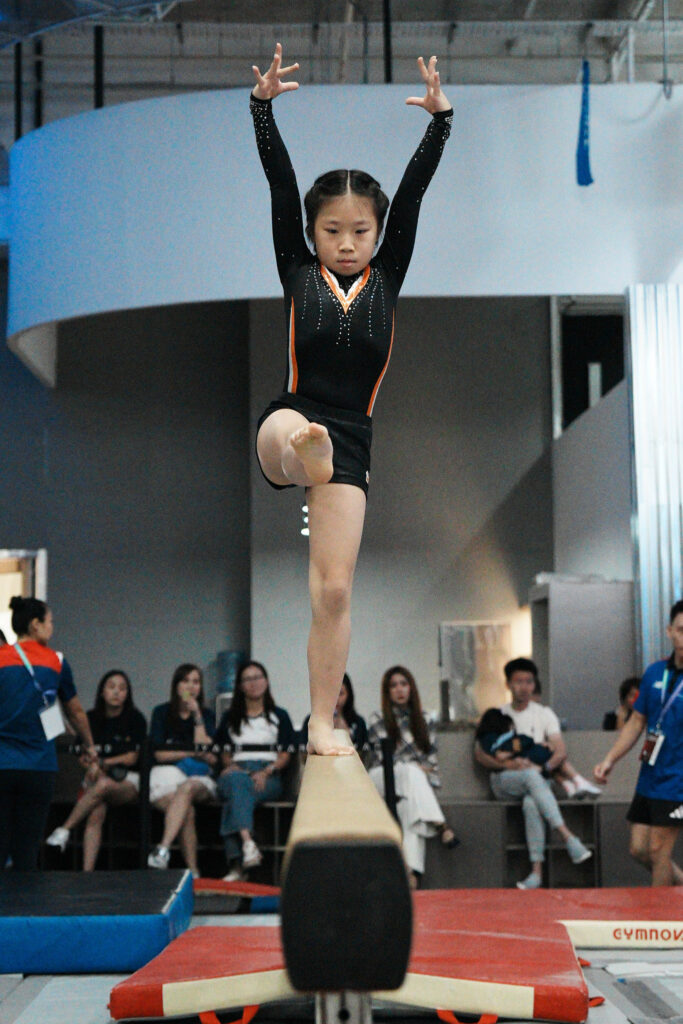
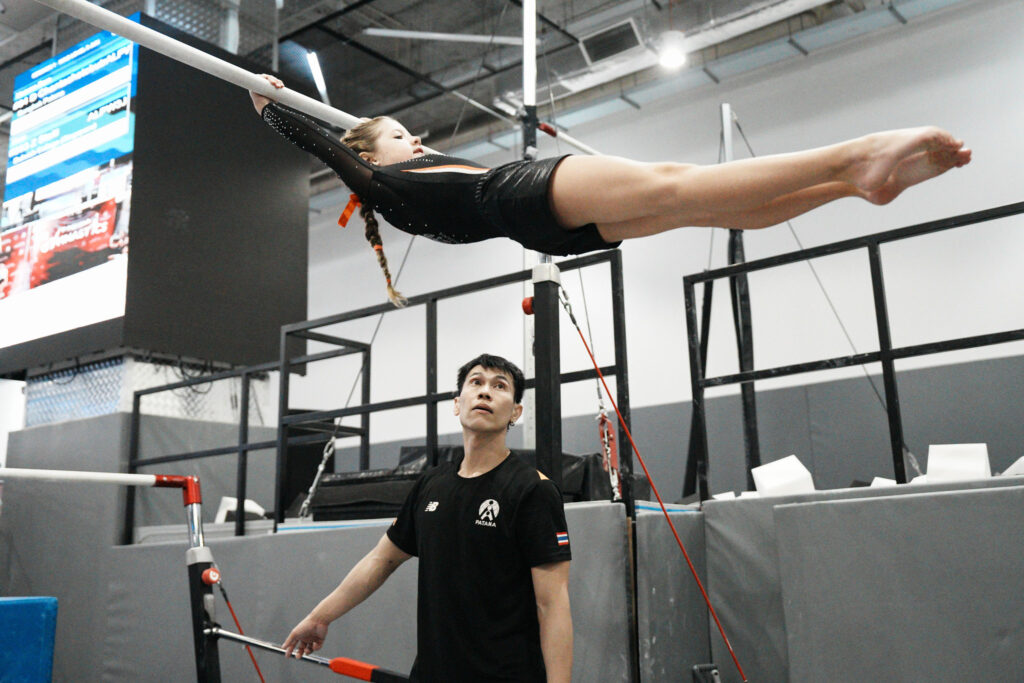
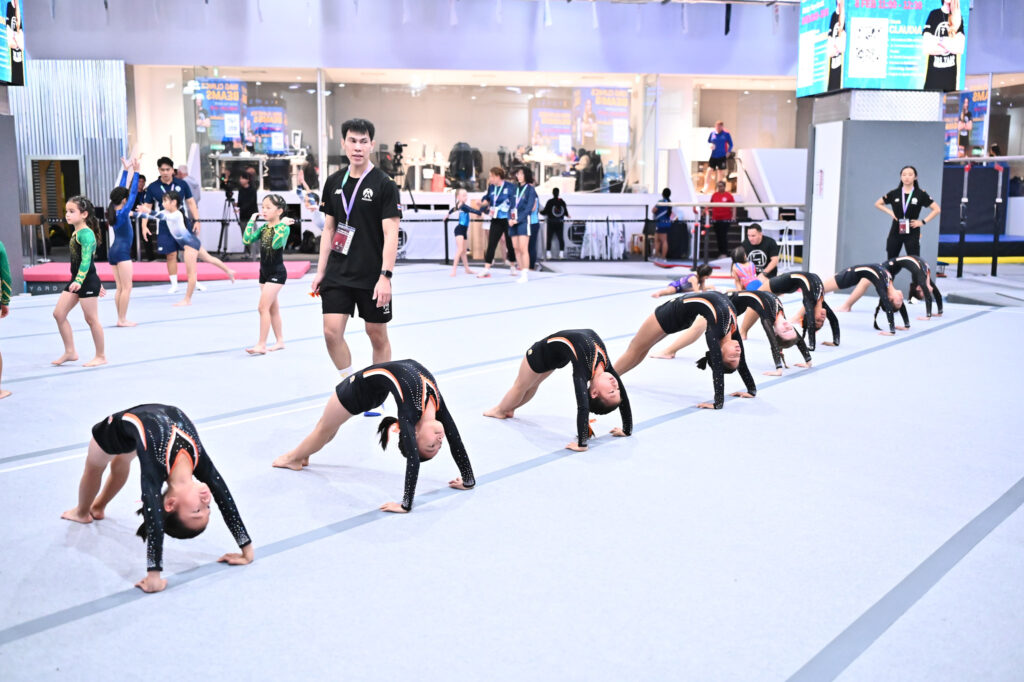
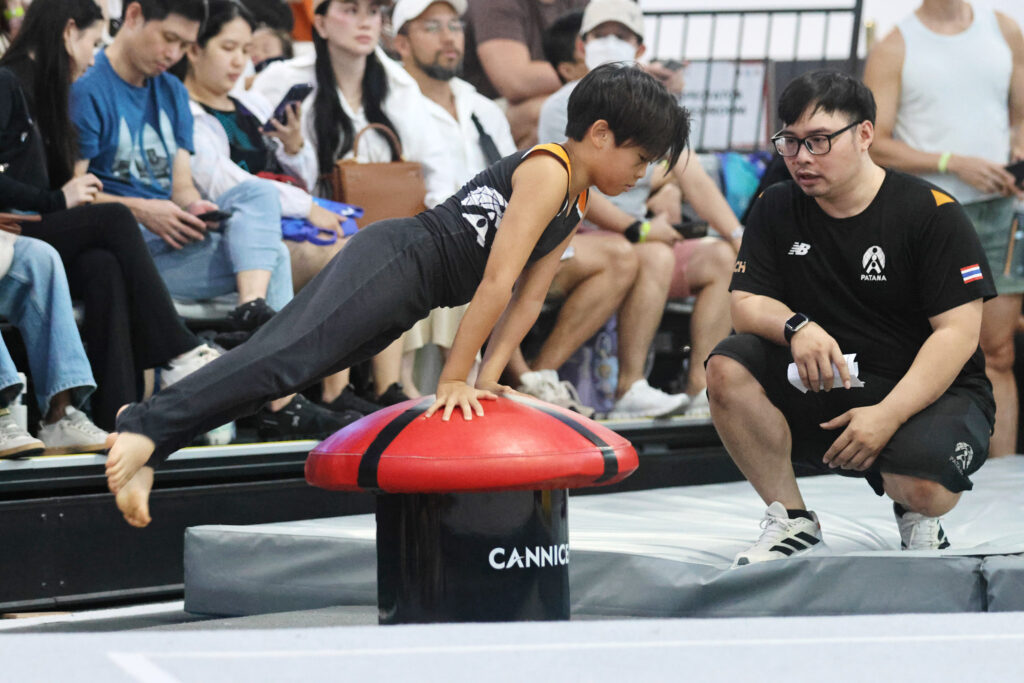
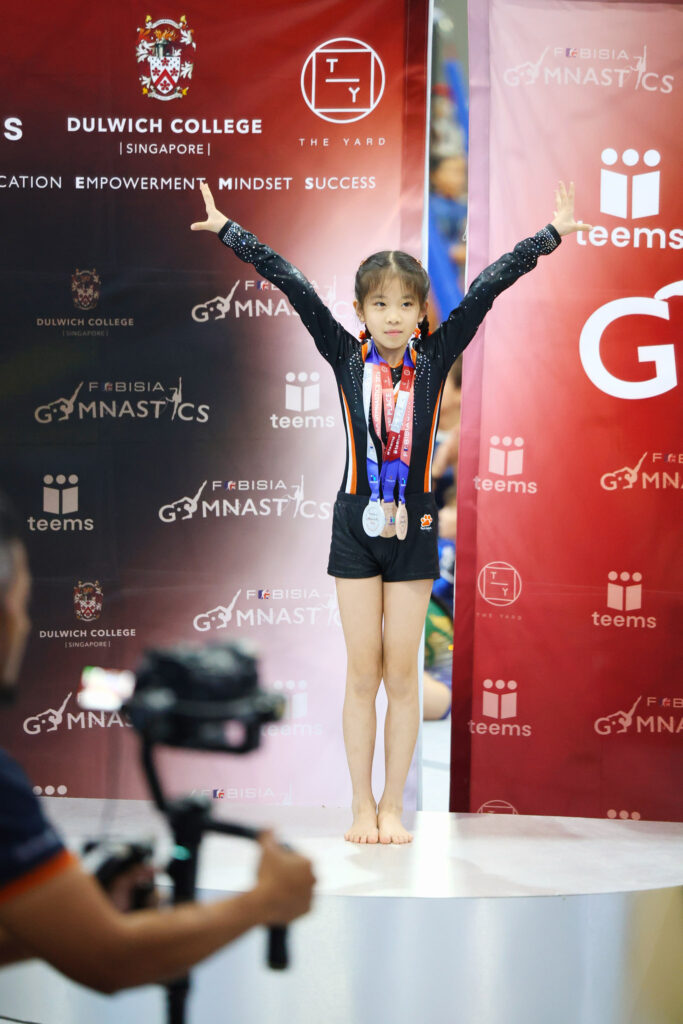
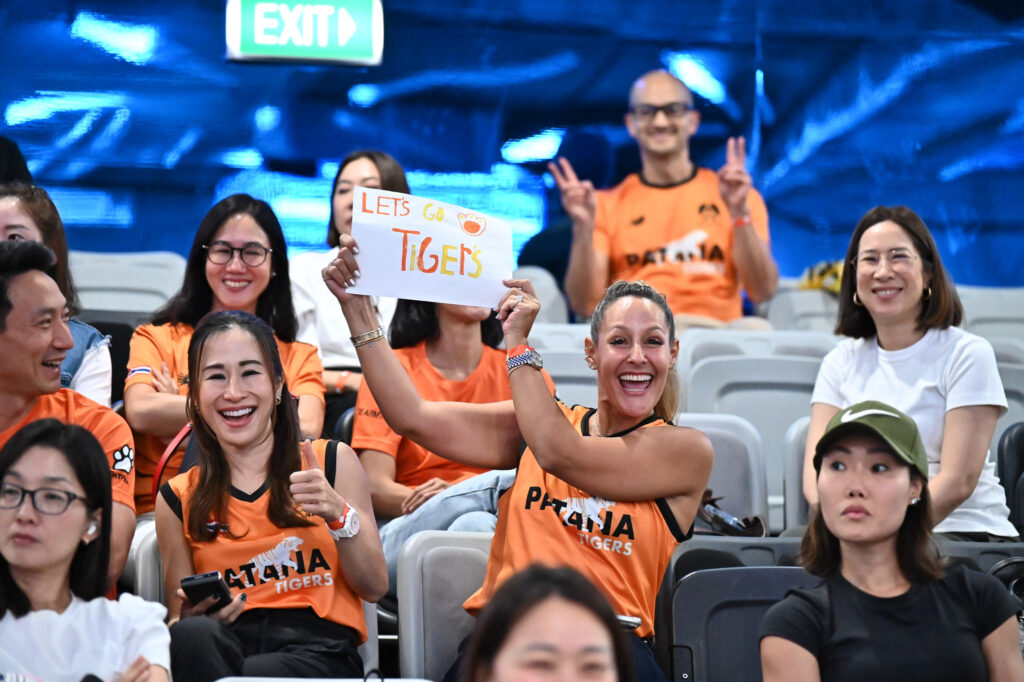
This year’s trip to Singapore for the FOBISIA Gymnastics was one we will remember for a very long time. Sixty-one students travelled to compete alongside more than 600 gymnasts, representing 27 schools from across Asia.

Our competition venue, The Yard Gymnastics Centre, greeted us with a level of glitz and glamour we are certainly not accustomed to. Bright lights, cameras and an atmosphere buzzing with energy could easily have overwhelmed even the most experienced gymnasts. Yet, our students took it all in stride. They performed with precision and confidence, unfazed by the cameras capturing every moment. Their ability to stay focused in such a high pressure environment demonstrated maturity far beyond their years.

As I often emphasise, resilience, confidence and enjoyment are at the heart of our gymnastics philosophy. Over the course of the competition, these qualities shone through in abundance. As they always do, they translated directly into performance and the results were nothing short of extraordinary.

Not only were there multiple individual apparatus and All Around individual podiums, but of the seven teams that we entered, every single one of them was awarded 1st place! This was an exceptional achievement that left coaches and parents speechless. Considering the incredibly high calibre of gymnasts present and the notoriously demanding Singaporean judging panels, the magnitude of this accomplishment cannot be overstated.

What made us even prouder were the comments from the competition organisers. They shared that our students, coaches and parents were among the most respectful in the entire competition, a reflection not only of personal character but of the culture we work so hard to nurture.

At Bangkok Patana, we strive to raise students who are not only strong competitors, but strong human beings. At FOBISIA Gymnastics 2026, our students proved they are both.

A huge congratulations goes to every student who represented Bangkok Patana. Some faced illness, equipment issues, or unexpected mishaps, genuine challenges that could have shaken their confidence. Instead, they bounced back, held their heads high, and carried on with determination. These are the qualities some might dismiss as ‘soft skills’, yet in truth, they are essential foundations of success, in sport and in life.

Beyond the phenomenal results, our students displayed respect, humility, teamwork, and true sportsmanship at every turn. They made Bangkok Patana proud, in every possible way.

We are more than a Team.
We are a Community.
We are the Bangkok Patana Gymnastics Academy.

Share This Article

In this Issue

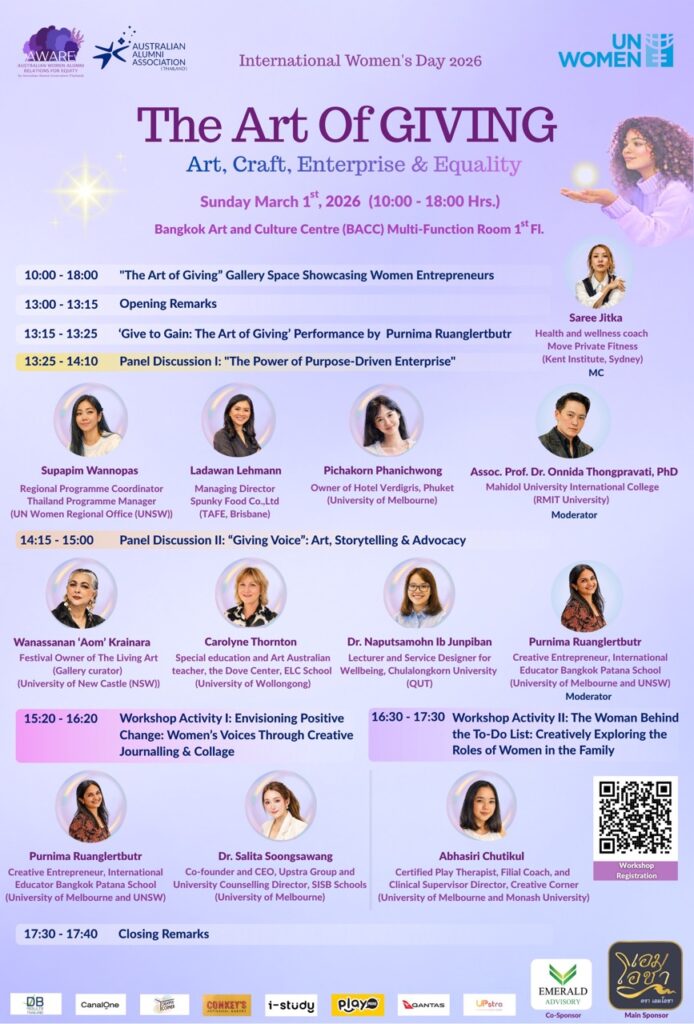
International Women’s Day 2026

By Purnima Ghogar Ruanglertbutr, Secondary English Teacher

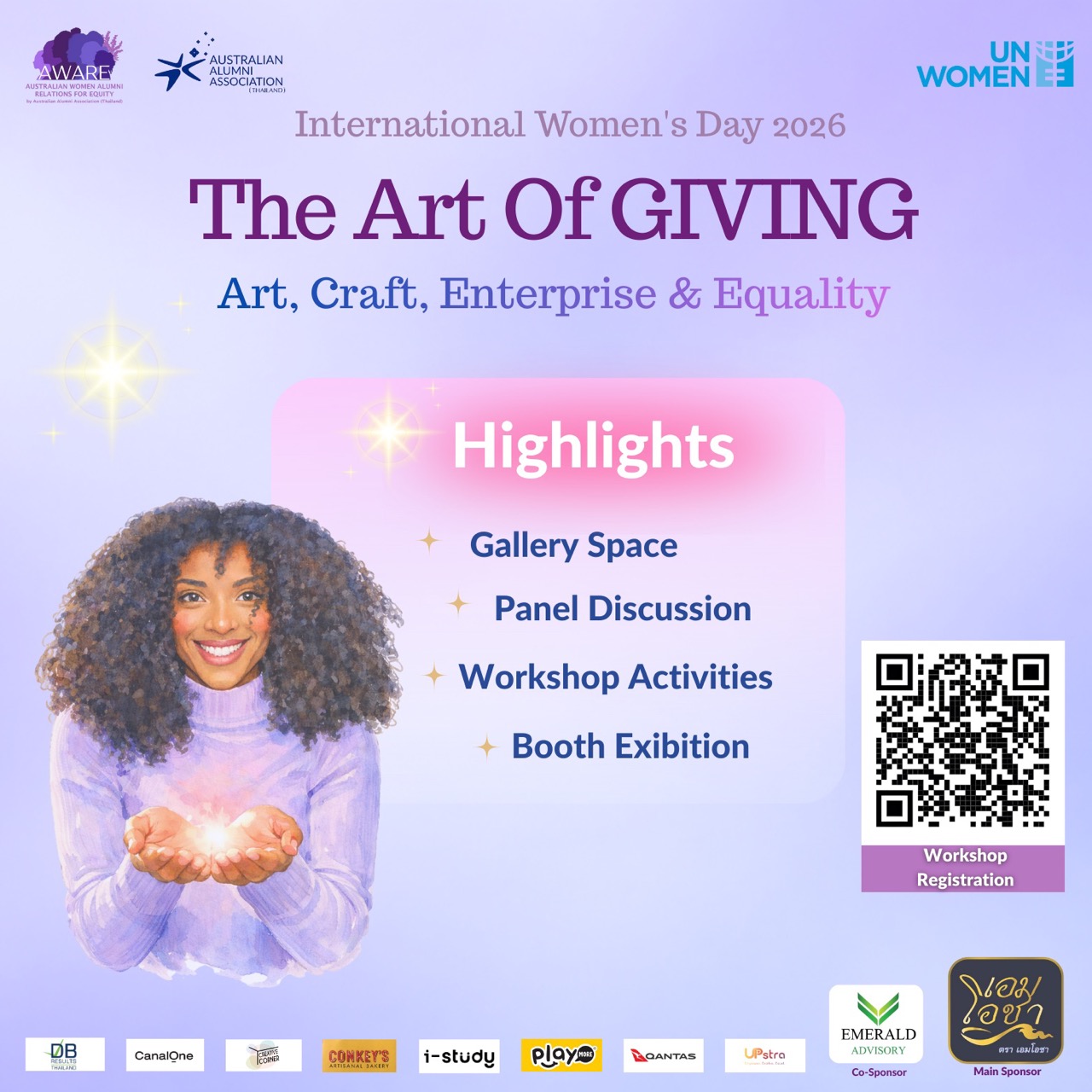
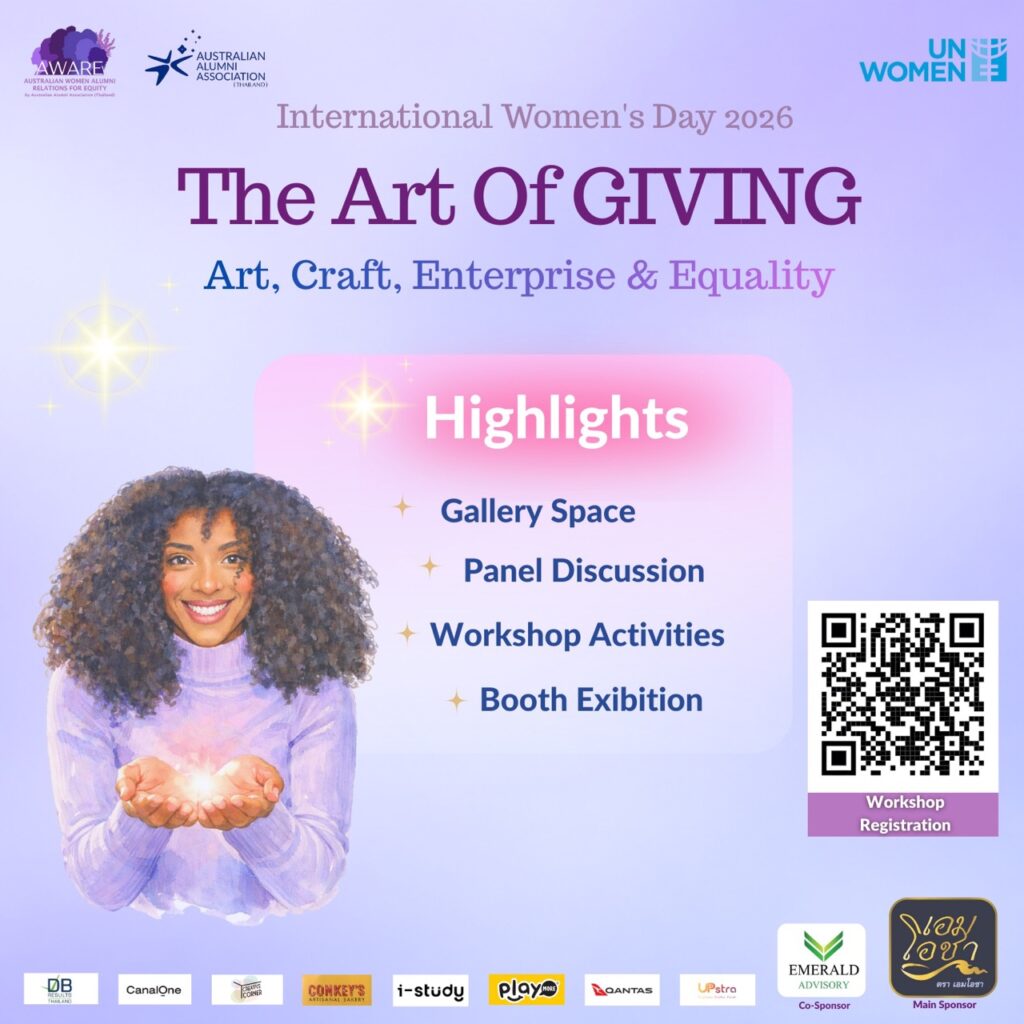
The Art of GIVING: Art, Craft, Enterprise & Equality
Sunday 1 March 2026 | 10:00 a.m. – 6:00 p.m.
Bangkok Art and Culture Centre (BACC), Multi-Function Room (1st Floor)

I am delighted to share an invitation with our Bangkok Patana community to celebrate International Women’s Day 2026 through a special event taking place at the Bangkok Art and Culture Centre. The event is organised in collaboration with the Australian Alumni Association (Thailand) Women in Leadership Committee, AWARE (Australian Women Alumni Relations for Equity), and UN Women.

The day will feature:

  • Panel discussions
  • Interactive workshop activities
  • Artist performances
  • Booth exhibitions showcasing Australian alumni SMEs and women-led entrepreneur businesses
  • An Art of Giving Gallery, including a dedicated showcase of the Teachers as Practitioners (TAPs) CPL Programme Project from Bangkok Patana School

The programme supports Diversity, Equity and Inclusion (DEI) and highlights individuals and organisations whose missions centre on giving back and creating social impact.

I am honoured to be contributing to the day by:

  • Delivering the inauguration poetry performance on the campaign theme “Give To Gain: The Art of Giving”
  • Facilitating a creative workshop titled “Envisioning Positive Change: Empowering Women’s Voices Through Creative Journalling and Collage”
  • Moderating a panel discussion: “Giving Voice: Art, Storytelling & Advocacy”
  • Showcasing the TAPs Project launched at our school, featuring the following selected staff women artists, educators, and leaders:
    Cindy Adair
    Purnima Ghogar Ruanglertbutr
    Marie-Claire Redman
    Tidarat Tonasut (Gung Gaew)
    Duangporn Turongratanachai
    Areeluck Songsirikul (Nina)
    Pimpakarn Abhinoraseth (Jam)
    Kate McClenaghan

You are very welcome to drop in at any time throughout the day. Workshop registration will be available via the QR code in the promotional materials.

We would love to see members of our Patana community join us in celebrating women’s achievement and supporting diverse women creatives, entrepreneurs, social enterprises, and educators across Bangkok and Thailand.

Share This Article

In this Issue

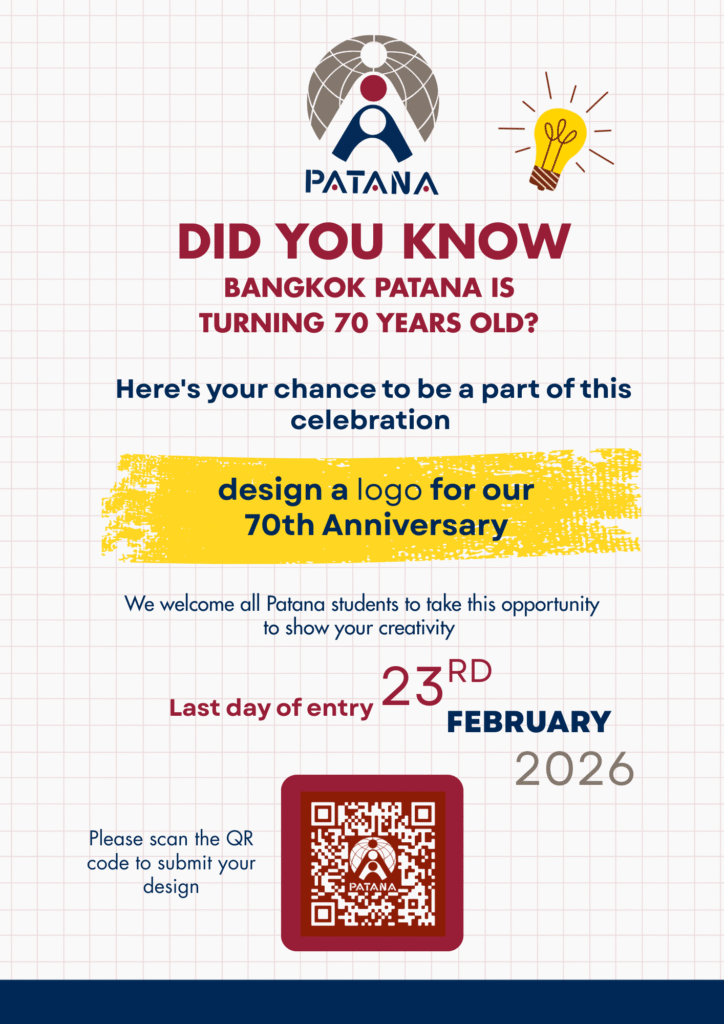
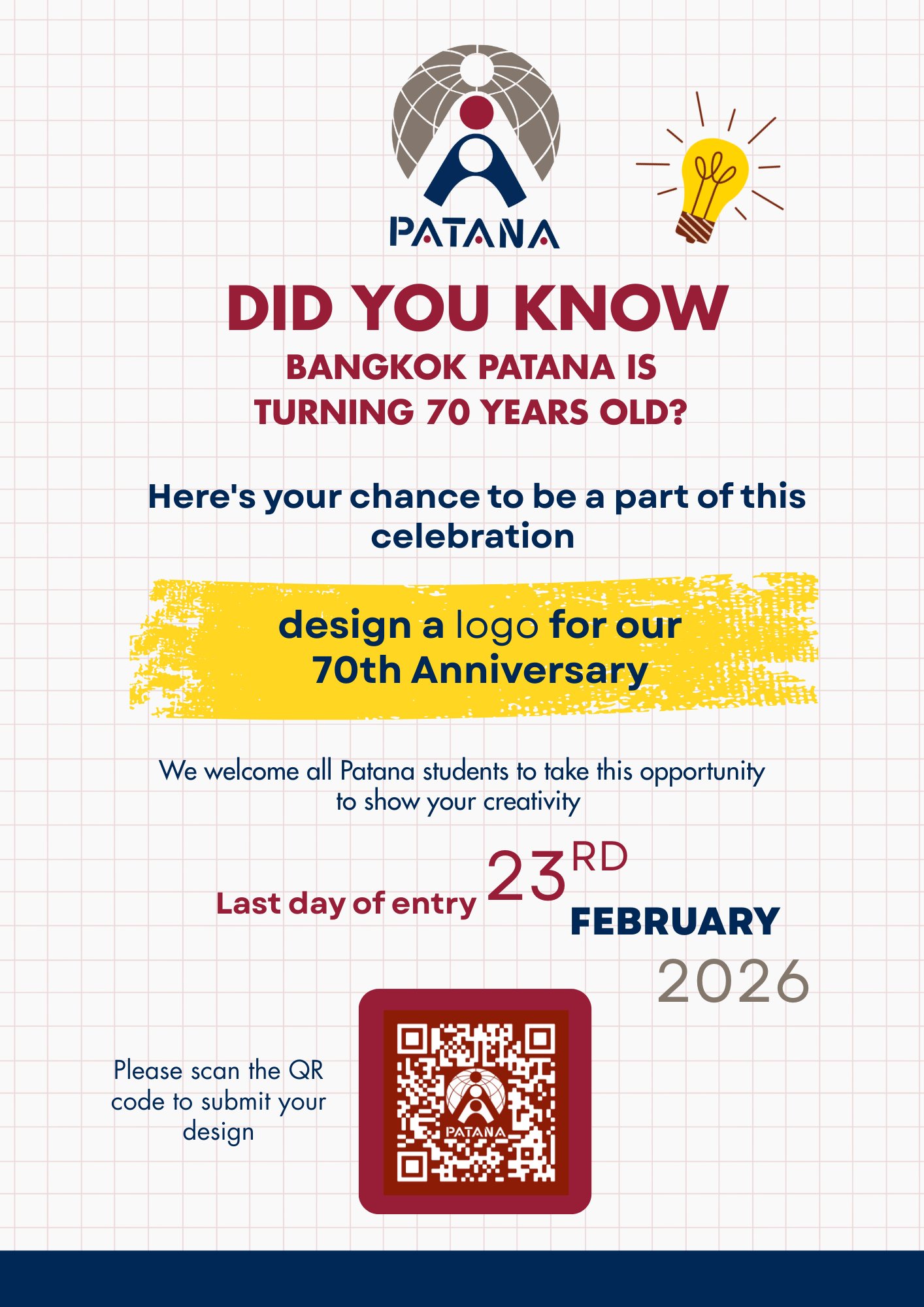
Design our 70th Anniversary Logo!

Share This Article

In this Issue

PTG Updates

Share This Article

In this Issue

Community Events

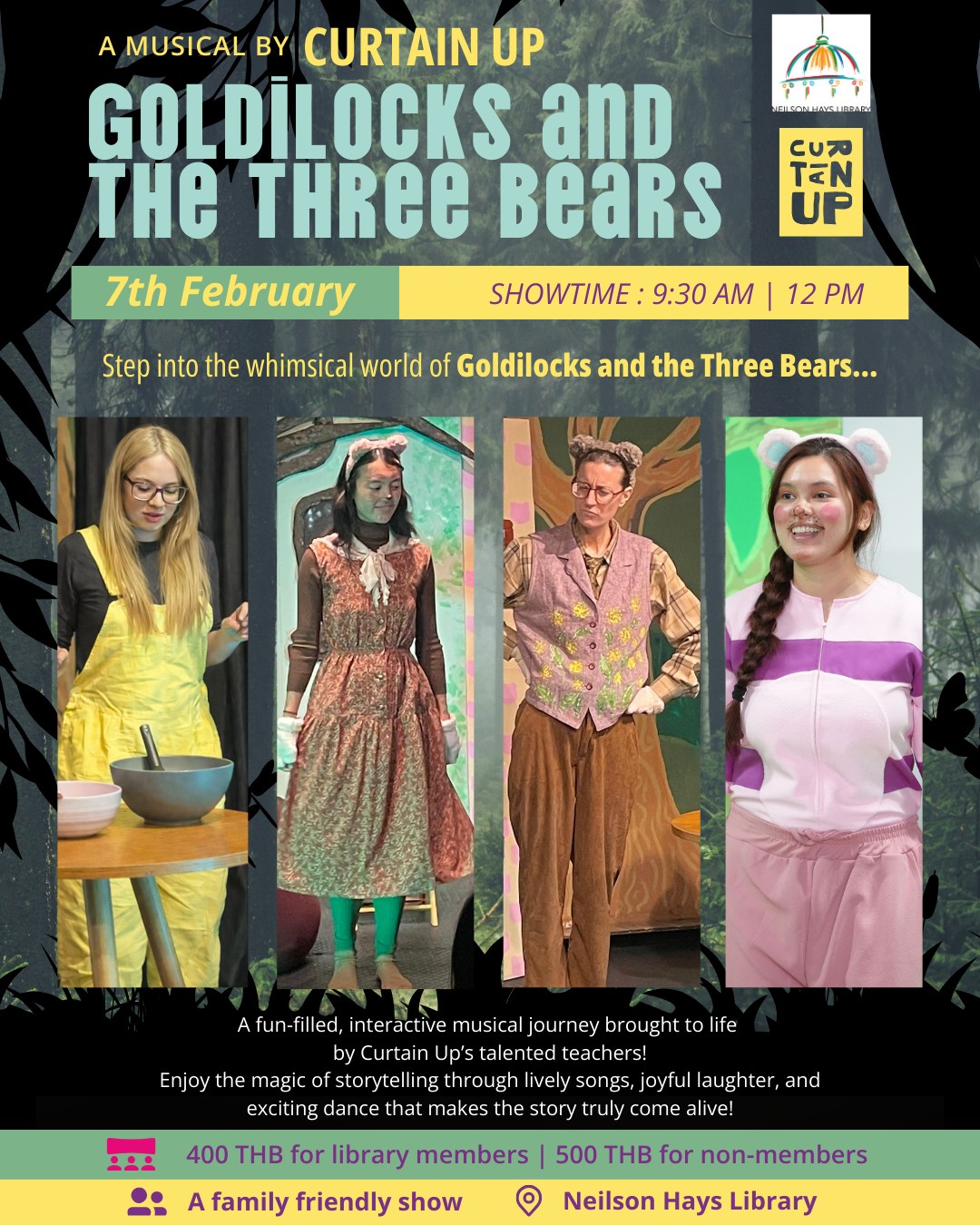
GOLDILOCKS AND THE THREE BEARS
A Musical Show Performed by Curtain Up

When: February 7 (Saturday) at 9:30 or 12:00
Where: Neilson Hays Library
Ticket Prices: General Public – 500 Baht; Library Members – 400 Baht 

Tickets will be available at the door if there are still seats, but book today to guarantee your place!
 

ONLINE BOOKING


Share This Article

In this Issue

Upcoming Events

Share This Article

In this Issue

© 2025 Bangkok Patana School

Issue: 20
Volume: 28
Bangkok Patana School
Privacy Overview

This website uses cookies so that we can provide you with the best user experience possible. Cookie information is stored in your browser and performs functions such as recognising you when you return to our website and helping our team to understand which sections of the website you find most interesting and useful.