Chinese philosopher Xunzi wrote, “Tell me and I will forget; show me and I will remember; involve me and I will understand.” Across the Primary School, this idea is a prerequisite for planning units of work. Our shared commitment to active, dramatic and immersive learning is not simply about engaging children in their learning. It is about helping children construct understanding through experience. When learners are invited to step into a role, enter a scenario or navigate a problem that feels real, they develop not only knowledge but empathy, language, perspective and agency. These experiences strengthen belonging. They also challenge children to reflect on fairness, identity and community in ways abstract instruction alone cannot reach.
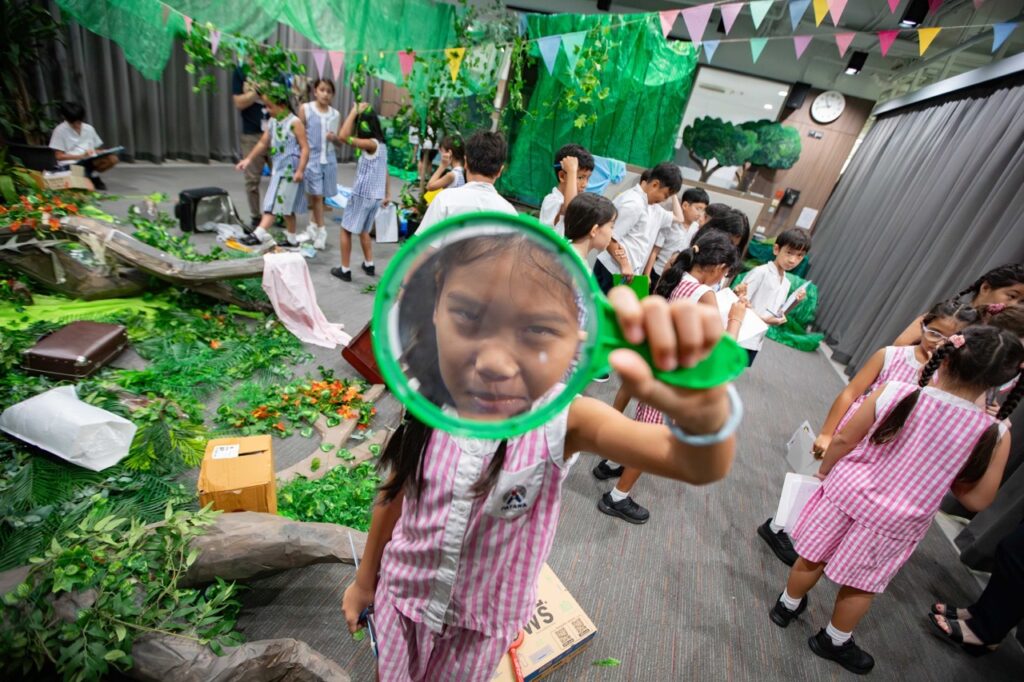
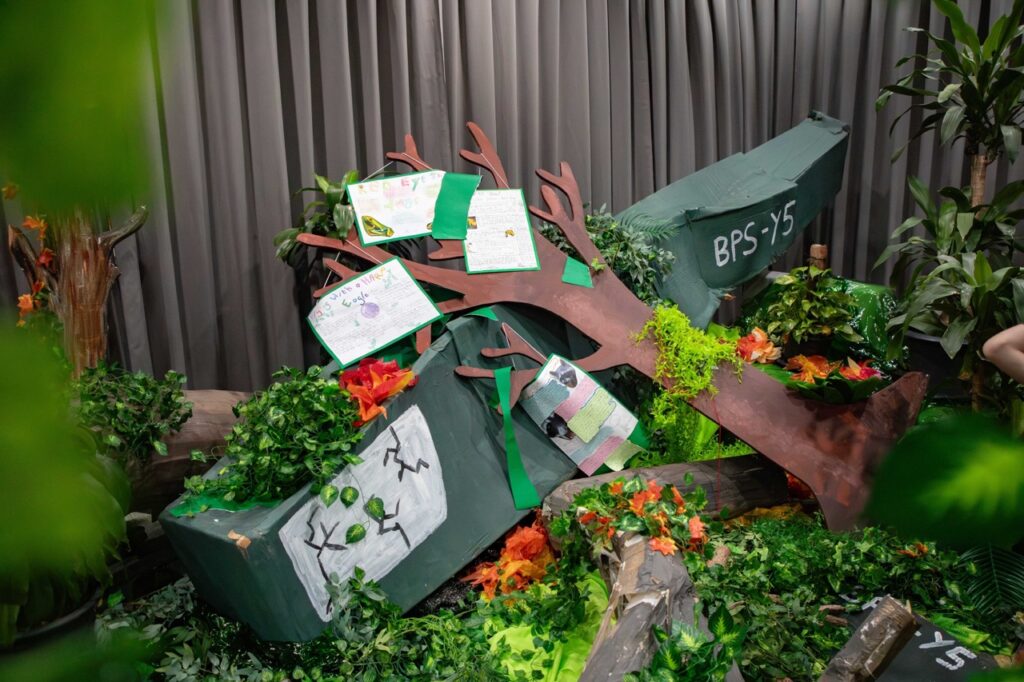
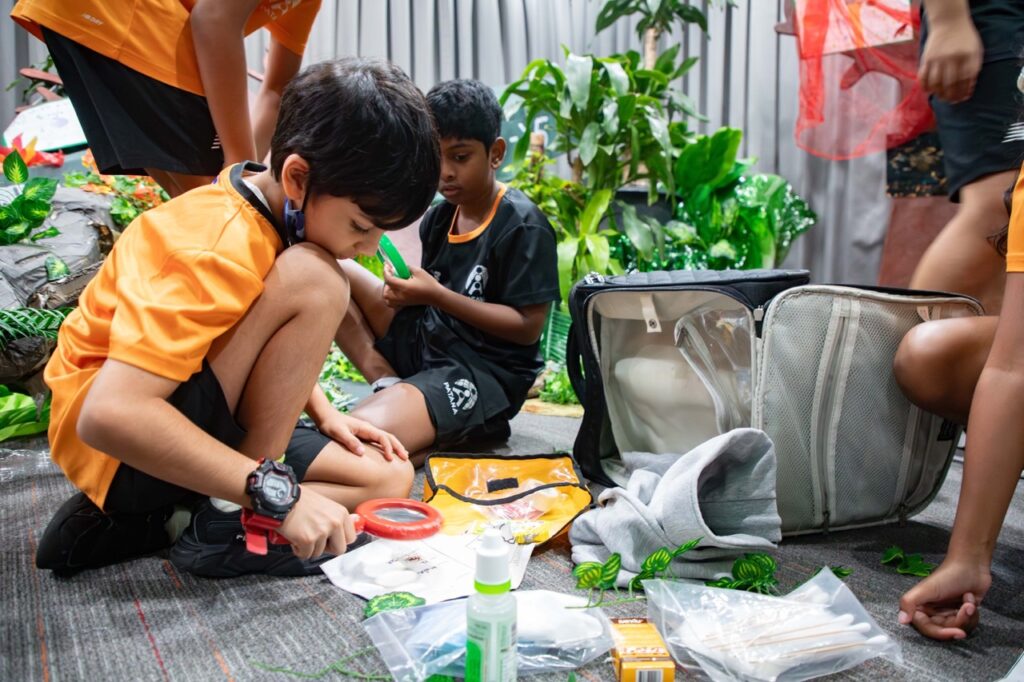
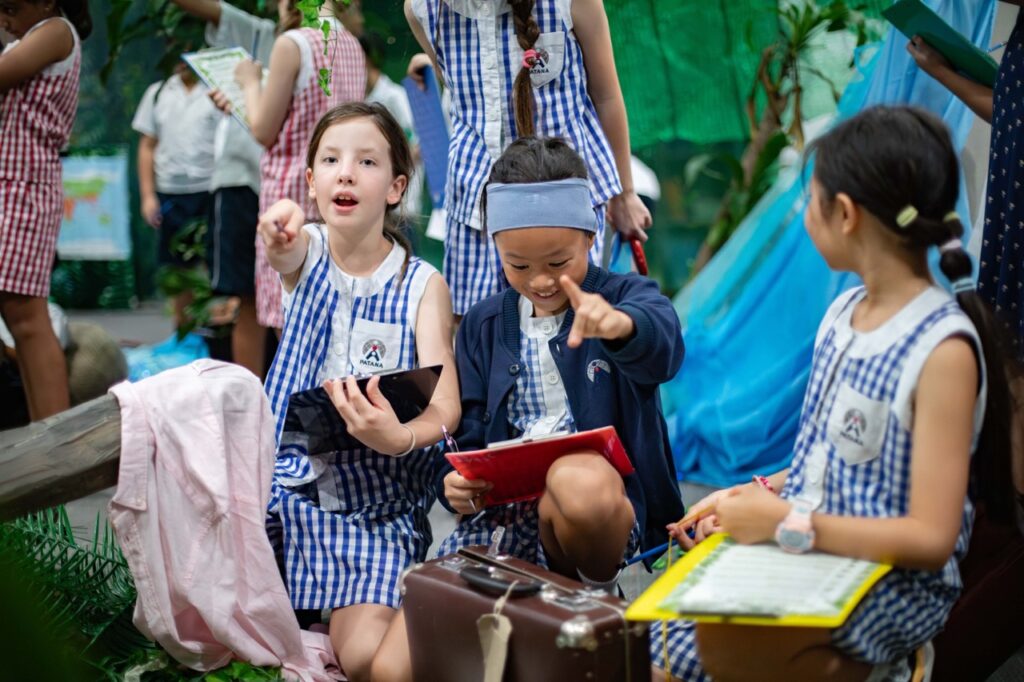
In Year 5, a new Writing unit began not with a book or a pen, but with the charred remains of a mysterious plane crash scattered across a pop-up jungle that had materialised in the shared area. As students approached the debris field, questions tumbled out: Who might have survived? Where were they going? What clues could be uncovered? This dramatised provocation opened their study of Katherine Rundell’s The Explorers, anchoring the novel in shared curiosity and collective problem solving. Children moved naturally into role, gathering evidence, debating possibilities and drawing tentative conclusions.
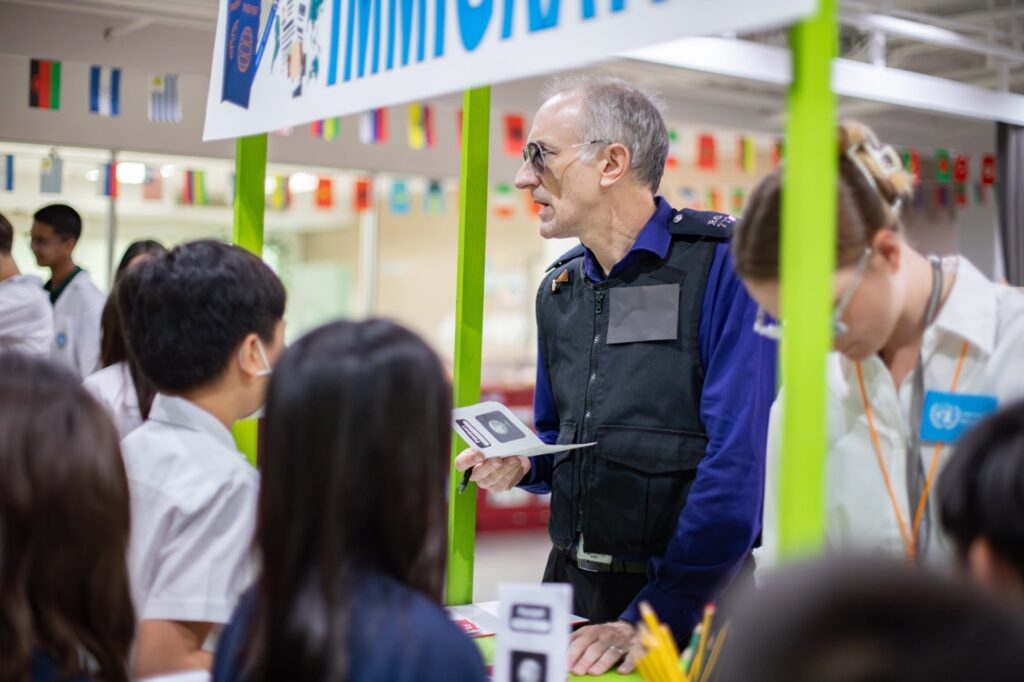
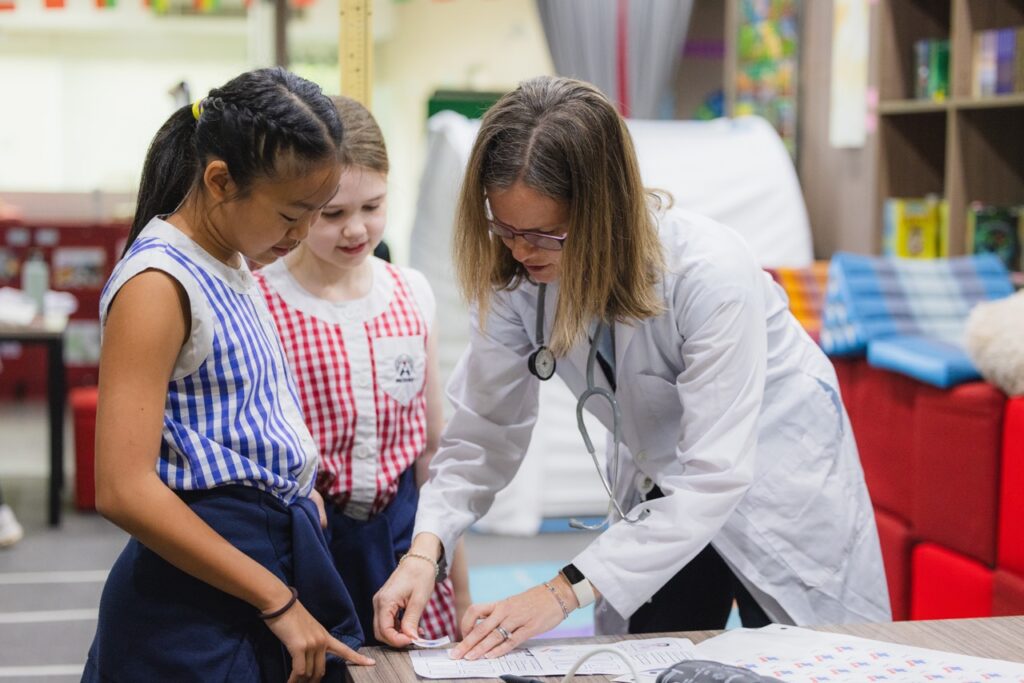
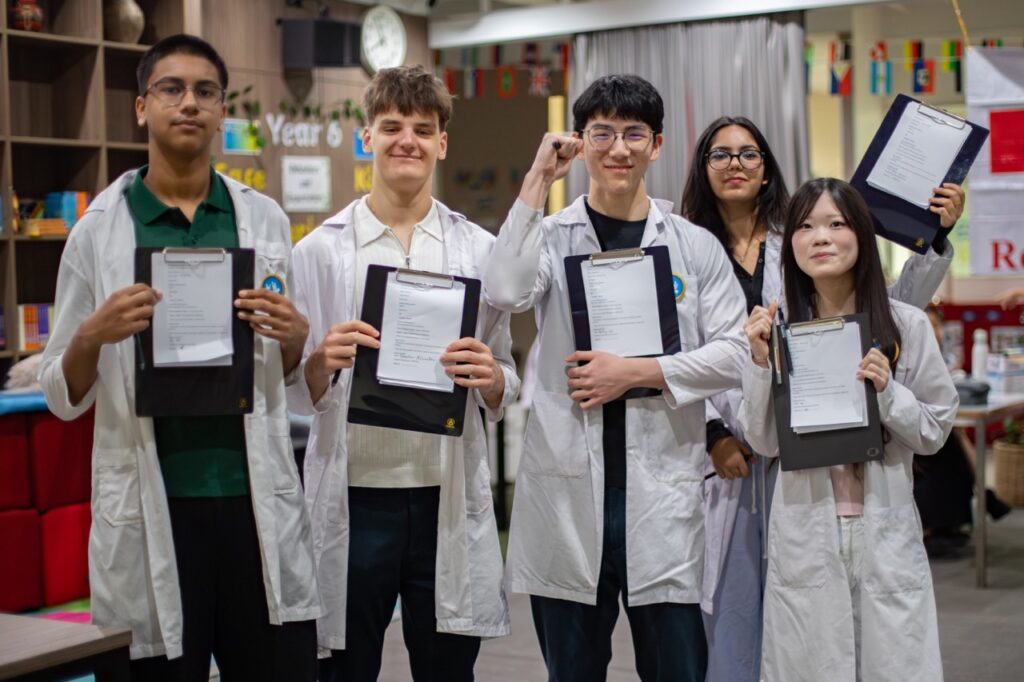
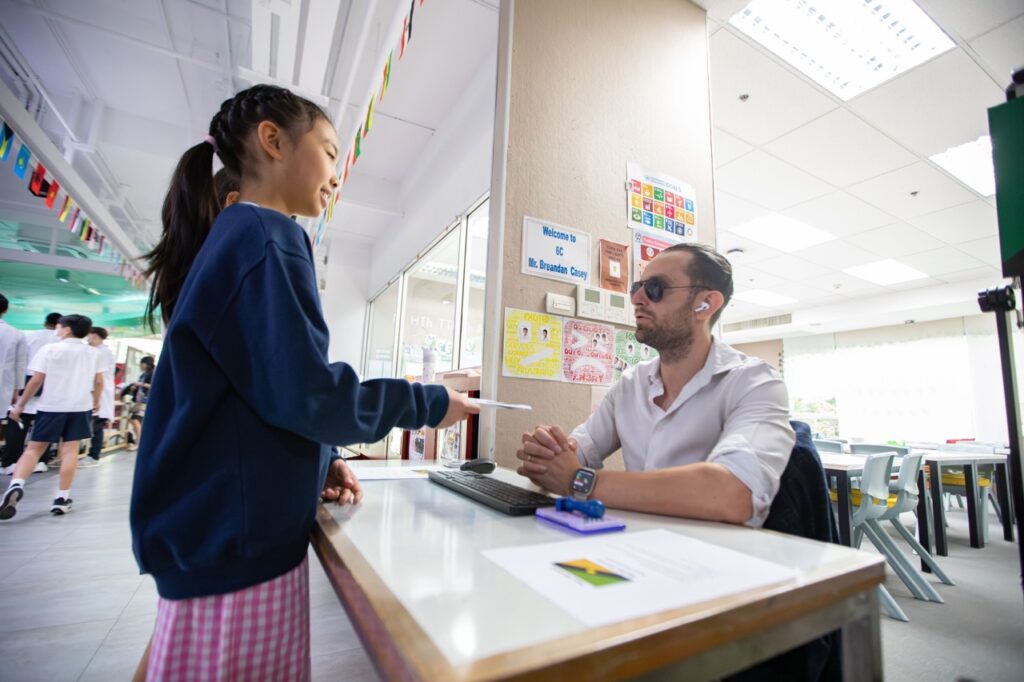
Year 6 took on a very different kind of scenario. The Entry Point simulation for their Migration topic explored the global inequalities embedded within immigration systems. Students were issued passports, identities and backstories before being sent across a liminal “no man’s land” to navigate immigration checkpoints. What followed was deliberately inconsistent, at times frustrating, and occasionally unfair, mirroring real‑world bureaucracy. Some children breezed through based on fluent English or high declared savings. Others were sent to the back of queues, questioned repeatedly or rejected without explanation. At the UN medical tent, some were processed quickly while others waited anxiously after discovering their vaccination records were incomplete. Following the frustration came rich discussion as children reflected on bias, privilege and disadvantage. Linking their learning to the United Nations Sustainable Development Goals, they analysed how systems shape lives and how fairness sometimes depends on where one is born rather than who one is.
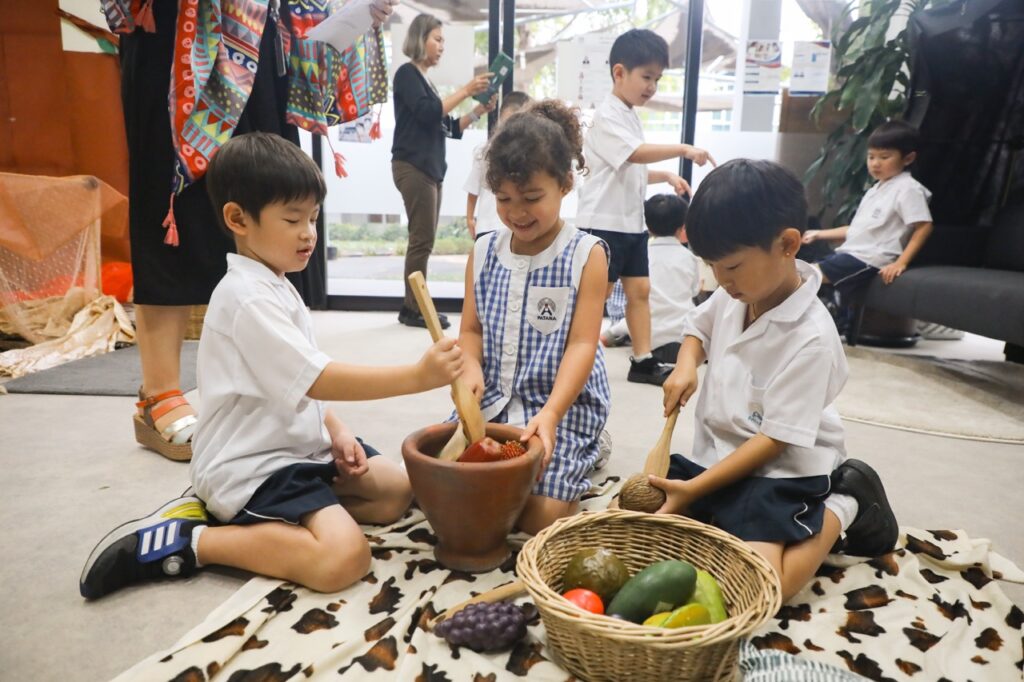
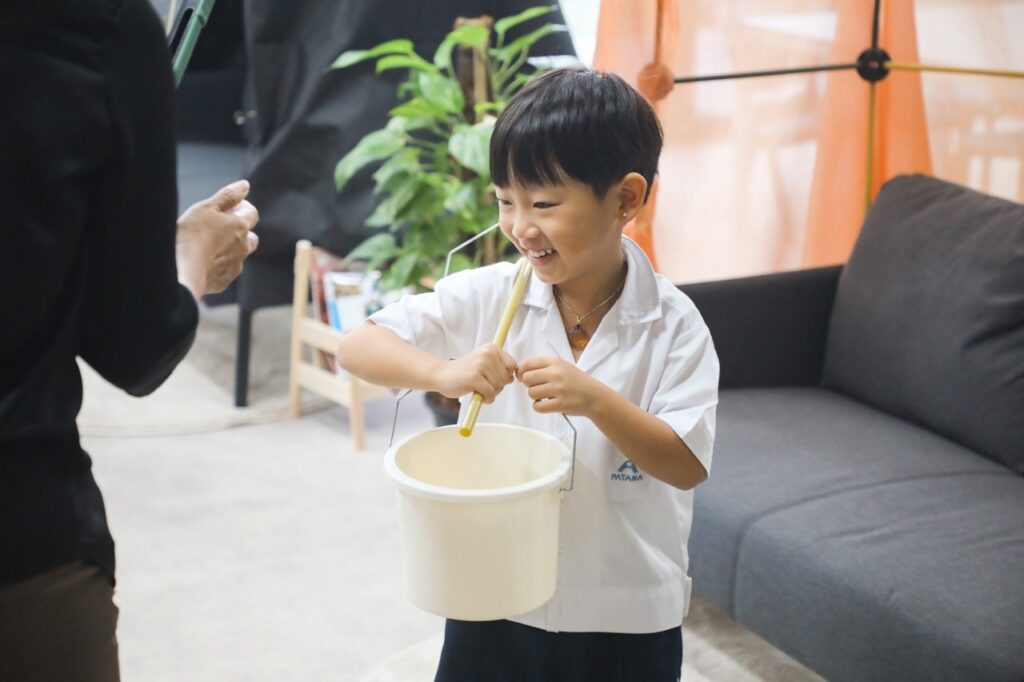
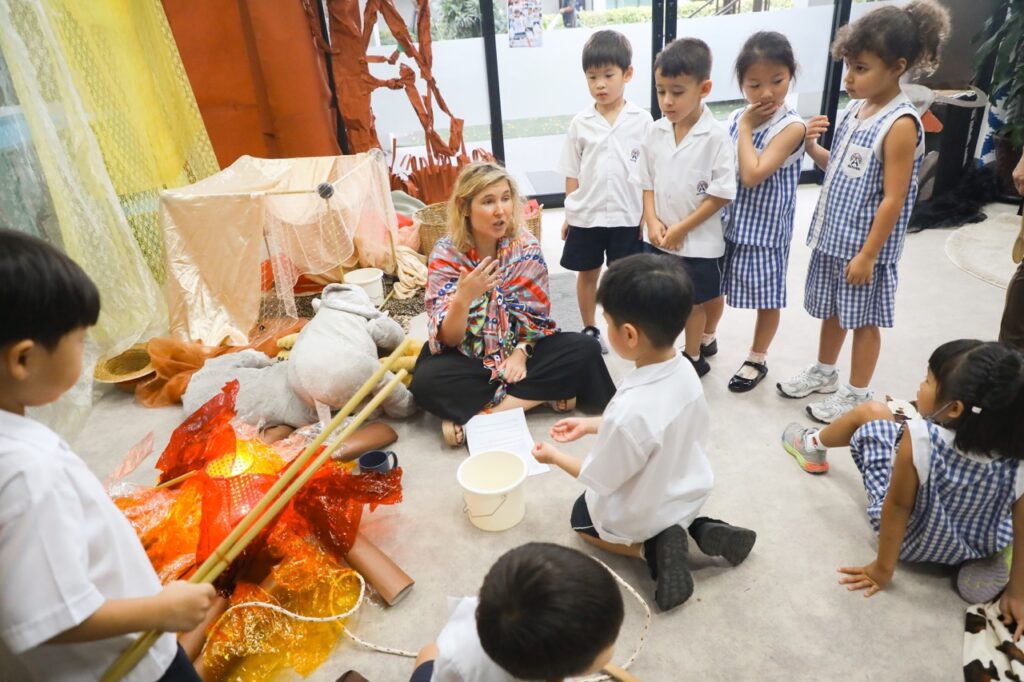
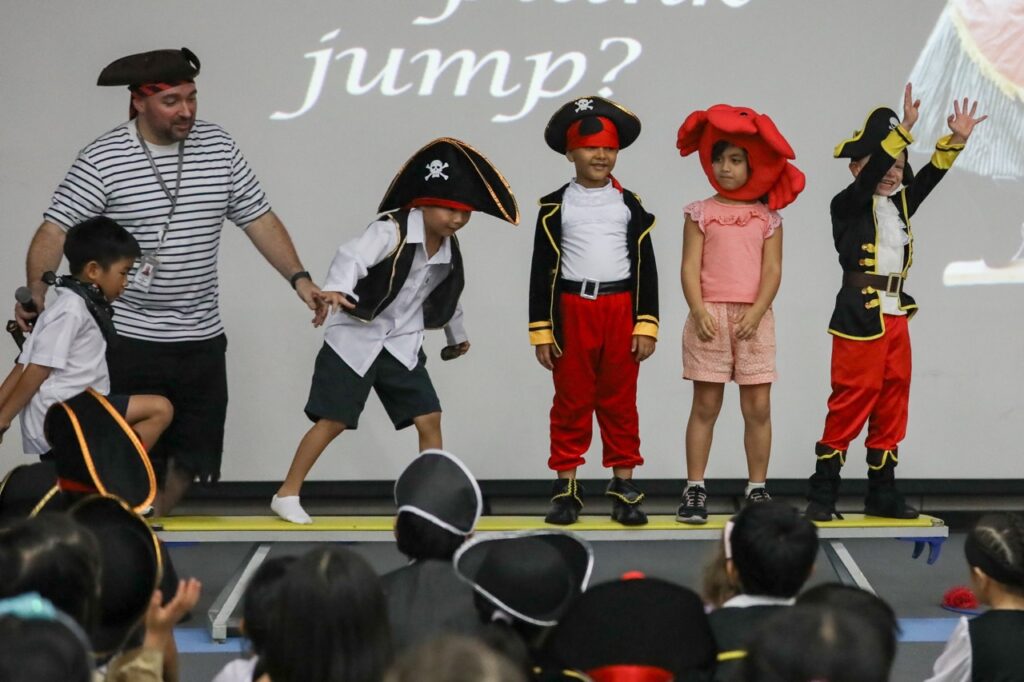
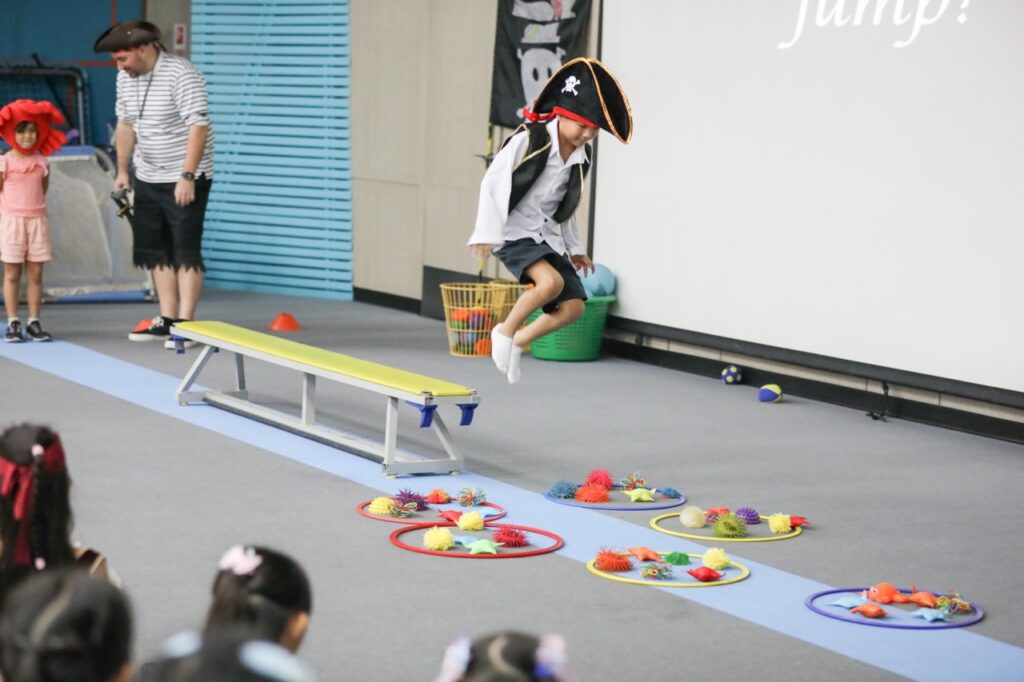
In younger Year groups, drama serves as a bridge between imagination and understanding. Year 1 brought the picture book Lila and the Secret of Rain to life, transforming their shared area into a Kenyan village facing water scarcity. Through collective enactment, children explored how communities adapt, share resources and show resilience. In Year 2, the culmination of their Pirate topic was celebrated through Pirate Day, where children engaged in sailor‑themed challenges, songs and activities.
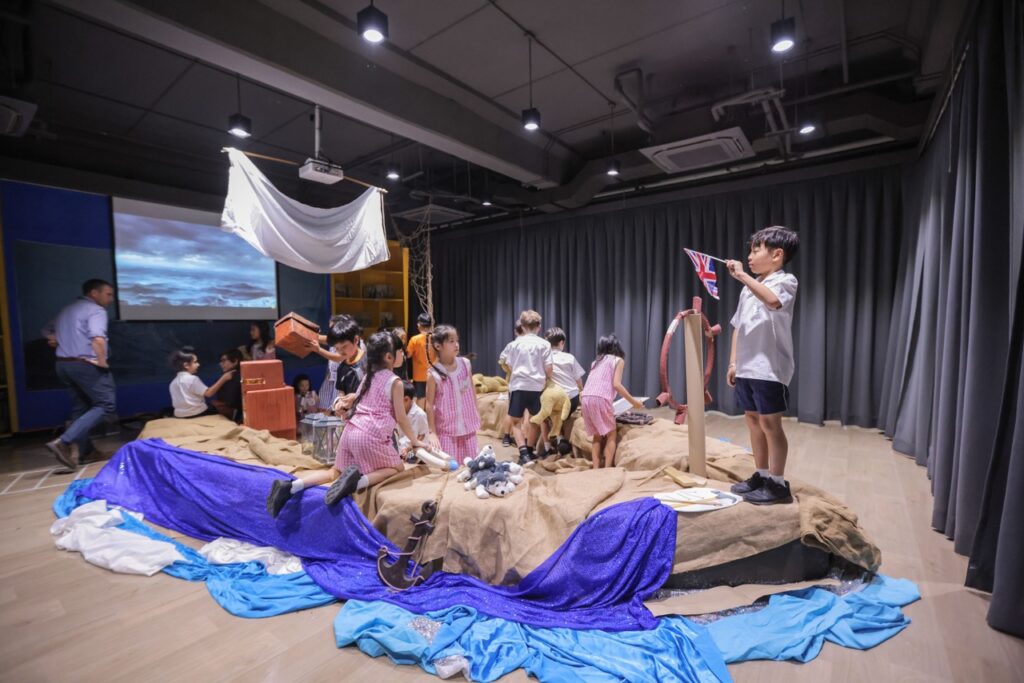
Year 3 step aboard a different ship as they begin their Writing unit on William Grill’s Shackleton’s Journey, embarking on the Antarctic expedition of The Endurance. Students researched the roles required for a nautical expedition, debated who would be selected for each role, and wrote job applications that blended historical detail with persuasive voice. Once in role, they wrote diary entries documenting their experiences on board. As they noticed that all the sailors were men, the discussion widened: Where were the women? Who gets remembered in history? Who climbs mountains, explores oceans or leads expeditions? This opened a meaningful inquiry into Asian explorers and into the diverse groups who first summited Everest. These conversations, grounded in fairness and representation, were strengthened by the physicality of the Drama space.
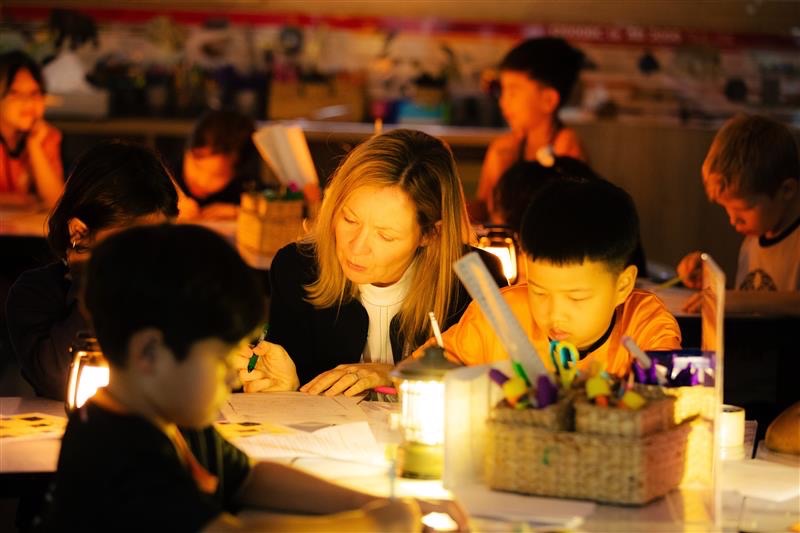
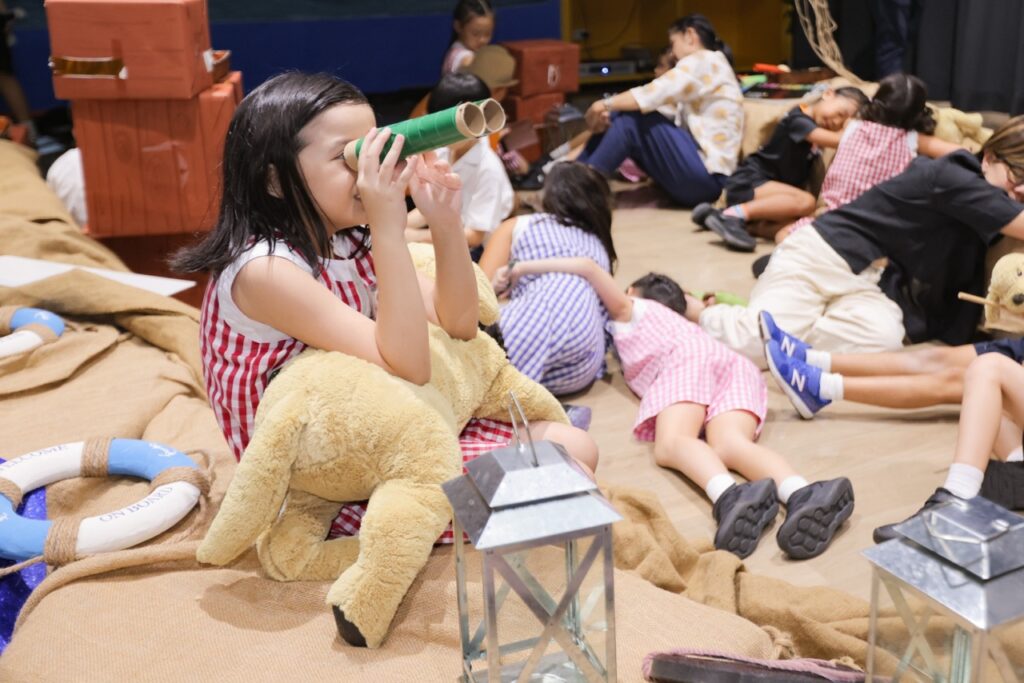
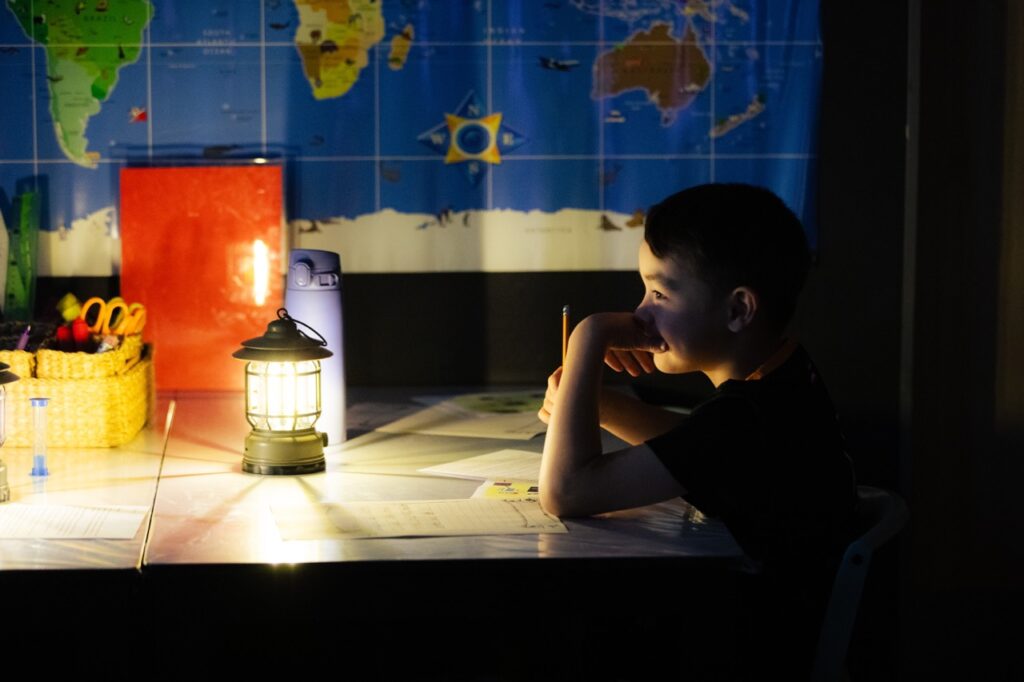
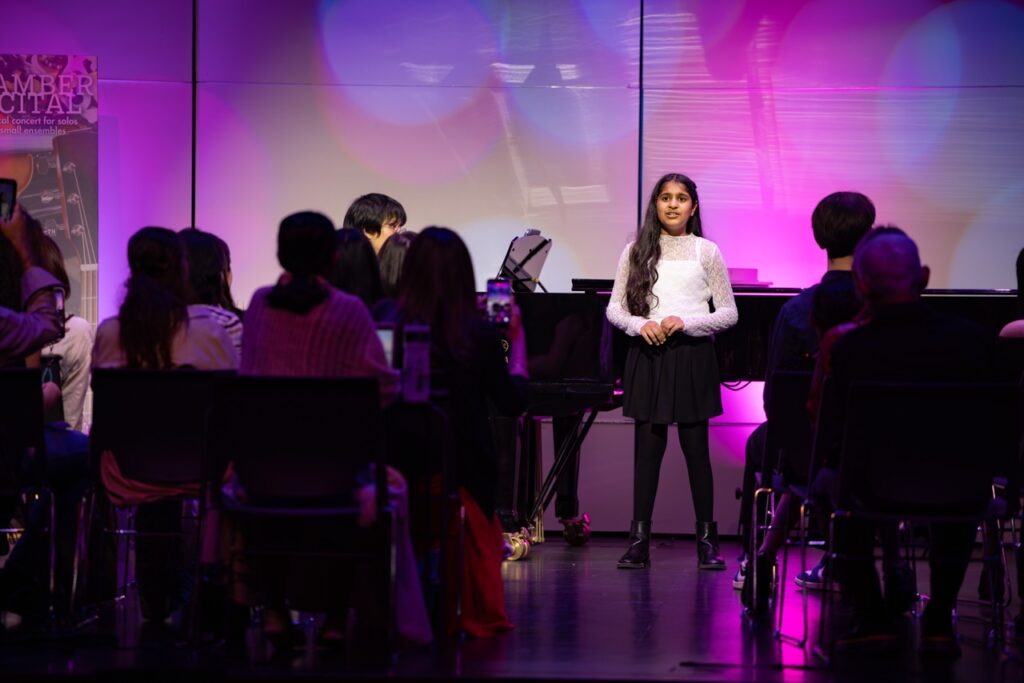
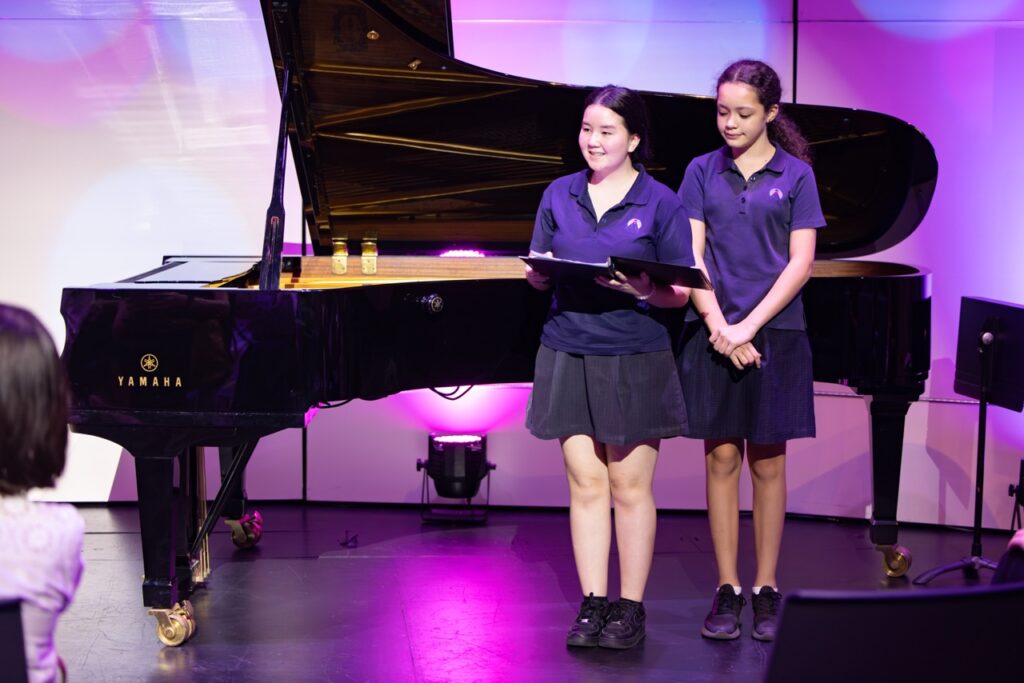
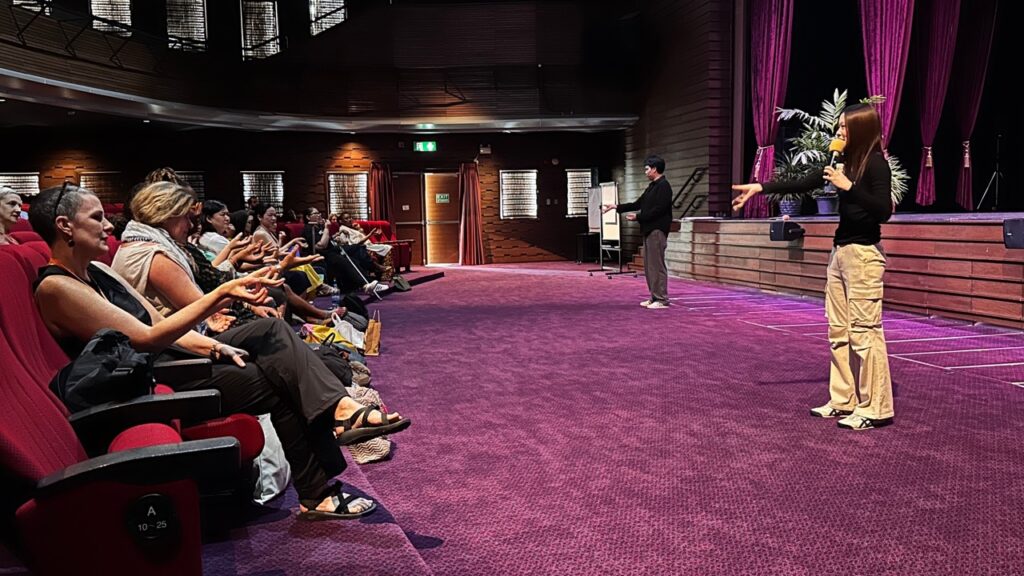
Across the school, these immersive techniques deepen language, expression and communication. Drama supports second‑language learners by making abstract ideas tangible and giving them authentic reasons to use new vocabulary. It also builds the foundations of public speaking, from clarity and articulation to confidence and physical presence. As Miss Lex, our Primary Drama teachers notes, “Drama and literacy are intrinsically linked. By placing oracy at the heart of learning, drama provides pupils with purposeful opportunities to explore language through talk, role, and storytelling. This inclusive approach deepens comprehension, enriches vocabulary, and builds confident communicators, enabling all learners to engage more successfully with reading and writing across the curriculum.”
These experiences lay the groundwork for our upcoming World Book Day celebrations, where students will once again bring stories to life. Whether stepping into the shoes of a favourite character or designing imaginative interpretations of beloved books, children will be invited to express themselves creatively and share how stories shape their identity and imagination.
Drama in education is never simply ornamental. Alex Quigley’s seminal Closing the Vocabulary Gap asserts that “Nothing matters more than words” and drama is a means of promoting oracy and connection. Quigley’s work shows how talk, and a broad vocabulary, enrich students’ experiences, and how improving speaking and listening enable the greatest gains in attainment. At Patana, we explore how the speaking and listening, a somewhat ‘hidden curriculum’, plays a vital part in empowering young writers, geographers, scientists and historians. When children collaborate, negotiate, empathise and communicate within a dramatic frame, they are building skills that stretch far beyond a single lesson. They are learning how to understand others, how to understand themselves, and how to step confidently into the world as thoughtful, articulate and compassionate individuals.