
What does it mean for a school to be truly inclusive?
The Education Endowment Foundation offers a simple answer: inclusive teaching is about helping every child to participate and succeed in school. Their guidance asks us to think particularly deeply about the children who find learning hardest and reminds us that this work depends on collaboration between school leaders, teachers and the wider staff community.
This aligns closely with our inclusive vision here at Bangkok Patana:
Every student belongs.
Every student participates.
Every student makes progress with learning.
Belonging comes first. Before we can expect children to participate fully in school, take risks with their learning or respond positively when something feels difficult, they need to feel that they have a place here. Belonging is about being known and valued, but also about seeing that there is space for you to be yourself. An inclusive school shouldn’t ask a child to become more like everyone else in order to belong.
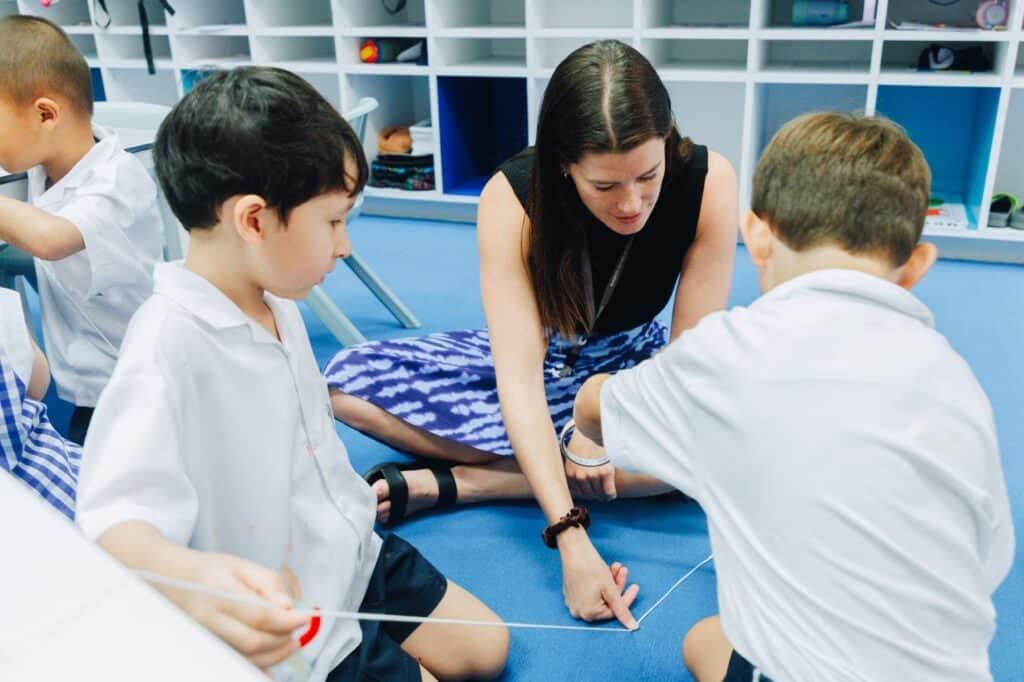
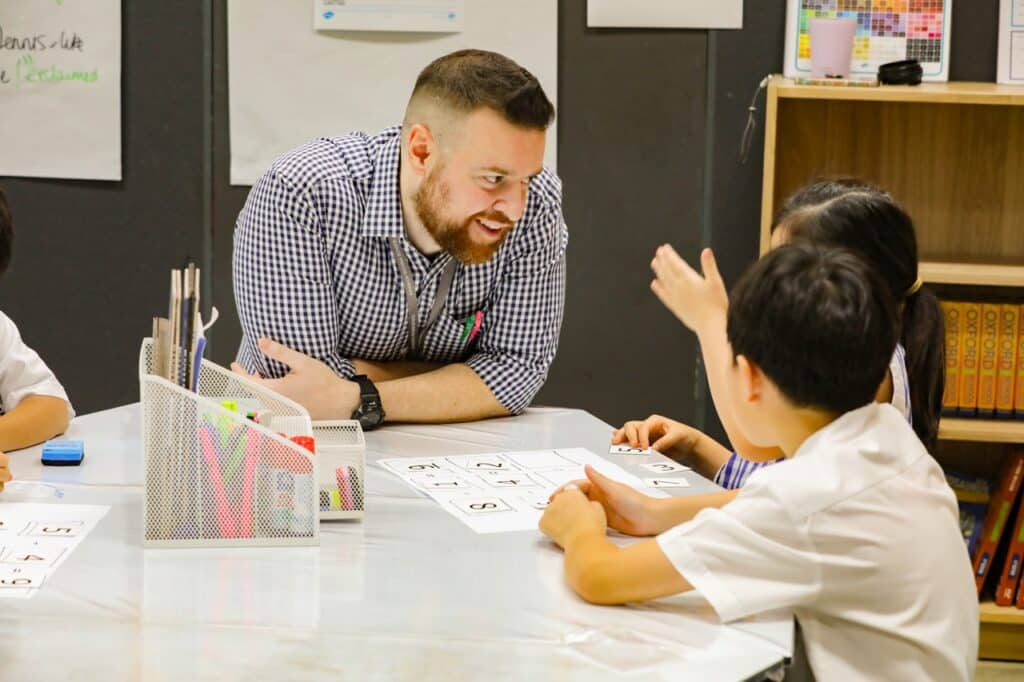
Children arrive in our classrooms with different strengths, experiences and needs. A student may understand a concept but find it difficult to express their thinking verbally. Another may be learning successfully but need greater challenge. Some may struggle with working memory, attention or language. Others may simply lack confidence or worry about getting something wrong.
Inclusion doesn’t mean removing challenge, nor does it mean creating an entirely different education for every child. Sometimes it means making a small, thoughtful change that removes a barrier. When we recognise these barriers and respond to them, we make it easier for students to participate and learn.
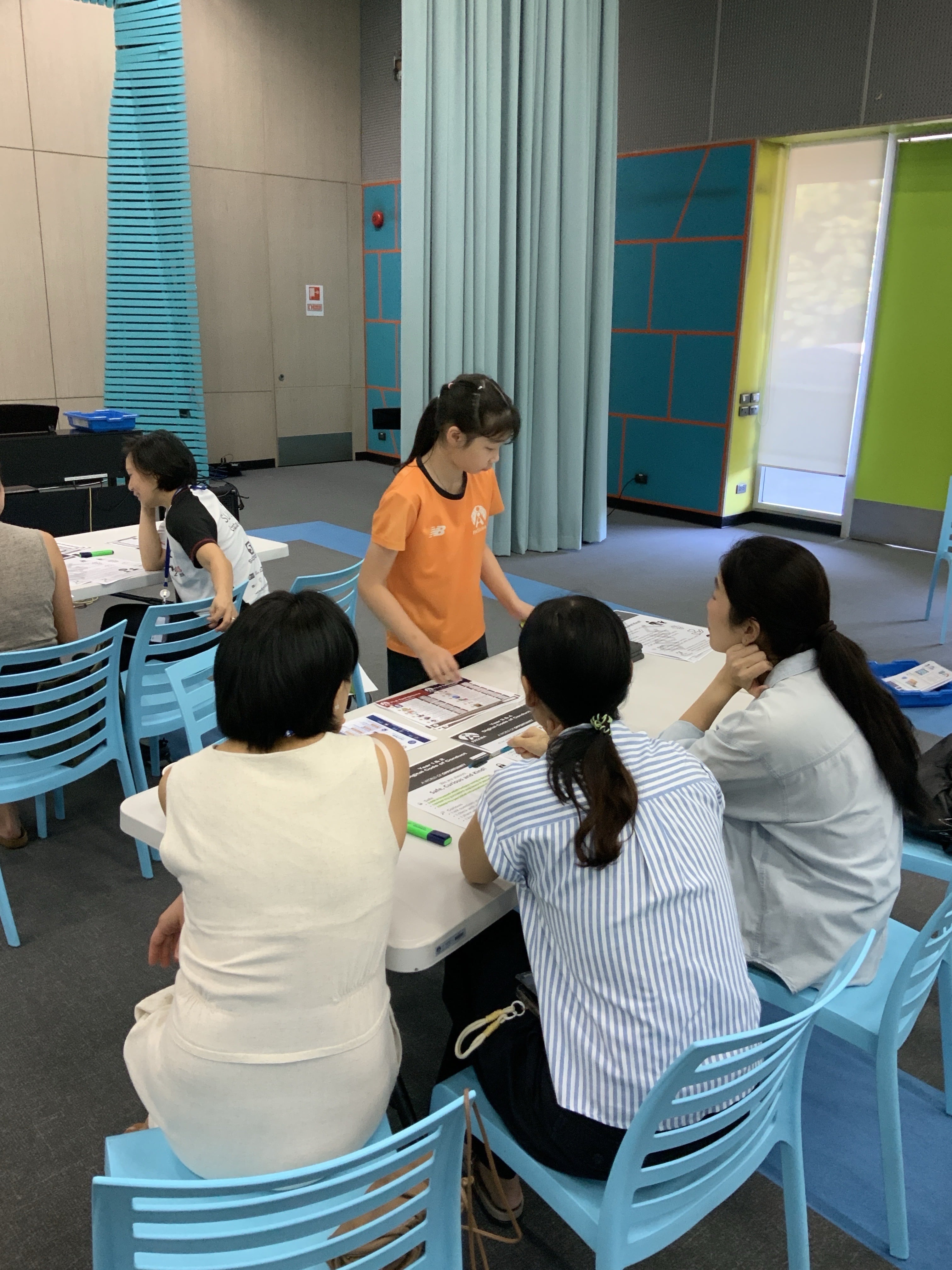
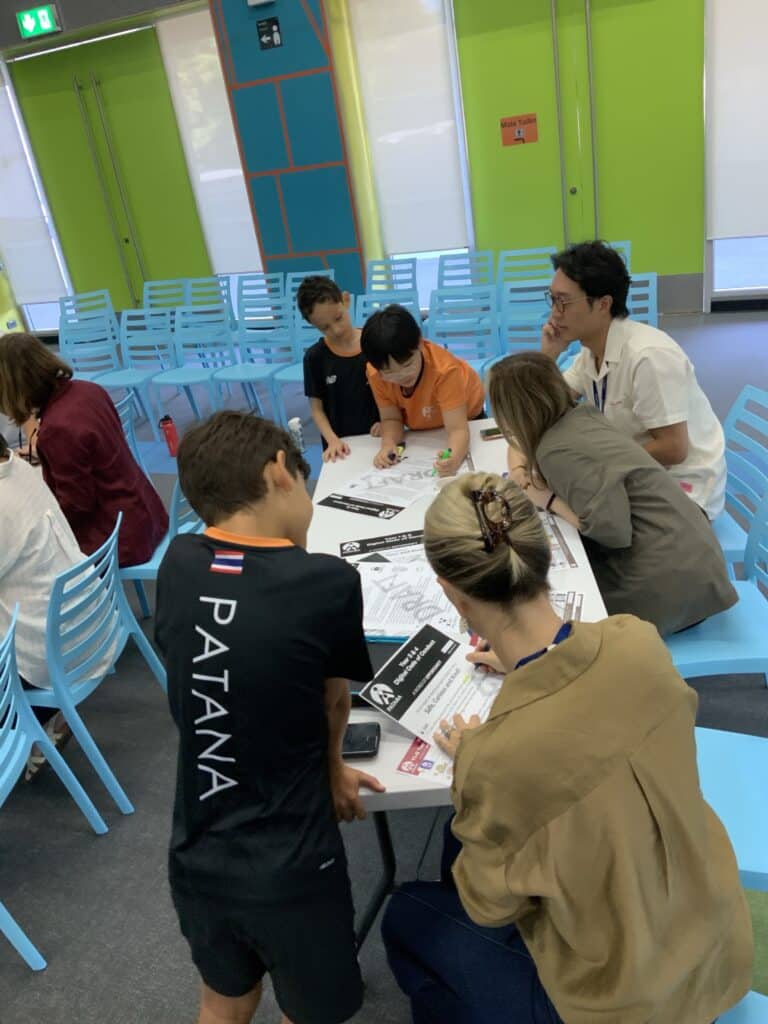
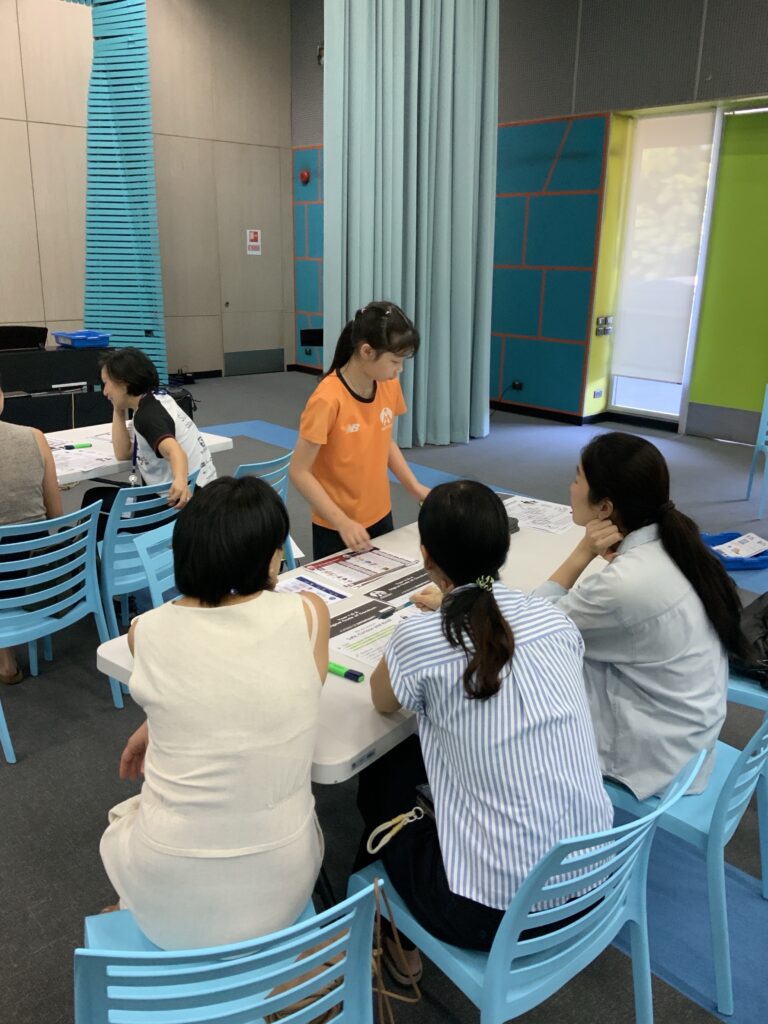
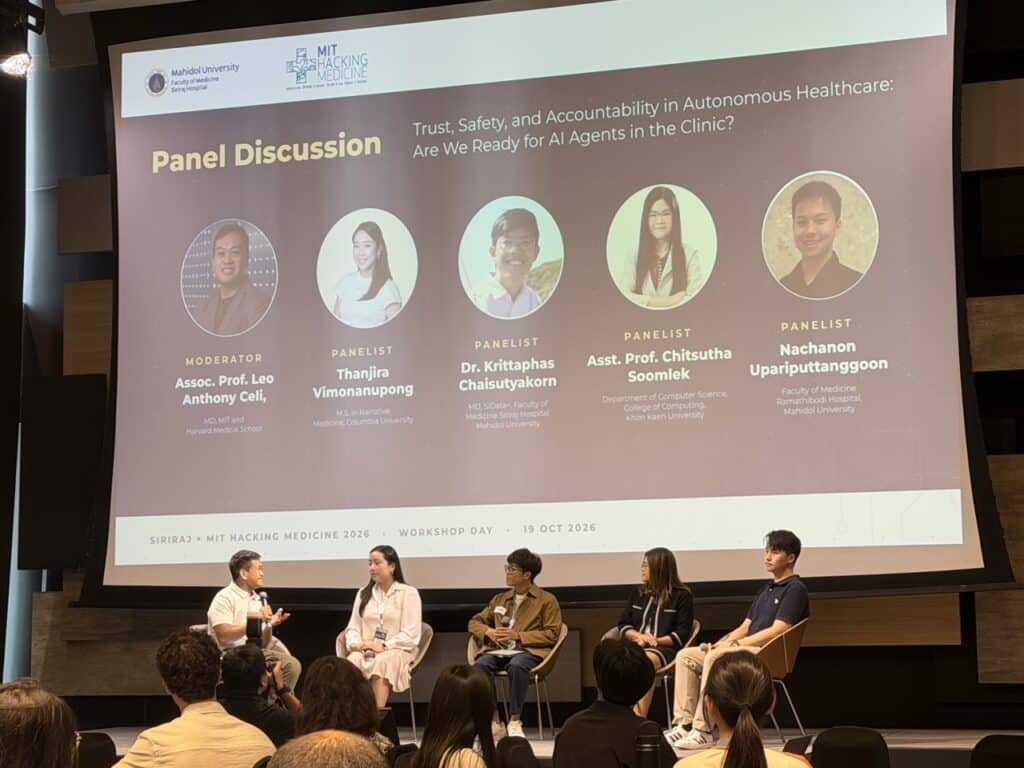
We saw some great examples of this during our recent professional learning. Teachers from across Key Stage 2 and our specialist teams each identified a learner, considered a barrier that might be making learning more difficult, and then worked alongside colleagues from Support for Learning, EAL and Enrichment to identify something they could change in their teaching. Nearly 80 members of staff took part, with many drawing on expertise from more than one area of our Inclusion team.
The resulting ideas were notable for their variety: teachers committed to trying vocabulary pre-teaching, manipulatives in mathematics, voice-to-text technology, movement breaks, different ways for students to contribute to discussions, more structured check-ins and greater challenge for students ready to take their learning further. Individually, none of these things are revolutionary. Which is the whole point of inclusion. True inclusion happens in the hundreds of decisions adults make with and for children each day. It happens when we notice that something is getting in the way of learning and ask ourselves, What could I change here?
There is another reason why this matters. The differences we see amongst learners in school do not disappear when they become adults. Increasingly, major organisations are recognising the contribution that different ways of thinking can make. JPMorgan Chase, for example, describes its Autism at Work programme as a competitive advantage. Microsoft says neurodivergent colleagues strengthen its workforce through innovative thinking and creative solutions, while SAP highlights their contribution to innovation across its product portfolio. This isn’t happening on the margins: Microsoft, EY, SAP and JPMorgan Chase together established an employer network for neurodiversity which now includes more than 50 organisations across ten industries.
For schools, there is an important message here. Inclusion isn’t simply about helping children overcome difficulties. It is also about recognising strengths and ensuring that different ways of thinking, communicating and solving problems have the opportunity to flourish.
Our responsibility, therefore, is not to help children become more alike, creating a homogenous ‘Patana student’. Our mission is to recognise strengths, understand barriers and ensure that individual challenges don’t prevent someone from participating, contributing and ultimately succeeding.