13th November 2026

Inclusion is a Shared Responsibility

By Daniel Hatfield, Assistant Principal, Inclusion and Welfare

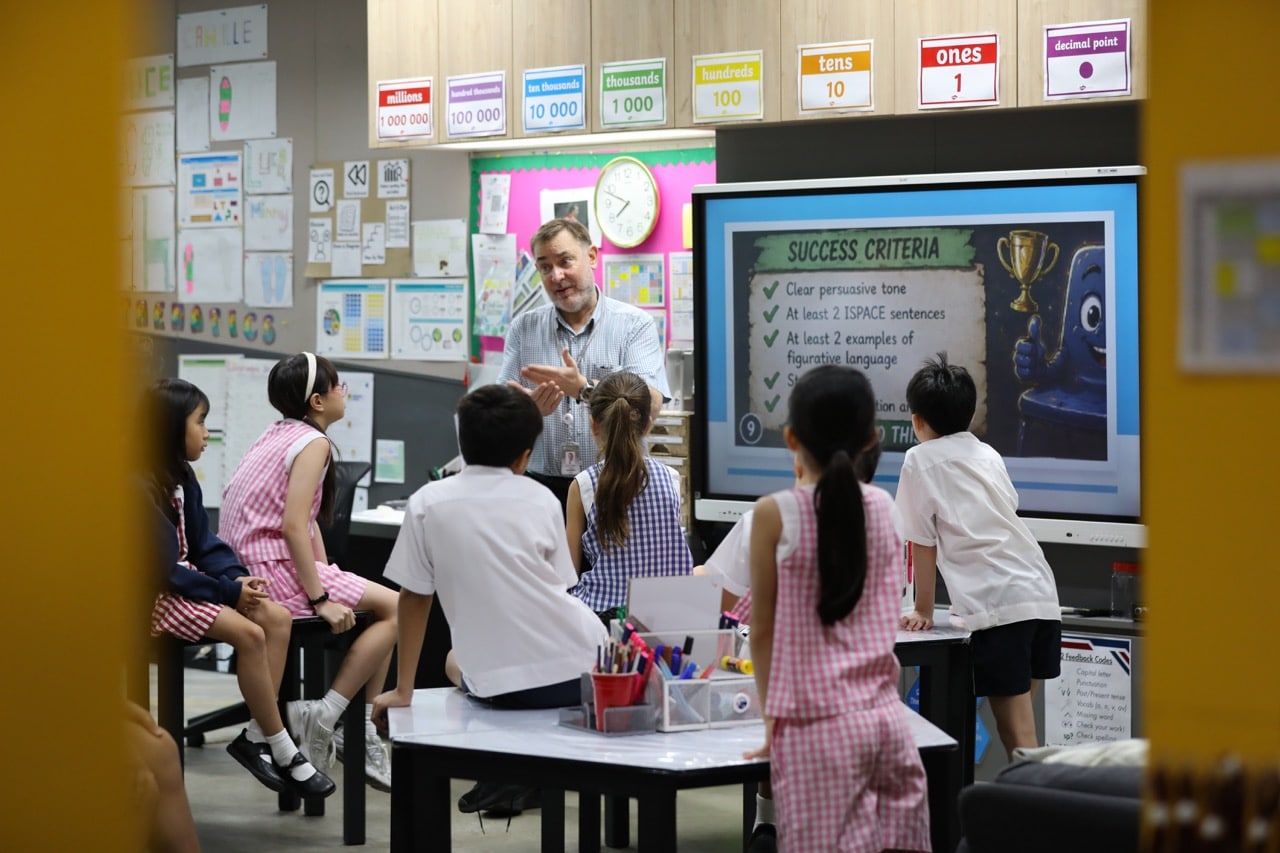
What does it mean for a school to be truly inclusive?

The Education Endowment Foundation offers a simple answer: inclusive teaching is about helping every child to participate and succeed in school. Their guidance asks us to think particularly deeply about the children who find learning hardest and reminds us that this work depends on collaboration between school leaders, teachers and the wider staff community.

This aligns closely with our inclusive vision here at Bangkok Patana:

Every student belongs.
Every student participates.
Every student makes progress with learning.

Belonging comes first. Before we can expect children to participate fully in school, take risks with their learning or respond positively when something feels difficult, they need to feel that they have a place here. Belonging is about being known and valued, but also about seeing that there is space for you to be yourself. An inclusive school shouldn’t ask a child to become more like everyone else in order to belong.
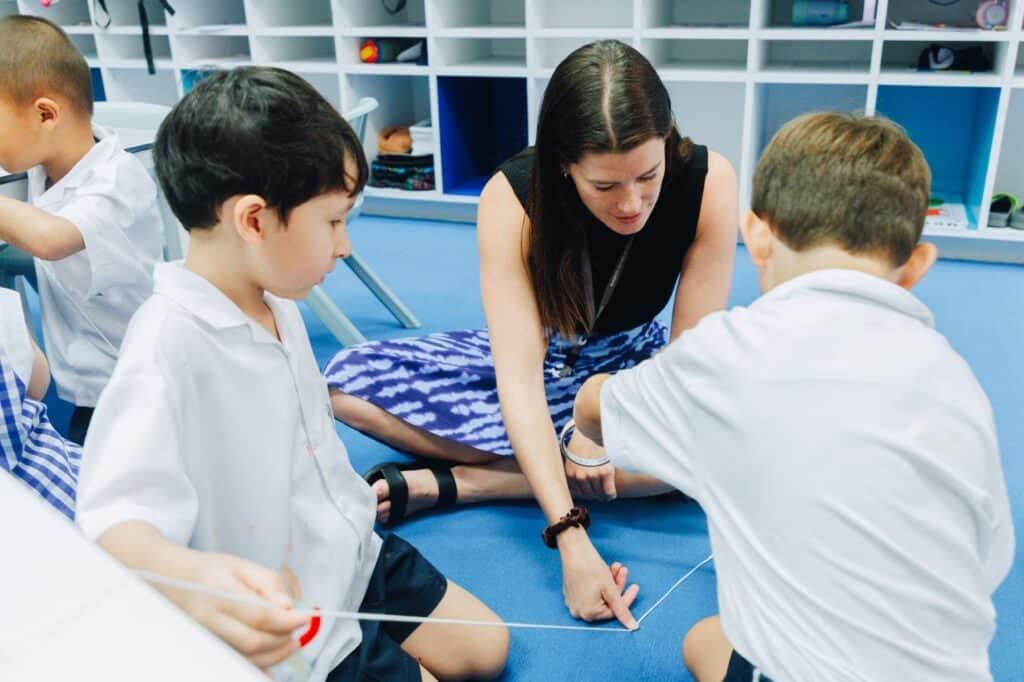
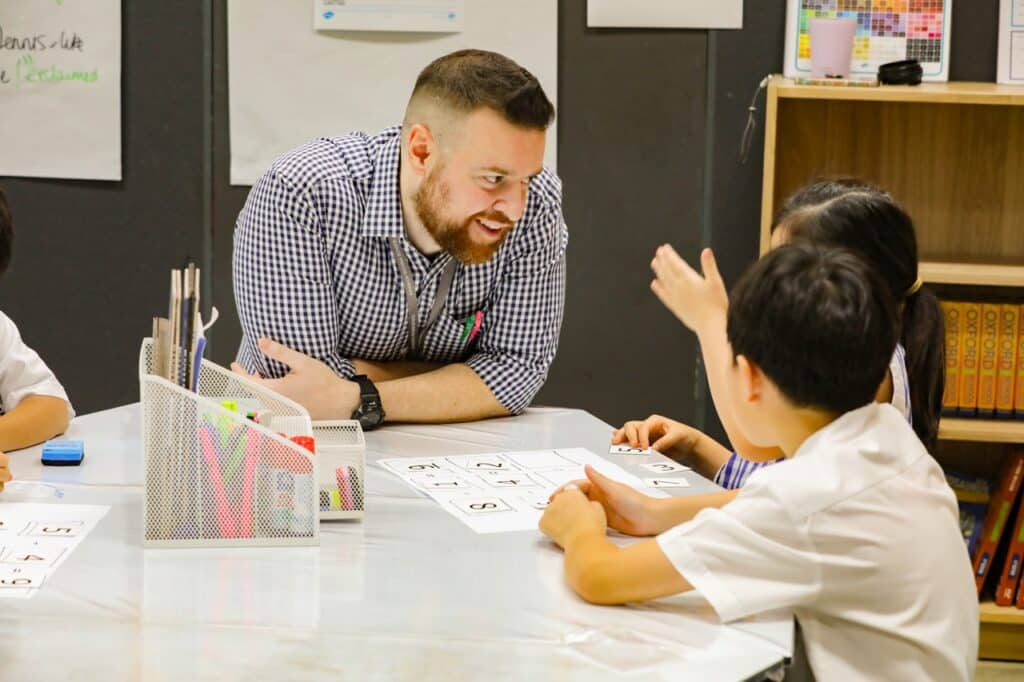
Children arrive in our classrooms with different strengths, experiences and needs. A student may understand a concept but find it difficult to express their thinking verbally. Another may be learning successfully but need greater challenge. Some may struggle with working memory, attention or language. Others may simply lack confidence or worry about getting something wrong.

Inclusion doesn’t mean removing challenge, nor does it mean creating an entirely different education for every child. Sometimes it means making a small, thoughtful change that removes a barrier. When we recognise these barriers and respond to them, we make it easier for students to participate and learn.

We saw some great examples of this during our recent professional learning. Teachers from across Key Stage 2 and our specialist teams each identified a learner, considered a barrier that might be making learning more difficult, and then worked alongside colleagues from Support for Learning, EAL and Enrichment to identify something they could change in their teaching. Nearly 80 members of staff took part, with many drawing on expertise from more than one area of our Inclusion team.

The resulting ideas were notable for their variety: teachers committed to trying vocabulary pre-teaching, manipulatives in mathematics, voice-to-text technology, movement breaks, different ways for students to contribute to discussions, more structured check-ins and greater challenge for students ready to take their learning further. Individually, none of these things are revolutionary. Which is the whole point of inclusion. True inclusion happens in the hundreds of decisions adults make with and for children each day. It happens when we notice that something is getting in the way of learning and ask ourselves, What could I change here?

There is another reason why this matters. The differences we see amongst learners in school do not disappear when they become adults. Increasingly, major organisations are recognising the contribution that different ways of thinking can make. JPMorgan Chase, for example, describes its Autism at Work programme as a competitive advantage. Microsoft says neurodivergent colleagues strengthen its workforce through innovative thinking and creative solutions, while SAP highlights their contribution to innovation across its product portfolio. This isn’t happening on the margins: Microsoft, EY, SAP and JPMorgan Chase together established an employer network for neurodiversity which now includes more than 50 organisations across ten industries.

For schools, there is an important message here. Inclusion isn’t simply about helping children overcome difficulties. It is also about recognising strengths and ensuring that different ways of thinking, communicating and solving problems have the opportunity to flourish.

Our responsibility, therefore, is not to help children become more alike, creating a homogenous ‘Patana student’. Our mission is to recognise strengths, understand barriers and ensure that individual challenges don’t prevent someone from participating, contributing and ultimately succeeding.

Share This Article

In this Issue

Celebrating 70! From the Archives: 70 Years of Sport at Bangkok Patana School

From the Archives | 70 Years of Sport at Bangkok Patana School

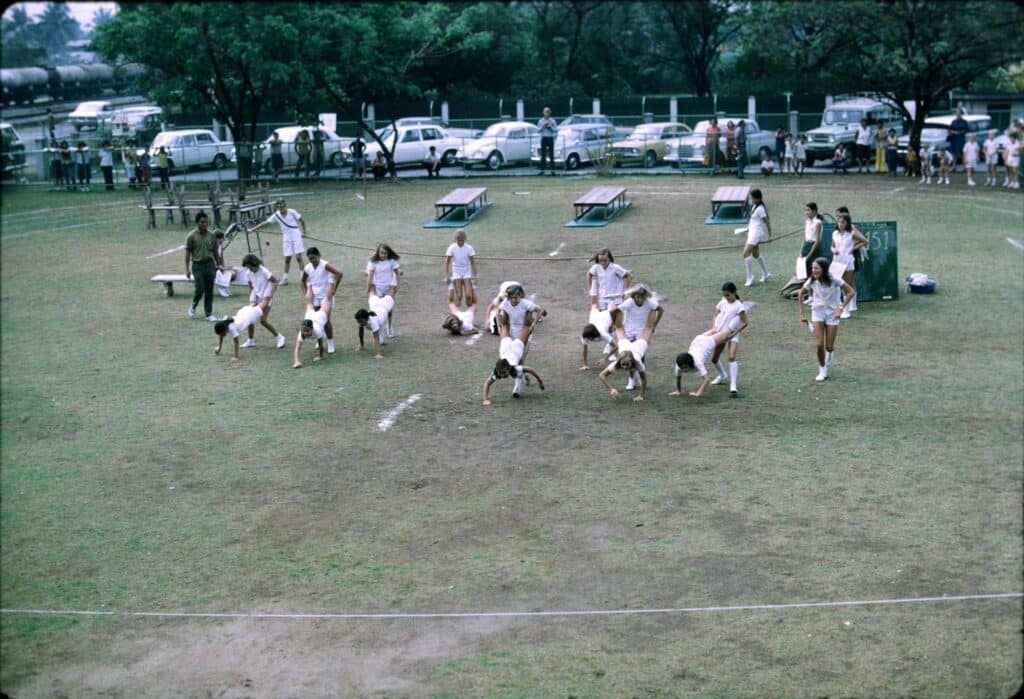
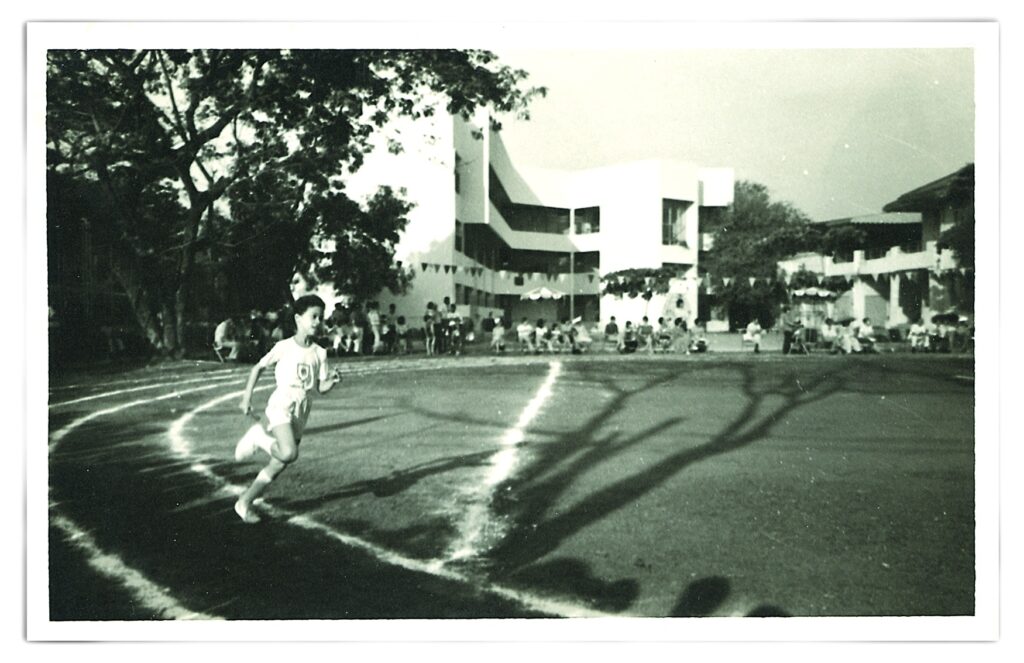
For much of its early history, sport at Patana was limited by space. At the Soi Navin site, fixtures were occasional and many activities, including swimming, had to take place off-site.

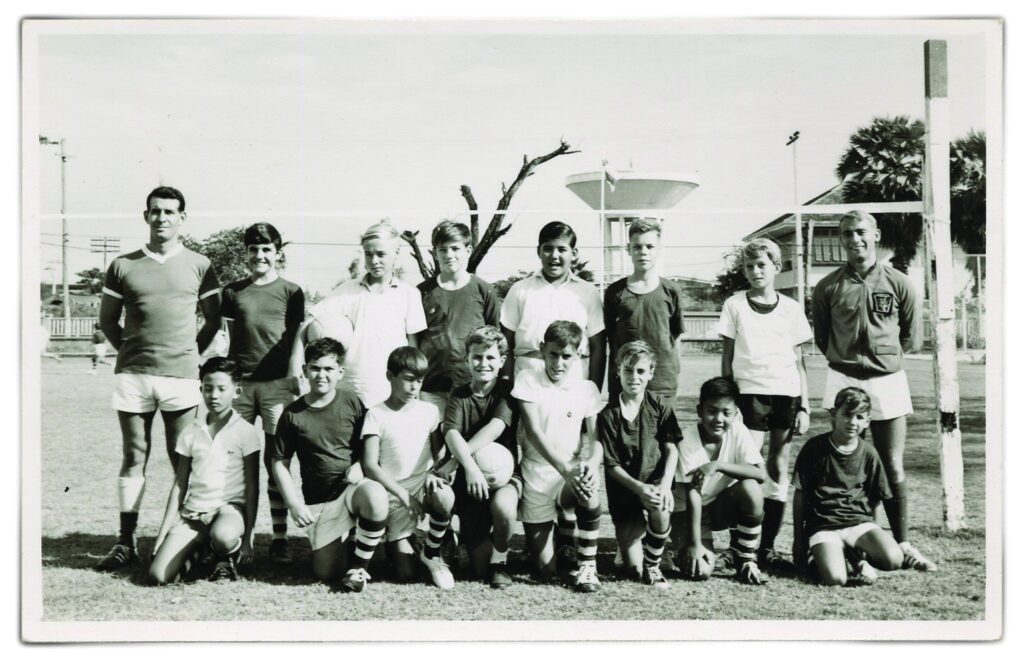
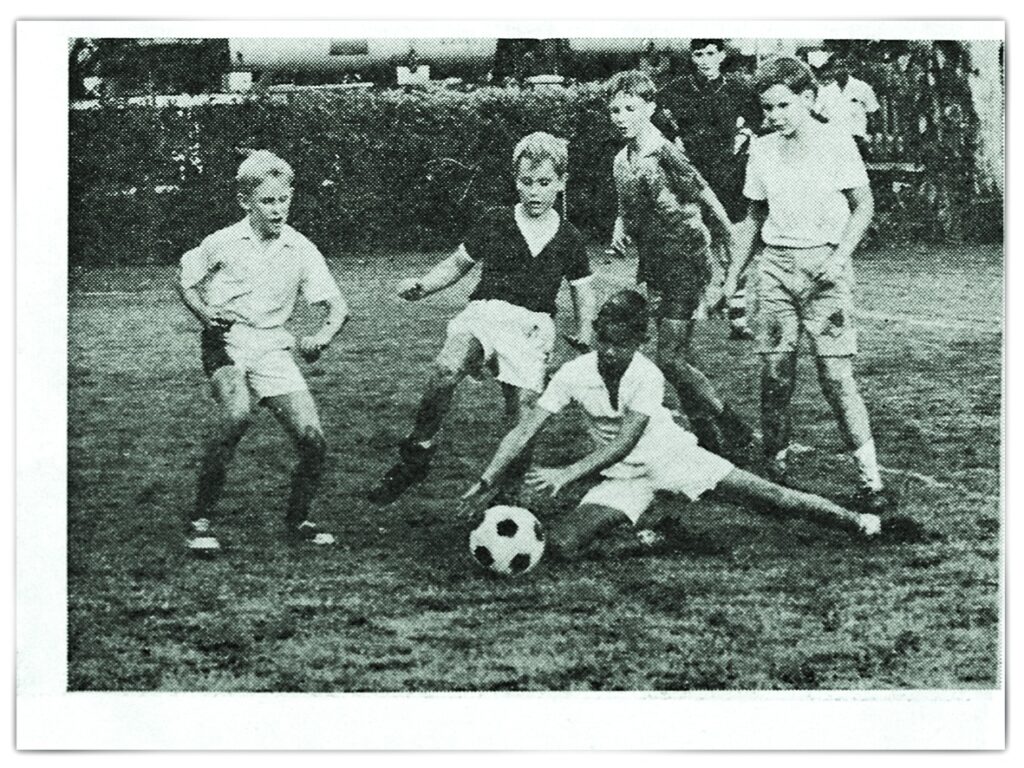
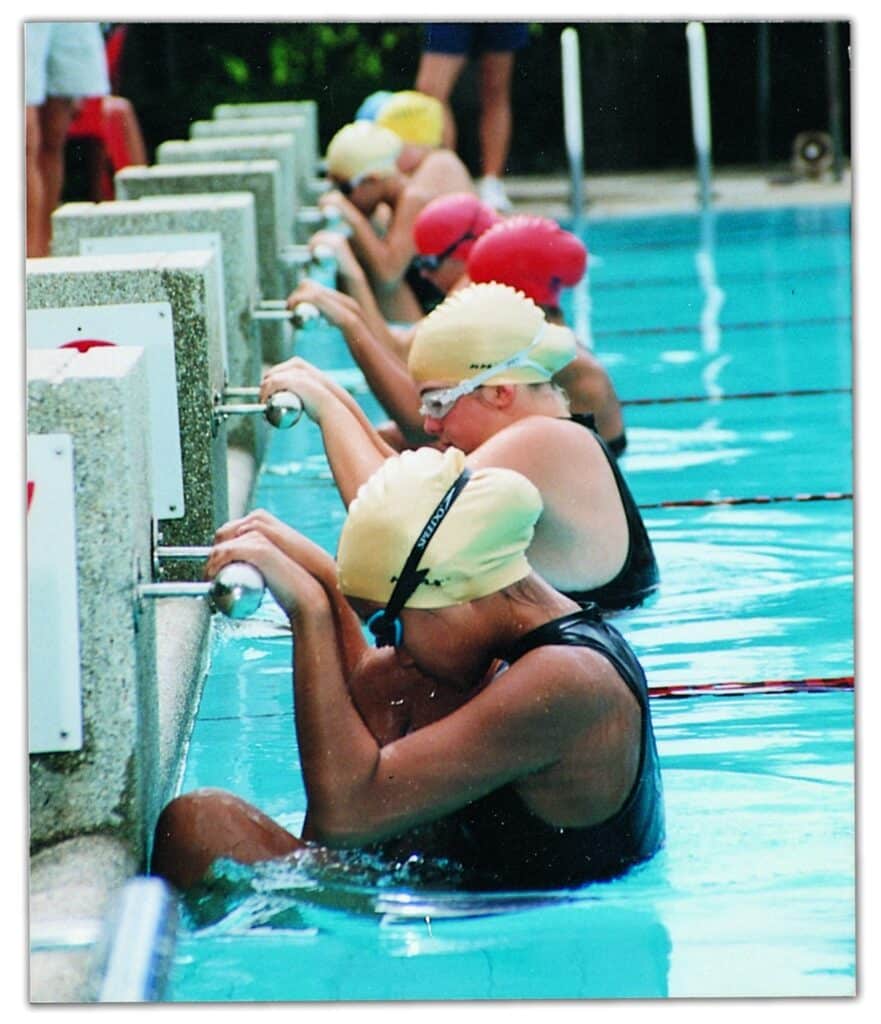
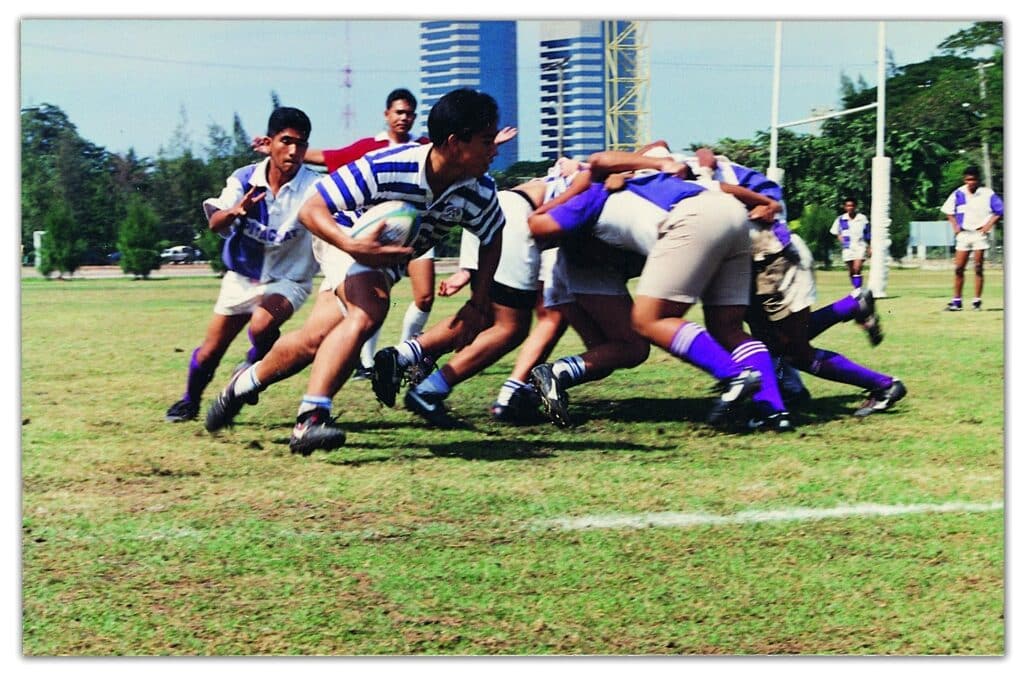
The move to Soi Lasalle in 1990 gave the school room to grow, and the decades since have seen steady investment in coaching, competition and facilities. In 1992, Patana took part in the inaugural Primary FOBISSEA Games, and by 1996 the school had committed to the newly formed SEASAC conference. Two years later, the girls’ swimming team won our first SEASAC title, and a school-wide vote introduced the Tigers as our mascot.

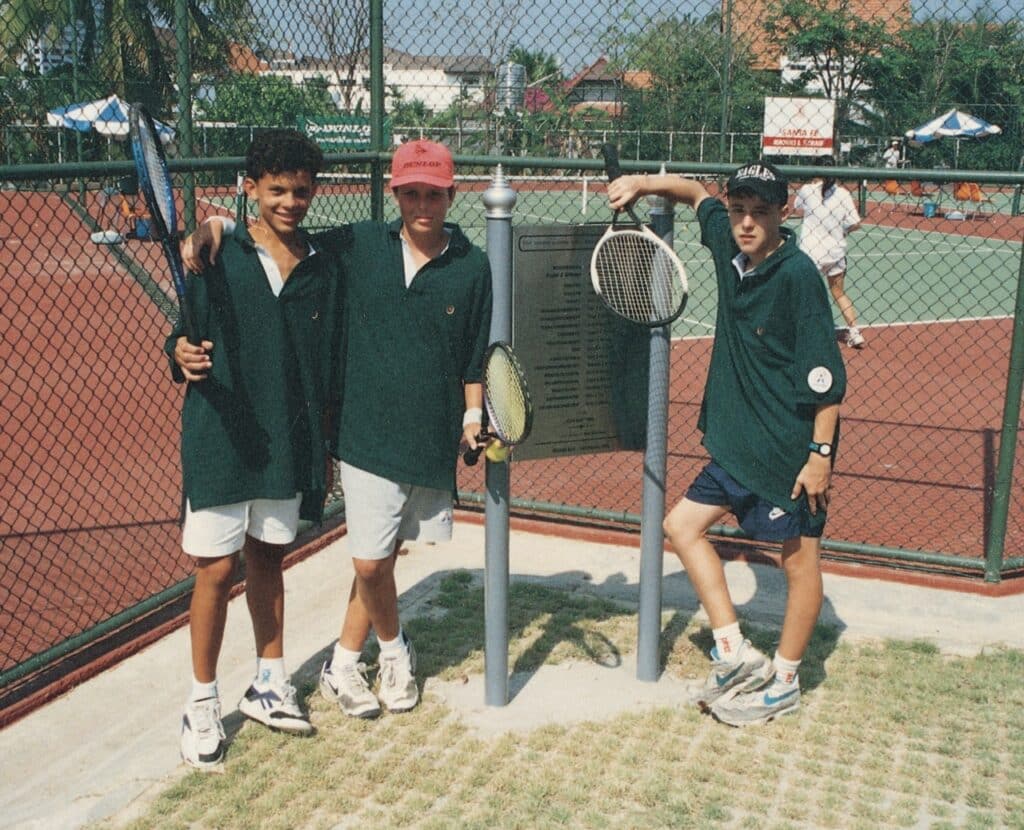
The new millennium brought the formation of the TigerSharks Swim Club and the launch of the Tennis Programme, followed by a Gymnastics Club that would later become the Gymnastics Academy. In 2007, the Indoor Sports Hall opened to mark the School’s 50th anniversary. The Football and Dance academies followed in 2018, completing five year-round academies alongside Swimming, Tennis and Gymnastics. Most recently, in 2024, the new tennis centre opened with ITF Level 1 certified courts, making Bangkok Patana the first school in Thailand to hold this certification.

The programme has also produced athletes who have competed at the highest level. Luke Gebbie (Grad’14), former TigerSharks captain, represented the Philippines at the Tokyo 2020 Olympics and set a national record in the 100m freestyle. Molly Goodman, a former Primary student, rowed for Australia at the Rio 2016 and Tokyo 2020 Olympics and won a world title in the coxless four.

As we celebrate our 70th anniversary, we thank the coaches, staff, parents and students who have built Patana’s sporting culture over seven decades.

Share This Article

In this Issue

Behind the Bookshelves

What book do you recommend and why?  

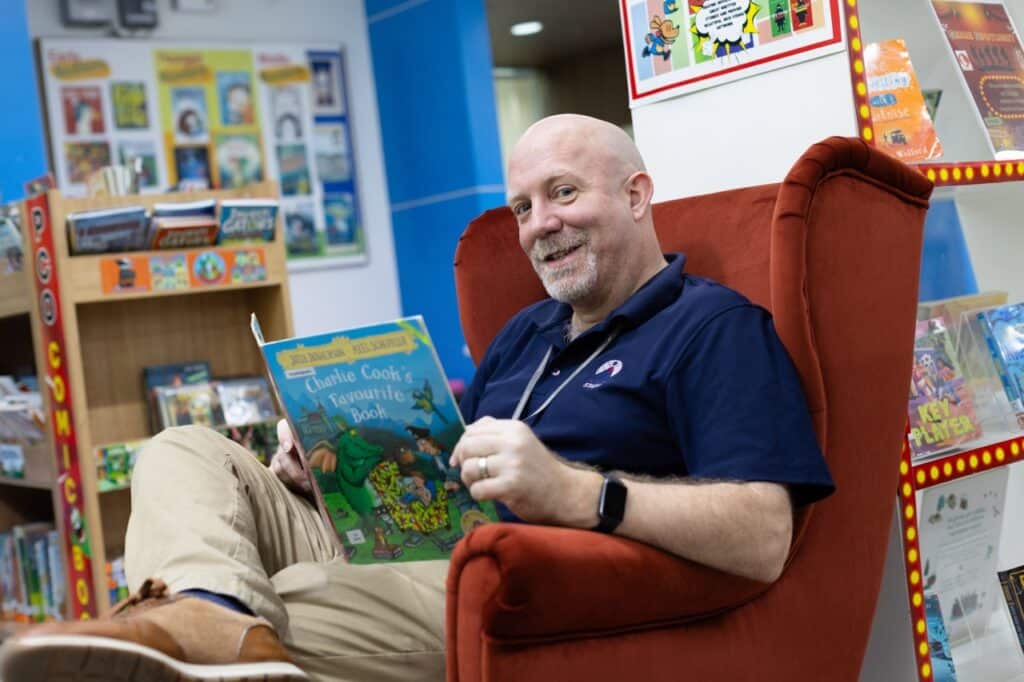
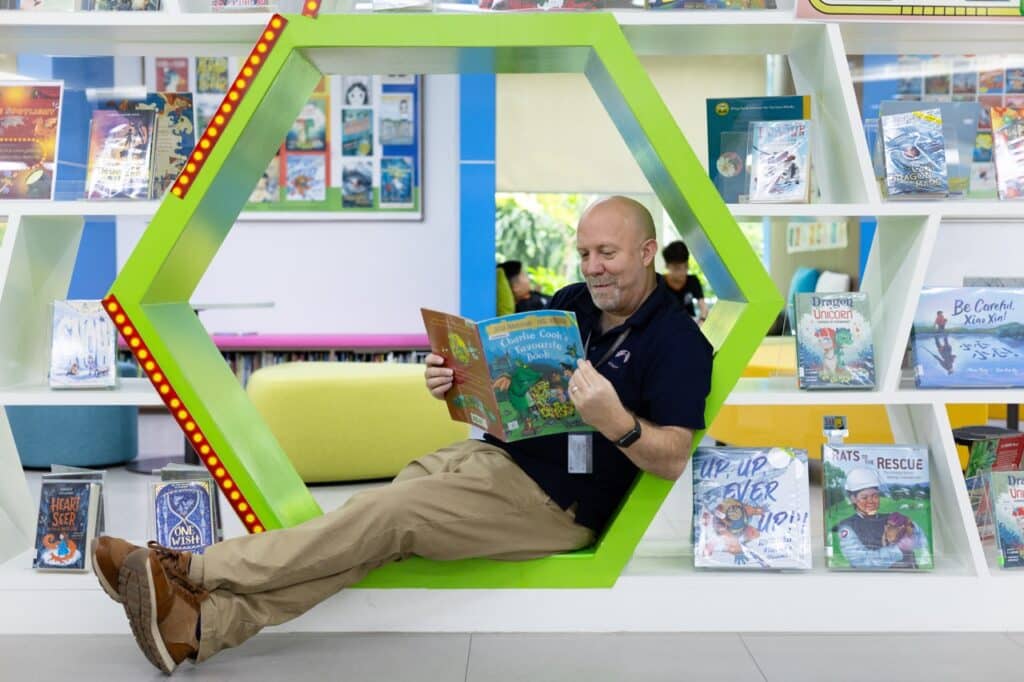
Charlie Cook’s Favourite Book by Julia Donaldson
I’d like to recommend it because it is so brilliantly written and illustrated. My own children loved all Julia Donaldson books when they were young. This one is a fabulous advocate for different types of stories and also text types in general. I have read it to a Year 6 class, and they also thoroughly enjoyed it. The rhyme patterns and circular nature of the book as a whole are hugely satisfying.


What podcast do you listen to?  

The Rest is Football. Note – this is for adults only. I enjoy listening to the presenters’ views on everything to do with football. Gary Linekar, Alan Shearer and Micah Richards host. As well as being a podcast, it is now a show on Netflix after broadcasting daily throughout the World Cup over the summer. I find it an excellent supplement to watching full matches of my team and watching Match of the Day. The presenters are more honest then perhaps they could be on a BBC show.

Where do you work/teach? 

I’m Mr Ferguson in Year 6

Share This Article

In this Issue

Community Engagement: Jungle Aid

By Neil Kumar, Year 13


The Jungle Aid Foundation provides aid to isolated villages along the Thai-Myanmar border, focusing on mobile medical clinics, educational support, and clean water infrastructure for remote Karen communities. At the Bangkok Patana chapter, our 20-member Senior Team works to fundraise and advocate for these projects while raising awareness about underserved communities. Our primary objective this term was to grow the club by inviting new members, garnering financial support, and informing the Bangkok Patana community about the realities faced by these border villages. 

Our preparation for the Community Engagement Weeks required quick adjustments when the Bangkok floods disrupted our local supply chains, making it impossible to source ingredients for our famous bubble tea menu. Instead, we quickly pivoted to traditional grass jelly. This refreshing, locally favoured option was well received by the student body and proved to be an effective choice for the warm weather, keeping our operations on track without further delays. 

We added this to the menu during the Community Engagement Weeks. By offering a lineup of grass jelly, homemade cookies, mochi, and chilled beverages, we raised awareness and funds throughout the weeks. During the Community Engagement Fair, we also ran games and quizzes to raise awareness about the refugee communities that we help. The fair was by far our most successful campaign, driven by sales to students who were focused on supporting student-led causes. We have also run writing chains, in which students and teachers alike wrote encouraging messages to be delivered to the Karen people. The villagers were incredibly happy to see so many messages, and it was a very gratifying event for everyone involved. 

These recent fundraising events marked a significant milestone for our team, bringing the total amount raised since our club first started to approximately 30,000 THB. Reaching this milestone is a testament to the club’s ongoing efforts over the past two years. Every baht earned goes directly to the foundation to purchase essential medical supplies, water filtration systems, and classroom materials, proving that our efforts on campus translate into better help for the villages. We hope to do more of this in the future. 

Looking ahead, our team wants to incorporate direct service into our work. We are currently looking into the logistics of organizing future trips to the border zones to volunteer with the foundation’s mobile clinics and assist with aid distribution firsthand. To complement these plans, we are organizing school-wide book and clothing drives, allowing the Patana community to contribute resources directly to these communities moving forward. 
We work with: Jungle Aid Foundation 


Share This Article

In this Issue

Preparing for the Lower Air Quality and PM2.5 Season

As we move through the school year, our community enjoys the vibrant outdoor spaces, sports fields and activities of our school campus. However, with the cooler months approaching, Bangkok’s seasonal shift also brings an increase in atmospheric particulate matter, commonly known as the PM2.5 haze season.

Bangkok Patana is fully prepared with robust monitoring procedures, advanced campus infrastructure, and clear safety protocols to manage air quality effectively throughout the season.

How Bangkok Patana Protects Your Children

Our comprehensive Air Quality Management Policy is designed using guidelines from the US Environmental Protection Agency (EPA) and the World Health Organization (WHO). The policy also takes account our campus, the age of our students and the type and intensity of activities undertaken at school.. The policy sits alongside practice, which includes:

  • Advanced Campus Filtration Systems: Every building on campus is equipped with pre-cooled, filtered fresh-air systems. These systems not only filter incoming air but also pressurise the buildings, ensuring that indoor spaces remain a safe, clean haven even when outside readings rise.
  • Rigorous On-Site Monitoring: We track live data with our own outdoor and indoor monitors, as well as monitoring hourly official Thai government monitoring stations.
  • Tiered Response Protocols: Depending on real-time AQI and PM2.5 thresholds, we proactively adjust schedules. This includes modifying outdoor exertion levels, moving specific year-group activities indoors, and keeping vulnerable or sensitive groups protected as conditions dictate.

Stay Informed

Parents can easily track real-time conditions and review our operational standards:

  • Firefly Dashboard: The parent Firefly dashboard features a live Air Quality icon colour-coded to match our policy thresholds.
  • AQI FAQs: For a detailed breakdown of our thresholds, protective measures, and answers to common community questions, please visit the AQI FAQs & Air Quality Policy Guide.

If you have questions on the policy or how it is implemented for your child, the first point of contact is your child’s classroom teachers/tutor. They will be able to forward your question to the right person within the school.

Thank you for your continued partnership in keeping our school community safe, healthy, and active as we navigate the seasonal change together.

Share This Article

In this Issue

School Announcements

Important: Certificate of Enrolment and Visa Documentation Requests for Christmas Break

If you require documentation from the school to support visa applications or extensions over the Christmas break, please request this as soon as possible.  To do so, kindly complete the online request form via the Parents’ Gateway: Document Request from Admissions. 

Please note that we require at least 3-4 working days to process these requests. The final date to request certified letters or documentation for visa extensions is Monday 14th December 2026.  

Kindly be aware that no requests can be processed between 24th December 2026 – 4th January 2027.  The Admissions Office will be open to support new requests starting from 5th January 2027.  

Best regards, 

Admissions Team


Share This Article

In this Issue

Tech Tips #338: VPNs: What Parents Need to Know

By Brian Taylor, Vice Principal, Technology for Learning

Virtual Private Networks, or VPNs, are becoming increasingly common among young people. A VPN is an app or service that creates a more private connection to the internet and can make a device appear to be connecting from another location or country. VPNs have legitimate uses, including protecting privacy when using public Wi-Fi, and their presence on a child’s device does not necessarily indicate a problem.

However, parents should understand that VPNs can also allow young people to bypass some of the safeguards designed to protect them online. Some children use VPNs to circumvent parental controls, age-verification systems and geographical restrictions. Free VPN services may collect user data, display inappropriate advertising or introduce additional security risks.

Rather than assuming that VPN use is automatically concerning, the most useful first step is a conversation. Ask your child why they are using a VPN, what their friends use them for and how they chose the particular service. Checking devices and settings together can turn online safety into a shared responsibility rather than a surveillance exercise.

Parents can also use tools such as Apple Screen Time or Google Family Link to approve new app installations and should consider the parental controls provided by their home broadband provider. Regularly reviewing app-store subscriptions can also identify unexpected VPN services. Most importantly, technical controls are only one part of safeguarding. No parental-control system is completely resistant to circumvention. Maintaining open communication means children are more likely to seek help if they encounter upsetting, inappropriate or unsafe content online.

Read more on what you should look out for and what you can do here: Children Using VPNs: A Plain-English Guide for Parents

Have a great weekend.

Brian Taylor

Vice Principal, Technology for Learning

Image courtesy of Roblox.jpg (1920×1080)

Share This Article

In this Issue

Winter Season: Keeping Our Community Safe Together

By Kiera (Nurse Joe) Augsorntip, Medical Service Manager

As the weather turns cooler, our school nurses would like to share some simple tips to help everyone stay healthy and prevent the spread of infection.

Cover your nose and mouth with a tissue or your elbow when coughing or sneezing.


Wash hands often with soap and water for at least 20 seconds.

Avoid close contact with people who are sick and crowded, poorly ventilated places.

Stay Home if you are unwell. Rest and prevent spreading illness to others.


Watch for fever, cough, sore throat, runny nose, body aches, unusual tiredness or breathing difficulty.


Pink Eye Reminder

Pink eye spreads easily. Wash hands often, avoid rubbing the eyes, and never share towels, pillowcases or eye drops.

Diarrhea Reminder

Eat freshly cooked food, drink clean water and wash hands often. After vomiting or diarrhoea, stay home for 24–48 hours after the last episode.


Communicable Diseases

If your child is diagnosed with a communicable disease, please inform the school and send the medical certificate to nurse@patana.ac.th.

Stay Home: Please keep children at home when they are unwell, including when they have:

– Fever: return once fever-free (below 37.5°C) for 24 hours without fever-reducing medicine.

– Vomiting or diarrhoea: return 24–48 hours after the last episode.

– Frequent coughing or a constantly runny nose: rest at home until symptoms have improved

Face Masks: Students and staff showing respiratory symptoms may be offered a face mask to help protect themselves and others.

Parent Contact: Parents will be contacted if their child is not well enough to remain at school.

Infection Prevention: The Nurse Team follows communicable disease notification and infection prevention procedures.

Nursing: Students who become unwell at school may be referred to the Nurse Room for assessment and appropriate care.

Health Promotion: Clear health and hygiene messages are reinforced throughout the school community.

Winter Season Diseases and Health Hazards

Influenza and Pneumonia: Fever (37.5°C or above), cough, sore throat and body aches; pneumonia can cause fast or difficult breathing. Annual flu vaccination is recommended.

RSV: Cold-like symptoms that can become serious in young children; wash hands and keep sick children at home.

COVID-19: Fever, cough and sore throat; wear a mask if unwell and test if symptoms appear.Pink Eye (Conjunctivitis): Red, watery, itchy eyes with sticky discharge. See a doctor before using any eye drops and stay home until the doctor says it is safe to return.

Acute Diarrhea: Watery or bloody stools, sometimes with fever or vomiting. Follow “cooked, hot, clean”, use ORS to prevent dehydration, and stay home for 24–48 hours after the last episode.

Scrub Typhus and Malaria: A risk on trips to rural or forested areas. Avoid long grass, cover arms and legs, and use insect repellent.

Health Hazards: Up-country trips can be very cold — pack warm clothing and never use alcohol to “keep warm”. With gas water heaters, keep rooms ventilated, shower for no more than 10 minutes, and wait 10–15 minutes before the next person.

Share This Article

In this Issue

Primary Technology Workshop – Safe, Creative Learning

By Max Hopwood, Leader of Primary Technology

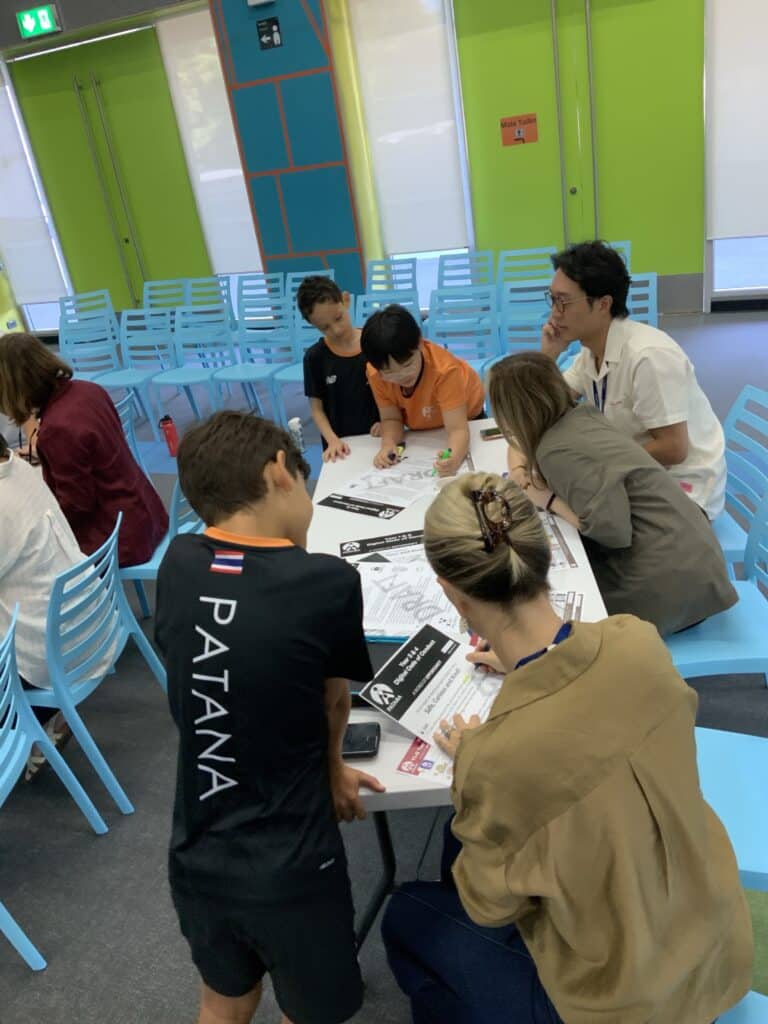
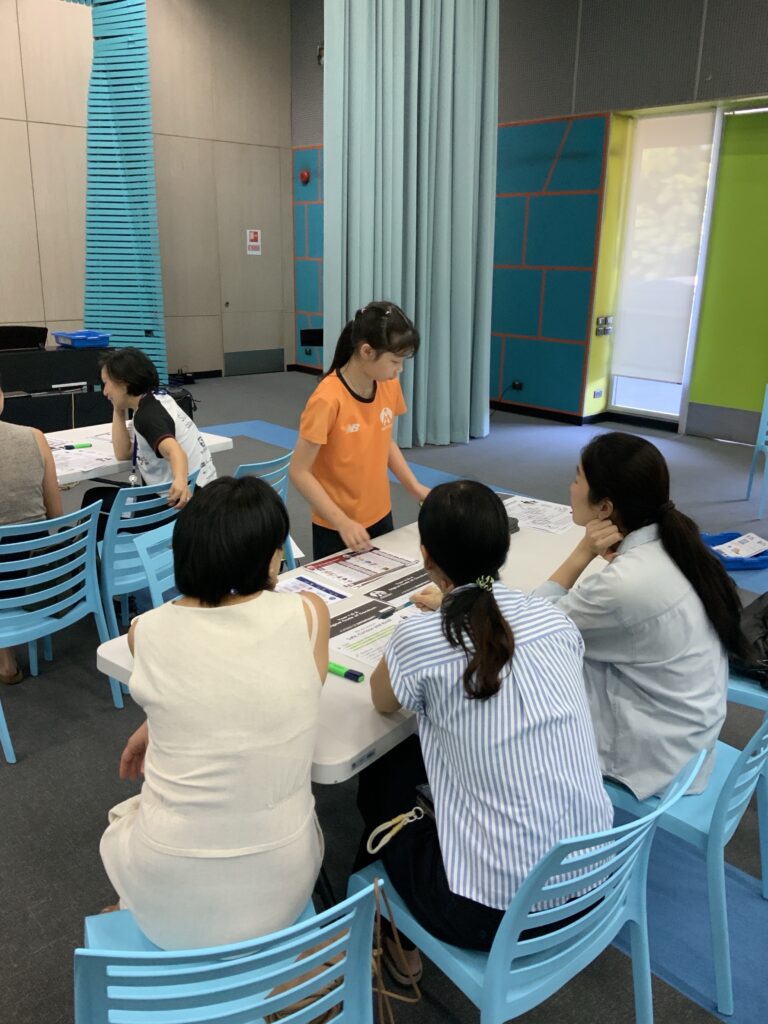
Families and staff came together this week for the first Primary Technology Workshop to explore two important parts of children’s digital learning: staying safe online and the computational thinking strand of the Primary Technology curriculum.

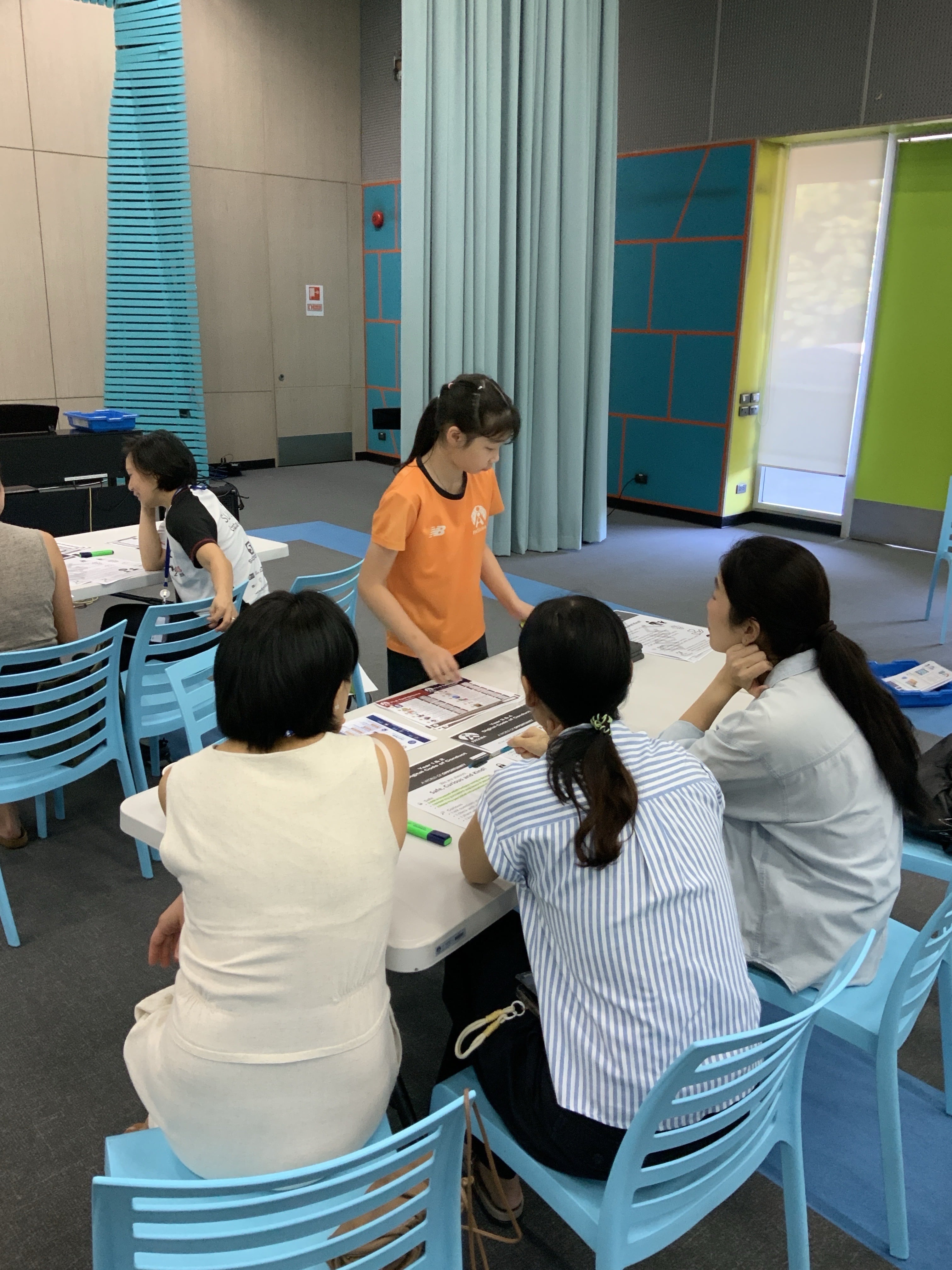
Participants shared feedback on a new draft of the Primary Digital Code of Conduct. The new updated version has been shaped by input from parents, students and staff, including the Primary Digital Leaders. Grounded in the school values of being Safe, Curious and Kind, the new version aims to give children and families clear, age-appropriate guidance as students grow in confidence and independence with technology, while maintaining family agency in how it is implemented at home. Parents were able to discuss the language with our student digital leaders, from Years 5 and 6, as well as offer comments and feedback for consideration. We hope to launch the new Primary Digital Code of Conduct early in the new year so look for further updates.

The workshop also explored part of the Primary Technology Curriculum for Years 1–6 by looking in detail at how we teach children to code with block coding tools and begin to understand how computers work. Through coding projects, students learn to think logically, solve problems, test ideas and most importantly persevere. Scratch Jr, Scratch, Octostudio and Make Code all have something in common – an instant feedback loop, in the form of a simulator that runs the code for them. This means that low stakes testing of code and ideas is easy. Our carefully designed curriculum builds progressively, from sequencing simple commands (Scratch Jr) and creating early programs to using variables (OctoStudio), to designing games and programming robots in MakeCode. Again, during the workshop the parents were joined by our knowledgeable digital leaders who helped them build an example program in Octostudio that introduced the concept of computer variables in simple way.

Special thanks go to the Year 5 and Year 6 Digital Leaders, whose thoughtful contributions helped inform the discussion and the developing code of conduct.

The conversation will continue in Term 2, with a follow-up workshop focused on creativity with technology.

Share This Article

In this Issue

Diversity Digest: Diwali

By Emma Bartlett, Head of Trips and Outdoor Education

Diversity Digest is a weekly reflection written by staff from different areas of our school

Diwali, often known as the Festival of Lights, is celebrated by millions of people around the world. Diwali is widely associated with light, hope, renewal and the triumph of good over adversity.

The way we can celebrate may include lighting diyas (small oil lamps) or decorating the house in lanterns, creating colourful rangoli designs, decorating your home, sharing food and sweets, exchanging gifts, wearing new clothing and spending time with family and friends.

Diwali is also a wonderful reminder of the diversity that exists within traditions themselves. Families and communities may celebrate in different ways depending on their faith, culture and where they live.

The way my family celebrates Diwali is to have a big clean of our house the days before. Once Diwali comes the house is a beautiful and vibrant mix of lights and colours. Friends and family come into eat and laugh and play games, we wear new clothes and light sparklers. For the next few nights, we leave the lights on so our house can be found and be filled with joy and renewal.

Share This Article

In this Issue

Exploring the Future of Healthcare: Siriraj x MIT Hacking Medicine

By Eliana Maruniak, Mabel Griffiths, Edward Tantapakul, Proudpalin (Aime) Suriyabhivadh, Iwarin (Praewa) Chaisrisawatsuk and Tanwaar Taylor, Year 12 students

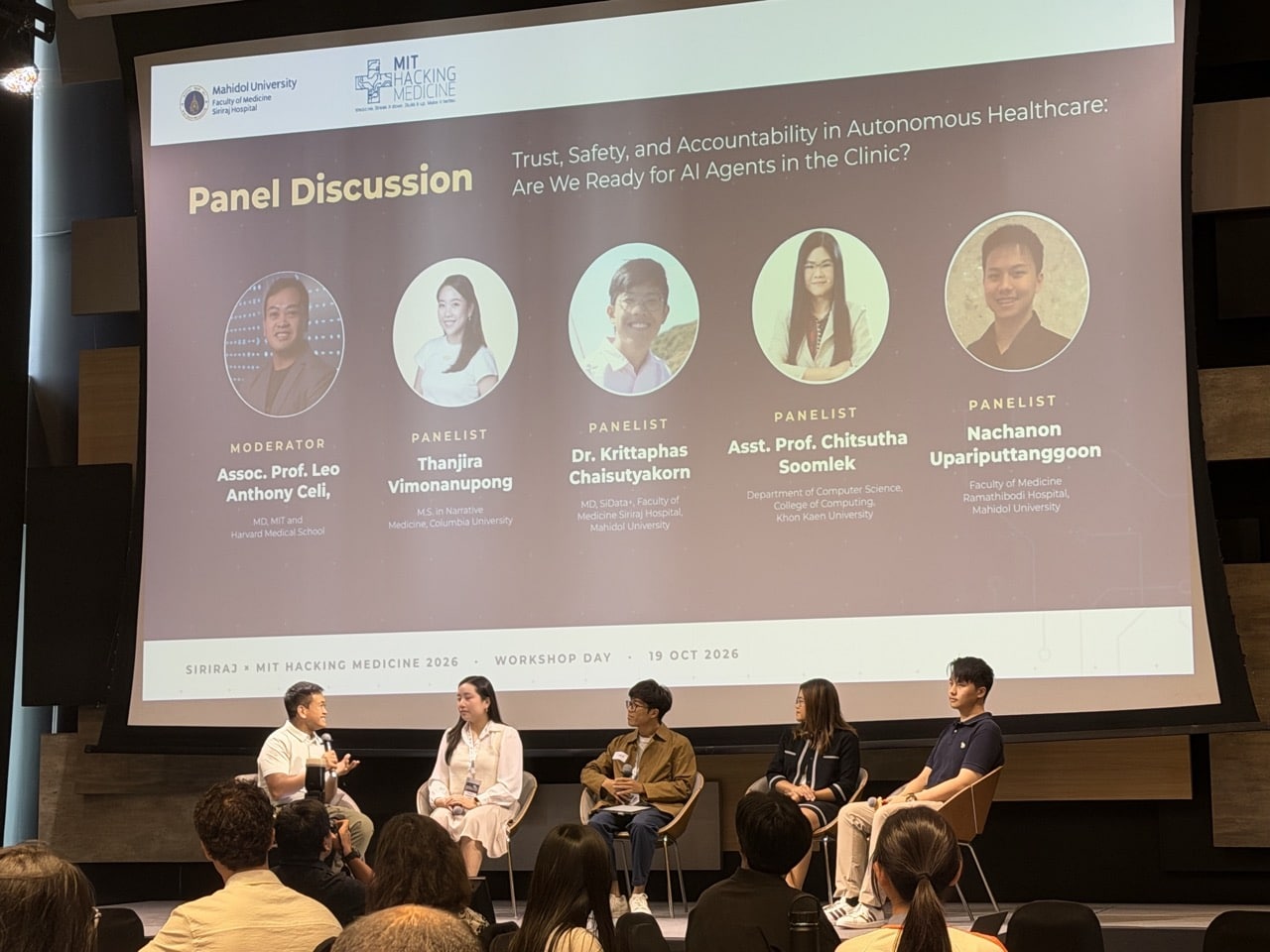
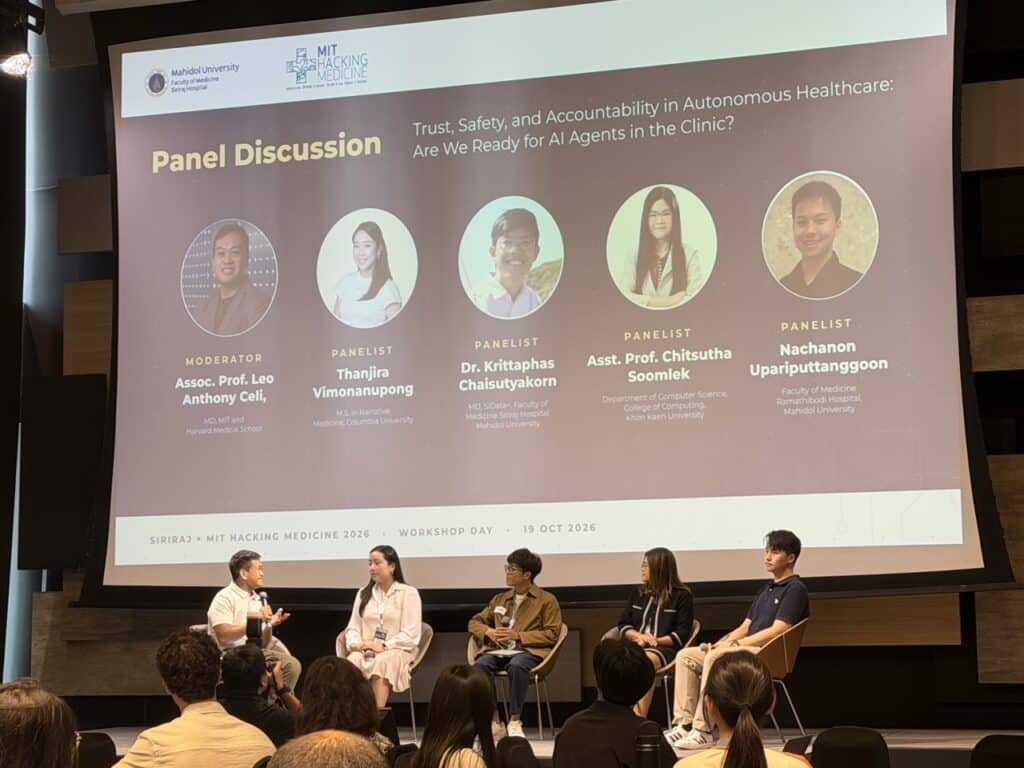
A few weeks ago, six of us from Year 12 had the opportunity to attend the Siriraj x MIT Hacking Medicine workshop, where doctors, engineers, professors and business leaders came together to discuss the future of healthcare and artificial intelligence (AI).

Working in mixed age groups, we looked at real-life medical scenarios and discussed how AI could help detect medical conditions and reduce pressure on overcrowded hospitals. The day began with a discussion on “Trust, Safety, and Accountability in Autonomous Healthcare: Are We Ready for AI Agents in the Clinic? Having doctors, engineers, professors and students at our tables made the discussions even more interesting, as everyone brought different ideas and opinions. We explored both the benefits and risks of using AI in healthcare, including whether AI could ever replace doctors.

We also took part in an activity where we tried to “break” AI by giving it lots of unnecessary information to see how it would react. We learned how this could confuse AI and lead it to make up information or give false answers. This showed us why it is important to understand AI’s weaknesses and know how to use it as a tool to support doctors rather than replace them.

As some of the youngest participants, working alongside experienced professionals pushed us out of our comfort zones and allowed us to learn from people with very different backgrounds which was quite daunting initially. For those of us interested in medicine and healthcare, the experience was especially inspiring. It showed us how combining medicine, technology and teamwork could help solve real problems and improve patient care in the future.

Share This Article

In this Issue

Tigers Together: A Standout SEASAC Volleyball Weekend

By Cindy Adair, Cross Campus Principal

It was a memorable SEASAC weekend for Bangkok Patana Volleyball, with both our Under 19 Boys and Under 19 Girls delivering outstanding performances at their respective tournaments from 5th – 8th November. The Boys competed in Division I in Bangkok, while the Girls travelled to Kuala Lumpur for Division II.

Both teams ultimately reached their tournament finals, an achievement which reflects not only the quality of volleyball being played, but the commitment, resilience and togetherness that has developed within our senior programme.

Boys Take SEASAC Division I Silver

For the Boys, their Division I campaign ended with an excellent SEASAC runners-up finish after a remarkably consistent tournament.

Across the competition, the team dropped just four sets, three of them against the eventual champions. It was an impressive indication of how far this group has progressed and how closely they are now competing with the very best teams in SEASAC.

But perhaps the most significant success was less visible on the scoreboard. The coaches sited the unity within the squad, with players supporting one another, competing for every point and demonstrating a genuine sense of togetherness both on and off the court.  

That performance has not happened by accident. Many of the players have invested additional time in training outside school, working on their skills, fitness and understanding of the game. The reward was a SEASAC tournament in which that commitment translated into consistently high-level performances.

Girls Rise to the Challenge in Kuala Lumpur

Meanwhile, our Girls travelled to Kuala Lumpur for the Division II competition and produced their own superb run to the final.

The Tigers made the perfect start, winning all three of their opening games and finishing top of their pool: 2-0 against BSJ, 2-1 against KLASS and 2-0 against hosts GIS.

The challenge stepped up on Day 2, but so did the team. Two hard-fought 2-1 victories, against AIS in the Quarter Final and ISY in the Semi Final, secured a place in Sunday’s SEASAC Division II Final against Rugby School Thailand, the eventual winners.

Yet ask our student leaders what makes SEASAC special and their reflections extend far beyond results.

Captain Proudpalin (Aime) Suriyabhivadh reflected:

“What I value most about SEASAC is the trust, energy, and strong bond we build as a team. We support each other, fight for every point, and grow stronger together as one team. Beyond volleyball, SEASAC also gives us the chance to meet students from other schools, cheer each other on, and build friendships that go beyond the court.”

Vice Captains Mila Chakrabandhu and Tritania captured another important part of the experience:

“A factor I enjoy most about SEASAC is being able to experience volleyball outside of our usual school environment. Getting to play against different teams, see different styles of play and challenge ourselves is always really exciting. I also love the memories we make throughout the trips, from the bus rides and team dinners to spending time together outside of games. It’s always something different from our normal routine, and that’s what makes it so enjoyable.” – Mila Chakrabandhu

“What I value most about SEASAC is how we overcome challenges and keep growing together, in our skill and as teammates. After everything we go through,  we keep lifting each other up and bringing out the best in each other. I also value what SEASAC gives us beyond volleyball. i love meeting other schools, building new friendships and sharing team dinners that bring us closer together.” Tritania (Yaya) Jantarach

More Than the Result

These reflections perhaps capture SEASAC at its best.

Of course, reaching finals matters. Competing hard matters. Representing Bangkok Patana at the highest possible level matters. But experiences like these also provide something harder to measure: learning to trust teammates under pressure, responding to setbacks, meeting students from across our international school community and creating memories together away from the normal school routine.

This weekend, our Boys and Girls showed all of that and got to the finals as well. That’s plenty for the Tigers to be proud of!

Congratulations to all of our players and coaches on an outstanding SEASAC weekend.

Share This Article

In this Issue

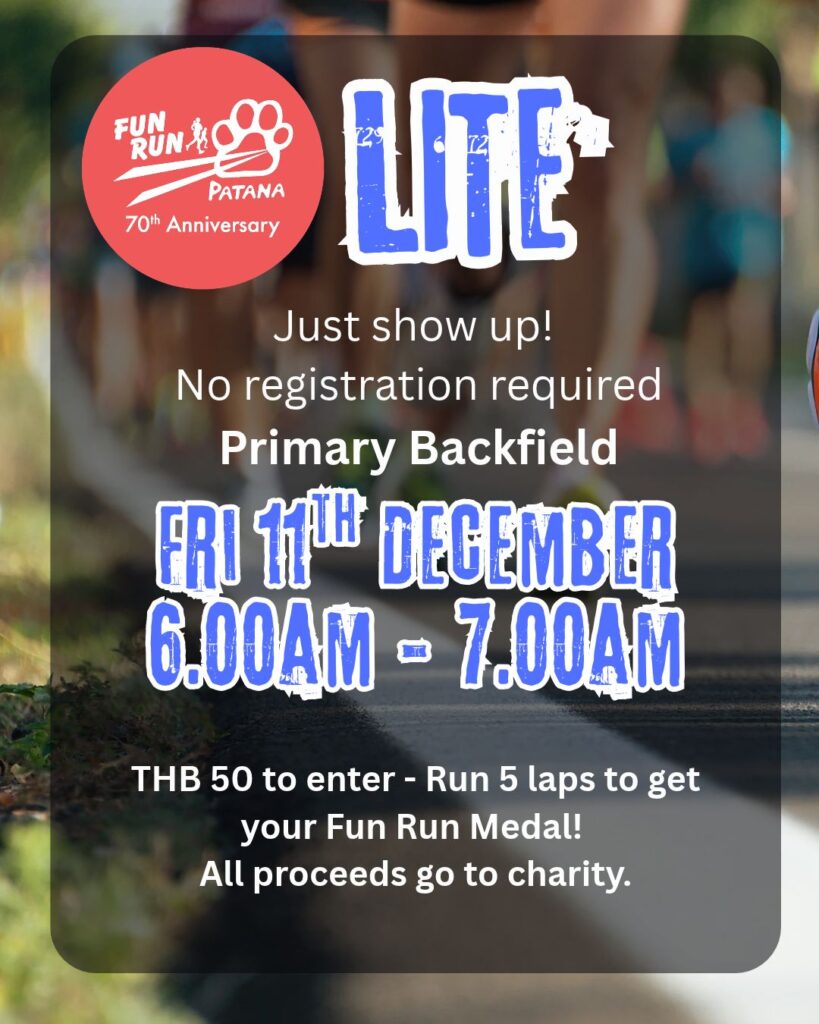
Upcoming Events: Fun Run LITE!

Share This Article

In this Issue

PTG Updates

Share This Article

In this Issue

Community Events


You are warmly invited to sing the Most Beautiful Christmas Carols (Kauneimmat joululaulut) at the Thailand Evangelical Lutheran Church in Bangkok (https://maps.app.goo.gl/WNs4J5X2hEp83QLp8).

The event will take place on First Advent Sunday, November 29, 2026, starting at 18:00.

Come join us to share in the festive holiday spirit and sing your favorite traditional carols together. We look forward to seeing you there!

Share This Article

In this Issue

December Camps from our ECA Providers

Share This Article

In this Issue

Patana Participates


FOBISIA Online Solo Guitar Competition Patana Entries

By Laura MacRitchie, Curriculum Leader, Music Department

Congratulations to Torres Chou, Year 11, Emerson Bruno, Year 10 and Hadrian Smith, Year 8 who have been selected to represent Bangkok Patana at the FOBISIA Online Solo Guitar Competition. We had some very strong candidates and thank you to everyone for their efforts in preparing for their auditions. 

Share This Article

In this Issue

Patana Participates


Podium Finish on the Ice

By Waide Chen, Parent

Well done to Reyden, 1R and his Raccoon Team, who claimed 1st Runner-Up at the 3v3 Ice Hockey Championship 2026, competing against 12 U7 teams.


Chess Success for Ricky

By Jeng, Parent

Congratulations to Ricky, 8P who competed in the Thailand Rapid Championship with the Red Knight Rubies. Ricky had an excellent tournament, scoring 7.5 points from nine games and helping his team finish eighth. His performance also means he will become a FIDE-rated player.

Share This Article

In this Issue

© 2025 Bangkok Patana School

Issue: 10
Volume: 29
Bangkok Patana School
Privacy Overview

This website uses cookies so that we can provide you with the best user experience possible. Cookie information is stored in your browser and performs functions such as recognising you when you return to our website and helping our team to understand which sections of the website you find most interesting and useful.