I have always had a passion for the Humanities to the extent that I studied Geography, Economics and History at A Level, before majoring in Geography with a minor in Economics during my degree. As the dynamic world we live in continues to change at an exponential rate, the development of transferable skills that equip students for life after Patana and beyond becomes increasingly important.
The Humanities faculty pride ourselves on seeing our subjects as vessels for developing these skills. This includes collaboration, public speaking and presentation, ICT, and ensuring students develop balanced perspectives by conducting research from a wide range of sources. We therefore try, wherever possible, to design lessons that are student-centred, promote independence, and follow an enquiry-based approach. I often tell my students that I never had these kinds of opportunities when I was at school, and that they should make the most of the fantastic opportunities they have to develop these life skills.
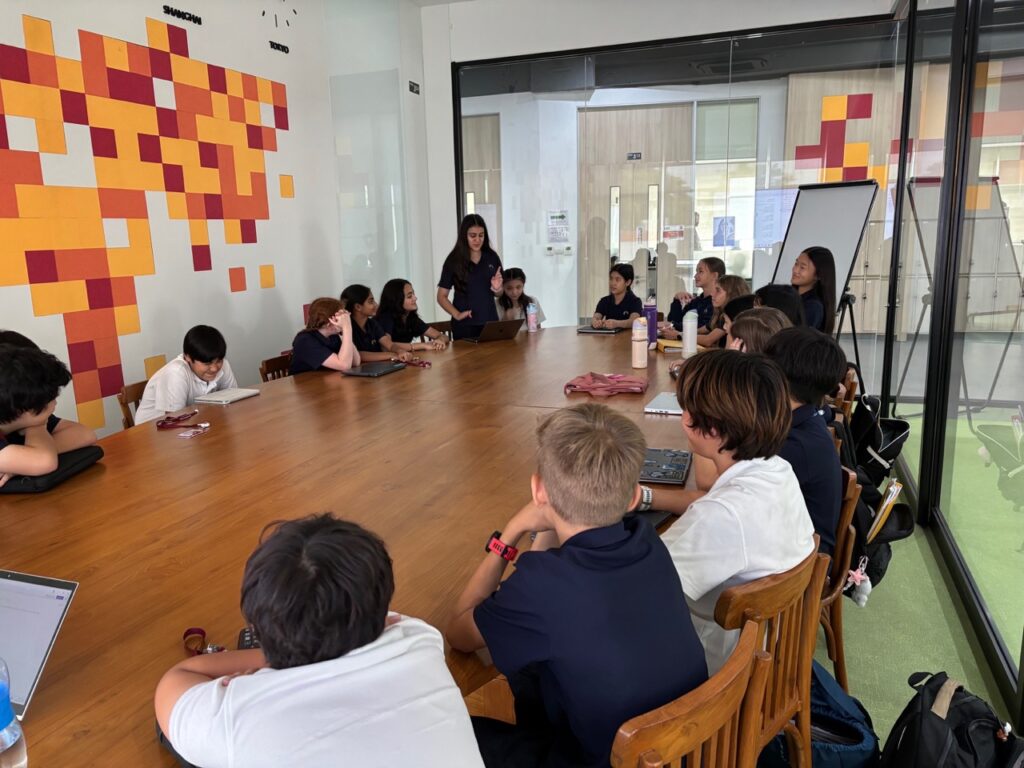
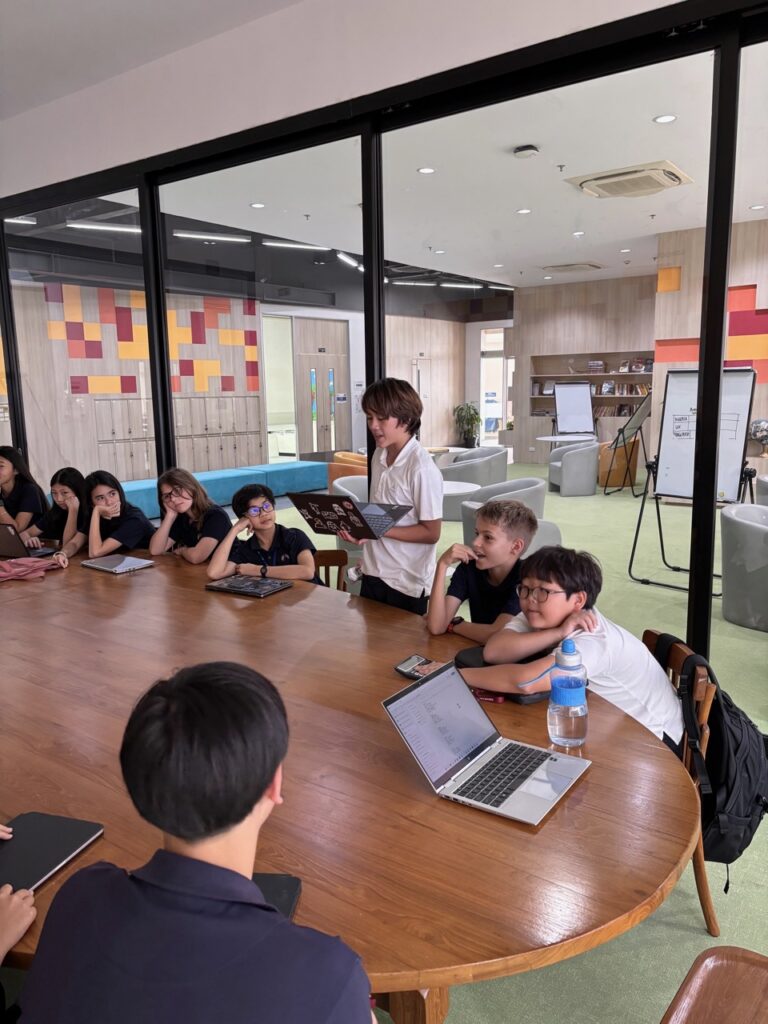
As world politics becomes increasingly fraught and polarised, fostering an understanding of respectful debate and an appreciation of differing perspectives among young people is one of the most important ways in which History at Bangkok Patana helps develop our students as truly global citizens. History can shed light on the causes of many of today’s current affairs, but it also encourages students to think critically about the ideas they encounter — whether in the classroom, in textbooks, or on social media. Encouraging students to support arguments with evidence and consider a range of viewpoints is therefore a central focus of the current sequence of lessons in Year 7 History.
Whilst I primarily teach Geography, this year I had the opportunity to teach Year 7 History. It has certainly been challenging stepping outside my usual ‘comfort zone’, but I have been fortunate to receive tremendous support from our fantastic History department, expertly led by Ms Richards.
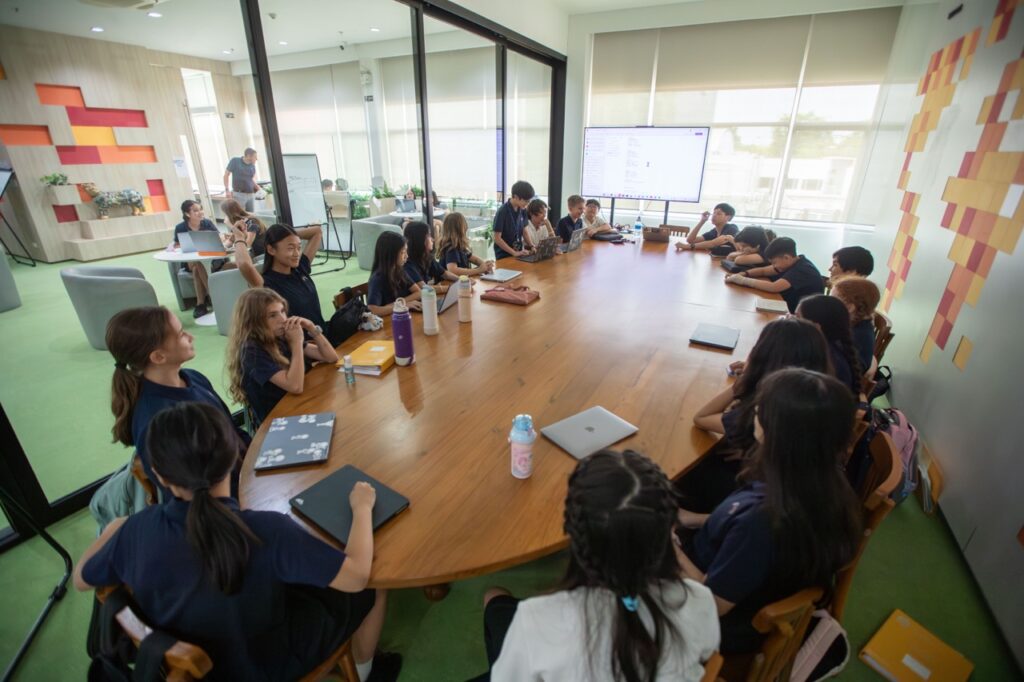
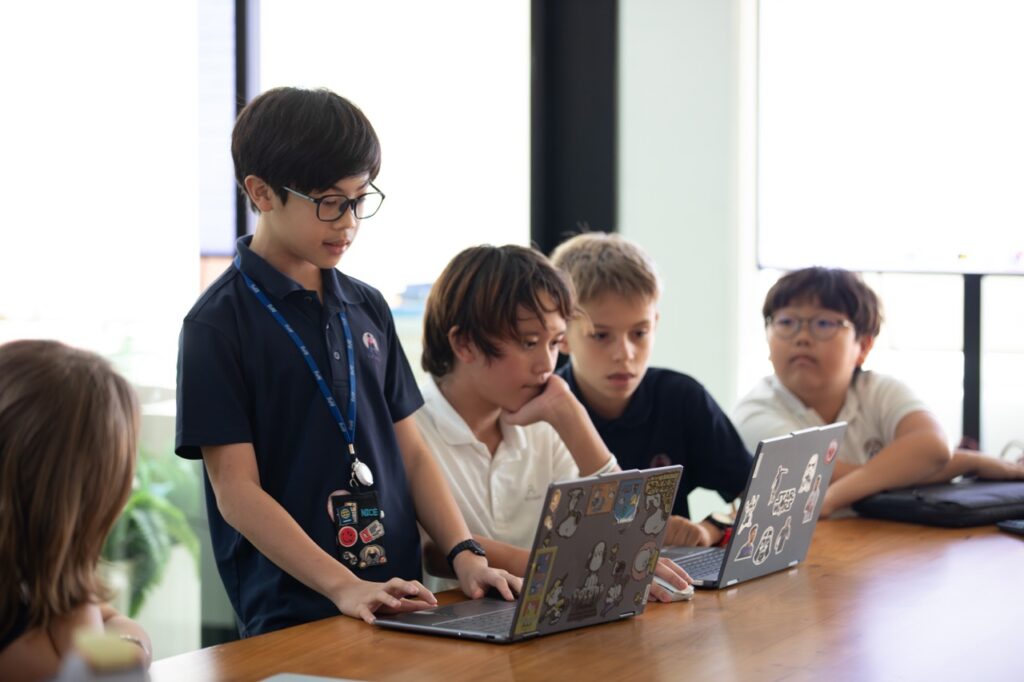
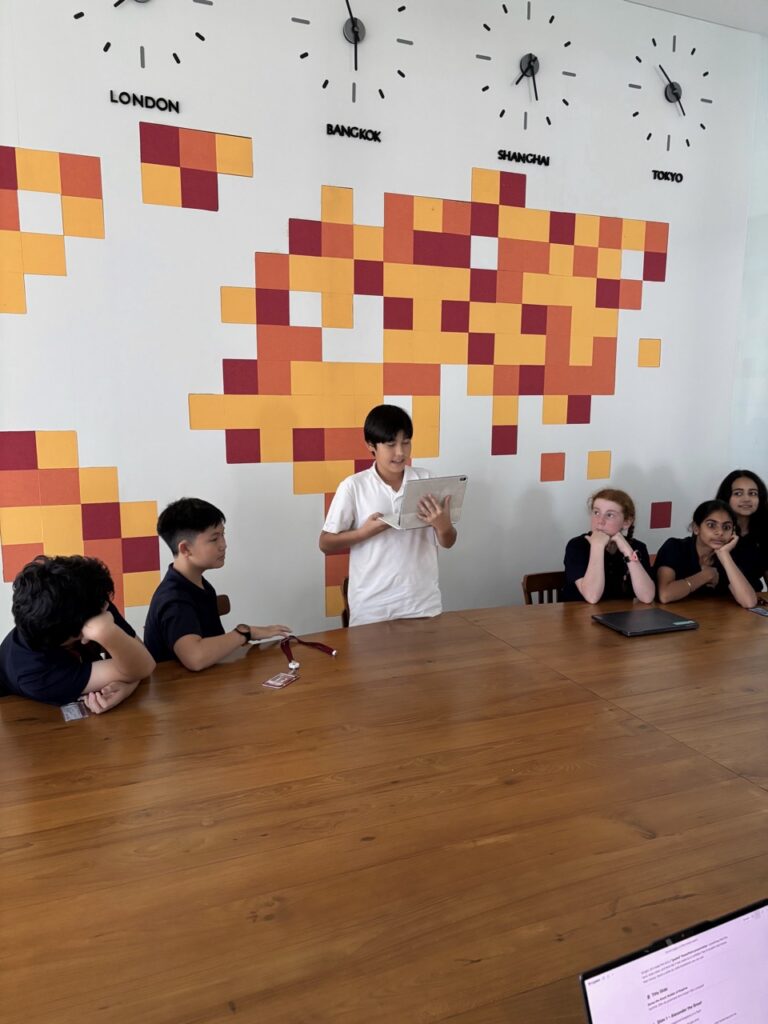
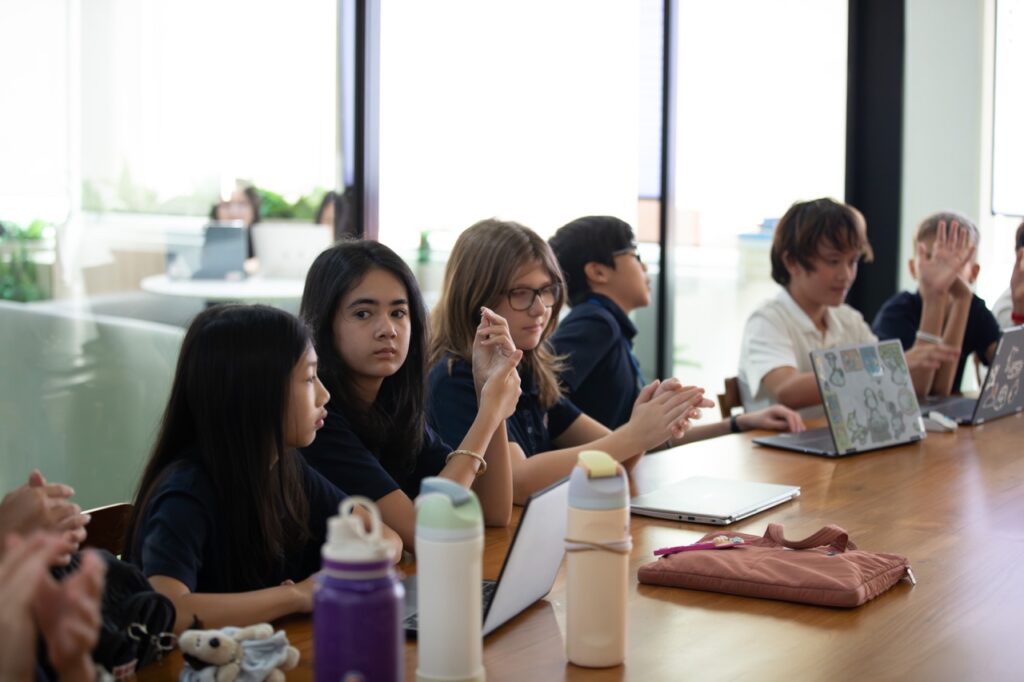
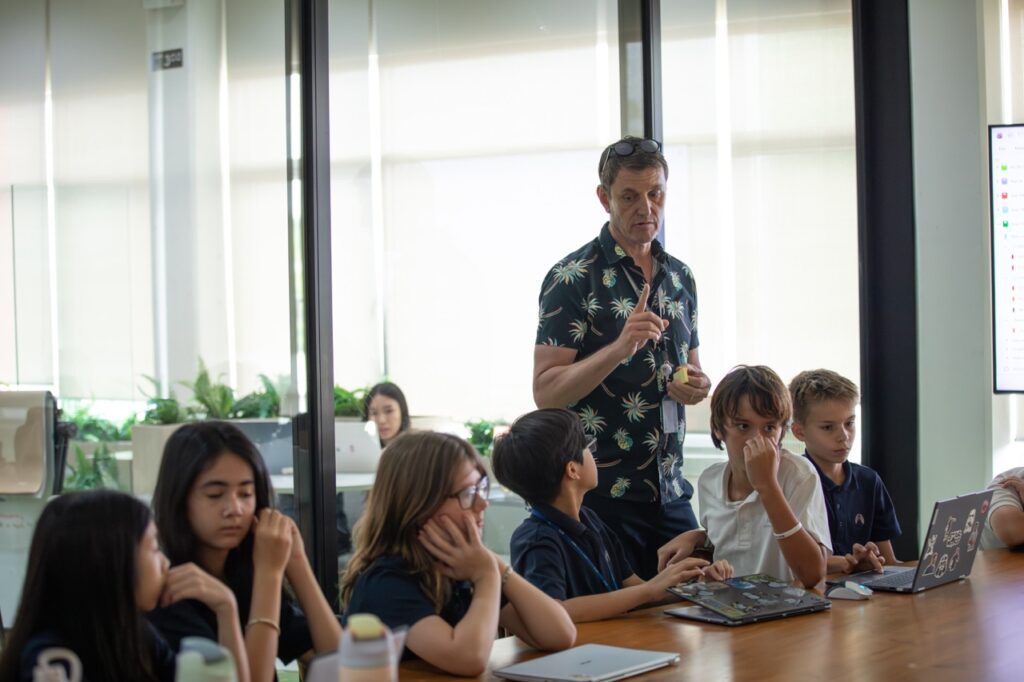
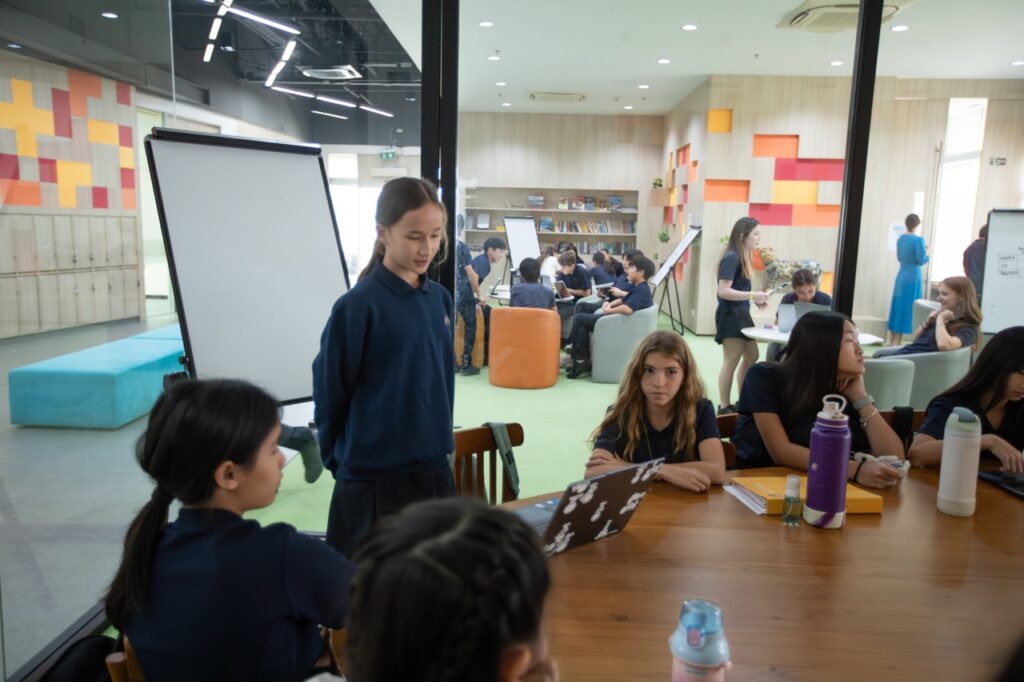
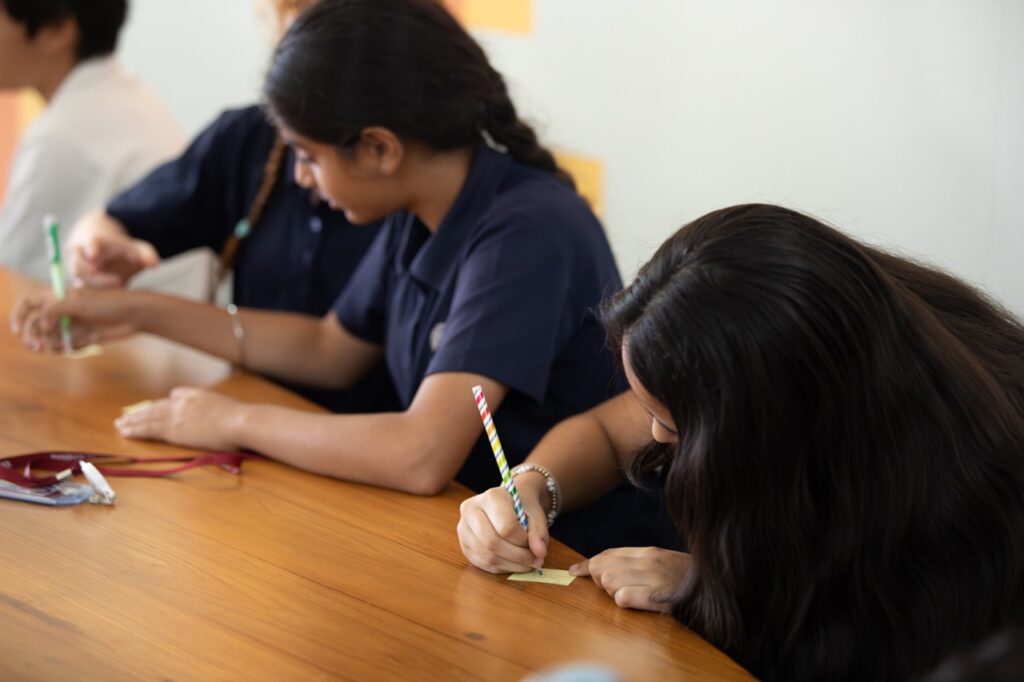
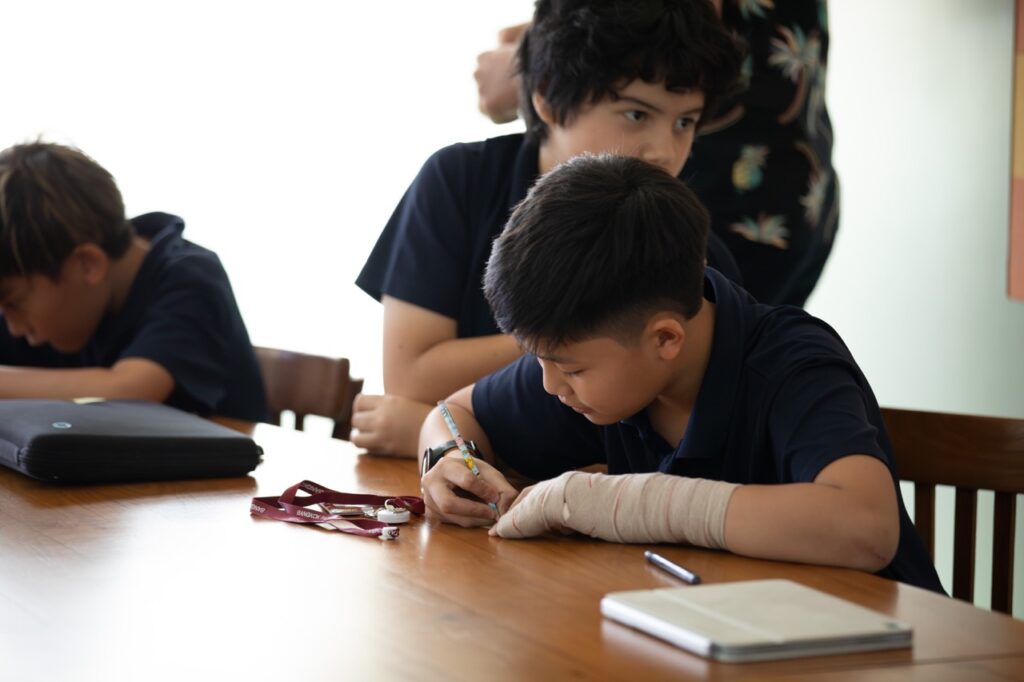
The Year 7 History curriculum strongly reflects the skills outlined above. One example is a recent activity connected to students learning about the importance of the Silk Roads as an early form of globalisation. Each student was allocated one of eight ‘Silk Roads legends’ and conducted research using a set of criteria before preparing a speech to present to the rest of the group. Students performed in groups of four or five, and afterwards the class voted for the best speech.
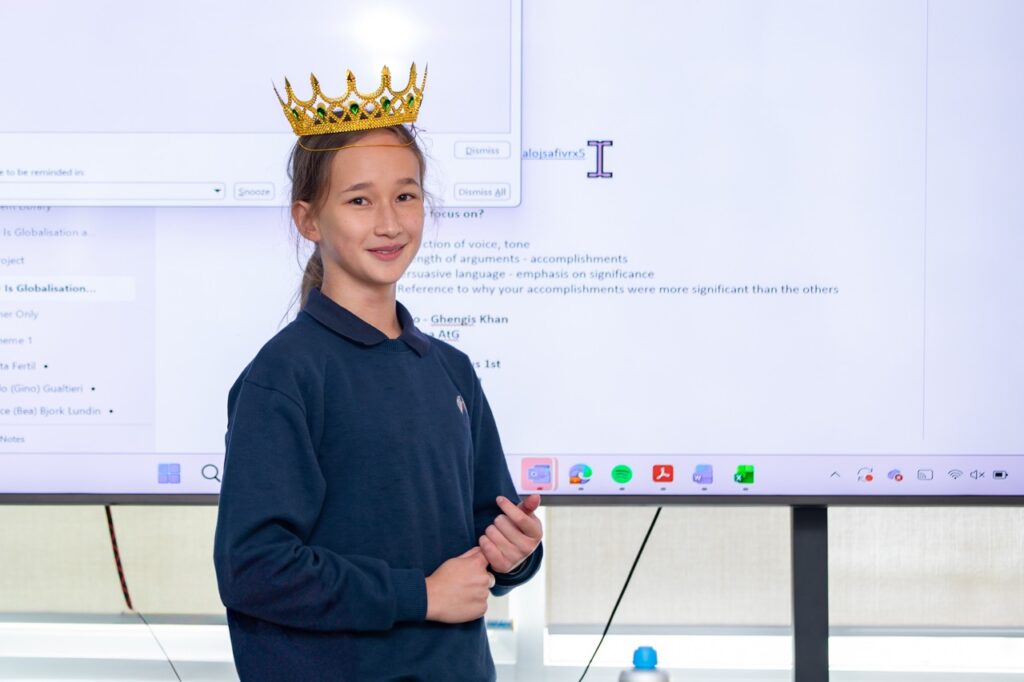
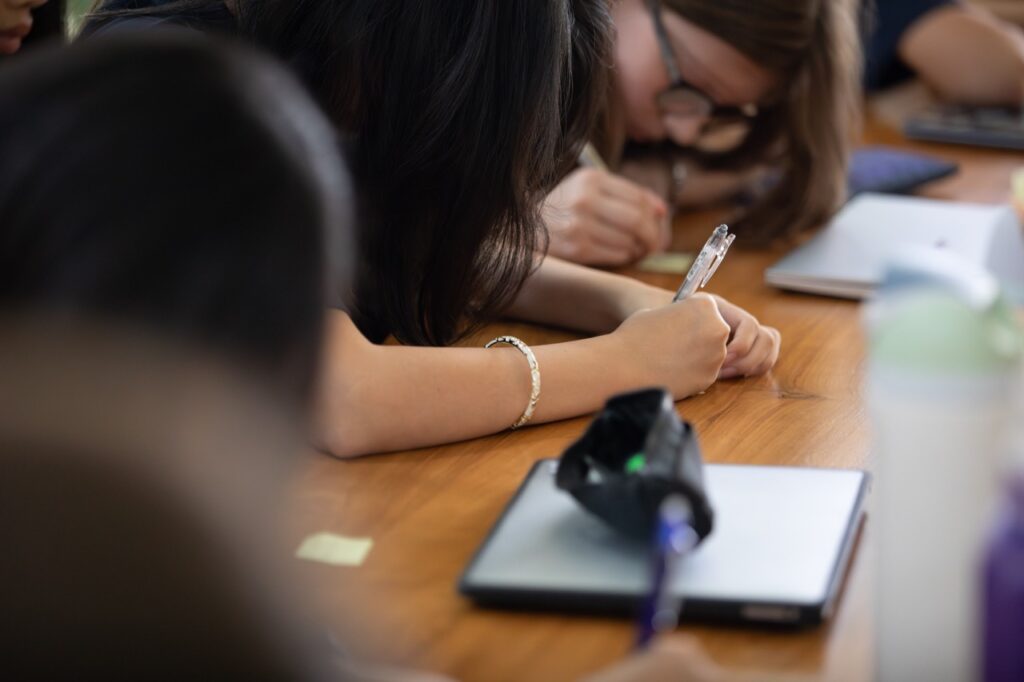
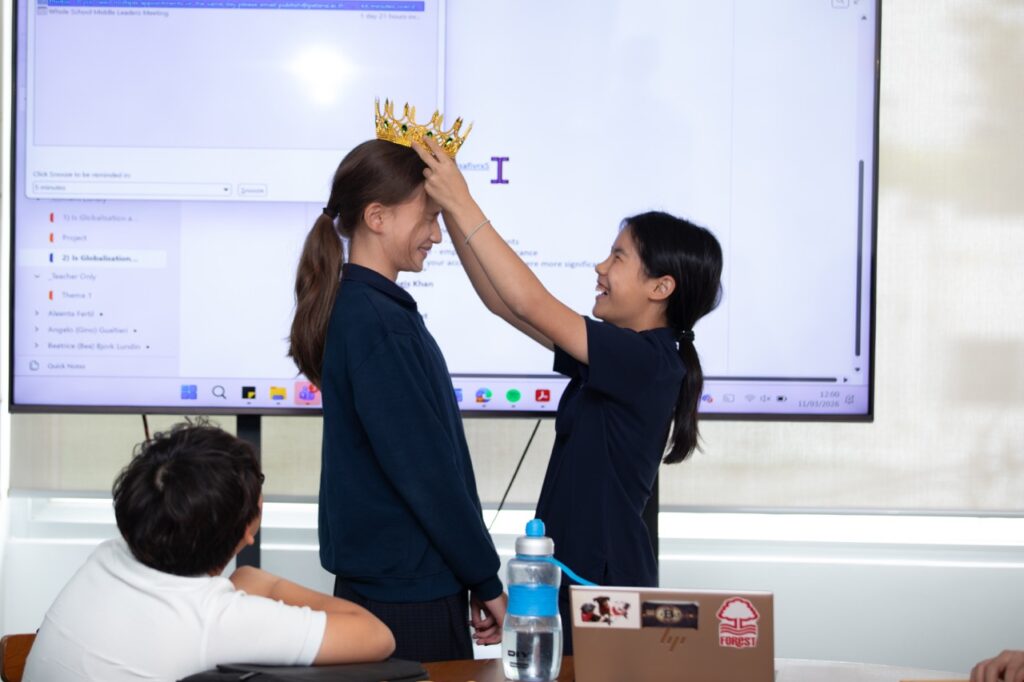
During this week’s lesson we crowned “The King of the Silk Roads”, as the winners refined their speeches through collaboration with the others in their table groups. The key focus was on:
- Projecting their voices in an emotive and engaging manner to influence the audience
- Strengthening their arguments by referring to the significance of their achievements using factual evidence
- Transferring persuasive language skills developed in English
- Explaining why the accomplishments of their ‘Silk Roads legend’ were more significant than the others
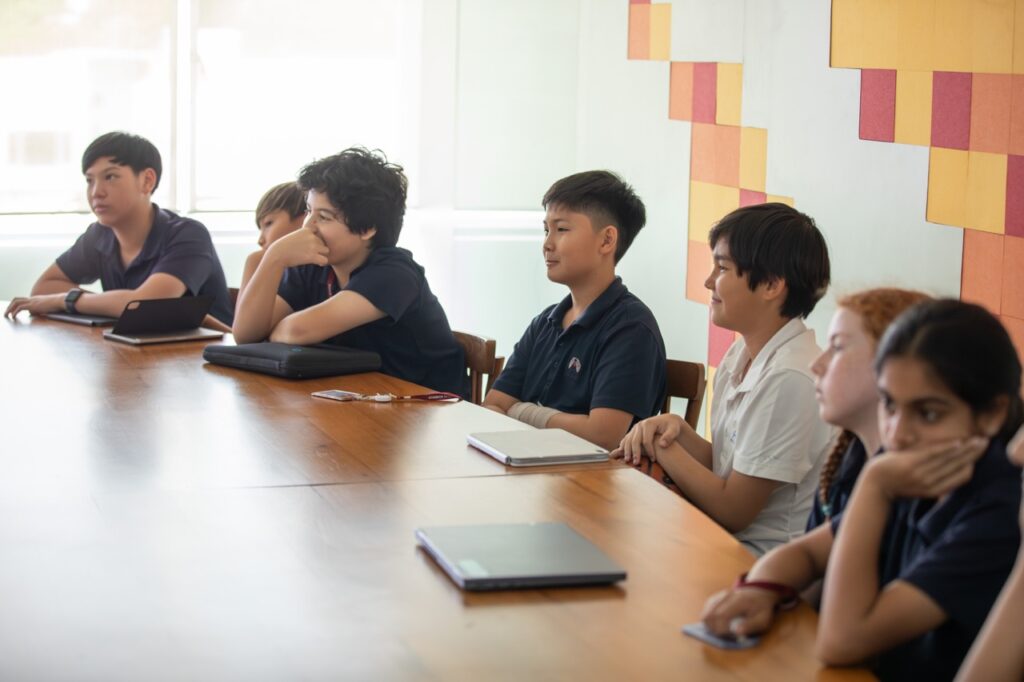
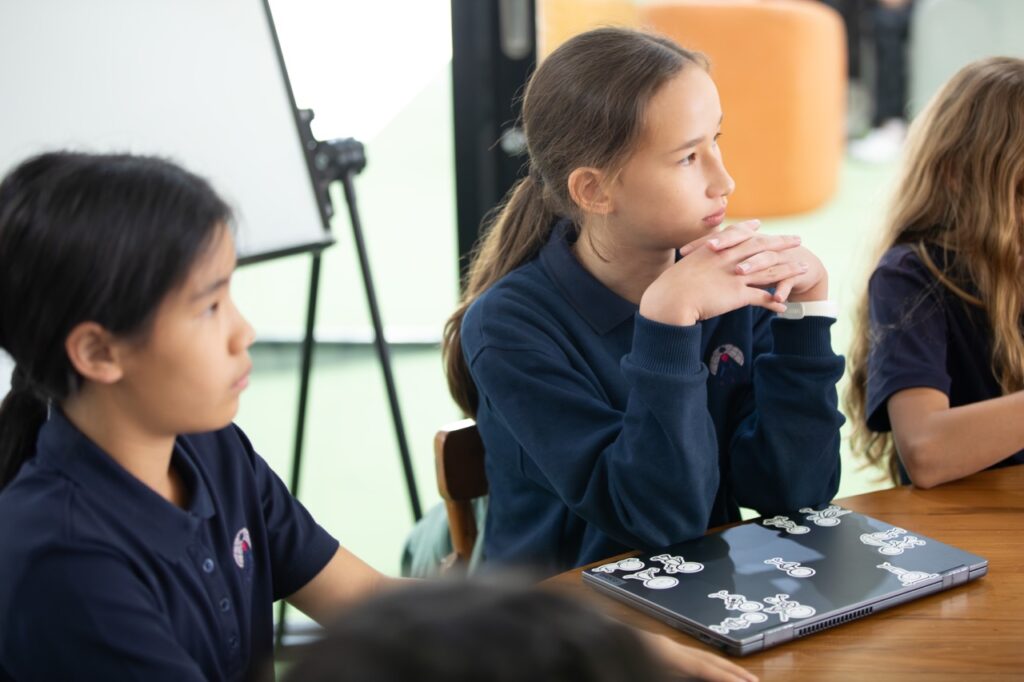
I would like to thank Aidan from 7H for sharing his reflections on the lesson and on History more generally, and also the History department for all their support.
From Aidan: “In History class this week, our classroom turned into a stage for some of the most famous people from the Silk Roads. Each of us picked one of the ‘greats’ — such as Marco Polo, Genghis Khan, Alexander the Great, Zhang Qian, Darius I, Ibn Battuta, Fa Hsien, or Mansa Musa — and wrote a speech in the first person, as if we were that person telling our own story.
We split into groups, and one by one everyone stood up and gave their speech. It was really fun because each speech had a different style and point of view — some were royal, some adventurous and some even comedic. Each student tried to explain why their historical figure was important and what made them stand out in history.
After all the speeches in a group were finished, the rest of the class voted for the person they thought presented the best speech. The winners from each group then moved on to the final round, where they delivered their speeches again in front of the whole class.
The activity wasn’t just about remembering facts — it made history feel alive and exciting. We practiced speaking in front of others, learned how to share ideas clearly, and discovered how different people shaped the Silk Roads in their own ways.
By the end, it felt like our classroom had hosted a meeting of great leaders and travellers. The project showed us that history is more than dates and battles — it’s about people, their journeys, and the stories they leave behind.”