
At Bangkok Patana School, we reflect carefully on how young children learn. Alongside high expectations and a coherent, progressive curriculum, we recognise the central role of child-led play in how children develop understanding, self-regulation, critical thinking, collaboration and a sense of themselves as capable learners.
Our approach to teaching and learning is guided by six universal principles: learning should be relational, responsive, relevant, rigorous, reflective and rooted. We see these principles at work in everyday child-led play.
Recently, during child-led play in our Key Stage 1 shared area, a group of children set out to build a shared structure using wooden panels, soft blocks and fabric. They began with a clear idea of what they wanted to create. Before long, the materials challenged them. Panels hinged in unexpected ways, fabric collapsed, and the structure would not hold.
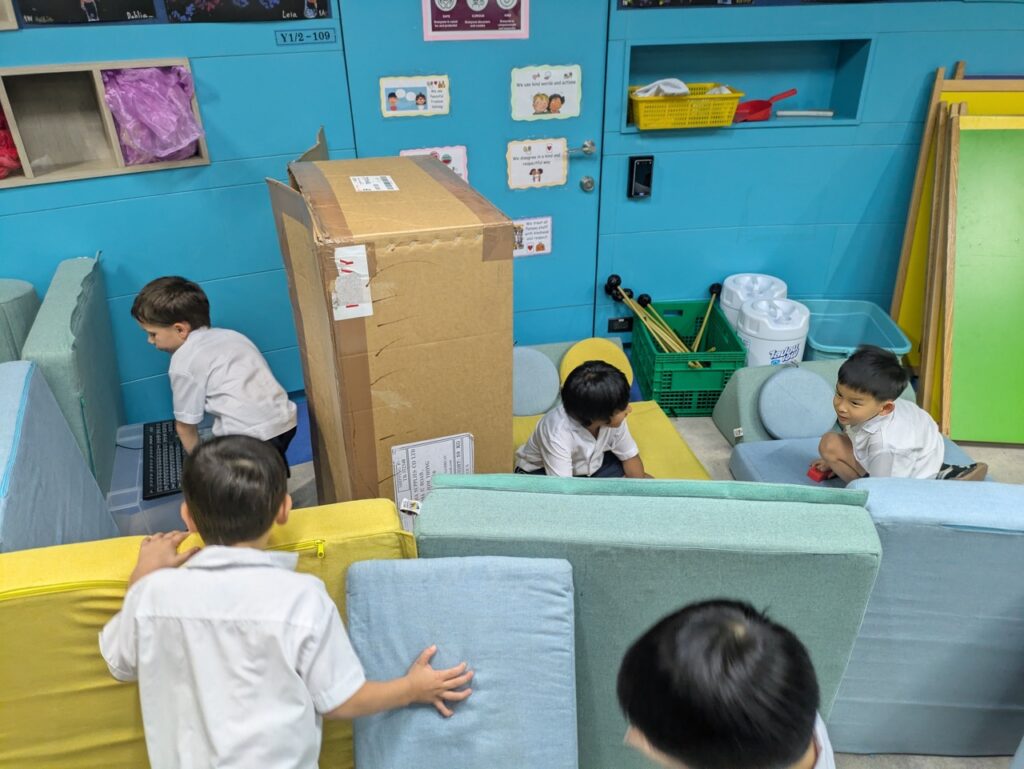
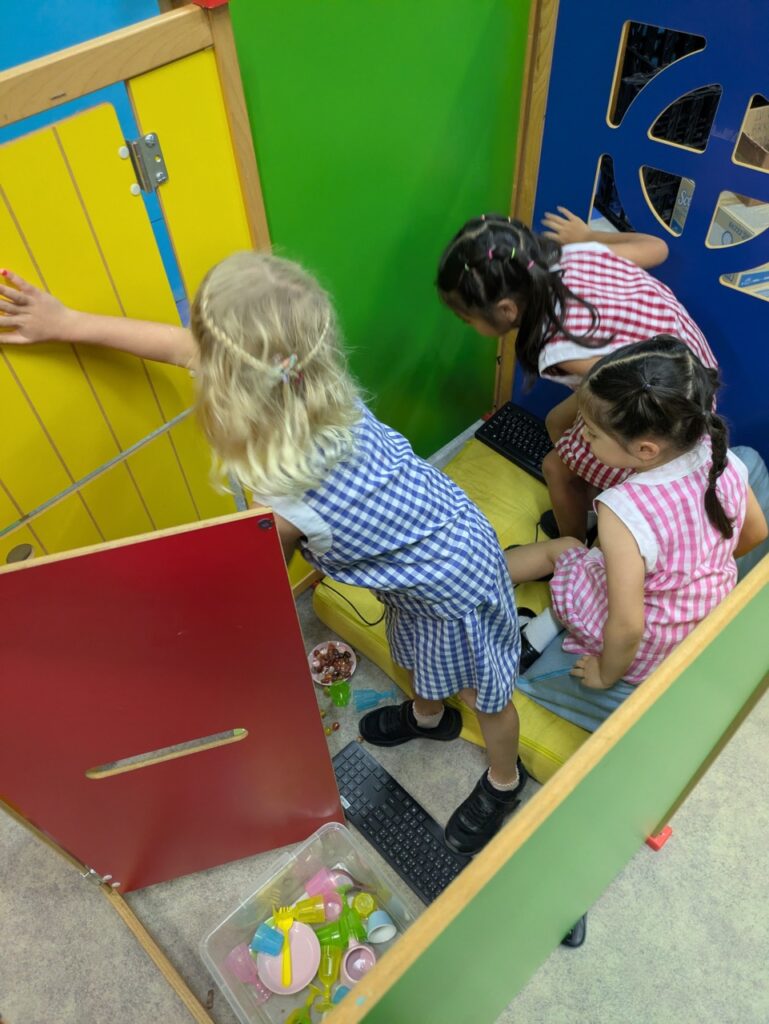
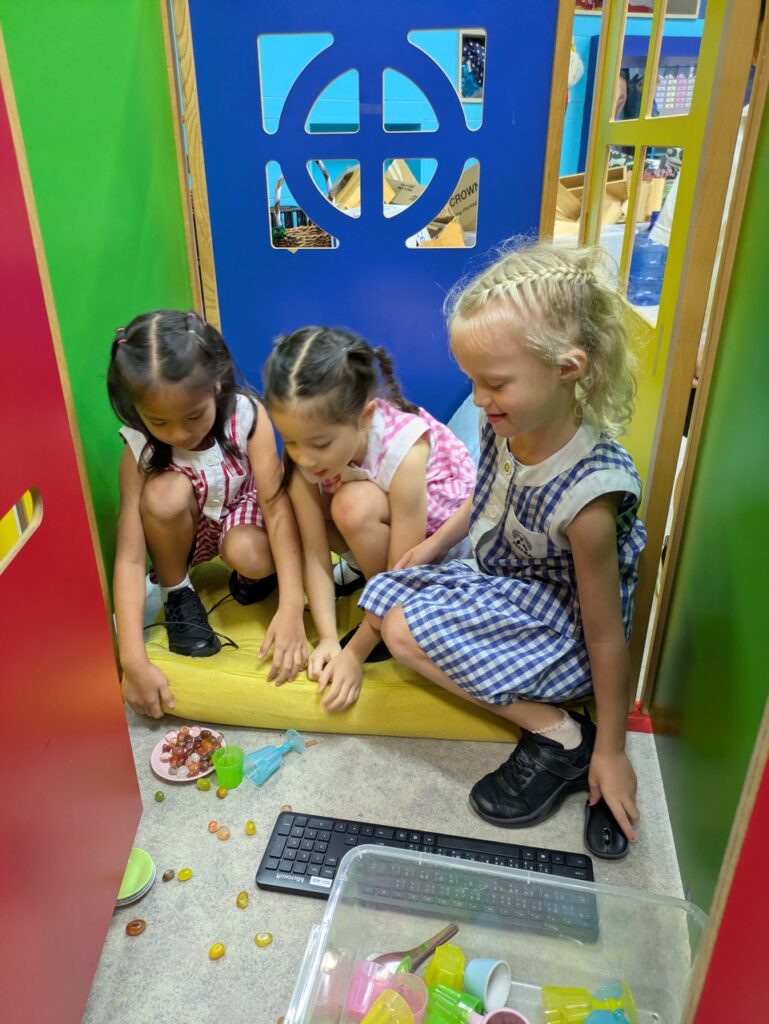
At first, each child tried to solve the problem independently, holding a wall in place, adjusting a block, repositioning themselves. It did not work. The children realised that the problem was not about any one person’s idea, but about how they worked together. As one child observed, “It will not work unless we all hold it.”
The children slowed down and began to work together. They negotiated where to stand or sit, waited while others adjusted their grip, and steadied materials for one another. This time, the structure held.
The moment was a reminder of how much learning depends on relationships. The challenge was not solved through a better technique or clearer plan, but through cooperation and shared responsibility. The children recognised that the problem could not be solved alone. Trust and collaboration were not taught explicitly; they became necessary for the play to continue.
No adult redirected the activity. The children adapted their thinking in response to the materials, the space and one another. Adults listened, observed and supported children in articulating ideas and reflecting on what was happening, while leaving ownership of the problem with the children.
The play mattered to the children because it belonged to them. They were working towards a shared purpose they cared about, rather than an outcome imposed by an adult. This sense of ownership sustained their attention and persistence.
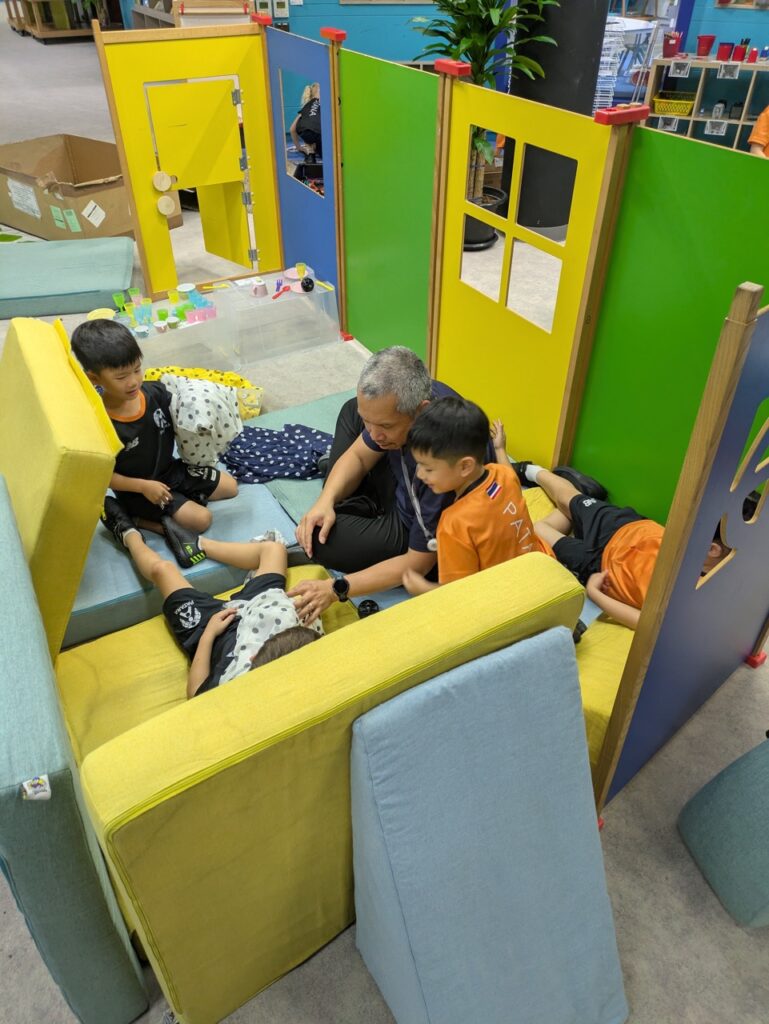
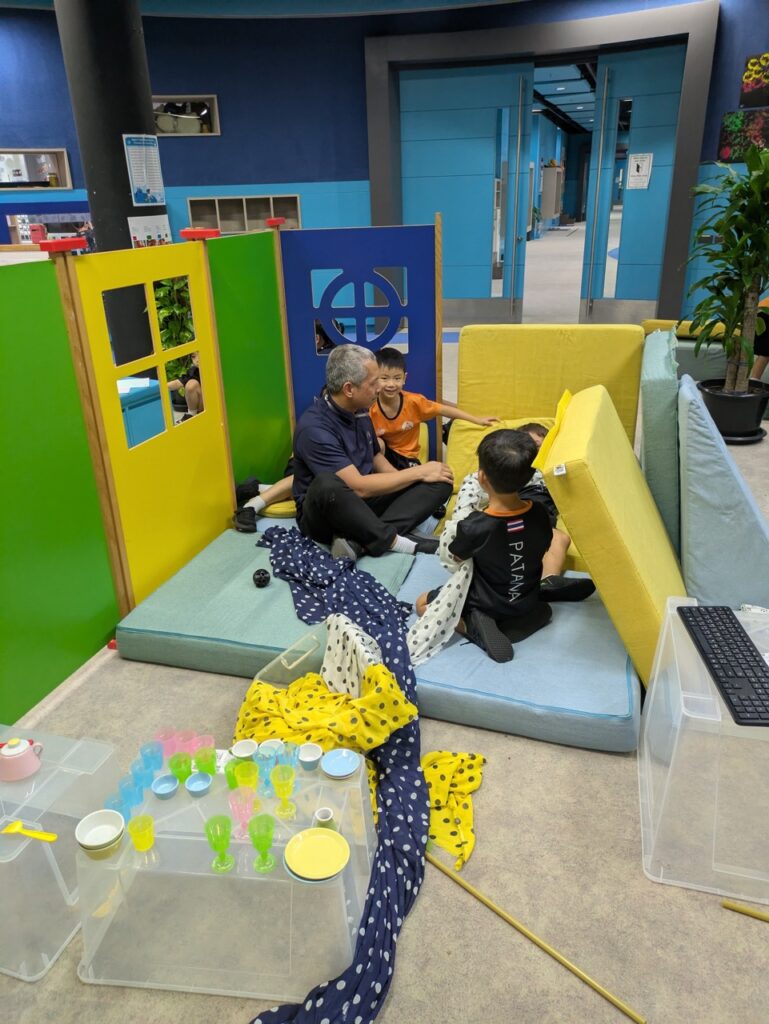
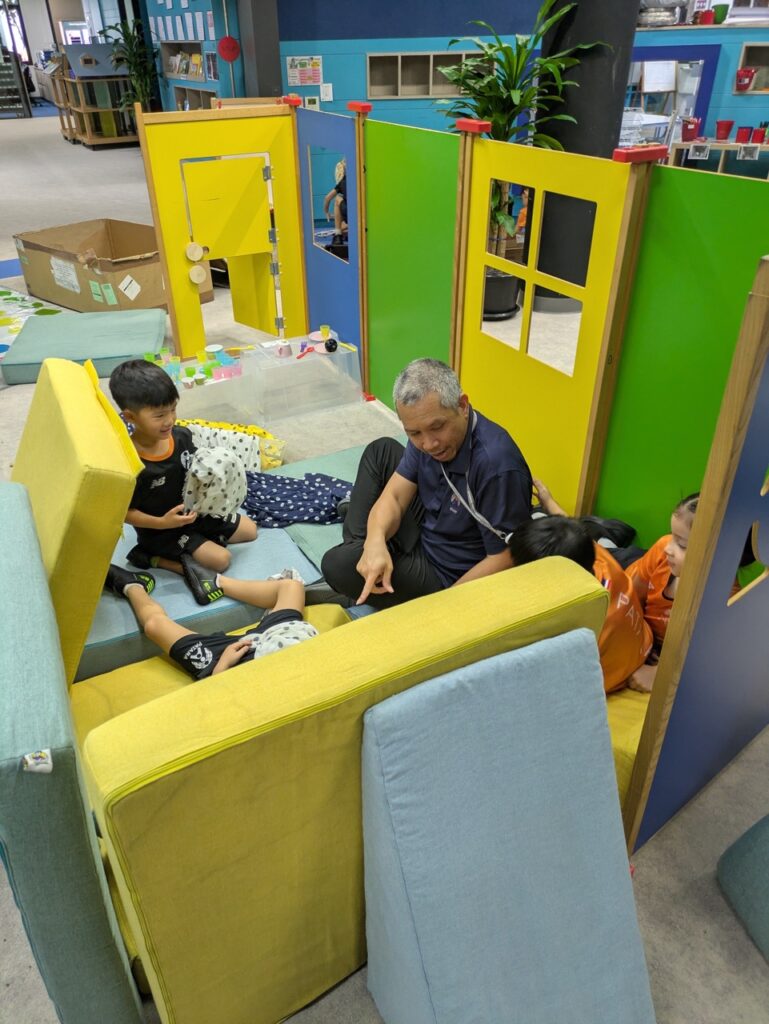
It would be easy to underestimate the level of challenge involved. In reality, the play was cognitively demanding. Children managed spatial reasoning, self-regulation, compromise and sustained focus at the same time. They coordinated bodies, materials and ideas, learning that effort, adjustment and collaboration are part of success.
As the children reassessed and adapted, they reflected on what was working and what was not, drawing conclusions from experience rather than instruction. Over time, this supports the development of learning habits that underpin progress across the curriculum. In child-led play, we see learning that is relational, responsive and rooted in children’s own thinking, while remaining purposeful and intellectually demanding, laying strong foundations for more formal learning as children move through the school.