
As the weather turns cooler, our school nurses would like to share some simple tips to help everyone stay healthy and prevent the spread of infection.

Cover your nose and mouth with a tissue or your elbow when coughing or sneezing.

Wash hands often with soap and water for at least 20 seconds.

Avoid close contact with people who are sick and crowded, poorly ventilated places.

Stay Home if you are unwell. Rest and prevent spreading illness to others.
Watch for fever, cough, sore throat, runny nose, body aches, unusual tiredness or breathing difficulty.
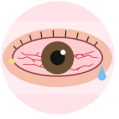
Pink Eye Reminder
Pink eye spreads easily. Wash hands often, avoid rubbing the eyes, and never share towels, pillowcases or eye drops.
Diarrhea Reminder
Eat freshly cooked food, drink clean water and wash hands often. After vomiting or diarrhoea, stay home for 24–48 hours after the last episode.
Communicable Diseases
If your child is diagnosed with a communicable disease, please inform the school and send the medical certificate to nurse@patana.ac.th.
Stay Home: Please keep children at home when they are unwell, including when they have:
– Fever: return once fever-free (below 37.5°C) for 24 hours without fever-reducing medicine.
– Vomiting or diarrhoea: return 24–48 hours after the last episode.
– Frequent coughing or a constantly runny nose: rest at home until symptoms have improved
Face Masks: Students and staff showing respiratory symptoms may be offered a face mask to help protect themselves and others.
Parent Contact: Parents will be contacted if their child is not well enough to remain at school.
Infection Prevention: The Nurse Team follows communicable disease notification and infection prevention procedures.
Nursing: Students who become unwell at school may be referred to the Nurse Room for assessment and appropriate care.
Health Promotion: Clear health and hygiene messages are reinforced throughout the school community.
Winter Season Diseases and Health Hazards
Influenza and Pneumonia: Fever (37.5°C or above), cough, sore throat and body aches; pneumonia can cause fast or difficult breathing. Annual flu vaccination is recommended.
RSV: Cold-like symptoms that can become serious in young children; wash hands and keep sick children at home.
COVID-19: Fever, cough and sore throat; wear a mask if unwell and test if symptoms appear.Pink Eye (Conjunctivitis): Red, watery, itchy eyes with sticky discharge. See a doctor before using any eye drops and stay home until the doctor says it is safe to return.
Acute Diarrhea: Watery or bloody stools, sometimes with fever or vomiting. Follow “cooked, hot, clean”, use ORS to prevent dehydration, and stay home for 24–48 hours after the last episode.
Scrub Typhus and Malaria: A risk on trips to rural or forested areas. Avoid long grass, cover arms and legs, and use insect repellent.
Health Hazards: Up-country trips can be very cold — pack warm clothing and never use alcohol to “keep warm”. With gas water heaters, keep rooms ventilated, shower for no more than 10 minutes, and wait 10–15 minutes before the next person.