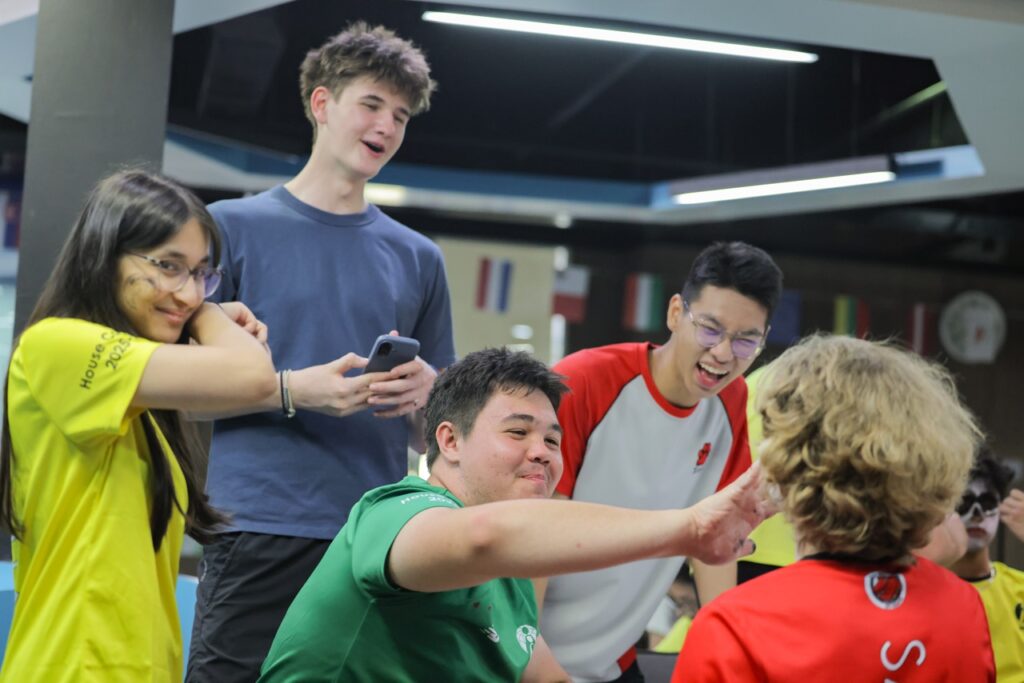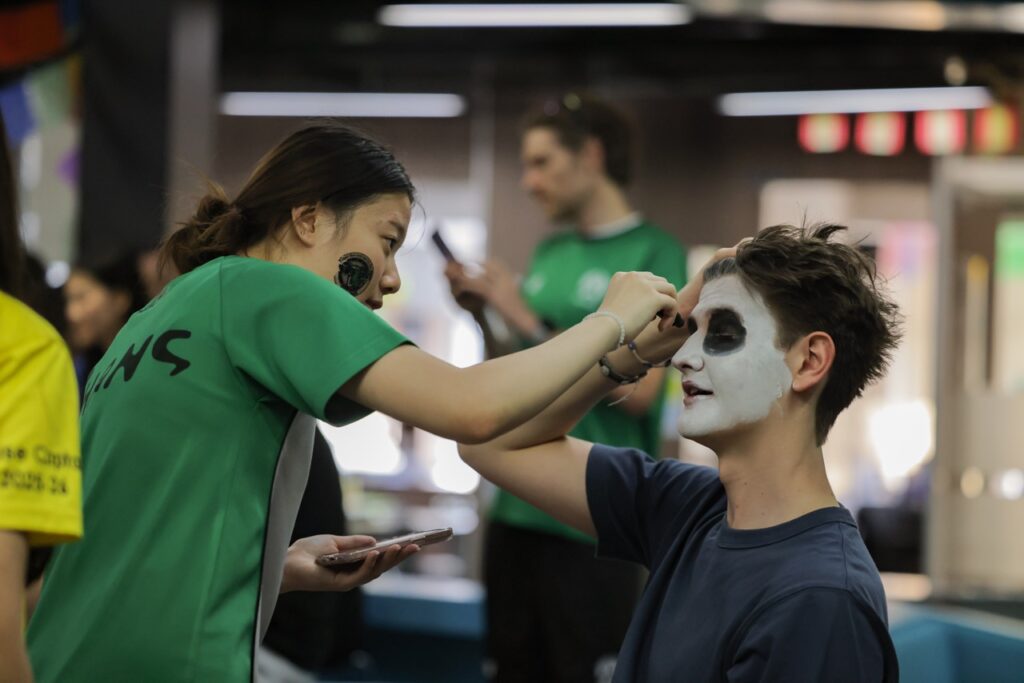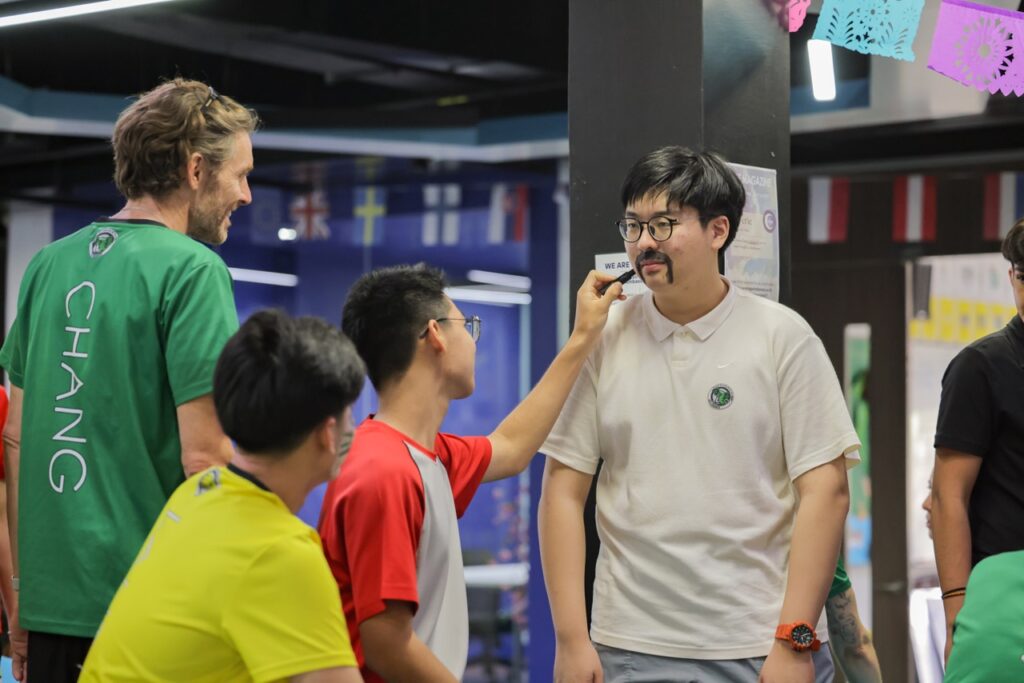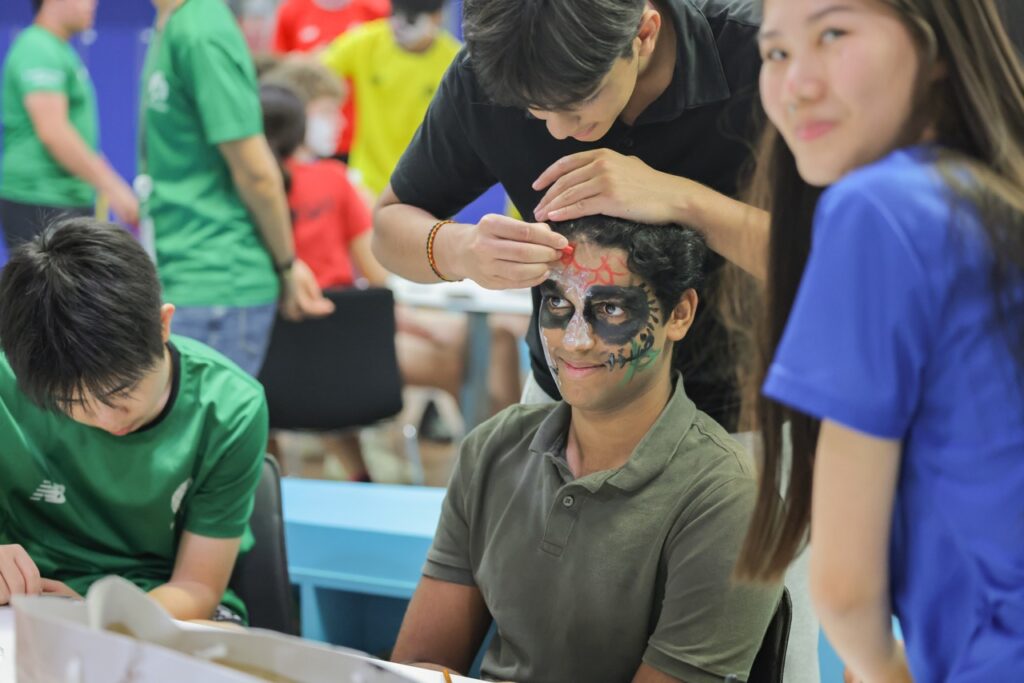
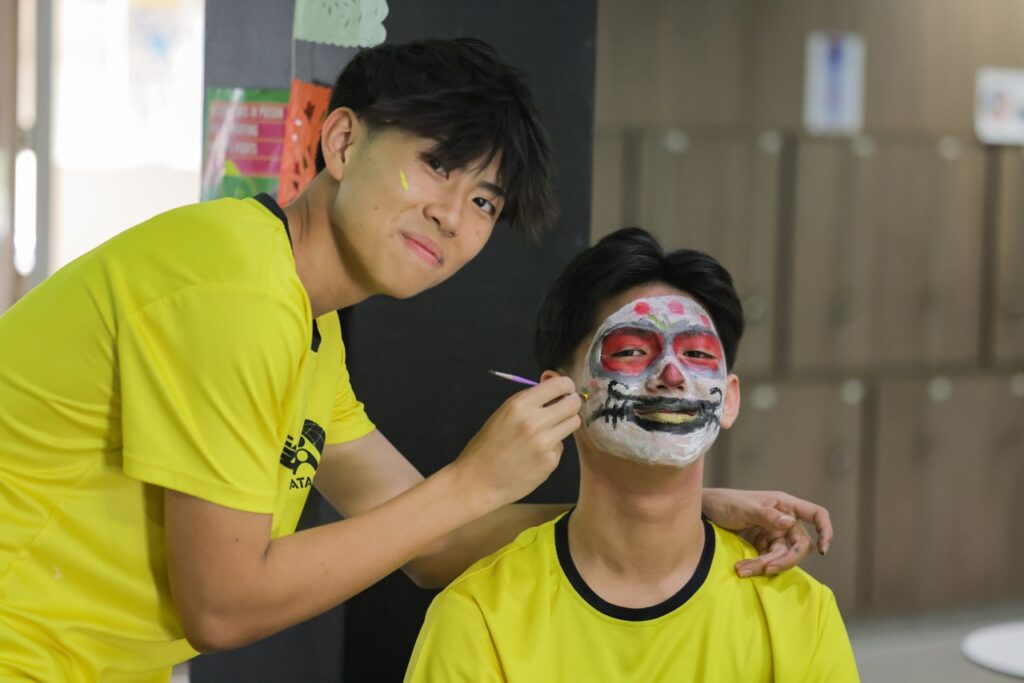
To explore the theme of ‘Experiencias’, Year 12 students celebrated Day of the Dead (Día de Muertos).
Day of the Dead is a Mexican celebration that takes place on 1st and 2nd November to honour deceased loved ones. Combining indigenous traditions with catholic influences, it is a joyful and colourful event rather than a mournful one.
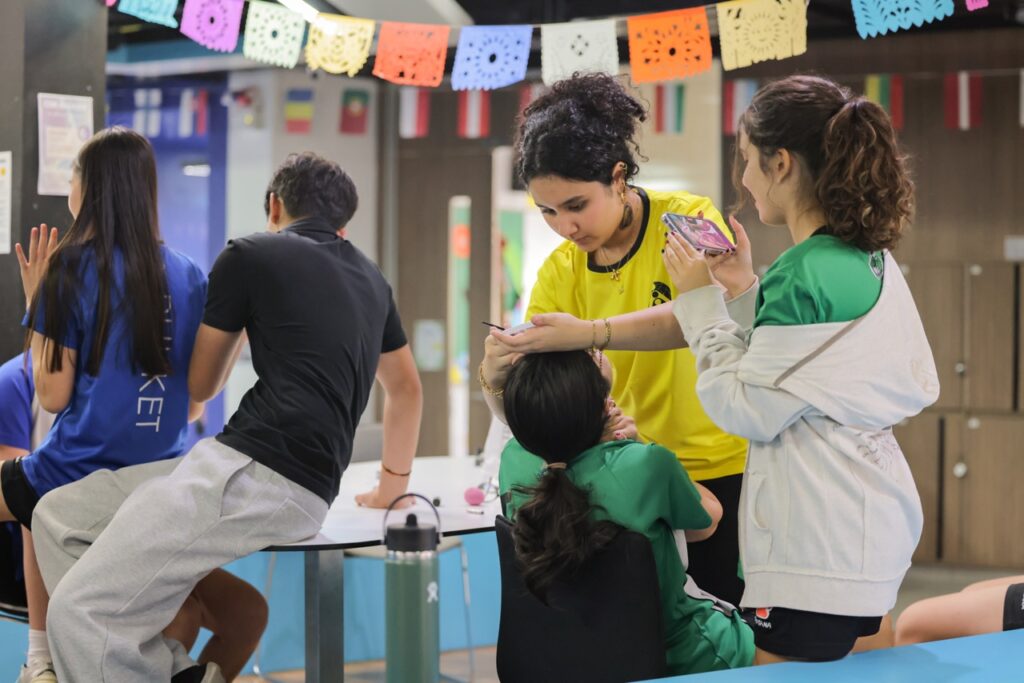
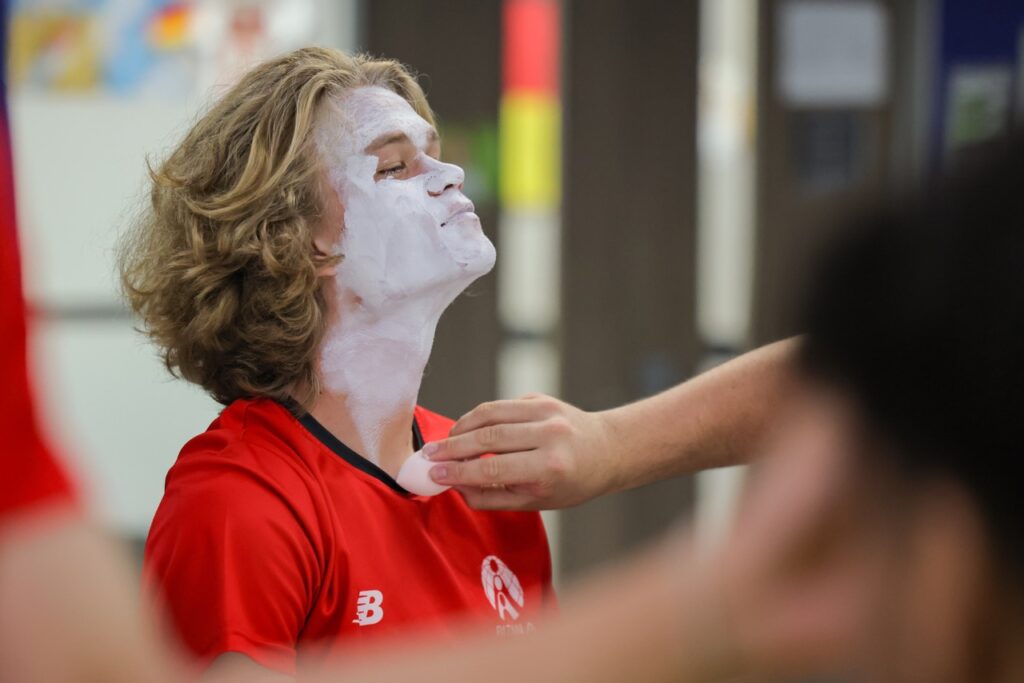
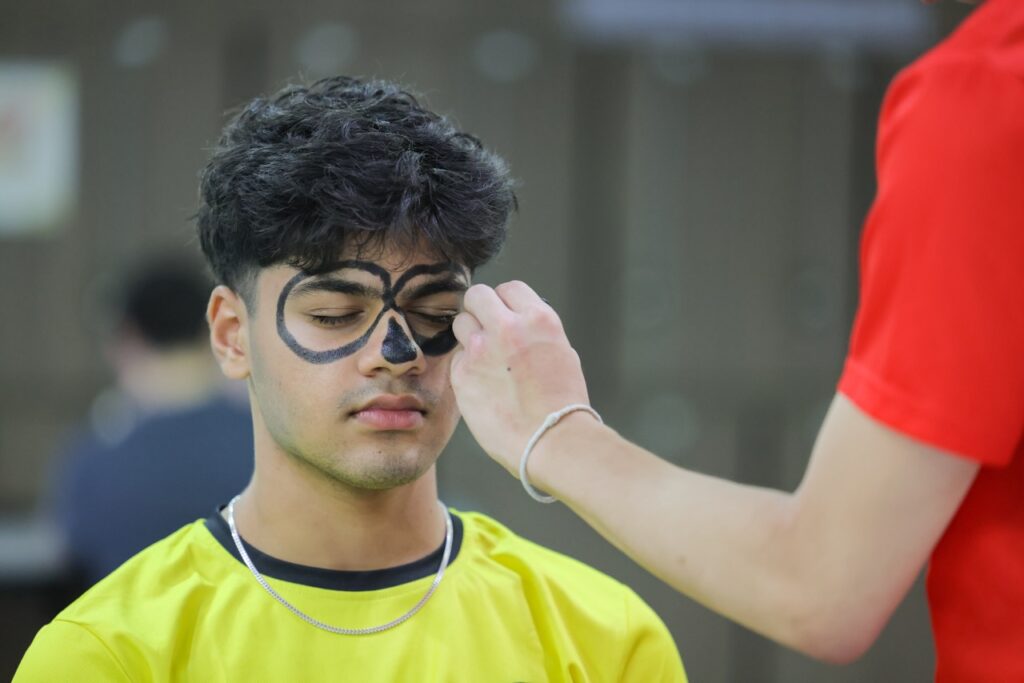
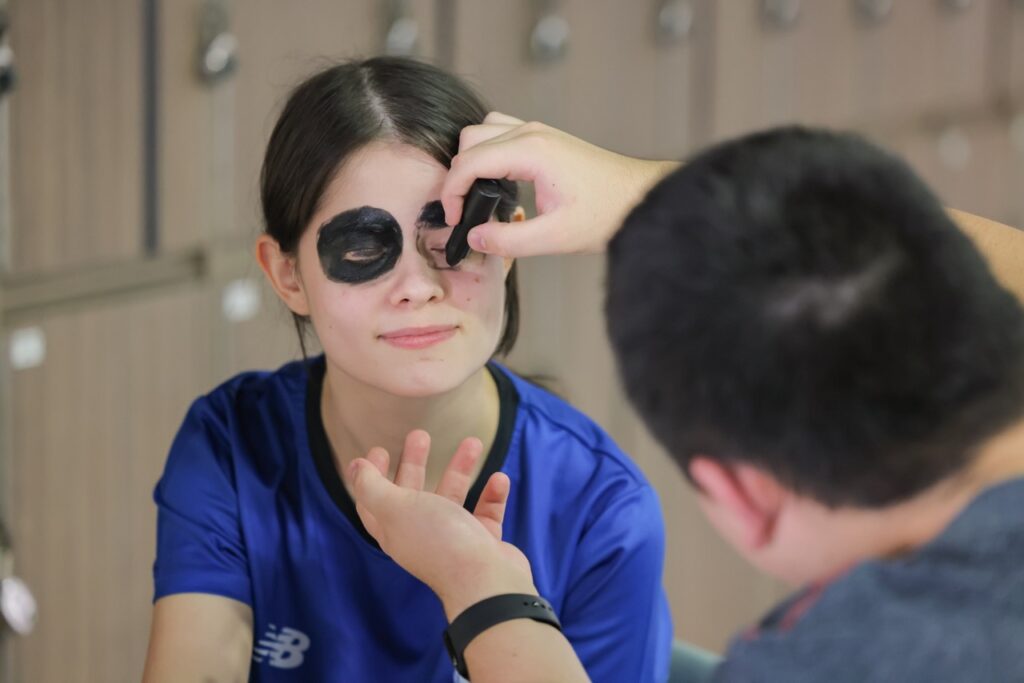
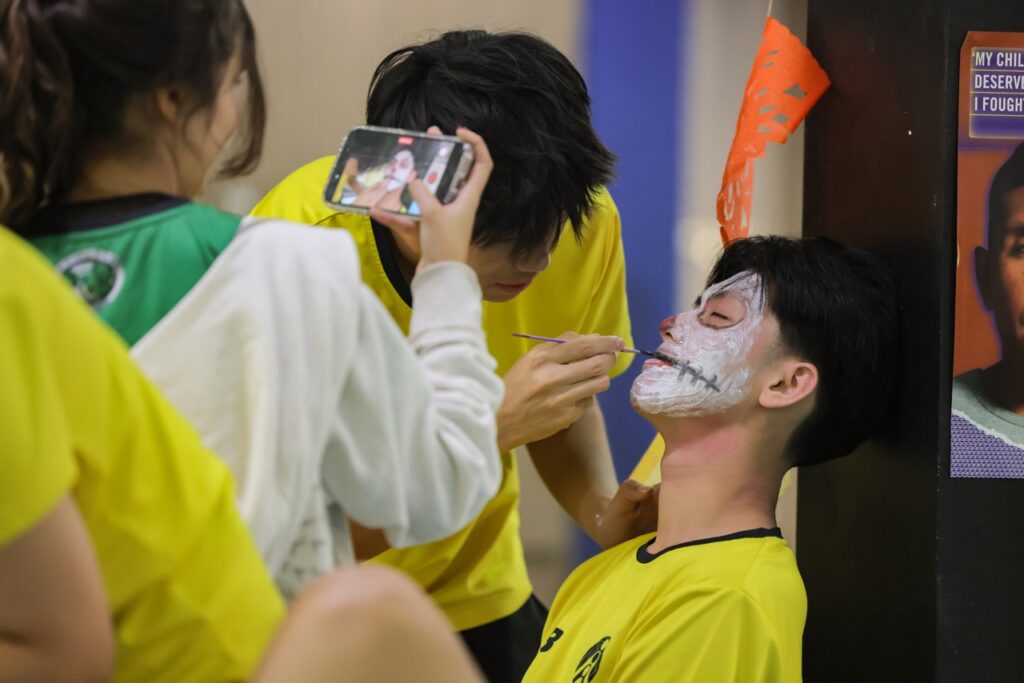
In the IB writing exam, students are asked to select and produce a specific ‘text type’. Students who participated in this activity produced a ‘List of Instructions’. As a flipped‑learning task, students researched different face‑painting techniques using Spanish YouTube tutorials. They then re‑enacted the tutorial in teams of three: one student volunteered to be painted, one student did the painting, and a third filmed the experience. Together, they edited the video and created a script in the form of a List of Instructions to create their own Day of the Dead face‑painting tutorial in Spanish. Videos were shared, and feedback was given.
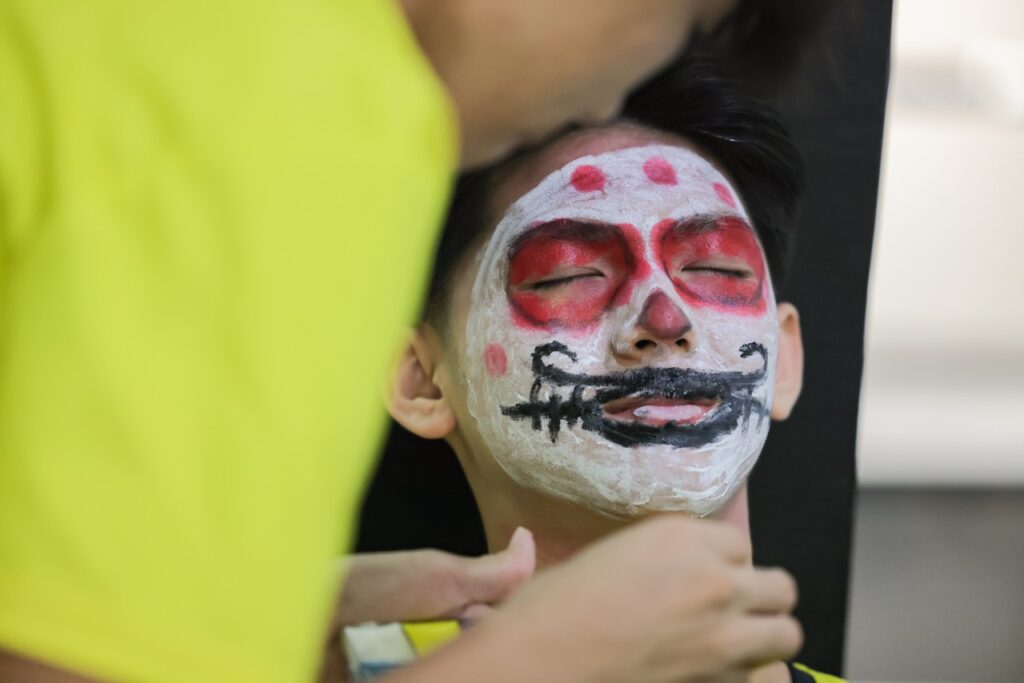
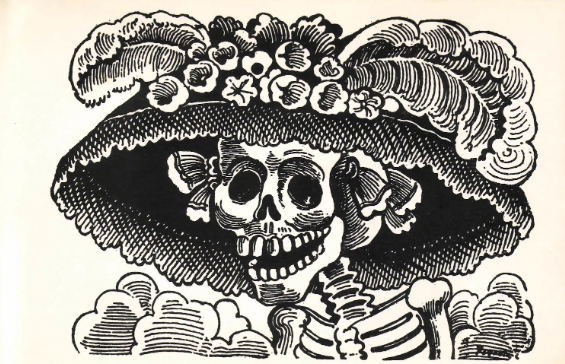
When I experienced Día de Muertos in México, I particularly enjoyed the dressing up and face‑painting. I especially liked the variety of ‘calaveras’ (skulls). These hold deep symbolic importance and are often inspired by the Mexican illustrator José Guadalupe Posada’s iconic ‘La Catrina’. These painted skulls represent the view of death as a natural—and even humorous—part of life.
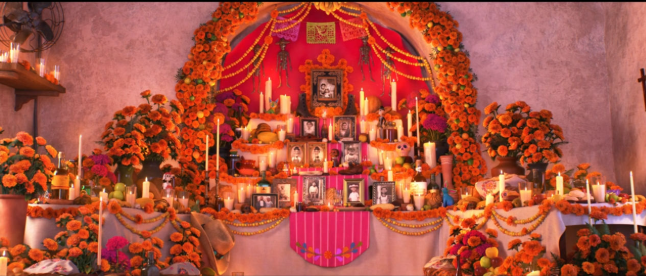
In addition to face‑painting and dressing up, families create ‘ofrendas’ (altars) decorated with photos, marigolds, candles, and offerings such as food, drinks, and items enjoyed by the deceased. (The film Coco provides a helpful visual reference here.)
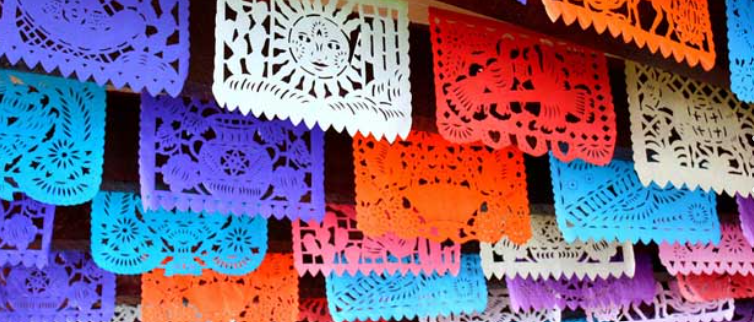
Sugar skulls, special foods, ‘papel picado’, and vibrant costumes are all important components of the festivities. The holiday celebrates the belief that the spirits of loved ones return to visit, honouring both life and memory.