
The Lost Art of Not Knowing

By Richard Kirtland, Assistant Principal, Inclusion and Welfare

Those of us who grew up in the 1970s, 80s and 90s had to put in a quite unreasonable amount of effort just to get through a normal day.

We memorised dozens of phone numbers. We phoned people’s houses via landlines, dealt with whoever picked up (including sinister siblings and suspicious parents), and were trained in telephone etiquette before we were teenagers. For example, I was instructed to answer the home phone by saying: “Hello, Cambridge 363XX2, how may I help you?”, which I’m sure made me sound like a cross between the speaking clock and a squeaky Victorian butler. We consulted TV guides on paper, watched an extremely slim selection of shows and had to be physically present for them or missed them forever. We made arrangements to meet friends and had absolutely no way of contacting them if plans changed or anything went wrong. (Although later we did have pagers, a device whose entire function was to tell you to go and find a different device… but the less said about that the better.)

Next came dial-up internet, with a screeching phone socket and a cable destined to trip up the entire family. Then, almost overnight it seemed, smartphones appeared and suddenly the majority of people on earth had a second brain in their pocket with the apparent answer to everything. And then, finally, AI arrived. AI does not just find the answer. It thinks, writes, decides and concludes for you and does it with complete confidence, regardless of whether it is right or not.

We now live in a world where everyone with a phone has a PhD in everything, but no-one had to sit the exam.

This is NOT an anti-technology article

We teach children to swim not because we want them to avoid water, but because we want them to be safe and confident in it. Our children will live and work in a world shaped by AI, and we want them to use it fluently, wisely and well. The question is not whether our children will use AI. It is whether they will have a strong enough mind underneath it to know when to trust it, when to question it and when and how to think for themselves.
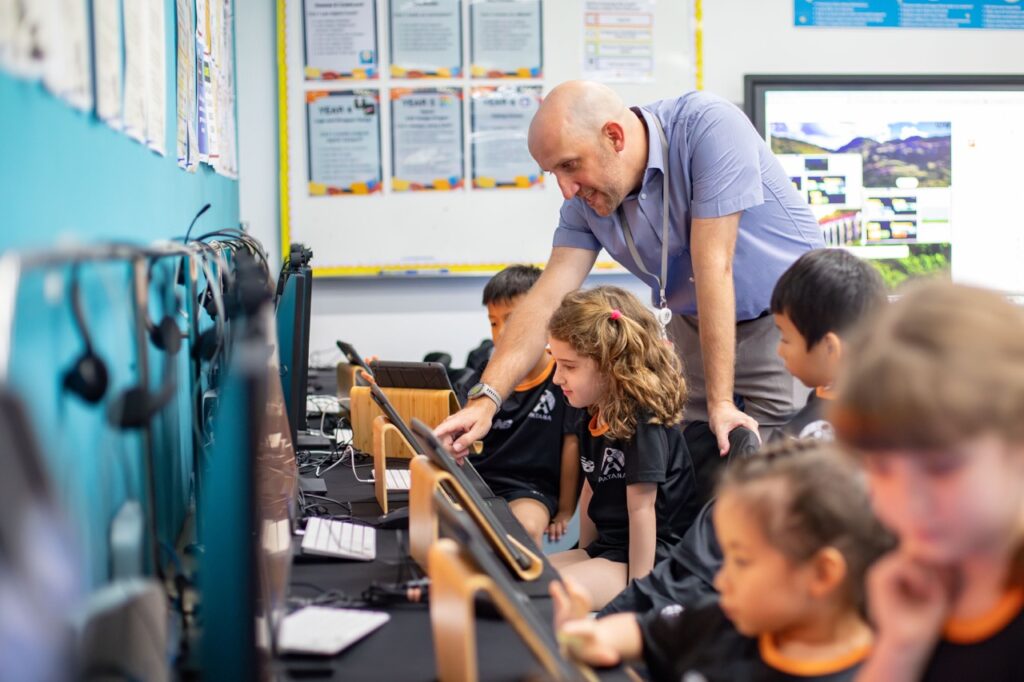
Teaching HOW to think, not just WHAT to think

The cultural anthropologist Margaret Mead said it plainly, decades before the internet existed, let alone AI: “Children must be taught how to think, not what to think.” If it mattered then, in a world of libraries, encyclopaedias, and TV evening news, it is hard to overstate how much more it matters now.

In a recent Pew Charitable Trusts article, a survey of over 130,000 young people found that 70% rated their ability to cope with challenges as medium to very low. The conclusion is both sobering and hopeful: resilience is not something children either have or don’t have. It is a skill, and it can be taught. True, the figures come from the United States; however, the pressures shaping childhood today (screens, social media, AI, the vanishing of unstructured thinking time) recognise no borders.

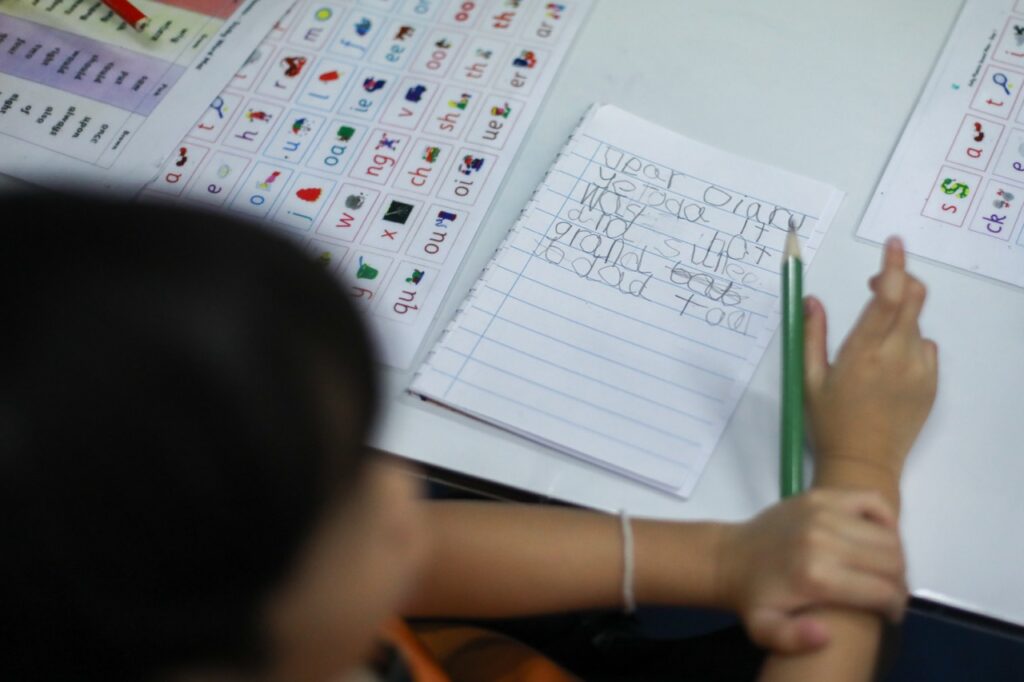
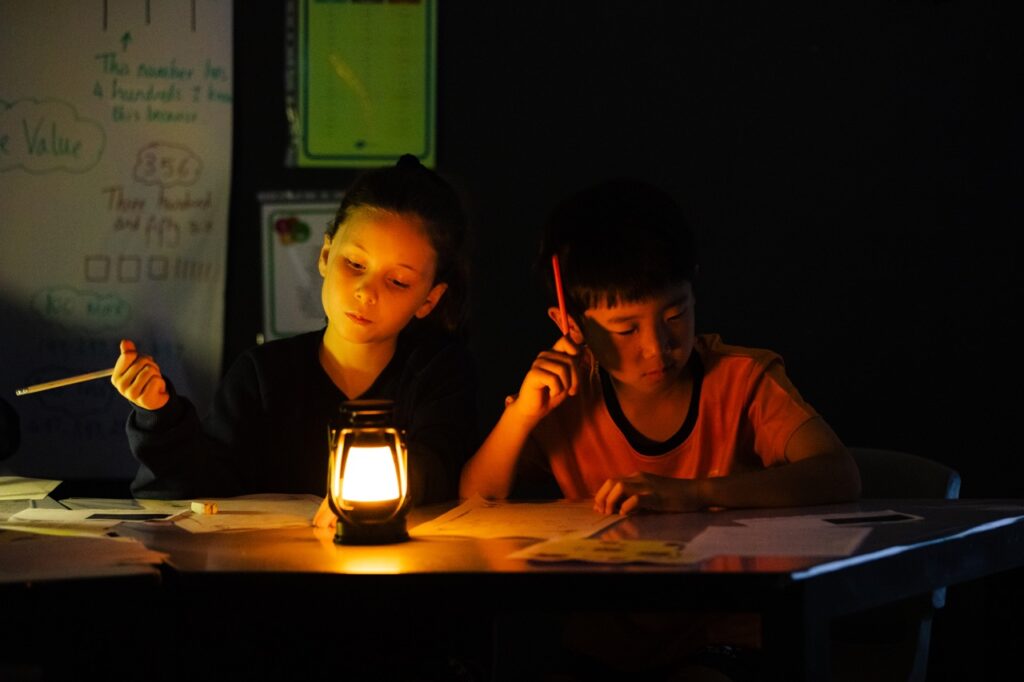
Deep thinking is slowly dissolving. To borrow from Shakespeare, young people are inhaling instant answers ‘as a cat laps milk’. A child who has never had to sit with not knowing, who has never worked through a problem with no obvious solution without an instant answer at hand, is a child whose sense of their own capability is quietly, invisibly eroding – and with it, their sense of well-being. Deep thinking is not a luxury or an academic nicety; it is the very mechanism through which children build the confidence to cope. 

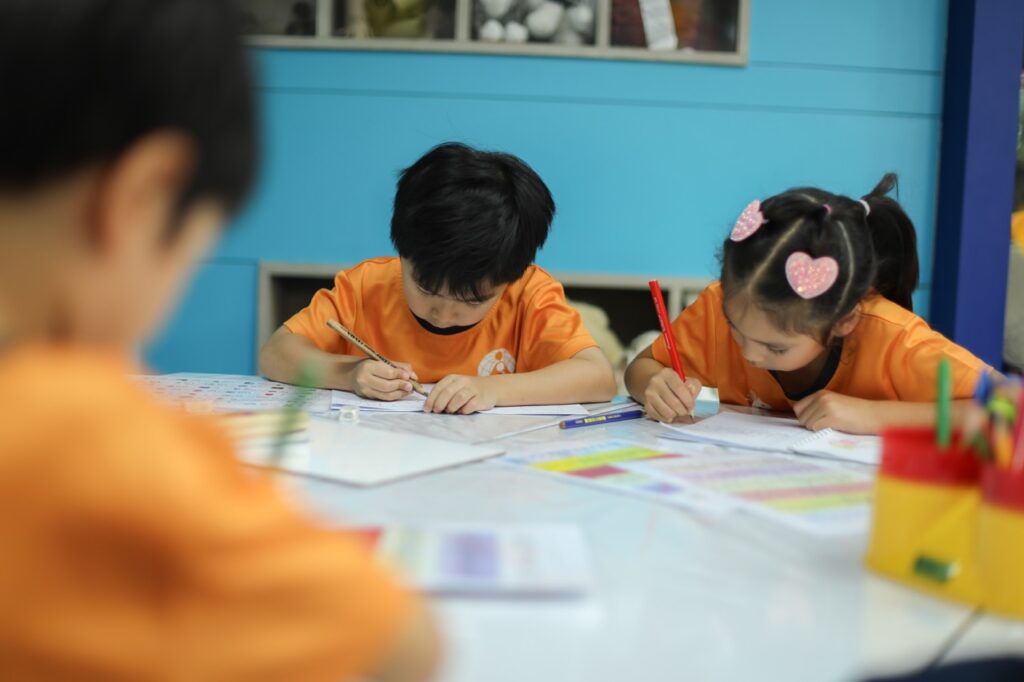
Yes, our Primary-aged children are still young. That is precisely the point. Children who develop these skills early are more resilient, more confident and better equipped to handle the ordinary difficulties of growing up. Our commitment to Well-Being, Learning and Global Citizenship – and our value of being Curious – depends on it.
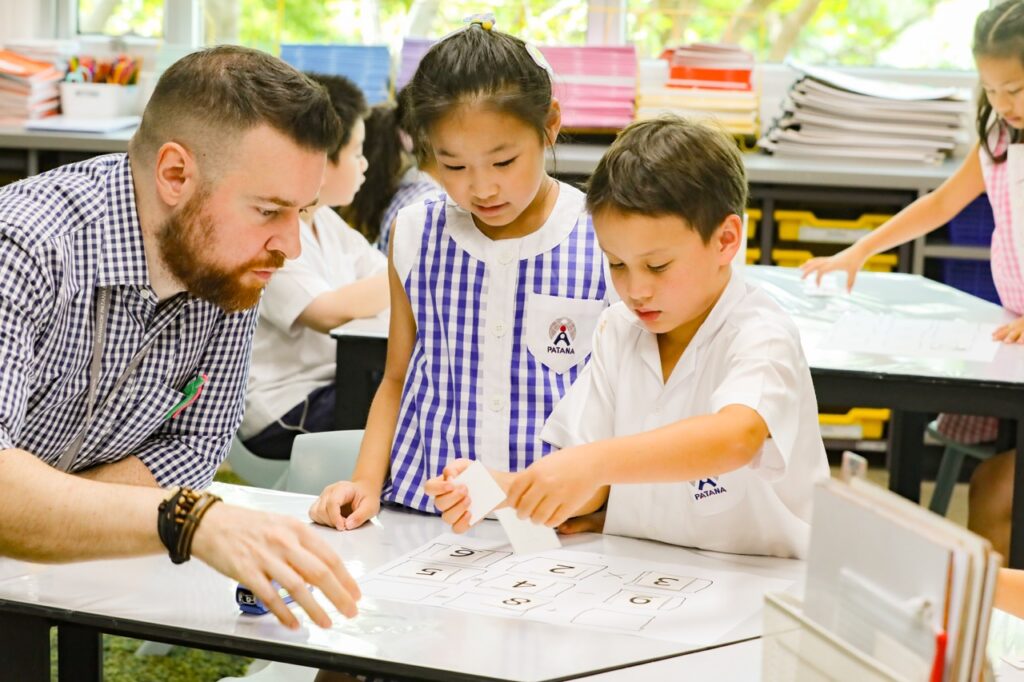
What can we do together?

We will keep doing our part in school. But the most powerful thinking happens in the pause before the answer, and that pause is something parents can help protect at home. Three simple habits make a real difference:

1. Resist the urge to rescue. When your child asks “what should I do?”, try “what do you think?” first.

2. Model uncertainty. Say “I’m not sure, let’s think it through together” rather than just giving them the solution or reaching for your phone.

3. Ask one more question. When your child shares something from an AI tool, ask: “How do we know that’s true?” or “what do you think about that?”

Yes, they are simple. No, they are not solutions in themselves. But when home and school pull in the same direction, these habits of mind become something quietly and powerfully transformative.

To Close

John Lennon, lead singer of The Beatles, once said that when his teacher asked what he wanted to be when he grew up, he wrote down “happy.” His teacher told him he didn’t understand the assignment. He told her she didn’t understand life. He also, of course, famously said “I am the Walrus”, which is a solid example of why we teach children to think for themselves.
Share This Article

In this Issue

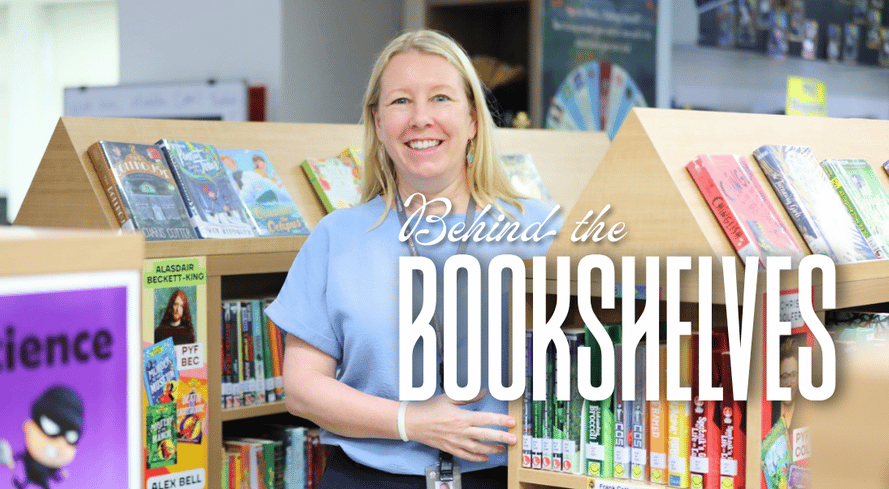
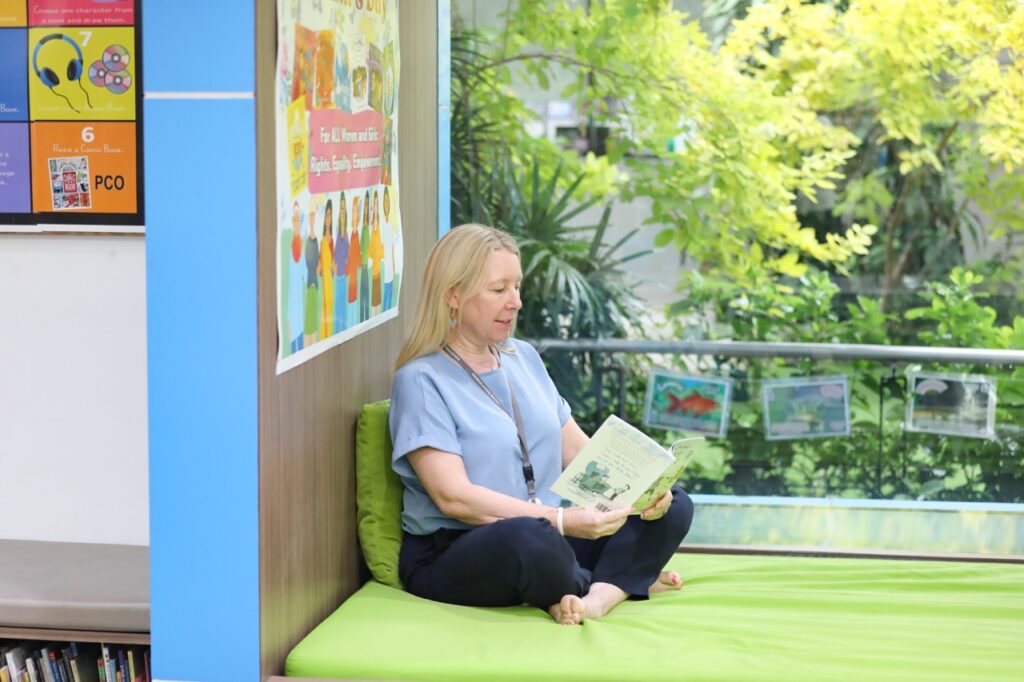
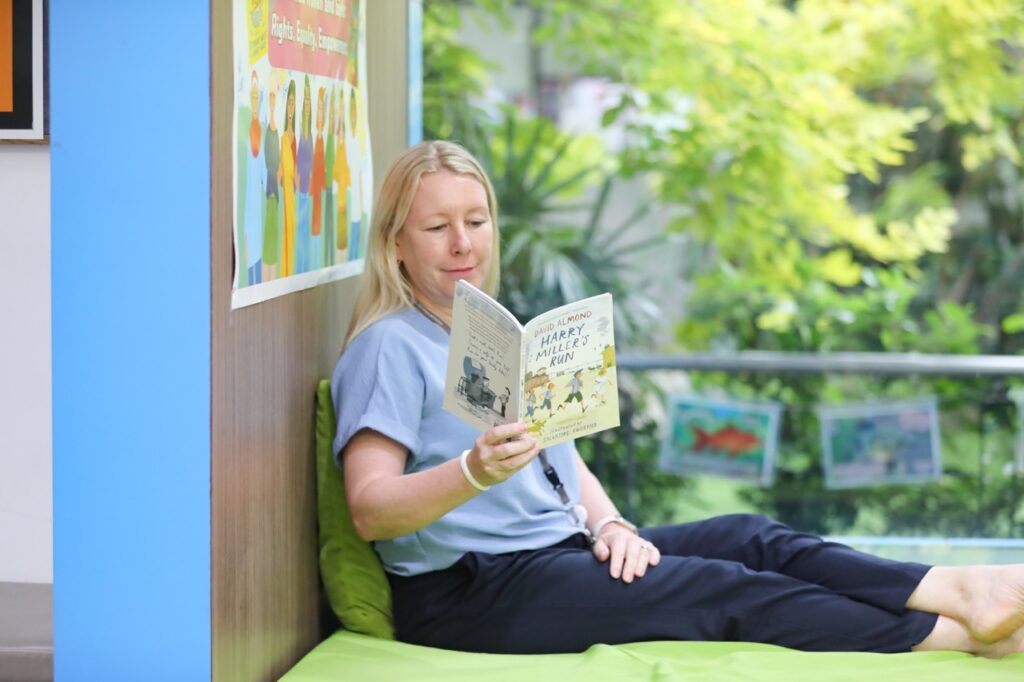
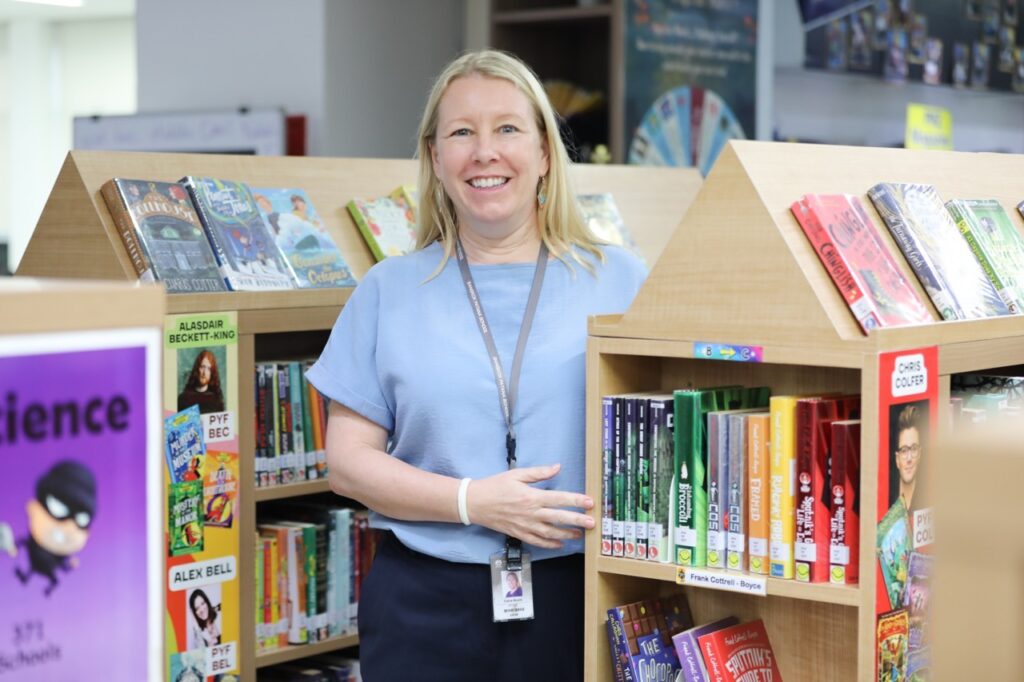
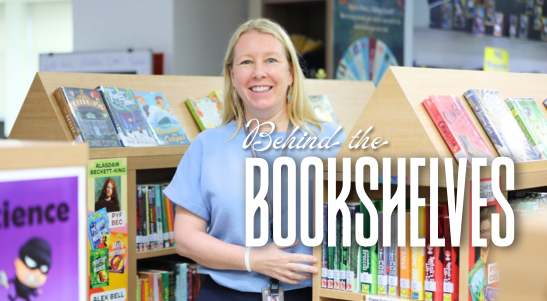
Behind the Bookshelves

What book do you recommend and why?  

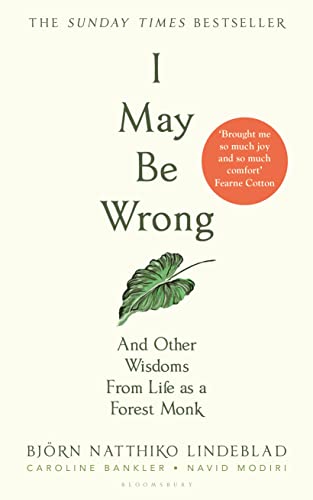
I May Be Wrong by Björn Natthiko Lindeblad. This is a book that stays with you for a long time after you’ve read it, making you question what you thought you knew and learn to accept things you can’t control. It’s beautiful! 


What podcast do you recommend and why? 

Zoe Science and Nutrition. It speaks a lot of common sense about food, and helps us understand the importance of food on our health.

Where do you work/teach? 

I am Claire Myers and I teach in Year 5.

Share This Article

In this Issue

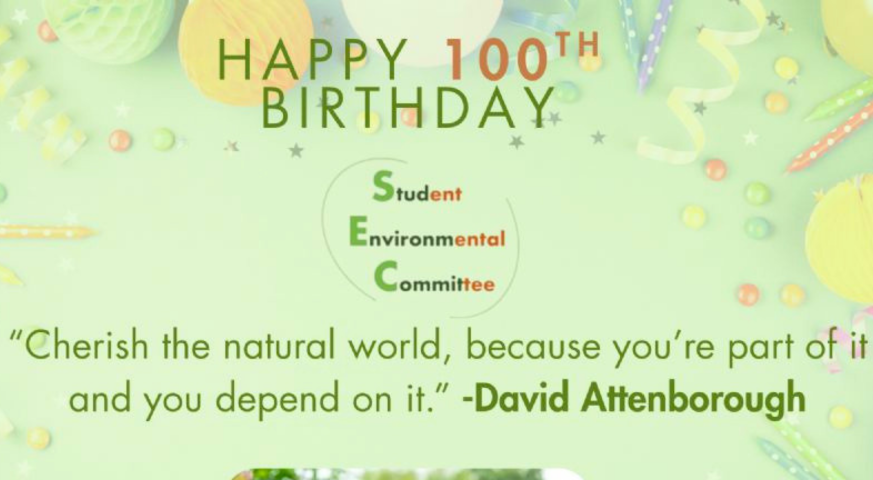
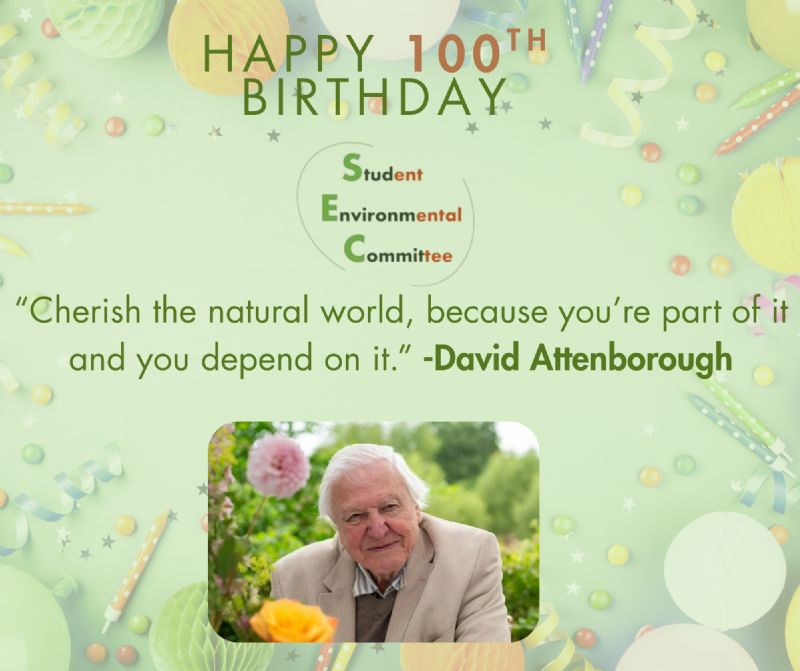
Happy 100th Birthday Sir David Attenborough!

By SEC students

The SEC challenges you to help mark this incredible life by doing one of the following challenges:

1. Go without devices and air con for 100 minutes
2. Give 100 minutes of service to your favourite environmental charity
3. Pick-up 100 pieces of trash when you are next at a public park or beach
4. Work with others to plant 100 trees
5. Go 100 days without purchasing a single use water bottle.

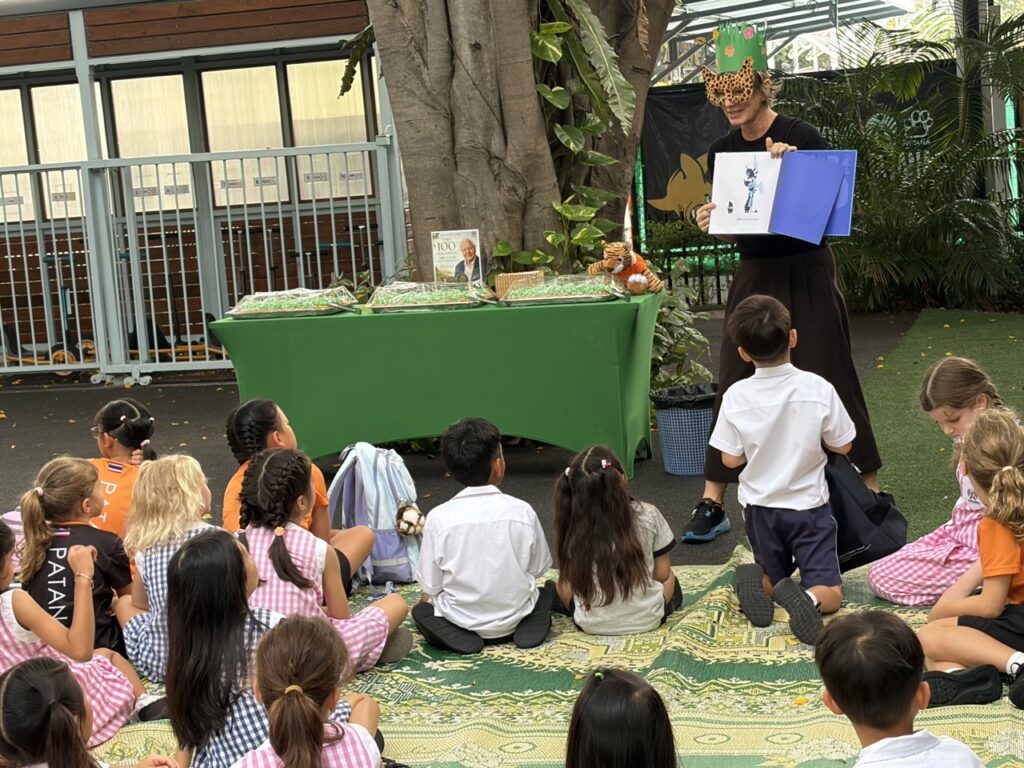
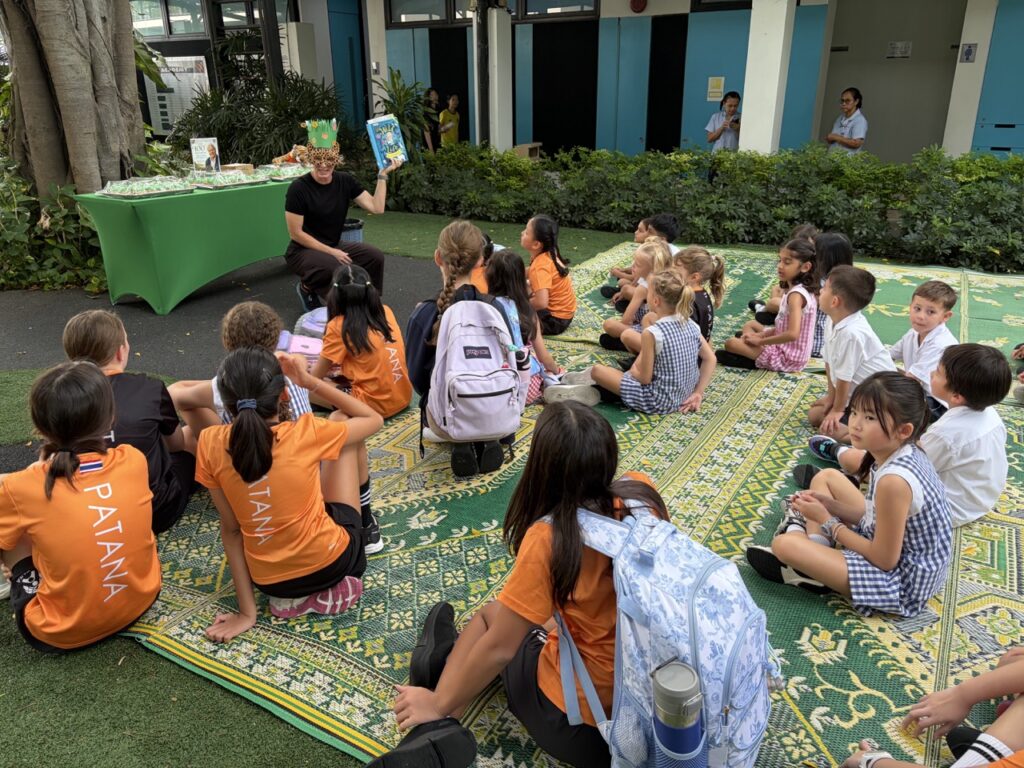
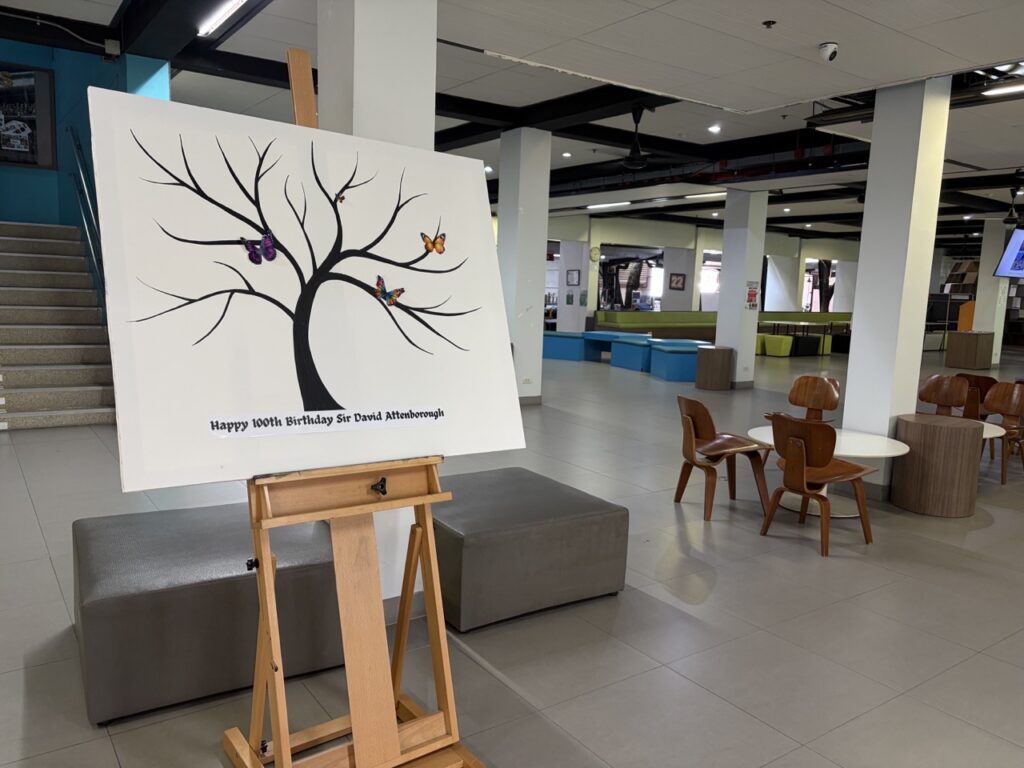
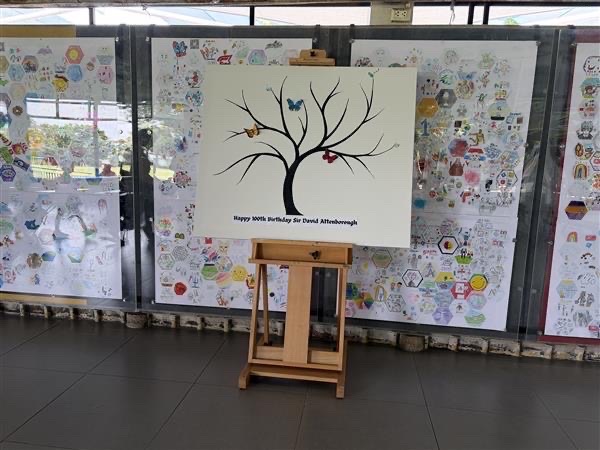
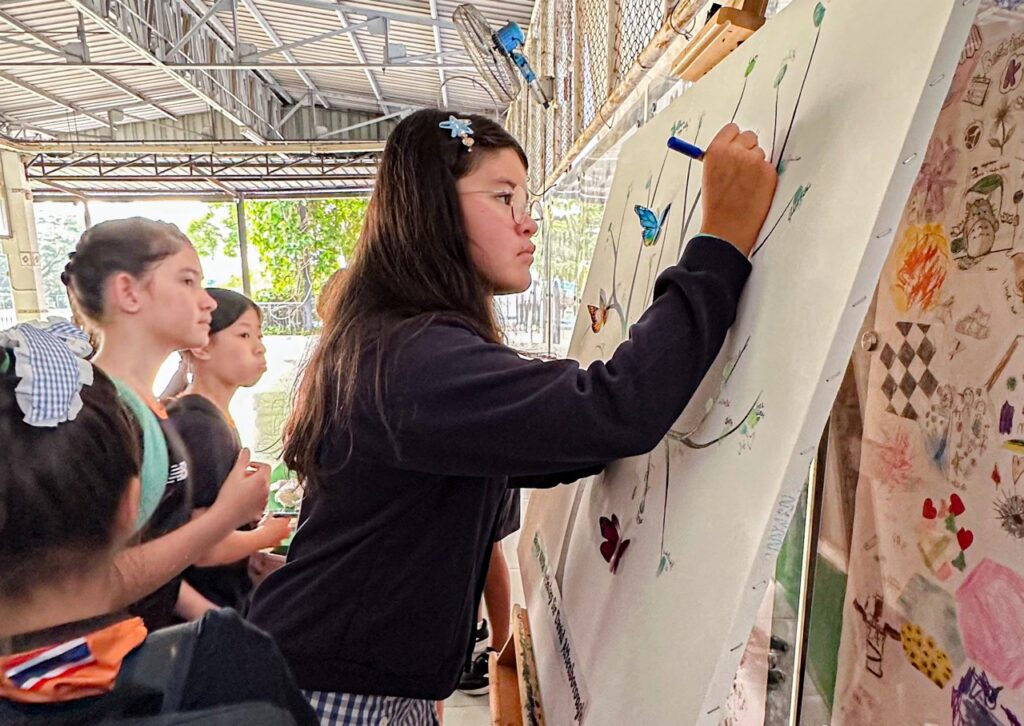
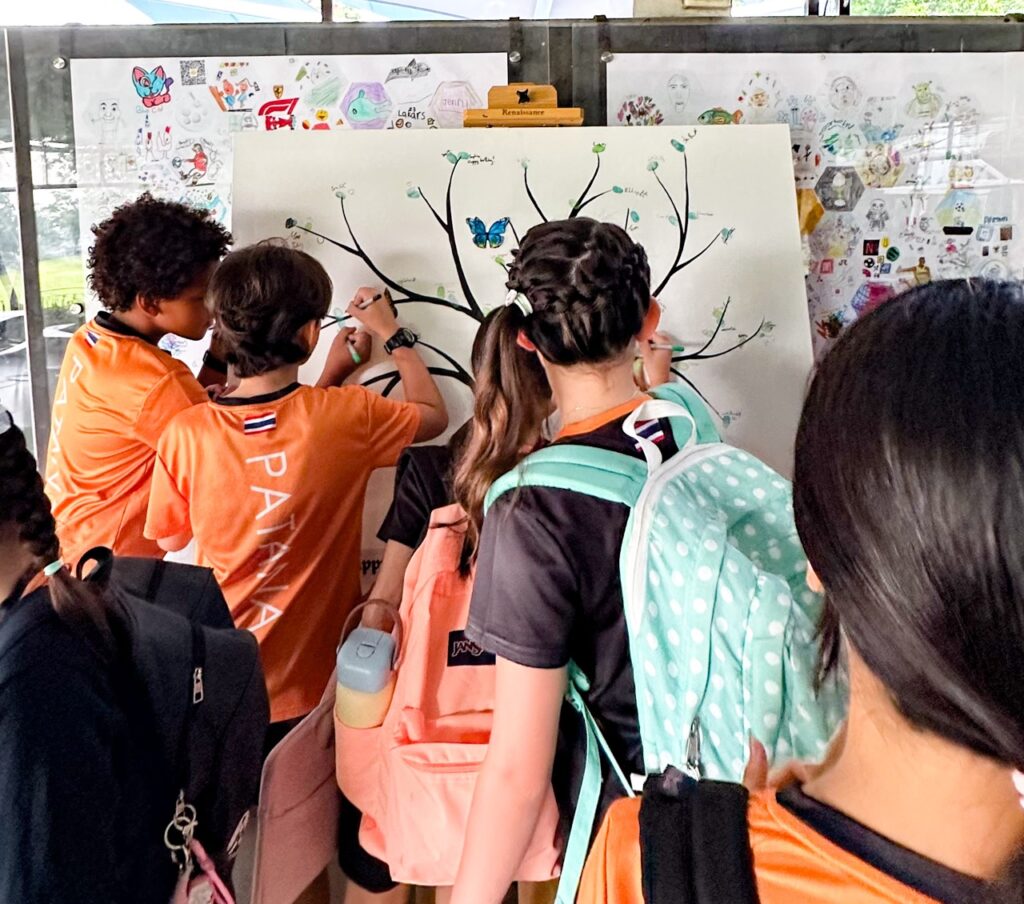
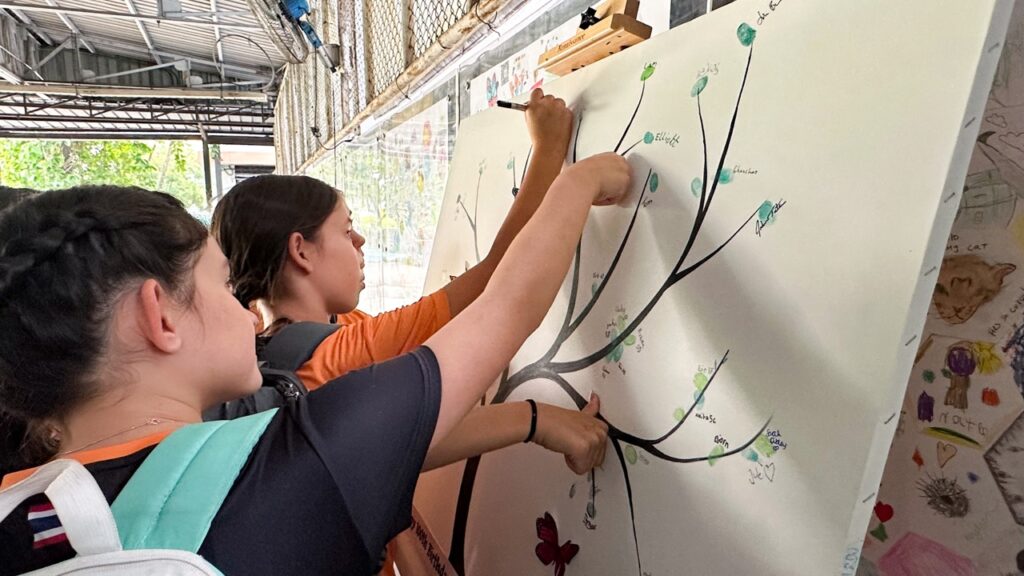
As part of the celebrations an outdoor storytelling session took place this morning in the Year 1 Playground with Miss Tracey from our Library, bringing the community together to celebrate the occasion. Students enjoyed sharing a Little People, Big Dreams biography and took part by adding their thumbprints and names to two large tree canvases. The canvases are displayed in the Primary Community Area and the Secondary Lounge throughout the day for those who want to participate. And the best part? Cupcakes!

Share This Article

In this Issue

Year 8 Strikes a Chord for Zero Hunger

By Rosie Brown, Secondary Music Teacher

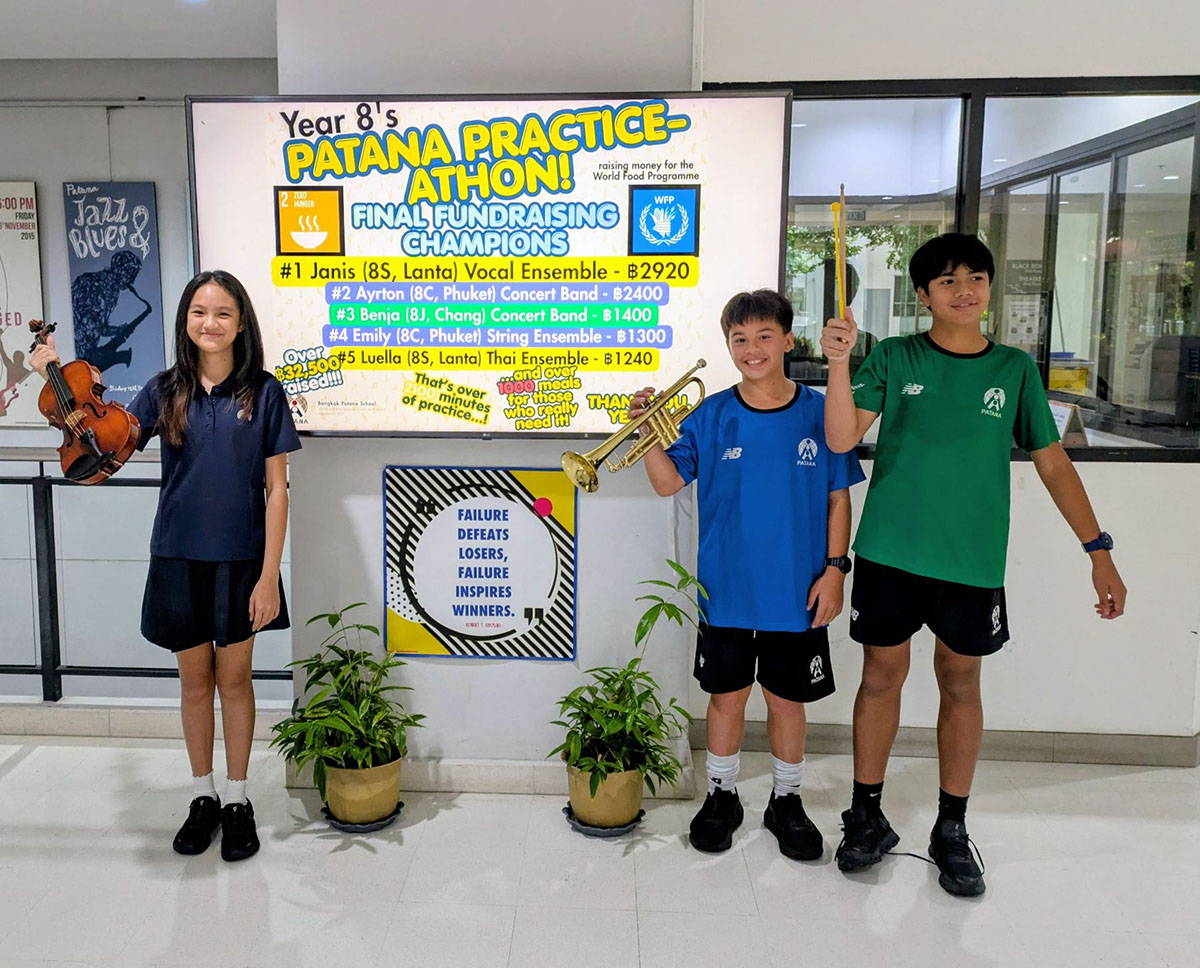
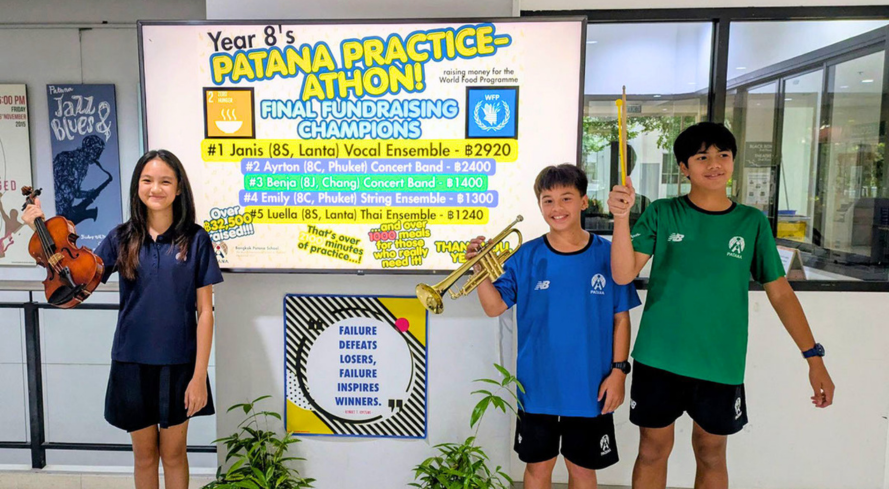
Students in Year 8 have proven that practice really does make a difference, far beyond the music room. During last term’s ‘Patana Practice-a-thon,’ students dedicated extra time to developing their instrumental skills, all while raising funds for an important global cause.

Throughout the week, students were sponsored by friends and family, who pledged 30 baht for every 15 minutes of practice. With no limit on the number of sponsors, many students rose to the challenge, clocking up impressive hours of practice and, in turn, increasing their contributions.

The initiative formed part of Year 8’s Global Impact Project along with Science and MFL. Together, these subjects are exploring the United Nations Sustainable Development Goal of Zero Hunger, raising awareness of food insecurity and the importance of global action.

All funds raised from the Practice-a-thon were donated to the World Food Programme, a leading organisation tackling hunger worldwide. In total, students raised over THB 32,500, providing enough money for over 1000 meals for those in the Khlong Toei area of Bangkok.

This inspiring effort highlights not only the musical commitment of Year 8, but also their compassion and global-mindedness. Well done to everyone who took part, you’ve truly made your practice count!

Share This Article

In this Issue

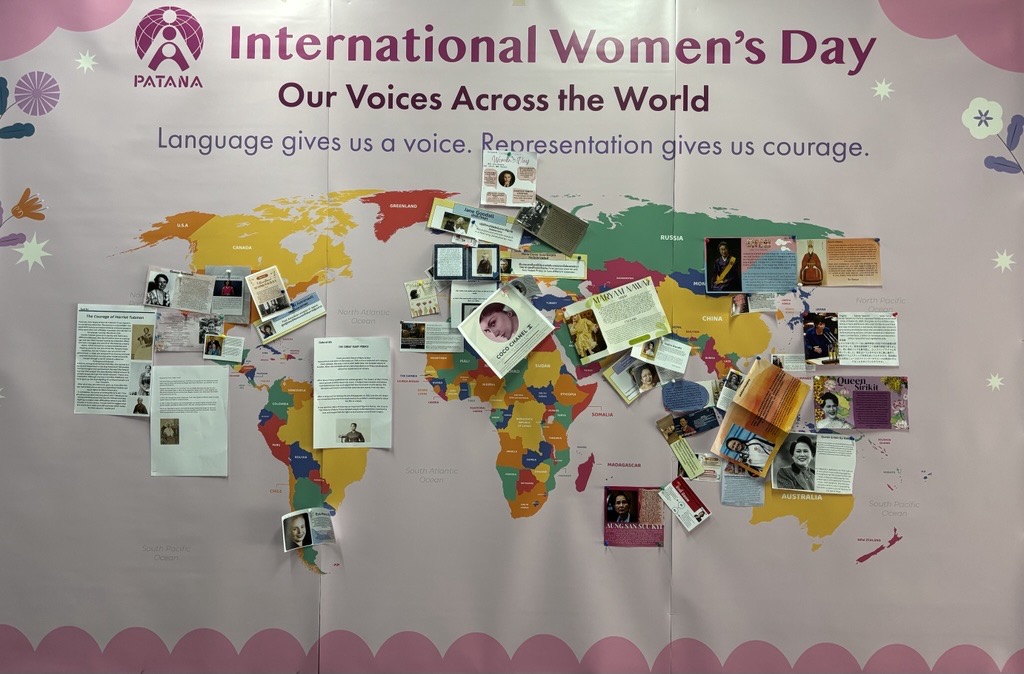
Language and Representation in the Context of International Women’s Day

By Celine Courenq, Head of Faculty, World Languages

At Bangkok Patana, International Women’s Day gave us a chance to bring together two things that matter deeply in our faculty: language and representation.

Across different countries, cultures and contexts, women have shaped history, challenged barriers and redefined what is possible. By learning about their journeys, we not only celebrate their successes but also gain a deeper understanding of the ongoing pursuit of equality.

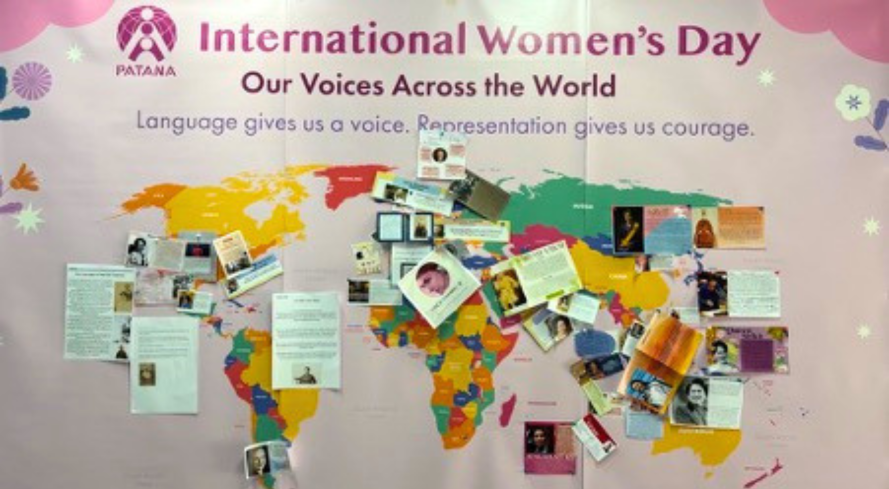
In this project, students have researched and shared the stories of influential women from around the globe, expressing their ideas in different languages and perspectives. Their voices remind us that representation matters and that every voice has the power to make an impact.
The students’ work below celebrates those stories and the many voices still shaping the world today.

Journée Internationale des Femmes / International Women’s Day / Dia Internacional da Mulher

La Journée Internationale des Femmes est célébrée le 8 mars. It celebrates the achievements of women and reminds society that equality is still essential today. Em muitos países, esta data representa respeito, justiça e progresso.

En France, cette journée est célébrée avec des marches, des débats et des événements scolaires. Elle est importante car elle rappelle que certaines inégalités existent encore, comme la discrimination ou les écarts de salaire. C’est aussi l’occasion de célébrer les réussites des femmes dans la politique, la science et la culture.
In England, International Women’s Day is marked with school assemblies, campaigns and community events. It is important because it reminds people that equality should never be taken for granted. Although progress has been made, some inequalities still remain. It is also a time to celebrate women who have changed society through leadership and talent.

Em Portugal, o Dia Internacional da Mulher é celebrado com flores, concertos e debates públicos. É importante porque nos lembra que ainda existem desigualdades no trabalho e na sociedade. Ao mesmo tempo, celebra o sucesso e a coragem das mulheres. Esta data inspira respeito, igualdade e oportunidades para todos. – By Raichah de Sousa-Huynen

ในวัน International Women’s Day คนจะฉลองความสำเร็จของผู้หญิงและพูดถึงความเท่าเทียมกัน ตัวอย่างที่ดีคือ พาณิภัค วงศ์พัฒนกิจหรือเทนนิสนักเทควันโดชื่อดังของไทยที่ได้เหรียญทองจาก Tokyo 2020 Olympics ถึงแม้ว่าเขาจะเล่นเทควันโด ไม่ใช่เทนนิส แต่ความสำเร็จของเขาก็ยังสร้างแรงบันดาลใจให้ผู้หญิงในการเล่นกีฬา 

             พาณิภัคแสดงให้เห็นว่าผู้หญิงสามารถเข้มแข็งและประสบความสำเร็จในสิ่งที่เคยถูกมองว่าเป็นของผู้ชาย เธอฝึกซ้อมอย่างหนักและไม่ยอมแพ้ ซึ่งทำให้เธอป็นแบบอย่างที่ดี เพราะนักกีฬาอย่างเธอทำให้คนเริ่มสนับสนุนสิทธิของผู้หญิงและโอกาสที่เท่าเทียมกันมากขึ้นทั้งในกีฬาและในชีวิต 

            สรุปแล้ว ความสำเร็จของพาณิภัคช่วยส่งเสริมความเท่าเทียมทางเพศ และกระตุ้นให้เด็กผู้หญิงกล้าทำตามความฝัน ไม่ว่าจะต้องเจอกับอุปสรรคใดก็ตาม 

โดย เวร่า 8B, เอลล่า 8V, ริสา 8B  

On International Women’s Day in Thailand, we celebrate women’s achievements and promote equality. A good example is Panipak Wongpattanakit, Thailand’s Olympic taekwondo champion, who won a gold medal at the Tokyo 2020 Olympics. Her success inspires women and girls to break barriers and follow their dreams.

Panipak shows that women can be strong, determined, and successful in sports that are often seen as male-dominated. Through hard work and perseverance, she has become a powerful role model. Her achievements encourage greater support for women’s rights and equal opportunities, both in sport and in everyday life.

Overall, Panipak’s success helps promote gender equality and inspires young girls to pursue their ambitions, whatever challenges they may face.- By Ella Thannicha, 8V, Vera Virakorn and Risa Larisa, 8B.

Share This Article

In this Issue

Tech Tips #324: 16 Dan Pink’s Things Everybody Should Know How to Do

By Brian Taylor, Vice Principal, Technology for Learning

A slight deviation from the usual Tech Tips this week. This is one of Dan Pink’s most popular videos in 2026.

I gurantee there will be at least one in it for you.

TIMESTAMPS

Category 1: Personal skills

0:54 How to apologise properly

2:23 How to say no

3:37 How to handle compliments

4:34 How to be alone

5:16 How to calm yourself down

Category 2: Social skills

6:13 How to remember people’s names

7:38 How to ask good questions

8:51 How to be a decent guest

Category 3: Money and decisions

9:55 Understanding basic financial principles

11:36 Read contracts before signing

Category 4: Real-world skills

13:08 How to swim

13:24 How to perform CPR

13:57 How to fix something small (eg toilet)

14:28 How to turn a screw or bolt

14:52 How to cook three reliable meals

15:18 How to open a bottle of wine

15:56 How to ask for help

Have a great weekend.


Have a great weekend.

Share This Article

In this Issue

Community Engagement at Bangkok Patana: OurLand

By Anaiya Malhotra, Year 12

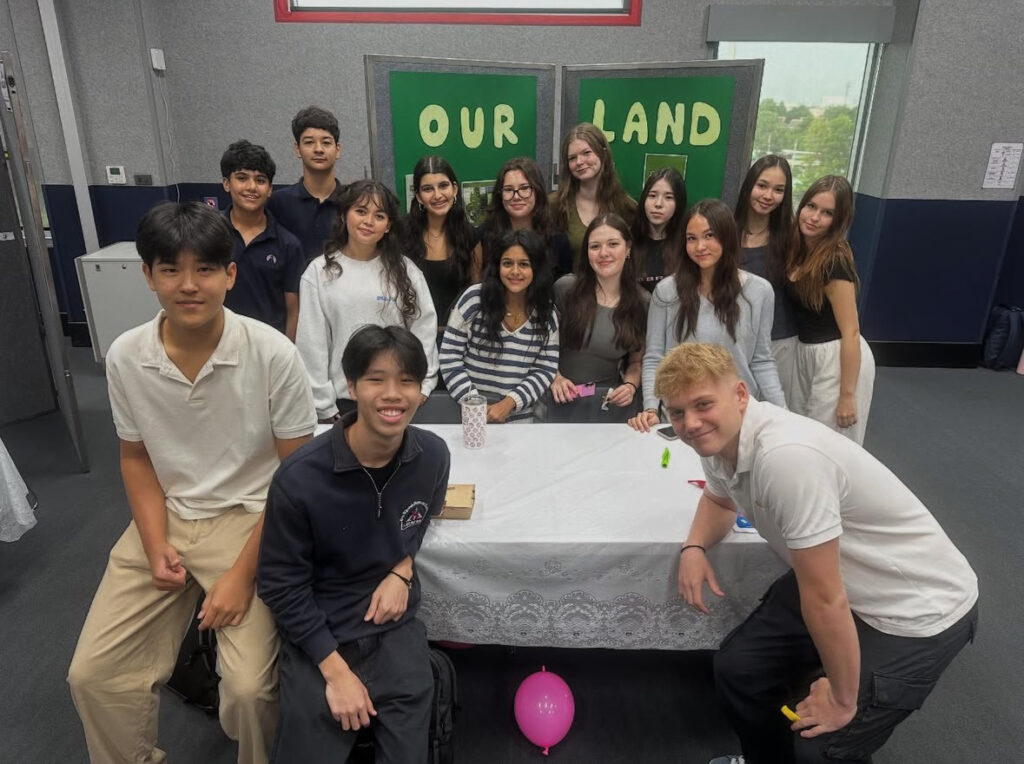
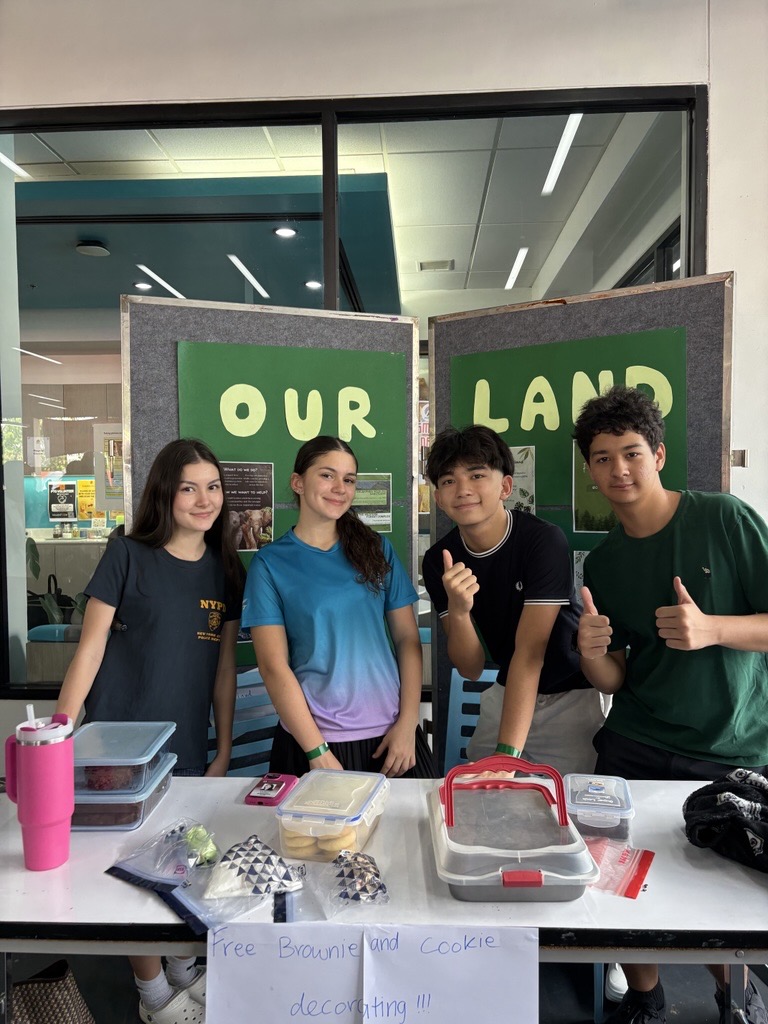
OurLand is a private protected area located in Kanchanaburi, Thailand, created to protect and re-establish wildlife corridors while promoting sustainable ways for humans and nature to coexist. Wildlife corridors are essential because they allow animals to move safely between habitats, access food and water, and maintain healthy populations. They focus on reconnecting these fragmented landscapes and restoring balance to the ecosystem. However, OurLand is not only about conservation, it is also about developing sustainable systems that allow people to live in harmony with the environment. By combining habitat restoration with community involvement, the project ensures that conservation efforts are practical, inclusive, and long-term. Since introducing our community to OurLand, we have raised more than THB 35,000 through bake sales, charm bracelet bars and other community-led initiatives. While fundraising is an important indicator of progress, success is also measured through the expansion of OurLand’s reach into multiple communities. This growth has allowed new projects to begin and existing initiatives to develop further. Currently, OurLand supports several conservation projects, including hornbill conservation, a banteng sanctuary, and the soi dog project, which aims to help train the dogs to protect the elephants. The impact of OurLand is assessed through improvements in habitat restoration, wildlife protection, and community participation. Because the project prioritizes sustainable, long-term solutions rather than short-term fixes, its impact is designed to last. By protecting land, restoring wildlife corridors, and educating communities, OurLand creates positive environmental outcomes that can continue for generations. Overall, OurLand demonstrates that effective conservation depends on collaboration between people and nature. It is a model for how thoughtful, sustainable action can create meaningful and lasting change.

Share This Article

In this Issue

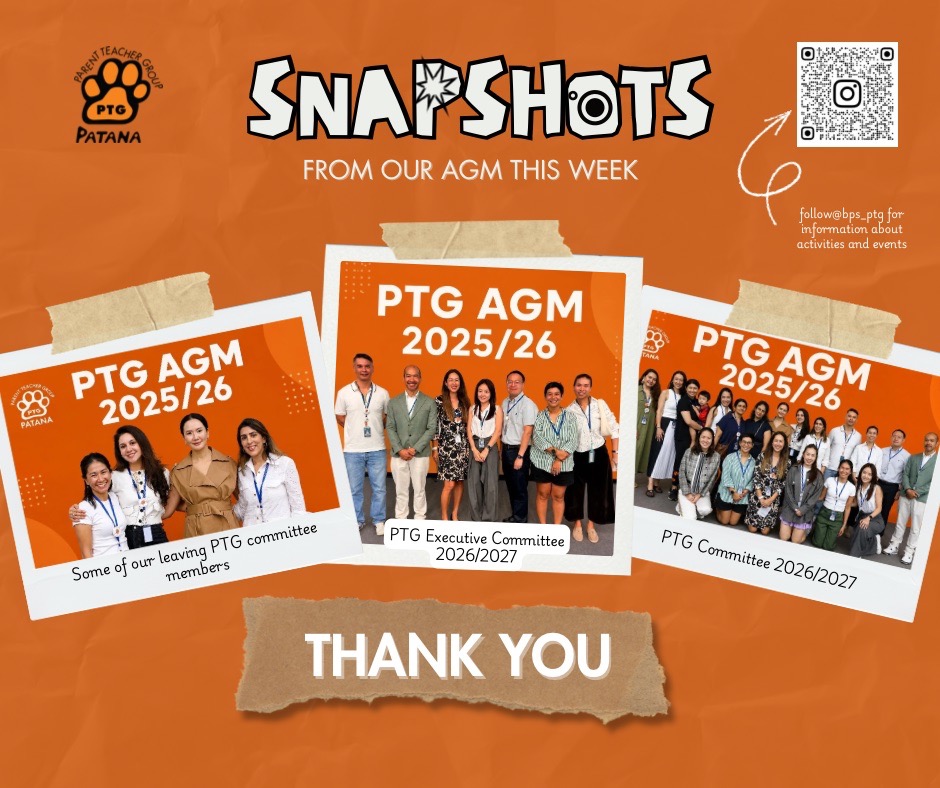
PTG Updates

Share This Article

In this Issue

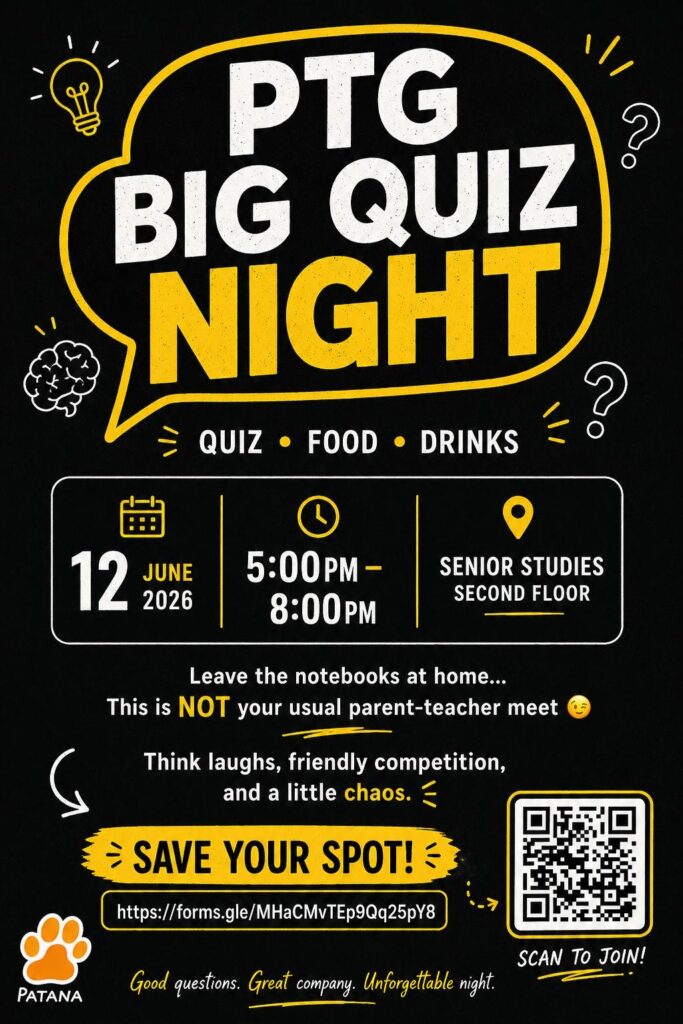
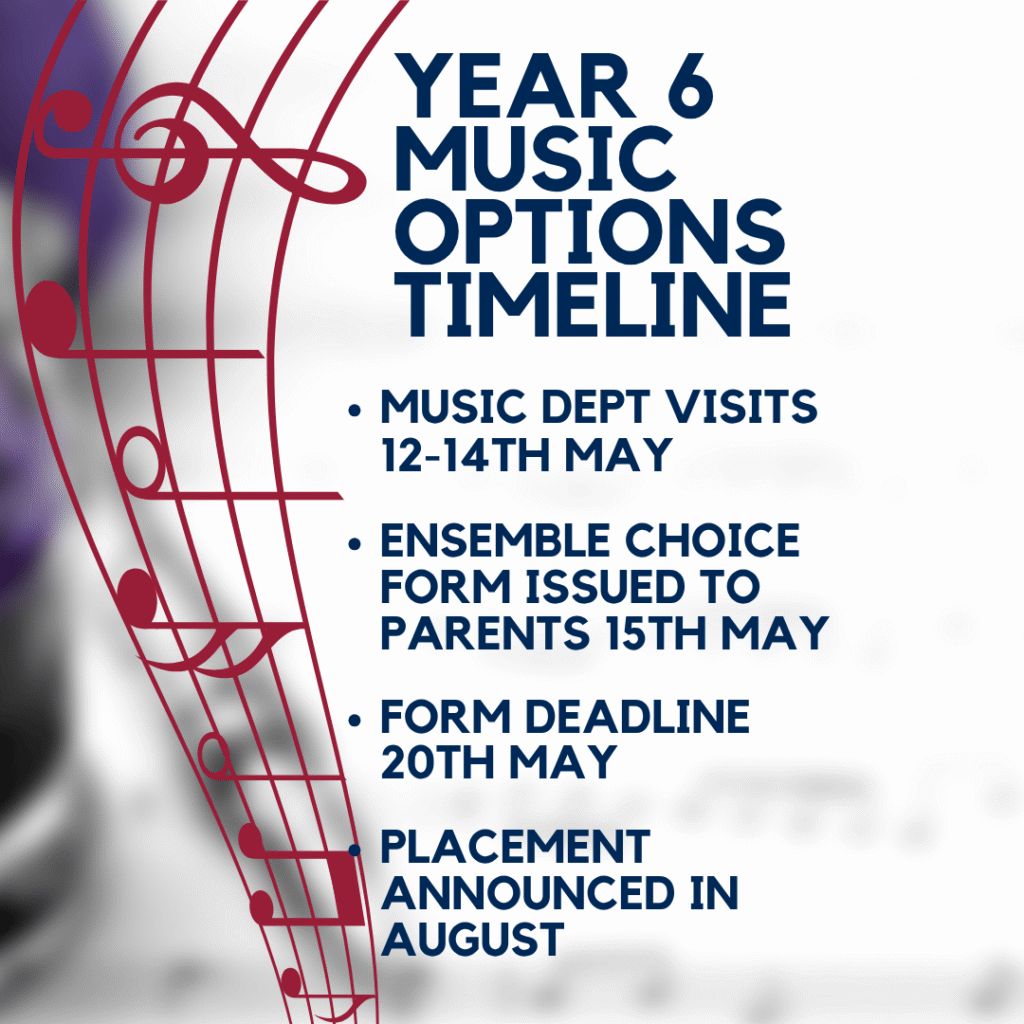
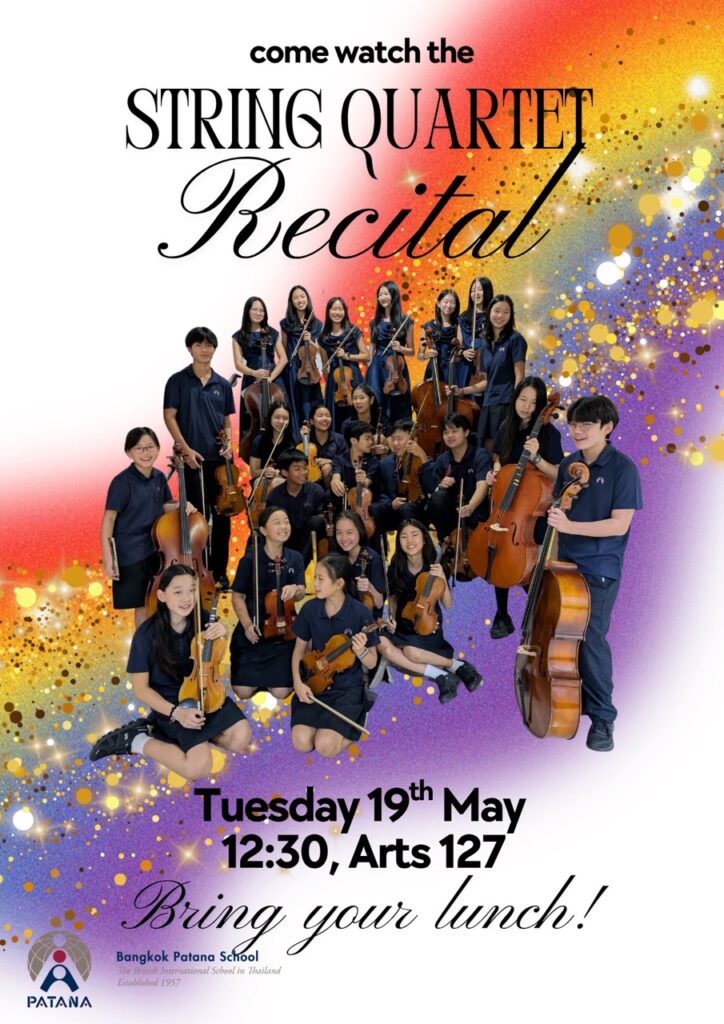
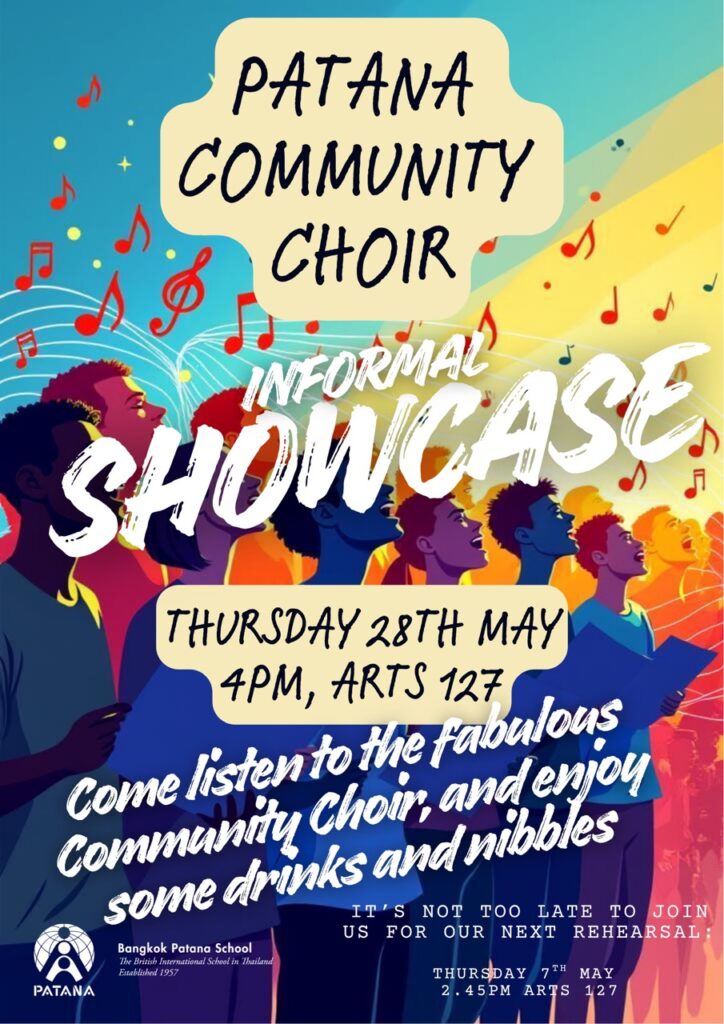
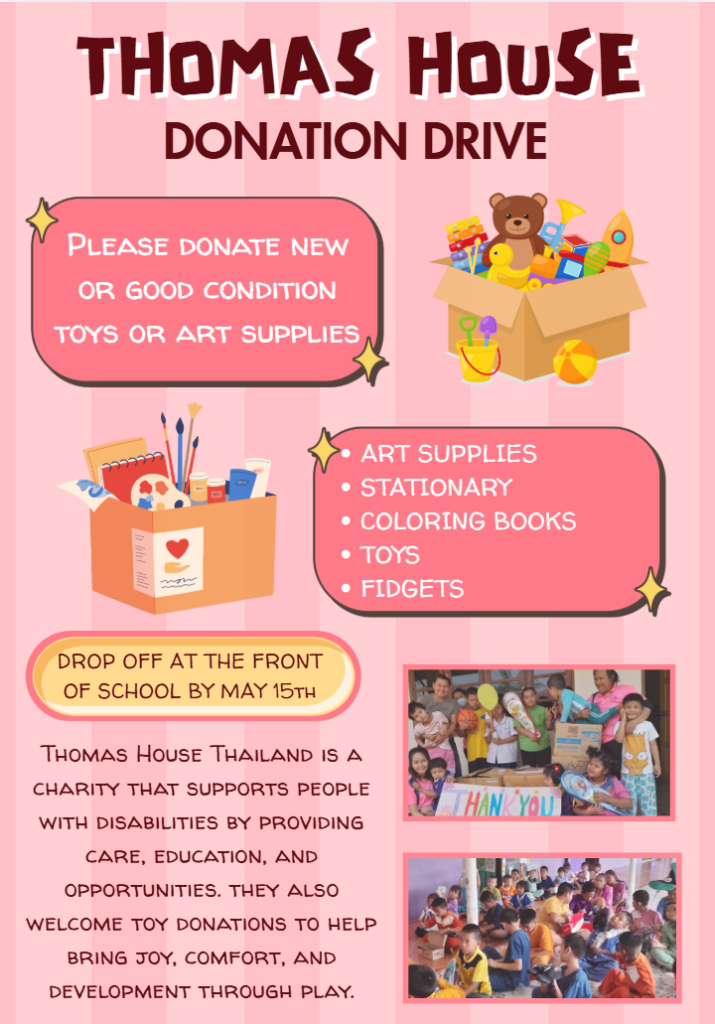
School Announcements and Upcoming Events


Share This Article

In this Issue

© 2025 Bangkok Patana School

Issue: 27
Volume: 28
Bangkok Patana School
Privacy Overview

This website uses cookies so that we can provide you with the best user experience possible. Cookie information is stored in your browser and performs functions such as recognising you when you return to our website and helping our team to understand which sections of the website you find most interesting and useful.