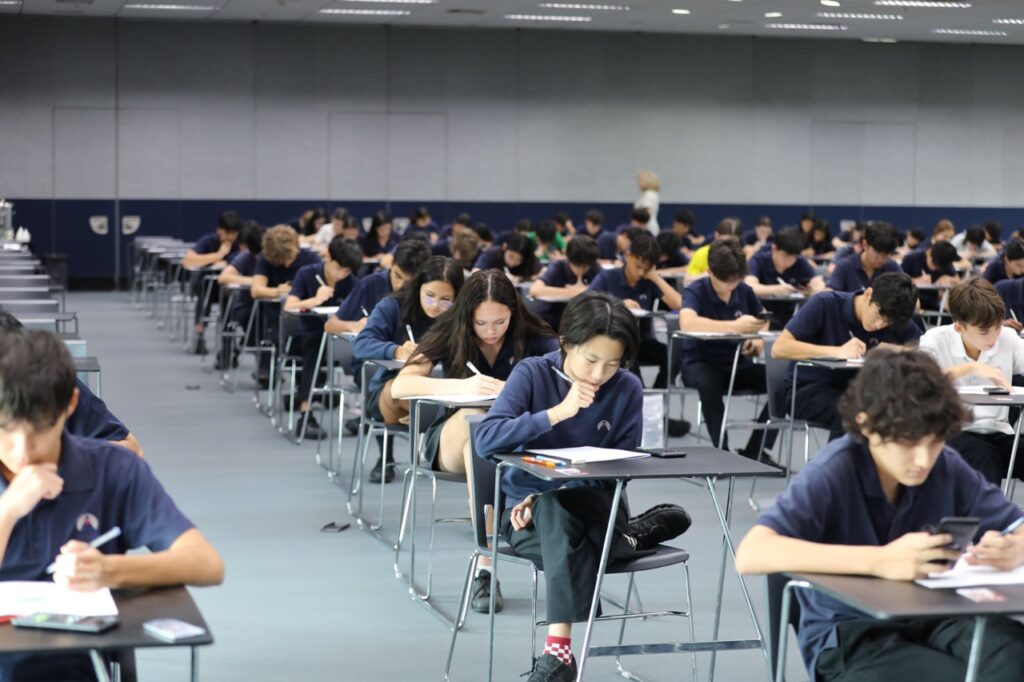
We are currently moving through one of the most emotionally significant periods of the academic year. Across the school community, examinations are affecting students in diverse ways and at various stages, but the common thread running through it all is emotion.
Anxiety, anticipation, pressure, relief, self doubt, hope, disappointment, pride and uncertainty are all part of the experience for many of our students and their families.
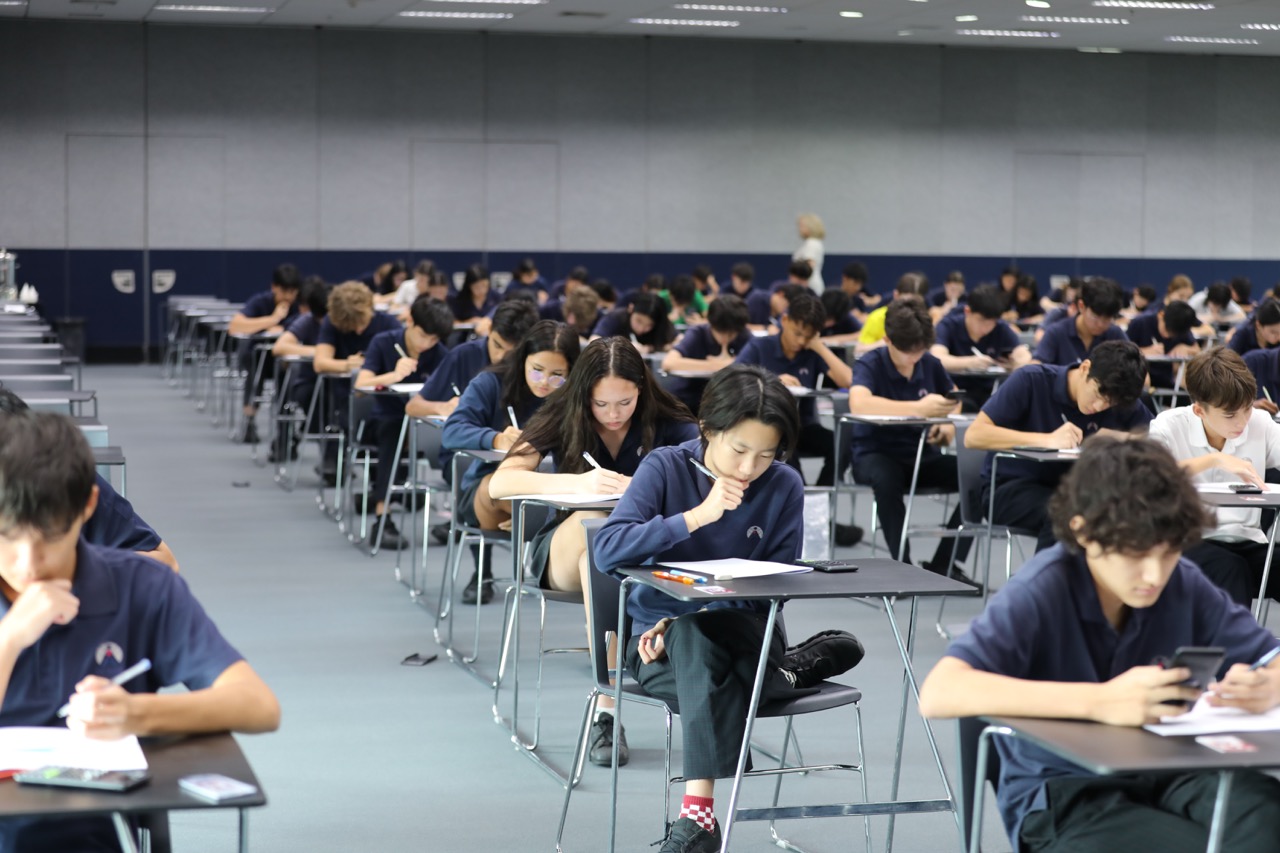
Our Year 10 students have recently completed their internal Mid-Course examinations, many experiencing their first sustained period of formal assessment pressure at Secondary level. Year 12 students are now preparing for their own Mid-Course examinations which, although internal, often carry considerable emotional weight because students are beginning to think seriously about university pathways and the transition into their final IB year.
Our Year 11 students are in the midst of (I)GCSE examinations, managing the demands of a lengthy external examination period where performance can sometimes begin to feel all consuming. Meanwhile, our Year 13 IB students have either just completed, or are close to completing their final examinations before the long wait for results in July.
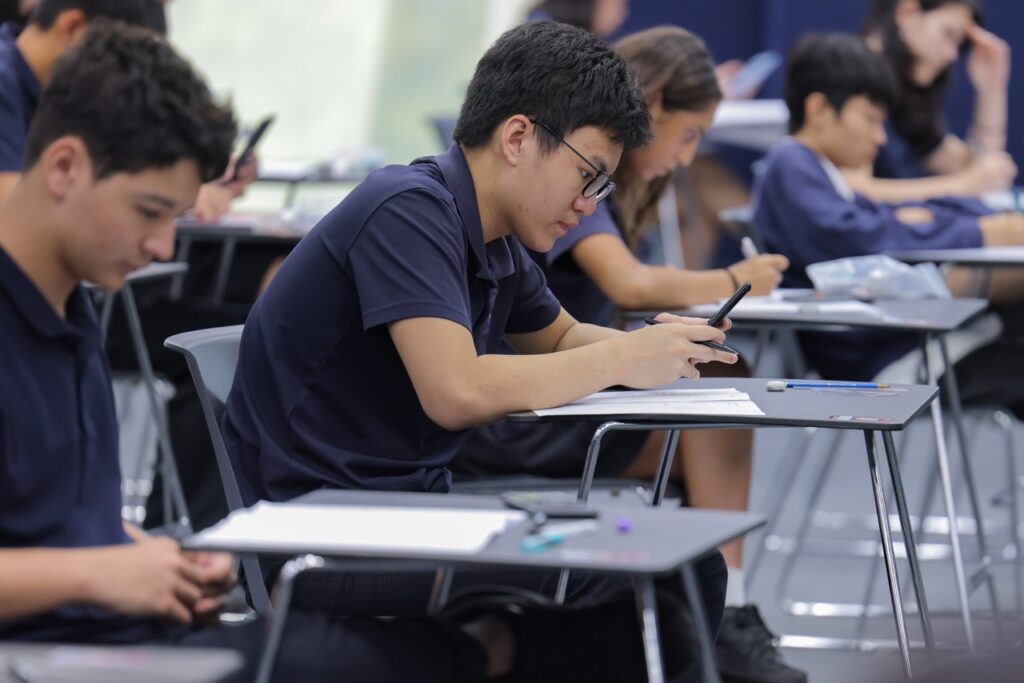
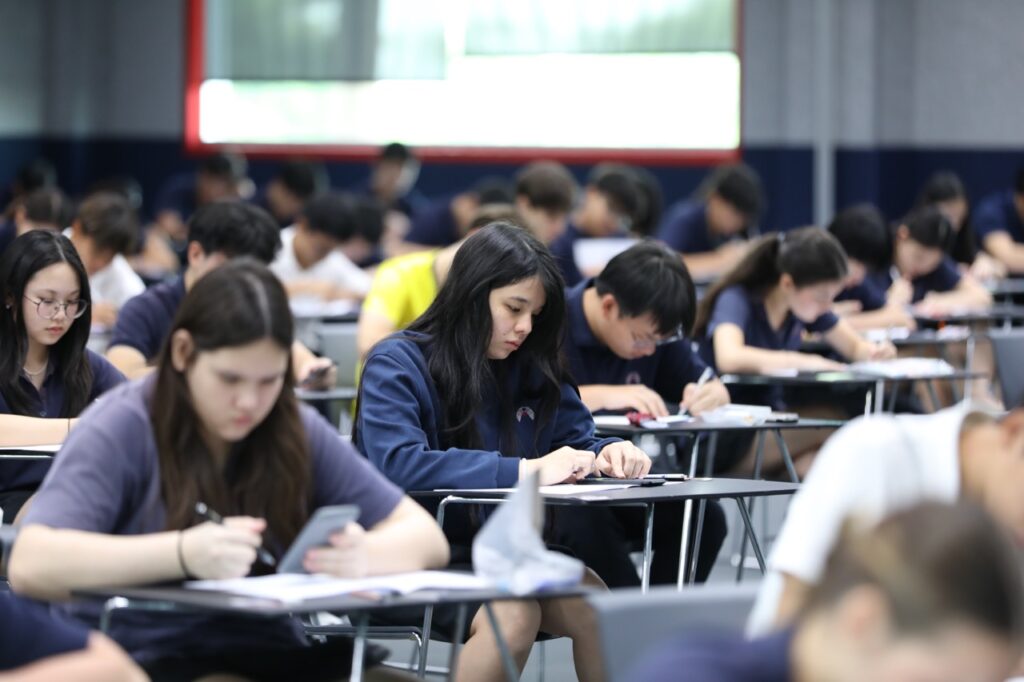
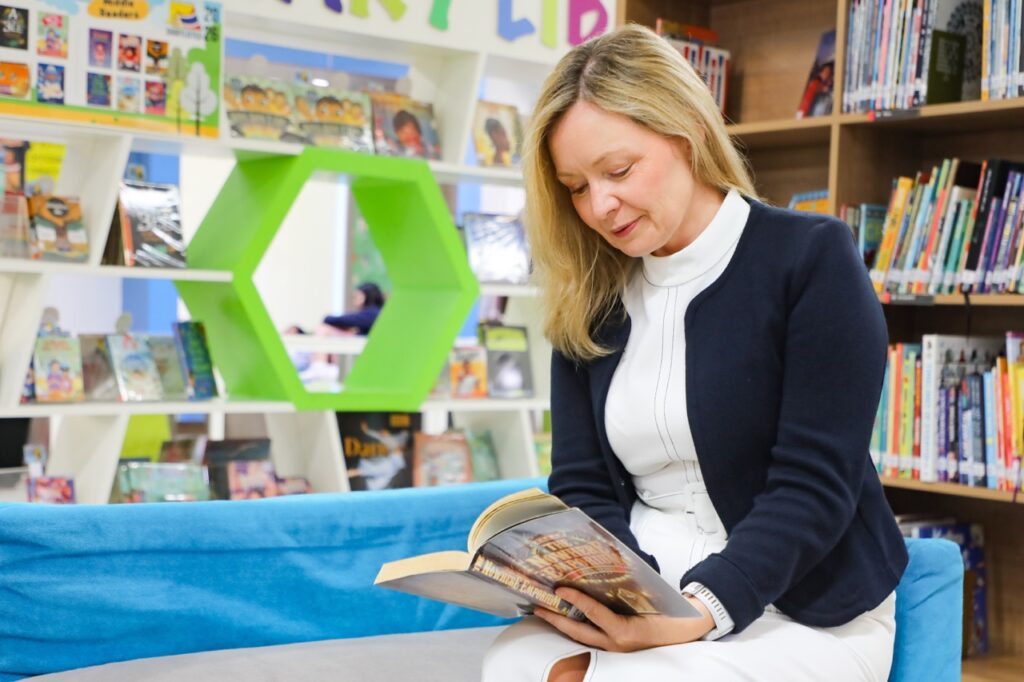
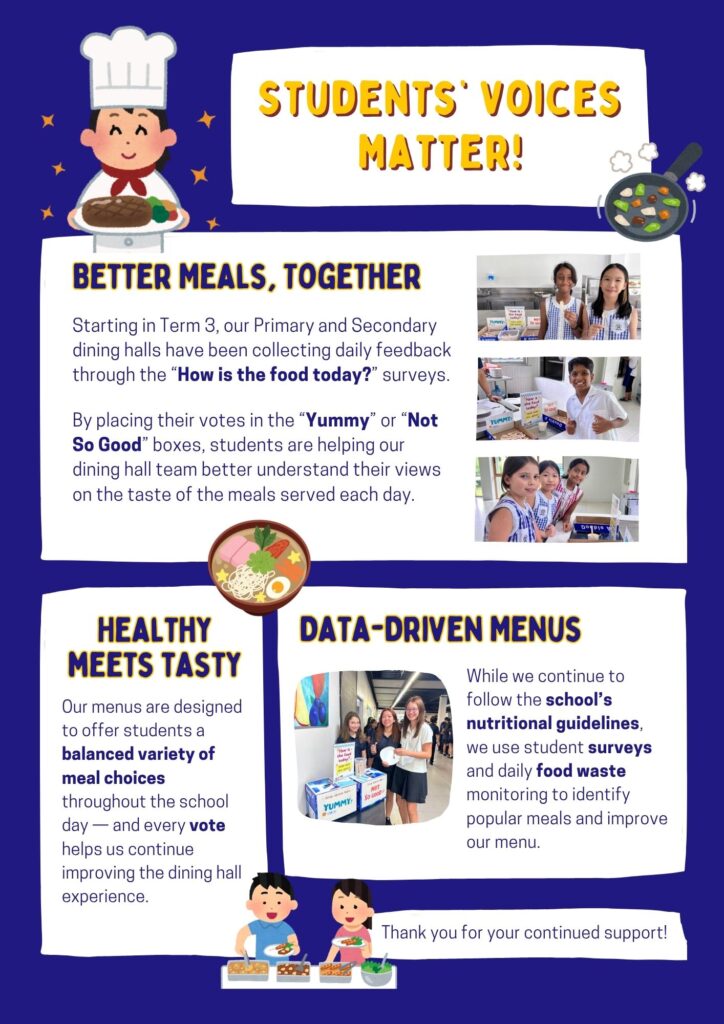
For schools, exam season changes the atmosphere noticeably. The Canteen and Noodle Bar become quieter as older students move onto study leave. Certain parts of the campus feel calmer, while spaces such as the Library and Senior Studies can feel more intense and purposeful. Younger students notice these changes too. Our Primary children often become aware that something is different. Some may sense tension at home if older siblings are revising late into the evening or feeling anxious before examinations. Others simply notice the quieter feel around school, or perhaps the absence of familiar older students on their minibus, all of which subtly changes the daily rhythm of the community.
It is important to recognise that exam season is never only about exams. For young people, examinations often become deeply connected to identity, self-esteem, future aspirations and the fear of disappointing others. Students can put enormous pressure on themselves, even when families are trying hard not to add to it. Some students become highly motivated and focused during this period, while others become quieter, more emotional, or more withdrawn. Many fluctuate between confidence and anxiety, sometimes within the same afternoon.
As adults, one of the most valuable things we can offer young people during this period is perspective. At Patana, we absolutely want students to fulfil their potential. Academic ambition, hard work and commitment matter enormously, but well-being and self-care are not somehow separate from academic success. They are often the foundation that allows young people to perform at their best over a sustained period of time.

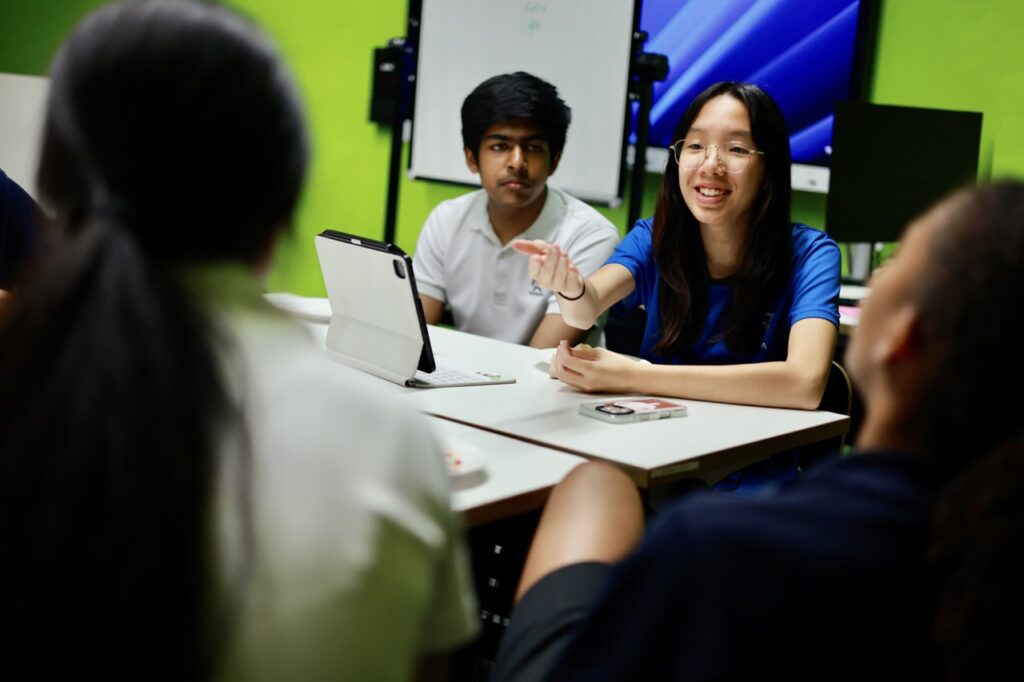
Students who sleep properly, eat well, maintain routines, stay physically active and feel emotionally supported are far better placed to sustain performance across a demanding examination period. Revision matters enormously, but so does balance. Exhaustion and chronic stress rarely allow young people to think clearly or perform consistently at their best.
Parents play an especially important role during exam season, often through small daily interactions that may not feel significant in the moment. Calm reassurance, patience, routine and emotional consistency make a big difference. Young people benefit from knowing that home remains a warm and supportive place regardless of how a particular exam may have gone that day.
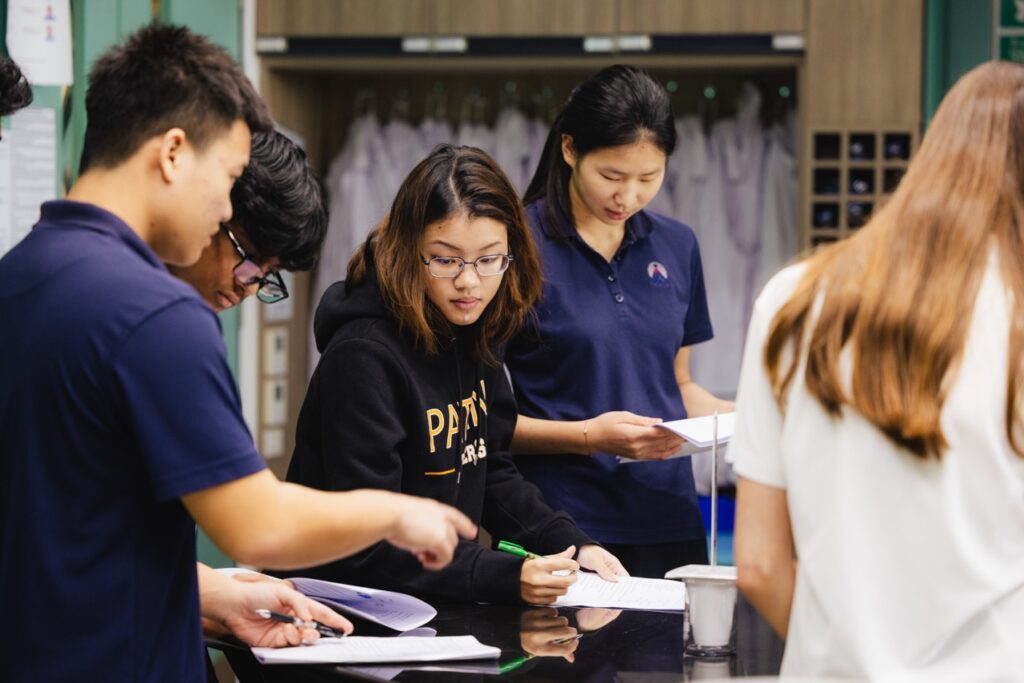
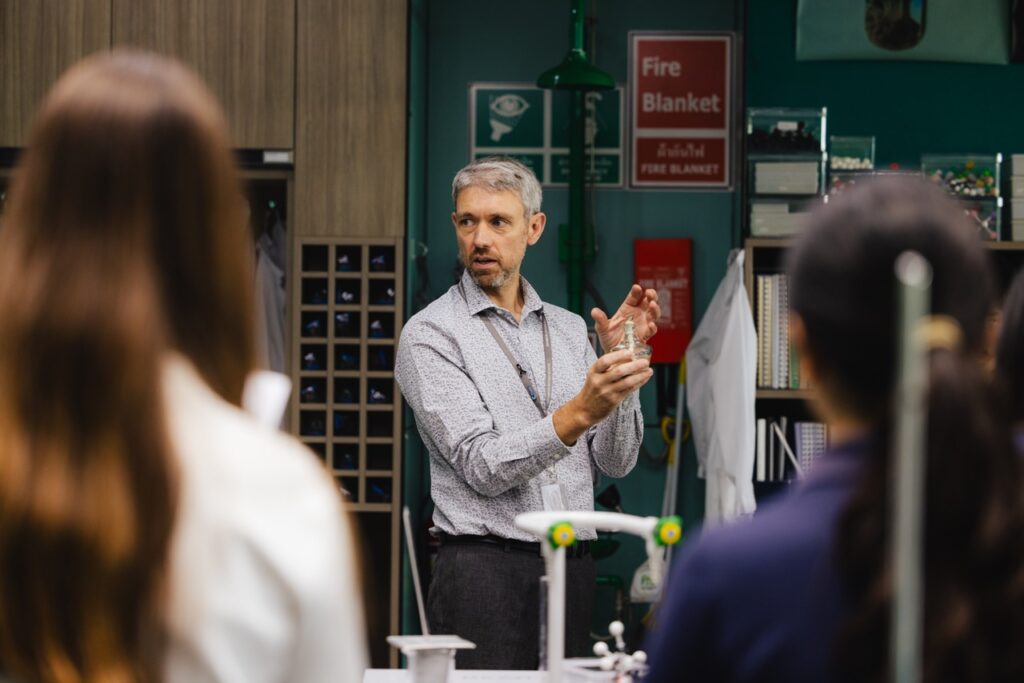
Alongside the support of families, it is also important to recognise the extraordinary role teachers play during examination periods. Teachers are not simply delivering content or marking practice papers. They are encouraging, reassuring, guiding, coaching, adapting, checking in, and very often helping students through moments of self-doubt that parents may never fully see at home.
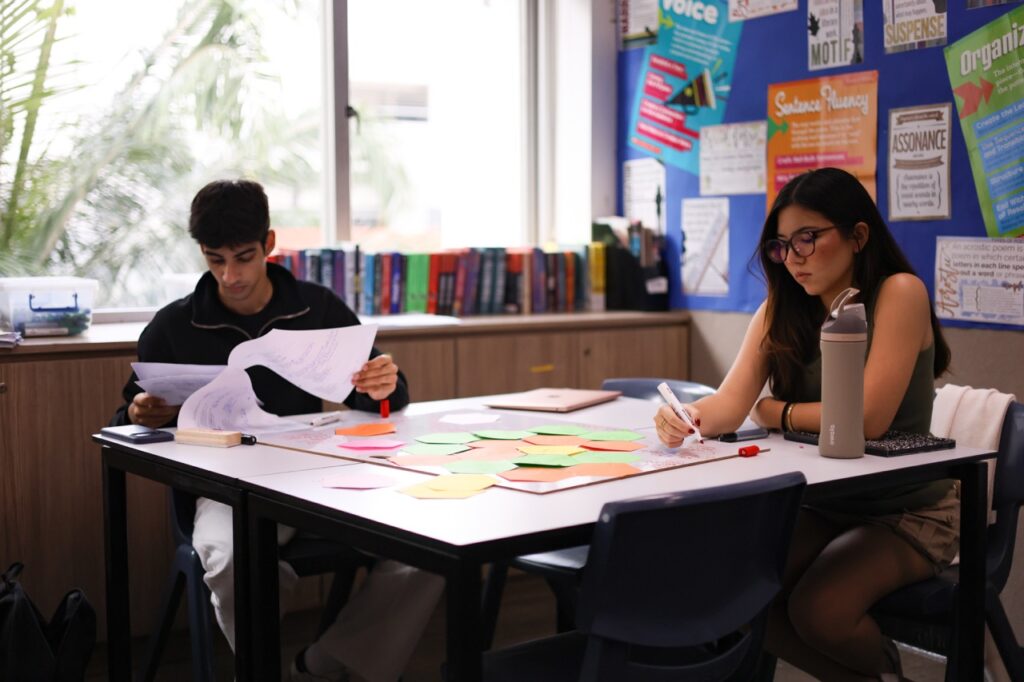
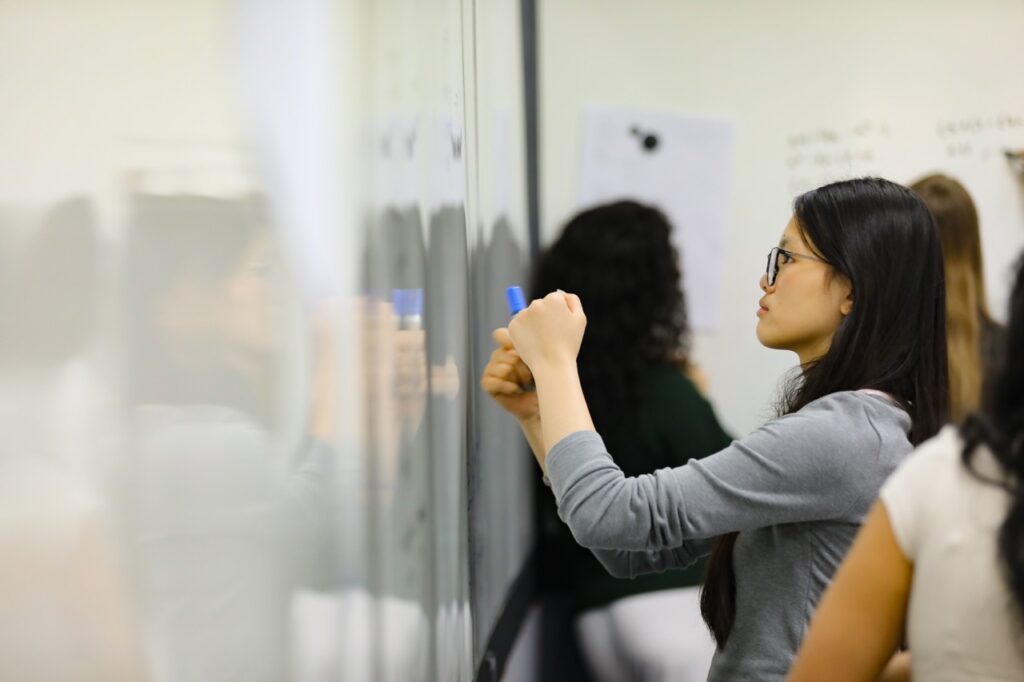
One thing I have observed consistently over many years is that students who remain actively engaged with teachers during study leave are often the students most likely to achieve, and very often exceed projected grades. It has therefore been genuinely reassuring to hear how many students have continued reaching out for support, asking questions, attending revision sessions, seeking feedback, and taking ownership of their preparation in a mature and proactive way.
Particularly pleasing has been seeing students co-construct bespoke revision schedules with teachers, adapting plans honestly around strengths, challenges, confidence levels, and well-being. Revision is not simply about sitting alone for endless hours with notes and flashcards. The students who make the strongest progress are often those who continue engaging with the expertise, reassurance, challenge and perspective that great teachers provide right up until the very end of the process.
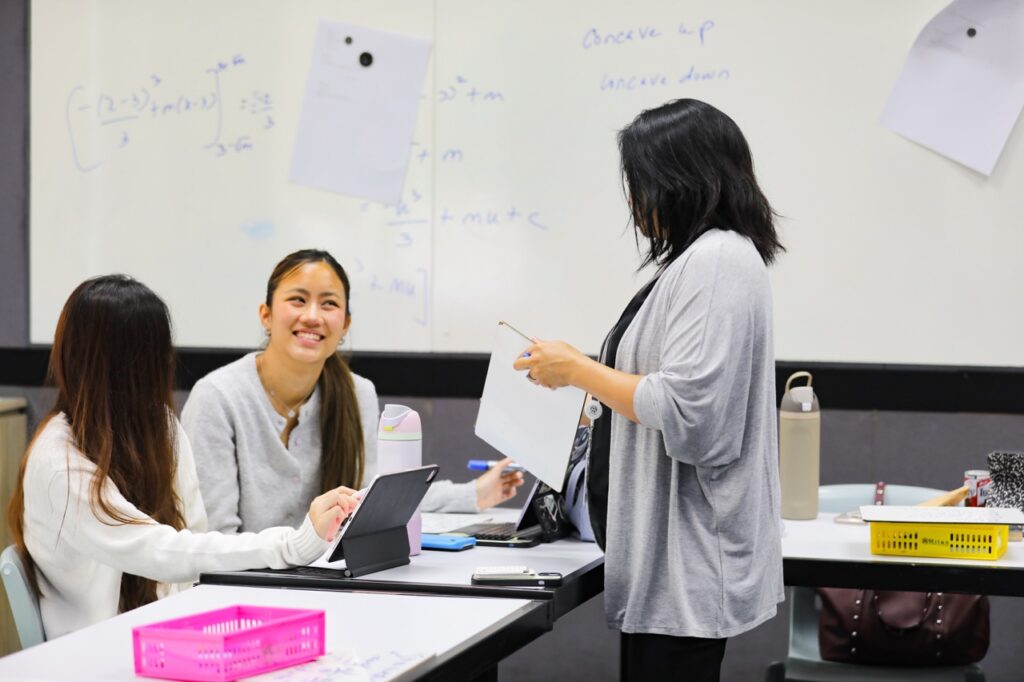
One challenge that is particularly evident with Year 13 students is the emotional adjustment after examinations finish. For months, sometimes years, life has revolved around deadlines, revision schedules, coursework, university applications and exam preparation. When that suddenly stops, students can feel unexpectedly unsettled. The waiting period before IB results are released in July can also be difficult, particularly for students prone to replaying examinations in their minds or comparing themselves to peers or older siblings.
During this period, families can help by encouraging students to reconnect with normality again. Time with friends, exercise, rest, travel, hobbies, family life, and proper recovery all matter. Rest should not be viewed as something students must earn only after perfect performance. Recovery is part of maintaining long-term wellbeing.
As a school, we remain incredibly proud of our students throughout this period, not simply because of outcomes, but because of the resilience, perseverance, courage, and maturity that exam seasons demand. We see students in Senior Studies and the Library supporting friends after difficult assessments, continuing despite fatigue, learning to manage disappointment, and gradually developing the emotional skills needed to navigate pressure and uncertainty. Those lessons matter well beyond examinations themselves.
At Patana, we remain committed to supporting students academically, emotionally, and personally through every stage of this journey. During exam season, the partnership between school and home becomes more important than ever, and we are very grateful for the support, care, and perspective that families continue to provide for their children during this demanding period.