“Reading is like breathing in, and writing is like breathing out.” — Pam Allyn
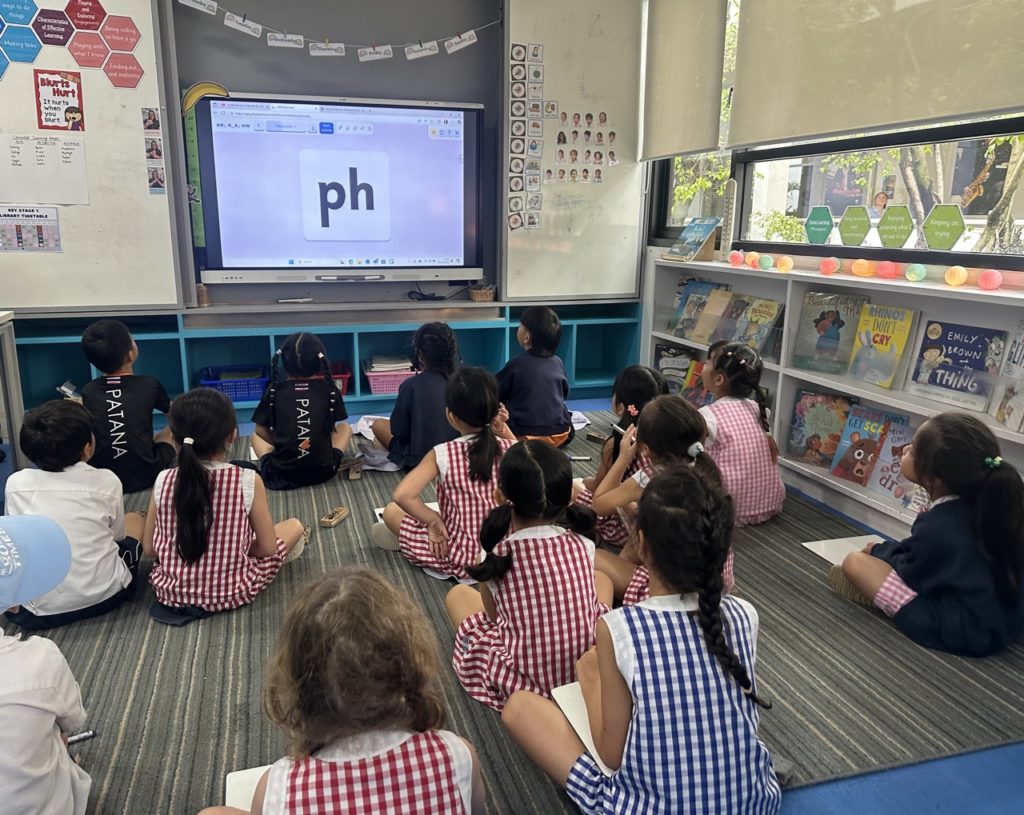
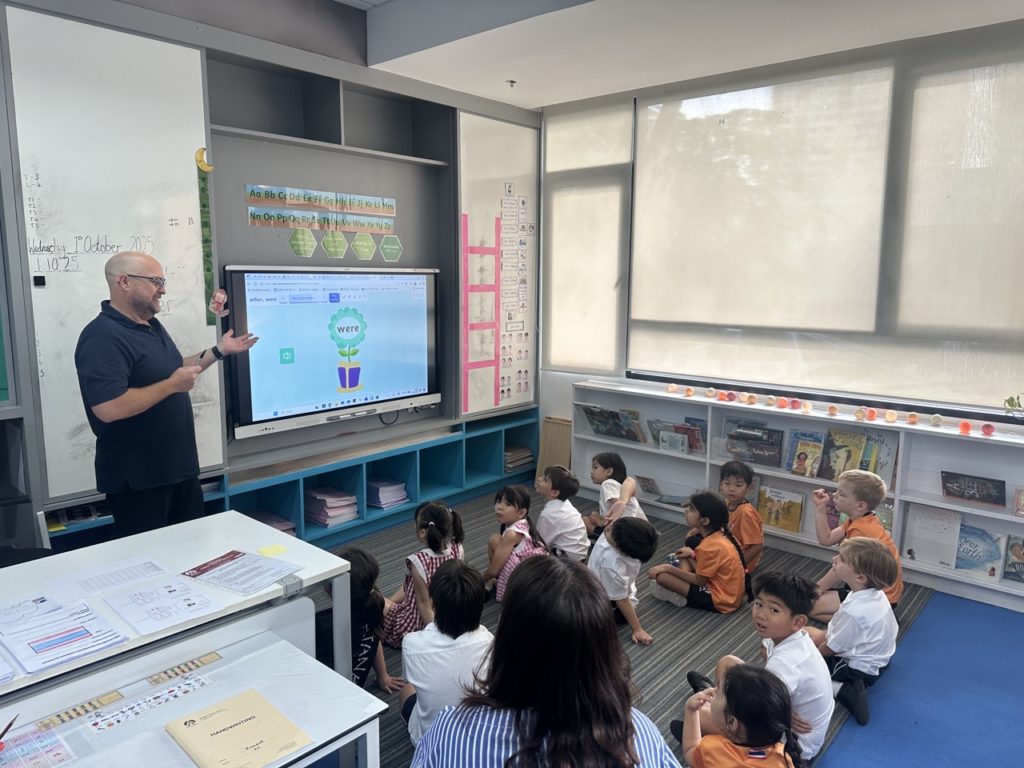
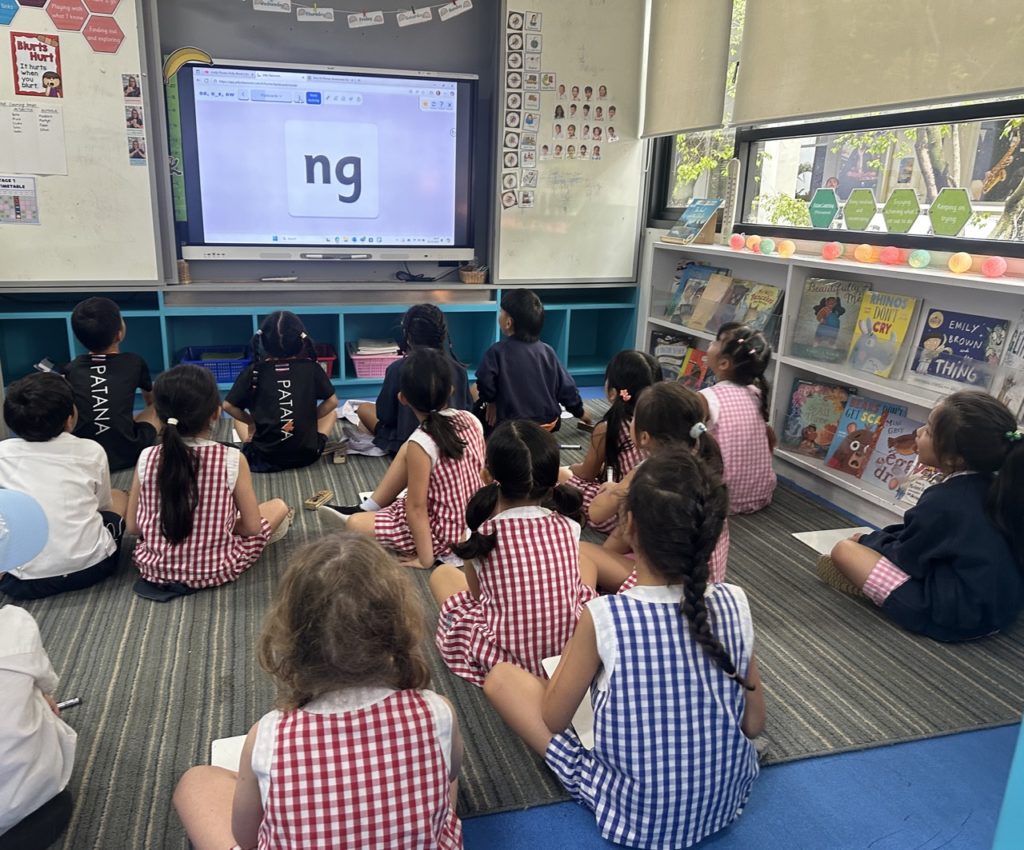
Phonics is the foundation of all reading and writing, and in Year 2 we are delighted to see the progress our children are making. From August, we build on the successes and progress the children have made since Foundation Stage. Every week, from Monday to Thursday, all Year 2 children take part in daily, exciting 30-minute phonics lessons. To make sure learning is tailored to every child, we organise 13 groups across the Year group, supported by 19 dedicated staff members. This means that each pupil is learning at the right level for them, while still moving at pace through our programme.
Why Phonics Matters
Phonics is vital for developing reading and writing skills in young children. By learning to decode words, children gain confidence in their literacy abilities, setting the foundation for future academic success across the curriculum. Engaging, interactive activities help maintain children’s interest and motivation, making phonics not only effective but also enjoyable.
Our Approach: Synthetic Phonics
Starting in Foundation Stage, we use a synthetic phonics approach, a structured method of teaching reading that provides explicit instruction in letter-sound relationships and blending skills. It is rigourously evidenced through comprehensive contemporary research into how children learn to read. Children first learn the simplest sounds, then progress to more complex combinations such as sh and ch. They practise blending these sounds to form words and segmenting them for spelling. As children move up into Year 1, their decoding and encoding skills develop side by side and they become increasingly confident, independent readers and writers.
What makes synthetic phonics distinctive is its focus on:
- Phonemes, not letter names at the early stages.
- Explicit blending of sounds into words through continuous voicing.
- Systematic phoneme manipulation skills (adding, deleting, substituting sounds).
- Tricky words taught explicitly, with attention to their irregular elements.
A key aspect of our phonics programme is its focus on the 42 letter sounds, rather than on the letter names. Lessons follow a multi-sensory approach of actions, songs, and stories which fill each session with fun and laughter. Teachers and teaching assistants work closely together to provide clear, consistent instruction and to track progress carefully. This collective effort ensures that every child is supported to take the next step in their phonics journey.
Most importantly, our children approach phonics with enthusiasm and energy. Their confidence is growing every week, and the small steps they take in phonics are helping them make big strides in literacy. By year 2, they are increasingly aware of this themselves. They are proud of their achievements, and so they should be: the phonics journey is a seminal aspect of their growth and progression from Foundation Stage through Key Stage 1, equipping them for the wonders and challenges of Year 3 and the Key Stage 2 curriculum.