
“Solving a problem simply means representing it so as to make the solution transparent.” Herbert Simon, whose work was influential in the problem-rich world of computer science, captures the heart of our approach to teaching Maths at Bangkok Patana. Our curriculum review journey has focused on articulating and developing the three strands of our curriculum: fluency, reasoning and problem solving.
Fluency and reasoning are inseparable partners in mathematical learning. Quick recall of facts and methods gives students something to reason about, while reasoning challenges those answers, encourages more efficient strategies, and surfaces the tools and rationales we use when working with problem solving. In practice, reasoning and fluency play tennis: fluency serves up an answer, and reasoning bats it back with justification, clarification or correction.
In Term 3 last year, we took a significant step forward by introducing the ‘Patana Problem Solving Approach’, which encourages all students to ‘Show your thinking’ (i.e. write down everything you know’) about a problem. Teachers ‘start hard’ by considering which aspect of a lesson most benefits from whole class input, moving away from the conventional practice of teacher direct instruction for fluency (the arithmetic, calculation-based part of maths), where problem solving is treated as an extension task. Instead, problem solving became central to every child’s mathematical experience, not just an activity for those who finished early. In Primary School, problem solving goes far deeper than worded depictions of number sentences; students are asked to engage with multiple possibilities, think systematically, and identify the mathematical skills they need to activate.
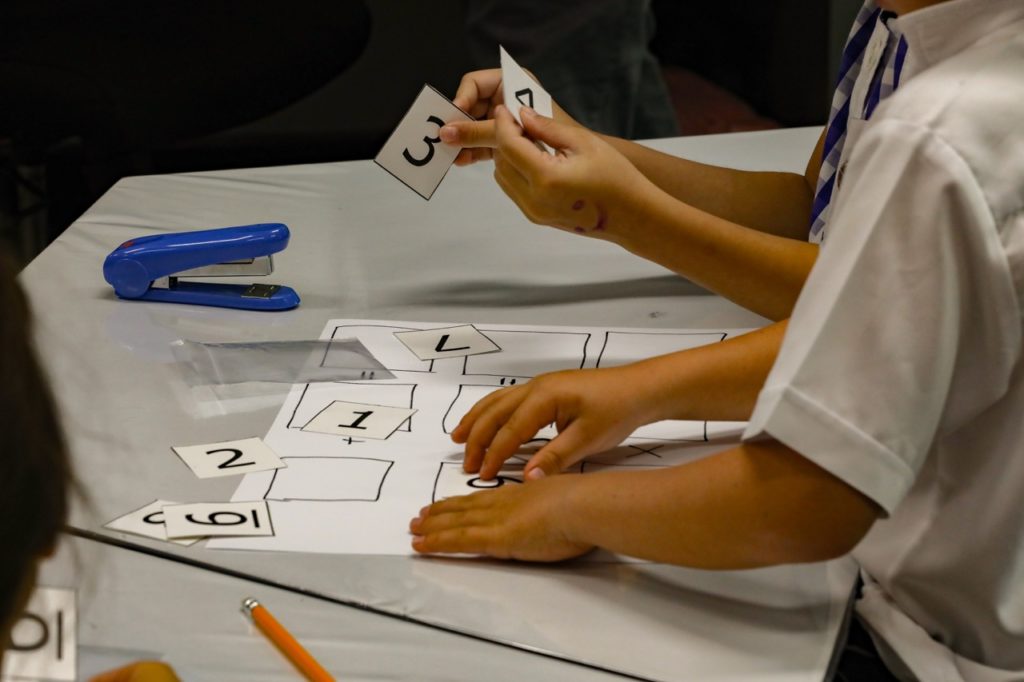
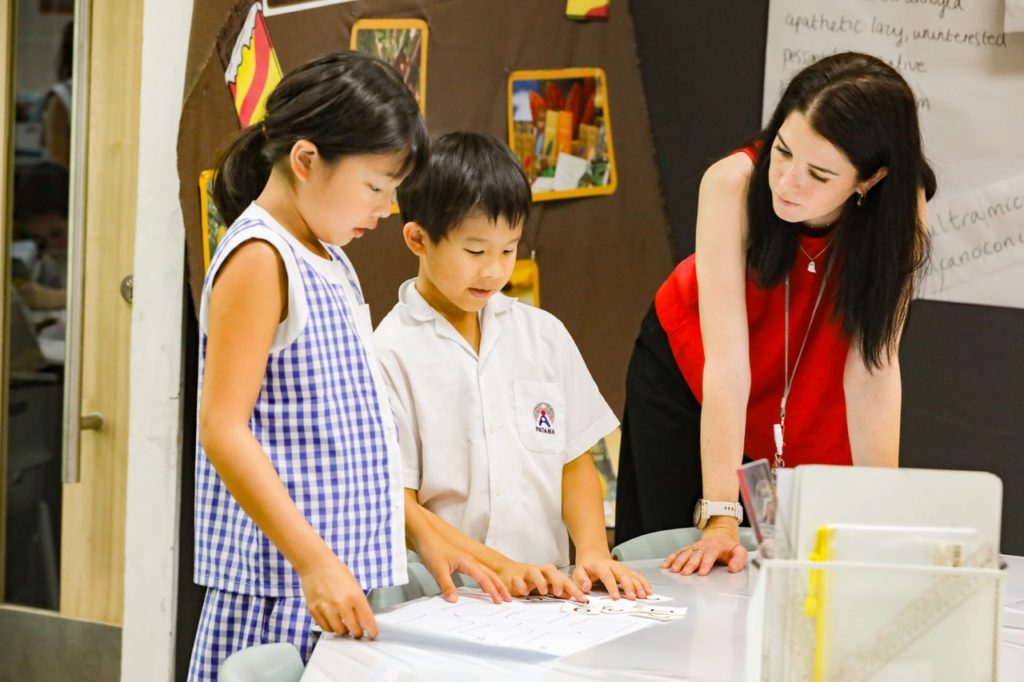
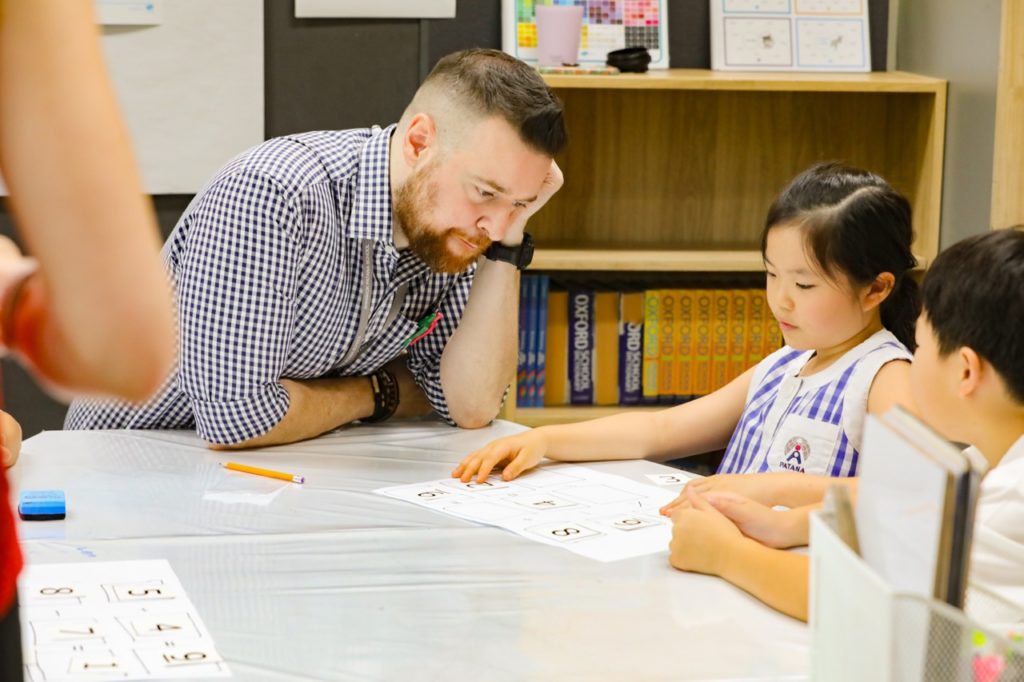
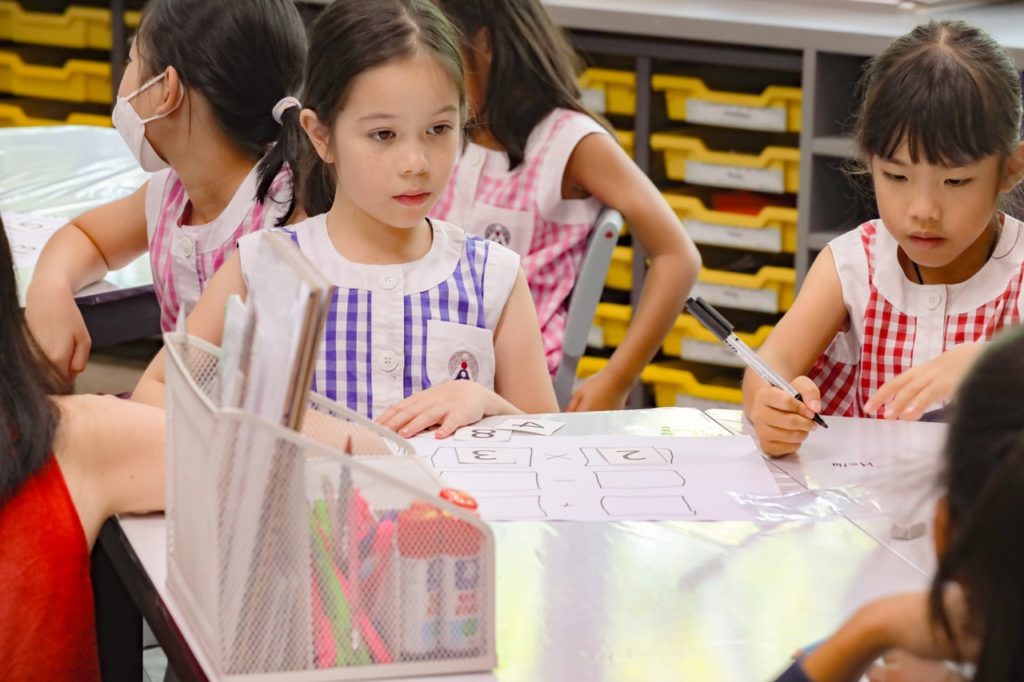
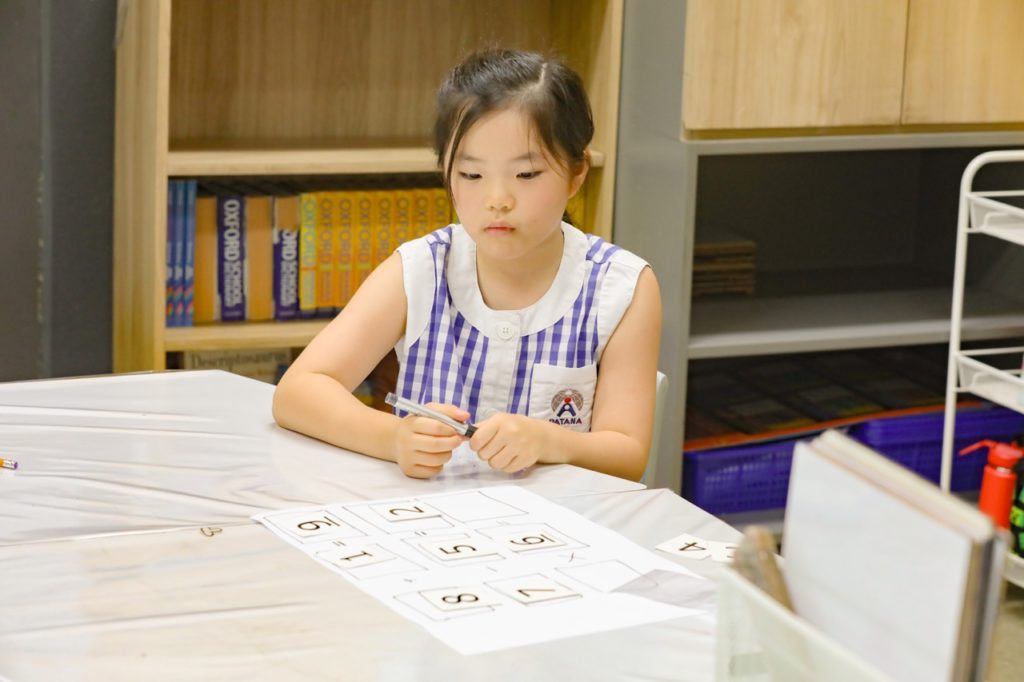
The cognitive demands made in the leap from fluency to problem solving are evident as early as Year 1. Children exploring the relationship of “one more, one less” move from counting one on and one back with manipulative resources to being challenged with complex problems such as: “Dan is one year older than his sister. Dan’s sister is one year older than Dan’s brother. Dan’s brother is 13. How old is Dan’s sister?” This type of question requires students to reason through relationships, decide where to start, and connect information logically; it is far more demanding than recall or counting.
With the support of visiting consultant Andrew Jeffrey, we identified eight core strategies carefully chosen to equip students with a toolkit for tackling a wide variety of mathematical challenges. By explicitly teaching and modelling these strategies within whole class input, we demystify the process of problem solving and make it accessible to all learners.
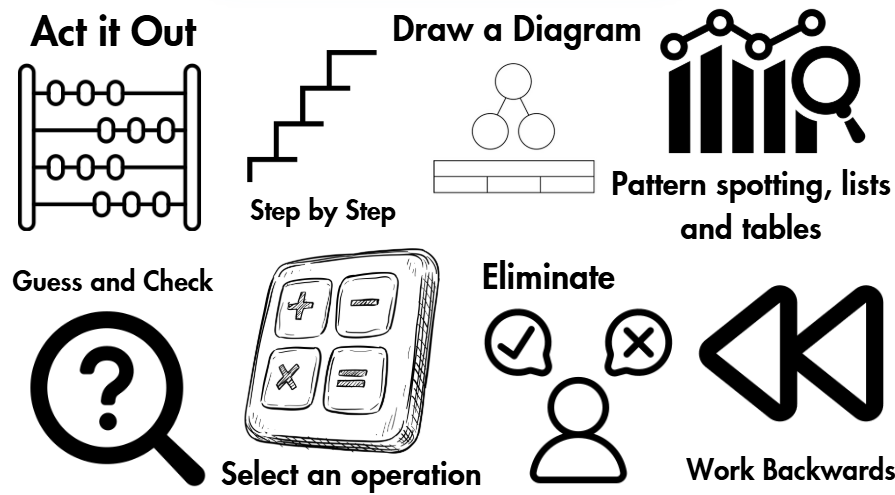
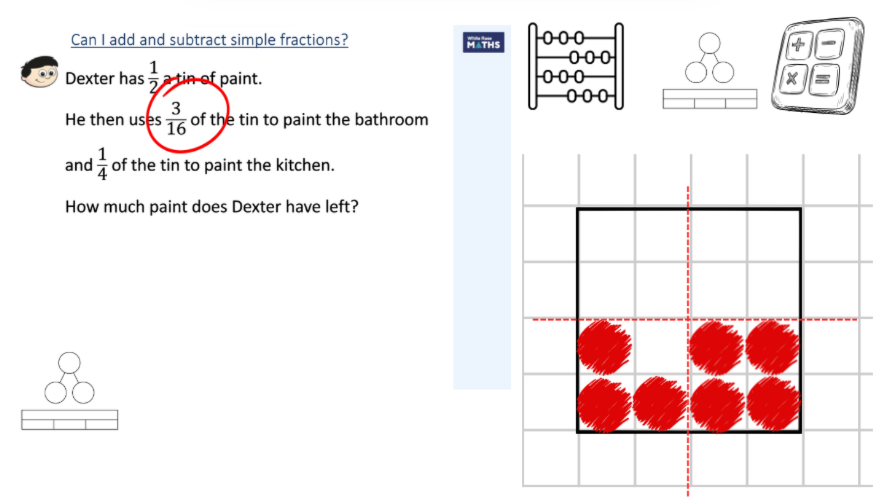
Last year, I observed a Year 6 lesson that captured our evolving approach to problem solving. The teacher posed a multi-step fraction problem: “Dexter has ½ a tin of paint. He uses 3/16 of the tin to paint the bathroom and ¼ to paint the kitchen. How much does he have left?” Three of the eight problem-solving strategies were highlighted. For some, identifying a strategy was enough to get them started. For others, the teacher modelled how one of these strategies (Draw a Diagram) could clarify the relationships between the fractions. For those requiring a further scaffold, the activity sheet included a “problem pair”—a duplicate problem with different numbers—so students could apply the same strategy again. By reducing the cognitive load of “where to start”, the problem was represented transparently, just as Simon recommends.
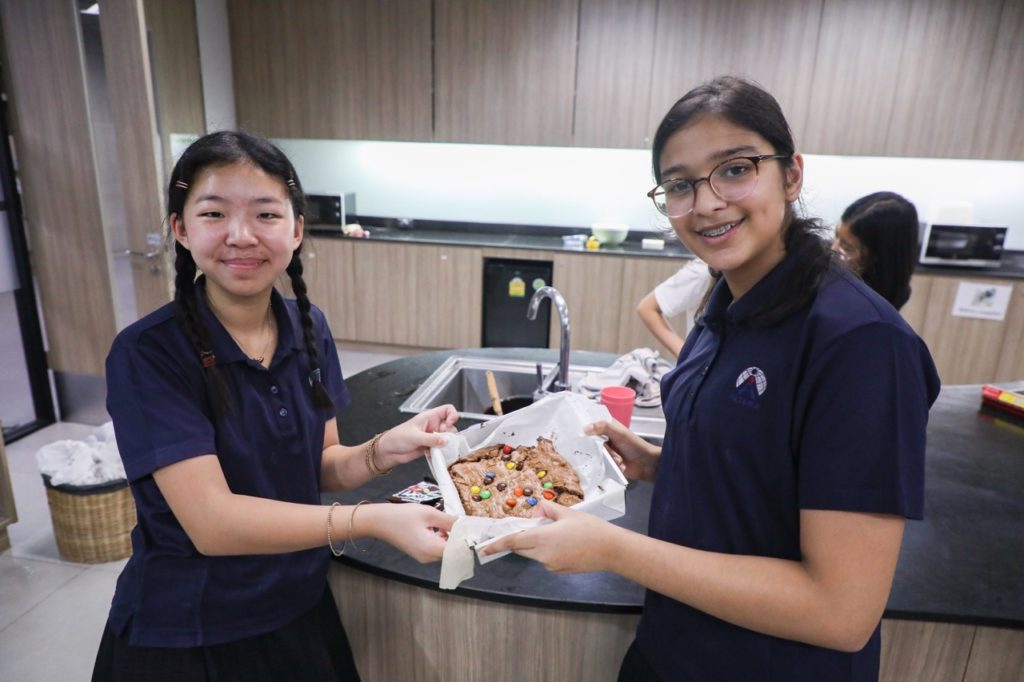
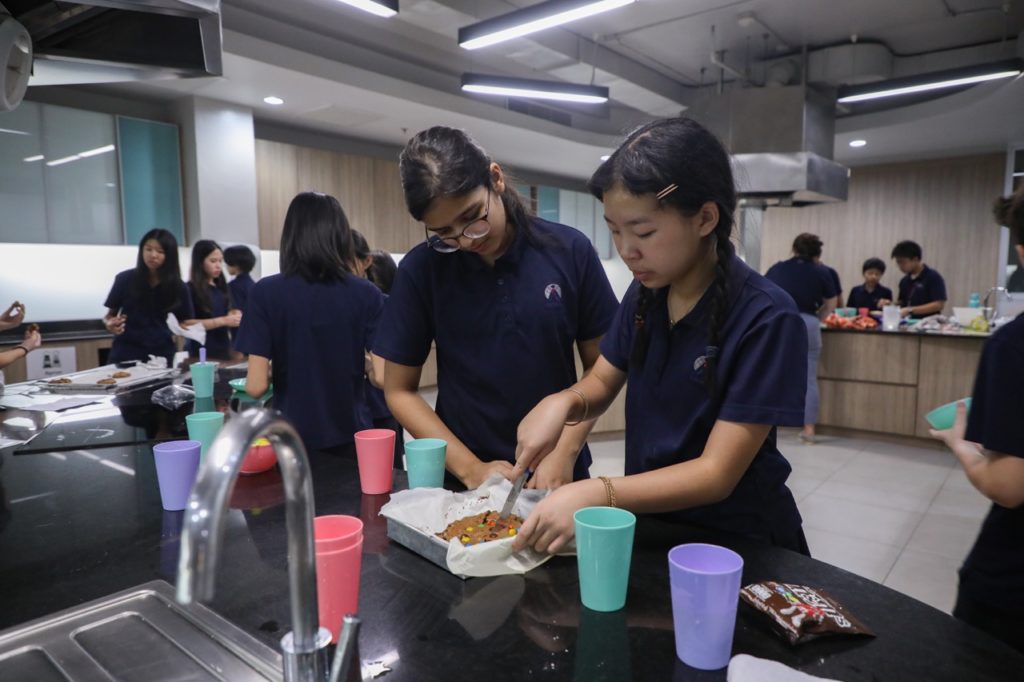
Since that point, our staff’s professional development has focused on embedding problem solving through collaborative planning clinics, training workshops and reflective learning walks. The Maths Week visit of Andrew Jeffrey and Liz Gibbs were especially valuable, as they collaborated with our Maths Team on co-drafting lesson guidance documents and led an engaging parent workshop on the Concrete-Abstract-Pictorial approach. Their advice to parents resonates: acknowledge complexity and challenge, and work through mathematical problems with your child. Learning together can validate a child’s struggle, and creates space for quality time together. As a parent, I encourage scaffolded independence; my own daughter almost ruined a batch of brownies when mentally doubling ¾ of a cup of flour to 6/8 – a real-world reminder that mathematical reasoning is essential, and that mistakes are part of learning.
As we move into the next stage of our journey, we’re deepening our focus on reasoning, ensuring sentence stems and mathematical vocabulary are part of every classroom conversation. We invite parents and the wider community to join us as we continue to refine our curriculum. Together, we can ‘make the solution transparent’ and ensure critical thinking and problem solving are a core entitlement for every learner. We can ensure every child develops not only mathematical skills, but also curiosity, resilience, and confidence for lifelong success.