From Representation to Reasoning: Making Mathematical Thinking Visible 

By Rachel Preston, Vice Principal, Learning and Curriculum

Solving a problem simply means representing it so as to make the solution transparent.” Herbert Simon, whose work was influential in the problem-rich world of computer science, captures the heart of our approach to teaching Maths at Bangkok Patana. Our curriculum review journey has focused on articulating and developing the three strands of our curriculum: fluency, reasoning and problem solving.

Fluency and reasoning are inseparable partners in mathematical learning. Quick recall of facts and methods gives students something to reason about, while reasoning challenges those answers, encourages more efficient strategies, and surfaces the tools and rationales we use when working with problem solving. In practice, reasoning and fluency play tennis: fluency serves up an answer, and reasoning bats it back with justification, clarification or correction.

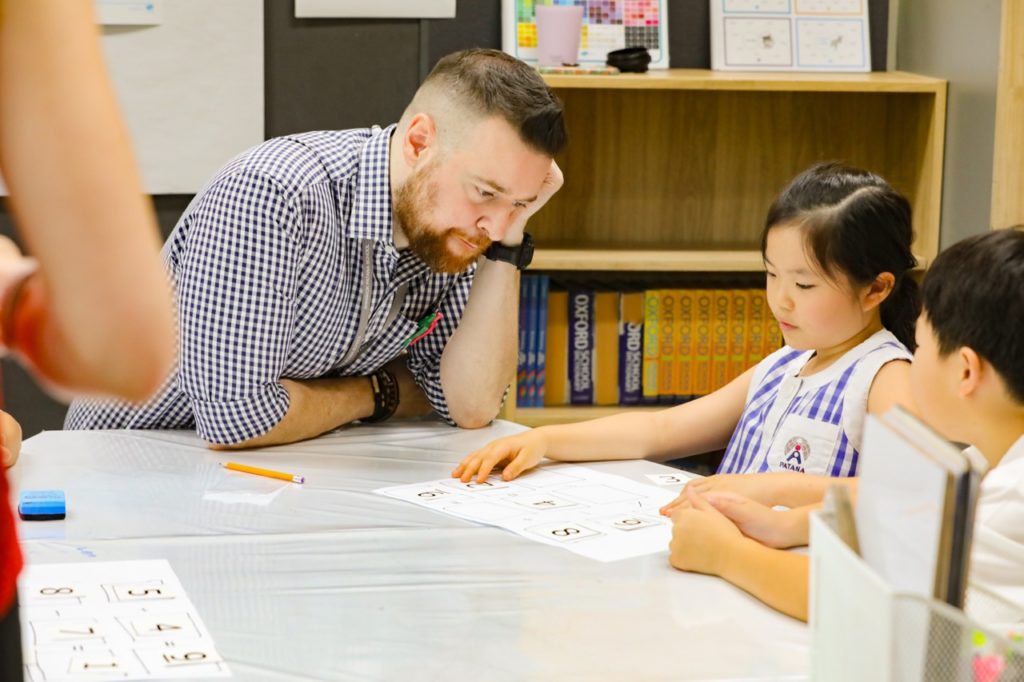
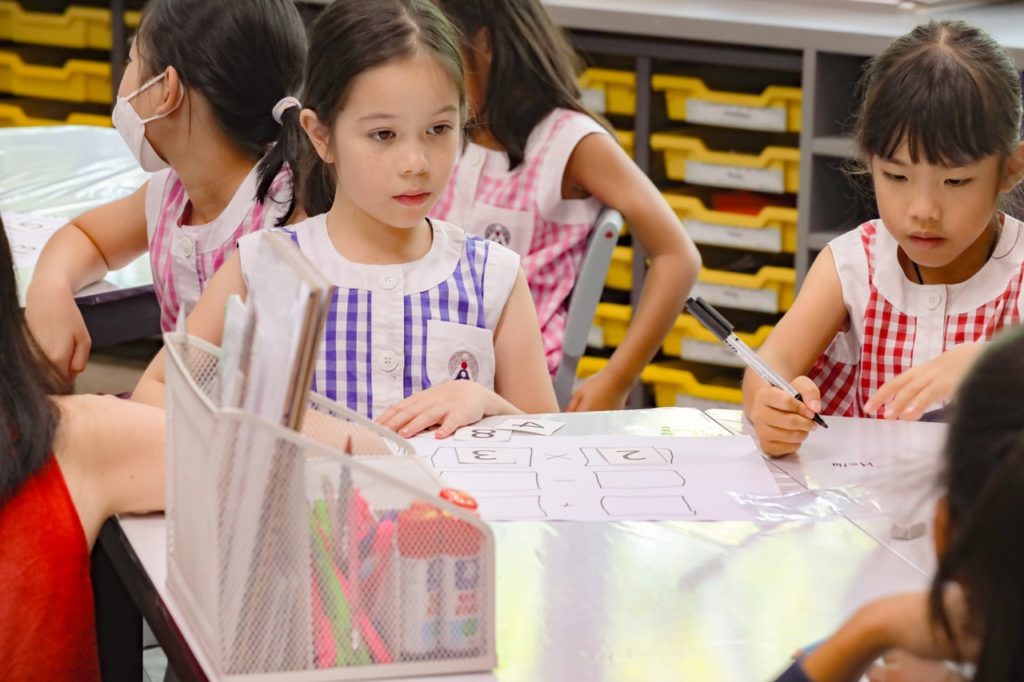
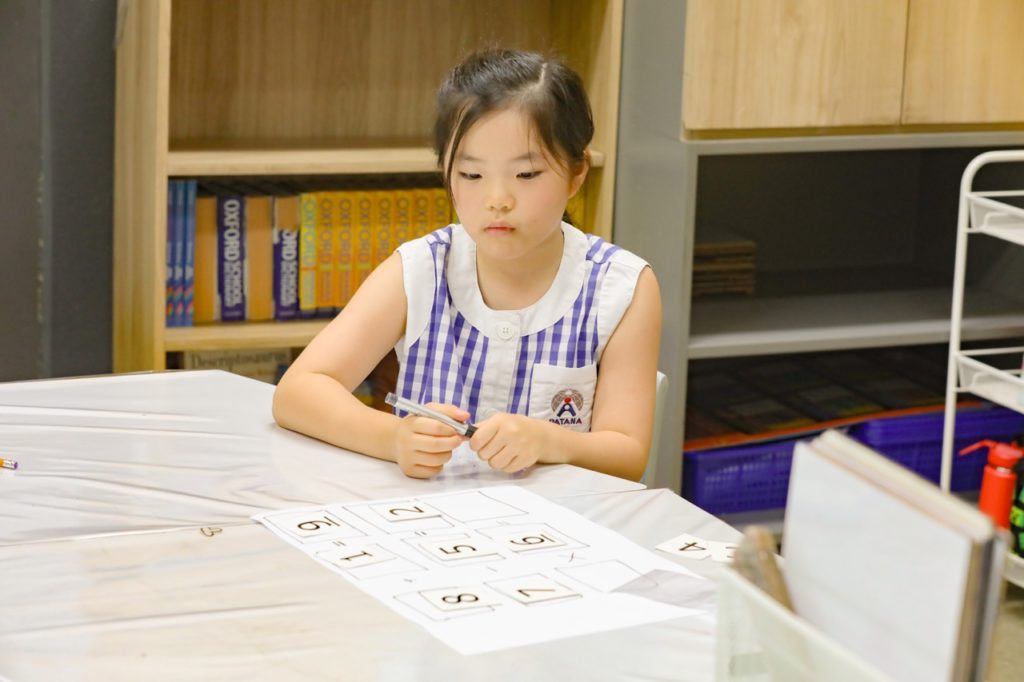
In Term 3 last year, we took a significant step forward by introducing the ‘Patana Problem Solving Approach’, which encourages all students to ‘Show your thinking’ (i.e. write down everything you know’) about a problem. Teachers ‘start hard’ by considering which aspect of a lesson most benefits from whole class input, moving away from the conventional practice of teacher direct instruction for fluency (the arithmetic, calculation-based part of maths), where problem solving is treated as an extension task. Instead, problem solving became central to every child’s mathematical experience, not just an activity for those who finished early. In Primary School, problem solving goes far deeper than worded depictions of number sentences; students are asked to engage with multiple possibilities, think systematically, and identify the mathematical skills they need to activate.
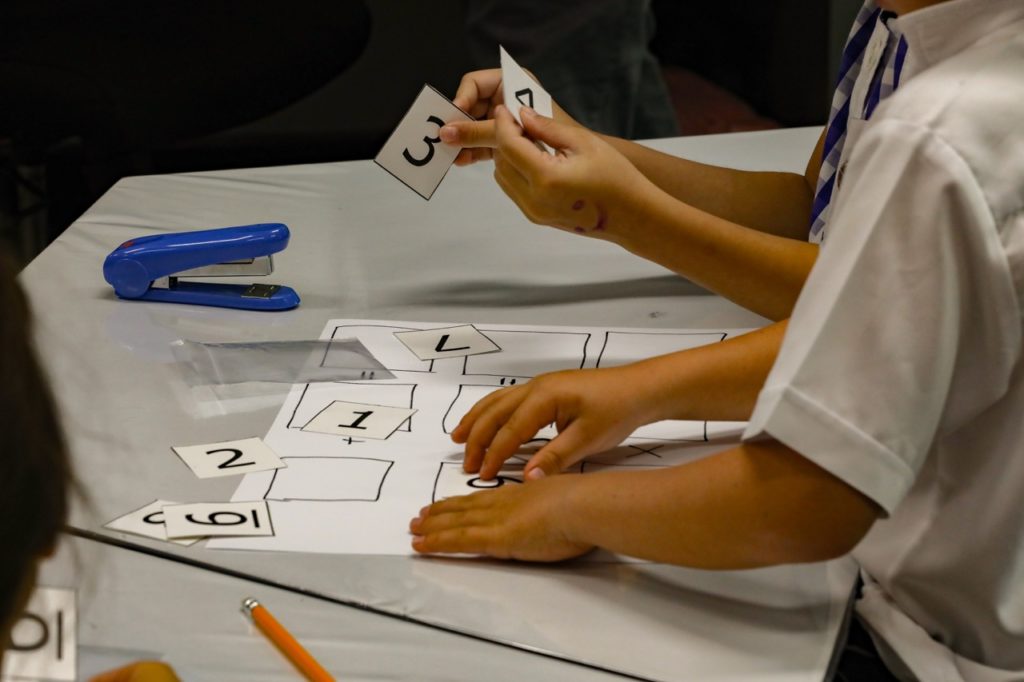
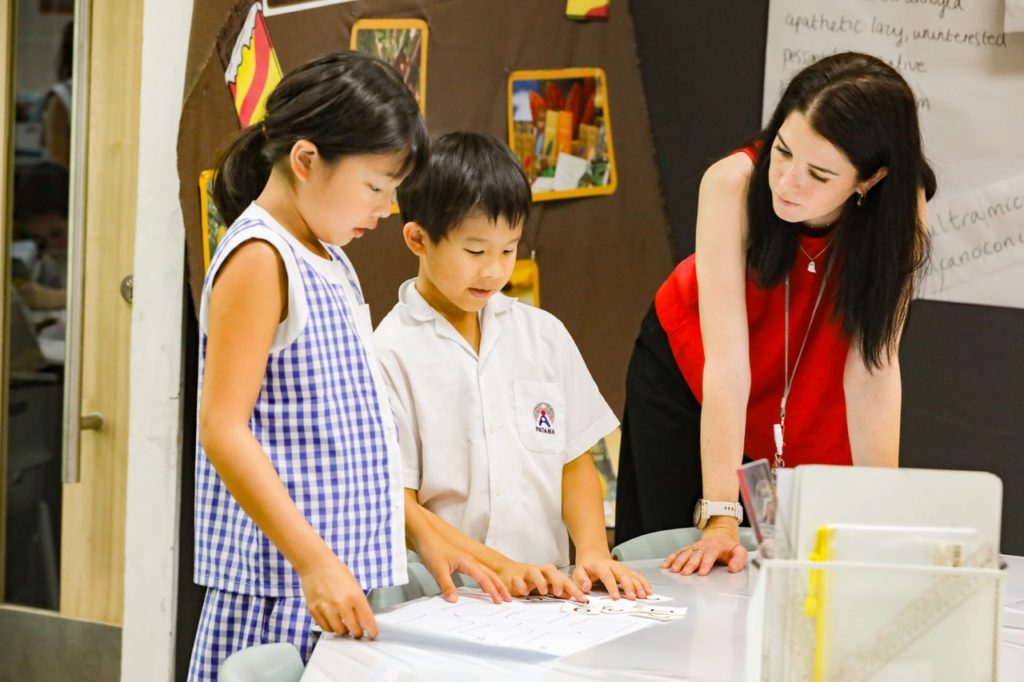
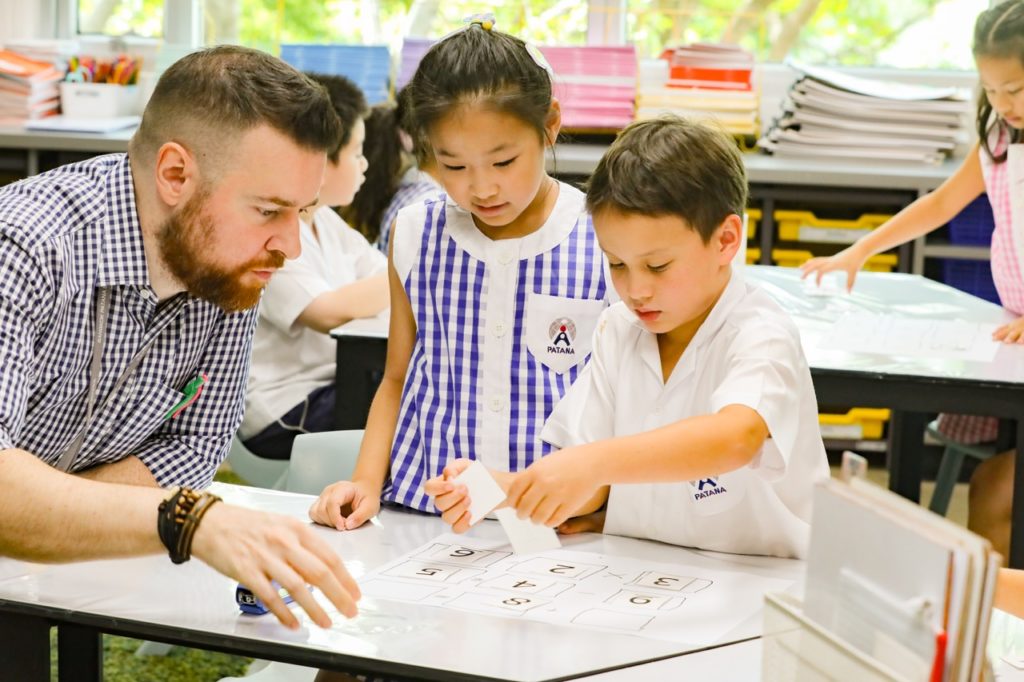
The cognitive demands made in the leap from fluency to problem solving are evident as early as Year 1. Children exploring the relationship of “one more, one less” move from counting one on and one back with manipulative resources to being challenged with complex problems such as: “Dan is one year older than his sister. Dan’s sister is one year older than Dan’s brother. Dan’s brother is 13. How old is Dan’s sister?” This type of question requires students to reason through relationships, decide where to start, and connect information logically; it is far more demanding than recall or counting.

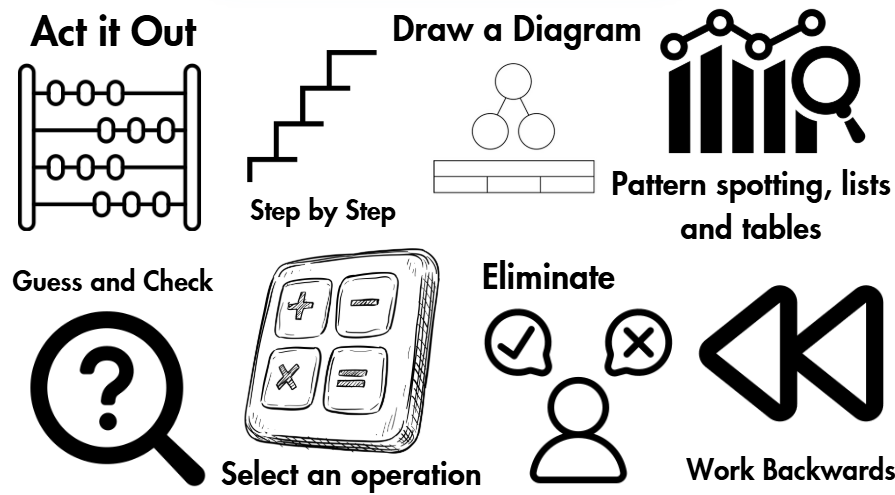
With the support of visiting consultant Andrew Jeffrey, we identified eight core strategies carefully chosen to equip students with a toolkit for tackling a wide variety of mathematical challenges. By explicitly teaching and modelling these strategies within whole class input, we demystify the process of problem solving and make it accessible to all learners.
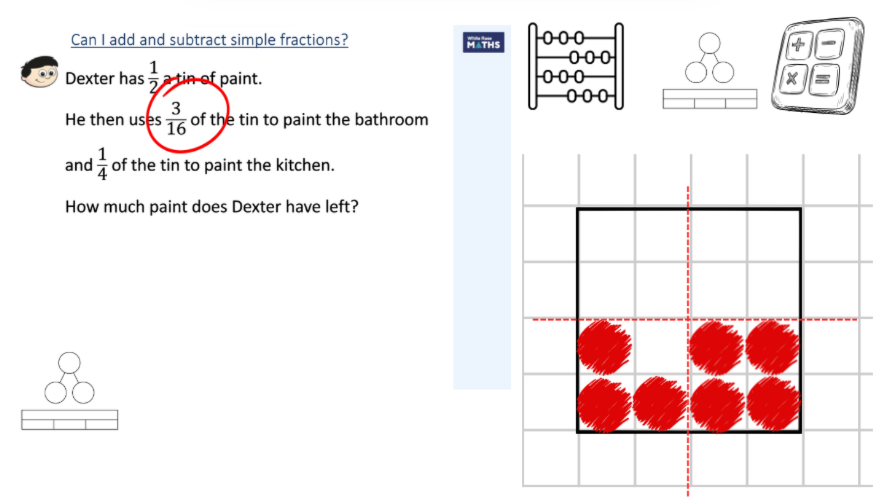
Last year, I observed a Year 6 lesson that captured our evolving approach to problem solving. The teacher posed a multi-step fraction problem: “Dexter has ½ a tin of paint. He uses 3/16 of the tin to paint the bathroom and ¼ to paint the kitchen. How much does he have left?” Three of the eight problem-solving strategies were highlighted. For some, identifying a strategy was enough to get them started. For others, the teacher modelled how one of these strategies (Draw a Diagram) could clarify the relationships between the fractions. For those requiring a further scaffold, the activity sheet included a “problem pair”—a duplicate problem with different numbers—so students could apply the same strategy again. By reducing the cognitive load of “where to start”, the problem was represented transparently, just as Simon recommends.
Since that point, our staff’s professional development has focused on embedding problem solving through collaborative planning clinics, training workshops and reflective learning walks. The Maths Week visit of Andrew Jeffrey and Liz Gibbs were especially valuable, as they collaborated with our Maths Team on co-drafting lesson guidance documents and led an engaging parent workshop on the Concrete-Abstract-Pictorial approach. Their advice to parents resonates: acknowledge complexity and challenge, and work through mathematical problems with your child. Learning together can validate a child’s struggle, and creates space for quality time together. As a parent, I encourage scaffolded independence; my own daughter almost ruined a batch of brownies when mentally doubling ¾ of a cup of flour to 6/8 – a real-world reminder that mathematical reasoning is essential, and that mistakes are part of learning.

As we move into the next stage of our journey, we’re deepening our focus on reasoning, ensuring sentence stems and mathematical vocabulary are part of every classroom conversation. We invite parents and the wider community to join us as we continue to refine our curriculum. Together, we can ‘make the solution transparent’ and ensure critical thinking and problem solving are a core entitlement for every learner. We can ensure every child develops not only mathematical skills, but also curiosity, resilience, and confidence for lifelong success.

Share This Article

In this Issue

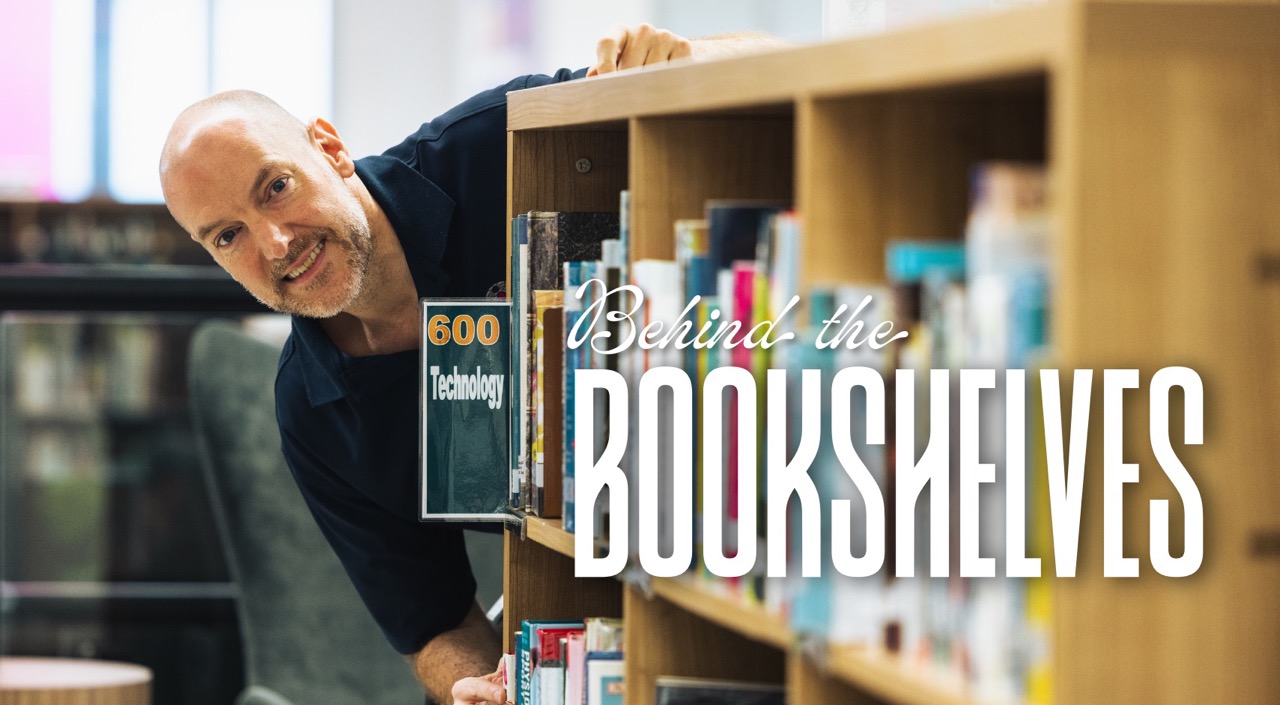
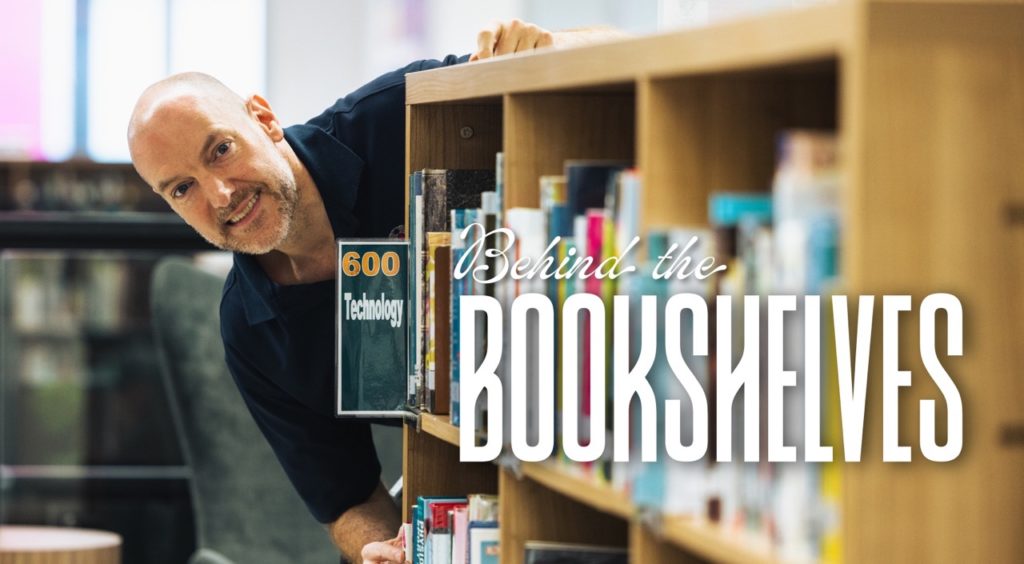
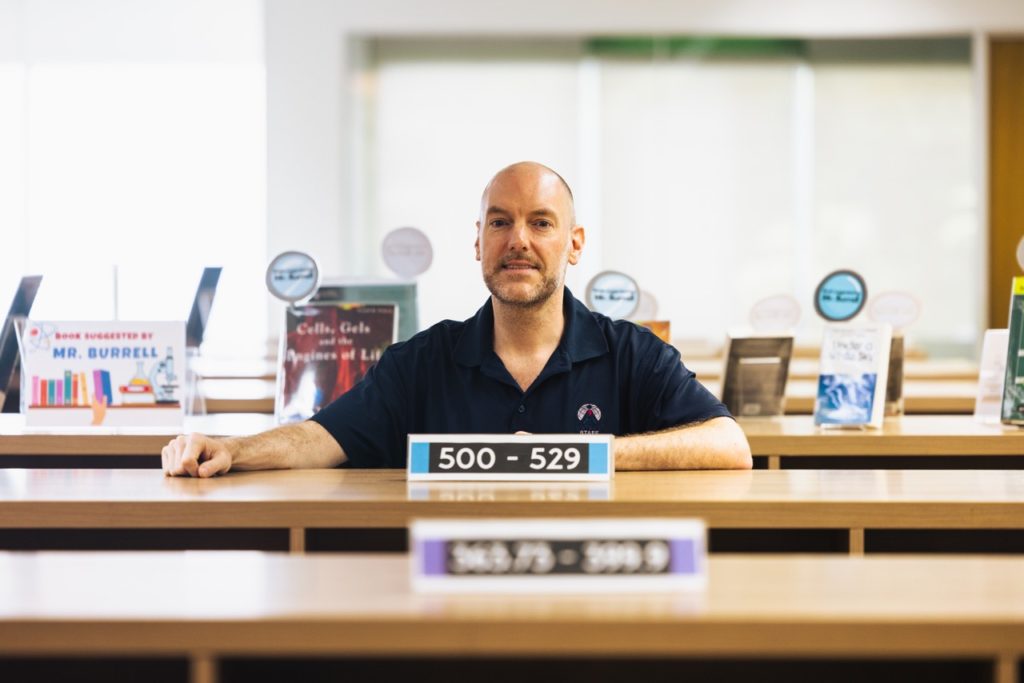
Behind the Bookshelves

What book do you recommend and why?  

Birds Without Wings by Louis de Berniéres. This novel is set in a small Anatolian village during the fall of the Ottoman Empire and the rise of modern Turkey and shows how love and friendship of ordinary people and their community are impacted by war and nationalism. The book’s mix of humour, tenderness and tragedy and exploration of tolerance, loss and resilience makes it both moving and compelling.  
What podcast do you recommend we listen to and why?

Podcast Kermode and Mayo’s Take – Worth listening to if you enjoy film, humour, and a sense of community around cinema. Mark Kermode is one of the UK’s most respected critics, while Simon Mayo brings insightful interviewing and hosting skills. Together, they mix serious film analysis with lighthearted banter. Their jokes, mock arguments, and listener catchphrases make the show feel more like a chat among friends than a formal review. They cover everything from blockbusters to independent films, with interviews from directors, actors, and other figures in the industry. The podcast has built a loyal fanbase (the “church of Wittertainment”), with listeners contributing emails, stories, and running gags that have become part of its character.  
Where do you work/teach? 

I’m Mr John O’Shea, History Teacher in Secondary School

Share This Article

In this Issue

Diversity Digest: ADHD Awareness Month

Diversity Digest is a weekly reflection written by staff from different areas of our school

October is ADHD awareness month. ADHD is a highly heritable disorder (80% genetic) which can cause dysfunction in multiple areas of one’s life (eg work, school, relationships and friendships). ADHD brains are interest-driven, causing people to ‘hyperfocus’ on things like YouTube videos and their own projects and interests, rather than on urgent or important tasks and deadlines. They may be important for you, but not for them!

ADHD Learners excel in:

  • Creative fields (acting, music, filmmaking)
  • Entrepreneurship (embracing novelty and risk)
  • Fast-paced jobs (emergency medicine, journalism)
  • Engineering and coding (when passionate)

ADHD involves attention control rather than a deficit of attention, often focusing on specific interests.

Key lifestyle factors for managing ADHD include:

  • Regular sleep schedule
  • Consistent meal schedule; they simply forget to eat
  • Daily exercise
  • “Me time” for relaxation and self-care.

Understanding ADHD helps create supportive environments. Here are some tips for being a good friend, from a child with ADHD:

  • Remind me gently about personal space if I get too close
  • Encourage turn-taking and leadership roles in games
  • I might interrupt you, but kindly remind me to wait my turn
  • Include me in invitations; it makes me feel accepted
  • Offer support when I feel overwhelmed or angry, like suggesting a walk
  • Give clear, step-by-step instructions for new games and routines
  • Kindly remind me if I’m being too loud or bossy.

Share This Article

In this Issue

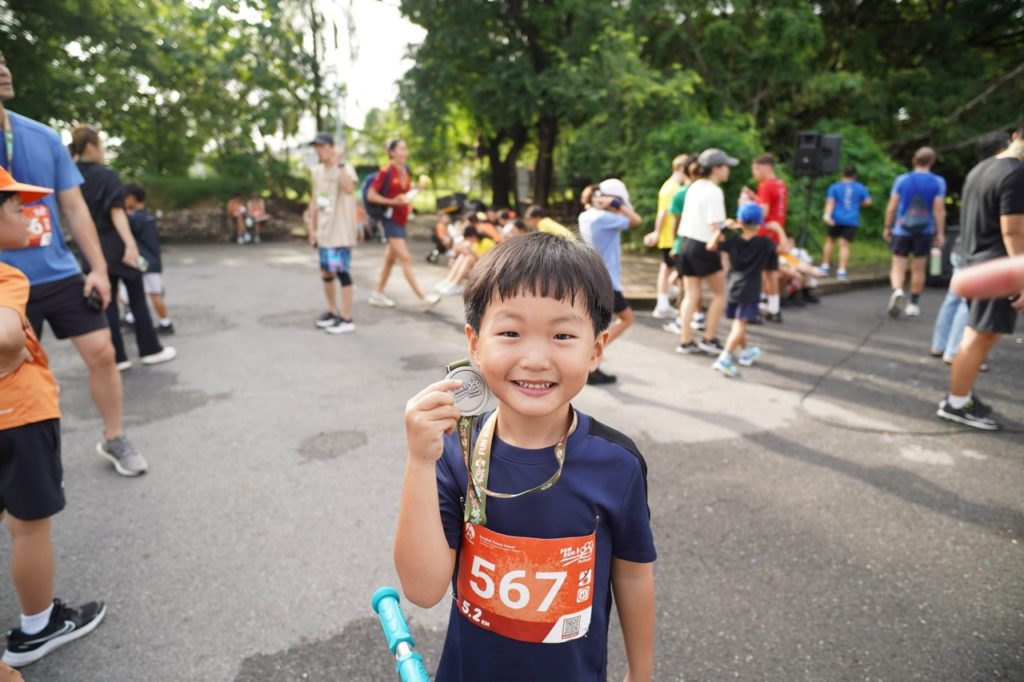
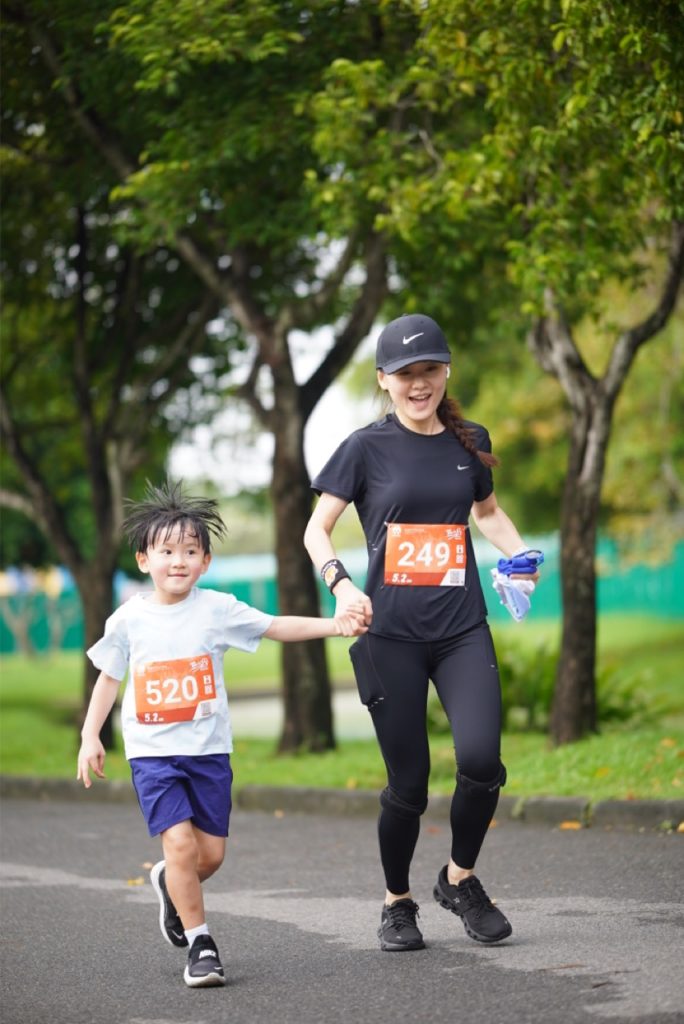
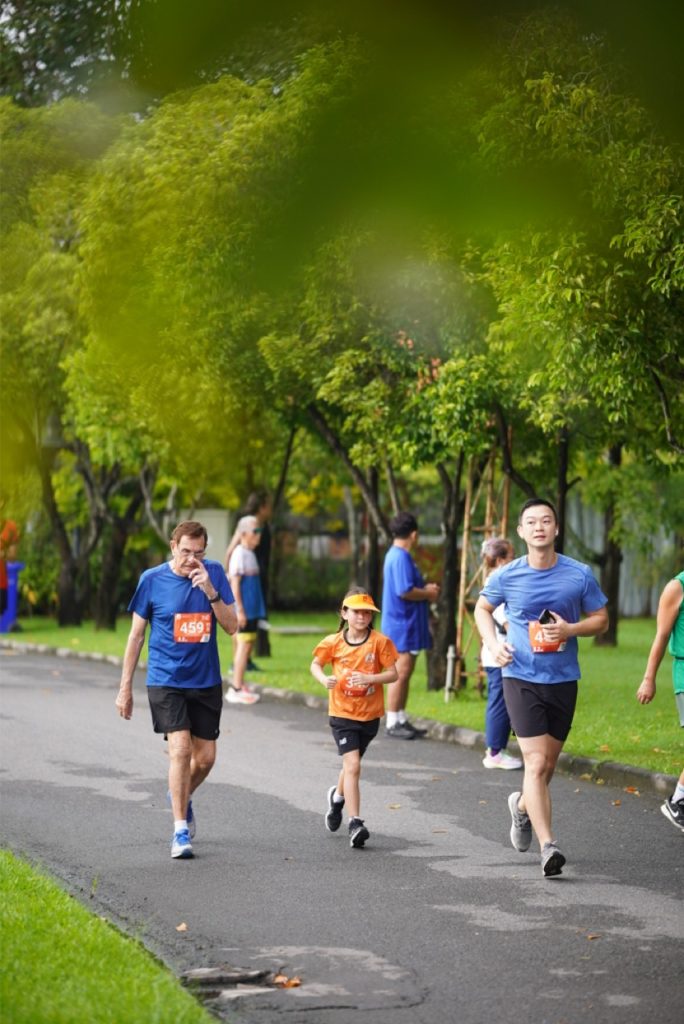
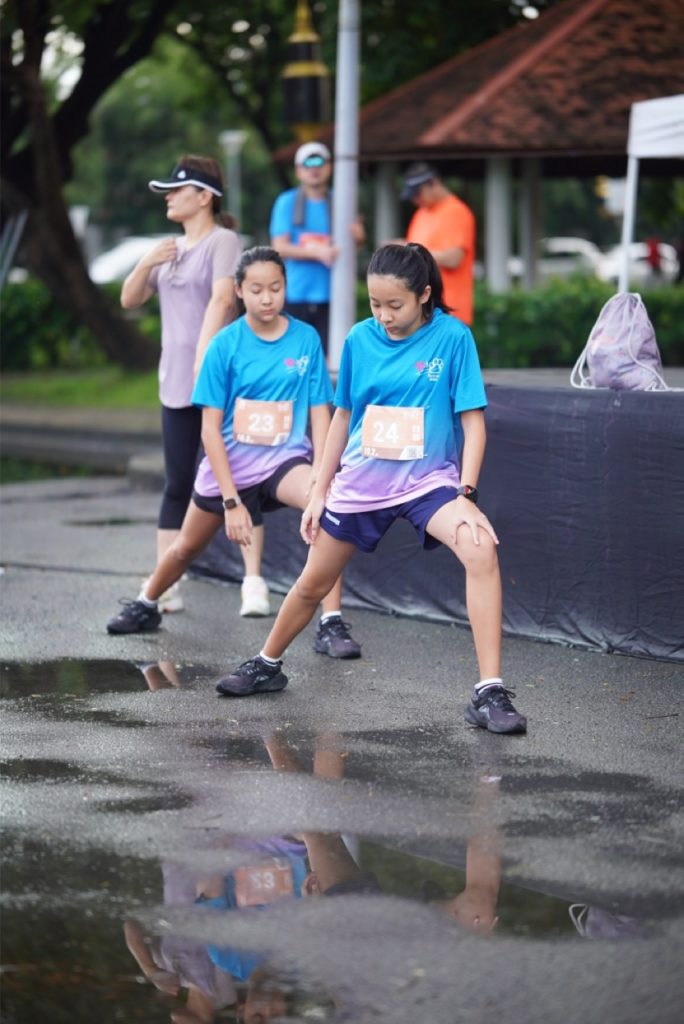
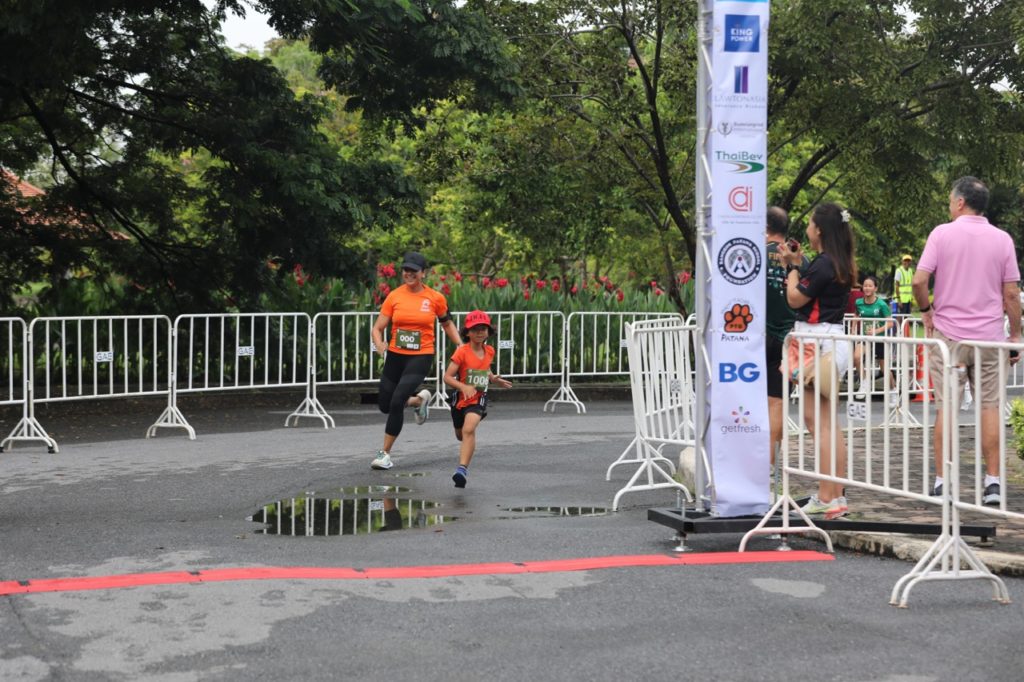
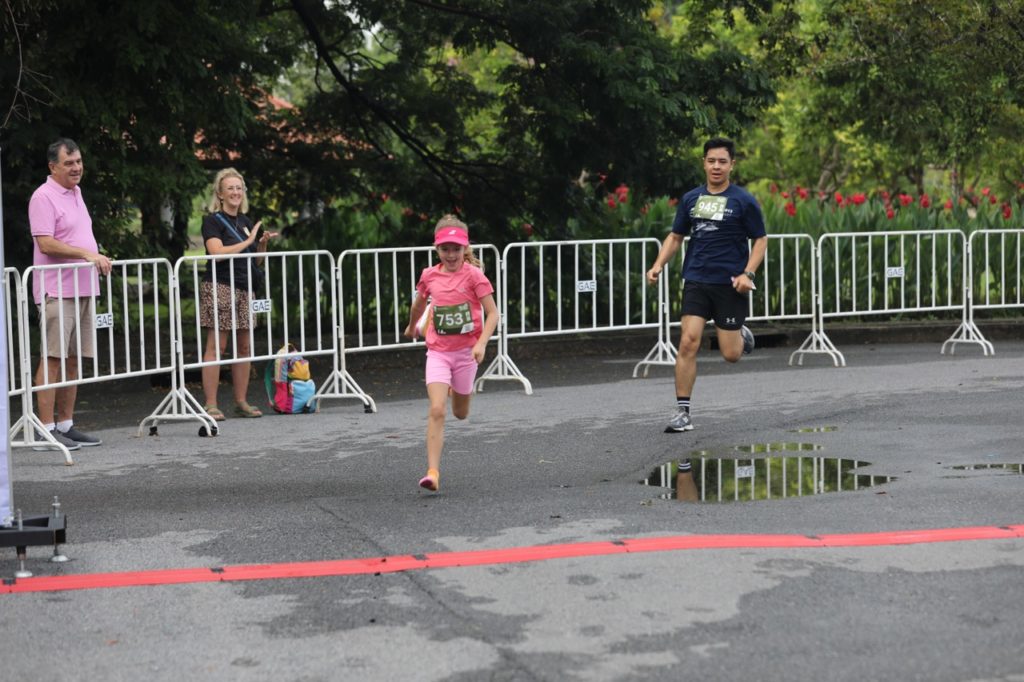
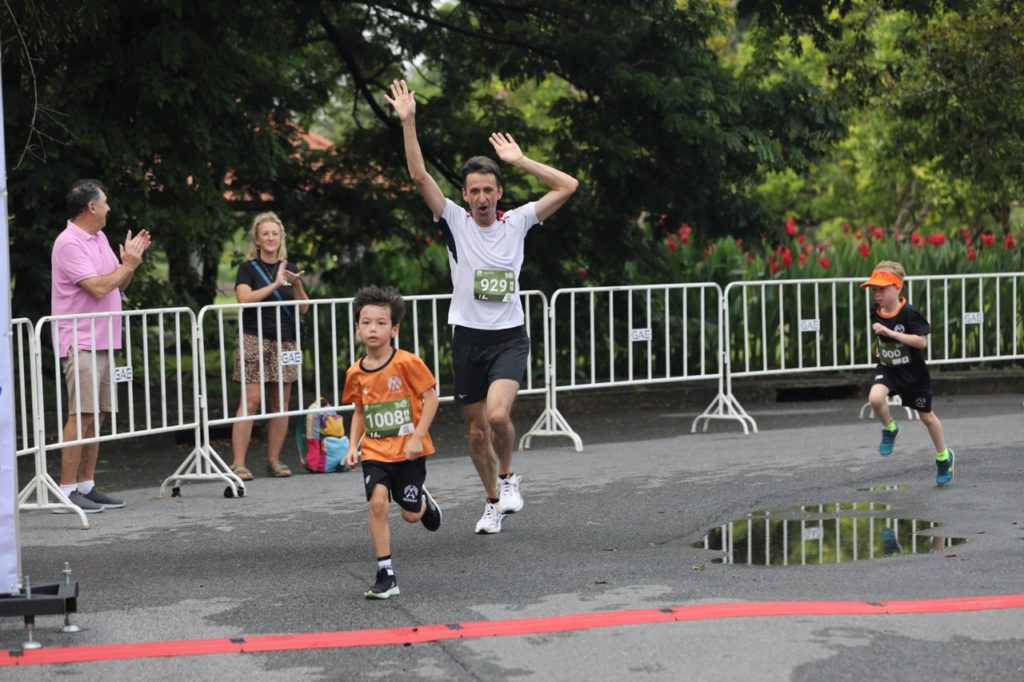
Fun Run Top Results

It was great to see so many of our community out for our annual Fun Run. A big congratulations to these students:

U 11 5km Male: Charlie Blundell, Year 5 – 25:39.45 

U11 5km Female: Caoimhe Jones, Year 4 – 34:49.74 

U18 5km Male: Jonah Ebrahim, Year 9 – 21:39.50 

U18 5km Female: Yunru (Maggie) Pu, Year 10 – 24:37.39 

U18 10km Male: Arkin Sorakraikitikul, Year 11 – 56:29.99 

Congratulations Runners!

Share This Article

In this Issue

Reflections from the Library

By Stephen Murgatroyd, Cross Campus Head of Libraries

The Bangkok Patana Libraries are more than just quiet spaces full of shelves and books – we like to think of them as a social hub, a research centre, a place to collaborate, a place to escape into the pages of a great story … they are living, breathing ecosystems of calm, curiosity, discovery and wonder. Once again, over the past year, the Patana community has proved just how dynamic that ecosystem can be.

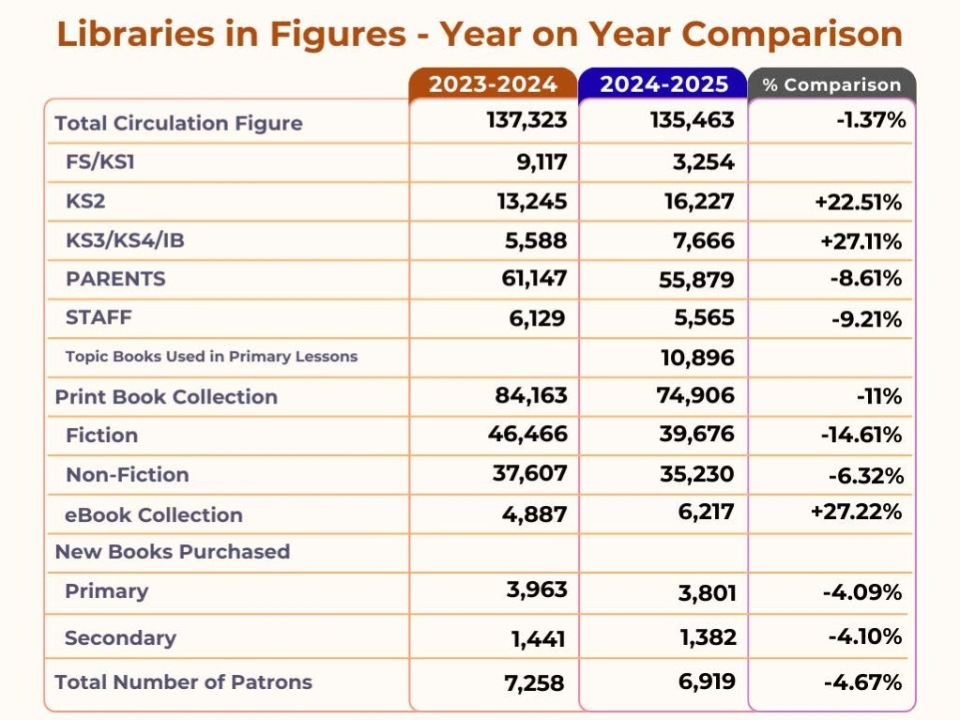
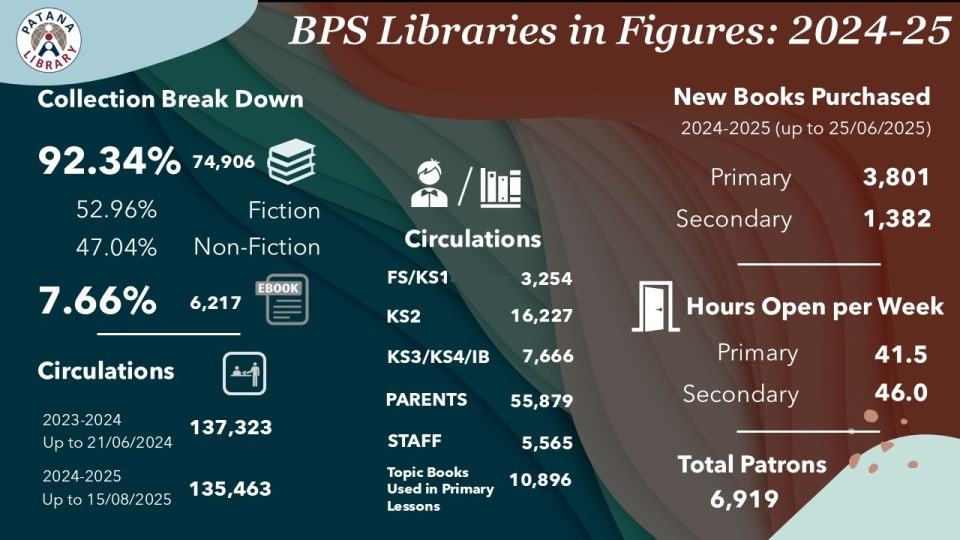
So, as we reflect on our Library usage across the past academic year, our circulation and usage figures reveal a wonderful story of enthusiasm, shifting reading habits, and opportunities for exciting growth. Here’s a closer look at what we discovered …

Borrowing is on the Rise in Key Stage 2 and Secondary!

The headline success? Our Key Stage 2 students borrowed 22.5% more books than the year before – and our Secondary students topped even that, with a 27.1% increase. These are phenomenal jumps and reflect a very positive reading culture among our older students. Whether it’s fantasy, dystopia, graphic novels, or real-world non-fiction, our shelves are clearly speaking their language.

A Subtle Rise in Digital Use, Along with a Strong Print Collection

While our overall print book collection decreased by 11%, this was a strategic move, all part of our effort to keep our shelves fresh, relevant, and responsive to our users’ needs.

Meanwhile, eBook checkouts increased by 27%, showing growing digital engagement. Our eBooks now make up 7.66% of our collection, up from 5.48% last year. We’re seeing more of our patrons dip into reading on their devices, which are great for travel, accessibility, and 24/7 availability. However, our print borrowing remains strong, showing that books still hold a place dear to a lot of us. The demise of printed material is still a long way in the future, it seems.

Book Sets for Classroom Use

This year we decided to record the figures for the use of topic, or themed, books that were requested by Year groups to aid the children’s learning in the Primary classrooms. We knew this was popular but had not quite realised to what extent – there were over 10,000 loans last year! This is a huge testament to the depth and relevance of our collection as well as the strong classroom and Library collaboration that exists.

Data Gaps in Foundation Stage and Key Stage 1

You may notice lower figures for our youngest readers. Due to a systems migration mid-year, some FS/KS1 borrowing data wasn’t captured – but rest assured, story times and book borrowing remain a joyful part of their day. We are making sure that next year’s numbers tell the full story – having checked the statistics over the first month of this academic year, we already know that the numbers are comparable to previous years.

New Books and Fresh Reads

Our shelves grew by nearly 5,200 new titles last year, carefully selected for relevance, inclusion, and excitement. This included:

– 3,801 new Primary books
– 1,382 new Secondary books

We are also continuing to curate more topic and themed books to support teachers in their classroom learning.

Thank You, Patana

Of course, none of this would be possible without you – our children, students, parents and staff, who borrow, browse, recommend and read the wonderful variety of reading material we have available.

Whether you are devouring graphic novels, researching for your IB, reading aloud to the children in your class (or indeed your own children at home), enjoying a quiet moment with a story of your own choosing or just using our spaces for a quiet moment of reflection – you are part of our library’s story and we cannot thank you enough.

Here’s to another brilliant chapter ahead!


“Happy Reading” from your Library Team.

Share This Article

In this Issue

The Great Patana Bake Off: A Sweet Celebration of Languages

By M. Victoria Castanedo, Spanish and French Teacher

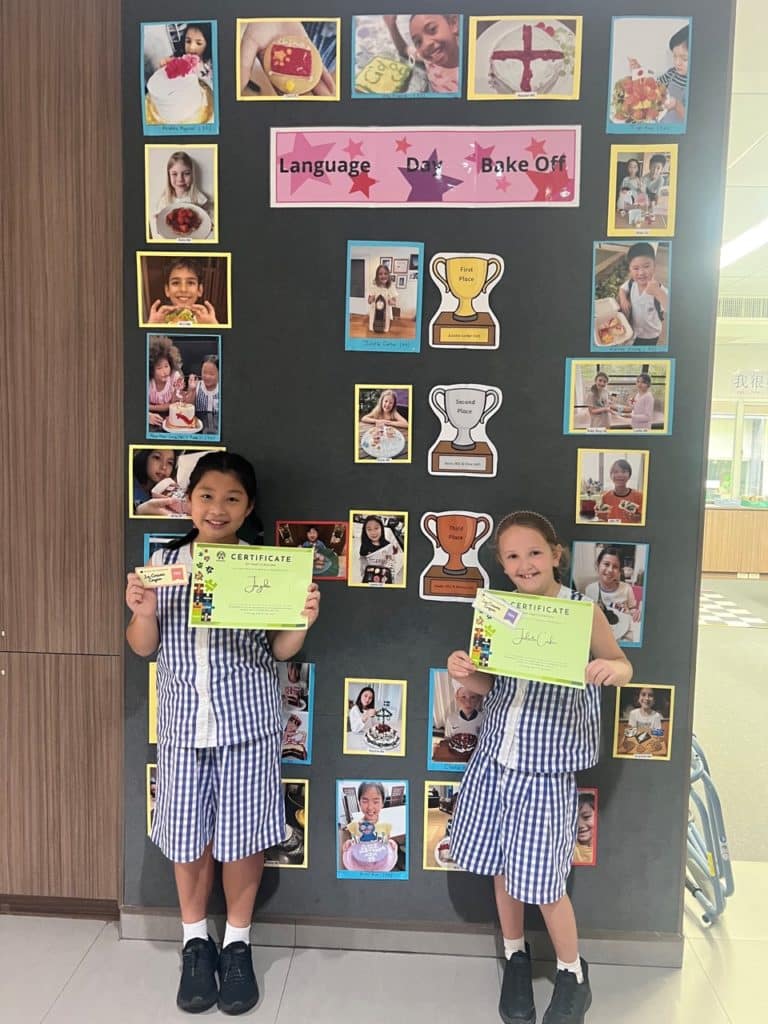
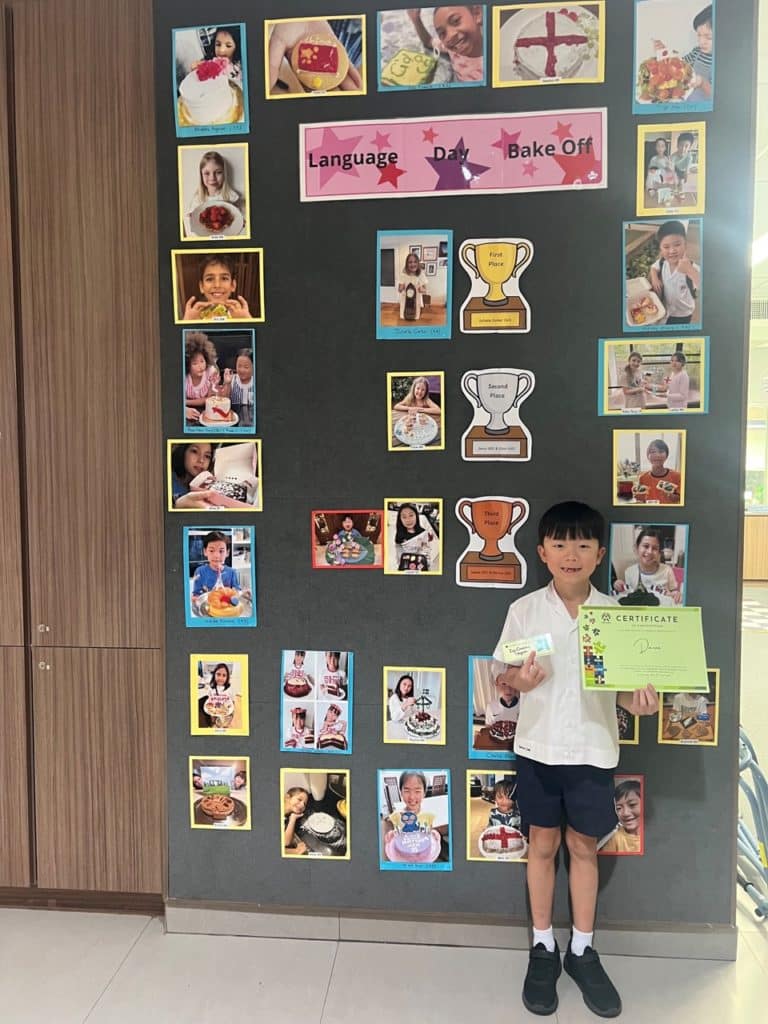
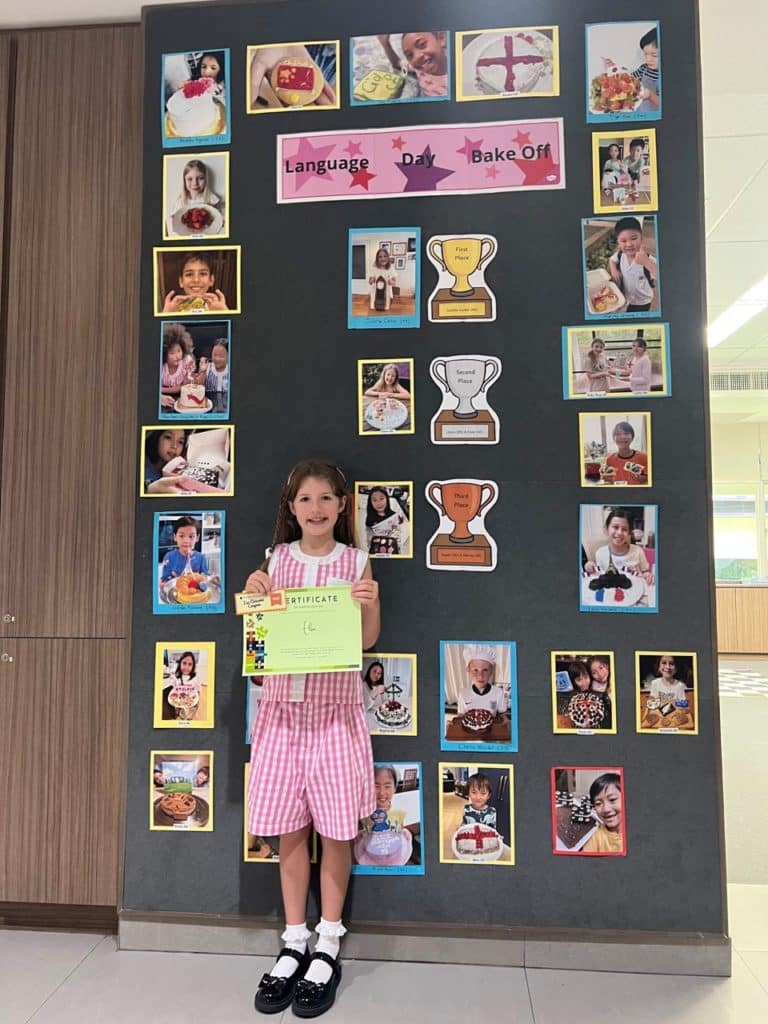
In honour of the European Day of Languages, Bangkok Patana School hosted a deliciously creative competition — The Great Patana Bake Off. This year’s theme, “Day of Languages,” invited students to express their love for languages and cultures through baking, with a fun twist: each entry had to represent a language or country, and participants were encouraged to take a selfie with their creation and submit it for judging.

From iconic landmarks to national symbols, the entries were as diverse and imaginative as the languages they celebrated. Students from across year groups participated, earning house points, diplomas and a chance to win one of the top three prizes.

And the winners are…

Juliette Corker, 4H wowed the judges with her stunning Big Ben cake, a tribute to London and the English language.

Janis, 8S and Elsie, 4C teamed up to represent Thailand and Spain. Janis showcased Thai culture, while Elsie decorated mini cupcakes with Spanish flags and the word “Hola,” celebrating the language she’s currently studying.

Jayda and Darius, 3S brought Malaysia to life with a vibrant cake featuring the durian, Twin Towers, Nyonya Kebaya costume, lion dance, and hibiscus — Malaysia’s national flower. Darius added a whimsical touch with a flower cake and fish mooncakes swimming in a lotus pond.

The Bake Off was a delightful way to blend culinary creativity with cultural appreciation, reminding everyone that language learning can be both meaningful and fun — especially when cake is involved.

Share This Article

In this Issue

The Patana Pod

Share This Article

In this Issue

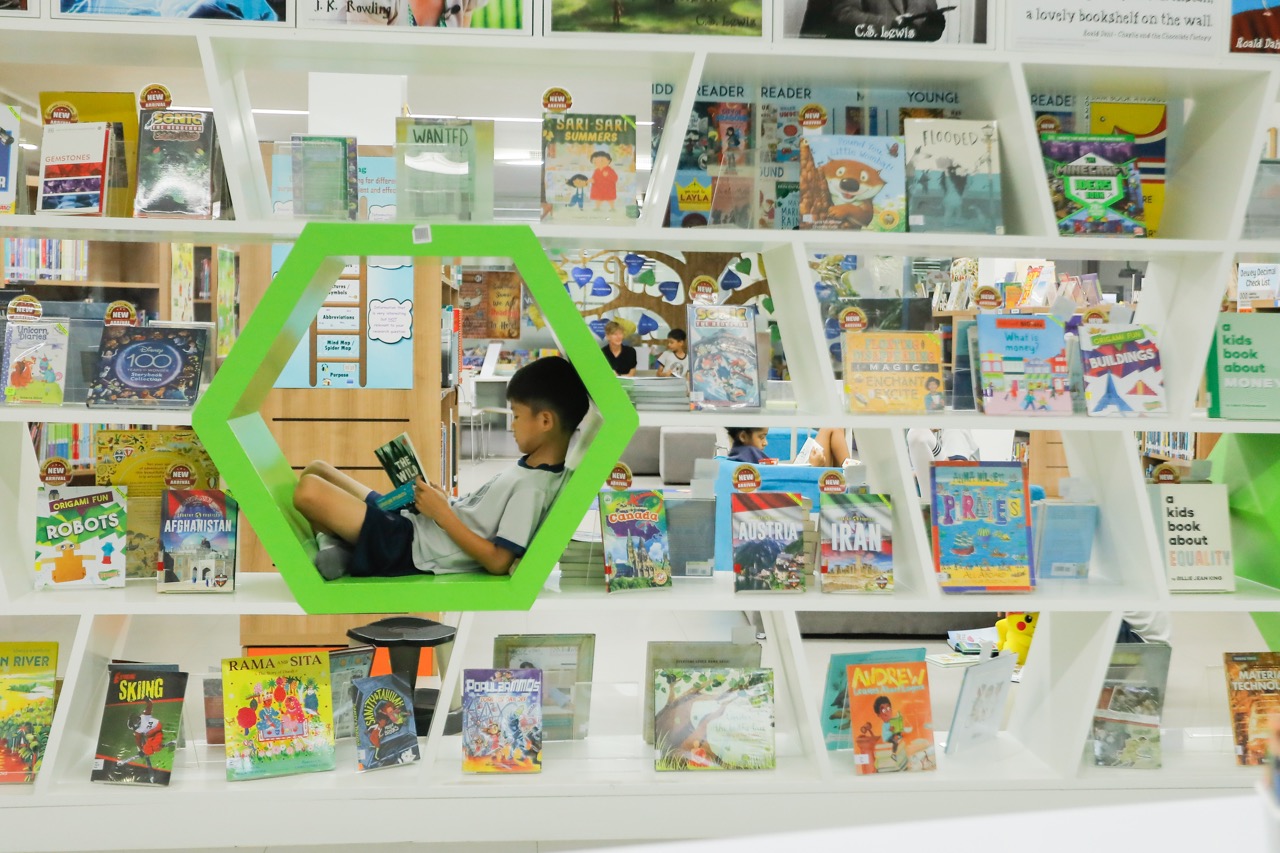
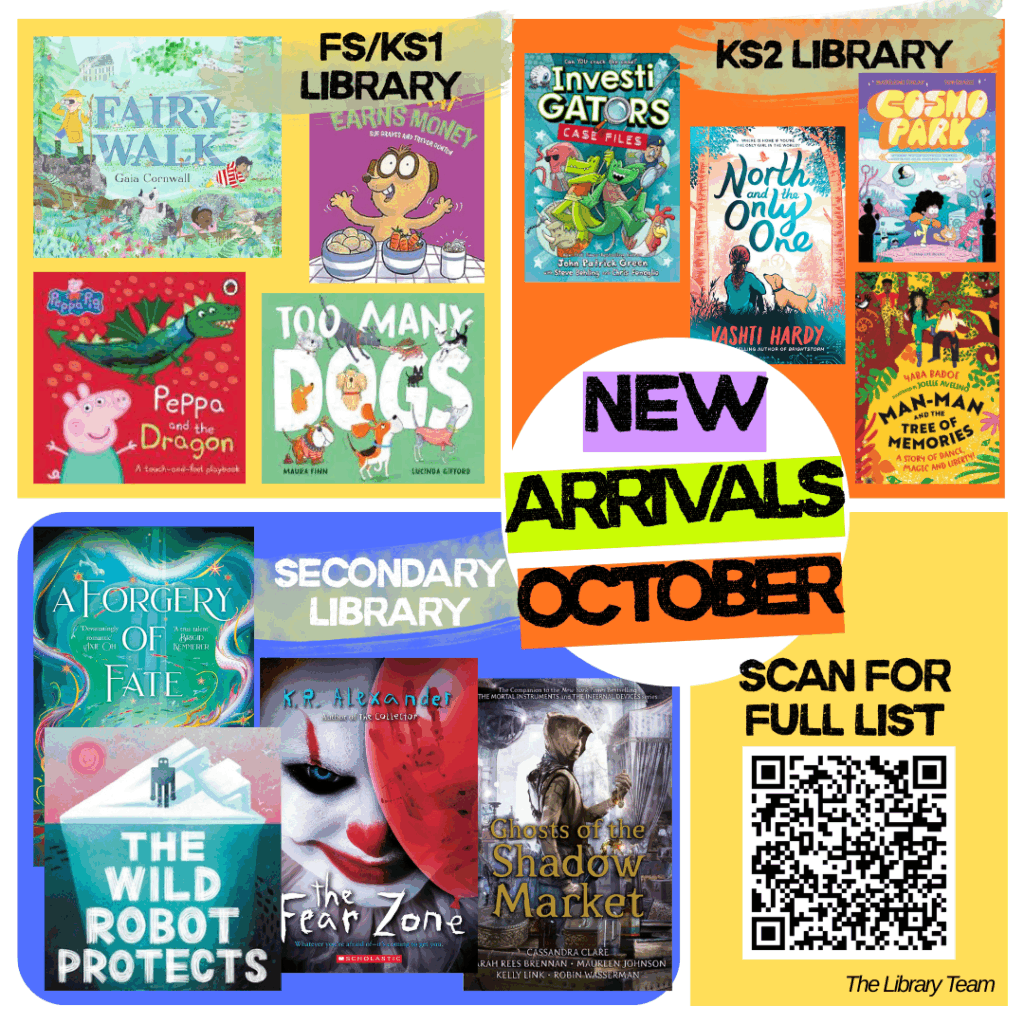
Library – New Arrivals

Share This Article

In this Issue

Practical Science in Action: Exploring Chemical and Physical Changes

By Emma Unwin, Curriculum Leader KS3 Science

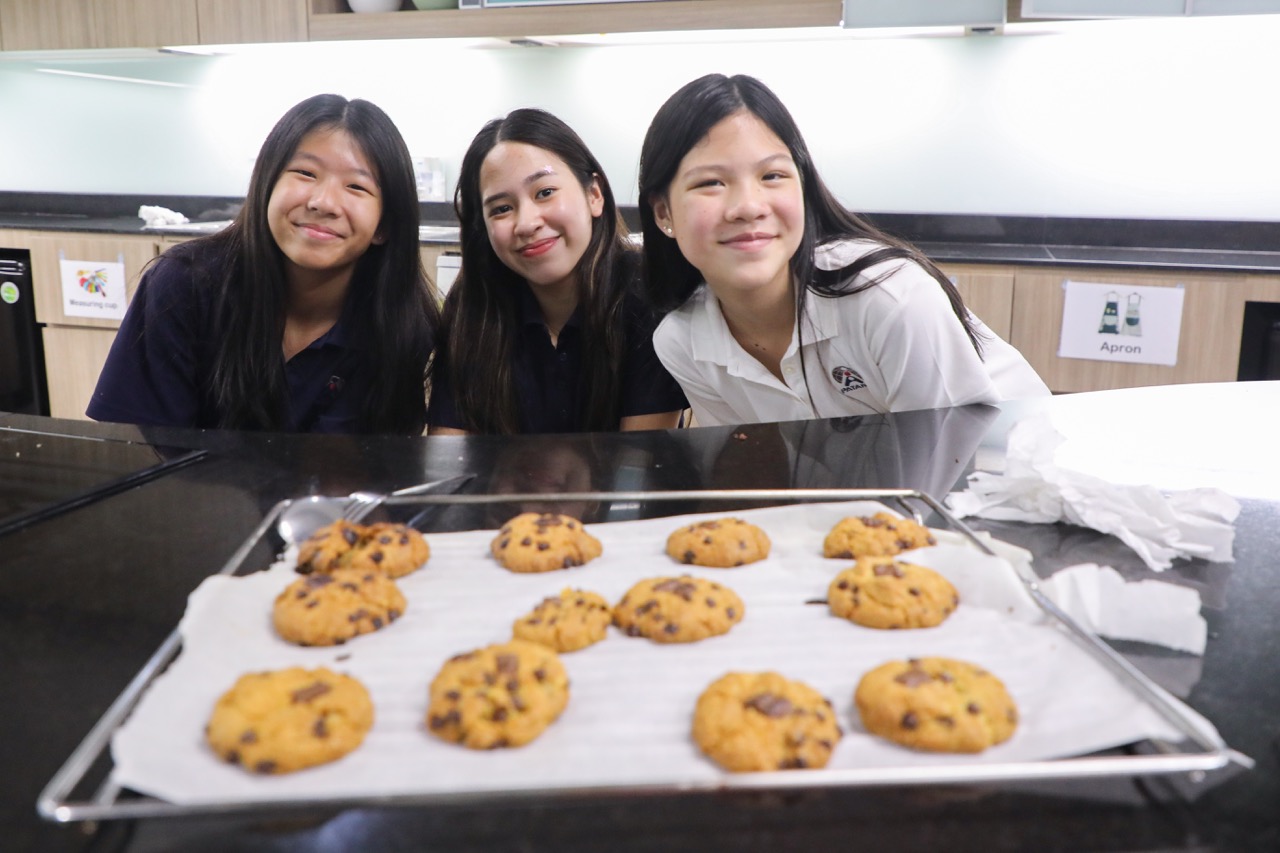
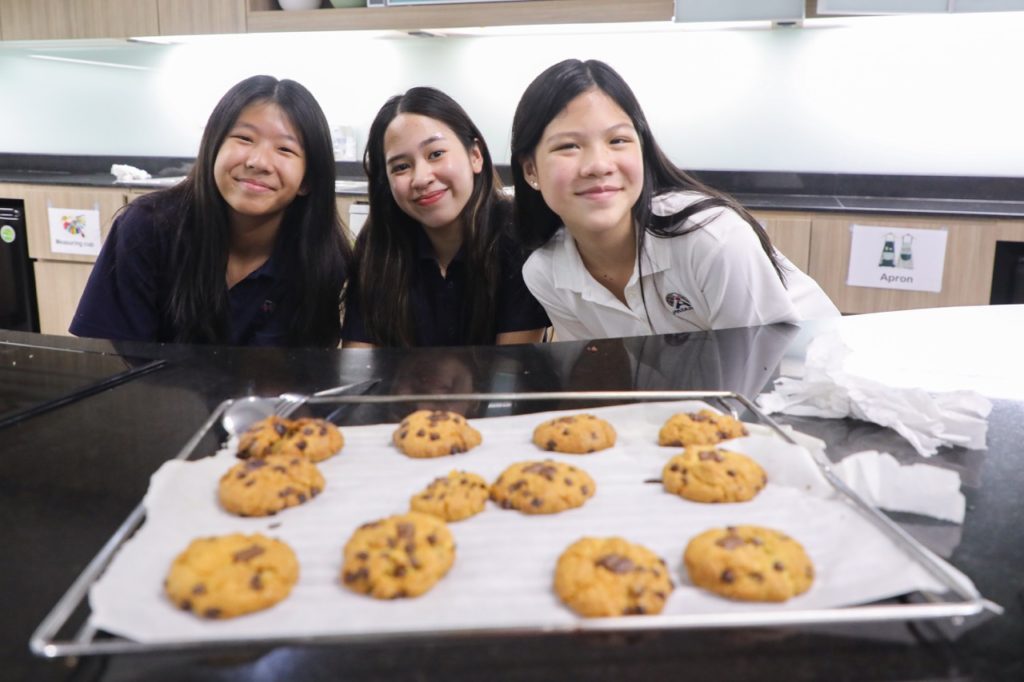
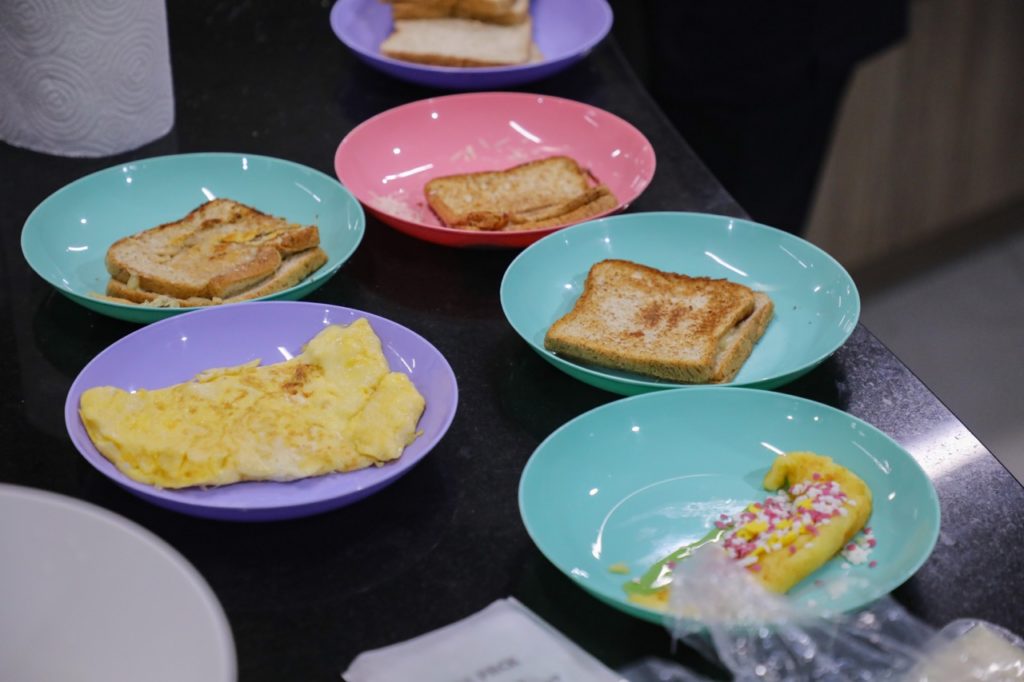
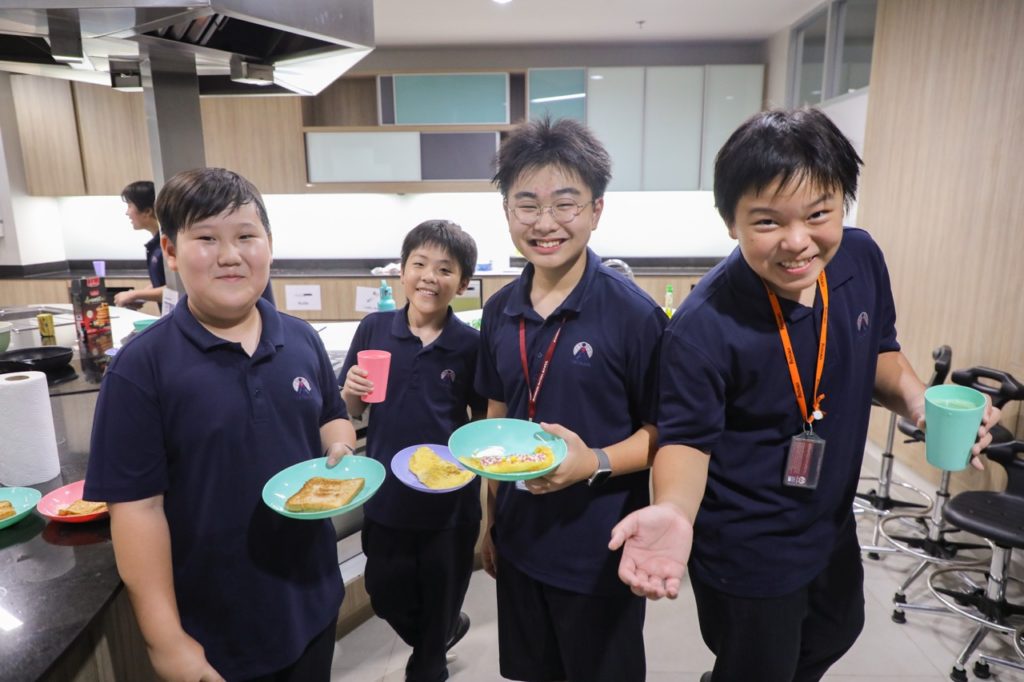
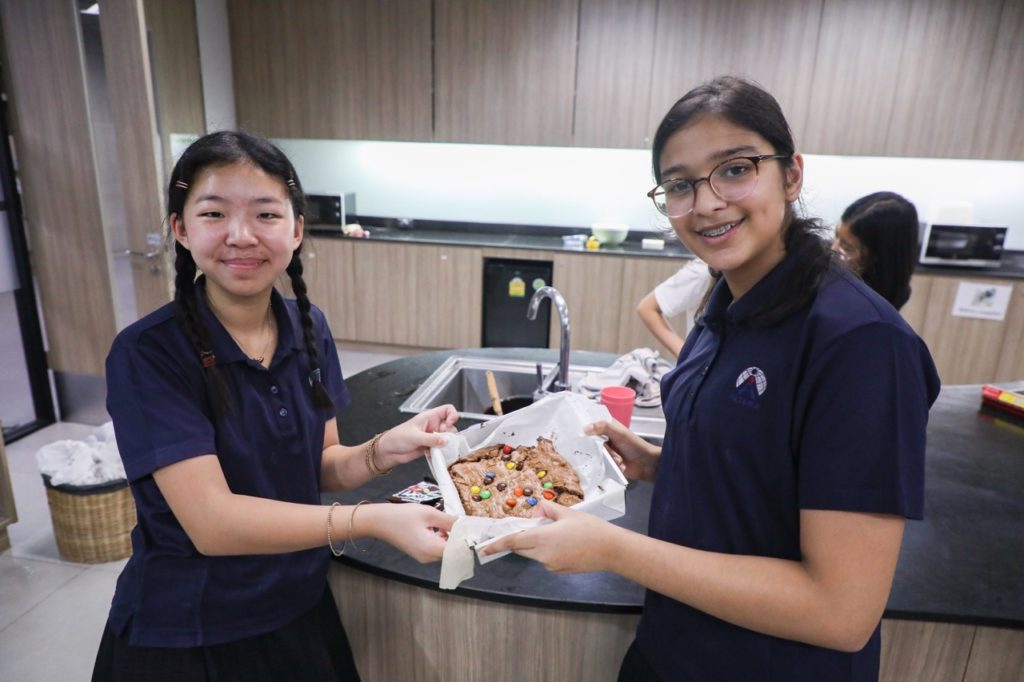
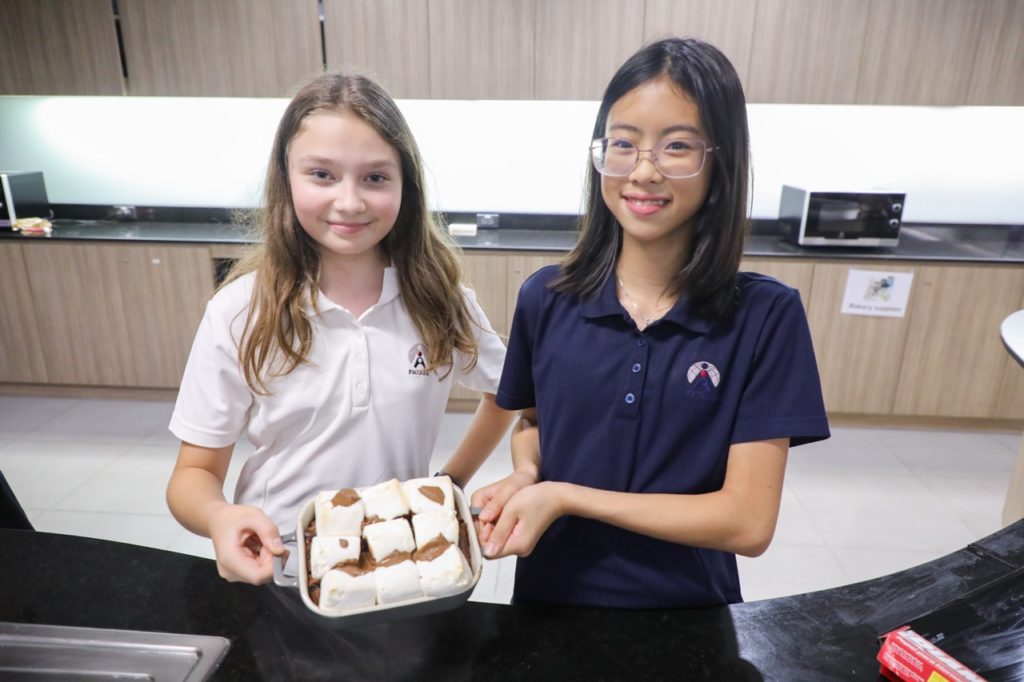
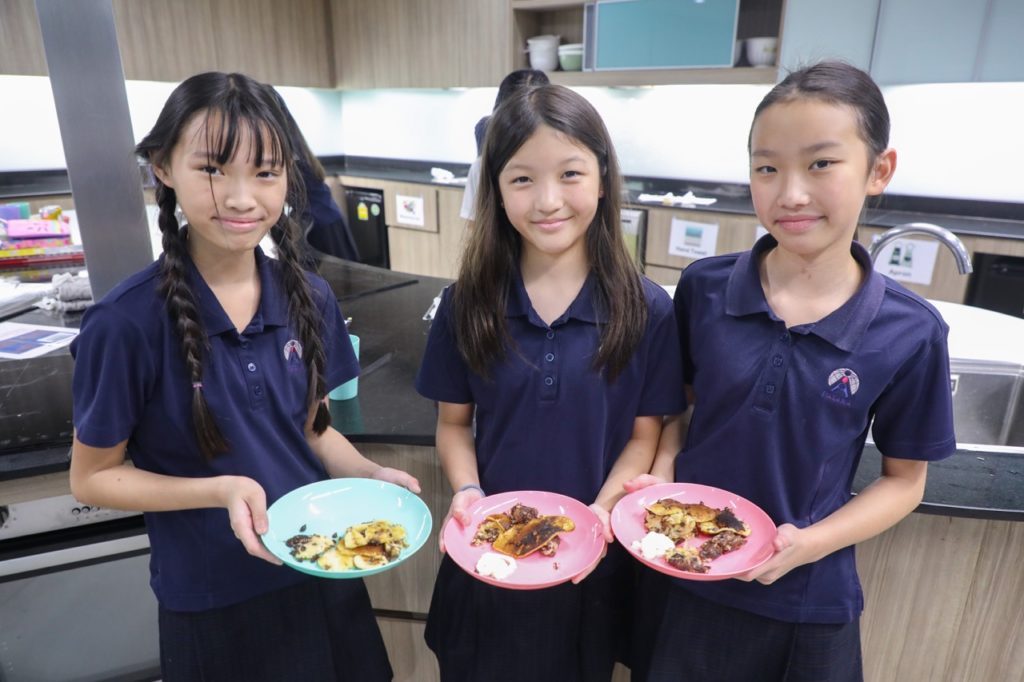
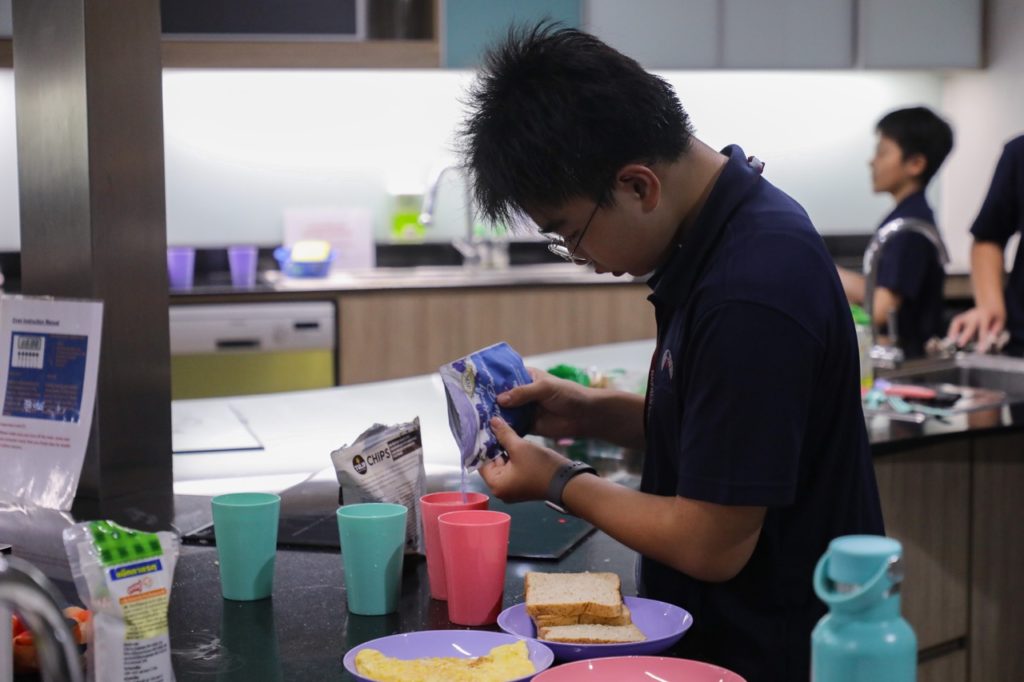
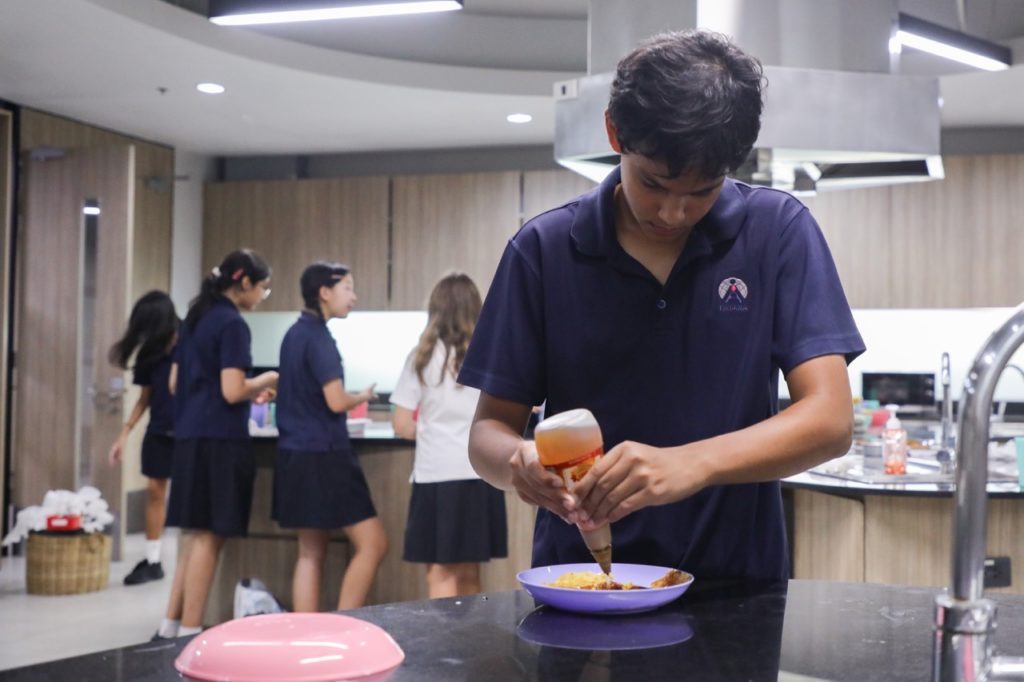
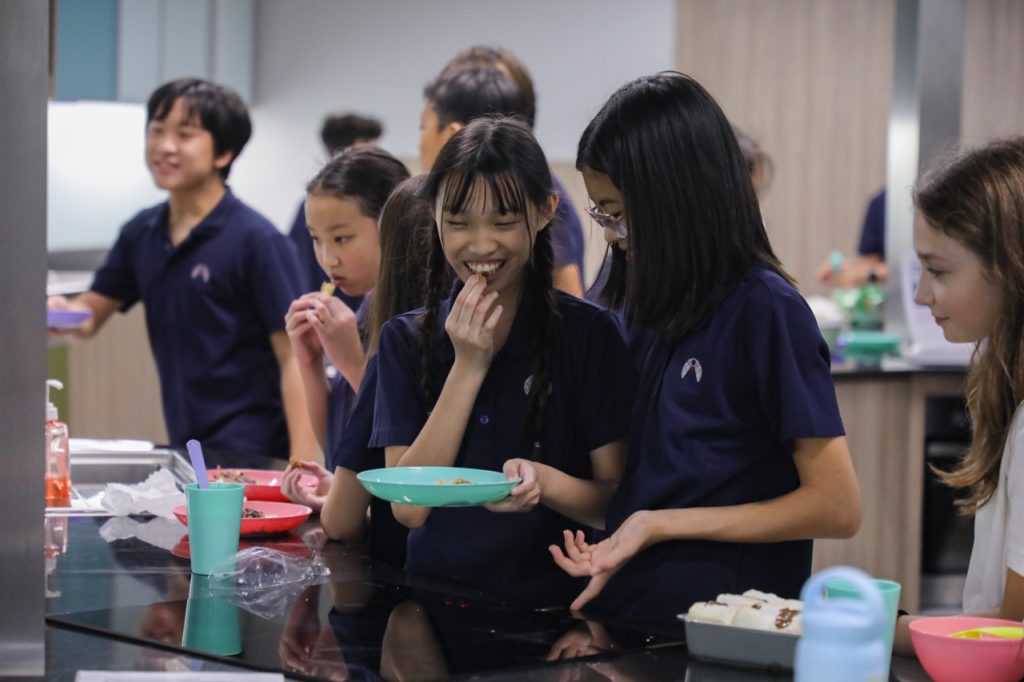
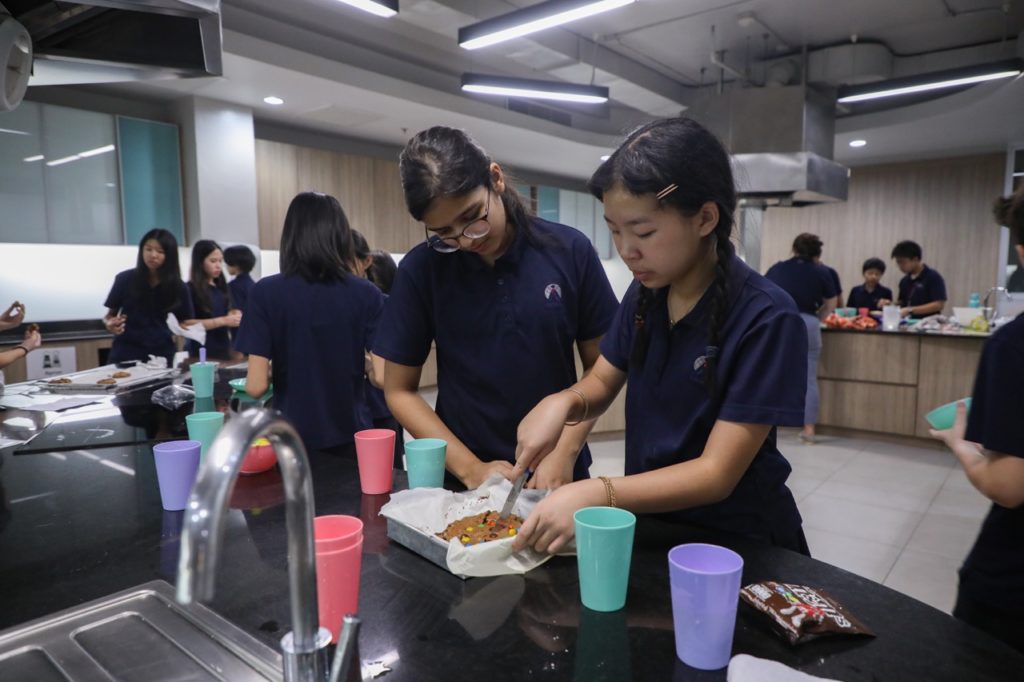
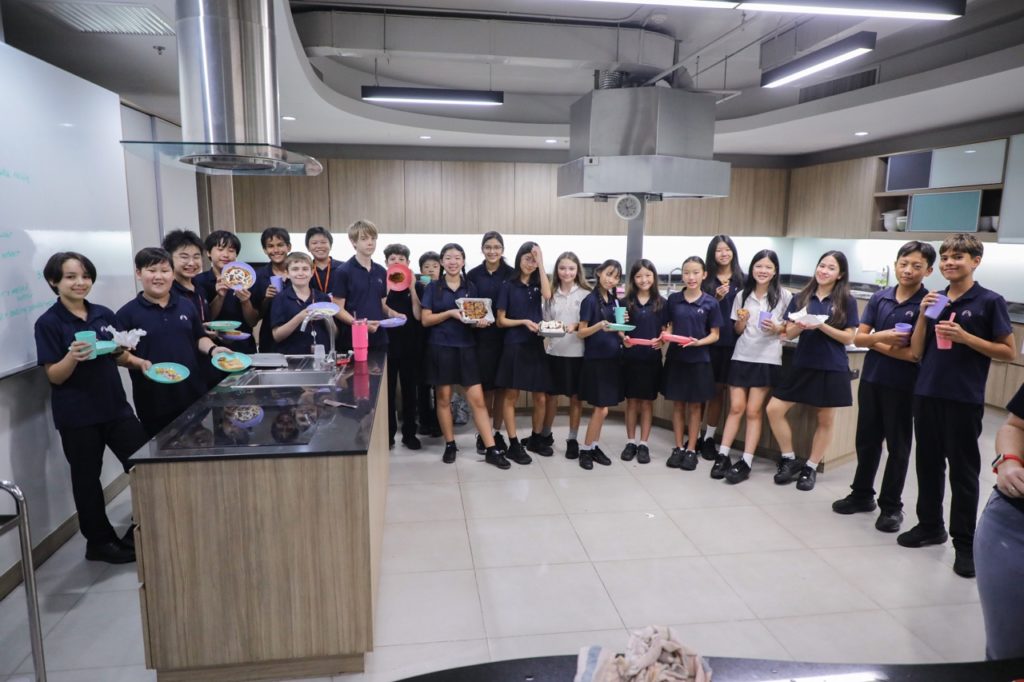
As part of the Year 8 Science curriculum, one of the practical ways we can demonstrate physical and chemical changes in the Chemistry unit, is by looking at chemistry in the kitchen. 8B went to the kitchen classrooms and demonstrated both of these properties by making butterfly pea lemonade and pancakes.

For many of the students, this was one of their first experiences of cooking in Secondary School, and there were varying levels of skill on show. Some of the groups who felt more confident even went as far to as to bring in their own ingredients and make more complex dishes; there were grilled cheese sandwiches made as well as molten chocolate brownies. Although there was nearly as much time taken to clean up as there was cooking, it was a worthwhile lesson for the students to see that Science is not just in a laboratory, but in fact in their real lives!


Share This Article

In this Issue

Small Sounds, Big Strides: Synthetic Phonics in Year 2

By Michael Williams, Year 1 Leader Curriculum

“Reading is like breathing in, and writing is like breathing out.” — Pam Allyn

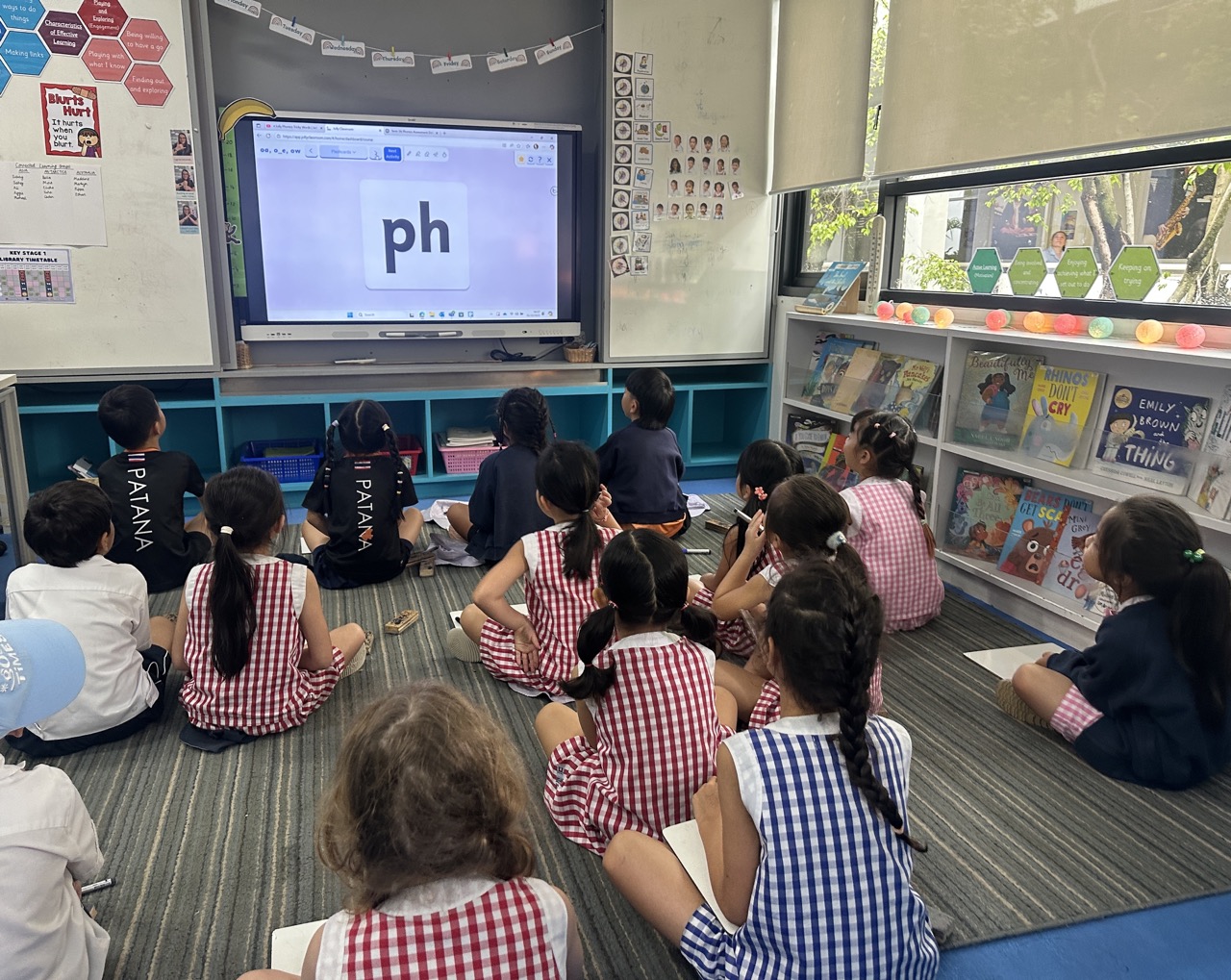
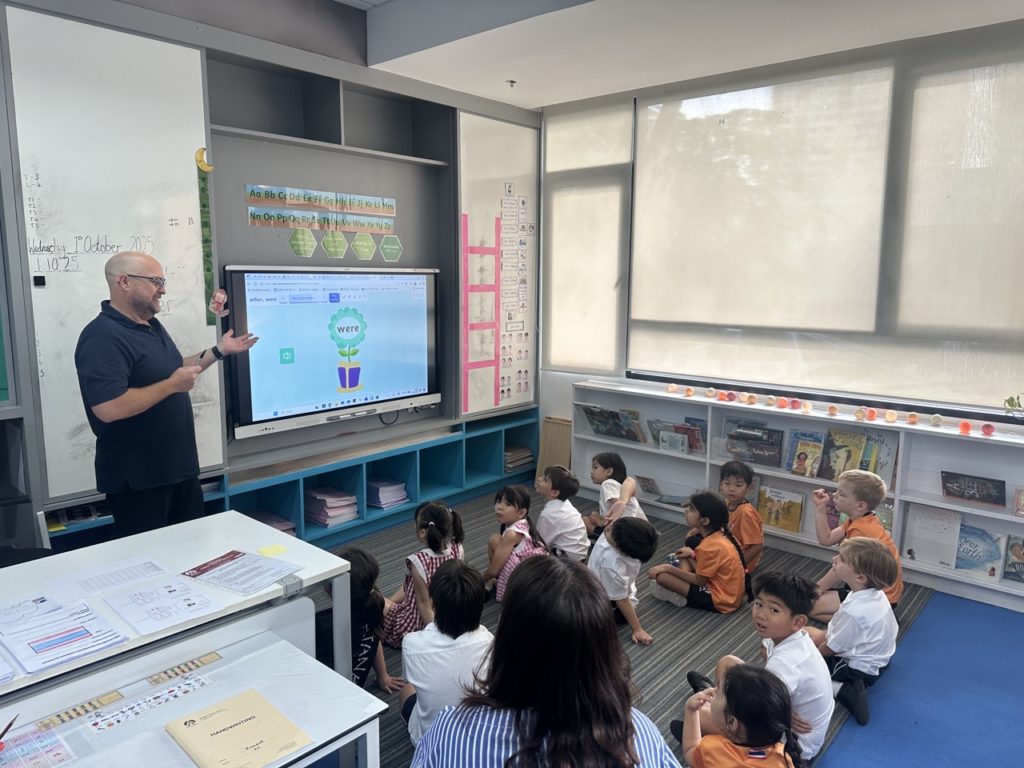
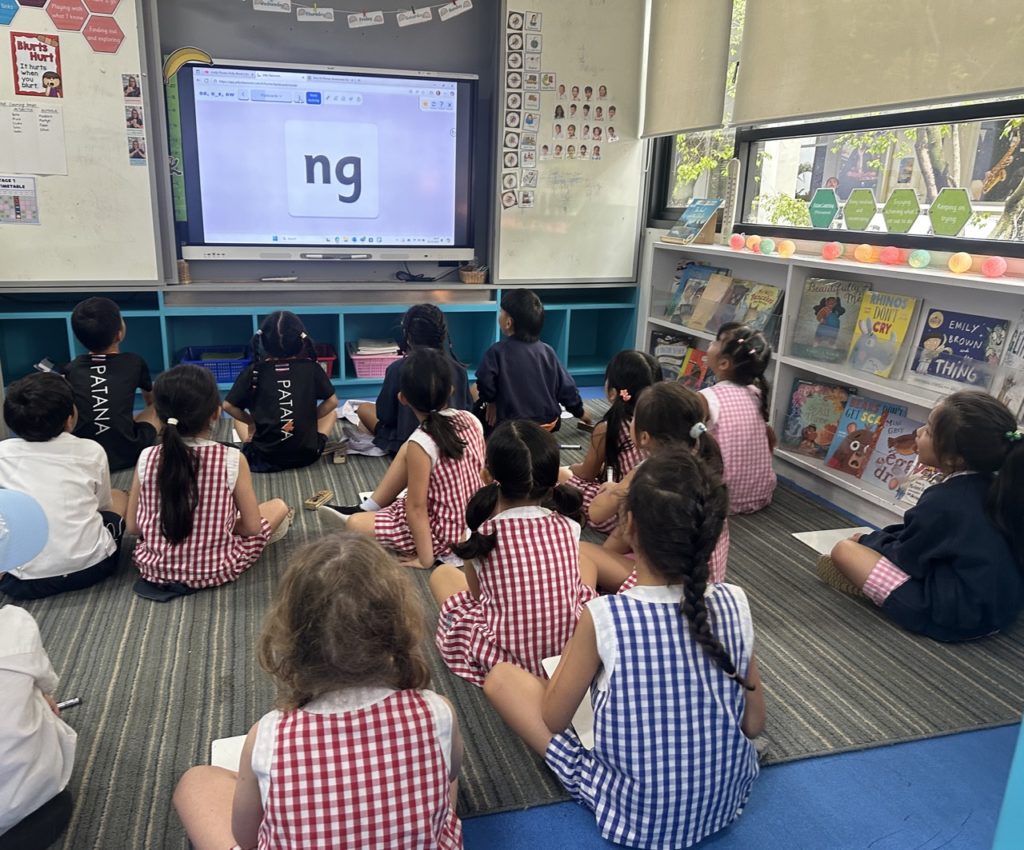
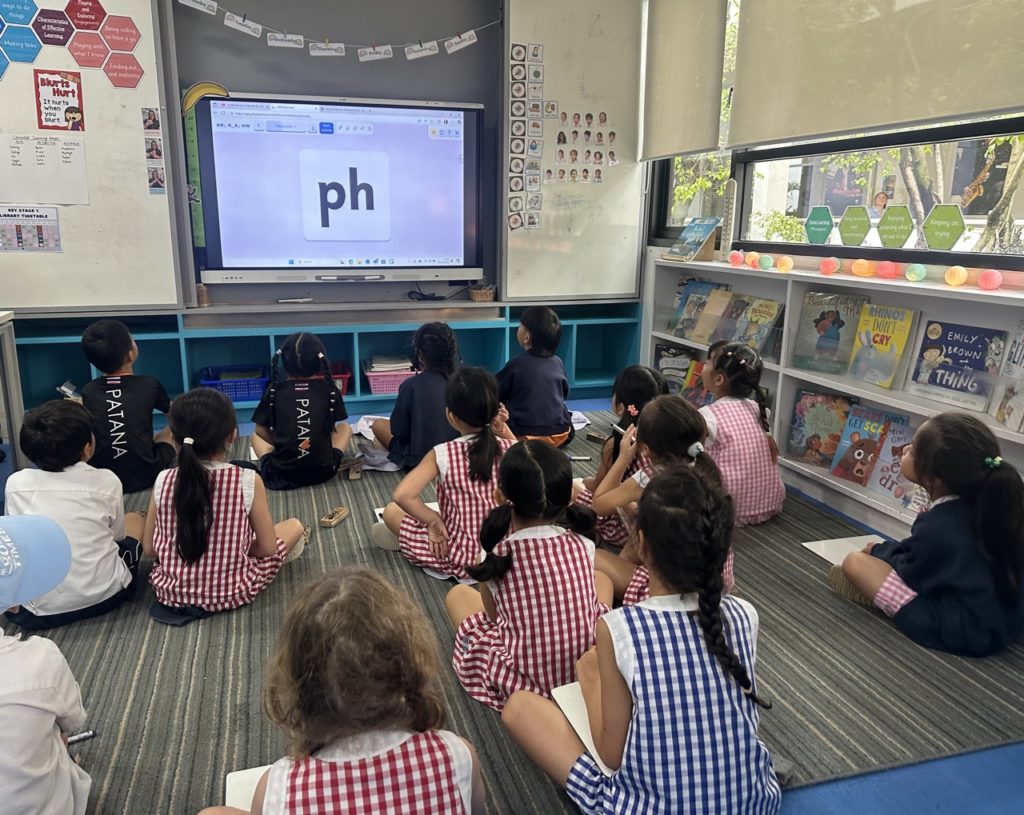
Phonics is the foundation of all reading and writing, and in Year 2 we are delighted to see the progress our children are making. From August, we build on the successes and progress the children have made since Foundation Stage. Every week, from Monday to Thursday, all Year 2 children take part in daily, exciting 30-minute phonics lessons. To make sure learning is tailored to every child, we organise 13 groups across the Year group, supported by 19 dedicated staff members. This means that each pupil is learning at the right level for them, while still moving at pace through our programme.

Why Phonics Matters

Phonics is vital for developing reading and writing skills in young children. By learning to decode words, children gain confidence in their literacy abilities, setting the foundation for future academic success across the curriculum. Engaging, interactive activities help maintain children’s interest and motivation, making phonics not only effective but also enjoyable.

Our Approach: Synthetic Phonics

Starting in Foundation Stage, we use a synthetic phonics approach, a structured method of teaching reading that provides explicit instruction in letter-sound relationships and blending skills. It is rigourously evidenced through comprehensive contemporary research into how children learn to read. Children first learn the simplest sounds, then progress to more complex combinations such as sh and ch. They practise blending these sounds to form words and segmenting them for spelling. As children move up into Year 1, their decoding and encoding skills develop side by side and they become increasingly confident, independent readers and writers.

What makes synthetic phonics distinctive is its focus on:

  • Phonemes, not letter names at the early stages.
  • Explicit blending of sounds into words through continuous voicing.
  • Systematic phoneme manipulation skills (adding, deleting, substituting sounds).
  • Tricky words taught explicitly, with attention to their irregular elements.

A key aspect of our phonics programme is its focus on the 42 letter sounds, rather than on the letter names. Lessons follow a multi-sensory approach of actions, songs, and stories which fill each session with fun and laughter. Teachers and teaching assistants work closely together to provide clear, consistent instruction and to track progress carefully. This collective effort ensures that every child is supported to take the next step in their phonics journey.

Most importantly, our children approach phonics with enthusiasm and energy. Their confidence is growing every week, and the small steps they take in phonics are helping them make big strides in literacy. By year 2, they are increasingly aware of this themselves. They are proud of their achievements, and so they should be: the phonics journey is a seminal aspect of their growth and progression from Foundation Stage through Key Stage 1, equipping them for the wonders and challenges of Year 3 and the Key Stage 2 curriculum.

Share This Article

In this Issue

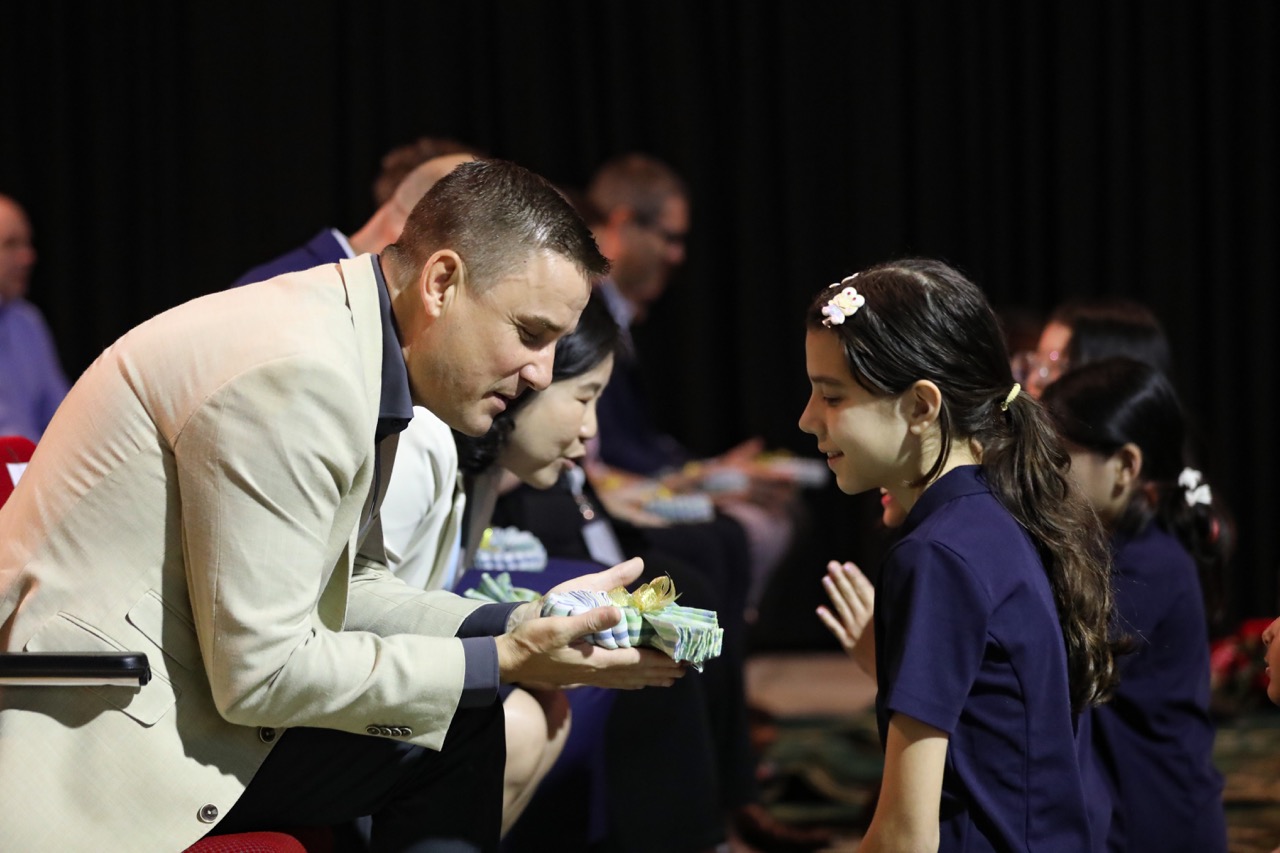
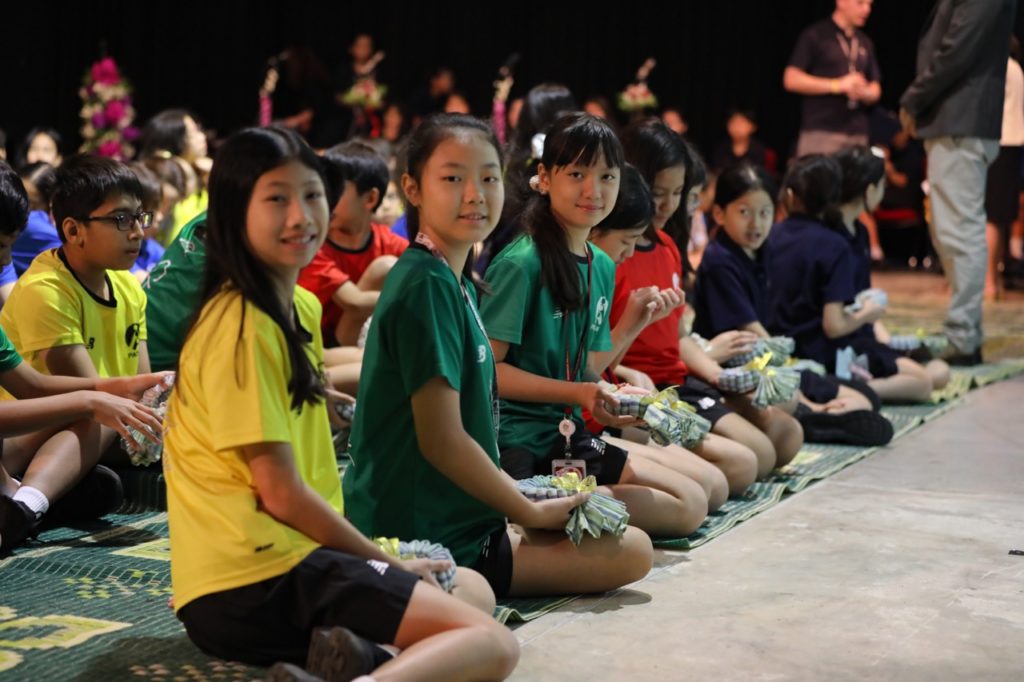
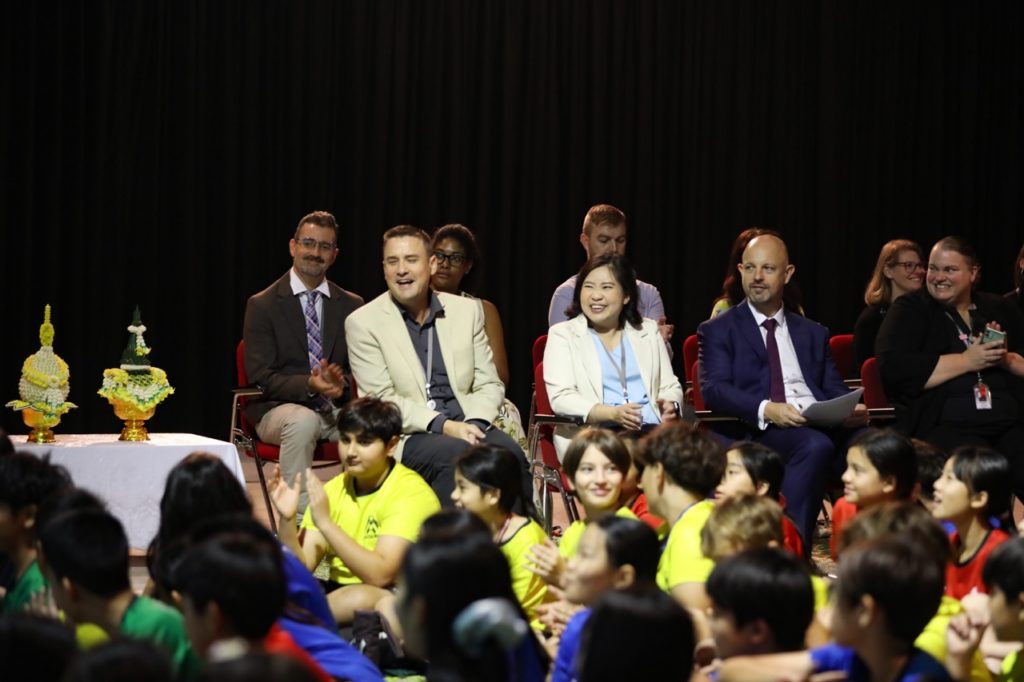
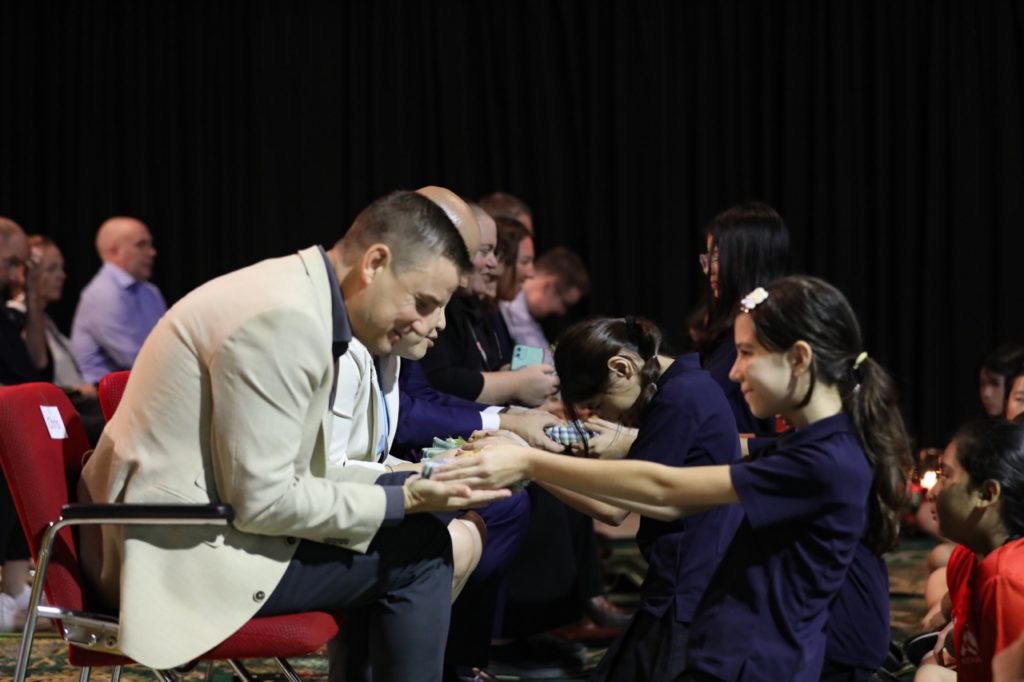
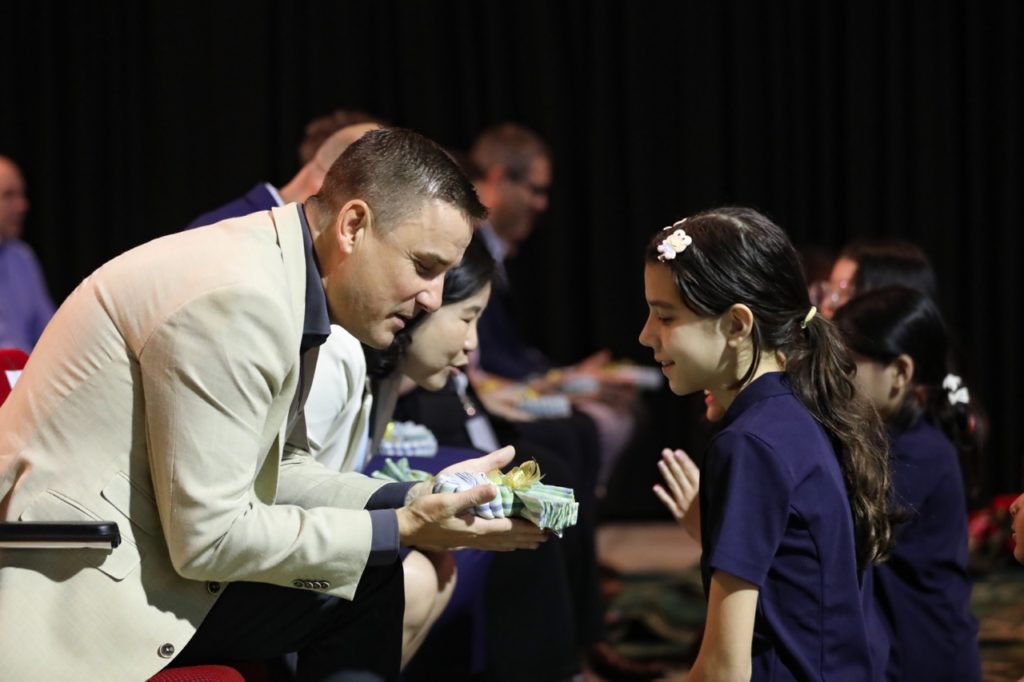
 Year 7 Wai Kru Day

By Panuphon Tangburanakij, 7W

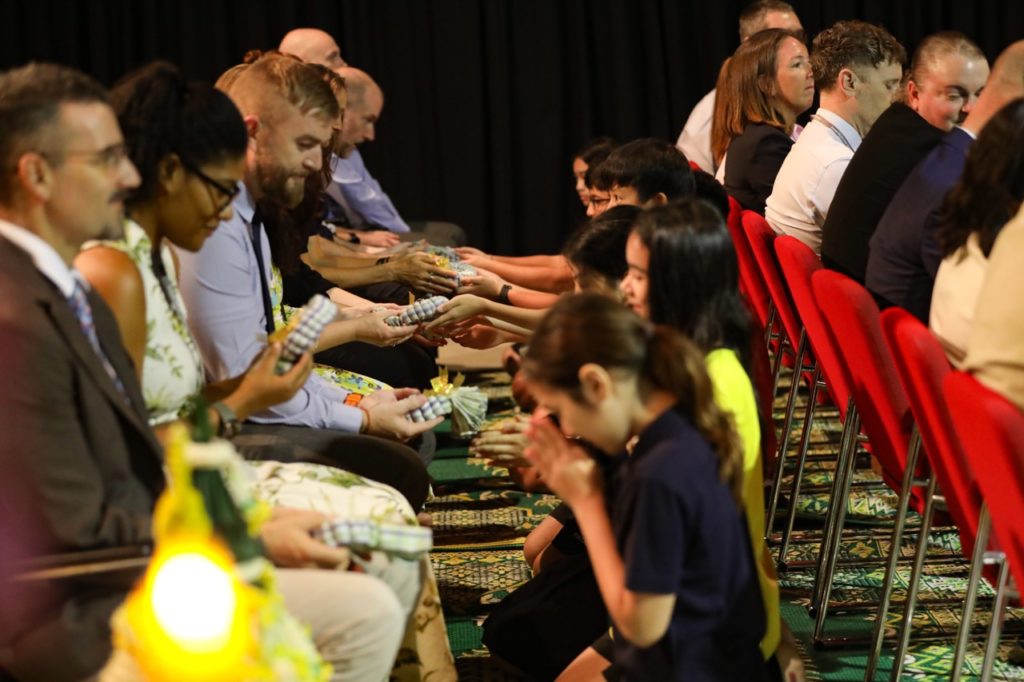
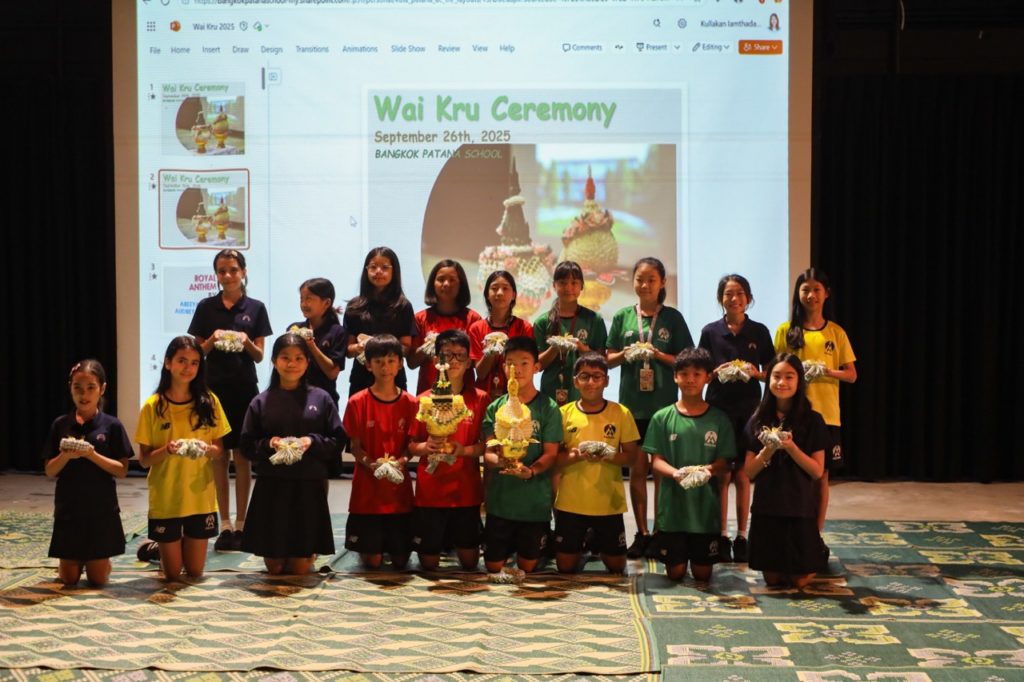
On 26th September 2025, Year 7 celebrated the Wai Kru Ceremony and I was the main MC. Arriving at school in the morning, I was overjoyed and excited for the ceremony. At 8 o’clock sharp, I went to the Black Box to practice narrating with my fellow MC Oto, 7O along with the other people contributing to the ceremony. Once the big time came, and the ceremony started, I was overwhelmed with fear; the stares of my friends shook me. After the quiz and the ‘actual’ Wai Kru ceremony, Mr Seddon Secondary Principal, gave us a speech on which teacher we valued the most. For me, it is my Tennis teacher, Coach Moo. After the whole ceremony ended, I was traumatised in happiness because of the ceremony. I wish Year 7s  all the best in Secondary School and to a great academic year ahead!

Share This Article

In this Issue

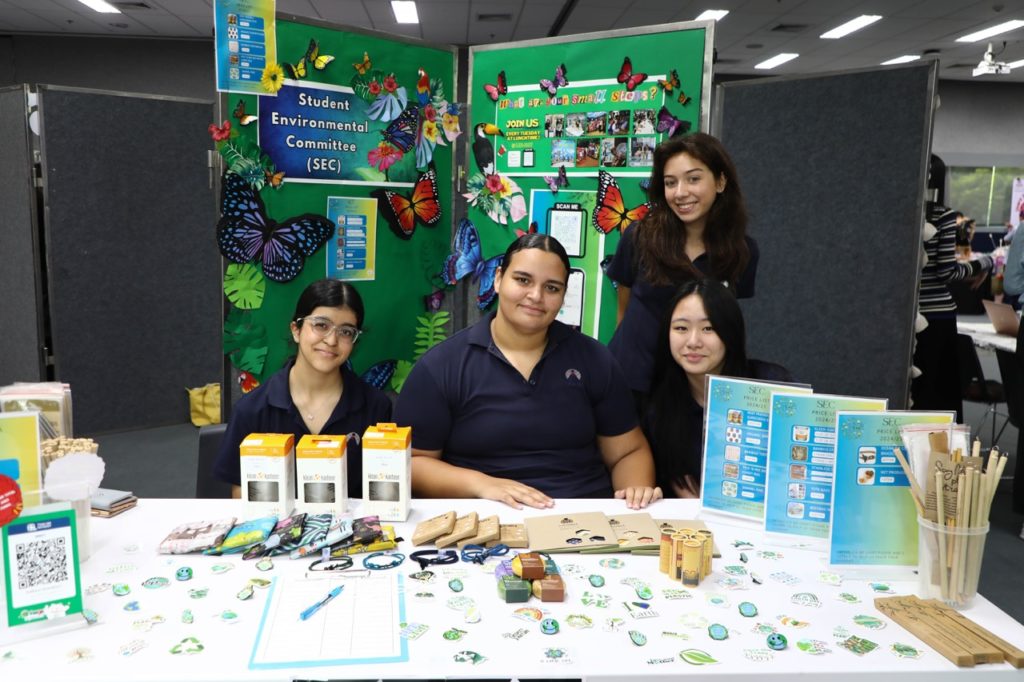
Bangkok Climate Action Week – Small Steps, Big Change

Ana Bolakoso, Student Environmental Committee

This week we joined schools, communities, and organisations across the city in marking Bangkok Climate Action Week. It is a chance to reflect on the urgent challenges of climate change and to highlight the positive steps we can take, both as a school and as individuals, to protect our shared future.

At Bangkok Patana, our community has already taken important strides. From installing solar panels across campus to phasing out single-use plastics we are showing what is possible when we act together. Our Student Environmental Committee continue to champion “Waste Less Week,” biodiversity projects, and recycling initiatives. Even small actions like turning off unused lights, reducing food waste in the canteen, or refilling water bottles can and does contribute to a culture of responsibility and care for our planet.

But climate change is not an abstract issue for Bangkok. It is already shaping the environment around us and will continue to affect today’s young people most directly. Did you know:

  • Bangkok is one of the most vulnerable cities in the world to rising sea levels? Scientists project that large parts of the city could face regular flooding by 2050 if warming continues unchecked.
  • Extreme heat is becoming more frequent. Last April, Bangkok recorded heat indices of over 50°C temperatures that can be dangerous for outdoor activity and pose serious risks for children, who dehydrate more quickly than adults.
  • Air quality is worsening with rising temperatures and vehicle emissions. This particularly impacts young lungs, increasing the risks of asthma and other respiratory problems.

These facts remind us that climate change is not just a global story, it is a local reality. And while these challenges may feel overwhelming, every positive action matters.

That is why this week we are asked students to pledge their own “small step” in the fight against climate change. In the Secondary Library students wrote postcards pledging their commitment: perhaps reducing fast fashion purchases, cutting back on single-use plastics, or eating a more plant-based diet. Each pledge will be displayed as a powerful reminder that change starts with us.

Share This Article

In this Issue

Celebrating Success in the Instrumental Music Department

David Larking, Co-ordinator of Instrumental Music

The Instrumental Music Department would like to share the successes of three students of Khun Pearl, our singing teacher in the Instrumental Music Department. These students recently performed exquisitely at two exclusive musical events celebrating high achievements in music. We would like to congratulate Naya, Claire and Khaosuay on their hard work and determination in music.

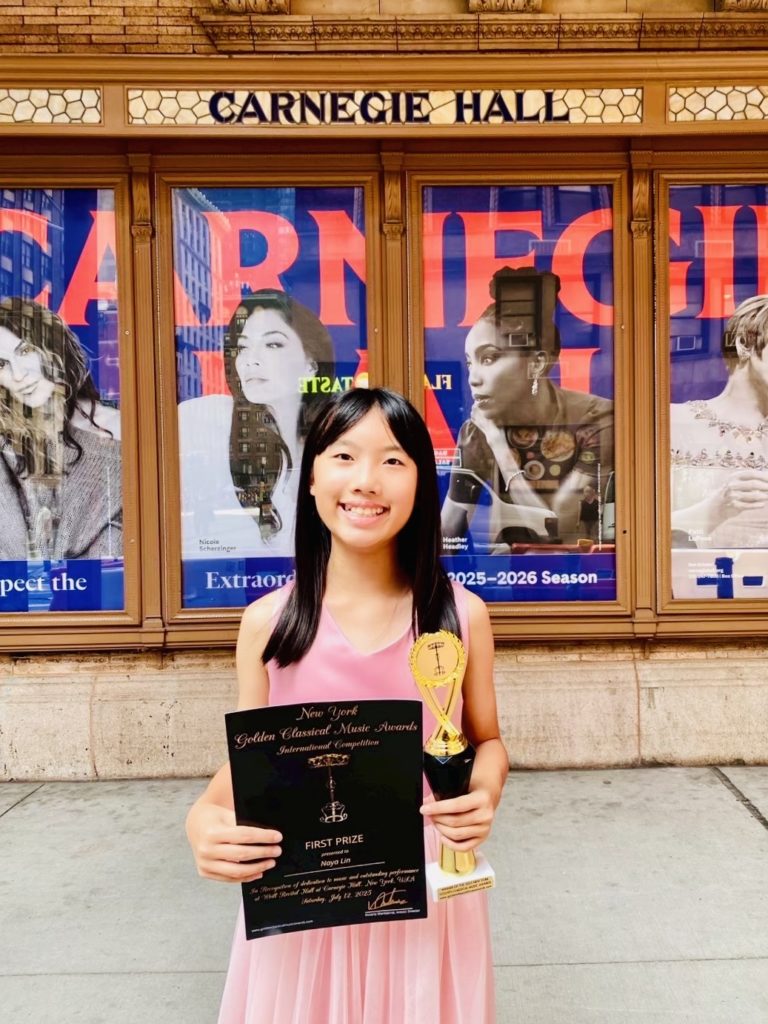
Naya Lin performs at Carnegie Hall!

My Music Journey to NYC 

This summer, I had the opportunity to perform and sing at Carnegie Hall in New York City, NY. It was an experience that I will never forget. It was truly a once-in-a-lifetime experience to perform on July 12th at Weill Recital Hall at Carnegie Hall. What started as a simple hobby, has now become a deep passion of mine. My journey started in Year 3, where I discovered my love for singing and that I wanted to become a better singer and learn how to use my voice correctly. I started out as a child who was intimidated by performing onstage, but with the guidance and encouragement of my singing teacher, I slowly learned to build my confidence. Although there were times when I felt like I wanted to quit, I kept reminding myself that growth takes time, and that I could do it if I just waited and tried harder. Trusting my self-talk,  trusting my inner voice to think that nothing comes easy or quickly; everything takes time. That experience taught me that nothing worthwhile comes effortlessly – it takes persistence, determination, and time. If you feel like you want to quit because it’s tough and you are always grinding through your fear, that is proof that you are on the right path; you are just within reach of your destination. The only person standing in your way is you. As Isaac Rivers once quoted, “To reach great heights, you must learn to wait.” And that is the advice that I hold to my heart.

Many thanks to  Kru Pearl for believing in me and supporting me on this journey. 

Naya Lin, 7A

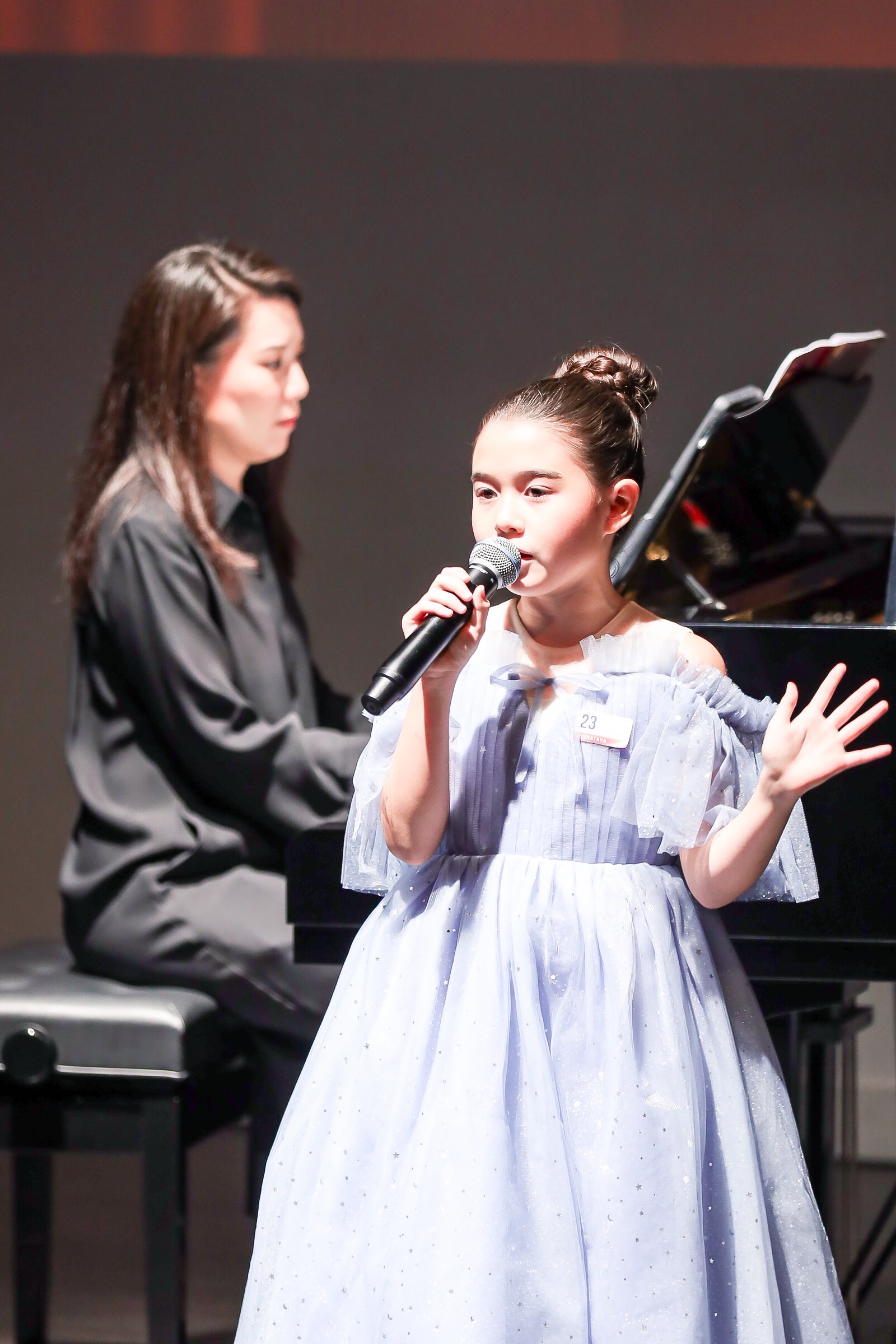
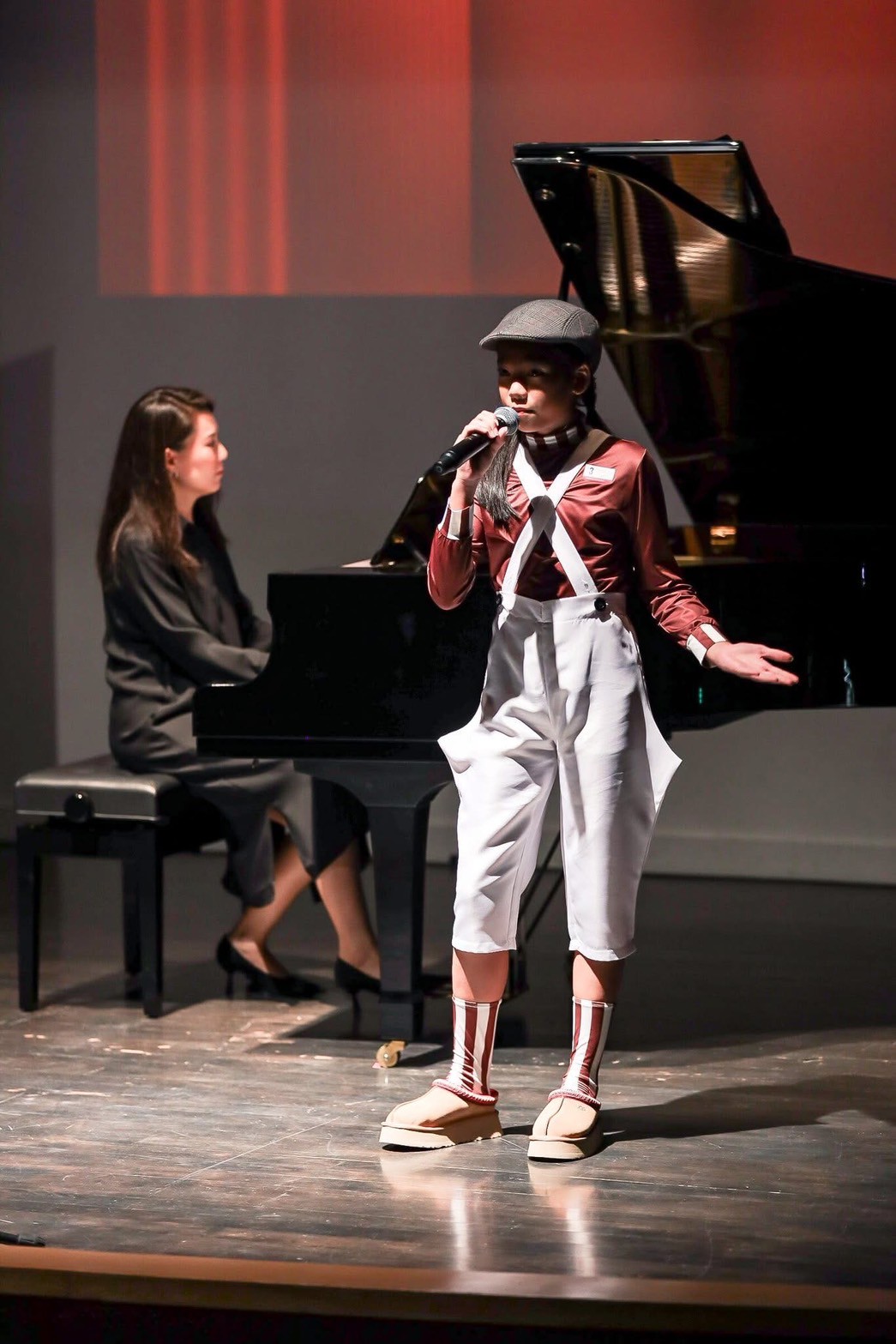
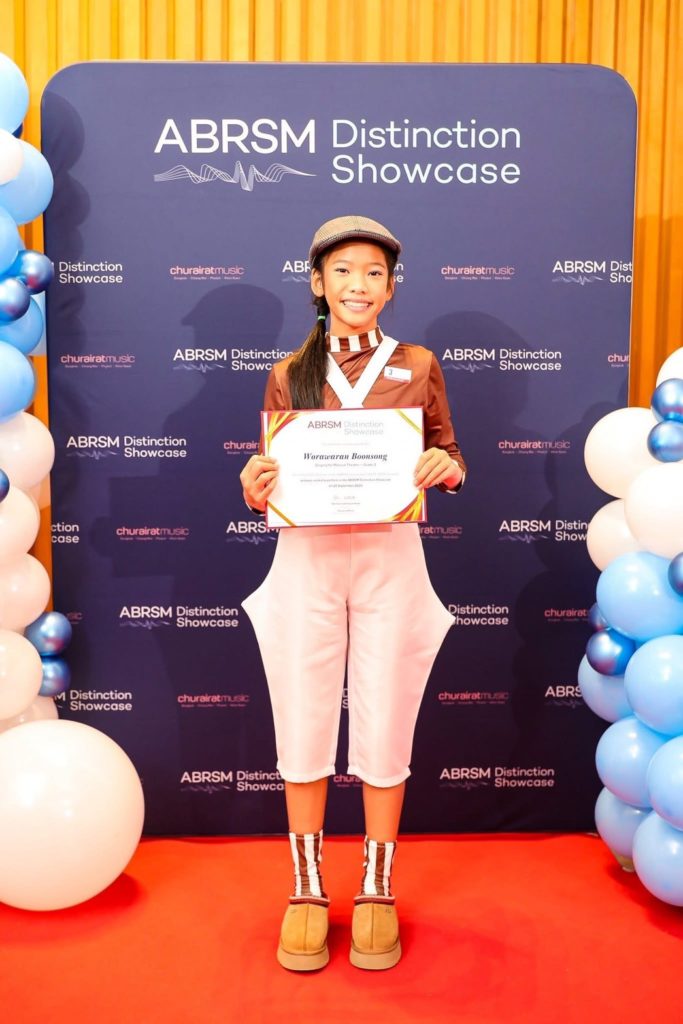
Bangkok Patana students perform at the ABRSM Distinction Showcase

In September, Claire Keerataya and Khaosuay Worawaran performed at the Bangkok Art & Culture Centre as part of the Associated Board of the Royal Schools of Music Distinction Showcase. Each year, students with the highest-scoring grades attained in ABRSM external music exams are selected to perform. 

Claire and Khaosuay gave performances in the Musical Theatre genre: Claire (6S) was selected to sing Musical Theatre Grade 1 and Khaosuay (6J) was asked to represent singing in Musical Theatre Grade 3. This remarkable success is a testament to your talent, passion, grit and unwavering dedication throughout the year. Your performance was truly wonderful and we are incredibly proud. Well done!

Bangkok Patana has had a long association with the ABRSM exam board and we are thrilled to again celebrate the successes of our BPS students at the Distinction Showcase! If you would like to find out more information about the ABRSM examinations, please contact your children’s private music teacher for more information.

If your son or daughter is interested in enrolling in music lessons at Patana, please contact K. Sak at pech@patana.ac.th for more information. You can also scan the QR code provided and apply online for music lessons.

Share This Article

In this Issue

Patana Students Recognised by University of East Anglia for Literary Talent

By Ruth Greener, Secondary English Teacher

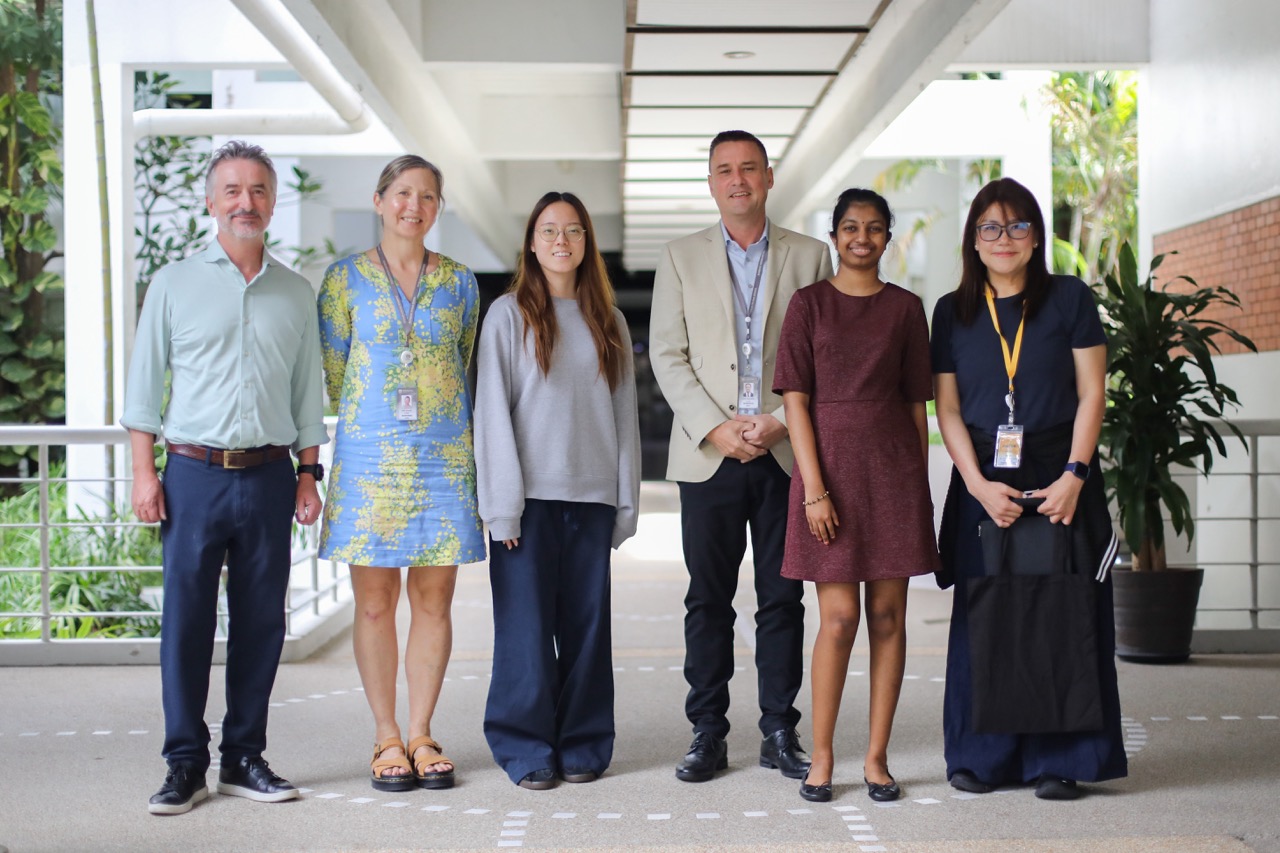
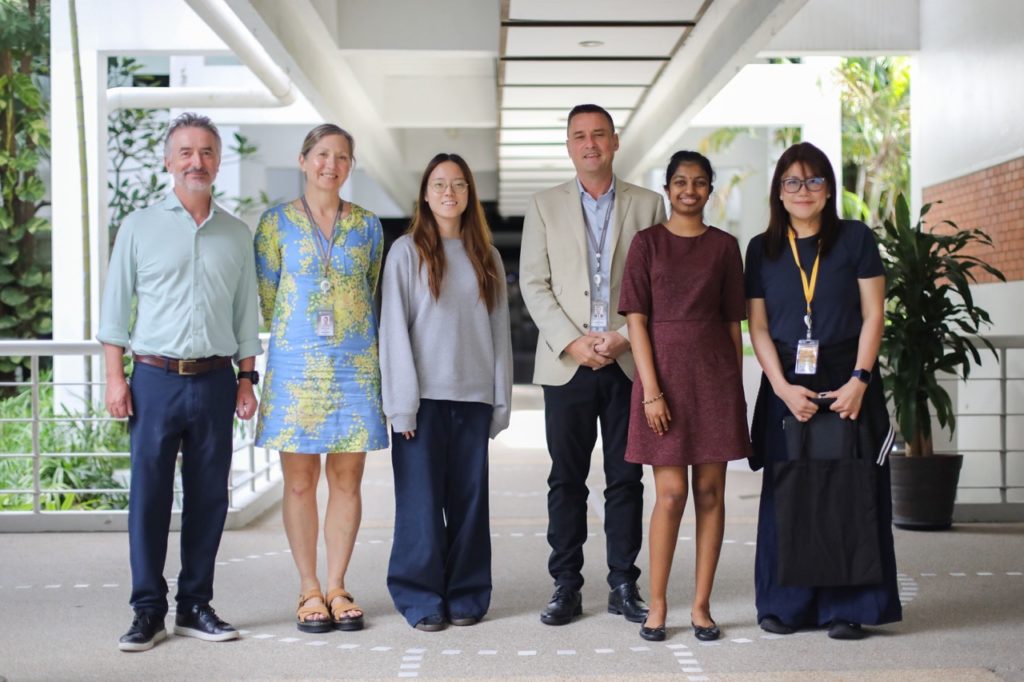
Last week, we were honoured to welcome Ms Carolyn Leong, South East Asia Regional Manager for the University of East Anglia (UEA), to the Bangkok Patana campus. UEA’s prestigious Creative Writing programme counts among its alumni literary giants such as Kazuo Ishiguro, Ian McEwan and Anne Enright. 

Ms Leong visited Patana to present certificates and gifts to two of our Senior Studies students, Aishu Lingarajan and Ellie Kim, in recognition of their exceptional contributions to UEA’s recent writing competition. The competition invited students to explore the theme of ‘Attention,’ particularly in the context of an increasingly distracted digital world. 

During the presentation, Aishu and Ellie had the opportunity to reflect on their achievements in writing with Ms Leong and Mr Sammons. Ms Leong also met with Mr Andrew Haughton, Head of Careers and Universities Counsellor; Ms Cheryl Rego, Director of Marketing; and Mrs Greener from the English Department. 

We deeply value the opportunity to build this connection with UEA and look forward to future collaborations. 

Share This Article

In this Issue

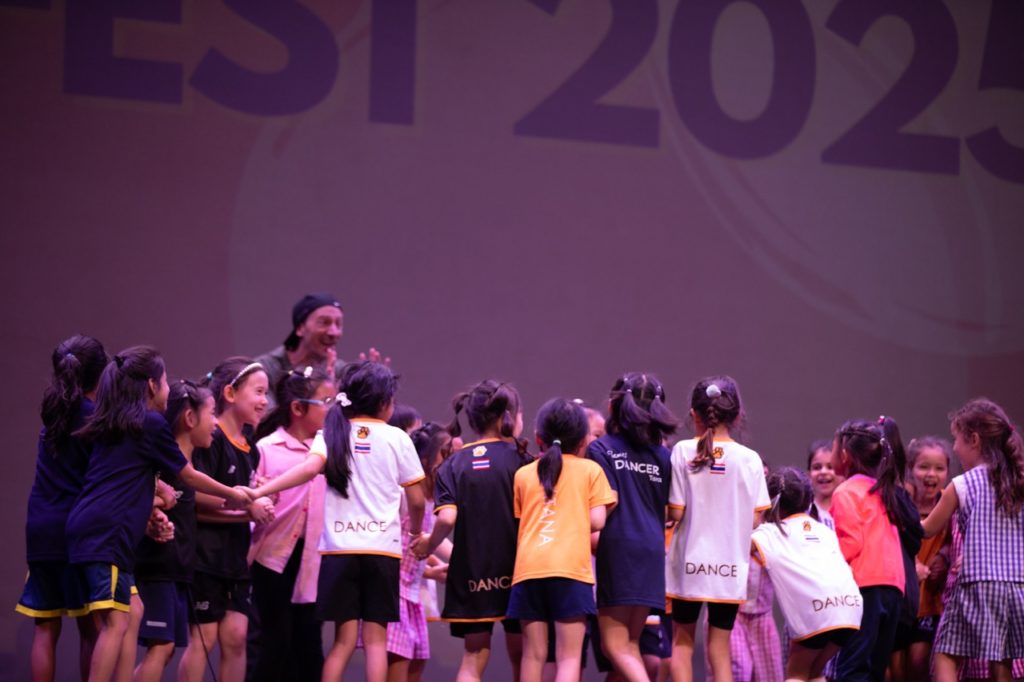
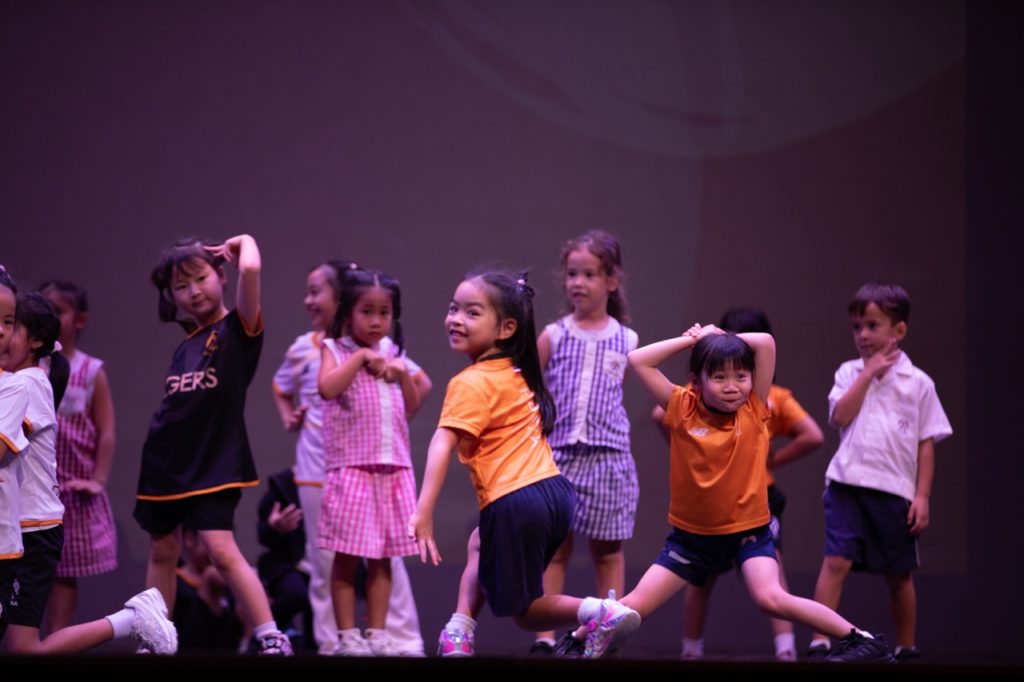
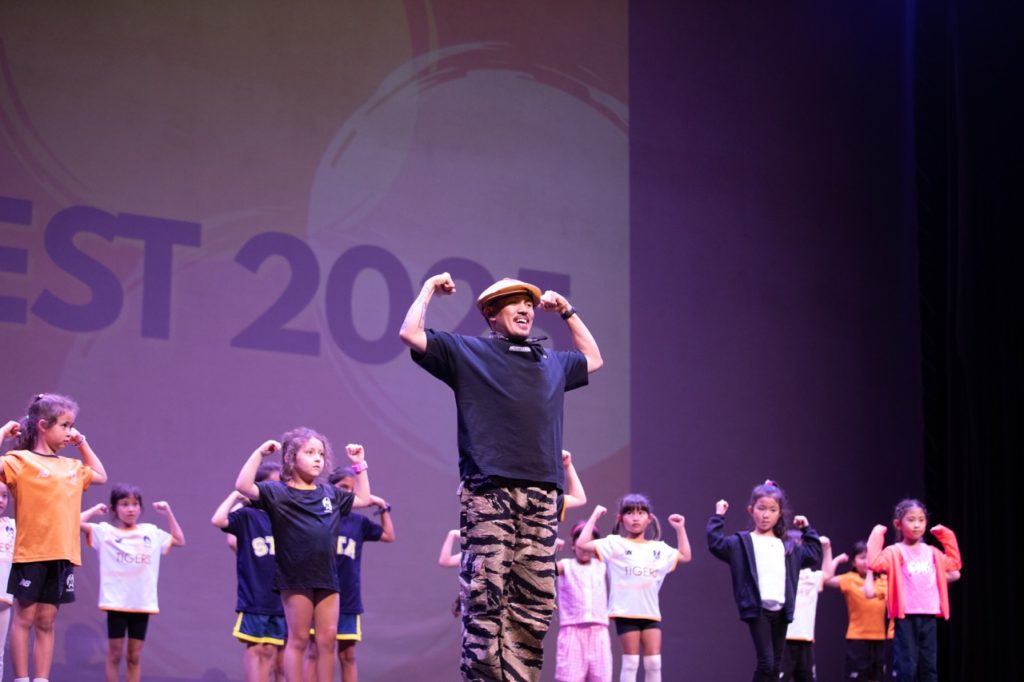
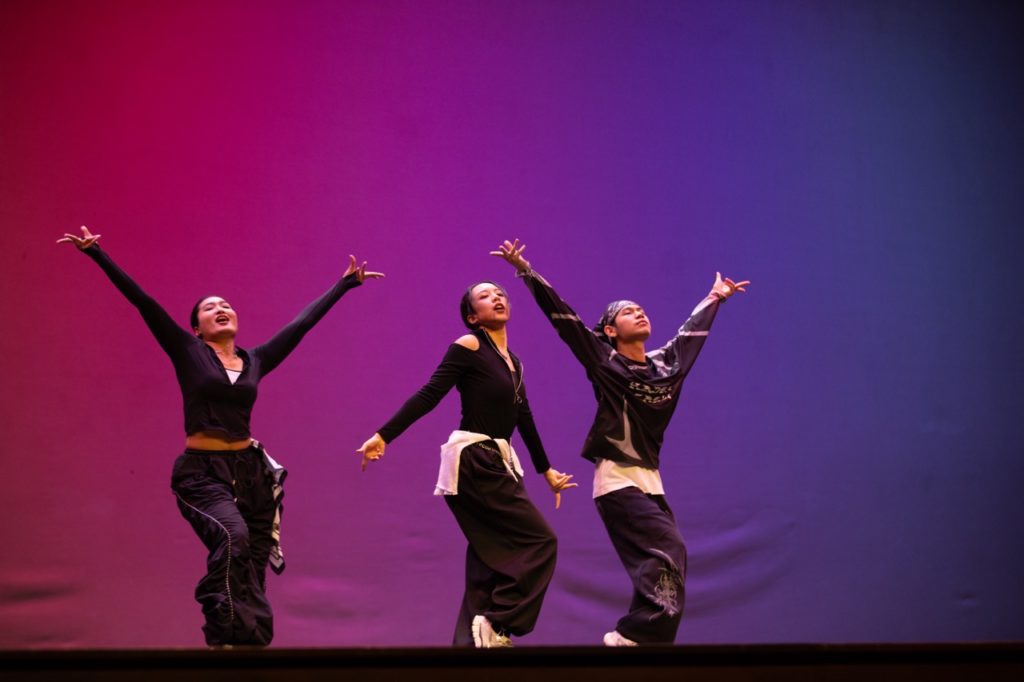
Sweat, Smiles and Showstoppers: Dance Fest 2025 in Motion

By Sarah Dullaghan, Cross Campus Head Dance Coach

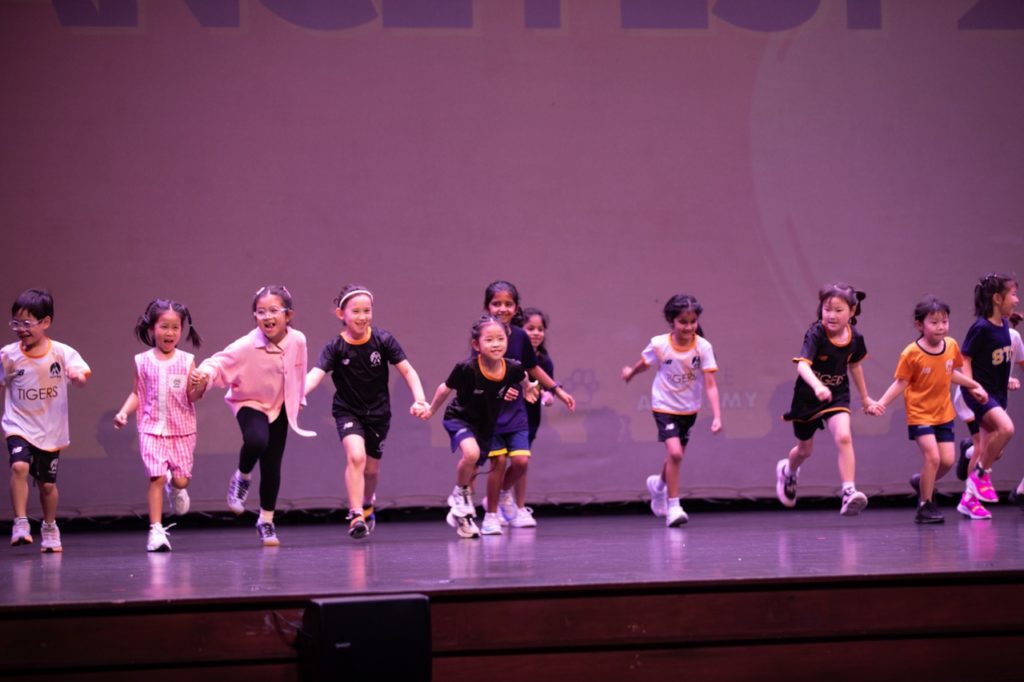
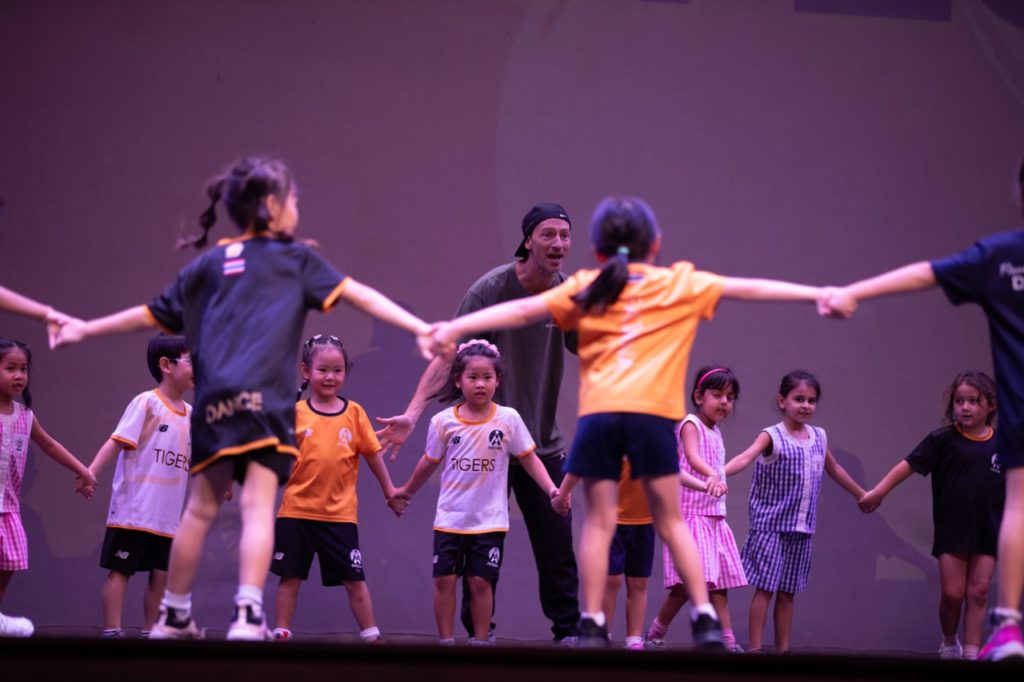
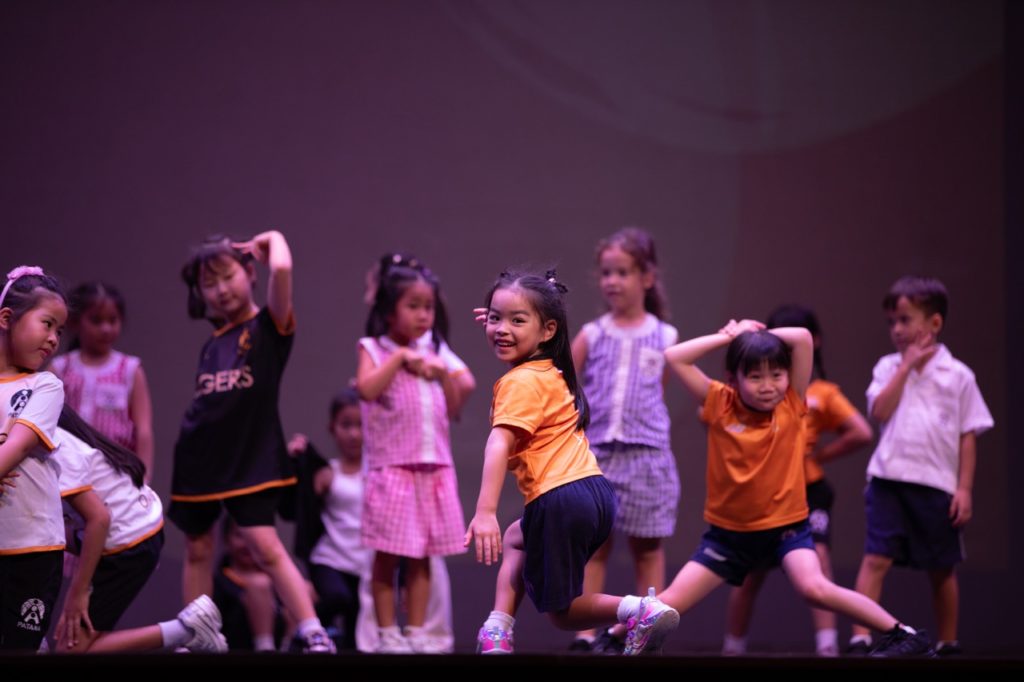
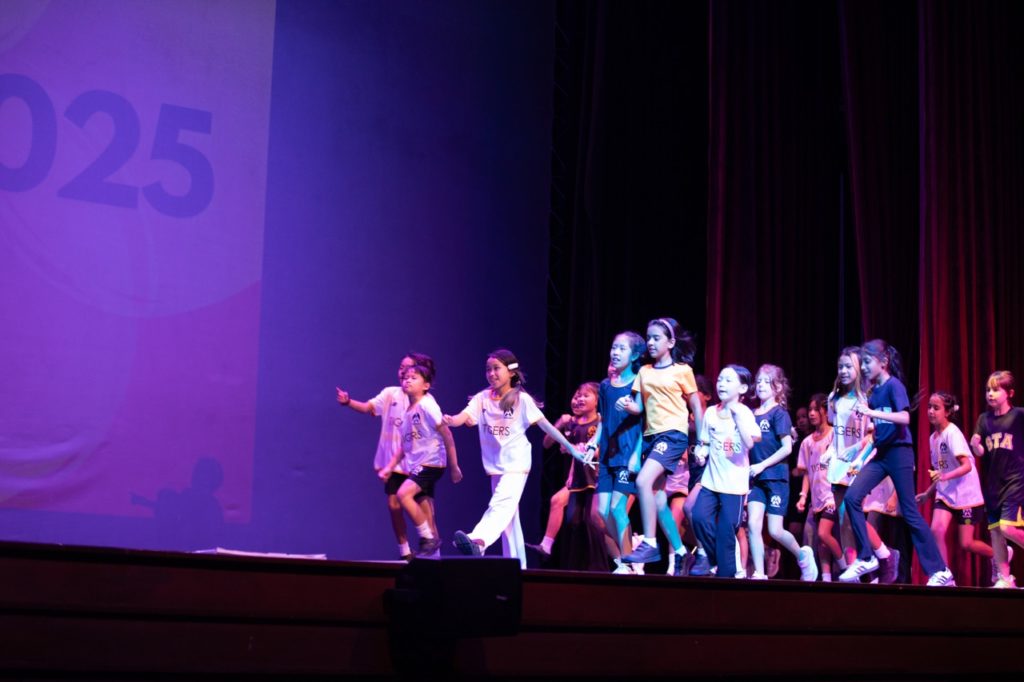
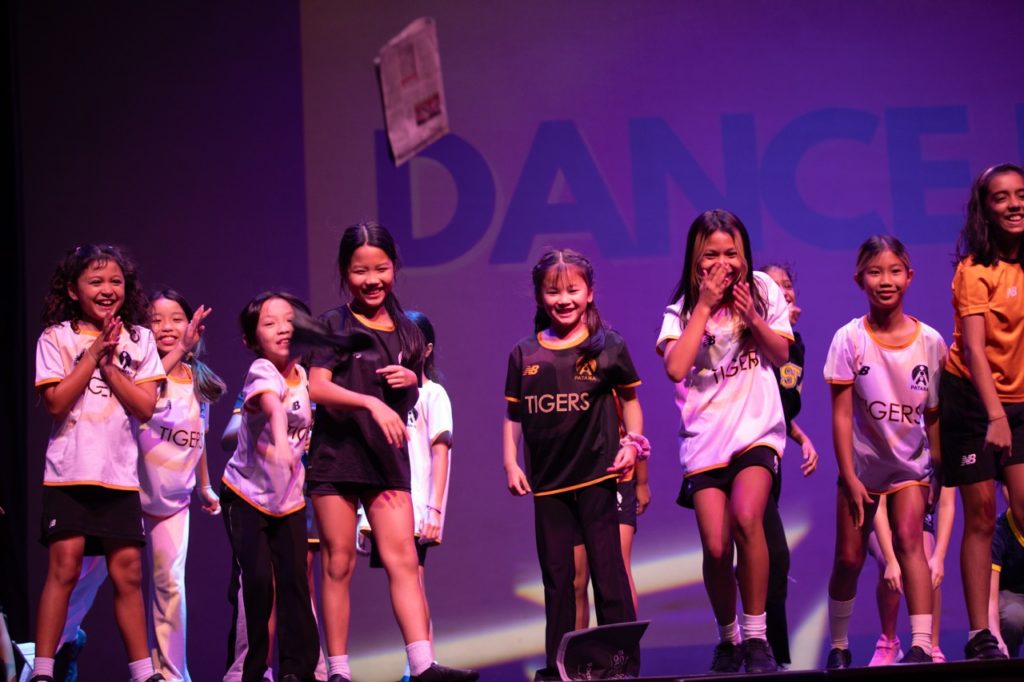
Dance Fest 2025 kicked off the school dance calendar in style last week, bringing together Primary students from Bangkok Patana and St. Andrews (Ekkamai) for a day of movement, creativity and performance. With three outstanding professional guest artists leading workshops, the event offered something for everyone that left buzzing with excitement for their new dance experiences.

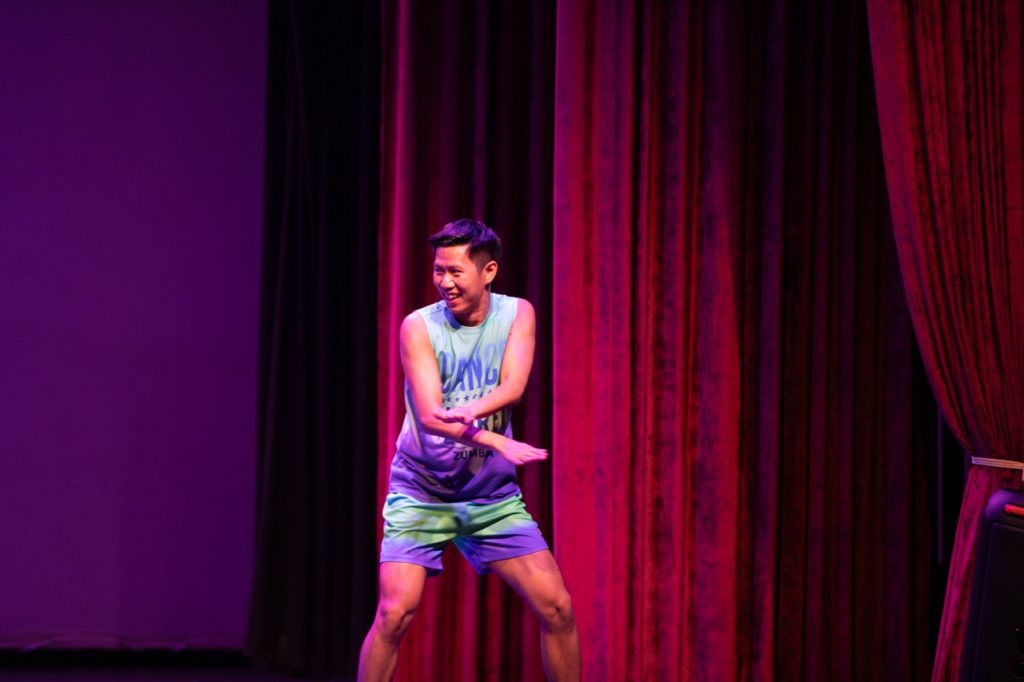
Akarapon (Ton) Saiwan brought his energy with electrifying Zumba sessions. His high-energy moves had students of all ages breaking a sweat, laughing, and discovering just how fun fitness through dance can be. The atmosphere was electric as students fed off his enthusiasm and rhythm.

Tim Fournier transported dancers to the Broadway stage with Musical Theatre Jazz. Working on a number from the hit musical Newsies, students not only learned choreography but also explored the art of performance. With newspapers as props, they discovered how staging, character, and storytelling are central to theatre jazz — and rose brilliantly to the challenge.

Ryan Licudan, widely recognised as Bangkok’s top popper and locker, introduced students to funky new grooves. Even the youngest dancers tried their hand at popping and locking, experiencing the playful side of hip-hop culture. His dynamic teaching style and innovative movement combinations kept the energy high and the smiles wide.

The afternoon concluded with a vibrant showcase, where students demonstrated their learning through on-stage rehearsal and of course showed off their new-found performance skills!

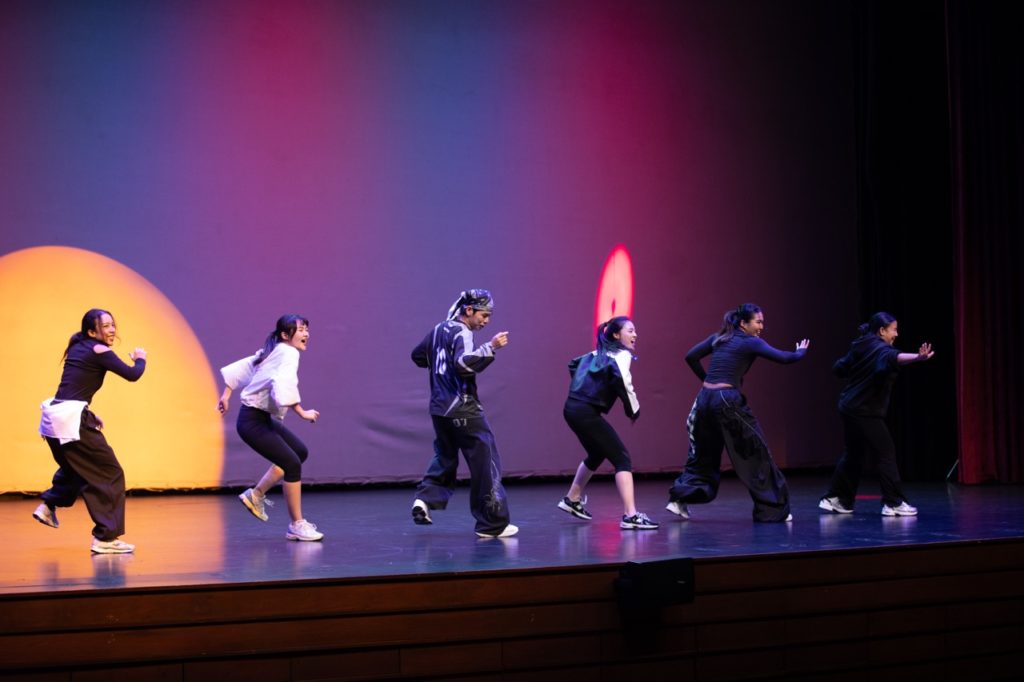
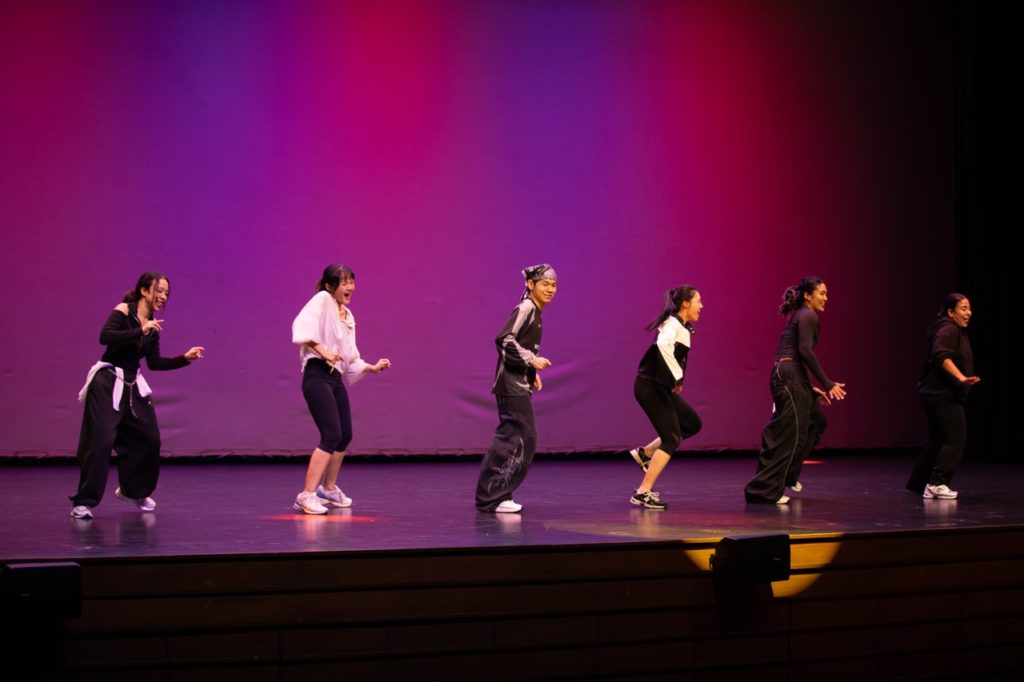
As a spectacular surprise finale, our Academy coaches took to the stage, performing as the professional artists they are. Showcasing their expertise in Ballet, Theatre Jazz, Latin, and Hip Hop, they delivered a near eight-minute, high-energy spectacle that had the audience on their feet. Their performance was both breathtaking and inspiring, leaving students with a vision of what they can one day become.

Share This Article

In this Issue

Community Events

Share This Article

In this Issue

Patana Participates

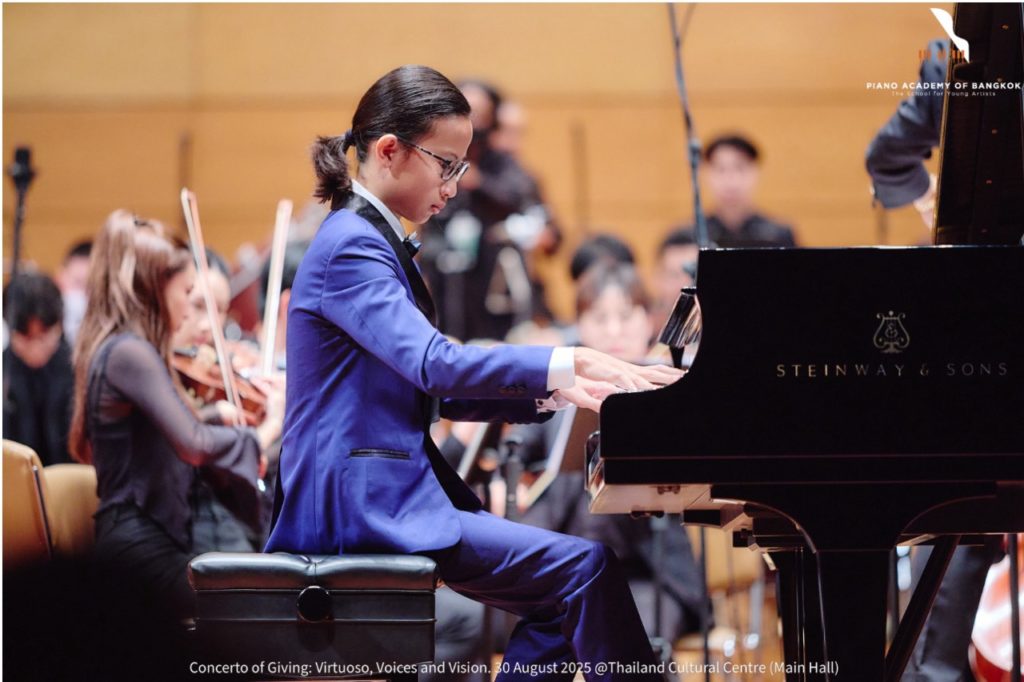
Concerto of Giving: A Charity Performance of Prokofiev

By Tat Sen Davis Cheung, Year 9

On 30th August 2025, I had the privilege of performing Prokofiev’s Piano Concerto No. 1, 1st movement at the main hall of Thai Cultural Centre with the 159 chamber orchestra as part of the ‘Concerto of Giving’ concert, a charity project hosted by piano academy of Bangkok, to raise up funds and awareness of healing the forest, healing the air. Prokofiev composed this concerto as his graduation piece, when he was very young. This performance opportunity for me was both a milestone in my musical journey and a memorable experience that allowed me to share music on such a renowned stage. 

Preparing for the concerto was full of challenges but rewarding. The piece demanded technical precision and musical expression, and I spent many hours constructing a story and refining it to a performance quality. Rehearsing and performing with the orchestra was an extremely valuable experience: it is always fun to go with peers who have common interests, especially when you have a whole squad to play with you – together! Stepping onto the stage of the main hall at the Thai Cultural Centre was an unforgettable experience. I felt some nerves at first, the atmosphere from the audiences and the support of the orchestra quickly turned that into massive adrenaline. Once I began playing, I was able to focus on sharing the music rather than worrying about mistakes. I knew the story that I was going to tell in my music way. I am extremely grateful to my teacher, my family and Bangkok Patana School’s music department for being a remarkable audience for their encouragement and guidance, as well as the organisers of the Concerto of Giving and the 159chamberorchestra for making this performance possible. The experience has inspired me to continue working hard, embracing new challenges and striving as a musician.


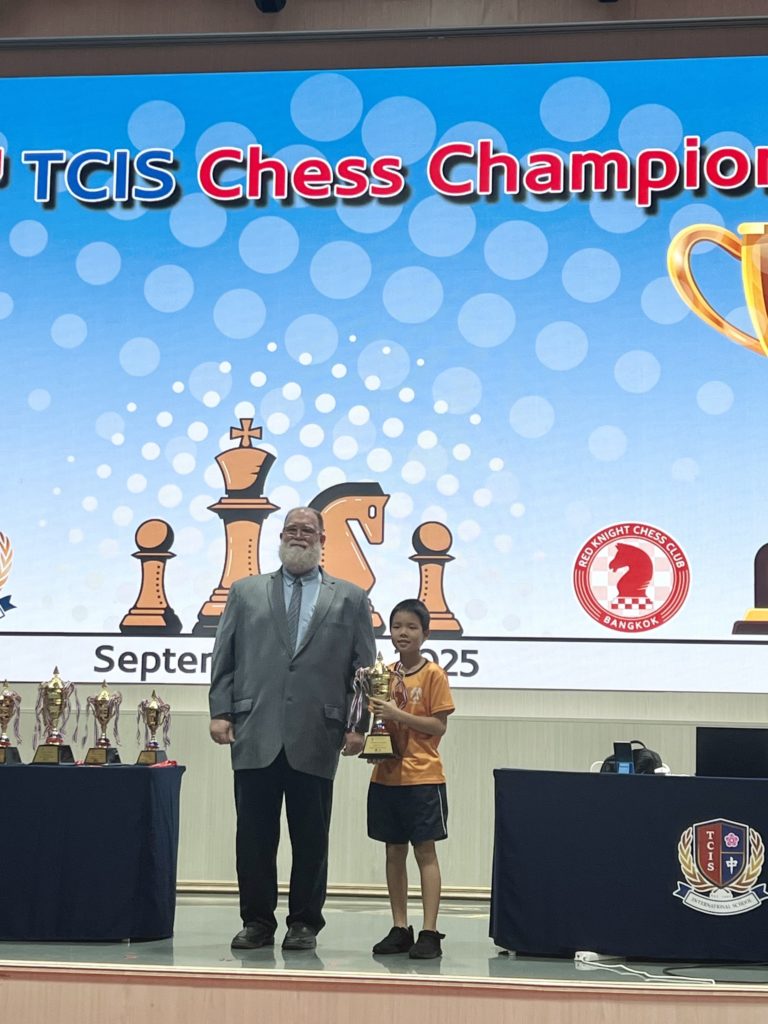
Red Knight TCIS Chess Championship

By Sarah Song, Parent

Congratulations to Lele Song in 5D who played in the Red Knight TCIS Chess Championship on September 28th and won 1st place in the U10 category.


King’s Cup Thailand Championship Dressage Final 2025

Monchaya Khuptawinthu, Parent

Maethus (Alpha) in Year 9 performed exceptionally well at the King’s Cup Thailand Championship Dressage Final 2025. Alpha exceeded all expectations, winning both categories he competed in with exceptional results:

** Winner – King’s Cup Thailand Championship Dressage Final 2025 – Novice (Children)** with a score of 72.322%

** Winner – King’s Cup Thailand Championship Dressage Final 2025 – Elementary (Children)** with a score of 71.255%

Congratulations Alpha!


Share This Article

In this Issue

School Announcements and Upcoming Events

Its the final week to register for the Solo Festival and places are filling up fast. Open to all instrumentalists and vocalists across Primary and Secondary.  Don’t miss your moment to shine!

Deadline Monday 6th October. 


Share This Article

In this Issue

© 2025 Bangkok Patana School

Issue: 6
Volume: 28
Bangkok Patana School
Privacy Overview

This website uses cookies so that we can provide you with the best user experience possible. Cookie information is stored in your browser and performs functions such as recognising you when you return to our website and helping our team to understand which sections of the website you find most interesting and useful.