By David Walton, Assistant Principal, Assessment and Reporting • Primary School
Why conversations we have about learning matter more than the attainment grades in a report.
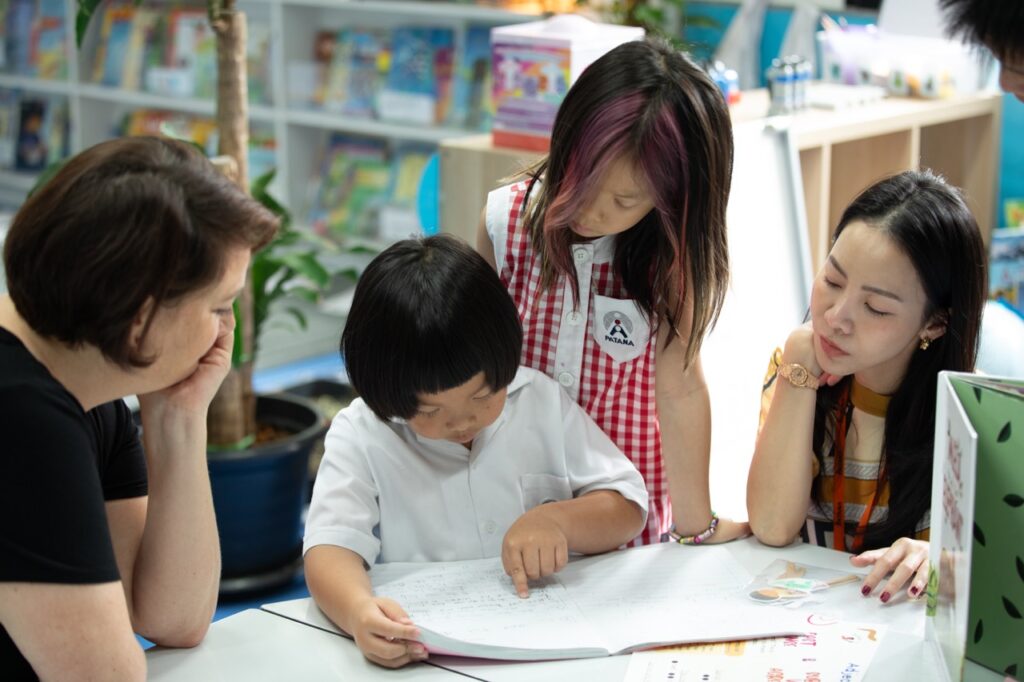
As we approach the end of the academic year, many families will open their child’s report and naturally look first at the attainment grade. These moments matter, but they should not become a source of judgement, comparison or the sense that learning is complete. A report should prompt reflection, recognise growth and open conversations about what comes next.
Same Grade, Different Story
Two students may appear to be at the same stage in learning. Their attainment grade matches: the same benchmark, the same score.
However, their journeys are different. One learner has arrived there steadily and is ready for greater challenge. The other has built confidence, strengthened fluency, and is now beginning to apply understanding more independently.
In a report, both may appear the same. Yet the story beneath, and what each learner needs next, is very different. A single grade can summarise attainment, but it cannot fully capture the effort, resilience, and support that have shaped the journey to that point.
The Questions We Ask
The way we talk about learning, at school and at home, matters just as much as the information in a report. The questions we ask shape how children see learning and how they see themselves as learners. Questions rooted in comparison can narrow children’s view of success. Questions rooted in growth, effort, and strategy help them recognise what they can develop.
When we change the questions, we change the culture.
Instead of asking “What level are you?”, try “What have you got better at?”
Instead of asking “Who did better?”, try “What helped you when it felt tricky?”
Instead of asking “Why isn’t this higher?”, try “What’s your next challenge?”
Instead of asking “Will you work harder next time?”, try “This will be a challenge how can we help?”
Reading the Report Together
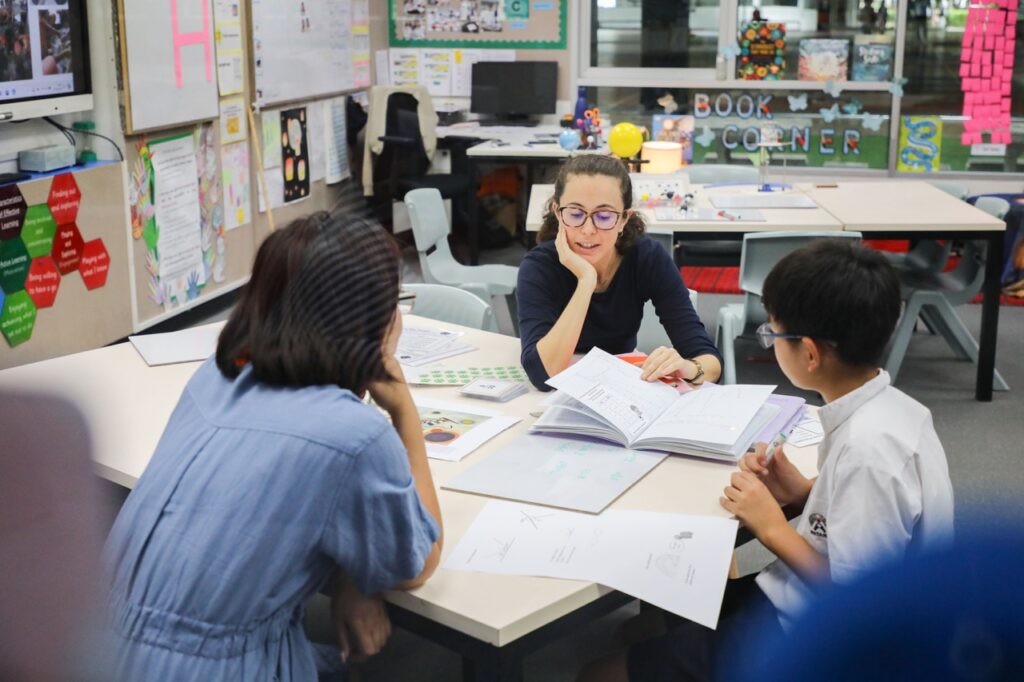
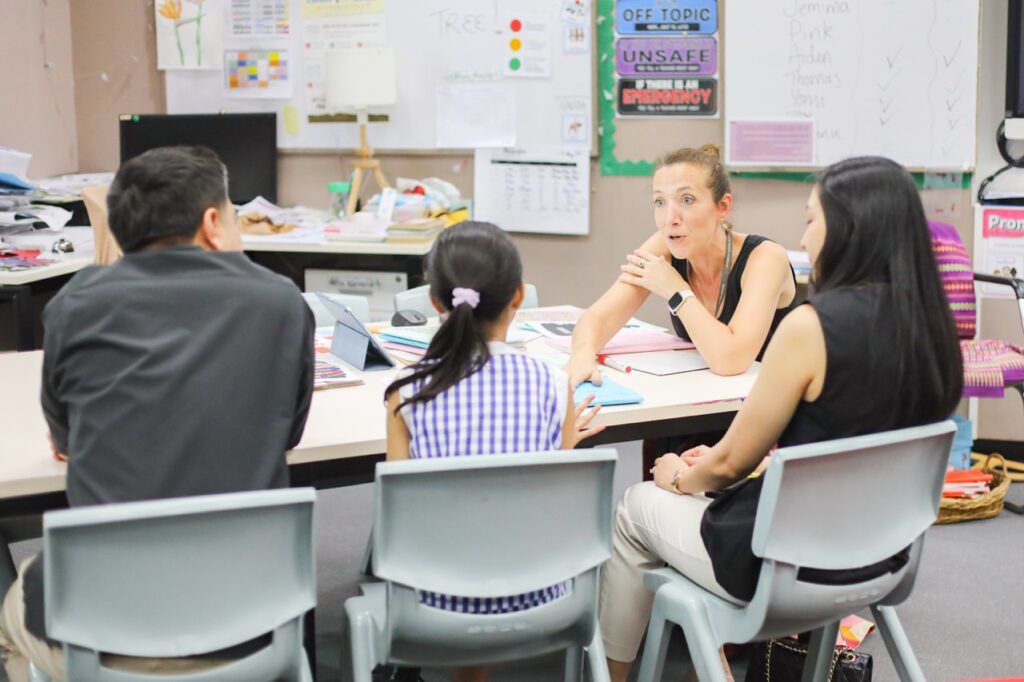
A report can be a useful starting point, but what matters most is how we use it. Start with the comments, not the number. Ask your child what they feel proud of. Notice where effort has led to improvement, talk about what helped when learning felt challenging, and finish with: “What would you like to get better at next?”
These conversations help children see that a report is not a judgement, but part of an ongoing picture of learning. These small shifts keep the focus on learning, not labelling.
Valuing Growth
Creating a culture that values growth is a shared responsibility. When school and home use a common language, children receive a consistent message: learning is something you build, not something that defines you.
At Bangkok Patana, we believe learning is too important to be reduced to a single grade. When we change the conversations, we have with our children and with each other, we help them see their progress, their potential and their next steps.
This is how we help children understand that learning is not fixed, finished, or defined by one moment in time.
BMAC Gymnastics has officially closed our 2026 competitive season, marking the final competition with both celebration and reflection after a […]
Behind the Bookshelves
What book do you recommend and why?
Damascus Station by David McCloskey is an espionage thriller that combines authentic insider knowledge from the author’s CIA background with sophisticated storytelling and complex characters. Set against the Syrian civil war, it offers genuine insights into Middle Eastern geopolitics and intelligence operations while raising thought-provoking questions about loyalty and morals.
What podcast do you recommend and why?
The Science of Sport podcast expertly translates rigorous scientific research into accessible discussions about athletic performance, covering everything from training physiology to sports psychology. For listeners who want to understand the scientific “why” behind human performance.
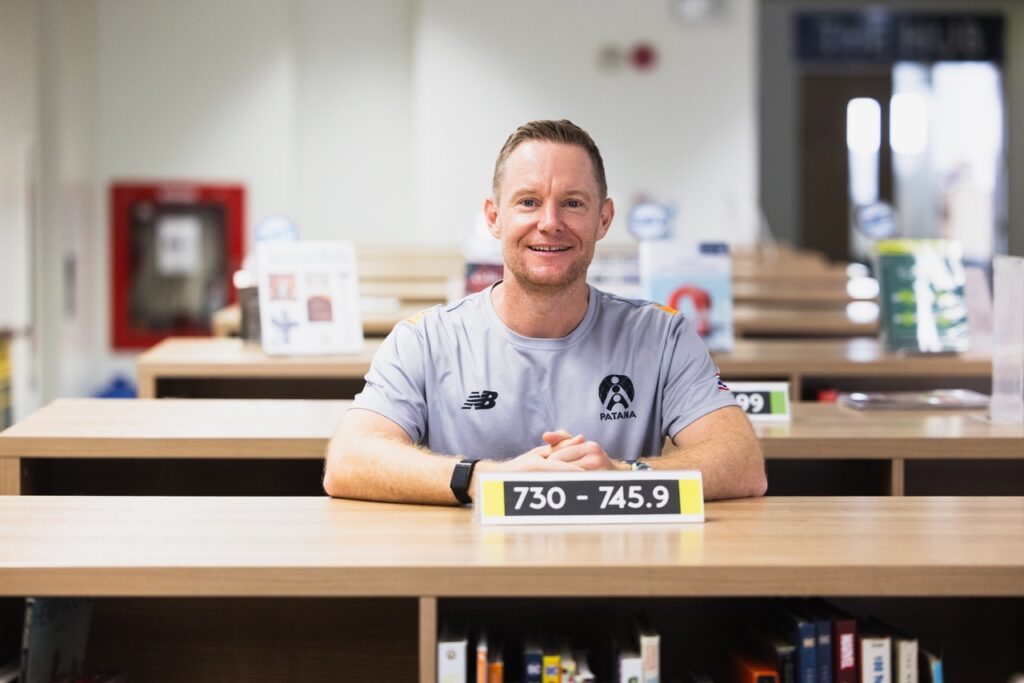
Interview with Liz Newman – Secondary English Teacher
What is one of your fondest or most favourite reading memories?
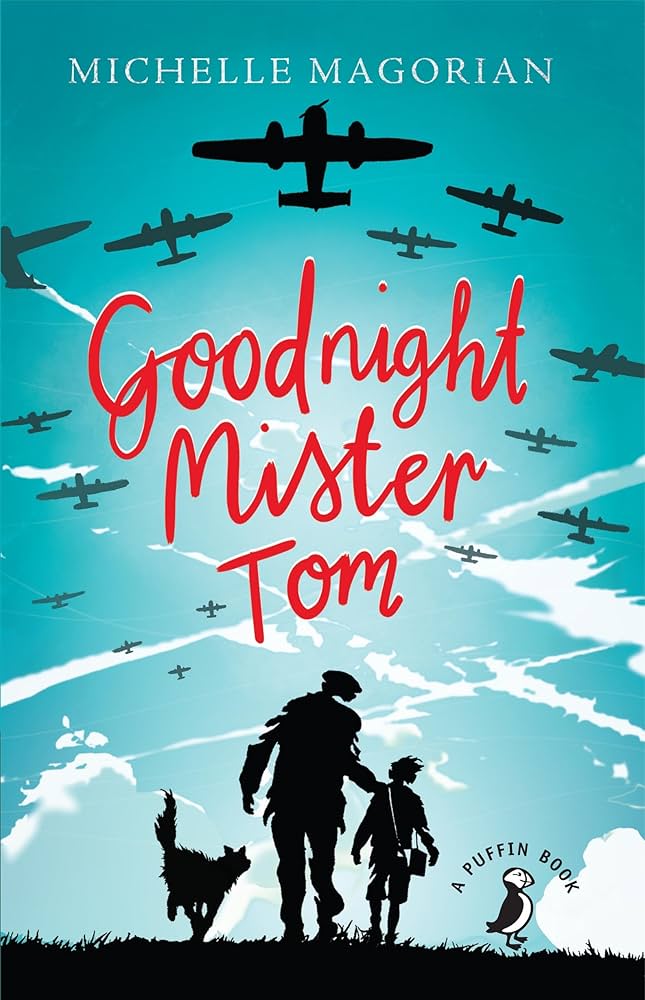
I was pretty much the only avid reader in my family growing up, and the first book I remember really loving was Goodnight Mister Tom by Michelle Magorian. It was a book I won after winning a competition in Year 5, and I remember reading it and feeling like it was quite special because my teacher had recommended to me, and that just goes to show the power that recommendations can have for young people as I still remember it now!
Other things that stand out for me include finding a copy of The Beach by Alex Garland, a second-hand copy with no covers on it, and reading it on a very long bus journey to Jakarta when I was travelling alone in Southeast Asia for six months when I was 18. That period was my first experience of proper freedom, of being far away from the environment I had grown up in, and in some sense, maybe made me think about moving here again permanently later in life.
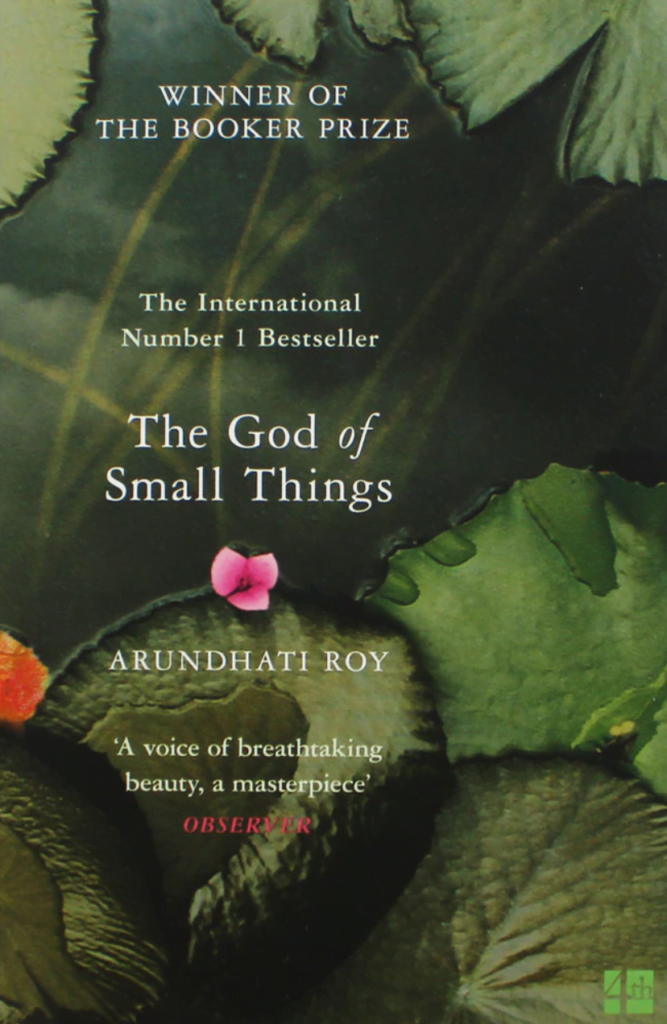
Another vivid memory is reading The God of Small Things by Arundhati Roy in my first year of university and realising that I needed to visit India after reading it. I went on to teach there for six months with the British Council after graduating from my degree, and it was an incredible experience. I have taught this book every year to my IB Literature classes, and despite not all students feeling the same way(!), it remains my favourite book of all time.
Which fictional character would most like/least like to meet in real life and why?
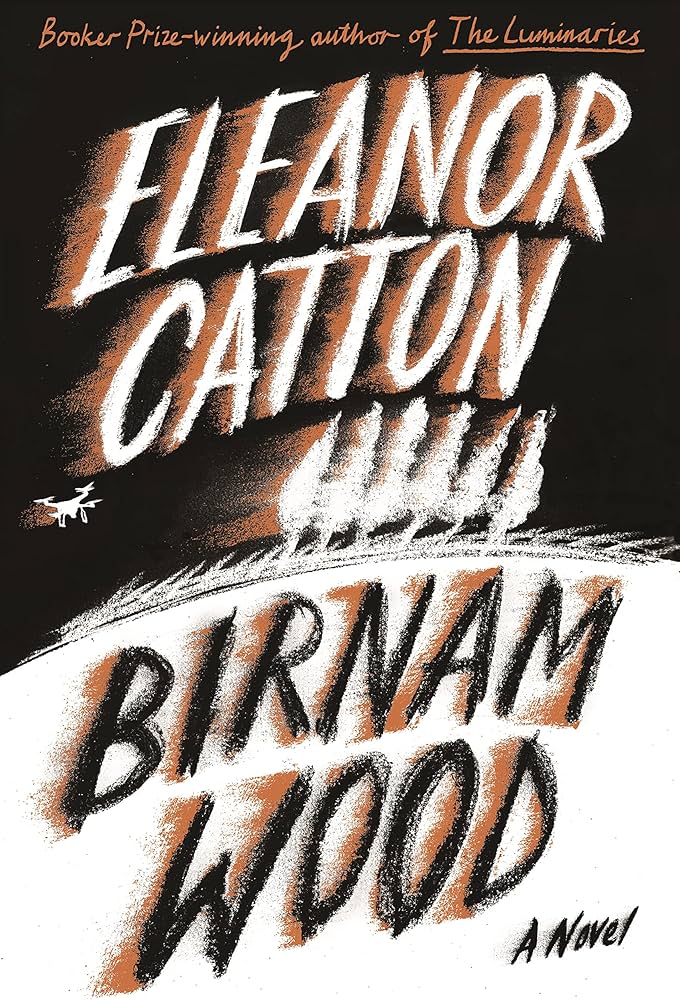
I found this a tricky one. I will go for characters I would not like to meet in real life. I recently read Birnam Wood by Eleanor Catton, which is a very engaging story with some Shakespearean elements to it, but is also a commentary on the world’s political and environmental crisis. Set in New Zealand, there is a billionaire character from the USA called Robert Lemoine who I feel is symbolic of the misuse of power and arrogance that comes with having unlimited resources, so I think he would be a distasteful character to meet in real life.
I would also love to meet the speaker in T. S. Eliot’s poem ‘The Love Song of J. Alfred Prufrock’ as a kind of cautionary tale of a life not lived, somebody who is filled with regret at the end of their life and wishes they had been a bit more daring and adventurous.
3. What does freedom and independence mean to you? Do you have any book suggestions for this theme?
I think this has changed for me throughout my life. I used to feel that independence and freedom was getting as far away as possible from your normal routine and what you know, but now I think it does not necessarily mean being alone. It means having the freedom to choose your journey, and for me personally, as I have made the decision to move back to the UK this summer and reconnect with friends and family, I feel that independence and freedom can be found with loved ones.
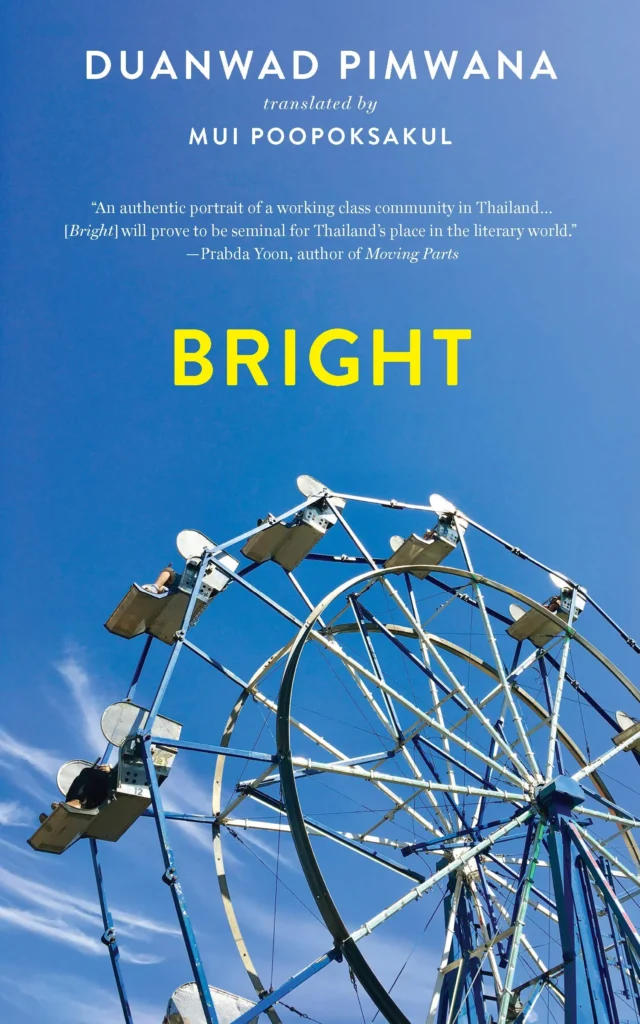
A recommendation I have is a book by Thai author Duanwad Pimwanacalled Bright, which moved me to tears. It is about a young boy called Kampol who is unwillingly abandoned by his parents due to financial circumstances, but he gets looked after by his neighbours, so his independence is supported by his local community who love him.
As a final note, I want to thank my lovely team at Patana. We have shared many amazing memories at our faculty book clubs. Thank you Thailand and Patana, you have certainly been a key part of my literary journey, what an amazing four years!
Foundation Stage and Key Stage 1 Recommendations
Keighley Burton, Year 2 Class Teacher, 2B Class Teacher & Patrick O’Connor, Year 2 Year Group Leader – Pastoral, 2P Class Teacher
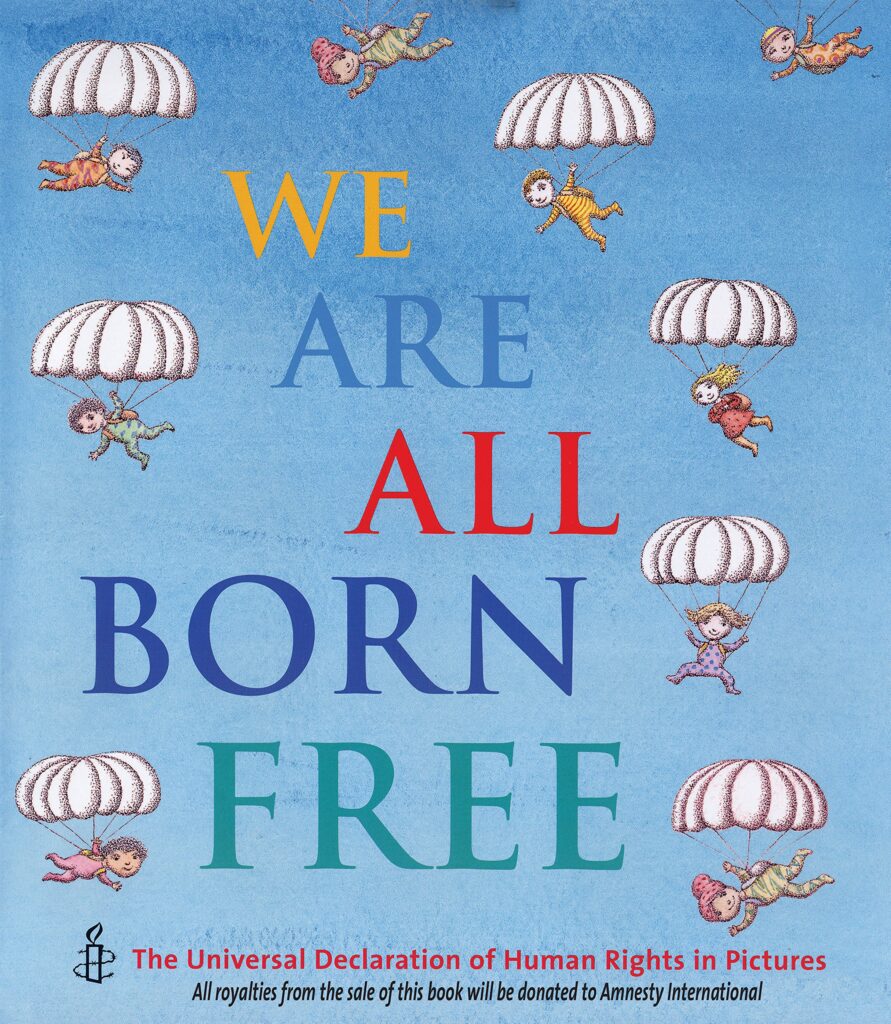
We Are All Born Free: The Universal Declaration of Human Rights in Pictures This beautiful picture book introduces children to the important idea that every person is born free and deserves to be treated fairly and with respect. Through powerful illustrations and child-friendly messages, it helps young readers understand rights such as freedom, safety, equality and having a voice. It is an excellent choice for our theme of Freedom and Independence, encouraging children to appreciate their own freedoms while recognising that these rights belong to everyone, everywhere.
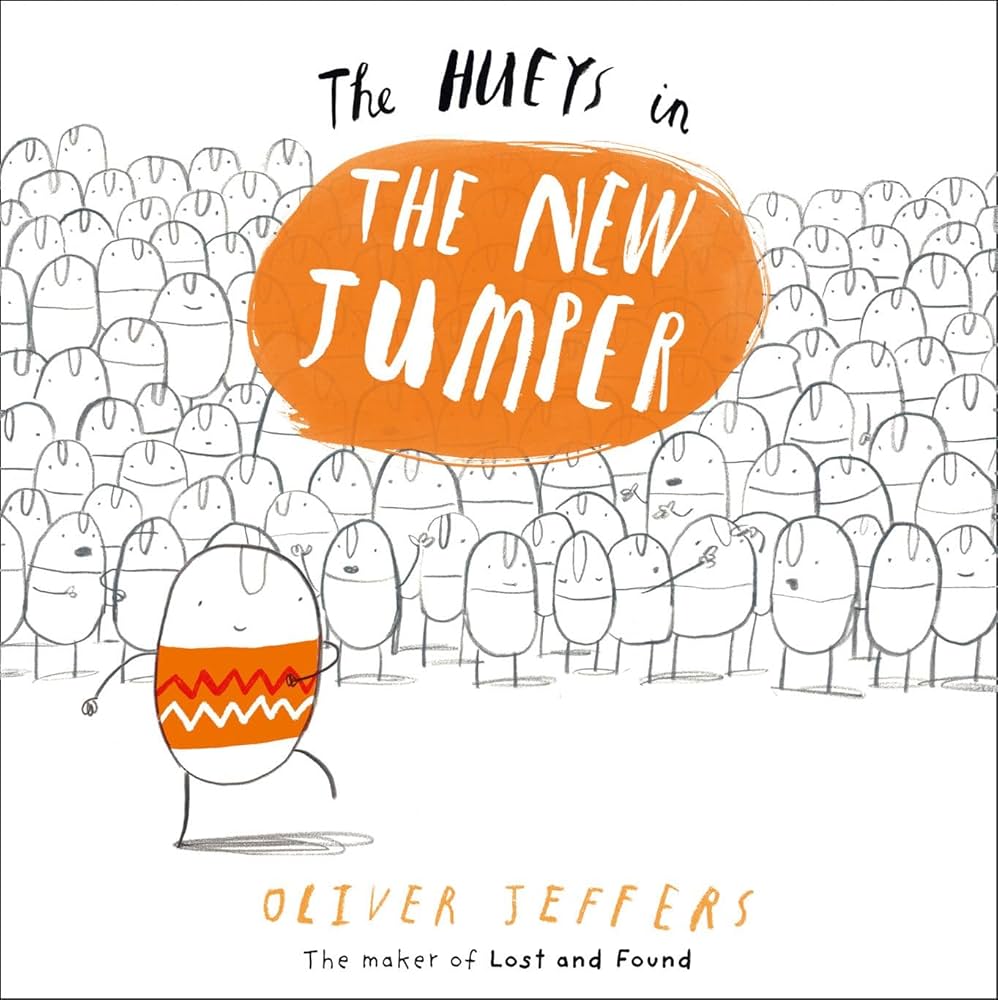
The Hueys in The New Jumper by Oliver Jeffers
In this humorous and thought-provoking story, all the Hueys look and behave in exactly the same way, until Rupert decides to knit himself a new jumper. His brave choice encourages others to think differently and celebrate their individuality. With Oliver Jeffers’ simple illustrations and playful storytelling, this book gently explores the freedom to express ourselves and make our own choices. It is a wonderful book for encouraging children to value independence, confidence and being proudly themselves.
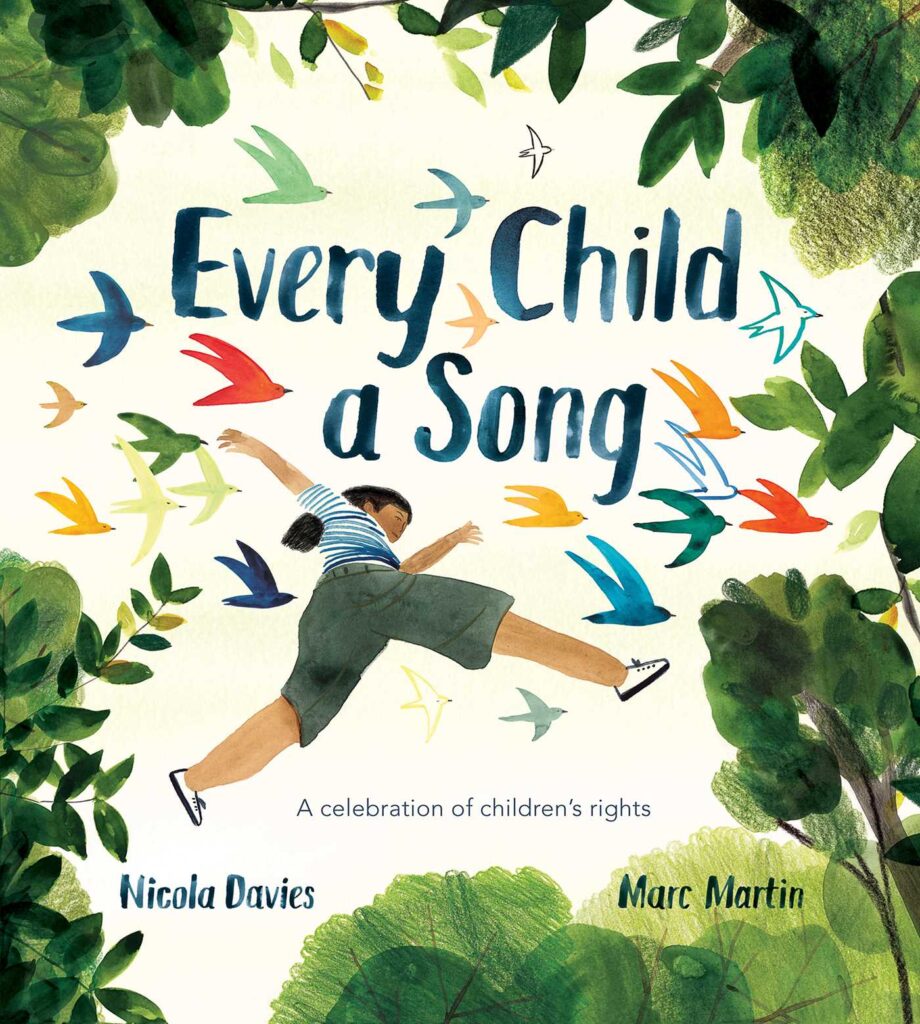
Every Child a Song by Nicola Davies and Marc Martin
This beautiful book celebrates the idea that every child is unique, valuable and deserving of the freedom to grow, learn, play and be heard. Nicola Davies’ lyrical words and Marc Martin’s vibrant illustrations encourage readers to see children everywhere as full of possibility and hope. Chosen for our theme of Freedom and Independence, this uplifting story reminds us that every child has rights, a voice and their own special song to share with the world.
Giraffes Can’t Dance by Giles Andreae and Guy Parker-Rees
Gerald the giraffe longs to dance, but the other animals laugh at him and tell him he cannot. With kindness, encouragement and the freedom to find his own rhythm, Gerald discovers that he can dance beautifully in his own special way. This joyful, colourful story is perfect for our theme of Freedom and Independence because it encourages children to believe in themselves, resist limiting labels and celebrate the confidence that comes from being proudly individual.
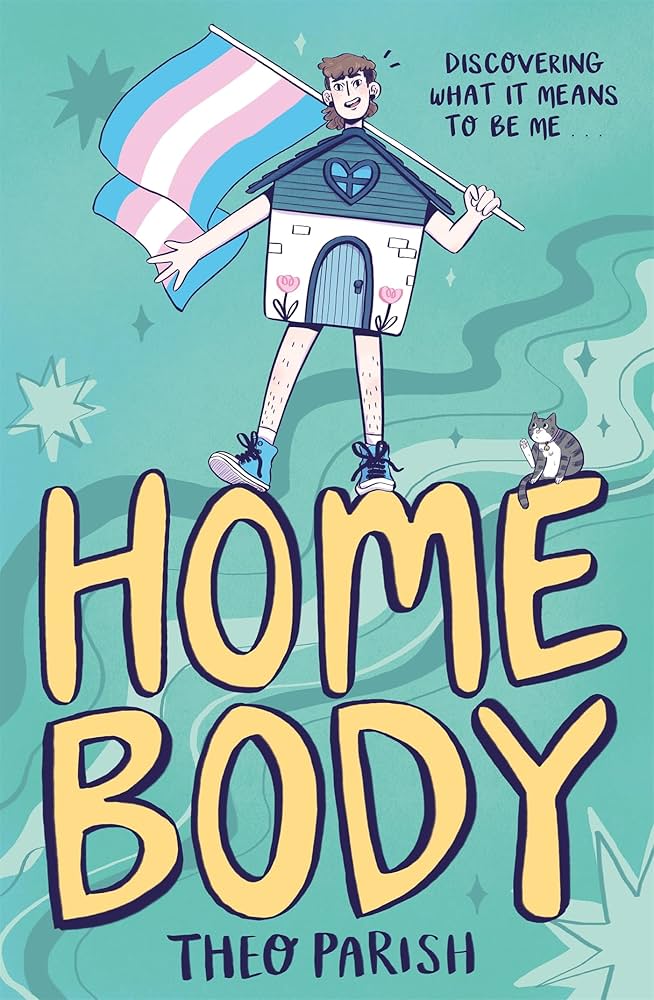
Ava Williams, 6F Home Body by Theo Parish
Home Body is a children’s comic book about a transgender and non-binary person whose name is Theo. For Theo’s whole life they were unsure of what they truly wanted to be. For example, when it was their first day of school, they got detention for not wearing the correct gender uniform. So, Theo lived under other people’s rules for their whole life, unhappy. Theo knew this wasn’t how they wanted to be but for them there wasn’t a choice on how other people saw and made assumptions about them. Theo didn’t know what the term non-binary meant until they got a job. But when they were able to express who they are and who they want to be, they were much happier than before. I enjoyed this book because it shows how anyone could be anything they want to no matter girl or boy.
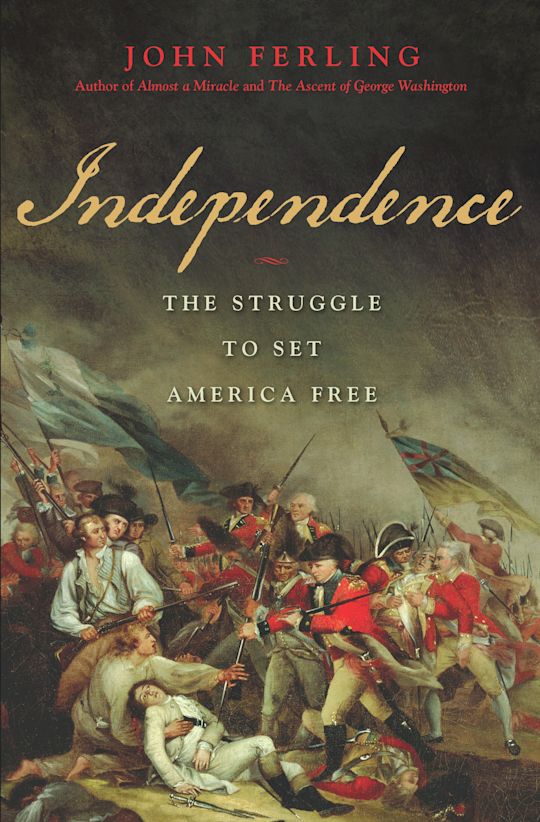
Siena Green, 6F Independence: The Struggle to Set America Free by John E. Ferling
I like it because there was a part where people said “Set America Free!” It was about terrorists invading the American mainland and the military team explores the places to protect the America mainland. People were demanding independence from Great Britain. This book covers the intense 30 month political military journey from 1773 to 1776 when American colonists were seeking to demand independence. The chaotic long journey of the American leaders from 1765 to 1776 explored how colonies moved from seeking to declaring independence from Britain. There were political debates, personal stories, and wartime struggles with food, water and shelter. The contentious process was driven by key figures navigating political, social and ideological divides to create a new nation. I liked it because I used to be interested in independence and it would be a super good book for an interest like that.
Akira Tanaka, 6F The Long Walk to Freedom by Nelson Mandela
This story is about Nelson Mandela and his fight against separation in South Africa. In it, he describes his childhood, years in prison, and determination to achieve equality and freedom. The book highlights courage, forgiveness, and the importance of unity and peace and talks about his life at numerous stages like when he was a lawyer, a prisoner, and activist. It is an awesome book and I highly recommend this book for anyone who is interested in real life stories and in learning more about heroes like Nelson Mandela who fought for the freedom of people no matter if they are different genders or different cultures.
Key Stage 3 Recommendations:
Isabella (Mei Mei) Pitcher, 9S If Cats Disappeared From the World by Genki Kawamura
If Cats Disappeared From the World by Genki Kawamura is a thought-provoking book that reminds you to always cherish the things you have now, because someday they might just disappear. This story follows a young mailman who is diagnosed with a terminal illness. He thus strikes a deal with a devil which states that in return for one more day of life, he must give up one thing from his life. When the devil decides his cat is next, the postman must decide what matters most. The readers watch him navigate through each day unlocking new anecdotes of his life. With each chapter this book leaves us to wonder how our lives can change with just one thing altered.
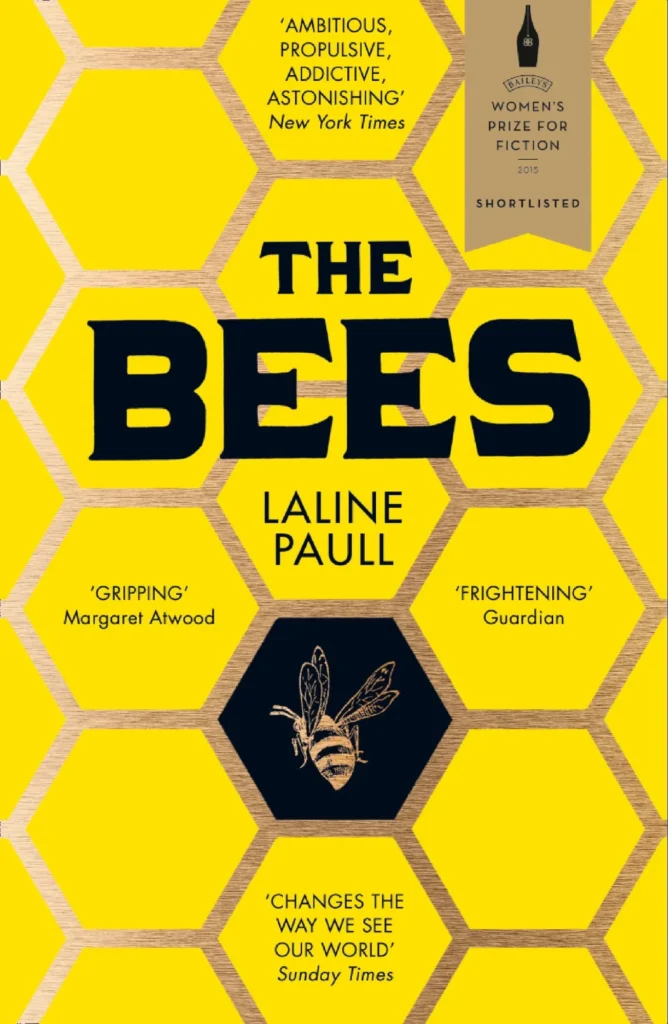
Sirianong (Plearn) Devakula Na Ayudhya, 9A The Bees by Laline Paull
The Bees by Laline Paull is a thought-provoking novel that explores freedom, individuality, and the struggle to break away from society’s expectations. Through Flora 717’s journey from a low-ranking sanitation bee to someone who questions the strict rules of the hive, the novel reflects the challenges of growing up and making independent choices. Flora faces difficult transitions as her relationships, loyalties, and understanding of the world change around her. Paull uses the hive to mirror real-life pressures involving family, community, and identity. Although unusual in concept, the novel is engaging, emotional, and ultimately highlights the importance of courage and self-discovery.
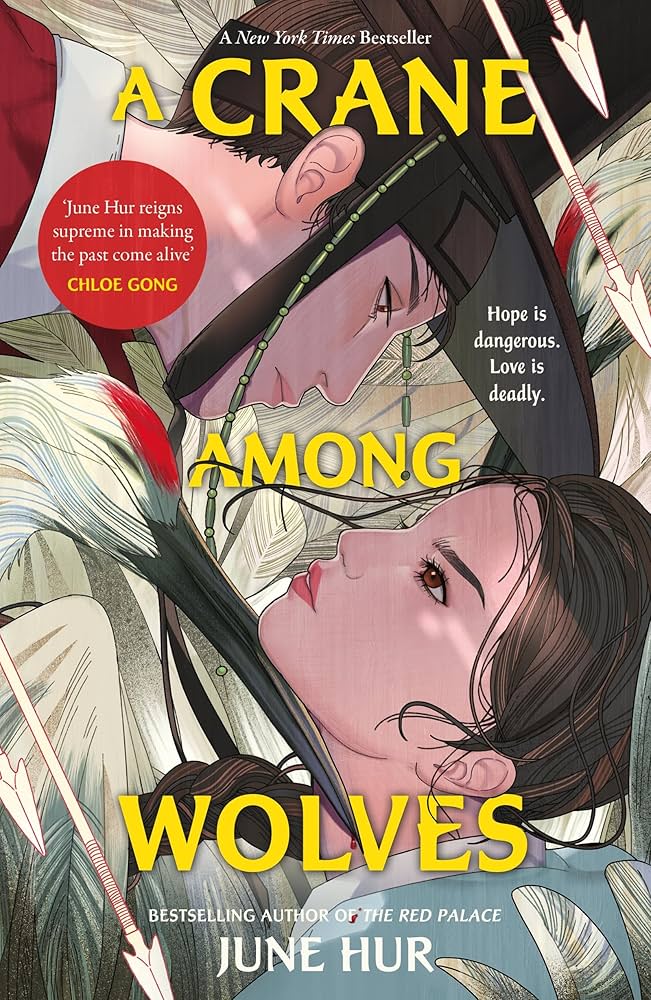
Poonyanuch (Amy) Soontharinka, 8J A Crane among Wolves by June Hur
A Crane among Wolves is written by Korean – Canadian writer, June Hur. It follows the story of a young girl named Iseul who lives with her grandmother and sister, Suyeon. One day the king abducts Suyeon to make her his concubine and Iseul is left with nobody. Driven by guilt and love Iseul decides to embark on the journey of bringing her sister back from the palace. On the way along the journey Iseul meets many people who guide her on what to do. Amongst those people is Prince Daehyun, King Yeonsan’s half-brother. This story combines both romance and mystery setting a theme of freedom and rebellion as both the lead characters have a urge to act on things they deem aren’t right. The crane in this story is represented by Iseul who doesn’t accept injustice and signifies bravery by fighting for what is fair. The wolves in here though is the corrupt court and King Yeonsan himself as they do what they want and are like predators towards the kingdom. By resisting injustice in their lives the characters carve out spaces of dignity and choices showing a mark of freedom. Through all the themes of resistance, injustice and freedom, June Hur’s A Crane among Wolves reminds us that even in the hardest times there is always a solution.
Key stage 4 and Senior Studies Recommendations:
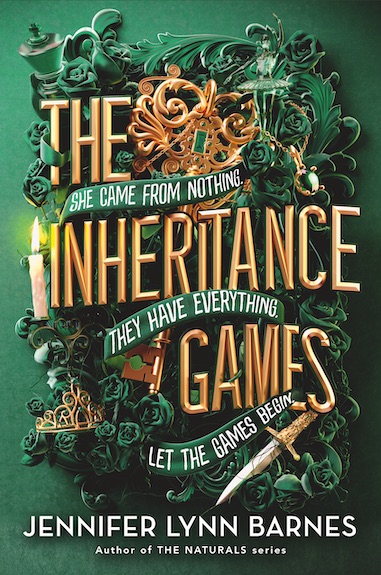
Louise Peninon, 10P The Inheritance Gamesby Jennifer Lynn Barnes
Avery Grambs has a plan for the future: survive high school, win a scholarship and get out. But her life changes instantly when an eccentric billionaire dies and leaves her his entire fortune. To claim it, she must move into his sprawling mansion filled with secret passages and dangerous grandsons who think she’s a con artist. This gripping mystery offers a thrilling take on independence. Forced into a high-stakes puzzle, Avery must quickly learn who to trust, use her sharp wits, and carve out her own path to survive in a world she never asked to enter.
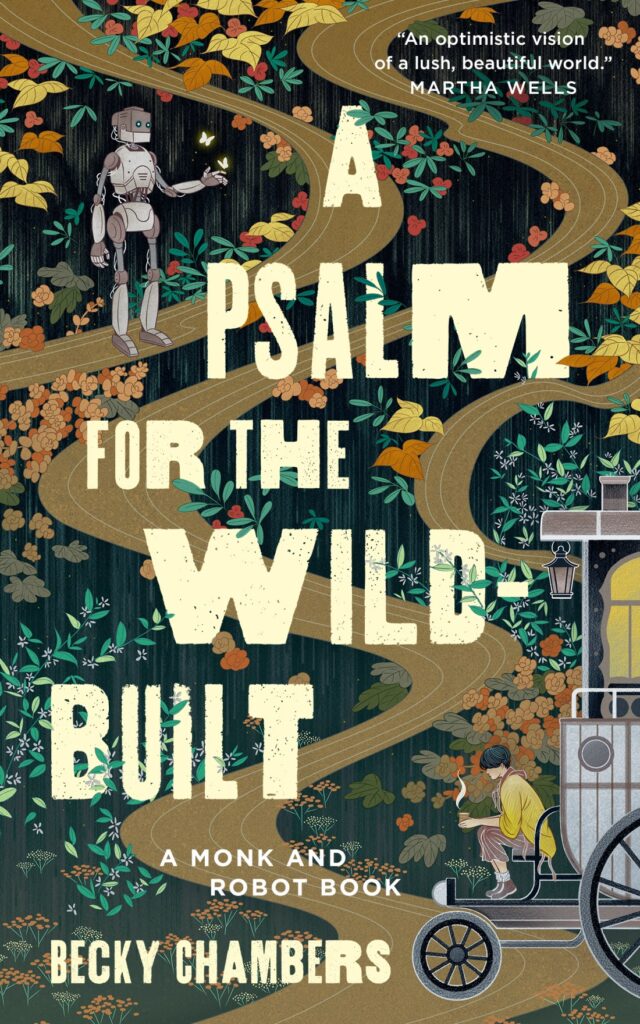
Rajul Grover, 12L A Psalm for the Wild-Built by Becky Chambers Within an uplifting world of solarpunk, a gender-neutral tea monk called Sibling Dex escapes from their comfortable routine to find meaning in nature. In the wilds, they come across Splendid Speckled Mosscap, a robot attempting to solve one mystery: “What do humans need?” This beautifully written novella by Becky Chambers is a sweet yet powerful reflection on the theme of freedom and identity along with the immense weight of finding your “calling.” Ideal for Key Stage 5 students embarking on significant changes, it shows that independence does not have to involve knowing everything, sometimes it can just be acceptance.
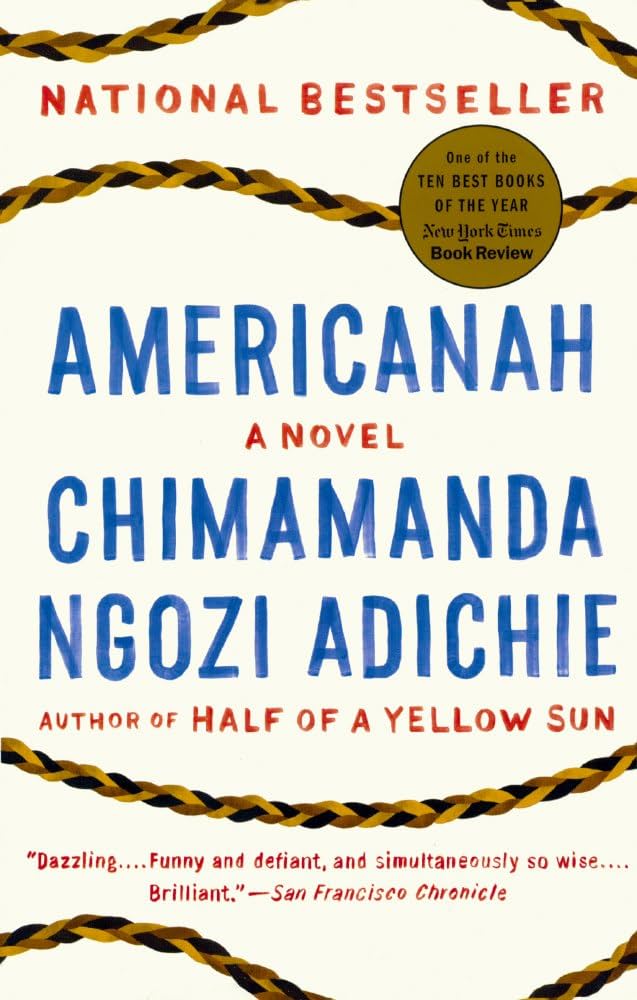
Yeonjae Lee, 12W Americanah by Chimamanda Ngozi Adichie
Americanah is a novel that follows Ifemelu, a Nigerian student who moves to America for university, separating from her boyfriend, Obinze, who later goes through his own journey in England. Through Ifemelu’s eyes, the novel explores race, identity, and the challenge of figuring out who you are when your world completely changes. I recommend this book because it offers a realistic and unflinching perspective on what it means to be “Black” in America. It also captures the process of self discovery and the feeling of being caught in two very different worlds – which is a theme I think many in our school community would relate to.
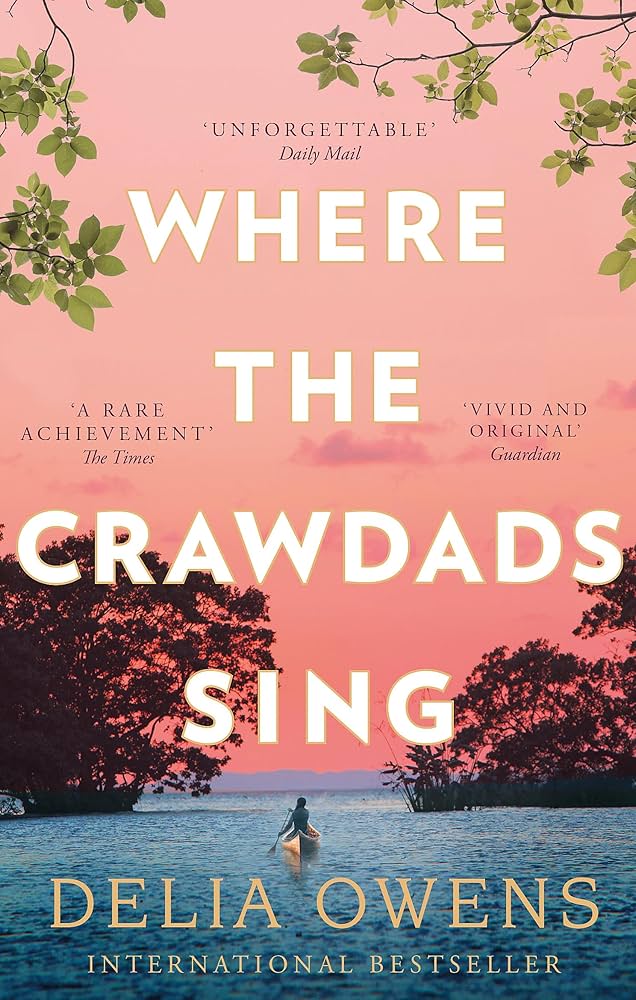
Purnima Ghogar, Secondary English Teacher Where the Crawdads Sing by Delia Owens Where the Crawdads Sing is one of my favourite reads because of how immersive, gripping and emotionally moving it is. Set in the marshlands of North Carolina, the novel follows Kya, a young girl abandoned by her family who grows up isolated from the rest of society, learning to survive alone in the wild. When a local man is found dead, the story becomes part murder mystery and part coming-of-age journey. Along the way, Kya’s encounters with Tate, a boy who teaches her to read, and Jumpin’, a compassionate local shop owner who quietly supports her, slowly teach her about trust, love, kindness and the importance of human connection after years of loneliness and rejection. The descriptive writing is stunning – the marsh feels so alive that nature becomes a character itself, reflecting Kya’s loneliness, resilience and emotional growth. Kya gradually frees herself from society’s judgement and learns to rebuild her sense of identity, belonging and hope despite years of hardship. This empowering novel leaves us with many lingering questions: can people ever truly free themselves from the past – be it rejection, guilt or loneliness – and begin again? Can nature heal emotional wounds in ways people sometimes cannot?
Why conversations we have about learning matter more than the attainment grades in a report. As we approach the end of the academic year, many […]
Tech Tips #326: Stronger Online Safety Measures Announced by Tech Companies
By Brian Taylor, Vice Principal, Technology for Learning
Major technology companies including Snapchat, Meta (Facebook and Instagram), and Roblox have committed to new measures designed to better protect children from online harm, following pressure from the UK regulator Ofcom.
These changes focus particularly on preventing online grooming and limiting contact between children and unknown adults. For example, some platforms will now block adults from contacting children by default, while others are introducing stricter privacy settings for young users. New tools powered by artificial intelligence will also help detect suspicious or inappropriate conversations and take action more quickly. In addition, some platforms are offering parents greater control, such as the ability to disable direct messaging for younger users.
A key improvement is that companies have agreed to consider children’s safety earlier when designing new features, rather than responding after risks are identified. This represents a shift towards “safety by design”, where protecting young users becomes part of the development process.
However, concerns remain. Regulators found that many children are still exposed to harmful content through social media feeds, particularly on platforms such as TikTok and YouTube, where further safety commitments have not yet been made. Research shows that a high proportion of young people continue to encounter harmful material online, often while scrolling recommended content.
There are also ongoing challenges with age restrictions. Despite most platforms having a minimum age of 13, many younger children still access these services. Regulators are calling for clearer laws and stronger age verification to address this issue.
Ofcom has made clear that it will continue to monitor companies closely and take action if necessary to ensure children are better protected online.
What book do you recommend and why? Damascus Station by David McCloskey is an espionage thriller that combines authentic […]
Matilda Jr. recognised by UK School Theatre Award Body
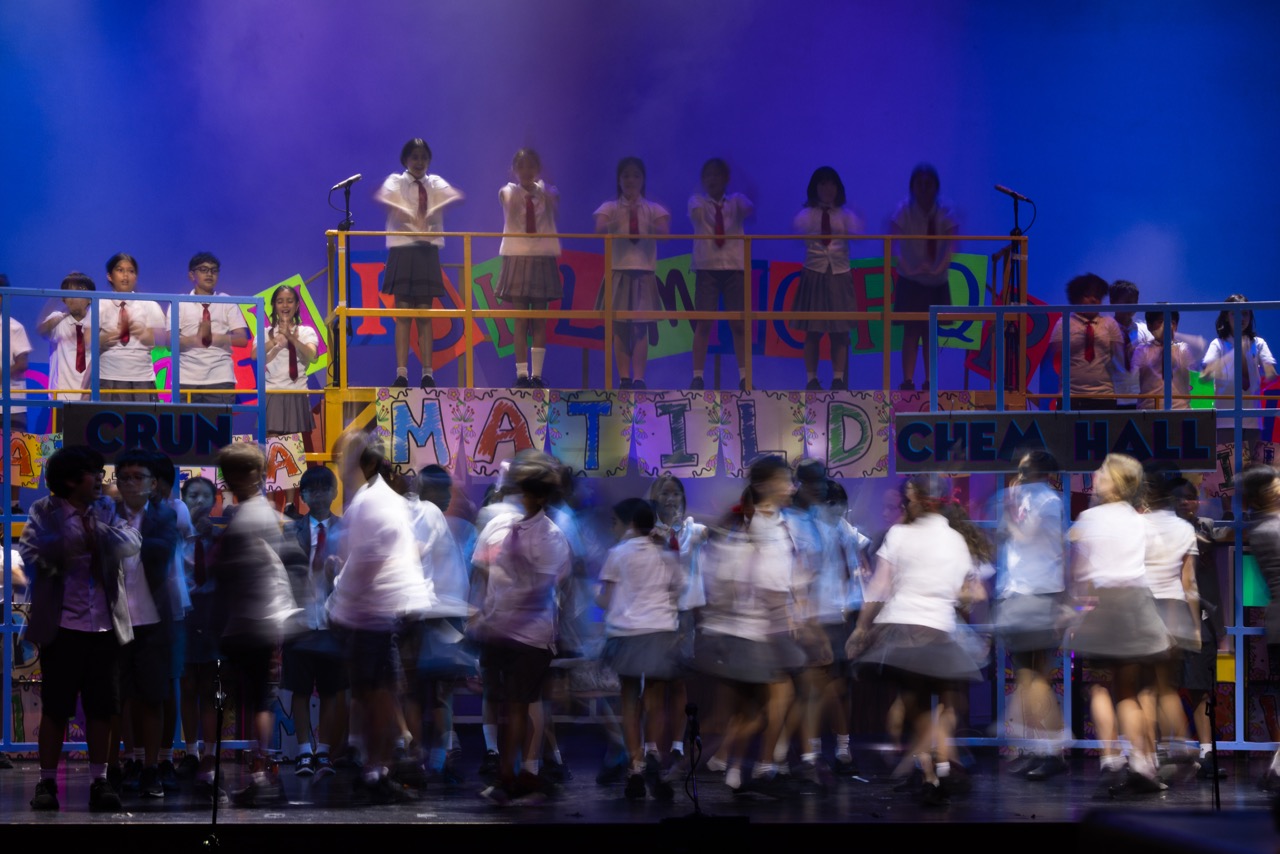
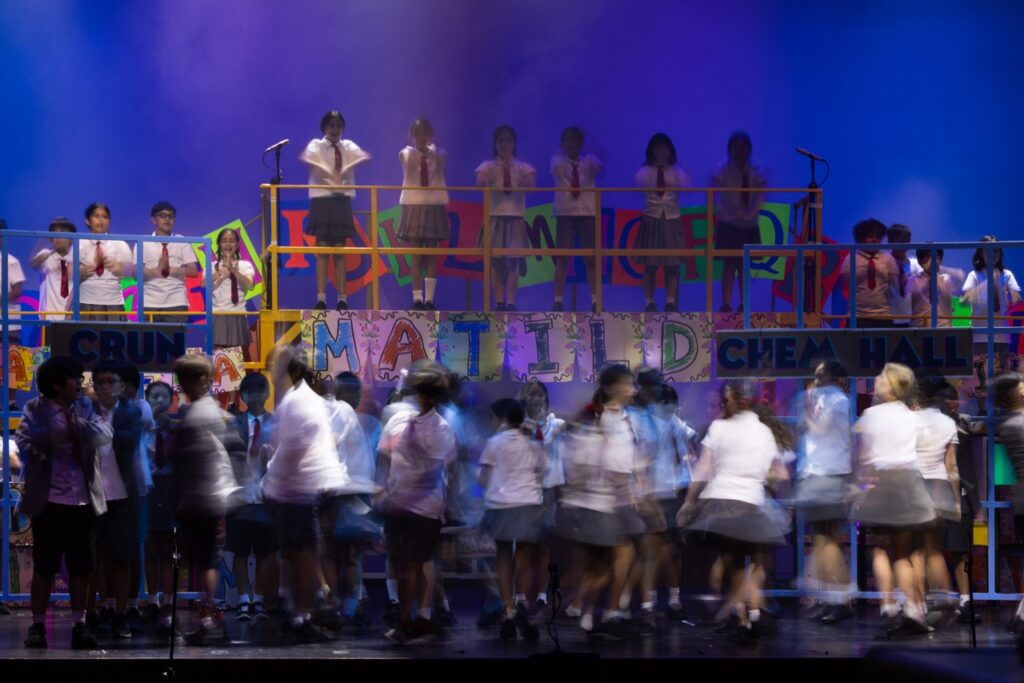
Bangkok Patana School’s production of Matilda Jr. was a powerful reflection of what inclusive theatre can achieve when creativity, collaboration and careful design come together. Attending the performance on Friday 8th May 2026, were representatives from the National School Theatre Awards (NSTA) Theatre. The representatives noted that “from the moment the audience entered the theatre, it was clear they were in for a vibrant, energetic, and highly polished performance.”
The National School Theatre Awards (NSTA) is a prestigious award platform based in the UK, that honours outstanding school productions for students aged 11 to 18. Often referred to as “the Oscars for schools,” the awards celebrate creative talent and highlight the hard work of both students and teachers. Our school received a positive review of Matilda Jr from the NSTA.
What resonated most strongly with the visiting NSTA rep was how the production captured the spirit of Roald Dahl’s story. The NSTA representatives praised how the young cast “captured the humour, heart and rebellion at the centre of this much-loved musical,” successfully transporting the audience “into Matilda’s imaginative world with confidence and flair.” The ensemble’s energy, physicality and commitment brought warmth and excitement to every scene, creating a performance that felt joyful and purposeful throughout.
Central to this success was the format of the play itself. As the NSTA representative noted, the production was “intentionally designed as a four-part work and delivered through a quadruple-casting structure to ensure inclusive participation of every pupil in Year 6.” Across two performances, eight different classes took part, with each class leading a distinct section of the story. This structure enabled “strong ensemble ownership” while also allowing “eight principal roles across the two shows,” ensuring that every student had a meaningful role on stage.
Described by the NSTA representatives as “an impressive demonstration of inclusion and collaboration,” Matilda Jr. stood as a celebration of collective effort — a production that valued every performer and showcased the power of shared storytelling.
This month’s theme: Freedom and Independence Interview with Liz Newman – Secondary English Teacher What is one of your fondest […]
Continuing Student Learning (CSL) Community Guide
By Cindy Adair, Cross Campus Principal
As part of our ongoing commitment to high quality teaching and learning, we are pleased to introduce our updated Continuing Student Learning (CSL) Community Guide. Since our last major period of school closure during COVID-19, both the educational landscape and the needs of our community have continued to evolve. This refreshed guide reflects the lessons learned over recent years and is designed to support our community in maintaining a “relaxed state of readiness”. We want our students, parents and staff to feel confident, prepared and well-supported should we ever need to transition temporarily to alternative modes of learning, including online. A key feature of the new guide is the inclusion of practical readiness checklists tailored specifically for students, parents and staff, helping each group understand the simple steps they can take to support continuity of learning and wellbeing in any situation.
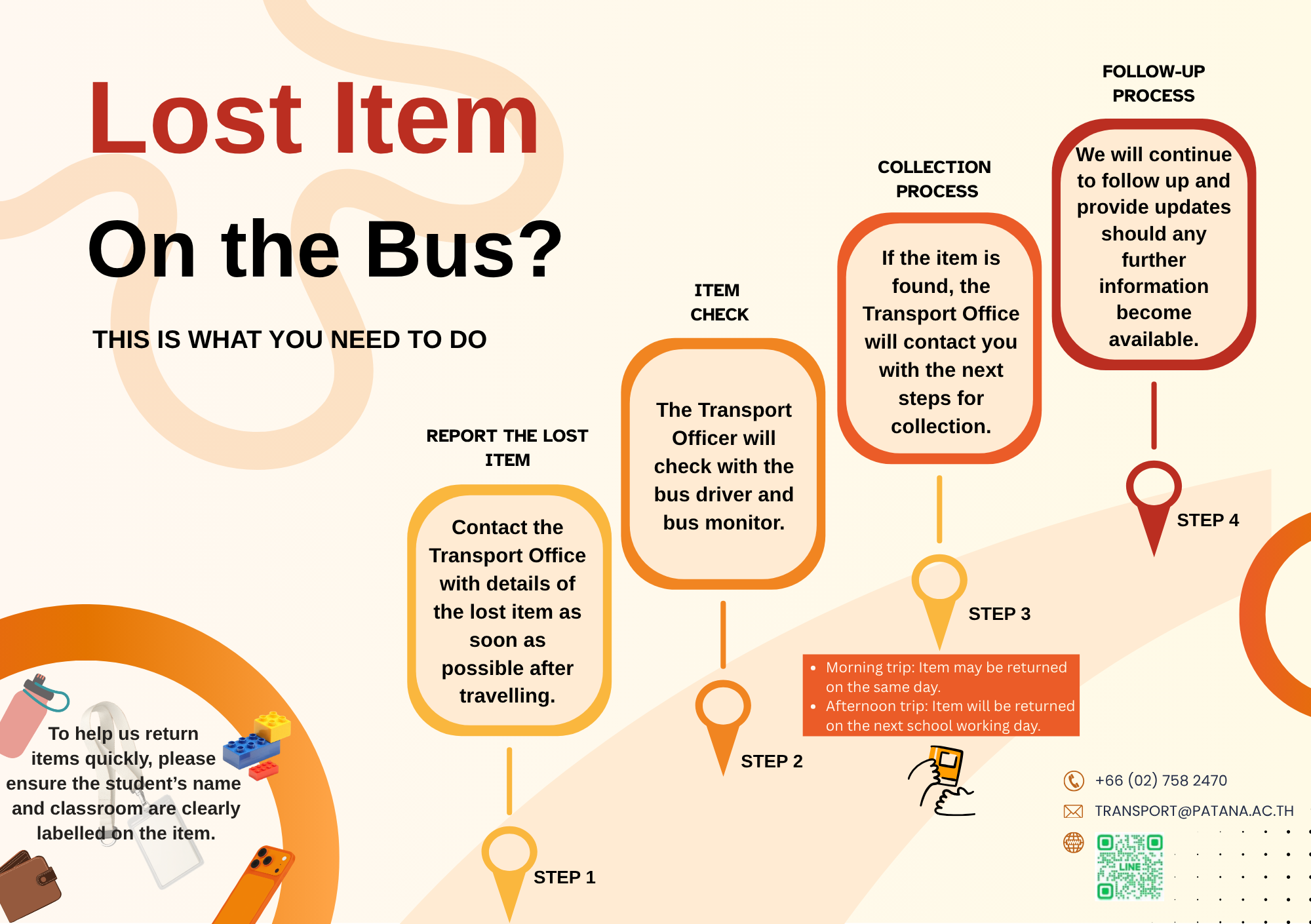
If you have any questions, please contact the school transporation office @transport@patana.ac.th
BMAC Gymnastics 2026
By Georgina Wright, Head Gymnastics Coach
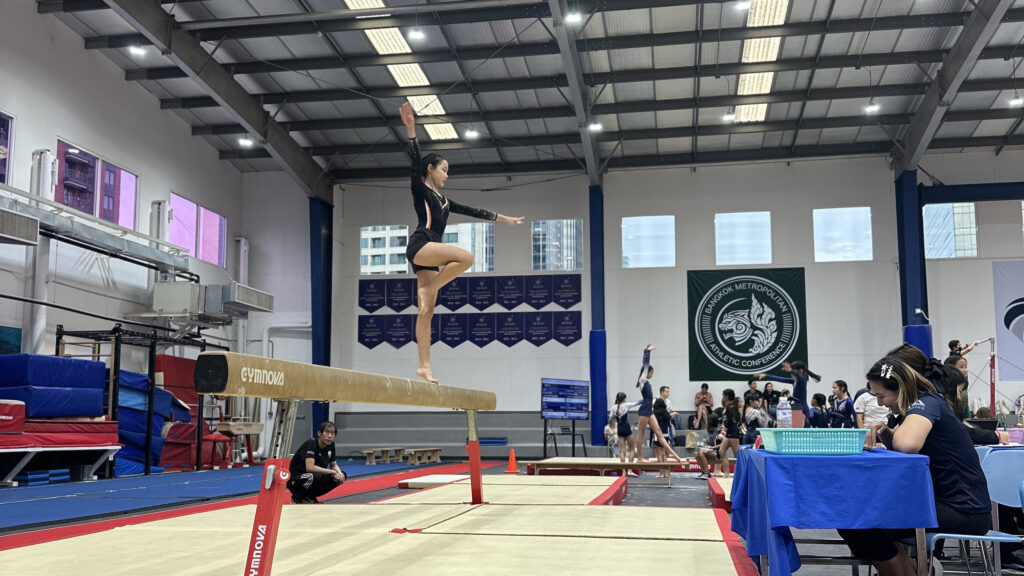
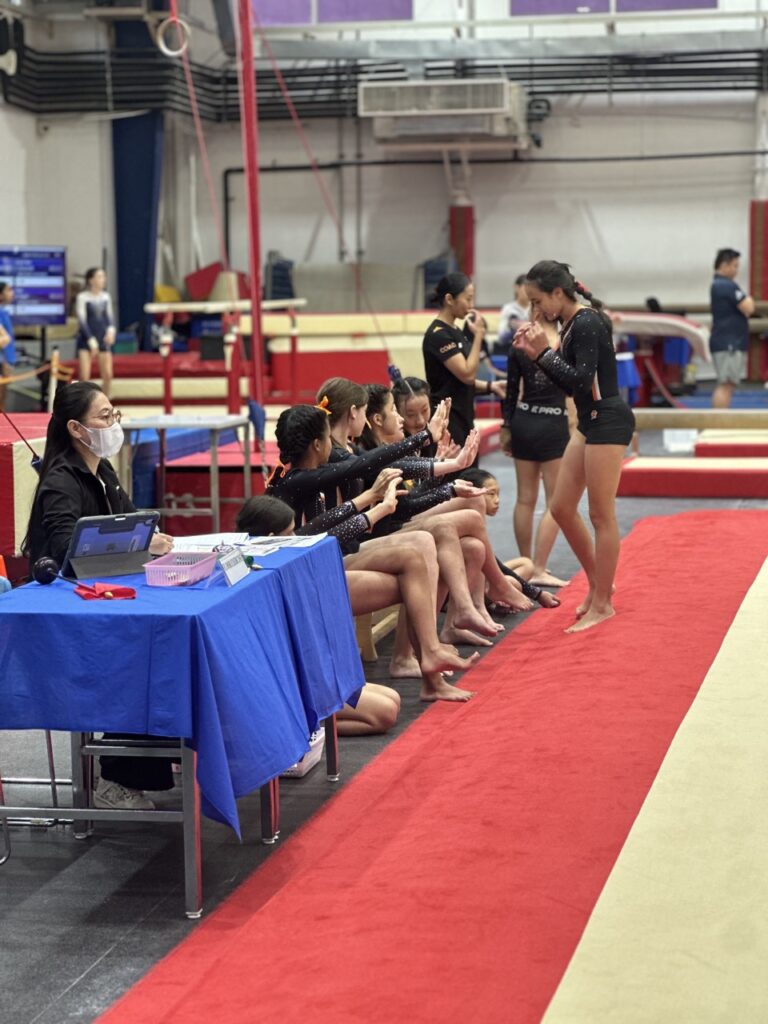
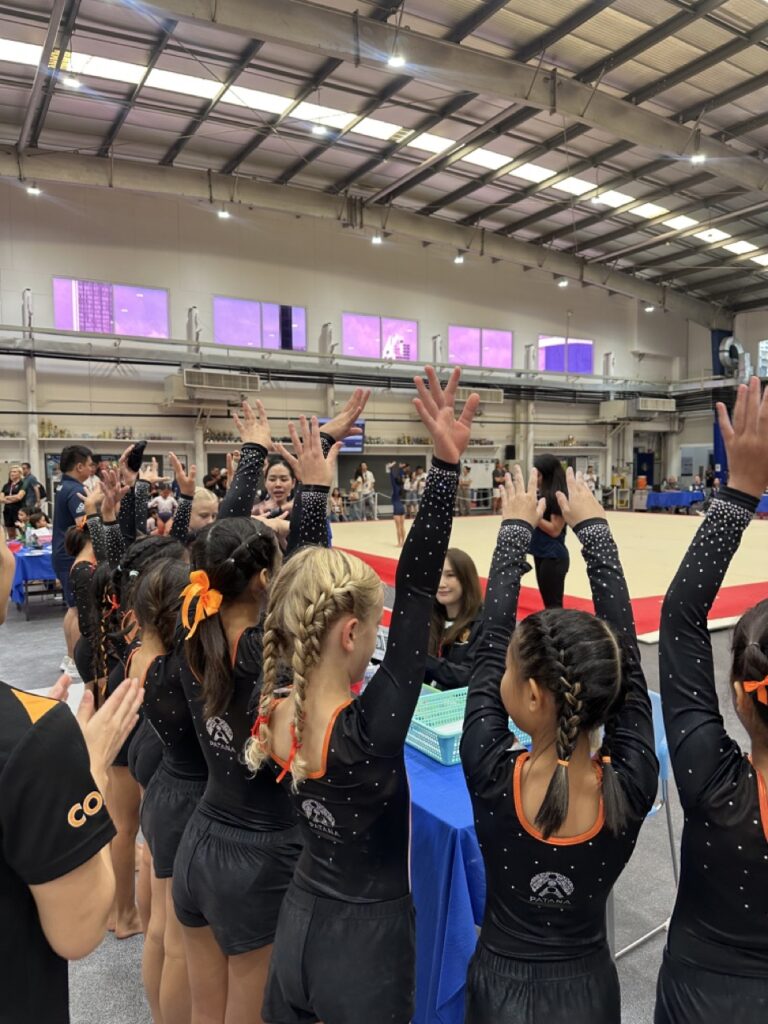
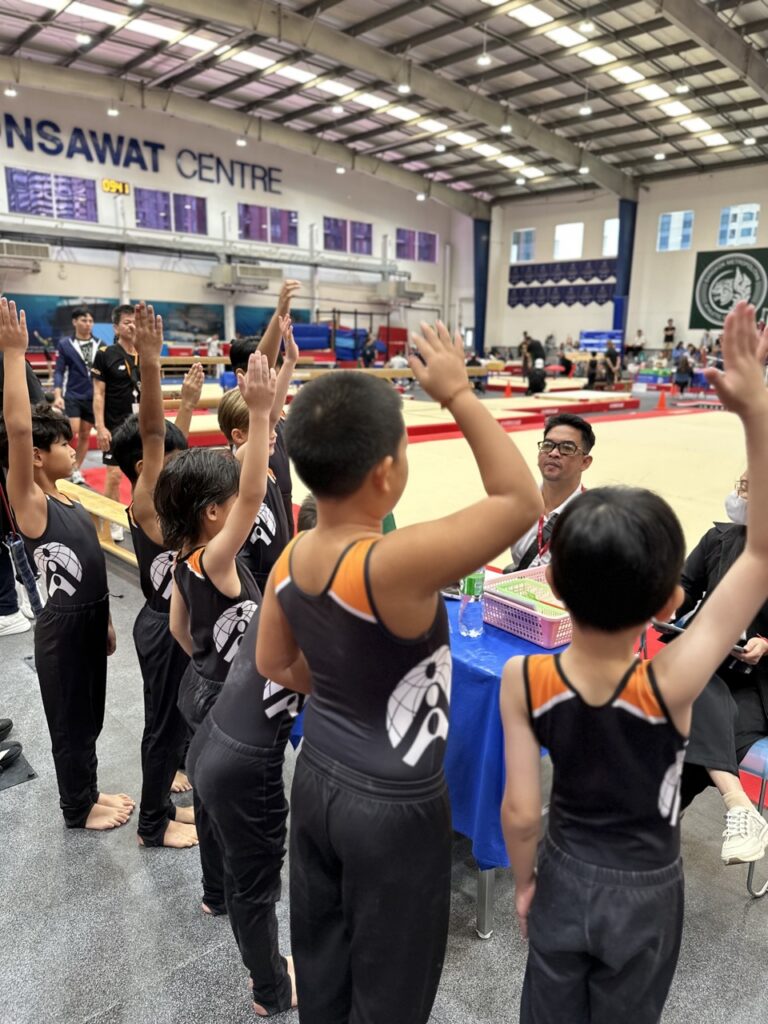
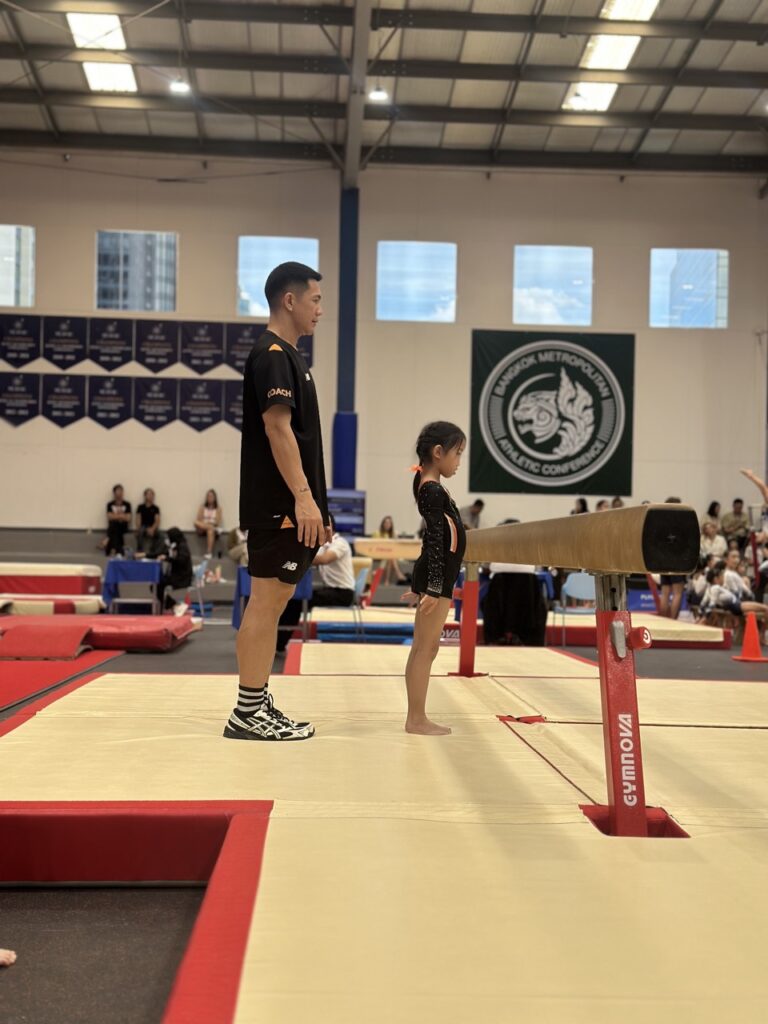
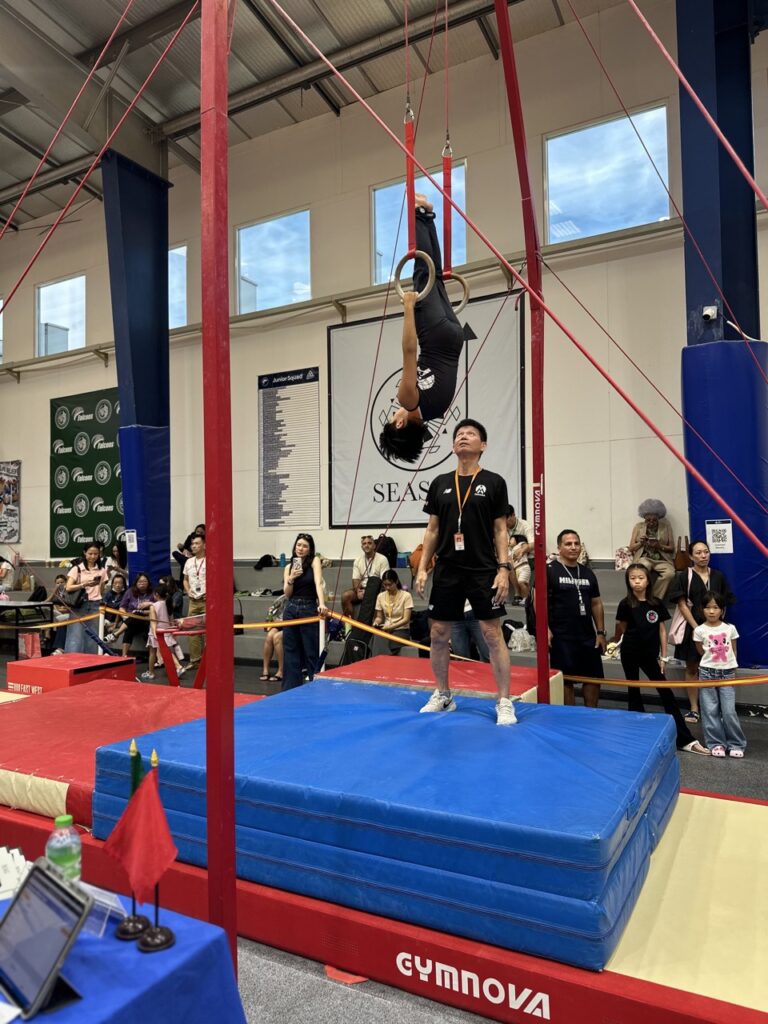
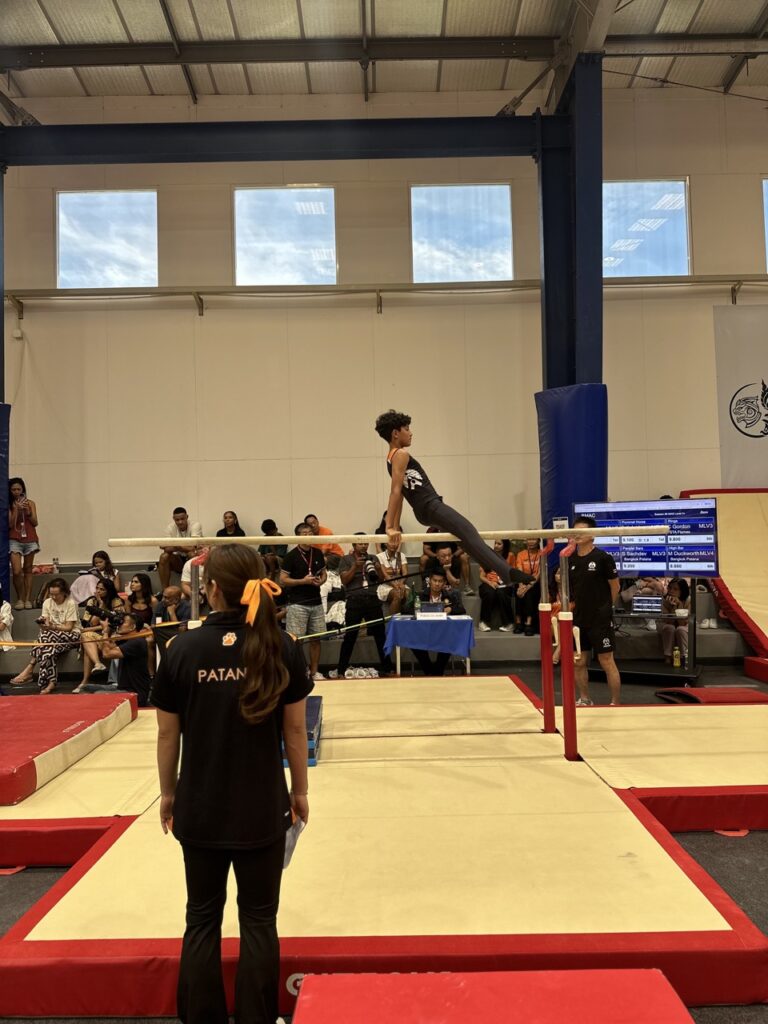
BMAC Gymnastics has officially closed our 2026 competitive season, marking the final competition with both celebration and reflection after a year defined by hard work, focus, determination and resilience.
Excellent Results!
Throughout the year, our gymnasts have demonstrated not only technical excellence but also a commitment to growth, both as individuals and as a team. The results speak volumes: an incredible 55 top six All Around podium finishes, over 100 individual apparatus podiums, and of the 10 team entries we had, six came 1st and four came 2nd! These achievements highlight the depth of talent and dedication within the Team, encompassed in a supportive environment fostered by coaches, gymnasts and families alike.
Beyond the medals and scores, there are many important lessons and memories to cherish. Judges repeatedly commented on the our gymnasts professionalism, composure and respect, particularly when supporting each other and during national anthems. Their behaviour off the apparatus reflected just as much excellence as their performances on it.
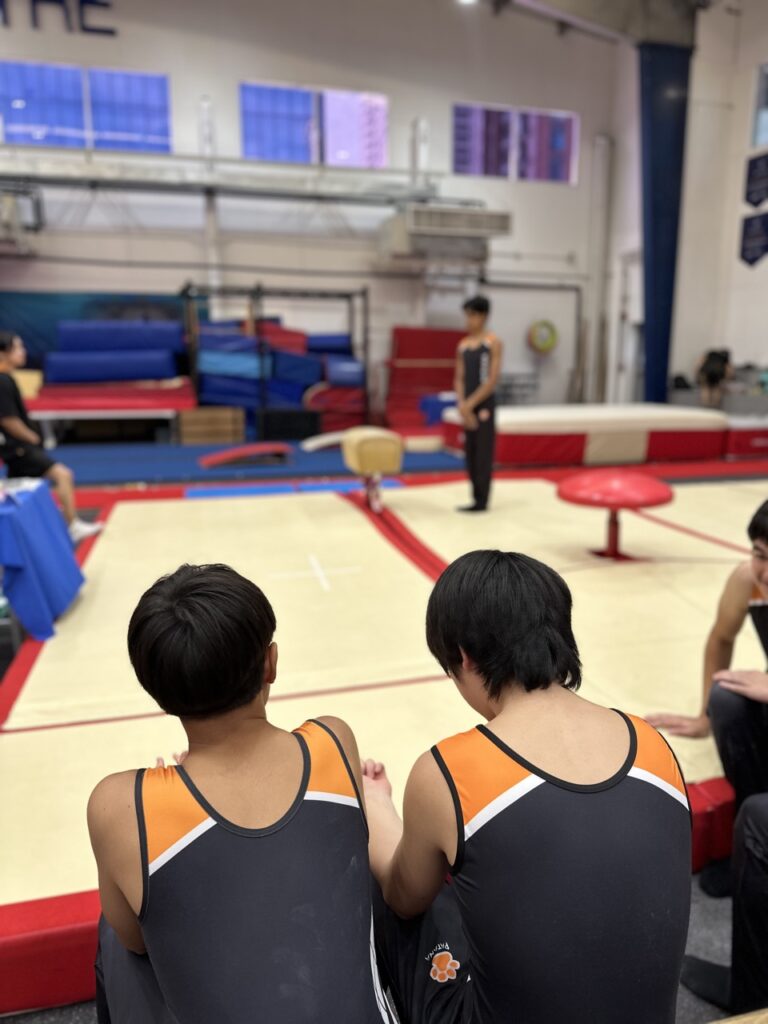
The final competition carried a special emotional weight. For some gymnasts, it marked their last time competing with as a Bangkok Patana Tiger. These emotional farewells were a reminder of the journey each gymnast has undertaken, hundreds of hours spent training in the gym over many years, pushing through challenges, setbacks, and successes. Coaches reflected on watching many of these young gymnasts grow into confident young adults, forming bonds that extend far beyond sport.
Families are an integral part of our community. Your commitment and presence helps shape a culture that is both inclusive and inspiring. As some families move on, they do so leaving a lasting impact that will be felt across our Academy.
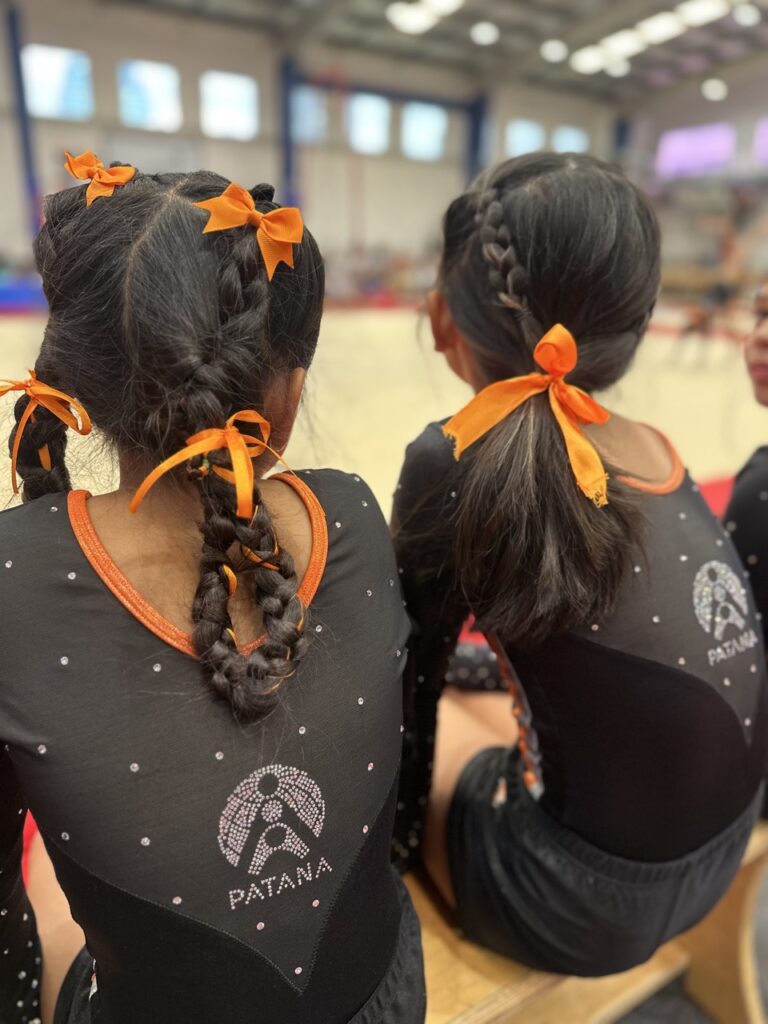
As the season comes to a close, there is a strong sense of pride across the entire team. From first time competitors to those more experienced, every gymnast has contributed to a year that will be remembered not just for its achievements, but for its Tiger Spirit.
Looking ahead, now we will focus on upskilling, creativity, and fun, giving students the chance to explore new techniques, build strength, and enjoy the sport in a more relaxed environment before the summer.
Congratulations to all gymnasts, coaches and families on another outstanding year. We are so proud of what we have achieved together. T – I – G – E – R –S … GO TIGERS!
Bangkok Patana School’s production of Matilda Jr. was a powerful reflection of what inclusive theatre can achieve when creativity, collaboration […]
School Announcements and Upcoming Events
Important: Certificate of Enrolment and Visa Documentation Requests for Summer Break
If you require documentation from the school to support visa applications or extensions over the Summer break, please request this as soon as possible. To do so, kindly complete the online request form via the Parents’ Gateway: Document Request from Admissions.
Please note that we require at least three (3) working days to process these requests. The final date to request certified letters or documentation for visa extensions is Friday 19th June 2026.
Kindly be aware that no requests can be processed between 29th June 2026 – 2nd August 2026. The Admissions Office will be open to support new requests starting from 3rd August 2026.
Best regards,
Admissions Team
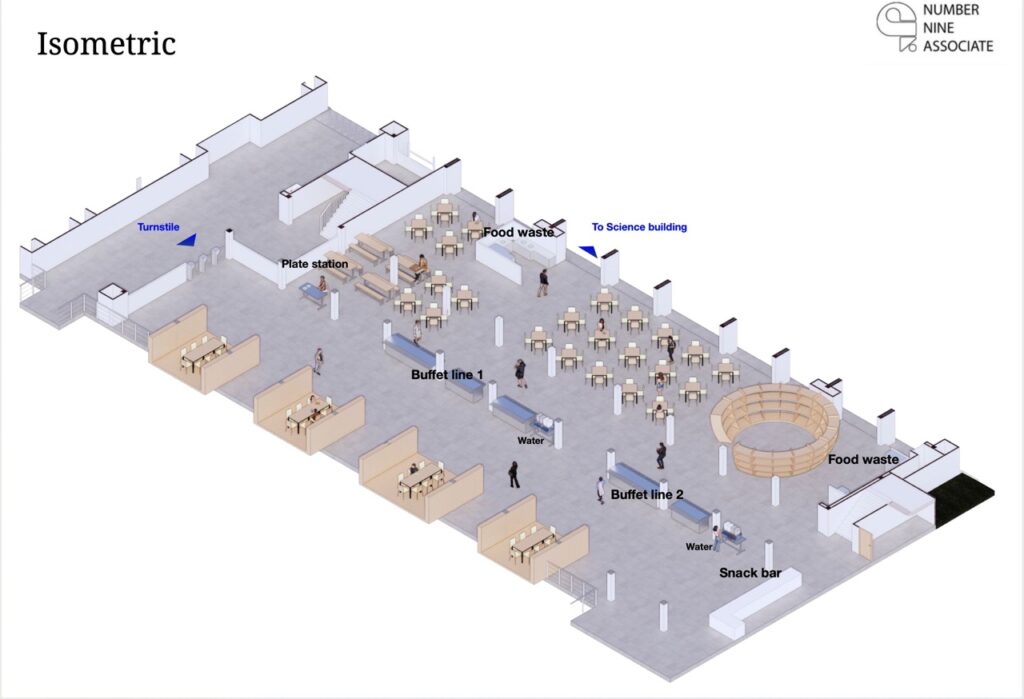
Temporary Layout for Secondary School Canteen
Please note that the existing Secondary Canteen will be closed for renovation from 13th June 2026. In the meantime, please make yourselves familiar with the temporary layout for the Secondary Canteen which will be located at Secondary Lounge. We will arrange for lunch in this area from 15th – 26th June 2026.