Why conversations we have about learning matter more than the attainment grades in a report.
As we approach the end of the academic year, many families will open their child’s report and naturally look first at the attainment grade. These moments matter, but they should not become a source of judgement, comparison or the sense that learning is complete. A report should prompt reflection, recognise growth and open conversations about what comes next.
Same Grade, Different Story
Two students may appear to be at the same stage in learning. Their attainment grade matches: the same benchmark, the same score.
However, their journeys are different. One learner has arrived there steadily and is ready for greater challenge. The other has built confidence, strengthened fluency, and is now beginning to apply understanding more independently.
In a report, both may appear the same. Yet the story beneath, and what each learner needs next, is very different. A single grade can summarise attainment, but it cannot fully capture the effort, resilience, and support that have shaped the journey to that point.
The Questions We Ask
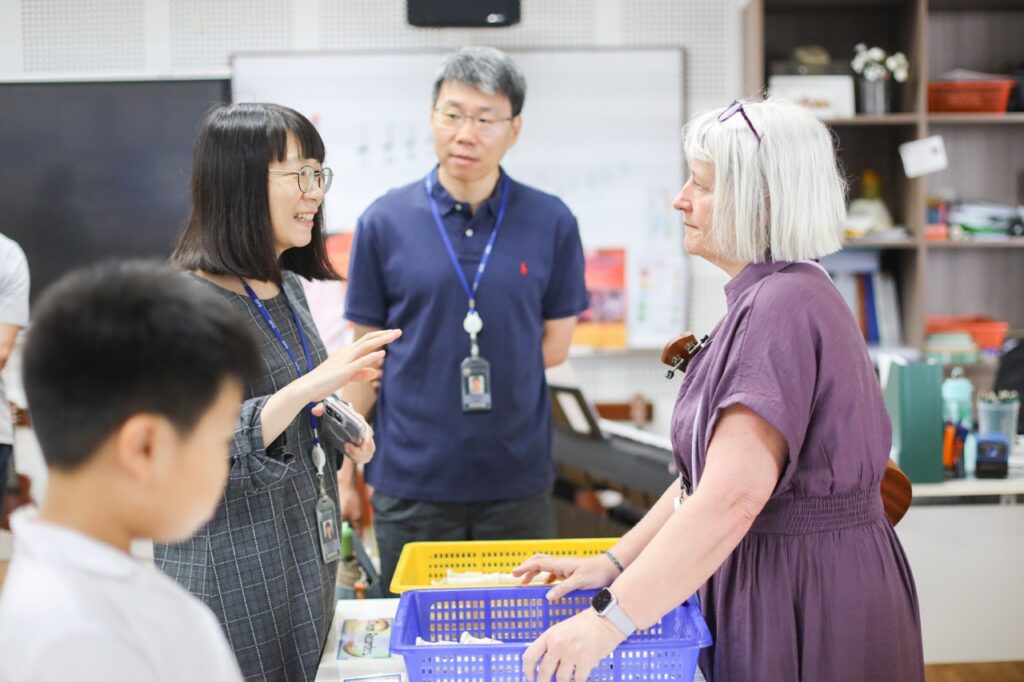
The way we talk about learning, at school and at home, matters just as much as the information in a report. The questions we ask shape how children see learning and how they see themselves as learners. Questions rooted in comparison can narrow children’s view of success. Questions rooted in growth, effort, and strategy help them recognise what they can develop.
When we change the questions, we change the culture.
Instead of asking “What level are you?”, try “What have you got better at?”
Instead of asking “Who did better?”, try “What helped you when it felt tricky?”
Instead of asking “Why isn’t this higher?”, try “What’s your next challenge?”
Instead of asking “Will you work harder next time?”, try “This will be a challenge how can we help?”
Reading the Report Together
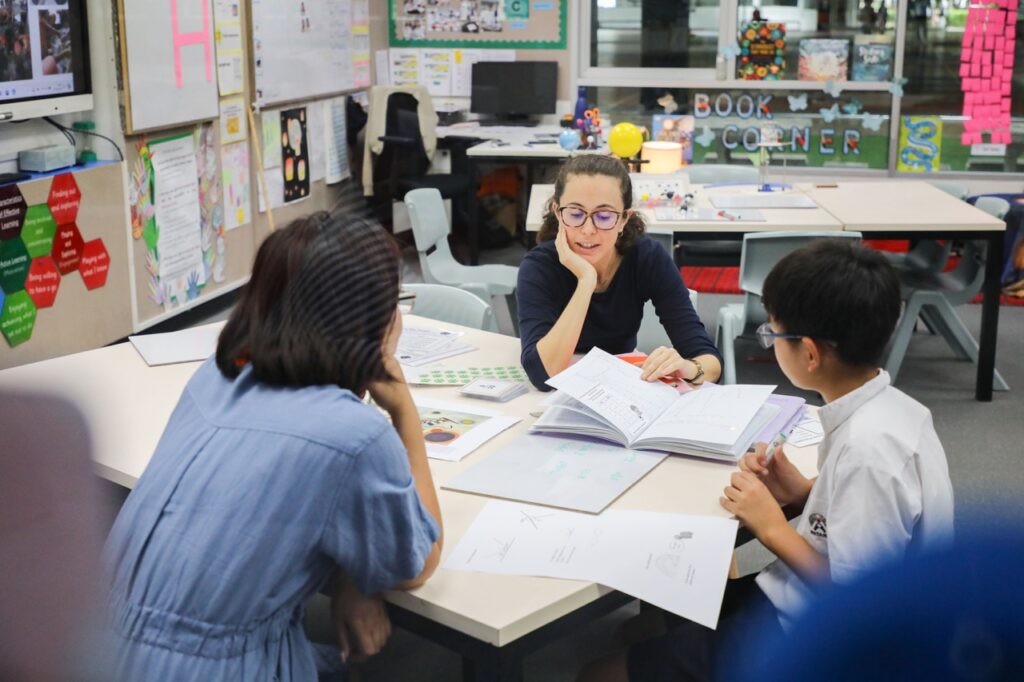
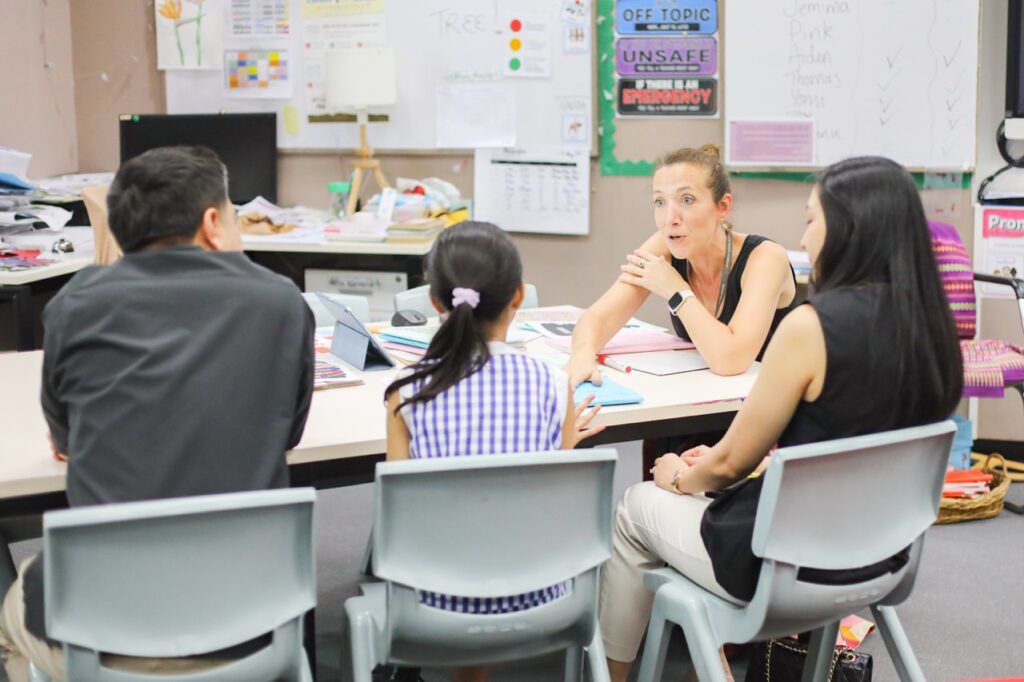
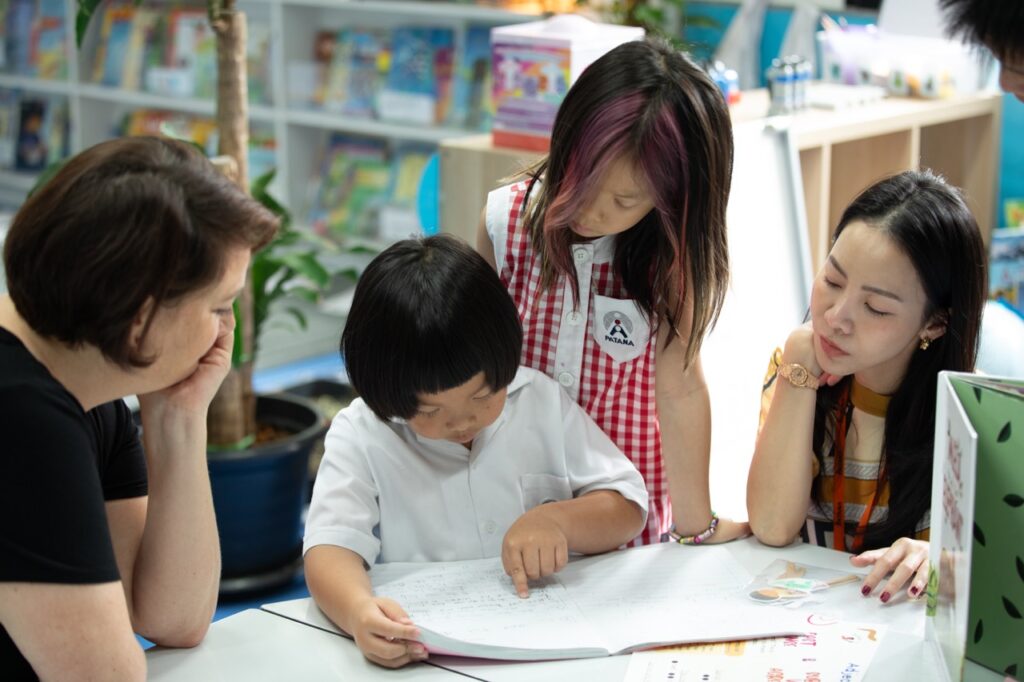
A report can be a useful starting point, but what matters most is how we use it. Start with the comments, not the number. Ask your child what they feel proud of. Notice where effort has led to improvement, talk about what helped when learning felt challenging, and finish with: “What would you like to get better at next?”
These conversations help children see that a report is not a judgement, but part of an ongoing picture of learning. These small shifts keep the focus on learning, not labelling.
Valuing Growth
Creating a culture that values growth is a shared responsibility. When school and home use a common language, children receive a consistent message: learning is something you build, not something that defines you.
At Bangkok Patana, we believe learning is too important to be reduced to a single grade. When we change the conversations, we have with our children and with each other, we help them see their progress, their potential and their next steps.
This is how we help children understand that learning is not fixed, finished, or defined by one moment in time.
That is where true potential grows.