Celebrating The End of an Era and Welcoming the Next

By Chris Sammons, Head of School

Celebrating Academic Excellence
If our founder Rosamund was here today, she would be pleased to know that we are the oldest and only not-for-profit British international school in Bangkok. Closing out the end of this academic year feels as vibrant and exciting as the first year must have felt. The commitment and guardianship of our Board and teachers means that 2,340 students aged 2-18, from more than 68 nationalities are enjoying some of the best educational opportunities worldwide.

From the first correspondence course introduced in 1957, we have retained the nurturing conditions first created in the bungalow at the bottom of Rosamund’s garden and built on generations of teacher’s successes to achieve a legacy of academic excellence, holistic education, and full human development.

A Legacy of Academic Excellence in Primary School

Our children read and they do it brilliantly. We have just finished our end of year assessments and found that by the end of Year 6:

  • children’s reading ability is 20% higher than those in similar UK and international schools worldwide (International Schools Assessment).
  • 41% of students exceeded the expected benchmarks in writing and maths – this is double the global average
  • 95% meet or exceed expectations overall, this is 20% higher than global norms.

Over the last three years, our Primary team have had an additional focus on developing writing. Even though our different year groups in Primary School are confirmed as attaining above UK and international averages, an additional focus of the teams in the last three years has meant a further 11% improvement by the end of Year 6.

Academic results are even stronger in mathematics, where 50% of Bangkok Patana Year 6 students perform above what was predicted from their starting points. We try not to introduce too much testing because it can become detrimental for children, but when we checked in with Year 4, they were double the global norm for students above predicted scores. In fact, 90% of this cohort are already attaining at or above their expected levels which is higher than the global norm of 73%.

The conditions we create for learning, the strong primary curriculum and great teaching practice results in the most incredible academic excellence for learners. We can say with confidence that the longer period of time learners spend with us, the more academic success they experience.

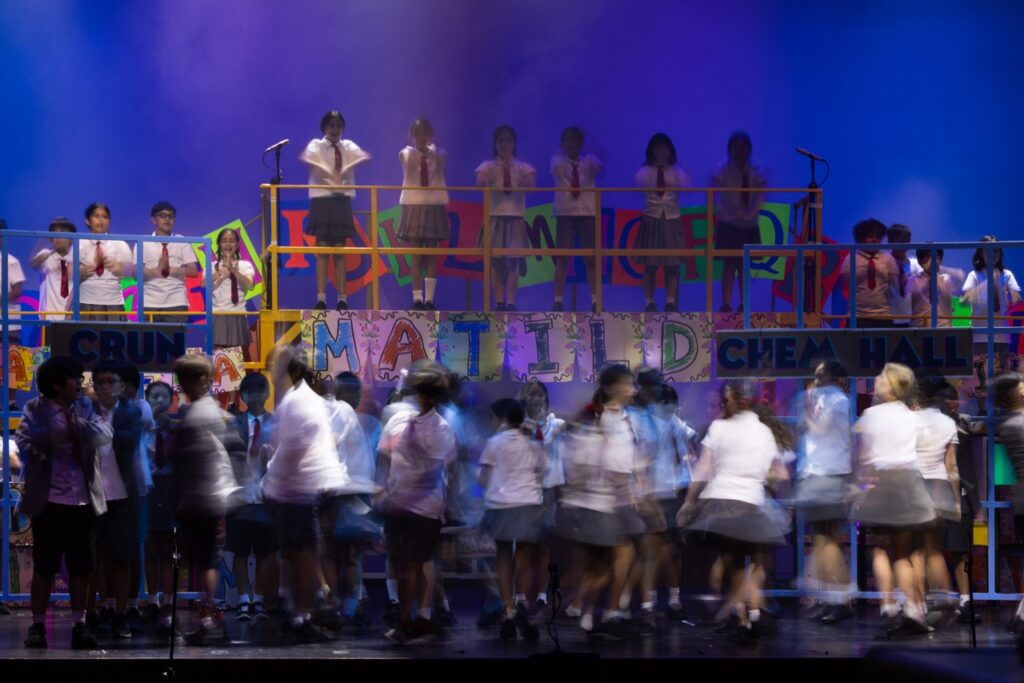
The Arts productions held in the theatre which was named after our founder represents things we can’t measure in numbers but we know are critically important. The letter we received from the UK National School Theatre Award says it best “Bangkok Patana School’s production of Matilda was a vibrant and entertaining celebration of creativity and performance. In total, 180 pupils took part across two separate productions in a vibrant, energetic, and highly polished performance …this was a production that exhibited strong ensemble ownership and was an impressive demonstration of inclusion and collaboration, celebrating the collective efforts of every performer while showcasing the school’s clear commitment to ensuring each pupil had the opportunity to shine on stage.”
A Legacy of Academic Excellence in Secondary School
We offer a balanced range of literacy, arts, maths, humanities and science in Secondary School. As a result, our students achieve some of the best outcomes in Thailand when they reach Year 11. Our last cohort of students from 2025 attained the highest (I)GCSE scores the school has ever seen:

– 41% of all grades were the very highest A* grade
– 66% of all grades were A*-A
– 84% of all grades were A*-B.


Our current Year 11 students are in similar shape having just finished finals in June. These students are achieving the most excellent academic outcomes the school has ever seen. The UK examination boards think so too and have awarded ‘Top In world’, ‘Highest Marks in Asia’ and ‘Highest Marks in Thailand’ every year to learners at Bangkok Patana School. 

For Senior Studies, Patana provides the most rigorous curriculum which only 200,000 students study worldwide. The IB curriculum is the only curriculum which mirrors an undergraduate experience in what it demands from critical thinking, independent inquiry and global outlook—which correlates with higher representation of IB students at top UK universities. It is considered an elite programme because it demands students expand their minds across six subject areas including Language and Literature, Language Acquisition, Mathematics, Individuals and Societies, Sciences and the Arts.

The school’s 2025 IB Diploma results showcased incredible academic excellence:

  • 99% pass rate
  • average total score of 35 points, well above the global average
  • 65% of students achieved over 35 points – 10% more than the previous year
  • 20% of students achieved over 40 points
  • seven students achieved an exceptional 43 points or higher
  • two students achieved 44 points

The IB demands that learners are taught the most up to date knowledge in a rapidly changing world. In 2021, a study comparing higher education outcomes among students who enter universities in the United Kingdom (UK) with either an International Baccalaureate Diploma Programme qualification or an A level qualification found that IB diploma students were significantly more likely to graduate with a first class honours and to engage in further study upon graduation.

Similar results were found when comparing IBDP programmes to both Canadian, US and Australian students who had not taken the IBDP. Additionally, second-year IB students averaged higher global-mindedness levels than their first-year peers in five out of the six countries which were part of that research. Studying an IB programme is not about getting into university, it is about giving you a headstart when you begin university. 

Onward Destinations

The Class of 2026 have secured highly prestigious university offers from world-class institutions:

– 657 university offers across 19 countries
– 358 offers from institutions in the Global Top 100
– 228 offers from the UK Russell Group Universities
– 87% of students have received an offer from either their first or second choice institution

There is no lack of ambition or opportunity amongst our students who are truly international in their outlook. 51% of students apply to one country and 25% apply to three or more, including one student applying to six countries! This year alone, our students enjoy 33 offers from Kings College London, 19 offers from the Unviersity of Edinburgh, 18 offers from Unviersity of Warwick, 27 offers for UCL, 8 for Imperial College, to name just a select few. Students have individual offers from Oxford University, Brown, Cornell, McGill, UPenn and the University of Cambridge.

This year was also a first for Bangkok Patana offering a new IB Careers Programme (IBCP). The first six graduating IBCP students have achieved university offers as actors, designers and trainee educators studying at universities which include Falmouth, Istituto Marangoni, Royal Holloway, University of London and Otis College of Art and Design in Los Angeles. We can’t wait to see what the next ten graduates from our 2027 cohort will be reaching for.


Global Recognition

“Year 69” has been characterised by consistent achievement and global recognition. World-class academic success was recognised again this year through the inclusion in the prestigious Spear’s Schools Index Top 100 Private Schools for the sixth consecutive year. This award is given for academic excellence and balancing this with holistic human development. It is a distinct honour that marks Bangkok Patana as the only international school in Thailand to be able to claim such sustained global placement.

Being multicultural, multilingual and multinational means that global citizenship and intercultural understanding exists as a resource in each and every classroom. The backgrounds, perspectives, collaboration, communication, contextual thinking are the assets which our children learn just by being here; they carry this into their future universities, lives and workplaces.


The Future
As classrooms are cleared for the summer break, teachers, students and parents can look back on the end of this decade with absolute pride.  We are stepping confidently into the future. The school’s name, “Patana,” translates to development in Thai—a fitting philosophy for a school that never stands still and is achieving more than it has ever done in its history.

In closing this chapter, Bangkok Patana School is not just celebrating its deep historical roots and continued academic excellence, it is reaffirming its lifelong commitment to developing further excellence, responsible, independent global citizens for the next 70 years and beyond.

What is most impressive, is that we remain true to our founder’s ideals of what makes a great education. A community of teachers and parents who work out how to meet each child where they are, adapt to their needs, build their language and confidence, identify what exactly motivates them and then to show each of them how to believe in themselves as capable and confident human beings. Our teachers do this by giving freely of their time in ECAs, Sports, Arts and out of school activities. There is so much individual brilliance amongst our teaching teams it is hard to capture it all. But it is, simply brilliant.

Our parents work with each other to remain connected in community and make sure the school they build is the school they want. It is extraordinary how they continue to support the growth of Thailand in an international parent body. 

Looking Forward to Being 70

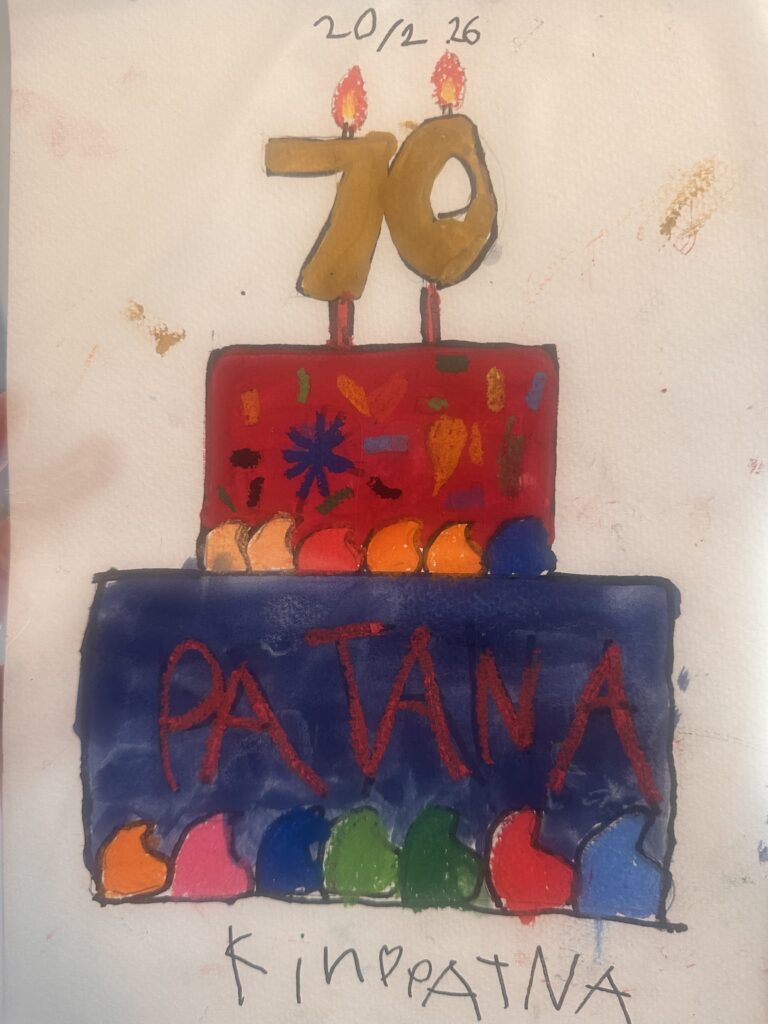
A major highlight of this year was the launch of the official 70th Anniversary logo design chosen through a whole-school art contest. The winning entry, created by Year 1 student Varunnasan (Kin), captured the hearts of the selection committee with its clean lines, creativity, and simple brilliance. This new emblem will feature prominently on all school communications from August 2026. It will serves as a continuous reminder for the historical transition into Year 70. I also know that the next few years will be even more brilliant for Kin and his friends to enjoy.
There isn’t another school as diverse in Bangkok where children can meet other children from all corners of the globe, achieve such academic excellence, take part in such inspiring extra curricular activities, develop themselves into capable arts performers and sportspeople in our academies – just by coming to school each day. Thank you to our founder Rosamund for the idea, the enterprise and her enduring spirit which continues today in Bangkok Patana School.

Enjoy your summer break everyone and I look forward to another year of academic excellence and celebration ahead!

Share This Article

In this Issue

Behind the Bookshelves

Recommended Reads from our Teachers for the Summer holidays!

Here is the complied list of recommendations from our Teachers, just in time for Summer break.

Share This Article

In this Issue

Patana Page-Turners


‘Male role-models’ in Literature

Interview with Murray Sutcliffe, Secondary English Teacher

What is one of your fondest or most favourite reading memories?

When I was a kid, I really loved reading spooky stories, and there was a great series called ‘Goosebumps’. I remember scanning book shop windows for the trademark Goosebumps front covers, featuring some new monster or ghost story that I could immerse myself in. My mum wasn’t happy about the nightmares the books would inevitably cause, but she appreciated how much I enjoyed reading them. 

More recently, a memory that I am particularly fond of is reading ‘Bewilderment’ by Richard Powers. The book features a touching relationship between a father and son, whilst simultaneously dealing with larger issues regarding man’s destruction of the planet. There is nothing special about the memory itself, as I was simply sat at home in my favourite reading chair, but to this day I still vividly recall the cathartic sadness it stirred in me. I think many of my best reading memories have more to do with the emotions I was made to feel than anything else. That for me is the power of a good book – no pun intended. 


Which male character from fiction would you most like to meet and why?

I’d quite like to meet Dorian from ‘The Picture of Dorian Gray’, simply to see what all the fuss is about. In Oscar Wilde’s novel, all the other characters are so taken by his looks and charm, that I can’t help but wonder what he’d be like in real life – my prediction is insufferable. 

A character I would actually like to spend time chatting to, is Count Alexander Ilyich Rostov from ‘The Gentleman in Moscow’, by Amor Towles. An expert conversationalist and aficionado of fine wine, he would be great at a dinner party. I feel like I really got to know Count Rostov while he was imprisoned in the Metropol hotel in Moscow during the Bolshevik revolution. He is one of those characters that when you turn the final page, you are disappointed to have to say goodbye to. 


What does being a male role-model mean to you? Do you have any book recommendations for this theme?

There is a big debate online at the moment about masculinity and what it means to be a man, and it is difficult for young boys to know what the answer is. Sometimes it is useful to look to fiction, as both Count Rostov and Theo Bryne (the father in Bewilderment) demonstrate what it means to be a positive male role-model. 

I personally think there is something to be said about the way a man treats others and the way they approach their relationships – whether that is with their family, friends or even complete strangers. I like how from the beginning, Count Rostov lives up to his name as a ‘gentleman’ and treats everyone with the greatest of respect, regardless of social class or background. However, what I came to admire most about his character is the way that he learns to be less self-absorbed, and becomes gradually more selfless as the novel progresses, ultimately becoming a father figure to an orphaned young girl. 

Another character that embodies these attributes is Bill Furlong in Claire Keegan’s ‘Small things like these’. Throughout the novel, we as readers question whether Bill will take action and rescue a young girl that he sees is being mistreated. Being a male role-model is not about being a hero, but instead about living up to the values you claim to live by and acknowledging the responsibility you have to be in service to others. Despite his fear of the associated risks, Bill decides to take the girl home to his family on Christmas, because he finally realises it is the right thing to do. And there is nothing manlier than that.


Colin (Phurich) Preedanont, 1R

A Little Golden Book Biography — Lionel Messi


I enjoyed reading the Little Golden Book biography. The book I read was about Lionel Messi. He is my favourite football player. He is amazing and a great role model. What surprised me most was that he had scored more than 230 goals by the time he was only 8 years old. He also performed ball tricks such as juggling the ball with both feet and balancing it on one foot. I especially liked Messi when he represented Argentina in the FIFA World Cup 2022. People call him the GOAT because he is considered the Greatest of All Time. 

Violet O’Callaghan-Burke, 1R

Perfectly Norman by Tom Percival

My recommendation is Perfectly Norman by Tom Percival. I like this book because Norman is very brave. At the beginning of the story he is worried and anxious, he doesn’t want anyone to know about his wings so he keeps it a secret. At the end of the book, he is brave and stops hiding his secret and other children copy too. The pictures are fun to look at, when Norman is happy they are bright and colourful and when he is sad, they are grey and black. This book teaches us that it is okay to be different. I give this book 5 stars.  

Key Stage 2 and 3 Recommendations


Stephen Murgatroyd, Cross Campus Head of Libraries


The Final Year by Matt Goodfellow

Nate is entering his final year of primary school, but life is not as simple as new books, new routines and getting ready for secondary school. At home, he is the eldest of three brothers, carrying more emotional weight than many adults realise. At school, friendship with his best mate begins to shift, and Nate’s feelings often arrive faster than he knows how to manage. Told in verse, the story gives readers direct access to Nate’s inner voice: funny, raw, defensive, loving and frightened. As pressure builds, Nate has to learn that being strong is not about lashing out or pretending not to care. It is about finding language for what hurts, accepting help, and choosing repair.

Boy Underwater by Adam Baron

Cymbeline Igloo has never been swimming. Not once. Unfortunately, he has also told everyone that he is brilliant at it. When school swimming lessons begin, his lie leads to embarrassment, panic and a chain of events that uncover something much deeper in his family’s past. What begins as a funny school story gradually becomes a moving mystery about memory, grief, family love and the things adults sometimes hide from children. Cymbeline’s voice keeps the story lively and accessible, even when the emotions become serious.

When Stars Are Scattered by Victoria Jamieson and Omar Mohamed

Omar and his younger brother Hassan live in Dadaab, a refugee camp in Kenya, after being separated from their mother during conflict in Somalia. Their days are shaped by waiting: waiting for food, waiting for news, waiting for family, waiting for a future that may never come. Omar wants to go to school, but he also feels responsible for Hassan, whose communication needs mean he relies on Omar’s care and protection. The graphic format makes the story accessible, but the emotional and ethical questions are profound. How do you keep hoping when nothing seems to change? How do you care for someone else when you are still a child yourself? How can education become a path towards dignity?

As an inspiring male author …

On the Move by Michael Rosen

Michael Rosen models something vitally important for children and students – he uses words to inform, amuse, remember, question, grieve, empathise, challenge injustice and connect personal history to wider human experience.

His book, On the Move, models a version of male authorship rooted in memory, kindness, moral courage, emotional openness, humour and public responsibility.

It is a book that shows men can use language to remember the past, stand with others, and make the world more humane.

In On the Move, Michael Rosen uses poetry to explore what it means to move, to leave, to arrive, to remember and to belong. Some poems draw on his own family history, including migration, Jewish identity, war and relatives lost in the Holocaust. Others look outwards towards contemporary experiences of refugees and displaced people. Quentin Blake’s illustrations bring lightness and humanity without reducing the seriousness of the subject. The poems are accessible enough for children in upper KS2, along with KS3 students, but they open deep questions: What is home? What do people carry with them when they move? How do memory, language and family stories shape who we become?

Ghost by Jason Reynolds

Castle Cranshaw has always known how to run. He ran from danger in his own home, and now he runs from anger, shame and memories he cannot easily explain. One day he challenges a boy at a track practice and discovers he has extraordinary speed. Coach Brody sees the talent, but he also sees the pain underneath Ghost’s swagger. Joining the track team gives Ghost structure, but it does not magically fix him. He still has to face his choices, his temper, his past and his desire to belong. The story is fast, accessible and emotionally sharp, showing that a young person’s future can change when someone combines belief with boundaries.


The Crossover by Kwame Alexander
 
Josh Bell and his twin brother Jordan are basketball stars. On the court they know the rules, the rhythm and the moves. Off the court, life is becoming more complicated. Jordan starts changing, family tensions rise, and their father’s health becomes a shadow over the household. Josh narrates the story in energetic verse that sounds like sport, music, argument and confession all at once. What begins as a lively sports novel becomes a moving story about brotherhood, jealousy, pride, discipline, grief and love. It shows that being a strong young man includes learning how to apologise, how to lose well, and how to love people while there is still time.covery.

The Boy Who Harnessed the Wind by William Kamkwamba and Bryan Mealer

William Kamkwamba grows up in a village in Malawi where drought and famine make daily life increasingly precarious. When his family can no longer afford his school fees, William’s formal education is interrupted, but his learning does not stop. He uses books, curiosity and salvaged materials to teach himself about electricity and engineering. Against doubt and difficulty, he builds a windmill that can bring power to his home. The story is inspiring without being shallow: it shows hunger, frustration and exclusion, but also the extraordinary power of reading, experimentation and perseverance. For students, it offers a practical and hopeful model of intelligence in action.

Nathan Chevangkul, Year 10

A Monster Calls by Patrick Ness

A Monster Calls is a powerful and emotional story about a boy named Conor, whose mother has been diagnosed with cancer. Whilst struggling with fear, anxiety, and anger, Conor is visited by a mysterious monster who appears outside his window each night. Rather than being frightening, the monster becomes an unexpected guide, telling stories that help lead Conor through this difficult path. Although the story can be sad at times, the monster’s mysterious visits and vivid story telling make it very exciting to read. It takes readers on an emotional journey and keeps them wondering what will happen next. 

The theme of a male role model is reflected in the monster’s relationship with Conor. The monster acts as a mentor, helping him navigate the emotional challenges of his mother’s illness, especially when he feels alone and overwhelmed. Instead of simply solving Conor’s problems, the monster teaches him how to understand and accept his feelings. The story shows that a role model isn’t always someone who protects you from hardship, sometimes, it’s someone who helps you build up the courage to face it yourself.


Share This Article

In this Issue

Community, Connection and Conferencing in the Primary School 

By Sarah McCormack, Primary Principal

Last Friday, our Primary School community came together for our annual Conferencing Day. This is one of the final events of the academic year and, for me, a highlight of the calendar, giving students, parents and staff the chance to reflect on the learning and progress made throughout the academic year. 

In the Foundation Stage, families met with teachers through our traditional parent-teacher conferences, discussing each child’s development and progress across the year. It is always lovely to reflect on the journey our youngest students have taken since the start of the year and to celebrate the many milestones, both big and small, that have shaped their learning and development. 

From Year 1 to Year 6, the conversations are led by the students themselves. Through our three-way conferencing model, children share their learning directly with their parents, talking about work they are proud of, challenges they have overcome and the progress they have made throughout the year. 

A particular and special feature of our approach in Key Stage 1 and Lower Key Stage 2 is that students conference in small groups. This creates a supportive environment where children can learn from one another, build confidence and often help each other explain their thinking. The moment also allows for connection between families and we hope that these conversations help strengthen the sense of community that is such an important part of Primary School life. 

Our day also extends well beyond the classroom. Across the school, our specialist departments opened their doors to showcase learning throughout the year. Families can meet the teachers across the Library, ICT, the Arts, PE, Modern Foreign Languages, Inclusion and Thai departments, with students proudly sharing skills and experiences from across the curriculum. 

Students also took on the role of tour guide, leading their parents around the campus and collecting passport stamps as they visited different learning spaces and play areas. Along the way, families were greeted by Tuk Tuk, who was on hand throughout the day and was happy to pause for a photograph or two.  

This year, we were also delighted to welcome students from Years 10 to 12 who hosted a ‘Hands on Hope’ pop-up event. This provided Primary students and families with an opportunity to learn more about the service projects taking place in the Secondary School, while also giving parents the chance to speak with older students about their experiences and journey through Patana. This was the first time we did this, and we think it was a great addition to our day! 

I was thankful that I wore trainers on Friday as I certainly got my steps in. There is always so much to see during Conferencing Day and I spent much of the morning moving between classrooms and learning spaces, stopping frequently to listen to the conversations taking place:

  • A Year 1 student calculating their many purchases from the school shop (a pretend one, of course).
  • A Year 5 student proudly showing how their grammar skills had improved.
  • A Year 3 student sharing their VGLOG with their parents and siblings. 

There was a genuine warmth and energy across the campus. Children were proud. Parents had time to pause, listen and appreciate their child’s experiences and learning. Staff were able watch students talk confidently about their hard work and achievements. For a few hours, everyone had the chance to slow down just a little and enjoy the conversations, reflections and celebrations that can sometimes get lost in the busyness of our days and school life.  

Thank you to everyone who supported and attended the day. It was a wonderful way to celebrate another successful year of learning together in the Primary School and one of the many reasons I appreciate and value this event so much. I look forward to seeing you at the conferences next year! 

Share This Article

In this Issue

Integrating Language Learning from Senior Students into Primary

By Katie Sloane, Head of English and BSL facilitator

As part of the IBCP (International Baccalaureate Careers Programme), students may choose learning British Sign Language (BSL) for the Language and Cultural Studies component. As well as learning BSL – with topics ranging from school, home, work/jobs, animals, family, food and BSL grammar so they can have full conversations using only BSL – the IBCP students have also shared their learning with Primary students, teaching them some basics, signing books in story time and signing Christmas songs to teach to the Primary choir. Below, Elliot Tooley (who has successfully completed his IBCP) and Lucy Hyman (who is nearing the end of her first year of study) share their reflections on learning a new language.

Lucy Hyman, Year 12:

I really enjoyed completing the British Sign Language course as my chosen language for IBCP because it was different from other languages I have learned. Instead of only using spoken or written words, BSL uses hand movements, facial expressions and body language, which made it feel practical and engaging.

The course helped me understand more about the Deaf community and the importance of making communication accessible for everyone. I liked that the lessons were interactive and gave me the chance to practise signing useful everyday phrases. As I learned more signs, I became more confident and started to see how valuable BSL can be.

I have had the privilege of teaching Year 2 in sessions of small groups in Term 3. I felt it was a lovely opportunity to share what I had learnt, and with a younger age group. I taught them the animal unit and then colours. They had so much fun, and I really enjoyed spending my lessons sharing my knowledge.

I think BSL is a great choice to consider because it is not only interesting to learn but also helps people communicate and include others. It has taught me that communication is not just used through speech, but how you use facial expressions and body language to convey emotions and words. It’s about connection, understanding and making sure everyone feels involved. 

Elliot Tooley, Year 13: Awarded double Distinction at IBCP

For the last two years, I have been learning British Sign Language (BSL), and it has been one of my favourite experiences. I enjoyed learning a completely new way of communicating and challenging myself to remember different signs and phrases.

One of the best parts was helping with the Year 2 lessons. It was really fun teaching younger students basic signs and seeing how quickly they picked them up. The lessons were interactive, and it was great to watch the students gain confidence and communicate using BSL.

I think BSL is a great language to learn because it helps make communication more inclusive. It allows us to connect with Deaf people and better understand the challenges they may face. Even learning a few signs can help make someone feel more included.

If you’re thinking about choosing BSL, I would definitely recommend it. It’s fun, different from other languages, and teaches an important life skill. You learn much more than just signs you learn how communication can take many different forms.

Overall, learning BSL has been a really enjoyable experience, and I’m glad I chose to take part in it. 

Share This Article

In this Issue

Students Shine in Global Biology Challenge

By Corrie Wales, Curriculum Leader, Biology

We are pleased to celebrate the achievements of our students who recently took part in this year’s Biology Challenge, a well-regarded international competition that attracted over 42,000 participants worldwide. Open to students in Year 9 and Year 10, the challenge is designed to stimulate curiosity and recognise strong biological thinking.

Our students performed very well within a strong international field. This year’s award boundaries were set at a high standard, with Gold awarded to the top 5% of students, followed by Silver (top 10%) and Bronze (top 15%).

We are delighted to recognise our award winners:

Gold: Nichamon Kin, Maneeyada Leelahanaj
Silver: Leah Lin, Quinn Tatiyamaneekul
Bronze: Sasha Azubel, Natha Mahadumrongkul

The competition consists of two 25-minute multiple-choice papers, taken online under staff-supervised exam conditions. While questions draw on the school curriculum, students are also rewarded for exploring Biology beyond the classroom—through wider reading, engagement with scientific media, and an interest in the natural world, including flora and fauna.

It was encouraging to see such thoughtful engagement and enthusiasm for Biology across all participants. Well done to everyone involved on a commendable achievement.

Share This Article

In this Issue

Tech Tips #329: Minecraft Safety Alert: “Weedhack” Malware

By Brian Taylor, Vice Principal, Technology for Learning

Minecraft remains one of the most popular games for children, but a new online threat known as “Weedhack” malware is targeting young players. Discovered by cybersecurity researchers in early 2026, this malware spreads by disguising itself as free Minecraft mods, cheats, or “cracked” versions of the game, often promoted through YouTube videos and search results.

What makes this threat particularly concerning is its impact beyond gaming. Once installed, it can steal passwords, access accounts, capture screenshots, and even allow remote control of a device. In more serious cases, attackers have used it to activate webcams, spy on children, and engage in online harassment.

This campaign is especially aimed at younger users who may be searching for free enhancements to customise their gameplay. Because the tools are easy to access and widely shared, some perpetrators are also teenagers, increasing the risk of peer-to-peer harm.

What parents should look out for:

  • Unusual account activity or login alerts
  • Devices running slowly or behaving strangely
  • Webcam lights turning on unexpectedly
  • Sudden changes in a child’s mood or online behaviour

Practical steps to stay safe:

  • Only download Minecraft and add-ons from trusted sources (e.g. official sites or reputable mod platforms)
  • Enable two-factor authentication on accounts
  • Keep devices updated with active security software
  • Use standard (non-admin) accounts for children
  • Consider covering webcams when not in use

If you suspect a device is infected, disconnect it from the internet, run a security scan, and change passwords from a separate, safe device.

Have a wonderful weekend.

Share This Article

In this Issue

Vocal and Drum Gathering

By Wanpiya Kittikunsiri, Piano Teacher

As part of the Instrumental Music Department’s Gathering series, the recent Vocal and Drum Gathering brought students together to share their creativity, confidence, and love of music in a warm and supportive atmosphere.

Throughout the event, vocal students performed a variety of songs and explored different styles of singing, including Jazz, Pop, Disney, Classical and Musical Theatre, through both solo performances and group collaborations. These experiences helped students develop stage confidence, listening skills, musical expression, and the ability to work together through live performance.

The Drum Gathering provided a valuable opportunity for many younger and newer students to experience performing in front of an audience for the first time. Through a range of solo and group performances, students-built confidence, developed rhythmic awareness and coordination, and learned how to stay focused while performing in a live setting. For many students, this was an important first step in their musical journey.

Together, the Vocal and Drum Gatherings highlighted how music can be more than just performance. They provide students with opportunities to express themselves, communicate emotions, build confidence, and connect with others through shared musical experiences.

The event was led by our Vocal Teacher, Rapeeporn Pratum-anonn, and our Drum Teacher, Thanawat Bhumipak, who created an encouraging environment where students felt comfortable participating, performing, and continuing to grow musically.

If your son or daughter is interested in music lessons at Patana, please contact Khun Sak at Pech@patana.ac.th for more information.

Share This Article

In this Issue

Year 7 Historians

By Eleanor Richards, Secondary History Teacher

Inspired by the BBC History Magazine, students in Year 7 History classes have been making their own history magazines to summarise their learning from this academic year. This end of year project has been all about bringing together not just the diverse content they have learned, but the range of skills they have been honing along the way: collaborating with a team; researching to find reliable sources; constructing clear, persuasive arguments; using evidence to support their ideas; thinking creatively; and of course, meeting deadlines!

The articles and features they have put together are fun and informative, and the entire history team are so proud of their efforts. A huge well done from Ms Bond, Mr Fountain, Mr O’Shea, Ms Richards, Mr Thatcher and Mr Wright. 

Share This Article

In this Issue

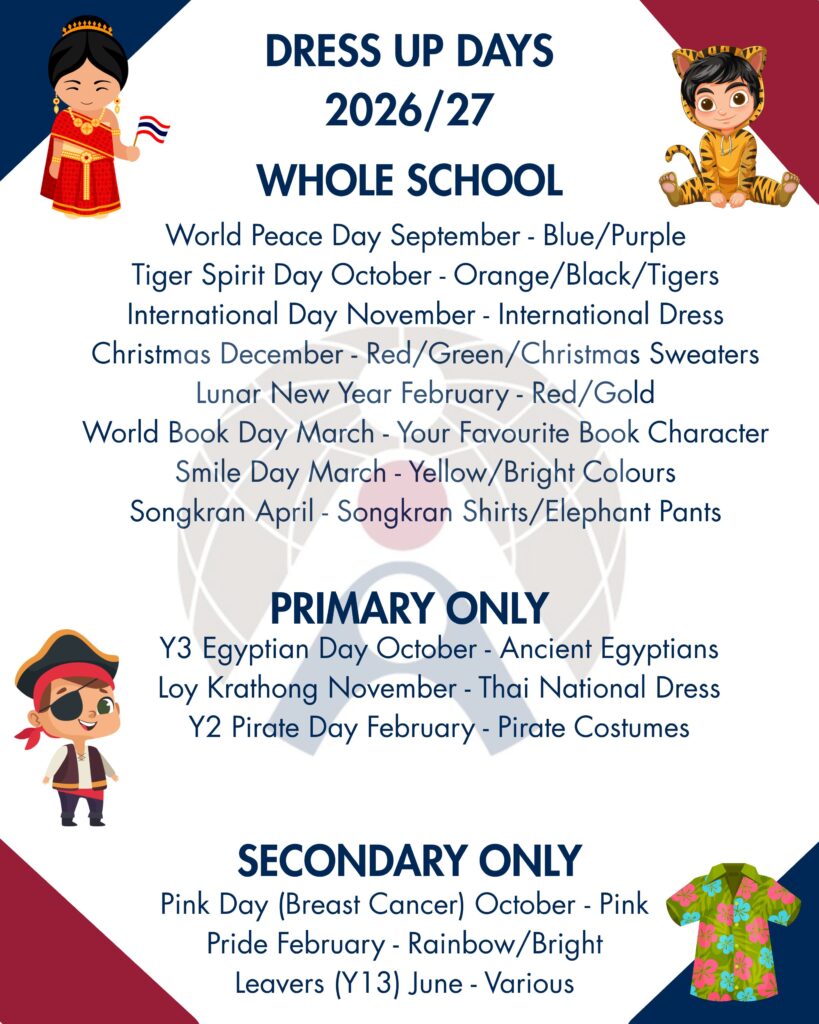
Dress Up Days 2026/27

Share This Article

In this Issue

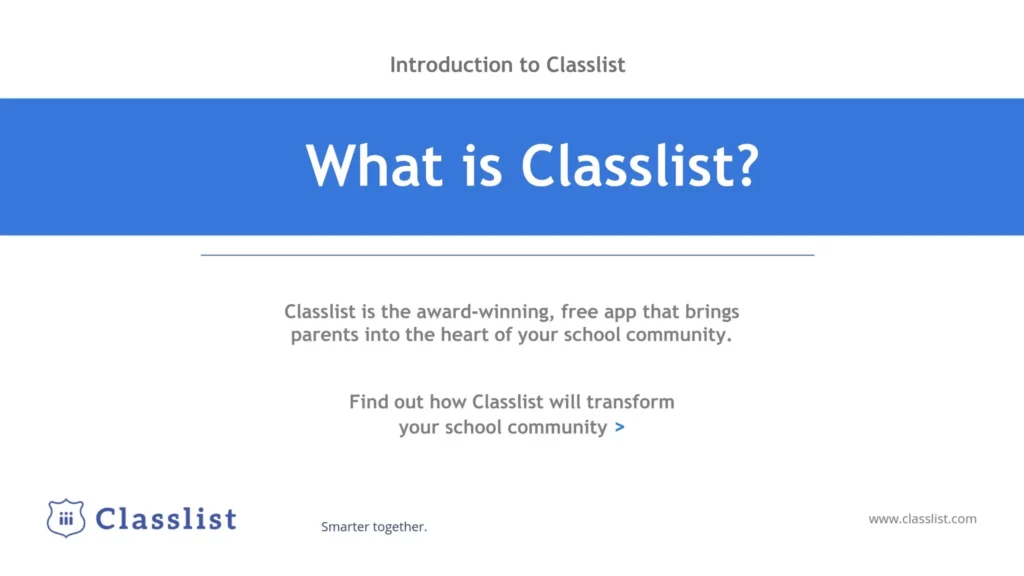
Introducing Classlist: Bringing Our Parent Community Closer Together

As we reach the end of the school year, we would like to share an exciting update that will help strengthen connections across our parent community.

Bangkok Patana School is introducing Classlist — a secure, school-supported platform designed to make it easier for parents to connect, communicate and stay informed.

Through Classlist, the PTG will be able to:

  • Ensure all families have equal access to key information, including those who are new to the community;
  • Provide a clear and reliable source of updates, reducing the risk of missed or conflicting messages;
  • Support a more consistent approach to privacy and safeguarding expectations;
  • Reduce the need for parents to manage multiple groups across different platforms.

This approach allows the PTG to better support an internationally mobile community, while maintaining the sense of connection that parents value. Note that official school communications will still continue on the regular channels.

The Transition

As part of this transition, PTG-led Year group and community communications will move to Classlist. This will become the primary platform for sharing PTG updates and information. The transition period will be from now until 31st August 2026.  

Existing externally managed groups will be gradually phased out by 31st August 2026 to avoid duplication and ensure that all families receive consistent and accessible communication.

We recognise the important role these external groups on WhatsApp, LINE and other platforms have played in building connections within our community, and parents are, of course, welcome to continue informal connections in ways that suit them. Classlist is intended to provide a more inclusive and reliable foundation for school-related parent communication.

As Classlist rolls out in August, the PTG will host multiple training sessions to ease parents comfort with the platform.

Privacy and Safeguarding

Classlist operates within a secure framework. Parents will be able to manage what information they choose to share, and clear guidelines will be in place to support safe and respectful use.

What to Expect Next

We have already begun to set up Classlist for Bangkok Patana School. All parents will receive an invitation to join via email from Classlist. Parents must use the email address registered with school to register with Classlist.  

We are looking forward to using this new way for our community to connect — and to making it easier for parents to stay in touch with one another.

Still Have Questions?

Head over to our PTG Firefly pages and check out the FAQs.

Share This Article

In this Issue

PTG Updates

Share This Article

In this Issue

Community Events


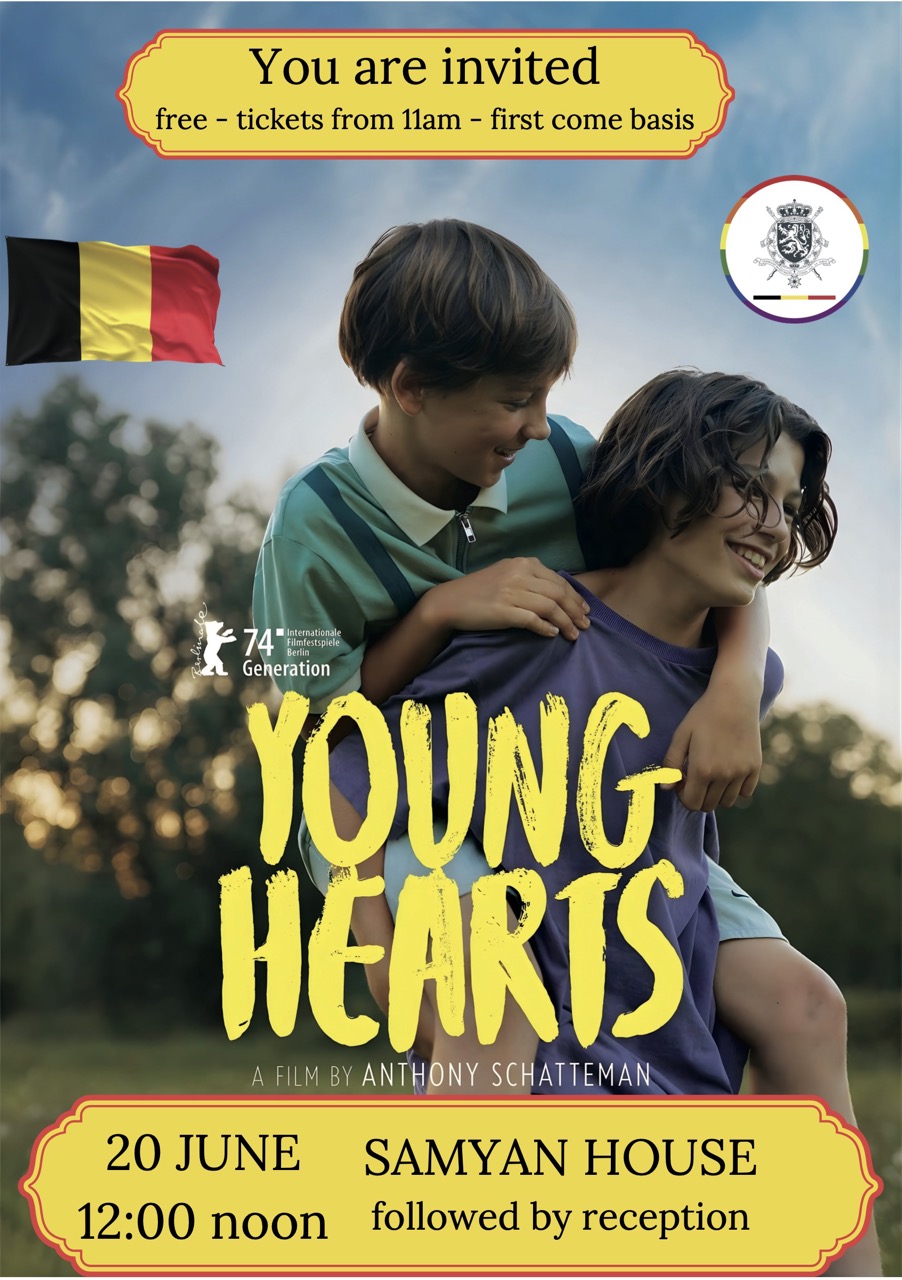
Please see the below poster for information about a film screening hosted by the Belgian Embassy. There will also be artwork on display from three Bangkok Patana students who entered an Embassy competition.


Share This Article

In this Issue

© 2025 Bangkok Patana School

Issue: 33
Volume: 28